Arts, Culture, and Heritage as Drivers of Change
Sensihemp: Reweaving Hemp Culture
Sensihemp: Reweaving Hemp Textile Culture through Craft, Nature and Community
Sensihemp is a regenerative textile project reviving Portugal’s hemp culture and reconnecting craft, nature and community. Through research, cultural activities and hands-on learning, traditional knowledge lost after global hemp prohibition is rediscovered through fibre preparation, natural dyeing and textile repair. Initiatives such as the Hemp Fiber Lab bring together artisans, farmers and citizens to regenerate cultural memory and inspire a new relationship with fibers, clothing and the land.
Portugal
National
It addresses urban-rural linkages
It involves other types of transformations (soft investment)
Yes
2025-06-23
Yes
WORTH Partnership Project II - First Call “Innovation through Creativity”, EU-funded incubation program for creative and lifestyle industries aligned with the New European Bauhaus principles, 2022-2023
No
No
Organisation
Sensihemp is a regenerative textile project that revives Portugal’s hemp culture by reconnecting craft, nature and community. Hemp was historically one of the most important fibres used in the country, yet global prohibition during the twentieth century caused much of the cultural and technical knowledge surrounding its cultivation and textile use to disappear.
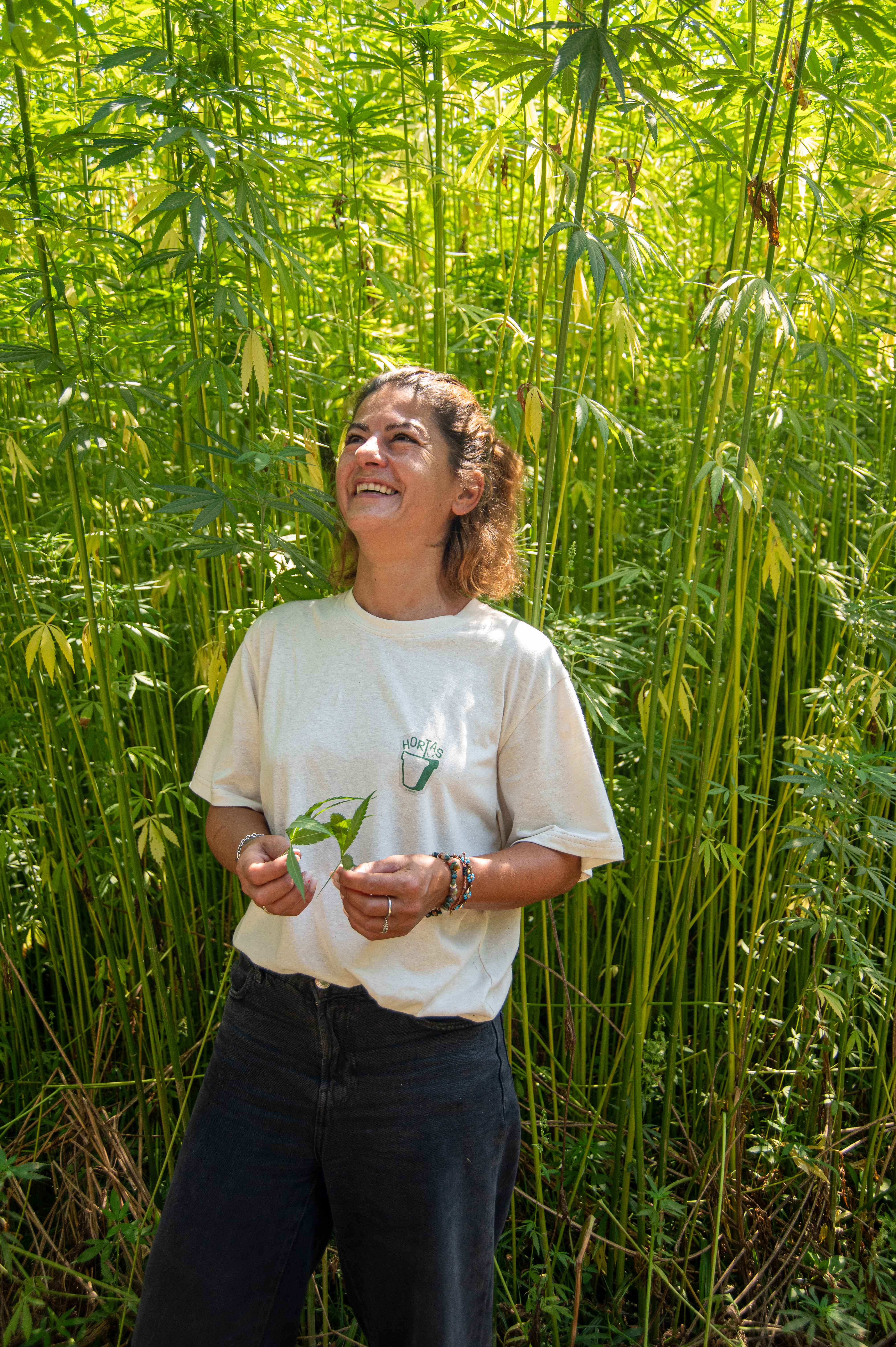
Founded by Marta Vinhas after two decades working within the fast fashion textile industry, Sensihemp seeks to recover this forgotten heritage and transform it into a living practice for contemporary society. Through research, experimentation and dialogue with elders who still remember traditional techniques, the project began rebuilding fragments of lost knowledge related to hemp fibre processing and textile culture.
Sensihemp connects farmers, artisans, designers and industry partners to explore the potential of hemp while maintaining a strong focus on traditional craftsmanship and cultural knowledge.
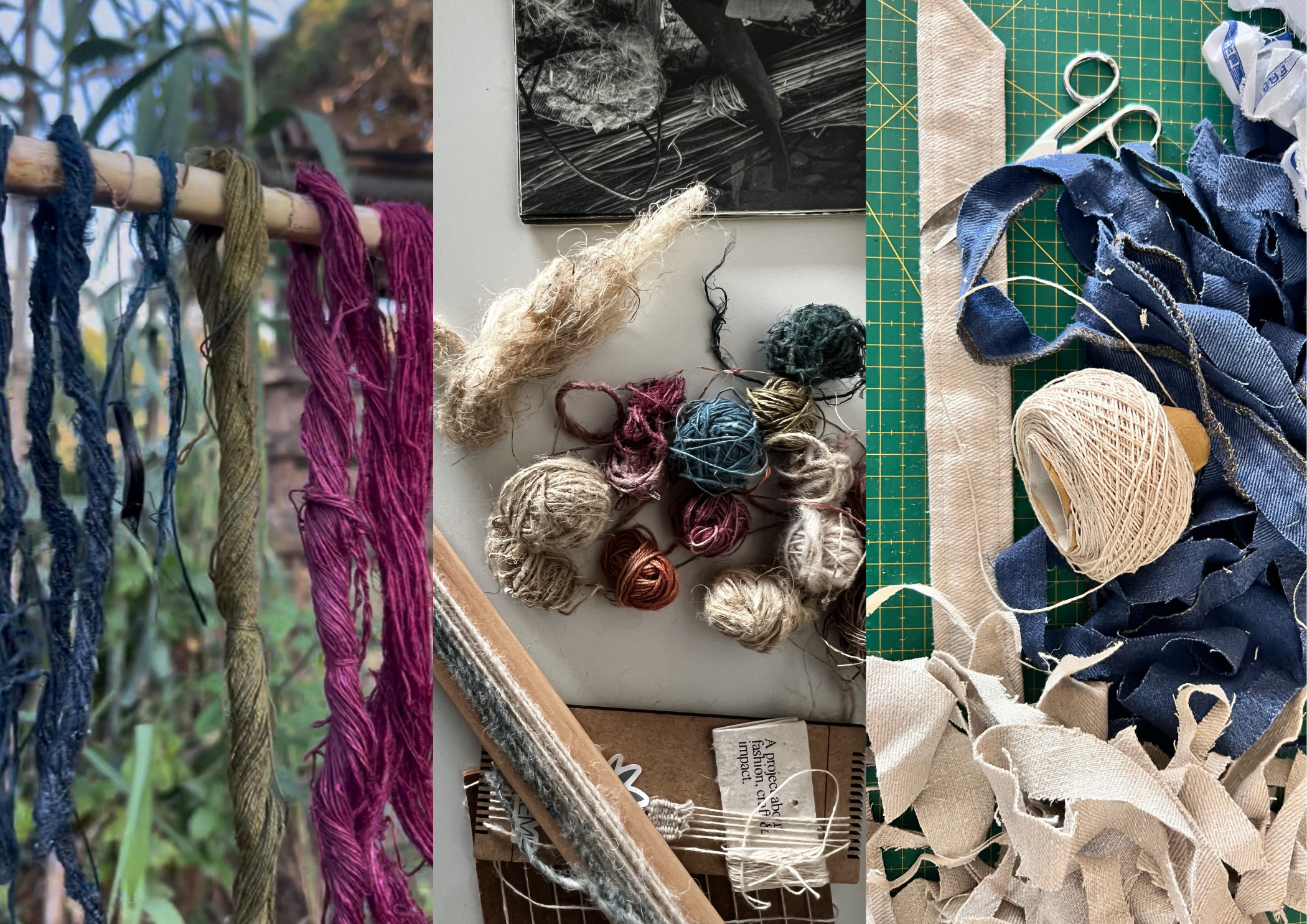
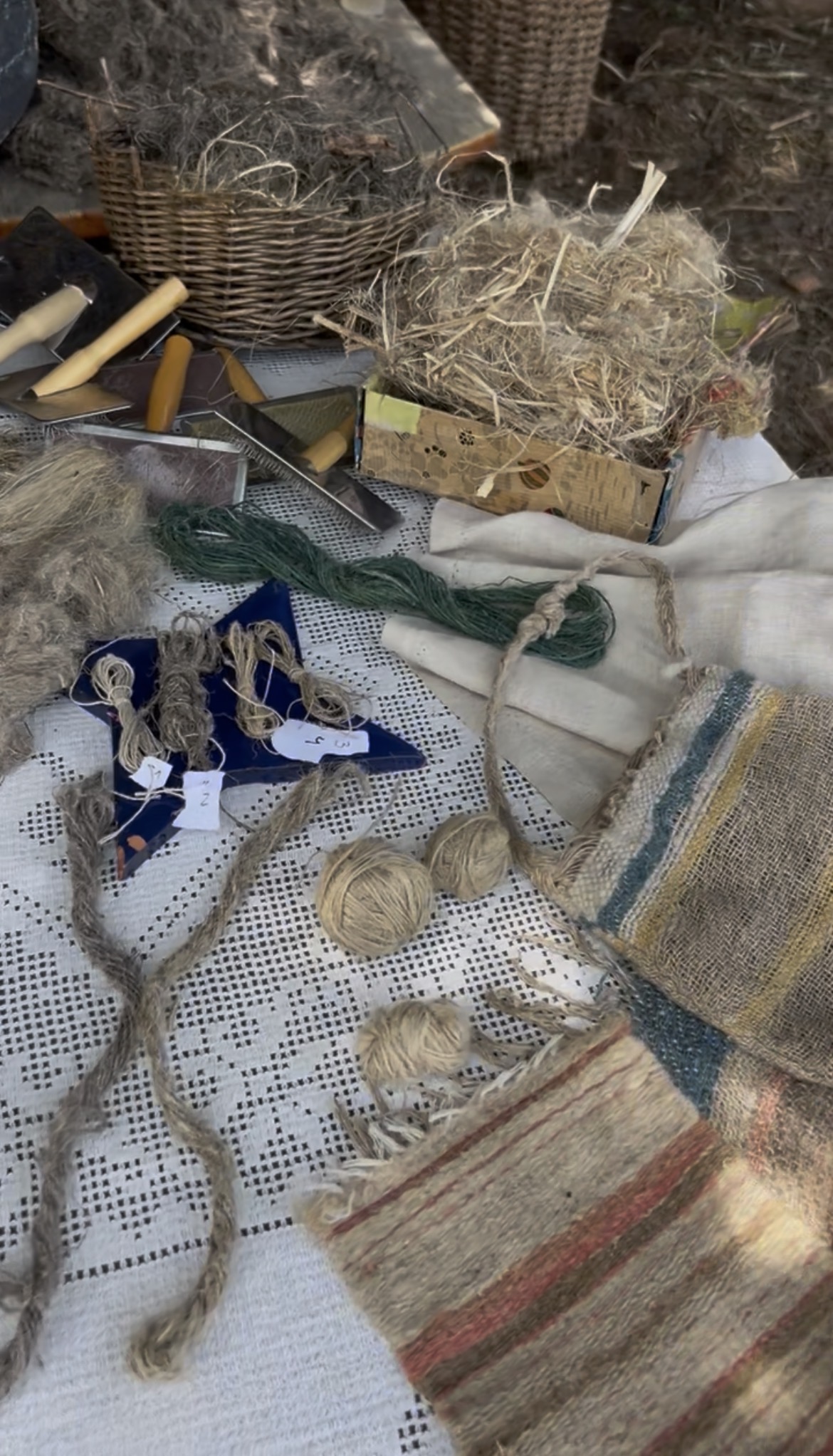
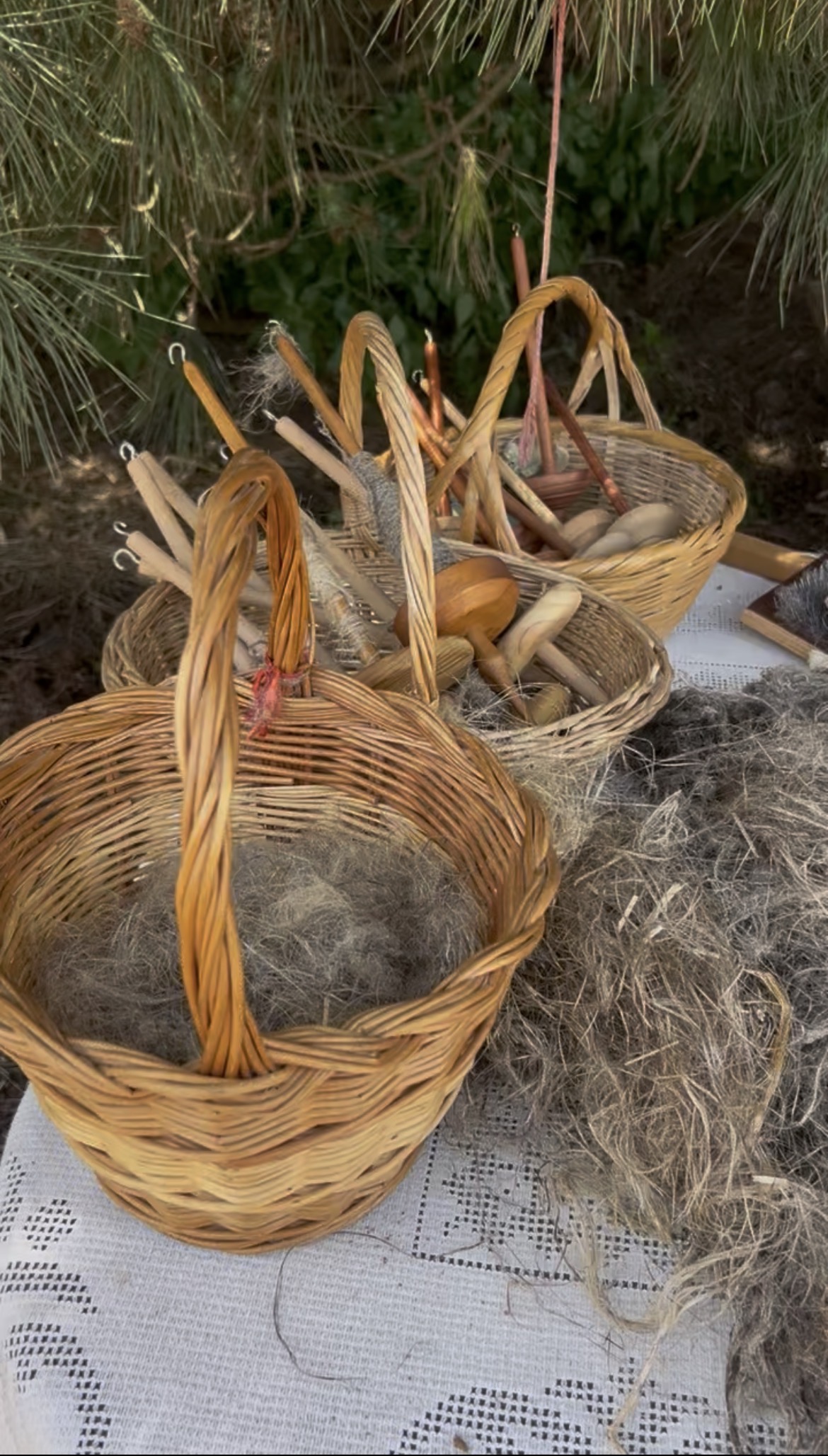
A central initiative of the project is the Hemp Fiber Lab, a living laboratory where participants explore hemp fibre transformation through workshops such as fibre preparation, natural dyeing, textile repair and traditional craft techniques. The lab also revives the cultural dimension of textile work, creating moments for conversation, knowledge sharing, songs and rituals historically linked to hemp processing.
The methodology has already been tested through workshops and cultural events bringing together artisans, farmers and citizens. Sensihemp proposes a replicable model for regenerating textile culture, with the vision of establishing a permanent Hemp Fiber Lab in Cabril (Alto Barroso) while continuing mobile workshops across Portugal.
Sensihemp was born from a turning point in Marta Vinhas’ professional journey. After more than twenty years working within the fast fashion textile industry, she became aware of the environmental and social impacts of conventional production. In 2018, while exploring alternative fibers, she discovered hemp. Despite decades in the industry, she had never encountered this fiber before, even though it had historically been widely used in Portugal.
Realising that hemp had almost disappeared following global prohibition in the twentieth century, Marta began researching its history and potential. She discovered that the loss was not only agricultural but also cultural and technological, as knowledge about fibre processing had largely vanished.
When she understood hemp’s potential, Marta envisioned Sensihemp as a way to democratise this fibre and show that fashion could be ethical, clean and rooted in craft traditions, while reviving artisanal knowledge and reconnecting materials, culture and nature. The project includes the Hemp Fiber Lab, a living laboratory where workshops on fiber preparation, natural dyeing and textile repair bring together traditional knowledge, experimentation and cultural exchange.
Her mission expanded to raising awareness within the textile sector and encouraging investment, technological development and the rebuilding of a national processing chain, helping Portugal move towards greater self-sufficiency by reconnecting farmers with textile production.
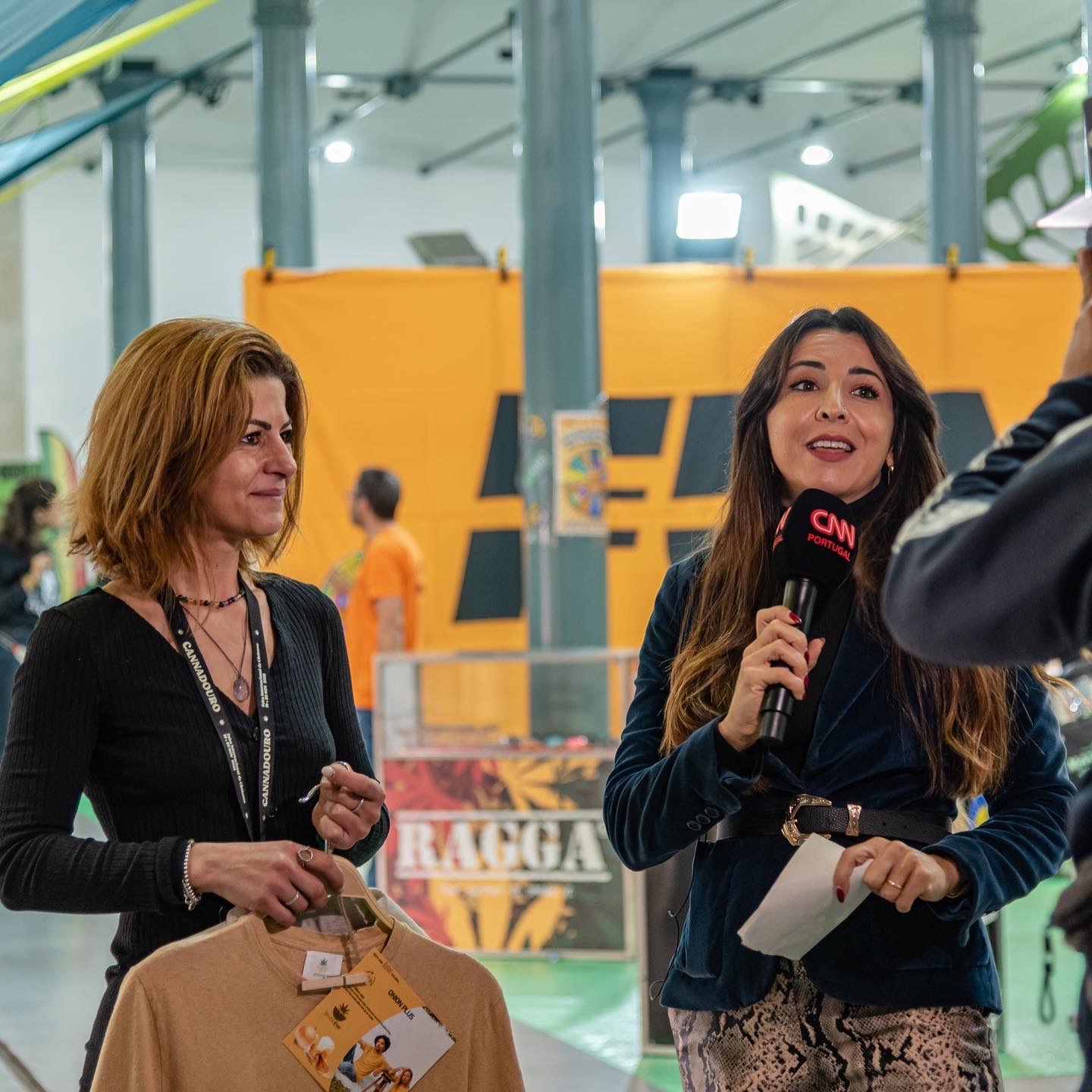
Marta became actively involved in the European hemp ecosystem through research, advocacy and public engagement. She organized Cannadouro - International Hemp Fair, participated in conferences and round tables across Portugal and Europe, and led talks and workshops on textile sustainability and natural fibers. She is also a member of the Textile Task Group of FIHO, contributing to discussions examining green claims around hemp fibers through scientific research.
Hemp textile culture
Cultural heritage revival
Craft and traditional knowledge
Community-based learning
Circular and sustainable materials
Sensihemp addresses sustainability through a systemic and regenerative approach that combines environmental, cultural, social and economic dimensions. The project is rooted in the revival of hemp, a natural fiber that requires significantly less water than conventional crops, grows without intensive chemical inputs and contributes to soil regeneration, supporting more resilient agricultural systems.
Beyond material choice, Sensihemp challenges the extractive model of the textile industry by promoting circular practices such as natural dyeing, textile repair and the use of biodegradable fibers, helping reduce pollution, waste and microplastics.
At a cultural level, the project responds to the loss of traditional knowledge caused by global hemp prohibition. Through research and dialogue with elders, Sensihemp helps recover and transmit knowledge related to fibre processing, craft techniques and collective practices, preserving intangible cultural heritage while adapting it to contemporary contexts.
Through initiatives such as the Hemp Fiber Lab, a living lab, sustainability is translated into practice. Participants engage directly with materials and processes, fostering awareness, responsibility and long-term behavioural change in the way clothing is valued and used.
The project also contributes to awareness-raising on textile sustainability through talks, conferences and workshops in Portugal and across Europe, encouraging critical reflection on the impacts of the industry and promoting alternative approaches. This includes Marta Vinhas role as an ambassador of the European Climate Pact.
Sensihemp can be considered exemplary in terms of sustainability because it proposes a regenerative model that restores knowledge, reconnects communities with natural resources and supports more responsible production and consumption practices.
Sensihemp contributes to aesthetics by redefining beauty as a meaningful relationship between people, materials, culture and place. The project moves beyond superficial design to reveal the sensory, cultural and emotional value embedded in textile practices.
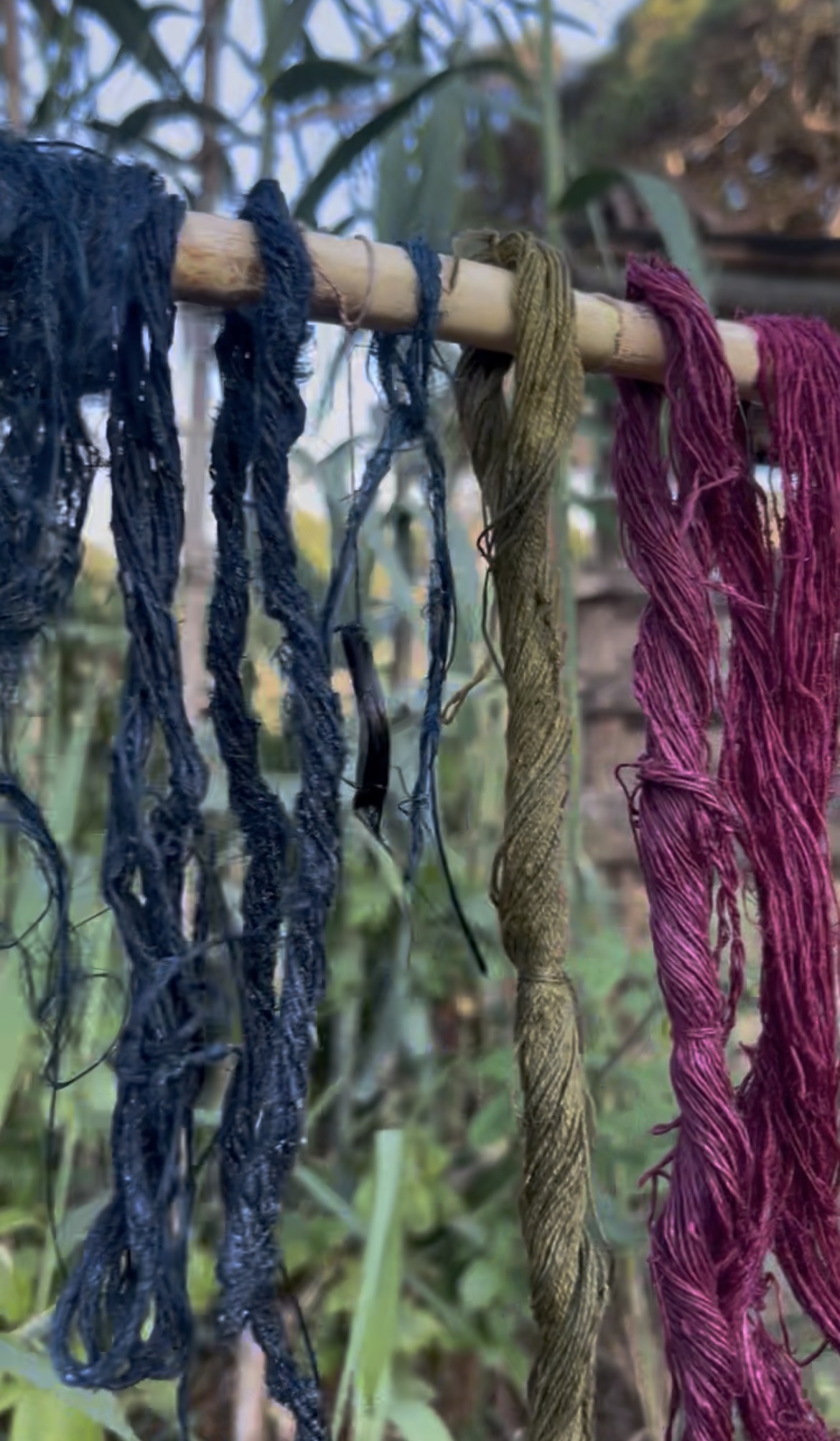
Through hands-on experiences such as fiber preparation, spinning, weaving, natural dyeing and textile repair, participants engage with textures, colours and processes directly connected to nature. The use of natural dyes creates unique and non-standardised colour palettes, while working with raw fibres brings a tactile and sensorial dimension that reconnects people with the origin of materials.
Aesthetics in Sensihemp is also expressed through time and care. By learning how to repair and maintain textiles, participants develop a deeper appreciation for garments, valuing longevity over disposability. This shift transforms clothing from a consumable product into something personal, meaningful and lasting.
The project also revives the cultural aesthetics of textile traditions, including songs, rituals and collective practices historically associated with hemp processing, such as spinning, weaving and working the fibres. These elements create shared experiences that strengthen emotional connections and reinforce a sense of belonging.
Through initiatives such as the Hemp Fiber Lab, Sensihemp creates spaces where beauty emerges from participation, collaboration and cultural exchange. These moments foster community bonds and reconnect individuals with local knowledge and identity.
By reactivating traditional practices in contemporary contexts, Sensihemp contributes to a renewed sense of place, where culture, craft and nature coexist. The project is exemplary in proposing a form of beauty rooted in care, cultural continuity and meaningful experiences rather than mass production.
Sensihemp addresses inclusion by making textile knowledge, materials and practices accessible to a wide range of people, regardless of background, age or experience. The project is rooted in the idea that knowledge about fibers, clothing and production should not be exclusive, but shared and transmitted across communities.
Through workshops, talks and the Hemp Fiber Lab, participants engage in hands-on learning processes that do not require prior technical skills, allowing people from different backgrounds to take part. This approach lowers barriers to entry and creates opportunities for meaningful participation in textile culture.
The project also promotes intergenerational exchange by working with elders who still hold knowledge of traditional hemp practices. By creating spaces where this knowledge can be shared with younger generations, Sensihemp contributes to preserving cultural heritage while fostering mutual respect and learning.
Inclusion is further reinforced through collaboration with artisans, who are fairly compensated for their work, recognising the value of their skills and supporting local livelihoods. The project brings together farmers, artisans, designers and citizens, creating a collaborative ecosystem where different perspectives and forms of knowledge coexist.
By promoting practices such as repair and the use of natural fibers, Sensihemp also contributes to more accessible and affordable approaches to clothing, encouraging longer use of garments and reducing dependency on fast consumption.
The governance of the project is based on openness, collaboration and knowledge sharing, where participants are not only learners but active contributors to the process.
Sensihemp can be considered exemplary in terms of inclusion as it creates a participatory and community-based model that democratizes access to textile knowledge, values diverse contributions and fosters a more equitable and connected relationship between people, materials and production
Sensihemp is built on a participatory approach that actively involves citizens, communities and organisations in learning and co-creation processes. The project engages people not only as participants, but as contributors who shape and influence the regeneration of textile knowledge and practices.
Through workshops, talks and public events, Sensihemp creates accessible entry points for diverse audiences, including students, young people, artisans and citizens with no previous experience in textiles. Workshops developed in collaboration with the Centro do Clima, a local organisation dedicated to climate awareness and environmental education, as well as activities in schools, have enabled younger generations to engage directly with natural fibers and sustainable practices.
Public engagement has taken place through talks, conferences and cultural initiatives, including Lavorada Festival, focused on rural culture and craft traditions, FAVA Festival, exploring sustainability and community, Live With Earth, promoting ecological awareness and regenerative practices, and BioBlitz at Serralves, a public event encouraging citizen participation in biodiversity awareness. Academic engagement includes participation in the University of Beira Interior conference on hemp opportunities and contribution to the Resotex study on natural fibers, a European textile sustainability project.
Sensihemp has also contributed to Póvoa em Transição, a local movement promoting sustainable lifestyles and community resilience.
Participation goes beyond attendance, as people actively engage in making, experimenting and sharing knowledge. Their contributions influence activities and enable co-creation, partnerships and new initiatives.
Through the Hemp Fiber Lab, participants engage with fiber preparation, natural dyeing and textile repair, becoming active contributors to textile knowledge. This strengthens community bonds and fosters a growing network committed to regenerative practices.
Sensihemp operates through a multilevel governance approach that connects local communities with national and European ecosystems, enabling the co-creation of a regenerative textile model.
At the local level, the project engages directly with communities, artisans, schools and organisations such as Centro do Clima. Citizens are actively involved through workshops, talks and the Hemp Fiber Lab, participating in processes such as fibre preparation, natural dyeing and textile repair. Their role goes beyond participation, contributing to the transmission, reinterpretation and preservation of textile knowledge.
At regional and national levels, Sensihemp collaborates with farmers, designers, researchers, institutions and community initiatives such as Póvoa em Transição. It has also been invited to conferences, academic contexts and public events, including the University of Beira Interior, contributing to dialogue on the socio-economic potential of hemp and sustainable textiles. These stakeholders act as partners, knowledge contributors and amplifiers of the project’s impact.
At the European level, Sensihemp is connected to networks, research and innovation ecosystems. This includes contribution to the Resotex study on natural fibres and participation in international events and knowledge-sharing platforms. Programmes such as Relança-te and the WORTH Partnership Project supported the development of the project, strengthening its structure and helping position it as a model with environmental, social and economic impact.
The involvement of stakeholders across these levels enables continuous co-creation, partnerships and new opportunities, reinforcing the project’s relevance and scalability.
This multilevel approach creates a bridge between local practices and broader systems, where knowledge flows in both directions, supporting the regeneration of textile culture and contributing to more sustainable and inclusive models at European scale.
Sensihemp is inherently transdisciplinary, integrating knowledge from multiple fields to reconnect textile production with environmental, cultural and social systems. The project operates at the intersection of textile design, craft, agriculture, environmental sciences, cultural heritage, education and social innovation.
At the material level, Sensihemp explores hemp as a regenerative fiber, combining knowledge from agriculture and environmental sciences with textile development. This includes understanding cultivation practices, fiber properties and processing methods, linking natural systems with contemporary textile applications.
The project is deeply rooted in craft, art and cultural heritage, drawing on traditional knowledge related to fiber preparation, spinning, weaving and natural dyeing, as well as artisanal textile techniques such as embroidery, patchwork and smocking. These practices are combined with textile design and artistic expression through textile art and exhibitions, allowing the reinterpretation of traditional knowledge in contemporary contexts.
Education plays a central role, as knowledge is shared through workshops, talks and the Hemp Fiber Lab, creating spaces for experiential learning. Participants engage directly with materials and processes, bridging theory and practice.
Sensihemp also engages with research and critical thinking through participation in studies such as the Resotex project on natural fibers and through the analysis of environmental claims related to textile materials in FIHO, contributing to more informed and evidence-based practices.
Social innovation is reflected in the creation of collaborative ecosystems that bring together farmers, artisans, designers, researchers and citizens, enabling knowledge exchange across disciplines.
By integrating these diverse fields, Sensihemp demonstrates how transdisciplinary approaches can generate holistic, regenerative and culturally grounded solutions for the textile sector.
Sensihemp operates through a hybrid business model combining B2C and B2B activities, integrating cultural, educational and product-based services to create multiple revenue streams while supporting its regenerative mission.
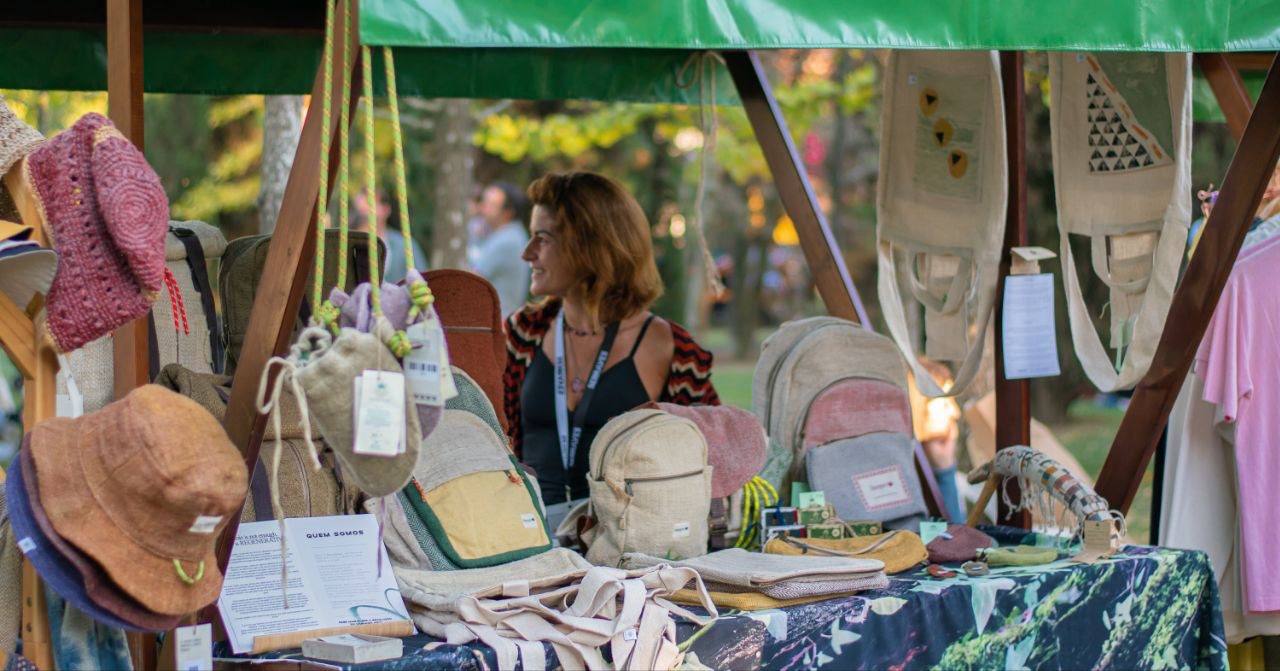
A key component of the model is the development and sale of hemp-based textile products , demonstrating the potential of natural fibers in contemporary applications. These products reflect the project’s values of sustainability, craftsmanship and durability.
Education and knowledge-sharing activities are also central to the business model.Workshops, the Hemp Fiber Lab and public events generate revenue while promoting awareness and skill development. These activities can be implemented in different locations, making the model adaptable and scalable.
At the same time, develops B2B collaborations through consultancy, co-creation and partnerships with designers, artisans, farmers, and industry actors. These activities support the development of innovative textile solutions using hemp and contribute to the growth of a regenerative textile ecosystem.
The project has previously received support from the WORTH Partnership Project, an EU-funded programme supporting innovation in the creative industries. This has contributed to the development and validation of the project’s approach.
In addition, Sensihemp explores opportunities for public funding, cultural programmes and partnerships aligned with sustainability and innovation, supporting the growth and long-term viability of the project.
The long-term vision includes establishing a permanent Hemp Fiber Lab in Cabril (Alto Barroso) while continuing mobile workshops across different regions. This combination of a fixed space and a mobile model strengthens both local impact and financial sustainability.
By combining product development, education, collaboration and partnerships, Sensihemp creates a diversified and resilient business model that supports its continued growth and impact over time.
Sensihemp has strong potential for scalability and replication, as its core elements are designed to be adaptable to different contexts, territories and communities.
A central replicable component is the Hemp Fiber Lab, conceived as a flexible and mobile learning model. The lab can be implemented in different locations using locally sourced materials and simple tools, allowing communities to engage with fibre preparation, natural dyeing and textile repair regardless of their geographical context.
The methodology developed by Sensihemp, based on hands-on learning, knowledge exchange and community participation, can be transferred to other regions where traditional textile knowledge has been lost or disconnected from contemporary practices. This approach supports the regeneration of local cultures while adapting to specific social and environmental contexts.
The project is also scalable through its integration of local resources. Hemp can be cultivated in different regions across Europe, making it possible to reconnect agriculture with textile production in diverse territories. By working with local farmers, artisans and communities, the model can be adapted to existing ecosystems.
In addition, the educational and cultural formats developed by Sensihemp, including workshops, talks and collaborative events, can be replicated in different institutional and community settings such as schools, cultural centres and rural areas.
The combination of a permanent Hemp Fiber Lab and a mobile implementation model allows both deep local impact and broader dissemination. This dual structure enables the project to grow organically while maintaining its core values.
Sensihemp can therefore be transferred as a model for regenerative textile culture, supporting local economies, preserving cultural heritage and promoting sustainable practices across different regions.