Arts, Culture, and Heritage as Drivers of Change
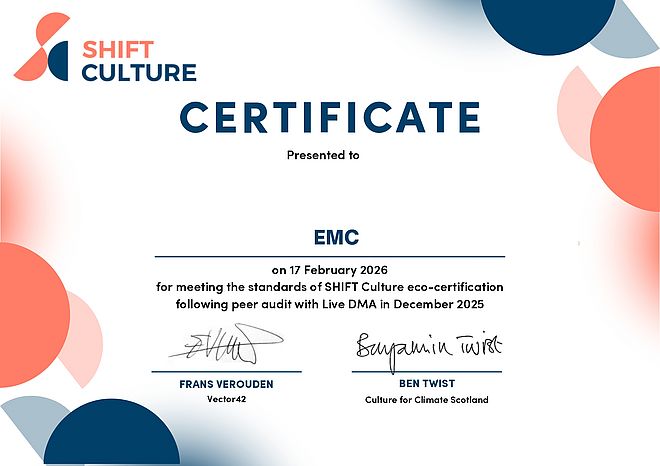
SHIFT Culture Eco-certificate
{Empty}
SHIFT CULTURE is a collaboration of European cultural networks and platforms. Together, these organisations run an eco-certification scheme and offer training and peer-to-peer learning for their community of partner organisations. They are committed to eco-responsible behaviour and seek to raise awareness on green issues through arts in society at large. SHIFT CULTURE partners are representative organisations with over 3000 member organisations based all across Europe and beyond.
Germany
National
Mainly urban
It involves other types of transformations (soft investment)
Yes
2006-02-16
No
No
No
Organisation
The SHIFT eco-certificate recognises and addresses the ecological footprint associated with operating international cultural networks as well as their ecological handprint in reaching out to the cultural and creative sectors and contributing to its sustainable transformation.
For the third year in a row, 17 participating networks implemented the SHIFT Culture eco-guidelines for cultural networks. Whereas neighbourhoods and concrete artistic or architectural activities are not directly involved in the project, its strength lies in the transferability and spin-over effects. The participating networks with members or members of members including music and art schools, museums, music clubs, concert halls or cultural centres have a huge potential for societal change at large.
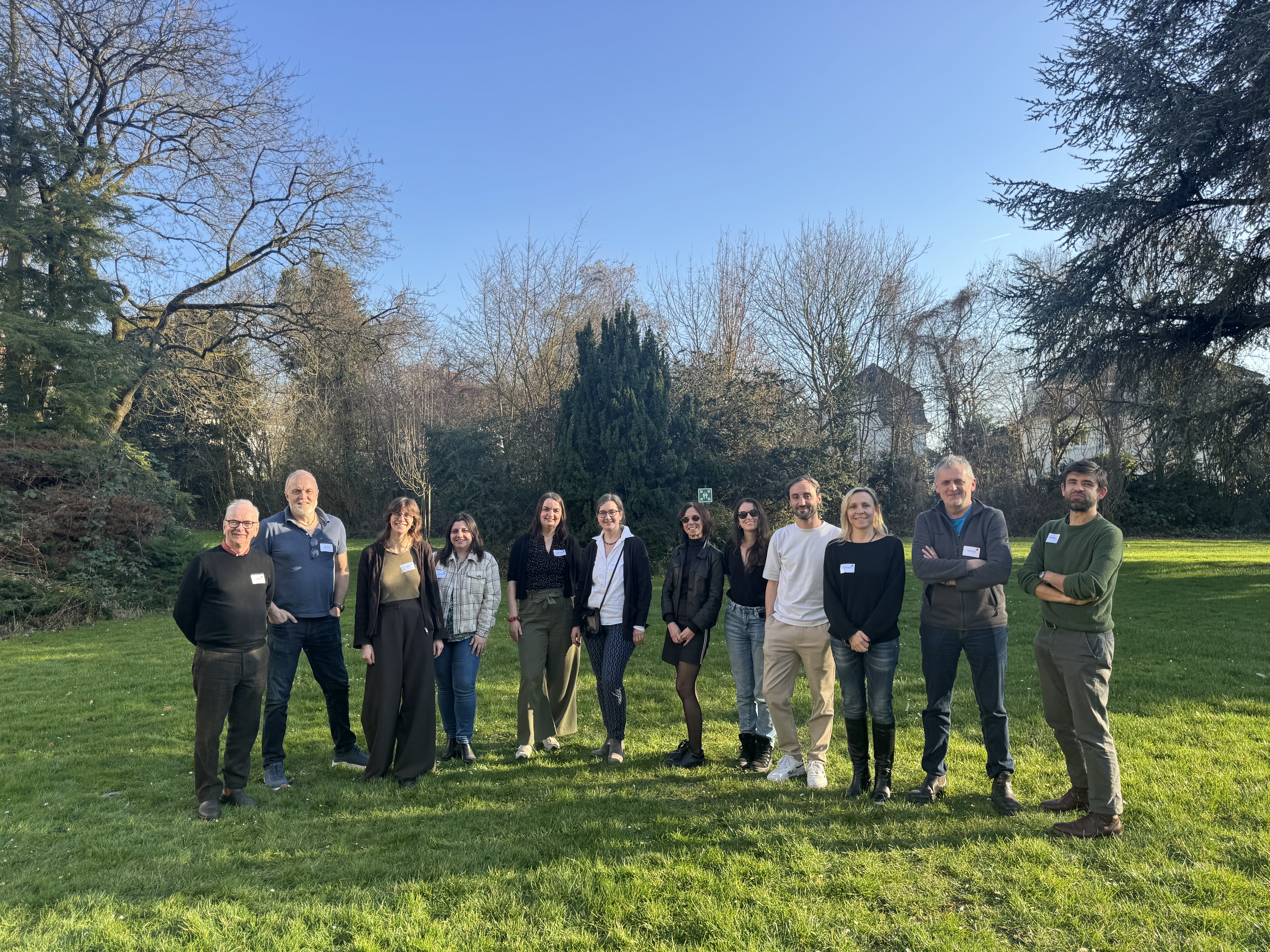
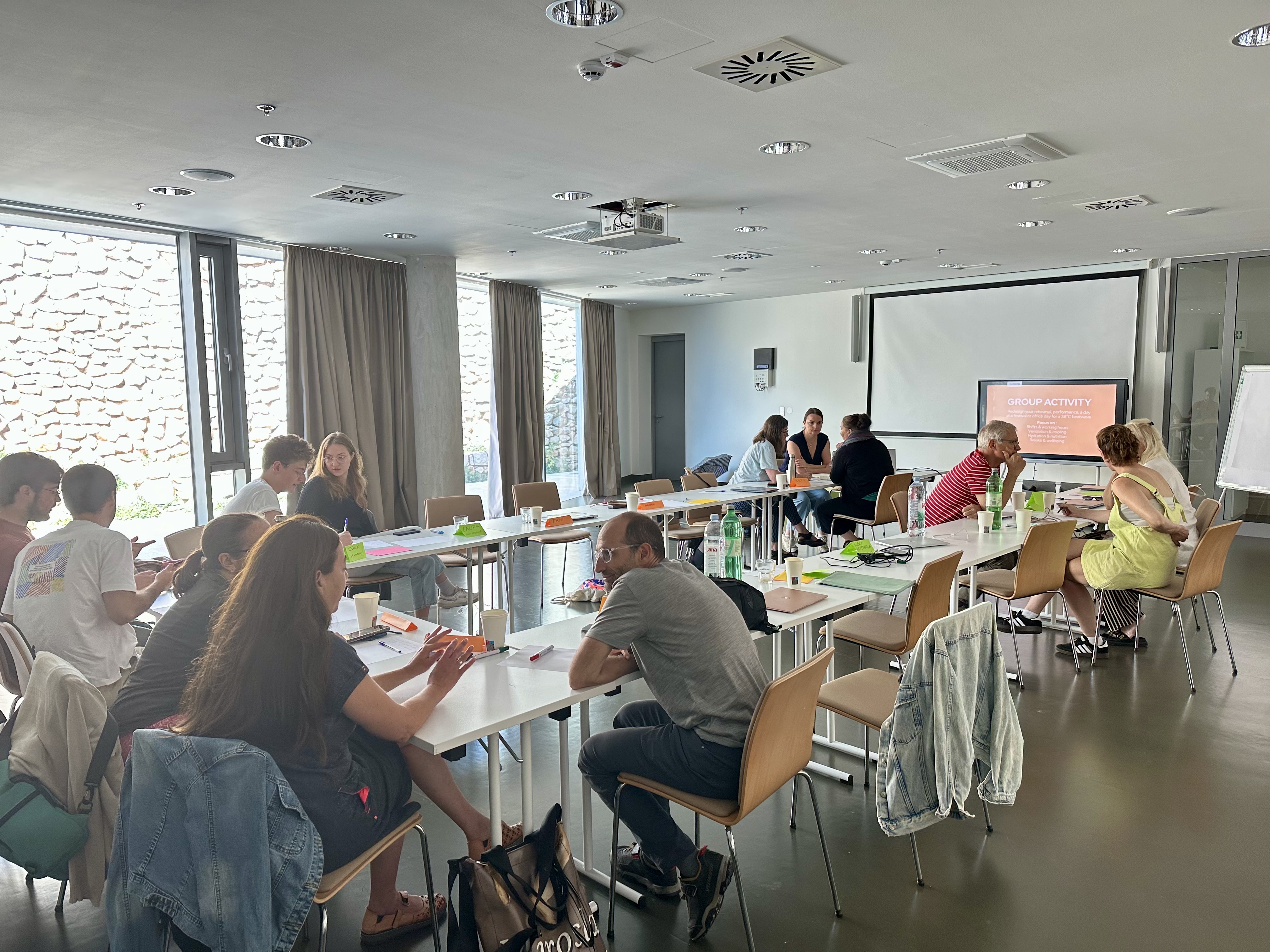
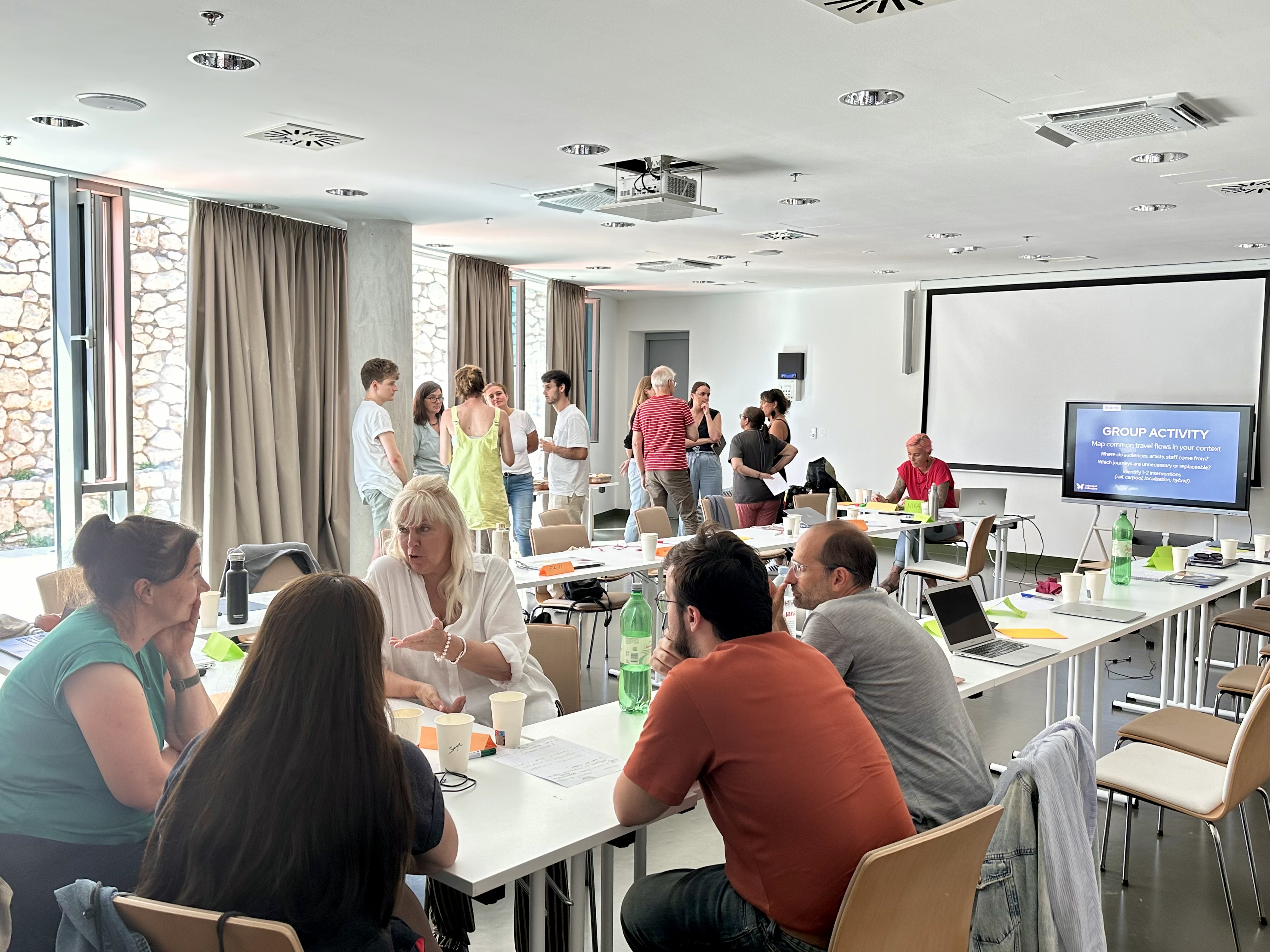
The SHIFT Culture eco-guidelines provide a framework for network organisations along the main working areas: Office & Home Office; Events; Management & Policy; Communication & Awareness Raising; Travel; Each network was audited and certified, participated in peer audits with their fellow participants and attended a combined development workshop online.
Through the eco-certification scheme, networks receive external audits from Vector42 in their first and second year of participation and alternate years thereafter. In the years where no external audit is given networks carry out self-review and a peer audit with their buddy in order to maintain their certification. This approach keeps peer leadership and accountability at the heart of the scheme and builds connections between networks to enable bolder action.
Significant features of our workshops included sharing best practice that participants had developed and implemented through being part of the SHIFT Culture community.
Achieving environmental sustainability is one of the biggest challenges of our century. Humankind needs to change the way it interacts with the environment to ensure that the living world can support the needs of future generations. Scientific facts underline the urgency of the situation. Joint commitment and action by leaders around the world are crucial elements in achieving a shift in all aspects of society: economic, educational, scientific, cultural, and many more. Leadership is needed to support and carry change towards a more environmentally sustainable world.
In this spirit, the SHIFT partners aim to provide guidance that is specifically relevant to the cultural sector regarding the following aspects of UN SDG 13: 13.1 Strengthen resilience and adaptive capacity to climate-related hazards and natural disasters in all countries.
13.2 Integrate climate change measures in national policies, strategies, and planning.
13.3 Improve education, raising awareness, and human and institutional capacity on climate change mitigation, adaptation, impact reduction, and early warning.
The SHIFT eco-guidelines originally developed in the framework of an Erasmus+ co-funded project by nine cultural networks in collaboration with the Green Leisure Group and Creative Carbon Scotland (now Culture for Climate Scotland) filled a gap in the environmental guidance and certification offers. It reflects the unique characteristics and contexts in which international cultural networks operate covering their major areas of their environmental impact with special attention on travel and events. It also takes into account the greatest strength in reaching out to the broadness of the cultural and creative sectors and its potential to bring about transformative change.
Following the end of the Erasmus+ project, a bespoke eco-certification scheme was developed on the basis of the SHIFT eco-guidelines implemented in its initial stages between 2023 and 2025 in a co-creation process.
evironmentail responsibility
societal change
leadership
co-creation
peer-learning
The SHIFT eco-certificate addresses sustainability challenges across environmental, social, cultural, and economic dimensions by promoting responsible practices within the cultural and creative sectors. Through the implementation of the SHIFT Eco-Certificate, the project provides a practical framework that helps organizations measure, reduce, and communicate their environmental impact while strengthening long-term resilience and accountability.
From an environmental perspective, the project encourages networks and with that their members to assess their carbon footprint, resource consumption, and operational practices. The certification process guides organisations toward concrete improvements such as reducing energy use, minimizing waste, adopting sustainable mobility solutions, and integrating environmentally responsible procurement. This systematic approach enables measurable reductions in environmental impact across the cultural ecosystem.
On the social level, the project fosters awareness, capacity building, and behavioral change among cultural professionals, audiences, and partner organizations. By embedding sustainability into everyday institutional practices, the initiative contributes to a broader cultural shift toward ecological responsibility and collective engagement
The SHIFT Eco-Certificate contributes to making everyday life more meaningful by integrating environmental responsibility with thoughtful cultural practices and creative expression. Rather than addressing sustainability only through technical measures, the certificate encourages cultural organisations to embed ecological awareness into the design, production, and presentation of cultural activities. In this way, sustainability becomes visible, meaningful, and inspiring for audiences and communities.
The SHIFT Eco-Certificate promotes inclusion by linking sustainability in the cultural sector with principles of climate justice and social cohesion. It recognizes that the ecological transition must be fair and accessible to all cultural actors and communities, ensuring that environmental responsibility does not create new inequalities but instead strengthens collective resilience.
The project also addresses climate justice by encouraging cultural organisations to consider how environmental practices affect different communities and stakeholders. By raising awareness about the environmental and social impacts of cultural production—such as travel, material consumption, and energy use—the certification process promotes more responsible choices that contribute to a fairer ecological transition.
At the same time, the SHIFT Eco-Certificate strengthens social cohesion by fostering collaborative governance and shared learning. The certification process invites staff members, artists, technicians, audiences, and partners to participate in sustainability strategies and decision-making. This participatory approach encourages dialogue, collective responsibility, and mutual learning within organisations and across the cultural sector.
The initiative can be considered exemplary in terms of inclusion because it frames sustainability not only as an environmental challenge but also as a social and cultural transformation process. By combining climate responsibility with participatory practices and accessible tools, the SHIFT Eco-Certificate supports a cultural ecosystem where ecological transition reinforces solidarity, equity, and community engagement—core ambitions of the New European Bauhaus.
While the SHIFT Eco-Certificate is a bespoke framework for participating networks, the SHIFT eco-guidelines on which it is based, are openly accessible. It's modular system with mandatory and optional norms makes it easily adaptable for various contexts.
A key element of the framework is the peer learning structure, where participating organisations share experiences, challenges, and practical solutions related to sustainable cultural production. Through workshops and exchanges, cultural networks collectively build knowledge about environmentally and socially responsible practices. This collaborative learning environment allows participants to learn from each other and adapt solutions to their own contexts.
The certification also incorporates a buddy system, pairing organisations so that they can accompany and support each other throughout the process. These partnerships encourage continuous dialogue, exchange of practical insights, and mutual encouragement. The buddy system reduces barriers to participation, by ensuring that sustainability learning is supported by peers rather than imposed through external expertise alone.
Another central participatory feature is the peer audit process. Instead of relying exclusively on external auditors, participating organisations review and assess each other’s sustainability practices according to the certificate’s criteria. This method promotes transparency, trust, and shared responsibility across the network. Peer audits also create valuable opportunities for reflection, constructive feedback, and cross-organisational learning.
The impact of this participatory approach is significant.
In this way, the project demonstrates how participatory governance and peer-based collaboration can effectively drive sustainability transitions within the cultural sector.
For the participating networks, knowledge transfer to their members and members of members is a key-element of threir daily work - within the SHIFT eco-certificate and beyond.
The project was designed and implement by European cultural networks who have members and members of members at national and local level that influenced the co-creation process.
The scheme was welcomed with enthusiasm by the European Commission (DG EAC and EACAE).
The scheme was welcomed with enthusiasm by the European Commission (DG EAC and EACAE).
17 Cultural Networs participating, representing different disciplines form the European Arts and Culture Sector:
AEC (Association Européenne des Conservatoires)
Aerowaves
ASSITEJ International (International Association of Theatre & Performing Arts for Children & Young People)
CIRCOSTRADA (European Network for contemporary circus and outdoor arts)
Culture Action Europe
ECHO (European Concert Halls Organisation)
EDN (European Dance Development Network)
EJN (Europe Jazz Network)
ELIA (Globally connected European network for higher arts education)
EMC (European Music Council)
ENCATC (European network on cultural management and policy)
IETM (International network for contemporary performing arts)
Live DMA (European network of live music association)
NEMO (Network of European Museum Organisations)
On the Move
Opera Europa
REMA (European Early Music Network)
SHIFT Culture eco-certificate has grown out of the Erasmus+ co-funded project SHIFT - Shared initiatives of Training and is today carried by financial contributions of the participating networks.
The SHIFT Culture ec-certificate could be transferred to networks on national or regional level, or to networks from other sectors (e.g. youth, social, environment).
Members of the participating networks take up the SHIFT guidelines either in parts or as a whole to improve their own eco-responsible behaviour. Capacity building offers add on to the scalability of the project with a potential reach to multiple communities across Europe.
Members of the participating networks take up the SHIFT guidelines either in parts or as a whole to improve their own eco-responsible behaviour. Capacity building offers add on to the scalability of the project with a potential reach to multiple communities across Europe.