Arts, Culture, and Heritage as Drivers of Change
Paper House
Paper House – Artist Residency and Circular Craft Studio
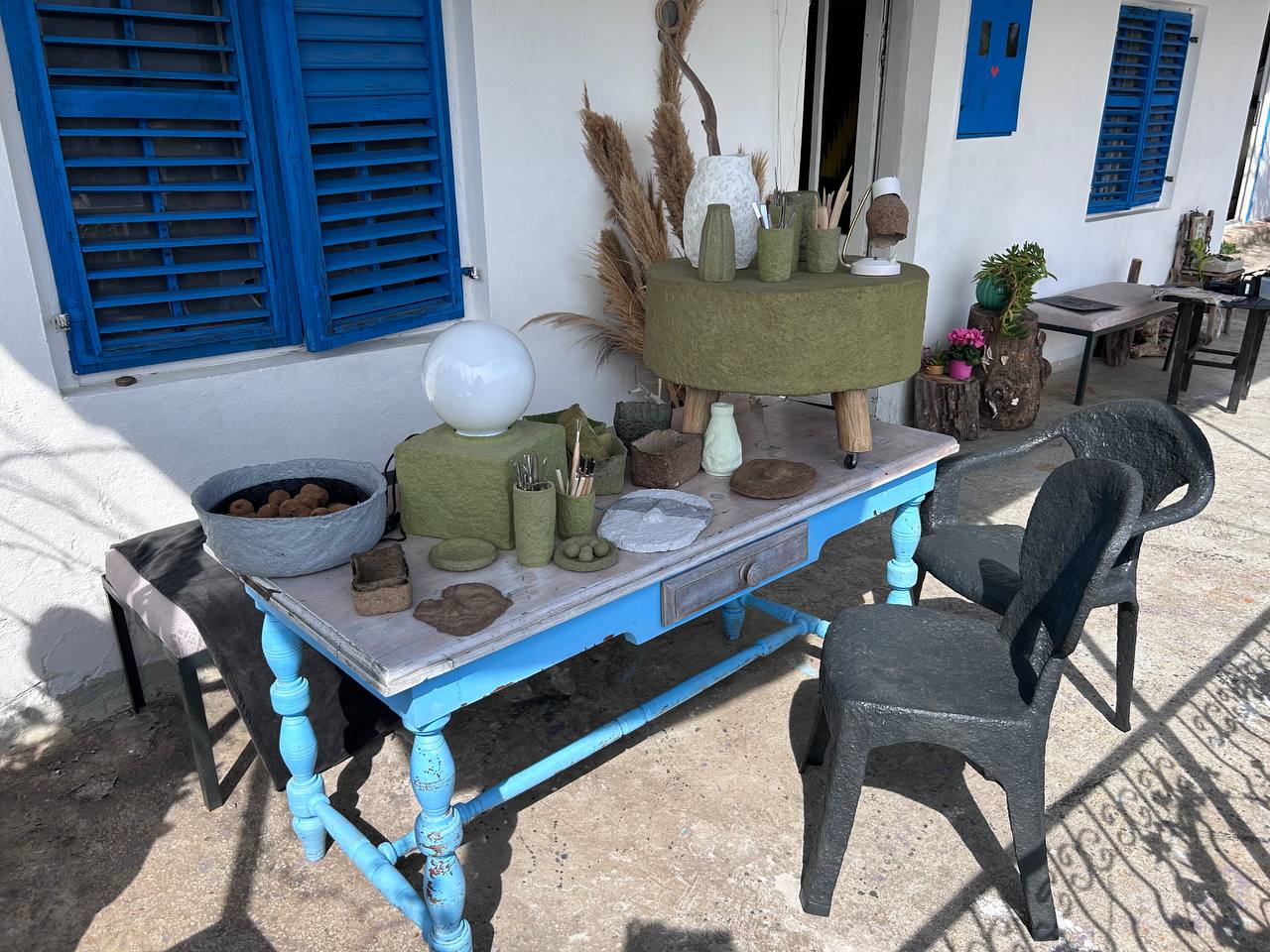
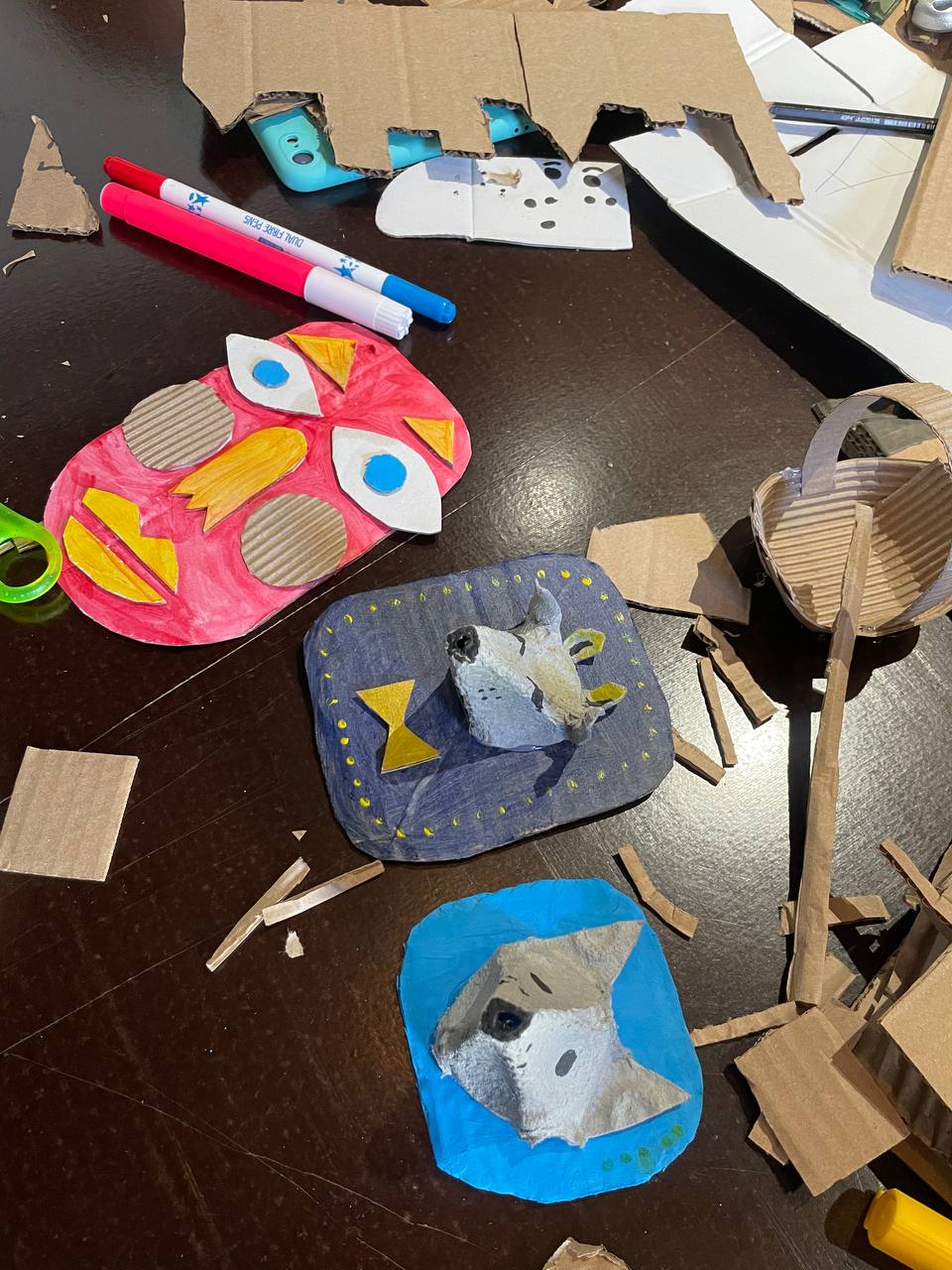
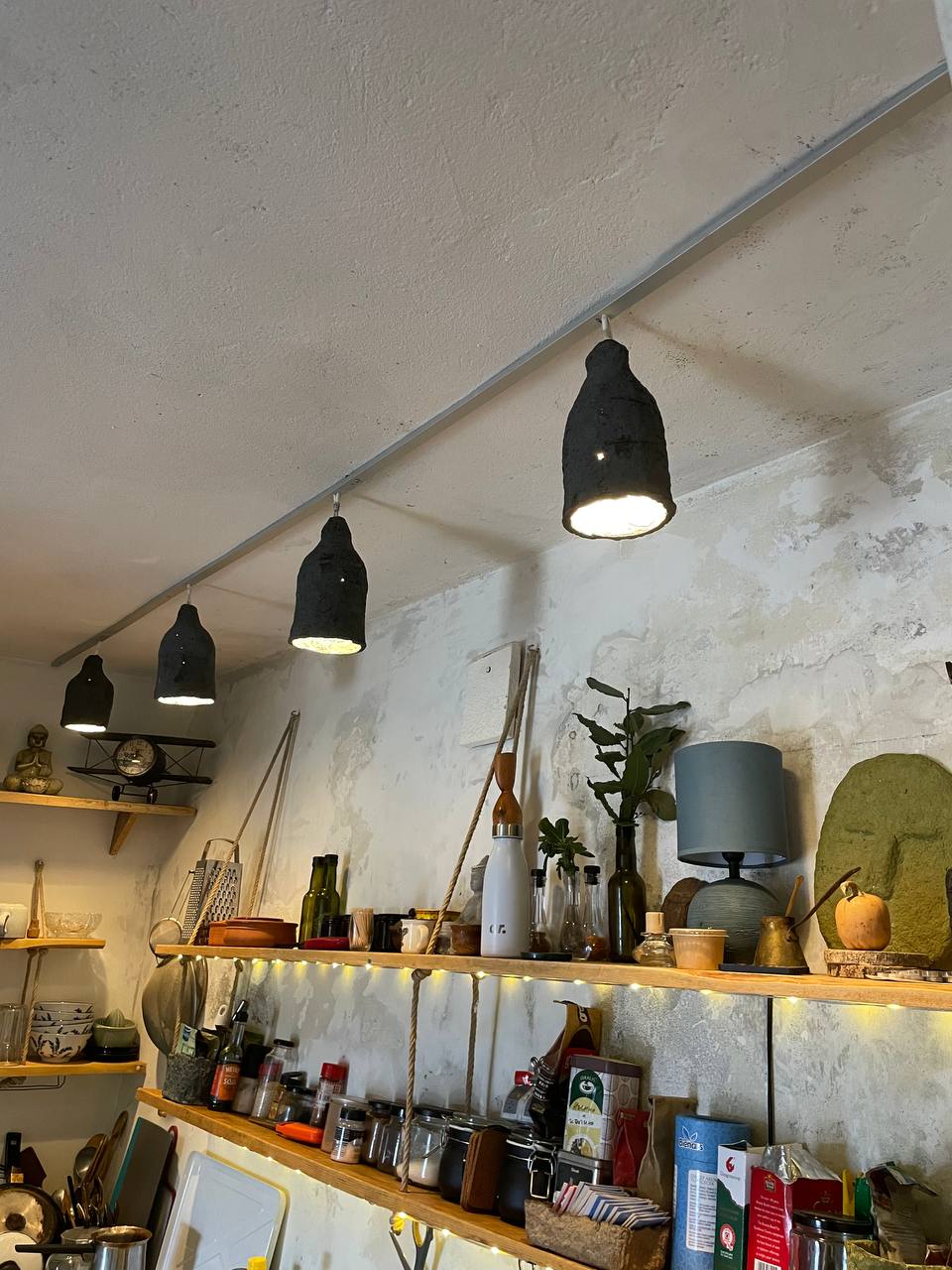
Paper House is an artist residency and community craft space in Montenegro exploring how discarded paper can become a source of beauty and creativity. For three years, artists have transformed recycled paper and cardboard into handmade objects and sculptures through simple ecological techniques. More than 100 children and adults have joined workshops that make creative reuse accessible to all. The project shows how a small cultural space can connect sustainability, art, and community.
Montenegro
Local
Bar, Budva
It addresses urban-rural linkages
It involves other types of transformations (soft investment)
Yes
2024-05-01
No
No
No
Individual
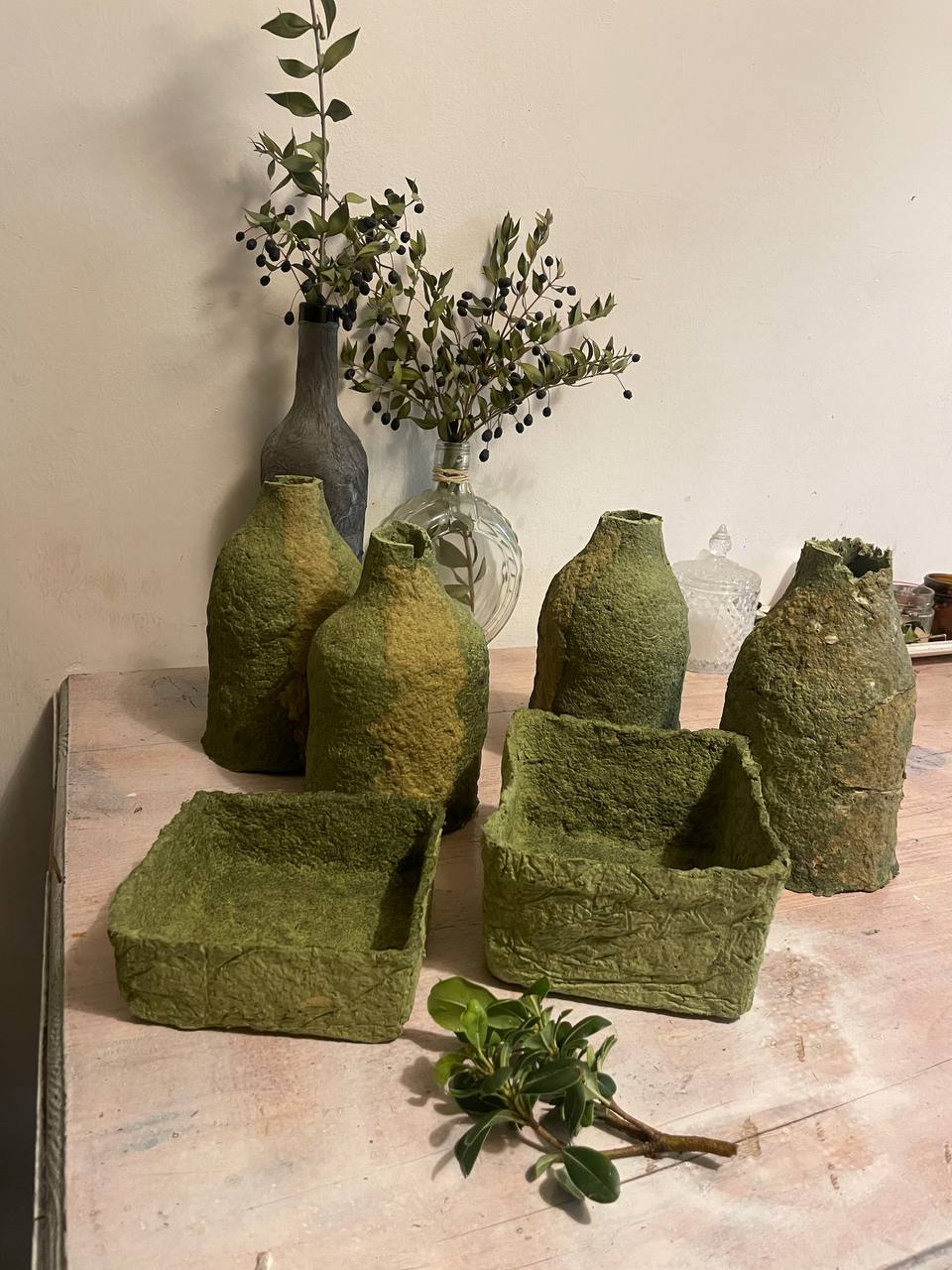
Paper House began as a small artistic initiative exploring how discarded paper and cardboard could be transformed into meaningful and beautiful objects. A group of resident artists in Montenegro experimented with papier-mâché as well as a variety of other paper-based craft techniques, discovering the creative potential of simple, recycled materials.
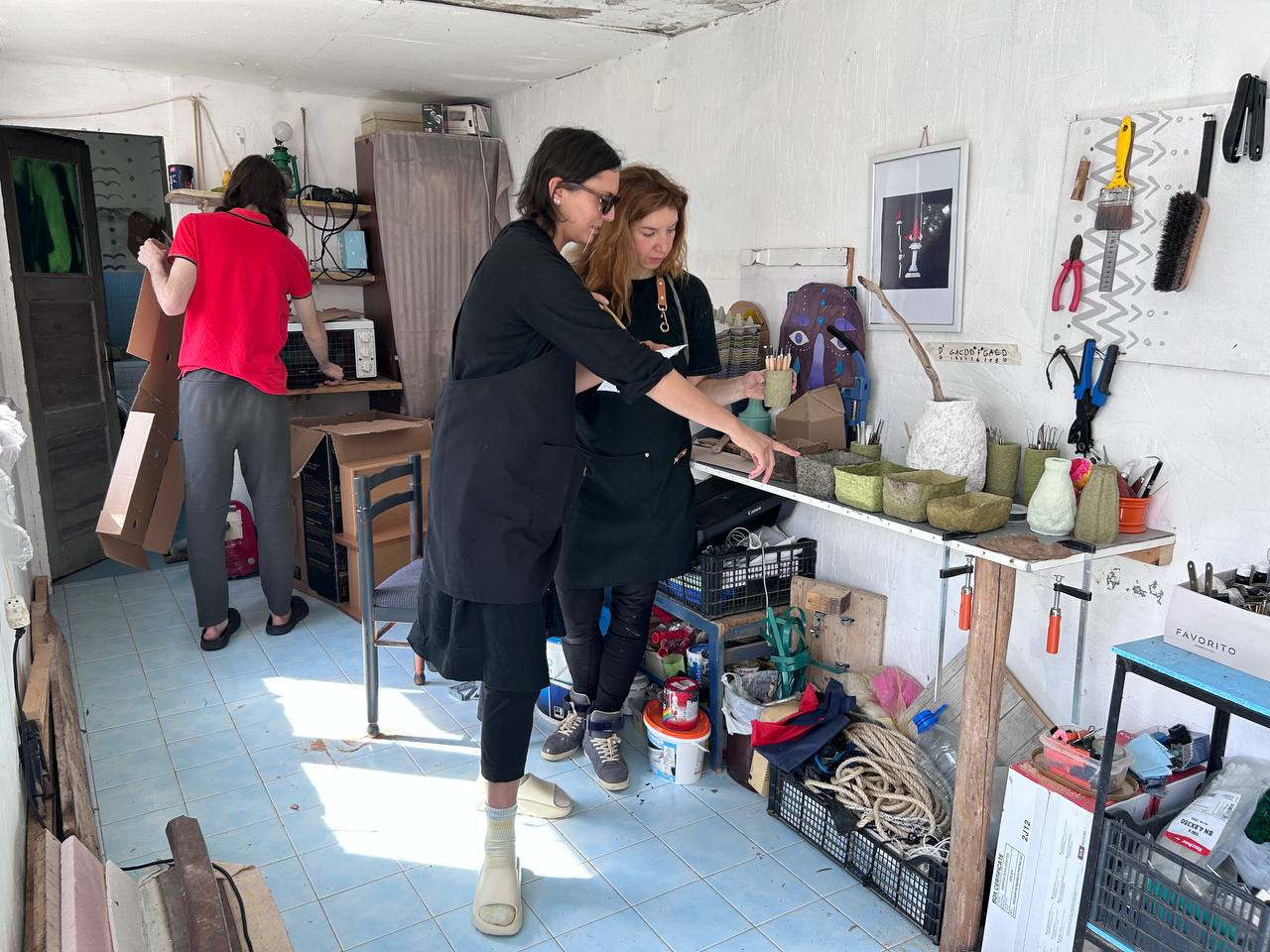
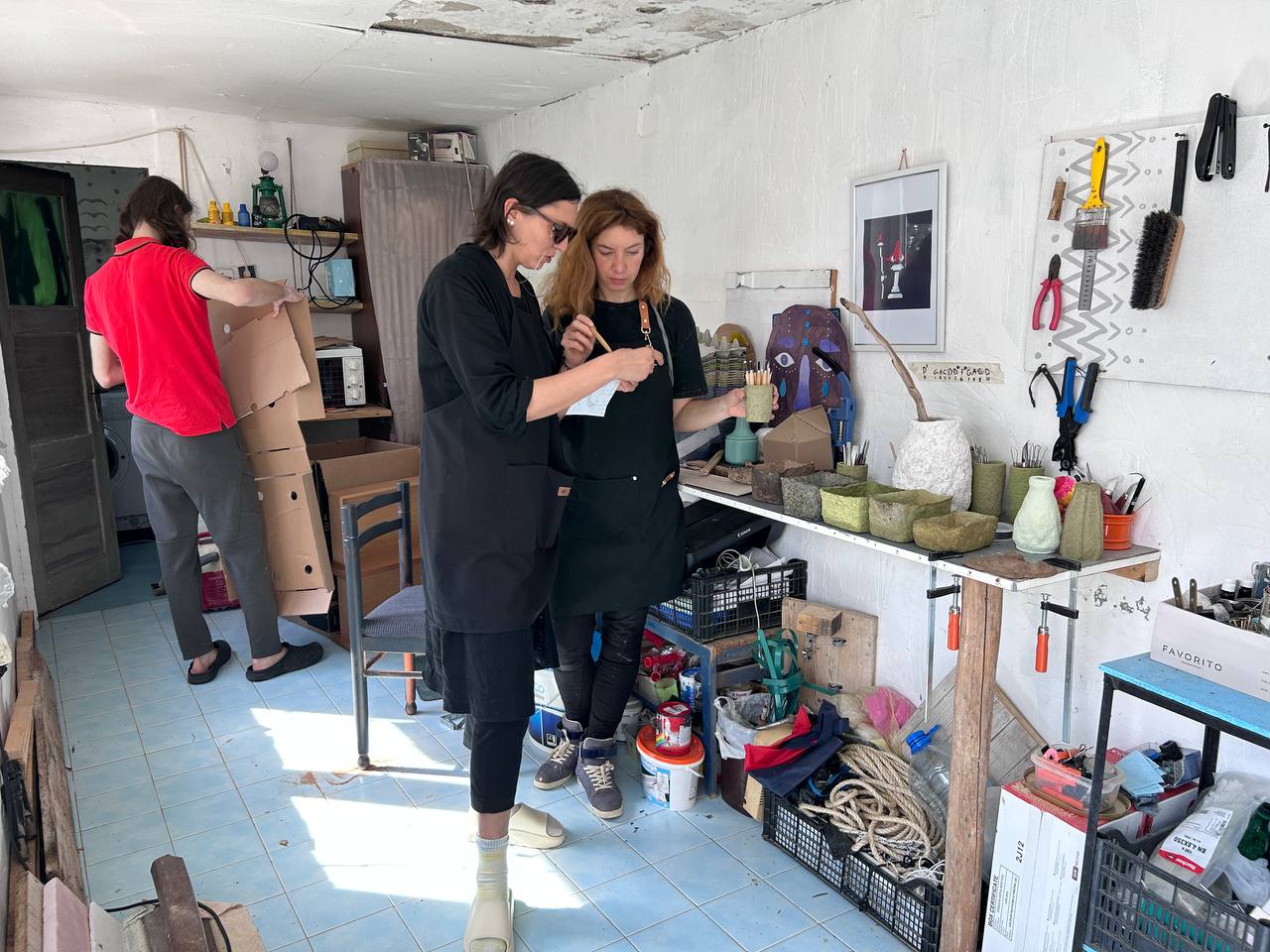
The project gradually evolved into a vibrant artist residency and community craft space, serving as both a living and working environment where artists develop handmade objects, sculptures, and installations while exploring ecological approaches to craft.
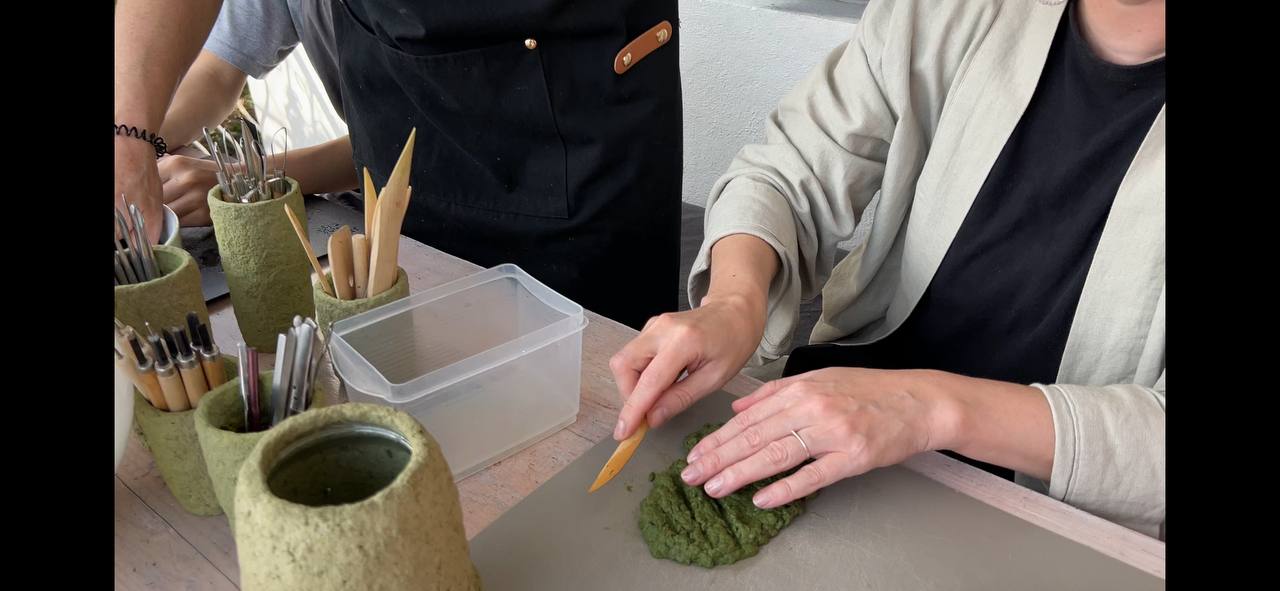
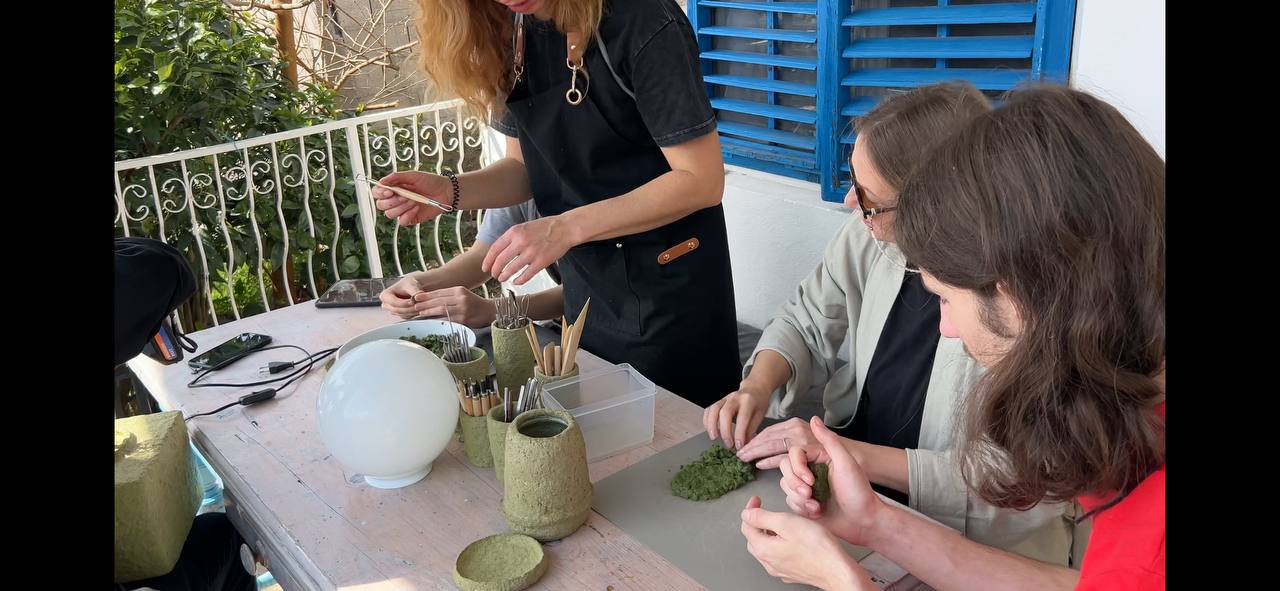
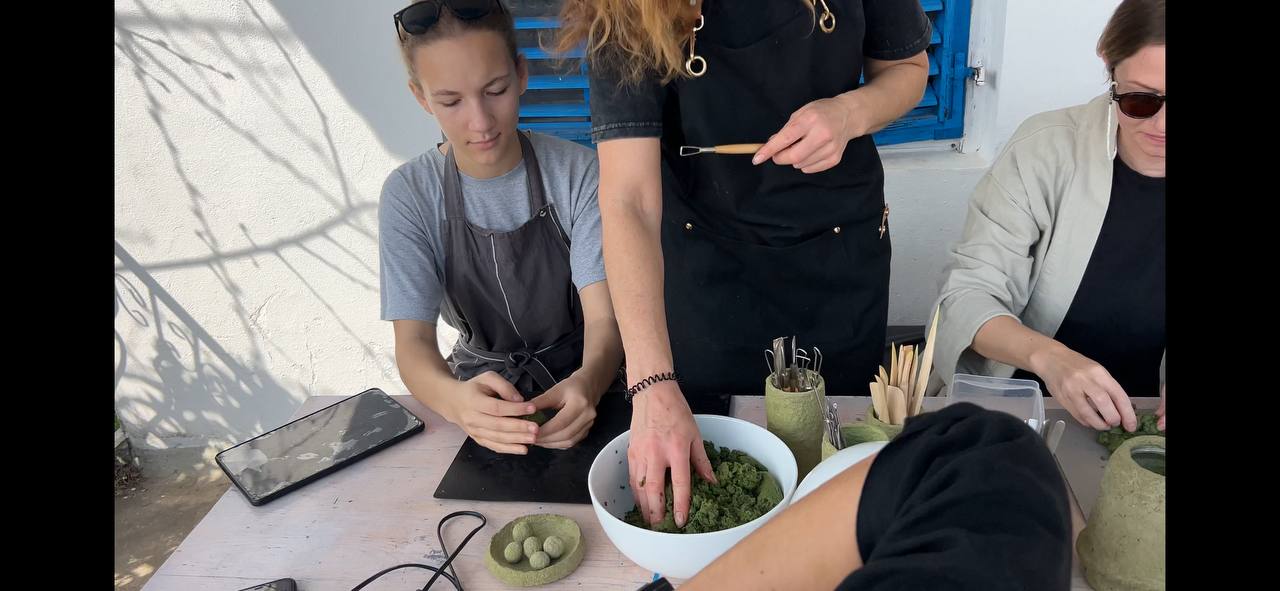
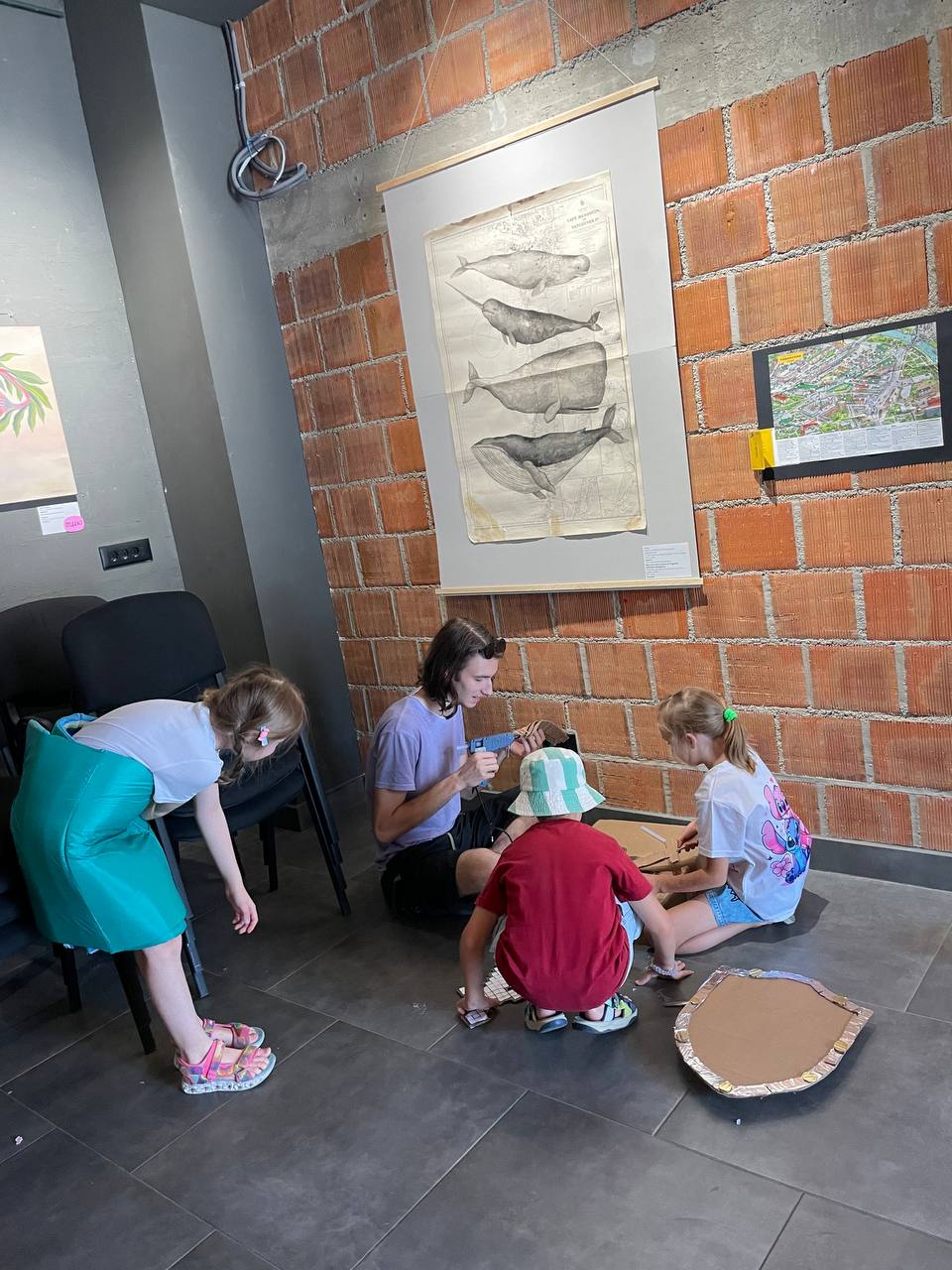
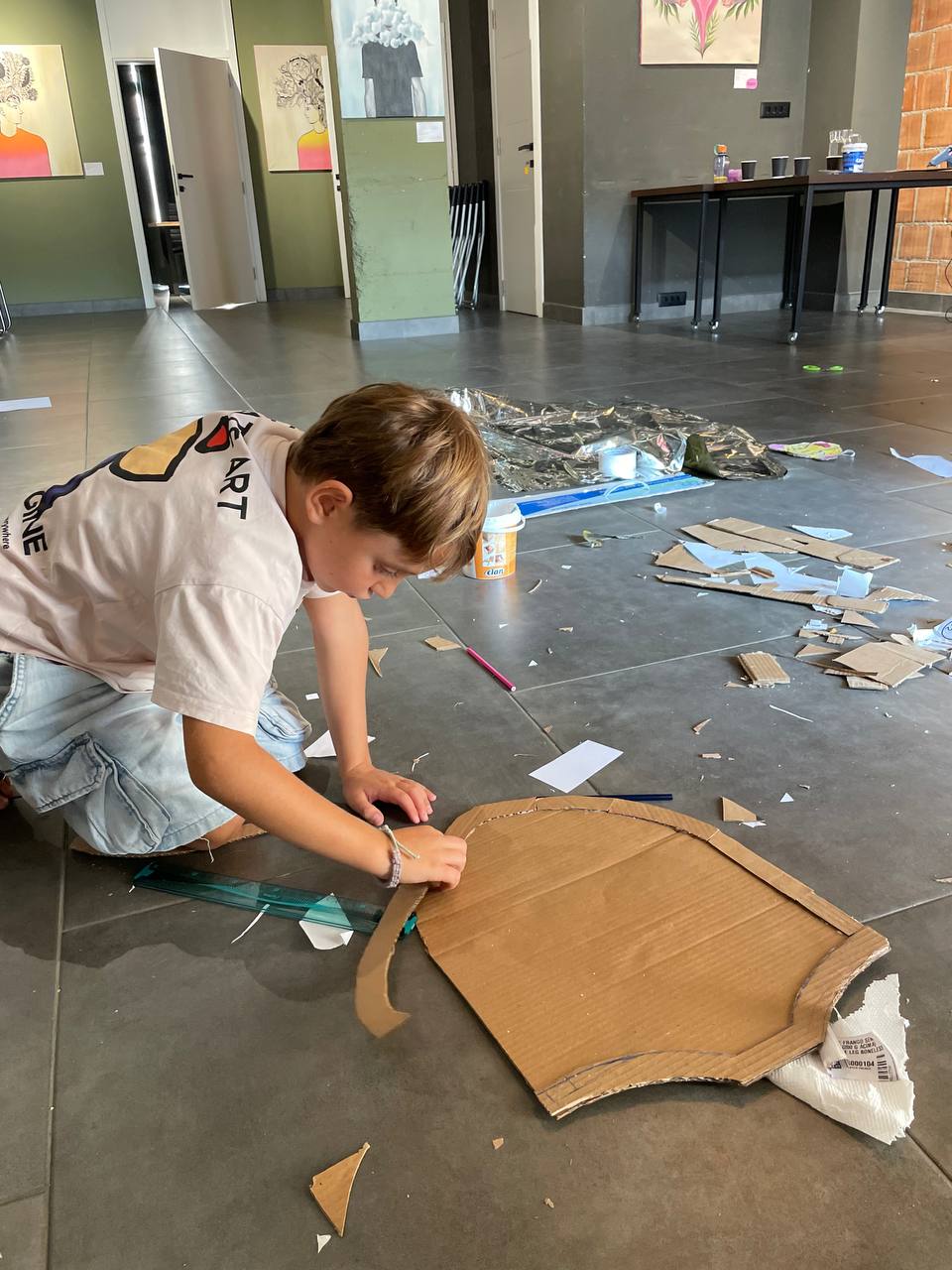
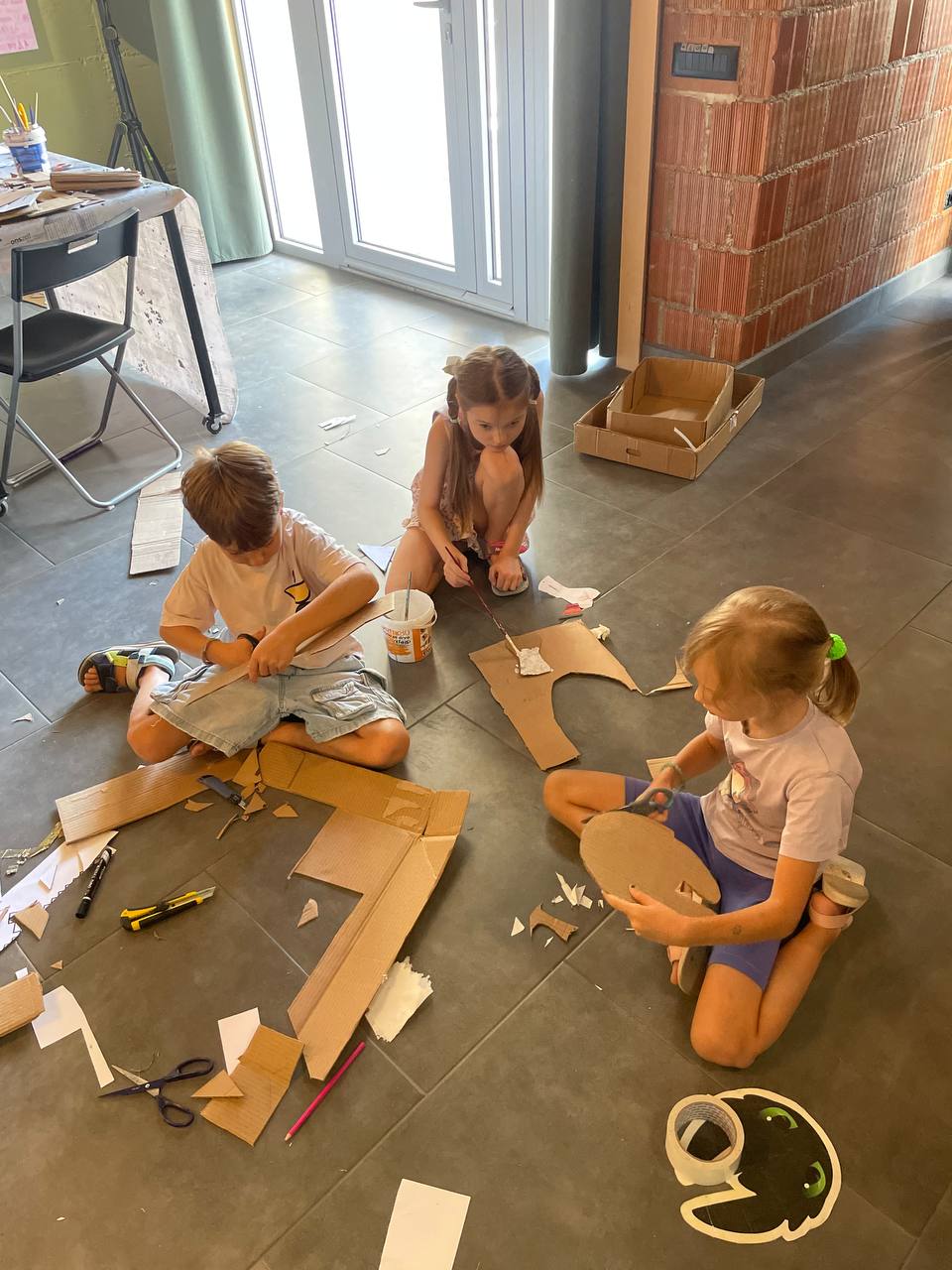
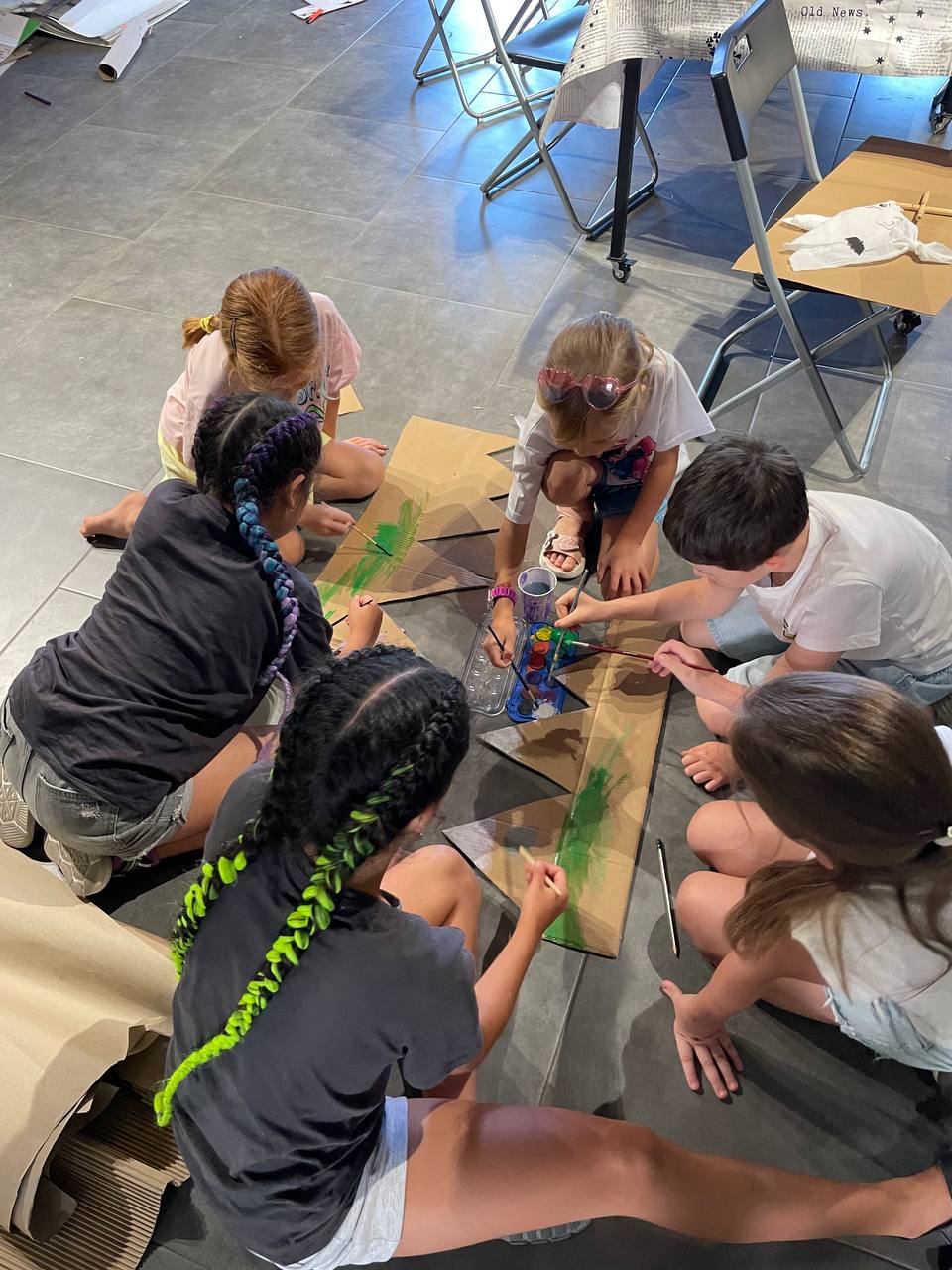
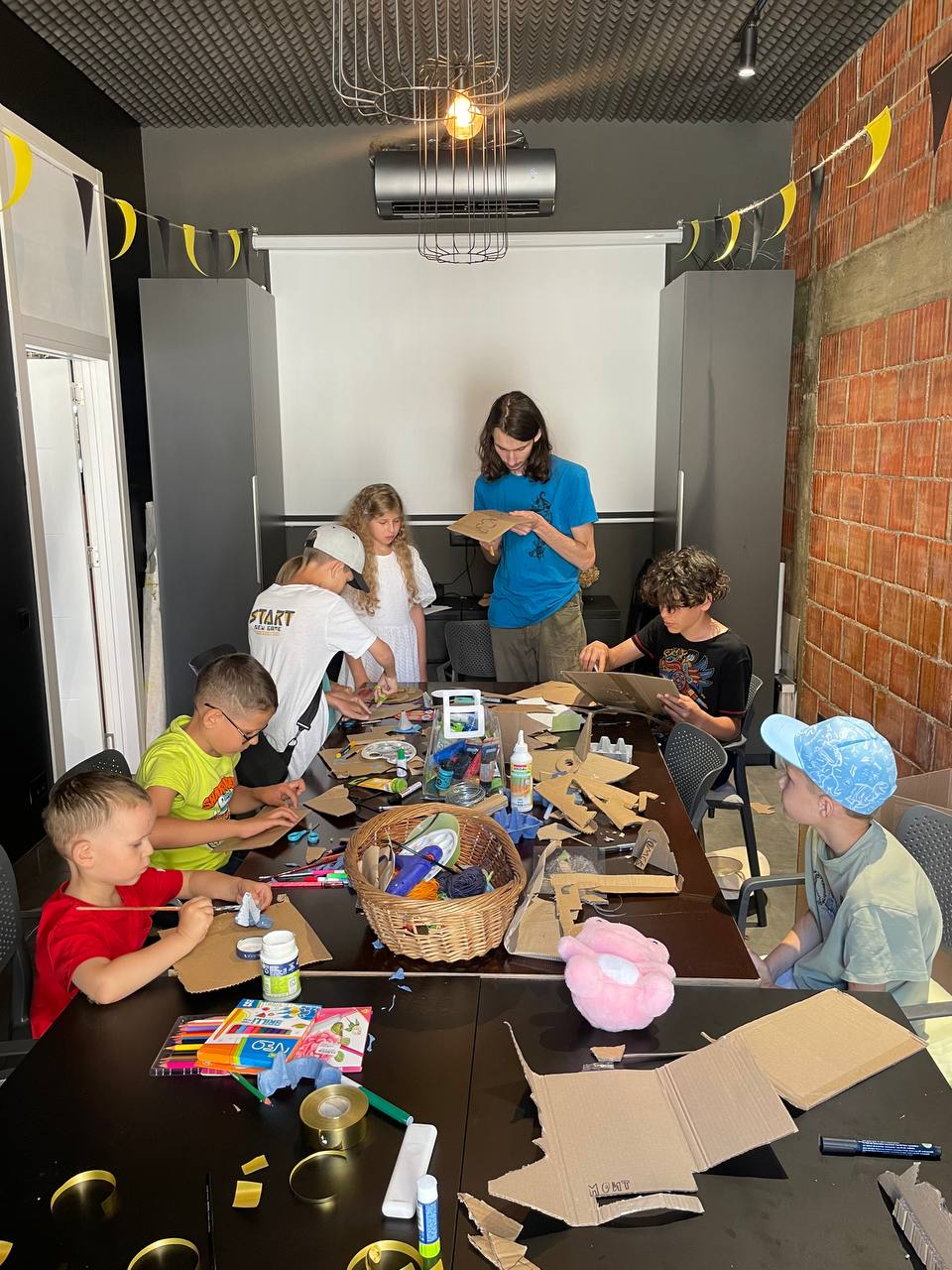
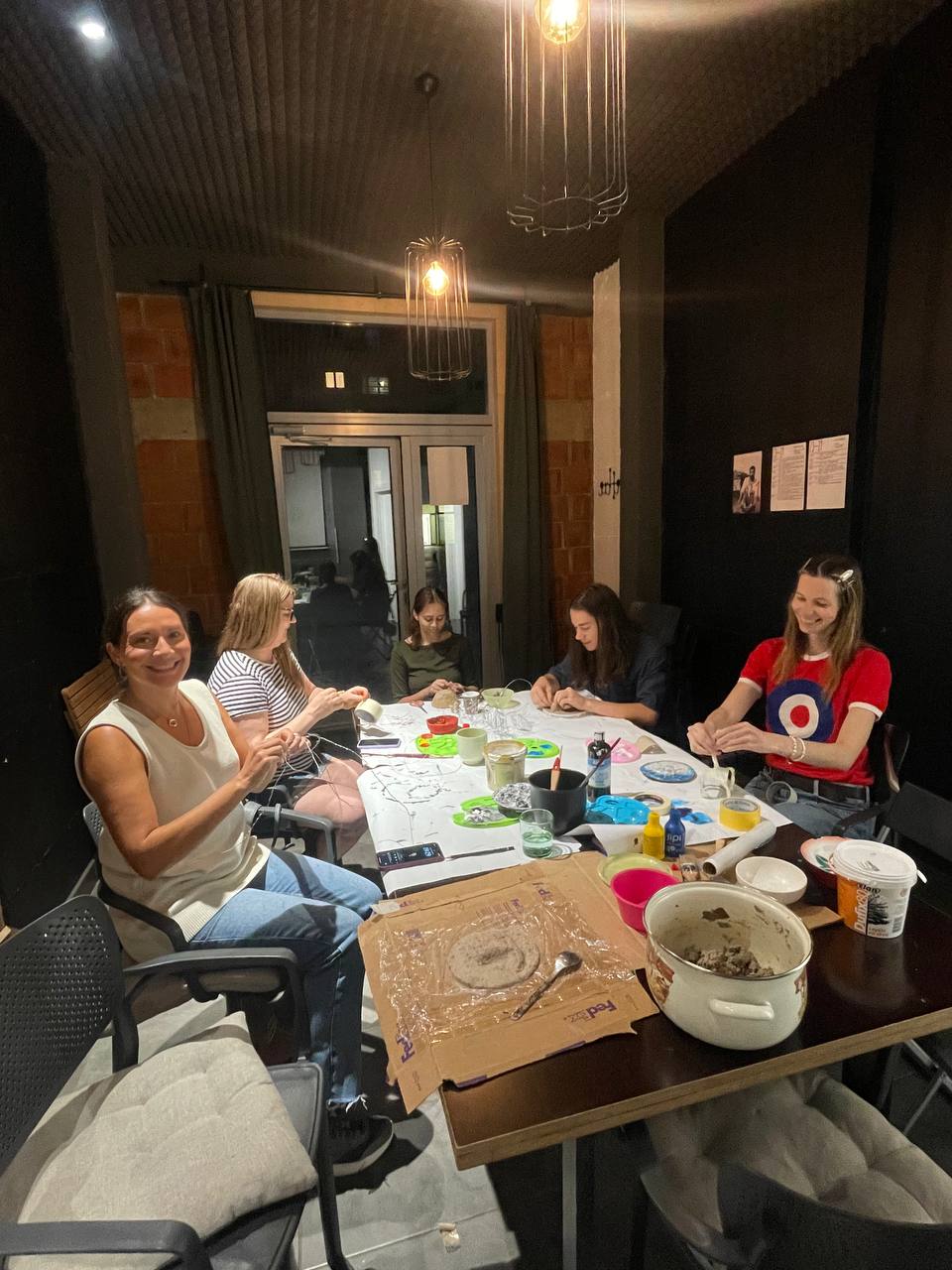
Over time, Paper House expanded its educational reach beyond the studio. Creative workshops and programs are now offered in schools, cultural organizations, and mobile art camps, introducing children and adults to diverse paper and cardboard techniques. These activities demonstrate how everyday waste can be transformed into creative resources, making artistic practices accessible and engaging for people of all ages and backgrounds. More than 100 participants have taken part in these programs, contributing to a growing culture of hands-on creativity and environmental awareness.
Today, Paper House functions as a dynamic cultural hub where artistic collaboration, sustainable materials, and community engagement intersect. By combining in-house and outreach education, ecological craft practices, and participatory creative experiences, the project exemplifies how small-scale initiatives can foster beauty, learning, and sustainability while strengthening connections within the community and beyond.
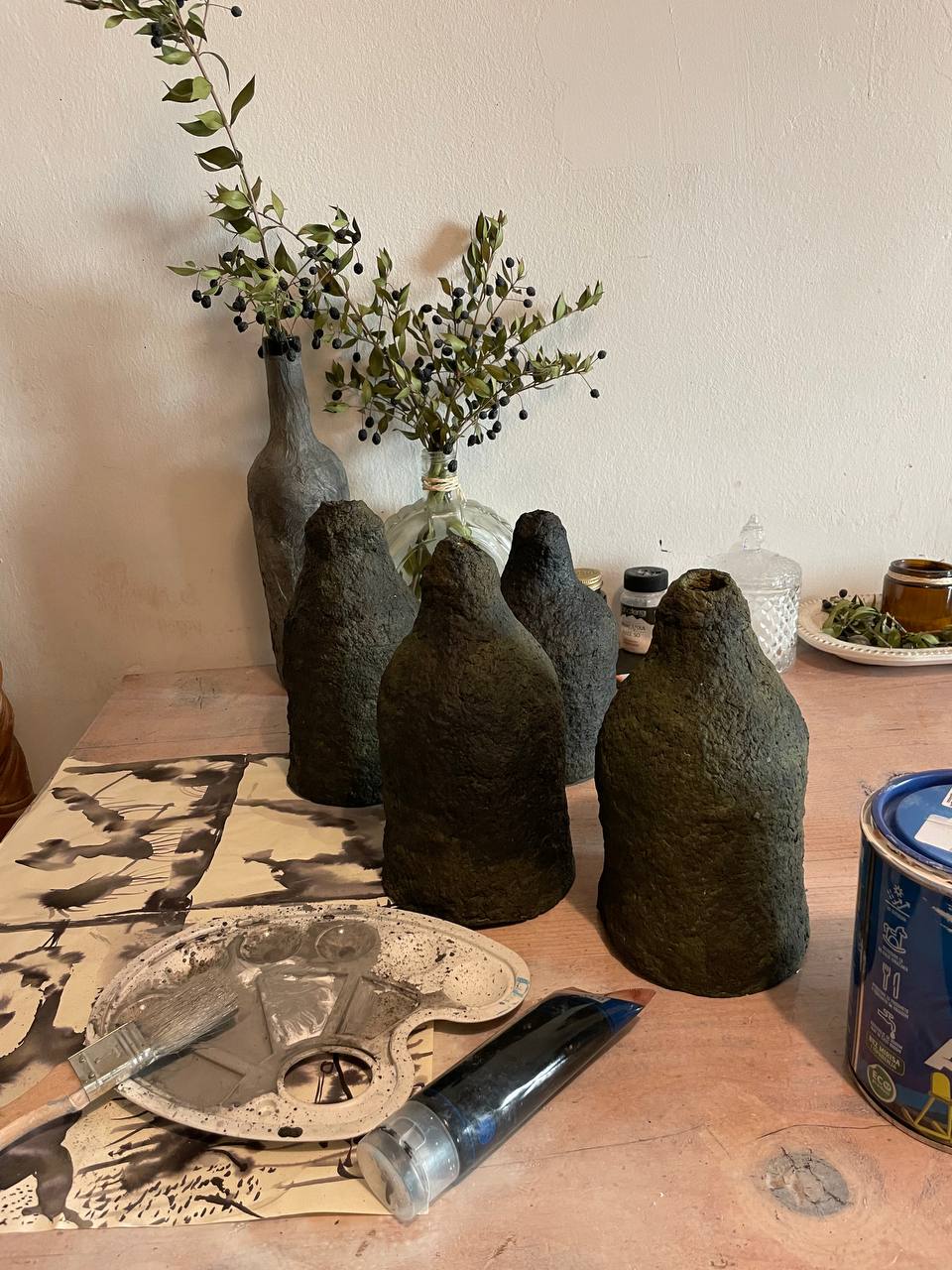
Paper House began as a small artistic initiative exploring how simple, recycled materials could be transformed into meaningful objects. The project started when a group of artists living and working together in Montenegro began experimenting with papier-mâché made from discarded paper and cardboard.
What began as a shared studio practice gradually evolved into a small artist residency and community craft space. The house became both a living and working environment where artists develop handmade objects and sculptures while exploring ecological approaches to craft.
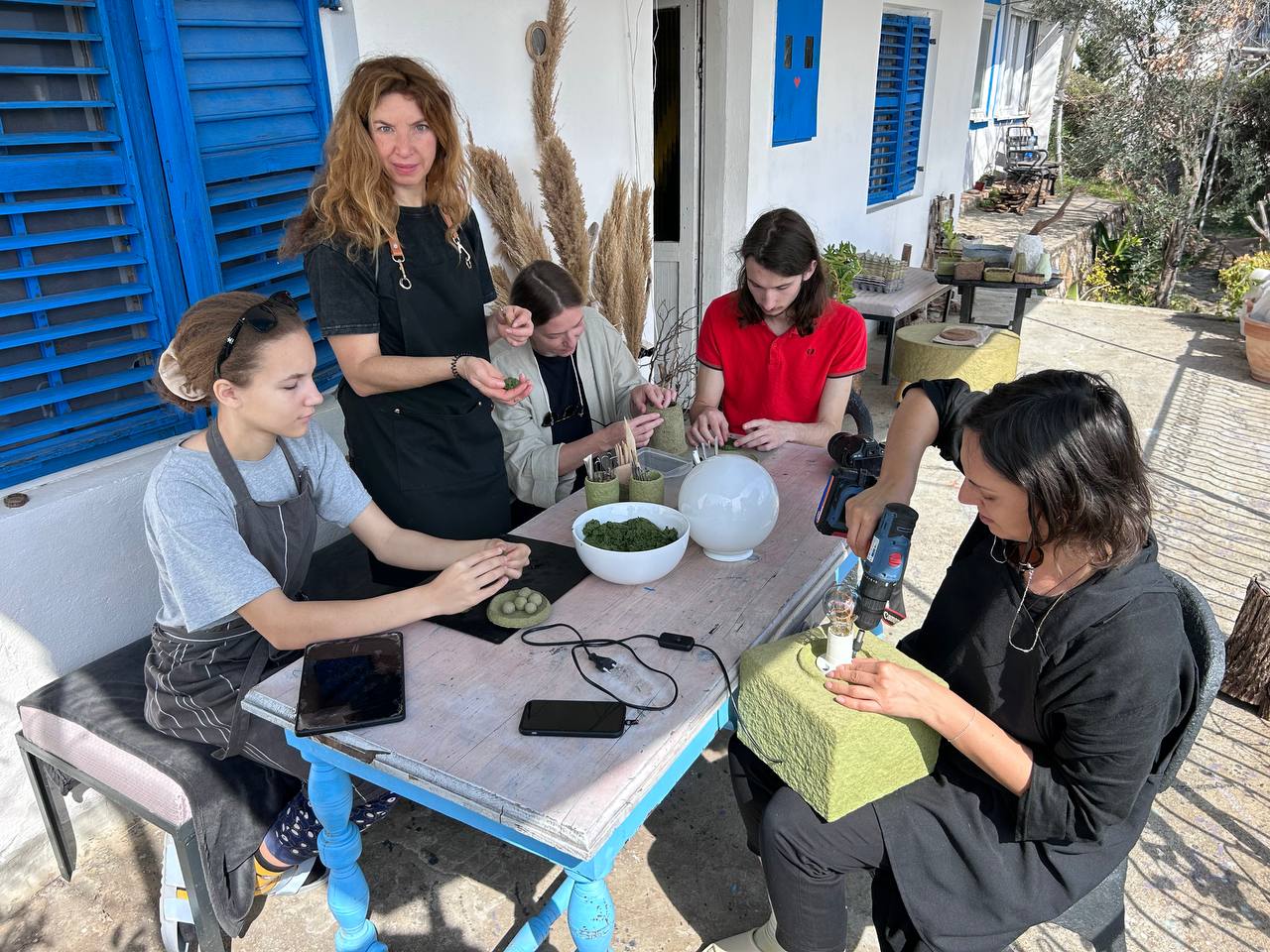
Over time, the project opened its doors to the local community. Workshops for children and adults were introduced to share the technique of papier-mâché and to demonstrate how everyday waste materials can become creative resources. More than 100 participants have taken part in these workshops.
Today, Paper House functions as a small cultural space where artistic collaboration, sustainable materials, and community engagement come together through everyday creative practice.
Circular economy
Sustainable materials
Community engagement
Craft practices
Art residency
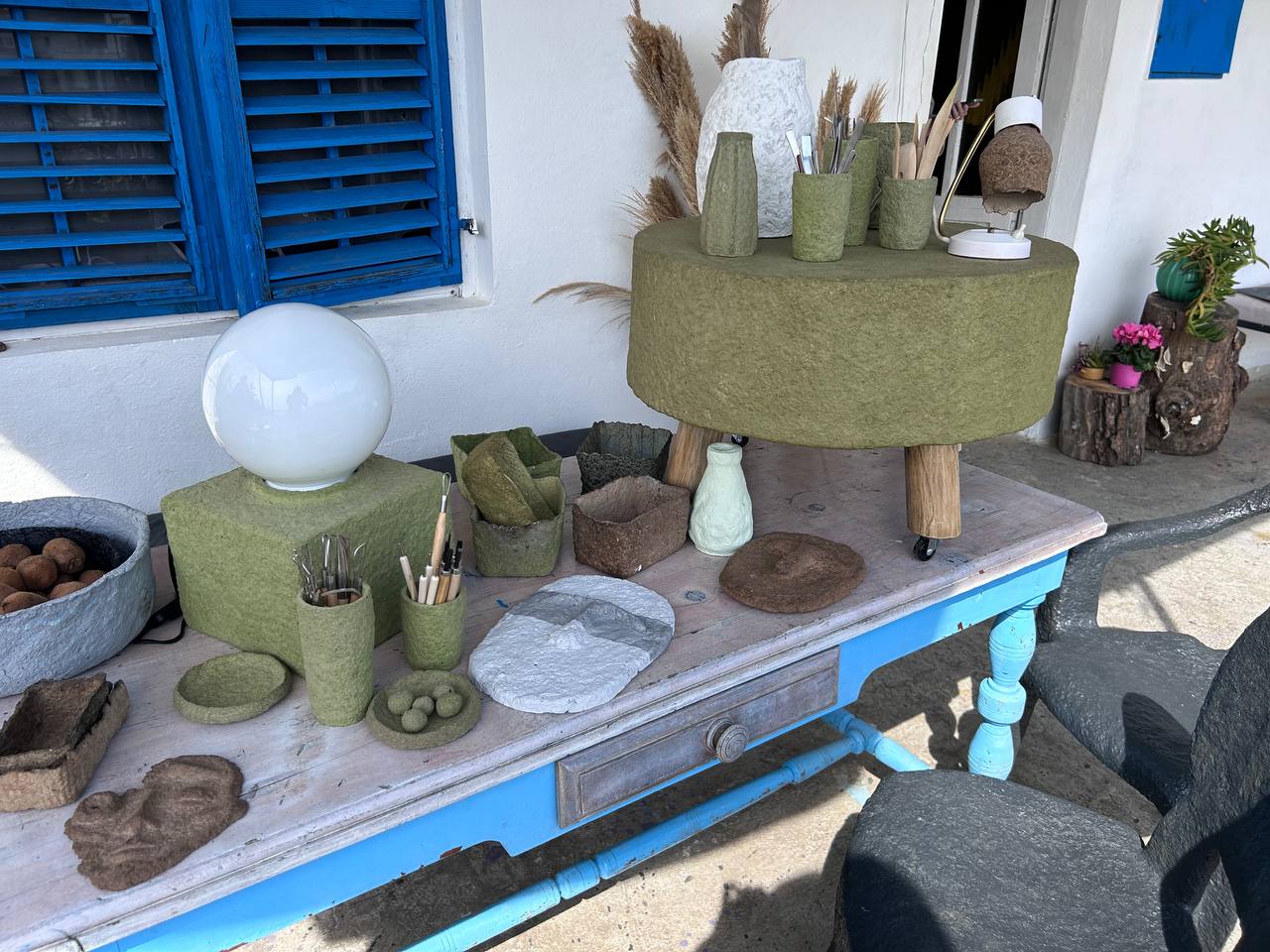
Paper House addresses environmental and social challenges by transforming discarded paper and cardboard into durable artistic and functional objects. By working with recycled materials, the project demonstrates a practical approach to circularity and shows how everyday waste can become a valuable creative resource. The production process relies on simple, low-impact techniques that require minimal energy and tools, making the practice both environmentally responsible and accessible.
Beyond material reuse, the project promotes sustainable thinking through education and community participation. Workshops for children and adults introduce participants to papier-mâché and encourage them to rethink the life cycle of materials. By learning how to transform paper waste into creative objects, participants develop a deeper awareness of resource use and environmental responsibility.
Paper House also contributes to cultural sustainability by supporting small-scale craft practices and collaborative artistic work. The artist residency creates a space where artists can experiment with ecological materials while sharing knowledge with the local community.
Through the combination of recycled materials, low-impact craft techniques, and community education, Paper House demonstrates how a small artistic initiative can embody sustainability in everyday practice. The project offers a replicable model showing that creative reuse, craft knowledge, and community engagement can play an important role in building more sustainable cultural environments.
Paper House contributes to making everyday life more beautiful by transforming simple, discarded materials into carefully crafted objects, sculptures, and shared creative experiences. Through the practice of papier-mâché, recycled paper and cardboard are turned into tactile, expressive forms that reveal the hidden aesthetic potential of materials usually considered waste. This transformation invites people to see value and beauty in ordinary resources.
The project also creates beauty through the atmosphere of the space itself. Paper House functions as a welcoming artist residency and community craft studio where making, learning, and conversation happen in a shared environment. Workshops for children and adults offer moments of collective creativity that bring people together and foster a sense of belonging. Participants not only create objects but also experience the pleasure of working with their hands and sharing time with others.
By opening the house to the local community, the project strengthens connections between people and place. The creative activities encourage participants to care for materials, for their environment, and for the cultural life of their neighbourhood.
Paper House demonstrates that aesthetics are not limited to finished objects but are also present in the process of making, in collaboration, and in the atmosphere of a space where creativity is shared. In this way, the project shows how small cultural initiatives can enrich everyday environments with beauty, care, and meaningful human connection.
Paper House promotes inclusion by making creative practices accessible to people of different ages and backgrounds. The project works with simple, low-cost materials such as recycled paper and cardboard, which allows artistic activities to remain affordable and easy to access. Workshops and open studio activities welcome both children and adults, including people with no prior artistic experience.
The techniques explored in the project – from papier-mâché to other forms of paper and cardboard craft – are intentionally simple and adaptable. This allows participants to engage in creative making regardless of their skills or resources, following the principle of “design for all”.
The project also promotes an inclusive cultural environment where learning happens through collaboration rather than hierarchy. Participants are encouraged to experiment, share ideas, and contribute to the creative process. By combining accessible materials, open participation, and shared learning, Paper House demonstrates how small cultural spaces can foster inclusive forms of creativity and environmental awareness within the community.
Participation is a central element of the Paper House project. The initiative developed gradually through the interaction between resident artists and the local community. Workshops and open studio activities invite children, adults, and visitors to actively take part in creative processes using recycled paper and cardboard.
Participants are not only learners but also contributors to the evolving practice of the space. During workshops they experiment with different paper-based techniques, share ideas, and influence the direction of future activities. Many participants return multiple times, helping to shape the atmosphere of the space and building a small creative community around the project.
This participatory approach has strengthened local engagement with the project and has created opportunities for people to experience collective making. The impact goes beyond the creation of objects: participants develop new skills, environmental awareness, and a sense of belonging to a shared creative environment.
Paper House operates primarily at the local level but is connected to wider cultural and artistic networks. The project is run by resident artists who design and implement the activities of the space, while collaboration with local participants and visitors plays an important role in shaping the program.
The initiative also benefits from informal connections with artists, educators, and cultural practitioners from other regions and countries who visit the residency or participate in workshops. These exchanges bring new ideas and perspectives into the project and help situate the initiative within broader cultural and environmental discussions.
Although the project is small in scale, these interactions create links between local community engagement and wider artistic and cultural networks. The added value of this multilevel interaction is the exchange of knowledge, practices, and experiences that enrich the project and support its long-term development.
Paper House brings together several disciplines through the shared exploration of paper and cardboard as creative materials. The project combines artistic practice, craft techniques, environmental awareness, and educational activities.
The work developed in the residency reflects influences from visual arts, craft, design, and informal education. Artists experiment with different paper-based techniques, including papier-mâché, sculptural forms, and other handmade processes that transform recycled materials into objects and installations.
Educational aspects are equally important. Workshops encourage participants to learn through hands-on making while reflecting on sustainability and material reuse. In this way the project connects artistic creation with environmental thinking and community learning.
By integrating art, craft, sustainability, and education, Paper House demonstrates how small creative spaces can operate as transdisciplinary environments where different forms of knowledge and practice meet.
Paper House is primarily a cultural and educational initiative rather than a profit-driven project. Its main goal is to promote creative reuse of materials and raise awareness about sustainable relationships with resources.
Financial sustainability is supported through a combination of small revenue streams and low operational costs. Occasional workshops, handmade objects created in the studio, and contributions from participants help cover basic expenses. Because the project works mainly with recycled paper and cardboard and relies on simple craft techniques, production costs remain minimal.
The residency also benefits from voluntary contributions, collaboration with visiting artists, and the personal commitment of the founders who maintain and develop the space. This modest economic structure allows the project to remain flexible and focused on its educational and environmental mission.
The long-term sustainability of Paper House lies in its ability to operate with limited resources while generating cultural value, community engagement, and environmental awareness.
Paper House is highly scalable due to its simple, low-cost approach to creative reuse of paper and cardboard. The techniques developed—ranging from papier-mâché to various paper and cardboard craft methods—can be easily replicated in other cultural spaces, schools, community centers, or art studios without requiring specialized equipment or high budgets.
The methodology of combining artistic experimentation, environmental awareness, and hands-on workshops can be transferred to different age groups and communities. Activities are adaptable to local contexts: workshops can be designed for children, adults, or mixed groups; materials can be sourced locally; and sessions can focus on either artistic production or environmental education.
Key learnings from Paper House, such as encouraging collaboration, fostering community engagement, and promoting sustainable material use, can be applied in other initiatives seeking to combine creativity, education, and sustainability. The project’s model demonstrates that small-scale, low-cost creative practices can generate meaningful cultural, social, and ecological impact, making it a replicable approach for communities across Europe and beyond.