Strengthening Local Democracy and Inclusion
Horta Alto da Eira – Community Garden
Horta Alto da Eira – Community-led regeneration of a public space in Lisbon
Horta Alto da Eira is a community-led transformation of a vacant urban space in Lisbon into a vibrant public garden. Built collectively by hundreds of people, it combines urban agriculture, environmental education, culture and wellbeing to bring diverse communities together. The project shows how nature and participation can regenerate urban land and strengthen local democracy.
Portugal
Local
Lisbon, Portugal
Mainly urban
It involves a physical transformation of the built environment (hard investment)
Yes
2022-12-31
No
No
No
Organisation
Horta Alto da Eira is a community-led transformation of an underused urban plot in Lisbon into a vibrant public garden and shared civic space. What was once a neglected piece of land has been regenerated into an open public space where nature, culture and community life meet.
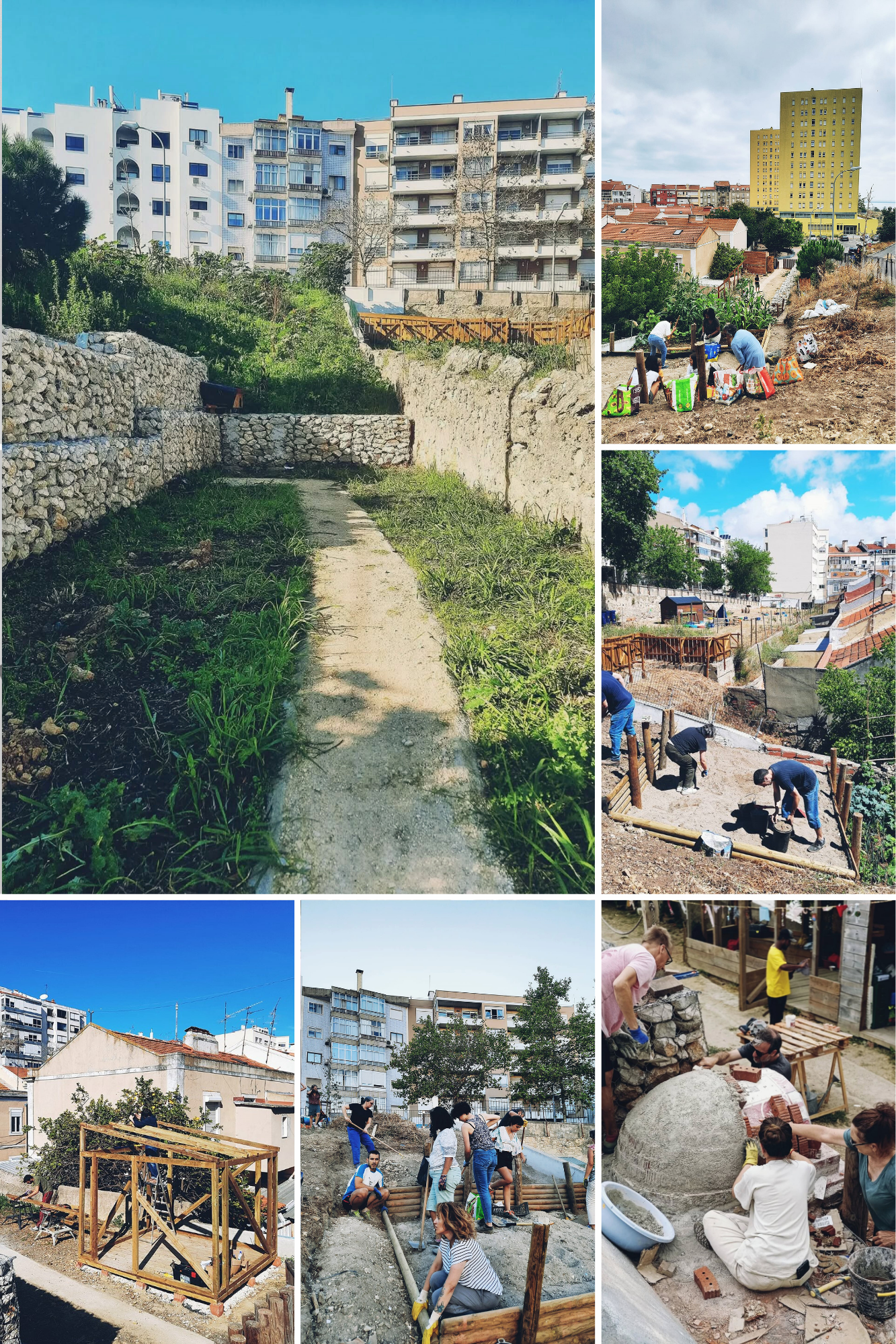
The project was initiated and coordinated by Associação Regador, which defined the vision and guided the transformation process, while hundreds of volunteers and neighbours contributed to building the space. Together they removed more than 30 tonnes of debris and gradually shaped the land into a productive and welcoming environment.
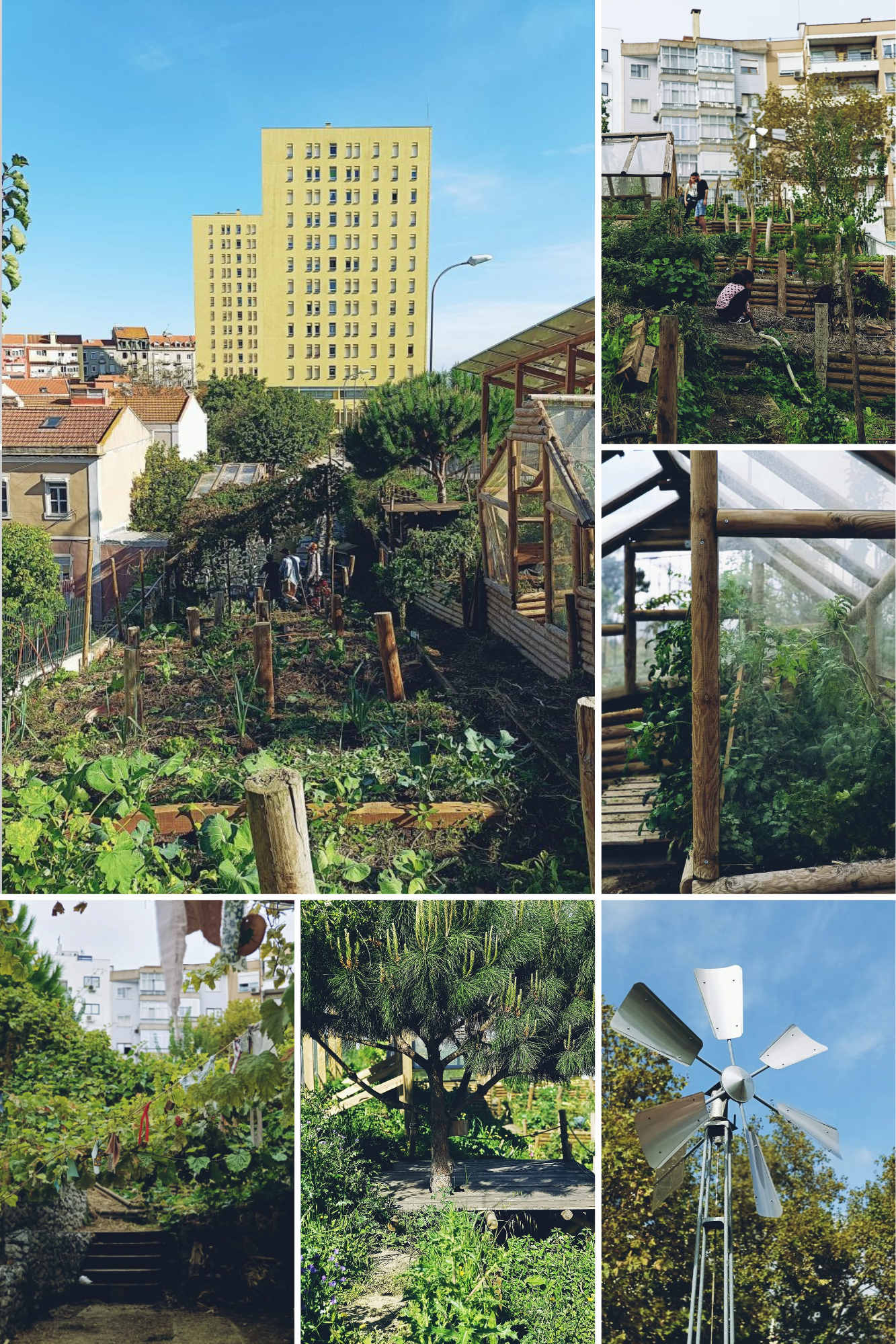
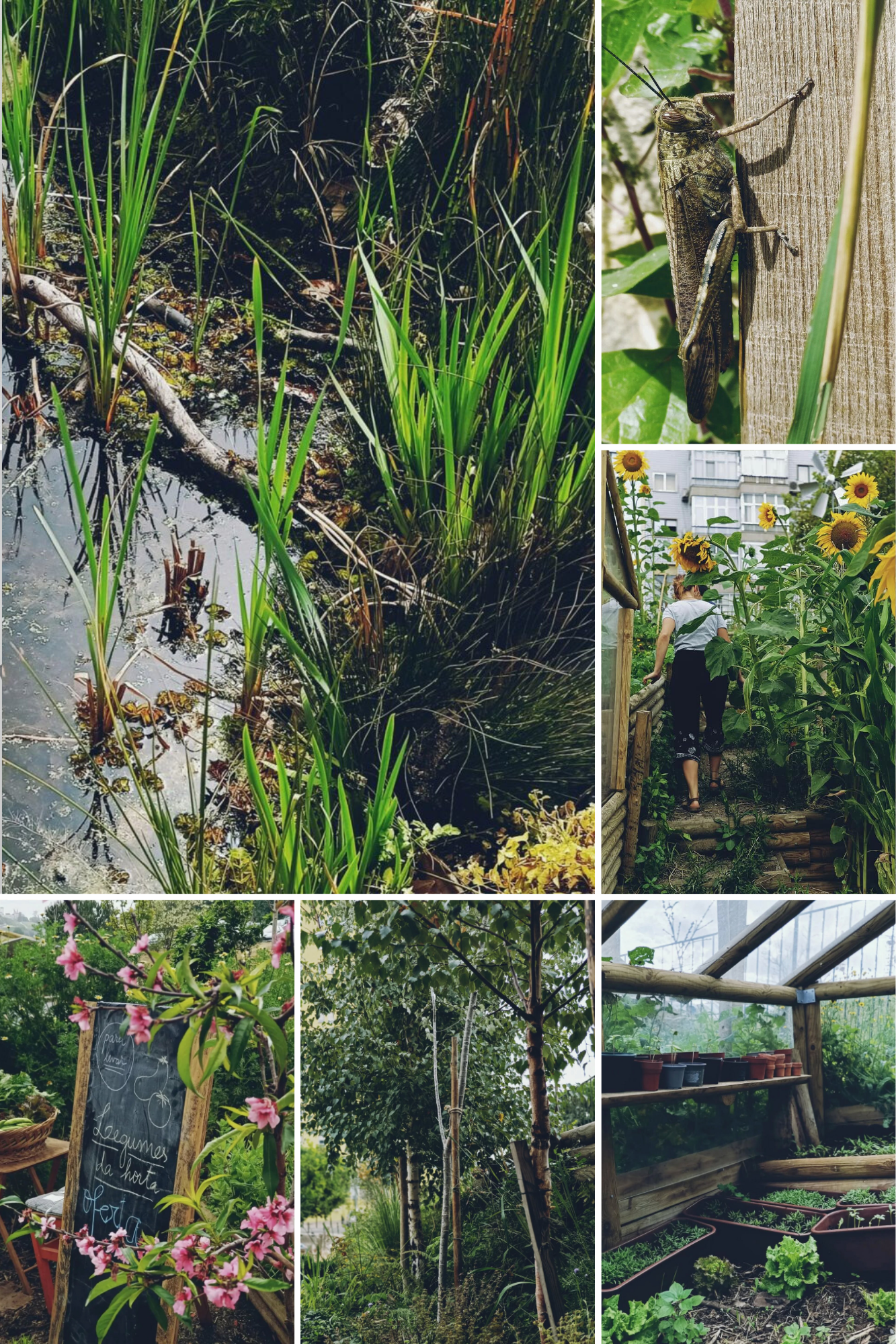
Today the garden functions as an environmental, educational, cultural and social centre open to the entire city. The space includes terraced gardens for food production, a forest garden, biodiversity pond, greenhouse, solar installations, composting systems, a community oven, seed bank and learning spaces. These infrastructures support a wide range of activities including urban agriculture, environmental education programmes for schools, community gardening, collective cooking, cultural initiatives, a community choir, festivals and social-prescribing activities focused on wellbeing and mental health.
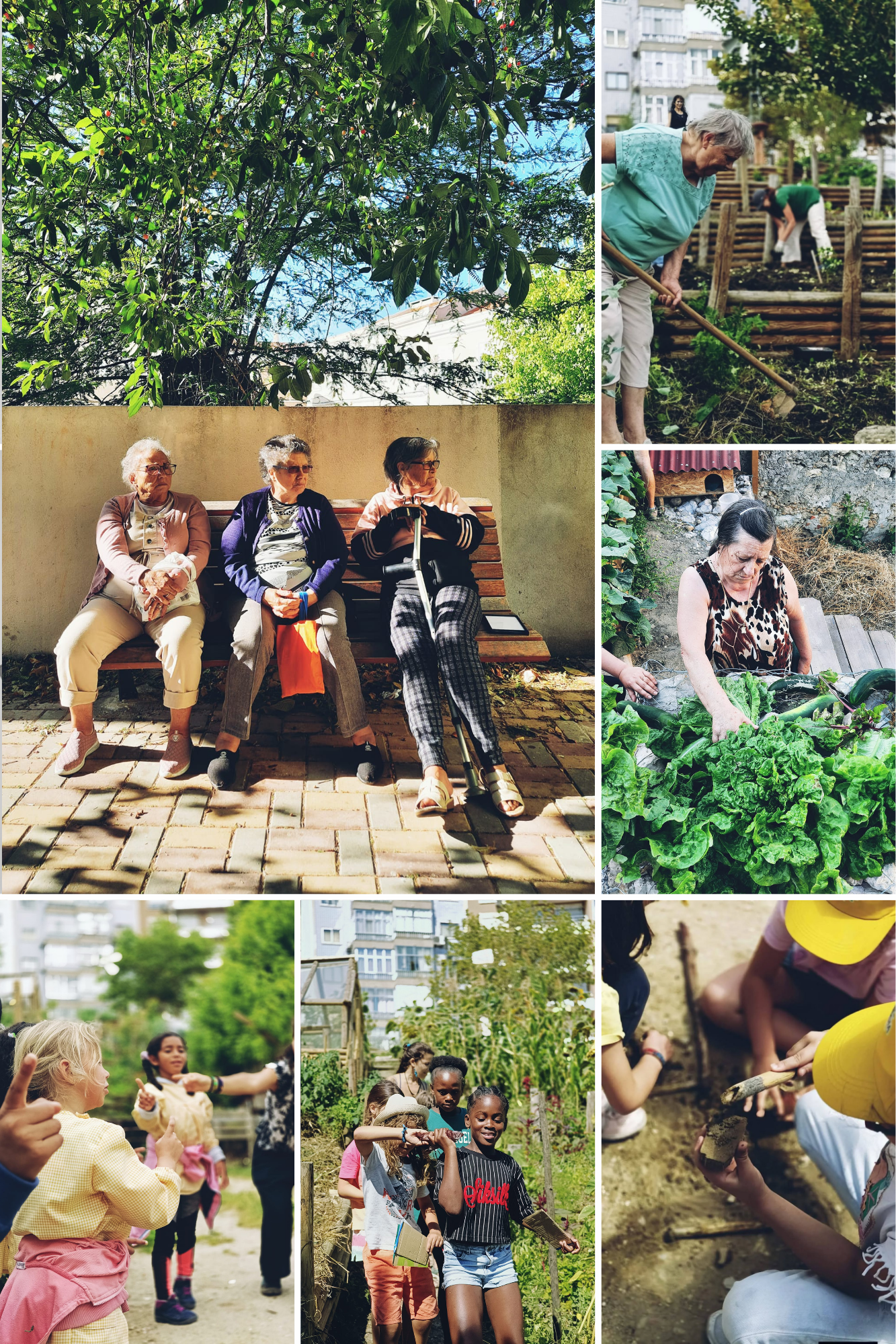
Horta Alto da Eira intentionally brings together people of different backgrounds, ages and social realities. Instead of working only with predefined vulnerable groups, the project mixes communities in shared activities, fostering genuine inclusion and social cohesion.
Each year the garden hosts more than 100 activities, engages around 3500 participants and collaborates with schools, cultural organisations and community groups. Beyond its local impact, the project demonstrates how citizen participation, nature-based solutions and the collective transformation of public space can regenerate urban land while strengthening local democracy and collective wellbeing. It now serves as a living laboratory and case study for community-driven urban transformation.
Horta Alto da Eira began in 2022 when Associação Regador started transforming an underused urban plot into a shared community garden and public space. Although the land had occasionally been used by a few local residents to grow small crops, it remained largely neglected and filled with debris.
Guided by the vision of the association, the transformation unfolded through collective action. Volunteers, neighbours and supporters from across Lisbon joined the process, helping remove more than 30 tonnes of rubble and gradually reshaping the land.
Terraced gardens were created for food production, trees and forest gardens were planted, and a biodiversity pond was introduced to restore ecological balance. Over time, additional infrastructures were built, including a greenhouse, composting systems, solar installations, a wood-fired community oven, a seed bank and learning spaces. Several of these structures were built collaboratively using reclaimed materials.
As the physical space developed, the social life of the garden expanded. Educational programmes for schools, cultural initiatives, community meals, urban agriculture activities and wellbeing programmes gradually formed a rich ecosystem of activities.
The project also fostered partnerships with cultural organisations, health services and community initiatives across Lisbon. Today Horta Alto da Eira functions as an open civic space where people reconnect with nature, share knowledge and build community. It demonstrates how citizens, guided by a shared vision and collective effort, can transform urban land and create more resilient, inclusive and sustainable cities.
Community-led urban regeneration
Nature-based solutions
Participatory public space
Social inclusion
Community resilience
Horta Alto da Eira demonstrates sustainability through the ecological regeneration of an underused urban space and the creation of a living system that reconnects people with nature and local food systems. What was once a neglected plot filled with debris has been transformed into a productive and biodiverse landscape through community effort and nature-based solutions.
The project promotes environmentally responsible practices such as urban food production, composting, biodiversity restoration and renewable energy. Terraced gardens, a forest garden, a biodiversity pond, a greenhouse and a seed bank support local food production and ecological learning. Composting systems transform organic waste into fertile soil, while solar installations contribute to renewable energy production.
Sustainability is also embedded in the way the space is built and maintained. Several structures were constructed collaboratively using reclaimed materials, reducing waste and encouraging circular resource use.
Beyond environmental practices, the project addresses the social dimension of sustainability by fostering long-term community stewardship and collective care for this shared public space. Through educational programmes, collective gardening, cultural initiatives and wellbeing activities, participants develop practical knowledge about sustainable food systems, soil health, biodiversity and responsible resource use.
By combining ecological regeneration, community participation and education, Horta Alto da Eira demonstrates how urban spaces can become resilient ecosystems that support environmental awareness, social cohesion and long-term sustainable living.
Horta Alto da Eira contributes to making everyday urban life more beautiful by transforming an overlooked piece of land into a welcoming public space where nature, culture and community life coexist. The garden offers a sensory and meaningful experience of nature within the city, creating a place where people can gather, learn, cultivate food and reconnect with the land.
The space was shaped gradually through collective work and care, resulting in an environment that reflects the identity of the community that built it. Terraced gardens, trees, flowering plants, a biodiversity pond and shared gathering spaces create a landscape that is both productive and visually rich. The presence of natural materials, handcrafted structures and reused elements reinforces a sense of authenticity and creativity.
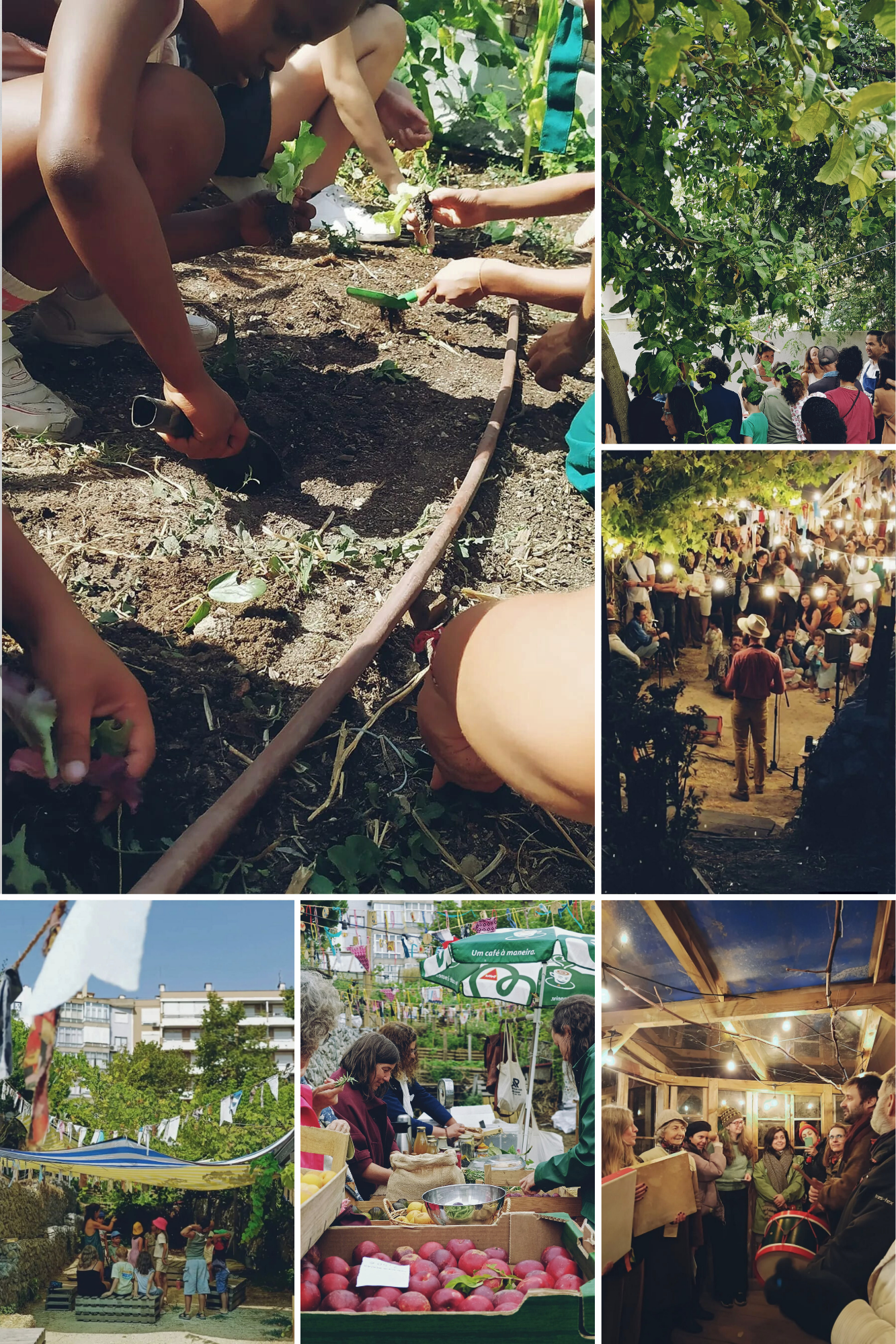
Beauty in this project is not only aesthetic but also relational. The space encourages encounters between neighbours, families, children, artists and visitors from across the city. Cultural activities, community meals, a choir, festivals and artistic initiatives bring life and creativity to the garden, strengthening the emotional connection between people and the place.
By turning a forgotten urban plot into a lively and collectively cared-for public space, the project shows how beauty can emerge from ecological regeneration, shared creativity and community care for the commons.
Inclusion is a central principle of Horta Alto da Eira. The project was created as an open public space where people from different backgrounds, ages and social realities can participate in shared activities and build relationships.
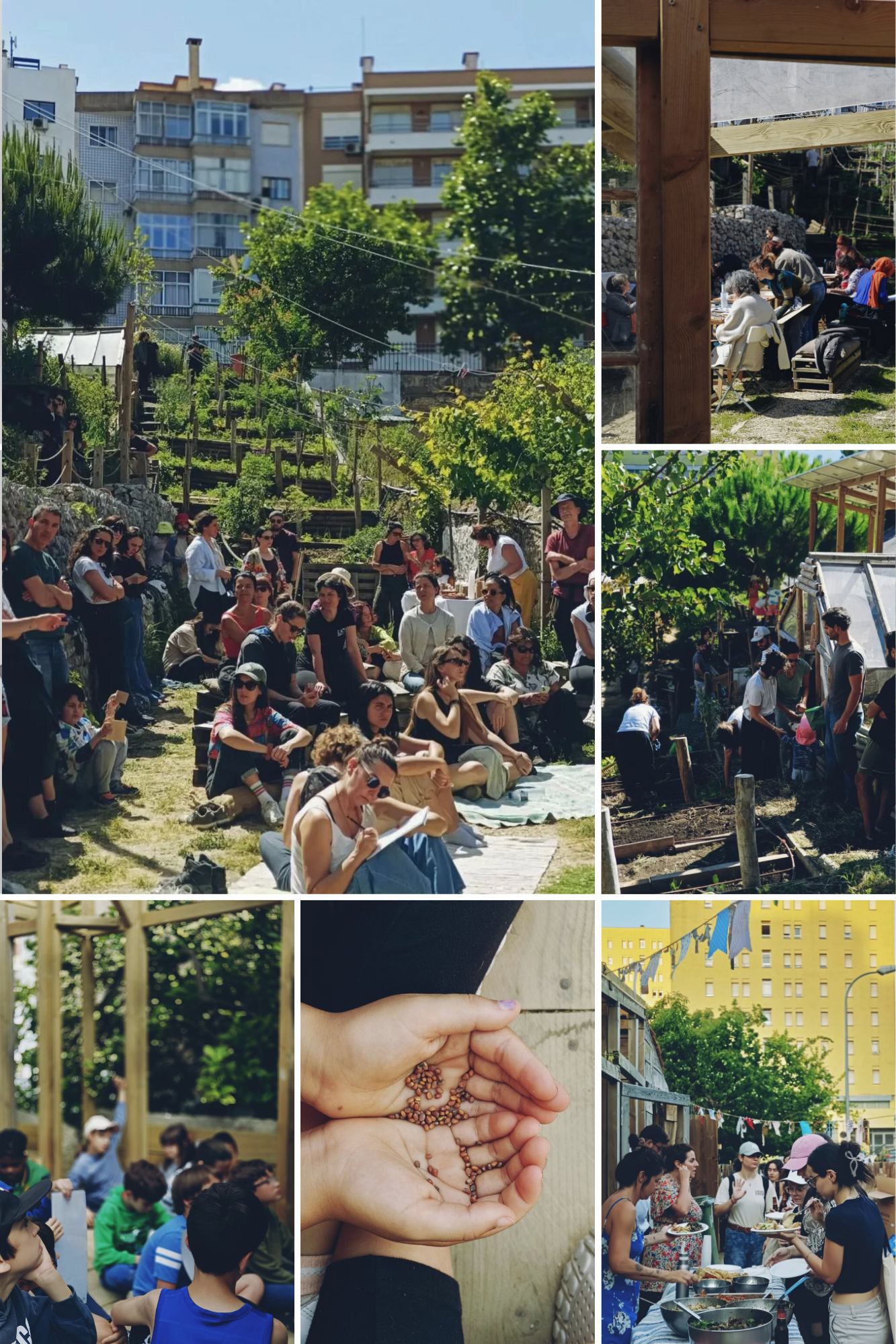
Rather than focusing only on predefined vulnerable groups, the project intentionally mixes diverse communities. Neighbours, families, children, artists, volunteers, schools and participants from social and health programmes all take part in the same activities. This approach creates genuine social integration by allowing people to meet, collaborate and learn from each other.
The garden hosts more than 100 activities per year and engages around 3500 participants. Educational programmes welcome school groups, while community gardening days invite residents and visitors to take part in caring for the space. Cultural events, collective meals and artistic initiatives further strengthen community ties.
The project also collaborates with social organisations and health services, including social prescribing initiatives that bring people experiencing isolation or mental health challenges into supportive community environments.
Through open access, shared activities and collective care for this shared urban space, Horta Alto da Eira demonstrates how inclusive public spaces can strengthen social cohesion, wellbeing and democratic participation in urban life.
Horta Alto da Eira is rooted in active citizen participation. The project was initiated and guided by the core team of Associação Regador, which defined the vision and coordinated the transformation process, while hundreds of volunteers, neighbours and participants contributed directly to shaping the space.
During the initial transformation of the site, community members helped remove more than 30 tonnes of debris and participated in building terraces, planting trees and creating shared infrastructures. This collective effort created a strong sense of ownership and belonging among participants.
Participation continues to be central to the life of the project. The garden is an open public space where citizens take part in gardening activities, educational programmes, cultural events, community meals and environmental initiatives. Schools, families, neighbours and visitors from across the city regularly engage in these activities.
Rather than working with isolated target groups, the project intentionally mixes people from different backgrounds, ages and social realities in shared activities. This approach promotes genuine social integration and creates opportunities for collaboration and mutual learning.
Participants also contribute to the ongoing care and evolution of the space through collective workdays, volunteering and informal decision-making in the day-to-day management of activities.
Through these participatory practices, Horta Alto da Eira strengthens community bonds, encourages civic engagement and demonstrates how citizens can actively contribute to the regeneration and care of shared urban spaces.
Horta Alto da Eira operates through collaboration between civil society organisations, local institutions and community initiatives.
The project is coordinated by Associação Regador, which leads the overall vision, programming and management of the space. The garden itself exists through a partnership with the Municipality of Lisbon, which provides the land and enables its use as a public community space.
The project also collaborates with schools, cultural organisations, social associations and health initiatives across the city. These partnerships enable the development of educational programmes, cultural activities and wellbeing initiatives such as social prescribing programmes that bring participants to the garden.
Local communities play an essential role by participating in activities and contributing to the ongoing care and development of the space.
Through these collaborations, Horta Alto da Eira creates a network that connects public institutions, civil society organisations and citizens around shared goals of sustainability, inclusion and community wellbeing.
This multilevel cooperation allows the project to operate both as a local community space and as a platform that strengthens connections between different actors working on environmental, social and cultural transformation in the city.
Horta Alto da Eira brings together knowledge and practices from multiple disciplines to address environmental, social and cultural challenges in an integrated way.
Environmental sciences and agroecology inform the design of the garden, including biodiversity restoration, soil regeneration, composting systems and nature-based food production. Urban ecology and landscape thinking shape the transformation of the site into a resilient green space within the city.
Education plays a central role through environmental learning programmes for schools, hands-on workshops and activities that teach practical skills related to food systems, biodiversity and sustainability.
Arts and culture are also integral to the project. Cultural events, festivals, a community choir and artistic initiatives activate the space and foster creativity and community connection.
Social sciences and wellbeing practices inform the development of inclusive activities and partnerships with social organisations and health initiatives, including programmes connected to social prescribing and community wellbeing.
Architecture, design and collective building practices are reflected in the creation of infrastructures such as terraces, learning spaces, gathering areas and structures partly built with reclaimed materials.
By combining environmental knowledge, education, arts, social practices and community participation, Horta Alto da Eira demonstrates how transdisciplinary collaboration can generate innovative and resilient approaches to urban regeneration.
Horta Alto da Eira operates as a non-profit community initiative coordinated by Associação Regador. Its financial sustainability is based on a diversified combination of funding sources and activities that support the long-term maintenance and development of the project.
The association secures public funding through project-based grants that support specific programmes such as environmental education, community wellbeing initiatives and social innovation projects. Partnerships with local institutions, schools and social organisations also contribute to the implementation of educational and community activities.
Additional resources are generated through workshops, educational programmes, cultural events and training activities related to urban agriculture, sustainability and community practices. These initiatives help sustain the project while expanding its educational and social impact.
The project also benefits from community contributions, volunteering and in-kind support. Many infrastructures and improvements in the space were built collectively with volunteers, reducing costs while strengthening community ownership and engagement.
This hybrid model – combining public funding, programme-based partnerships, educational activities and community support – allows the project to remain financially viable while maintaining open access to the space and ensuring that its social and environmental benefits remain accessible to the wider community.
Even during periods without external funding, the garden has remained active as a community space for gathering, cultural activities and shared care of the land, demonstrating the resilience of the project and the strong sense of ownership created within the community.
The experience of Horta Alto da Eira demonstrates a replicable model of community-led urban regeneration that can be adapted to other cities and contexts.
Several key elements of the project can be transferred and replicated. First, the methodology of transforming underused urban land into productive public spaces through community participation and nature-based solutions. The project shows how citizens, guided by a shared vision and supported by local organisations, can collectively regenerate urban spaces.
Second, the combination of environmental, educational, cultural and social programmes within a single open public space creates a multifunctional community hub that supports wellbeing, learning and social cohesion.
Third, the governance model based on collaboration between civil society organisations, municipalities, schools, cultural initiatives and social services demonstrates how diverse actors can work together to activate urban spaces for the public good.
The project also generates valuable knowledge in areas such as community engagement, participatory urban transformation, environmental education and the integration of wellbeing initiatives in nature-based spaces.
By documenting its practices and sharing experiences through partnerships, visits and public events, Horta Alto da Eira contributes to inspiring and informing similar initiatives in other territories.
This model shows how community-driven regeneration of public space can become a powerful tool for building more inclusive, resilient and sustainable cities.