Arts, Culture, and Heritage as Drivers of Change
Dear
Dear : one last letter
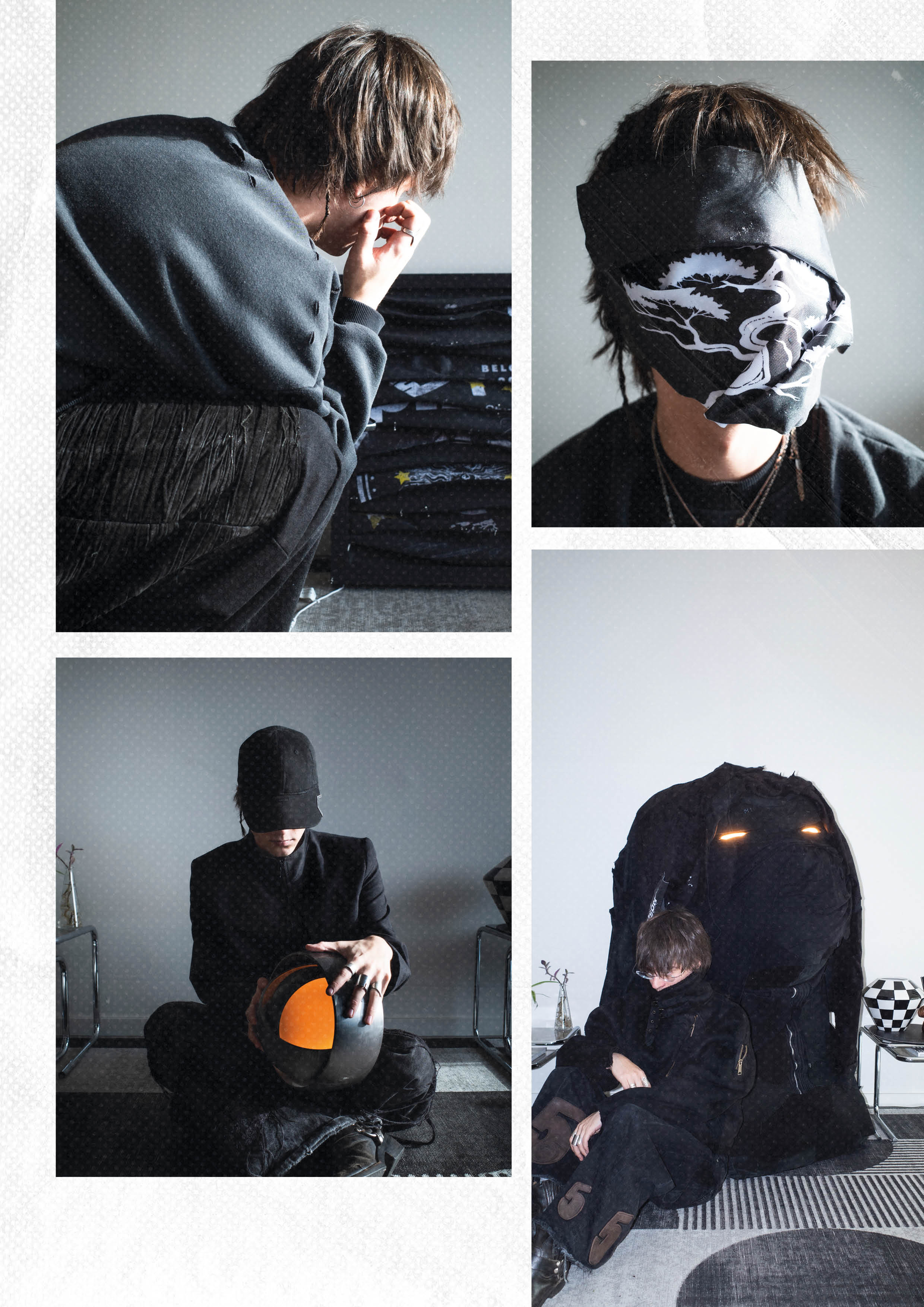
Dear: One Last Letter is an ongoing artistic practice that moves between painting, sculpture, installation, and material experimentation. Within this body of work, images, objects, and found materials come together to create pieces that exist somewhere between artwork, ritual, and narrative.
The practice explores themes such as exhaustion, transformation, and the quiet traces left behind by human actions.
The practice explores themes such as exhaustion, transformation, and the quiet traces left behind by human actions.
Belgium
National
Mainly urban
It refers to other types of transformations (soft investment)
Prototype level
No
No
Yes
Individual
The project explores how images, objects, and reused materials can be combined to create artworks that exist between visual experience, ritual, and spatial intervention.
A central focus of the practice is the transformation of discarded or leftover materials. By reusing existing objects and components, the works reveal the hidden histories embedded in materials and propose alternative approaches to value, production, and waste. These materials are not only reused for sustainability reasons but also for their narrative potential, allowing traces of previous functions to remain visible within new forms.
The practice often combines surreal imagery—such as human figures, animals, and symbolic elements—with physical objects integrated directly into the work. This creates hybrid pieces that function simultaneously as paintings, sculptural objects, and experiential installations.
Several works have already been realized within this framework, including pieces that integrate functional elements or invite subtle interaction. For example, some works incorporate objects that can be activated through simple gestures, such as lighting a candle or engaging with a material component. These actions introduce time and repetition into the work, allowing the piece to evolve through small rituals performed by viewers.
Through this approach, the project investigates how art can create moments of reflection within everyday environments. The expected outcome is a growing body of hybrid artworks that combine aesthetic experience with material awareness, encouraging viewers to reconsider their relationship with objects, resources, and time.
In alignment with the principles of the New European Bauhaus, the project aims to bring together beauty, sustainability, and cultural meaning. By transforming discarded materials into poetic and experiential artworks, Dear: One Last Letter proposes a practice in which creation becomes a way to imagine more thoughtful and sustainable relationship
The idea behind Dear: One Last Letter emerged from my interest in the relationship between images, materials, and the traces that objects carry over time. During my artistic practice I became increasingly aware of how discarded materials, leftovers, and everyday objects contain hidden histories. Rather than treating these materials as waste, I started to explore how they could be transformed into artworks that preserve and reinterpret these traces.
The concept developed gradually through experimentation in my studio. Initially, my work focused primarily on painting, often using surreal imagery that combines human figures, animals, and symbolic elements. Over time I began integrating physical objects directly into the paintings. This shifted the work from purely visual compositions to hybrid pieces that exist between painting, sculpture, and installation.
A key step in the development of the concept was the decision to work consciously with reused and found materials. Components from furniture, discarded objects, and leftover materials became part of the artworks. Instead of hiding their origin, I intentionally kept signs of their previous function visible. This approach allowed the works to reflect both transformation and continuity.
Another important aspect of the project is the introduction of small actions or gestures that activate the work. Some pieces include elements that viewers can interact with, such as lighting a candle or engaging with an object integrated into the artwork. These simple actions introduce time, repetition, and ritual into the experience of the work, allowing it to evolve beyond a static image.
The process of creating each work usually begins with collecting and observing materials. In the studio, I experiment with combinations of painting, assemblage, and installation techniques. This includes traditional oil painting, working with found objects, modifying existing materials, and integrating functional components into the artworks.
circular economy
social inclusion
Material experimentation
Art
Culture
From an environmental perspective, the practice focuses on reuse and material transformation. Many works incorporate discarded materials, leftover components, or everyday objects. By reusing existing materials rather than producing new ones, the project extends their lifecycle and reveals the hidden histories they carry. This approach promotes a more circular understanding of resources and challenges the idea of waste.
Socially, the practice creates accessible and participatory experiences. Some works invite viewers to activate the piece through simple gestures, such as lighting a candle or interacting with an integrated object. These small actions create shared moments of reflection and make the artwork approachable regardless of a viewer’s background or familiarity with contemporary art.
Culturally, the project connects imagination with everyday materials. By combining painting, sculpture, and found objects, the works encourage audiences to reconsider the value of the objects and resources that surround them.
The concept is exemplary in terms of sustainability because it brings together aesthetic value, material responsibility, and participation. By transforming discarded materials into meaningful artworks, Dear: One Last Letter proposes a poetic and cultural approach to sustainability.
The works often introduce small gestures that activate the artwork, such as lighting a candle or interacting with an integrated object. These simple actions create shared moments of attention and slow down the pace of everyday life. Through these small rituals, people are invited to engage with the work collectively, which helps foster a sense of connection and belonging within the space where the artwork is experienced.
By placing emphasis on reuse, transformation, and participation, the project encourages viewers to develop a more attentive relationship with their surroundings and the materials that shape them. This approach contributes to a culture of care—for objects, resources, and shared environments.
The project can be considered exemplary in terms of aesthetics because it combines visual storytelling, material awareness, and spatial experience. Rather than separating beauty from sustainability, Dear: One Last Letter demonstrates how artistic imagination can transform existing materials into meaningful and engaging forms that enrich everyday spaces.
Many works invite viewers to activate the piece through simple gestures, such as lighting a candle or interacting with an integrated object. These actions require no prior knowledge of art and allow people to engage with the work in a direct and intuitive way. By shifting the role of the viewer from observer to participant, the project encourages shared experiences and collective moments of reflection.
The concept also supports accessibility through its material strategy. By reusing available materials and simple production methods, the works demonstrate that meaningful aesthetic experiences do not depend on expensive or exclusive resources.
In this way, Dear: One Last Letter promotes a more inclusive model of cultural participation, where art becomes something that can be experienced and activated by diverse audiences. The project can therefore be considered exemplary in terms of inclusion, as it connects artistic expression with everyday life, participation, and shared cultural spaces.
not yet
no one
Knowledge from design and fashion design informs the way materials are assembled, layered, and transformed. Textile fragments, leather, and found materials are often incorporated into the works, creating connections between artistic expression and wearable or functional design traditions.
The implementation of the project also involves manual craftsmanship and hand labor, which plays a central role in the making process. Techniques such as assembling, modifying, and reworking existing materials allow discarded objects to be transformed into new forms.
In addition, digital design tools are sometimes used for visual development, documentation, and communication of the works, helping to expand the reach of the practice beyond the studio.
By combining these different disciplines—arts, design, manufacturing, craft, and digital tools—the project develops a hybrid practice where artistic experimentation, material awareness, and spatial thinking come together.
hybrid model combining artistic production, exhibitions, collaborations, and public support. As an artistic practice that operates between painting, sculpture, and installation, the primary revenue stream comes from the sale of artworks through galleries, exhibitions, and collectors.
In addition, the project can generate income through residencies, cultural programs, and collaborations with institutions or creative spaces that support experimental artistic practices focused on sustainability and material reuse. Workshops, open studio events, and participatory moments connected to the works can also create opportunities for engagement with audiences while contributing to the financial ecosystem of the project.
Public funding and cultural grants—such as arts funding programs, sustainability initiatives, or European cultural funds—can support the development of new works and research around material reuse and artistic experimentation. These resources make it possible to further develop the practice while maintaining its focus on sustainability and accessibility.
In the longer term, the project aims to build a sustainable artistic ecosystem where artworks, exhibitions, collaborations, and public engagement reinforce one another. By combining artistic production with cultural programming and partnerships, Dear: One Last Letter can remain financially viable while continuing to explore new relationships between art, materials, and society.
It can be replicated or transferred to other places, communities, and contexts. A key transferable aspect is the methodology of working with reused and locally available materials. By collecting discarded objects or leftover components and transforming them into artworks, the approach can be adapted to different environments where materials, resources, and cultural contexts vary.
Another transferable element is the integration of simple participatory gestures within artworks. Actions such as lighting a candle or interacting with an object are accessible and can easily be adapted to different audiences and cultural settings. These small rituals create shared moments of engagement and reflection, making art more approachable and inclusive.
The practice also demonstrates a hybrid approach that combines artistic disciplines, craft, and design, which can inspire other makers, workshops, or community initiatives interested in material reuse and creative experimentation.
In addition, the concept of open studio processes—where the making of artworks becomes visible and part of the experience—can be implemented in cultural spaces, studios, or community environments. This approach helps connect artistic practice with audiences while encouraging awareness of materials, creativity, and sustainable thinking.
Through these transferable methods—material reuse, participatory interaction, and open creative processes—the project offers a model that can inspire similar initiatives in other locations and communities.
In the year following the application, the next step for Dear: One Last Letter is to further develop the practice through the creation of new works that combine painting, sculpture, and reused materials. The focus will be on expanding the series of hybrid artworks while continuing to experiment with participatory elements and material transformation.
A key step will be to present the work in exhibitions, open studios, and collaborative cultural spaces, allowing audiences to experience the works directly and engage with the processes behind them. These presentations will help test and refine the participatory aspects of the practice, such as simple gestures that activate the artwork.
Another important step is to develop collaborations with creative studios, residencies, and cultural institutions that focus on sustainability, material experimentation, and interdisciplinary practices. These collaborations can support the research into new materials, methods of reuse, and spatial forms of presentation.
Communication will also play an important role. The project will be promoted through digital platforms, documentation of the making process, and possible livestreams or open studio moments, allowing wider audiences to follow the evolution of the works and engage with the ideas behind the practice.
Through these steps—artistic production, exhibitions, collaborations, and public engagement—the project will continue to grow as a practice that connects art, sustainability, and shared cultural experiences.