Enhancing Circularity, Sustainability, and Innovation
REDESK -Upcycled Work Furniture from Sol
REDESK – Transforming Decommissioned Solar Panels into Sustainable Work Furniture
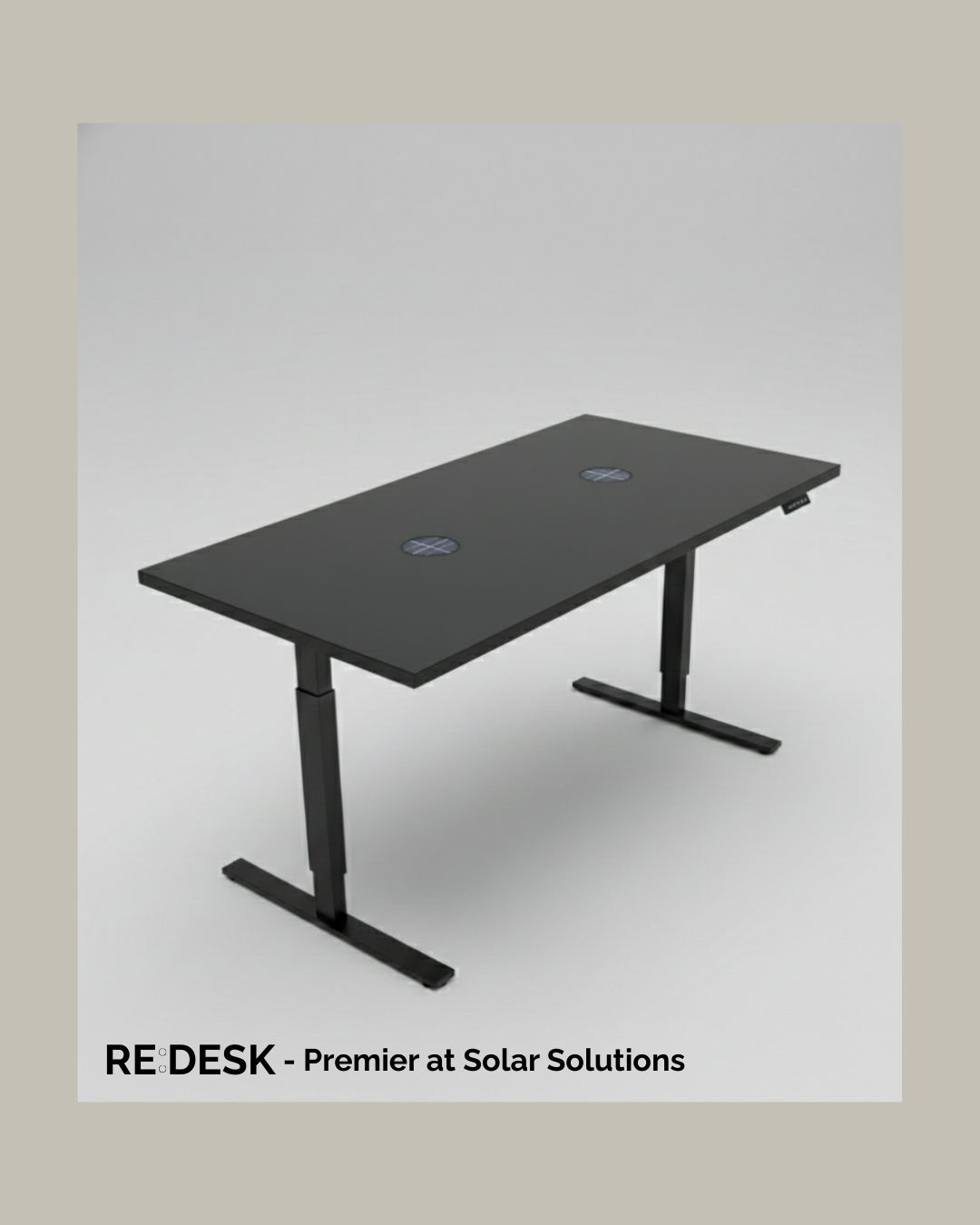
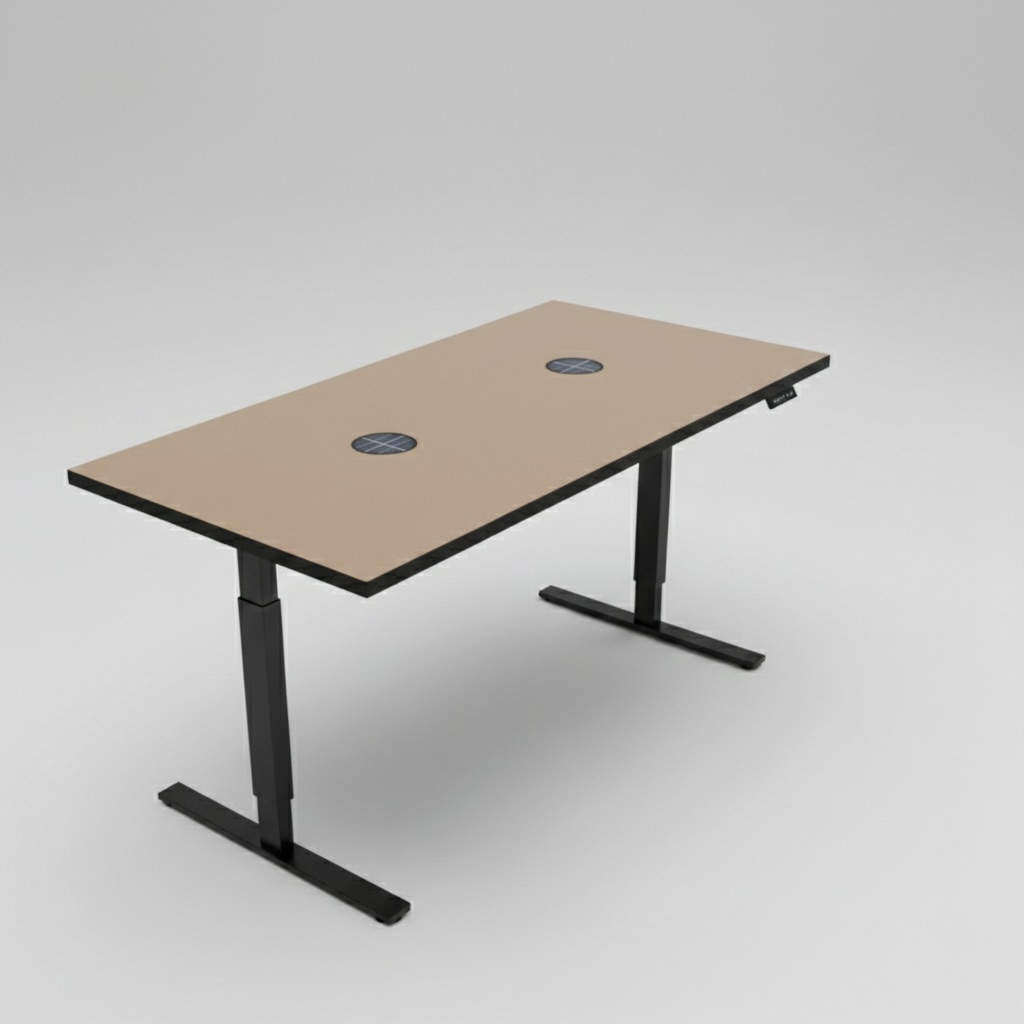
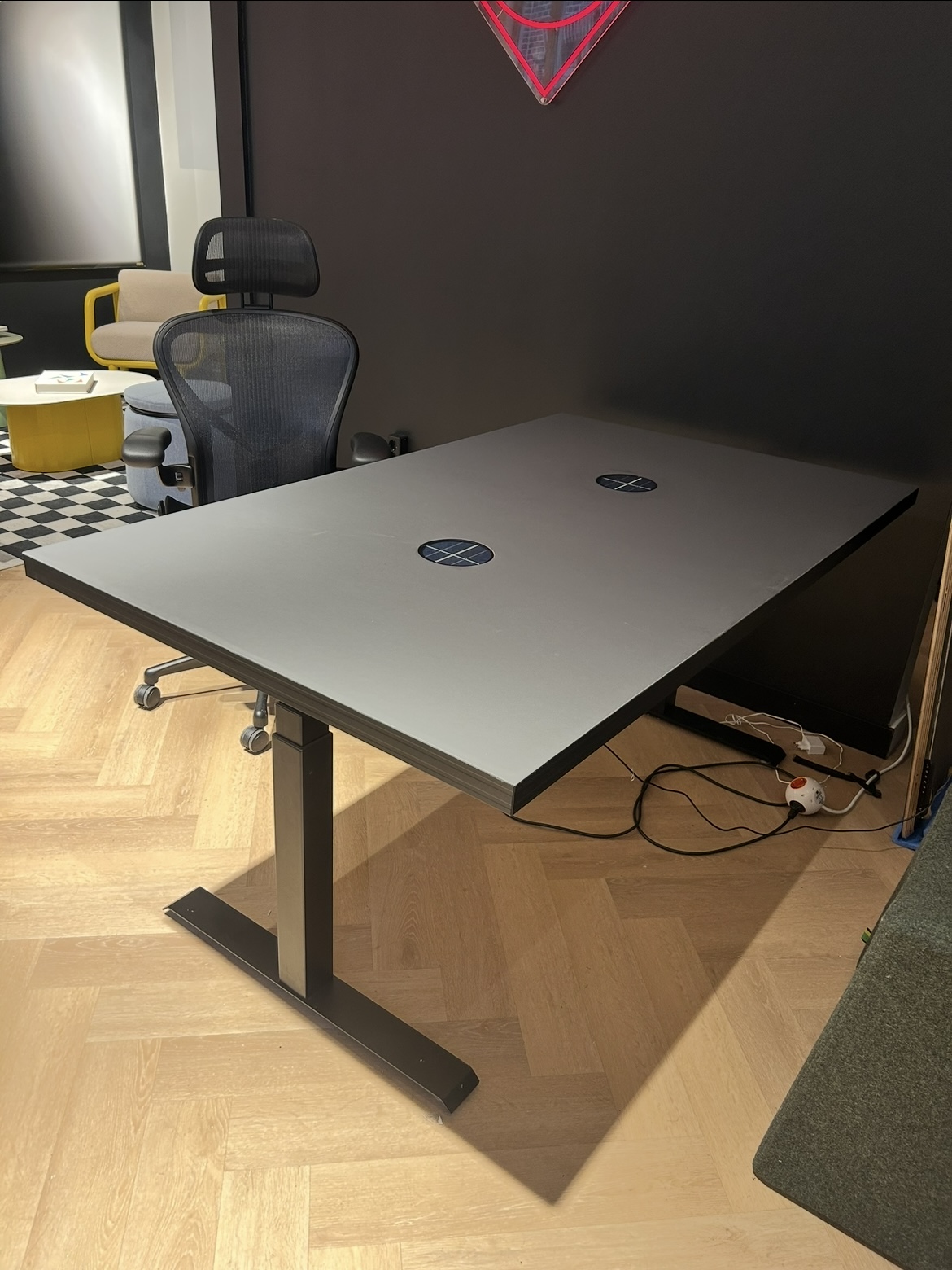
REDESK transforms decommissioned solar panels into premium desks and tables, giving waste from the energy transition a second life. By turning solar materials into functional furniture, the project brings circular design into everyday work environments — making sustainability visible, tangible and part of daily use.
Netherlands
National
Mainly urban
It involves other types of transformations (soft investment)
Yes
2026-03-03
No
No
No
Organisation
REDESK develops premium work furniture from decommissioned solar panels, transforming waste into functional and high-quality desks and tables. The project addresses the growing challenge of photovoltaic waste by applying circular design principles to everyday work environments.
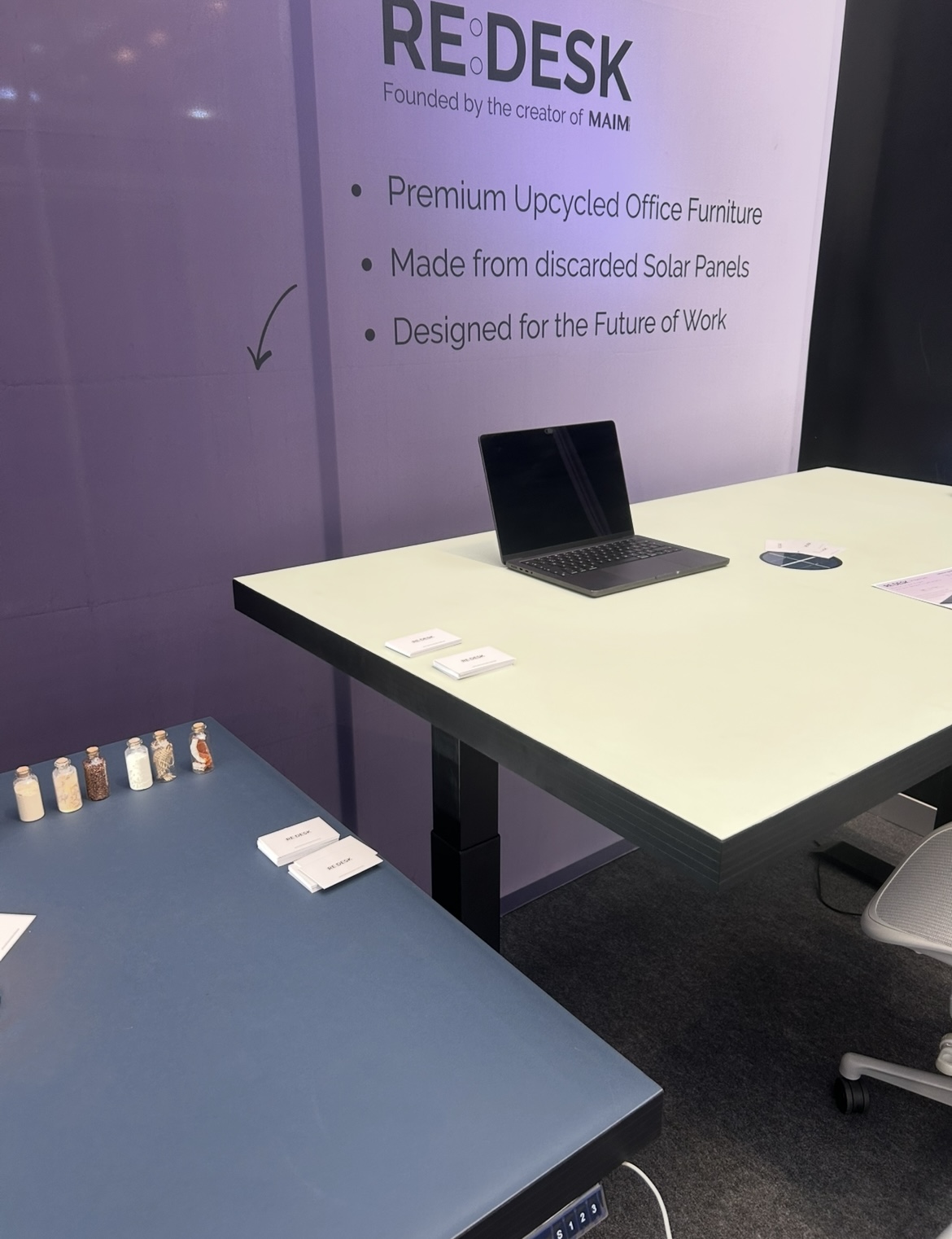
The first prototypes and products have been developed and presented at international industry events, demonstrating the technical and aesthetic feasibility of using solar panels as a structural and visual element in furniture.
In the long term, REDESK aims to scale circular furniture production across Europe, offering organisations a tangible way to integrate sustainability into their workspaces while reducing material waste.
REDESK originated from the idea that discarded solar panels should not only be recycled, but directly reused in functional applications.
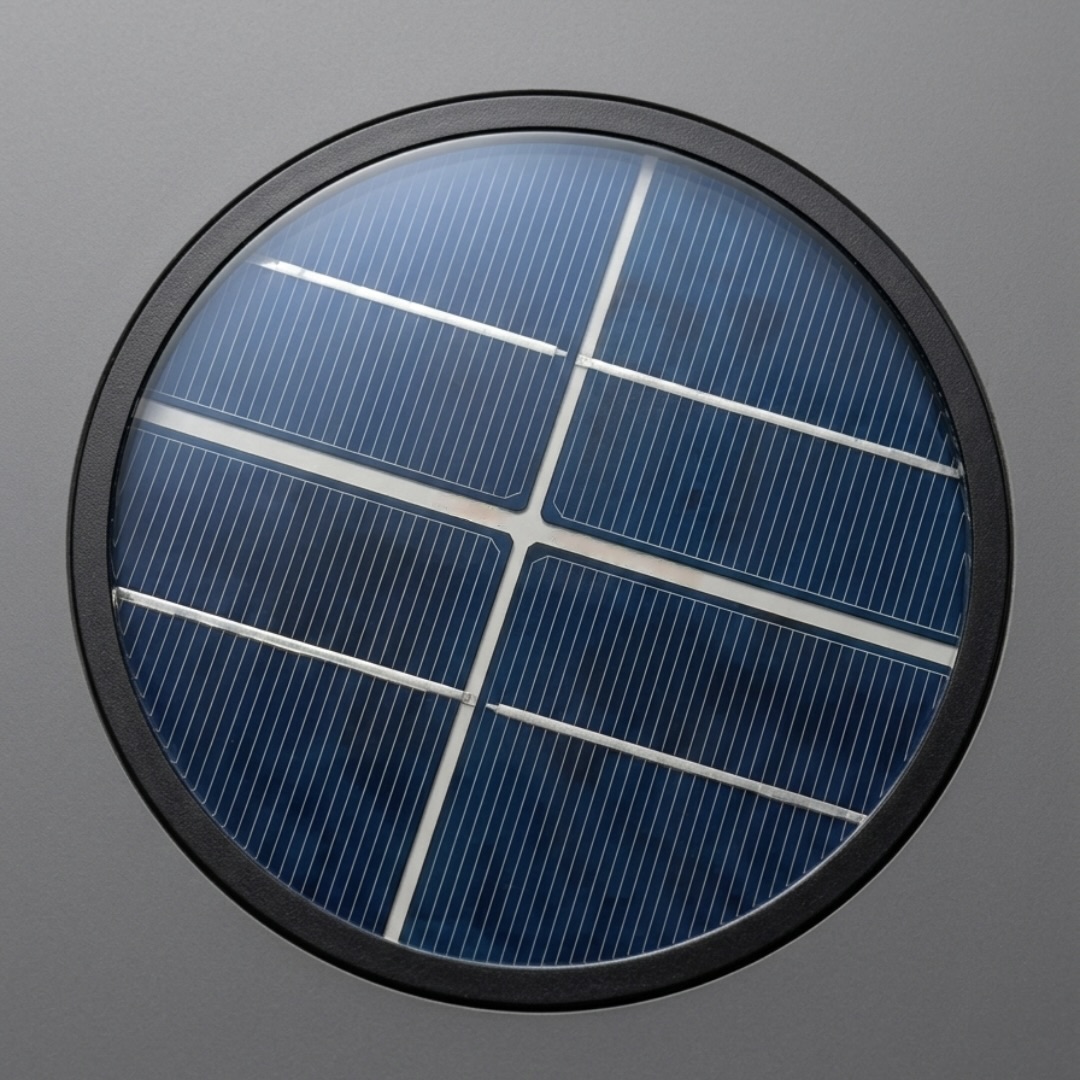
Building on experience with solar materials, the project explored how entire panels could be preserved and repurposed into furniture without dismantling their core structure. This led to the development of desks and tables that retain the original solar panel as a visible and integral component.
The implementation involved prototyping, material testing and product development, resulting in functional furniture pieces that can be used in offices and professional environments. The products were introduced in real contexts, including exhibitions and industry events, to validate both usability and market relevance.
Circular furniture
Solar reuse
Workplace design
Material innovation
Sustainability
RE:DESK addresses the environmental challenge of solar panel waste by directly reusing complete panels in furniture applications, extending their lifecycle and reducing the need for new raw materials.
By avoiding disassembly and maintaining the integrity of the panel, the project preserves embedded energy and materials. It also introduces circular design into office environments, where large volumes of furniture are used and replaced.
The project is exemplary in demonstrating how waste streams can be transformed into durable, functional products at scale.
RE:DESK combines industrial materials with refined design, creating furniture that is both functional and visually distinctive. The original solar panel remains visible, giving each piece a unique identity and narrative.
The design elevates a technical material into a premium product, contributing to more inspiring and meaningful work environments.
The project is exemplary in showing how circular design can meet high aesthetic standards without compromise.
The design elevates a technical material into a premium product, contributing to more inspiring and meaningful work environments.
The project is exemplary in showing how circular design can meet high aesthetic standards without compromise.
RE:DESK contributes to inclusion by integrating sustainability into everyday work environments, making circular design accessible to a broad range of users within organisations.
By embedding sustainability into functional products, it lowers the threshold for companies and individuals to engage with circularity in their daily routines.
The project enables organisations to align their workspaces with sustainability goals in a practical and visible way.
By embedding sustainability into functional products, it lowers the threshold for companies and individuals to engage with circularity in their daily routines.
The project enables organisations to align their workspaces with sustainability goals in a practical and visible way.
RE:DESK has been developed through direct interaction with users, partners and industry stakeholders. Feedback from professionals, designers and potential clients has informed the design, functionality and usability of the products.
This iterative approach ensures that the furniture meets real needs while maintaining its circular principles.
This iterative approach ensures that the furniture meets real needs while maintaining its circular principles.
The project operates across multiple levels:
Local: product development and testing
National: collaboration with suppliers and partners
European: presentation at international events and potential market expansion
Stakeholders include material suppliers, design partners and end users, each contributing to the development and implementation.
Local: product development and testing
National: collaboration with suppliers and partners
European: presentation at international events and potential market expansion
Stakeholders include material suppliers, design partners and end users, each contributing to the development and implementation.
RE:DESK combines:
Industrial design
Engineering and product development
Material science (photovoltaic panels)
Sustainability and circular economy
This integration enables the creation of functional products from unconventional materials.
Industrial design
Engineering and product development
Material science (photovoltaic panels)
Sustainability and circular economy
This integration enables the creation of functional products from unconventional materials.
RE:DESK operates through:
direct sales of furniture
B2B partnerships (offices, corporates, interior projects)
scalable product lines (desks, meeting tables)
The model is designed for scalability and repeat production, enabling growth without dependency on subsidies.
direct sales of furniture
B2B partnerships (offices, corporates, interior projects)
scalable product lines (desks, meeting tables)
The model is designed for scalability and repeat production, enabling growth without dependency on subsidies.
The concept is highly scalable:
solar panels are widely available across Europe
production can be standardised
products can be adapted to different markets and use cases
The approach can be replicated in various contexts, from offices to public spaces, making it transferable across regions and sectors.
solar panels are widely available across Europe
production can be standardised
products can be adapted to different markets and use cases
The approach can be replicated in various contexts, from offices to public spaces, making it transferable across regions and sectors.