Strengthening Local Democracy and Inclusion
Mensagem de Lisboa
Mensagem de Lisboa
Mensagem de Lisboa is a participatory civic media project that helps communities shape the story of their city. By working with residents, migrants, students and local organisations, it makes underrepresented neighbourhoods visible, strengthens belonging and fosters a more inclusive, democratic and human-centred Lisbon.
Portugal
Local
Lisbon
Mainly urban
It involves other types of transformations (soft investment)
Yes
2026-03-16
Yes
Creative Europe
No
No
Organisation
Mensagem de Lisboa is an independent civic media platform dedicated to documenting Lisbon through the perspectives of its residents and neighbourhoods. The project responds to two growing challenges in European cities: the decline of local journalism and the underrepresentation of diverse communities in public narratives. Mensagem combines professional journalism with participatory and community-based approaches to better reflect the complexity of urban life.
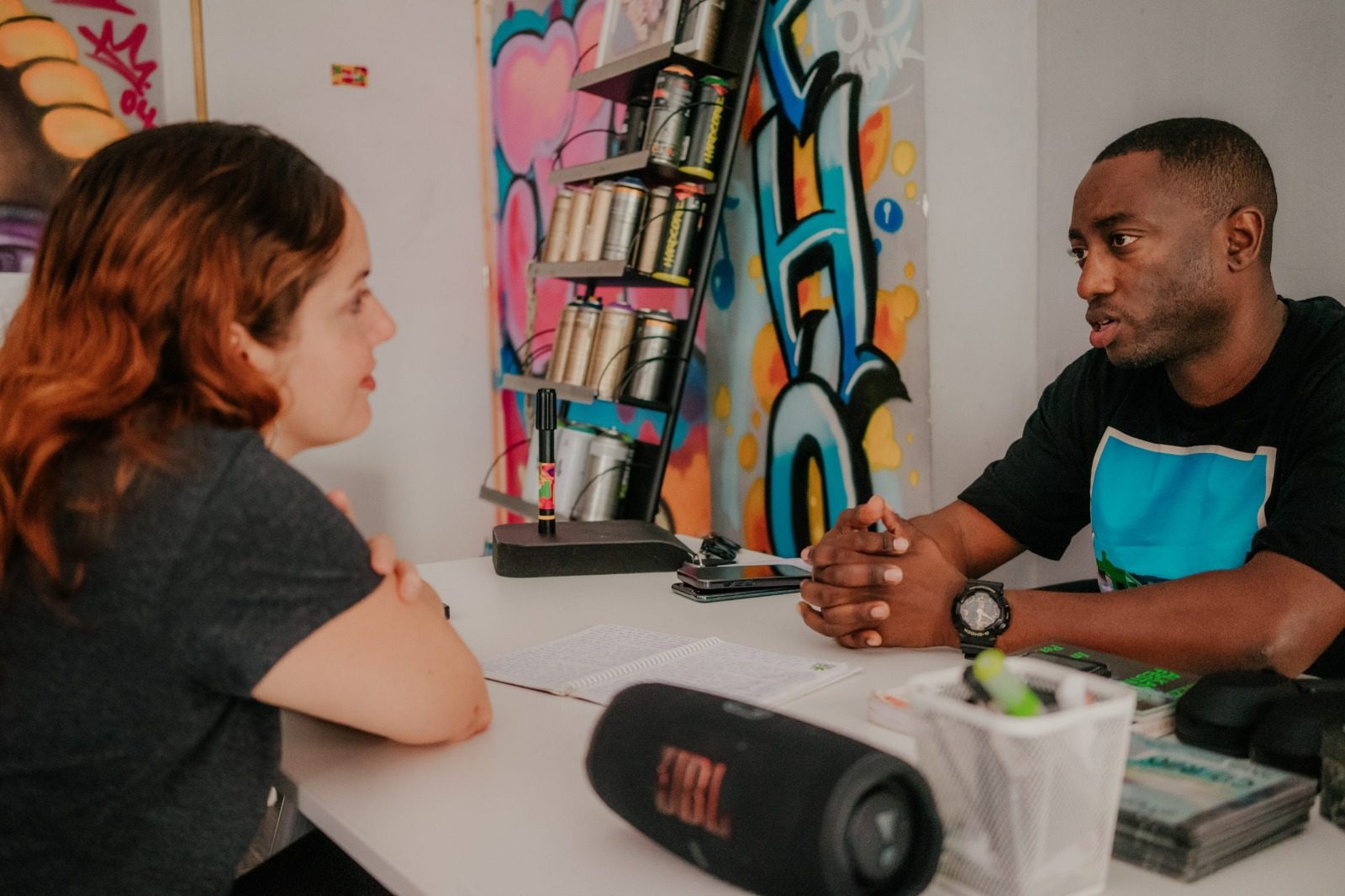
The newsroom works closely with residents, students, researchers and civil society organisations to identify stories and document neighbourhood realities. Initiatives such as Correspondentes de Bairro involve local residents and journalism students in reporting on their communities, strengthening local knowledge and representation.
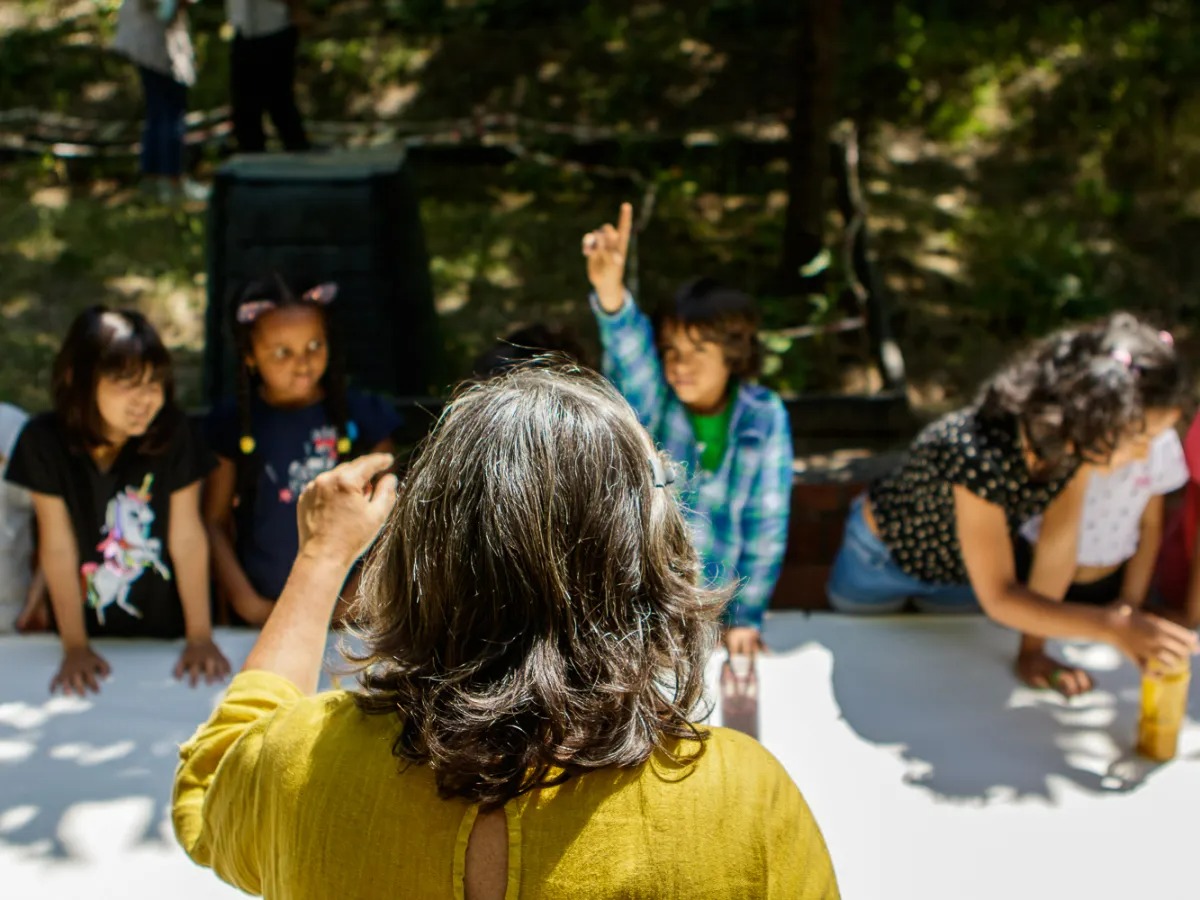
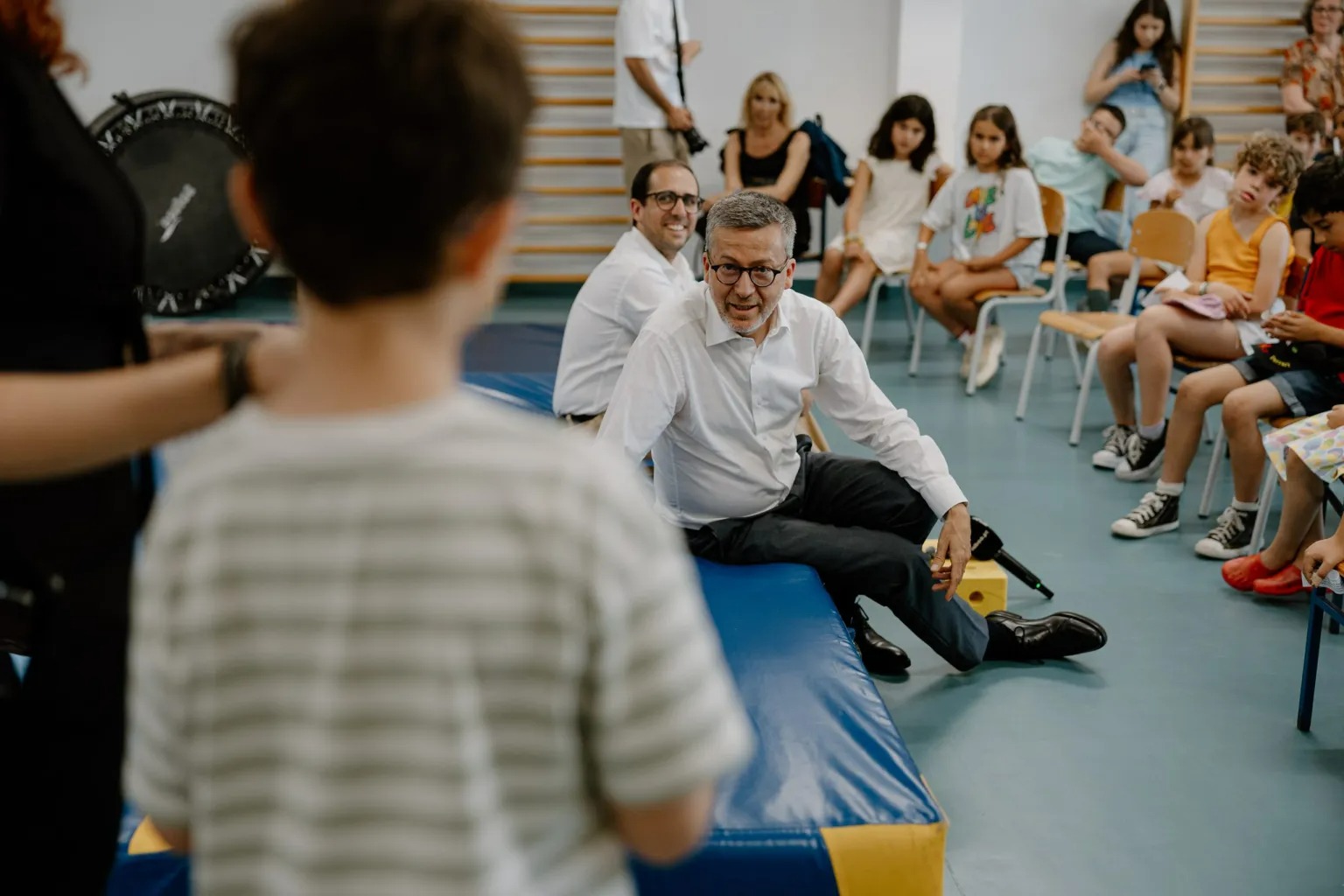
Mensagem also develops educational and civic participation projects. In Também Moro Aqui – Mini Repórteres de Bairro, children explore their neighbourhoods through reporting and storytelling, encouraging early civic engagement and a stronger connection to place.
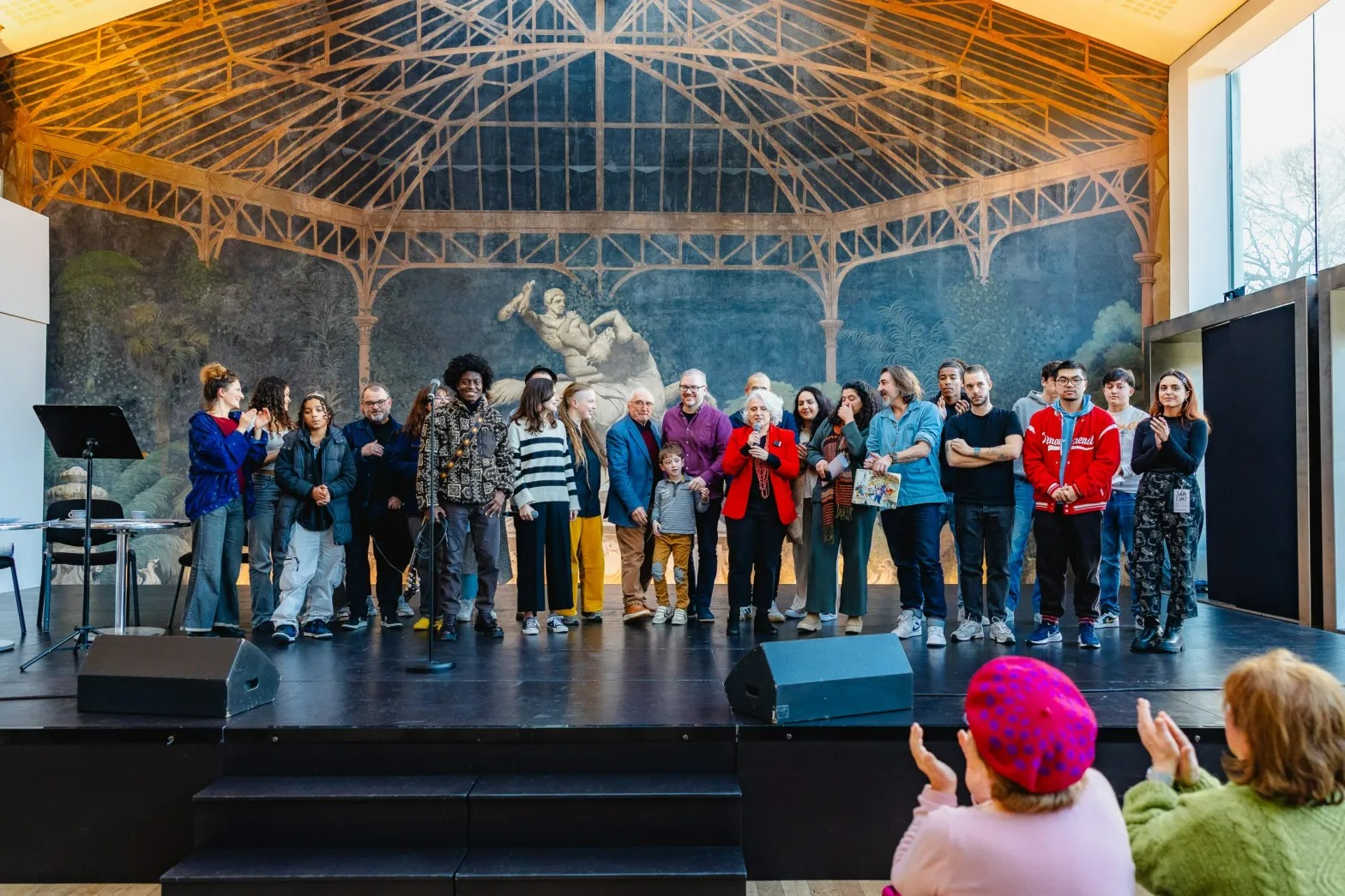
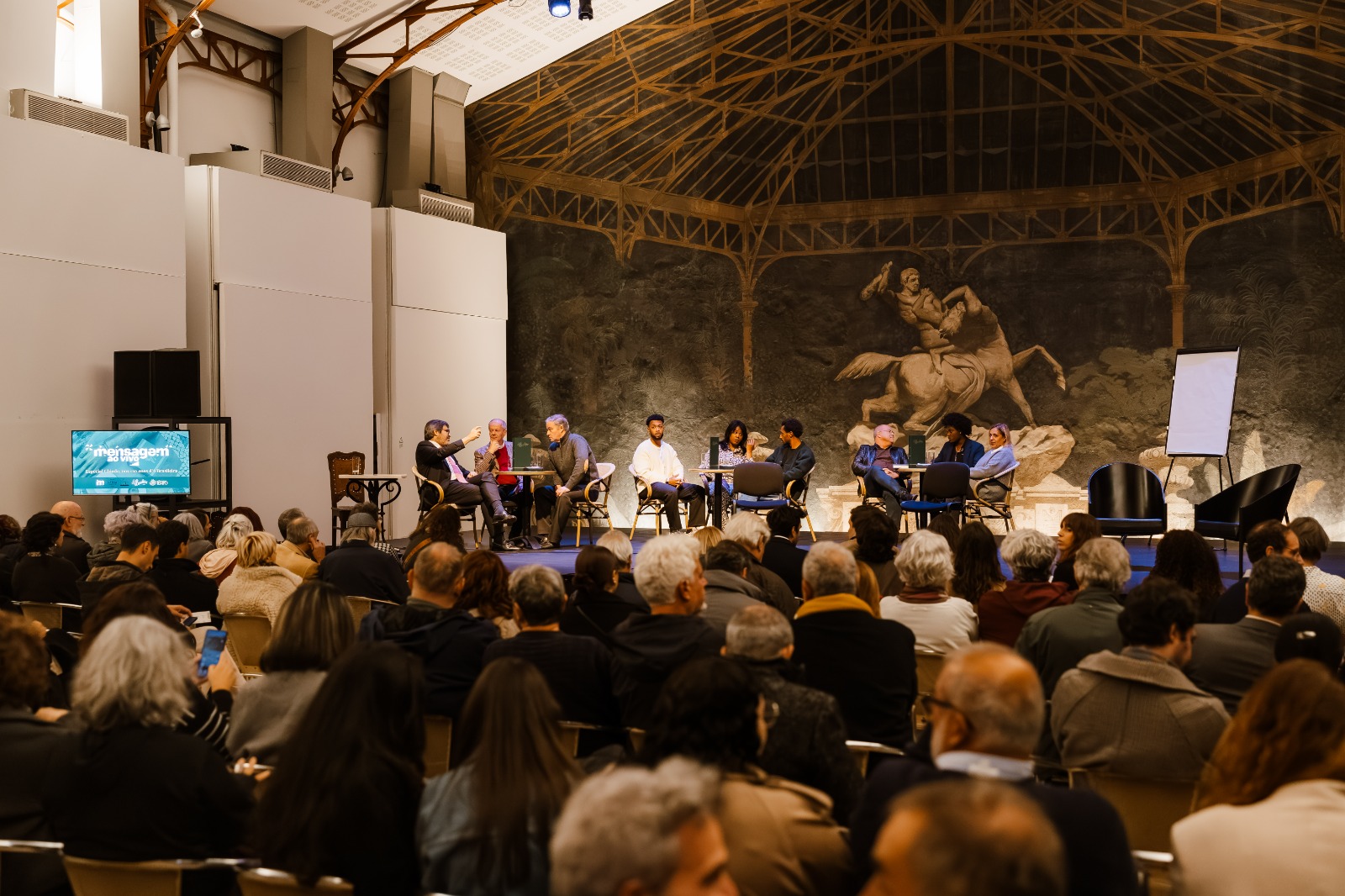
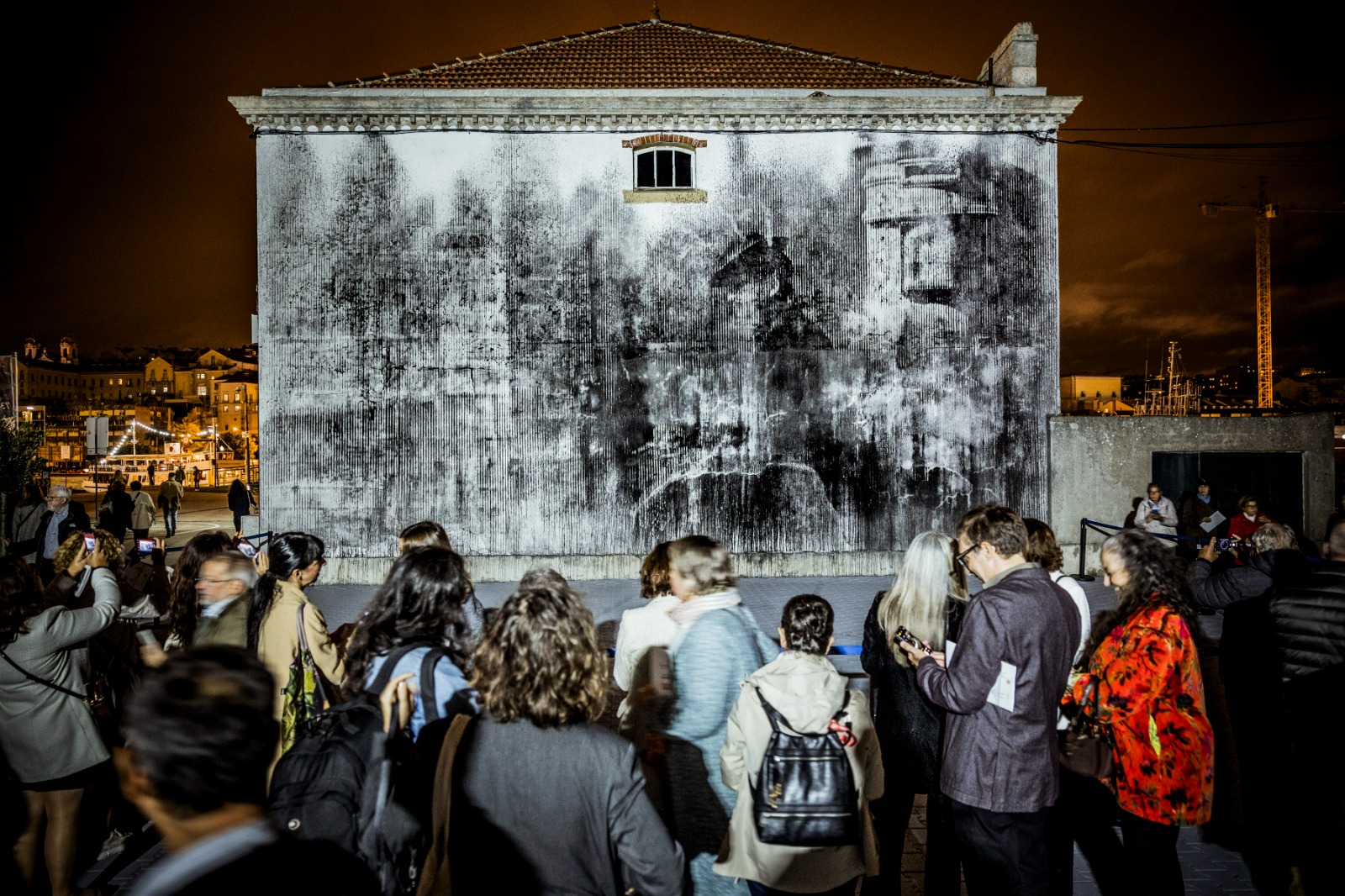
Beyond digital journalism, the project creates spaces for dialogue and encounter. Mensagem ao Vivo brings journalism to public stages such as Teatro São Luiz, transforming stories about the city into live conversations between journalists, residents and audiences. Community initiatives such as Jantar de Vizinhos foster encounters between neighbours from different backgrounds and encourage dialogue across cultures.
Editorial projects also highlight Lisbon’s diversity, such as the Immigrant Foodie ranking, which celebrates migrant-run restaurants and the cultural richness they bring to the city.
Through these initiatives, Mensagem contributes to stronger community voice, more inclusive urban narratives and greater civic participation in the life of the city. The project demonstrates how participatory journalism can strengthen social cohesion while creating a replicable model for civic media in European cities.
Mensagem de Lisboa emerged from a simple observation: although Lisbon is a diverse European capital, many neighbourhoods and communities remain invisible or stereotyped in mainstream narratives. A group of journalists and researchers therefore created a place-based media platform designed to document the city through the voices and experiences of the people who live in it. From the beginning, the project was conceived as a participatory initiative grounded in co-creation. Instead of reporting only about communities, Mensagem works with them. Journalists collaborate with residents, students, researchers and civil society organisations to identify stories, explore neighbourhood realities and reflect on how different parts of the city are represented. Implementation takes place directly on the ground through collaborative storytelling and community engagement. Initiatives such as Correspondentes de Bairro involve residents and journalism students in documenting neighbourhood life and sharing local knowledge. Educational projects like Também Moro Aqui – Mini Repórteres de Bairro invite children to explore and report on the places where they live, encouraging early civic participation. The project also creates spaces where journalism becomes a shared civic experience. Through Mensagem ao Vivo, stories and debates about Lisbon move from the newsroom to public stages, bringing journalists, communities and audiences together in conversations about urban life. Community initiatives such as Jantar de Vizinhos foster encounters between residents from different backgrounds, while editorial projects like the Immigrant Foodie restaurant ranking celebrate the cultural diversity shaping the city. By combining journalism, participation and public encounters, Mensagem strengthens dialogue between communities and contributes to a richer and more inclusive narrative of Lisbon.
Participatory journalism
Community co-creation
Local democracy
Social inclusion
Urban storytelling
Mensagem de Lisboa addresses sustainability by strengthening the long-term resilience of urban communities and local knowledge ecosystems. Sustainable urban transitions depend not only on environmental solutions but also on informed, engaged and connected communities. By improving access to reliable information and enabling civic participation, Mensagem helps create the social conditions necessary for sustainable urban development. The project documents the social, cultural and environmental realities of Lisbon’s neighbourhoods, highlighting local initiatives, community knowledge and everyday practices that contribute to more resilient ways of living in the city. By making these experiences visible, Mensagem connects citizens, organisations and decision-makers around shared challenges and opportunities related to urban life. Sustainability is also embedded in the project’s place-based approach. Instead of producing distant narratives about the city, Mensagem works directly with neighbourhood communities, fostering deeper understanding of local environments and strengthening relationships between people and the places they inhabit. This encourages stewardship, responsibility and long-term care for urban spaces. The project also contributes to cultural sustainability by preserving and amplifying diverse urban narratives, particularly those of migrant communities and historically underrepresented neighbourhoods. Through multilingual storytelling and participatory journalism, Mensagem ensures that different forms of knowledge and cultural perspectives remain visible within Lisbon’s evolving urban landscape. By combining journalism, civic engagement and community participation, Mensagem promotes a more sustainable urban culture where citizens are better informed, connected and able to contribute to the future of their city.
Mensagem de Lisboa contributes to aesthetics by revealing the human, cultural and everyday beauty of the city that often remains invisible in dominant urban narratives. Rather than focusing only on iconic places, the project documents the lived experiences, cultural richness and social landscapes of Lisbon’s neighbourhoods, showing the value and dignity of everyday urban life. Through storytelling, photography and multimedia journalism, Mensagem helps residents rediscover their own environments and recognise the beauty of places that are often overlooked or misrepresented. By giving visibility to local voices, cultural practices and neighbourhood identities, the project strengthens people’s emotional connection to the places where they live. This process contributes directly to a sense of belonging and pride, particularly in communities that have historically been portrayed through negative stereotypes or absent from public narratives. The participatory nature of the project also reinforces care for place. Residents are not only subjects of stories but active contributors to how their neighbourhoods are represented. Through workshops, community reporting initiatives and collaborative storytelling projects, people reflect on their environments and share their perspectives on the spaces they inhabit. This process encourages dialogue, mutual understanding and a deeper appreciation of the cultural and social value of urban spaces. In the longer term, Mensagem contributes to a more inclusive aesthetic of the city – one that reflects the diversity, creativity and everyday beauty of its communities. By documenting multiple perspectives of Lisbon, the project helps build a richer and more human-centred narrative of the city. In this way, Mensagem demonstrates that aesthetics is not only about physical design but also about how people experience, interpret and care for the places where they live.
Mensagem de Lisboa promotes inclusion by ensuring that diverse communities can participate in the public narrative and civic life of the city. In many cities, certain groups – particularly migrants, residents of peripheral neighbourhoods and socially vulnerable communities – are often absent from mainstream media representation and public debate. By creating a participatory journalism platform, Mensagem offers these communities a space to share their perspectives, experiences and knowledge about the places where they live. The project promotes accessibility through its open and community-oriented editorial model. Journalists collaborate with residents, students, researchers and local organisations to identify stories and explore neighbourhood realities. This participatory process allows communities to influence how their environments are represented and discussed in the public sphere. Accessibility is also strengthened through language and format. Mensagem publishes content in Portuguese, English and Creole, enabling migrant communities and international residents to access information and participate in civic dialogue. By reducing linguistic and cultural barriers to information, the platform contributes to more inclusive public communication. Inclusive governance is embedded in the collaborative structure of the project. Editorial initiatives often involve partnerships with community organisations, universities and local actors, creating spaces where knowledge from different backgrounds informs storytelling and public discussion. By giving visibility to underrepresented voices and enabling communities to take part in the representation of their neighbourhoods, Mensagem contributes to a more inclusive urban culture and demonstrates how participatory civic media can strengthen democratic participation and social cohesion in cities.
Mensagem de Lisboa is built on a participatory model of journalism in which citizens, communities and civil society organisations actively co-create the narratives of the city. Rather than treating residents as sources, the project involves them as collaborators in identifying stories, framing local issues and documenting neighbourhood realities. Participation happens through concrete initiatives. In Correspondentes de Bairro, residents and journalism students work directly with the newsroom to report on their communities, contributing local knowledge and perspectives. In Também Moro Aqui – Mini Repórteres de Bairro, children explore and report on their neighbourhoods, fostering early civic participation. The project also creates participatory public formats. Through Mensagem ao Vivo, stories move from the newsroom to the stage, where residents, journalists and audiences engage in conversations about urban life. Community initiatives such as Jantar de Vizinhos create spaces for dialogue between neighbours from different backgrounds. Editorial projects like the Immigrant Foodie ranking highlight migrant communities and their contribution to the city. Civil society organisations act as partners, helping identify themes, mobilise participants and connect the project to local realities. This participatory approach improves the relevance of reporting, strengthens trust between communities and media, and empowers residents to shape how their neighbourhoods are represented.
Mensagem de Lisboa operates through a multilevel collaboration ecosystem connecting local communities, civil society organisations, academic institutions and broader national and European networks interested in urban life and democratic participation. At the local level, the project works directly with residents, neighbourhood associations, cultural organisations and community leaders who help identify stories, share local knowledge and participate in collaborative reporting initiatives. Their involvement ensures that the themes explored reflect real community concerns and lived experiences. Universities and research institutions are also important partners. Journalism students and researchers collaborate in reporting projects, workshops and community storytelling initiatives. These partnerships strengthen the project’s methodological approach and encourage knowledge exchange between journalism practice and academic research. At the city and national level, the reporting produced by Mensagem contributes to public debate on urban challenges such as housing, migration, inequality and neighbourhood transformation. By bringing community perspectives into the public conversation, the project helps connect grassroots experiences with broader institutional and policy discussions. At the European level, Mensagem participates in collaborative journalism networks and media innovation initiatives focused on the future of local journalism and democratic participation. These connections allow the project to exchange knowledge with similar initiatives in other cities and increase the visibility of its work. This multilevel engagement creates strong added value by combining local knowledge, academic collaboration and international exchange to strengthen the impact of community-driven journalism.
Mensagem de Lisboa was designed through a transdisciplinary approach that combines journalism with social sciences, education, arts, architecture and digital media to better understand and represent urban life. Journalism provides the core methodology, but the project is developed through collaboration with multiple fields of knowledge and practice. Social sciences and urban studies are reflected in the way the project analyses neighbourhood dynamics, migration, inequality and urban transformation, often in collaboration with researchers and academic institutions. Education plays a central role through initiatives such as Também Moro Aqui – Mini Repórteres de Bairro, where children explore their communities through journalism, combining learning, civic participation and place-based knowledge. The project also integrates artistic and cultural practices. Through Mensagem ao Vivo, journalism intersects with performing arts by bringing stories and debates about the city to public stages. A collaboration with MAAT – Museum of Art, Architecture and Technology brings together young creators from different disciplines to explore urban space using journalistic storytelling, combining art, architecture and media. Community-based practices are central to the methodology. In Correspondentes de Bairro, residents collaborate directly with journalists, combining local knowledge with professional reporting. Initiatives such as Jantar de Vizinhos foster encounters between communities and reinforce social cohesion. Digital technologies enable the integration of these disciplines through multimedia storytelling and online participation. By combining journalism, research, education and the arts, Mensagem demonstrates how transdisciplinary collaboration can generate more inclusive representations of the city.
Mensagem de Lisboa has developed a participatory civic media model that can be adapted and replicated in other cities facing similar challenges of social fragmentation, underrepresentation and declining local journalism. The project shows how community-based storytelling can strengthen civic participation and create more inclusive urban narratives. Several elements of the project are transferable. First, the participatory journalism methodology combines professional reporting with community engagement. Residents, students and civil society organisations contribute to identifying stories, sharing local knowledge and documenting neighbourhood realities. This approach can be adapted to different urban contexts while maintaining its core principles of collaboration and local knowledge. Second, the format of temporary community newsrooms and neighbourhood storytelling initiatives can be reproduced in other cities. These initiatives create spaces where journalists and residents work together to explore local issues, generate stories and stimulate dialogue about their communities. Third, the collaborative ecosystem linking journalists, universities and community organisations offers a governance model that supports both knowledge exchange and civic participation. These partnerships can be adapted to different local environments. Finally, the digital publishing infrastructure and multilingual storytelling formats used by Mensagem allow the model to reach diverse audiences and support inclusive communication. Together, these elements provide a transferable model for participatory civic media that can inspire other cities to strengthen community voice, social cohesion and democratic dialogue.
Mensagem de Lisboa has developed a participatory civic media model that can be adapted and replicated in other cities facing challenges such as social fragmentation, underrepresentation and the decline of local journalism. The project demonstrates how community-based storytelling can strengthen civic participation and create more inclusive urban narratives. Several elements of the project are transferable. First, the participatory journalism methodology combines professional reporting with community engagement. Residents, students and civil society organisations contribute to identifying stories, sharing local knowledge and documenting neighbourhood realities. This approach can be adapted to different urban contexts while maintaining its core principles of collaboration and local knowledge. Second, the format of temporary community newsrooms and neighbourhood storytelling initiatives can be reproduced in other cities. These initiatives create spaces where journalists and residents work together to explore local issues, generate stories and stimulate dialogue about their communities. Third, the collaborative ecosystem linking journalists, universities and community organisations offers a governance model that supports knowledge exchange and civic participation. These partnerships can be adapted to different local environments. Finally, the digital publishing infrastructure and multilingual storytelling formats used by Mensagem allow the model to reach diverse audiences and support inclusive communication. These tools can be implemented in other cities seeking to connect communities through storytelling. Together, these elements provide a transferable model for participatory civic media that can help strengthen community voice, social cohesion and democratic dialogue in different urban contexts.