Arts, Culture, and Heritage as Drivers of Change
From Scrapyard to Fine Art
From Scrapyard to Fine Art: Transforming Solar Waste into Circular Art that Raises Awareness on Euro
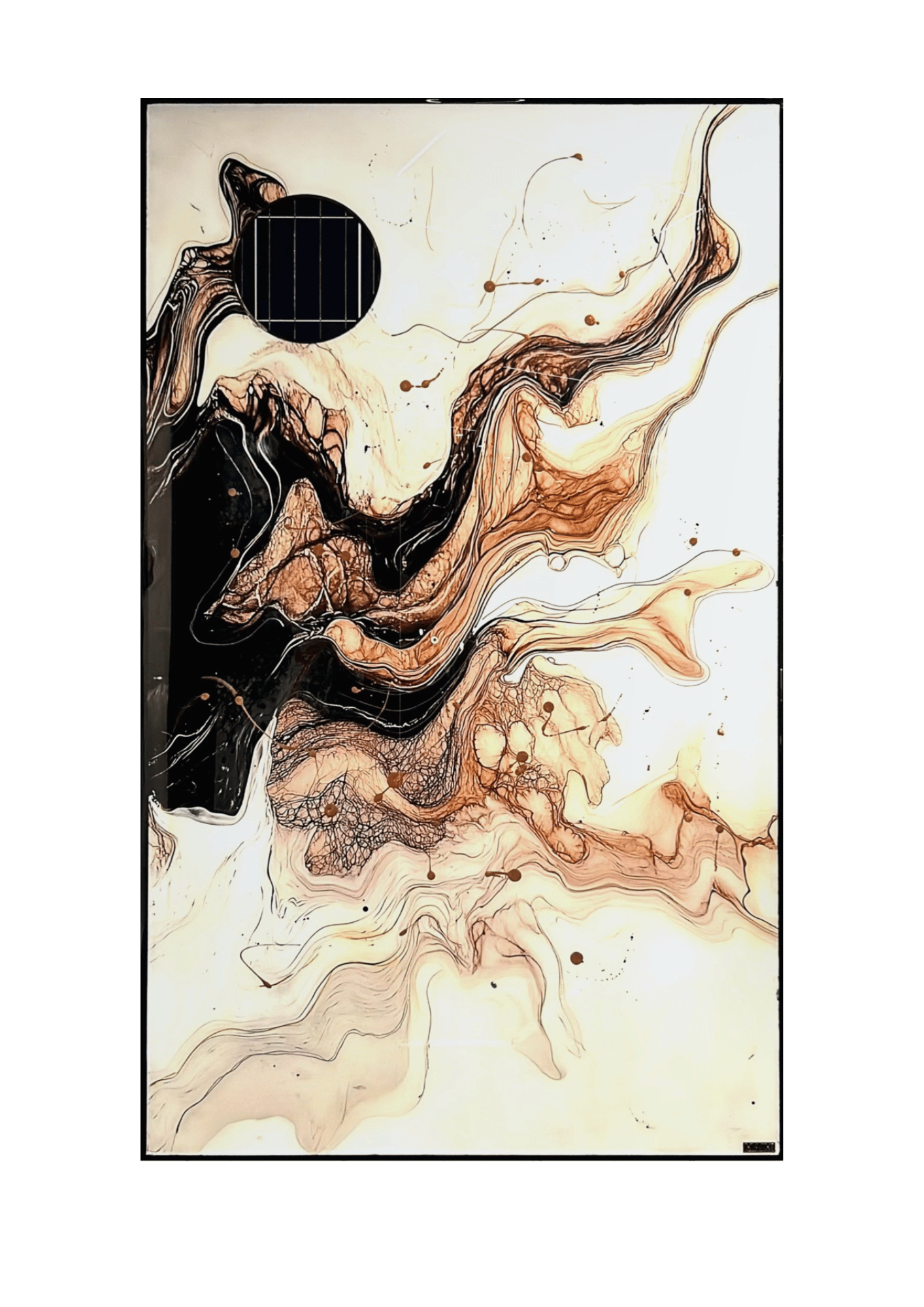
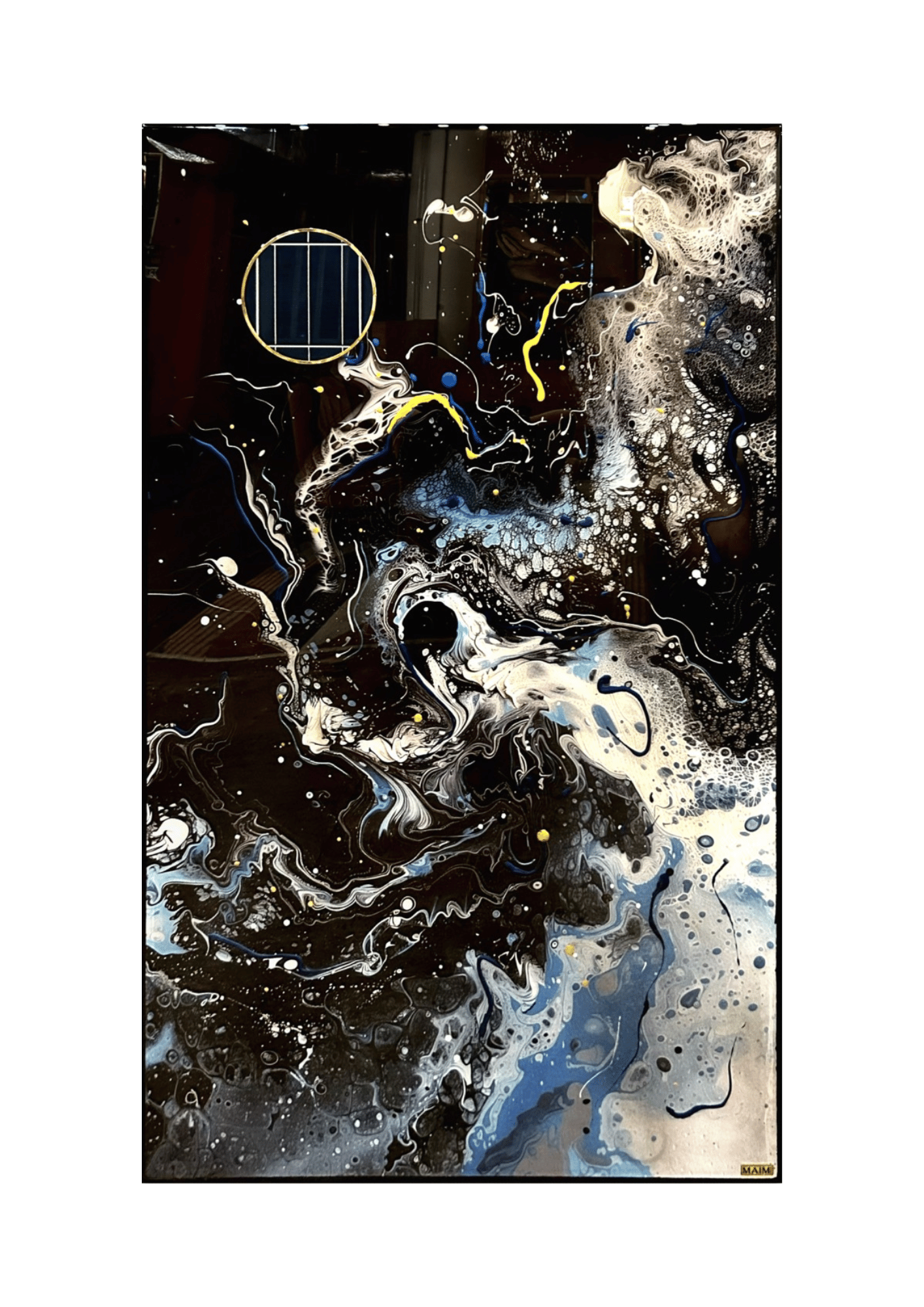
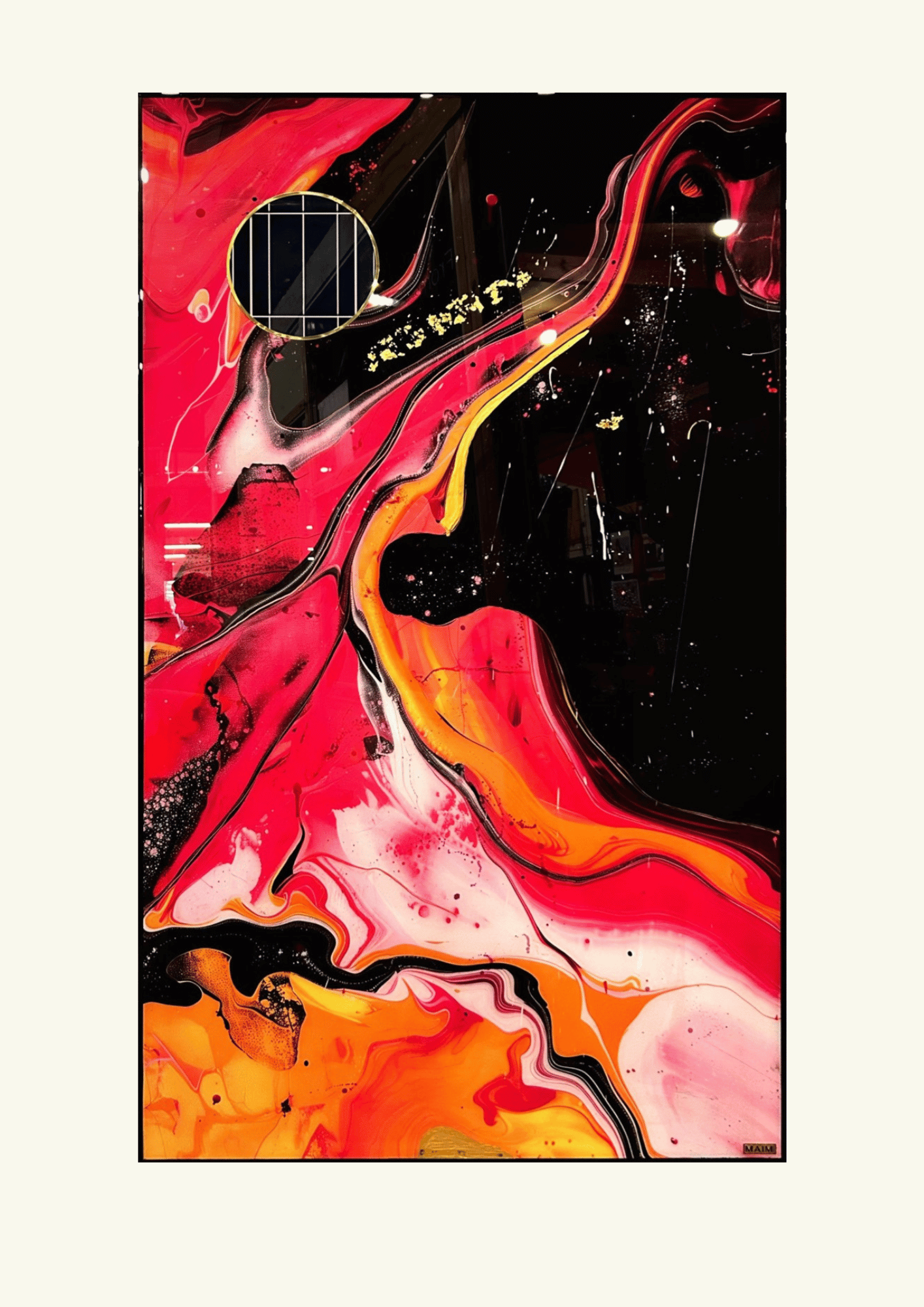
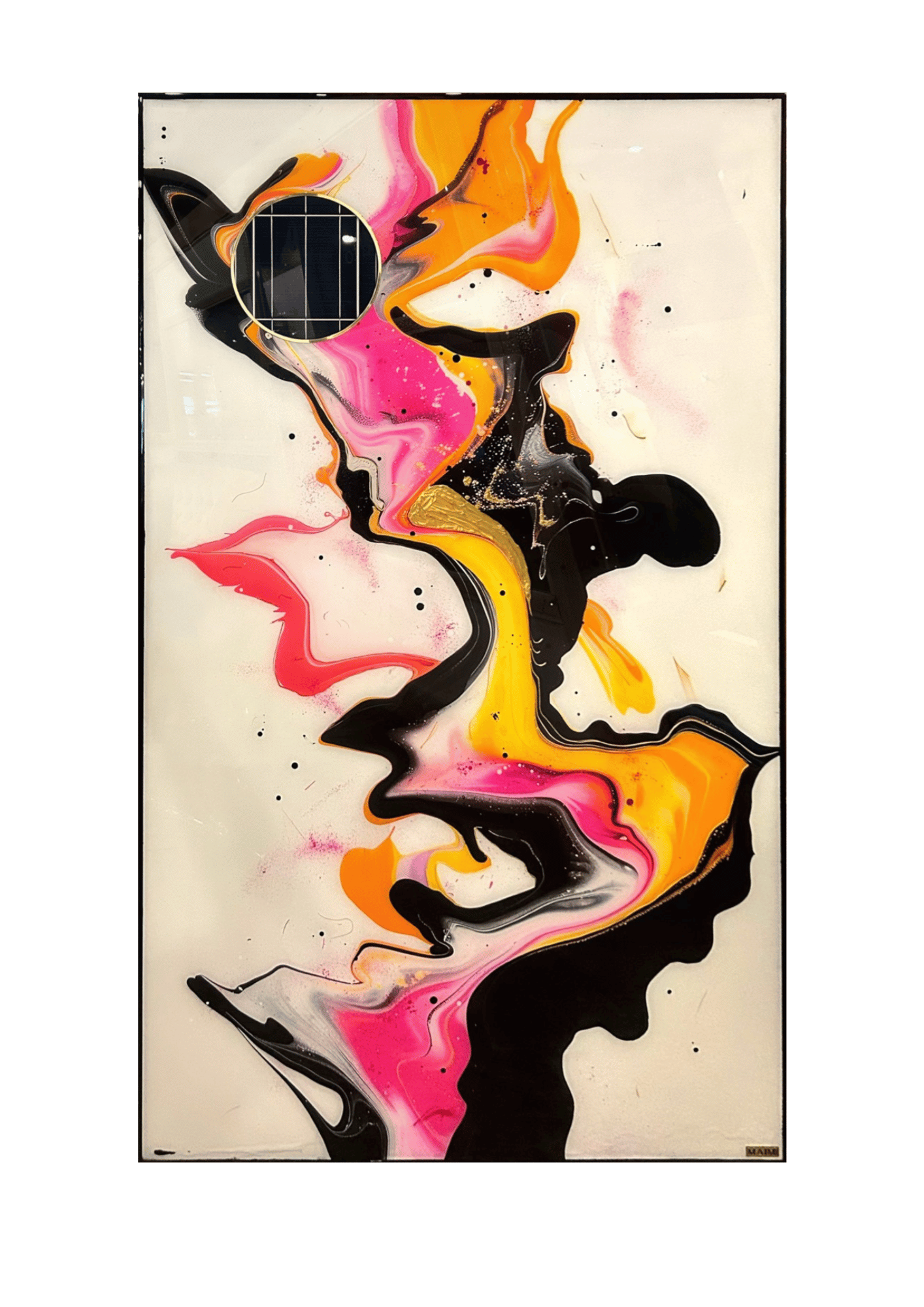
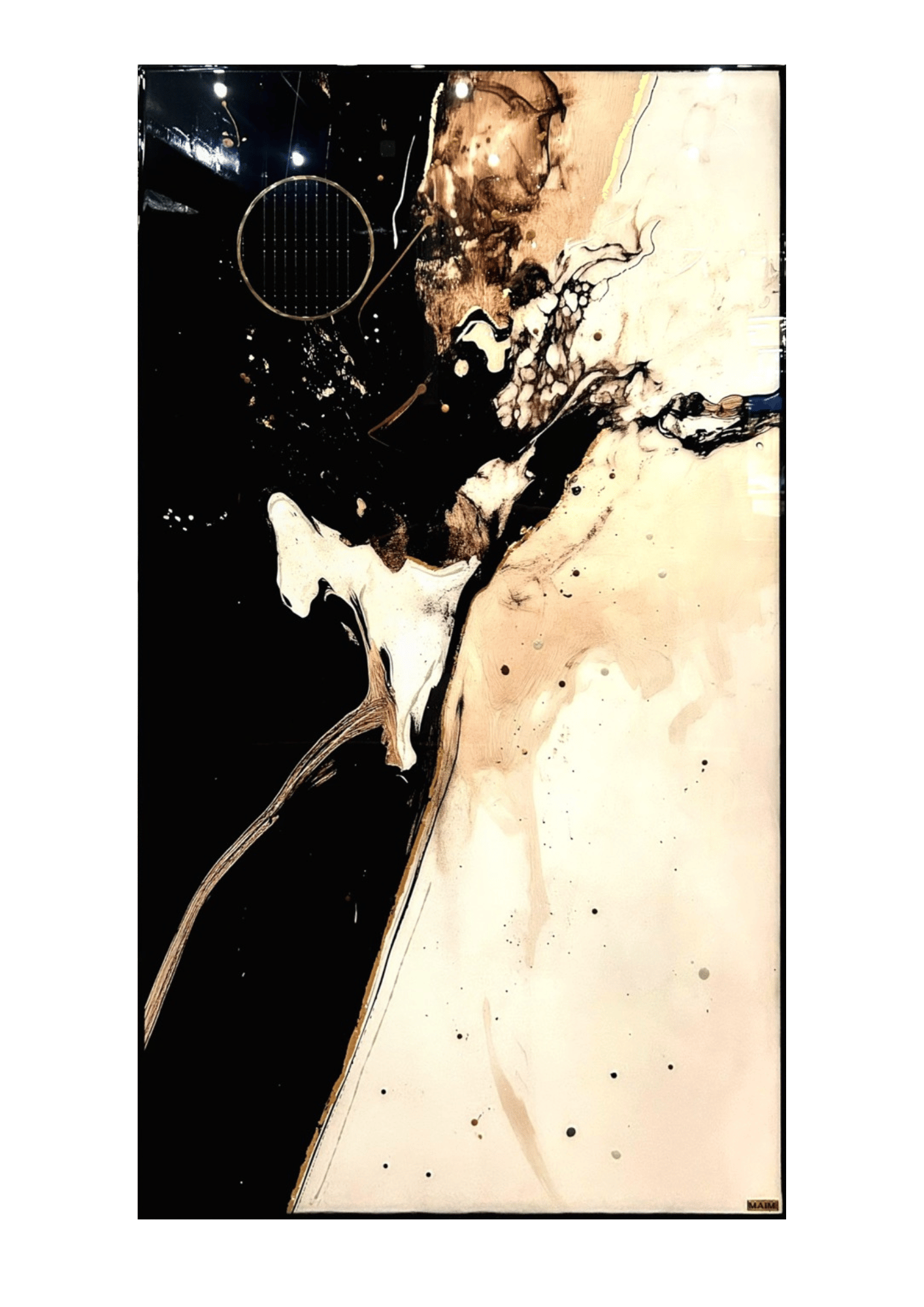
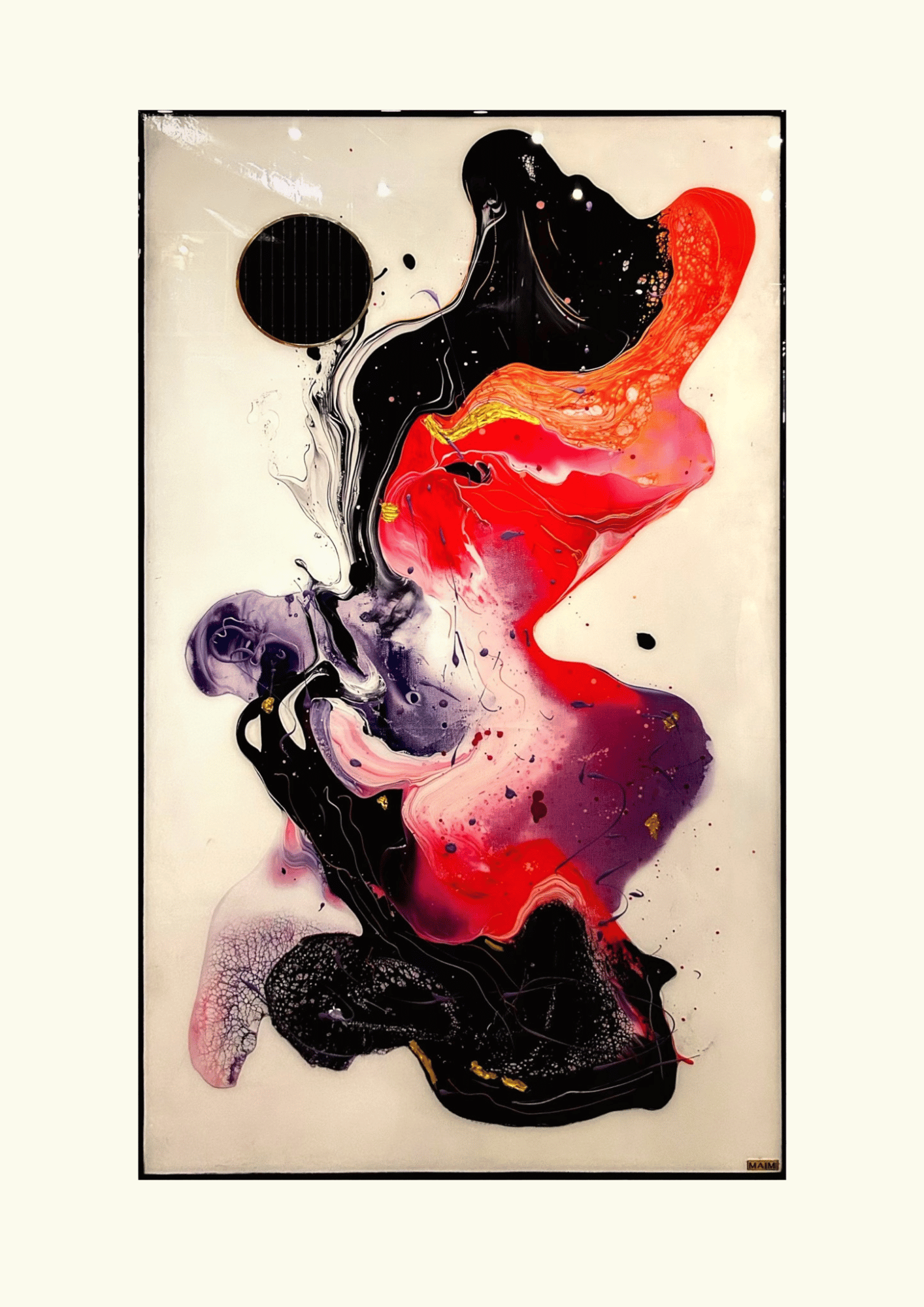
MAIM transforms decommissioned solar panels into high-end artworks, addressing one of Europe’s emerging sustainability challenges: photovoltaic waste.
By giving these materials a second life before they enter the recycling stream, the project reduces waste while raising awareness about the hidden lifecycle of renewable energy.
Through art, MAIM makes the invisible visible, turning solar waste into a tangible story about circularity.
By giving these materials a second life before they enter the recycling stream, the project reduces waste while raising awareness about the hidden lifecycle of renewable energy.
Through art, MAIM makes the invisible visible, turning solar waste into a tangible story about circularity.
Netherlands
National
Mainly urban
It involves other types of transformations (soft investment)
Yes
2023-01-01
No
No
No
Individual
MAIM (My Art Is Mine) transforms decommissioned solar panels into high-end artworks, addressing the growing challenge of photovoltaic waste in Europe. By upcycling panels before they enter the recycling stream, the project extends material lifecycles and reduces waste.
MAIM has already realised and installed artworks across multiple European countries, including the Netherlands, Germany and Belgium, in offices, exhibitions and public-facing environments. These installations demonstrate how circular materials can be integrated into high-end design and professional spaces.
In the long term, MAIM aims to scale across Europe by collaborating with organisations and cities, contributing to a circular economy while increasing awareness of the material impact of the energy transition.
The project started from the observation that while solar energy is seen as sustainable, little attention is given to the end-of-life phase of solar panels.
Founder Christian Ibink began experimenting with discarded panels as a material, developing a method to transform them into artworks while preserving their visual identity. Panels are sourced via recycling partners and processed in a studio environment into finished pieces.
The works are installed in real environments such as offices and exhibitions, where they function as both design objects and conversation starters about circularity and material use.
Circularity
Solar waste
Art & design
Material reuse
Awareness
MAIM addresses the environmental challenge of increasing solar panel waste by extending the lifecycle of photovoltaic materials through direct reuse. This reduces pressure on recycling systems and prevents premature disposal.
Socially and culturally, the project contributes by making sustainability visible and understandable in everyday environments. It connects the energy transition to material consequences, which are often overlooked.
The project is exemplary because it combines waste reduction, value creation, and awareness in one integrated solution.
MAIM transforms industrial waste into high-end artworks, contributing to more meaningful and visually engaging environments. The works are designed to integrate into professional and public spaces, enhancing daily surroundings.
By preserving elements of the original solar panel, the artworks maintain a connection to their origin, creating a layered aesthetic that combines technology and art.
The project is exemplary in showing that sustainability and aesthetics can reinforce each other rather than compete.
By preserving elements of the original solar panel, the artworks maintain a connection to their origin, creating a layered aesthetic that combines technology and art.
The project is exemplary in showing that sustainability and aesthetics can reinforce each other rather than compete.
MAIM makes complex sustainability topics accessible through visual storytelling. By placing artworks in everyday environments such as offices and public-facing spaces, the project reaches a broad and diverse audience.
The accessibility lies in its simplicity: no technical knowledge is required to understand the message. This lowers the barrier for engagement with circularity and sustainability.
The project is exemplary in translating abstract environmental challenges into tangible and understandable experiences.
The accessibility lies in its simplicity: no technical knowledge is required to understand the message. This lowers the barrier for engagement with circularity and sustainability.
The project is exemplary in translating abstract environmental challenges into tangible and understandable experiences.
The project engages users of the spaces where the artworks are installed. Employees, visitors and clients interact with the works on a daily basis, often leading to conversations about sustainability and material use.
Feedback from these interactions has influenced the development of new works and applications, making the process iterative and responsive.
Feedback from these interactions has influenced the development of new works and applications, making the process iterative and responsive.
MAIM operates across multiple levels:
Local: installations in offices and exhibitions
National: collaborations with organisations and institutions
European: cross-border placement of artworks
Recycling partners contribute to sourcing materials, while clients and organisations enable implementation within real environments.
This multi-level interaction strengthens both impact and scalability.
The project combines multiple disciplines:
Art and design
Material science (photovoltaic panels)
Sustainability and circular economy
Engineering (material processing)
This integration enables MAIM to bridge technical materials and cultural expression.
Art and design
Material science (photovoltaic panels)
Sustainability and circular economy
Engineering (material processing)
This integration enables MAIM to bridge technical materials and cultural expression.
MAIM operates on a hybrid business model:
Sale of artworks
Rental/subscription models for organisations
Custom commissions for specific spaces
This generates recurring and scalable revenue while aligning with circular principles. The model enables continuous sourcing and reuse of materials without reliance on subsidies.
Sale of artworks
Rental/subscription models for organisations
Custom commissions for specific spaces
This generates recurring and scalable revenue while aligning with circular principles. The model enables continuous sourcing and reuse of materials without reliance on subsidies.
The model is highly scalable and transferable:
the sourcing of solar panels can be replicated across Europe
the transformation process can be standardised
the concept can be applied to different sectors (offices, public spaces, hospitality)
Key learnings include how to integrate circular materials into high-end design and how to use aesthetics as a driver for awareness.
This allows the project to expand geographically and across applications without losing its core concept.