Enhancing Circularity, Sustainability, and Innovation
Ligaretta
Upcycle Brand Ligaretta
Ligaretta is important because it gives new life to outdoor advertising materials from Marunouchi. Its key idea is the use of a “secret pattern,” which makes it easier to upcycle old banner flags that are difficult to reuse because of copyright issues. This turns waste into useful products and shows a new way for a city to reuse its own materials and memories.
Japan
Local
Tokyo, Otemachi Marunouchi Yuraku-cho
Mainly urban
It involves other types of transformations (soft investment)
Yes
2025-12-31
No
No
No
Individual
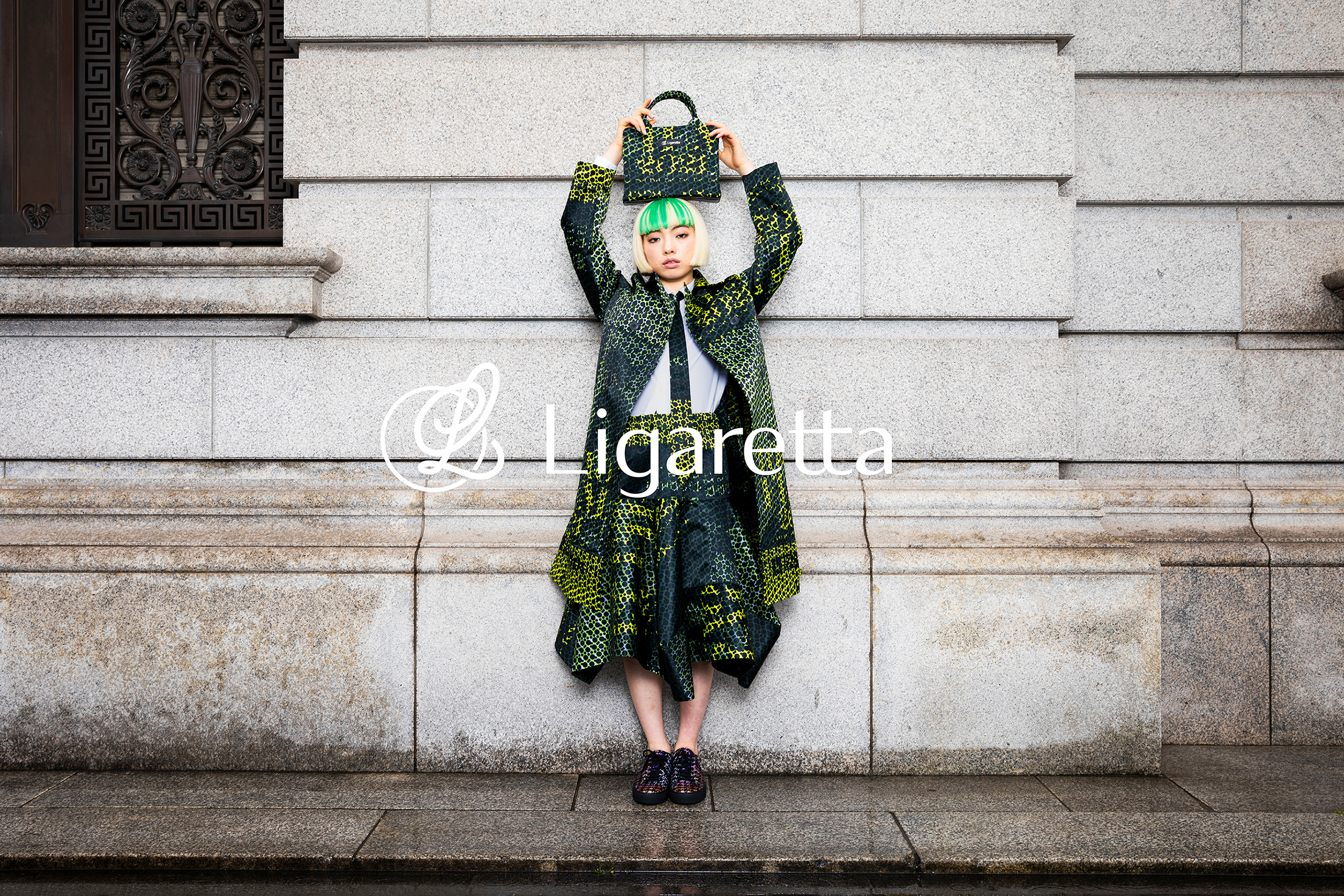
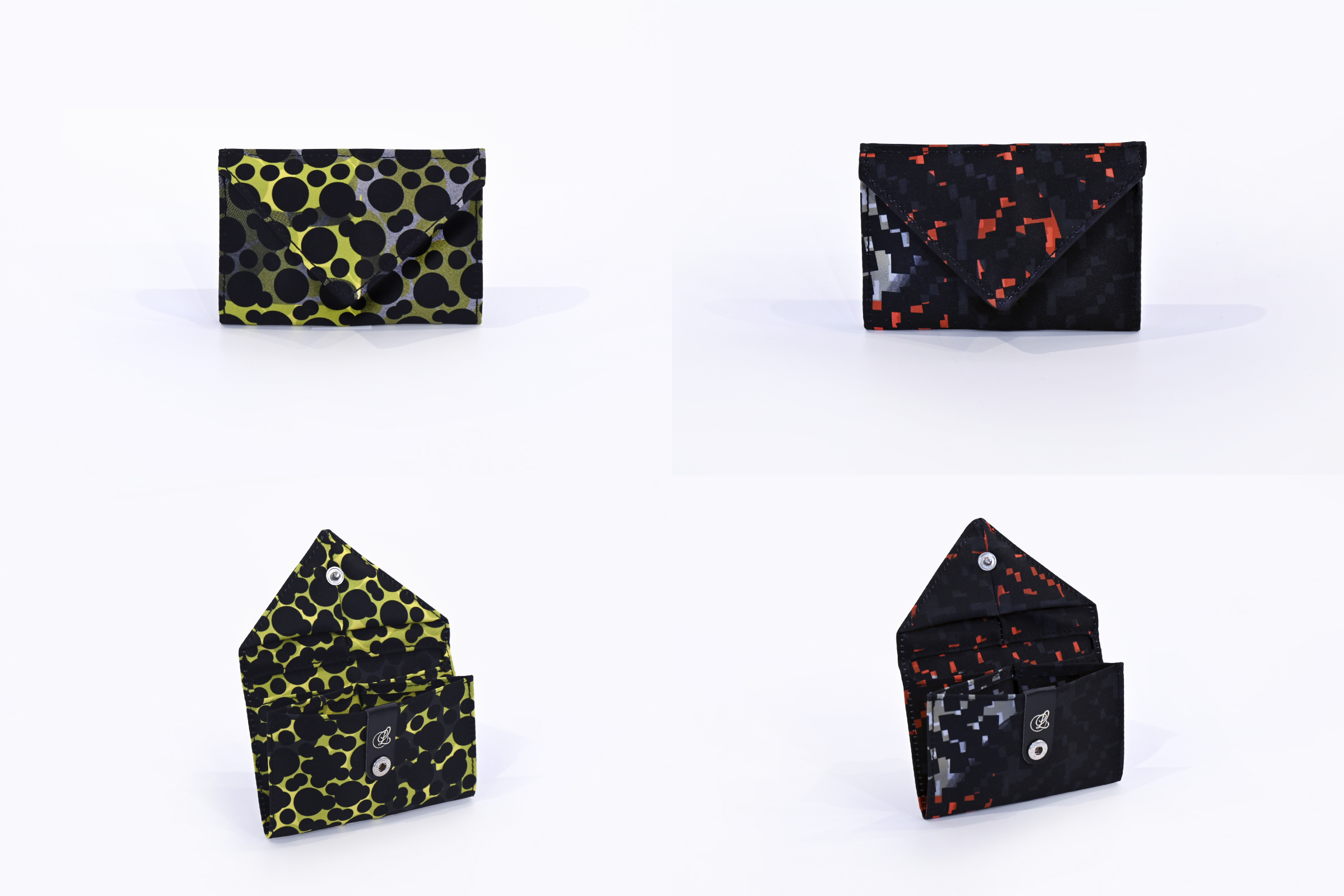
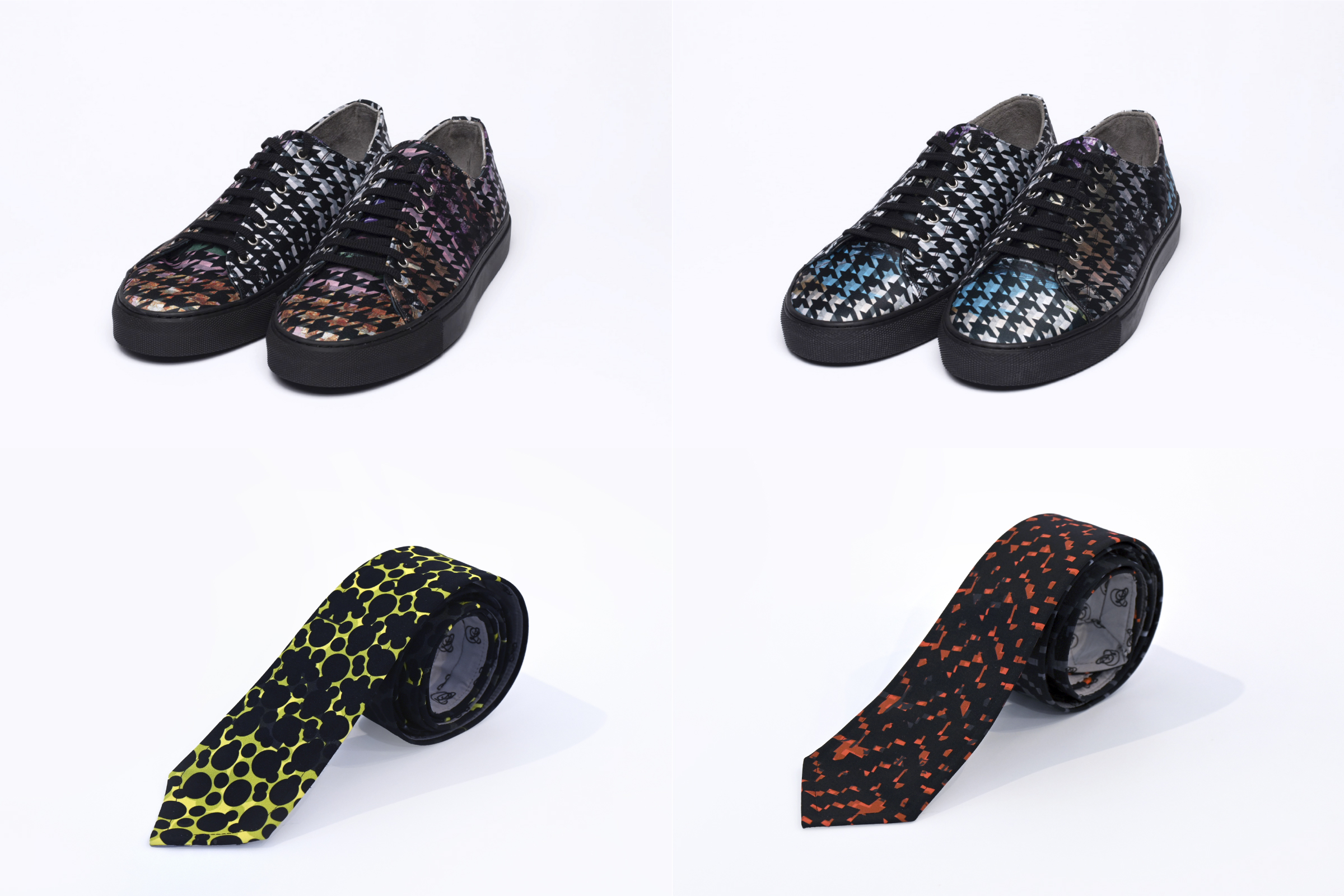
Ligaretta is an upcycling project and brand based in Marunouchi, Tokyo. It turns used Out-of-Home (OOH) advertising materials into high-quality products that carry the story of the city. In Japan, many OOH banners are displayed for only a short time, even though the material can last for many years. After use, most of them are burned as waste. Reuse is difficult because they include logos, images, and other protected content.
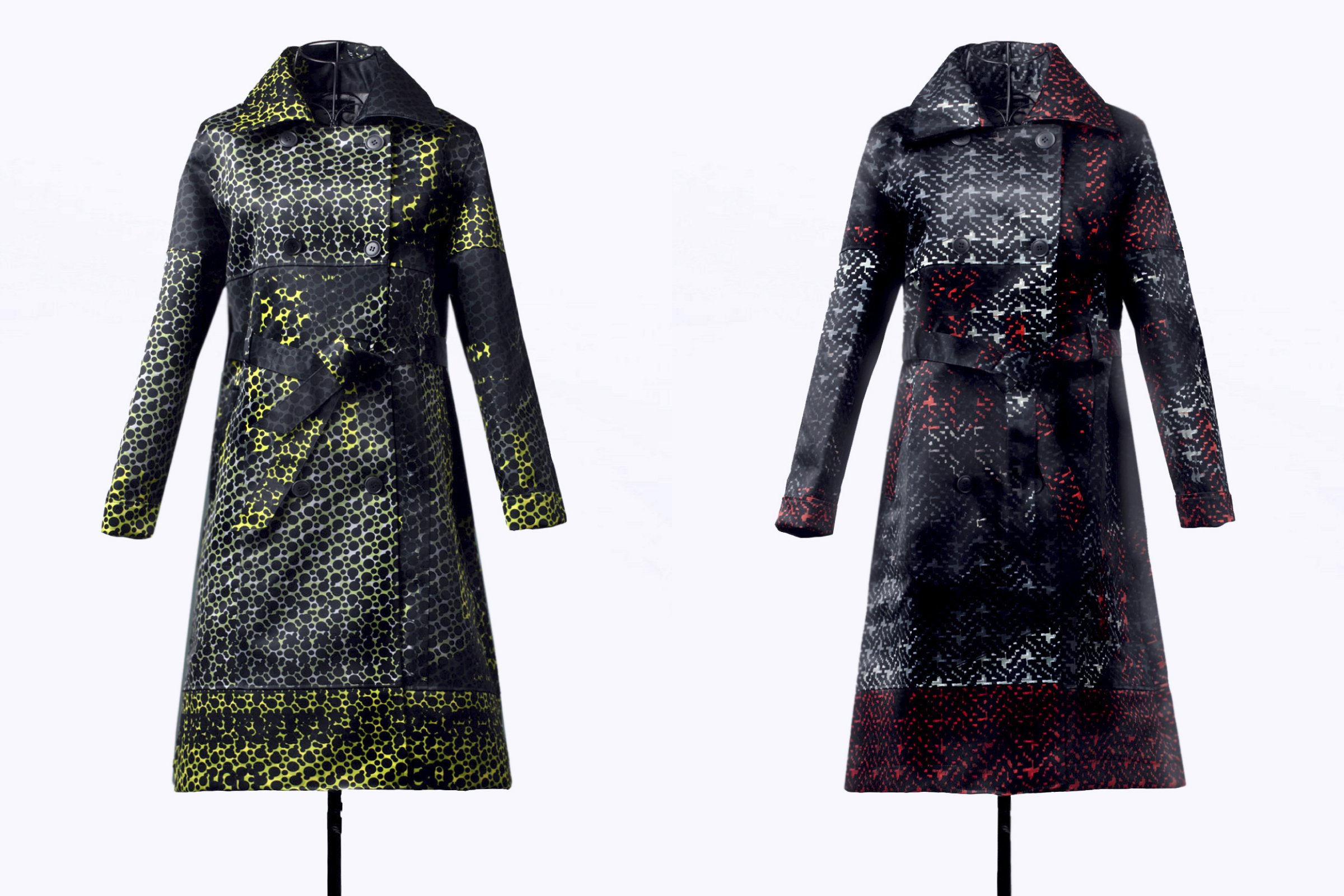
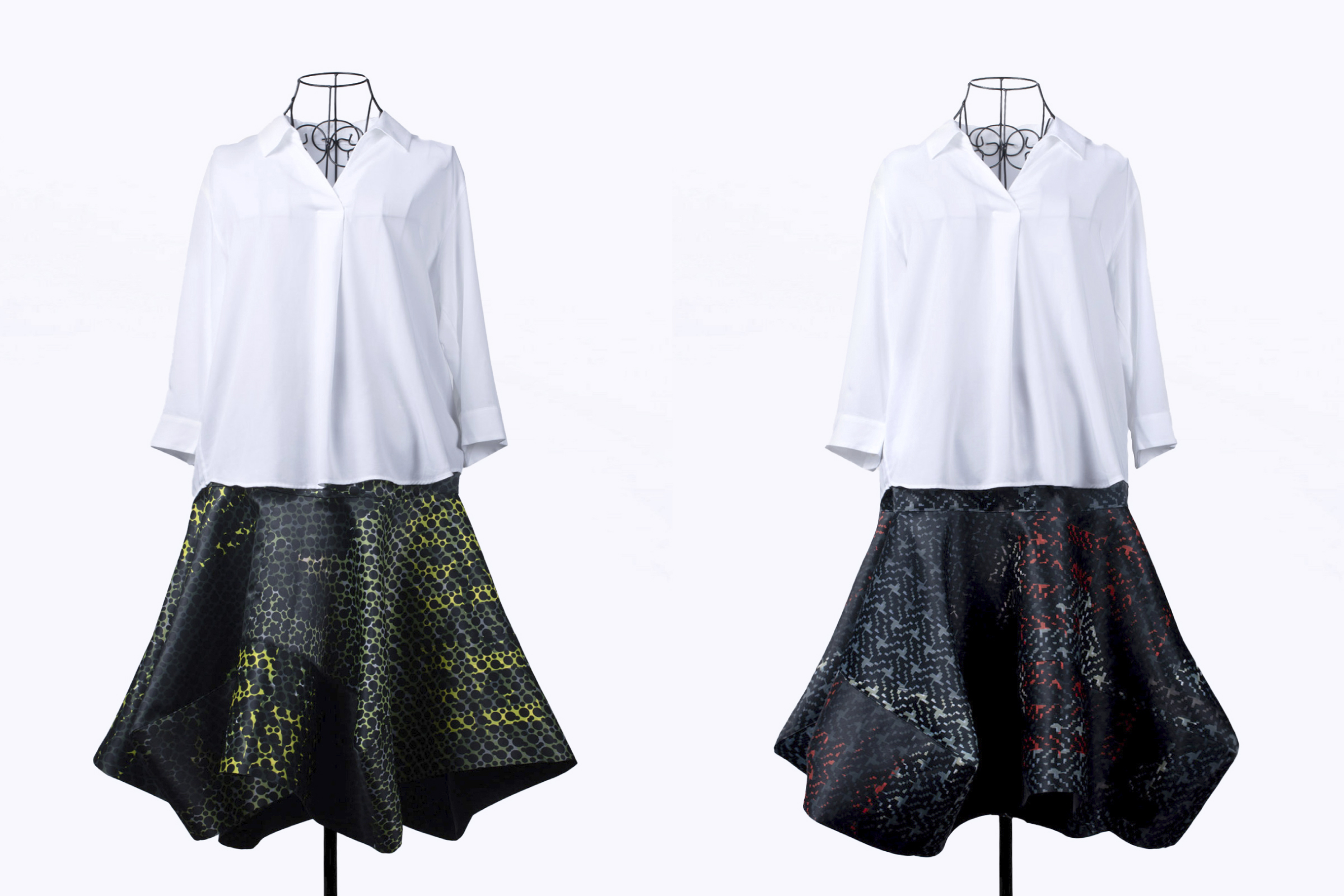
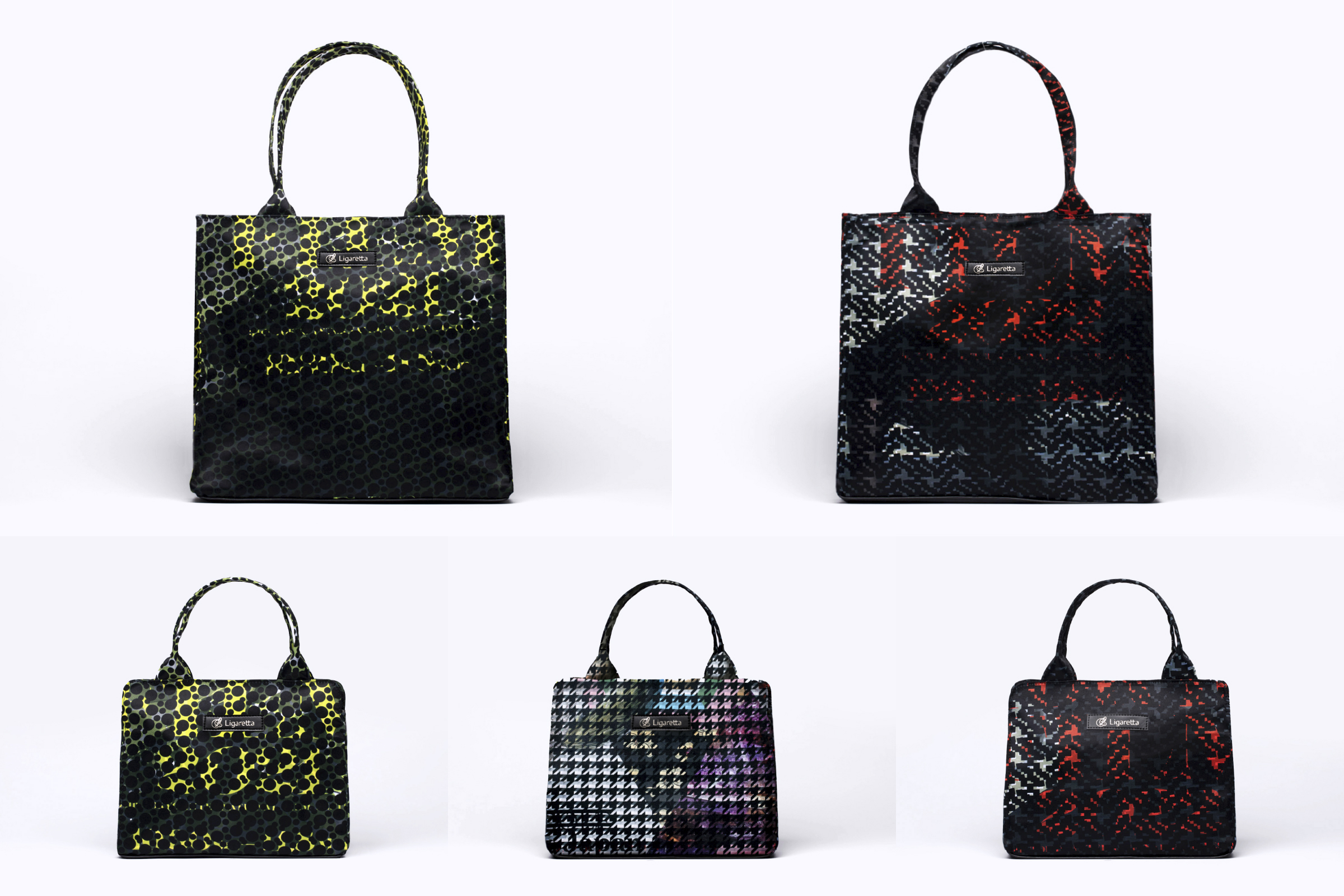
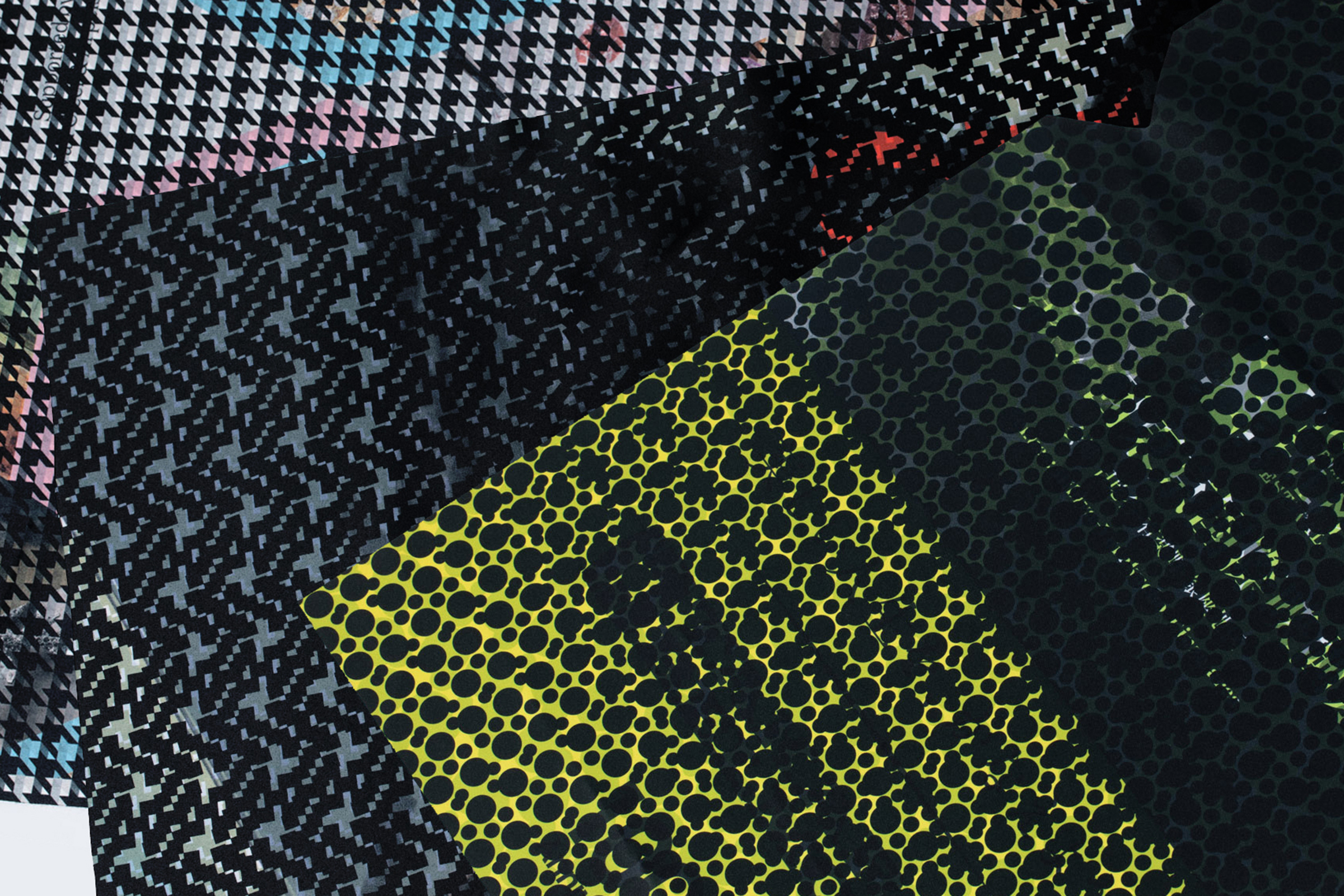
To solve this problem, Ligaretta developed a design system called “Secret Background.” By printing a new pattern over old banners, the project hides protected content and changes the material into a new textile surface. This makes it possible to reuse OOH materials that would normally be discarded. The pattern is not only practical but also beautiful, so the solution to the problem becomes part of the design itself.
Ligaretta has already created a working model for turning discarded OOH into products through design, local production, and careful material use. Because each banner has a different shape, size, and quantity, the project uses small-batch domestic production instead of mass production. Products are designed to match the original material, which helps reduce production waste to less than 10%.
The long-term impact of Ligaretta is larger than product sales. It shows a new way for cities to reuse local materials, reduce waste, and connect design with local identity. It also offers a method that can be adapted to other places: solving reuse problems through design, working with irregular materials, and creating value from local stories. Ligaretta is not only an upcycling brand, but also a model for a more sustainable, beautiful, and place-based urban future.
Ligaretta began with a simple question: why are durable outdoor advertising materials thrown away after being used for only a short time? In Marunouchi, many Out-of-Home (OOH) banners are displayed for only a few weeks, even though the material itself can last for many years. We saw this as a waste of resources, but we also understood that reuse was difficult because the banners included logos, images, and other protected content.
To respond to this problem, we developed a design method called “Secret Background.” We print a new pattern over the used banners so that the original advertising content is no longer visible. This allows the material to be reused safely while also giving it a new and beautiful surface. In this way, the solution to the legal problem also became the visual identity of the project.
On the ground, the project is implemented by collecting discarded OOH materials from Marunouchi and carefully studying their size, shape, and condition. Because every banner is different, we do not use a mass-production system. Instead, we design each product to match the material we have. This helps us reduce waste and make the best use of each banner. Production is done in small batches in Japan, with care for quality, material use, and local value.
Ligaretta was created not only as a product brand, but also as a new way to connect the city, its materials, and its stories. We want people to see these products not as waste-based goods, but as objects that carry the memory of Marunouchi and show a more circular future for urban life.
circular economy
urban upcycling
place-based design
waste reduction
local identity
Ligaretta shows sustainability by turning used outdoor advertising materials from Marunouchi into high-quality products. In Japan, many Out-of-Home (OOH) banners are displayed for only a short time, even though the material can last for more than ten years. After use, most banners are burned as waste because they contain logos, images, and other protected content that are difficult to reuse.
Our project solves this problem through design. We created a system called “Secret Background,” which adds a new pattern over the old banner. This hides the original protected content and changes the banner into a new textile material. In this way, materials that would normally be thrown away can return to the city as useful and beautiful products.
Sustainability is also part of our production process. We design products according to the original size of the banners, which helps us reduce waste. In the apparel industry, waste from cutting is often 20 to 30 percent, but in our process it is less than 10 percent. This careful use of material is inspired by Japanese ideas such as kimono making and origami.
Ligaretta also creates local social and cultural value. We do not see these banners as simple waste. We see them as materials that carry the stories and identity of Marunouchi. By turning them into products and bringing them back into the city, we support local material circulation and give visible form to urban memory. Ligaretta is exemplary in sustainability because it reduces waste, solves a difficult reuse problem, and creates a new circular model rooted in local culture and design.
Ligaretta contributes to aesthetics by turning discarded outdoor advertising materials into products that are both beautiful and meaningful. Our project does not treat used banners as waste. We see them as materials that carry the colors, memories, and identity of Marunouchi. By transforming them into carefully designed items, we bring beauty back into everyday life.
The key aesthetic element of the project is the “Secret Background.” This pattern was developed to hide logos, images, and other protected content on used banners, but it also creates a new visual surface. In this way, beauty is not added at the end. It is part of the solution itself. The pattern gives each material a refined and rich expression, changing something temporary and disposable into something people want to keep, use, and value.
Ligaretta also creates a sense of belonging and care for place. The products are made from materials that once existed in the streets of Marunouchi, so they carry a direct connection to the city. People do not simply buy an object; they carry a piece of the neighbourhood and its story. This helps create emotional ties between people and place, and encourages a deeper awareness of the local environment and its resources.
In the long term, the project offers a new aesthetic model for urban sustainability. It shows that circular design can be elegant, desirable, and rooted in local identity. Ligaretta can be considered exemplary in terms of aesthetics because it joins beauty, memory, and material reuse in one design approach, making sustainability visible and meaningful in daily life.
Ligaretta approaches inclusion by building a circular model that accepts diversity in both materials and people’s involvement. The OOH materials used in our project do not come in fixed shapes, sizes, or quantities. Instead of excluding this irregularity, we design for each type of material as it is. This creates a flexible production model that can work with difference, rather than requiring everything to fit one industrial standard.
Our project also proposes a more open relationship between products, place, and community. The materials come from outdoor advertisements that were once part of public space in Marunouchi. By turning them into new products, we bring local resources back into daily life and make the material cycle of the city more visible to people.
Inclusion in Ligaretta also means creating opportunities for people to stay involved after purchase. We are planning repair and mending sessions as part of local placemaking events, so that products can be cared for, repaired, and used for a longer time. This encourages a culture of participation, care, and long-term connection between people, products, and place.
Ligaretta can be considered exemplary in terms of inclusion because it does not rely on a uniform system. It accepts irregular urban materials, supports small-scale local production, and creates ways for the community to take part in the life of the product. In this way, inclusion becomes part of both the design process and the social model behind the project.
Ligaretta has developed its participatory character through its close connection to the local context of Marunouchi. The project starts from materials that once existed in public space as outdoor advertisements, so it is already linked to the daily life of the neighbourhood. Instead of treating these materials as waste, we return them to the city in a new form, allowing people to reconnect with resources that were originally part of their shared environment.
Citizens and local communities are involved mainly through this relationship with place, use, and care. The project invites people not only to purchase products, but also to recognize the stories, material value, and urban life behind them. In this way, participation begins with awareness and connection: people encounter the project as something rooted in their own city rather than as a distant fashion product.
The project is also developing more direct forms of participation through planned repair and mending sessions within local placemaking events. These activities will allow people to care for products over time, extend their life, and stay involved after purchase. This shifts the role of users from simple consumers to active participants in the life cycle of the product.
The impact of this involvement is that Ligaretta becomes more than a brand. It becomes a local circular system supported by ongoing relationships between materials, people, and place. Participation helps make urban resource circulation visible, strengthens people’s sense of connection to Marunouchi, and builds a culture of care around objects that carry the memory of the city.
Ligaretta is developed with an awareness that the role of OOH in Japan is different from that in some European contexts. In Japan, OOH still plays an important role in funding urban management and placemaking, so an immediate shift away from it is not always realistic. Our project responds to this current condition while also pointing toward a longer-term future with less dependence on disposable advertising materials. In this sense, Ligaretta is not only an upcycling project, but also a transitional model for a more sustainable urban system.
Ligaretta is a transdisciplinary project because it brings together several fields of knowledge in both its design and implementation. At its core, the project is based on design, especially product design, textile thinking, visual design, and branding. These fields shape how discarded OOH materials are transformed into high-quality products with a strong identity.
The project also draws on knowledge from sustainability and circular design. It addresses waste reduction, material reuse, and local production by working carefully with the original size, shape, and condition of each banner. This requires a practical understanding of how to create value from irregular urban materials instead of treating them as industrial waste.
Another important field is urban and placemaking knowledge. Ligaretta is rooted in Marunouchi and responds to the specific role of OOH in the city. In Japan, OOH is not only an advertising medium but also part of the economic system that supports urban management and public space. The project therefore connects material design with an understanding of the city, local identity, and community-based value creation.
Legal and social knowledge also played an important role. A major barrier to reusing OOH materials is intellectual property. The “Secret Background” system was developed as a design response to this issue, showing how legal constraints and creative practice can be addressed together.
The project is also informed by cultural and craft knowledge. Its low-waste design approach is inspired in part by Japanese ideas such as kimono construction and origami, where form is shaped in relation to the size and logic of the material.
Ligaretta can be considered transdisciplinary because it does not treat sustainability, aesthetics, law, local economy, and place as separate topics. Instead, it connects them in one design system.
Ligaretta is built on a small-batch, high-value business model. Our main revenue comes from selling carefully made products created from discarded Out-of-Home (OOH) advertising materials from Marunouchi. Because each banner has different shapes, sizes, and quantities, mass production is neither realistic nor desirable. Instead, we create limited products that reflect the unique character of the material and the story of the city.
The financial sustainability of the project comes from combining low-cost discarded materials with high design value, strong local identity, and careful domestic production. The “Secret Background” system is especially important because it solves the intellectual property barrier that normally prevents reuse. This makes it possible to turn a material that would otherwise be burned as waste into a new source of value.
Our model also reduces unnecessary loss. By designing according to the original size of each banner, we keep production waste below 10%, which helps us use materials efficiently and avoid the logic of overproduction. Small-batch production also lowers inventory risk, because we produce in response to available materials rather than relying on large standardised stock.
In the longer term, Ligaretta creates value not only through product sales but also through its role as a replicable circular model for cities. The project shows how urban materials, local production, design, and placemaking can be connected in one system. Activities such as repair and mending events can further extend product life, strengthen customer relationships, and support a culture of long-term use and care.
Ligaretta is financially sustainable because it is not based on scale alone. It is based on uniqueness, low-waste design, local storytelling, and the ability to transform an existing urban waste stream into desirable products with cultural and economic value.
Several elements of Ligaretta can be transferred to other places and contexts. The most important is the “Secret Background” system. This is a design method that makes it possible to reuse urban communication materials that normally cannot be recycled because of intellectual property issues. The pattern can be redesigned for different cities, materials, and time periods, so the method is adaptable while still responding to local identity.
A second transferable element is our low-waste design approach. Instead of forcing materials into a fixed industrial standard, we design according to the original size, shape, and quantity of each banner. This method can be used in other places where discarded materials are irregular and where small-batch local production is more suitable than mass production.
The project is also transferable as a place-based circular model. Ligaretta shows how materials from a specific neighbourhood can be turned into products that carry local stories and value. This approach could be applied in other cities, districts, cultural institutions, event contexts, or public space systems where materials are regularly discarded but still hold social and material value.
Another transferable aspect is the social model around care and long-term use. Repair and mending activities can be introduced in different local communities to extend product life and strengthen the relationship between people, products, and place.
What is specific to Marunouchi is the story, identity, and visual character of the materials. What is replicable is the design system: solving legal barriers through design, working with irregular local materials, producing in small batches, and creating value through circularity and place-based identity.
For this reason, Ligaretta is scalable not through mass expansion of one standard product, but through replication of its method in different local contexts.