Pipe factory Dumoulin
Pipe factory Dumoulin Tradition.Renewal.Future.
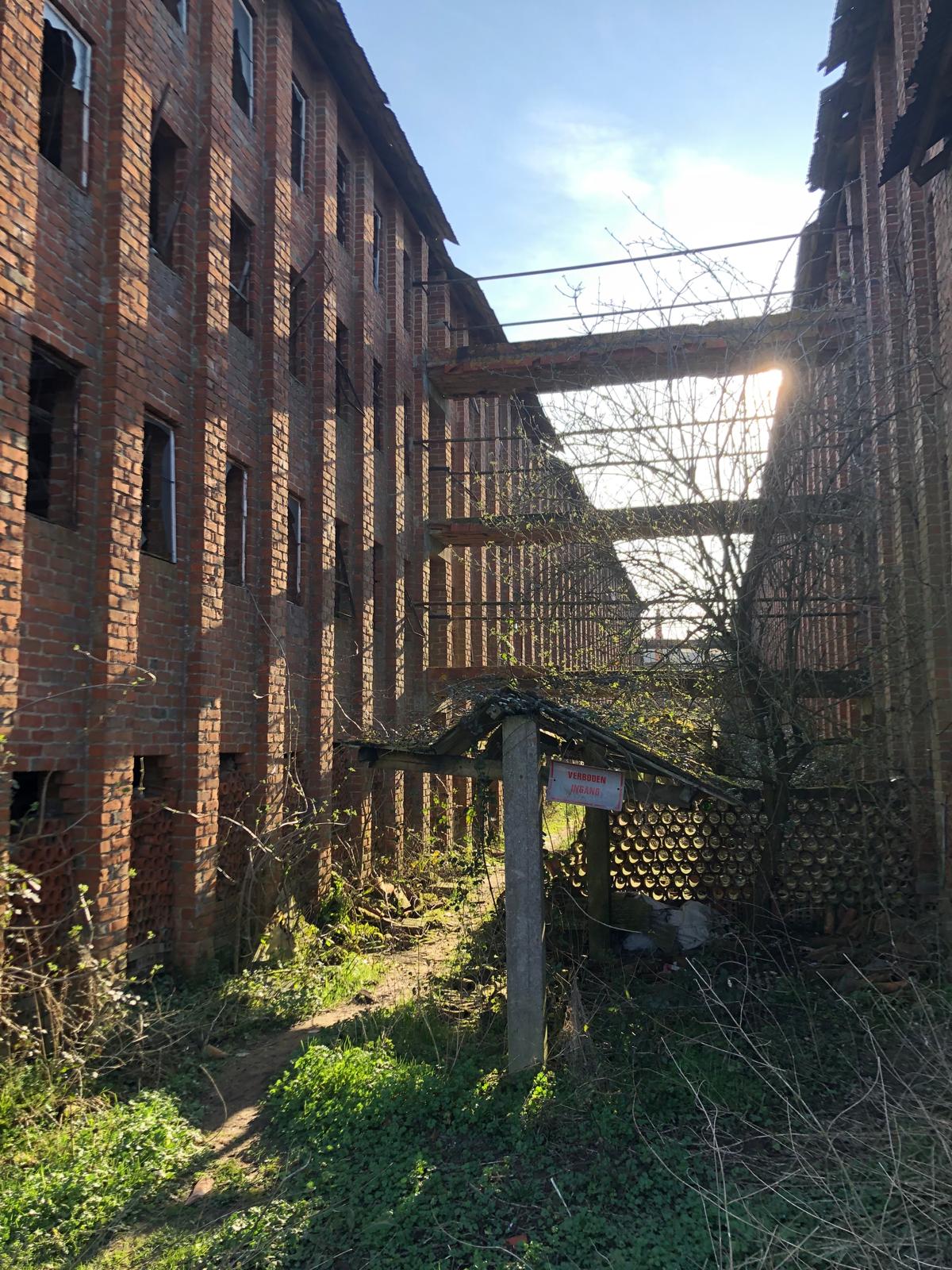
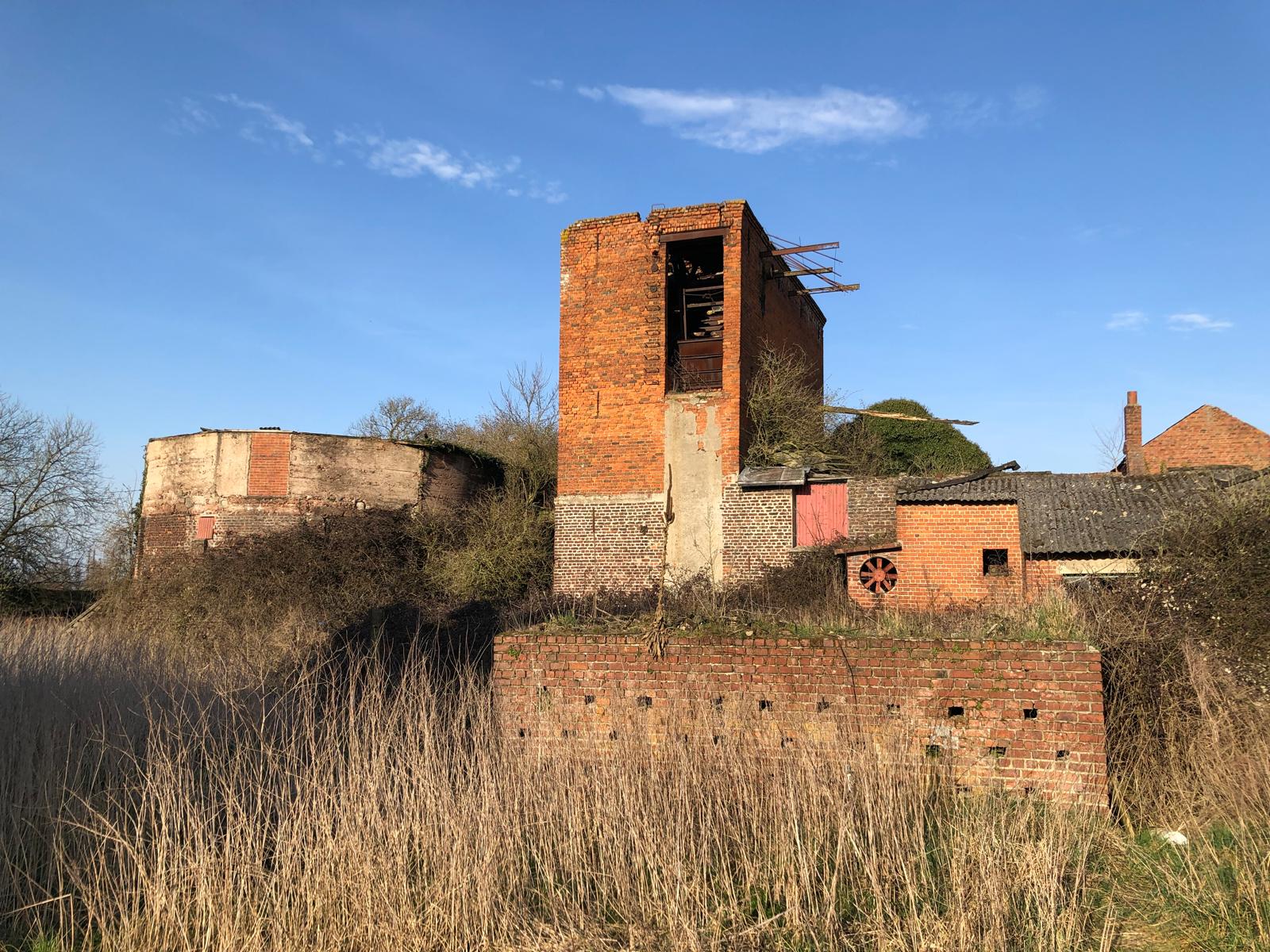
Fifty years ago, the Dumoulin pipe factory produced its last drainage pipes. Since then, nature has reclaimed the site.
The municipality of Heuvelland wishes to prevent this site from falling further into disrepair and will purchase it. The 2.5-ha site, featuring industrial heritage, ponds and a forest, offers unique opportunities.
Through participatory design research, we develop a vision for the future in which industrial heritage, nature conservation and recreation reinforce one another.
Belgium
Gapaardstraat 4, 8953 Heuvelland
Early initiative
Yes
Yes
Yes
No
No
33039: Heuvelland (BE)
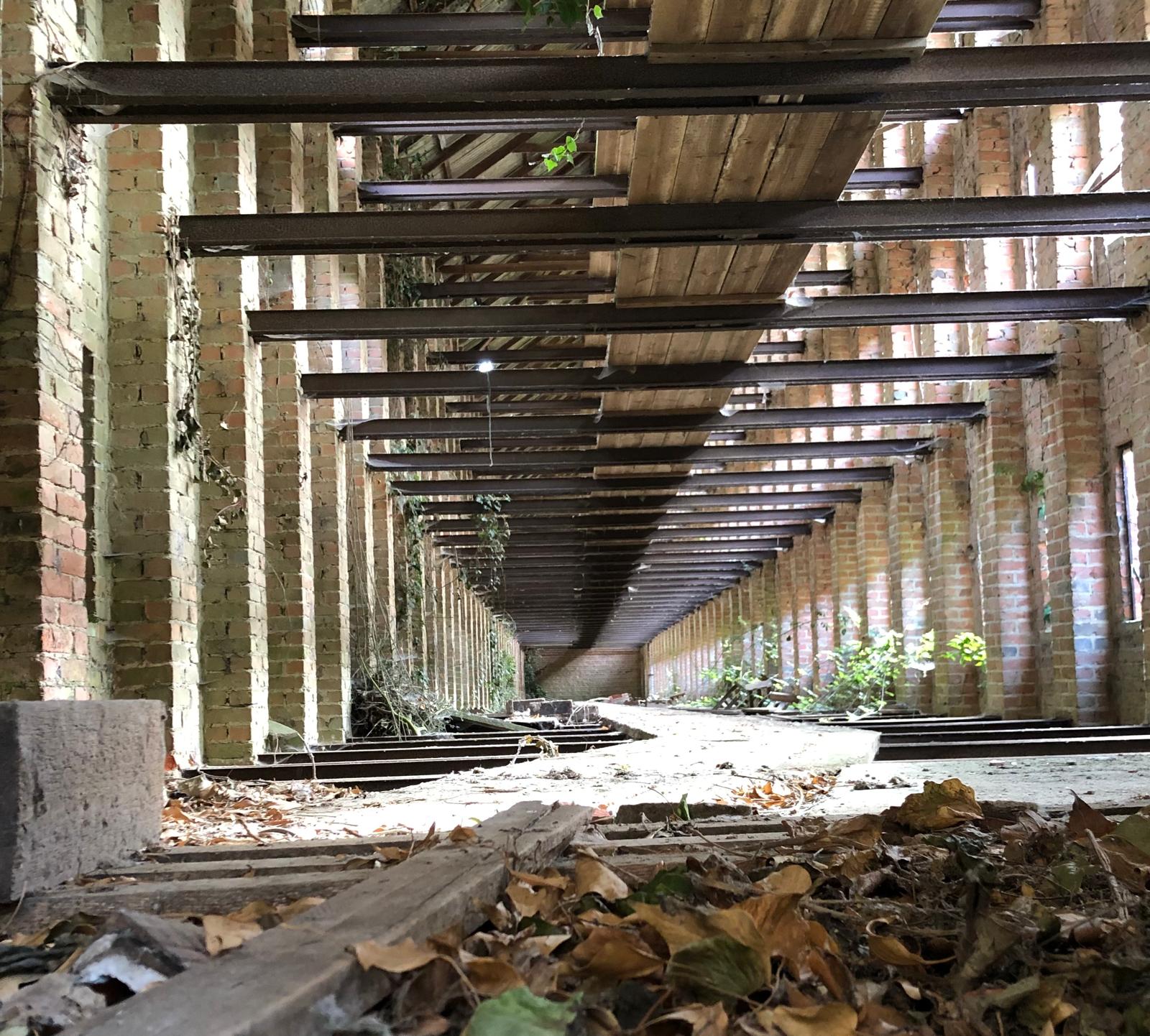
Fifty years ago, the Dumoulin pipe factory delivered their last drainage pipes. Since then, the site has fallen silent. Nature has reclaimed the land and the factory buildings have fallen into disrepair.
Over the years, all sorts of ideas have been put forward to redevelop the site as industrial heritage. The owner passed away recently. The municipality of Heuvelland will purchase the site to give it a new future.
The municipality is developing a process of participatory design research with all stakeholders to give this unique site a new, forward-looking purpose.
For the design research, we have formulated clear guiding principles:
-Multifunctional use: on the site, we are seeking to create synergy between industrial heritage, nature conservation, low-impact recreation and social interaction.
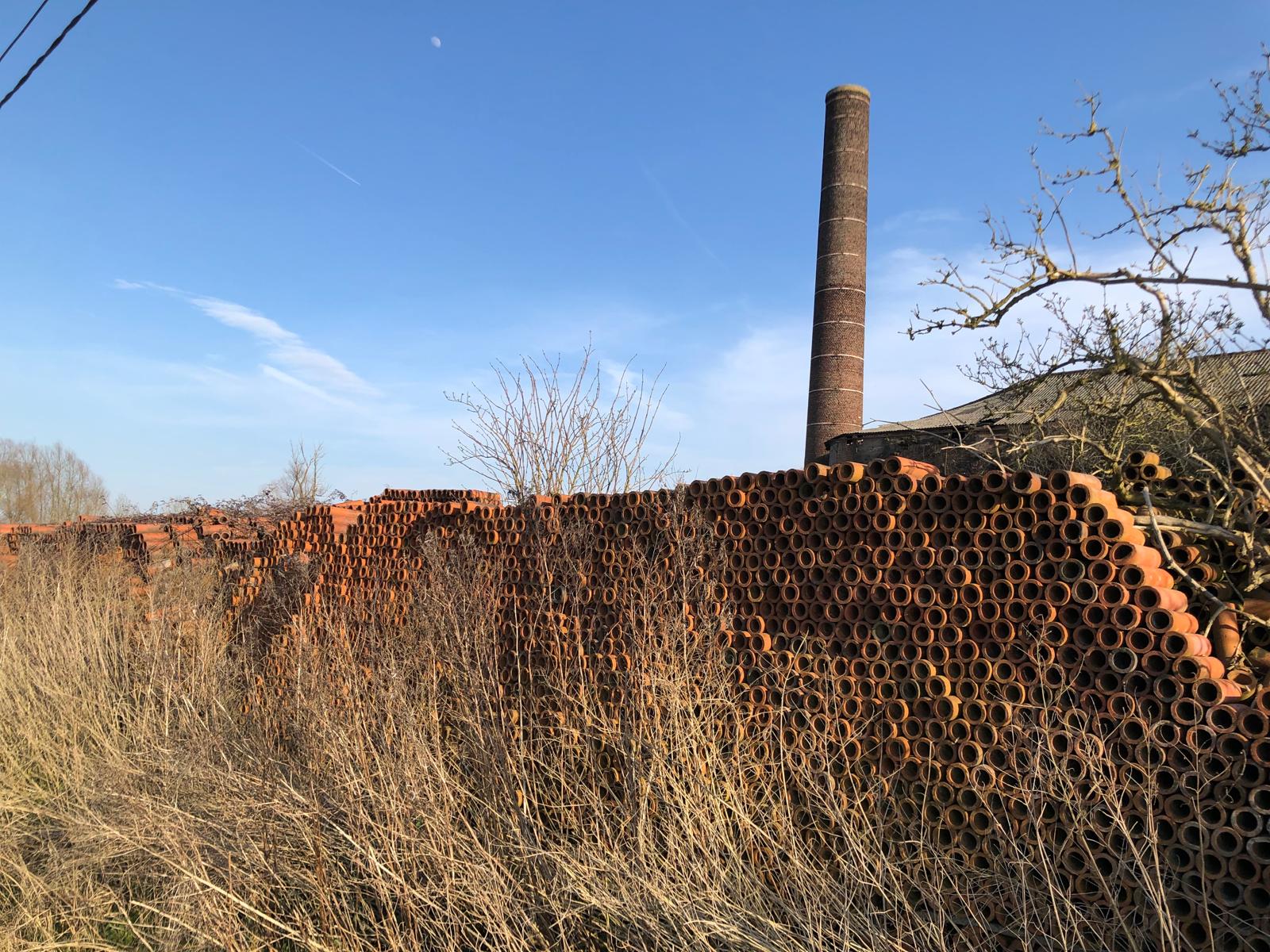
-Circularity: the site is littered with (semi-)finished drainage pipes. These elements will be reused on the site.
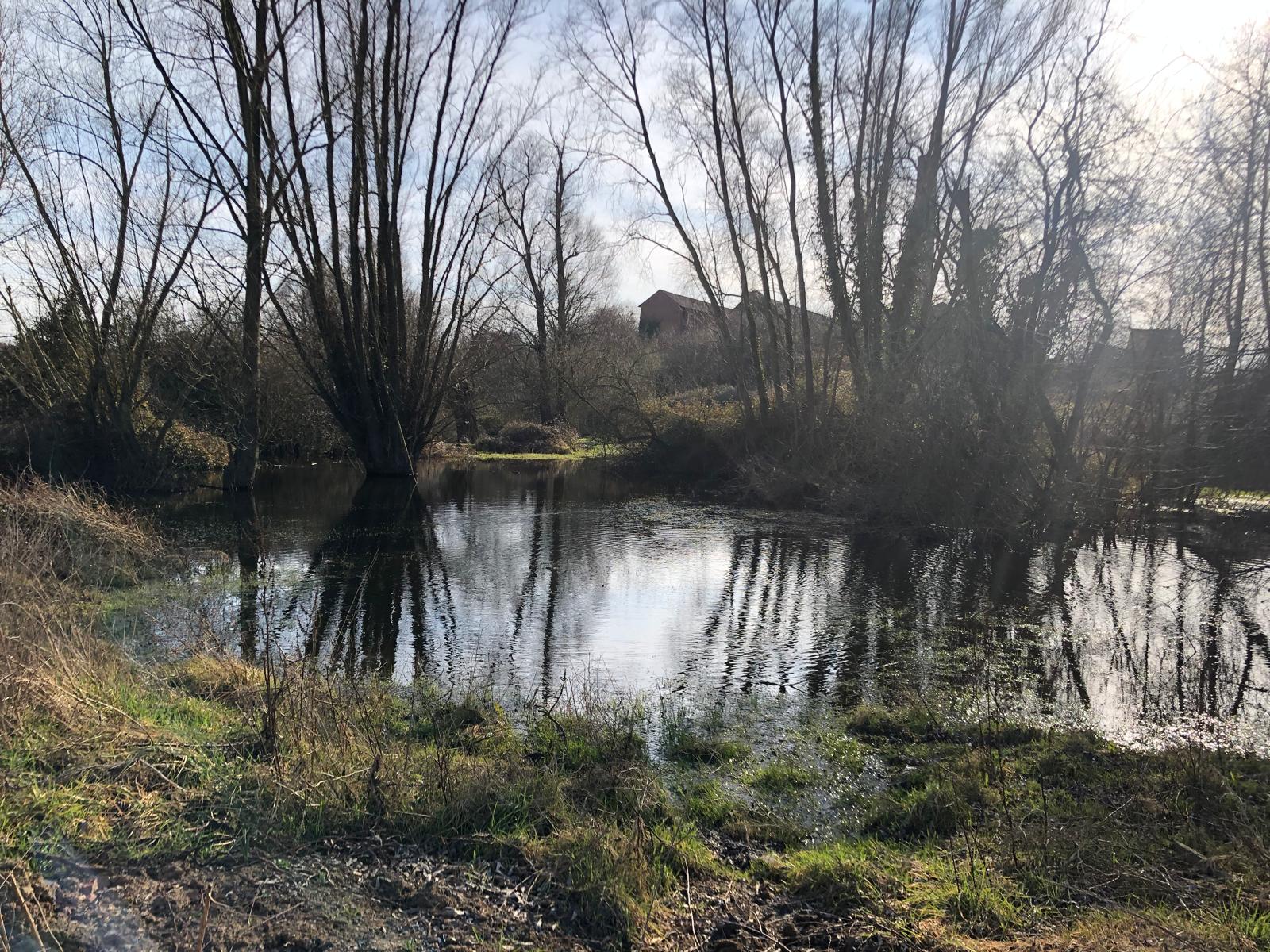
-Wild nature: nature has had several decades to develop on the site. The spontaneous and unique natural environment will be integrated as fully as possible into the site’s redevelopment.
-Significance of the buildings: the drying sheds and the chimney are iconic structures. These buildings will be preserved as much as possible so that various future uses remain possible.
-Respect for the site’s history: the pipe factory is a silent witness to the reconstruction of the frontline region after the First World War. The story of this special place serves as a guiding principle for the redevelopment.
Participatory design research also involves consulting with various stakeholders to consider the site’s future: local residents, leisure users, enthusiasts of industrial heritage, nature lovers, various public authorities, politicians, advisory boards, …
Depending on the timing and the target group, we will employ various methodologies: site surveys, vision sessions, the digital participation tool ‘Share & Care’, a public event during Open Monument, ...
Wild nature
Low impact recreation
Circularity
Multifunctionality
History
The redevelopment of the former pipe factory site is underpinned by one clear ambition: sustainability in the broadest sense of the word. We are creating a place where nature, people, heritage and the future come together. In doing so, we are focusing on four key pillars:
- Ecological sustainability (Planet): for years, nature has been given the space here to develop spontaneously into a unique piece of ‘wild nature’. That richness forms our starting point today. Through a thorough species inventory, we are mapping the existing fauna and flora, and actively incorporating them into the design process. Together with committed volunteers, we are also building broad support among nature lovers for the future of this special place.
- Social sustainability (People): the 2.5 ha site will become a vibrant meeting place where different functions reinforce one another. Nature, heritage, low-impact recreation, history and culture blend seamlessly together. We are creating an open and accessible space for everyone – with no barriers, no opening hours and no tickets. Despite the challenging variations in terrain, we are fully committed to targeted accessibility, so that wheelchair users can also experience the site.
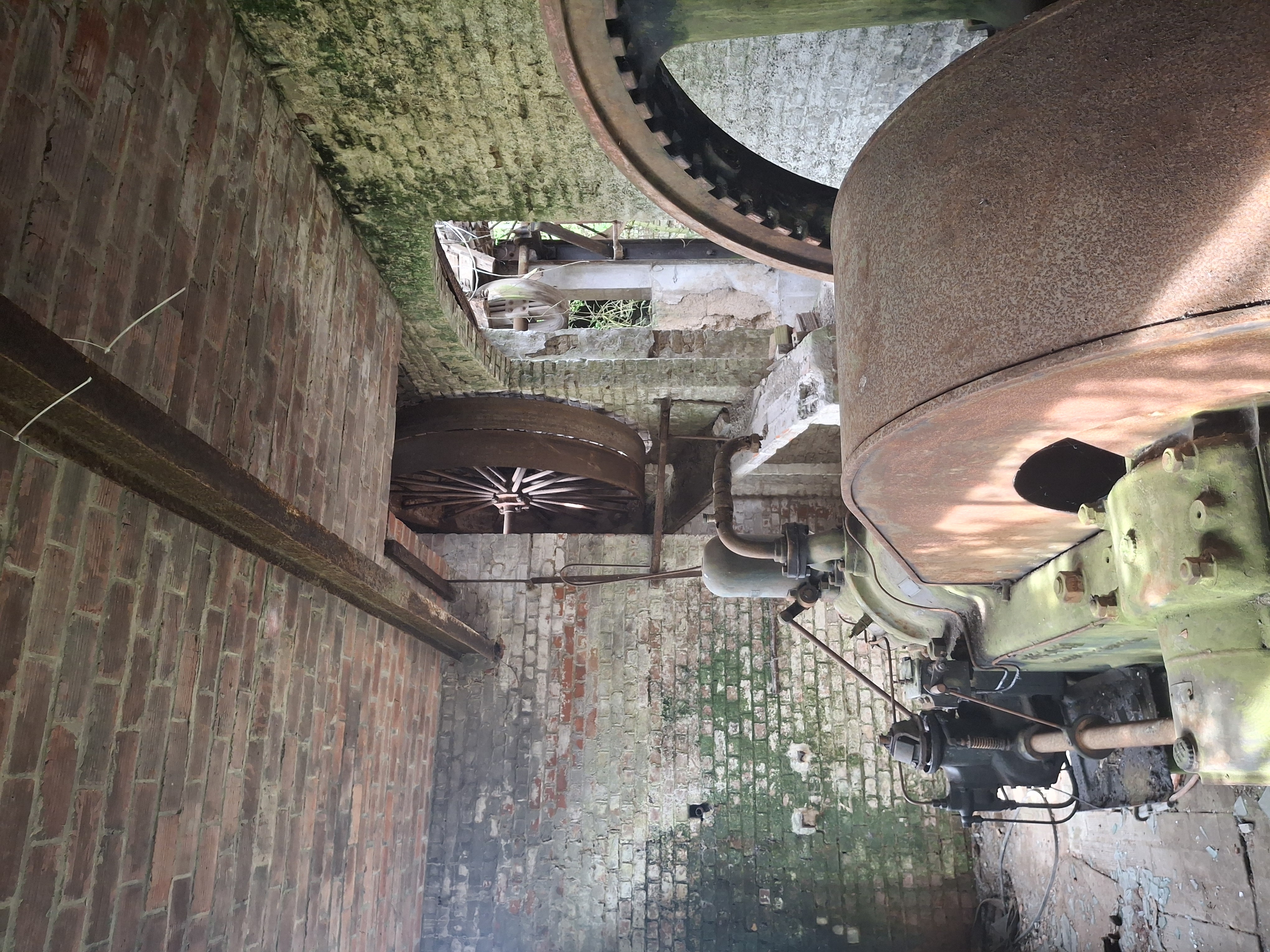
- Economic sustainability (Prosperity): the tangible remnants of the former pipe factory – such as the drying sheds, the chimney and the diesel engine – are being given a new lease of life. We are exploring how we can partially preserve these, thereby keeping the door open for diverse and valuable long-term uses.
- Governance (Participation): we are creating this place together. Through participatory design research, we are involving diverse groups and voices in the development of the vision. Collaboration remains central during the implementation phase too: thinking together, acting together and building together towards a shared future for the site.
The brickworks tells a powerful story of reconstruction and resilience in the frontline region following the First World War. In the wake of the destruction, the Westhoek was in desperate need of new building materials. In 1922, Joseph Dumoulin took the first step by setting up a brickworks in Langemark. A few years later, he also took over the Menu family’s brick and pipe works in Wijtschate.
With foresight, Dumoulin opted for diversification. In Wijtschate, he focused on the production of drainage pipes and hollow bricks as essential building blocks for recovery and growth. The drainage pipes restored fertility to the war-torn, waterlogged soils, whilst the hollow bricks played a key role in the reconstruction of agricultural infrastructure.
Today, this rich history serves as the inspiration and guiding principle for the redevelopment of the site. We are striving to preserve the two drying kilns and the distinctive chimney as much as possible. They are striking landmarks and authentic eye-catchers that keep the unique story of this place visible and tangible.
We are creating an open and accessible space where everyone is welcome – with no barriers, no strict opening hours and no tickets. Even with challenging changes in ground level, we are fully committed to targeted accessibility, so that wheelchair users can also enjoy the site. ‘Design for all’ is the guiding principle behind our design.
Our vision brings together industrial heritage, nature conservation, leisure activities and social interaction in a single harmonious experience. In this way, we appeal to a wide range of visitors and ensure that everyone feels welcome.
The story of this special place is told in an accessible and inspiring way. With a wealth of photos, videos and personal testimonies, we take visitors on a journey through the history, beauty and vibrancy of the site.
Fifty years ago, the ring kiln at the Dumoulin brick and pipe works in Wijtschate ceased production of drainage pipes. Since then, the site has fallen silent; nature and time have slowly taken over the grounds, and the buildings have fallen further and further into disrepair.
Owner Jan Dumoulin remained the ‘caretaker’ of this special place for decades. He dreamed of transforming the site into a unique location for industrial archaeology. But it never got beyond the planning stage. Jan Dumoulin passed away a few years ago and the site became part of an ‘unadministered estate’.
The Heuvelland municipal council does not want this special place to fall further into disrepair and will purchase the site. Together with other (financial) partners from the heritage, nature, cultural and recreational sectors, the council will realise a wonderful project here. What exactly does the future hold? That will be worked out together through a process of participatory design research.
Based on a stakeholder analysis, the following groups will be involved:
- Mesen Town Council
- The West Flanders Provincial Government’s Area Development Unit
- CO7 (Inter-municipal Partnership for Heritage)
- The Autonomous Provincial Enterprise Westtoer
- The Westhoek Regional Landscape Organisation
- The Municipal Committee for Spatial Planning
- The neighbouring company Covameat
- Natuurpunt
- Local residents and, by extension all interested parties from the wider region will be involved through various public engagement and participation events (both in person and online)
The site is to become a place where industrial heritage, nature conservation, low-impact recreation and social interaction come together to form a single harmonious experience. In this way, we appeal to a wide range of interested parties and ensure that everyone feels welcome.
The scale of this project exceeds the financial capacity of the municipality of Heuvelland. It was clear from the outset that the redevelopment of the pipe factory site in Wijtschate would require a collaborative approach, involving various technical and financial partners.
A thorough stakeholder analysis identified the key partners: the municipal council of Mesen, the West Flanders Provincial Executive’s Regional Development Department, CO7 (Inter-municipal Partnership for Heritage), the Autonomous Provincial Enterprise Westtoer, Regional Landscape Westhoek, the Municipal Commission for Spatial Planning, the neighbouring company Covameat and Natuurpunt.
Each partner brings its own expertise and vision to the table. By combining these strengths, a unique and multifaceted project emerges, centred on a multifunctional use of the site – from design, through construction, to operation. Together, we ensure that the site not only comes back to life, but develops into a valuable place for everyone.
The project is supported by a diverse network of disciplines and knowledge partners, each of which makes a unique contribution to the realisation and development of the site:
- Mesen Town Council: as Mesen is located next to our site, its residents form an important target group. Their input is crucial for a well-integrated development.
- West Flanders Provincial Government’s Regional Development Department: brings a rich network and in-depth expertise to mobilise additional substantive and financial support.
- CO7 (Inter-municipal Partnership for Heritage): the primary point of contact and centre of expertise for all matters relating to the site’s heritage value. Their knowledge ensures that heritage and history become a key pillar of the project.
- Westtoer: the autonomous tourism organisation of the province of West Flanders is jointly responsible for the recreational and tourist development of the site.
- Regionaal Landschap Westhoek: the partnership of Westhoek municipalities working on integrated regional development. They contribute expertise in the field of nature and landscape.
- Municipal Committee for Spatial Planning: advises on behalf of various local stakeholders and provides valuable insights based on municipal policy.
- Natuurpunt: the independent voluntary association that protects, restores and manages vulnerable natural areas. Local representatives of Natuurpunt advise on nature conservation.
- Covameat: a neighbouring company to the site, involved through good neighbourliness and local cooperation.
These partners were actively involved from the outset. During the start-up phase, this took place through bilateral site visits and interactive workshops. In a second phase of design research, a preliminary draft of the design sketch was discussed jointly through multilateral consultation, bringing everyone’s expertise together.
We are giving stakeholders and members of the public the opportunity to reflect on the future of the site via our accessible webtool ‘Share & Care’ in addition to the traditional channels of participation.
We have chosen to use ‘Share & Care’ for the following reasons:
- Asynchronous participation: participants are involved regardless of time and place, allowing them to formulate their input and vision at their own pace.
- Inclusive participation: participants can actively contribute to the discussion and decision-making process regardless of their background, (physical) disability or position. This promotes equality and a richer, more representative contribution.
- Independent participation: personal opinion can be formulated autonomously because the participant is not influenced by group dynamics.
‘Share & Care’ is innovative because, in this online participation tool, the process of brainstorming and debating follows a structured procedure. The collection of ideas and the debate on them, follow one another in two tightly timed phases. ‘Share & Care’ saves time and provides a broader range of perspectives on which to build further.
'Share & Care' is an online tool that enables ideas and proposals from various individuals to be gathered regardless of time or location.
In an initial round, participants are given the opportunity to submit their ideas within a pre-agreed timeframe. In a second round, participants view the contributions of other participants. During this phase, everyone has the opportunity to add their own comments. Ideas that best align with the participant’s own vision can be highlighted.
The online participation tool ‘Share & Care’ saves time and provides a wide range of perspectives that enrich the project.
We view the roll-out of the ‘Share & Care’ method in the consultation process regarding the future of the Buizenbakkerij site as a pilot project. Based on these experiences, the methodology will be refined to develop into a tool that can be applied to other social issues, target groups, countries and contexts.
Sustainable, inclusive and beautiful’ are the three NEB values. These three values also form the basis for the redevelopment of the pipe factory site. How these values translate into the vision for the future of the pipe factory has already been explained in detail in the questions above.
From the outset of the project, a participatory and multidisciplinary approach was adopted. This approach will be maintained as the vision-building process continues and the project is realised in practice.
Over the coming months, a basic design will be tested and refined in dialogue with a wide range of stakeholders. Various online and offline participatory methods will be used for this purpose. These methods have already been explained in the questions above.