Enhancing Circularity, Sustainability, and Innovation
Recycline: Waste2Product
Recycline: Turning Plastic Waste into Design, Community Value and Circular Impact
Recycline is a community-driven initiative from Moldova that transforms plastic waste into beautiful, durable design objects. By combining local recycling, education, and design, we turn waste into a resource and people into active contributors to change.
More than recycling, Recycline is about changing mindsets and building a culture where sustainability is both functional and beautiful.
More than recycling, Recycline is about changing mindsets and building a culture where sustainability is both functional and beautiful.
Moldova
National
It addresses urban-rural linkages
It involves other types of transformations (soft investment)
Yes
2026-03-16
No
No
No
Organisation
Recycline is a circular “waste-to-product” initiative based in Chișinău, Moldova, created to tackle plastic pollution while transforming the way people perceive waste. Our main goal is to build a responsible community and a local circular economy by turning plastic waste into durable, aesthetic design objects.
We address a critical gap: in Moldova, recycling culture and infrastructure are still underdeveloped. Recycline responds by combining education, community engagement, and local production. Our main beneficiaries include local residents, schools, young people, businesses, and creative professionals.
Our objectives are to:
- reduce plastic waste through community-based collection,
- develop a high-quality recycled material,
- promote responsible consumption,
- and integrate sustainability into everyday life through.
Since 2022, we have recycled over 3 tons of plastic and currently process around 100 kg monthly. We have built a fully equipped recycling workshop in Chișinău, developed our own material production technology, and established over 20 collection points across the country. Our community has grown to more than 5,000 people.
We have delivered over 40 educational workshops, hosted more than 100 visits in our space, and collaborated with local companies to integrate recycled materials into real products and interiors. Our jewelry line is sold internationally, while our furniture line demonstrates the structural potential of recycled plastic.
What makes Recycline transformative is its ecosystem approach: we combine education, participation, local innovation, and aesthetics. We do not only recycle plastic, we change mindsets, behaviors, and local systems. Our long-term impact is a cultural shift towards sustainability, supported by a scalable circular model that can be replicated across regions.
Recycline was initiated by Cristina Tocari after her studies in Strasbourg, where she experienced a different standard of sustainability and quality of life. She made a conscious decision to return to Moldova with a clear purpose: to create change where it was most needed. Moldova, with low recycling awareness but high potential, became the place where she chose to act, not just observe.
The project started with research into waste management systems, plastic chemistry, material engineering, sustainable design, and circular economy principles. In the early phase, we worked with improvised tools and small quantities of plastic. Launching a jewelry line allowed us to generate initial revenue, test the material, and validate the concept in a real market.
Through this process, we secured a government grant, co-financed with our own resources, which enabled us to build a fully equipped workshop with customized industrial machines. This marked a key transition: from experimentation to scaling, and allowed us to expand into furniture production.
A defining element of our success has been our community. From the beginning, individuals, schools, NGOs, and businesses became part of the process, collecting, sorting, and contributing materials. Today, we have over 20 collection points and a network of partners. The effort to build and nurture this community organically should not be underestimated. It is this collective involvement that allowed Recycline to grow sustainably and authentically.
Today, Recycline is recognized as a pioneer in Moldova’s green sector, with over 3 tons of recycled plastic, more than 40 workshops, and a strong network.
Recycline has become a living system, one that grows, adapts, and inspires. Today, it is a solid and profitable initiative with a strong identity and community. Its achievements are not individual, but collective. They reflect a shared effort and signal a clear direction for the future of the green industry in Moldova.
Circular economy
Community engagement
Sustainable design
Waste-to-resource innovation
Social inclusion
Recycline is built on a strong commitment to environmental sustainability through circularity and local impact. Our main objective is to reduce plastic pollution while creating long-lasting, resource-efficient alternatives.
We implement this through a fully local circular model: plastic waste is collected from the community, processed in our workshop, and transformed into durable products. We currently recycle around 100 kg of plastic per month, preventing it from reaching landfills or natural ecosystems.
Our approach integrates lifecycle thinking. The material we produce is 100% recycled, resistant, and designed for long-term use, and recyclable afterwards. Unlike single-use plastics, our products are durable and multifunctional, reducing the need for new raw materials.
We also contribute to economic sustainability by supporting local value chains. Through collaborations with companies and institutions, we help businesses integrate recycled materials into their operations, creating a market for circular products.
Our impact is measurable: over 3 tons of plastic recycled, a growing network of collection points, a zero waste production process, and increasing community participation. At the same time, our educational programs address the root causes of waste by changing behaviors and consumption patterns.
What makes Recycline exemplary is the integration of production, education, and community engagement into one system. We are not only recycling, we are building a new culture of responsibility. Our model is adaptable, scalable, and relevant for other regions facing similar challenges, contributing to a broader transition towards a circular and climate-conscious society.
At Recycline, we believe that sustainability must be desirable. Beauty is essential for changing perceptions and making people connect emotionally with sustainable choices.
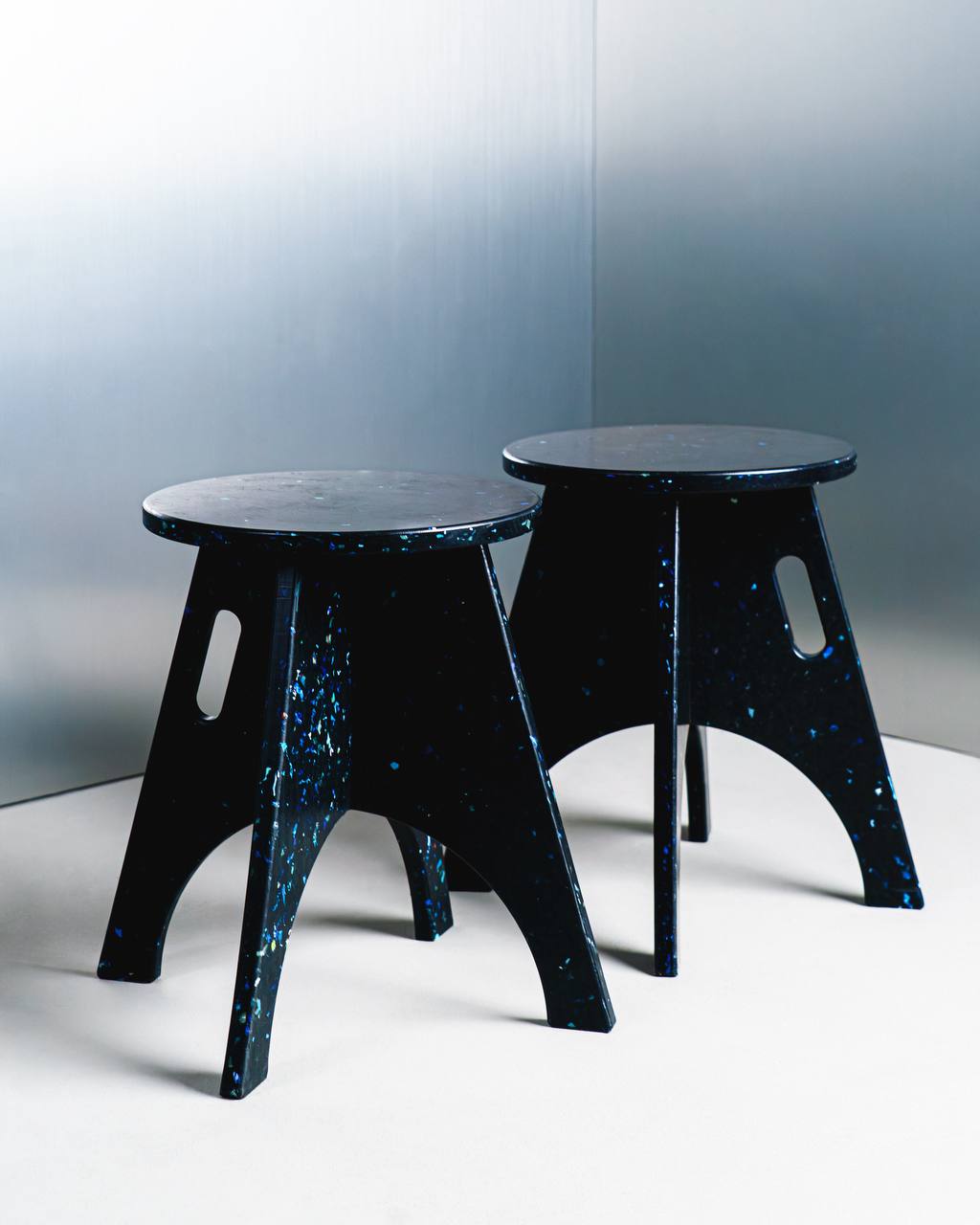
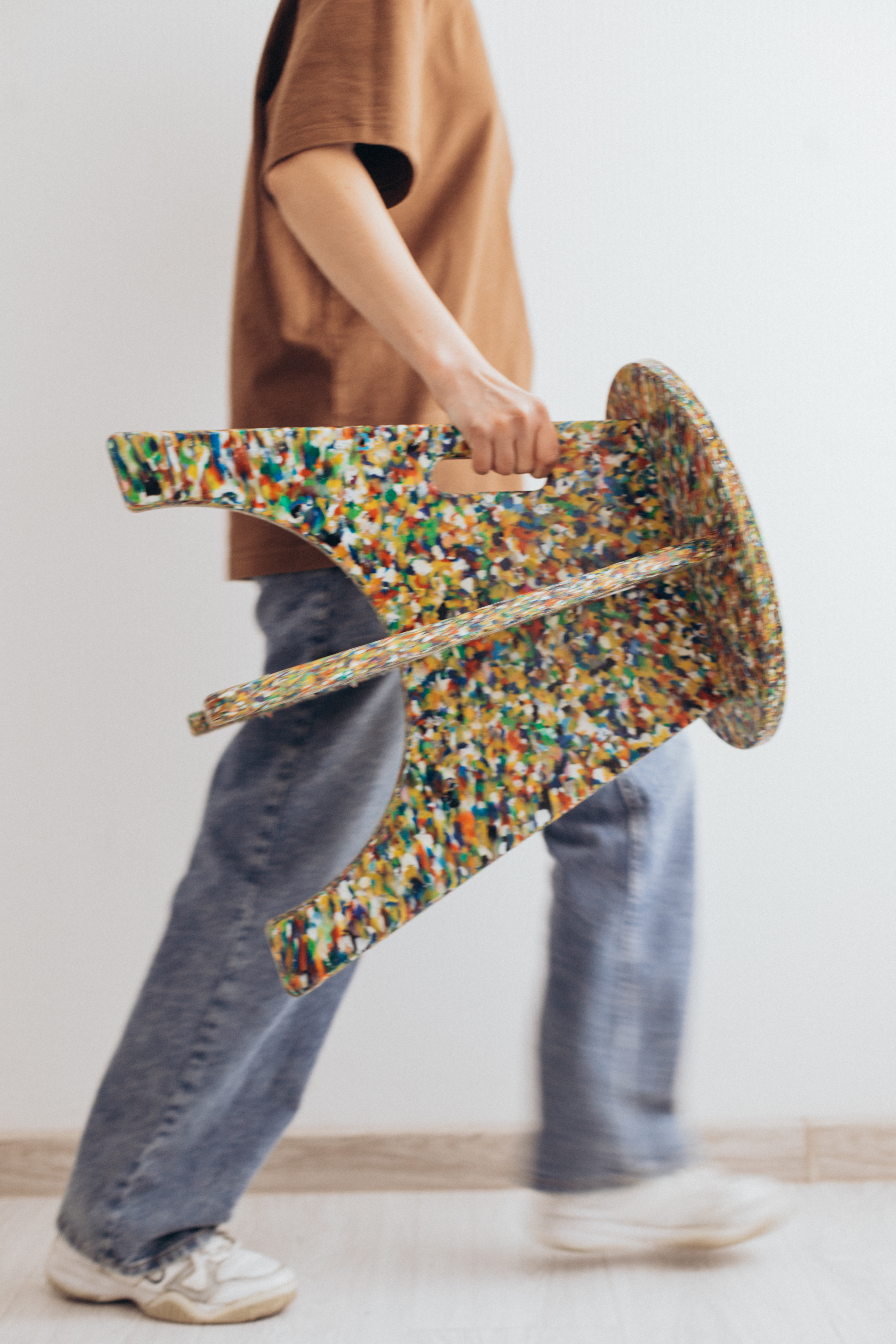
Our aesthetic objective is to transform waste into meaningful objects that people are proud to use and display. Each product we create, whether jewelry or furniture is unique, with textures and colors shaped by the original plastic material. This gives every piece a story and identity.
We integrate design, craftsmanship, and innovation. Our workshop functions as a creative laboratory where we collaborate with local artists and designers to explore the full potential of recycled plastic. Projects like our “Tabouret” demonstrate that recycled materials can meet contemporary design standards and fit seamlessly into modern lifestyles.
The quality of experience is central. Our products are tactile, visually expressive, and durable. They stimulate curiosity and invite people to rethink their relationship with materials and consumption.
Culturally, Recycline contributes to building a new identity around sustainability in Moldova. By involving the community in the collection process, people develop a sense of ownership and care for their environment. Waste becomes a shared responsibility and a source of creativity.
What makes our approach exemplary is that we do not treat aesthetics as secondary. Beauty is a driver of change. By making sustainability attractive and emotionally engaging, we create lasting behavioral shifts and strengthen the connection between people, objects, and place.
Recycline promotes inclusion by making sustainability accessible, participatory, and relevant for diverse groups in society.
Our main objective is to create a system where everyone can contribute, regardless of age, background, or income. Inclusion in our project is social, economic, and educational.
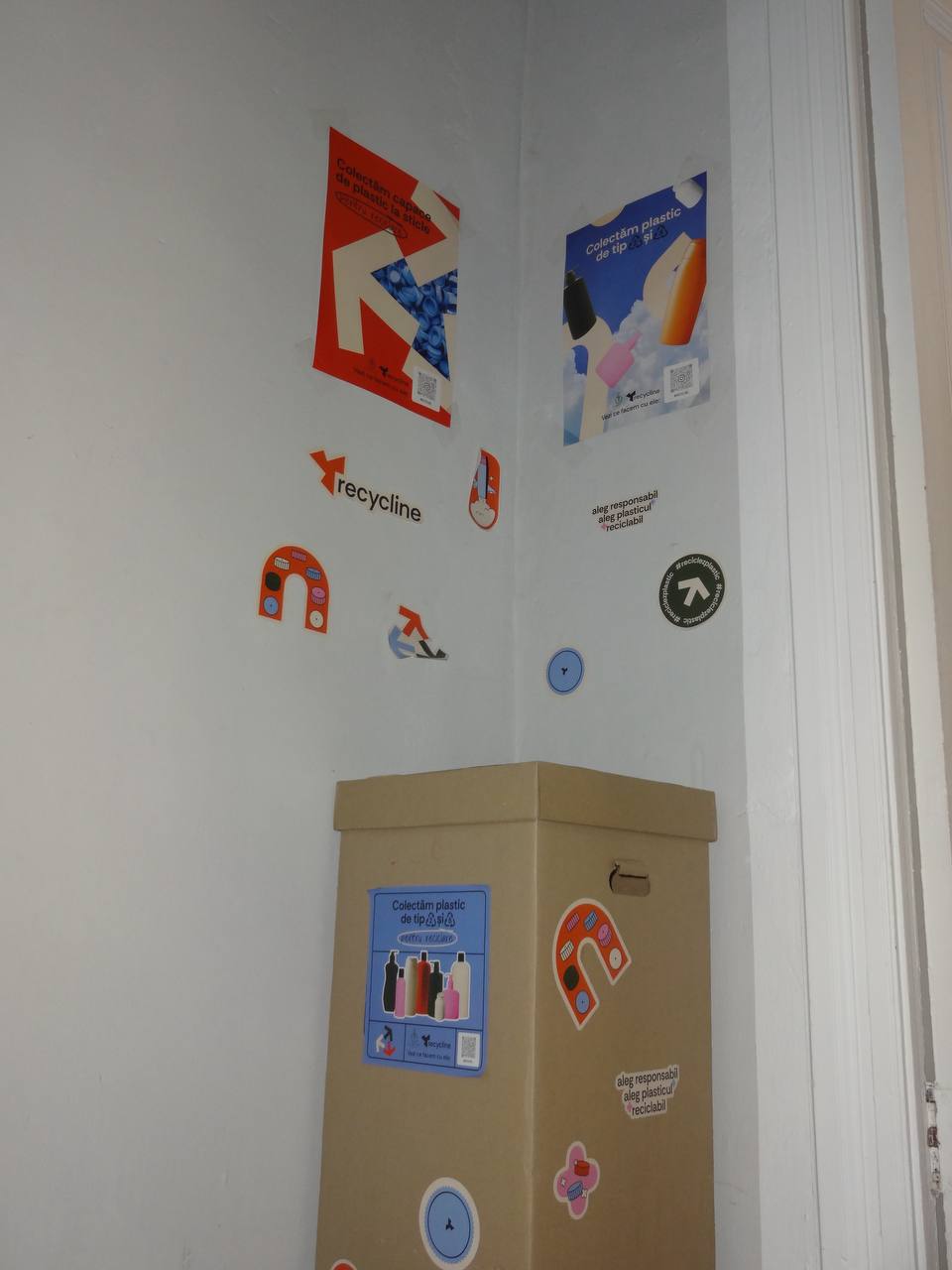
We implement this through an open and participatory model. Anyone can be part of the process by collecting and contributing plastic. We have built a network of over 20 collection points hosted by local businesses, institutions, and community spaces.
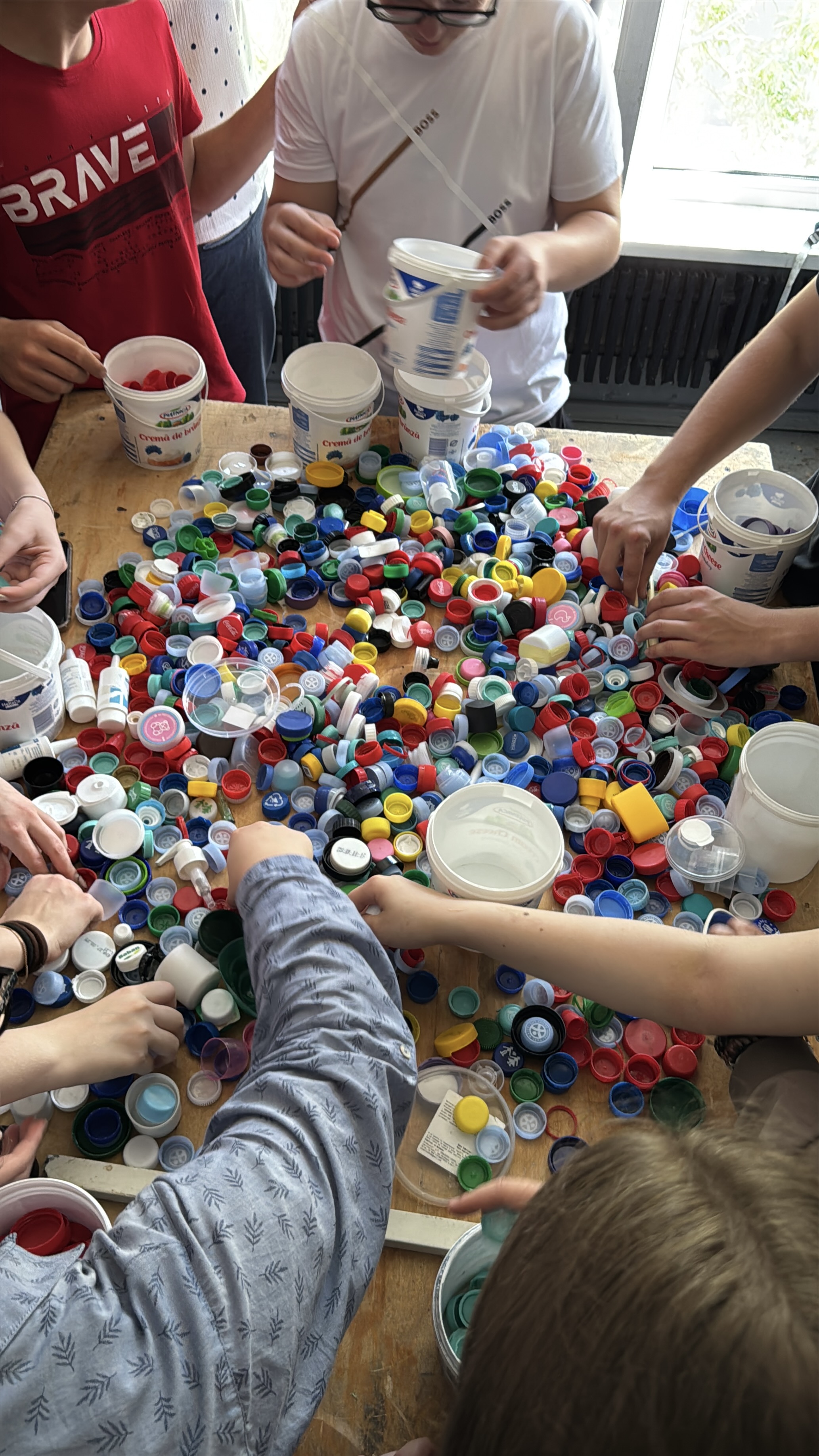
Education is a key tool. We organize workshops in schools and collaborate with NGOs and organizations to reach different age groups and social contexts. These activities address the root causes of environmental issues: habits, perception, and awareness.
We also ensure economic accessibility. Our products range from small, affordable items to higher-value pieces, allowing people and brands with different financial capacities to engage with sustainable alternatives.
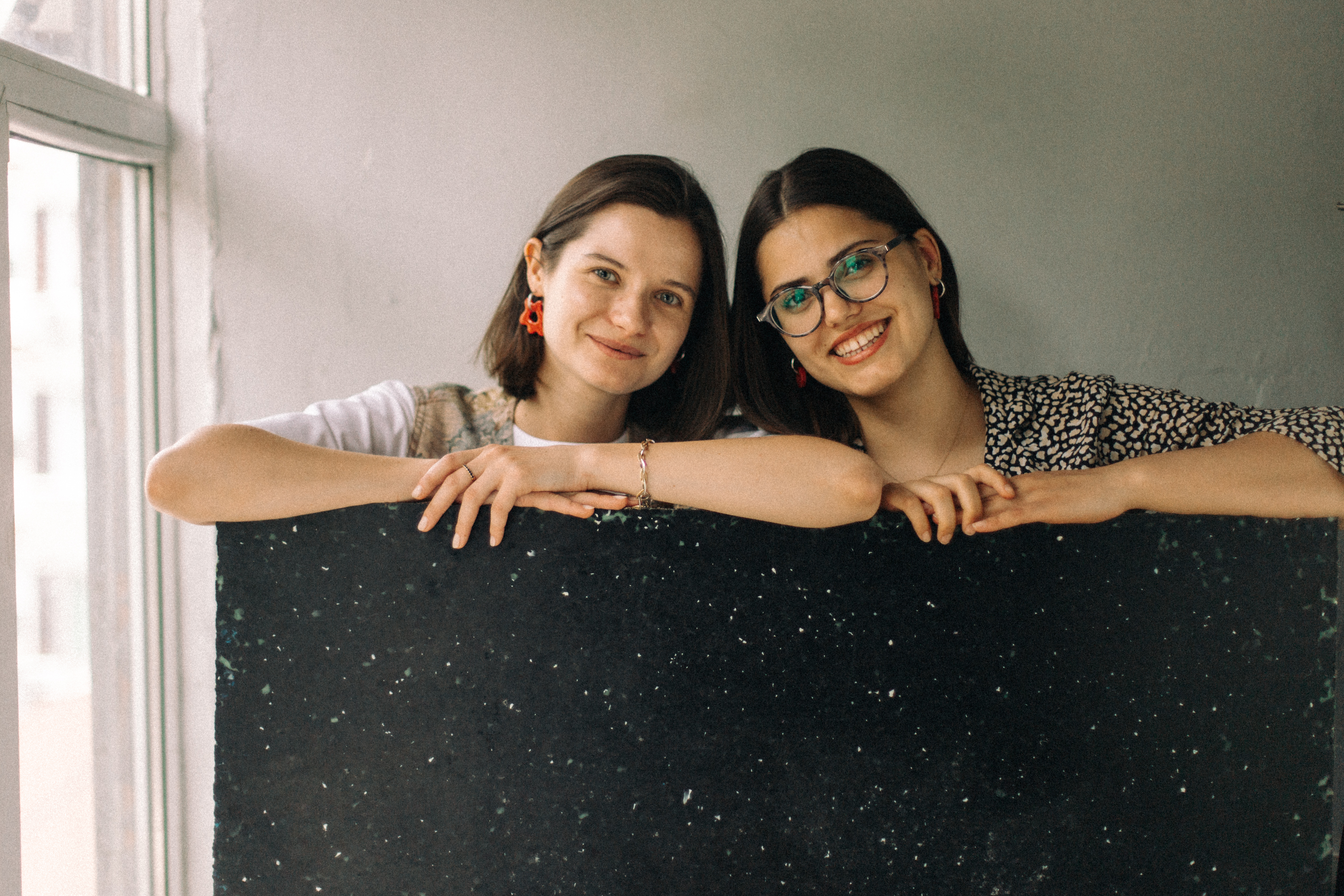
Inclusion is also reflected in our team and leadership. Recycline is a young women-led initiative, with core roles such as CEO, Designer, and Community Manager held by young women. In a context where green innovation and industrial processes are often male-dominated, this brings a strong social dimension and promotes diversity in leadership and decision-making.
We collaborate with local artists and designers, offering them access to sustainable materials and new forms of expression.
The results are visible: a growing community, increased awareness, and active participation from individuals, businesses, and institutions.
What makes Recycline exemplary is its inclusive mindset: sustainability is not exclusive or elite: it is collective. By combining education, accessibility, and participation, we create a model where everyone has a role and a voice in building a more responsible society.
Recycline is built together with the community, not only for the community.
From the very beginning, citizens, local businesses, NGOs, schools, and institutions have been actively involved in shaping the project. Their role goes beyond participation,they are contributors, co-creators, and decision influencers.
Today, we collaborate with over 20 local collection points, including cafés, restaurants, beauty salons, and coworking spaces. These partners not only collect waste, but also become ambassadors of responsible consumption within their own communities.
We also involve people through workshops, open studio visits, and educational programs, where participants learn, experiment, and give feedback. This creates a two-way relationship: we educate, but we also listen and adapt based on community needs and reactions.
At the same time, Recycline operates as a business, and this participatory approach extends into our strategic decisions. We continuously adapt our product categories, designs, and distribution channels based on market research, customer feedback, and real user behavior. This ensures that our solutions are not only sustainable, but also relevant, desirable, and accessible.
In some collaborations, companies contribute their own plastic waste, which we transform into customized objects for their spaces or branding. This creates a direct connection between consumption, responsibility, and value creation.
The level of influence is real. Our decisions around product development, communication, and partnerships are shaped by this constant interaction between community input and market understanding.
This participatory approach has strengthened trust, visibility, and long-term engagement. It transformed Recycline from a small initiative into a collective movement. The quality of the project improved because it reflects real needs, real people, and a balance between community-driven impact and sustainable business development.
Recycline connects actors across multiple levels:local, national, and international,creating a network that supports both impact and business growth.
At the local level, we work closely with citizens, schools, NGOs, and businesses. Local companies play a key role not only by collecting plastic, but also by integrating recycled materials into their operations through customized products, interior elements, and branding solutions. This creates a direct link between sustainability and business value, helping shift local companies towards more responsible practices.
At the national level, we collaborate with public institutions and have benefited from a government grant that allowed us to build our production workshop. Beyond this, as active contributors to the green economy, we have participated in public consultations, governmental panels, and discussions around Moldova’s green transition strategy. This positions Recycline not only as an implementer, but also as a voice shaping the direction of sustainability policies in the country.
At the regional and international level, we have participated in platforms and events such as Romanian Creative Week, EBAN, UN Women Expo, and UNDP programs. These experiences helped us gain visibility, exchange knowledge, and align our work with broader European sustainability goals.
Beyond environmental impact, Recycline acts as an innovative business model for Moldova. We actively contribute to developing the local green industry by creating demand for sustainable materials, educating consumers, and offering businesses practical solutions to transition towards circular practices.
Recycline demonstrates how a local initiative can evolve into a catalyst for the green transition, bridging community, business, and policy to shape a more sustainable future.
Recycline is the result of combining knowledge from multiple disciplines to solve a complex problem.
The project integrates environmental science, material engineering, design, education, entrepreneurship, and community development. From plastic chemistry and production techniques to product design and social engagement, each field plays an essential role.
Collaboration happens organically in our workshop, which functions as a creative and experimental space. Designers, engineers, artists, educators, and community members interact through co-creation sessions, workshops, and real production processes.
We combine technical knowledge (material processing, machinery, durability) with creative practices (design, aesthetics, storytelling) and social approaches (education, behavior change, community building).
This interdisciplinary approach also extends into our role as consultants in circular economy. We work with companies and institutions to help them rethink materials, reduce waste, and integrate recycled solutions into their products and spaces. By bridging disciplines, we are able to offer practical, tailored solutions that are both sustainable and economically viable.
This mix allows us to develop solutions that are not only functional, but also meaningful and attractive. Our products and collaborations generate real economic value, proving that circularity can be a viable business model. Importantly, this value is reinvested into our core mission: edducation, community engagement, and environmental impact.
The benefits of this approach are clear:
- more innovative and adaptable solutions,
- stronger environmental and social impact,
- better problem-solving through diverse perspectives.
By bridging disciplines, Recycline transforms recycling from a technical process into a cultural, social, and economic movement, one that connects sustainability with real-world impact and long-term change.
Recycline operates as a functional and validated business model that combines economic viability with environmental and social impact.
Since the early stages, the project has evolved from a small initiative into a structured and revenue-generating enterprise. While we initially benefited from a government grant, the majority of our growth has been driven by self-generated income.
Today, our model is based on three main revenue streams: direct product sales, B2B collaborations with companies, and international marketplace distribution.
This model has proven to be both resilient and adaptable. We have established stable partnerships with local and international clients, and our products are already reaching global markets. These results confirm that there is real demand for sustainable, design-driven solutions.
At the same time, we operate with clear financial management and accounting practices, ensuring transparency and responsible resource allocation. At this stage, most of our profits are reinvested into the development of the project,improving production processes, expanding our product range, strengthening the team, and scaling our impact.
To further increase transparency and structure, we have recently established an NGO that complements our business activities. This allows us to clearly separate and strengthen our social and educational mission, while continuing to grow the commercial side in a sustainable way.
Our model is still evolving, with clear potential for growth and optimization. External funding, such as the Prize, would accelerate this process by supporting certification, expanding capacity, and increasing our reach.
We see financial support not as a dependency, but as a catalyst for scaling impact. For us, economic growth directly translates into environmental and social impact: the more we grow, the more plastic we recycle, the more people we engage, and the stronger our contribution becomes to a sustainable future.
Recycline is a validated and functional model with strong potential for replication and scaling across different contexts.
Our approach is built on transferable elements: community-based collection, local recycling production, education, and design-driven products, adaptable to different regions based on local needs and resources.
We are already seeing organic replication within Moldova. Schools and institutions in rural areas have started collecting plastic, and in one case, we donated our older equipment to enable local processing. We then purchase the processed material, creating a decentralized circular system that supports local initiatives while strengthening our supply chain.
What makes our model scalable is not only the technology, but the ecosystem we have built,combining community engagement, business logic, and creative value. It is a model that works in practice, with proven results, and can be transferred through partnerships, training, and knowledge sharing.
At the same time, we are continuously improving and expanding. Our next steps include developing international distribution channels, obtaining sustainability certifications, and strengthening both our capacity and team. The recent creation of an NGO allows us to scale our educational and social impact in a more structured and transparent way.
External support, such as the NEB Prize, would significantly accelerate this process,helping us scale responsibly while maintaining quality and impact.
Recycline has the potential to serve as a model for emerging circular economies, especially in regions where sustainability systems are still developing. It demonstrates how local initiatives can generate systemic change.
For us, scalability is not only about growth, it is about multiplying impact. Expanding our model means reducing more waste, engaging more communities, and contributing more strongly to a circular, inclusive, and sustainable future.