Enablers for New European Bauhaus Transformation
Smart Social Economy
Smart Social Economy, Building an Innovative Public–Private Sector Ecosystem for Social Goods and
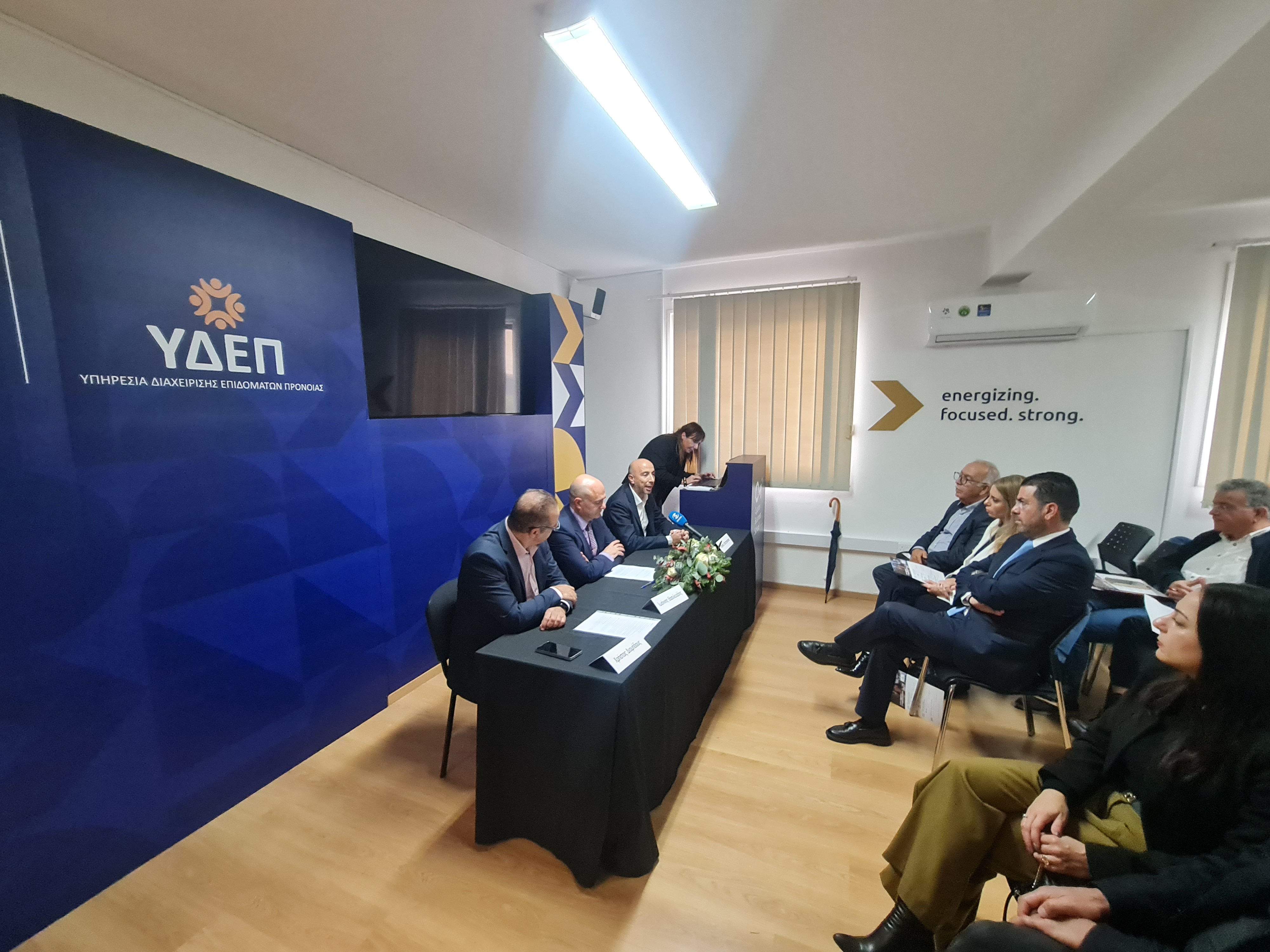
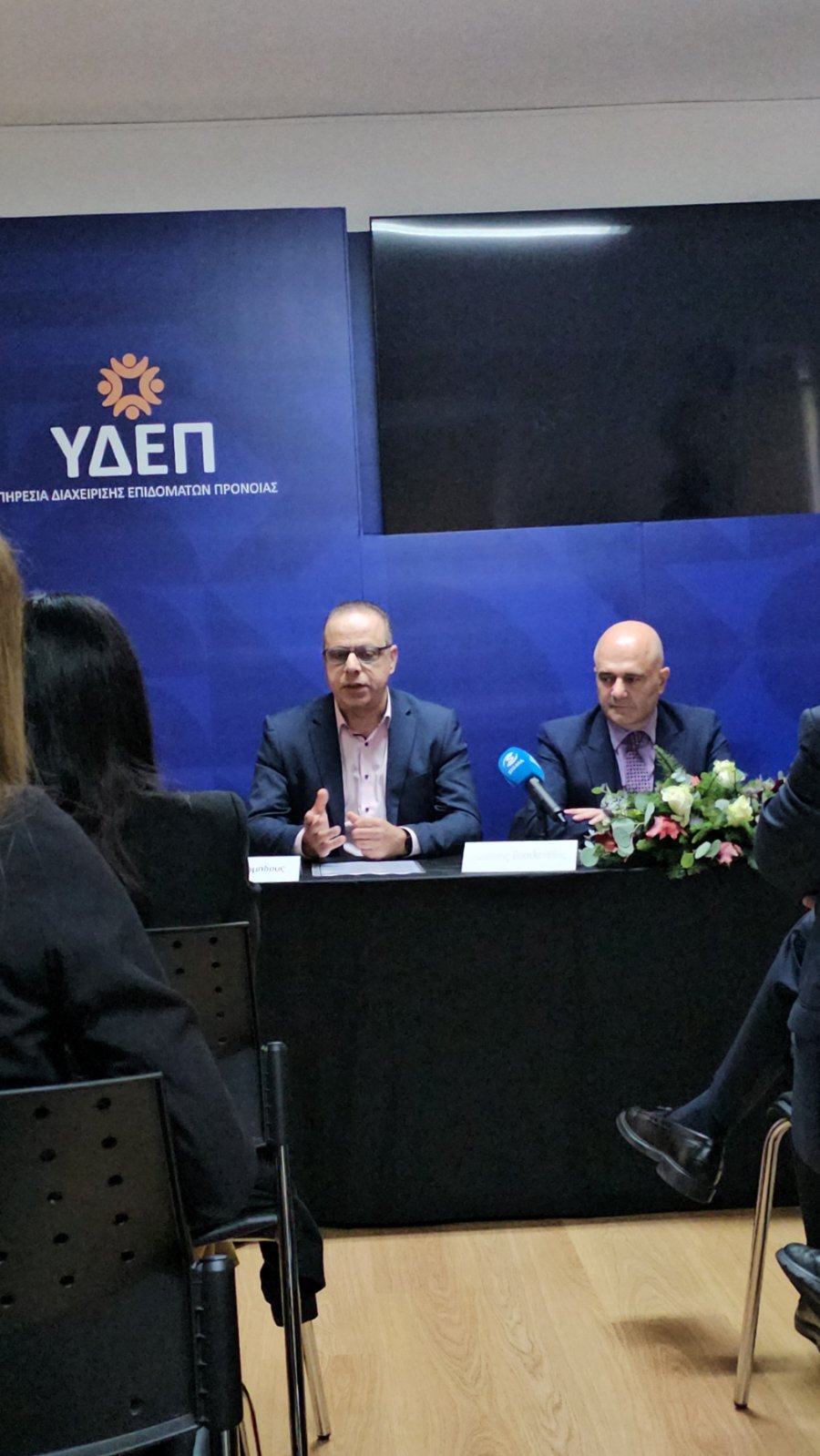
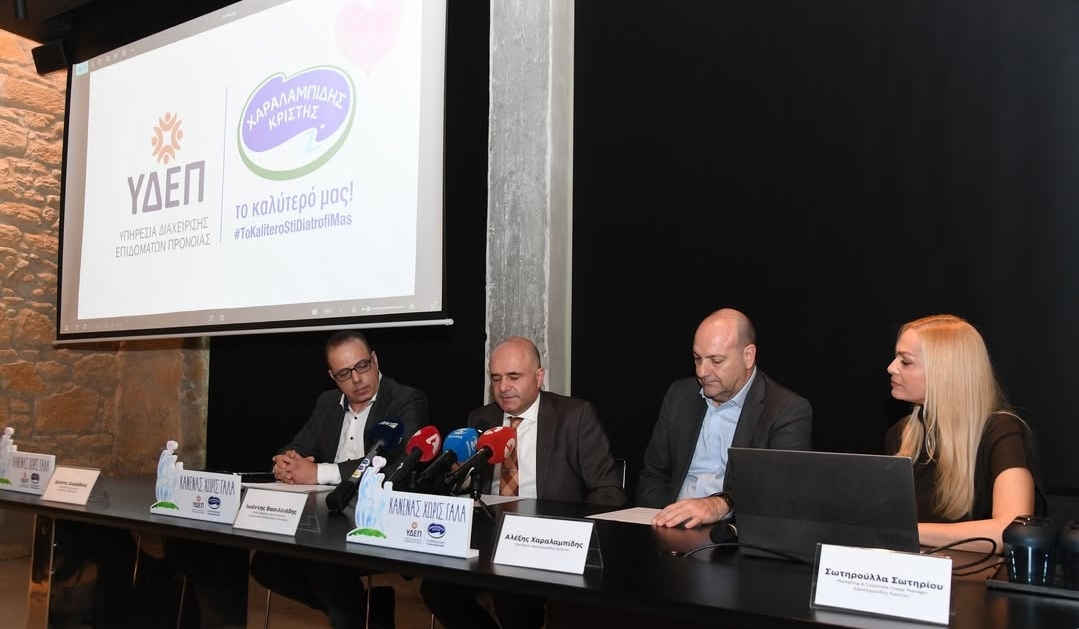
Smart Social Economy is an innovative public-private ecosystem by the Welfare Benefits Administration Service of Cyprus. It aims to provide targeted social goods and services to vulnerable groups, complementing existing cash benefits. Scalable and sustainable, this model generates significant social value without public cost, positioning it as a European standard for transparent, collaborative social governance.
Cyprus
National
Mainly urban
It involves other types of transformations (soft investment)
Yes
2025-12-31
No
Yes
2025 Innovation award in the category of Social Innovation awarded by the Cyprus Employers and Industrialists Federation
No
Organisation
Smart Social Economy is a pioneering systemic innovation that redefines how welfare is delivered by establishing, for the first time, a structured public–private ecosystem for the provision of targeted social goods and services. It complements traditional financial benefits by addressing needs more effectively met in kind, using data-driven targeting and digital delivery mechanisms.
Overall aim:
To enhance the effectiveness, precision, and impact of social policy by mobilising private sector capacity within a transparent, accountable, and measurable framework, without additional fiscal burden. The project addresses inefficiencies in traditional welfare delivery and unlocks underutilised social resources.
Target groups:
Vulnerable populations, including children, low-income households, elderly persons, persons with disabilities, and beneficiaries of national welfare schemes, representing a significant share of society.
Specific objectives:
• Deliver highly targeted in-kind benefits through advanced data analytics
• Activate businesses as co-producers of measurable social value
• Strengthen transparency, traceability, and administrative efficiency
Achieved outcomes:
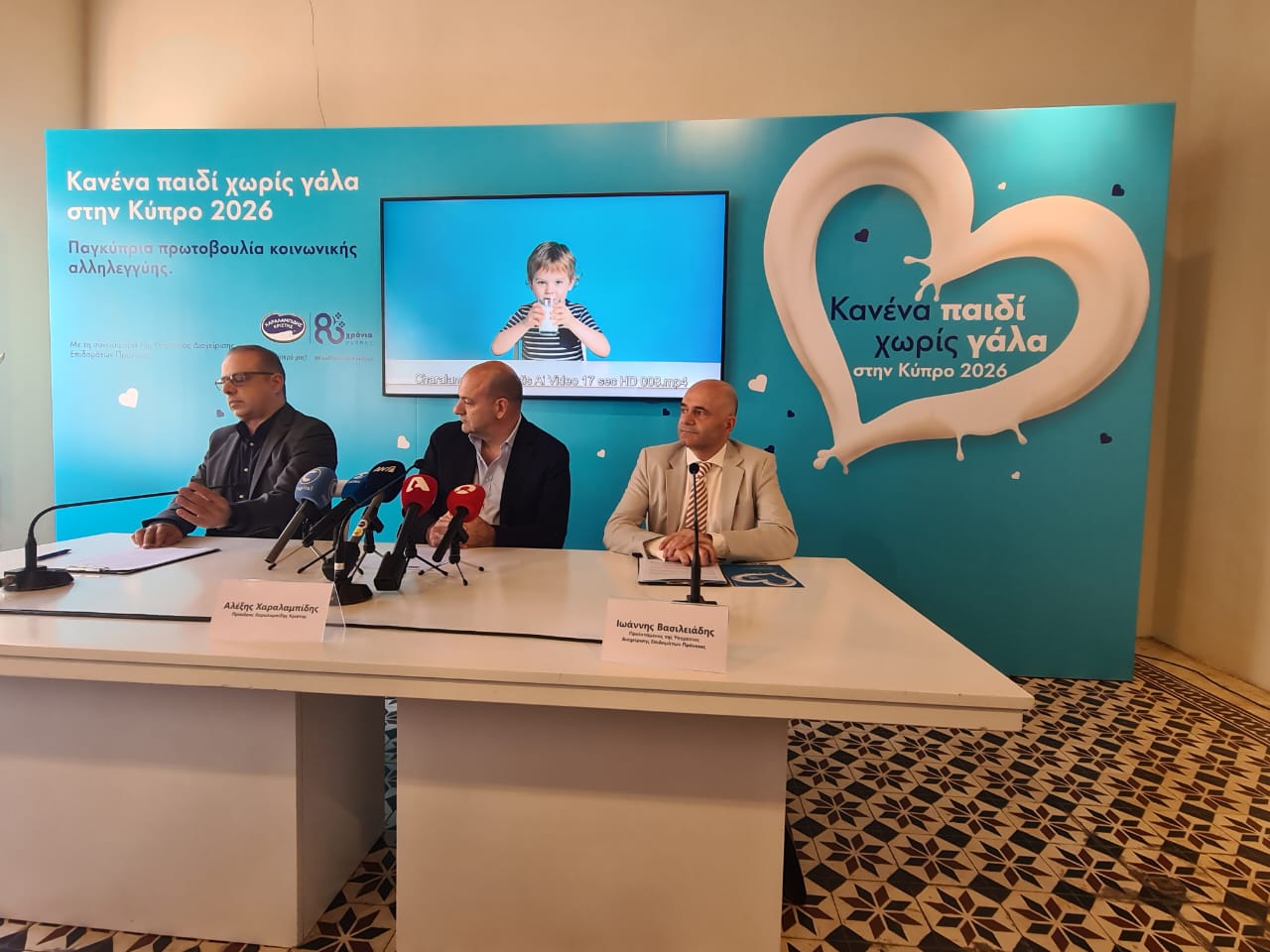
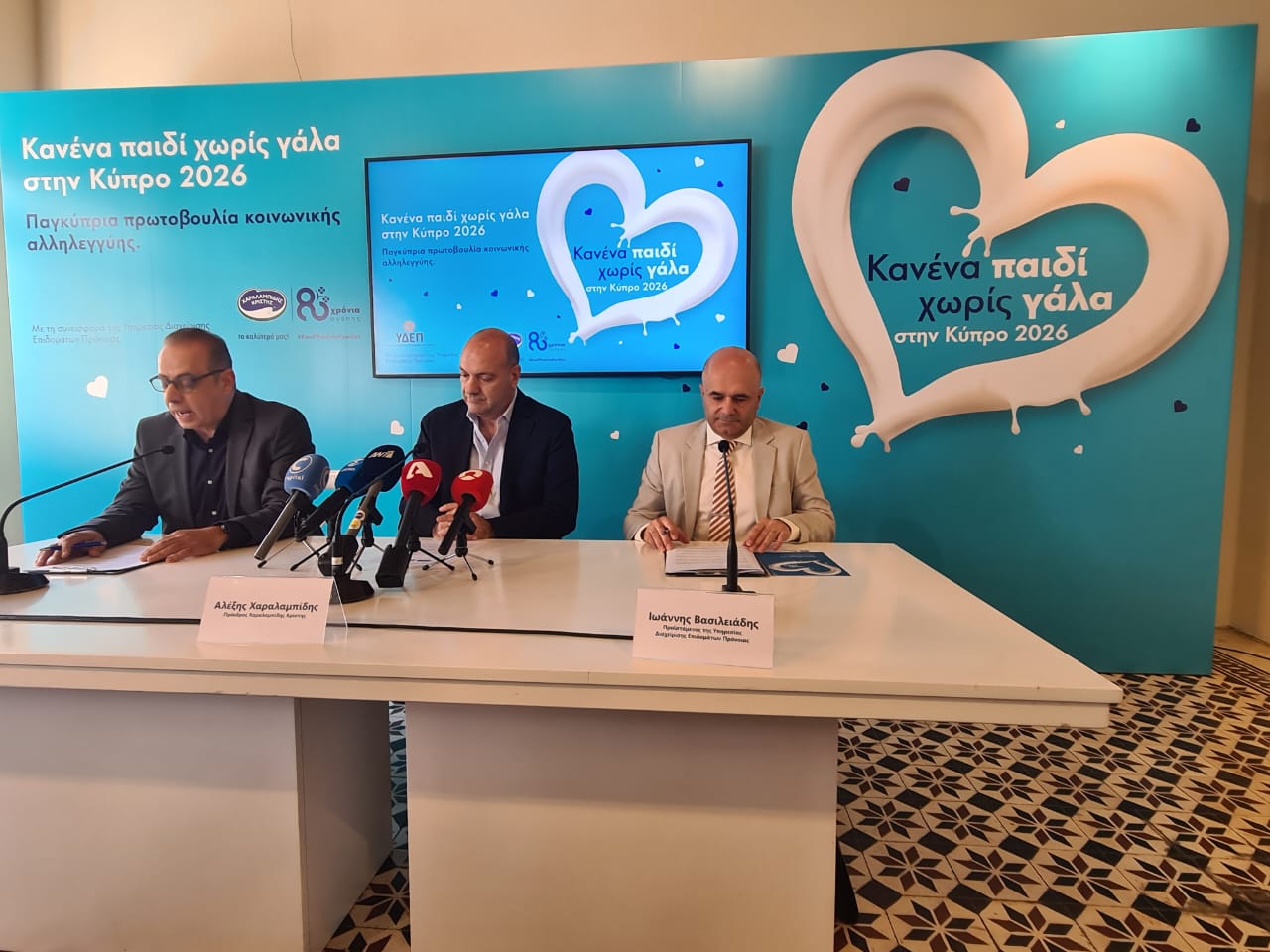
• Successful actions, delivering €1.7M in essential goods and scholarship opportunities to beneficiaries
• Immediate mobilisation of private sector resources at scale
• Rapid scaling trajectory towards €48M (2030)
• Demonstrated improvements in access, well-being, and institutional trust
• Measurable impact validated through Social Return on Investment (SROI)
Transformative potential:
The project establishes an “Open Social Market”, transforming CSR into structured social investment. It introduces a scalable, replicable, and future-oriented model aligned with European priorities, positioning social policy as a dynamic, data-driven ecosystem and establishing a new European benchmark for modern welfare delivery.
Smart Social Economy emerged as a strategic institutional response to the limitations of traditional welfare systems, recognizing that complex social needs require more precise, flexible, and outcome-oriented solutions beyond financial transfers alone.
Origin of the idea:
Through extensive analysis of administrative data, the Welfare Benefits Administration Service (WBAS) identified that certain needs—such as nutrition, education, and care—can be addressed more effectively through targeted in-kind support. At the same time, the significant but fragmented contribution of the private sector revealed untapped potential for structured collaboration.
Actors and governance: WBAS led the initiative, ensuring full institutional oversight and legitimacy. Businesses, academic institutions, and technical experts contributed to design, implementation, and evaluation, while decision-making remained centrally coordinated.
Main phases:
• Evidence-based research and needs assessment
• Co-design of governance model and targeting mechanisms
• Pilot implementation
• Development of digital infrastructure (beneficiary registry, vouchers, SROI tools)
• Scaling, monitoring, and continuous improvement
Tools and methods:
Advanced data analytics, digital platforms, traceable voucher systems, public–private agreements, and internationally recognised social impact measurement methodologies.
Contribution to objectives:
This structured, iterative approach ensured accuracy, transparency, and efficiency. By combining institutional authority, technological innovation, and private sector capacity, the project successfully achieved its objectives and established a new paradigm for social policy delivery.
This approach enabled the transition from fragmented social support to an integrated, high-impact system that combines public authority with private sector capacity.
Social Inclusion
Innovative Governance
Digital Transformation
Social Value Coproduction
Evidence-Based Impact
Smart Social Economy delivers a comprehensive approach to sustainability, integrating social, economic, and institutional dimensions in a coherent and future-oriented model.
Sustainability objectives:
• Maximise social impact without increasing public expenditure
• Improve efficiency and effectiveness in resource allocation
• Strengthen long-term social cohesion and resilience
Implementation:
The project uses data-driven targeting to ensure that resources reach those with verified needs, minimising waste and inefficiencies. It activates Corporate Social Responsibility within a structured institutional framework, transforming voluntary contributions into predictable and measurable social investments. Digital monitoring systems ensure transparency, traceability, and accountability at every stage.
Results:
• Increase in targeted social value from €12M (2024) to €70.1M (2030)
• Generation of €48M in additional social value through improved targeting
• Tangible improvements in access to essential goods and services
• Strengthened institutional trust and administrative performance
Exemplary character:
The model is fiscally neutral, scalable, and durable. It transforms fragmented and often inefficient CSR practices into a structured, data-driven system aligned with long-term policy goals. Its ability to generate continuous social value without environmental or financial strain makes it a benchmark for sustainable social innovation in Europe.
Unlike traditional welfare systems that depend exclusively on public expenditure, this model creates a self-sustaining cycle of social value generation, making it structurally resilient and uniquely positioned as a long-term solution.
Smart Social Economy enhances quality of life by embedding dignity, care, and human-centred design into the delivery of social support, transforming not only outcomes but also the lived experience of beneficiaries.
Aesthetic objectives:
To improve the lived experience of vulnerable populations by ensuring that social support is delivered in a dignified, respectful, and empowering manner, contributing to well-being and a sense of belonging.
Implementation:
The project adopts a human-centred approach, aligning services with real-life needs such as nutrition, education, and care. It integrates social policy with community engagement and fosters collaboration between public institutions, businesses, and local actors. The design of delivery mechanisms prioritises simplicity, accessibility, and respect for beneficiaries.
Quality of experience:
Beneficiaries experience reduced stress, improved comfort, and greater emotional security. Access to essential goods enhances daily life, while the reliability and transparency of the system build trust and confidence. The initiative positively stimulates well-being across physical and psychological dimensions.
Cultural benefits:
The project strengthens social cohesion, solidarity, and collective responsibility. It reinforces local identity by connecting communities, businesses, and institutions in a shared social mission.
Exemplary character:
Unlike traditional welfare approaches, the project prioritises dignity and experience, creating a socially supportive environment where individuals feel valued and included. It represents a holistic and innovative approach to aesthetics in social policy.
Smart Social Economy places inclusion at the core of its design, ensuring equitable access to social goods and services through transparent, data-driven mechanisms.
Inclusion objectives:
To promote social, economic, and spatial inclusion by guaranteeing equal access to essential goods and services for all vulnerable groups, regardless of income, location, or personal circumstances.
Implementation:
The project uses automated targeting based on existing administrative data, eliminating the need for additional applications or procedures. This reduces barriers and ensures that support reaches beneficiaries seamlessly. Digital systems enable nationwide coverage and accessibility, while institutional oversight guarantees fairness and accountability.
Results:
• Increased access to essential goods for vulnerable populations
• Reduction in inequalities and risk of social exclusion
• Enhanced participation of beneficiaries in social and economic life
• Improved trust in public institutions and service delivery
Exemplary character:
The model introduces an inclusive governance system that combines efficiency, transparency, and equity. By removing administrative barriers and ensuring objective targeting, it creates a fair and accessible framework that can setting a new standard for inclusive, data-driven welfare systems across Europe.
Smart Social Economy is built on a participatory approach that actively involves stakeholders across society, ensuring relevance, legitimacy, and impact.
Who was involved: Beneficiaries, private sector companies, academic institutions, and civil society organisations participated as key stakeholders in the ecosystem.
Stages of involvement: Stakeholders contributed during the design, pilot implementation, scaling, and evaluation phases, ensuring continuous engagement throughout the project lifecycle.
How participation was organised:
• Public–private partnerships and structured collaborations
• Feedback mechanisms from beneficiaries and partners
• Co-creation processes during pilot initiatives
• Ongoing consultation and iterative improvement
Level of influence:
Stakeholders had a meaningful role in shaping service delivery, refining targeting mechanisms, and improving operational processes. Their input directly influenced decisions and outcomes.
Impact of participation:
The participatory approach enhanced the quality, relevance, and effectiveness of the project. It ensured that solutions respond to real needs, strengthened trust between institutions and society, and increased acceptance and sustainability. By fostering collaboration and shared ownership, the project demonstrates how inclusive participation can significantly improve social innovation outcomes. This approach transforms stakeholders from passive recipients or contributors into active co-creators of social value.
al social value by 2030.
Smart Social Economy operates within a robust multilevel governance framework, ensuring coordination, coherence, and scalability across different institutional levels. The model is fully aligned with European priorities on social inclusion, digital transformation, and public-private collaboration.
Actors involved:
• Local level: WBAS service units and implementation structures
• National level: WBAS, Deputy Ministry of Social Welfare, Government
• Private sector: Companies across multiple sectors
• Academic institutions and expert partners
Roles and responsibilities:
WBAS acts as the central coordinating authority, ensuring targeting, oversight, and compliance. Businesses provide goods and services, while academic partners contribute expertise, evaluation, and methodological support.
Organisation of cooperation:
Cooperation is structured through formal agreements, digital platforms, and clearly defined processes. The governance model ensures alignment of objectives, transparency, and efficient coordination among stakeholders.
Added value:
Multilevel engagement enhances access to resources, expertise, and legitimacy. It enables scalability, policy alignment, and efficient implementation, while strengthening institutional trust. The integration of different governance levels ensures that the project is both operationally effective and strategically aligned with national and European priorities.
Smart Social Economy adopts a transdisciplinary approach, integrating diverse knowledge fields to address complex social challenges in a holistic and innovative manner. This integration enables solutions that are not only technically sound but also socially effective and economically sustainable.
Disciplines involved: Social policy, economics, data science, information technology, governance, corporate social responsibility, and social sciences.
Interaction among disciplines:
Experts from different fields collaborated through interdisciplinary teams, combining analytical, technical, and policy perspectives. This interaction enabled the development of innovative solutions tailored to real-world needs.
Organisation of collaboration:
Collaboration was structured through joint workshops, shared digital platforms, and integrated decision-making processes. Teams worked collectively, ensuring that different perspectives were effectively combined.
Benefits and added value:
• Development of more innovative and effective solutions
• Improved targeting and operational efficiency
• Stronger social and economic impact
• Enhanced problem-solving capacity
The transdisciplinary approach ensured that the project goes beyond traditional sectoral boundaries, creating a comprehensive and adaptable model. By integrating multiple perspectives, it delivers higher-quality outcomes and demonstrates the added value of collaborative, cross-sector innovation.
Smart Social Economy introduces a pioneering business model that transforms Corporate Social Responsibility into structured, measurable social investment within a state-guaranteed framework.
Financing:
The project is financed through private sector contributions, coordinated and managed by WBAS within a transparent institutional framework.
Revenue generation:
While the project does not generate direct financial revenue, it creates measurable social value for beneficiaries and significant reputational and ESG value for participating businesses.
Future potential:
The model is highly scalable, with projected social benefits exceeding €48M annually by 2030. It has strong potential to expand across sectors and geographies.
Costs:
Operational costs relate mainly to administration and digital infrastructure, covered within existing public resources, ensuring no additional fiscal burden.
Sustainability and scalability:
Continuous private sector engagement ensures long-term sustainability. The structured framework enables replication and expansion.
Disruptive innovation:
The project creates a new “social market”, redefining how social value is generated and delivered. It introduces a paradigm shift in city and social development by integrating economic activity with measurable social impact.
This model creates a unique alignment between public value and private incentives, ensuring long-term sustainability and continuous growth.
Smart Social Economy demonstrates strong potential for transferability and replication across different contexts, sectors, and geographies.
Transferable elements:
• Data-driven targeting mechanisms
• Digital platforms and voucher-based delivery systems
• Structured public–private governance framework
• Social impact measurement methodologies (SROI)
Why it serves as a model:
The project combines simplicity, effectiveness, and measurable outcomes. Its institutional design and proven results make it a reliable and adaptable model for others.
Transferability conditions:
Replication requires basic data infrastructure, institutional coordination, and partnerships with private sector actors. These elements are widely available in most European contexts.
Adaptation needs:
Local legal frameworks, policy priorities, and social needs must be considered when adapting the model. However, the core architecture remains applicable.
Scalability potential:
The model can be expanded across sectors such as health, education, and energy, and replicated internationally. It offers a practical and innovative solution for modernising social policy systems, positioning it as a replicable European benchmark for modernising welfare systems at scale.