Arts, Culture, and Heritage as Drivers of Change
Kora_extended
Kora_extended
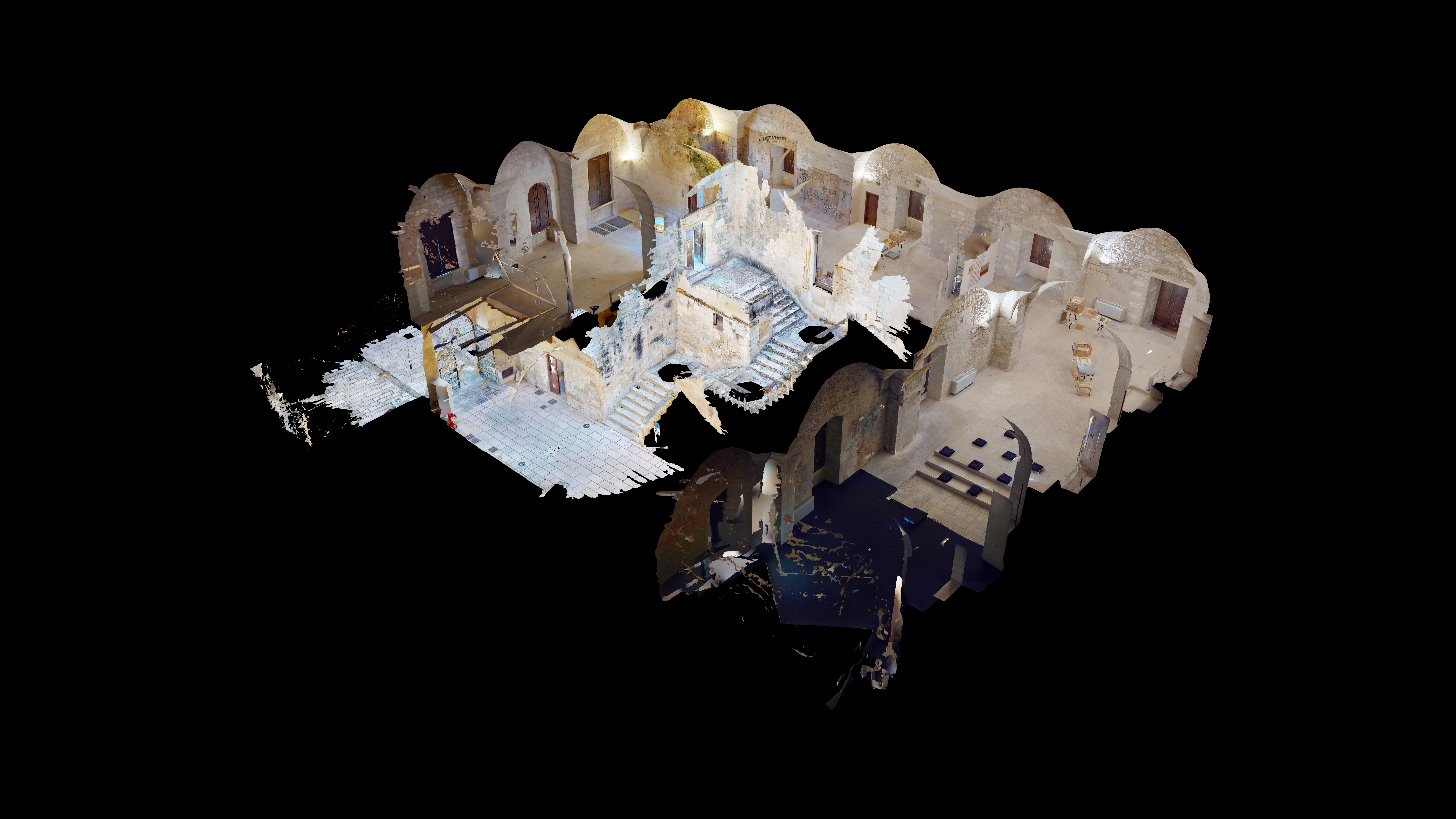
Kora_extended is a digital and cultural innovation project developed by Ramdom at Kora - Contemporary Arts Center in Southern Italy. It transforms a historical cultural space into an accessible and interactive museum through digital cloning, virtual environments and participatory exhibition-making. By combining heritage preservation, artistic research and immersive technologies, the project enables users to explore, reinterpret and co-create cultural content beyond physical; geographical limits.
Italy
Local
Castrignano de’ Greci, Lecce, Puglia
Mainly rural
It involves other types of transformations (soft investment)
Yes
2025-12-31
Yes
NextGenerationEU / Italian National Recovery and Resilience Plan (PNRR)
No
No
Organisation
Kora_extended is a multi-layered cultural and digital project conceived and designed by Ramdom together with the artist Emilio Vavarella, developed by Studio Zero that redefines how cultural heritage can be accessed, experienced and produced in the digital age.
The project originates from Kora - Contemporary Arts Center, located in a 17th-century historical building in Castrignano de’ Greci, a rural area in Southern Italy affected by geographical and infrastructural marginality. Traditional access to cultural content in such contexts is often limited by physical, logistical and economic barriers.
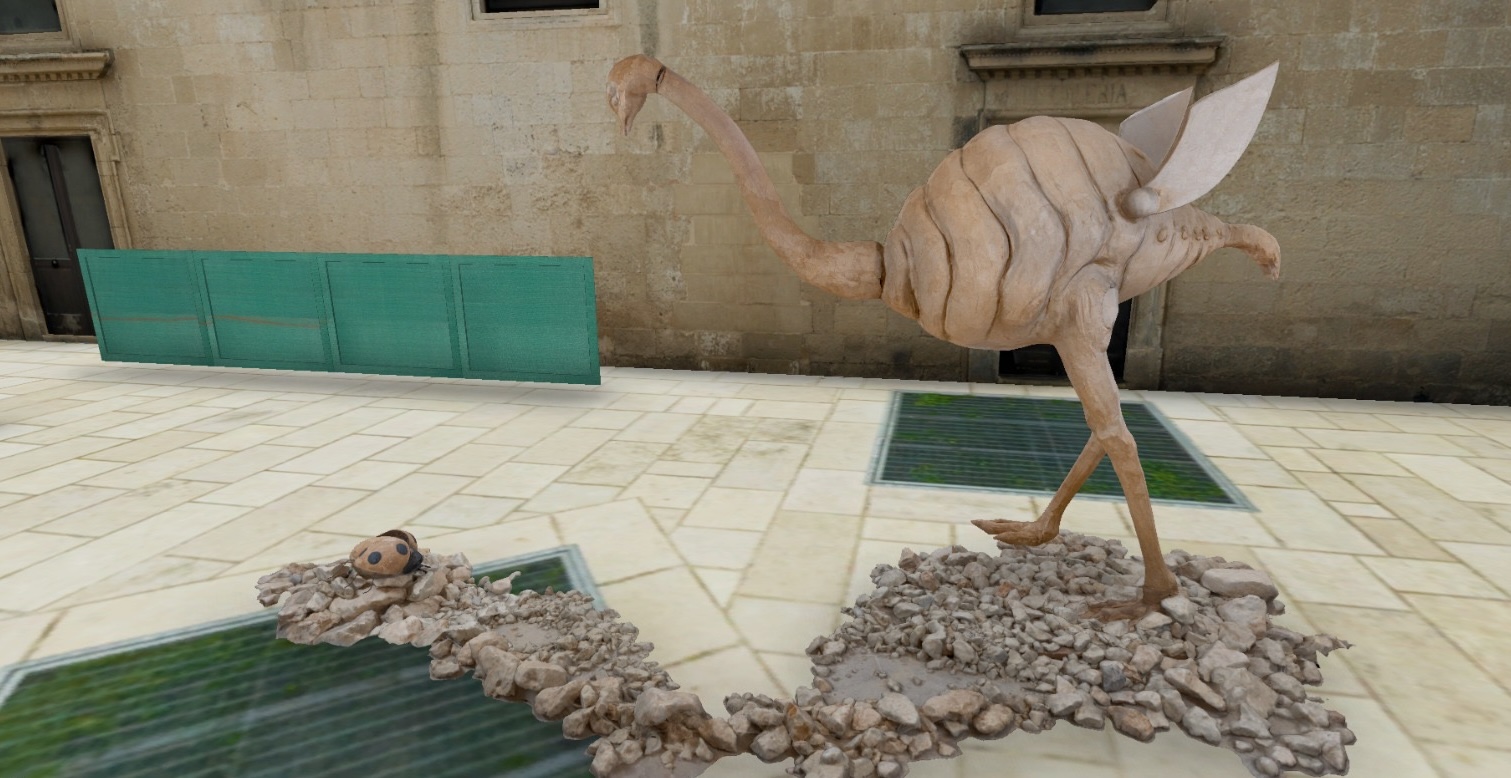
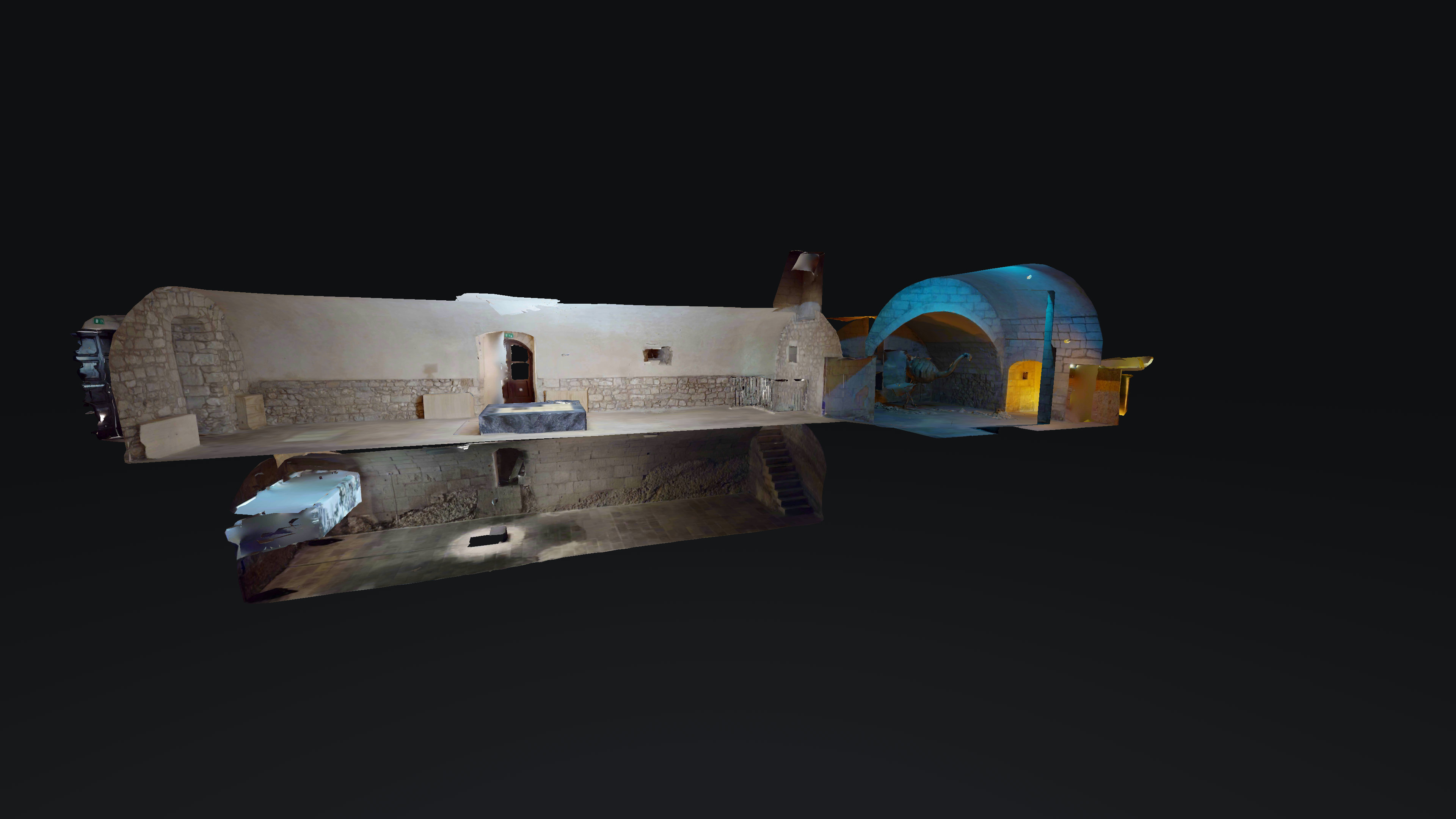
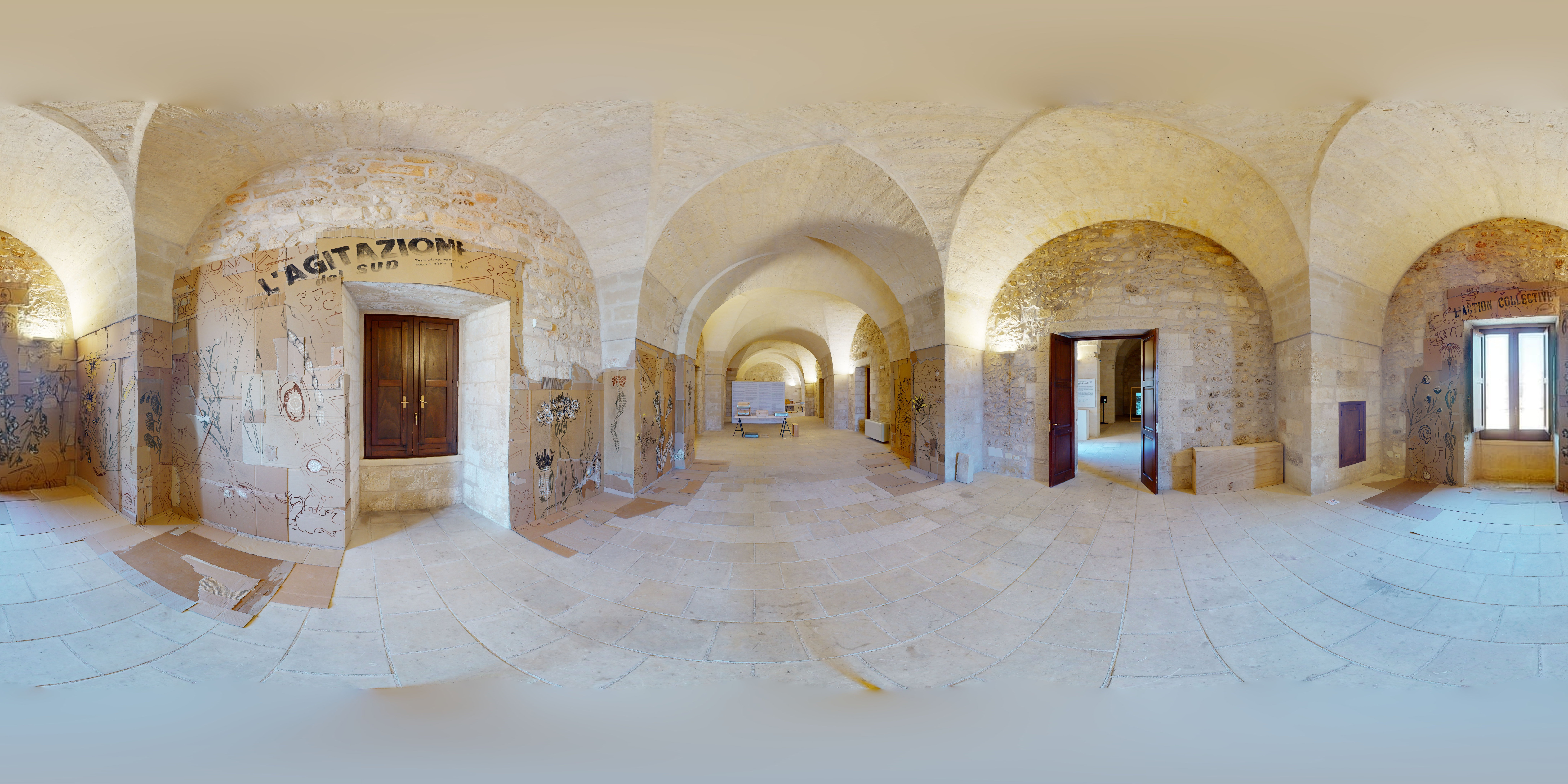
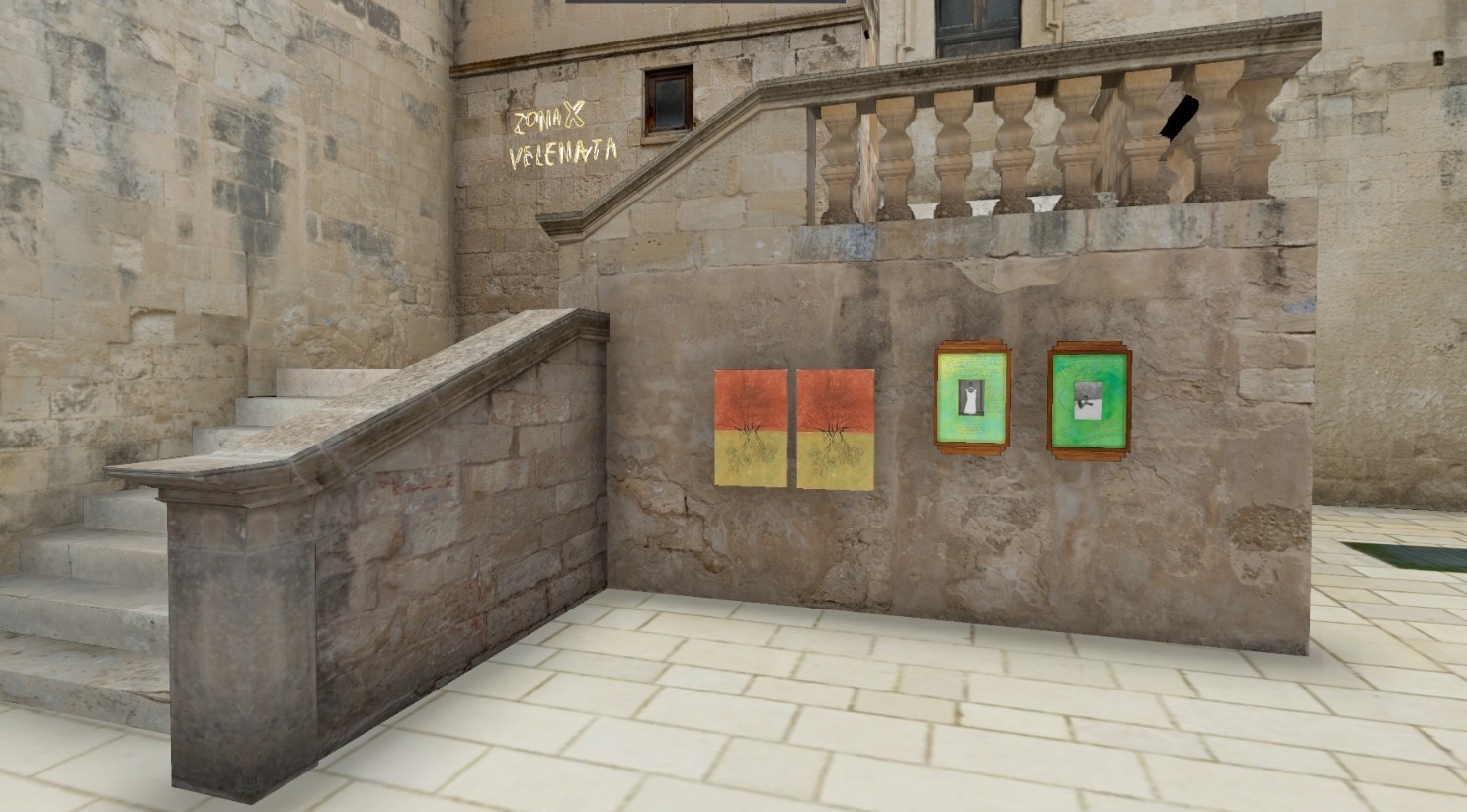
Kora_extended addresses these challenges by creating a digital twin of the cultural centre and its collection through advanced technologies such as photogrammetry, 3D modelling and web-based interactive environments. The project goes beyond conventional virtual tours by enabling users not only to explore the space but also to actively engage with it.
Through the platform, users can:
access the digital archive and exhibitions remotely,
interact with artworks and multimedia content,
create and curate their own exhibitions by arranging digital objects within virtual space.
This transforms the visitor into an active participant, redefining the relationship between audience, institution and cultural production.
The project integrates artistic research, technological innovation and community participation.
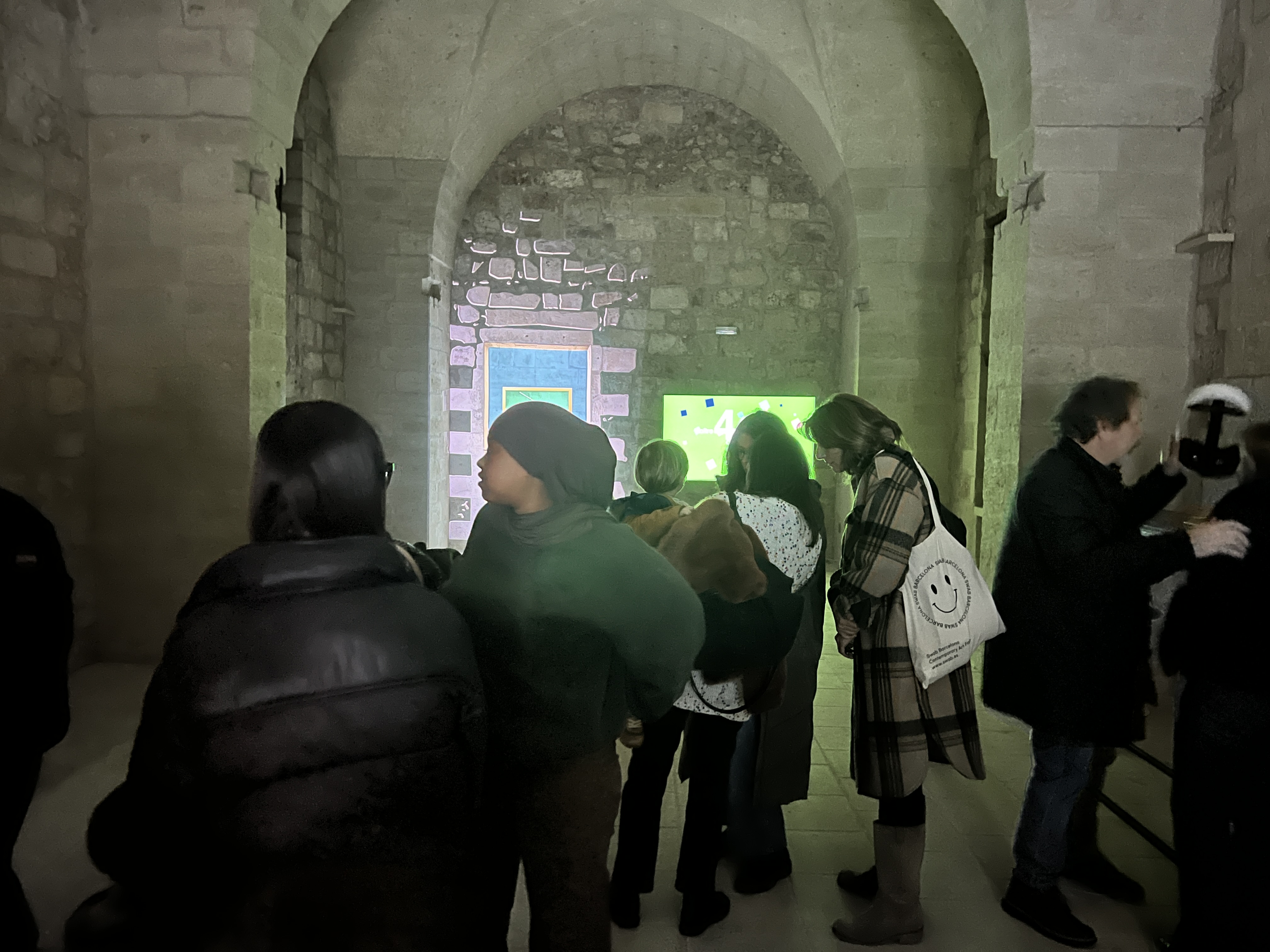
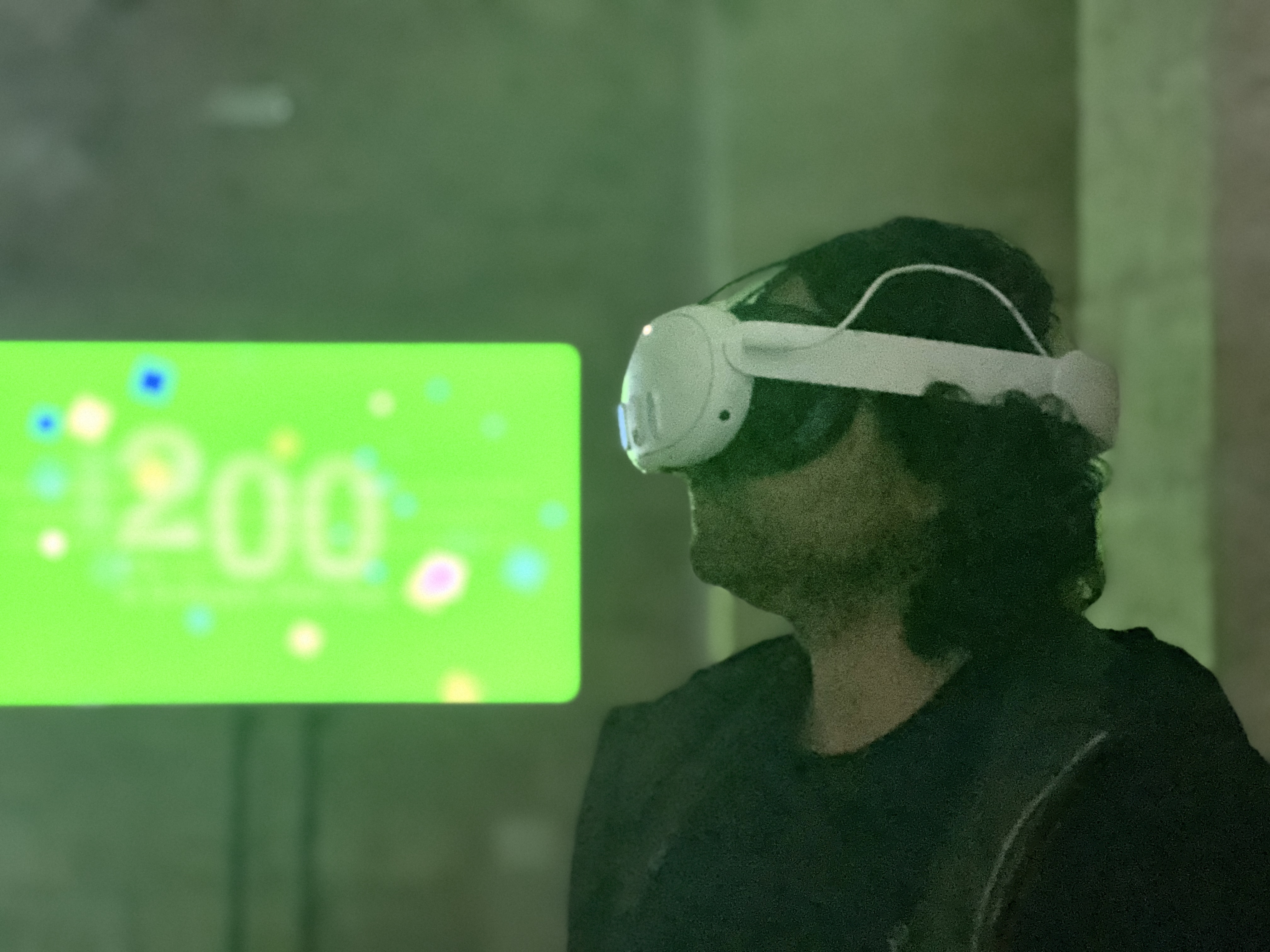
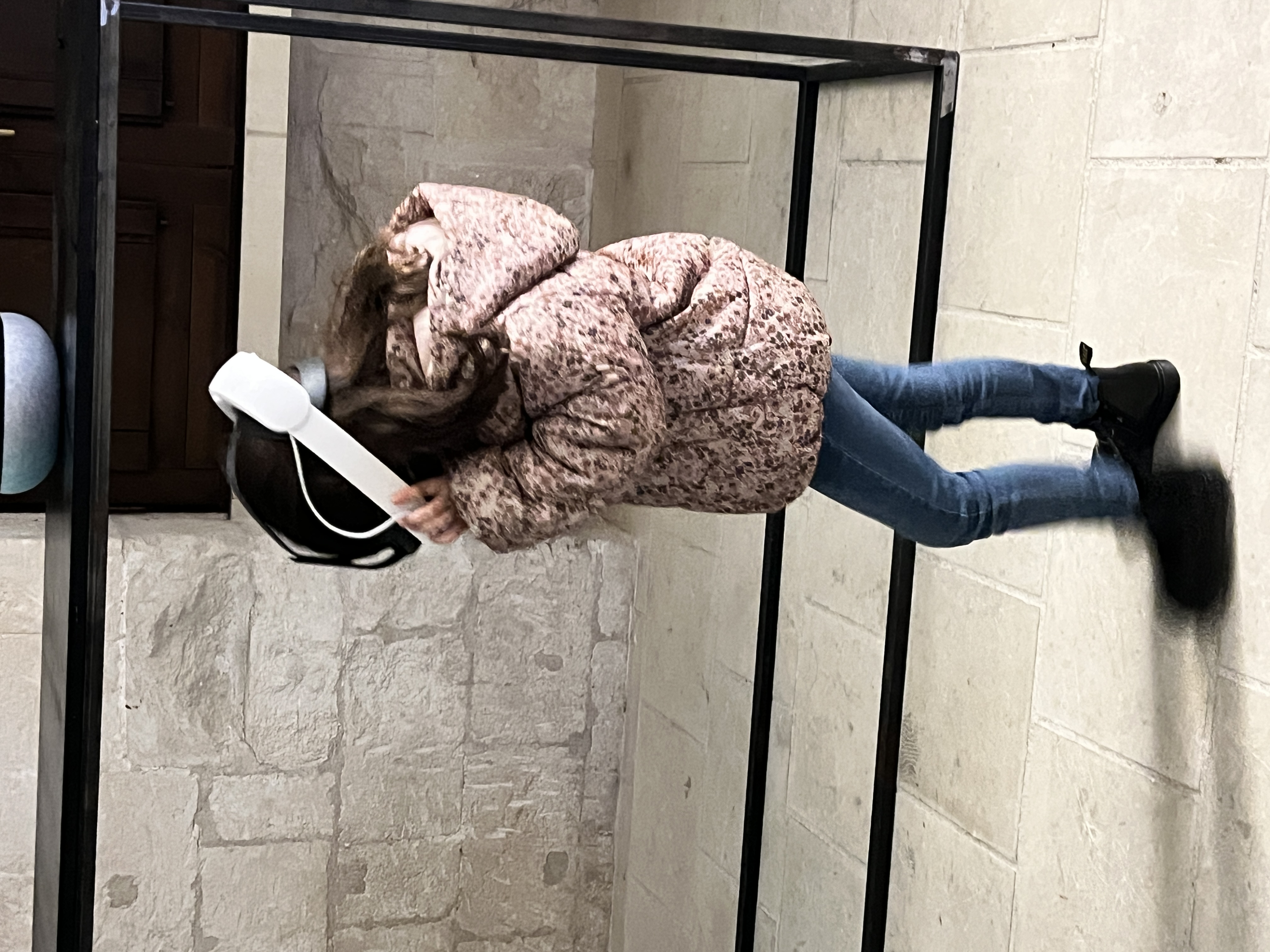
Kora_extended also enables hybrid and distributed cultural experiences: the museum can be accessed simultaneously online, on-site through digital installations, or remotely via VR devices hosted in partner institutions.
By merging physical heritage with digital environments, Kora_extended creates a new model of open, accessible and participatory cultural infrastructure, expanding the boundaries of what a contemporary cultural centre can be.
Kora_extended emerged from a concrete condition: operating a contemporary arts centre in a rural area of Southern Italy, where access to culture, mobility and infrastructure is limited. Kora Contemporary Arts Center is located in a 17th century historical building in Castrignano de’ Greci, and over time it raised a key question: how can cultural production remain accessible beyond the physical boundaries of the place.
The project was developed as a response to this challenge, with the aim of rethinking not only access to culture, but also how it is produced and experienced. Kora_extended was not conceived as a simple digital archive or virtual tour, but as an extension of the centre itself, where physical and digital spaces interact.
The implementation started with the digitalisation of the building and exhibitions through photogrammetry and 3D modelling technologies. This led to the creation of a navigable environment accessible both remotely and on site. At the same time, an interactive web-based platform was developed, allowing users to explore content, interact with artworks and create their own digital exhibitions.
The project was realised through collaboration between curators, technical partners and artists, including Emilio Vavarella, who contributed a native digital exhibition and opened a new curatorial direction.
Kora_extended was gradually integrated into the daily activities of the centre, with dedicated devices installed on site and online access available. Active since 2025, it now functions as a hybrid cultural infrastructure that expands access, fosters participation and redefines the role of a contemporary cultural centre in a peripheral context.
Digital Sustainability
Equity & Accessibility
Knowledge Empowerment
Participatory Co‑Design
Aesthetic Innovation
First, the project contributes to environmental sustainability by reducing the material and logistical impact of cultural production and access. By enabling remote and hybrid participation, Kora_extended significantly decreases the need for travel, transport of artworks and temporary exhibition infrastructures. The dematerialisation of cultural experiences supports lower carbon emissions and promotes more resource-efficient cultural ecosystems.
Second, the project strengthens the long-term sustainability of cultural heritage. Through advanced digitalisation processes, including 3D modelling and photogrammetry, Kora_extended ensures the preservation, accessibility and transmission of both material and immaterial cultural assets. This approach protects heritage from physical degradation while expanding its lifespan and reach across time and space.
Third, Kora_extended promotes social sustainability and inclusiveness by democratising access to culture. The platform removes geographical, economic and physical barriers, allowing diverse audiences - including people living in remote areas, individuals with mobility limitations and younger digital-native generations - to access and engage with cultural content. This contributes to reducing cultural inequalities and fostering a more inclusive cultural landscape.
Finally, the project supports the development of resilient and adaptive cultural infrastructures. By integrating digital tools with artistic and curatorial practices, Kora_extended enables cultural institutions to operate beyond physical constraints and respond to evolving societal and environmental challenges. The project encourages new forms of cultural production and participation that are less dependent on material resources and more oriented toward knowledge sharing, collaboration and accessibility.
Kora_extended places aesthetics at the core of its approach, conceiving digital space not merely as a tool for access, but as a site of cultural and artistic experience.
Rather than reproducing the physical environment in a static or documentary way, the project reinterprets it through immersive and interactive digital environments that expand the expressive possibilities of exhibition-making. The digital space becomes a fluid, adaptable and narrative medium, where architecture, artworks and multimedia content are combined to create layered and evolving experiences.
A key aspect of the project is the transformation of the visitor into an active participant. Through the possibility to explore, interact and create personalised exhibitions, users engage directly with spatial composition, storytelling and curatorial choices. This participatory dimension enhances the quality of experience by fostering a deeper emotional and intellectual connection with cultural content.
The aesthetic quality is further reinforced through collaborations with artists such as Emilio Vavarella, who contribute original works conceived specifically for digital environments. These interventions explore the unique visual, spatial and conceptual potential of virtual space, moving beyond the constraints of physical materials and traditional exhibition formats.
Kora_extended also integrates different modes of experience - web-based interaction, immersive environments and on-site digital installations - ensuring continuity between physical and virtual dimensions. This hybrid approach allows users to navigate seamlessly across contexts, creating a coherent and engaging cultural journey.
By combining artistic research, digital design and user interaction, Kora_extended demonstrates how aesthetic quality can emerge from the convergence of technology and culture.
Kora_extended places inclusion at the centre of its design, aiming to transform access to culture into an open, participatory and empowering experience.
The project addresses geographical inequalities by enabling access to cultural content beyond physical location. Situated in a rural area of Southern Italy, Kora - Contemporary Arts Center is not easily reachable for many audiences. Through its digital extension, Kora_extended allows users from different regions and countries to access exhibitions, collections and cultural programmes without the need for travel, reducing territorial disparities in cultural participation.
At the same time, the project removes physical and sensory barriers by offering alternative modes of navigation and interaction. Users can explore spaces virtually, access multimedia content and engage with artworks through different formats, making the experience more accessible to people with mobility limitations or diverse cognitive needs.
Kora_extended also addresses generational and cultural inclusion by engaging audiences who are often underrepresented in traditional cultural institutions. The interactive and customisable nature of the platform introduces familiar modes of engagement inspired by digital culture, gaming and user-generated content.
A key inclusive feature of the project is the possibility for users to create their own exhibitions. This function shifts the role of the audience from passive observer to active contributor, enabling individuals to express their perspectives, interpretations and narratives. In this way, cultural participation becomes a process of co-creation rather than consumption.
Furthermore, the project supports linguistic and cultural diversity through the integration of multilingual and multimedia content, facilitating access for international audiences and fostering cross-cultural exchange.
Citizen engagement is a core dimension of Kora_extended, which redefines the relationship between cultural institutions and their audiences by fostering active participation, co-creation and shared authorship.
The project operates simultaneously on two interconnected levels: the local community rooted in the territory of Castrignano de’ Greci and the distributed digital community accessing the platform remotely. This dual structure creates a hybrid cultural ecosystem where physical and virtual participation reinforce each other.
At the local level, Kora_extended builds on the existing activities of Kora - Contemporary Arts Center, involving artists, cultural practitioners, students and residents in processes of research, production and interpretation of cultural content. The digitalisation of spaces and collections is not a purely technical process, but part of a broader collective mapping of cultural identity, where local knowledge, memories and practices contribute to shaping the digital environment.
At the same time, the platform enables a wider audience to actively engage with the project. Users are not limited to viewing content but can interact with it, reinterpret it and create their own exhibition paths. This introduces a model of distributed participation, where engagement is continuous, scalable and not constrained by physical presence.
A key element of citizen engagement is the possibility for users to design and share personalised exhibitions, fostering new forms of dialogue between individuals, communities and cultural content. This participatory mechanism encourages users to become contributors to the cultural narrative, rather than passive recipients.
The project also opens opportunities for collaboration with other cultural institutions, allowing Kora_extended to be hosted, accessed and experienced in different contexts through digital installations and immersive devices.
Kora_extended is developed through a multilevel governance approach that connects local cultural action with national and European policy frameworks, creating a coherent and scalable model of cultural innovation.
At the local level, the project is implemented by Ramdom at Kora - Contemporary Arts Center in Castrignano de’ Greci, within a historical public building owned by the municipality. The project is deeply embedded in the local context, involving residents, artists, cultural practitioners and educational actors in processes of content creation, digitalisation and cultural interpretation. This local dimension ensures that the digital transformation is rooted in the specific identity, heritage and social fabric of the territory.
At the national level, Kora_extended is supported through public funding instruments linked to the Italian National Recovery and Resilience Plan (PNRR), which promotes the ecological and digital transition of cultural and creative sectors. The project aligns with national strategies for the digitalisation of cultural heritage and contributes to strengthening the capacity of cultural organisations to innovate through technology, skills development and infrastructure.
At the European level, Kora_extended responds to key priorities of the European Union, including the digital transition, cultural accessibility and the strengthening of cultural and creative ecosystems. The project contributes to broader European discussions on the future of museums and cultural institutions in the digital age, offering a concrete example of how heritage can be preserved, reinterpreted and shared through innovative and participatory approaches.
The project is also connected to international cultural networks and collaborations, facilitating the exchange of practices, knowledge and methodologies across different countries and contexts.
Kora_extended is grounded in a transdisciplinary approach that brings together artistic research, digital technologies, heritage preservation and participatory cultural practices to redefine how cultural spaces are produced and experienced.
The project integrates expertise from multiple fields, including contemporary art, 3D modelling, virtual environments, digital archiving, design and user experience. These domains do not operate in parallel but are combined within a single process, where technological development, artistic experimentation and cultural interpretation continuously inform one another.
A central element of this approach is the collaboration between artists, technologists and cultural practitioners. The involvement of Emilio Vavarella exemplifies how artistic research is embedded within technological environments. His contribution, alongside other potential collaborators, explores the creative and conceptual possibilities of digital space, transforming it into a site for original artistic production rather than simple representation.
At the same time, the project incorporates knowledge related to heritage conservation and curatorial practices, ensuring that the digitalisation process respects the cultural, historical and material value of the site and its collection. This creates a dialogue between preservation and innovation, where past and future coexist within the same framework.
Kora_extended also connects with fields such as education, gaming and digital culture, introducing interaction models inspired by user-generated content, immersive storytelling and participatory design. These elements expand the ways in which audiences can engage with cultural heritage, making the experience more dynamic, accessible and relevant to contemporary society.
By merging artistic, technological and cultural knowledge into a cohesive system, Kora_extended demonstrates how transdisciplinary collaboration can generate new models of cultural production&acces.
Kora_extended is based on a hybrid and resilient model that combines public investment, long-term operational efficiency and the generation of cultural and social value.
The project has been developed with the support of national public funding instruments linked to the Italian National Recovery and Resilience Plan (PNRR), which enabled the initial investment in digital infrastructure, technologies and skills. This support allowed the creation of a solid technological and organisational foundation for the project.
In the long term, Kora_extended contributes to the economic sustainability of the hosting organisation by optimising cultural production and access. Through the digitalisation of spaces and collections, the project reduces costs related to physical logistics, transport and the reproduction of exhibition infrastructures. Digital environments can be reused, updated and adapted over time, significantly lowering production costs compared to traditional exhibition models.
The project also creates opportunities for scalable and low-cost dissemination. The platform can be accessed online or implemented in other cultural institutions through lightweight digital installations, enabling partnerships and collaborations without requiring significant additional resources. This allows Kora_extended to expand its reach while maintaining a relatively low operational cost structure.
Furthermore, the project strengthens the organisational capacity of Ramdom by developing new skills and professional profiles in the fields of digital production, cultural mediation and technological innovation. These competencies contribute to the long-term sustainability and adaptability of the organisation within a rapidly evolving cultural sector.
Beyond direct economic aspects, Kora_extended generates intangible value by increasing visibility, audience engagement and international reach.
Kora_extended is designed to be replicable across cultural institutions and contexts. Its digital platform can be accessed online or implemented through lightweight installations, allowing adoption without major investments in physical infrastructure. The hybrid model, combining public support, operational efficiency, and technological innovation, can be adapted to optimize cultural production, audience engagement and organisational sustainability.
Key scalable elements include:
- Digital environments and tools that can be reused and updated over time, reducing costs and increasing flexibility
- Operational methodology integrating public funding and resource-efficient processes
Skills and professional practices in digital production, cultural mediation and innovation, transferable to other teams
- Collaborative partnerships and dissemination strategies for reaching wider audiences with minimal additional resources
- Cultural and social value generation approaches that enhance visibility, engagement and accessibility in diverse settings
Kora_extended demonstrates a sustainable, adaptable model where economic viability and social impact reinforce each other.