Arts, Culture, and Heritage as Drivers of Change
Seatizens Bio-Murals
Seatizens Bio-Murals: Participatory Public Art from Marine Waste in Coastal Gdańsk
Our participatory public art initiative transforms locally sourced coastal materials - shells, algae-based biomaterials and sea glass - into large-scale murals in the Baltic seaside district of Brzeźno, Gdańsk, Poland. Developed through workshops with scientists, artists and residents, the project explores circular material practices and regenerative design by repurposing coastal resources and marine by-products while strengthening ocean literacy and community connection to the Baltic Sea.
Poland
Regional
Pomorskie (Pomeranian)
Mainly urban
It involves a physical transformation of the built environment (hard investment)
Yes
2026-02-19
Yes
Horizon Europe - PartArt4OW (Participatory Art for Society Engagement with Ocean and Water), Accelerator Programme for Participatory Art Initiatives (PAIs), 2025. The project received funding and mentorship support through the PartArt4OW accelerator supporting participatory art projects contributing to EU Mission ‘Restore our Ocean and Waters by 2030’.
No
Yes
Organisation
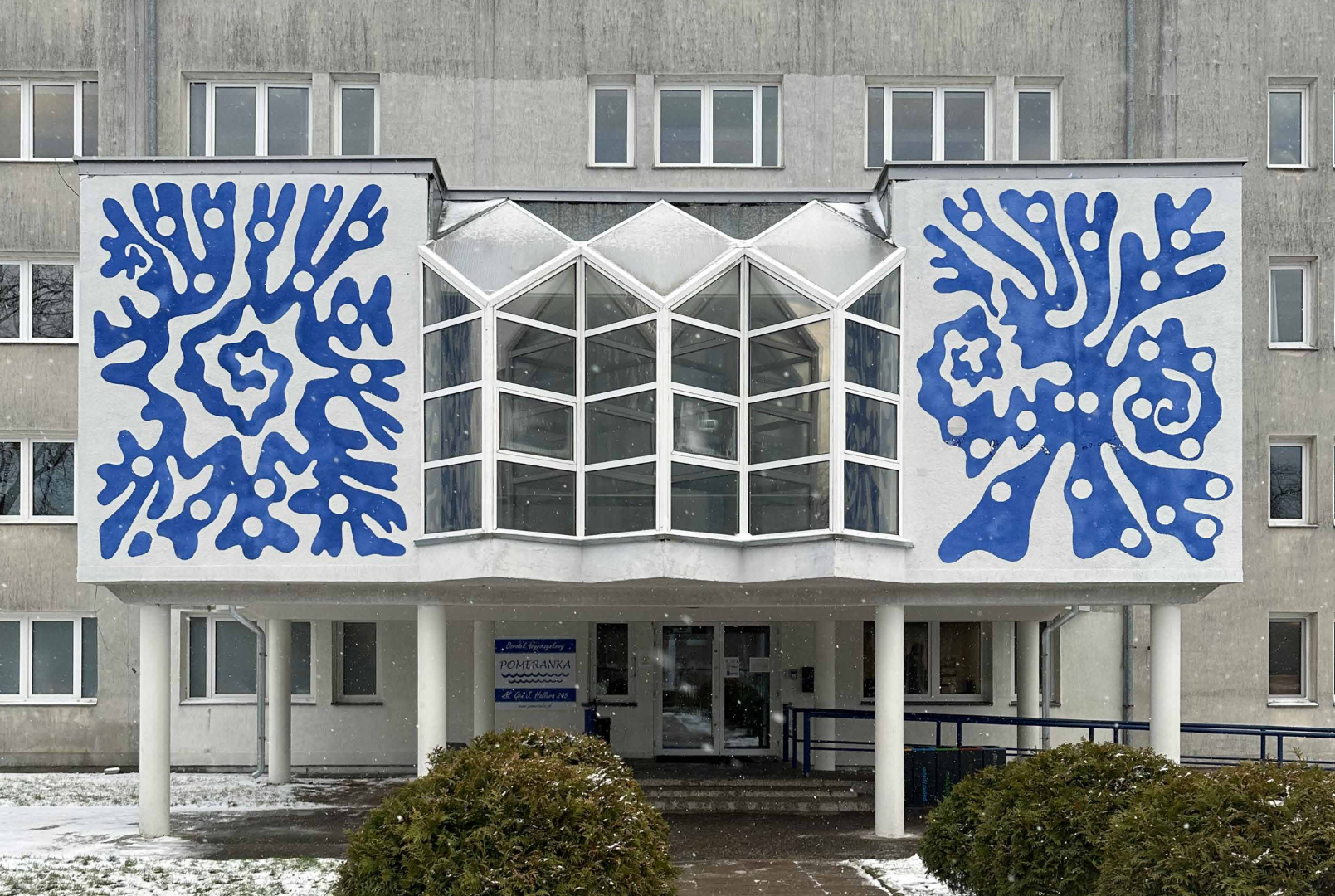
Seatizens Bio-Murals is a participatory public science-art initiative based in Brzeźno, Gdańsk (PL). It brings together artists, marine scientists & residents to co-create permanent public artworks. It translates Baltic Sea ecology into the built environment through innovative, circular, socially driven materials, demonstrating how creative craftsmanship can support the EU Mission ‘Restore our Ocean & Waters by 2030’. It has developed 3 large-scale murals on residential & community buildings, each informed by 3 key ecological themes:
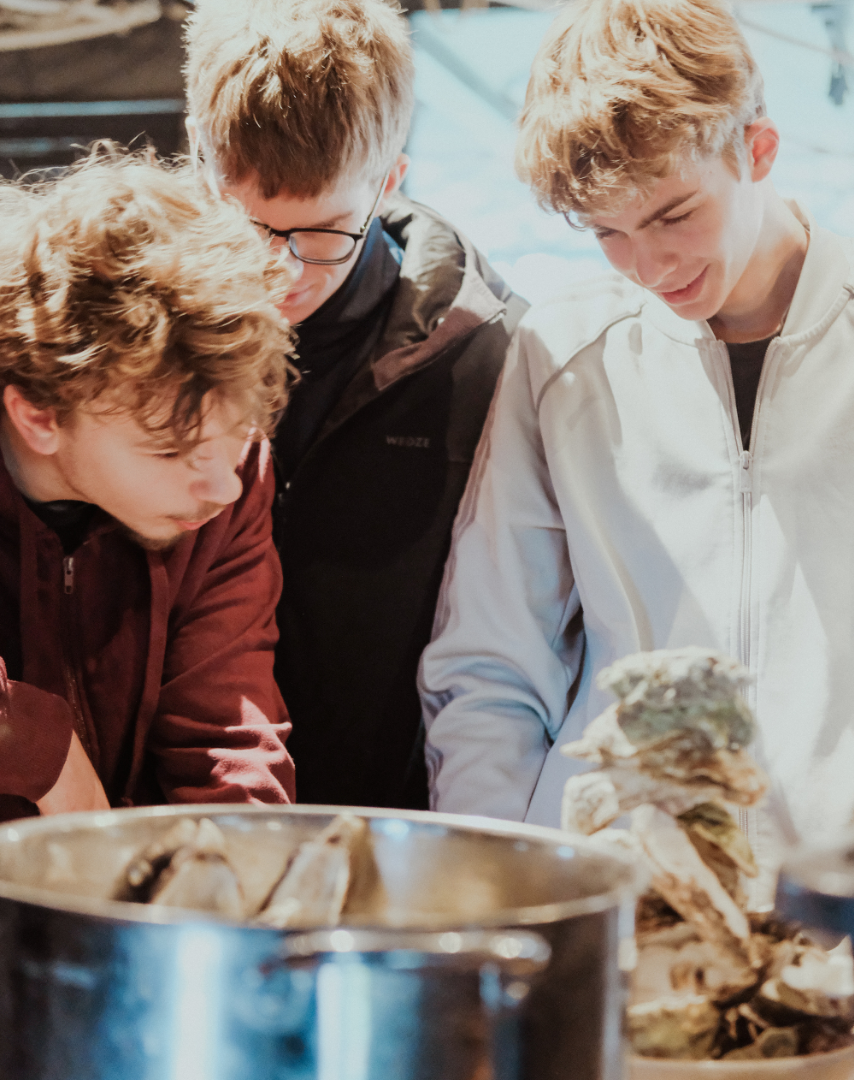
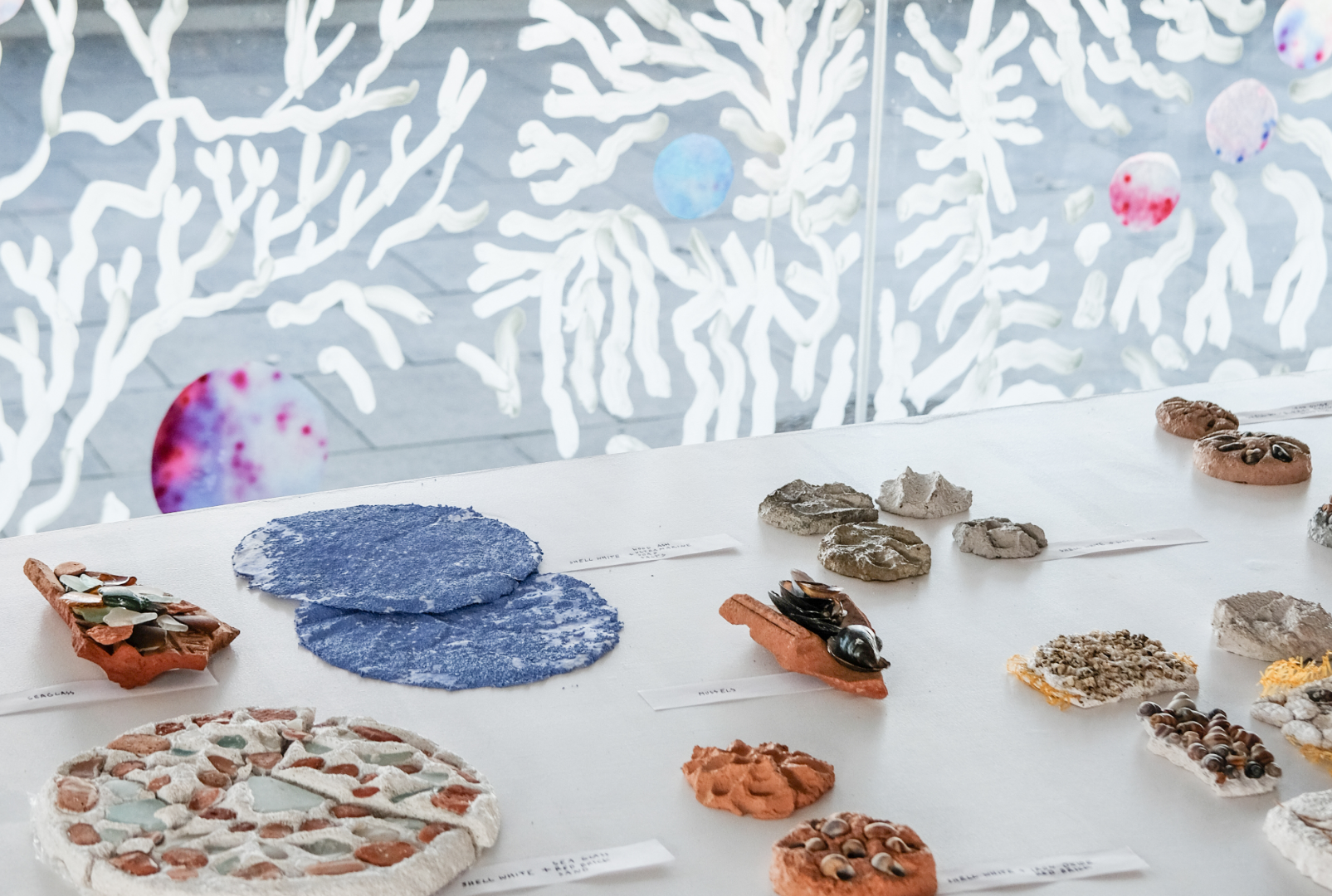
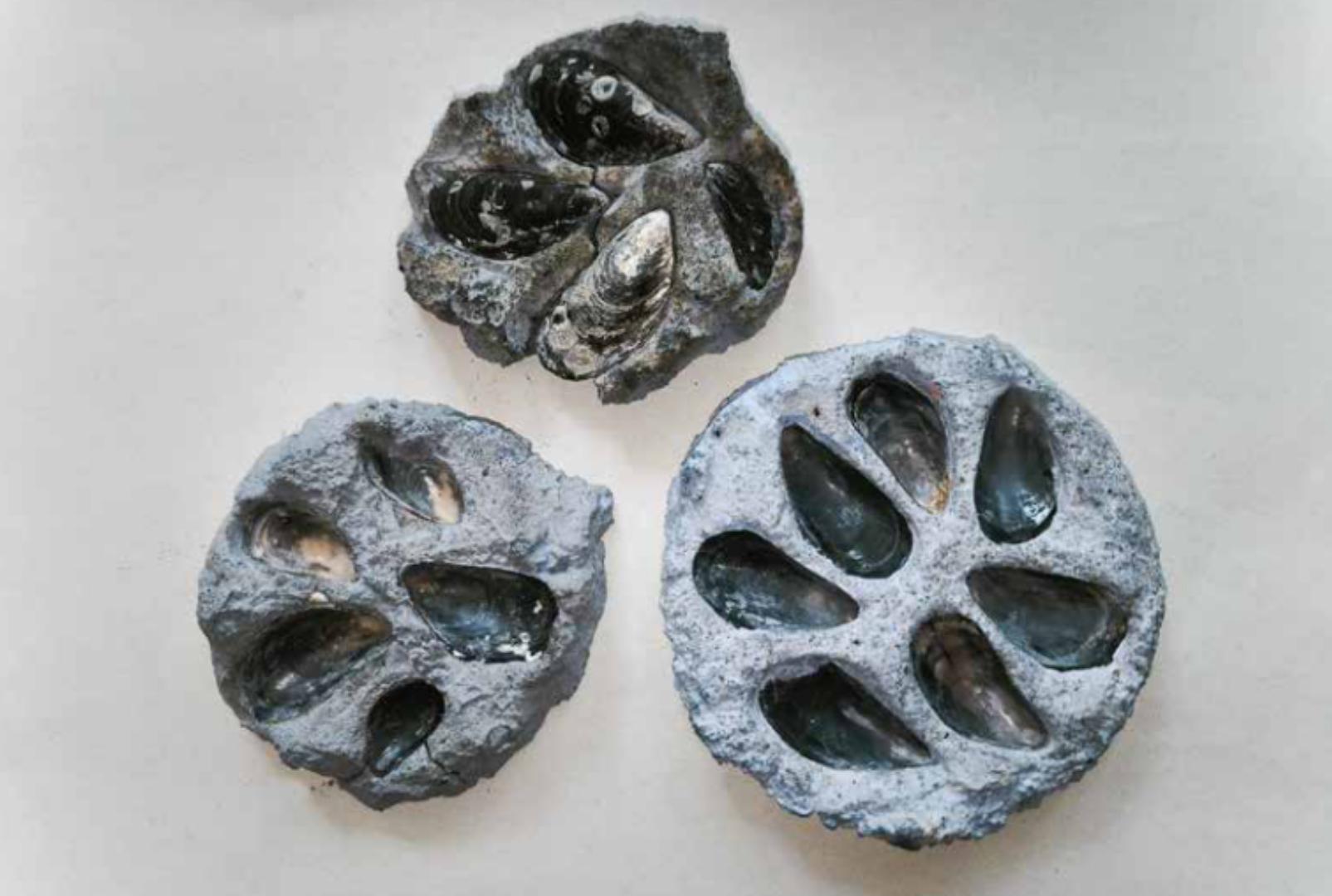
- shell-lime paints & plasters produced from oyster shell waste collected from local restaurants
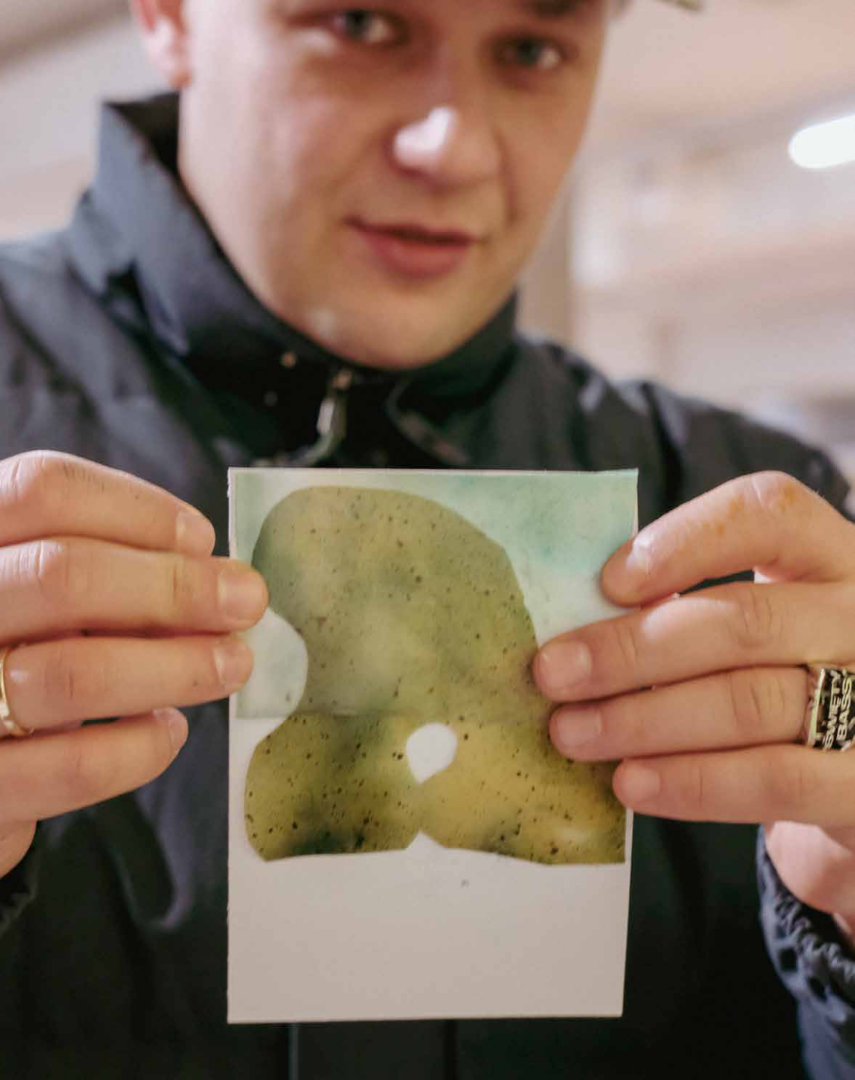
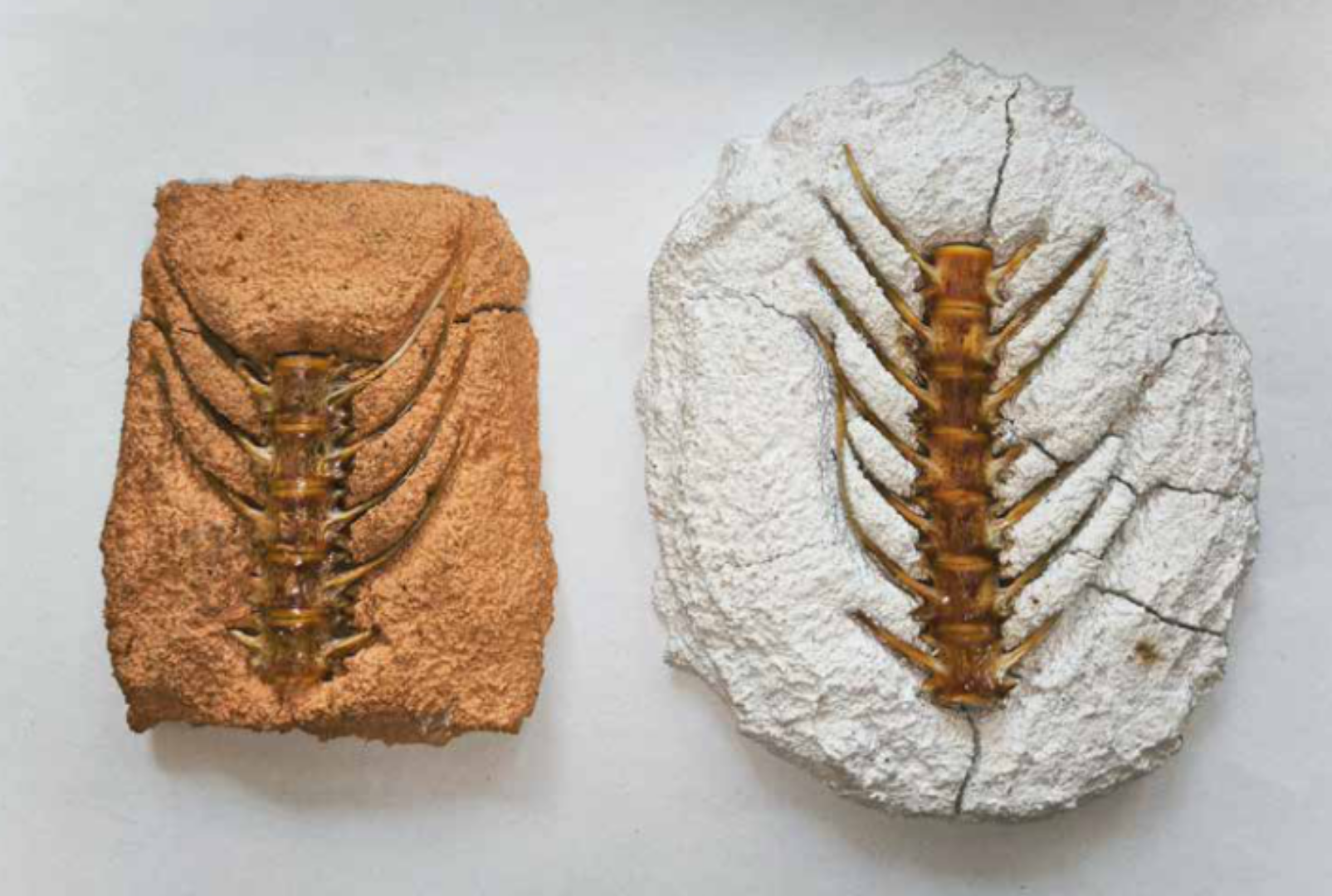
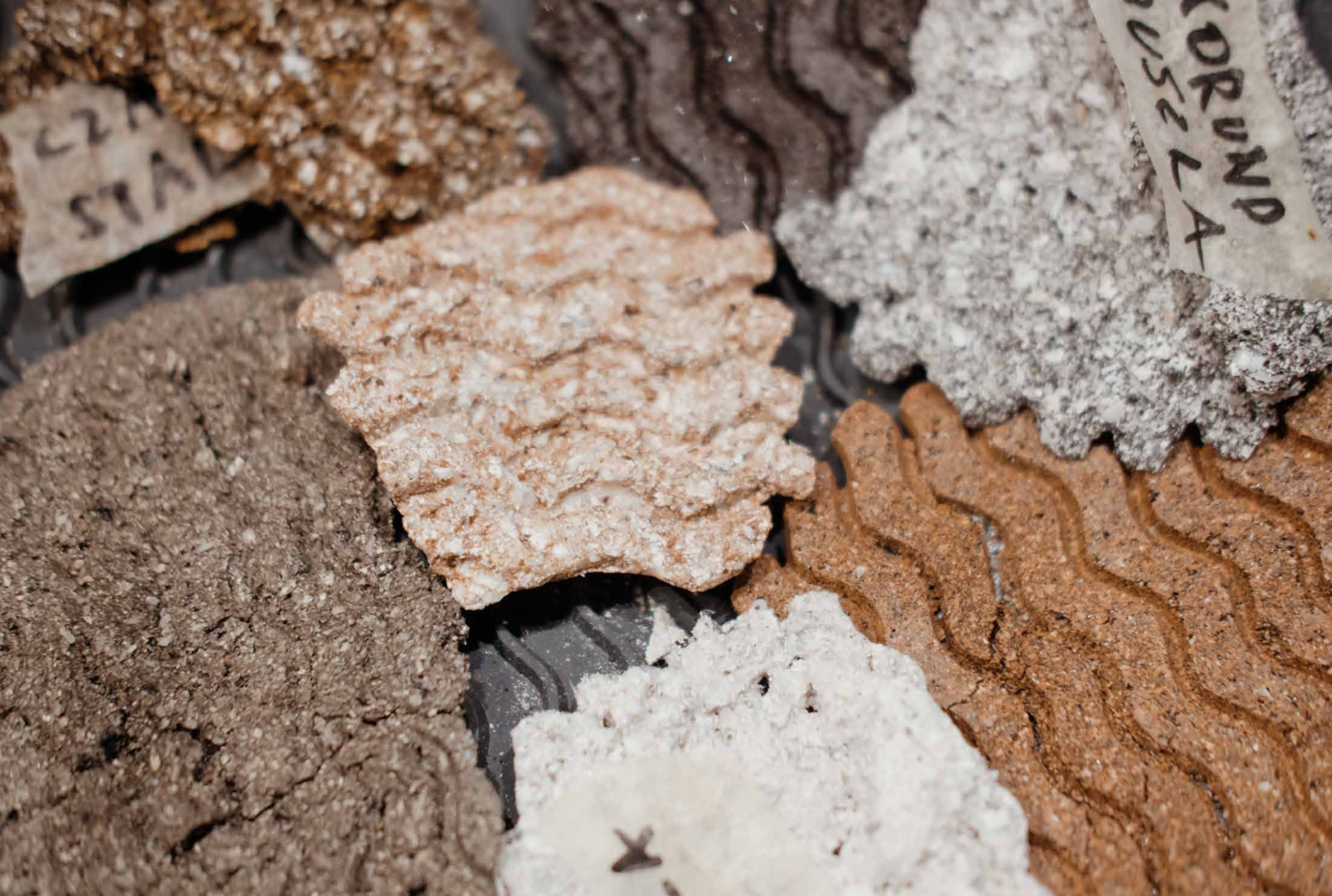
- algae-based biomaterials inspired by macroalgae ‘Furcellaria lumbricalis’
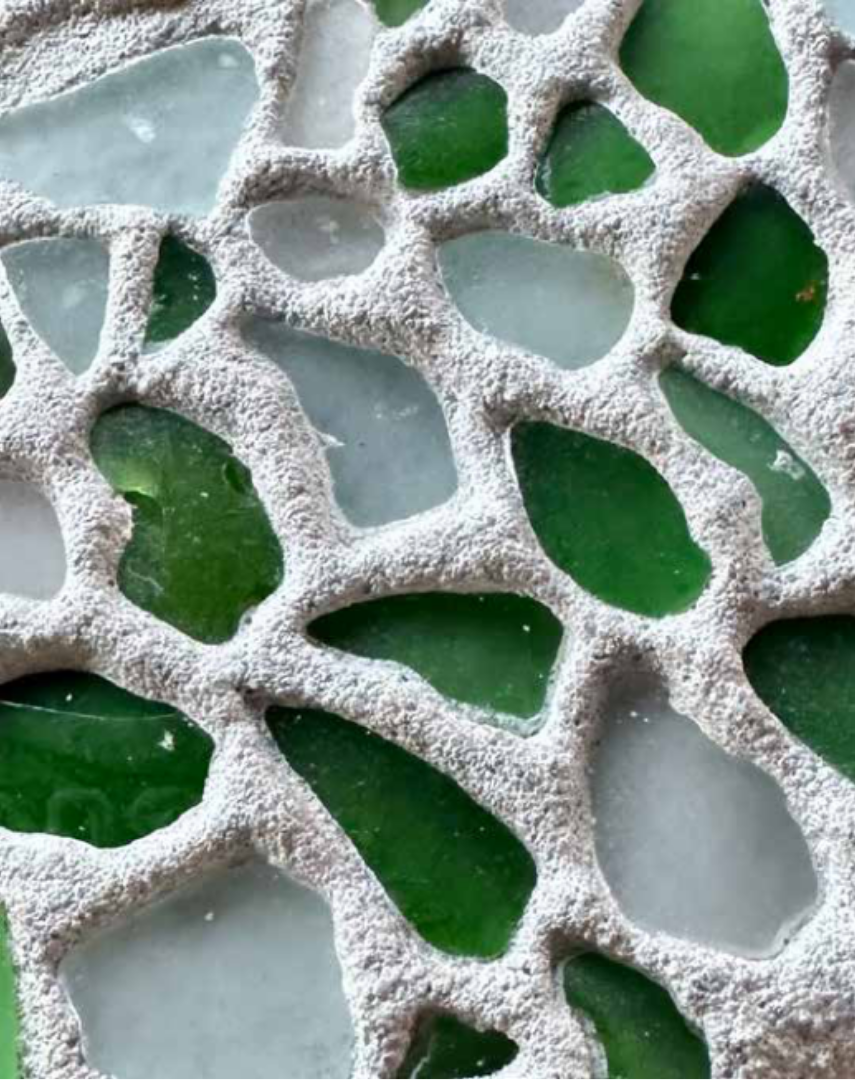
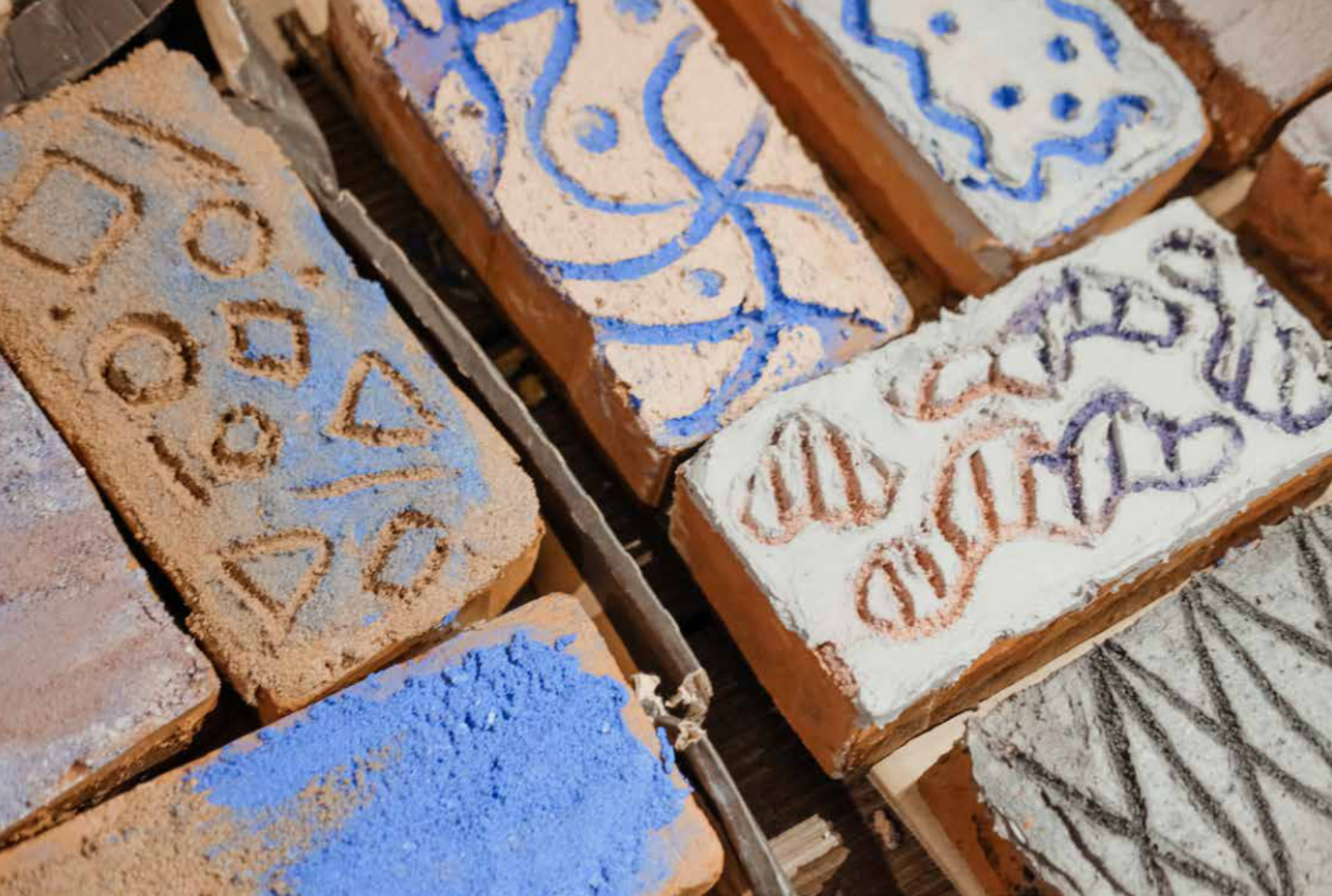
- sea-glass archeology, mosaics from collected coastal debris.
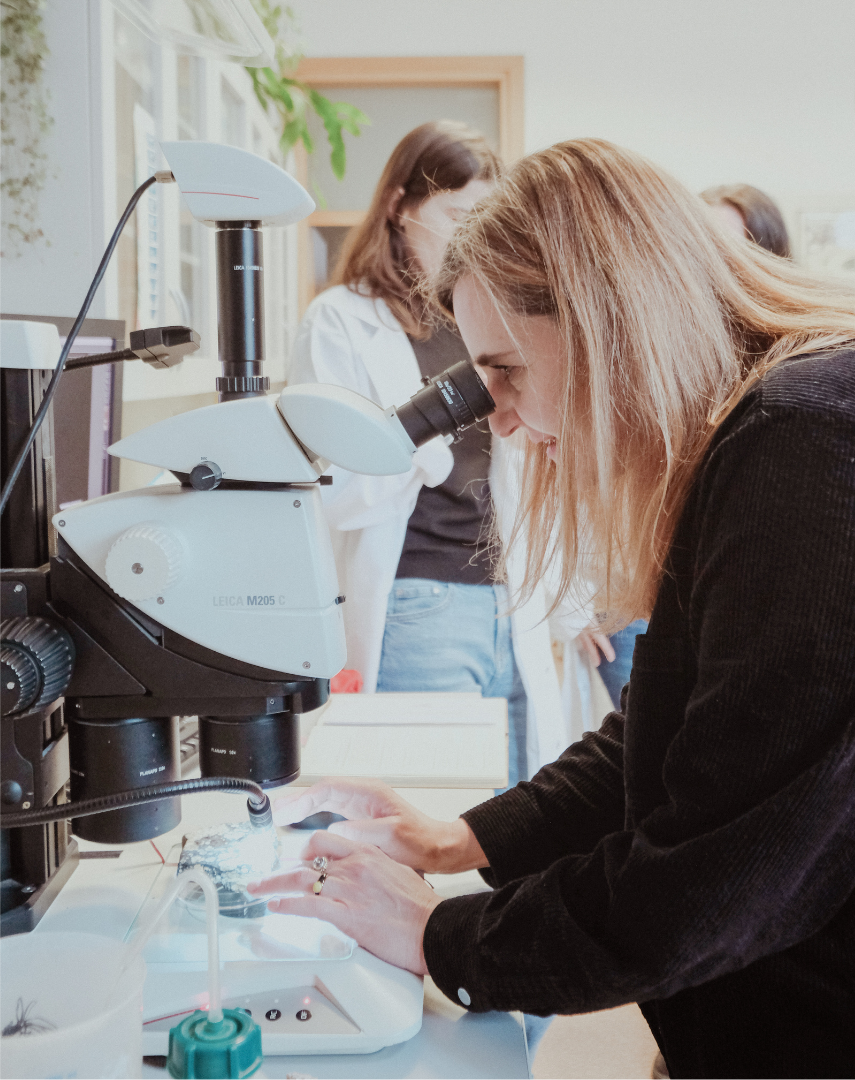
Artists, scientists & local communities formed 3 interdisciplinary teams, with artists & scientists co-developing workshop themes through marine lab visits & grounding public activities in current research.
The project programme unfolded through 6 public participatory modules:
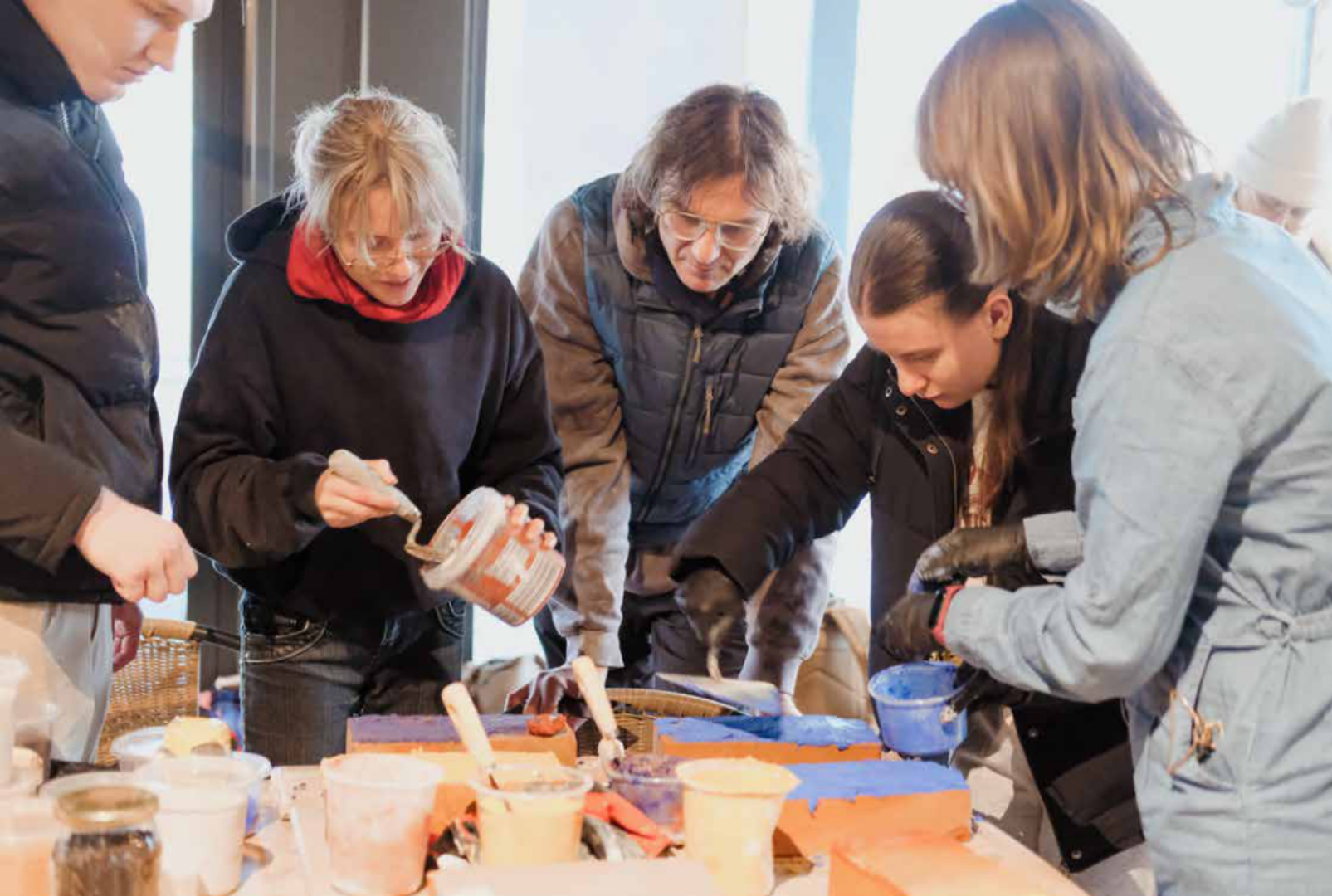
1. shell-lime material production with construction school students (1x)
2. shell-lime material workshops for participants with disabilities (1x)
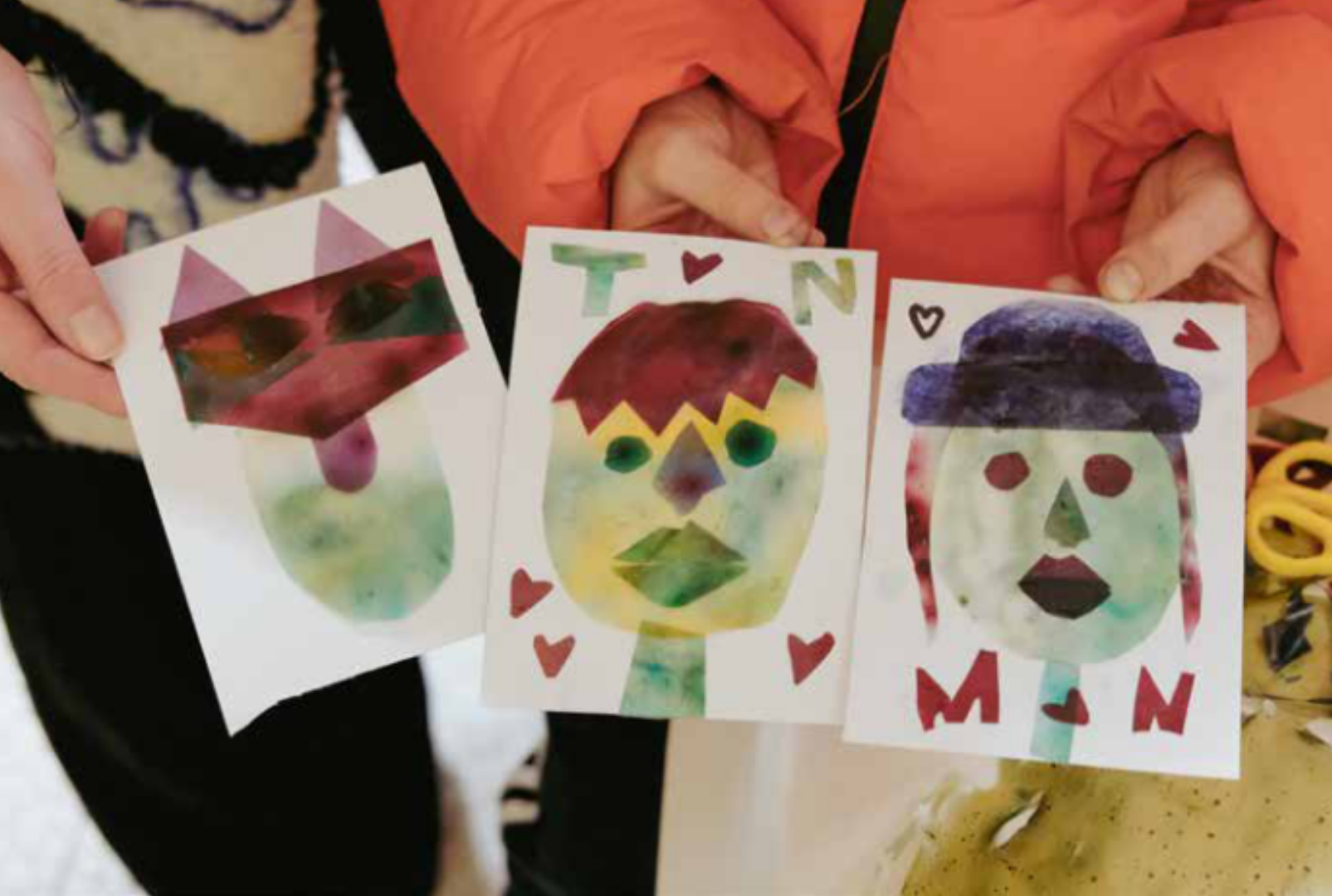
3. algae bioplastics storytelling sessions with youth (1x)
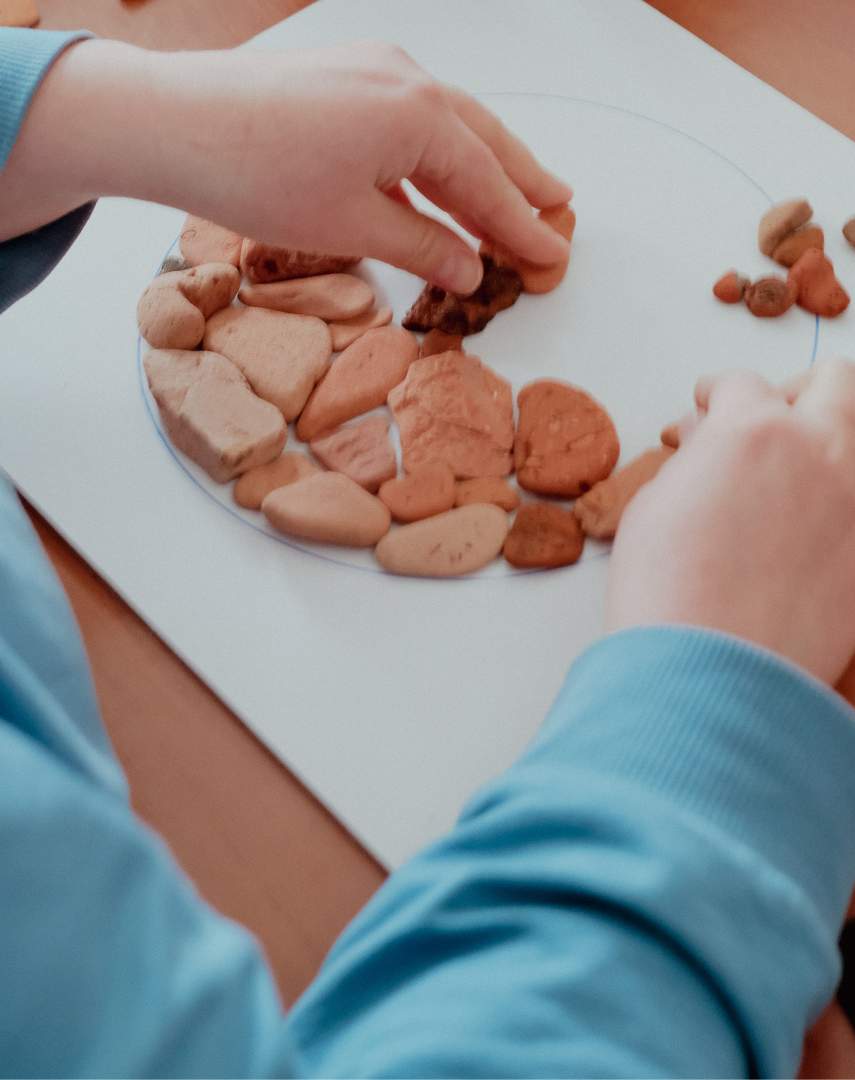
4. mosaic workshops with seniors (1x)
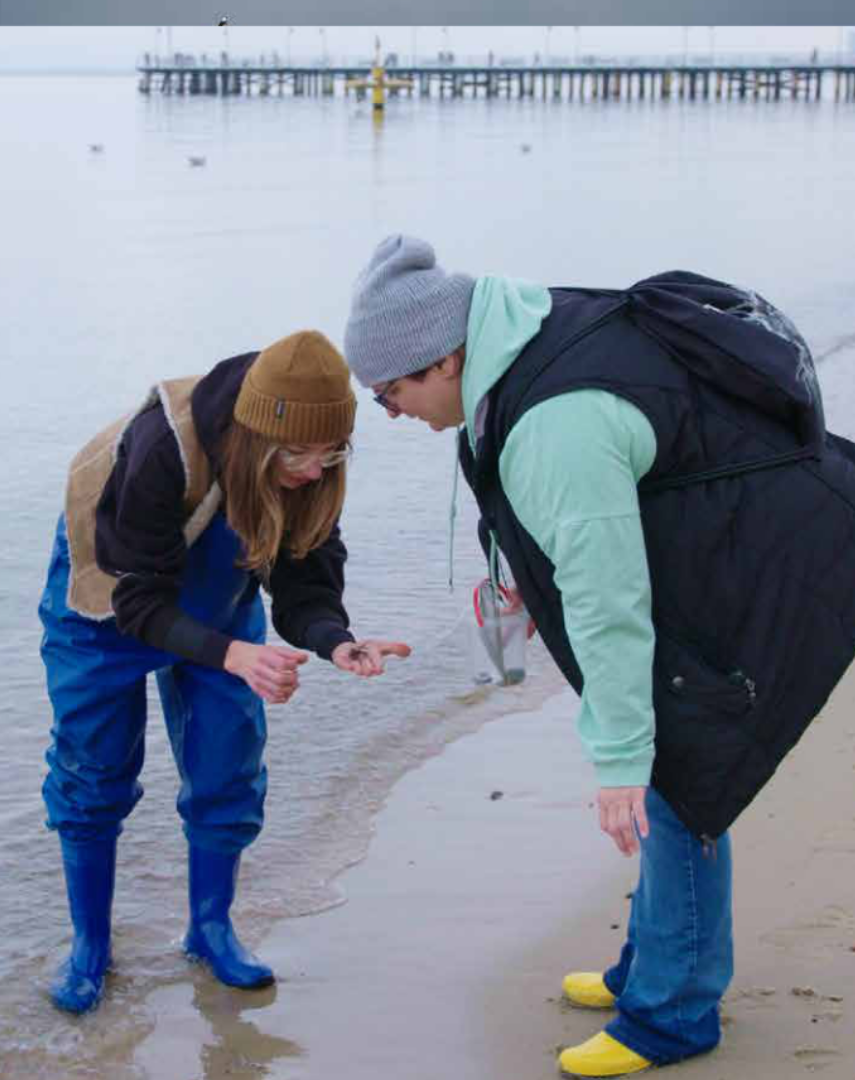
5. open coastal walks collecting sea glass, attracting local residents (1x)
6. open biomaterial workshops, attracting creatives & general public (2x)
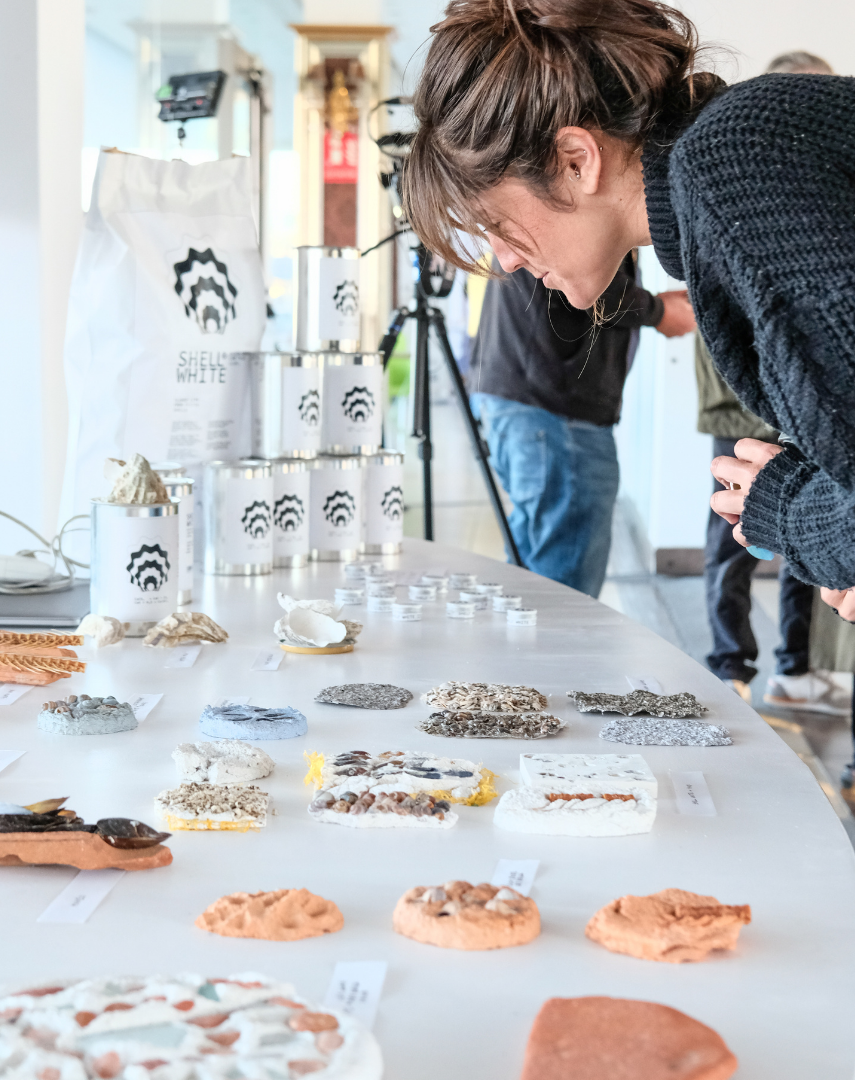
Workshops consistently reached full capacity (~20 participants per session). Across 7 sessions, they engaged ~150 diverse participants.
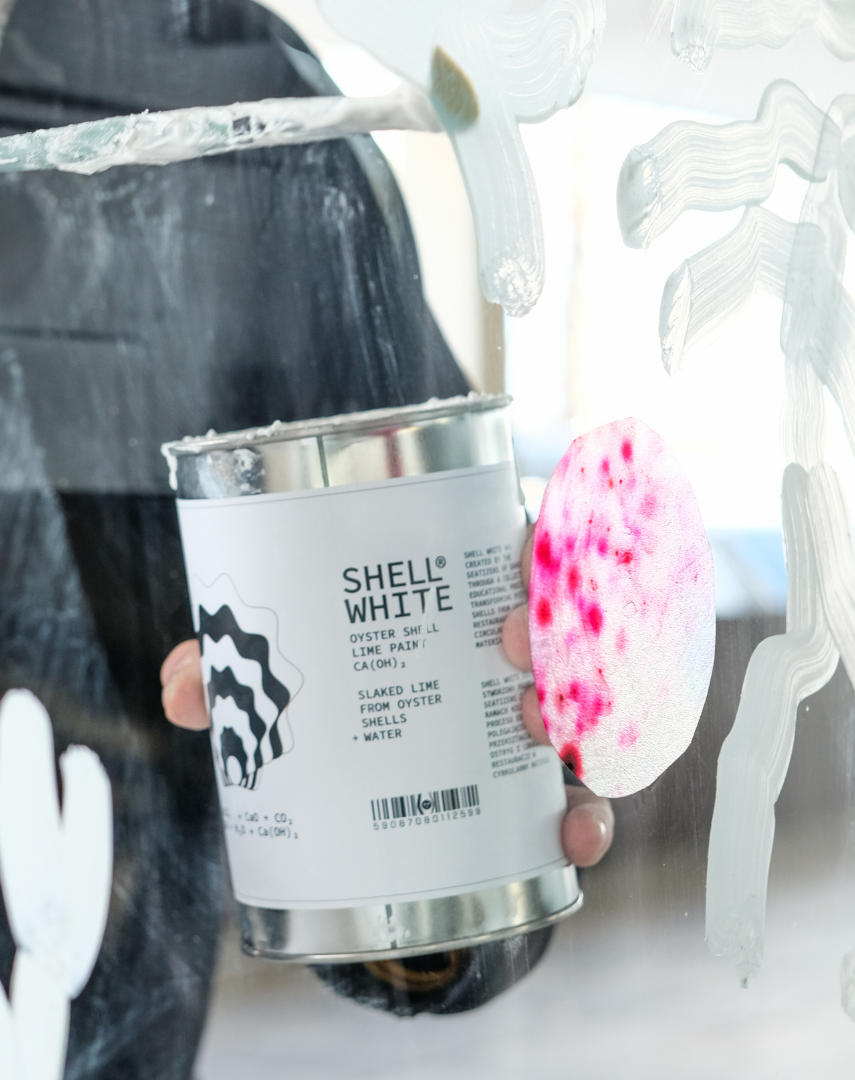
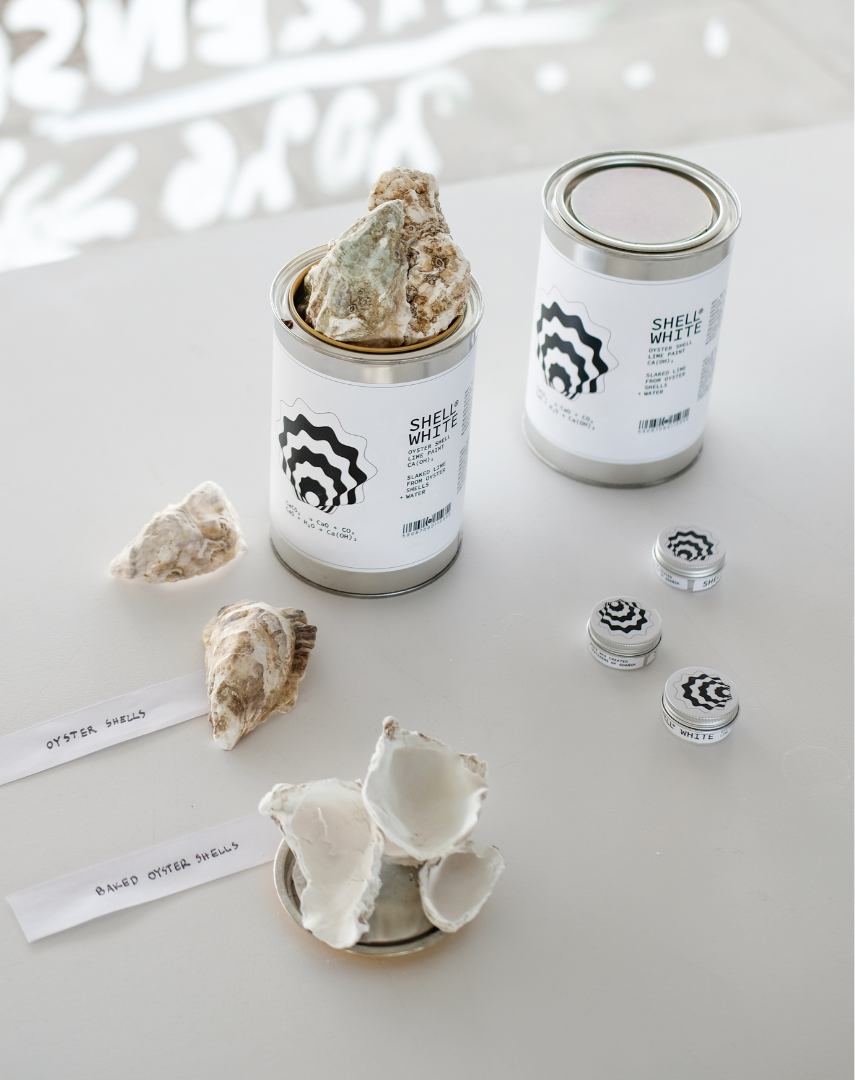
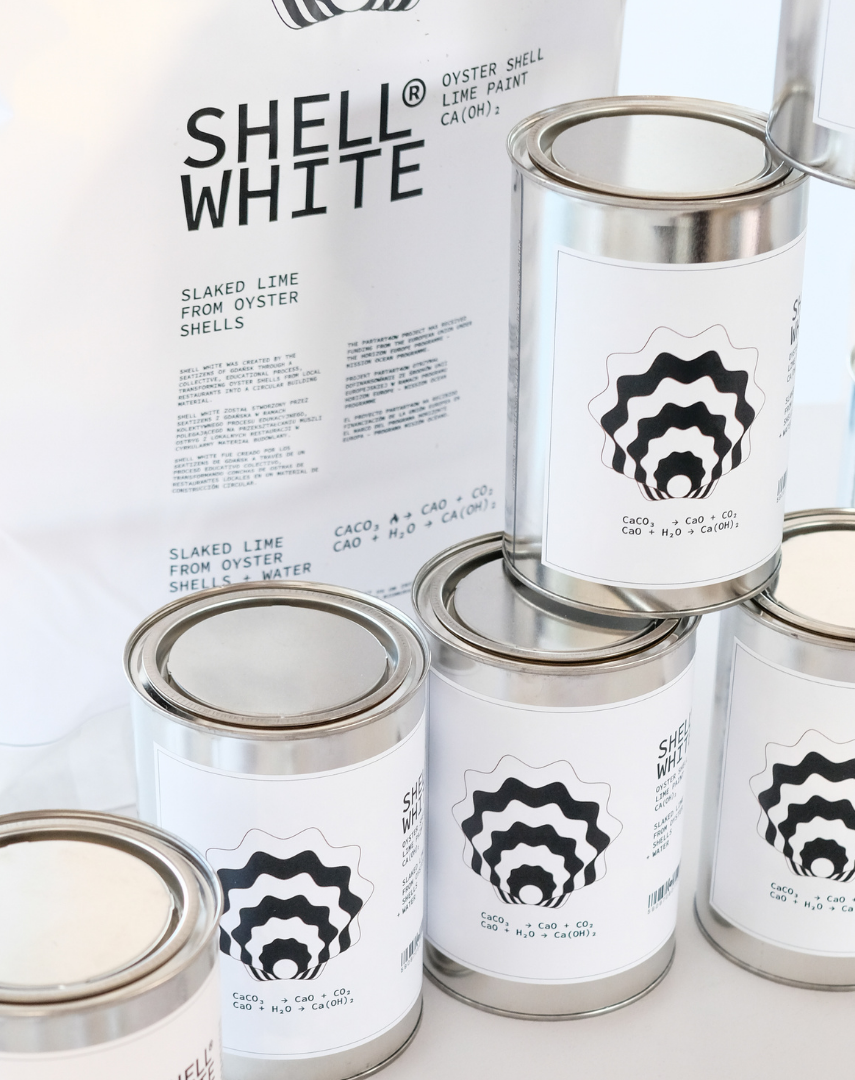
Alongside the art-science programme, the project developed a unique, lime-based mural paint ‘Shell-White’, made from diverted oyster shell waste from local restaurants.
It demonstrates how circular biomaterials can support sustainable cultural production while establishing a replicable model for participatory ocean literacy & bio-based public art across coastal cities in the EU & beyond.
Seatizens Bio-Murals began with an observation: although Brzeźno sits directly on the Baltic shoreline, many residents experience the sea mainly as a backdrop for leisure rather than as an ecosystem shaping the life of the neighbourhood. The Baltic Sea is one of the EU's most environmentally sensitive marine systems, affected by eutrophication, biodiversity loss & climate pressures. It is also deeply embedded in the cultural memory of coastal communities.
The project was developed to reconnect these ecological realities with everyday life in Brzeźno. Working with local educational, cultural & municipal partners, artists & marine scientists formed interdisciplinary teams to explore how Baltic ecosystems could be translated into materials, stories & public space.
Community knowledge became central to this process. Residents shared memories of the shoreline, experiences of environmental change & personal relationships with the sea. These conversations shaped the visual narratives of the murals. Through collaborative making, participants experimented with materials connected to the Baltic landscape, including shells, macroalgae & sea glass collected along the coast. The process emphasised collective authorship: residents contributed ideas, materials and labour alongside artists & scientists.
The selection of mural sites was guided by their social significance within the neighbourhood. Walls on residential buildings and community spaces were chosen as places encountered in daily routines, routes to school, local gathering points & shared courtyards. Rather than working on landmark architecture, the project focused on everyday urban surfaces belonging to the community itself, ensuring the artworks would feel accessible & meaningful to those who live there.
The resulting murals function not only as artworks but as emotional landmarks within the neighbourhood: visual reminders of the sea’s ecology & its enduring presence in the identity of Brzeźno.
bio-based public art
ocean literacy
participatory practices
art-science collaboration
circular materials
Environmental sustainability is exemplary through circular material practices using local resources. Oyster shells from restaurant waste streams & sea glass gathered along the shoreline were repurposed into a shell-lime paint & mosaic glass. Algae-based colour cards, used in storytelling workshops, were created using agar-agar, a seaweed-derived material obtained sustainably to avoid harvesting sensitive coastal ecosystems. All exemplifying responsible sourcing & ecological awareness.
Social sustainability is exemplary through inclusive spaces for collective creativity & environmental learning. Workshops brought together diverse groups including school students, seniors & people with disabilities, many of whom face social isolation. Through hands-on making & shared storytelling, participants developed new connections with one another & with their coastal environment. Together, these activities exemplify the positive role community art can play in strengthening wellbeing & social cohesion.
Cultural sustainability is exemplary through collaboration between artistic, scientific & public institutions. Artists worked alongside marine scientists, cultural organisations & municipal partners to translate complex ecological research into accessible creative community formats, visual narratives & public artworks. In doing so, the project is exemplary in strengthening the cultural value of environmental knowledge while bringing beauty & ecological storytelling into everyday neighbourhood spaces.
Economic sustainability is exemplary through new opportunities for circular cultural production. Our Shell-White, a lime-based mural paint, demonstrates the potential for socially & ecologically responsible material innovation. Together with the project’s open workshop methods, biomaterial recipes, this creates opportunities for commissions, training programmes & collaborations with others.
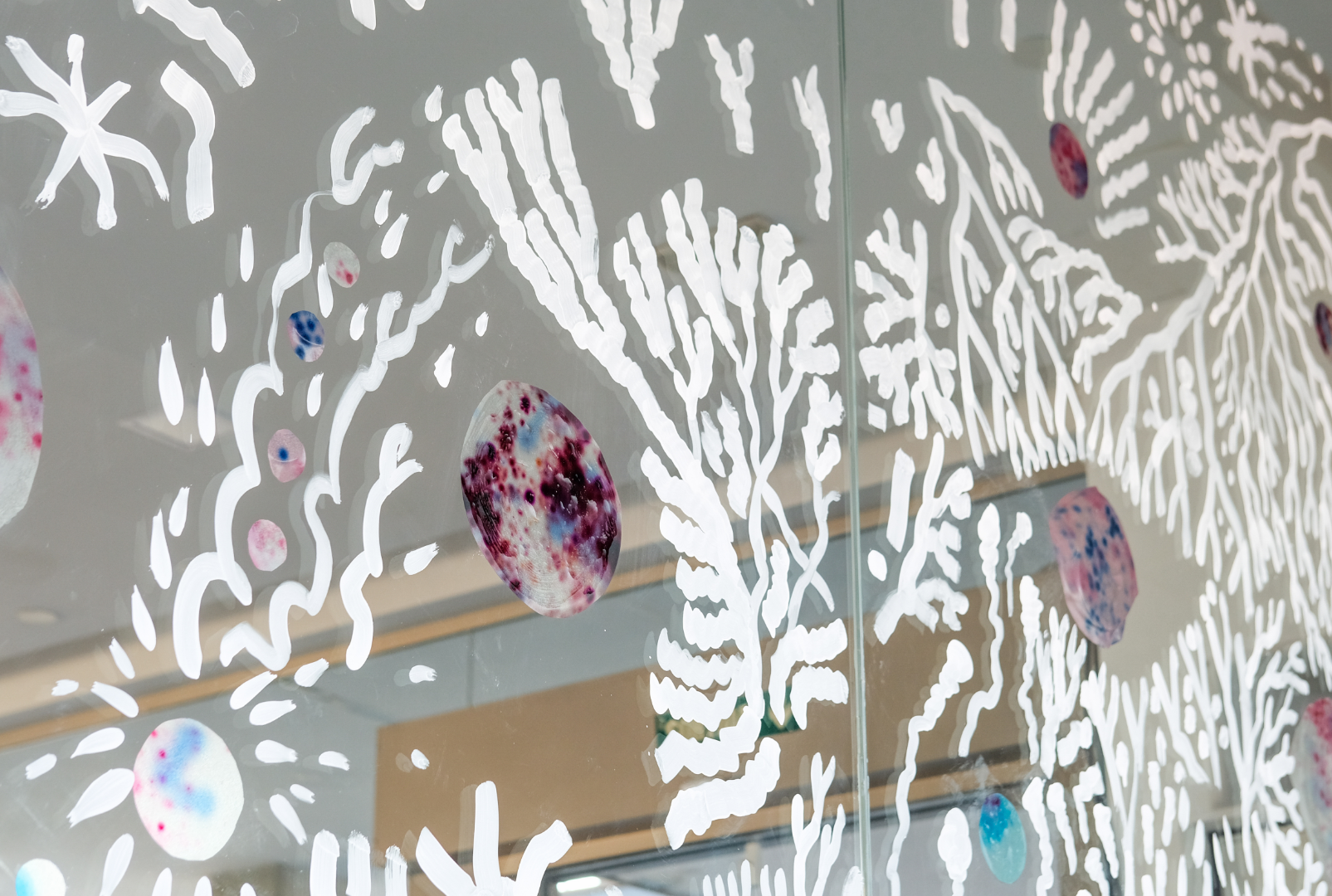
It is exemplary in demonstrating the aesthetic potential of sustainable materials. It highlights the beauty and beneficial qualities of circular, locally sourced resources. Shell-lime paint & plaster from oyster shells, sea glass mosaics & algae-based biomaterials create textured, non-toxic surfaces that reconnect public space with the coastal landscape. By transforming waste into visually rich finishes, the murals reveal how circular materials can produce durable & compelling aesthetic qualities. This has also attracted creative professionals from across the country, extending the project’s educational impact beyond the local community.
It is exemplary in showing how participatory art can enrich the social beauty of everyday neighbourhood life. Rather than focusing on landmark architecture, the murals were created on ordinary residential buildings and community spaces encountered in daily routines, routes to school, shared courtyards and local meeting points. By involving residents in the design and creation of the artworks, familiar walls became collectively authored landmarks, fostering pride, curiosity & a stronger sense of belonging.
It is exemplary in using beauty as a bridge between art, science & public understanding. The aesthetic language of the murals translates marine science into accessible visual storytelling. Organic forms inspired by Baltic ecosystems & the playful character of the personified algae figure ‘Widlik’ connect scientific knowledge with imagination, making complex environmental themes approachable to diverse audiences.
It is exemplary in demonstrating how resourceful approaches can make high-quality, beautiful public art widely accessible. By working with reclaimed materials & modest neighbourhood sites, the murals show that meaningful & visually compelling public spaces can be created without expensive infrastructure. This model ensures that rich cultural experiences are not limited to iconic or affluent urban areas.
Seatizens Bio-Murals was designed as an inclusive cultural initiative enabling people of different ages, abilities & backgrounds to participate in shaping their neighbourhood environment.
It is exemplary in embedding accessibility into its structure. 6 participatory modules were designed for different audiences & levels of engagement. Activities ranged from open public events to targeted workshops developed with local organisations, working with construction school students, seniors, young people & people with disabilities. It ensured that groups often excluded from cultural or scientific initiatives could participate. The project also collaborated with retired marine archaeology specialist Wiesław Stępień, highlighting the role of elders in leadership & knowledge-sharing.
It is exemplary in applying principles of ‘design for all.’ Different formats enabled multiple ways of participating, including storytelling, material experimentation, coastal walks & mosaic making. Multi-sensory interaction with materials, touching shells, shaping biomaterials & assembling sea-glass, supported participation across different learning styles & abilities.
It is exemplary in ensuring affordability as a condition of inclusion. All activities were free of charge. By working with locally available materials such as shells & sea glass, the project demonstrates that meaningful public art can be created without expensive infrastructure, making cultural participation accessible to a wider range of communities.
It is exemplary in practising inclusive governance. Participants & residents were not audiences but co-authors who contributed ideas, stories, materials & labour to the creation of the murals. This shared authorship redistributed creative agency & fostered a deeper understanding, a strong sense of ownership & pride within the neighbourhood.
All above, exemplifies inclusive cultural practice that strengthens environmental literacy, social cohesion & belonging.
Participation was a foundational methodology of Seatizens Bio-Murals, shaping both the research process & the creation of the final artworks.
Seaitizens, Residents of Brzeźno act as co-creators rather than audiences. Through workshops, coastal walks & biomaterial experiments, they contributed memories, observations & hands-on labour that directly informed the murals: collecting sea glass, experimenting with shell-lime and algae-based materials & assembling mosaic components. In doing so, they also took part in developing circular materials, including early experimentation leading to ‘Shell White’ paint. This approach strengthened ocean literacy while fostering a strong sense of ownership over the murals and coastal environment.
Communities, diverse local groups were actively engaged through intergenerational learning formats where scientific knowledge, personal memory & creative practice intersected. Coastal walks & mosaic workshops linked environmental observation with storytelling, while biomaterial sessions enabled collective exploration of sustainable materials. These exchanges built new social connections & reinforced shared responsibility for the marine environment.
Civil society organisations were integral to implementation of the project. Through partnerships with cultural institutions, research organisations & local governance structures, including community hub HUBA, the Institute of Oceanology of the Polish Academy of Sciences, the Baltic Sea Cultural Centre, Foundation for the Differently Able, the Brzeźno District Council & the local seniors’ club. These organisations provided spaces, expertise & community networks that enabled broad participation & ensured scientific & cultural credibility.
Together, these collaborations demonstrate an exemplary participatory model in which citizens, communities & institutions jointly shape public space, environmental knowledge & cultural production.
Seatizens Bio-Murals was developed through collaboration between local communities, cultural institutions, scientific organisations & EU accelerator programme, creating a multi-level governance model connecting neighbourhood participation with broader research and policy frameworks.
Locally, the project was deeply embedded in the Brzeźno neighbourhood of Gdańsk. Stakeholders such as the Brzeźno District Council (Rada Dzielnicy Brzeźno) supported the selection of mural locations & helped mobilise residents to participate. These actors ensured that the project responded to the everyday realities of the neighbourhood & that the murals were planned in socially meaningful locations.
At the scientific & institutional level, scientists from the Institute of Oceanology of the Polish Academy of Sciences contributed expertise on Baltic ecosystems. Working directly with artists, they helped shape workshop themes through research visits & material experimentation, ensuring that activities were grounded in current knowledge. Cultural institutions, Baltic Sea Cultural Centre & HUBA provided organisational support, spaces for public engagement & links to regional cultural networks. The material innovation also attracted creative professionals from across the country, who travelled to engage with the workshops & experimentation, seeking insights.
At the EU level, the project was supported by the PartArt4OW accelerator (EU Horizon), contributing to the EU Mission ‘Restore our Ocean & Waters by 2030’. The team participated in mentorship, training & international exchanges, including the Barcelona Demo Days, where the project was presented to a wider EU network of artists, researchers & policymakers.
The above demonstrates how multilevel governance can support locally rooted innovation while contributing to wider EU priorities related to ocean literacy, circular materials & sustainable coastal communities.
The project demonstrates how transdisciplinary collaboration can translate complex environmental research into accessible cultural experiences while generating new circular material practices for public space. 3 interdisciplinary teams, uniting scientists with artists & designers, co-developed workshop themes, material experiments, each working with specific community groups.
Marine science provided the ecological knowledge base of the project. Researchers from the Institute of Oceanology of the Polish Academy of Sciences, including Dr. Anna Piwoni-Piórewicz, Dr. Józef Wiktor, Dr. Paulina Pakszys & Dr. Agnieszka Tatarek, contributed expertise on Baltic ecosystems, macroalgae ecology & carbonate organisms. Local elder-expert, Wiesław Stępień informed marine archaeology strand. Their work led to the development of the 3 thematic strands of the murals: shells, algae & sea-glass archaeology & ensured that the artistic narratives & workshop content reflected current scientific work.
Art and design practices translated this scientific knowledge into visual narratives & participatory public artworks. Artists & designers including Blanka Byrwa, Jacek Wielebski, Jakub Stępień (HAKOBO), Patrycja Orzechowska & Małgorzata Reinholz, supported by assistants Natalia Gwiazdowska & Maja Górlaczyk, developed the mural concepts & workshop formats while working closely with scientists & residents.
Material research & biomaterial experimentation formed another key field. Artists collaborated with material practitioner Przemysław Garczyński to explore how coastal resources & by-products could be transformed into sustainable materials.
Social design & community engagement methodologies guided the participatory process. Workshops, coastal walks & collaborative making sessions enabled citizens to contribute local knowledge, memories & manual work, turning the murals into collectively authored public artworks.
Seatizens Bio-Murals operates as a hybrid cultural & social enterprise, combining public funding, material innovation & commissioned public art.
The initiative was supported through the €50k PartArt4OW accelerator grant (Horizon EU), which enabled the research, community engagement & production of the pilot. Building on this foundation, it is developing 3 complementary revenue streams to ensure long-term sustainability.
1st, the team is developing ‘Shell-White’, a circular lime-based mural paint from recycled oyster shells from local restaurant waste streams. The material was prototyped through artistic & scientific collaboration & is being prepared for community crowdfunding as a socially driven material offering. The aim is to make it accessible to artists, municipalities & cultural organisations interested in ecological public art practices.
2nd it will generate income through commissioned public artworks & creative services. Using the materials & methods developed during the pilot, the team offers mural workshops & participatory public art programmes for EU-wide municipalities, institutions & private partners interested in sustainable placemaking.
3rd, it continues to pursue EU funding & partnerships to scale. Following participation in the accelerator & international exchanges such as the Barcelona Demo Days, the team is currently developing new proposals & partnerships, including a Creative Europe application, to expand to other coastal cities.
Importantly, the project’s biomaterial recipes, workshop formats & educational tools are documented & open-source, allowing other communities to replicate the approach while the core team provides expertise, training & artistic support/direction.
Through this combination of circular material innovation, services, community-supported production & EU collaboration, it establishes a financially sustainable model for scaling bio-based public art & participatory ocean literacy initiatives across the EU.
Seatizens Bio-Murals was intentionally designed as a transferable model that can be adapted by other coastal communities, cultural organisations & municipalities interested in combining public art, environmental education & circular materials.
Several core elements of the project are replicable, such as publicly documented biomaterial recipes & workshop formats, including:
a. shell-lime paint & plaster made from oyster shell waste,
b. algae-based biomaterial experiments using agar-agar,
c. participatory sea-glass mosaic techniques.
These were tested through the pilot & can be scaled using locally available coastal resources in other regions.
Equally transferable is the participatory methodology, workshop templates & engagement formats, such as:
a. coastal walks,
b. storytelling sessions,
c. biomaterial making sessions and,
d. sea-glass mosaic-making sessions.
All provide a framework that other communities can use to involve citizens in exploring local environmental challenges through creative practice.
The art-science collaboration model is another key element. By bringing together artists, scientists & communities in interdisciplinary working groups, the project demonstrates how complex research can be translated into accessible cultural experiences& public space interventions.
Importantly, many of the tools& learning resources are open source (CC), allowing other organisations to learn from and replicate the approach without financial barriers. At the same time, the core team provides expertise in materials, facilitation& artistic support/direction, enabling partnerships, training programmes& commissioned projects that support wider implementation.
Grounded in local participation, materials & adaptable formats, the model can be applied across diverse contexts. This combination of open knowledge & collaborative implementation creates a scalable approach to circular public art and participatory ocean literacy across the EU & beyond.