Strengthening Local Democracy and Inclusion
Children's Hospice House for Juliet
Children's Hospice House for Juliet
The first children’s hospice in the Czech Republic. A facility providing palliative and respite care, therapy, and comprehensive support for families facing the most difficult life situations.
The hospice is conceived as a refuge — a place where families can experience these moments with dignity, find peace and acceptance, and receive support from those around them. It offers rest, closeness, and solitude when needed most, while also allowing moments of ordinary life and joyful gatherings.
The hospice is conceived as a refuge — a place where families can experience these moments with dignity, find peace and acceptance, and receive support from those around them. It offers rest, closeness, and solitude when needed most, while also allowing moments of ordinary life and joyful gatherings.
Czechia
National
It addresses urban-rural linkages
It involves a physical transformation of the built environment (hard investment)
Yes
2024-08-15
Yes
ERDF : European Regional Development Fund
No
Yes
Organisation
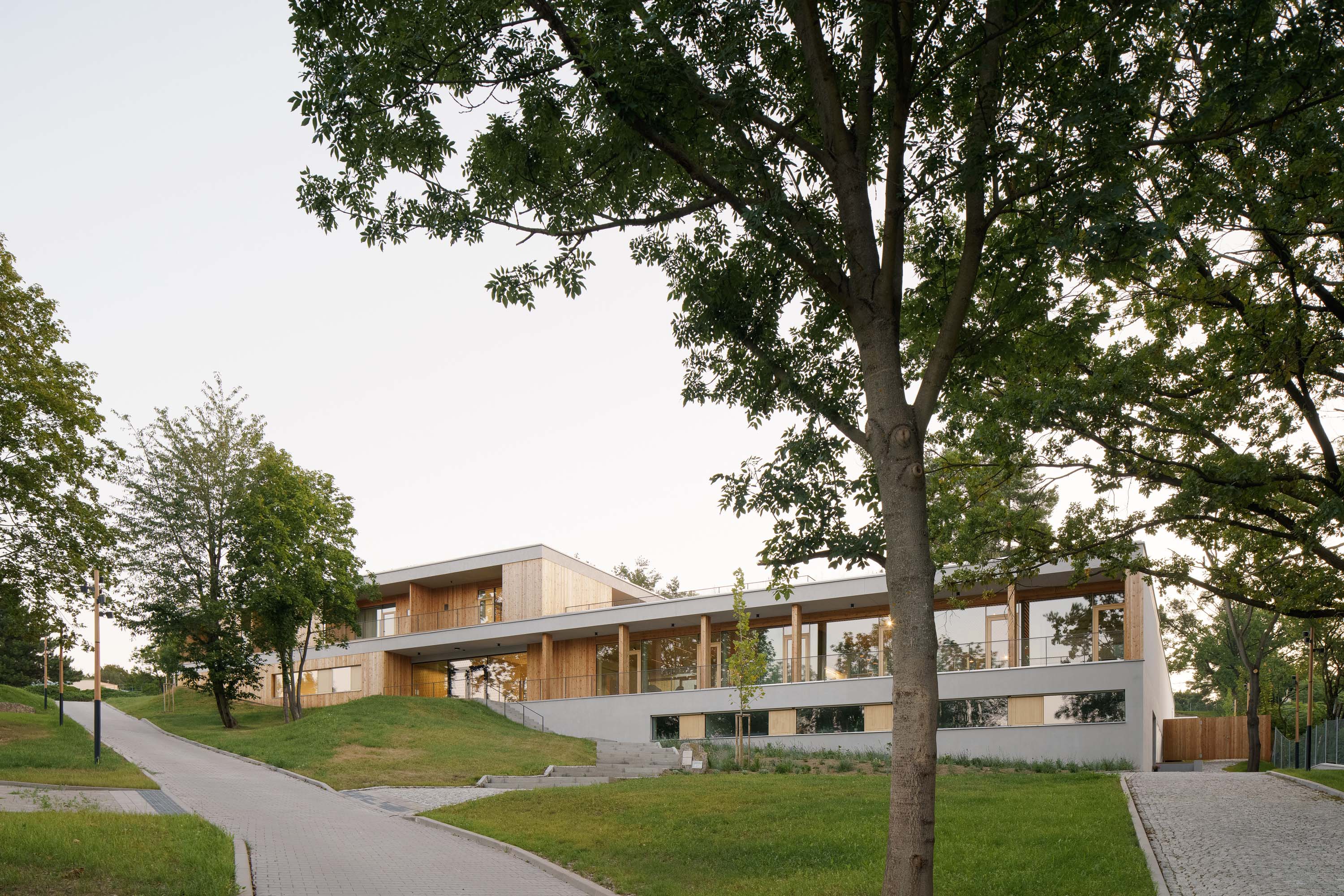
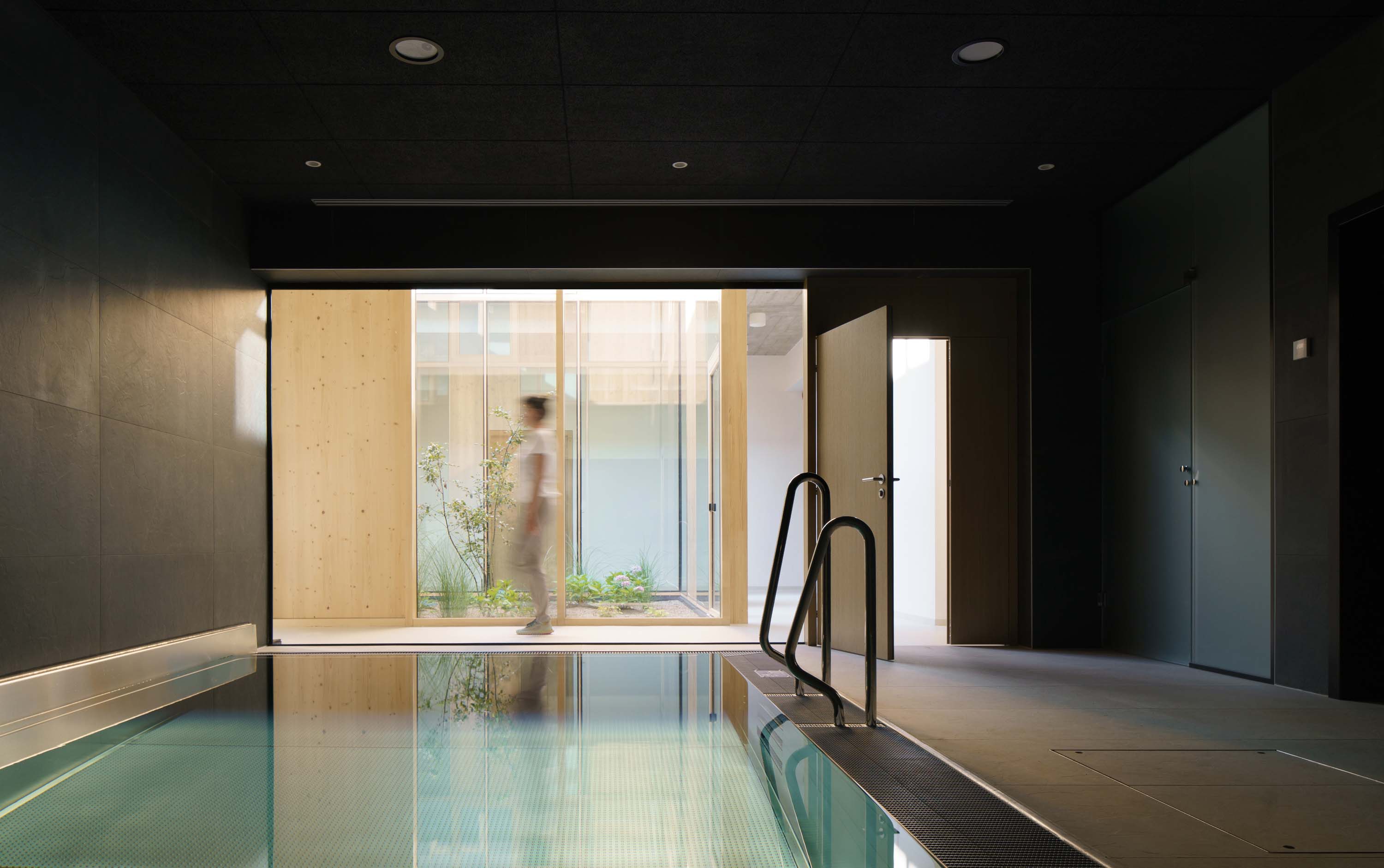
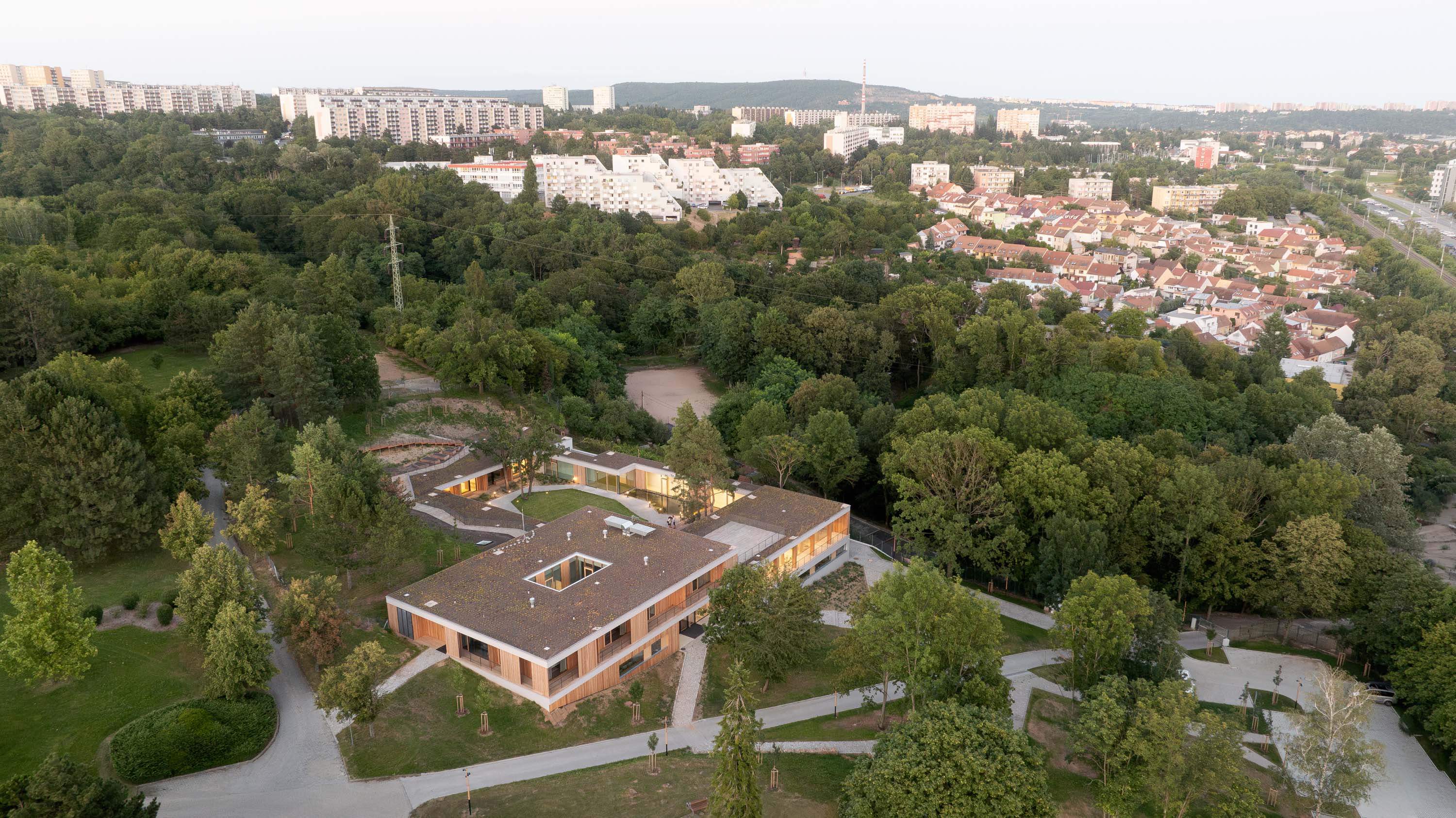
The House for Juliet (Dům pro Julii) is the first dedicated children's hospice in the Czech Republic, located in Brno. Completed in August 2024, it provides comprehensive palliative, respite, and end-of-life care for children and young adults (aged 1–26) with life-limiting or life-threatening illnesses, along with holistic support for their entire families. The project addresses a critical gap in Central European healthcare: prior to its opening, families caring for seriously ill children in the Czech Republic had no facility offering residential respite, specialist therapies, and family accommodation under one roof. Parents were forced to provide round-the-clock care alone, often leading to severe physical, psychological, and social exhaustion. The 2,712 m² building — designed by architectural studio ČTYŘSTĚN (Tomáš Págo, Milan Joja, Karel Kubza) — is sensitively embedded into a park landscape on the Kociánka estate in Brno. It accommodates 10 children's rooms (8 residential respite beds, expanding to 10), multiple therapy rooms (physiotherapy, art therapy, music therapy, watsu pool, snoezelen sensory room, cinema), a family floor with private rooms for parents and siblings, communal areas, and a unique apartment for final farewells with a memorial atrium. Achieved outcomes since opening (August 2024): residential respite services operational with 4 rooms (scaling to 8), field respite care and home nursing active across South Moravia, consulting services in operation. The project demonstrates that world-class palliative architecture for children is achievable in a post-socialist Central European context, providing a replicable model for countries where paediatric palliative care infrastructure is absent.
The project originated from a deeply personal loss. Julinka — a six-month-old girl who died from pneumococcal infection in 2014 — gave the project its name and its soul. Her mother Petra's testimony described the absence of a compassionate, family-centred space during the final days: "I imagine how different it would be to have the opportunity to spend those last few days in a facility that would provide the necessary equipment, as well as the facilities for us as a family." This lived experience became the founding motivation. The ZERAFA foundation fund launched the first public fundraiser in late 2017. In April 2018, the independent non-profit organisation Dům pro Julii, z.ú. was established. The City of Brno became the key institutional partner: it provided the land (within the park of the Kociánka Home for the Elderly), and later became the full construction investor. From 2018 to 2021, the architectural studio ČTYŘSTĚN developed the architectural study, project documentation, and construction documentation in close dialogue with the NGO. The building permit was issued in December 2021. Construction began ceremonially on 19 July 2022 and the building was handed over to Dům pro Julii in mid-2024. The implementation drew on transdisciplinary collaboration from the start: architects, landscape architects, structural, mechanical and fire engineers, palliative medicine specialists, social workers, families of affected children, and the municipal government all shaped the brief. The EU Integrated Regional Operational Programme co-funded the construction (a subsidy of approximately €3.5 million of the €7.3 million total). Services launched in August 2024.
biophilic architecture
inclusive design for all
paediatric palliative care
multi-level governance
family-centred care
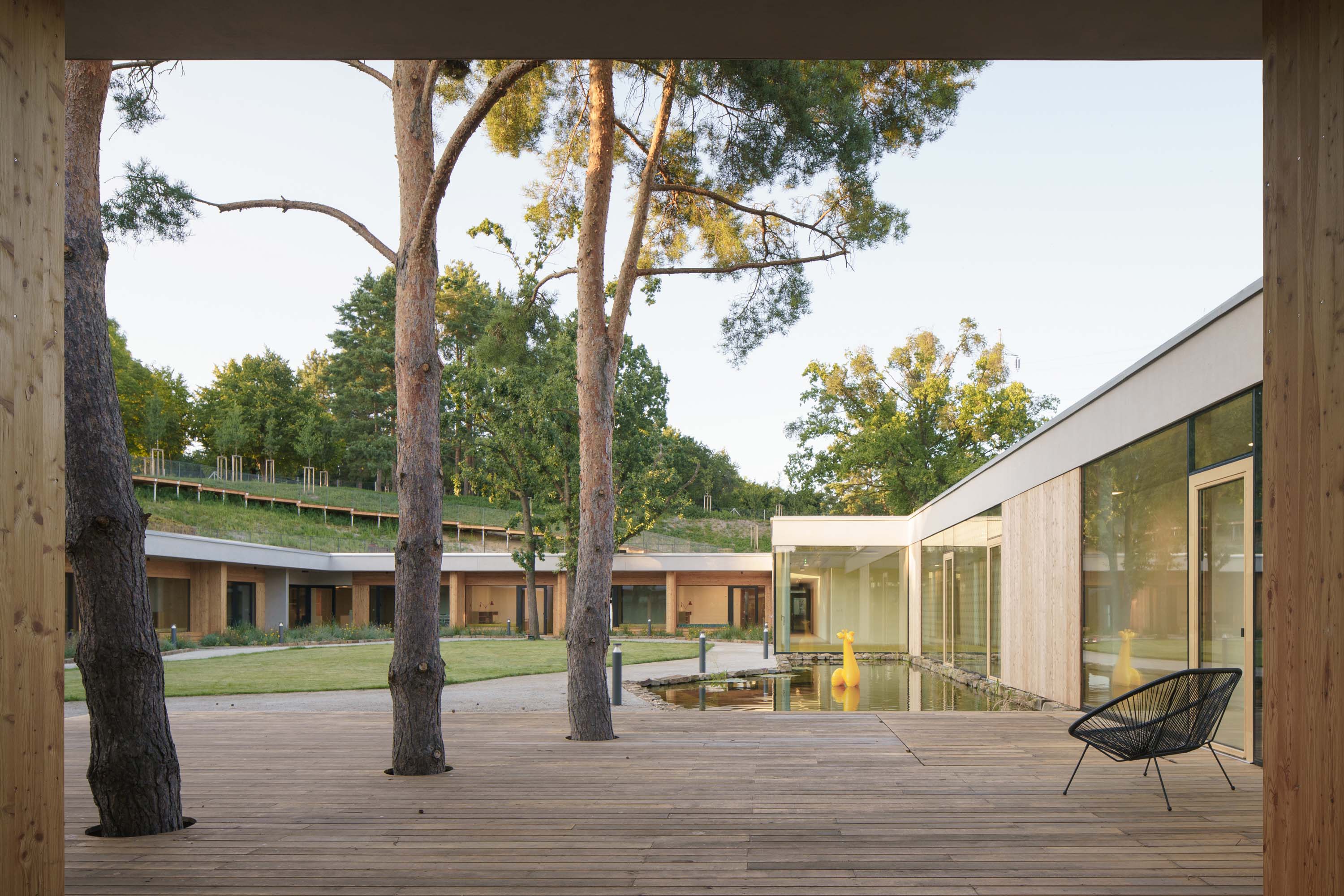
The House for Juliet embeds sustainability at every scale — environmental, social, and financial. Environmental: The building is largely embedded into the terrain, minimising its visual and ecological footprint. Three air-to-water heat pumps supply the heating and cooling system embedded in monolithic concrete ceilings, eliminating fossil fuel dependence. Living green roofs prevent interior overheating, accumulate rainwater, and slow surface runoff. Excess rainwater feeds an underground cistern that supplies the courtyard pond and irrigates trees and lawn. Passive shading through monolithic overhangs reduces solar gain. The use of larch cladding, oak terraces, and natural polished plasters reflects a preference for durable, low-maintenance, bio-based materials. The building is designed to last and to be maintained. Social sustainability: The project directly addresses a systemic gap in Czech (and broader Central European) healthcare. Caring for a seriously ill child is one of the most exhausting experiences a family can face. Burnout among informal caregivers has profound long-term social costs. The House for Juliet provides the only residential respite service in the country dedicated specifically to this population, alongside field care teams serving the South Moravian Region. The 1:1 staffing model (one dedicated worker per client) and the inclusion of family accommodation, psychological support, social work, and grief counselling address the family as a whole — not just the sick child. Financial sustainability: The organisation operates through a diversified funding model: public fundraising (transparent collection accounts), charity retail (the "Good Shop"), municipal and state subsidies, EU structural funds, benefit events, and service fees partially covered by the social care reimbursement system. Construction was co-financed by the City of Brno and the IROP EU programme.
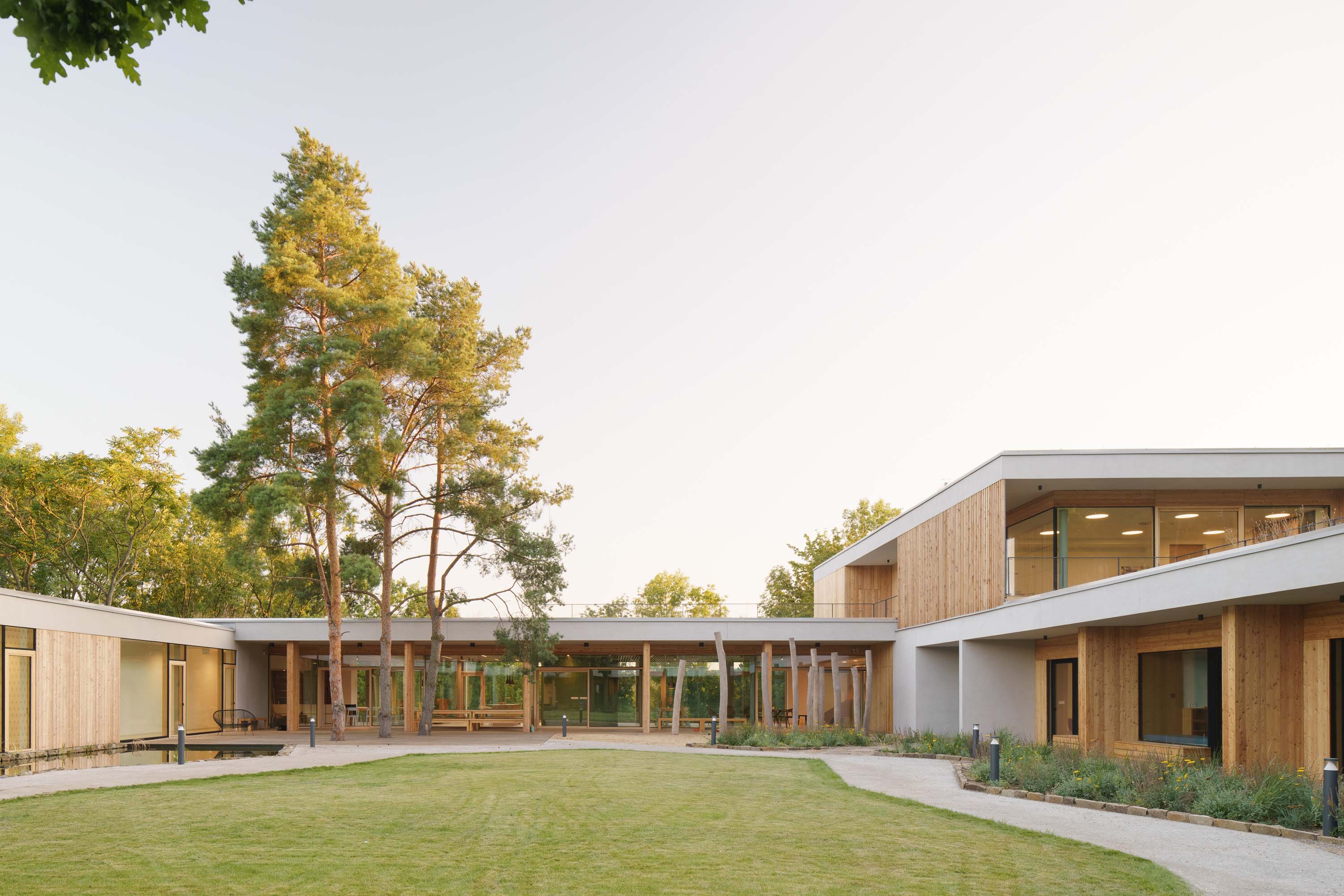
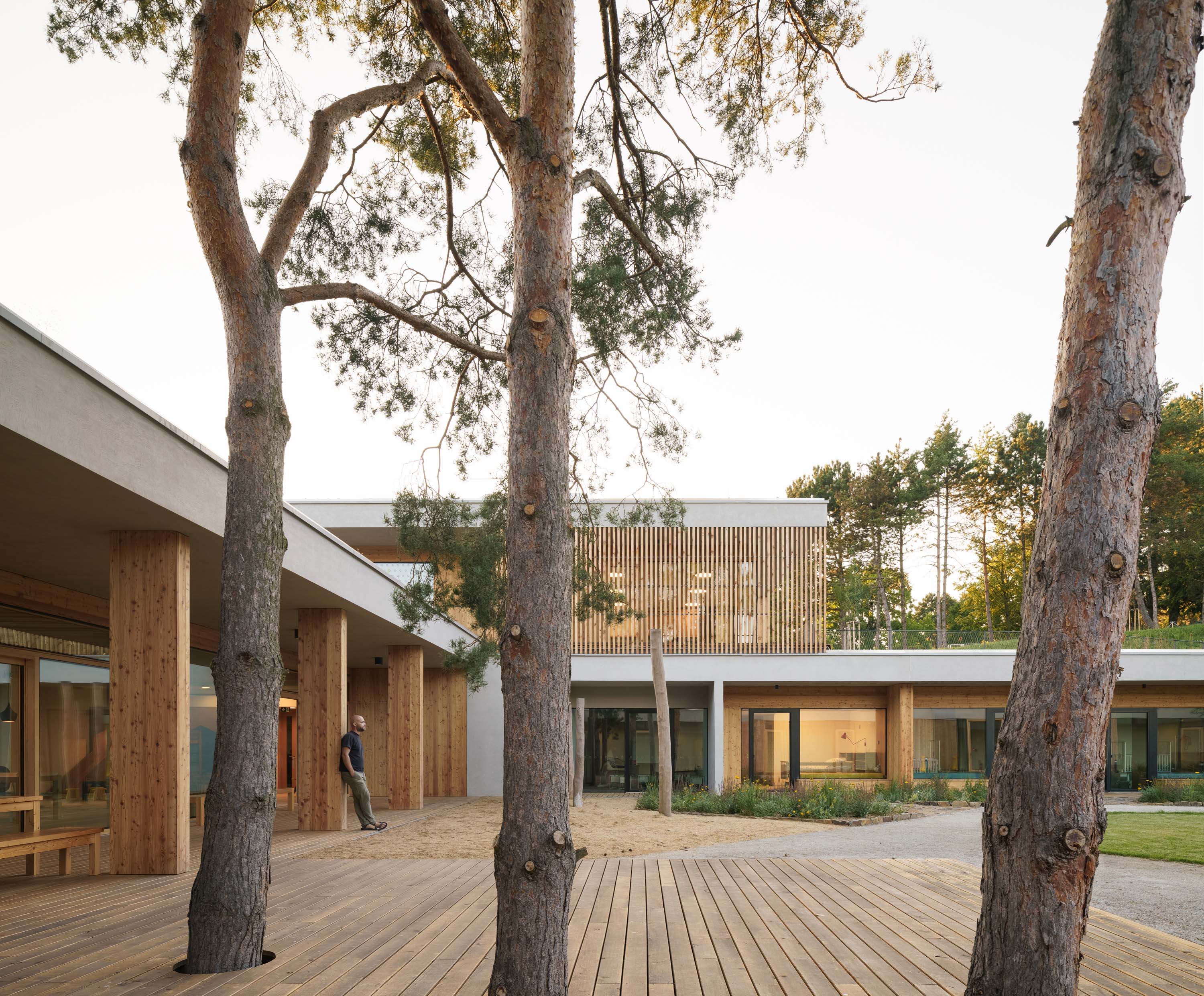
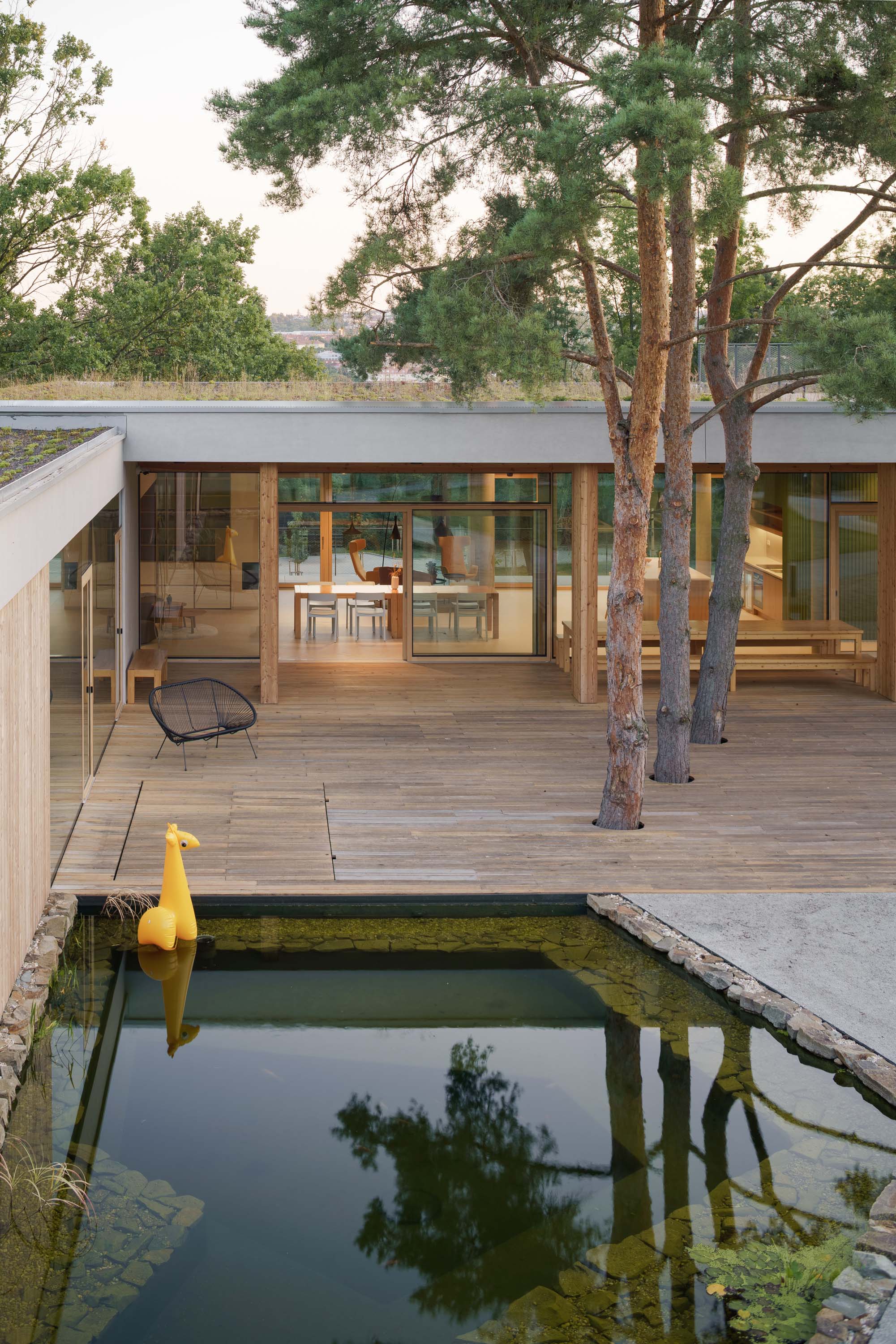
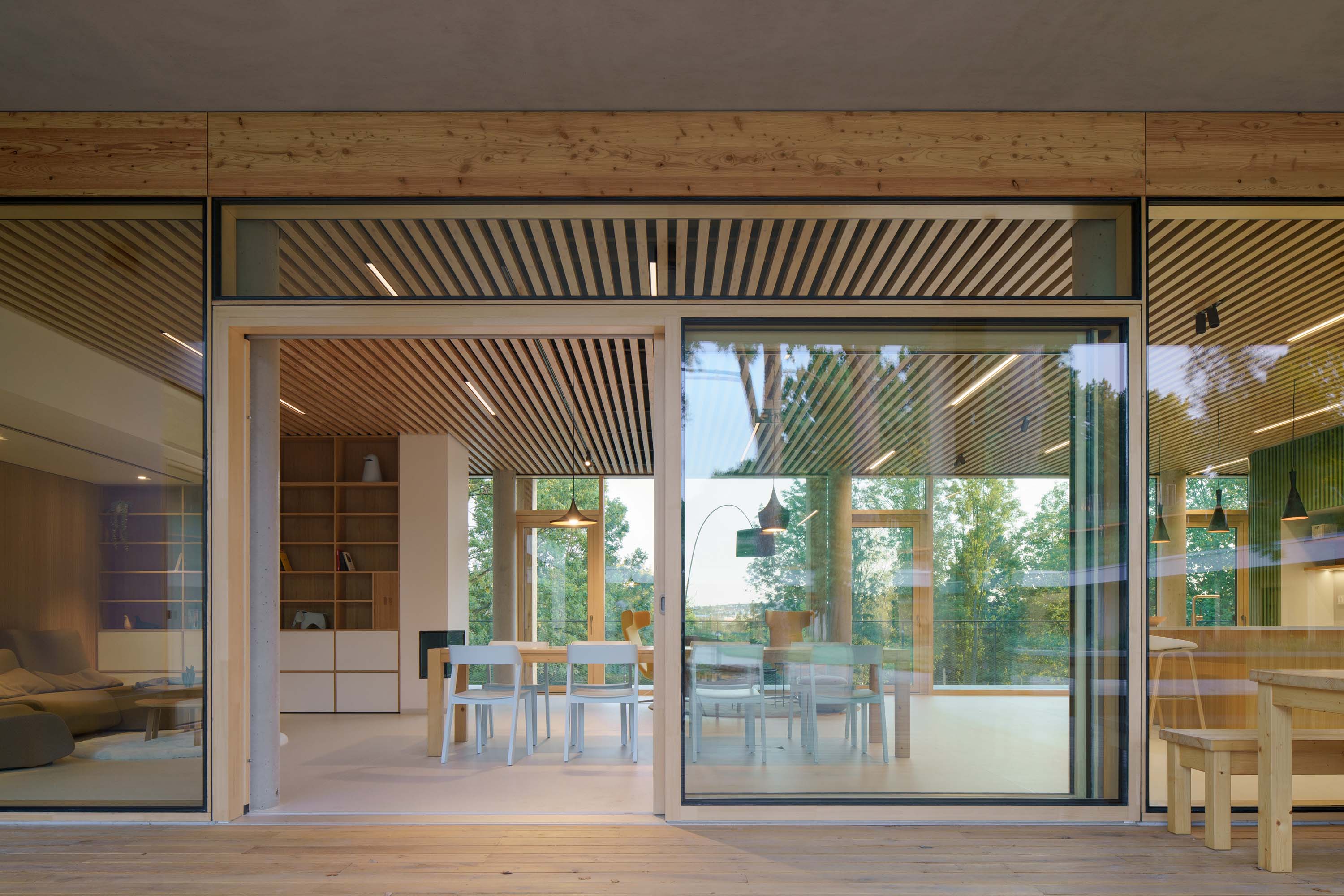
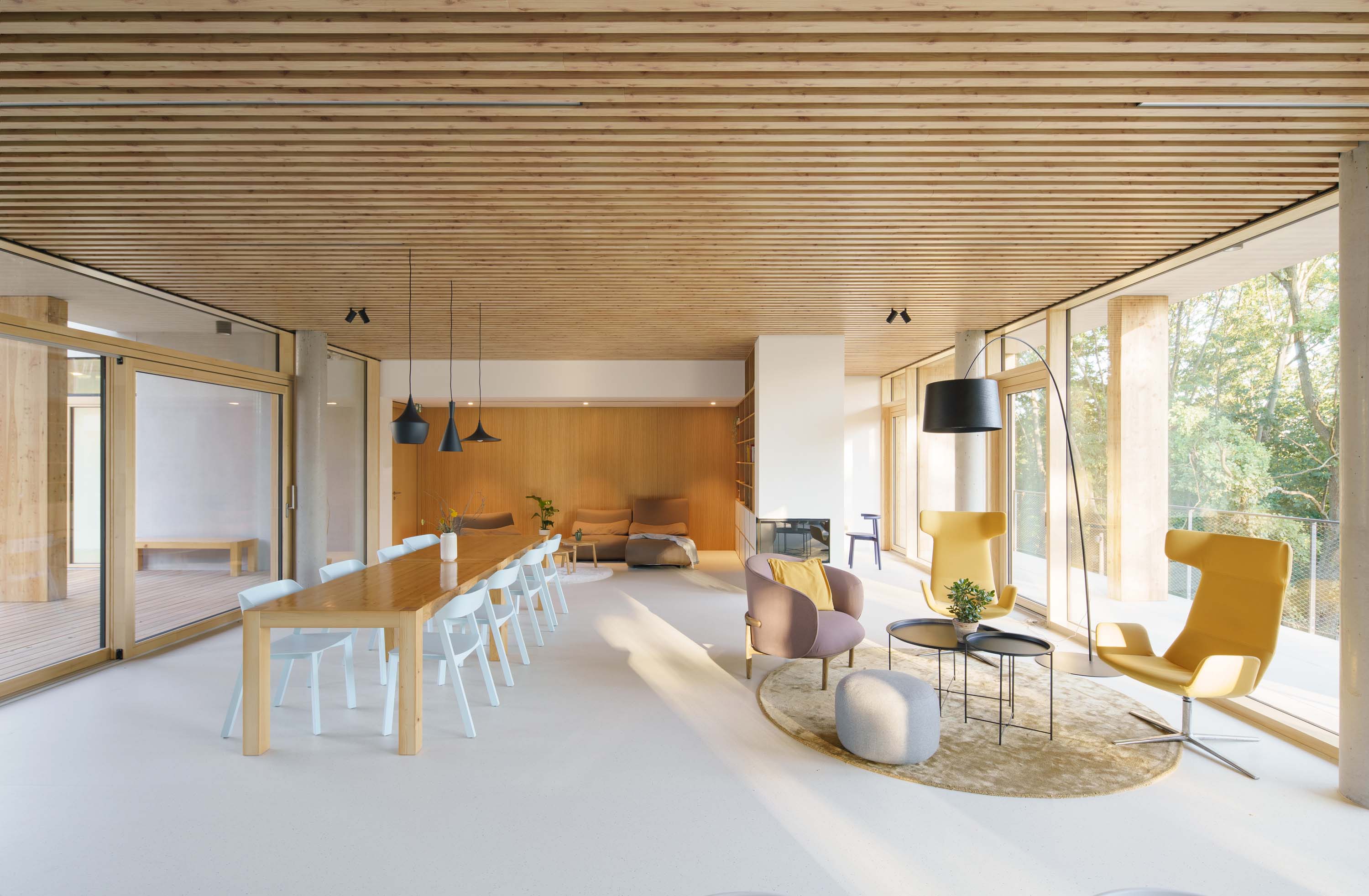
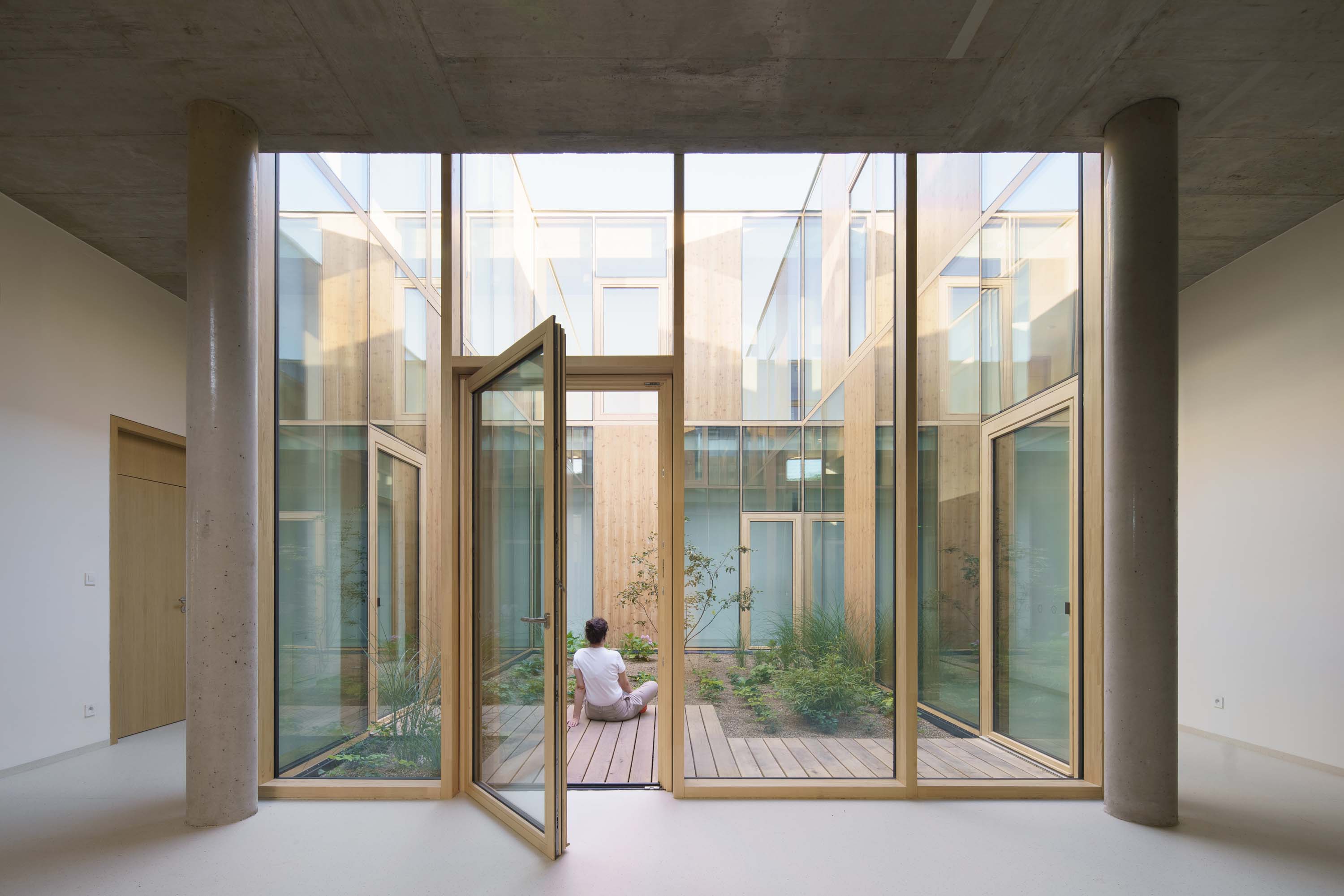
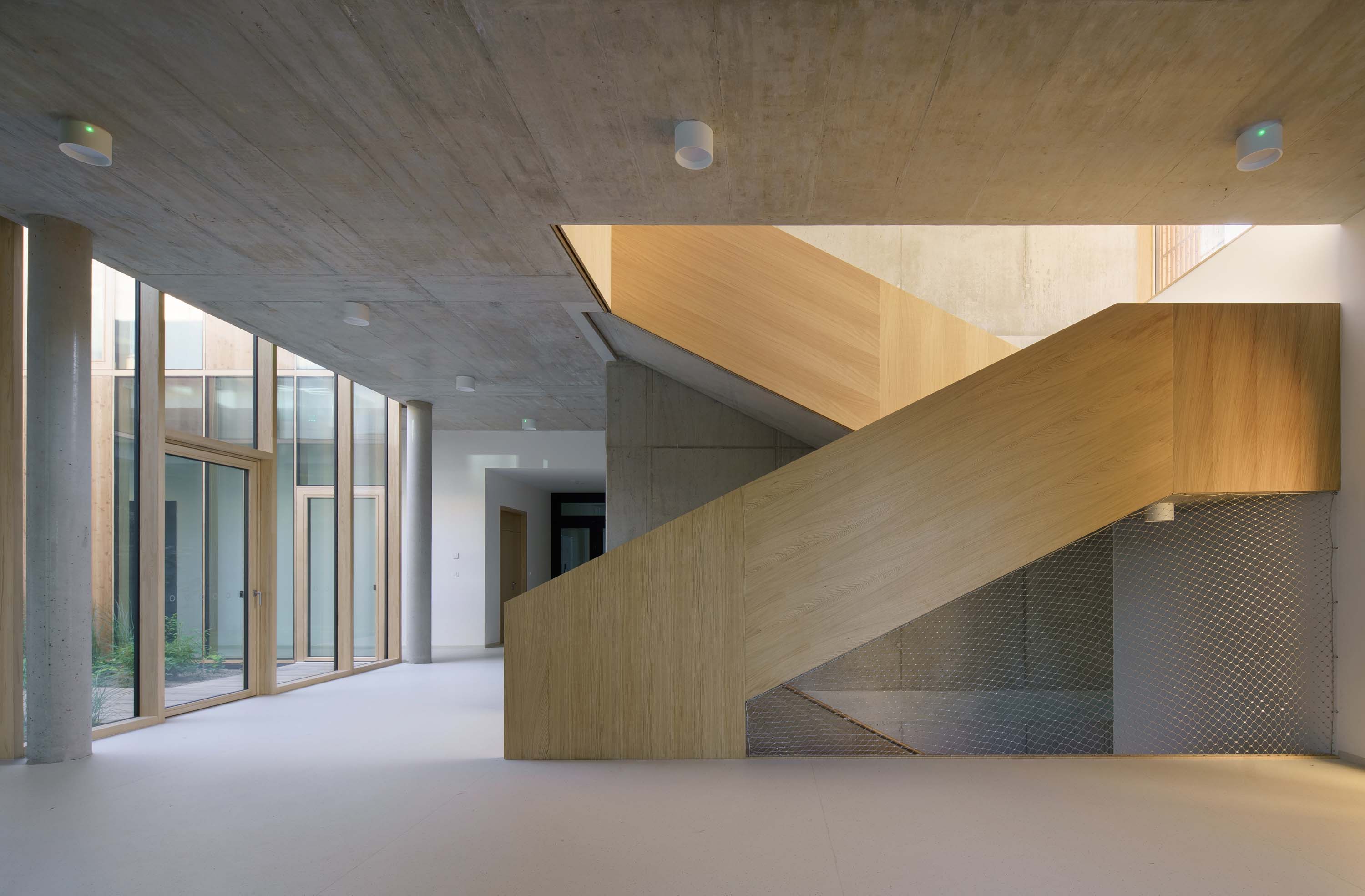
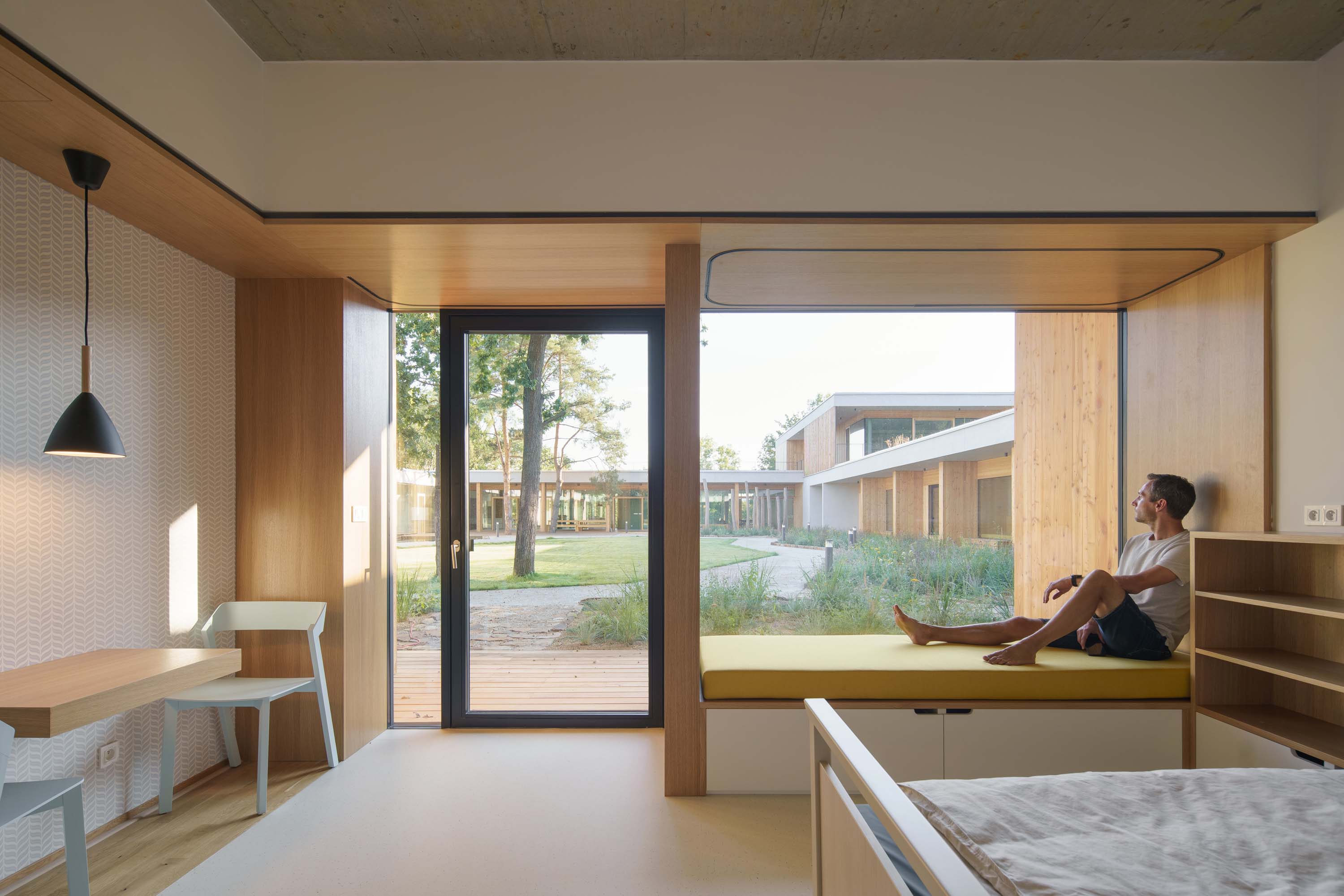
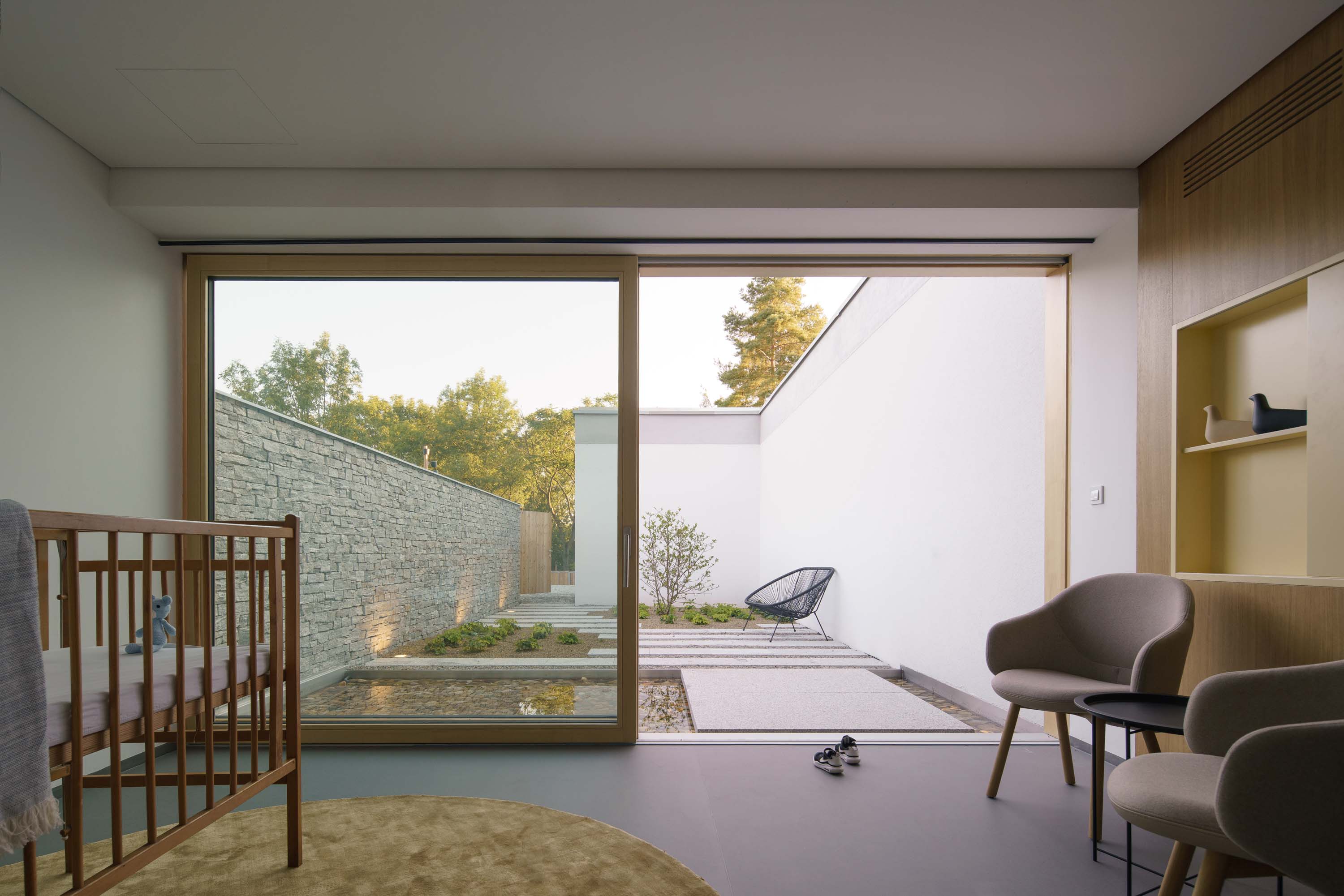
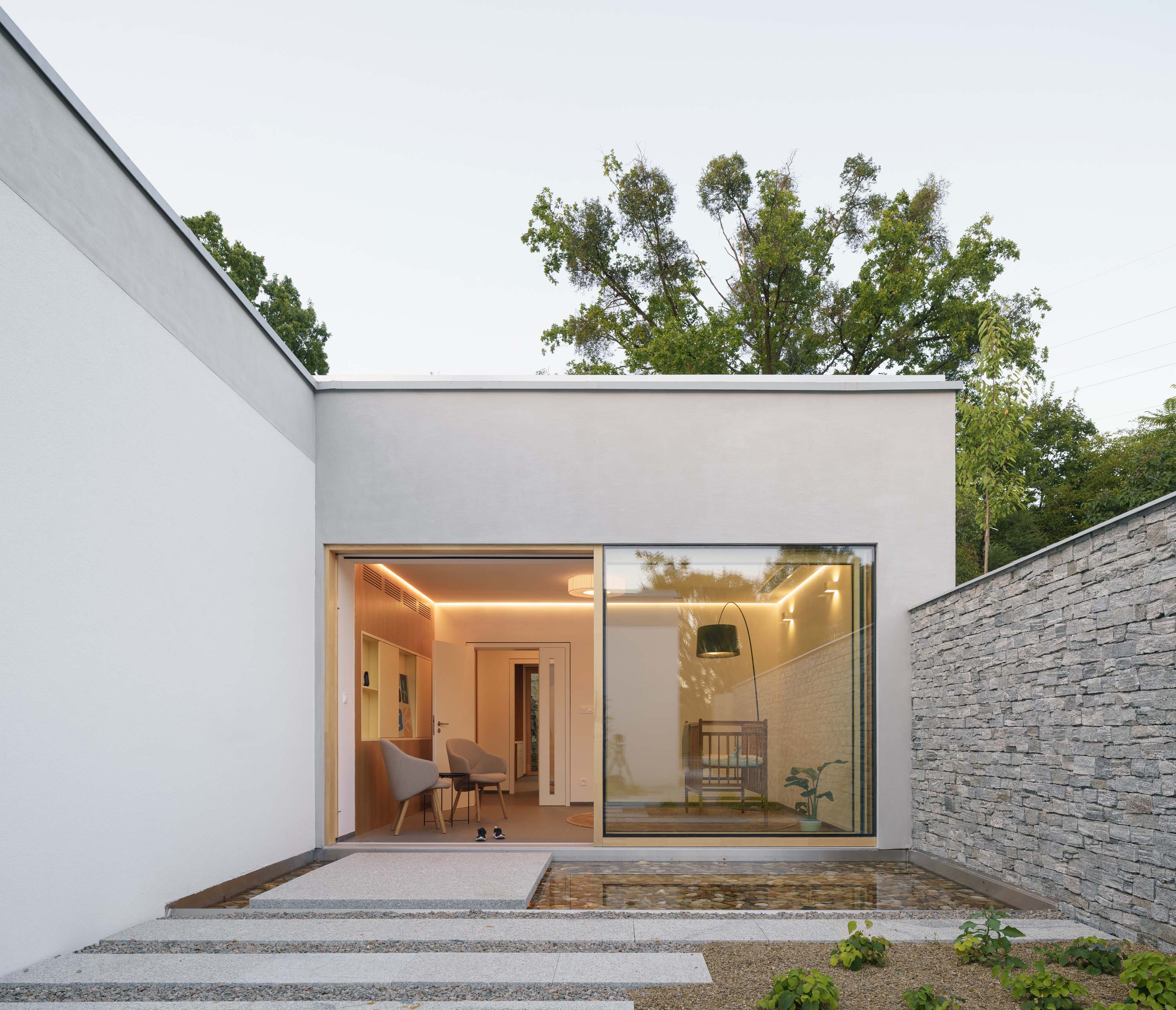
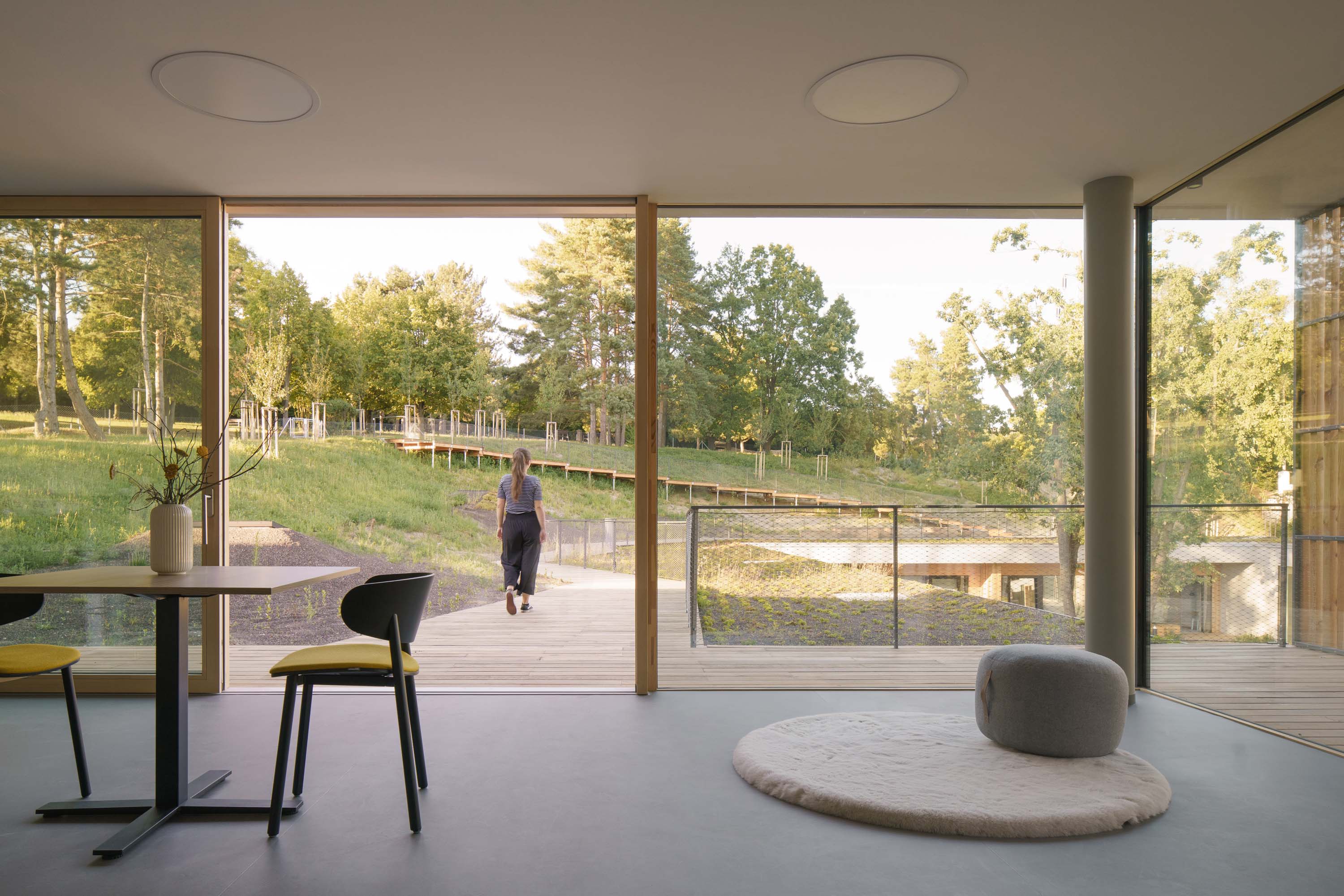
The design brief for the House for Juliet was explicit: the building should convey inner peace, acceptance, humility, and harmony. Architect Tomáš Págo described the aim as creating "a refuge, a place to experience the most difficult moments and to find peace and come to terms with fate — but also a place for moments of normal life and joyful encounters." The building is placed in the natural amphitheatre of the Kociánka park, oriented around a protected central atrium with mature preserved trees. All 10 children's rooms and all communal spaces open directly onto this green atrium, ensuring constant visual and physical contact with nature. A small pond in the atrium reflects light onto the ceilings for children who are lying down — a detail of rare thoughtfulness. The circular corridor wrapping the atrium is generously glazed, creating an ever-changing panorama of sky, trees, and water. From the parents' floor, a rooftop walkway leads to a meditation point — accessible day or night, in all weathers. This ensures that even in moments of extreme grief, parents have access to sky, fresh air, and stillness. Materials were chosen to support a calm, warm, non-clinical atmosphere: raw concrete for structural honesty, larch bio-boards for warmth, polished plaster for softness, large frameless glazing for light and openness. The bespoke built-in furniture and wooden cladding, polished, and carefully composed lighting all contribute to an interior that feels like a sanctuary rather than a medical institution. The unique 'apartment for last farewells' — with a chilled room and a private memorial atrium — provides families with the dignity and privacy that is so rarely available in conventional clinical settings.
Inclusion is embedded structurally, spatially, and socially throughout the House for Juliet. Spatial inclusion: The building is fully barrier-free. The circular corridors allow movement with no dead ends and constant visual connection to the outside. The building's terrain-embedded layout provides direct outdoor access from every level. Children with profound physical disabilities reside in rooms that open directly to the outside through generous glazing and a small private terrace, ensuring natural light, views of the tree canopy, and contact with the outdoors from the room itself. Therapy spaces and communal terraces are fully wheelchair-accessible, ensuring that even the most dependent clients can engage with the full range of activities and spaces. Social inclusion: The service is explicitly designed for an underserved and often invisible population. Families caring for children with life-limiting illnesses face severe social isolation: the demands of care leave no time for ordinary life. The NGO's mission is to prevent this isolation, both for children and for their parents and siblings. The building provides a parents' floor with private rooms and a communal space — so that siblings and grandparents can also be present and supported. The social worker's role includes navigating administrative and bureaucratic processes after a child's death, relieving families of practical burdens at the most painful moment. Governance inclusion: The service is accessible to all citizens of the Czech Republic regardless of financial means. Fees are set in accordance with the Ministry of Labour and Social Affairs reimbursement decree, and the organisation co-finances costs through donations. The model deliberately keeps the financial barrier as low as possible. Age and diagnosis inclusion: The service covers children and young adults from 1 to 26 years old, with any life-limiting or life-threatening diagnosis, avoiding gatekeeping by condition type.
The House for Juliet was shaped by deep community involvement from its inception. The founding impulse came directly from affected families: Petra, Julinka's mother, shared her personal testimony publicly to mobilise support and define the human need. This lived-experience voice remained central throughout — the NGO's board and advisory structures include parents of children with serious illnesses. During the design phase, the architectural studio ČTYŘSTĚN conducted extensive consultations with palliative care professionals, nurses, social workers, therapists, and families to understand the spatial and emotional requirements of a children's hospice. The brief explicitly asked for a building that could be a home, not a hospital — which required the team to listen to families' experiences of conventional care settings and their shortcomings. The public fundraising model (transparent collection accounts, public reporting of financial flows, annual reports) created a broad community of supporters who followed and shaped the project's ambitions. Richard's Lemonade, benefit events, and charity auctions embedded the project in the civic life of Brno and the broader Czech Republic. Since opening, the organisation actively involves families in service evaluation and development: the residential service intake process includes personal assessments and co-planning of individual care plans, ensuring each stay is tailored to the child's and family's specific needs.
The House for Juliet exemplifies effective multi-level governance across local, regional, national and European tiers. European level: Construction was co-funded by the EU Integrated Regional Operational Programme (IROP), with a subsidy of approximately CZK 86 million (around €3.5 million) secured through the ITI (Integrated Territorial Investment) tool. This European financing enabled a project that would have been beyond the means of a municipal budget alone. National level: The Ministry of Labour and Social Affairs' reimbursement framework governs the pricing of social care services, determining the fee structure for residential respite and field care. National legislation on social services (and its gaps in covering paediatric palliative care) informed the NGO's advocacy work and operational model. Regional/municipal level: The City of Brno was the pivotal institutional partner. It provided the land, became the full construction investor (bearing CZK 98.5 million of the total CZK 184.5 million construction cost), issued the building permit, and entered into a long-term (minimum 15-year) lease agreement with Dům pro Julii, z.ú. The Mayor and First Deputy Mayor of Brno were personally engaged in the handover ceremony, signalling the city's deep ownership of the project. NGO/community level: Dům pro Julii, z.ú. coordinates all services, employs all care staff, manages the building, and leads public fundraising. The ZERAFA foundation fund, which launched the first fundraiser in 2017, remains a co-financing partner. This multi-level architecture — EU funds + municipal investment + NGO operations + public donations — creates a durable and replicable model for how civil society can drive the creation of missing public infrastructure.
The House for Juliet is the product of genuine transdisciplinary collaboration across architecture, healthcare, social work, landscape design, engineering, and community engagement. The architectural team (ČTYŘSTĚN: Tomáš Págo, Milan Joja, Karel Kubza) worked alongside Marek Holán (landscape architecture), structural engineers, mechanical engineers, pool technology specialists, lighting designers, and specialists in polished plasters, custom furniture, and green roofs. The fire safety, sanitary, and low-voltage electrical systems each required dedicated professional teams. The clinical and social brief was developed in dialogue with palliative medicine specialists, physiotherapists, art and music therapists, social workers, and psychologists. The design of each therapeutic space — the watsu pool, the snoezelen sensory room, the cinema, the physiotherapy room — reflected detailed technical and experiential requirements from the clinical team. The 'apartment for last farewells' — the most architecturally and emotionally distinctive element — was developed in consultation with palliative care professionals and bereaved families, resulting in a unique spatial and technical solution (private chilled room, separate outdoor access to a memorial atrium) that has no precedent in Czech architecture. The landscape design balanced ecological goals (preserving mature trees, creating a biodiverse pond, installing a living roof) with therapeutic ones (providing accessible outdoor space for children and parents in all weather, ensuring visual connection to nature from every room). This integration of clinical, social, architectural, and environmental expertise in a single building exemplifies the transdisciplinary ambition of the New European Bauhaus.
The project's financial model is deliberately multi-layered to ensure long-term resilience. Construction: The building (€7.3 million) was funded by the City of Brno (approx. 53%) and the EU IROP programme (approx. 47%). Dům pro Julii, z.ú. funded the project documentation and equipment through public fundraising. Operations: The NGO operates through a diversified income model: • Service fees: Residential respite and field care are partially covered by client contributions, set per the Ministry of Labour and Social Affairs reimbursement decree. The 1:1 staffing model and the specialised nature of care mean that fees cover only a portion of true costs. • Public donations: The primary operating subsidy, collected through transparent public fundraising accounts, the charity 'Good Shop for Juliet', online platforms (givt.cz), donation SMS, benefit events, and corporate partnerships. • Municipal and state grants: Annual subsidy applications to the City of Brno, South Moravian Region, and national ministries supplement service revenues. • Future potential: The planned outpatient palliative clinic and hospice end-of-life services will attract health insurance reimbursements, progressively shifting the balance toward stable statutory funding. The 15-year lease agreement with the City of Brno provides security of premises. The diversified model reduces dependence on any single income source and has already demonstrated stability across the construction and launch phases.
The House for Juliet is explicitly designed as a replicable model. The Czech Republic has one of the lowest densities of paediatric palliative care infrastructure in the EU, and this gap is mirrored across Central and Eastern Europe, the Western Balkans, and beyond. Most transferable elements: 1. The multi-level financing model (EU structural funds + municipal investment + NGO operations + public fundraising) — replicable wherever a motivated civil society organisation can secure municipal co-ownership of a missing public service. 2. The architectural typology — a building that combines residential respite, therapy, family accommodation, and end-of-life care in a single humane, nature-embedded structure. The design principles (circular corridor, central atrium, rooftop access, dignity-centred 'farewell apartment') can be adapted to different sites and scales. 3. The service model — 1:1 care ratios, multi-disciplinary staffing (nurses, carers, social workers, psychologists, physiotherapists, therapists), field care teams extending into the home, and outpatient consultation services. 4. The governance approach — a long-term public-NGO partnership that enables civil society expertise to shape a public infrastructure investment. The organisation already receives enquiries from other Czech cities and regions wishing to develop similar services, and from international palliative care networks. The building has attracted professional study visits and internship requests from across the Czech Republic. ČTYŘSTĚN studio has received interest from other commissioning bodies in the region.