Strengthening Local Democracy and Inclusion
Dorado
Dorado: Urban Innovation & Community Hub
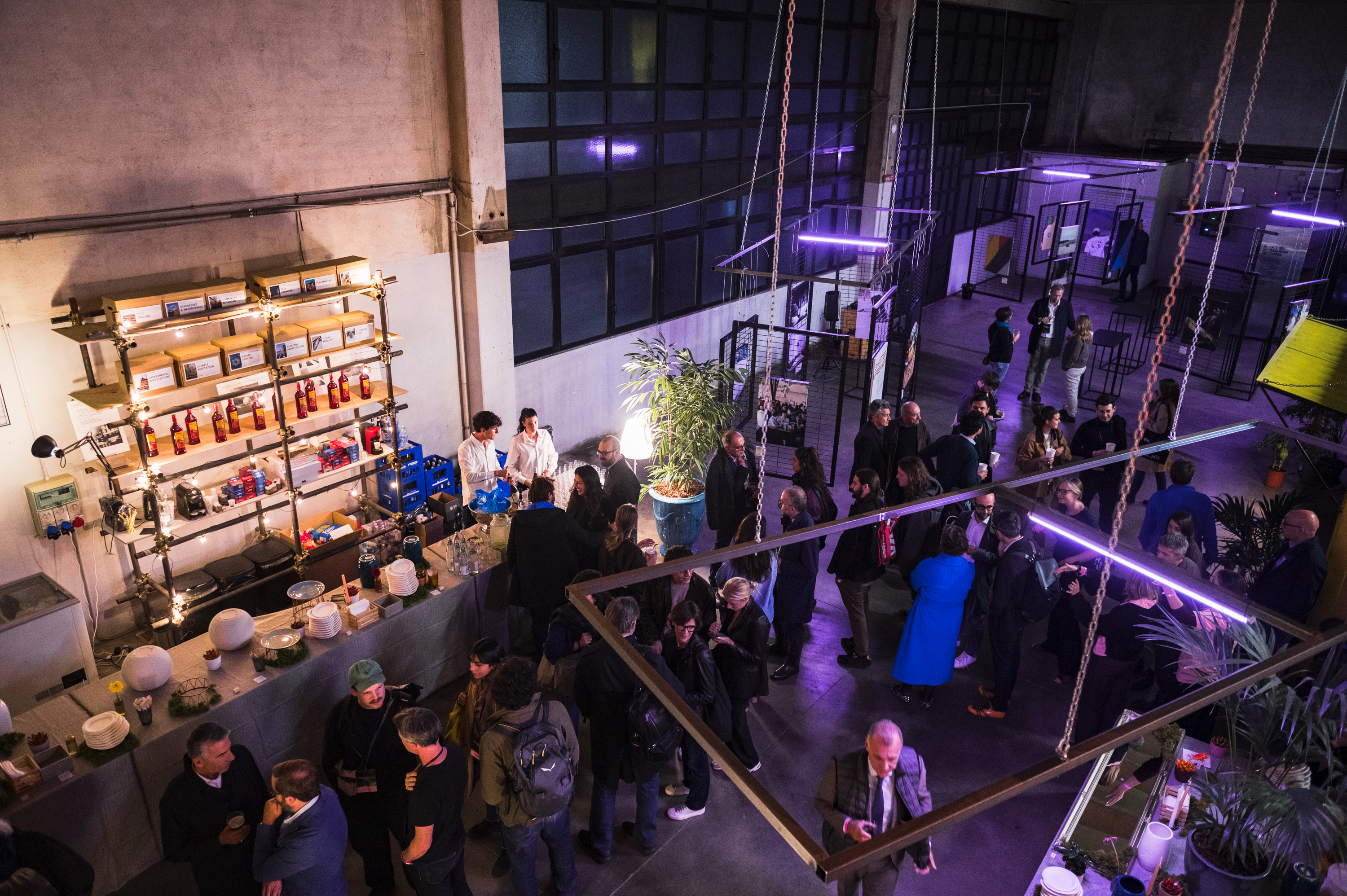
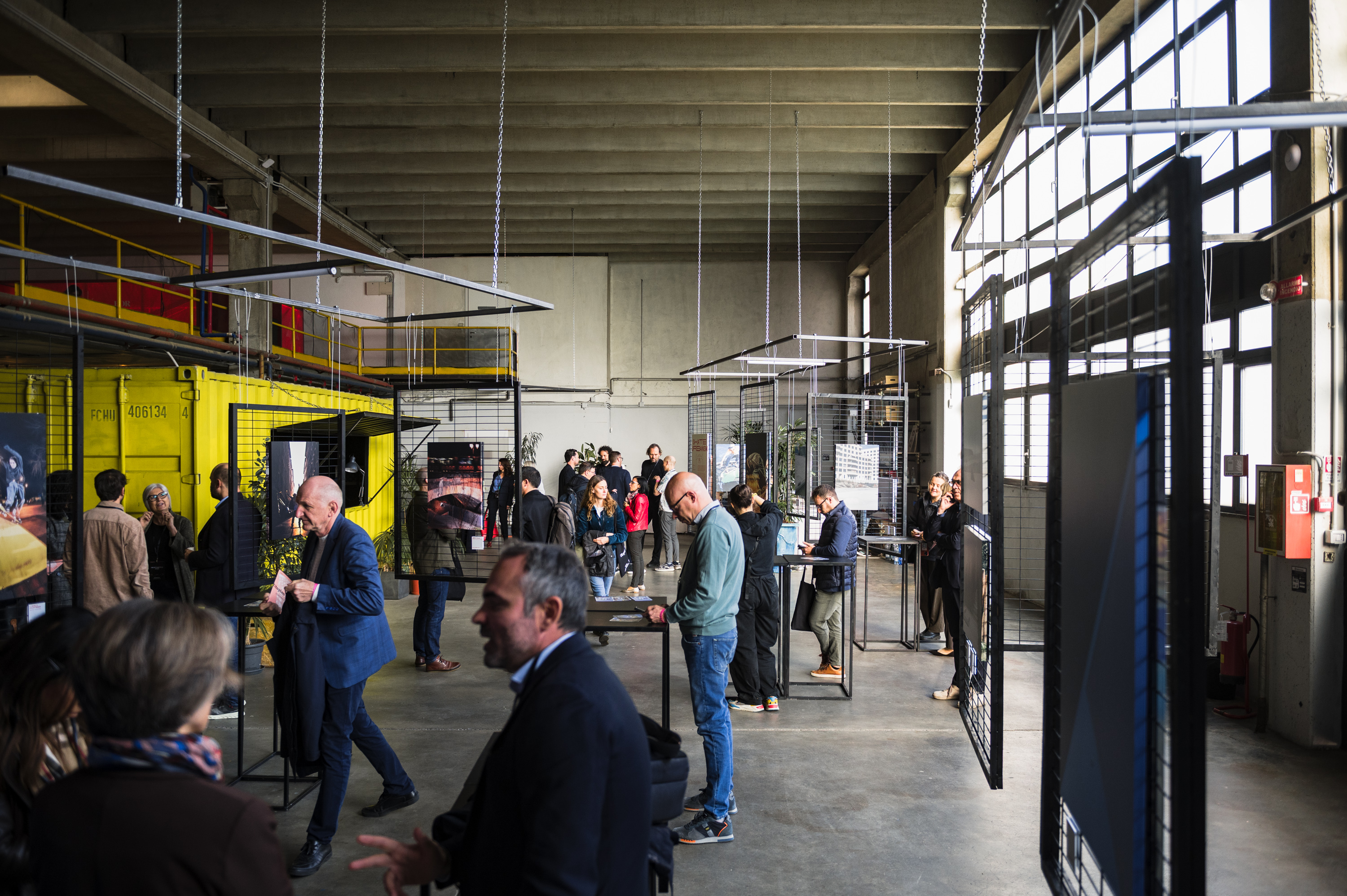
From an empty warehouse to a vibrant community hub, Dorado reimagines a vacant industrial space in Turin’s Aurora neighbourhood. Through cultural programming, coworking, and community participation, Dorado brings together residents and local organisations to shape the neighbourhood’s future. With hundreds of events and thousands of visitors, Dorado shows how shared spaces can foster creativity, inclusion, and a renewed sense of belonging in the city.
Italy
Regional
Piedmont
Mainly urban
It involves a physical transformation of the built environment (hard investment)
Yes
2023-12-02
No
No
No
Organisation
Dorado is a project established to create an inclusive community space that improves the social and urban environment of the Aurora neighbourhood in Turin. The project addresses the lack of accessible spaces where residents and local actors can come together to participate in a wide range of activities. By activating a vacant space near the Dora riverside, Dorado creates a community hub dedicated to culture, design, and learning, strengthening social cohesion and empowering the local community.
Dorado welcomes people from diverse backgrounds, with a particular focus on residents of Aurora and the surrounding areas. Its users range from children to creative professionals and elderly residents. The project also connects a broad network of stakeholders, including cultural associations, universities, foundations, and companies.
The main objective of Dorado is to encourage urban regeneration and cultural activation in the Aurora district. The hub functions as a flexible cultural venue for local associations and community groups to host events, workshops, exhibitions, and educational programmes, fostering civic participation and innovation in the neighbourhood's and the city's cultural life.
Since its inauguration, Dorado has hosted more than 230 events with over 15,000 participants and has built a network of more than 45 partners, creating a collaborative ecosystem that supports cultural production, knowledge exchange, and community engagement. The success of the project is recorded in the research conducted by TEHA, highlighting its contribution to local socio-economic growth and its positive social impact in the area.
Dorado represents an innovative model of social entrepreneurship and collaborative urban regeneration. Developed with minimal initial capital, the project demonstrates how cross-sector partnerships can activate underused spaces and become a catalyst for social cohesion, economic activity, and inclusive development at the neighbourhood scale.
The project represents the third placemaking intervention by Stratosferica, following the successful experiences of Precollinear Park and Corso Farini. Stratosferica is a social enterprise focused on city-making, urban evolution, and community building, producing cultural and social impact through events and placemaking initiatives. The idea behind Dorado emerged from the Precollinear Park Extended project. What initially began as a proposal for temporary placemaking actions gradually evolved into the concept of Dorado: a community hub and cultural space designed to engage the surrounding neighbourhood.
The project has been strongly community-driven. Dorado is developed through the collaboration between Stratosferica and a wide network of volunteers, students, and local residents. An important contribution has also been provided by Lavazza. Decision-making and project development are therefore the results of collective processes.
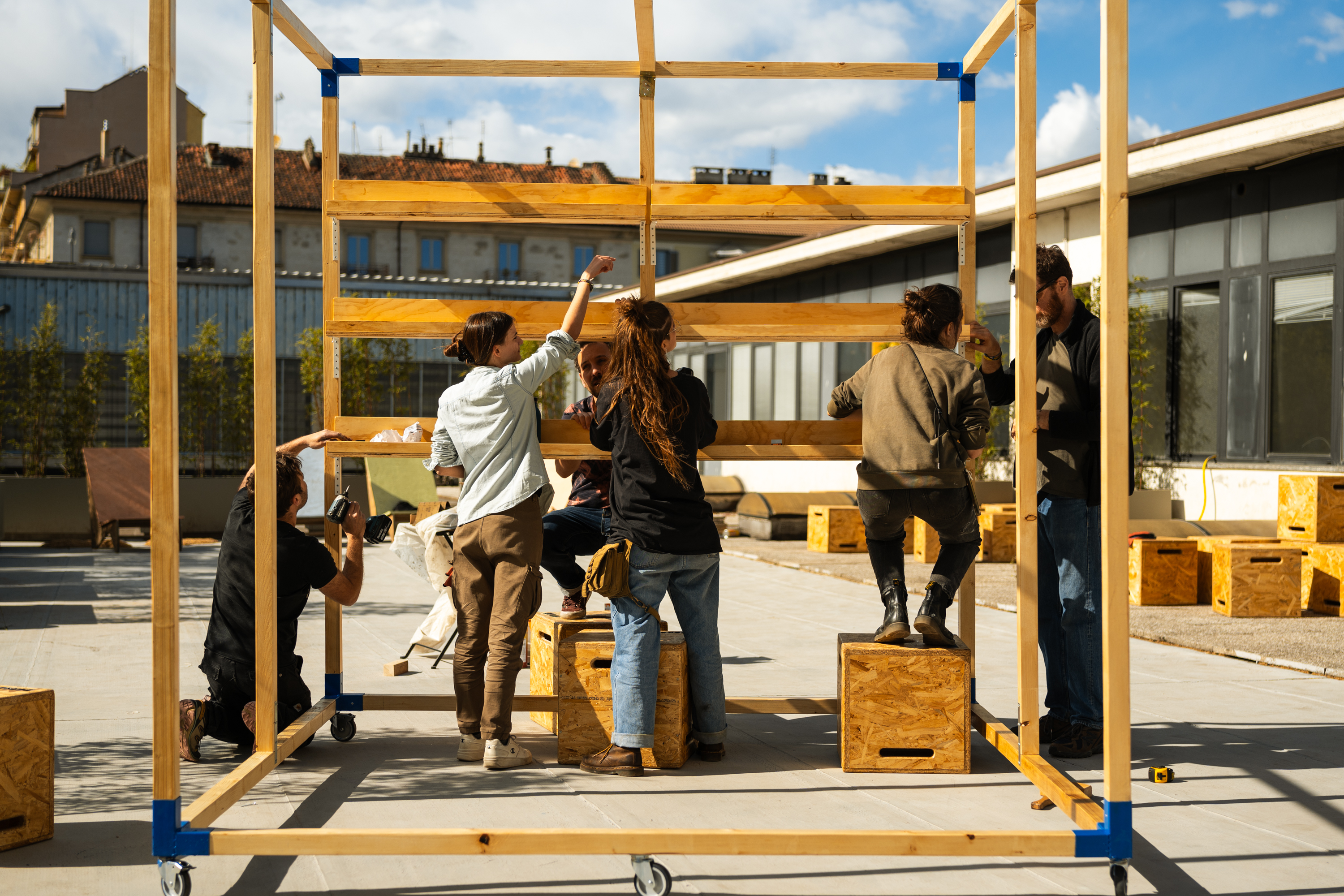
The project was developed through several phases. The first phase focused on co-design and self-building. The implementation phase started in March 2024 with a three-day participatory workshop dedicated to building new furniture for the space. The workshop followed a series of preparatory meetings carried out by a volunteer-based design unit. The first assessment of the project took place in December 2024 after one year of activity, followed by a second evaluation in December 2025, both conducted through online and in-person surveys.
This participatory approach has been essential in embedding Dorado within both its physical context and the local community. By actively involving citizens in the creation and development of the space, the project fosters stronger social cohesion, stimulates cultural production, and encourages collaboration among stakeholders. In doing so, Dorado moves towards the achievement of its goals regarding urban regeneration, active participation, and community empowerment.
Placemaking
Social inclusion
Cultural activation
Community engagement
Urban regeneration
In its effort to provide an inclusive space for the neighbourhood, the project intentionally sought an existing structure suitable for refurbishment rather than pursuing new construction. Through the adaptive reuse of an empty warehouse, the aim was to reactivate and transform an underused building into a welcoming and flexible environment that supports a wide range of activities. By preserving and upgrading the existing fabric, the project significantly reduces the environmental impacts associated with demolition and new construction.
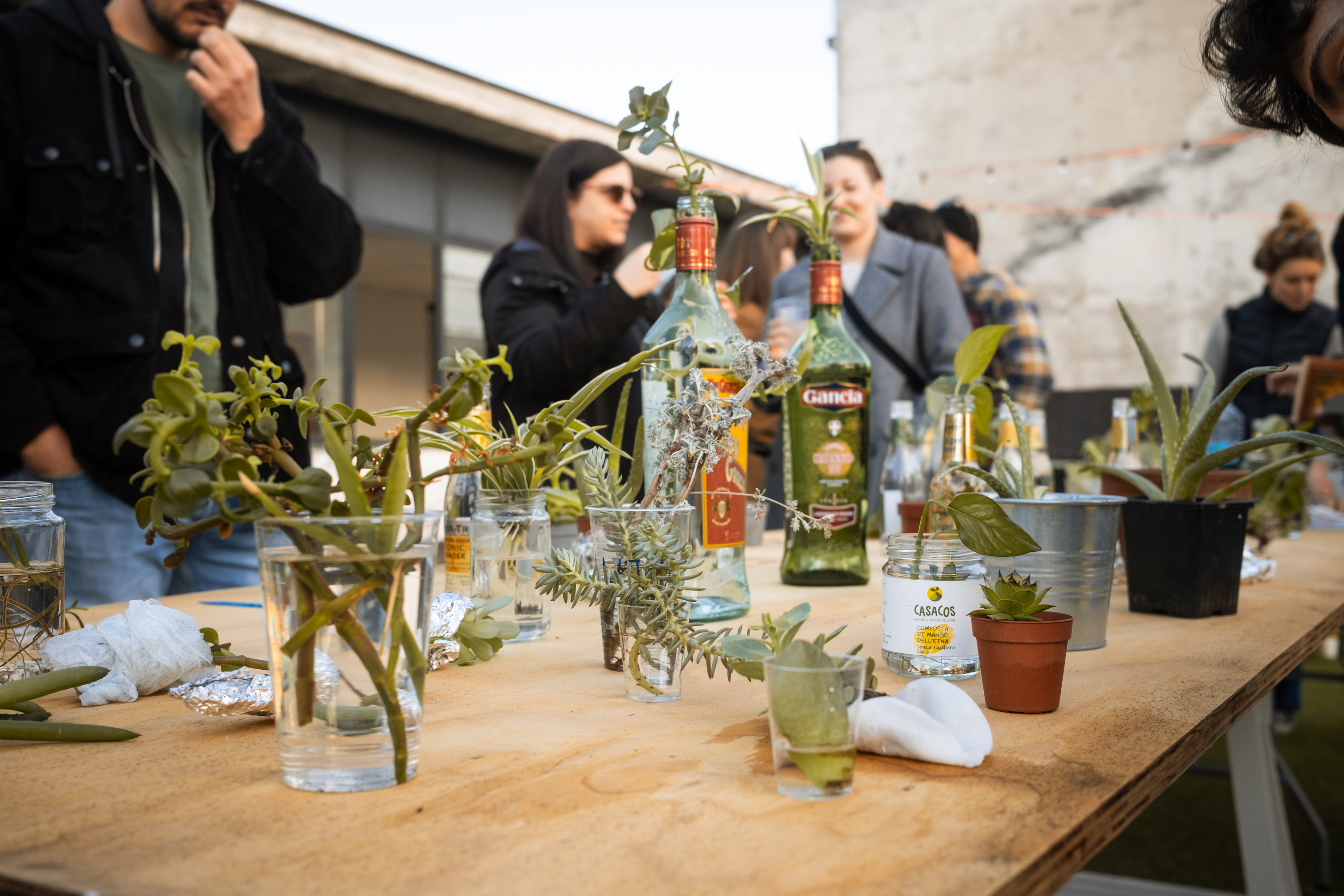
The interventions furthermore reflect strong environmental ambitions. The design relies on the gradual accumulation of reused objects and materials (many sourced from past adjacent projects) and prioritises already available resources. Interventions are intentionally kept minimal and reversible, avoiding permanent or restrictive solutions. Furniture and spatial elements are versatile and adaptable, allowing the space to accommodate diverse activities both now and in the future. Dorado also functions as a platform for social, cultural, and environmental initiatives. By hosting workshops, events, and collaborative activities, such as urban gardening, it fosters awareness of sustainable practices while strengthening community ties.
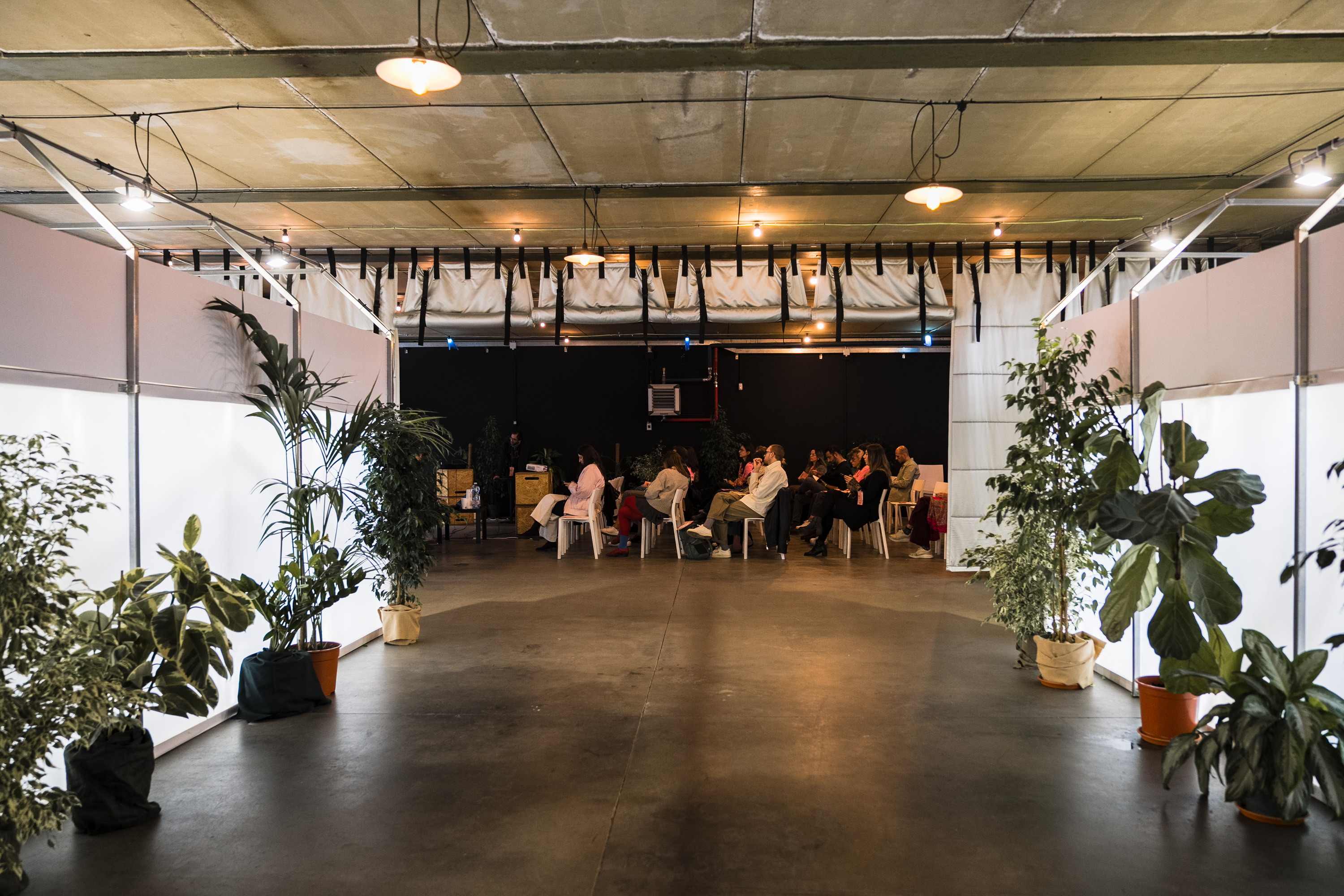
The technical performance of the building was improved through the implementation of low-energy lighting solutions. Additionally, the permeable spatial configurations encourage natural light distribution and reduce dependence on mechanical systems. Dorado also houses an indoor urban garden, which enhances air quality, aesthetics, and the overall user experience.
The project ultimately demonstrates a practical model of the circular economy at an architectural scale. It illustrates how existing buildings can be transformed through resource efficiency, adaptability, and community engagement, turning a vacant warehouse into a sustainable and regenerative space for collective use.
The project has sought to acknowledge its intangible and tangible surroundings and utilise its vicinity to the river. Rather than imposing a new architectural language, the project takes advantage of the existing character of the building, reinforcing what is already familiar within the neighbourhood and redefining the former warehouse as a place of identity, continuity, and collective experience. The aim is to revalorise the site and create a space that feels locally rooted while offering renewed spatial and social quality.
From the beginning, Dorado has aimed to embody a recognisable visual identity and presence. The new interventions realised through participatory processes are deliberately integrated into the existing architectural framework, highlighting the warehouse’s industrial aesthetics instead of concealing them. However, the interior atmosphere is softened through natural elements and spaces for exhibitions, designed to promote informal encounters and the exchange of ideas, reinforcing collective experience. The availability of different types of spaces, the spatial organization, and the program filled with exhibitions, workshops, and community events further accommodates social interaction. By displaying local initiatives, creative work, and community-driven events, the building becomes both a platform and a reflection of the community.
As a result, the intervention achieves architectural and visual compatibility with its surroundings while establishing a renewed presence. The restored warehouse is no longer perceived as an isolated industrial remnant but as an embedded and evolving part of local life. Through transformation rather than replacement, the project offers an inclusive environment that supports ongoing cultural development and strengthens the relationship between place, community, and identity.
The project aims to promote social, cultural, and spatial inclusion by creating an open and welcoming place for everyone in the neighbourhood. Situated in a central and easily reachable location, the space was designed to be affordable and accessible, ensuring participation from people of different backgrounds, ages, and economic conditions. By combining a strong social purpose with a flexible and shared environment, the project fosters interaction, belonging, and opportunities for community engagement.
Dorado provides a space where diverse users feel welcome and represented. Affordable prices ensure accessibility, while programming is designed to attract a broad mix of users. Activities focus particularly on vulnerable groups and minorities, promoting inclusion and celebrating diversity. By offering opportunities for local actors, associations, and individuals to come together, the space encourages dialogue, collaboration, and collective participation.
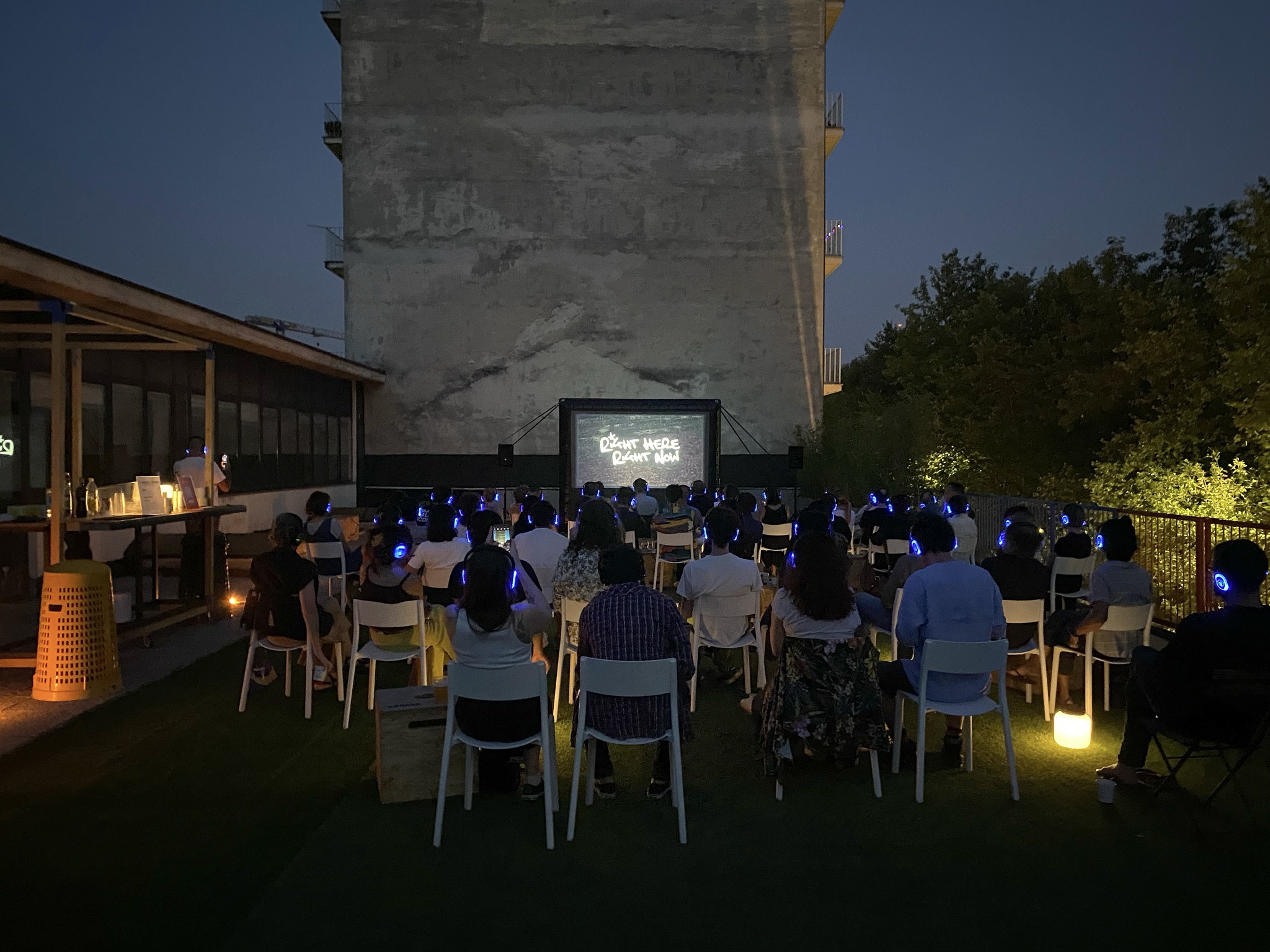
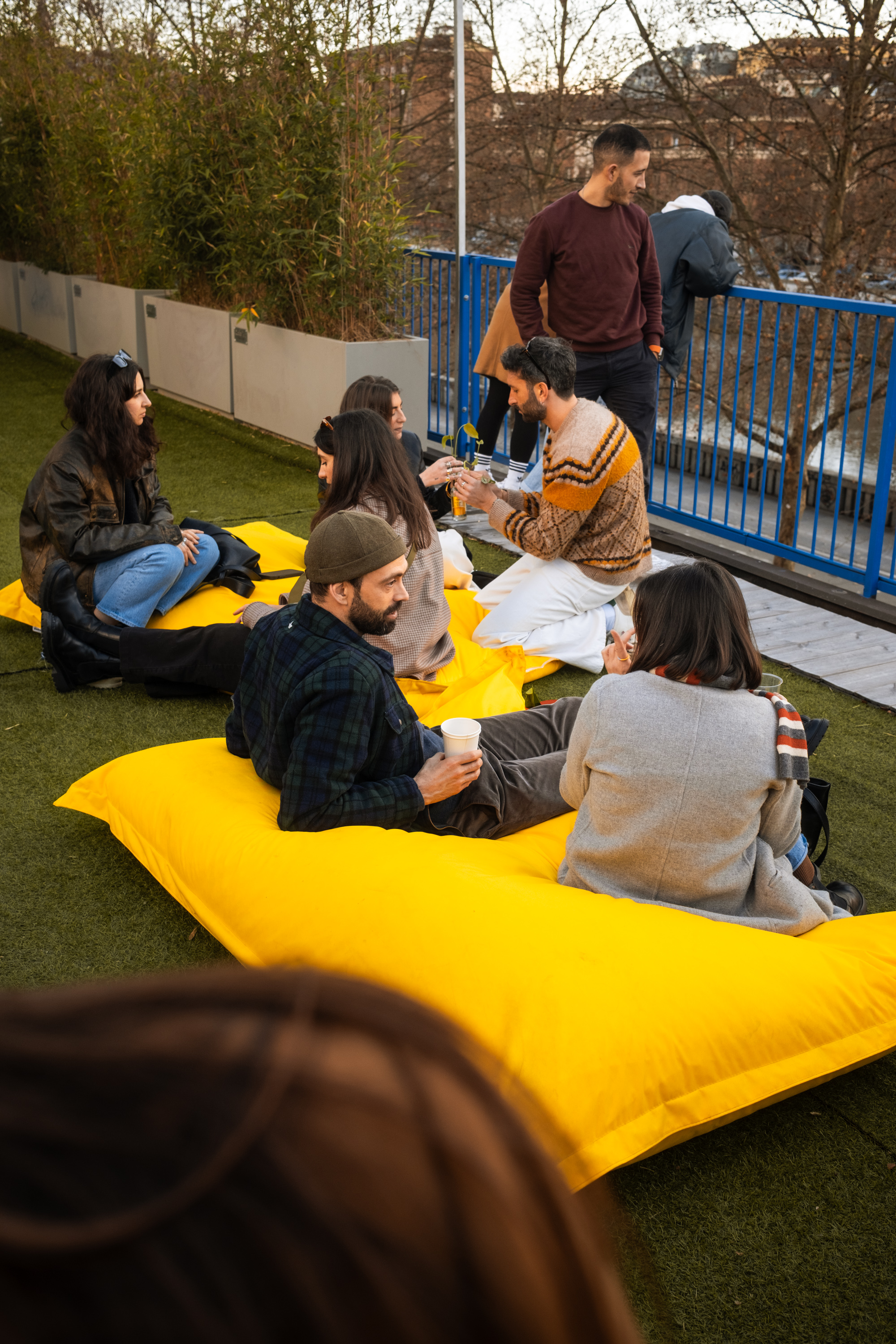
Implementation has focused on keeping the space active, safe, and accessible throughout the day and year. Bicycle parking supports sustainable mobility and easy access, while lighting ensures safety in the evening. A dynamic calendar animates the space from morning to night, weekdays and weekends, across seasons, with social events, cultural activities, coworking opportunities, and shared spaces that encourage interaction.
The project promotes encounters between communities and supports initiatives organised by local actors, helping build trust and recurring participation. As a result, Dorado has generated a catalytic effect in the surrounding area. A 2024 study by TEHA (The European House Ambrosetti) found that investment in Dorado produces a 25-fold impact on local GDP, demonstrating its role as a platform for community-building and social cohesion.
As a project aimed at strengthening social cohesion and community engagement, Dorado is strongly based on the active participation of citizens. Local residents, students, volunteers, community groups, and cultural associations have been involved throughout all phases of the project, from design and decision-making to implementation and evaluation.
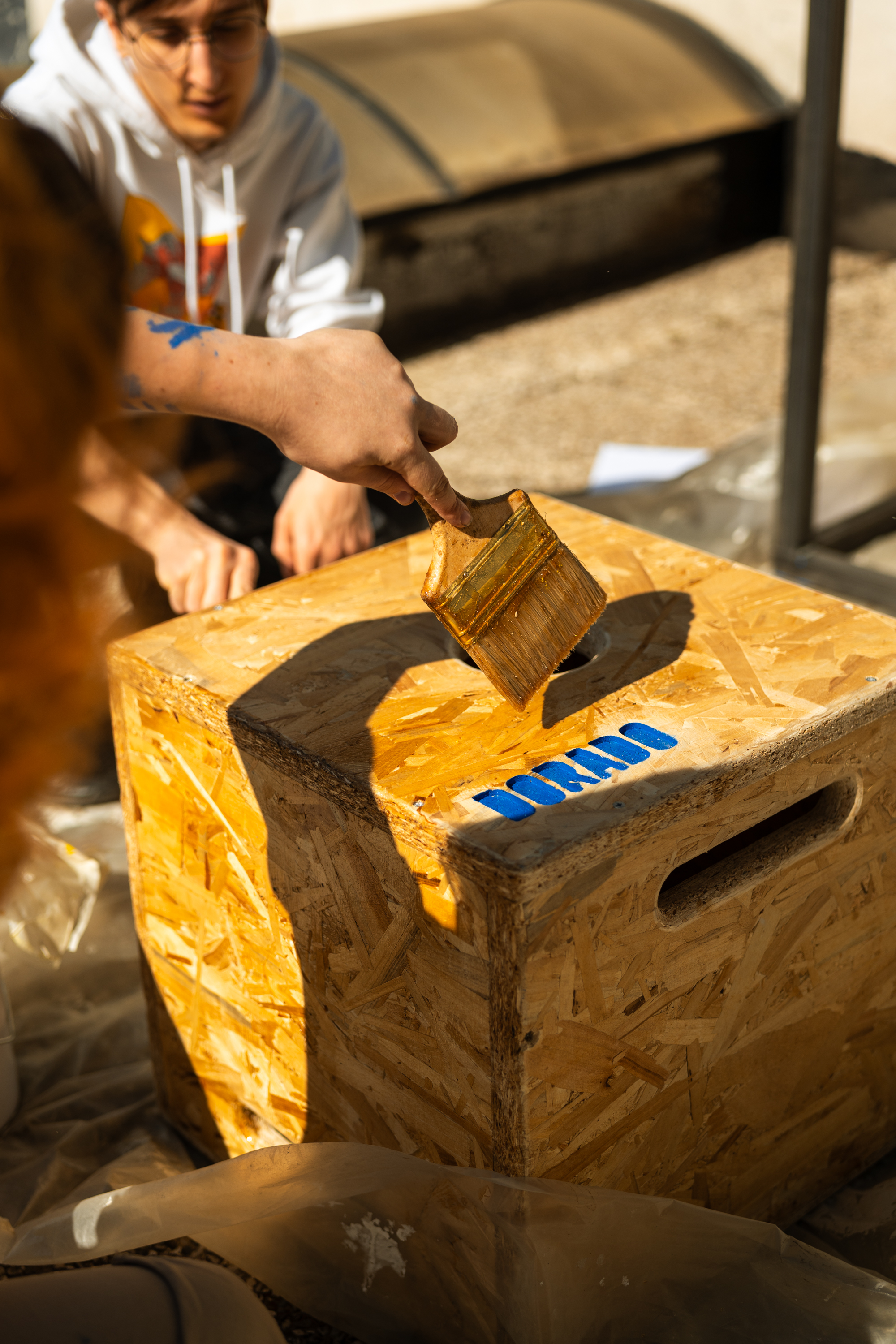
During the early stages, students from local design and architecture schools, together with volunteers, played a key role in the co-design of the space and participated in self-building workshops that helped shape Dorado’s physical environment. These participatory construction activities allowed participants to influence practical design choices while fostering a strong sense of ownership over the space.
Local associations, NGOs, and community groups are at the heart of Dorado’s cultural programming. Most activities, including events, workshops, and cultural initiatives, are proposed and organised by external associations or individual citizens who use the space for their own initiatives. This open and collaborative model ensures that programming reflects the interests and needs of the local community.
Citizens are further involved through regular feedback and consultation processes. Each year, collective brainstorming sessions and community gatherings are organised to evaluate past activities and collect ideas for future programming. “Community parties” and open meetings provide informal but effective opportunities for participants to share feedback and propose new initiatives.
This high level of participation allows citizens and local organisations to influence both the activities and the evolution of the space. As a result, Dorado operates as a community platform shaped by the people who use it, ensuring that it remains open, responsive, and deeply rooted in its local context.
Dorado has been developed through a collaborative ecosystem involving actors from the private sector, cultural organisations, universities, civil society, and public funding programmes. The involvement of stakeholders from different sectors and governance levels has been fundamental to the development and impact of the project, allowing Dorado to combine diverse resources, expertise, and networks.
Each partner contributes complementary support to the operation of the hub. The partnership with Lavazza provided the crucial access to a large vacant warehouse and supported part of its maintenance, making the adaptive reuse of the space possible. Academic institutions have contributed through research, experimentation, and participatory workshops involving students. Public funding programmes have provided financial support, while local associations and organisations play a central role in the cultural programme by proposing and organising events, workshops, and activities that animate the space.
Cooperation between stakeholders is organised through a flexible and collaborative governance model coordinated by the Dorado team. Rather than operating through a rigid institutional structure, the project follows a network-based approach in which different actors contribute according to their expertise and interests. Regular meetings, participatory workshops, and open community gatherings facilitate dialogue between the project team, partners, and citizens. This approach allows the project to remain adaptable while ensuring transparent and inclusive decision-making.
This multi-level engagement has significantly strengthened Dorado, from its financial stability to the diversity of its cultural offer. By bringing together different sectors and knowledge fields, the project has created a robust ecosystem of resources, ideas, and legitimacy, enabling Dorado to operate as an open platform for collaborative urban innovation.
Dorado brings together a wide range of disciplines and knowledge fields that contribute to the social and cultural activation of the space. These include architecture and urban design, cultural management, social sciences, creative industries, community organising, and grassroots knowledge from local residents.
During the design and implementation phases, collaboration between these different fields was organised through participatory workshops, interdisciplinary teams, and open co-design processes. Self-building workshops and design sessions allowed technical expertise and creative ideas to be combined with local knowledge and everyday experiences of the neighbourhood. Interdisciplinary interaction continues through the activities hosted in the space. Workshops, exhibitions, talks, and community events regularly bring together artists, designers, researchers, social organisations, and citizens. Informal encounters within the coworking space and public areas of the hub further encourage dialogue and knowledge exchange, while digital communication channels help maintain connections between the different actors involved.
An important aspect of Dorado is the integration of formal and informal knowledge. While universities, cultural institutions, and professional organisations contribute specialised expertise, local residents and community groups bring lived experience and perspectives rooted in the everyday life of the Aurora neighbourhood.
This interdisciplinary and participatory approach, which takes place naturally rather than being an integrated process, has generated several benefits. It has enabled more creative solutions, strengthened collaboration between different sectors in the area, and encouraged experimentation in cultural and social initiatives. Most importantly, it is responsible for the shared sense of ownership over the space, reinforcing Dorado’s role as an open platform for community engagement and collaborative urban regeneration.
The implementation of Dorado has been primarily financed by Stratosferica and supported by a collaborative ecosystem of partners and users. A key role has been played by Lavazza, which provided access to the warehouse and supports part of the building’s maintenance costs. This partnership enabled the adaptive reuse of the space and allows the project to operate without the burden of commercial rent. Additional support has come through grants promoted by the City of Turin and other public bodies, including Torino Che Cultura! and ImpatTO.
Dorado generates several types of revenues, all reinvested into sustaining the space and its activities. Most cultural events are free for visitors, while organisers contribute through space rental fees. The coworking area operates with small daily fees and subscriptions that help cover operational and maintenance costs. Workshops and laboratories may require a participation fee, usually managed directly by the organisers rather than by Dorado. This mixed revenue model prioritises accessibility while supporting financial sustainability.
The project also demonstrates strong potential to generate both direct and indirect economic value. The development of new cultural programmes, partnerships and educational initiatives may further diversify revenue streams. At the same time, Dorado contributes to the economic revitalisation of the surrounding neighbourhood. A study conducted by TEHA highlights its multiplier effect on the local economy.
Operational costs include building maintenance, utilities, and coordination of cultural activities. These are shared between Stratosferica and Lavazza, while additional resources come from space rental and coworking contributions. This lightweight and partnership-based model demonstrates how adaptive reuse, community participation, and diversified small-scale revenues can support the long-term sustainability and replicability of community-driven urban regeneration projects.
Dorado can serve as a replicable model for community-driven urban regeneration based on adaptive reuse, cross-sector partnerships, and participatory cultural programming. Rather than relying on large public investments or complex infrastructure, the project demonstrates how underused spaces can be transformed into active community hubs through relatively small resources and strong local collaboration.
Several elements of the project are easily transferable. First, the adaptive reuse of vacant or underutilised buildings allows cities to activate existing spaces while reducing environmental impact and avoiding the costs of new construction. Second, the participatory approach used in Dorado, including co-design processes, self-building workshops, and open programming, enables citizens, associations, and cultural actors to become active contributors to the development and management of the space. Third, the governance model based on partnerships between social enterprises, private actors, academic institutions, and local associations provides a flexible framework that can be adapted to different urban contexts.
Successful replication requires the presence of certain enabling conditions, particularly access to an available space and the involvement of a coordinating organisation capable of managing partnerships and cultural programming, as well as the presence of willing actors for financial support. Collaboration with local stakeholders is essential to ensure that the project responds to the specific social and cultural needs of each community.
While the core methodology is transferable, the activities, partnerships, and programming should be adapted to local contexts. Dorado demonstrates how a flexible and community-oriented approach can be tailored to different neighbourhoods, supporting inclusive urban regeneration and strengthening local cultural ecosystems.