Arts, Culture, and Heritage as Drivers of Change
Echoes of a Forgotten World
Echoes of a Forgotten World: Documenting Masked Rituals Across Europe
Echoes of a Forgotten World documents living winter masked rituals within North Macedonia and across Europe through photography, videography, and oral histories. Working directly with local communities and masked groups, the project focuses on authentic traditions beyond staged spectacles, uncovering Europe's shared cultural fabric and preserving the symbolic meaning of masks, processions, and seasonal rites through an open-access digital archive.
North Macedonia
National
Mainly rural
It involves other types of transformations (soft investment)
Yes
2026-03-02
Yes
CC4WBs (UNESCO)
No
No
Individual
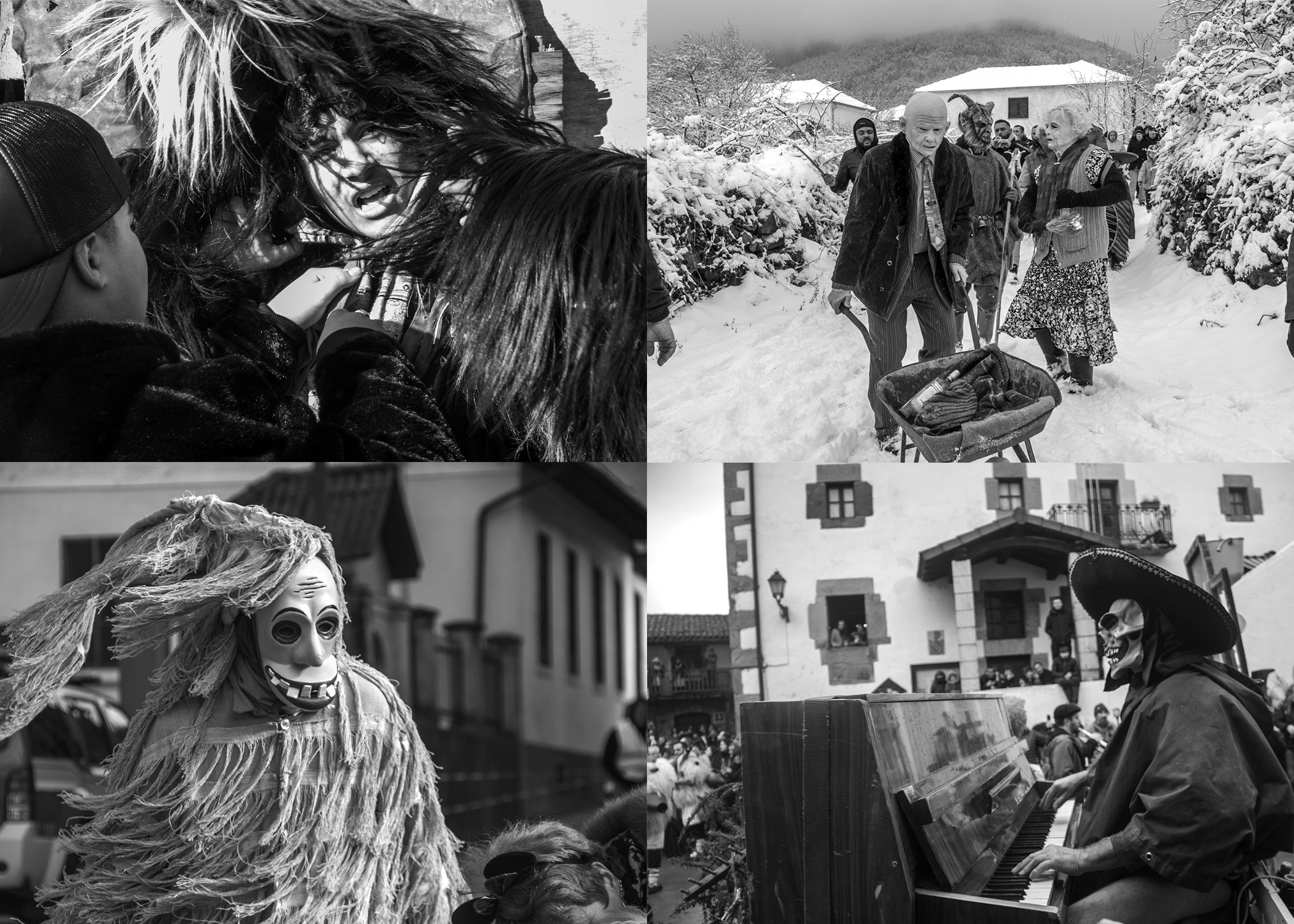
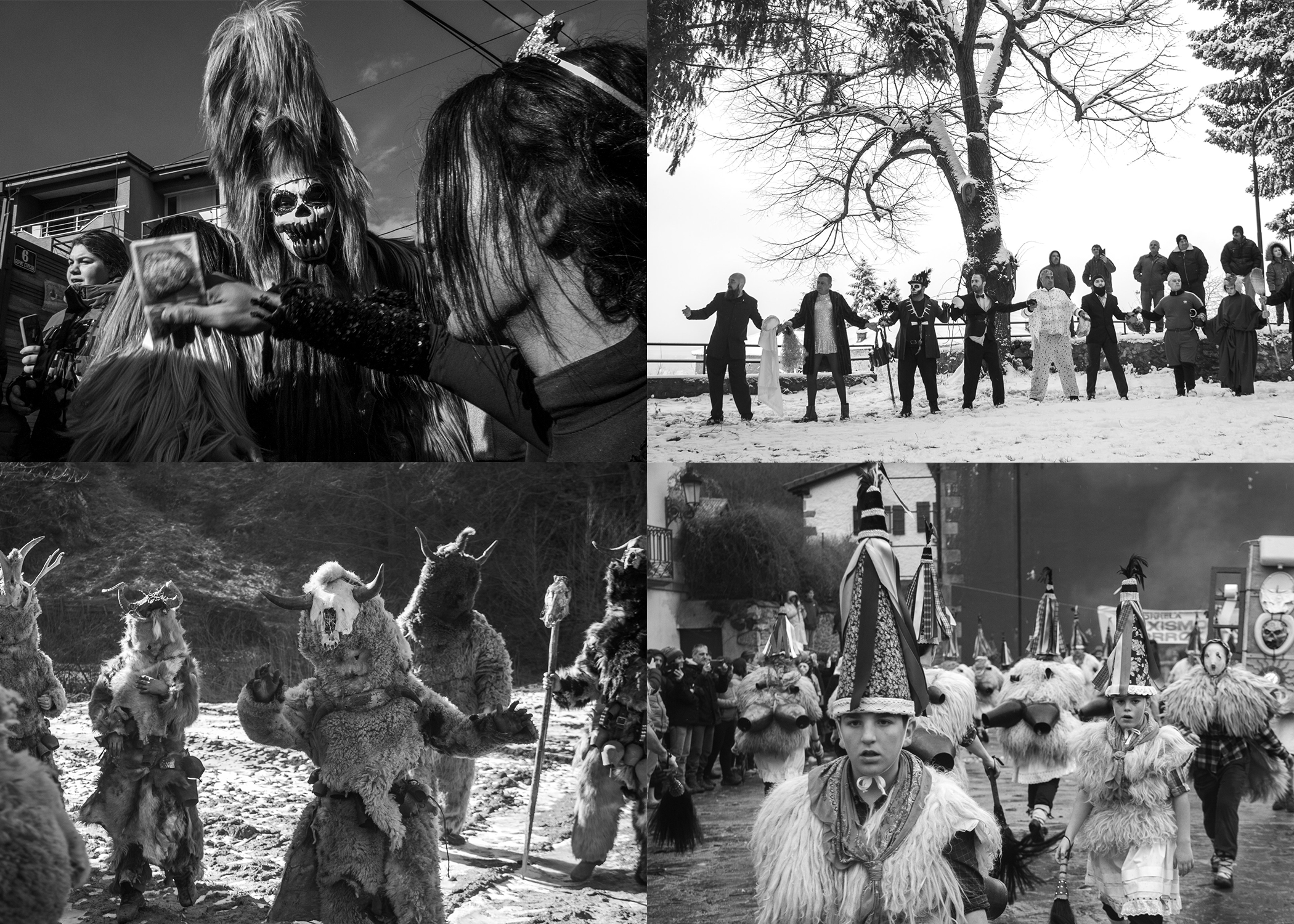
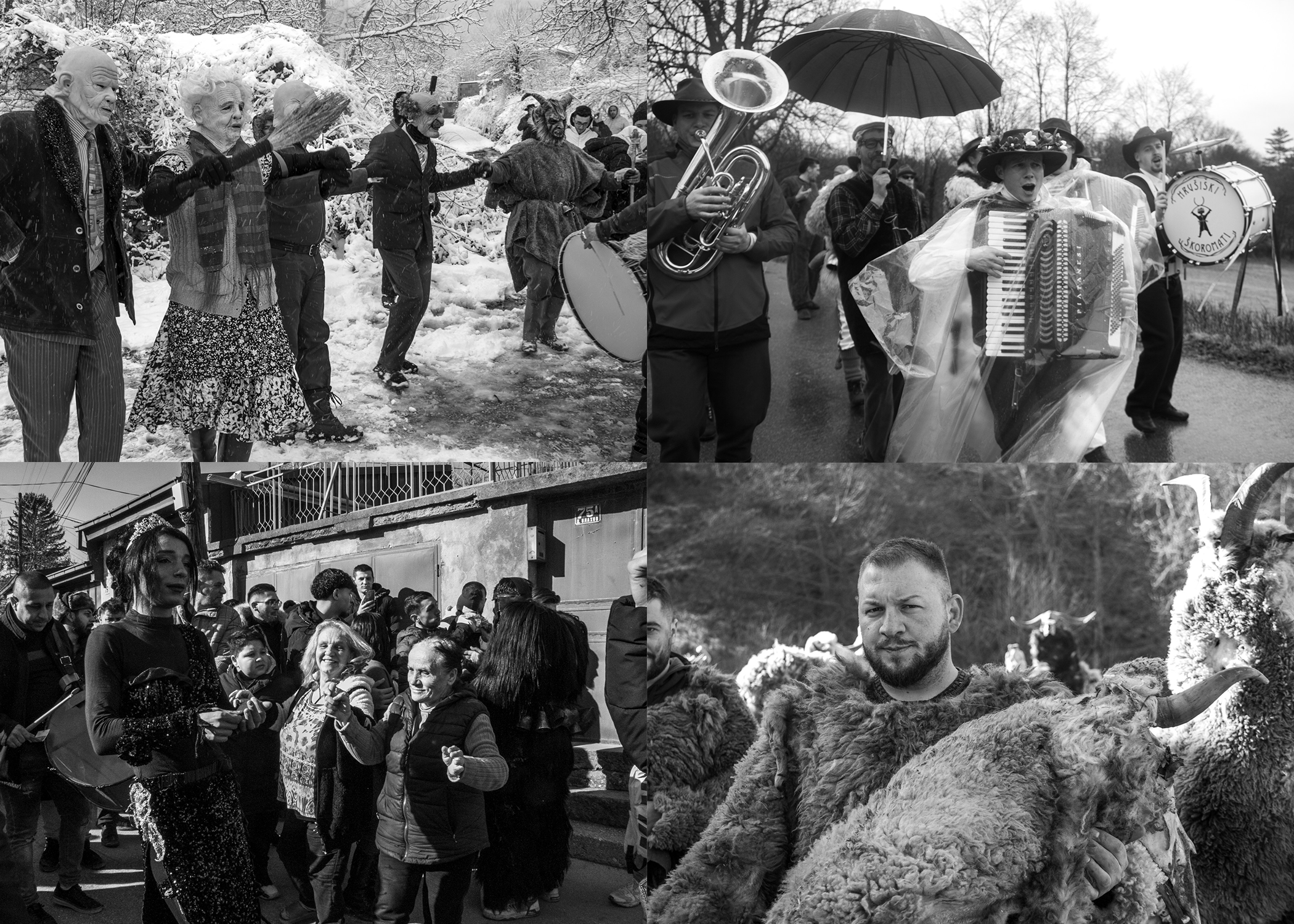
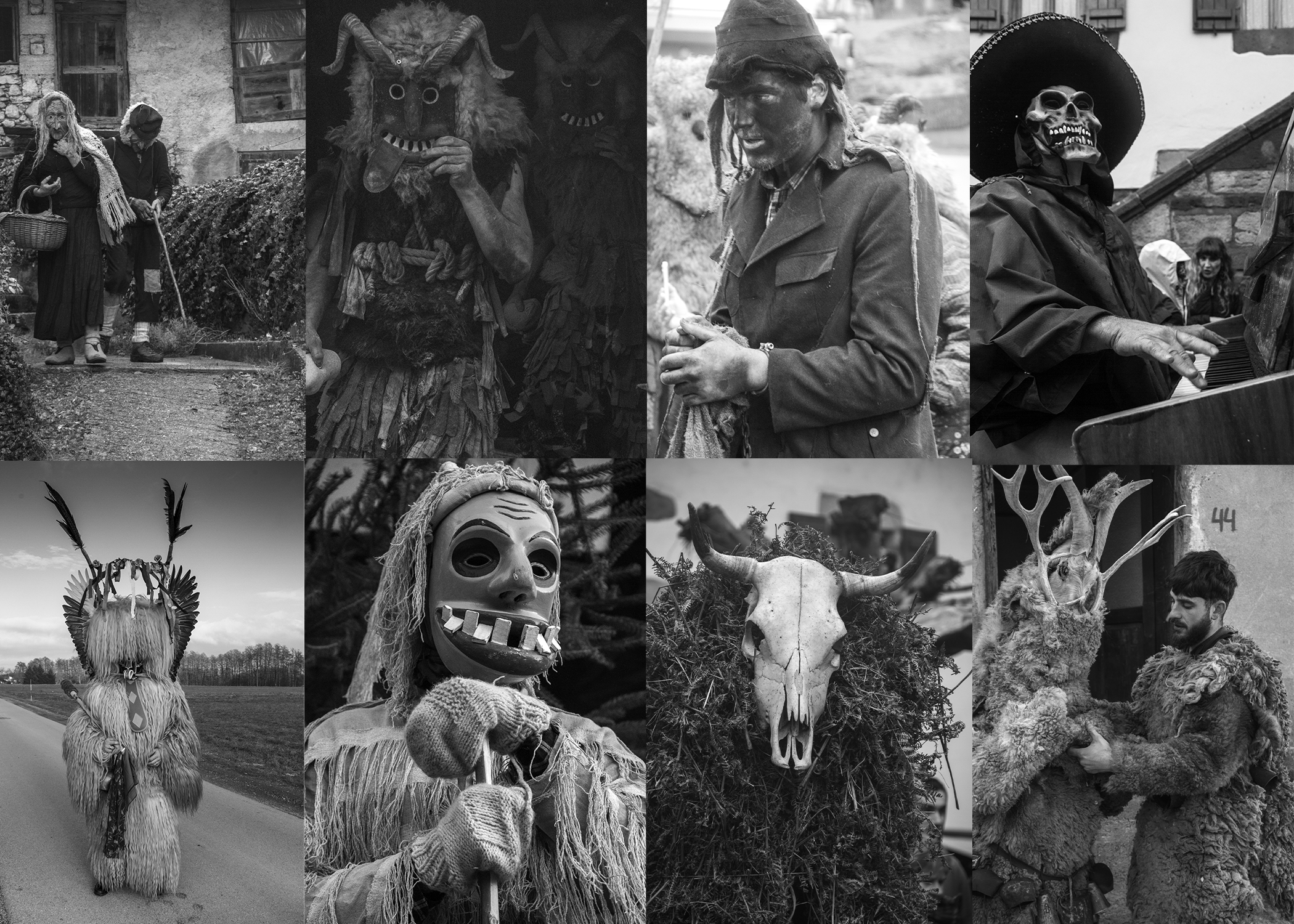
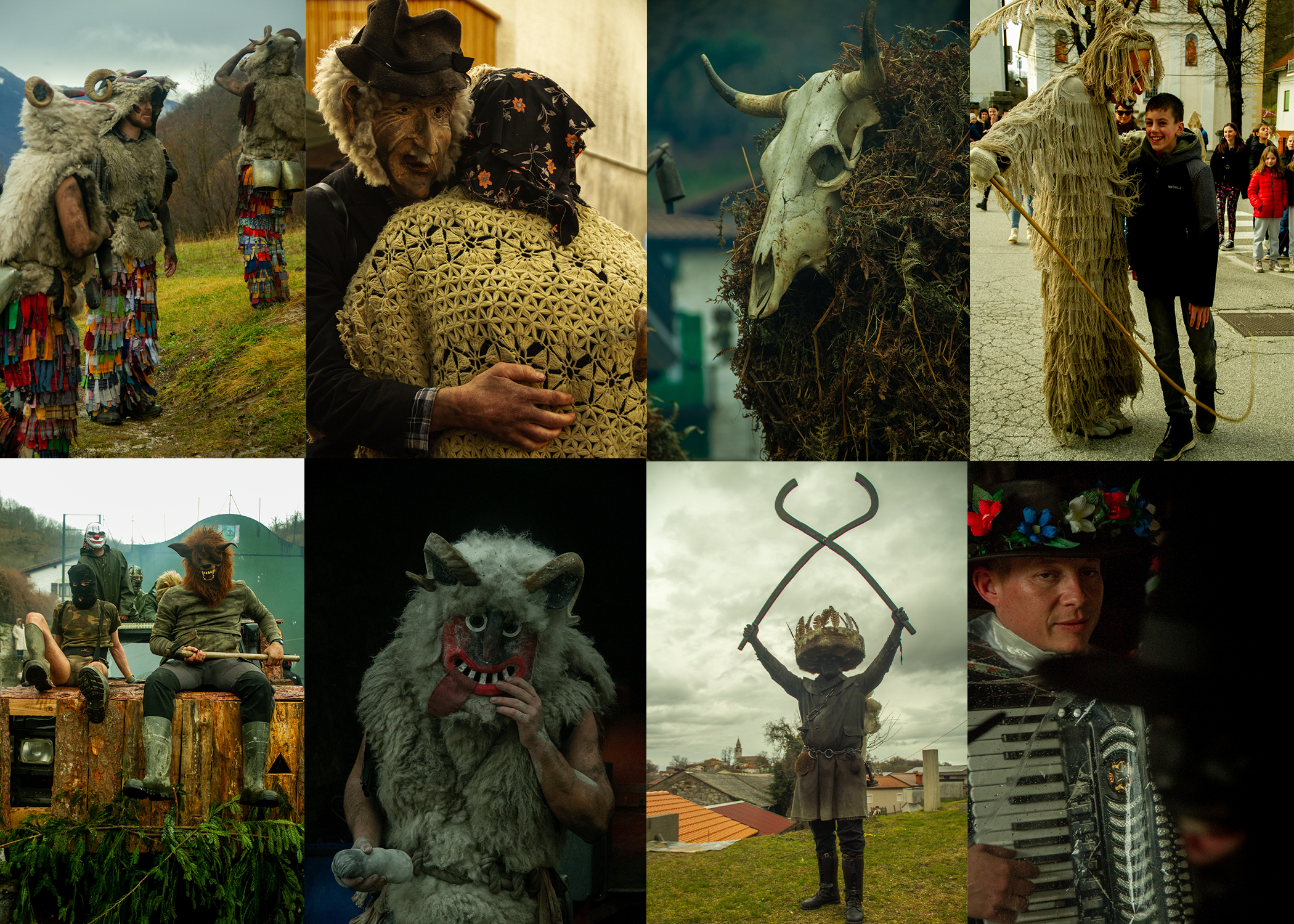
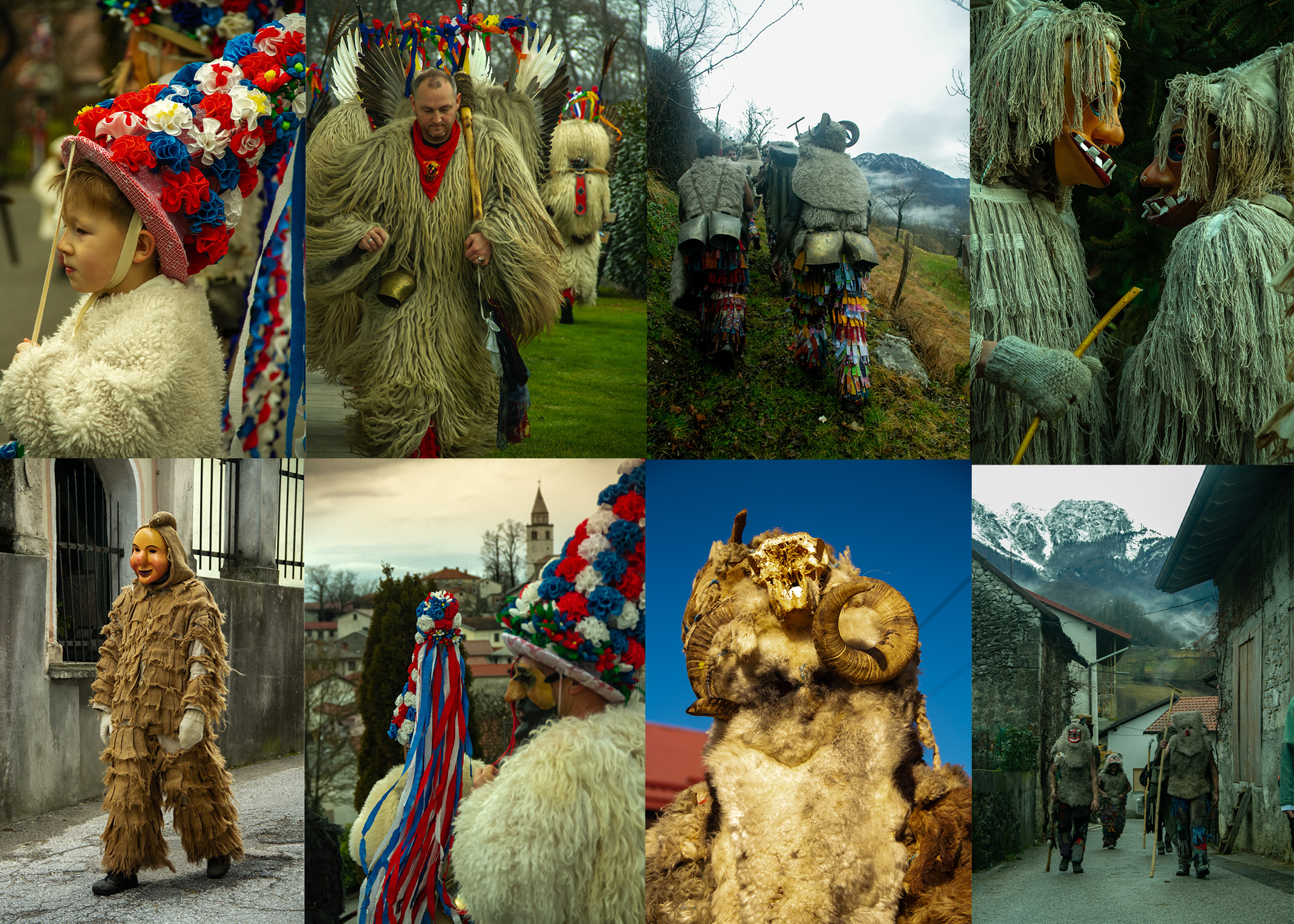
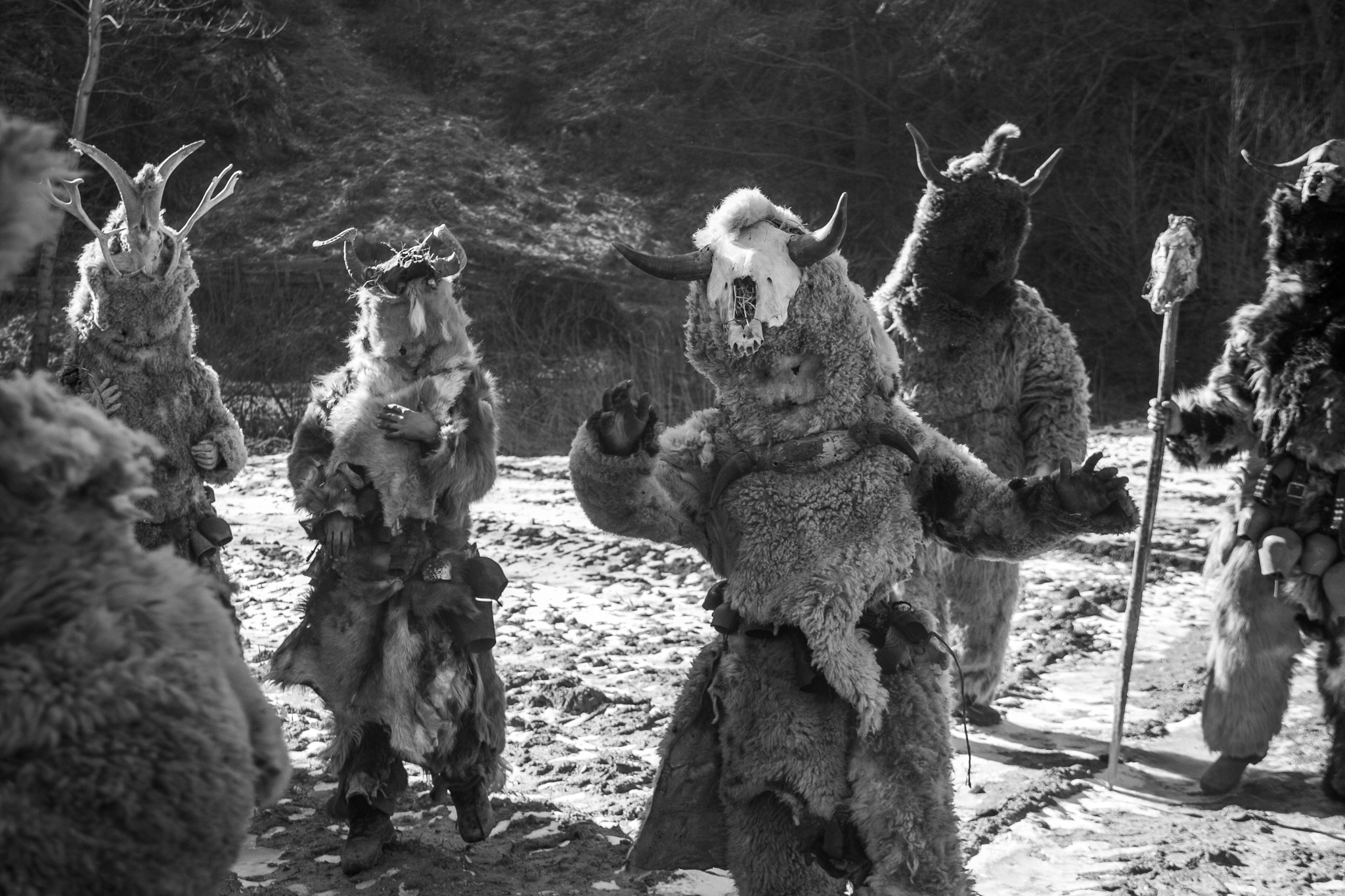
Echoes of a Forgotten World is a visual storytelling project that documents, connects, and reactivates living winter rituals across North Macedonia, the Western Balkans, and wider Europe. Between December 2025 and March 2026, the project followed the full winter ritual cycle, documenting 13 different winter carnivals across North Macedonia, Italy, Slovenia, Spain, and Bulgaria. Retelling the story through photography, videography, as well as oral histories, we tried to capture not only the visual richness of these rituals, but also the voices of the communities that keep the rituals alive. Beyond the documentation, the project aimed to establish a framework for cultural exchange and transfer of knowledge. The engagement with the practitioners of the ritual at every location was especially important because it helped us get insights about similarities between traditions across different regions that share a symbolic language, which further connects European ritual practices. One of the key outcomes of this journey of exploration was a replicable methodology combining immersive fieldwork, visual storytelling, and direct interaction. This approach can be applied to other rituals further on and expand the results of this project to wider geographical areas. Echoes of a Forgotten World has already resulted in a huge body of published materials. The project's aim is not only to preserve, but to prioritize real community practices over staged spectacles and safeguard the cultural meaning of the pure undiluted ritual. By fostering awareness of its own ritual within each community and enabling exchange with similar traditions across Europe, the project builds a deeper sense of belonging, strengthens connections between distant cultures, and supports cultural transformation through the reactivation of living heritage.
It all started with two people sharing the same name, meeting at a not so well known winter ritual of the Djolomari of Begniste in North Macedonia in 2025. Tijana and Tijana met and immediately two galaxies of information and fascination with winter rituals collided. Soon after, they decided to travel together and do a full winter cycle covering as many rituals as they can hunt down in the months from December to March. The project received UNESCO funding through CC4WBs, covering all travel and accommodation costs. Echoes of a Forgotten World soon started to unfold through a continuous fieldwork journey following the winter ritual calendar across North Macedonia, Italy, Bulgaria, Slovenia, and Spain.
On the ground, the work was rooted in direct engagement with communities. We documented rituals through immersive observation, photography, and video, while also conducting conversations with participants of the rituals, and sometimes even the mask-makers. These interactions transformed the documentation into a process of exchange, where knowledge was shared both ways. The calendar included both widely recognized festivals and lesser-known rituals, because the goal was not just to document, but to try and keep the lesser known rituals alive by sharing them with the wider public. Through documenting 13 ritual events within a single season, the project has grown into a cross-border cultural network, revealing deep connections between communities and reinforcing a shared European cultural identity rooted in living heritage.
On the ground, the work was rooted in direct engagement with communities. We documented rituals through immersive observation, photography, and video, while also conducting conversations with participants of the rituals, and sometimes even the mask-makers. These interactions transformed the documentation into a process of exchange, where knowledge was shared both ways. The calendar included both widely recognized festivals and lesser-known rituals, because the goal was not just to document, but to try and keep the lesser known rituals alive by sharing them with the wider public. Through documenting 13 ritual events within a single season, the project has grown into a cross-border cultural network, revealing deep connections between communities and reinforcing a shared European cultural identity rooted in living heritage.
intangible cultural heritage
cultural sustainability
cross-cultural dialogue
visual storytelling
heritage reactivation
Sustainability was a key guiding principle from the very start: the original goal behind Echoes of a Forgotten World was to document winter rituals, especially lesser-known such as the Babari from Bair in North Macedonia or Rusa in Ptuj, Slovenia, in order to prevent them from fading from collective memory. Additionally, it was imperative to us to raise awareness of the rituals' rich aesthetics, dance, and playfulness, and support their continued visibility in hope that this attention will further help these small rituals get recognition and receive some kind of protection as intangible cultural heritage. Rather than treating these rituals as static traditions, our project supports their continuity by documenting them within their authentic social and cultural contexts. The development of a replicable methodology which combines fieldwork, storytelling, and exchange, ensures that this approach can be extended to other regions and ritual cycles. Our future outputs, including a photographic exhibition, a documentary film and an even richer digital archive, further contribute to long-term accessibility and cultural sustainability.
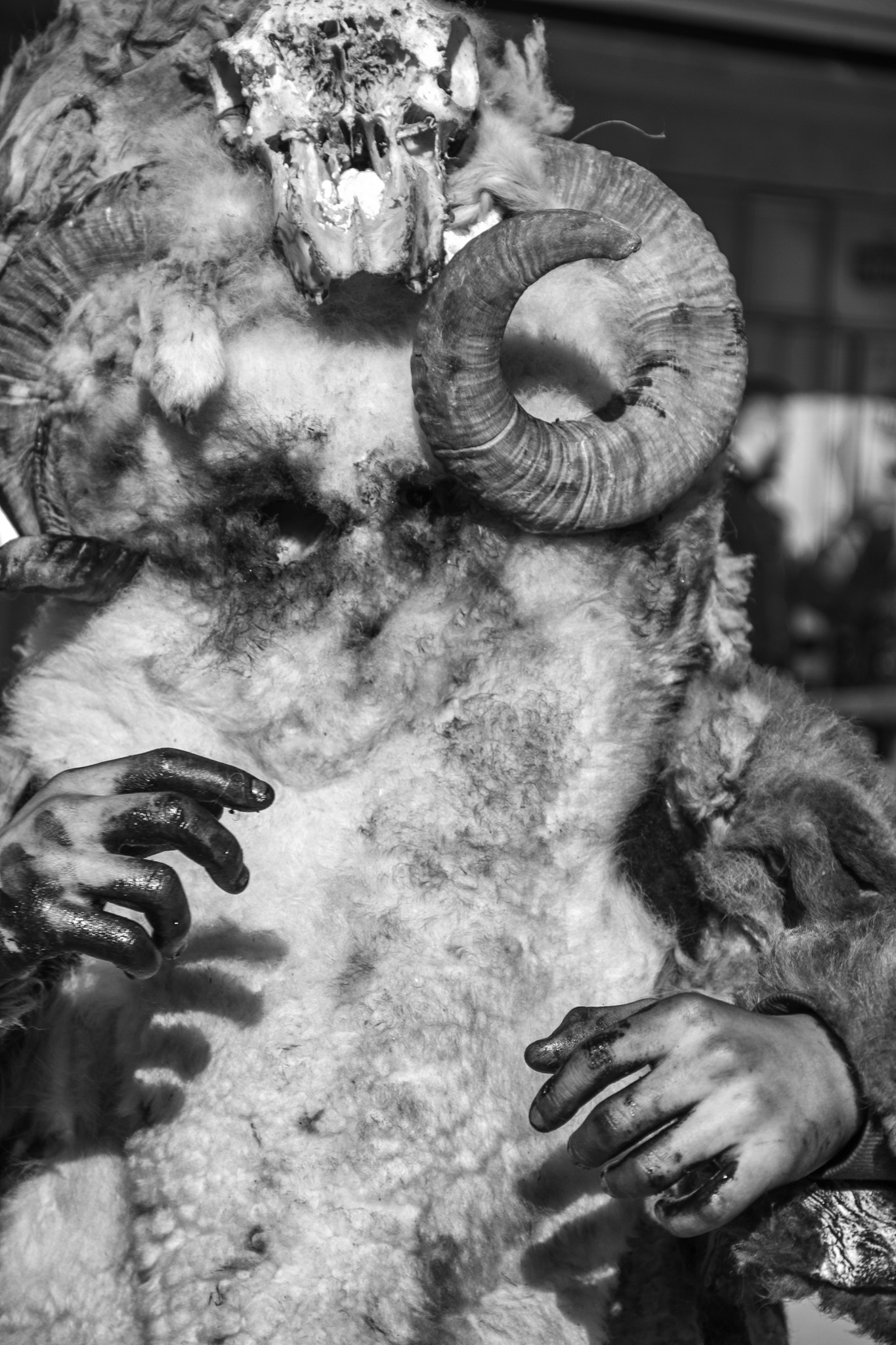
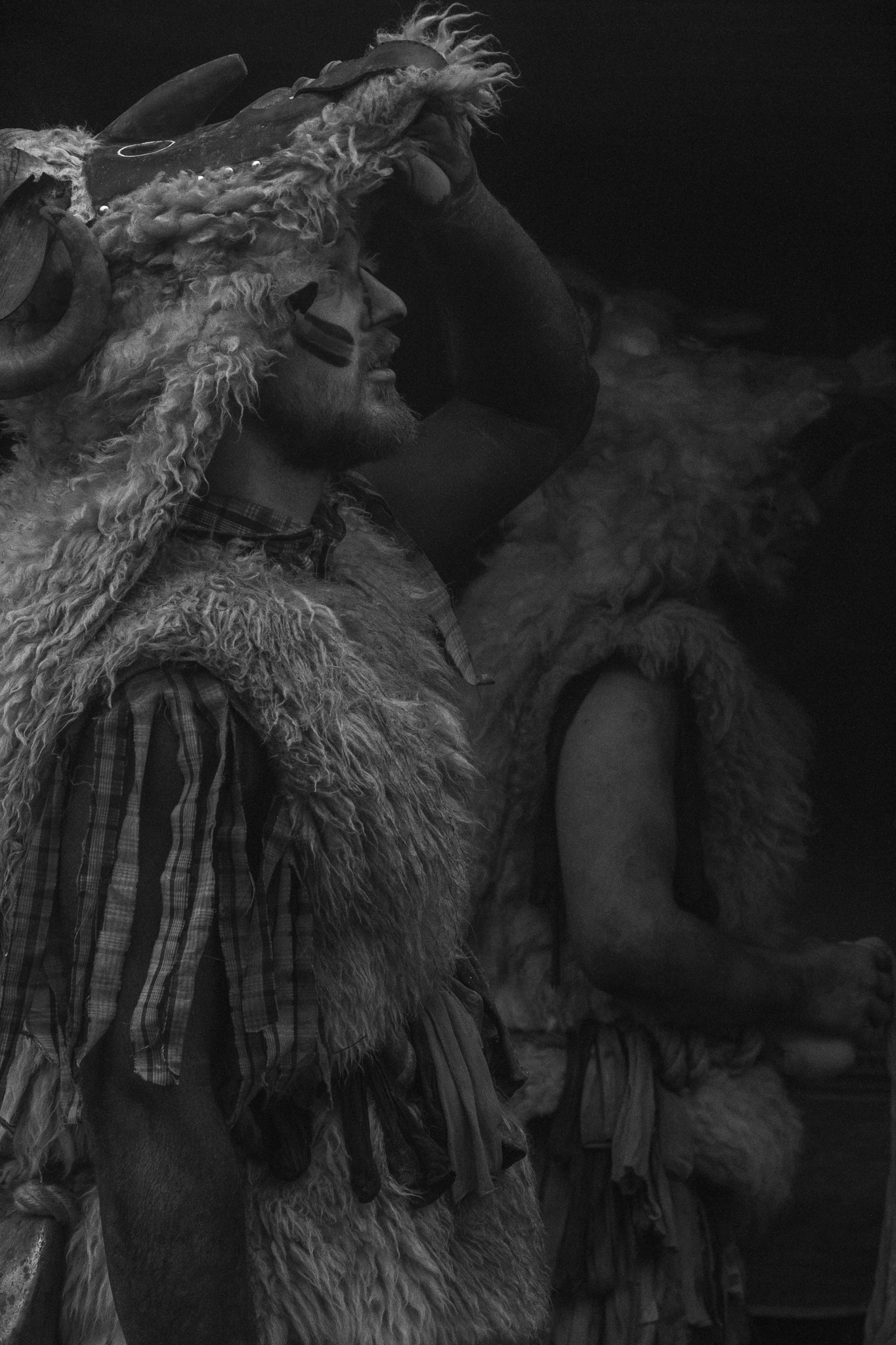
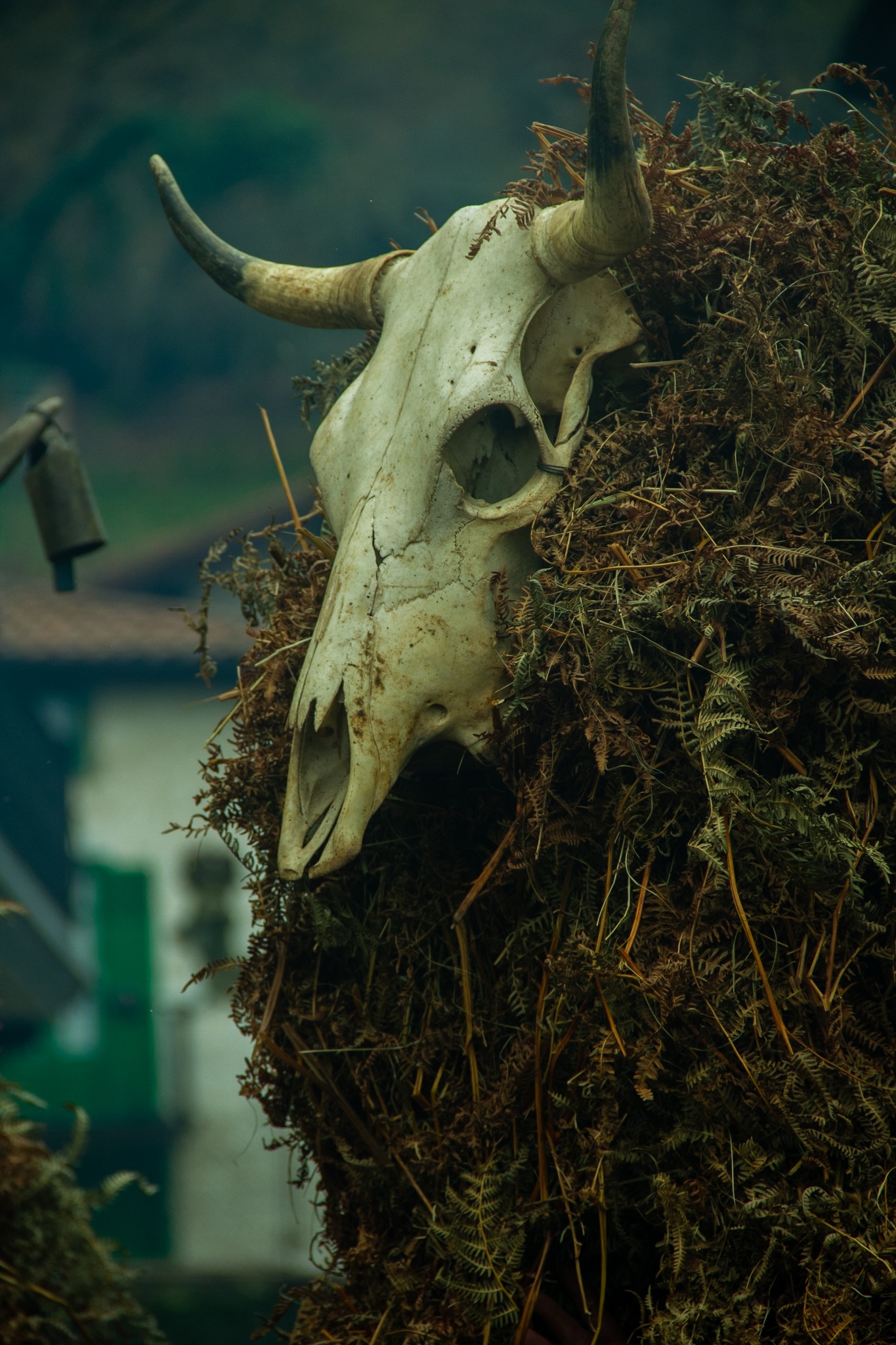
The project dives deep into the aesthetic richness of living ritual practices. Aesthetics lies inside each mask, each costume, and each symbol that is used in these rituals. And beauty here is not just decorative; here beauty extends beyond appearance to become a transcendent quality. Here, beauty functions as a carrier of meaning and transformation, transferring magic, as part of an ancient code that has survived for millennia. Throughout the project, a particular emphasis was placed on the aesthetic dimension of the ritual. Masks and the full-body costumes, such as those worn by the Korants and the Joaldunak, carry layered meanings where each of the material elements such as the bells, fur, horns, or colorful textiles have a symbolic ritual meaning as well as protective functions that have been rooted in centuries-old belief systems. By documenting 13 traditions across five countries, our project captured a wide spectrum of visual expressions. Through the power of photography and videography, these practices have been successfully translated into stories, accessible visual narratives that can be appreciated beyond their local context. By revealing and sharing the symbolic and aesthetic depth of living rituals with the wider public, our project gives a glimpse of the beauty of life seen through these long standing traditions and its song to winter and spring. By documenting and connecting communities across Europe, we aim to raise awareness of one’s own heritage while fostering connections with others, reinforcing a shared sense of belonging and long-term care for cultural identity and place. The approach is focused on a deeper sense of belonging and a connection to each place, while uncovering a continuity to a wide specter of traditions across the European continent.
Our project documented rituals across diverse and geographically distant communities, ensuring that a wide range of participants' voices were represented. The project promotes inclusion by giving visibility to communities that are often underrepresented in dominant cultural narratives.
Echoes of a Forgotten World actively engages participants in the rituals by giving them a chance to have a say in telling the story of their ritual, allowing them to take a direct role in shaping the narrative through interviews rather than relying solely on external interpretation, which was often historically practiced. In contrast to these approaches where analysis is conducted without the input of the communities that are involved in the ritual, our project puts the priority on the perspectives of the people who practice the ritual. During our fieldwork, we encountered nuances that especially highlight the importance of local voices in defining cultural identity. For example, the Koranti of Ptuj emphasized that the authentic term is “Korant,” while “Kurent” is primarily an academic term used in scholarly context. Additionally, we documented the Babari ritual in the Bair neighborhood of Bitola, performed by a Roma community, which stands out as one of the few communities in the region that has preserved the original fur mask. Another aspect of inclusion in the project is that it places equal emphasis on widely recognized festivals and lesser known traditions, which is supposed to ensure a balanced representation of cultural diversity. This approach contrasts with mainstream or touristic perspectives that tend to prioritize more visible events. Our approach was collaborative and aimed for mutual recognition between different groups, fostering cultural dialogue and shared understanding by building connections between diverse ritual practices across the European continent.
Echoes of a Forgotten World actively engages participants in the rituals by giving them a chance to have a say in telling the story of their ritual, allowing them to take a direct role in shaping the narrative through interviews rather than relying solely on external interpretation, which was often historically practiced. In contrast to these approaches where analysis is conducted without the input of the communities that are involved in the ritual, our project puts the priority on the perspectives of the people who practice the ritual. During our fieldwork, we encountered nuances that especially highlight the importance of local voices in defining cultural identity. For example, the Koranti of Ptuj emphasized that the authentic term is “Korant,” while “Kurent” is primarily an academic term used in scholarly context. Additionally, we documented the Babari ritual in the Bair neighborhood of Bitola, performed by a Roma community, which stands out as one of the few communities in the region that has preserved the original fur mask. Another aspect of inclusion in the project is that it places equal emphasis on widely recognized festivals and lesser known traditions, which is supposed to ensure a balanced representation of cultural diversity. This approach contrasts with mainstream or touristic perspectives that tend to prioritize more visible events. Our approach was collaborative and aimed for mutual recognition between different groups, fostering cultural dialogue and shared understanding by building connections between diverse ritual practices across the European continent.
The project is inherently participatory, relying on direct collaboration with local communities and ritual practitioners. Participants are not treated as subjects but as active contributors to the knowledge base of the project. Their stories and practices directly shaped the documentation. Apart from the participants being in the photos or videos, they were actively engaged on-site in the conversations. In addition, we came into contact with official local clubs and associations that work on organizing the rituals as accurately as possible based on stories passed on from generation to generation; we have established ongoing connections with these groups for future collaboration, as their voices and participation are extremely valuable to us. This approach builds trust and ensures respectful representation. The involvement of members of the communities truly enriched the project’s depth and authenticity while reinforcing the value of their cultural practices.
The project works across multiple levels, from local communities and festival organizers to broader cultural networks and international audiences. On a local level, collaboration with community members and organizers enabled us to meaningful engagement. Regionally, the project connected cultural actors across the Western Balkans and Europe, supporting knowledge exchange and shared understanding. On a broader level, the project aligned with broader, international frameworks such as UNESCO’s safeguarding of intangible heritage, contributing knowledge about invisible rituals and unheard voices. The added value of stakeholder involvement in our project was in enabling unique, multi-layered cultural exchange and ensuring the accuracy, depth, and sustainability of the project documentation. The project ultimately connects local ritual practices with a broader European cultural context, linking community-level traditions to regional and international heritage frameworks.
Echoes of a Forgotten World combines a broad spectrum of disciplines, including visual storytelling, documentary filmmaking, photography, ethnography, and anthropology. This transdisciplinary approach allows for a holistic understanding of rituals, where we integrated the visual with the cultural. It was important to us to make a bridge between ritual, research and art, and producing outputs that are both informative and artistic. By combining multiple disciplines and navigating the structured boundaries of research and the openness of art, we hope to create new ways of documenting and interpreting cultural heritage, making it even more accessible to wider audiences.
The project has so far been sustained through both personal investment and external support. Originally, in the beginning, we self-funded our travels and research activities; with the CC4WBs grant, our journey of cultural exploration was supported for the first time through external funding. In the near future, we plan to continue self-funding as far as our resources allow, ensuring that we do not miss the opportunity to document these important rituals- some of which are at the risk of disappearing. However, we will also be seeking additional funding opportunities such as grants, cultural programs, and project-based collaborations to support our research and in-depth documentation of rituals. We plan to ensure future sustainability through various other channels like public funding, partnerships with cultural institutions, film screenings, exhibitions, and potential collaborations with museums and research organizations. The open-access archive ensures public value, while our creative outputs such as films and exhibitions would ideally provide opportunities for financial sustainability. By aligning with cultural and research funding frameworks (e.g. EU and international grants), and by developing tangible outputs that can be shared, exhibited, or distributed, the project creates different pathways for sustaining its activities over time while still remaining independent and community-focused.
The project has huge potential for scalability through its clearly defined and field-tested methodology. By documenting 13 different mask rituals across five countries within a single seasonal cycle, we have tested the adaptability of the approach to different geographical, social, and cultural contexts. Our methodology which combines fieldwork, photo and video documentation, and direct communication exchange with participants, can be applied to other rituals, other regions, and other forms of intangible heritage. The project has the potential to expand horizontally, thus covering more countries and traditions, and vertically, with exploring new formats like exhibitions, collaborative research, etc. By making documentation into something that can be easily transferred, the project supports ongoing cultural exchange and gives others an easy-to-use model that they can follow and adapt to their needs. In the long run, we imagine a world where people will document their nearest ritual through photos or videos and share it with others. This would allow distant communities to see and recognize similarities and patterns that connect them, thus better understanding their place within a broader cultural landscape as well as being an integral piece of the huge mysterious puzzle of our shared past.