Strengthening Local Democracy and Inclusion
Community Heart: Sports Space
Creation of an Inclusive Sports and Wellness Space as a Center for Social Unity and Physical Develop
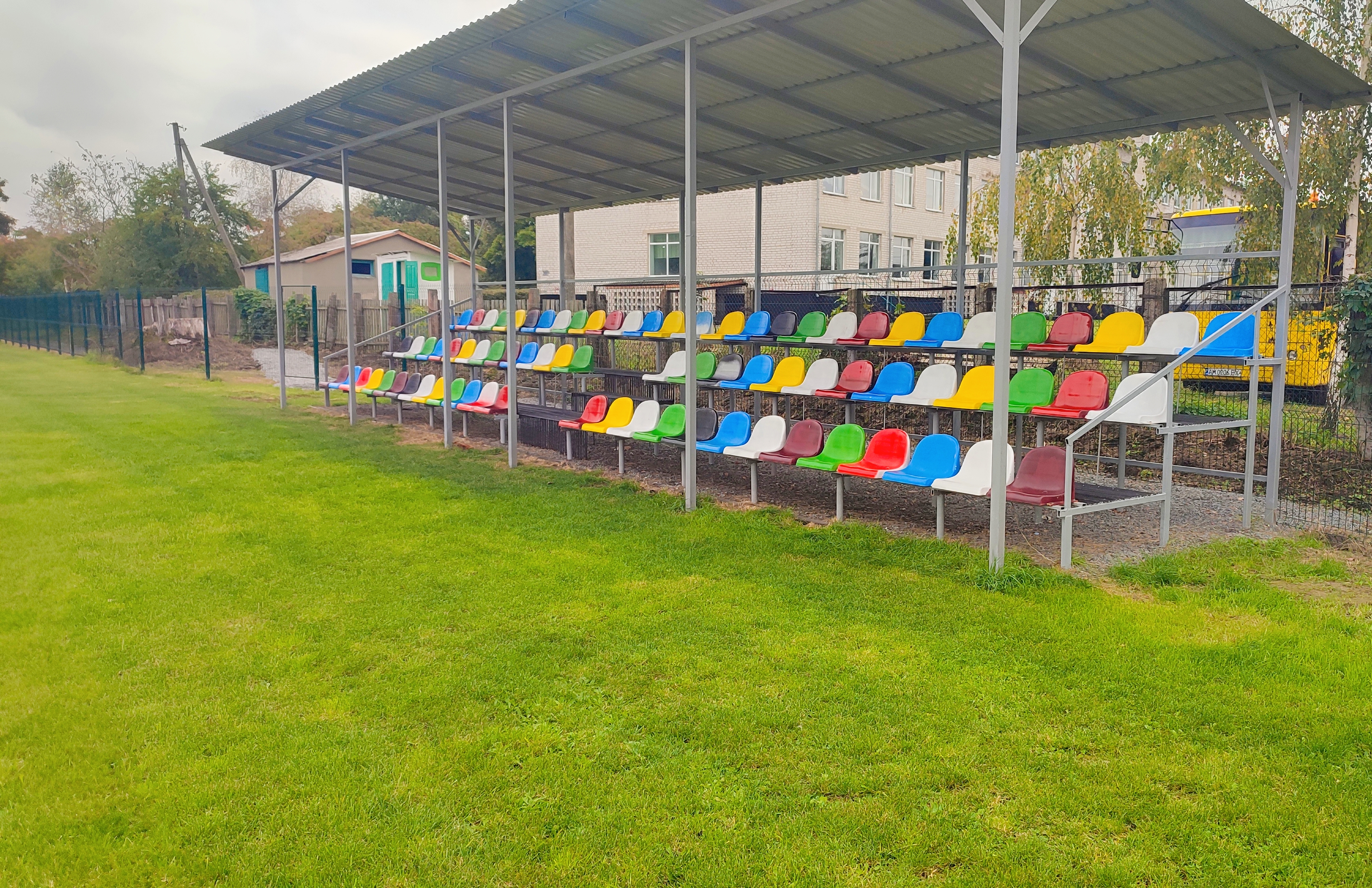
"Community Heart" is more than just a stadium. It is a space in the Yarun community where sports meet inclusion. We have transformed an ordinary field into a modern hub accessible to everyone: from toddlers to veterans. This is where will is forged, unity is born, and the nation's health is strengthened. Our project proves that even in a small village, architecture can inspire great changes, offering a sense of beauty, equality, and a true home for the entire community.
Ukraine
Local
Yarun
It addresses urban-rural linkages
It involves a physical transformation of the built environment (hard investment)
Yes
2025-10-05
No
No
Yes
Organisation
The "Community Heart" project is a comprehensive transformation of a neglected area into a modern, multifunctional sports hub in the center of Yarun village.
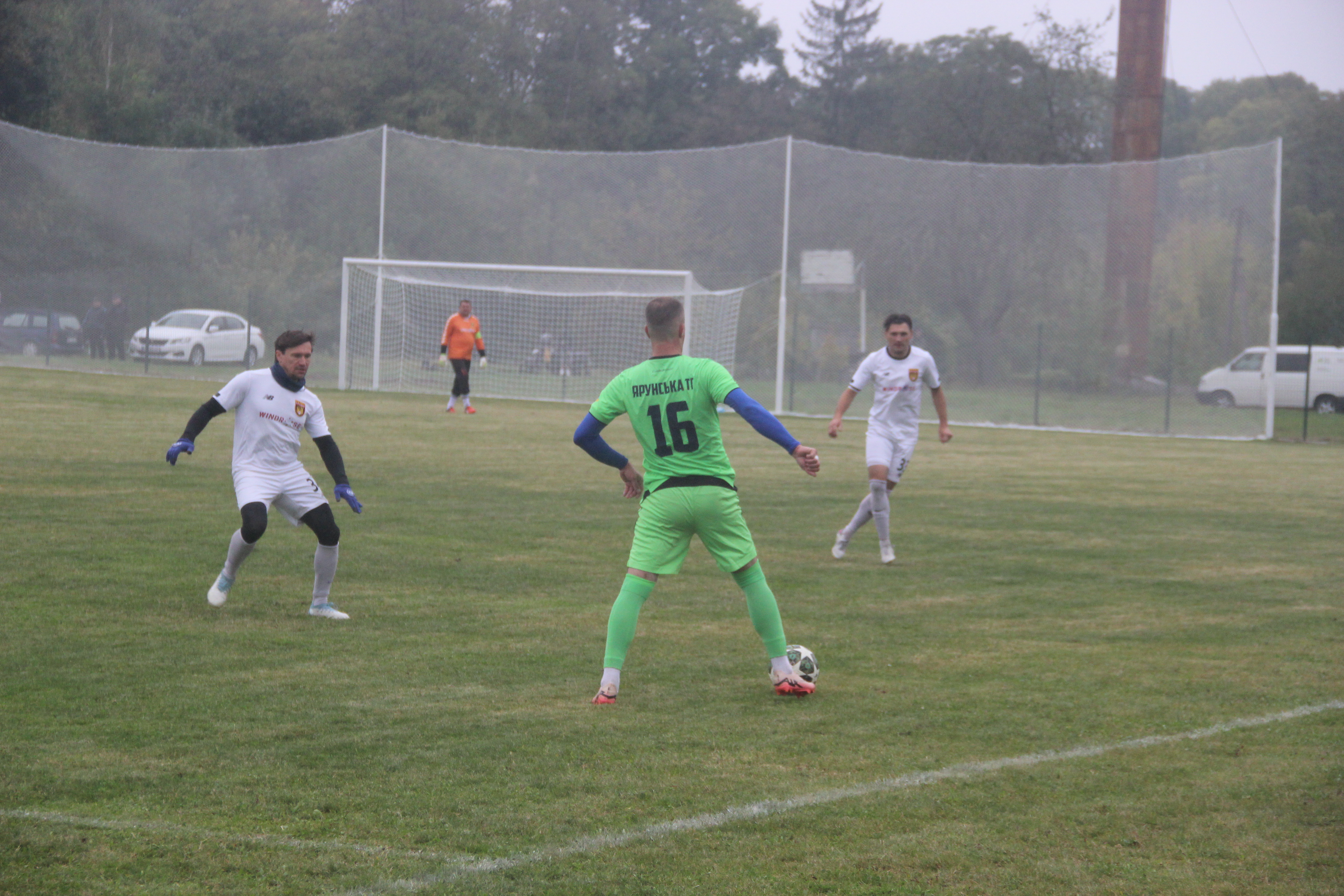
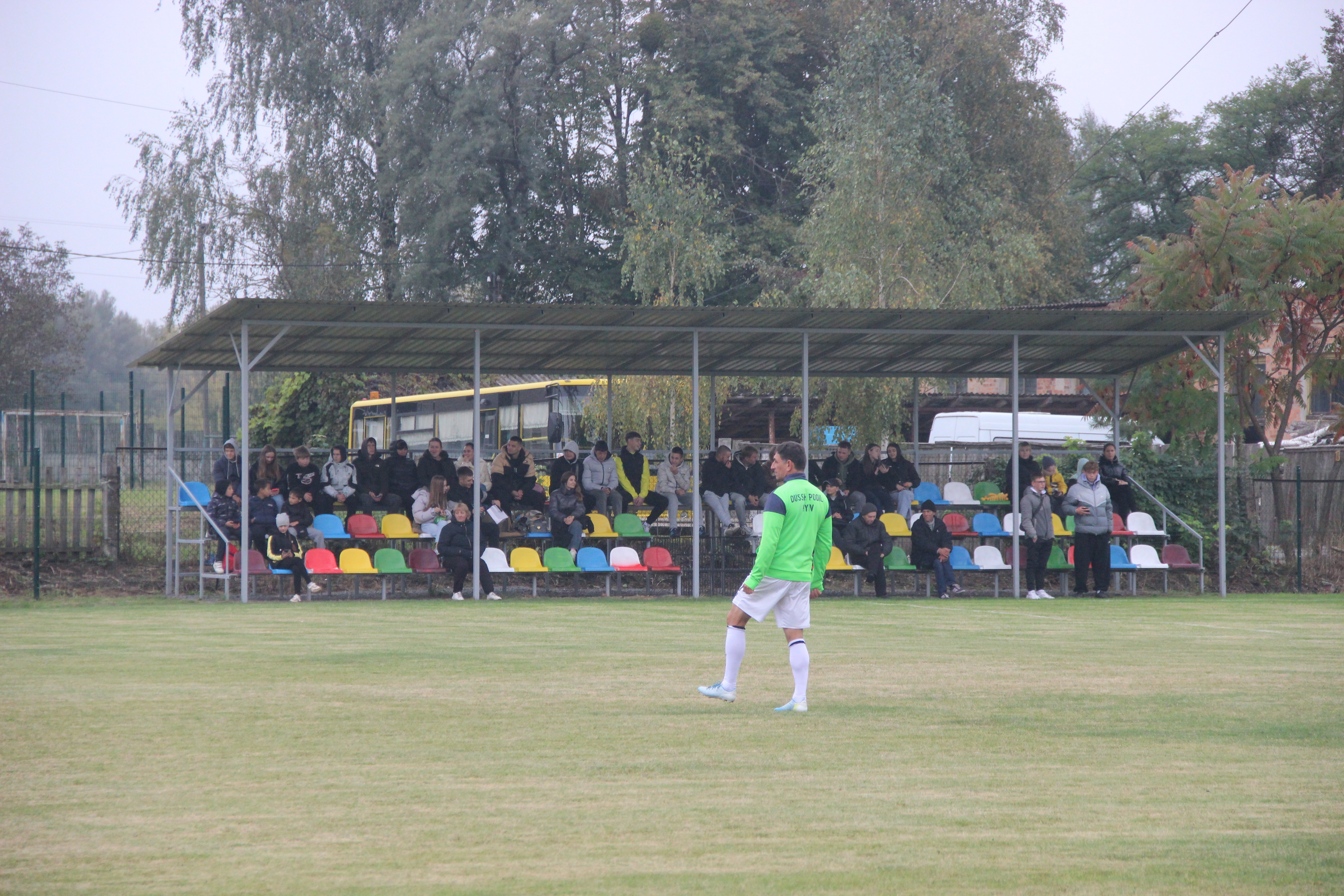
Results Achieved: We have constructed a modern stadium with high-quality surfacing, installed lighting, and created inclusive training zones. Today, the facility has become the primary venue for regional competitions, school physical education classes, and youth leisure activities.
Long-term Impact: The project has ensured equal access to high-quality infrastructure for 10,000 community residents, including veterans and vulnerable groups. This has significantly increased social cohesion, promotes public health, and creates conditions for the development of professional sports in rural areas, helping to reduce the migration of young people to large cities.
The story of the Yarun stadium began with a sharp contrast between the great potential of our people and the lack of conditions for its realization. At that time, the community had six district-level football teams and one regional-level team, yet we lacked a facility that met the standards for hosting official matches.
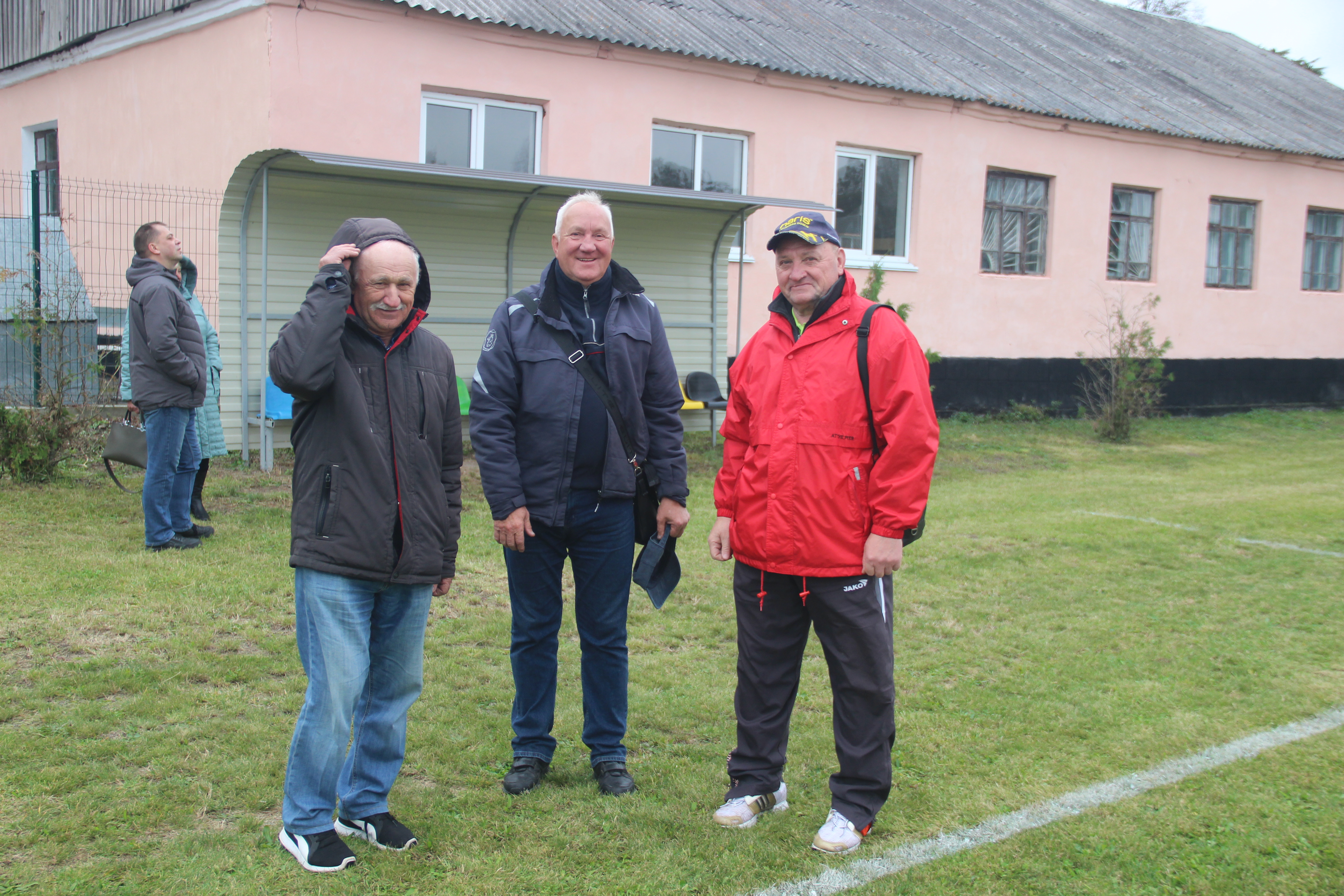
It all started with the dream of a local initiative group that refused to accept the decline. It was a true grassroots movement: the community united, engaged local patrons, and step-by-step began transforming a wasteland into a professional arena. The Village Council supported this momentum, turning a private initiative into a strategic priority for the community. What was once just an idea of a few activists has, through the joint efforts of business, local authorities, and volunteers, become a modern symbol of our revival
It all started with the dream of a local initiative group that refused to accept the decline. It was a true grassroots movement: the community united, engaged local patrons, and step-by-step began transforming a wasteland into a professional arena. The Village Council supported this momentum, turning a private initiative into a strategic priority for the community. What was once just an idea of a few activists has, through the joint efforts of business, local authorities, and volunteers, become a modern symbol of our revival
Social Inclusion
Community Co-design
Sports Diplomacy and Unity
Rural Regeneration
Sustainable Infrastructure
The exemplary nature of our sustainability lies in the fundamental change of the land's purpose. Previously, the stadium existed only formally — it lacked the features of a sports zone and was misused, particularly for unauthorized motorcycle racing. This caused soil erosion, noise pollution, and safety risks for residents. We stopped the landscape's degradation by transforming a chaotically used area into a structured, eco-friendly, and safe sports facility. This is an example of "social reclamation," where a territory shifts from being a source of risk to a source of health for the community.
Our project has fundamentally changed the aesthetic perception of the center of Yarun village. The exemplary nature of the project in terms of beauty is manifested in three dimensions:
Visual Transformation: We replaced a chaotic, trampled wasteland once used for motorcycle racing with a harmonious and structured sports landscape. The clean lines of modern surfacing, the vibrant green of the field, and the organized infrastructure have created a new visual standard for the community, inspiring residents to improve their own surroundings.
Sense of Belonging and Pride: The stadium has become a place that people are "proud to show guests." When residents see a high-level facility in their own village, it fosters a sense of dignity and belonging. It is no longer just a "field" but a symbol that rural life can be modern and beautiful.
Aesthetics of Daily Life: In the long term, the project cultivates a culture of care for the place. People no longer perceive this territory as "no man's land" — the cleanliness and aesthetics of the stadium encourage the community to maintain this order. This is beauty that works to change behavior: shifting from indifference to active stewardship of the shared space.
Our project is a model of inclusion because it was born from the real needs of people and implemented jointly by the entire community. Its exemplary nature is manifested in the following:
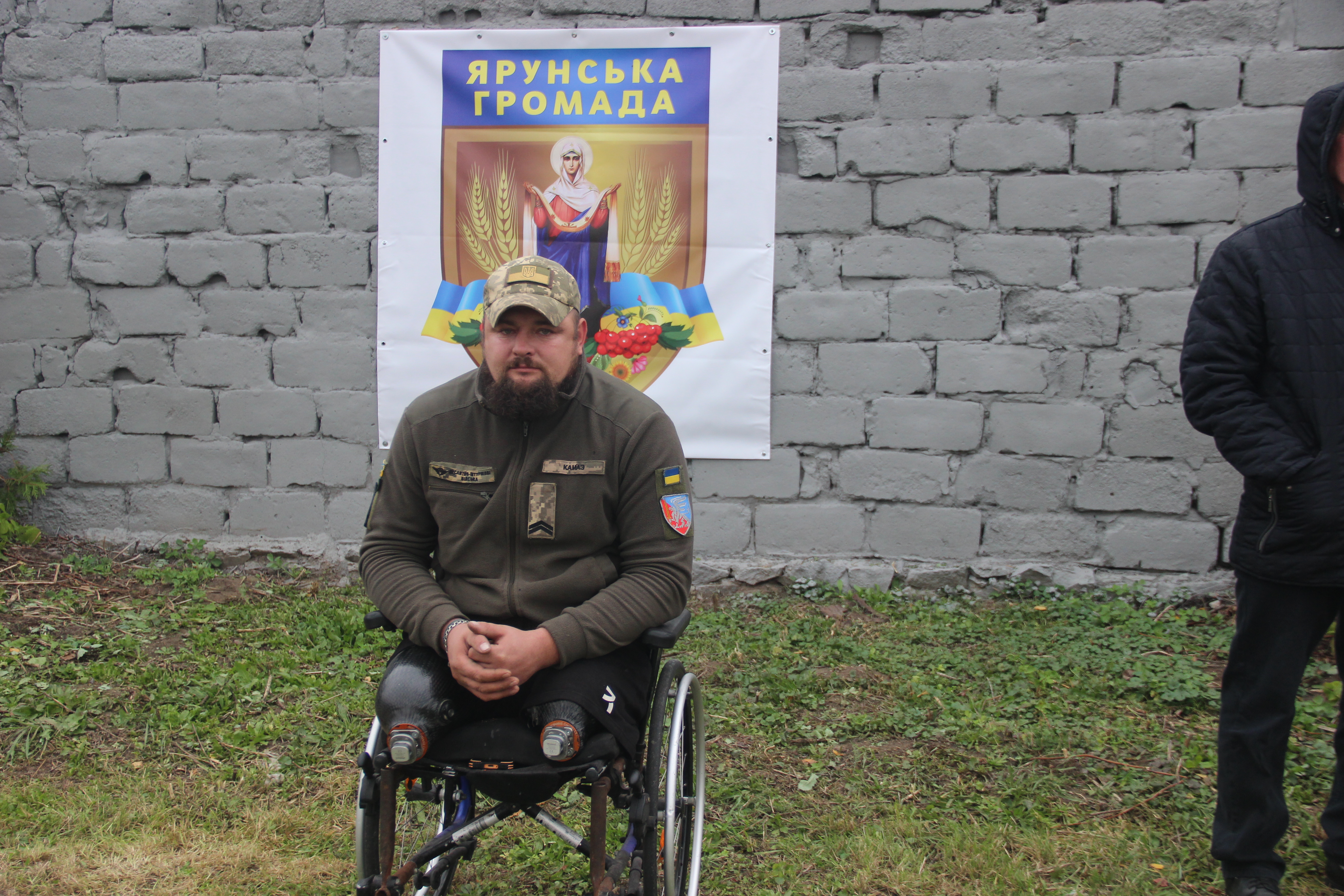
Leave No One Behind Principle: The stadium is designed according to "Design for All" principles. It is fully accessible to people with limited mobility, the elderly, and parents with strollers. It is the only space in the community where professional athletes, orphans, veterans, and amateurs have equal conditions for development and interaction.
New Social Governance Model: The project resulted from a unique partnership. It began with a grassroots initiative group of residents, joined by local patrons and authorities. This is a "co-creation" model where everyone — from business owners to volunteers — feels like a co-owner of the stadium. Such solidarity strengthens the inclusive governance system of the community.
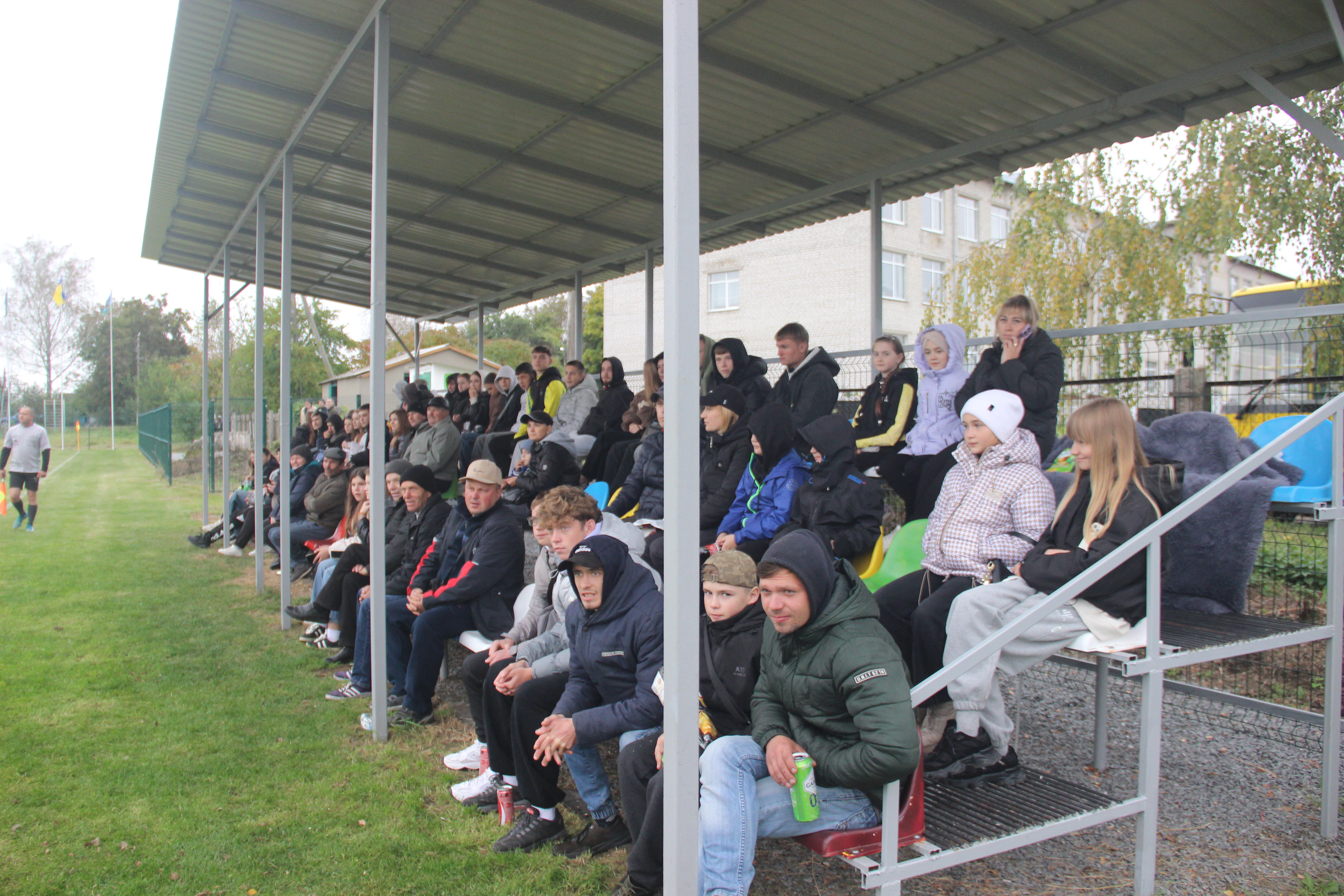
Cohesion Through Sports: The stadium has become a platform for overcoming social barriers. It hosts events that bring together different generations and social groups, transforming physical infrastructure into a tool for social dialogue and peace within the community
Our project is the result of a pure grassroots initiative. Since there were no official sports clubs or specialized NGOs in the community at that time, an initiative group of active residents took full responsibility.
The level of engagement was profound:
Expert Management: The initiative group independently engaged specialists for design and technical supervision to ensure the stadium met the standards for regional competitions.
Resource Mobilization: Activists communicated directly with local patrons, securing not only funding but also the necessary construction machinery and materials.
Impact of Participation: This approach turned the construction into a "community-wide cause." The absence of formal intermediaries allowed the initiative group to promptly resolve complex technical issues. It proved that an ordinary group of citizens could professionally manage a complex infrastructure project, creating a new model of trust between residents, business, and local government.
The project’s interaction was built on direct cooperation between the community and specialists, ensuring speed and efficiency:
Local Level (Community and Business): This was the core of the project. The residents' initiative group acted as the client and supervisor, while local patrons served as investors and equipment providers. The added value is the unique precedent of a village independently creating a professional-level facility without external mandates.
Technical Expertise Level (Engaged Specialists): Instead of formal consultations with associations, the initiative group directly hired and engaged independent experts in sports facility construction. This allowed for the implementation of top-tier technical solutions and ensured the quality of the surfacing and structural safety.
Regional Level (Prospective Impact): Although official bodies did not participate in the construction, they became beneficiaries of the result. Today, the stadium hosts regional-scale matches, automatically integrating Yarun into the regional sports map.
European Level: Through this application, we aim to show Europe a model of a "capable community" that can qualitatively transform its space using its own strength, resources, and intellect
Sports Science and Infrastructure: Ensuring the facility meets standards for regional football competitions.
Social Sciences and Communication: Community engagement, negotiations with patrons, and fostering social cohesion.
Environmental Design and Landscaping: Transforming a wasteland into a structured, aesthetic public space.
Project Management: Resource coordination and expert management by the local initiative group.
The financial sustainability of our project is based on a hybrid model that combines community responsibility, business support, and budget planning:
Municipal Support (Public Funding): Since the stadium is on the balance sheet of the Yarun Village Council, basic maintenance costs (utilities, security, technical staff salaries) are allocated in the local budget as a social development priority.
Income-Generating Activities: The stadium has self-financing potential through hosting regional and district-level matches. This includes pitch rentals for commercial tournaments, competition entry fees, and the potential for providing ancillary services (catering, equipment rental).
Sustained Patronage and Donations: The project's implementation proved a strong link with local businesses. Patrons who invested in the construction continue to support the facility through targeted donations for equipment upgrades and support for local football teams.
Cost Savings via Efficiency: The implementation of modern lighting systems and the use of durable materials minimize operational costs, making the project more financially manageable for the community in the long run.
Grant Acquisition: The stadium serves as a foundation for further sports and youth policy projects, allowing the community to regularly apply for additional grant funding for its continued development.
Our project serves as an exemplary model for small rural communities that can be successfully adapted in other regions. The key element for replication is the methodology we developed for direct cooperation between a resident initiative group, local patrons, and the authorities. This mechanism allows for the implementation of complex infrastructure projects in communities with populations under ten thousand, even with limited budgets. We have proven that the self-organization of activists acting as a project office and mobilizing business resources and machinery is more effective than waiting for external subsidies. Another vital aspect is the approach to the social reclamation of territory. We demonstrated how a neglected and chaotically used area can be transformed into a structured sports hub, which automatically changes public behavior and fosters a culture of care for shared spaces. This process of transforming a wasteland into a center of life is a universal tool that can be applied to the restoration of parks or squares in any community. Furthermore, we offer a ready-made strategy for cohesion through sports, where a single high-quality facility becomes a focal point for many amateur teams, overcoming the challenge of social isolation in rural areas.