Centelles: Regenerating El Vapor
Centelles: Regenerating El Vapor as an Infrastructure for Housing, Culture and Energy Transition
Centelles (Catalonia - NorthEast Spain) is transforming El Vapor, a historic industrial building, into a community infrastructure for housing, culture and regenerative local economies. Rooted in the identity of the place and driven by community initiatives such as Centelles Poble Viu, the project connects European programmes, cultural practices and public policies to regenerate the built environment while strengthening social cohesion, energy transition and the vitality of the town.
Spain
Carrer del Vapor, 08540 Centelles
Prototype level
Yes
Yes
Yes
Yes
Horizon2020 / Horizon Europe
LIFE-2024-CET-ENERPOV-101216225
No
8067: Centelles (ES)
El Vapor de Centelles is a place-based initiative that aims to rehabilitate a historic industrial building and transform it into a community infrastructure for housing, culture and local economic activity. The project emerges from a broader territorial process in which the town of Centelles is exploring how public programmes and community initiatives can converge to activate the potential of place.
The initiative targets the local community of Centelles, including residents, young people, cultural actors, local entrepreneurs and social organisations. Particular attention is given to groups often excluded from decision-making processes, including young people and participants in community cultural initiatives. The project also seeks to strengthen the capacity of local institutions and civic platforms to collaborate in shaping the future of the town.
The main objective is to rehabilitate the historic building El Vapor as a multi-use community infrastructure that can host cooperative housing, cultural and creative activities, and spaces for local entrepreneurship. In doing so, the project supports the energy transition of the built environment, strengthens social cohesion and creates new opportunities for community-based economic activity.
The initiative contributes to the New European Bauhaus values by combining sustainability, inclusion and quality of experience in the transformation of the built environment. The rehabilitation prioritises the reuse of an existing building, improving energy performance while preserving industrial heritage and reinforcing the cultural identity of the town.
The project also follows the NEB working principles. A participatory process is being developed through the civic platform Centelles Poble Viu, which connects community initiatives, cultural actors and local institutions. Public dialogues, cultural projects and community meetings help shape the future uses of the building and build a shared vision for the town.
Industrial heritage
community participation
cooperative housing
cultural ecosystems
energy transition
The initiative aims to demonstrate how the transformation of the built environment in small towns can contribute to sustainability by prioritising the reuse of existing infrastructure, improving energy performance and strengthening local resilience.
The core objective is the rehabilitation of El Vapor, a historic industrial building currently underused, through a circular renovation approach that prioritises the reuse of existing structures instead of new construction. This strategy reduces material consumption, avoids additional land use and preserves the cultural and architectural heritage of the town.
A second objective is to support the energy transition of the built environment. Through the LIFE Renew-IT project, El Vapor is being explored as a pilot site for energy-efficient renovation and collective approaches to improving building performance. This contributes to reducing energy demand while enabling more sustainable forms of housing and shared spaces.
The initiative also promotes sustainable local development by creating a multi-use community infrastructure that can host cooperative housing, cultural activities and spaces for local entrepreneurship. By combining social, cultural and economic uses within an existing building, the project contributes to a more compact and resource-efficient urban model.
The exemplary character of the initiative lies in demonstrating how small municipalities can regenerate historic buildings as catalysts for sustainable transformation, aligning heritage preservation, energy transition and community life. By integrating architectural rehabilitation with participatory governance and public programmes, the project illustrates how sustainability in the built environment can also reinforce social cohesion and cultural identity.
As such, El Vapor de Centelles serves as a practical example of how the New European Bauhaus values can be translated into a place-based transformation process in a small European town.
The initiative aims to enhance the quality of experience of the built environment by reconnecting architectural heritage, cultural life and community use. The rehabilitation of El Vapor, a historic industrial building in Centelles, seeks to transform a currently underused space into a welcoming, meaningful and accessible place for everyday community life.
A key objective is to preserve and reinterpret the industrial heritage of the building while adapting it to contemporary uses. By maintaining the architectural identity of El Vapor and integrating new functions such as cooperative housing, cultural and creative activities, and community spaces, the project seeks to create an environment where heritage, design and daily life coexist.
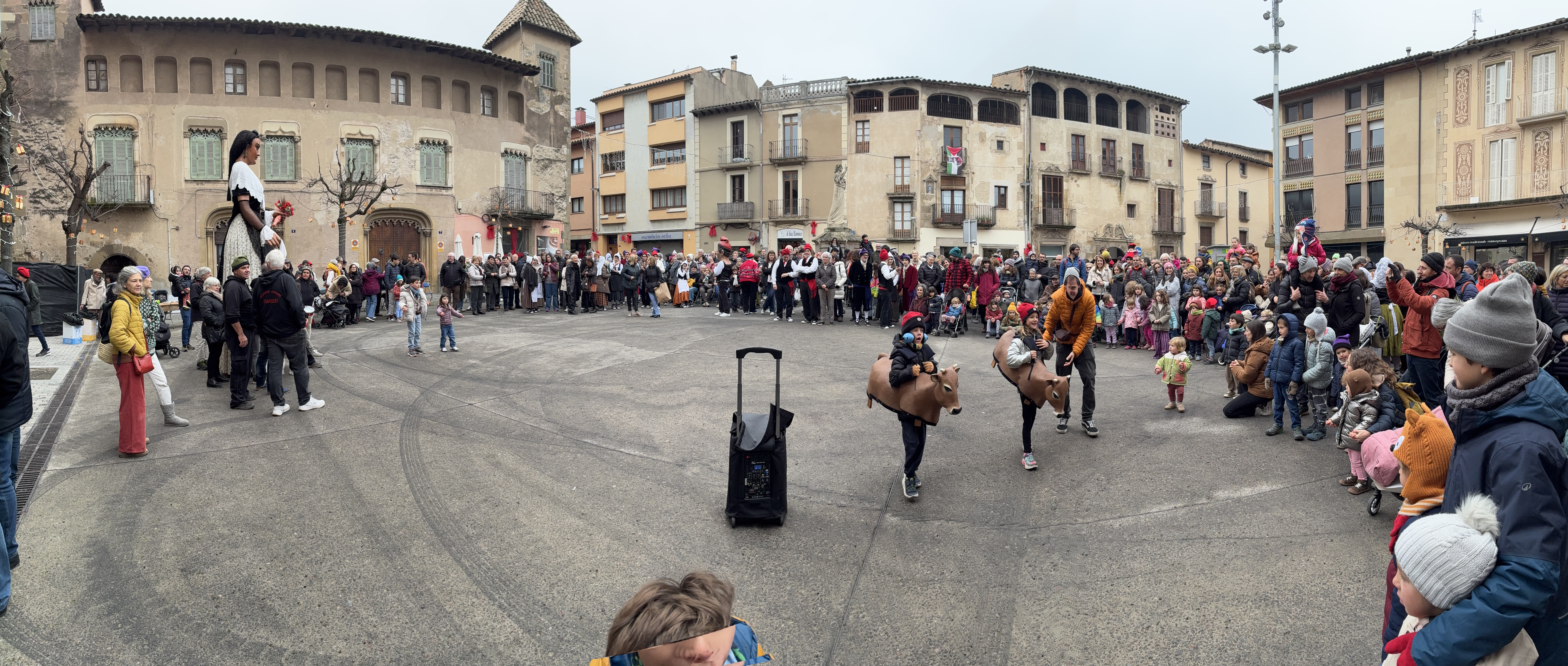
Another objective is to strengthen the cultural vitality of the town. The initiative connects the transformation of the building with existing cultural initiatives and community practices in Centelles, including local traditions, participatory cultural projects and creative activities. In this way, the project supports the role of culture as a driver of social connection, belonging and collective imagination.
The initiative also aims to create spaces that encourage encounter and participation. Through the rehabilitation process, the building is envisioned as an open and accessible place where residents, cultural actors and local organisations can meet, collaborate and develop initiatives that contribute to the life of the town.
The exemplary character of the project lies in demonstrating how the regeneration of an existing building can enhance the quality of experience of a small town, reconnecting architectural heritage with contemporary community uses. By combining heritage preservation, cultural activities and participatory processes, the initiative illustrates how the built environment can support both cultural identity and everyday wellbeing, in line with the values of the New European Bauhaus.
The initiative aims to strengthen inclusion by ensuring that the transformation of the built environment contributes to accessible spaces, affordable living opportunities and participatory governance for the local community.
A central objective is the creation of cooperative housing within El Vapor, helping to address growing housing challenges in small towns. By exploring cooperative housing models, the project seeks to ensure long-term affordability and collective stewardship of the building, allowing residents to remain connected to the place and benefit from the regeneration process.
Another key objective is to develop inclusive governance processes. The initiative is linked to the civic platform Centelles Poble Viu, which connects residents, cultural actors, social organisations and local institutions. Through public dialogues, cultural initiatives and community meetings, the platform creates opportunities for citizens to participate in shaping the future uses of the building and the wider transformation of the town.
The project also seeks to create accessible community spaces where diverse groups can participate in cultural, social and economic activities. By combining housing, cultural activities and spaces for local entrepreneurship in the same building, the initiative promotes social interaction, intergenerational exchange and community belonging.
The exemplary character of the project lies in demonstrating how the regeneration of a historic building can support inclusive models of living and governance in small municipalities. By combining cooperative housing, participatory decision-making and accessible community spaces, the initiative illustrates how the transformation of the built environment can strengthen social cohesion and democratic life, in line with the values of the New European Bauhaus.
The initiative follows the New European Bauhaus working principles by placing citizens and civil society at the centre of the transformation process.
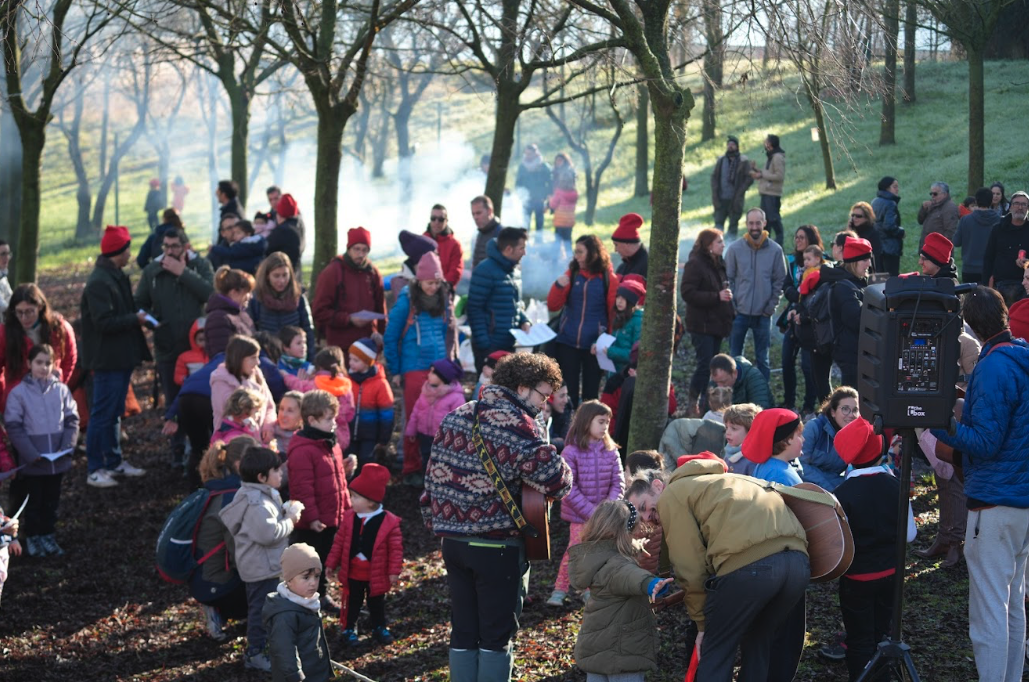
A participatory approach is being developed through the civic platform Centelles Poble Viu, which acts as a connector between residents, cultural initiatives, local organisations and public institutions. The platform organises public dialogues, thematic talks and community encounters that help build a shared understanding of the town’s challenges and opportunities. Through these spaces, citizens contribute ideas and perspectives that inform the future uses of the historic building El Vapor and the broader transformation process.
Civil society organisations, cultural actors and local initiatives play an active role in shaping the vision of the project. Their involvement helps ensure that the rehabilitation of El Vapor responds to real community needs, including access to housing, cultural spaces and opportunities for local economic activity. This collaborative process strengthens local ownership and builds trust between citizens and institutions.
The initiative also reflects the principle of multi-level engagement, connecting local participation processes with regional and European programmes related to energy transition, community health and cultural innovation.
In addition, the project explores learning-by-doing approaches linked to the rehabilitation process, where training opportunities in renovation and housing-related skills may involve people facing barriers to employment. This approach connects social inclusion with the sustainable transformation of the built environment.
Through this participatory and collaborative model, citizens and civil society are not only beneficiaries but active co-creators of the initiative, shaping both the future of the building and the broader transformation of the town.
The initiative engages stakeholders across multiple governance levels to support the transformation of the historic building El Vapor and the broader territorial process unfolding in Centelles.
At the local level, the municipality of Centelles plays a key role in enabling the initiative by supporting the exploration of future uses for the building and facilitating the participatory process. The civic platform Centelles Poble Viu connects residents, cultural actors, local organisations and community initiatives, creating spaces for dialogue and co-creation that help shape the vision for the building and ensure that the project responds to local needs.
At the regional level, the Government of Catalonia contributes through programmes that support territorial innovation and community development. Initiatives such as the ILTIRHub accelerator help strengthen local entrepreneurial capacity and explore new economic opportunities connected to the project.
At the European level, several projects contribute knowledge, methodologies and networks that inform the development of the initiative. The LIFE Renew-IT project explores energy-efficient renovation approaches in the built environment, while Erasmus+ projects such as HABIT and RARE bring perspectives related to community health, social innovation and new models of territorial development.
This multi-level engagement creates a dialogue between local knowledge and European experimentation, allowing the initiative to integrate architectural rehabilitation, cultural participation and sustainable development strategies.
The added value of this collaboration lies in enabling a small municipality to connect community initiatives with regional and European programmes. This alignment helps mobilise resources, share knowledge and test innovative approaches to regenerating the built environment, while ensuring that the transformation remains rooted in the needs and identity of the local community.
The initiative is developed through a transdisciplinary approach that brings together different fields of knowledge in the design and transformation of the historic building El Vapor and the wider territorial process unfolding in Centelles.
At its core is the interaction between architecture and energy transition, explored through the rehabilitation of an existing industrial building and the improvement of its energy performance. This dimension is informed by expertise in building renovation, sustainability and the circular use of existing infrastructure.
The project also integrates perspectives from community development and participatory governance. Civic initiatives such as Centelles Poble Viu create spaces where residents, local organisations and cultural actors can collectively reflect on the future uses of the building and its role in the life of the town.
Cultural practices and heritage knowledge contribute to connecting the transformation of the building with local identity, traditions and contemporary cultural initiatives. This ensures that the rehabilitation addresses not only technical challenges but also strengthens the cultural vitality of the town.
The initiative also connects with knowledge fields related to social innovation and community wellbeing, explored through European cooperation projects addressing themes such as community health, participation and local development.
These disciplines interact through participatory processes, community dialogues and collaborative projects involving architects, cultural actors, local authorities and European partners. The added value of this process lies in shaping the rehabilitation of El Vapor not only as an architectural intervention but as a shared transformation process that integrates technical expertise, cultural knowledge and community experience.
The initiative is innovative in the way it connects the rehabilitation of a historic building with a broader place-based transformation process in a small town.
In many contexts, the renovation of heritage buildings is treated primarily as an architectural or urban intervention. In Centelles, the transformation of El Vapor is conceived as a community infrastructure that integrates housing, cultural activities and local economic initiatives. This approach allows the rehabilitation of the built environment to simultaneously address social, cultural and economic challenges.
Another innovative aspect is the alignment of different public programmes and initiatives around a shared territorial vision. European and regional projects related to energy transition, community wellbeing, cultural participation and local entrepreneurship are being explored as complementary instruments that support the regeneration of the building and the wider development of the town.
The initiative also introduces a participatory model of transformation. Through the civic platform Centelles Poble Viu, citizens, cultural actors and local organisations are involved in shaping the future uses of the building and the broader vision for the town. This approach strengthens local ownership and ensures that the transformation of the built environment responds to community needs.
In addition, the project explores learning-by-doing approaches linked to the rehabilitation process, where training opportunities in renovation and housing-related skills may involve people facing barriers to employment. This connects social inclusion with the sustainable transformation of the built environment.
The innovative character of the initiative therefore lies in demonstrating how a small municipality can combine heritage rehabilitation, participatory governance and multi-level public programmes to create a new model of community infrastructure that supports sustainability, inclusion and cultural vitality.
The initiative follows a place-based and participatory approach that connects the understanding of the local context, community engagement and the transformation of the built environment.
The process began with a collective effort to understand the identity and potential of the place, analysing the historical, cultural and social characteristics of Centelles. This reflection helped identify the historic industrial building El Vapor as a strategic infrastructure capable of supporting the future development of the town.
Based on this understanding, the initiative combines community participation, institutional collaboration and European cooperation. The civic platform Centelles Poble Viu facilitates public dialogues, thematic talks and community encounters that help build a shared vision about the future of the building and the role it can play in the town.
At the same time, the initiative connects with regional and European programmes that bring knowledge, methodologies and resources related to energy-efficient renovation, community wellbeing, cultural participation and local development. This allows the project to integrate different perspectives and experiences into the design of the initiative.
The rehabilitation of El Vapor is therefore approached as a collective process, where technical expertise in architecture and building renovation interacts with community knowledge, cultural practices and local initiatives.
Through this methodology, the initiative seeks to ensure that the transformation of the building is not only technically feasible but also socially meaningful and rooted in the identity of the place. The approach allows citizens, institutions and external partners to collaboratively shape the project while strengthening local capacity and long-term ownership of the initiative.
The initiative has strong potential for transferability because it addresses a challenge shared by many small towns across Europe: the presence of underused industrial or public buildings combined with growing difficulties in accessing affordable housing.
A key replicable element is the approach of transforming an unused industrial building into a community infrastructure that combines cooperative housing, cultural activities and local economic initiatives. Many rural and small urban areas across Europe contain similar buildings that have lost their original economic function but still hold architectural, cultural and spatial value. The project demonstrates how these spaces can be reactivated to respond to contemporary social needs.
Another transferable element is the place-based methodology used to guide the process. The initiative begins with understanding the identity, history and potential of the place, and then aligns community initiatives, public programmes and institutional actors around a shared vision for the transformation of the built environment.
The participatory approach developed through the civic platform Centelles Poble Viu is also highly replicable. By creating spaces for dialogue and collaboration between citizens, cultural actors, local organisations and public institutions, the initiative strengthens local ownership and ensures that projects respond to real community needs.
Finally, the project illustrates how multi-level collaboration between municipalities, regional programmes and European initiatives can support the regeneration of the built environment in small towns.
The combination of these elements – reuse of existing buildings, community participation, and alignment of public programmes – offers a model that can be adapted to other rural or small-town contexts where unused buildings coexist with housing shortages and the need for new community infrastructures.
The initiative builds on an ongoing process supported by the European project LIFE Renew-IT, which explores energy-efficient renovation approaches and collective models to improve the performance of existing buildings. Within this framework, El Vapor is being explored as a pilot site for the rehabilitation of a historic industrial building and its transformation into a community infrastructure for housing, culture and local economic activity.
So far, the work has focused on building a shared territorial vision and engaging local stakeholders. Through community dialogues, cultural initiatives and meetings facilitated by the civic platform Centelles Poble Viu, residents, cultural actors and local organisations have been involved in reflecting on the future uses of the building and its role in the town. This participatory process reflects the New European Bauhaus principles of co-creation and multi-level engagement.
The next phase will focus on translating this shared vision into concrete implementation steps. Planned activities include developing the architectural concept for the rehabilitation of the building, conducting participatory processes to refine the programme of uses, and exploring cooperative housing and community spaces within the building.
The initiative will also continue to connect with regional and European programmes that support energy transition, cultural participation and local innovation. By combining architectural rehabilitation, community participation and European cooperation, the project aims to demonstrate how the NEB values of sustainability, inclusion and quality of experience can guide the regeneration of the built environment in a small-town context.
The expected outcome is a participatory roadmap for the transformation of El Vapor into a shared infrastructure that strengthens community life, cultural activity and sustainable living in Centelles.