Strengthening Local Democracy and Inclusion
ROOMIES
Combating loneliness in hospitals through shared play and connection to heal better
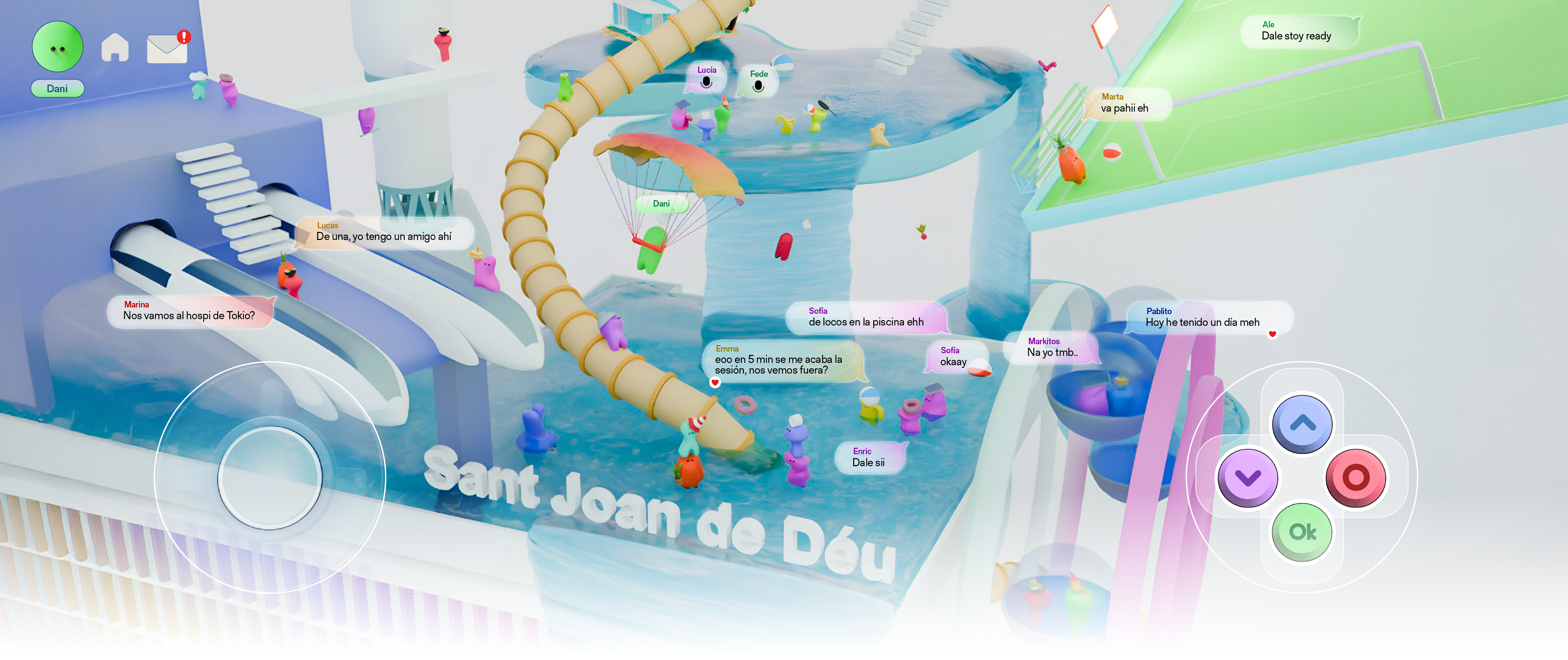
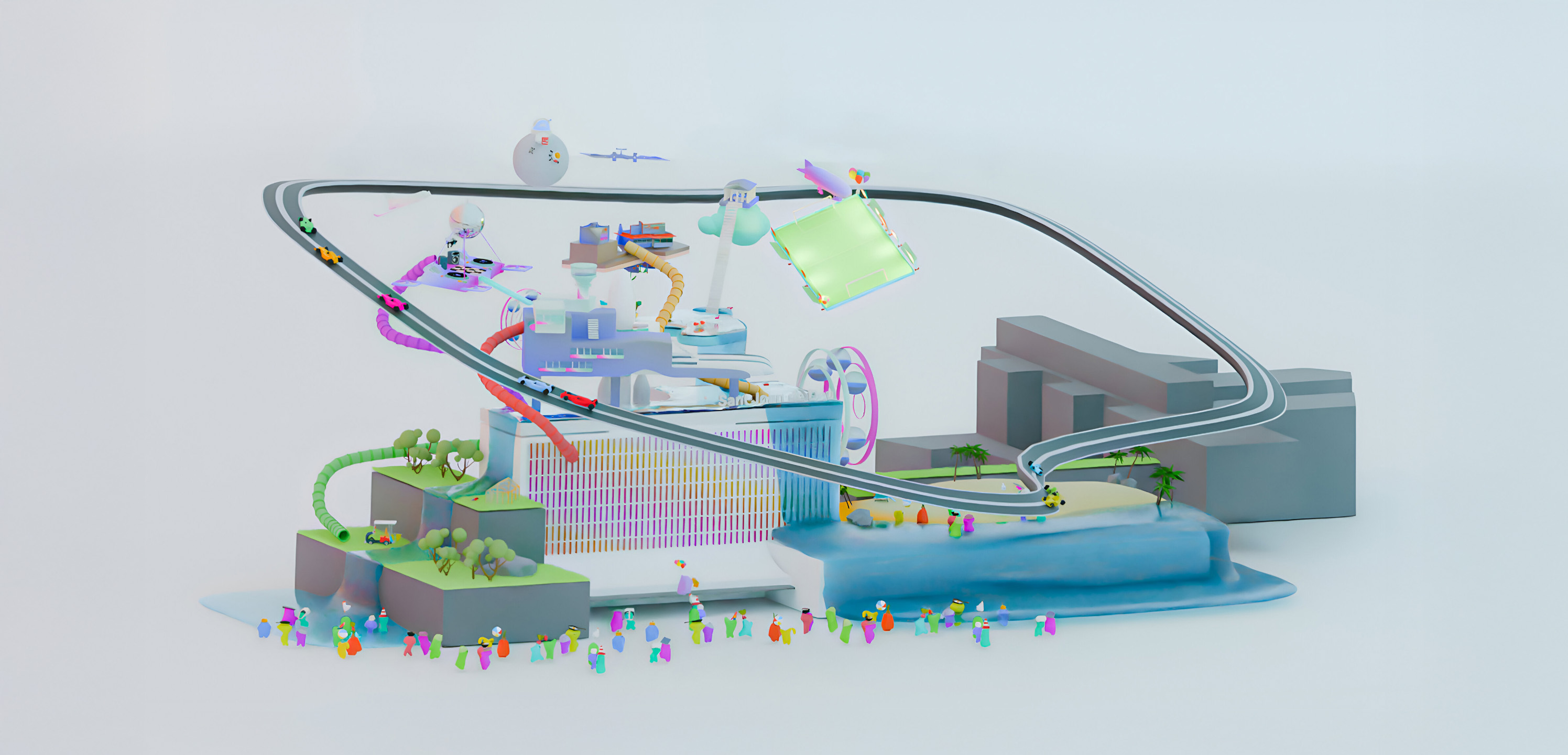
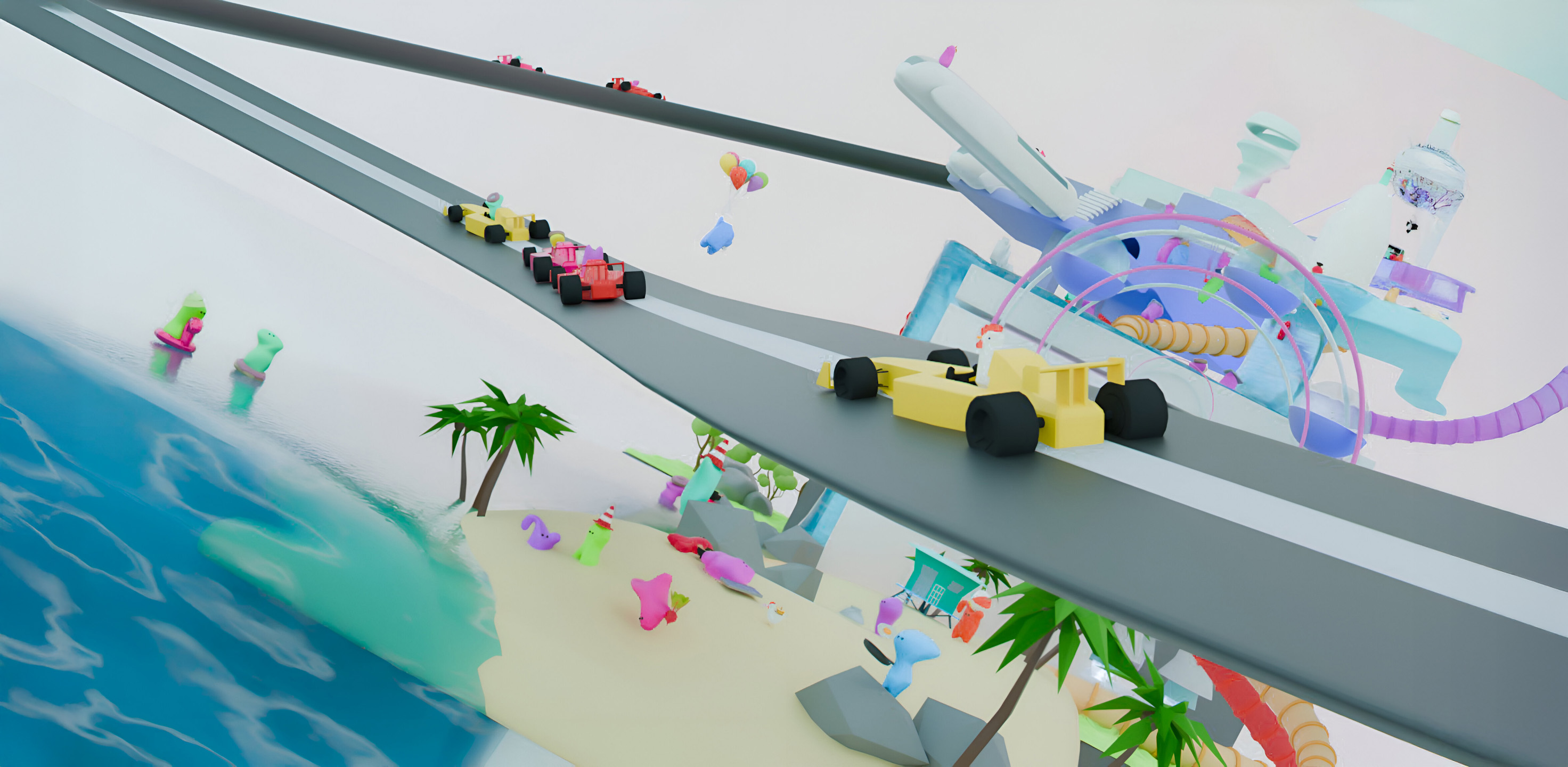
ROOMIES addresses how long stays disrupt teens’ social development and emotional well-being. It’s an online videogame, led by phygital characters, that aims to build a community of patients. A space for new stimuli and shared activities, connecting patients through text and proximity-based voice, in an oneiric playground. The experience supports psycho-emotional well-being, strengthens holistic care, and is designed to scale across hospitals. Because everyone deserves to be connected!
Spain
Local
Barcelona
Mainly urban
It refers to other types of transformations (soft investment)
Early concept
No
No
No
Individual
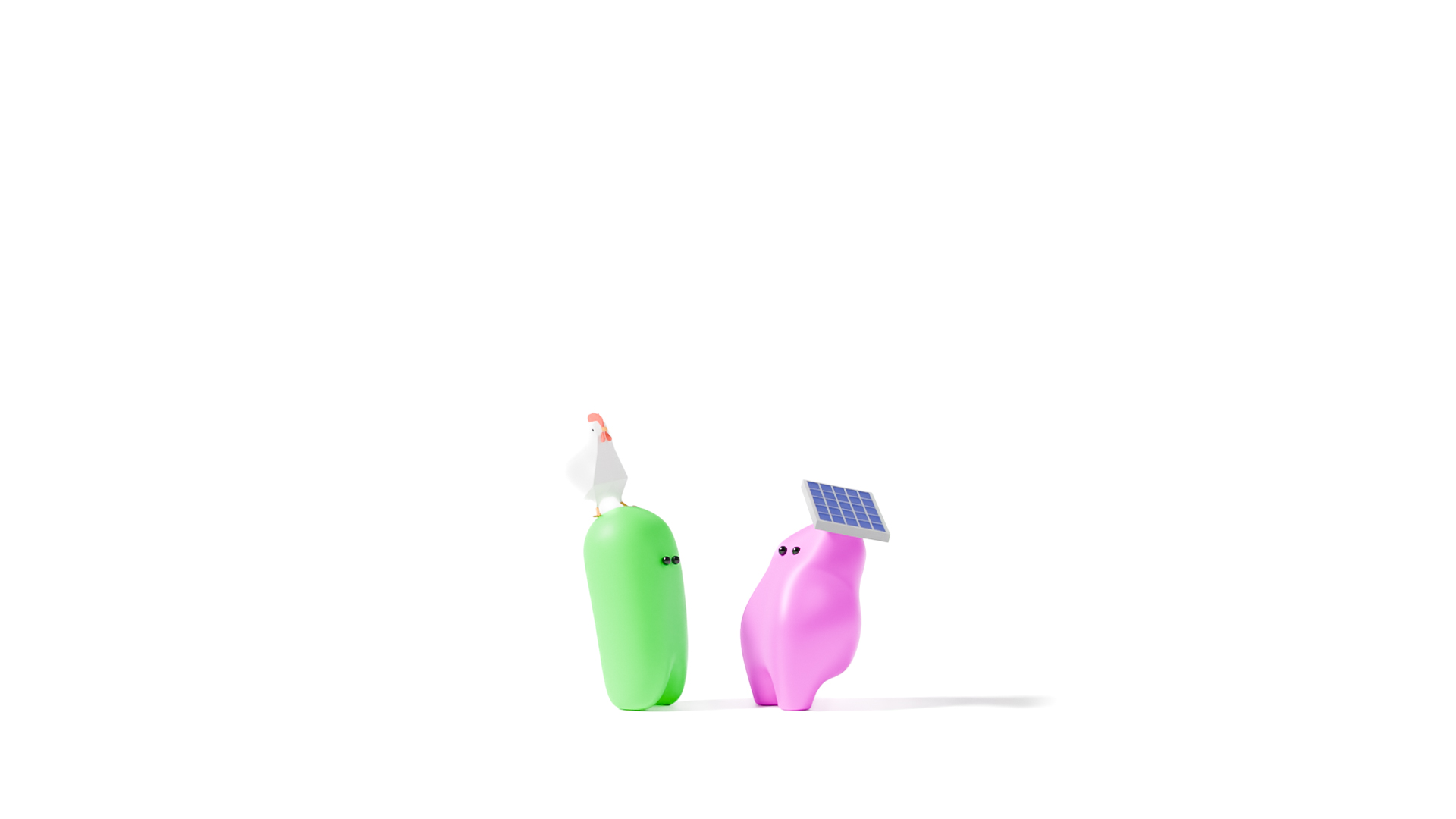
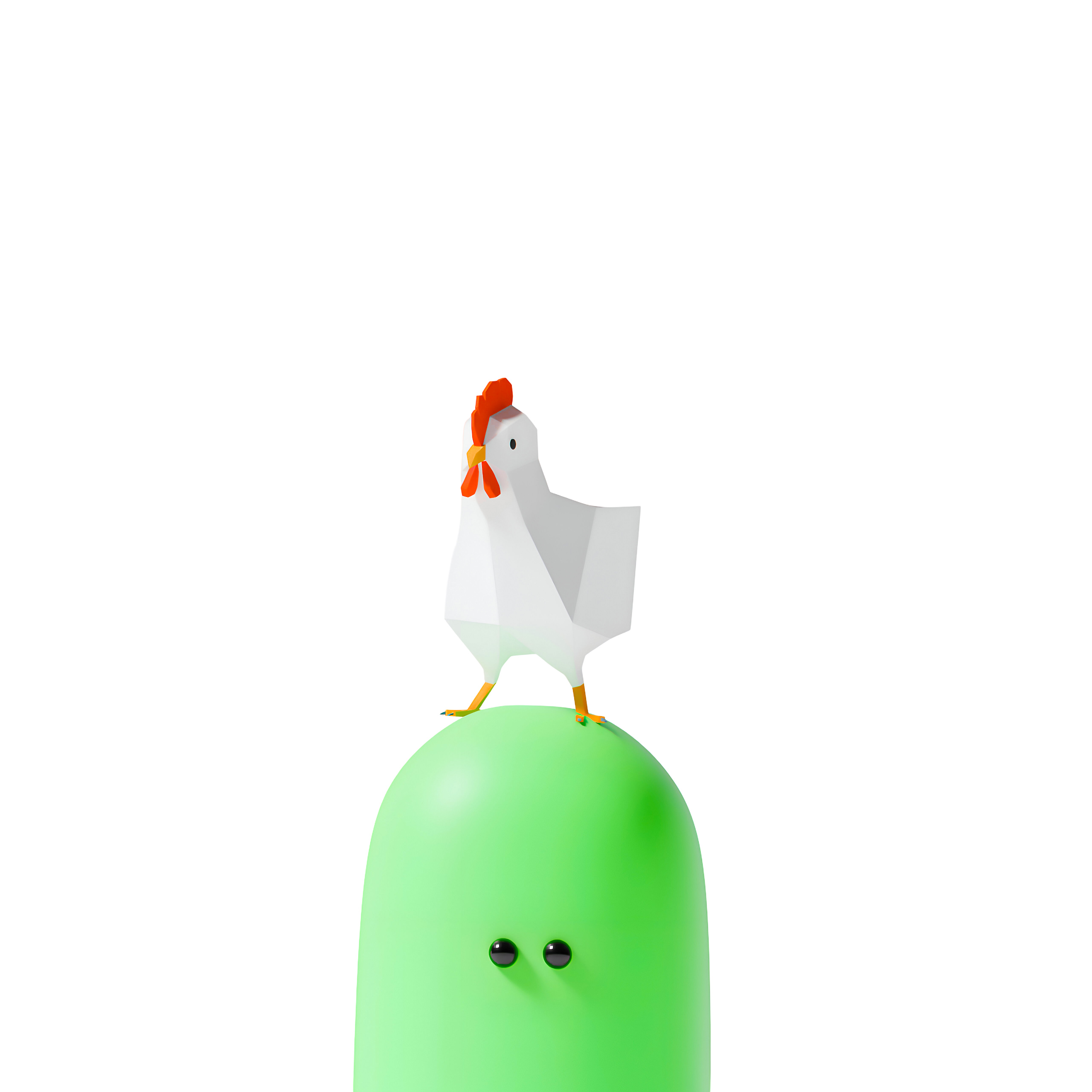
It is a social videogame designed to reduce loneliness among teenage patients by transforming the hospital stay into a shared, playful, and emotionally supportive experience. Through a network of phygital characters, the Roomies, patients can connect, communicate, and gradually meet each other through a new reality expanding their room into an oneiric world for their community. The concept is built around three core pillars. First, an AI Roomie companion that adapts to each adolescent’s mood, energy, and emotional state. Second, a social layer that allows Roomies to connect with one another, creating new playful encounters that reduce social friction and make connection feel safer and more inclusive, especially in moments when adolescents may feel vulnerable, insecure and low in social energy because of their condition or appearance. Third, a hospital playground, a space for new stimuli and shared activities, connecting patients through text and proximity-based voice, all designed to be privacy-first and clinically compatible.
The experience begins when a teen is admitted and settles into the hospital room. He/She starts creating and customizing a digital Roomie, its shape, color and accessories that reflects their identity. Then, the Roomie is sculpted in modeling clay and becomes the key to entering the videogame. When it is placed on a beamer base, located in each room, the Roomie travels into the oneiric reality and walks around the space. First, the mission of the Roomie is to get to know the patient's personality and explore their needs in order to establish a relationship and act as a companion and listener. Based on that, the Roomie would suggest participatory minigames to break boredomeness and spark initial social connection. It is after that, when the Roomie acts as a bridge to meet in reality.
Designing a gamified social network supports patients’ psycho-emotional well-being, helping in their healing process and enhancing a model of holistic care.
ROOMIES was born from the sensitivity and personal concern of thinking how, and in which context, design could act as a medium to create a positive impact, transcend and make a meaningful difference in society and people’s lives.
In 2024, that matter resonated with an academic briefing, which challenged me to improve the hospitalization experience of adolescent patients. I felt a connection with the cause, and the experience of loneliness, vulnerability and disconnection that young patients feel during their stay. From there, the idea of ROOMIES began to take shape.
I became aware of the need to strengthen what holistic care means. While patients’ physical and psychological needs were being addressed, I felt that their social needs were not being fully considered and this had a direct impact on their overall wellbeing during hospitalization. After several early prototypes, and once this need was recognized by Sant Joan de Déu Hospital, the concept moved from intuition into a real clinical context through a seven-month internship in the Patient Experience Department at the Hospital, in Barcelona.
This stage grounded the project in the everyday reality of hospitalization. Through qualitative research and co-creation with 26 stakeholders, ROOMIES gained the core problem-solution-fit insights that allowed it to evolve from an academic proposal into a more realistic care-centered system.
Now, its implementation is advancing through a staged strategy. Elisava Impuls supports the project through incubation, mentoring, business model development and venture framing. RollDBox Games has joined as a technical partner to translate the concept into a GDD and a path toward MVP. And clinical alignment with Sant Joan de Déu has been renewed to enable in situ research, validation loops and pilot preparation. In this sense, ROOMIES is built through research, design, co-creation and strategic partnerships, with the aim of becoming an implementable and human-centered system
Social inclusion
Adolescent wellbeing
Healing Together
Sense of belonging
Participatory design
ROOMIES addresses sustainability as a social, cultural and systemic challenge within healthcare. The project focuses on creating long-term wellbeing, meaningful social support and feasible models of care in contexts where emotional isolation is often normalised.
At its core, ROOMIES responds to the loneliness and disconnection frequently experienced by hospitalised teenagers. By enabling safe, playful and gradual peer connection, it supports emotional wellbeing and helps create a more inclusive and human hospital experience. In this sense, its main sustainable value lies in strengthening social bonds and reducing the emotional burden of hospitalisation.
The concept also addresses a cultural opportunity. It reimagines the hospital not only as a place of treatment, but as a space where identity, self-expression and belonging can still exist. By integrating play, interaction and care, ROOMIES proposes a more emotionally sustainable vision of the hospital.
Its sustainability also lies in continuity over time. When a patient is discharged, the experience does not have to end. The social connections, shared world and emotional support network built through ROOMIES can continue beyond the hospital, extending into daily life at home. In this way, it is conceived as something meaningful that can leave a lasting emotional impact, preserving bonds, supporting wellbeing and offering a sense of connection that endures over time.
ROOMIES contributes to aesthetics by transforming the hospital experience into something more human, playful and emotionally meaningful. In line with the New European Bauhaus, aesthetics is understood here not as decoration, but as a way of making everyday life more beautiful, dignified and joyful, specially in a place often defined by stress, isolation and clinical routines.
The concept introduces an imaginative layer into the hospital through soft, organic and open-ended characters called Roomies. Their fluid and abstract appearance allows each adolescent to project identity without pressure, comparison or stigma. Rather than representing idealised bodies or fixed avatars.
This aesthetic language helps reframe the hospital room as more than a place of treatment. It becomes a space where humour, self-expression and belonging can still exist. Through the interaction between physical and digital layers, ROOMIES creates moments of surprise, warmth and shared imagination that enrich daily life during hospitalisation.
The project also contributes to care for place by gently reshaping the emotional atmosphere of the hospital without denying its reality. Its aesthetic does not escape the context, but softens it, inviting the protagonists of the hospital to resignify their atmosphere. In this way, ROOMIES shows how beauty can support wellbeing, belonging and human connection in one of the most vulnerable everyday environments.
Loneliness is already a global public health challenge, which makes it urgent to rethink how interaction can be more accessible and personalised in clinical contexts. One of the key observations was the lack of hospital activities, games and spaces designed specifically for teenagers. These are often created for infants, leaving adolescents with fewer age-appropriate opportunities for play, self-expression and social interaction. ROOMIES then, addresses inclusion by making social connection accessible to hospitalized teenagers, who are often excluded from everyday peer interaction.
From there, the inclusive value of ROOMIES lies in offering different ways of participating, from low-exposure interaction in the hospital room to more active social exchange, allowing each patient to engage at their own pace and according to their physical and emotional condition. This reflects a design-for-all approach based on flexibility, dignity and emotional safety. The project avoids normative forms of representation. Through abstract and customisable Roomies, adolescents can express their identity without needing to expose their body, diagnosis or appearance directly, making participation feel safer and more approachable.
In terms of affordability, ROOMIES is conceived as part of the care environment rather than as an individual consumer product, with the aim of ensuring that access to connection does not depend on personal or family resources. Its development has also been shaped through dialogue with healthcare professionals and young patients, supporting a more inclusive and participatory model of design and implementation. In a scalable model, the experience could also expand to include the clinical team, family members and friends, strengthening the patient’s wider support network through play and connection.
ROOMIES has been shaped through a participatory process involving healthcare professionals, young patients, families and other hospital-related stakeholders. Through qualitative research, interviews and co-creation exchanges, the concept was continuously tested against the real emotional, social and organisational conditions of hospitalisation.
This participation had a direct impact on the project. It revealed key barriers such as loneliness, isolation, stigma, low social energy and the difficulty of initiating peer contact during vulnerable moments. If the hospital is not imagined as a social space, or as a place full of potential friends, social interaction is unlikely to happen. These insights helped transform ROOMIES from an academic concept into a more grounded and care-centered system. They also informed concrete design decisions, including gradual forms of interaction, emotionally safe self-expression, privacy sensitivity and compatibility with hospital routines.
Participation is also a core principle for the project’s future development. ROOMIES is envisioned as a system that can continue evolving through collaboration with multiple hospitals, supported by focus groups and ongoing feedback spaces involving patients, families and care teams. This would allow the system to be progressively adapted to the specific needs of different age groups, health conditions and care contexts. The aim is not only to implement the concept in different settings, but to keep learning from each of them, gathering new insights and refining the system through continuous dialogue with the people and institutions involved.
With 26 stakeholders involved so far, participation has not been a final validation step, but a central driver of the concept’s evolution for its future scalability.
At this stage, ROOMIES has mainly been developed through local-level engagement, grounded in the reality of hospitalisation at Sant Joan de Déu and shaped through dialogue with young patients, families, healthcare professionals and other hospital-related stakeholders. This local grounding has recently been complemented by participation in 4YFN at Mobile World Congress, where the project was able to explore synergies with health and innovation professionals opening new opportunities for international exchange.
For now, its multilevel governance perspective lies in the way the project is intended to grow. Beyond the local context, ROOMIES is envisioned to engage additional hospitals and health innovation actors at regional and national level, in order to compare contexts, build focus groups, gather continuous insights and refine the system through different implementation realities.
In the longer term, the project also aims to connect with broader European health, design and innovation ecosystems that can support knowledge exchange, visibility and responsible scaling. The objective is not to impose a single model, but to build a transferable framework that remains sensitive to each hospital context while benefiting from cross-regional and cross-sector collaboration.
The added value of this multilevel engagement is that it allows ROOMIES to remain locally grounded while progressively building the partnerships, knowledge and institutional alignment needed for wider implementation. In this way, local insight becomes the basis for broader impact, and each new level of engagement strengthens the project’s relevance, replicability and long-term viability.
ROOMIES reflects a transdisciplinary approach because it has been shaped through the intersection of design, healthcare, patient experience, social and behavioural insight, developmental psychology and digital thinking. In line with the New European Bauhaus, the concept does not emerge from a single discipline, but from bringing different forms of knowledge together in order to address a complex care challenge through a more holistic lens.
Its development combines design perspectives, including interaction, service and experience design, with the knowledge of healthcare professionals such as nurses, paediatricians and Child Life specialists, as well as the lived experience of adolescent patients and their families. This has allowed the project to respond not only to functional or clinical conditions, but also to emotional, relational and identity-related dimensions of hospitalisation.
This transdisciplinary character has been further strengthened through collaboration with the Patient Experience team at Hospital Sant Joan de Déu, whose approach integrates human-centred design, anthropology, engineering, social science techniques and psychology-informed methods in the co-creation of care models with patients, families and frontline professionals.
Design mentors and academic guidance from Elisava have also contributed to the conceptual and experiential development of the project, helping connect healthcare realities with broader design, narrative and systemic thinking. As a result, ROOMIES is not only a design proposal, but a concept built across disciplines and forms of expertise that would not have generated the same outcome independently.
The added value of this transdisciplinary approach is that it enables ROOMIES to address hospital loneliness as a medical, social, emotional, experiential and systemic matter. This makes the concept more sensitive, implementable and meaningful in real care contexts.
ROOMIES is conceived as a financially sustainable B2B SaaS model for pediatric hospitals, complemented by a hardware-enabled experience that connects the digital and physical layers of the system. The main payer would be the hospital itself, or in some cases a public health authority, ensuring that access is not privatized depending on individual families.
The model combines a one-time implementation and activation fee, a recurring monthly platform licence, and optional add-ons. The activation fee would cover onboarding, deployment and physical enablement within the hospital. The recurring licence would provide access to the platform and ongoing service, with pricing adapted to the scale of implementation. Optional add-ons could include customised hospital experiences and selected take-home extensions for continued connection beyond admission.
Its long-term financial sustainability lies not only in recurring revenue, but in the value it may generate for the healthcare system. ROOMIES is designed to improve the emotional and social wellbeing of hospitalised adolescents, which could positively influence the overall hospital experience and, if validated through pilots, potentially contribute to better care outcomes, more efficient use of hospital resources and reduced pressure on public healthcare costs. In this sense, the concept creates value both at patient level and at system level.
In the validation and early rollout phase, ROOMIES may combine institutional revenues with public innovation funding, grants and pilot support. Over time, however, the goal is to rely primarily on recurring hospital-based revenue. Once developed, the platform can be replicated across multiple hospitals with lower incremental cost, making ROOMIES a modular, scalable and potentially transferable model for socially driven health innovation.
The long-term ambition of ROOMIES is to help eradicate loneliness worldwide by building a unified, scalable network across pediatric hospitals. From there, the system can expand into adult hospitals and elder care by adapting its usability and interaction model to each context, and eventually into other environments shaped by loneliness, such as education, therapy or private organisations.
Its scalability lies in the fact that the core of the concept is not limited to one hospital, but based on a transferable system that can be implemented in different care settings while preserving its main purpose, making connection more accessible through playful, emotionally safe and personalised interaction.
What changes from one context to another is not the essence of ROOMIES, but the way the experience is tailored to each population. The interaction model, tone, accessibility features and levels of engagement can be adjusted depending on age, emotional state, care environment, social needs, culture... This makes the concept adaptable across different geographies, beneficiary groups and institutional contexts.
ROOMIES is scalable not only in where it can be implemented, but also in what it can become as a product. From a social connection experience into a valuable clinical tool for care teams. Through privacy-by-design analytics, the system could help identify early signs of emotional distress by observing patterns in how patients interact within the experience. This may help detect risk signals and support a more preventive, human-centered approach to care. In this sense, ROOMIES is not only a game experience, but also the beginning of an expanded care network built around care and connection. Because everyone deserves to be connected and feel accompanied.
ROOMIES is entering a new phase of accelerated development, in which the concept will move rapidly from a validated design proposal into practical testing and implementation. After an initial stage focused on research, co-creation and system definition, the next year will be dedicated to turning the concept into a solid, testable and scalable product.
The immediate priority is to begin developing and testing MVP versions of ROOMIES in connection with Hospital Sant Joan de Déu. This phase focuses on intensive testing to validate the most essential aspects of the concept, from user experience and social dynamics to feasibility within the hospital environment. To learn fast, iterate rigorously, and consolidate a robust solution that can later be implemented in many other hospitals.
ROOMIES is backed by Elisava Impuls, which provides strategic support to help transform the concept into a viable venture. At the same time, the project is being developed in commitment with RollDBox, which strengthens the technical pathway needed to prototype, test and progressively build the product in a realistic way.
The project was recently presented at 4YFN, where it was shared with healthcare representatives, innovation actors and contacts from different hospitals and countries. This has opened new opportunities around development, testing, validation and future implementation. These conversations are helping position the project not only as a locally grounded initiative, but as a concept with the potential to grow through partnerships and adapt to different healthcare contexts.
Over the year following the application, the focus is to accelerate MVP development, test ROOMIES in real hospital-linked conditions, strengthen the product through iteration, and build the collaborations needed for broader implementation. The ambition is clear: to move from a strong concept to a solid and transferable solution that can improve the hospital experience of adolescents at scale.