Arts, Culture, and Heritage as Drivers of Change
Cortes de la Fra: Where the walls speak
Cortes de la Frontera: Where the walls speak
Where the Walls Speak turns the streets of Cortes de la Frontera into an open-air gallery. Through murals and artistic interventions, the project invites residents and visitors to rediscover the village’s stories, culture, and landscape. By using art and culture as tools for connection and visibility, it aims to bring new life to the town, attract visitors and creativity, strengthen community pride, and help fight rural depopulation while celebrating the identity of rural Andalusia.
Spain
Regional
Andalusia, Spain.
3 main rural settlements belonging to Cortes de la Frontera.
3 main rural settlements belonging to Cortes de la Frontera.
Mainly rural
It involves other types of transformations (soft investment)
Yes
2025-06-30
Yes
European Solidarity Corps
No
No
Organisation
Where the Walls Speak is a community-based cultural initiative that transforms the streets of Cortes de la Frontera, a rural town in Andalusia, into an open-air gallery through murals and poetic interventions in public space. The project uses art and culture as tools to highlight local identity, strengthen community pride, and draw attention to the challenges of rural depopulation affecting many small settlements.
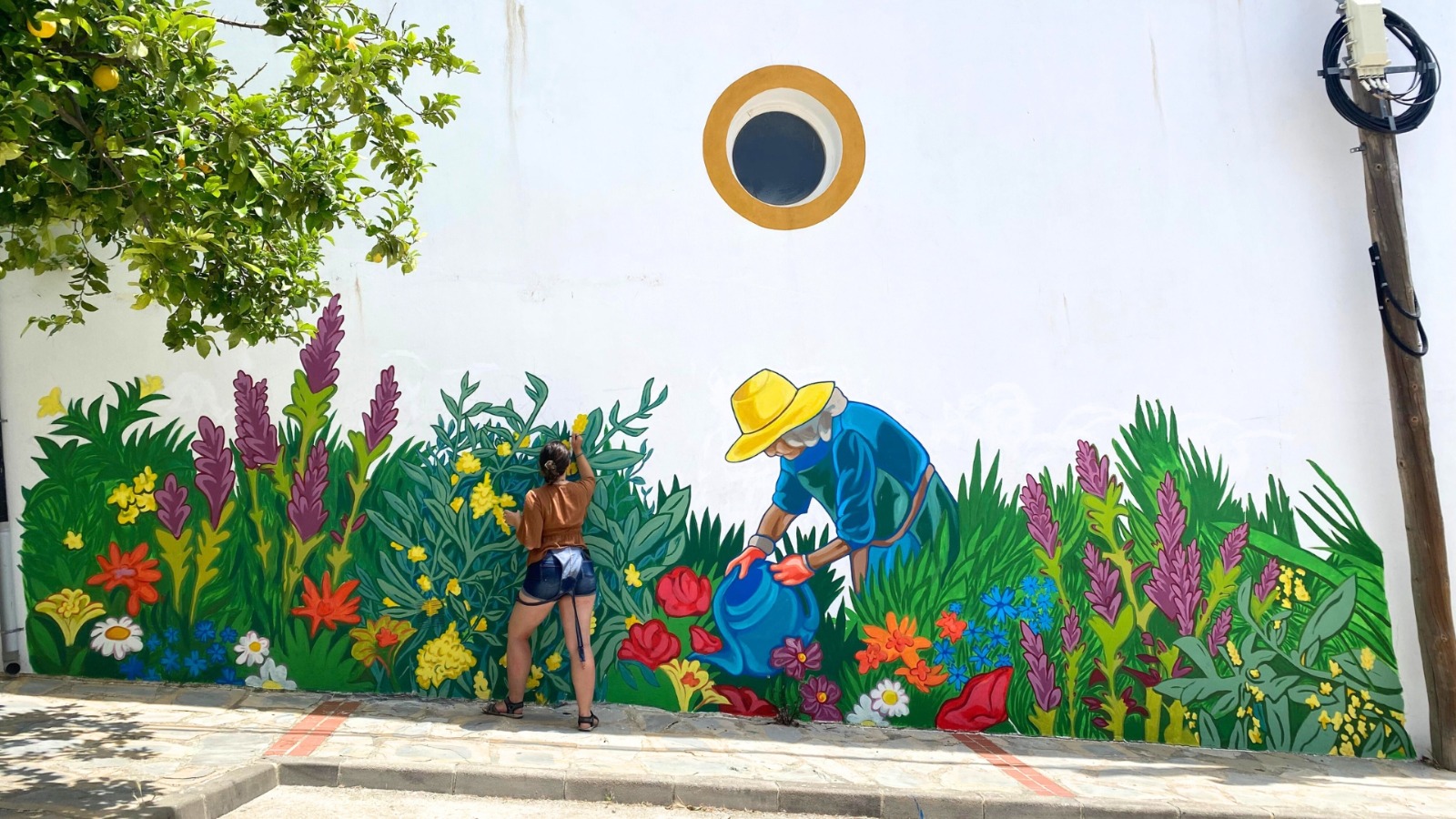
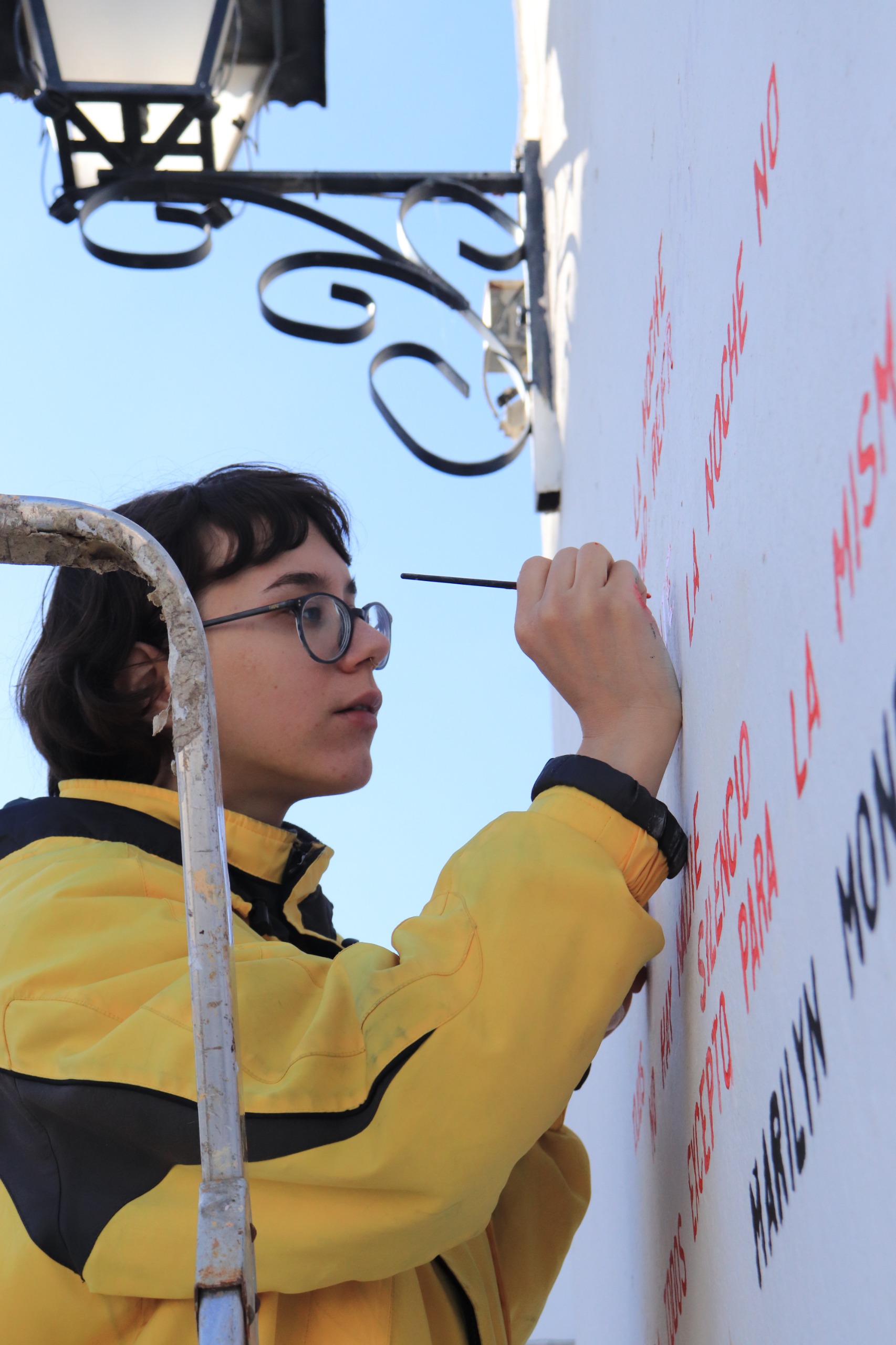
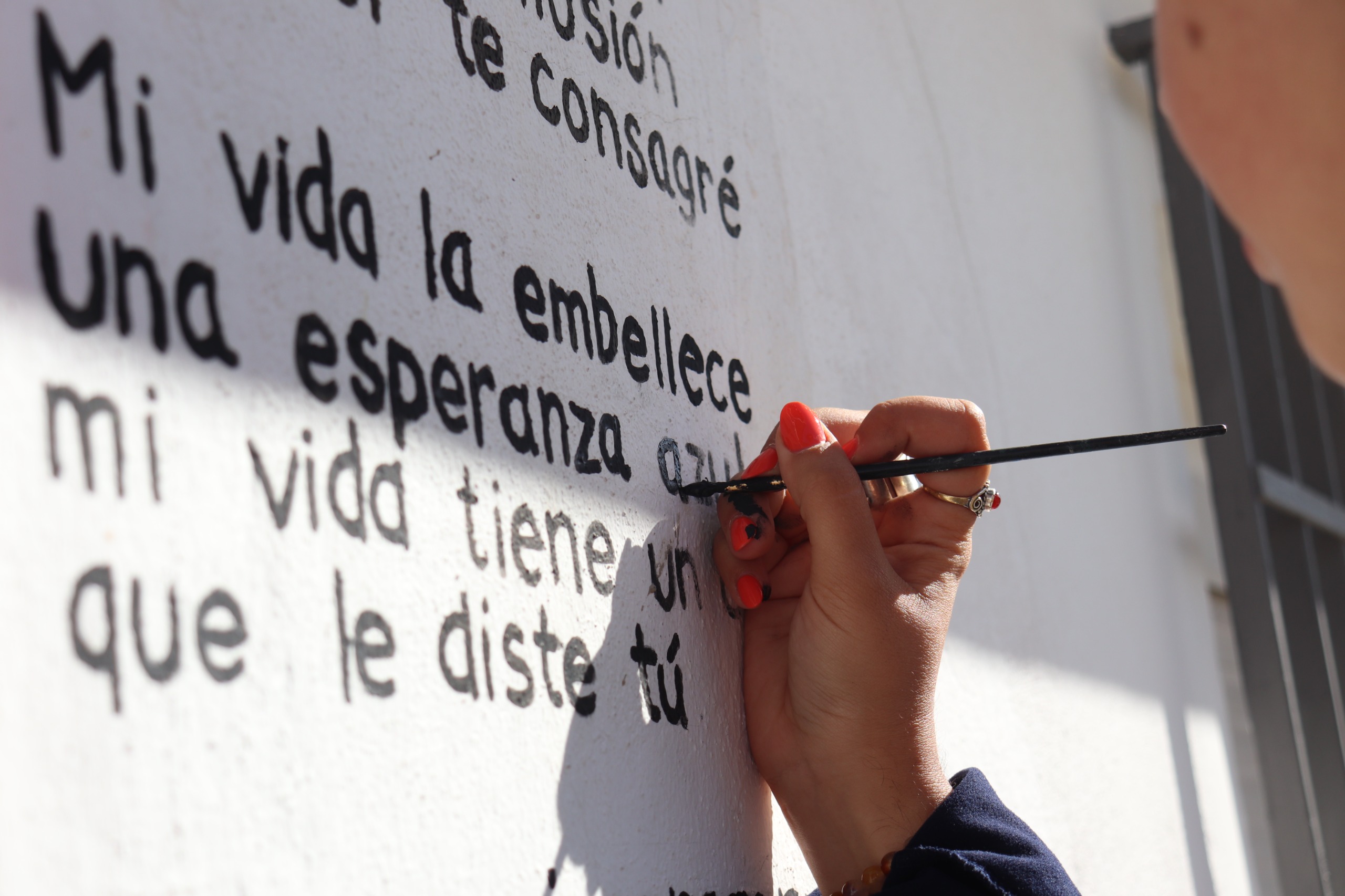
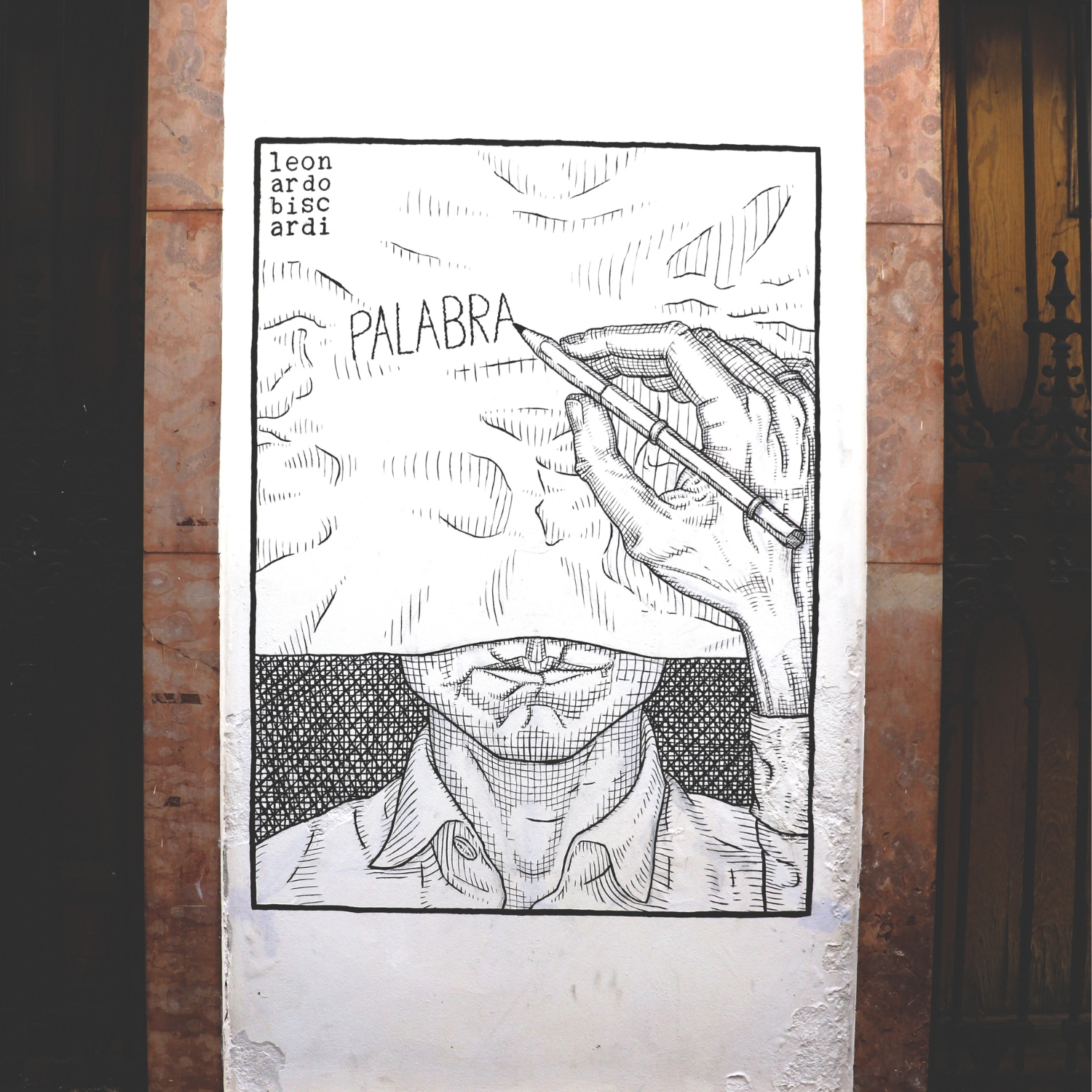
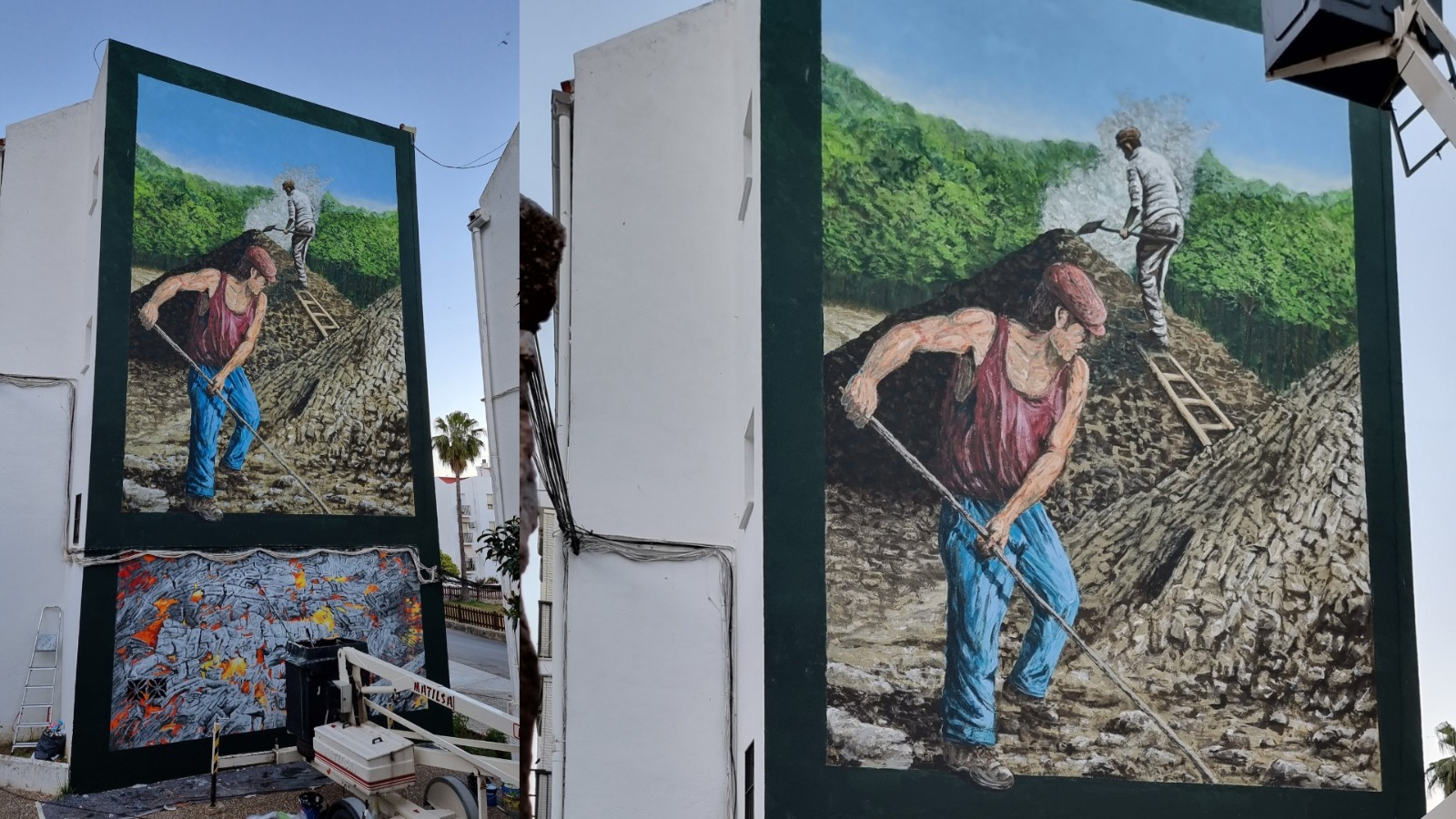
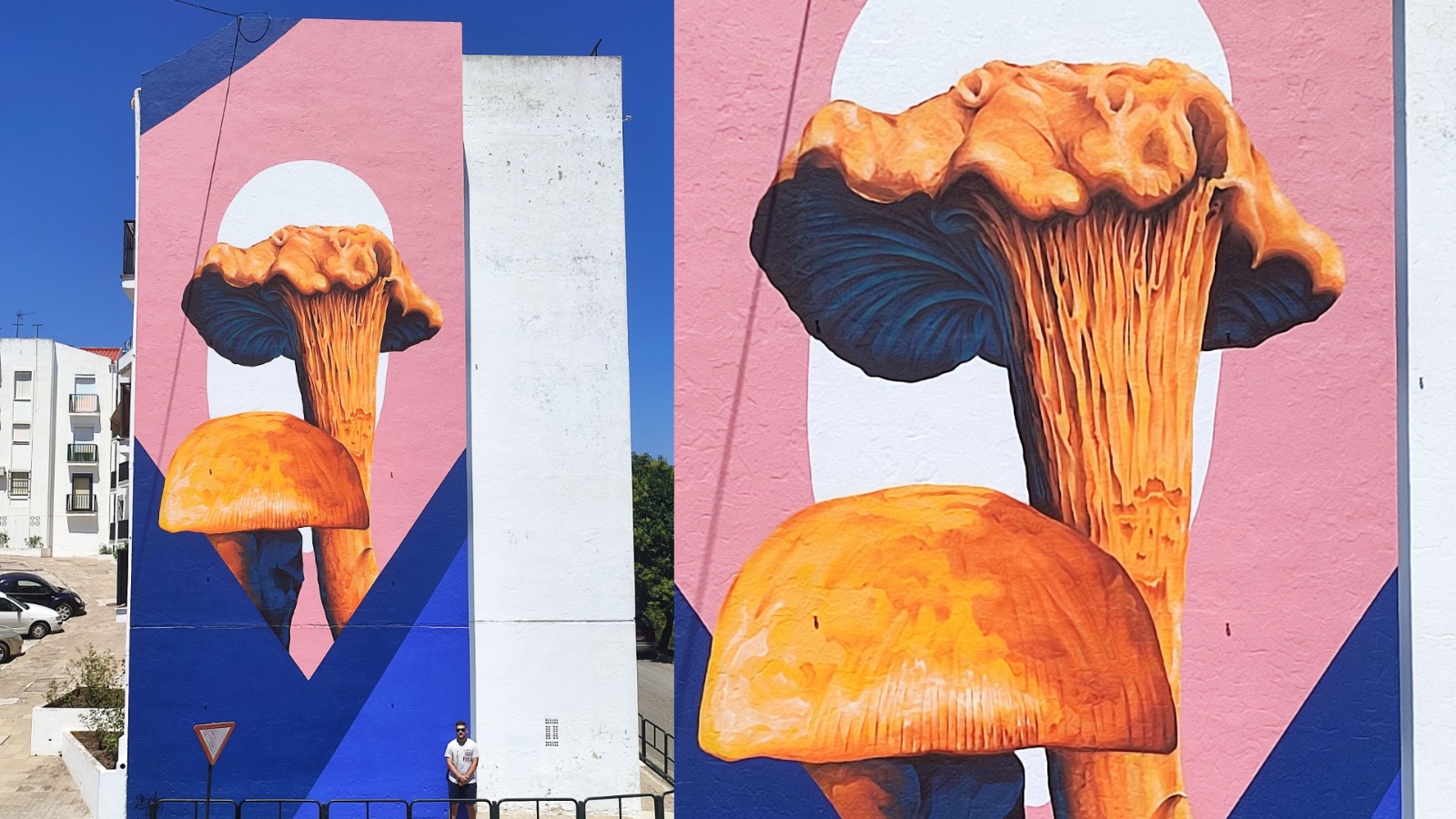
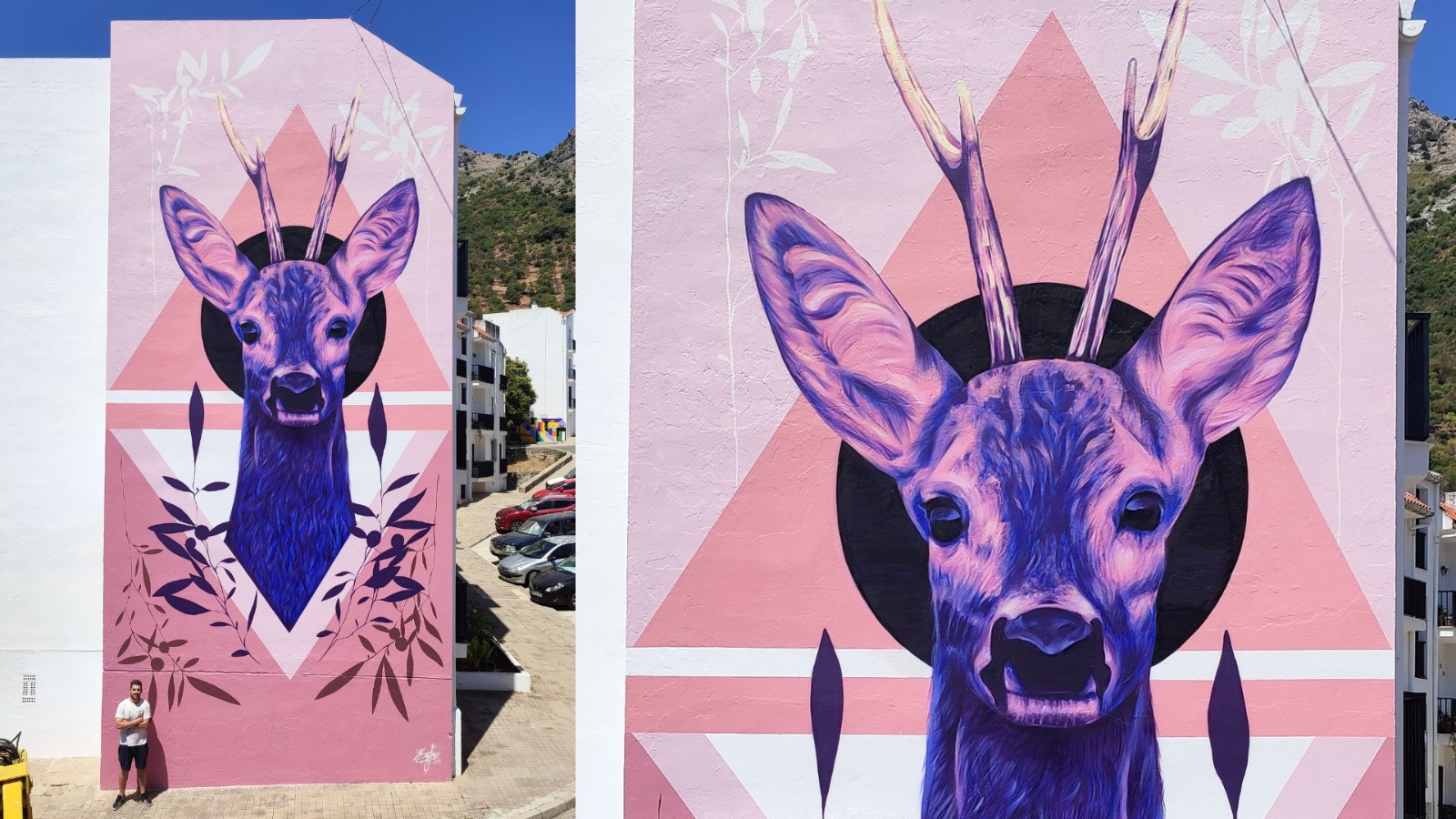
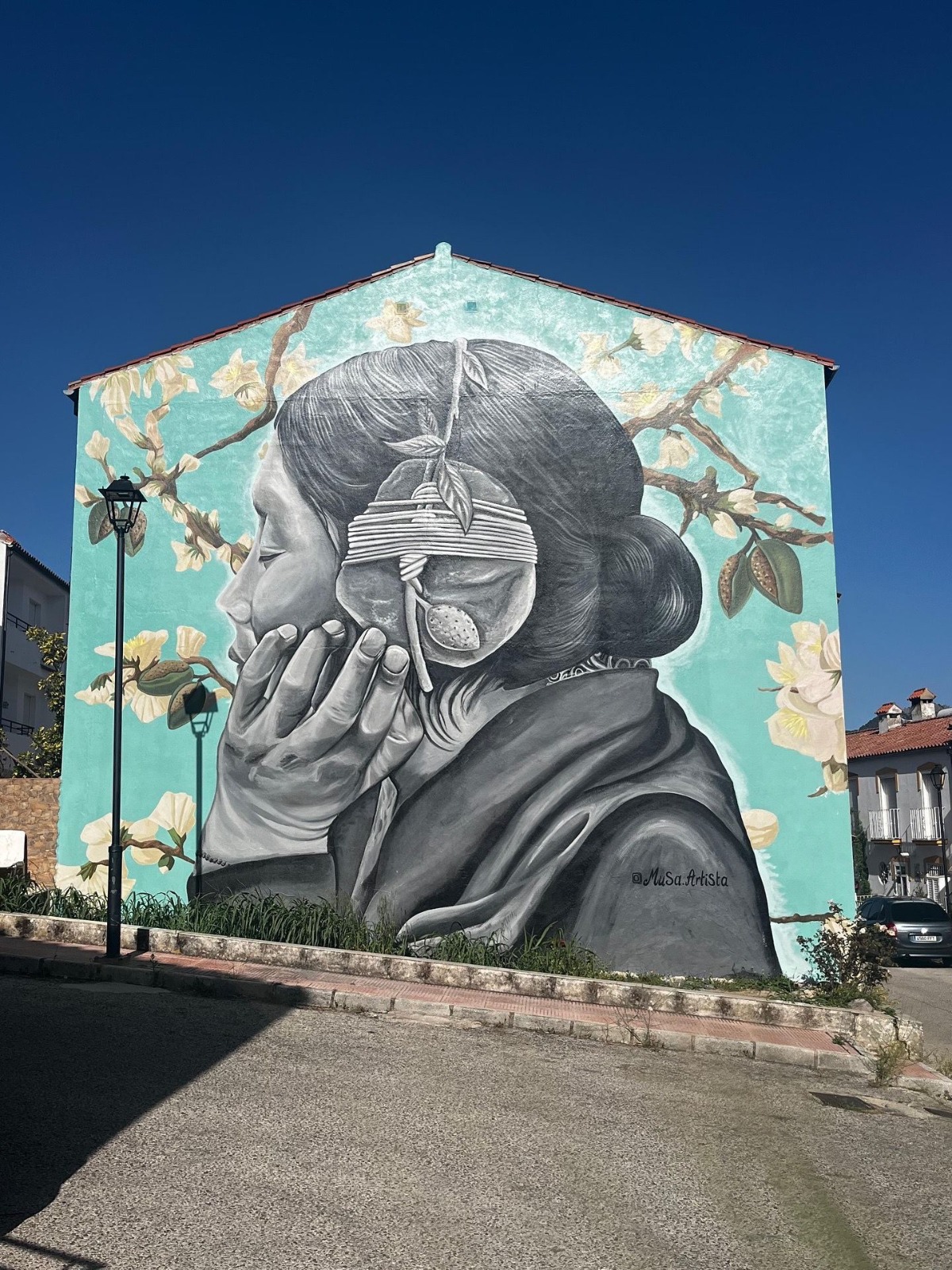
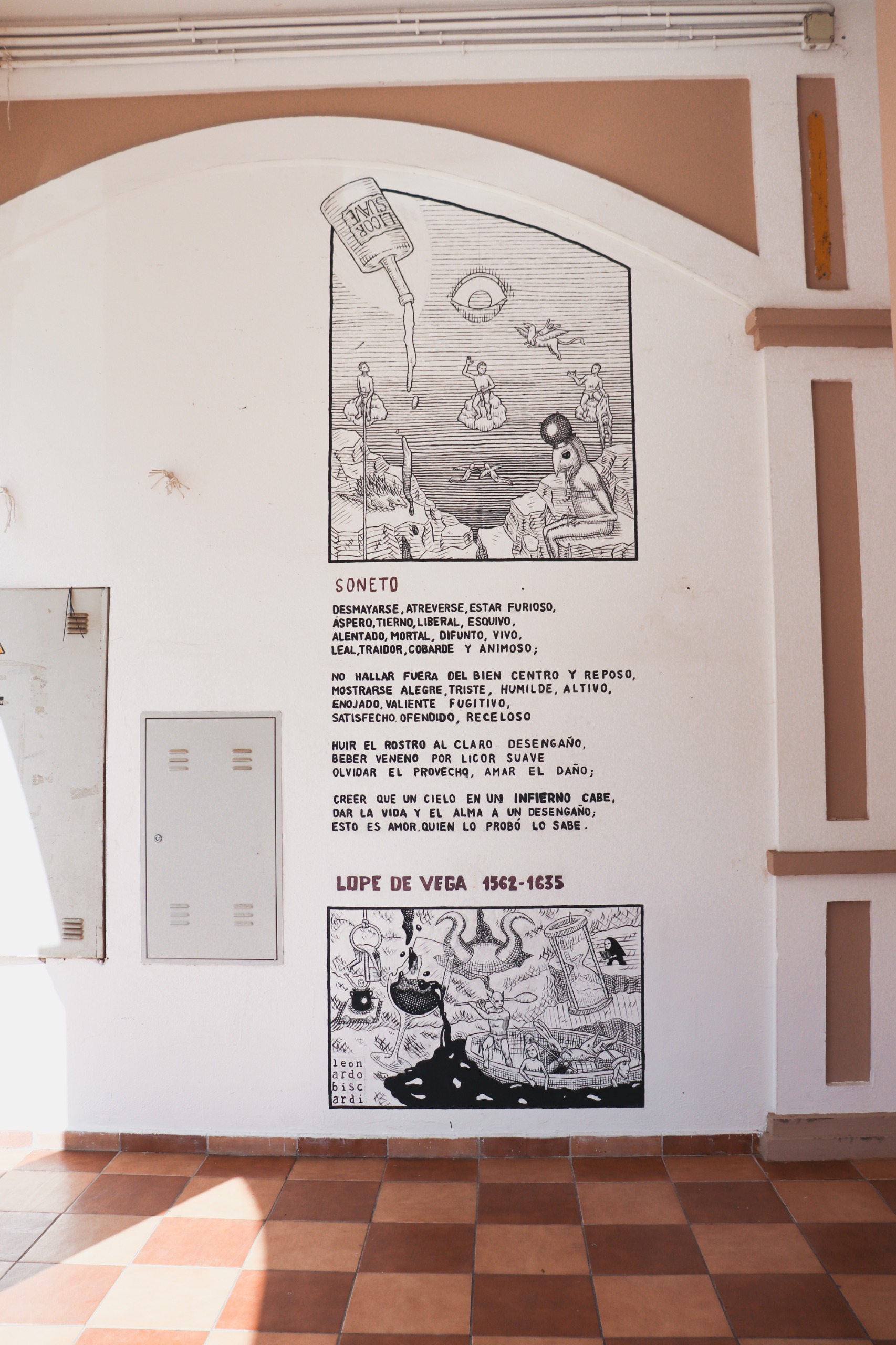
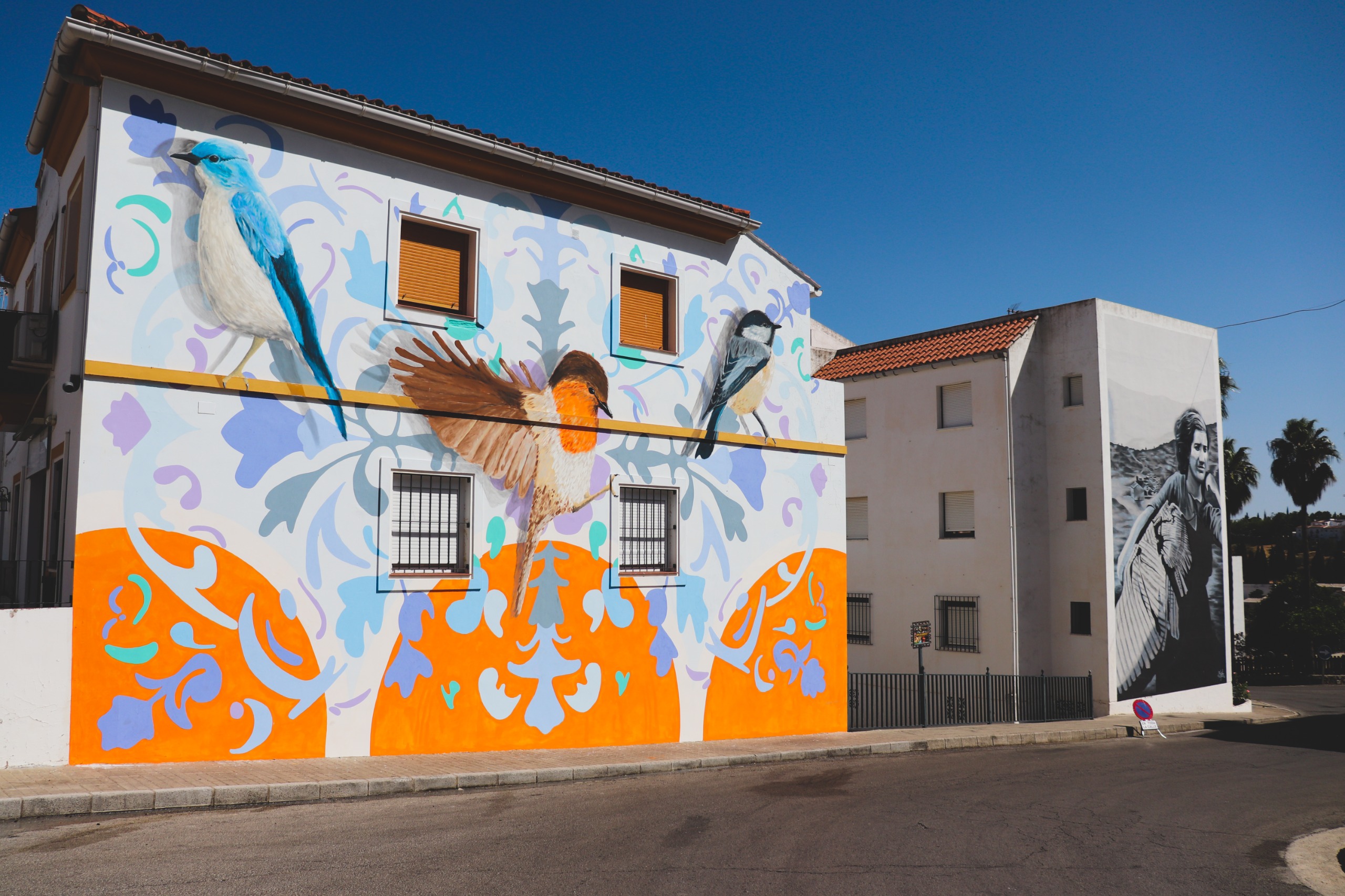
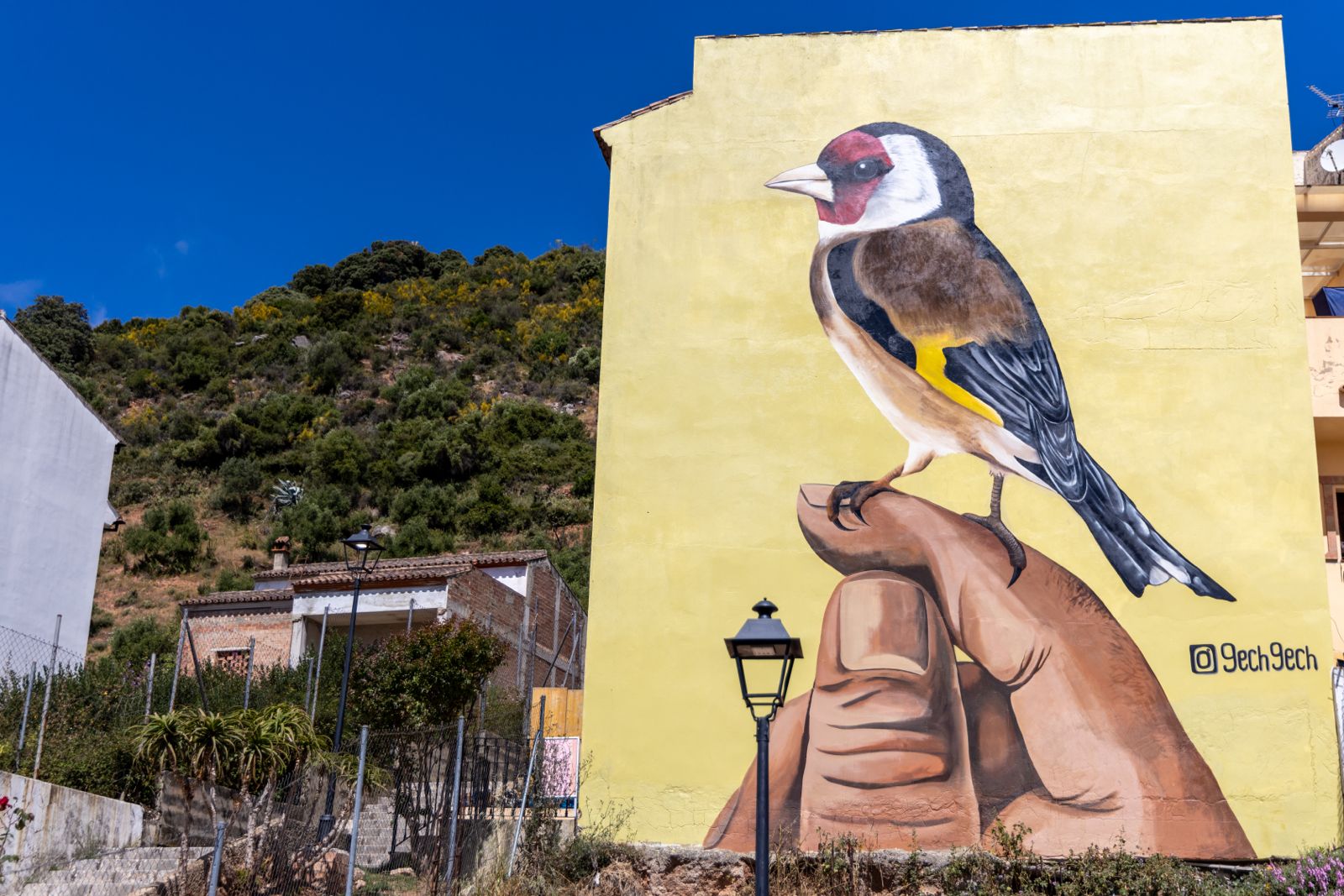
The project has already been implemented in the town through several artistic interventions on public and private walls, turning everyday streets into spaces for storytelling and reflection. Murals inspired by the landscape, local history, and rural life coexist with poetic texts that invite residents and visitors to pause, read, and reconnect with the place. The initiative has engaged local residents, artists, and visitors, creating a shared sense of ownership and curiosity around the transformation of the village’s public space.
A pioneering aspect of the project is the integration of new technologies into the artistic interventions. 3D and augmented reality tools have been incorporated to expand the experience beyond the physical murals. Through a dedicated mobile application, visitors can follow a self-guided route across the artworks and access digital layers that enrich the stories behind the interventions. These technologies allow the murals and poems to interact with the viewer, creating an innovative cultural experience that combines public art, heritage interpretation, and digital storytelling in a rural context.
One of the main results of the project has been the activation of underused walls and streets as cultural spaces, encouraging people to walk through the village and rediscover its architecture, stories, and landscapes. The project has also helped increase the visibility of Cortes de la Frontera as a cultural destination within the Serranía de Ronda, attracting visitors interested in art, rural heritage, and slow tourism.
Where the Walls Speak emerged as a response to the growing challenge of rural depopulation while highlighting the cultural richness and identity of small rural communities. Cortes de la Frontera, like many villages in southern Europe, faces demographic decline despite its strong heritage, landscapes and traditions. The project was conceived to activate public space through art and culture, creating new reasons for residents and visitors to engage with the village.
The initiative began by identifying walls and public spaces across the town that could host artistic interventions. Collaboration with local residents, property owners, artists and the municipality was essential to ensure that the project reflected the identity and stories of the place. Murals and poetic texts were then created on selected walls, inspired by the landscape, local traditions and everyday life in the village. Some murals were also dedicated to honouring important members of the local community who have passed away, preserving their memory in the public space.
The project also aimed to support emerging artistic talent. The murals were created by young and rising artists under 30 coming from different parts of Europe as well as Morocco, Egypt, Tunisia and Jordan. Many of these artists came to Cortes de la Frontera through the European Solidarity Corps programme, which enabled cultural exchange and collaboration with the local community.
In addition to the physical artworks, the project integrates digital innovation. 3D and augmented reality elements were developed and a mobile application allows visitors to follow a self-guided route through the murals and access digital layers that enrich the stories behind the artworks.
The project was implemented gradually, with artists working directly in the village and interacting with residents during the creation process, strengthening community involvement and transforming everyday streets into cultural spaces.
Rural revitalisation
Creative placemaking
Cultural participation
Counteracting depopulation
Public art
Where the Walls Speak addresses several environmental, social, cultural and economic challenges affecting rural areas such as Cortes de la Frontera. Many small villages across Europe face depopulation, loss of local identity and limited economic opportunities. The project responds by activating public space through art, culture and digital innovation, transforming the village into an open-air cultural landscape.
Socially and culturally, the project strengthens community identity and participation. Murals and poetic interventions reflect local stories, landscapes and traditions, while some artworks honour important members of the community who have passed away, preserving collective memory in public space. The participation of young international artists, many involved through the European Solidarity Corps programme, has also created cultural exchange between residents and emerging artists from Europe, North Africa and the Middle East.
Economically, the project contributes to the attractiveness of the village as a cultural destination. By creating a route of murals enriched with 3D and augmented reality elements accessible through a mobile application, the initiative encourages visitors to explore the town, supporting local tourism and small businesses while promoting slow and sustainable travel.
From an environmental perspective, the project reuses existing walls and public spaces without requiring new construction or infrastructure. By working with the built environment that already exists, it demonstrates how cultural regeneration can occur with minimal material impact.
The project is exemplary in terms of sustainability because it combines cultural heritage, community participation and digital tools to generate long-term social, cultural and economic value for the village while preserving its identity and landscape.
Where the Walls Speak contributes to making everyday life more beautiful by transforming ordinary streets and walls of Cortes de la Frontera into meaningful cultural spaces. Murals and poetic interventions are integrated into the architecture of the village, turning daily walks through the streets into artistic and reflective experiences. Residents encounter art in their everyday environment, while visitors are invited to discover the village through creativity, storytelling and landscape-inspired imagery.
The artworks are closely connected to the identity of the place. Many murals are inspired by the natural surroundings, rural traditions and local stories, while some honour important members of the community who have passed away. By bringing these memories and narratives into public space, the project strengthens emotional connections between people and their environment and reinforces a sense of belonging and collective pride.
A key aesthetic dimension of the project is the dialogue between contemporary artistic expression and the traditional architecture of a white Andalusian village. Rather than transforming the urban landscape, the interventions work with existing walls and streets, respecting the character of the place while adding new visual layers that enrich the village.
The project also expands aesthetic experience through digital innovation. Using 3D and augmented reality elements accessible through a mobile application, murals reveal additional visual layers and narratives, creating interaction between art, space and the viewer.
By combining artistic quality, local identity and community participation, the project shows how contemporary art and poetry can be harmoniously integrated into rural environments while strengthening attachment to place.
The project promotes inclusion by making art and culture accessible in everyday public space. By placing murals and poetic interventions directly on the streets and walls of the village, the project removes traditional barriers to cultural participation such as entrance fees, institutional settings or limited opening hours. Everyone—residents, visitors, children, older people and passers-by—can freely experience the artworks as part of daily life.
The project is also inclusive through its community-based approach. Local residents, property owners and the municipality were involved in identifying walls and spaces for the interventions, ensuring that the artworks reflect the identity, stories and values of the community. Some murals honour important members of the local society who have passed away, creating a shared space of memory and recognition.
Inclusion is further strengthened through international collaboration. The project brings together young artists from different cultural backgrounds, many of them participating through the European Solidarity Corps programme. Artists under 30 from across Europe as well as from Morocco, Egypt, Tunisia and Jordan have contributed to the murals, creating intercultural dialogue and exchange between the local population and international creatives.
Digital tools also support accessibility. A mobile application allows visitors to follow a self-guided route through the artworks and access additional content through 3D and augmented reality elements. This makes the project accessible to a wider audience and allows people to explore the village at their own pace.
Where the Walls Speak can be considered exemplary in terms of inclusion because it combines free access to culture, community participation and international collaboration. By bringing art into public space and encouraging intercultural dialogue, the project creates a shared cultural experience that is open, accessible and meaningful for diverse communities.
Participation has been a central element of the Where the Walls Speak project from the beginning. The initiative was developed through close collaboration with the local community of Cortes de la Frontera, involving residents, property owners and the municipality in identifying suitable walls and public spaces for artistic interventions. This process ensured that the artworks would be integrated into the everyday life of the village and reflect the identity and values of the community.
Citizens played an important role in shaping the themes of the murals and poetic interventions. Local stories, landscapes and traditions were shared with the artists and became sources of inspiration for many of the artworks. In some cases, residents also proposed tributes to important members of the local community who had passed away, allowing the project to preserve collective memory in the public space.
The presence of international artists, many of them participating through the European Solidarity Corps programme, created additional opportunities for interaction and exchange. Artists worked directly in the streets while producing the murals, allowing residents and visitors to observe the process, ask questions and engage in informal dialogue about art, culture and the village.
This participatory approach has strengthened the sense of ownership of the project among local residents. By involving the community in the selection of spaces, themes and stories, the project has created artworks that feel rooted in the place rather than imposed from outside. As a result, the murals and poems are widely recognised as part of the shared cultural identity of the village, encouraging care for the artworks and pride in the transformation of the public space.
Where the Walls Speak has been developed through collaboration between stakeholders at local, national and European levels, creating a multilevel governance approach that supports both community participation and international cooperation.
At the local level, the municipality of Cortes de la Frontera, local residents and property owners played a key role in the implementation of the project. They helped identify walls and public spaces suitable for artistic interventions and contributed local knowledge, stories and memories that inspired many of the murals and poetic works. Their involvement ensured that the project remained closely connected to the identity and values of the community.
At the European level, the project has been strengthened through the participation of young international artists who came to the village through the European Solidarity Corps programme. This framework enabled artists from different countries to collaborate with the local community while contributing their creative perspectives to the project. Their participation brought intercultural dialogue and helped connect the village with wider European cultural networks.
Other stakeholders, including cultural organisations, youth organisations and creative networks, contributed to supporting the artistic activities and facilitating collaboration between artists and the local community.
The engagement of stakeholders at different levels created important added value for the project. Local actors ensured authenticity and community ownership, while European programmes and international artists brought diversity, innovation and visibility. This combination demonstrates how rural cultural initiatives can benefit from both strong local roots and broader European cooperation.
Where the Walls Speak was designed and implemented through the combination of multiple disciplines and knowledge fields. At its core, the project brings together visual arts, poetry and cultural heritage to transform the public space of Cortes de la Frontera into an open-air cultural landscape.
Artistic disciplines played a central role in the creation of murals and poetic interventions that reflect the identity, landscapes and traditions of the village. These artistic practices were complemented by knowledge from cultural studies and local heritage, ensuring that the themes and narratives represented in the artworks are rooted in the history and collective memory of the community.
Digital technologies also form an important part of the project. 3D and augmented reality tools were integrated into the artistic interventions, and a mobile application was developed to allow visitors to follow a self-guided route through the murals and access additional digital content. This combination of art and technology expands the experience of the artworks and introduces new forms of interaction between visitors and the village.
Social and community-based approaches were also fundamental to the implementation of the project. Community engagement, participatory processes and intercultural exchange between residents and young international artists contributed to shaping the themes and locations of the interventions.
By combining visual arts, literature, digital technologies, cultural heritage and community participation, the project demonstrates how transdisciplinary collaboration can generate innovative cultural initiatives that revitalise rural public spaces while strengthening local identity and social connection.
The financial sustainability of Where the Walls Speak is based on a combination of European programmes, local collaboration and low-cost cultural interventions. The project has been developed with the support of European initiatives such as the European Solidarity Corps (ESC), which enables young international artists to participate in the project while contributing their creative work to the village. Through this programme, artists under 30 from different countries have been able to travel to Cortes de la Frontera and collaborate with the local community, reducing production costs while promoting intercultural exchange.
In addition, the project aligns with the objectives of European cultural and youth programmes such as Erasmus+ and Creative Europe, which support initiatives that combine culture, youth participation, community engagement and innovation. These programmes offer opportunities to expand the project through artistic residencies, youth exchanges, training activities and collaborative cultural projects with partners across Europe.
At the local level, the project benefits from collaboration with the municipality, residents and property owners who provide access to walls and public spaces for the artistic interventions. This significantly reduces infrastructure costs, as the project works with existing spaces rather than requiring new construction or major investments.
The integration of digital tools, including augmented reality and a mobile application for self-guided visits, also contributes to the long-term sustainability of the initiative by strengthening the village’s attractiveness as a cultural destination and supporting local tourism.
By combining European programmes, community collaboration and a low-cost model based on creative use of existing public space, Where the Walls Speak demonstrates how cultural initiatives in rural areas can remain financially viable while continuing to grow and attract new partnerships and opportunities.
Where the Walls Speak has been designed as a model that can be easily replicated and adapted to other rural or small urban contexts facing similar challenges such as depopulation, loss of local identity or limited access to cultural activities.
One of the most transferable elements of the project is its methodology of activating existing public space through murals and poetic interventions that reflect local identity and collective memory. The approach of working with residents, property owners and local institutions to identify walls and themes can be applied in other communities to create artworks that are rooted in the specific stories and landscapes of each place.
The project also offers a replicable model for involving young international artists through European mobility programmes such as the European Solidarity Corps, Erasmus+ or Creative Europe. This creates opportunities for intercultural exchange while bringing new creative perspectives to rural areas that often have limited access to contemporary artistic initiatives.
Another scalable component is the integration of digital technologies. The use of 3D and augmented reality elements, together with a mobile application that allows visitors to follow a self-guided cultural route, can be adapted to other villages or towns seeking innovative ways to connect heritage, art and tourism.
The project also demonstrates how low-cost cultural interventions can generate long-term social and economic impact by increasing the visibility and attractiveness of rural areas. By combining community participation, public art and digital tools, the model can be transferred to other regions looking for creative ways to revitalise public space and strengthen local identity.
These elements make Where the Walls Speak a flexible and scalable initiative that can inspire similar projects in other rural communities across Europe and beyond.