Arts, Culture, and Heritage as Drivers of Change
Lore - Autumn/Winter 2026
Lore's Debut Collection of Autumn/Winter 2026
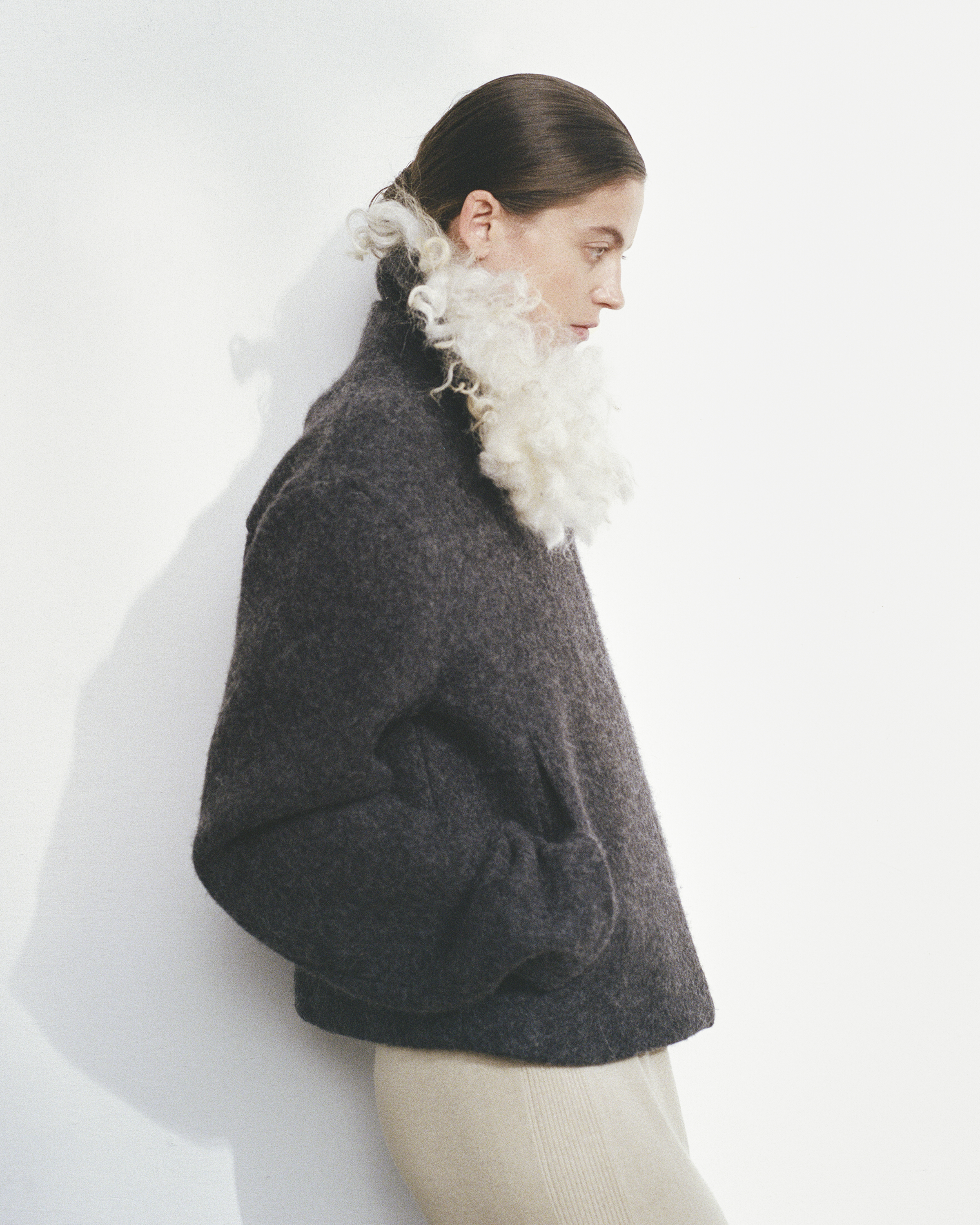
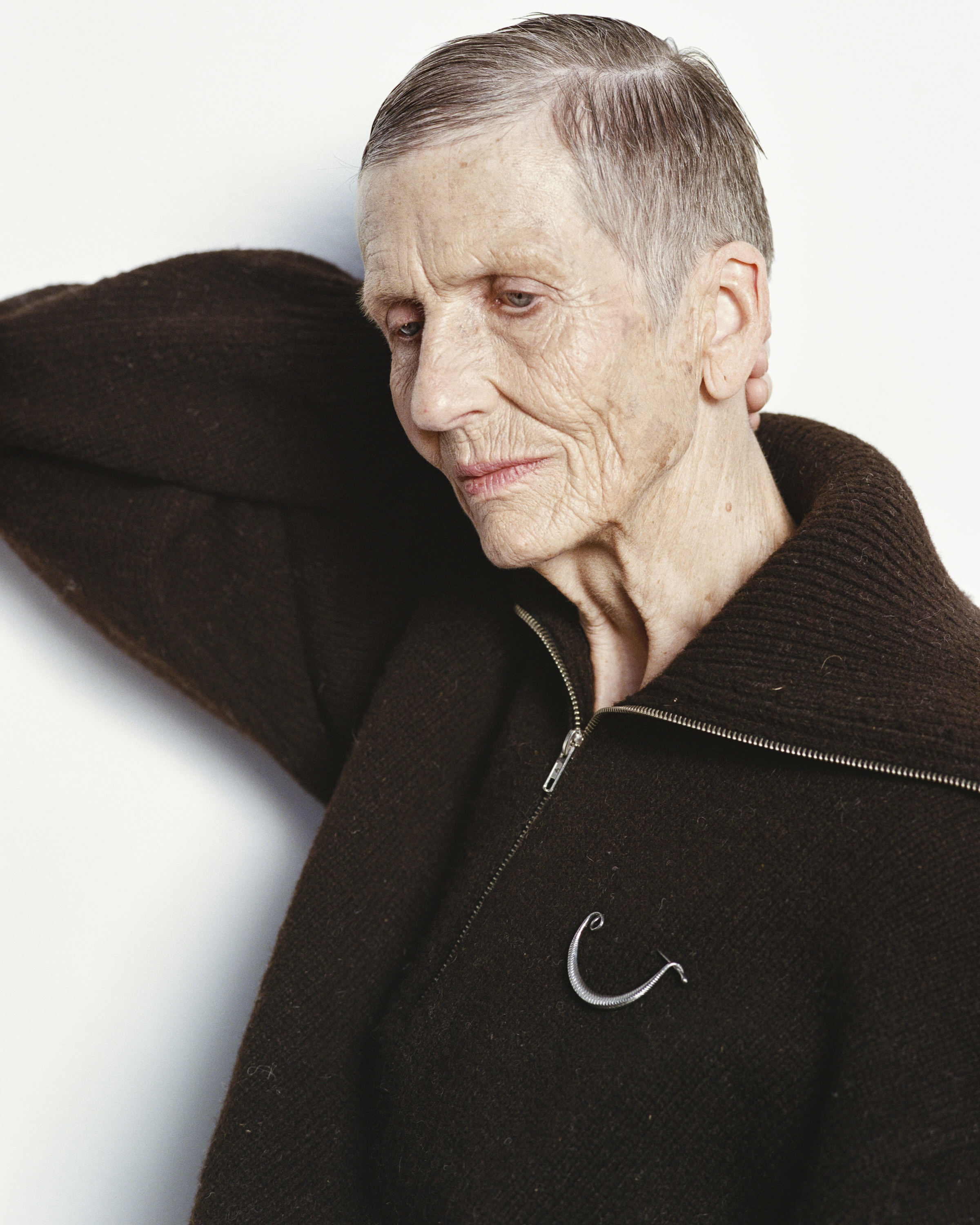
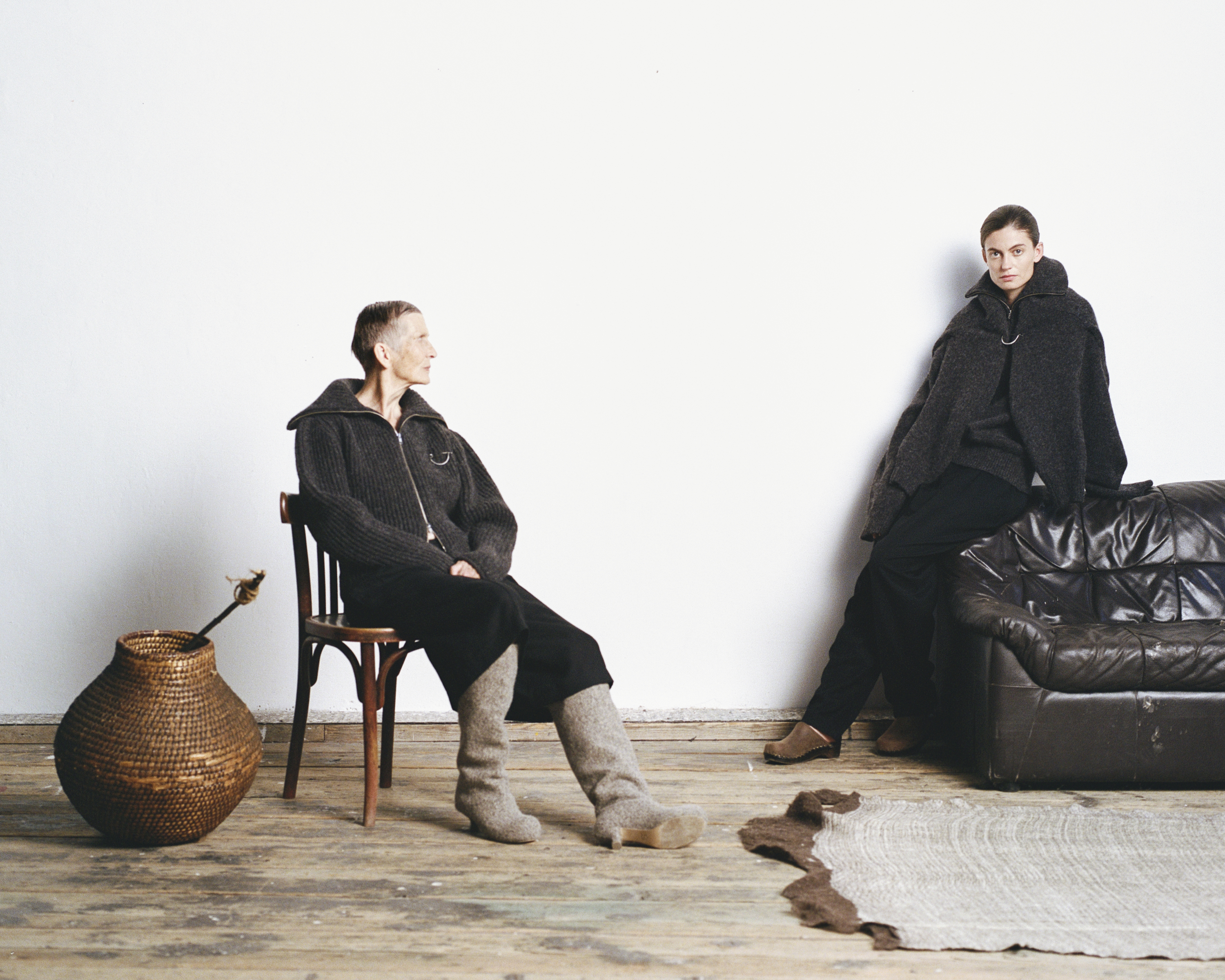
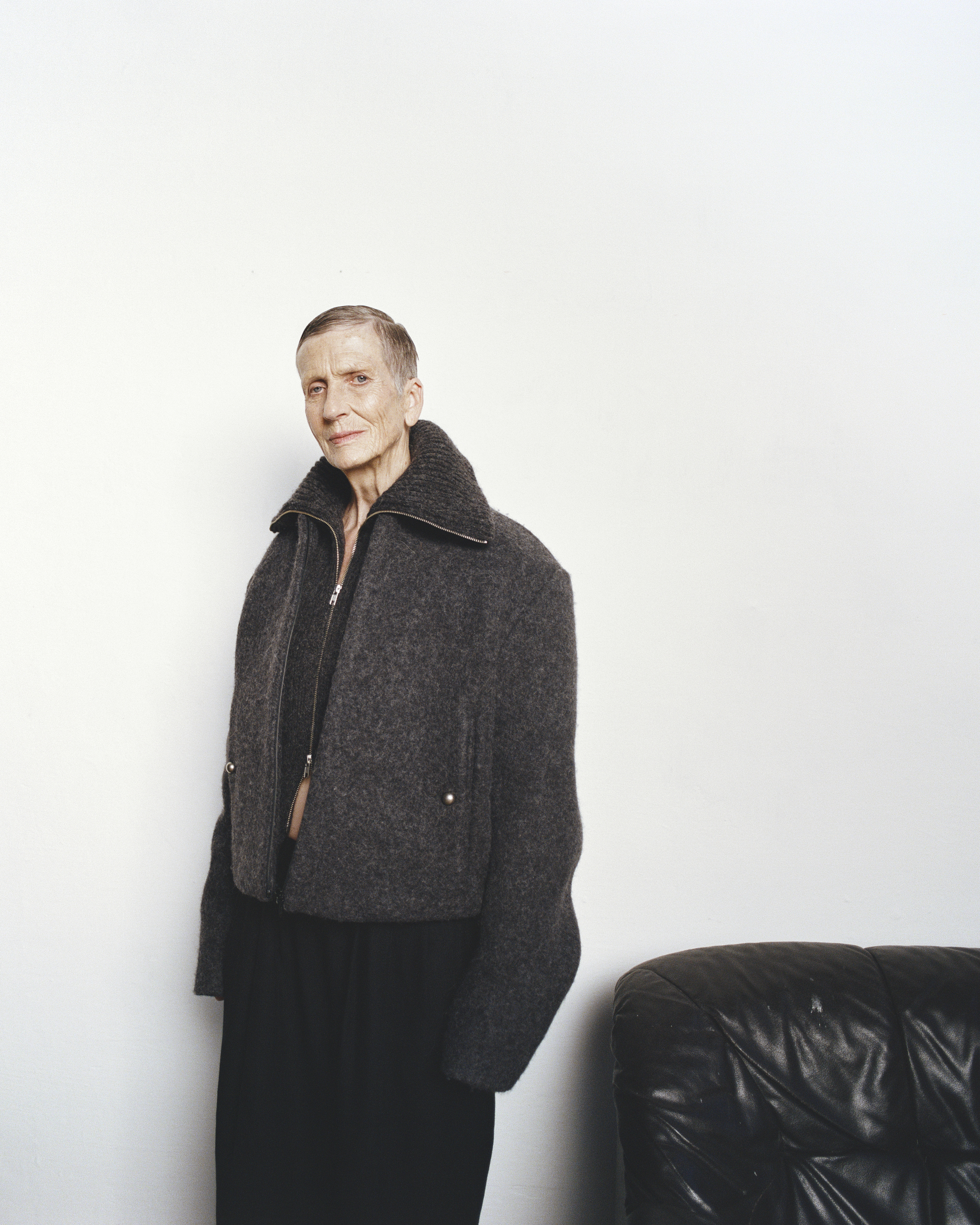
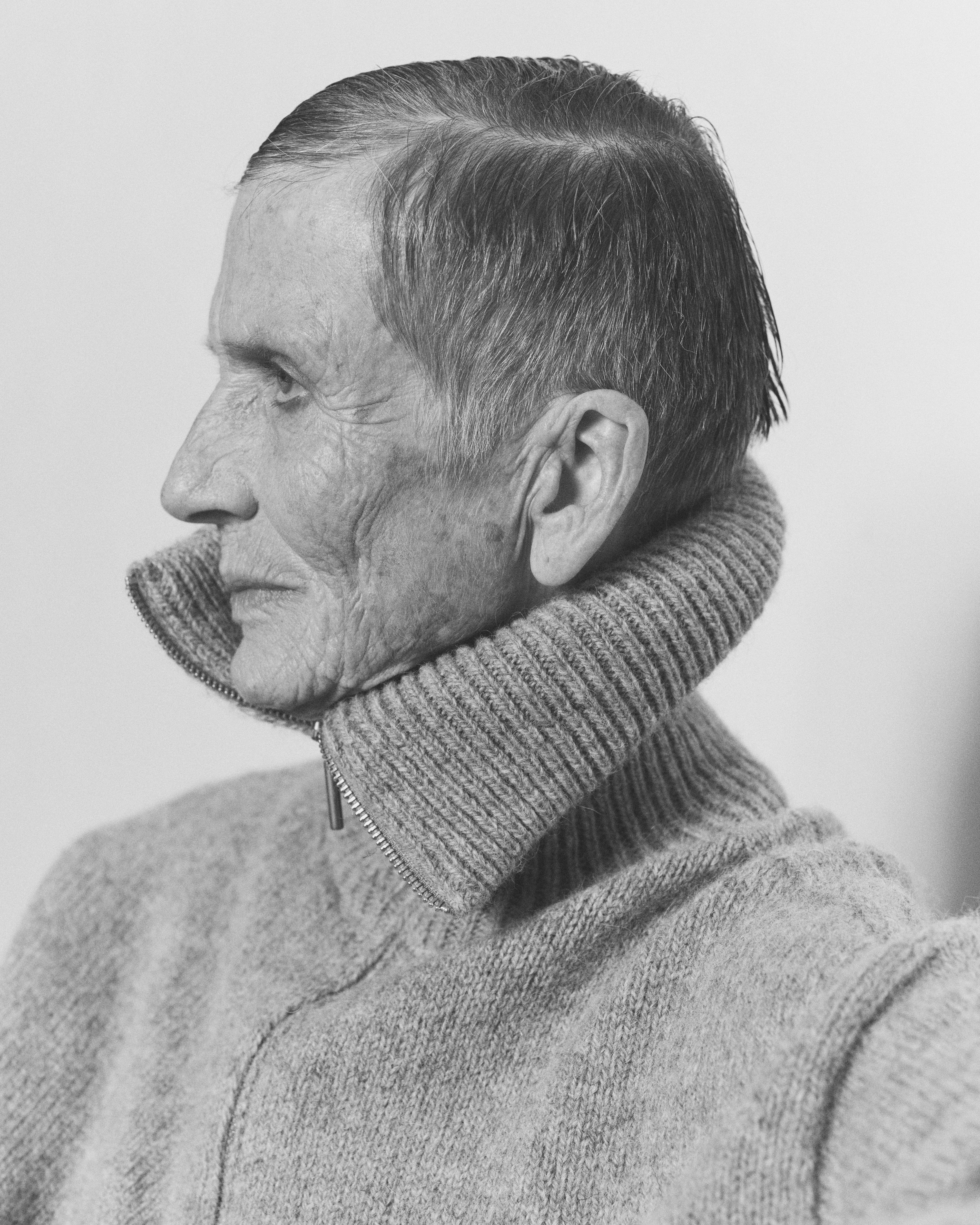
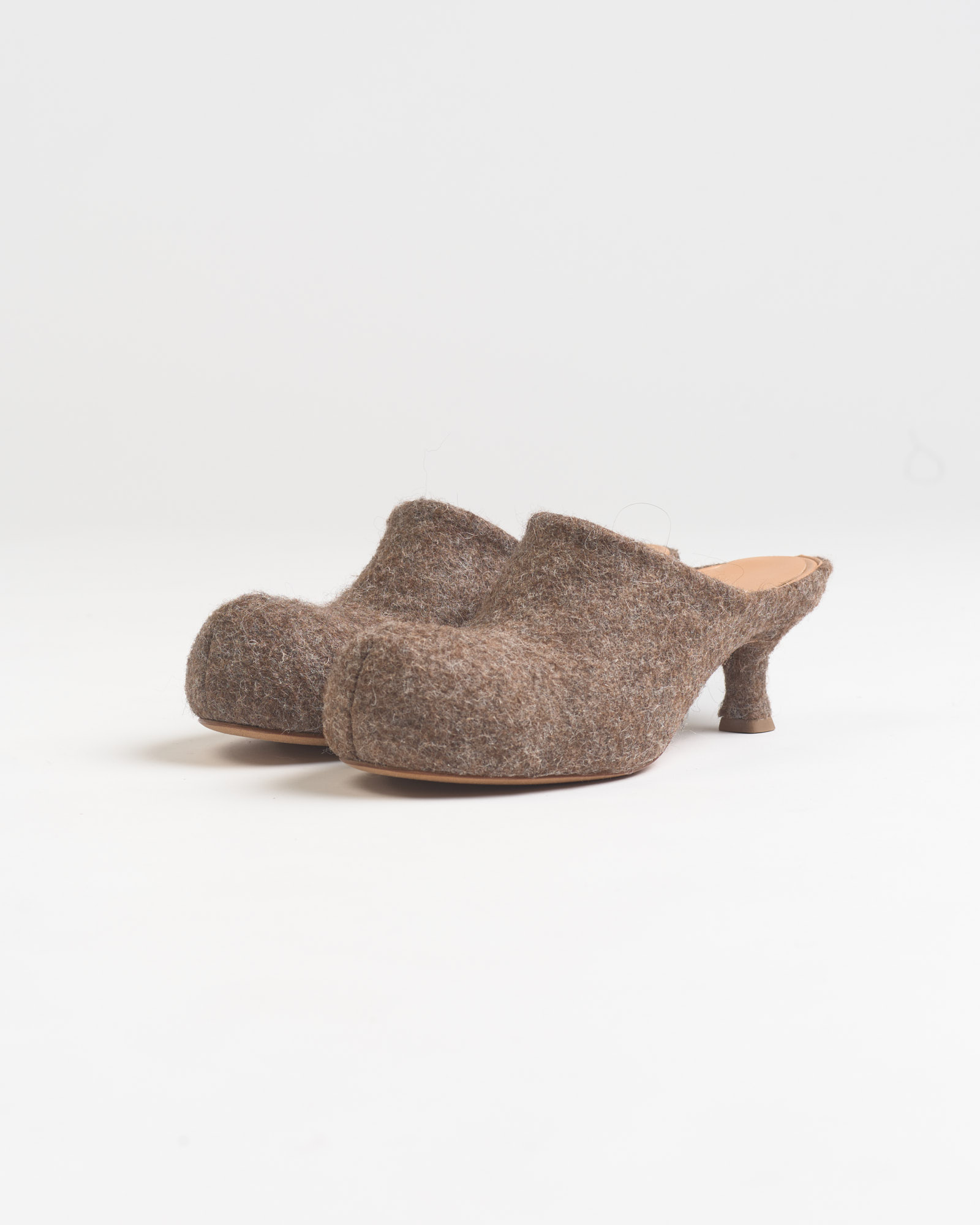
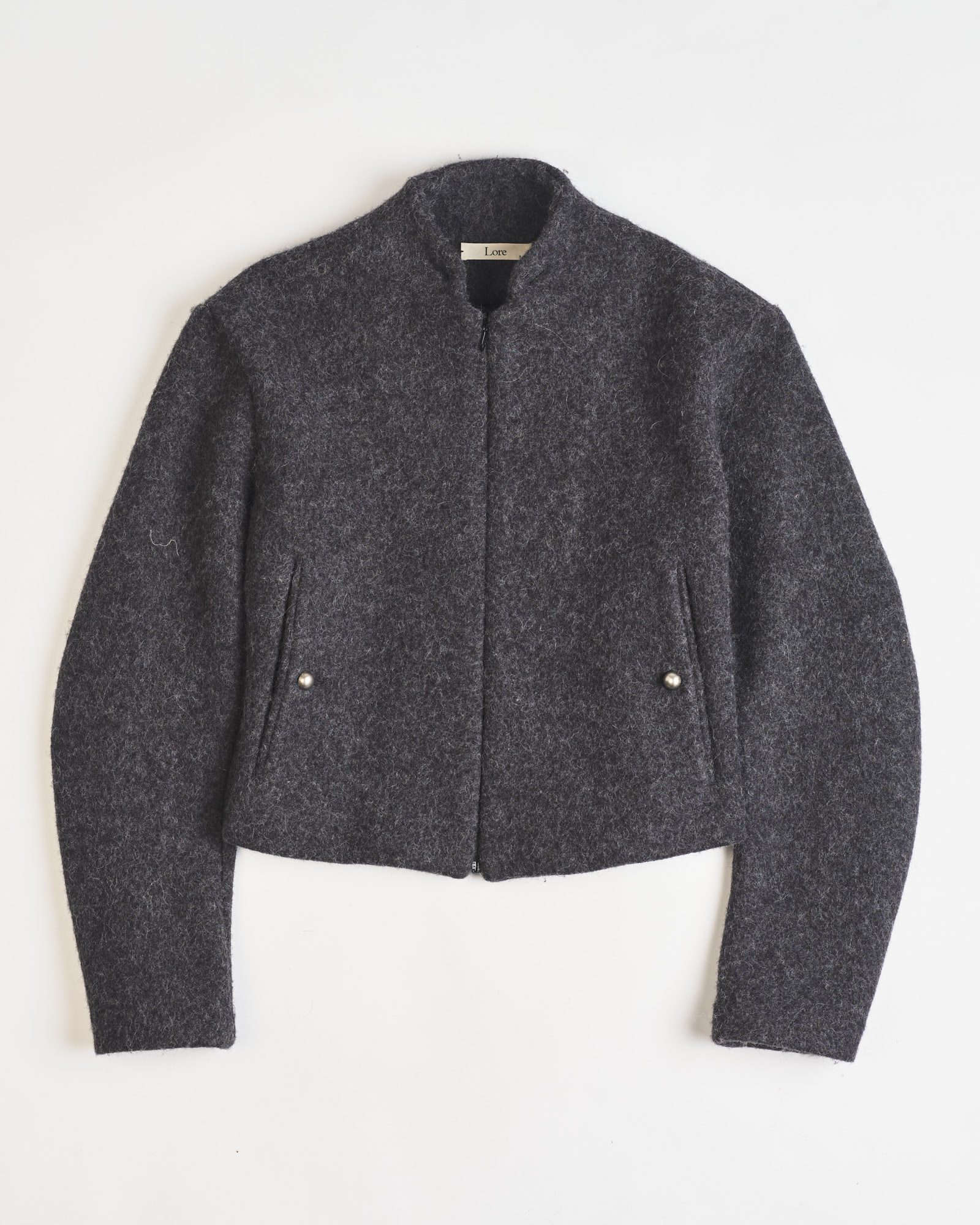
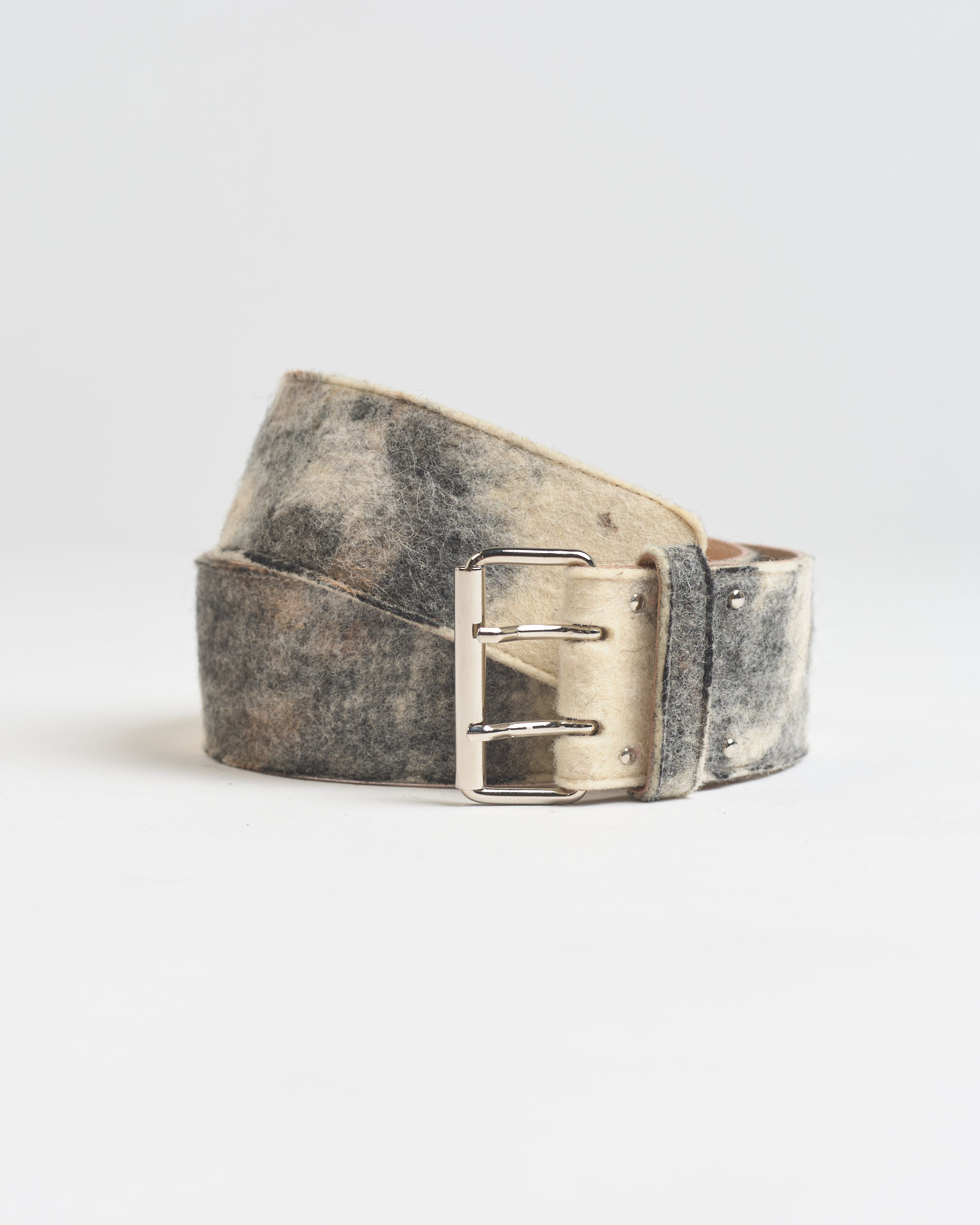
The first collection from Lore - Alpine Wool, begins with wool from sheep raised in Austria and Germany. This fiber, once central to regional textile traditions, is now rarely used, and its survival depends on a network of people dedicated to preserving the craft.
By sourcing, washing, spinning, knitting, and finishing wool entirely in the Alpine region, Lore maintains close relationships with every producer, ensuring the continuity of a craft and a landscape that might otherwise disapp
By sourcing, washing, spinning, knitting, and finishing wool entirely in the Alpine region, Lore maintains close relationships with every producer, ensuring the continuity of a craft and a landscape that might otherwise disapp
Austria
Regional
Tyrol and Styria
It addresses urban-rural linkages
It involves other types of transformations (soft investment)
Yes
2026-01-21
No
No
No
Organisation
Our first collection utilized materials like Austrian Jura and German Merino Landschaf wool, which are frequently discarded at a high cost to farmers. Because collection systems for many sheep breeds are virtually non-existent due to a lack of commercial infrastructure, this wool is often treated as waste, contributing to regional environmental challenges. By repurposing this overlooked material into high-quality garments, we tackle this issue while supporting local farmers, reducing waste, and narrating the history of these forgotten materials.
Our primary beneficiaries are local sheep farmers, family-run regional mills, and wool washers whom we are reintegrating into the global value chain. Through digital storytelling and sales presentations in Paris and Vienna, we have promoted this forgotten craftsmanship, allowing the public to reconnect with and own a piece of the regional textile heritage.
Our core objective was to build a resilient, localized supply chain. This involved establishing a reliable infrastructure to collect, wash, spin, and knit wool within a tight geographic radius, thereby ensuring the preservation and support of traditional European textile expertise.
By successfully launching and scaling this collection, we have shown the market viability of localized, culturally rooted products. Our presentation during Paris Fashion Week to luxury buyers from the US, China, Japan, and Europe provides empirical evidence that sustainable production can meet the highest standards of global aesthetics.
Unlike other brands, we aim for structural sustainability, that goes beyond "marketing arguments", proving that a garment’s beauty is inseparable from its social and environmental ethics. We aim to work outside of the globalised and extractive model of the fashion industry and create a more regenerative one that honours the broad European cultural heritage and rural livelihoods.
Lore began with a clear intention to rethink how knitwear is made and to question the systems behind it.
After 15 years working as a knitwear designer for brands like Ann Demeulemeester, Haider Ackermann and Alber Elbaz in Antwerp and Paris, Inga Nemirovskaia developed a growing interest in local farming and food systems. Through this, she discovered that Austria has around 400,000 sheep producing roughly 800,000 kg of wool each year, most of which goes unused or is treated as waste.
Rather than accepting this, she decided to build a system around it.
Because farming in Austria is largely small-scale, the project relies on strong local partnerships. Inga works closely with the national sheep and goat organisation, which connects farmers across the country. Together, they organise the collection of wool from suitable breeds while also improving shearing and sorting practices directly at the source.
The wool is then processed entirely within Austria. It is washed at one of the last remaining wool washing facilities, run by the Regensburger family, and then spun in Tyrol. Through continuous development of spinning and knitting techniques, and close collaboration with all partners involved, the yarn is refined in feel and performance and transformed into high-quality knitwear.
Lore’s approach is based on structural sustainability. It goes beyond surface-level solutions, aiming instead to build a regenerative system that reconnects agriculture and textile production. By working with existing resources and local knowledge, Lore supports rural livelihoods while creating garments whose quality is inseparable from their environmental and social context.
Local Sourcing
Sustainable Fashion
Preserving Heritage
Rural Regeneration
Bio-based Materials
Lore addresses sustainability by working at a structural level, focusing on how materials are sourced, processed, and valued.
Environmentally, the project uses existing local resources that are currently underutilised. Austrian wool is often treated as waste despite being a valuable natural fibre. By creating a system around it, Lore reduces waste, avoids long transport routes, and works within natural material cycles. The focus on local processing also lowers the environmental impact compared to globalised production chains.
Socially and economically, Lore strengthens regional networks. By collaborating with small-scale farmers, processors, and manufacturers across Austria, the project supports rural livelihoods and helps maintain skills and infrastructure that are at risk of disappearing. It creates fairer value distribution by reconnecting each step of production, from raw material to finished garment.
Culturally, the project engages with European textile heritage, not as nostalgia but as a living practice. Traditional knowledge such as wool sorting, spinning, and knitting is preserved and further developed through contemporary design and ongoing material innovation.
What makes Lore exemplary is this integrated approach. Sustainability is not treated as an add-on or a marketing layer, but as the foundation of the entire system. By working outside of extractive, globalised models and building a regenerative, local supply chain, Lore demonstrates that environmental responsibility, social value, and product quality can exist together and reinforce one another.
Lore contributes to aesthetics by grounding design in material, origin, and process.
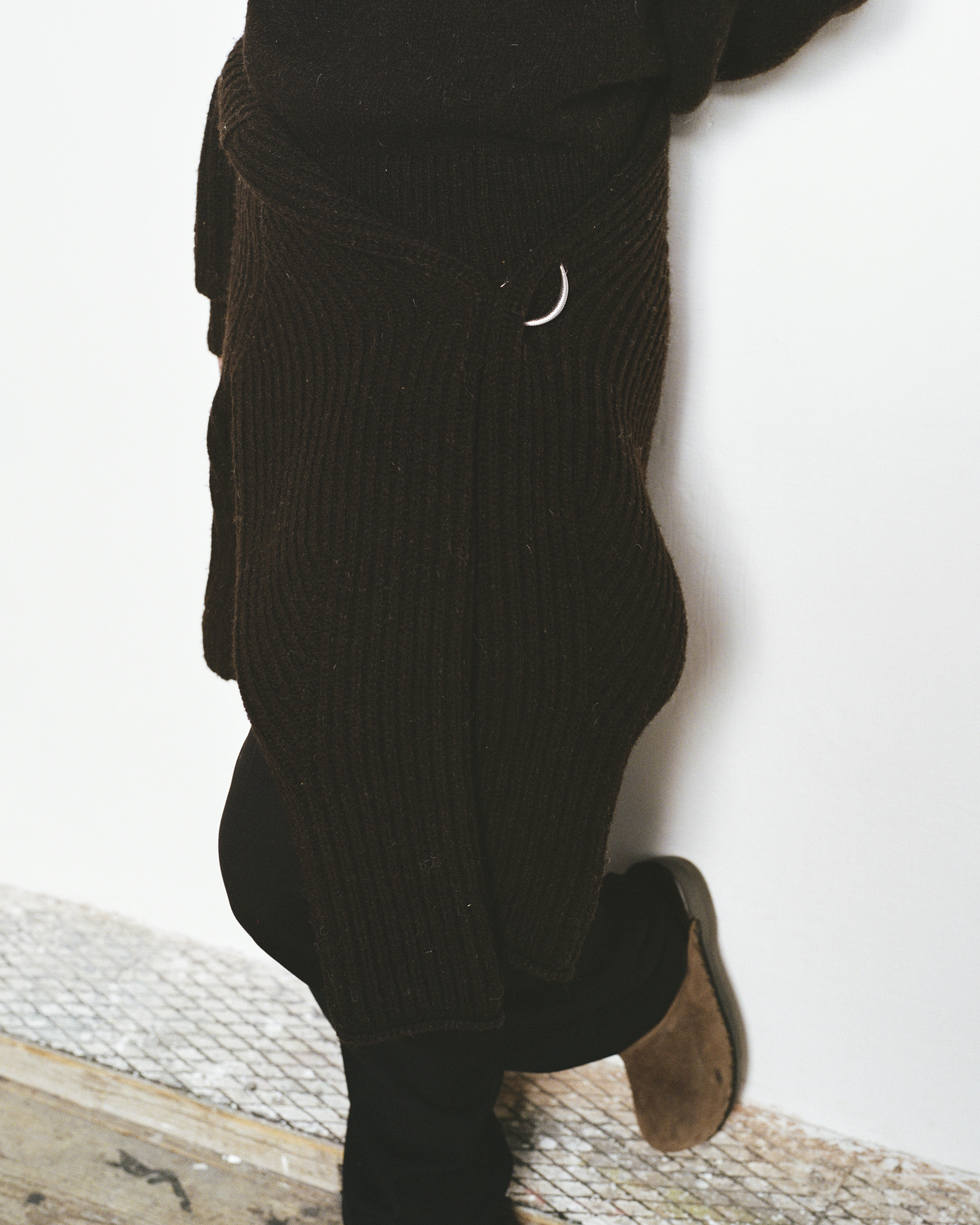
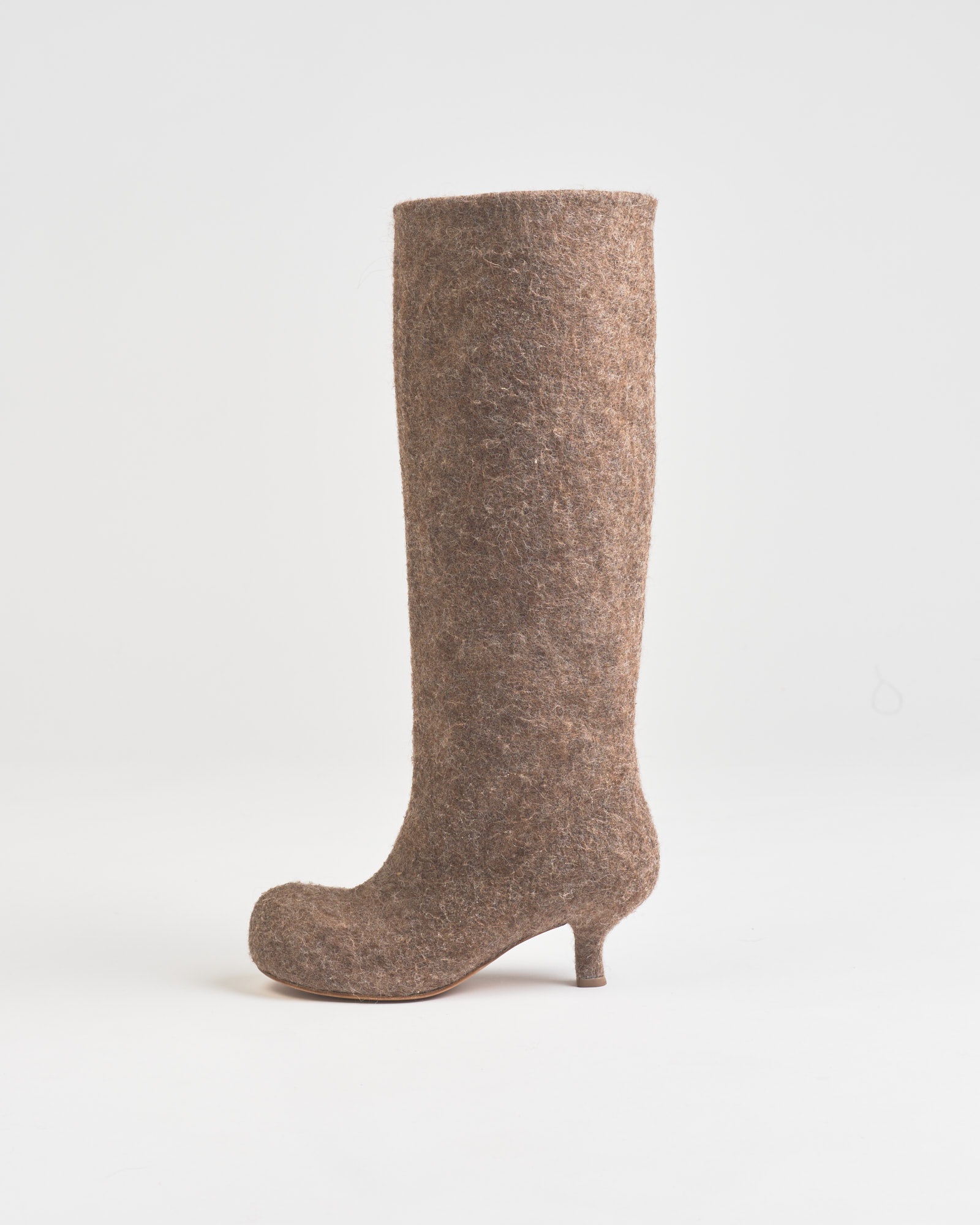
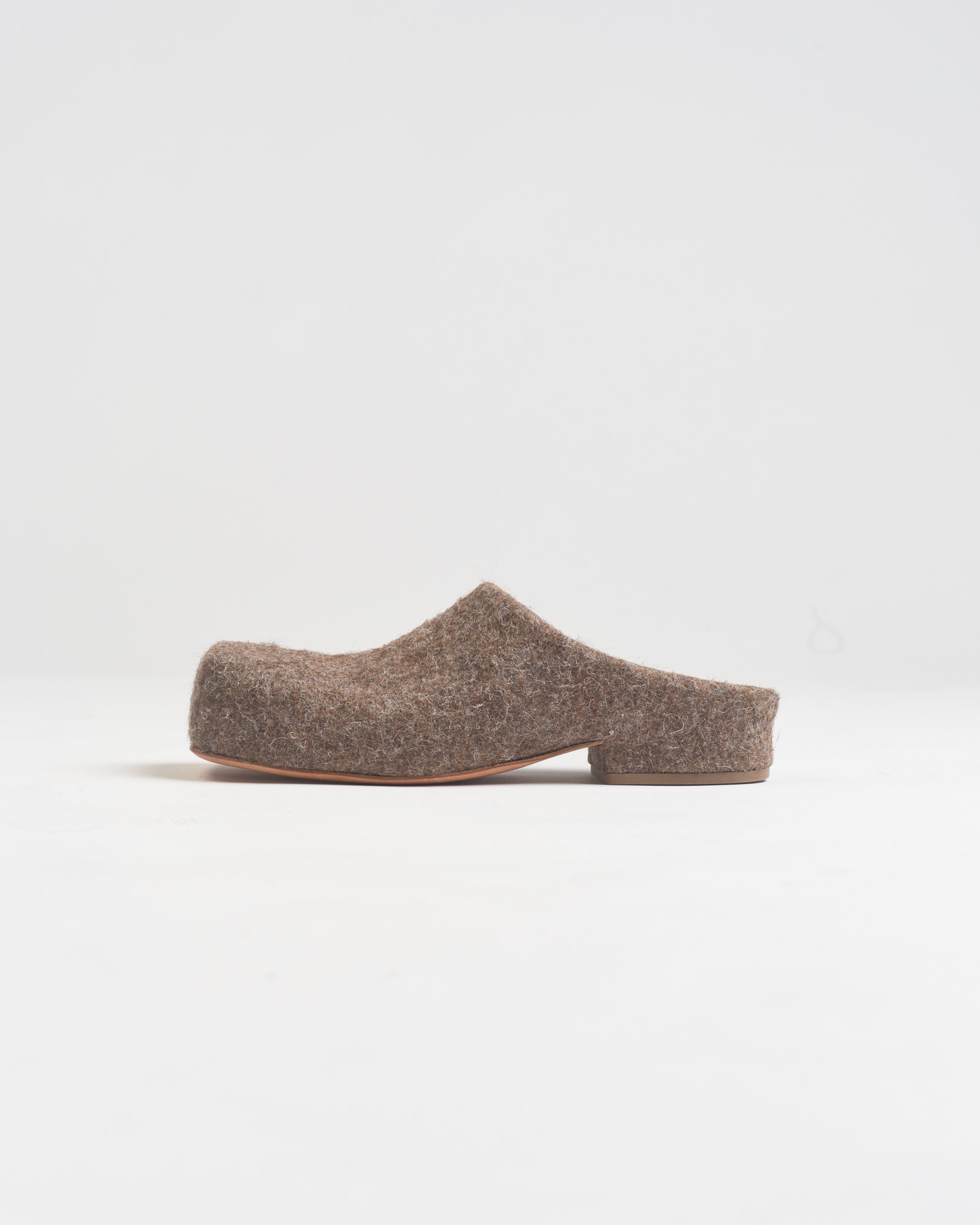
Each garment begins with the raw material. The design process is shaped by the specific qualities of local wool and by traditional ways of processing and making clothing. This results in pieces that feel both raw and refined, combining a certain rustic character with a precise, contemporary aesthetic. The forms, textures, and silhouettes emerge directly from the properties of the fibre, allowing for timeless designs and distinctive shapes that could not exist without this material focus.
Beyond appearance, the garments carry a sense of place. They reflect the landscapes, animals, and cultural heritage they come from, translating these elements into something tangible and wearable. In this way, aesthetics are not separate from origin, but deeply connected to it.
Lore also extends this idea to the relationship between people and clothing. Each garment includes information about the sheep, their origin, and the people involved in the process, currently through hang tags and in the future through a QR code. This creates transparency and allows the wearer to understand and value what they are wearing.
By reconnecting design with material, origin, and story, Lore creates a form of beauty that fosters awareness, attachment, and care. It encourages a more conscious relationship with garments and contributes to a sense of belonging, both to a place and to the wider system behind each piece.
Lore Europe promotes Socio-Economic and Cultural Inclusion by reintegrating the rural actors into the global luxury value chain. Our project aims to provide resources to the Alpine sheep farmers and small-scale producers whose livelihoods and traditional know-how have been threatened by offshored, industrial-scale production and cheap labour. We aim to transform the fashion supply chain from an exclusive, extractive system into an inclusive, participatory one.
We achieve these goals through a localized and transparent supply chain. Moving away from standard industry obscurity, we source raw materials directly from farmers in the Alpine region, allowing us to guarantee fair compensation. By partnering with regional mills and wool-washing facilities and championing our farmers across digital platforms, panel talks, and international showrooms, we amplify their voices and impact. This ensures that their craftsmanship and heritage are not only recognized but actively preserved within a global context.
The primary result is the demonstrated viability of a fully integrated local supply chain that transforms wool from a cost into an asset. We have moved from theory to a functional operational model, proving that traditional European expertise can compete in the globalised world of fashion.
Our debut at Paris Fashion Week served as the proof of concept, validating the market demand and confirming that our infrastructure is ready to be scaled. This creates a concrete pathway for our rural partners to monetize their heritage and expand their production within a market that was previously inaccessible to them.
We are exemplary because we provide a concrete model to support and promote our stakeholders. Our approach is innovative because it proves that high-end aesthetics can serve as a vehicle for rural regeneration, making luxury a tool for social equity and the preservation of European cultural identities.
Lore connects the agricultural, manufacturing, and retail sectors through a multi-stakeholder partnership. Key participants include the Austrian Sheep and Goat Association, providing direct access to shepherds, and specialized SMEs: Wagner Wolle (spinning), Ötztaler Schafwollzentrum Regensburger (Austria’s last ecological washing facility using only soap/soda), Alpaca Alm, Heratex, JMB Fashion, and Bache Innovative. This network represents a cross-section of civil society dedicated to preserving regional craftsmanship.
In production, we moved beyond a traditional buyer/supplier relationship toward a model of co-creation. The Sheep and Goat Association acted as a bridge to the farming community, facilitating the initial collection and ensuring animal welfare standards. In the production phase, our partners were deeply involved in the feedback loop, where their expertise directly influenced the selection of raw fibers and the feasibility of localized production.
Our partners decisively shaped technical outcomes. Allowing us to experiment with felting, waxing, and material blending, they helped us develop unique, high-performance fabrics that would be impossible to produce in a standardized, offshored factory. Their willingness to "tinker" with historic machinery and traditional techniques allowed us to innovate within the constraints of local resources.
By integrating Alpine "know-how," we achieved a material integrity no industrial process could replicate. Our collaboration didn't just improve the product; it helped the partners' own operations, proving that their skills are valuable for the fashion industry. The participation extends to our early adopters, such as the renowned biodynamic wine producer Gut Oggau. By choosing Lore for their store we begun a partnership with another pioneer of organic Austrian production.
We operate through a structured alignment of local expertise and international standards. At the local and regional level, we collaborate with the Austrian Sheep and Goat Association and the Tyrolean wool-processing cluster (Wagner Wolle, Ötztaler Schafwollzentrum). At the national level, we engage with Austrian manufacturers JMB Fashion Heratex and the family-owned alpaca farm with a small integrated production Alpaca Alm.
The added value of this multilevel approach is systemic resilience. By connecting the smallest local actors (shepherds) directly to the highest tiers of the fashion industry (global retail), we bypass the inefficiencies of globalized obscurity. This governance structure ensures that local cultural heritage can be integrated into a functional, modern European economic model. It proves that the New European Bauhaus can be realized when rural tradition is supported by international market access, creating a sustainable loop that benefits every level of the chain.
The added value of this multilevel approach is systemic resilience. By connecting the smallest local actors (shepherds) directly to the highest tiers of the fashion industry (global retail), we bypass the inefficiencies of globalized obscurity. This governance structure ensures that local cultural heritage can be integrated into a functional, modern European economic model. It proves that the New European Bauhaus can be realized when rural tradition is supported by international market access, creating a sustainable loop that benefits every level of the chain.
Lore is inherently transdisciplinary, bringing together knowledge from multiple fields to build a new approach to textile production.
At its core, the project connects fashion and textile design with agriculture. It builds directly on knowledge from sheep farming, including breeding, grazing systems, and wool quality, and combines this with expertise in wool sorting, washing, and spinning. These processes are informed by both traditional craftsmanship and contemporary textile engineering.
At the same time, design plays a central role in translating the material into garments. The creative process is closely linked to the technical properties of the fibre, requiring ongoing collaboration between designers, spinners, and knit specialists to develop new yarns and knitting techniques.
The project also engages with environmental thinking, particularly in relation to circular systems, resource use, and regenerative practices. It considers not only the product, but the wider system it exists within.
In addition, Lore draws on cultural and social perspectives by working with regional heritage, local knowledge, and rural communities. It integrates these elements into a contemporary context, creating a dialogue between past and present.
This combination of agriculture, design, craftsmanship, environmental science, and cultural knowledge defines the way Lore operates and allows it to function as a connected, holistic system rather than a linear production model.
The implementation of Lore was financed through a mix of founders’ own contributions and public support, including a grant from the Vienna Business Agency (Creative Industry Project Funding) and funding from the Austrian Fashion Association. Revenue is currently generated through wholesale partnerships, consignment agreements with curated boutiques, and Direct-to-Consumer online sales. These funds are directly reinvested into R&D for new material exploration and the strengthening of our localized European supply chain.
We have successfully demonstrated market viability by presenting our collection to luxury buyers from the US, China, and Japan during Paris Fashion Week. Future revenue will be driven by expanding this wholesale footprint and diversifying our product range through new forgotten European materials.
While rooted in textiles, Lore offers a model for Urban-Rural Synergy. We believe cities shouldn't just be places of consumption but catalysts for regional integrity. By bringing a piece of the rural soul, the raw materials and the stories of the people who make them, directly into vibrant urban ecosystem, we bridge the gap between the sidewalk and the sheepfold. This creates a possibility to transform the city from a hub of blind consumption into a space for mindful connection. Our model disrupts traditional city development by proving that urban success shouldn't happen at the expense of the countryside, but should instead be the engine that keeps regional heritage and ecosystems alive.
Our project inspires others by demonstrating how to transform a regional craft and heritage into a global cultural asset. This authenticity has a high potential to attract international demand, particularly in Asia and North America. If this approach is scaled, the heritage-based production has the potential to compete with traditional, extractive global fashion supply chains.
The most easily transferable aspect of Lore is our Integrated Sourcing Approach. Mapping underutilized local resources, establishing direct-to-farmer access, and aiming for local technical co-creation. This can be applied to various contexts beyond Alpine wool. Whether it is flax in Belgium, cork in Portugal, or hemp in Romania or Spain, the logic remains the same. Additionally, our narrative strategy, which bridges the "urban-rural divide" through digital storytelling and international showrooms, is a tool that any regional collective can adopt to gain global visibility.
Our project highlights the necessity of transdisciplinary partnerships between designers, agricultural associations, artisans, and producers. Replicating it requires a design team willing to act as industrial anthropologists, immersing themselves in local manufacturing rather than just sending sketches to an offshore factory.
While the methodology is universal, the application must respect regional specificities. Adaptation involves identifying the unique assets of a specific geography and the corresponding local know-how. The material may change and the governance may shift from associations to cooperatives, but the core objective remains to regenerate local livelihoods by elevating regional heritage to the global stage.