Arts, Culture, and Heritage as Drivers of Change
Bee Routes Albania
Bee Routes of Albania: Reviving Apitranshumance Heritage and Youth Culture
Bee Routes of Albania revives the tradition of migratory beekeeping (apitranshumance) by connecting cultural heritage, biodiversity and youth engagement. Through a mobile bee heritage museum, traditional fairs, the revival of the “Bizz” bee dance and a youth program “Two Days with Migratory Beekeepers”, the project celebrates the deep cultural relationship between Albanians, bees and nature while promoting sustainable landscapes.
Albania
National
Mainly rural
It involves other types of transformations (soft investment)
Yes
2024-01-06
No
No
No
Individual
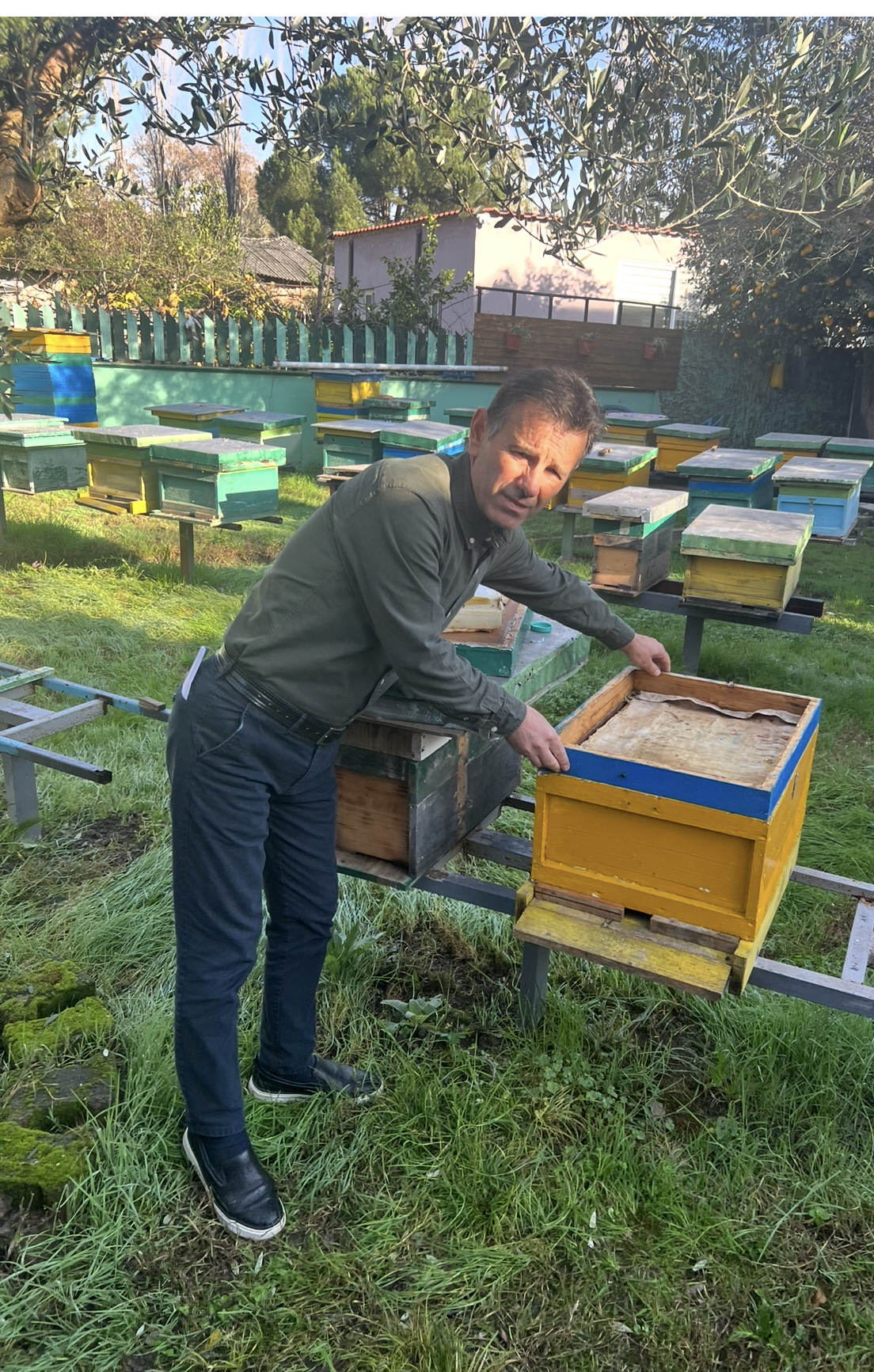
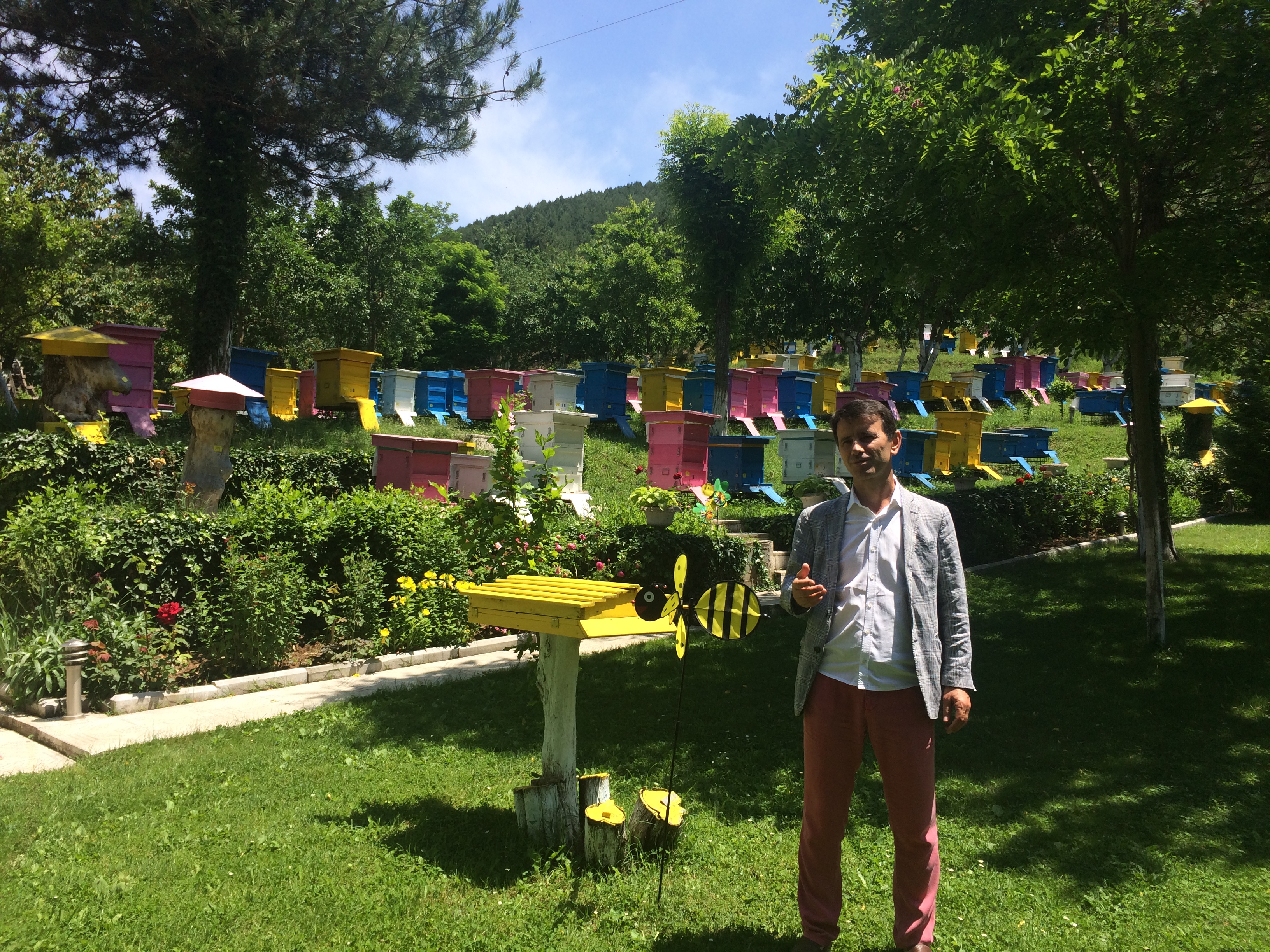
This project revives and demonstrates the traditional practice of apitranshumance, the seasonal migration of beehives across ecological zones, as a nature-based solution for pollinator conservation, sustainable agriculture and rural resilience in Albania. For centuries Albanian beekeepers moved their hives from coastal ecosystems to mountain pastures following natural flowering cycles. This traditional ecological knowledge created productive landscapes where biodiversity, food production and cultural heritage coexisted.
In recent decades, however, modernization of agriculture, pesticide use and climate change have disrupted pollinator habitats and weakened traditional beekeeping systems. The project was developed to reconnect scientific knowledge with traditional practices and to demonstrate that the revival of seasonal hive migration can strengthen both ecosystems and rural livelihoods.
Through field demonstrations, scientific monitoring and collaboration with experienced beekeepers, the initiative mapped traditional migration routes and restored seasonal movements of beehives between different flowering zones. This practice allows bees to access diverse floral resources throughout the year, improves colony health and enhances pollination services across agricultural and natural ecosystems.
The project also promotes sustainable beekeeping practices that reduce environmental pressures and protect biodiversity. By supporting pollinators, the initiative indirectly contributes to the productivity of crops and the stability of ecosystems that depend on insect pollination.
The results achieved include improved awareness about pollinator conservation, revitalization of traditional ecological knowledge and practical demonstrations showing how sustainable beekeeping can support biodiversity protection and climate resilience.
In the long term, the project offers a replicable model for integrating traditional knowledge, scientific research and community engagem
The idea for this project emerged from long-term scientific research on honey bee health and pollinator conservation combined with direct engagement with beekeeping communities in Albania. Over the past decade, beekeepers have increasingly reported colony losses linked to climate variability, pesticide exposure and reduced floral diversity.
During fieldwork and discussions with experienced beekeepers, it became clear that traditional practices once helped mitigate many of these challenges. One of the most important practices was the seasonal movement of beehives between ecological zones, allowing bees to follow natural flowering cycles from coastal plains to mountain pastures.
However, this practice has been gradually disappearing due to modernization, changing agricultural systems and the loss of traditional knowledge among younger generations.
The project therefore aimed to rediscover and revitalize this traditional system by combining it with scientific research and modern sustainable beekeeping practices. Historical migration routes were documented through interviews with experienced beekeepers and mapped together with ecological information about flowering periods and biodiversity hotspots.
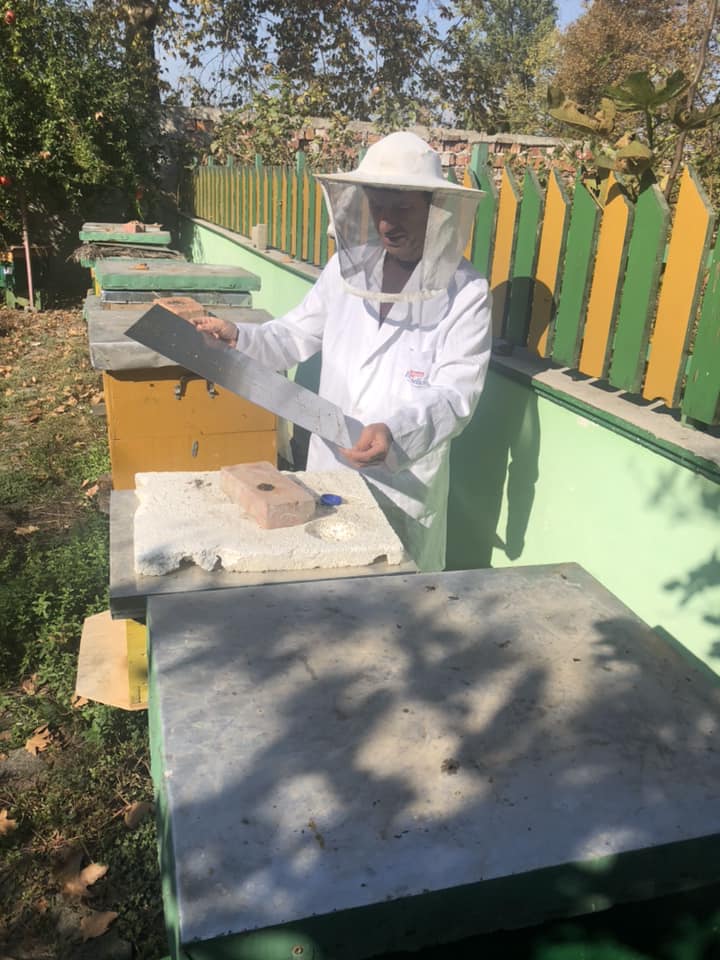
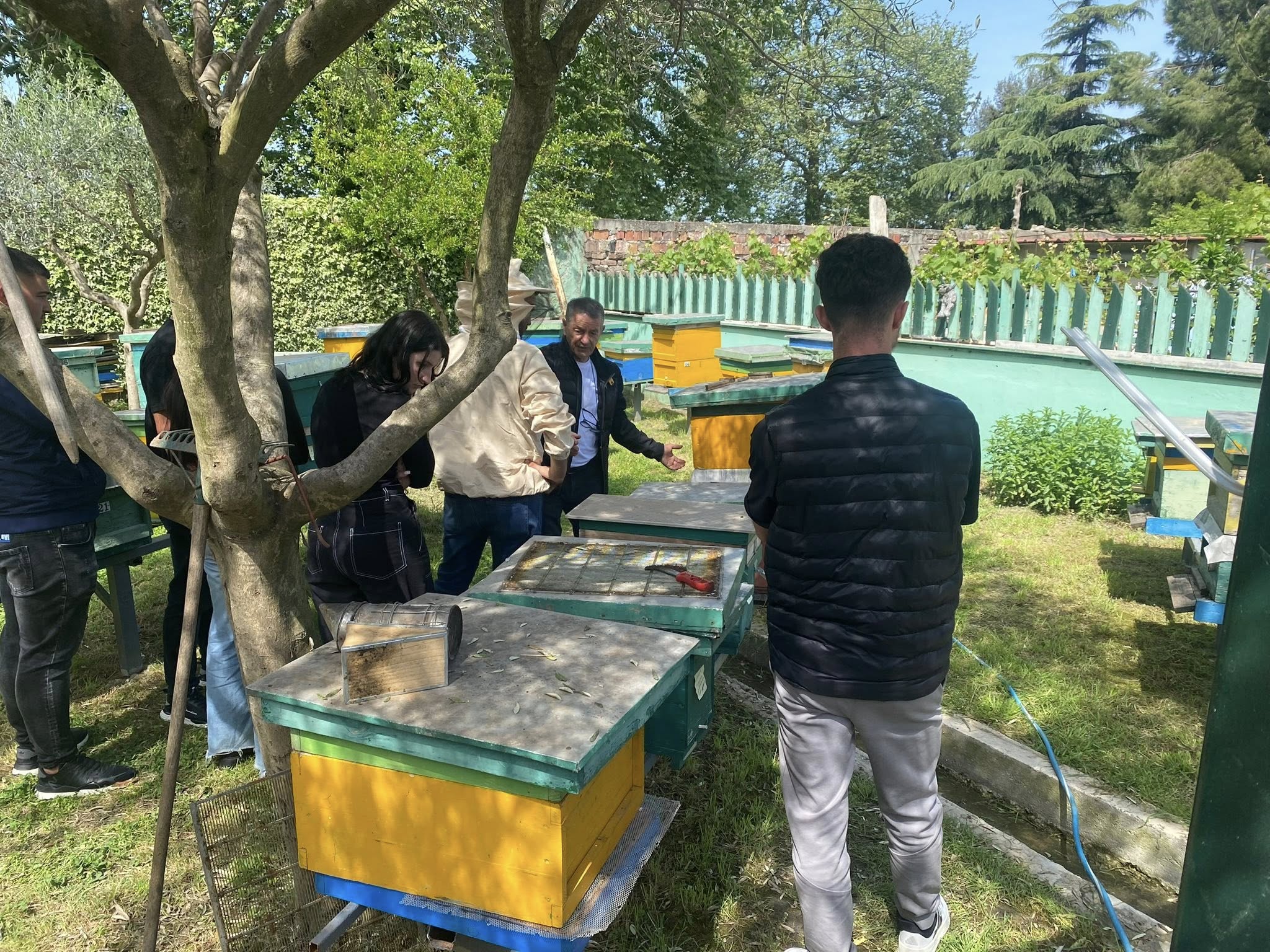
Field demonstrations were organized where beekeepers moved their colonies following seasonal flowering patterns. These activities were accompanied by training sessions on sustainable beekeeping, pollinator conservation and ecosystem services.
Scientific monitoring was also conducted to observe pollinator activity, colony performance and the ecological benefits of the practice. The collaboration between scientists, beekeepers and local communities created a practical model that integrates traditional knowledge with modern environmental science.
Today the project serves as a demonstration of how cultural heritage and ecological knowledge can provide innovative solutions to contemporary environmental challenges.
Nature-based solutions
Pollinator conservation
Traditional ecological knowledge
Sustainable beekeeping
Rural biodiversity
The project contributes to sustainability by promoting beekeeping practices that protect pollinators while strengthening ecosystem resilience and rural livelihoods. By restoring apitranshumance, beehives move seasonally across landscapes following natural flowering cycles. This reduces ecological pressure on single locations and allows bees to access diverse floral resources throughout the year.
Healthy pollinator populations are essential for biodiversity conservation and food security. Through improved pollination services, the project supports both natural ecosystems and agricultural production systems that depend on insect pollination.
The initiative also promotes environmentally responsible beekeeping practices that reduce pesticide exposure, protect pollinator habitats and encourage biodiversity-friendly land use. By integrating traditional ecological knowledge with modern scientific understanding, the project demonstrates a sustainable model that aligns environmental protection with economic opportunities for rural communities.
Training sessions, field demonstrations and collaboration with beekeepers strengthen local capacity and encourage the adoption of sustainable practices. In this way, the project contributes to climate adaptation, biodiversity conservation and sustainable rural development.
The project enhances the aesthetic and cultural value of landscapes by revitalizing traditional beekeeping practices that have shaped rural environments for generations. The seasonal movement of beehives across diverse ecosystems reconnects communities with the rhythms of nature and reinforces the cultural identity of rural areas.
Beehives placed within flowering landscapes create living environments where biodiversity, agriculture and cultural heritage coexist. Healthy pollinator populations contribute to vibrant landscapes rich in flowers, vegetation and natural diversity, which improves both ecological quality and visual beauty.
By preserving traditional knowledge and supporting sustainable land management, the project contributes to landscapes that are not only productive but also meaningful for communities. The presence of traditional beekeeping practices reinforces a sense of belonging and care for local environments.
Through this approach the project demonstrates that sustainability and aesthetics are interconnected: landscapes that support biodiversity and traditional practices are also landscapes that people value, protect and identify with.
The project promotes social inclusion by actively involving beekeepers, researchers, students and rural communities in a shared effort to protect pollinators and biodiversity. Knowledge exchange between experienced beekeepers and younger generations is a central element of the initiative.
Training sessions and field demonstrations are designed to be accessible to local communities and encourage participation from young people and women interested in sustainable beekeeping and rural entrepreneurship. By sharing practical knowledge and scientific information, the project empowers communities to actively participate in environmental stewardship.
The initiative also strengthens collaboration between scientific institutions and rural communities, creating opportunities for knowledge exchange and capacity building. This participatory approach ensures that traditional ecological knowledge is preserved while also being adapted to modern environmental challenges.
By promoting inclusive participation and equitable access to knowledge, the project helps build stronger rural communities and encourages collective responsibility for biodiversity conservation and sustainable landscapes.
The project was developed through a strongly participatory process involving beekeepers, local associations, researchers and rural communities across southern Albania. Albania hosts more than 16,000 beekeepers managing over 600,000 beehives, making beekeeping an important livelihood activity and a key component of rural biodiversity conservation.
From the early stages of the initiative, local beekeepers were actively involved in identifying traditional migration routes for beehives and sharing practical knowledge on seasonal flowering patterns. Beekeeping associations from Korçë, Përmet, Ersekë, Tepelenë, Vlorë, Gjirokastër and Sarandë played a central role in mobilizing local communities and facilitating dialogue between practitioners and researchers.
Participatory meetings and field demonstrations allowed beekeepers to exchange experiences and jointly evaluate how traditional apitranshumance practices could be adapted to modern environmental challenges. Experienced beekeepers contributed historical knowledge on traditional hive movements, while younger participants and students supported documentation and monitoring activities.
The involvement of local communities created a strong sense of ownership of the project. Citizens and beekeepers were not only beneficiaries but active co-creators of the initiative, helping to shape practical solutions for pollinator conservation and sustainable beekeeping.
As a result, the project strengthened cooperation between communities and scientific institutions, increased awareness of pollinator protection and helped revive traditional ecological knowledge that was gradually disappearing. This participatory approach ensures that the project’s outcomes are socially rooted, locally accepted and sustainable in the long term.
The project was designed and implemented through collaboration between stakeholders at multiple governance levels, including local beekeeping communities, regional associations, academic institutions and national environmental actors.
At the local level, beekeepers and associations from Korçë, Përmet, Ersekë, Tepelenë, Vlorë, Gjirokastër and Sarandë were directly involved in identifying traditional apitranshumance routes, organizing field demonstrations and testing sustainable beekeeping practices.
At the regional level, cooperation between different beekeeping associations helped create a network for knowledge exchange and coordination of seasonal hive movements across ecological zones. This regional collaboration strengthened communication between beekeepers operating in coastal areas and those in mountain regions.
At the national level, scientific support and coordination were provided through academic expertise and research activities related to bee health, pollinator conservation and sustainable beekeeping systems. Scientific monitoring and training activities helped connect traditional knowledge with modern environmental science.
The project also contributes to broader European environmental objectives, particularly those related to biodiversity protection, pollinator conservation and sustainable agriculture. By demonstrating a nature-based solution rooted in traditional ecological knowledge, the initiative aligns with European efforts to protect pollinators and promote resilient rural landscapes.
The multilevel governance approach created added value by linking grassroots community knowledge with scientific expertise and policy objectives. This collaboration ensured that local solutions contribute to wider environmental goals while remaining grounded in the realities of rural communities.
The project is inherently transdisciplinary, integrating knowledge and methods from multiple scientific and practical fields to address complex environmental and socio-economic challenges.
Environmental sciences and ecology played a key role in understanding pollinator habitats, flowering cycles and biodiversity dynamics across different landscapes. Research on honey bee health and pollinator ecology helped identify sustainable strategies for protecting bee populations and improving pollination services.
Agricultural sciences and sustainable beekeeping practices were essential for developing practical approaches that support both bee health and honey production. These practices were tested through field demonstrations with local beekeepers managing part of Albania’s more than 600,000 beehives.
Social sciences contributed to understanding the cultural importance of traditional beekeeping and the role of community knowledge in sustainable resource management. Interviews and participatory meetings with experienced beekeepers helped document traditional ecological knowledge that has been transmitted through generations.
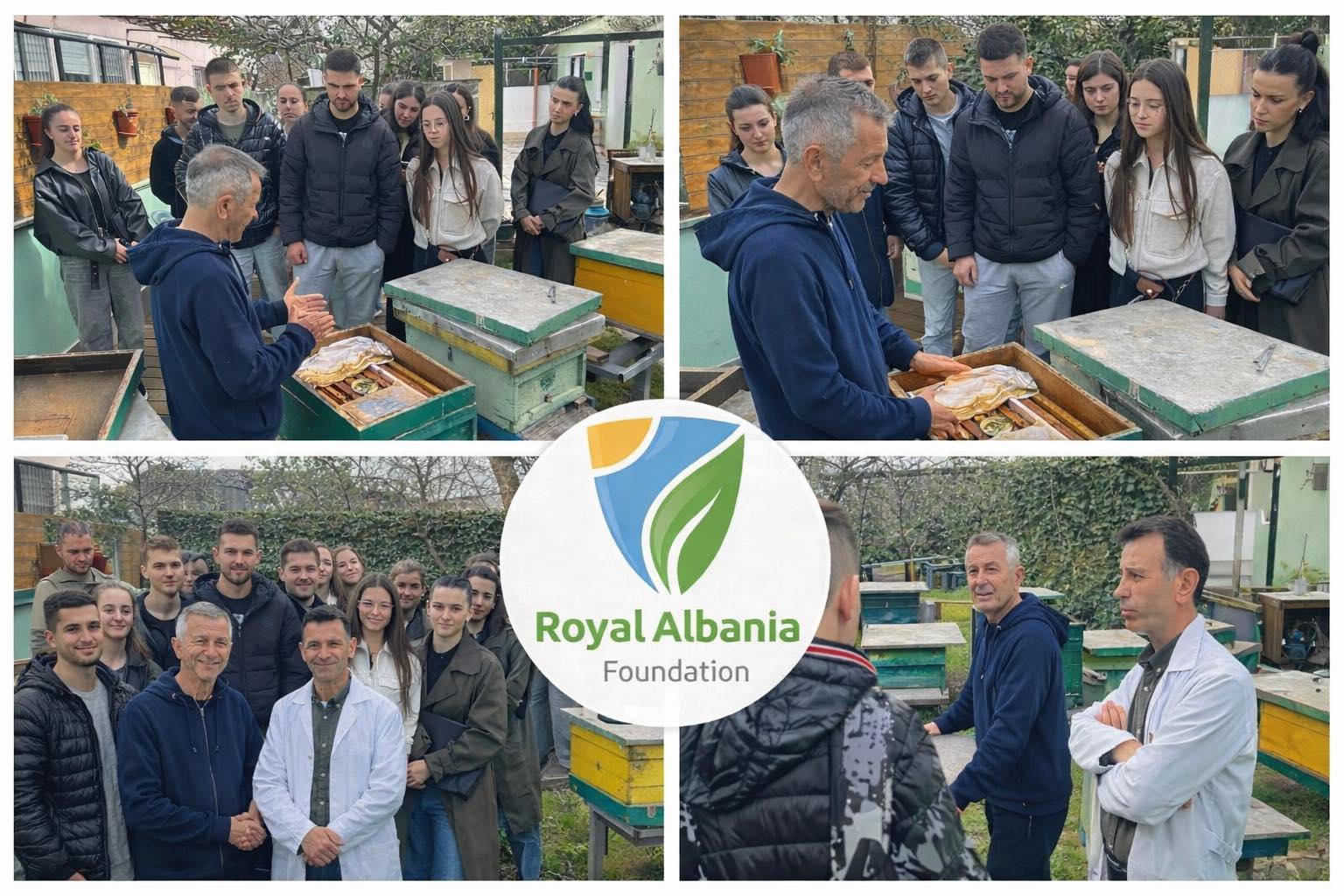
Education and community engagement were also central elements of the project. Students, young professionals and local communities participated in training activities, field observations and knowledge exchange events.
By combining scientific research, traditional ecological knowledge and community participation, the project created a holistic model for sustainable pollinator conservation. This transdisciplinary approach demonstrates how environmental science, agriculture, culture and community engagement can work together to build resilient landscapes and sustainable rural economies.
The project is built on a sustainable socio-economic model combining biodiversity conservation, traditional knowledge and rural economic activities linked to beekeeping. Albania hosts more than 16,000 beekeepers managing over 600,000 beehives, creating a strong foundation for a community-based economy connected to pollinators and honey production.
The initiative cooperates with the Federation of Beekeepers of Albania and regional associations from Korçë, Përmet, Ersekë, Tepelenë, Vlorë, Gjirokastër and Sarandë, promoting sustainable beekeeping practices and local honey-based products.
Financial sustainability is supported through diversified activities. Seasonal migration of beehives allows beekeepers to produce honey from different ecological zones, increasing quality and market value. Products such as honey, pollen, propolis and traditional foods prepared with honey create direct income opportunities.
The project also promotes community events and cultural festivals, including the traditional Honey Festival, where local producers present honey products, traditional foods and cultural elements linked to beekeeping heritage. These festivals often include exhibitions of traditional clothing, dances inspired by pastoral life and customs such as welcoming brides with honey during wedding ceremonies.
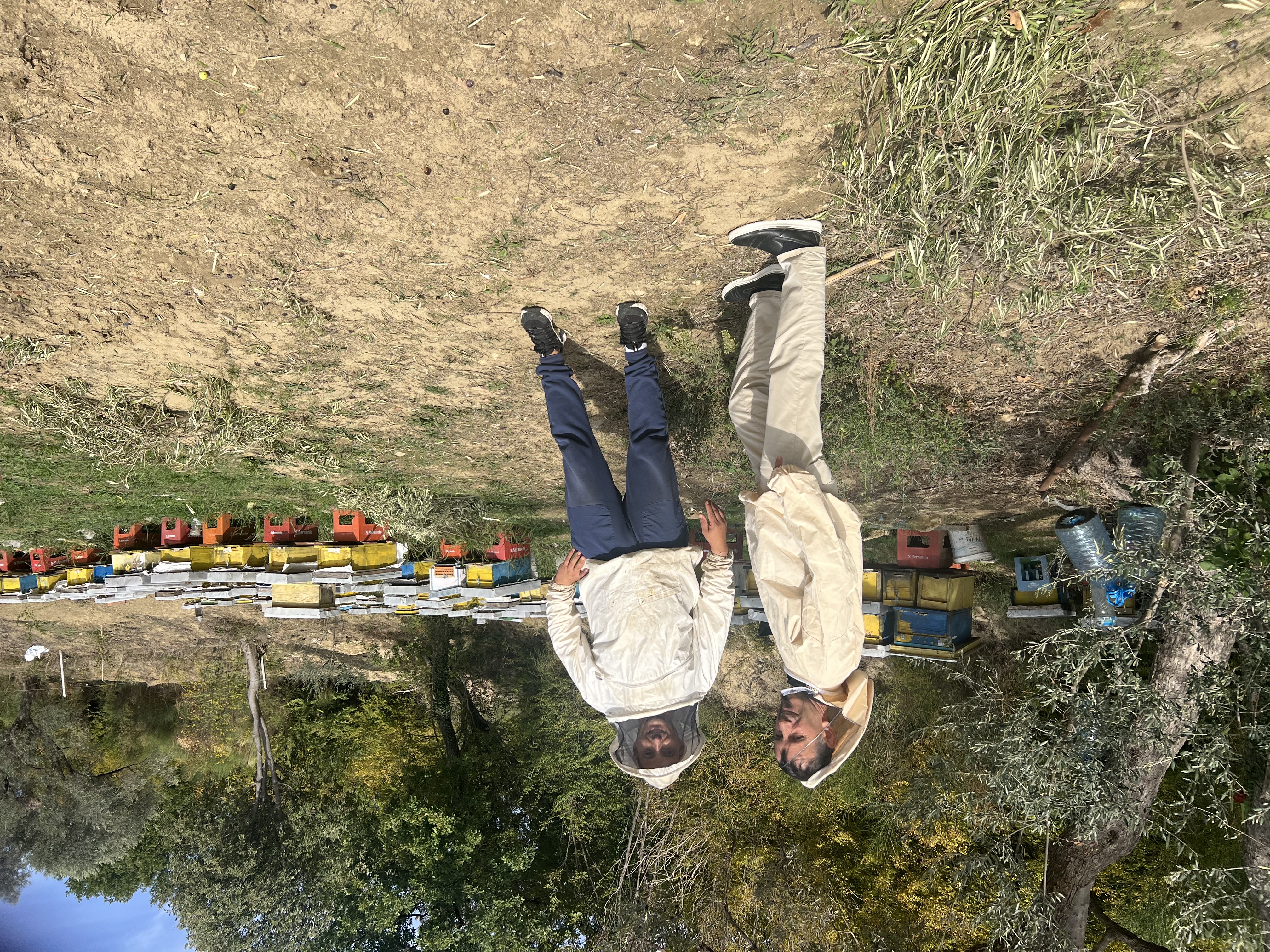
Meetings of beekeepers in mountain pastures during seasonal hive migration strengthen cooperation and knowledge exchange between communities while promoting local traditions.
By combining honey production, cultural heritage, eco-tourism and community festivals, the project creates diversified income opportunities while maintaining ecological benefits for pollinators and landscapes.
The project is built on a sustainable socio-economic model that combines biodiversity conservation, traditional knowledge and rural economic activities linked to beekeeping. Albania hosts more than 16,000 beekeepers managing over 600,000 beehives, creating a strong foundation for a community-based economy connected to pollinators and honey production.
The initiative cooperates with the Federation of Beekeepers of Albania and regional associations from Korçë, Përmet, Ersekë, Tepelenë, Vlorë, Gjirokastër and Sarandë, promoting sustainable beekeeping practices and local honey-based products.
Financial sustainability is supported through diversified activities. Seasonal migration of beehives allows beekeepers to produce honey from different ecological zones, increasing quality and market value. Products such as honey, pollen, propolis and traditional foods prepared with honey create direct income opportunities.
The project also promotes community events and cultural festivals, including the traditional Honey Festival, where local producers present honey products, traditional foods and cultural elements linked to beekeeping heritage. These festivals often include exhibitions of traditional clothing, dances inspired by pastoral life and customs such as welcoming brides with honey during wedding ceremonies.
Meetings of beekeepers in mountain pastures during seasonal hive migration strengthen cooperation and knowledge exchange between communities while promoting local traditions.
By combining honey production, cultural heritage, eco-tourism and community festivals, the project creates diversified income opportunities while maintaining strong ecological benefits for pollinators and landscapes.