Strengthening Local Democracy and Inclusion
The Kore Project
The Kore Project: A Community-Owned Living Lab for Regenerative Living
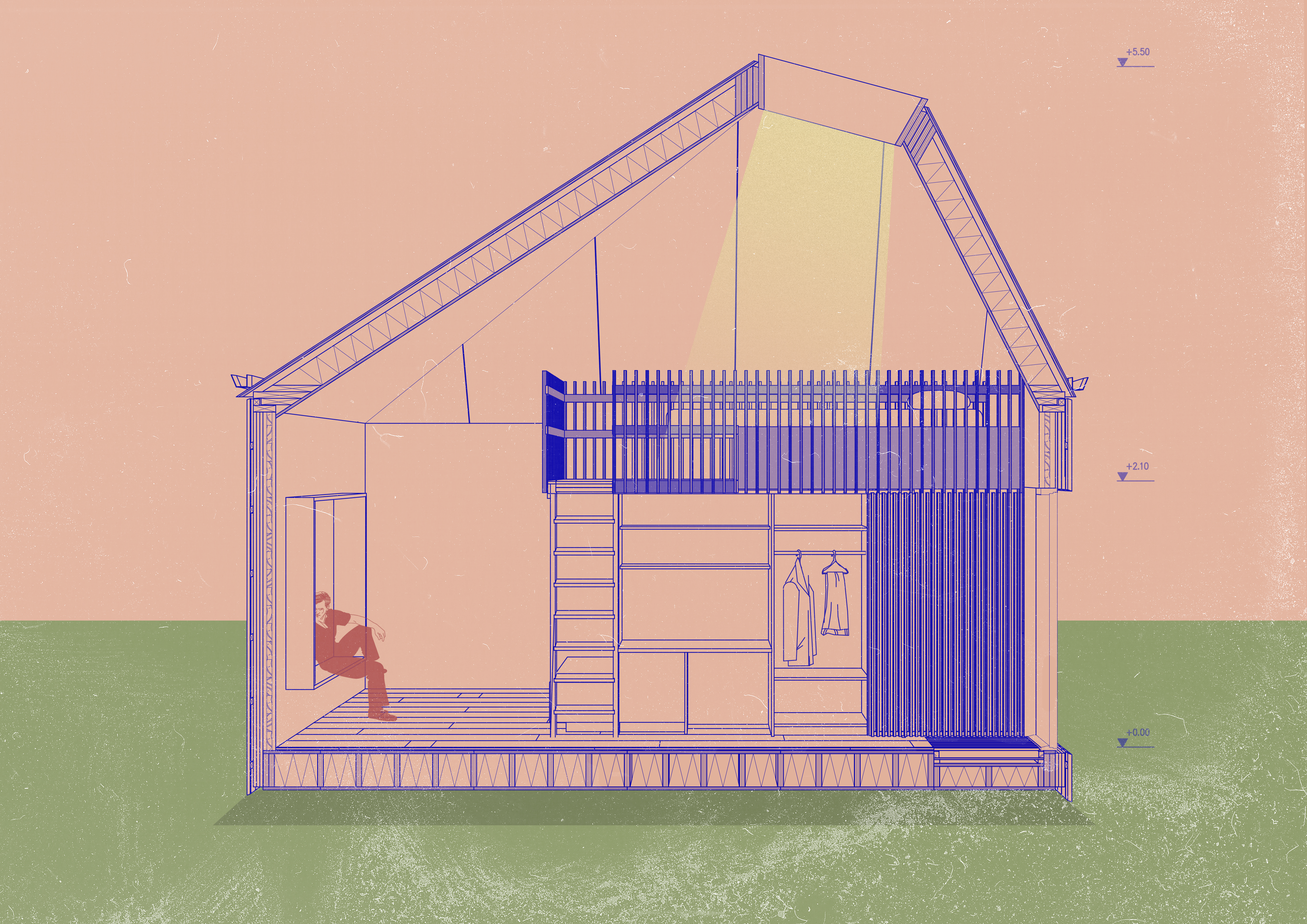
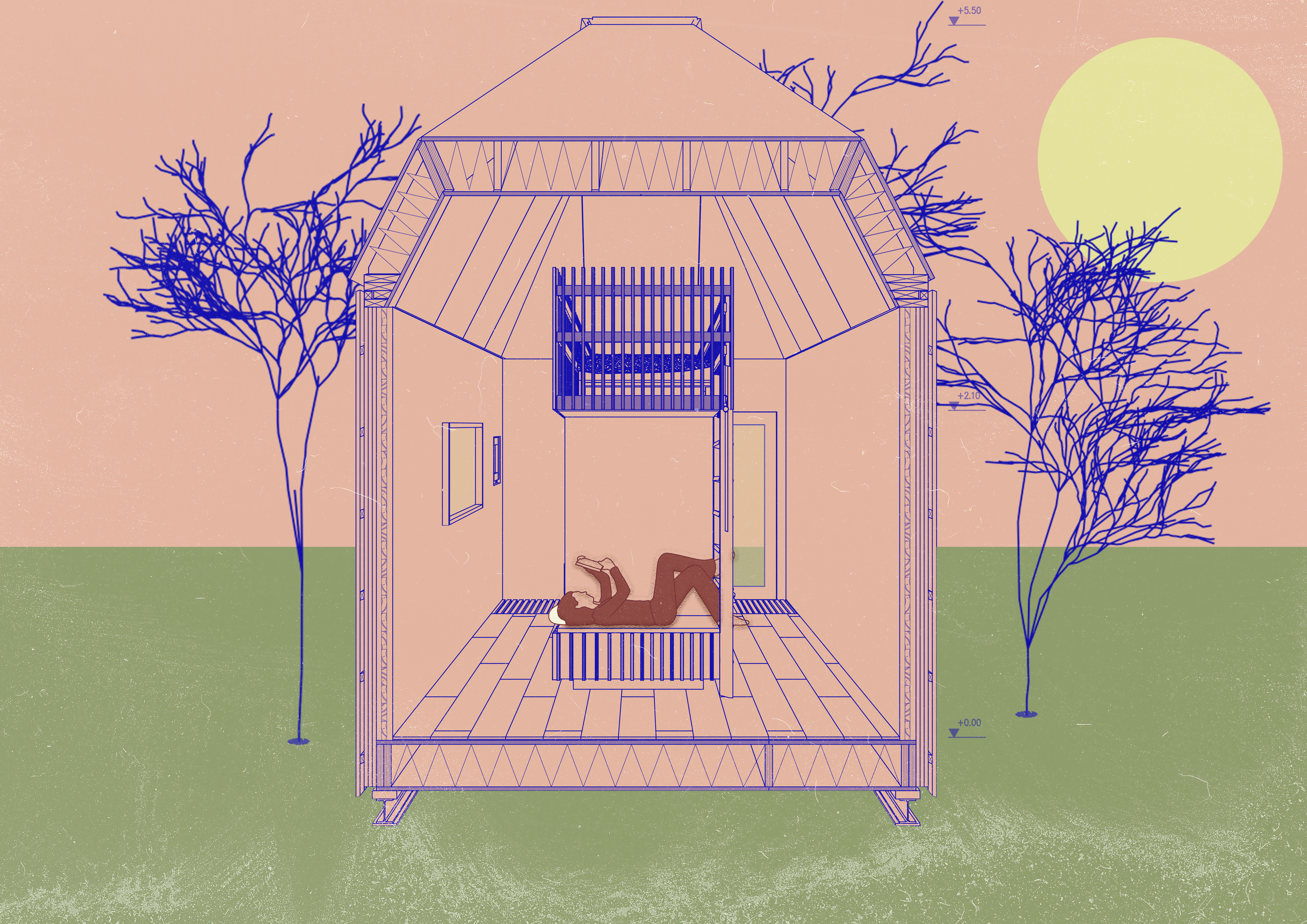
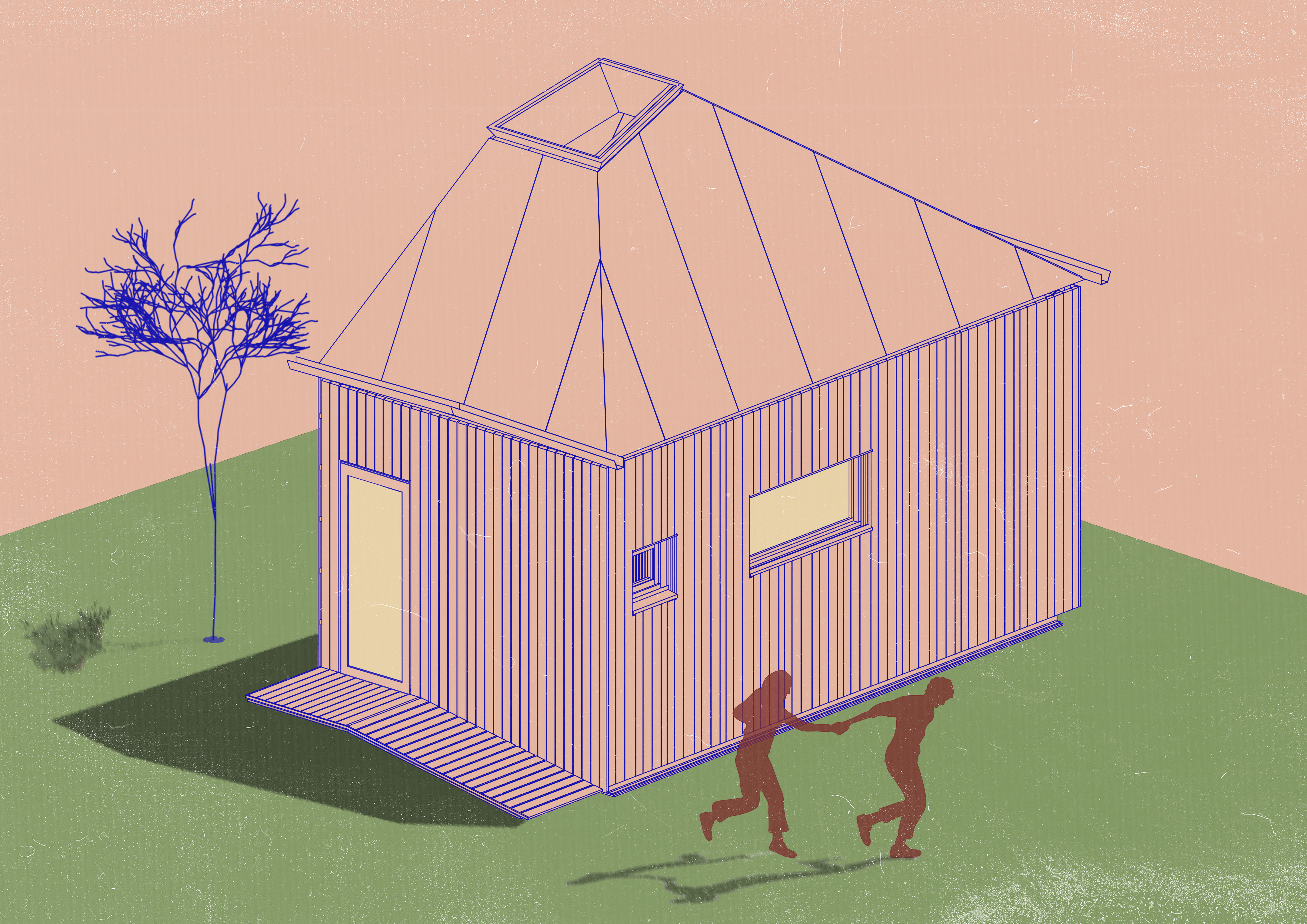
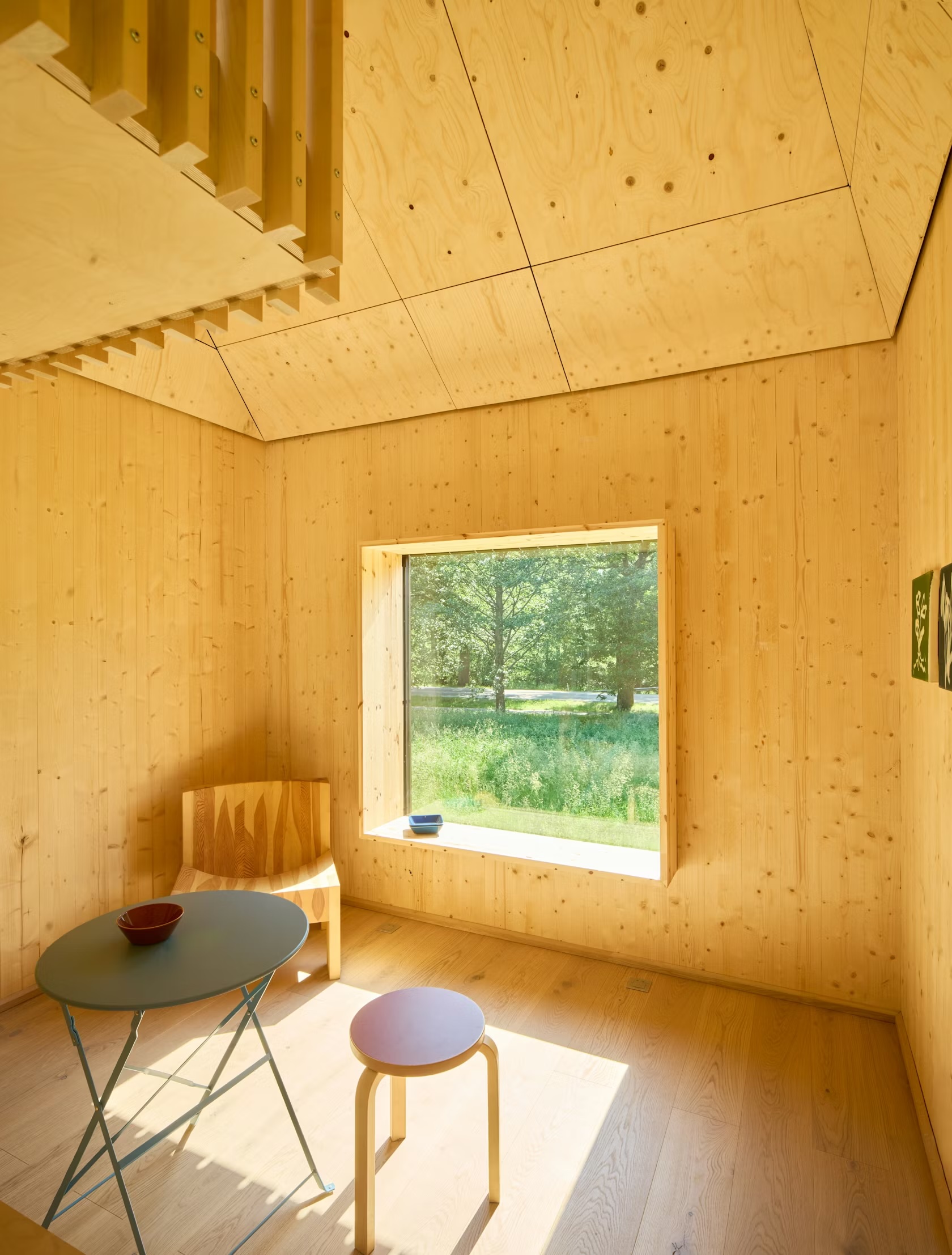
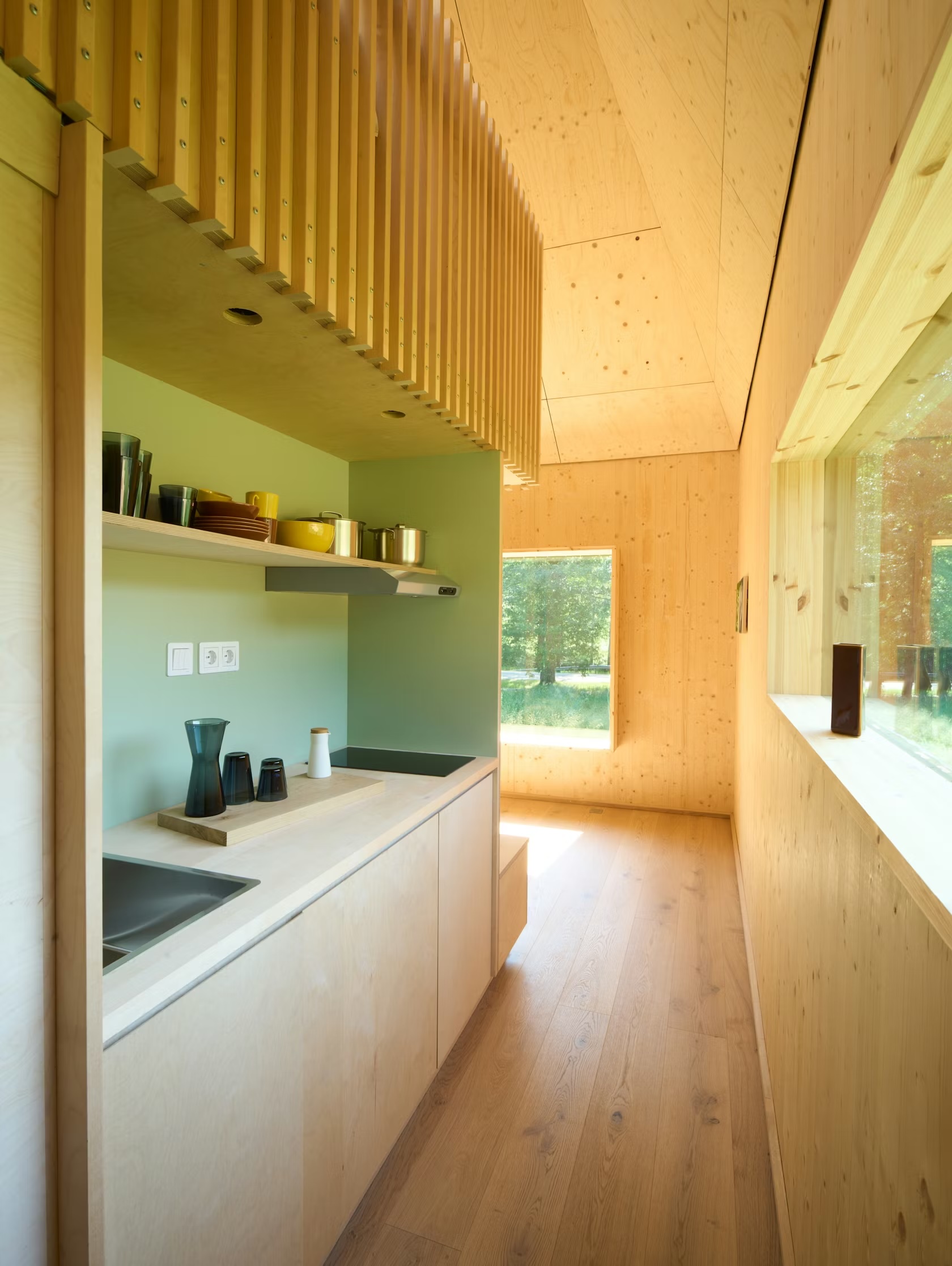
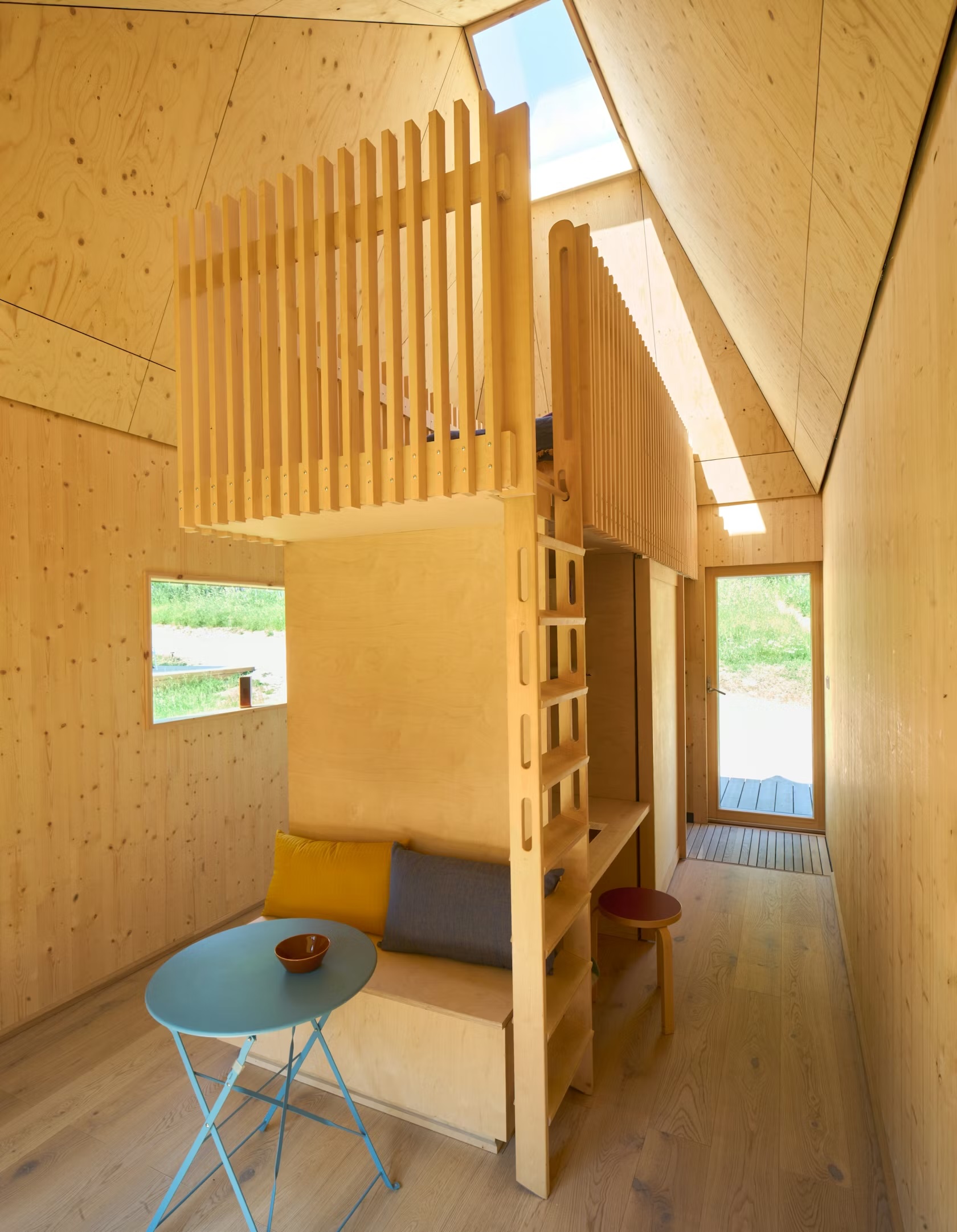
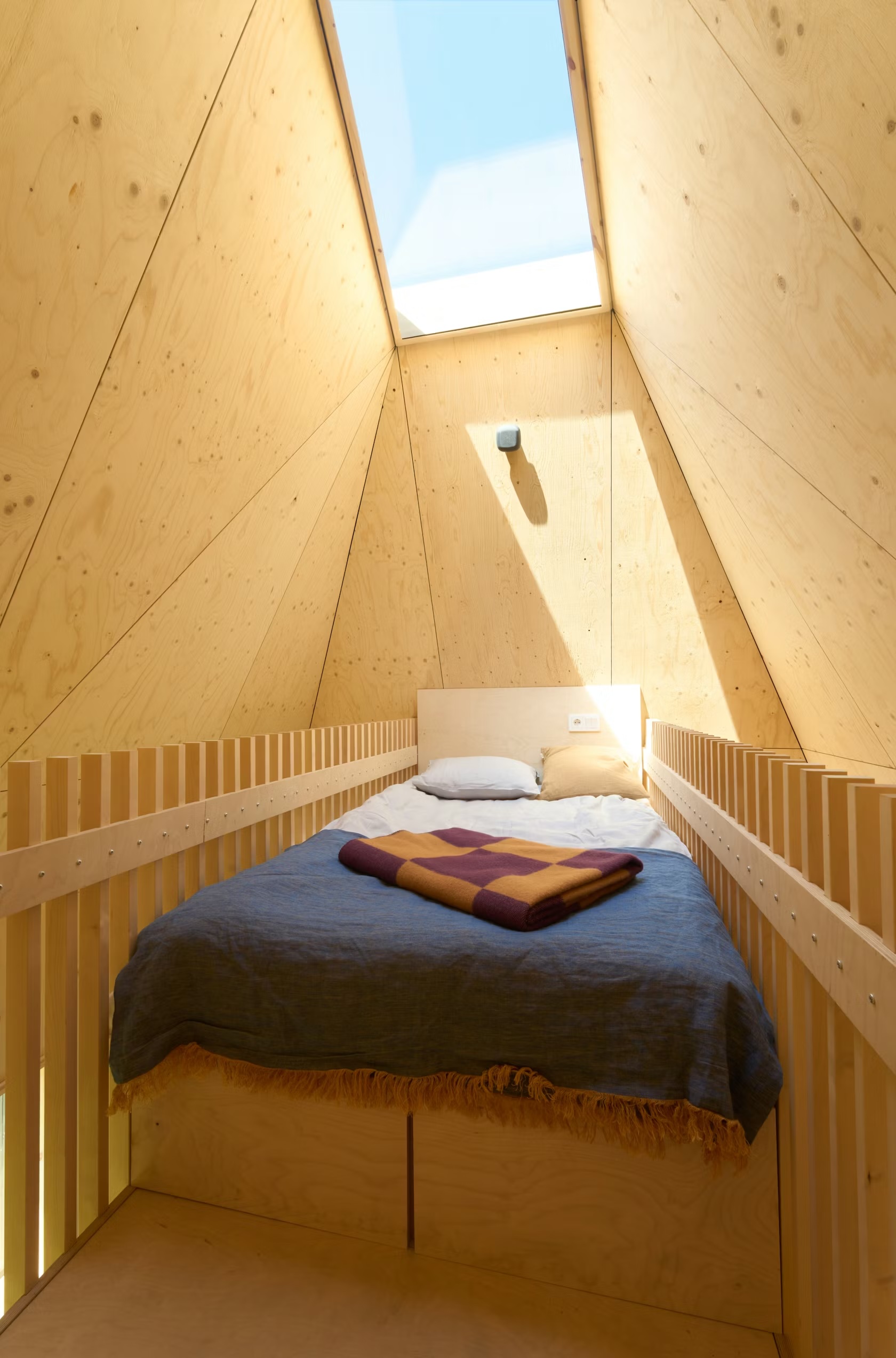
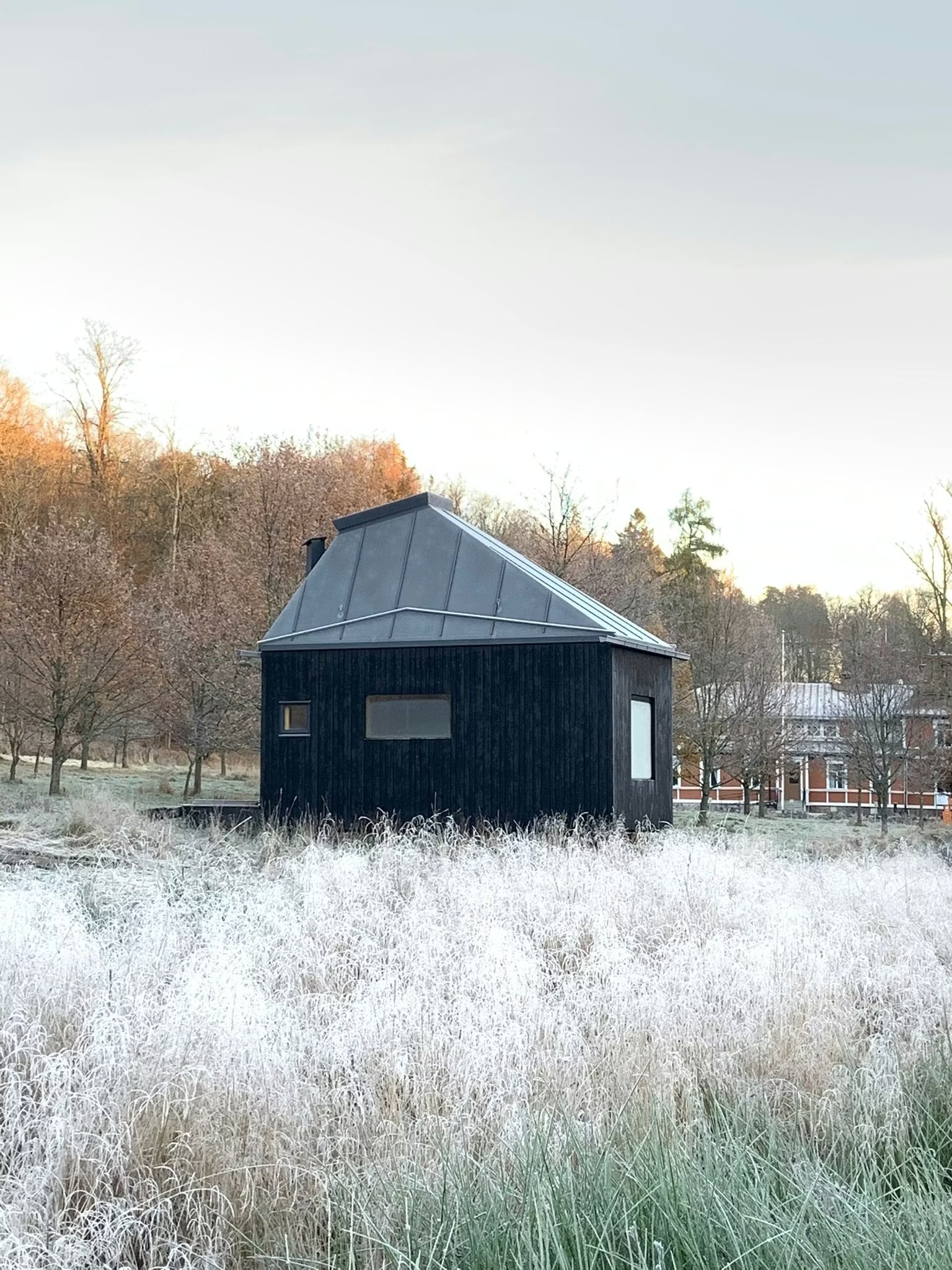
Kore is a community-owned tiny house on a regenerative farm near Helsinki, built at Aalto University. Co-owned by 20–50 members, it serves as a living lab for regeneration, hosting overnight stays, workshops, co-farming days, and design residencies rooted in nature.
Finland
Regional
The project is located in Kuusjoki, Southwest Finland, and draws its community primarily from the Uusimaa region and the Helsinki metropolitan area.
It addresses urban-rural linkages
It involves a physical transformation of the built environment (hard investment)
Prototype level
No
No
No
Individual
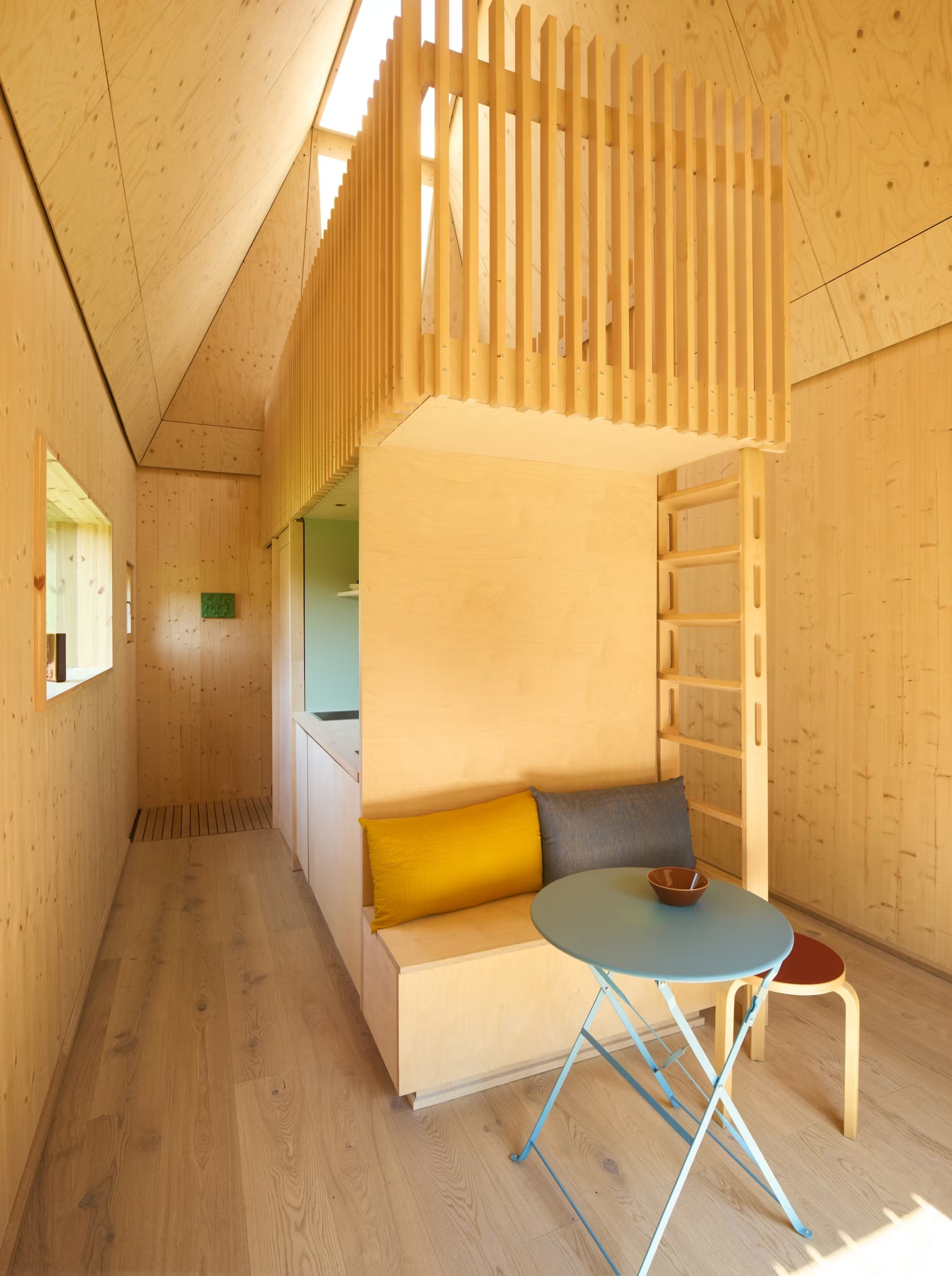
The Kore Project is a community-owned tiny house located at the Wiberg's Farm (Kuusjoki, Finland): a sixth-generation regenerative farm operated by Johannes and Steven, approximately 1.5 hours from Helsinki. The house was designed and built by the Wood Program at Aalto University, embodying both craft excellence and ecological thinking. Together, Michael Butcha (studied Creative Sustainability Design at Aalto University) and Didier (studied Creative Sustainability Business at Aalto University) are transforming it from a student-built structure into a shared, living prototype for regenerative living and collective stewardship. The concept operates through a co-ownership model: 20 to 50 community members purchase a one-time buy-in and pay an annual membership fee, gaining priority access to the house and its program. Revenue from overnight stays and workshop bookings open to non-members ensures financial resilience. The site itself, Wiberg's Farm, is actively transitioning toward regenerative agriculture, making it a genuine living context rather than a backdrop.
Expected results include: a functioning co-owned living lab operational within 12 months; a community of 20–50 active members engaged in regenerative practices; a series of public programs (sustainability workshops, co-farming days, artist and design residencies); an open-source governance and co-ownership model replicable by other communities across Europe; and a measurable contribution to the regenerative agriculture work of Wiberg's Farm through community labor and knowledge exchange.
Expected results include: a functioning co-owned living lab operational within 12 months; a community of 20–50 active members engaged in regenerative practices; a series of public programs (sustainability workshops, co-farming days, artist and design residencies); an open-source governance and co-ownership model replicable by other communities across Europe; and a measurable contribution to the regenerative agriculture work of Wiberg's Farm through community labor and knowledge exchange.
The Kore Project grew from our own biographies. Both of us, Michael and Didier, come from small villages in Germany and France, and later moved to Helsinki to study at Aalto University. In the city, we felt how easily everyday life drifts away from land, food, and the rhythms of rural communities. At the same time, we saw how “a cabin in nature” had become a luxury for a few, while many young people cared deeply about climate, soil, and community, but had no concrete way to practice different ways of living.
When we encountered the tiny house built by Aalto’s Wood Program on Wiberg’s Farm, a sixth‑generation farm shifting toward regenerative agriculture, we saw an opportunity to connect these threads. Instead of treating the house as an object, we imagined it as an invitation: a place where people could slow down, cook with what the farm produces, learn from the land and each other, and experiment with shared responsibility for a space.
The concept is now being shaped together with the farm hosts, peers from Aalto, and local partners using participatory workshops, interviews, and speculative scenarios. Next steps include agreeing on a long‑term collaboration with the farm, finalising the co‑ownership and membership model, and piloting an initial year of overnight stays, co‑farming days, workshops, and residencies. In parallel, we will document the governance and financial model so that similar communities can adapt it elsewhere in Europe. Across all of this, our strategy is to bridge the city and the countryside and to turn Kore into a concrete, lived example of how collective ownership and regenerative practice can reinforce each other and act as a lighthouse example for similar projects in other contexts and places.
regenerative living
community co-ownership
living lab
sustainable design
rural-urban connection
Kore addresses sustainability across environmental, social, cultural, and economic dimensions simultaneously. Environmentally, the tiny house itself was designed and built by Aalto University's Wood Program using sustainable, craft-quality timber construction. Its location at Wiberg's Farm situates Kore within an actively regenerating ecosystem: the farm employs holistic land management, soil health practices, and rotational grazing to measurably improve biodiversity, water cycling, and carbon sequestration year after year. Members of the Kore community will participate directly in farm activities (co-farming days, harvesting, land stewardship) creating a feedback loop between urban dwellers and regenerative land practice. Socially and culturally, Kore combats the growing disconnection between people (particularly young professionals and students) and the natural systems that sustain them. By embedding retreat, learning, and work in a regenerative farming environment, Kore cultivates what might be called ecological literacy: the lived understanding of how food is grown, how soil is built, and how communities can care collectively for a place. Economically, the co-ownership model distributes the costs and benefits of the space across a community rather than concentrating them in individual ownership. This makes access affordable, prevents the space from becoming a luxury retreat, and creates long-term financial sustainability through shared stewardship. The membership model also channels consistent revenue to the Wiberg's Farm, supporting its regenerative transition.
The Project's aesthetic commitment begins with the house itself. Designed and built by the Wood Programme at Aalto University (one of Europe's foremost schools of design and architecture) the tiny house represents a high standard of spatial and material craft. Timber construction, natural light, and a form that responds sensitively to its landscape make it not merely functional but genuinely beautiful: a place that invites presence, slowness, and attention. Situated at Wiberg's Farm in Kuusjoki, the house exists within a landscape shaped by six generations of human care. The farmhouse dates to the 1700s; the land has been tended continuously since 1873. This layered historical presence gives the site a quality of rootedness and authenticity that cannot be designed from scratch: Kore inherits and adds to this aesthetic continuity. The programme of activities, overnight stays that slow the rhythm of daily life, workshops that reconnect participants with material processes (cooking with farm produce, understanding soil, building with wood), artist and design residencies that produce creative work in direct dialogue with the landscape, all contribute to an aesthetic of the everyday made meaningful. Kore aspires to make ordinary acts (waking up, eating, walking in a field) feel significant again. In terms of belonging and care for a place, the co-ownership model is itself an aesthetic proposition: that a community investing in a shared space will care for it differently than renters or visitors. The physical house, the farm, and the community that tends both become, over time, a coherent and beautiful whole: a place that holds memory, identity, and mutual care.
Inclusion is addressed through its ownership model, its pricing strategy, its governance design, and its deliberate bridging of communities that rarely share space. The co-ownership model democratises access to a kind of rural retreat and regenerative living experience that is typically available only to those with significant private means. By spreading the buy-in and annual fee across members, and by making overnight stays accessible to non-members at reasonable rates, Kore avoids the trap of becoming an exclusive enclave. Scholarship pathways and sliding-scale membership fees are under development to ensure participation is not gated by financial capacity. Governance is designed on participatory commons principles: members collectively decide on programming, maintenance priorities, house rules, and the evolution of the concept. No single owner holds veto power. This is inclusion not just in access, but in decision-making: a genuinely democratic model for shared space. The project explicitly bridges the Aalto University community (students, alumni, researchers across design, engineering, business, and the arts) with the rural community of Kuusjoki and the regional agricultural ecosystem. These communities rarely intersect. Kore creates structural reasons for them to do so through co-farming days, shared meals, residencies, and workshops where knowledge flows in both directions. Finally, by locating the project on a working farm rather than in a curated nature reserve, Kore includes participants in real ecological and economic processes not a sanitised version of nature, but one that requires and rewards genuine engagement.
Participation has been foundational to the Kore Project from its earliest stage, not as a consultation exercise, but as the generative process through which the concept itself has been shaped. The founding team, Michael and Didier, drew directly on their experience leading the Aalto Sustainability Club, where they developed expertise in facilitating open, multi-disciplinary community conversations. Before any structural decisions were made about the project, they opened the concept to the wider Aalto community. This process surfaced 32 potential members who expressed genuine interest in co-ownership, providing not just validation, but a set of needs, values, and expectations that directly shaped the governance model, the programming direction, and the membership structure.
Partnership with Wiberg's Farm was itself a participatory process: Johannes and Steven Wiberg were engaged not as passive landlords but as co-designers of the concept. Their deep expertise in regenerative agriculture, community farming, and direct-to-consumer food systems has shaped the farm activity programme and the seasonal rhythm of Kore's calendar. Going forward, participation is built into the operating model: members collectively govern the space, co-design the programme, and contribute labour to upkeep and farm activities. Artist and design residencies will produce work in dialogue with the community, with outcomes shared publicly. Workshops are designed to be co-facilitated by members with relevant expertise, not delivered by external experts to passive audiences. The impact of this participation has been substantial: the co-ownership model, the choice of Wiberg's Farm as a site, and the programme structure all emerged from community input rather than top-down design.
Partnership with Wiberg's Farm was itself a participatory process: Johannes and Steven Wiberg were engaged not as passive landlords but as co-designers of the concept. Their deep expertise in regenerative agriculture, community farming, and direct-to-consumer food systems has shaped the farm activity programme and the seasonal rhythm of Kore's calendar. Going forward, participation is built into the operating model: members collectively govern the space, co-design the programme, and contribute labour to upkeep and farm activities. Artist and design residencies will produce work in dialogue with the community, with outcomes shared publicly. Workshops are designed to be co-facilitated by members with relevant expertise, not delivered by external experts to passive audiences. The impact of this participation has been substantial: the co-ownership model, the choice of Wiberg's Farm as a site, and the programme structure all emerged from community input rather than top-down design.
The Project engages stakeholders across multiple levels, with each level contributing distinct value to the concept's development and implementation. At the local level, the primary partner is Wiberg's Farm, a sixth-generation family farm actively transitioning to regenerative agriculture. Steven and Johannes bring deep local knowledge of the land, existing relationships with the Kuusjoki rural community, and a complementary mission of cultivating food, forest, and community. Their engagement grounds KORE in a genuine place rather than abstraction. At the institutional and city-regional level, Aalto University is the originating institution for both the founding team and the tiny house structure itself (built by the Wood Programme). Aalto University, with its network of students and alumni across design, engineering, business, and the arts, provides the core membership community and a pipeline of future participants, facilitators, and residents. Espoo and the wider Helsinki Metropolitan Area represent the primary catchment for members and overnight visitors. At the regional level, Kore situates itself within the Uusimaa Region's broader interest in sustainable rural development, agri-tourism, and the urban-rural relationship. Potential future engagement with regional development agencies (e.g., Uusimaa Regional Council) and Finnish rural development funding instruments (e.g., LEADER programme) is being explored. At the European level, the New European Bauhaus prize represents an opportunity to connect Kore with a network of like-minded projects across Europe, sharing the open-source governance model, co-ownership structure, and programme methodology with communities in other countries seeking to develop similar living labs.
Kore is inherently transdisciplinary: it could not exist within any single field. Its founding team brings together design (Michael) and business (Didier), and the project's development has already drawn on architecture, social science, agriculture, ecology, and the arts. Architecture and spatial design are foundational: The tiny house was designed and built by Aalto University's Wood Programme, reflecting deep expertise in sustainable materials, timber construction, and human-centred spatial thinking. The house is itself a design artefact: a proof of concept for high-quality, low-footprint living. Sustainability and environmental science inform the choice of site (a regenerative farm), the farm activity programme (soil health, biodiversity, rotational grazing), and the ecological framing of the entire concept. The partnership with Wiberg's Farm brings practical agricultural knowledge that academic sustainability discourse often lacks. Social science and governance theory underpin the co-ownership model, drawing on commons theory, community land trust precedents, and Nordic co-housing traditions to design a structure that is legally robust, democratically governed, and financially sustainable. The arts, through artist and design residencies, bring creative practice into dialogue with place, ecology, and community. Residents will produce work that reflects on and contributes to the Kore concept, creating a cultural layer alongside the practical and scientific. Education is present throughout: every activity at Kore (from a co-farming day to an overnight stay) is designed as a learning experience. The project functions as an informal learning environment, bridging the university and the world beyond it. Finally, business and entrepreneurship thinking hold the model together, ensuring that the beautiful and the meaningful are also financially viable.
The Project's financial sustainability rests on three interlocking revenue streams, designed to distribute income across the calendar year and across different user communities. The primary stream is co-ownership membership: 20 to 50 individuals pay a one-time buy-in contribution (currently estimated at €500–1,000 per member, to be finalised during the legal structuring phase) and an annual membership fee (estimated at €200–400 per year). Members receive priority access to the house for overnight stays, discounted workshop rates, and participation in governance. With 30 members at mid-range estimates, this generates approximately €21,000 at buy-in and €9,000 per year in recurring revenue. The secondary stream is public overnight stays: non-members can book the house through a standard platform (Airbnb or equivalent), with pricing set at market rates for the region (estimated €80–150 per night). Assuming 60–80 booked nights per year from non-members, this generates approximately €6,000–12,000 annually. The tertiary stream is workshop and residency fees: sustainability workshops, co-farming days, and design/artist residencies are offered to participants at rates reflecting their nature (community-priced workshops at €30–60 per person; residencies at €50–100 per week). This stream also has potential for corporate retreat bookings, which command higher rates. Upkeep of the house, coordination costs, and farm activity contributions are covered from these combined revenues. In the medium term, the project will explore alignment with Finnish rural development funding (LEADER programme), European structural funds, and potential university-linked research grants. The open-source governance model is designed to allow other communities to replicate Kore without requiring the founding team's ongoing involvement.
Kore has been designed from the outset with replicability in mind. The core insight, that a community can co-own a modest, well-designed structure on a regenerative farm, creating a living lab for sustainable lifestyles, is not unique to Finland, to Aalto University, or to Wiberg's Farm. It is a model that could be adopted by university communities, alumni networks, community organisations, and civic groups across Europe. The most transferable elements are the governance and co-ownership model: the combination of buy-in and annual membership, the commons-based governance structure, and the programming framework (overnight stays, workshops, residencies, co-farming) are context-independent. The team plans to document and publish this model as an open-source toolkit: a replication guide that other communities can adapt to their own contexts, partner farms, and local priorities. The tiny house format itself is highly transferable. Tiny houses and small cabins can be sourced, built, or co-designed in virtually any European context. The Aalto Wood Programme connection is specific to this instance, but the principle (partnering with a design or architecture school to produce the structure) is replicable wherever such institutions exist. The regenerative farm partnership model is similarly transferable: across Europe, there are thousands of farms transitioning toward regenerative practices that would benefit from the community engagement, knowledge exchange, and supplementary income that a Kore-type arrangement provides. In terms of sectors, the model could extend beyond university alumni communities to corporate sustainability programmes (team retreats with genuine ecological engagement), municipal wellbeing initiatives, or social enterprise networks. The Kore Project aspires to be not just a successful concept in one place, but a proof of concept that others can build on.
The following steps are planned for the 12 months following this application.
Months 1–3 (legal and financial foundation): Establish the legal entity for co-ownership (likely a Finnish cooperative or association), finalise the membership agreement and governance documents, and launch the founding member recruitment campaign targeting the 32 already-interested community members and the wider Aalto alumni network. Conclude the purchase agreement for the tiny house with Aalto University's Wood Programme. Formalise the site agreement with Wiberg's Farm.
Months 3–5 (physical preparation): Transport the tiny house to Wiberg's Farm (Kuusjoki) and oversee installation on site. Complete any necessary finishing works, utility connections (off-grid solar, composting systems), and safety certifications. Photograph and document the house and site for communications and booking platforms.
Months 5–7 (soft launch): Host a founding member gathering at the site: a weekend retreat combining celebration, co-farming, with participatory programme design. Open overnight bookings to non-members. Launch the first sustainability workshop series in partnership with the Aalto Sustainability Club.
Months 7–9 (programme activation): Run the first artist and design residency cycle (2–4 weeks, 1–2 residents). Host a co-farming day open to members and the public. Begin documenting the governance and programme model for the open-source replication toolkit.
Months 9–12 (evaluation and scaling): Conduct a participatory review with members, the Wiberg's Farm team, and programme participants. Publish the first version of the open-source toolkit. Explore a partnership with one additional European living lab project. Present Kore at a relevant Finnish or Nordic sustainability event.