Enhancing Circularity, Sustainability, and Innovation
Project Mirus
Project Mirus – A recycling and plastic manufacturing lab within a waste pickers’ cooperative
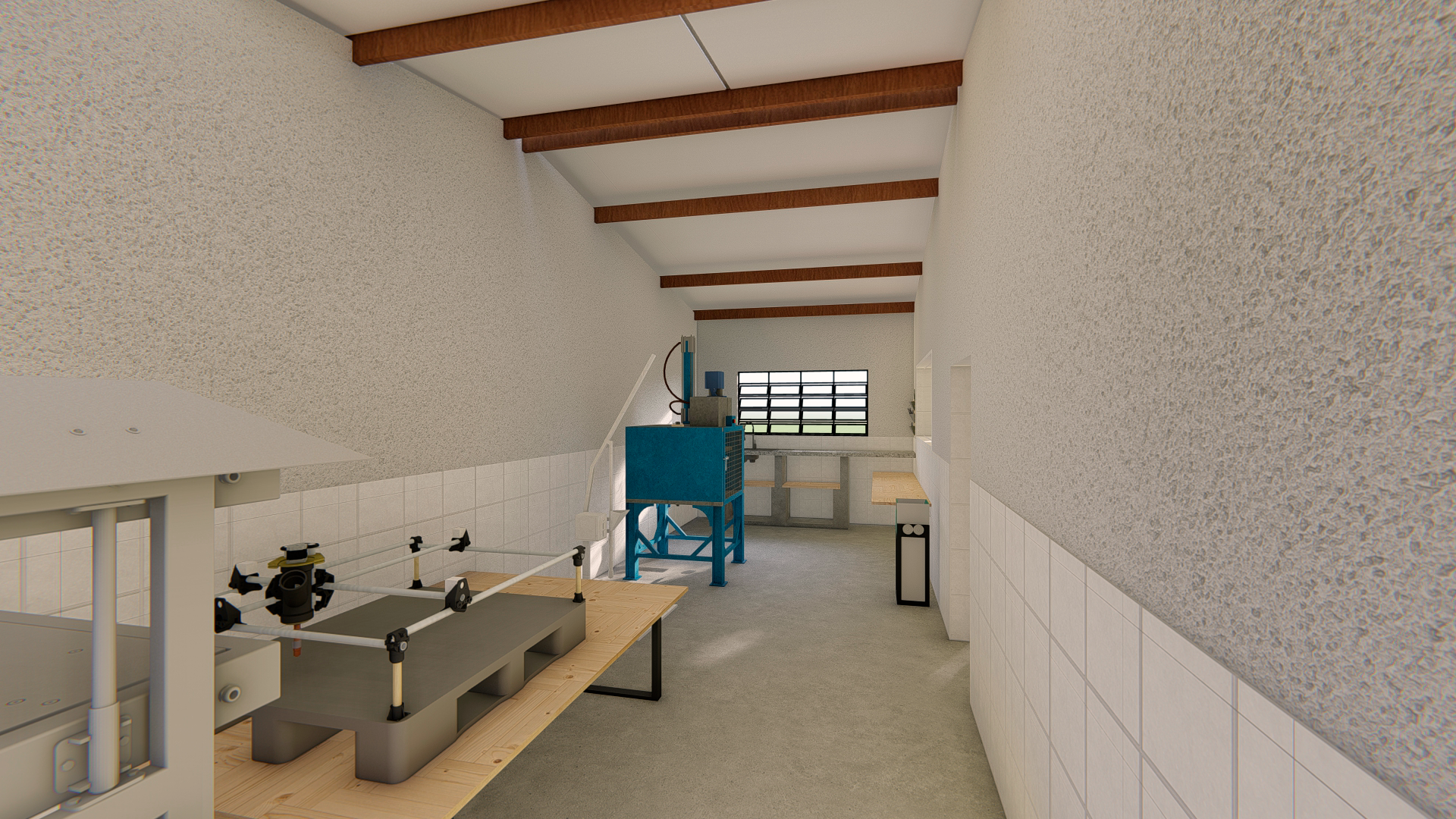
Project Mirus, a project of the Enactus USP São Carlos team, in partnership with a waste pickers’ cooperative, aims to generate added value from plastic through the implementation of a recycling laboratory equipped with specific machinery for manufacturing plastic products, such as an extruder, injection machine, hot press, and shredder, creating items that can be sold. Through the training of cooperative members, the project seeks to promote circular economy and social inclusion.
Brazil
Local
Araraquara - São Paulo, Brasil
Mainly urban
It involves a physical transformation of the built environment (hard investment)
Prototype level
No
No
No
Organisation
The Mirus project from Enactus USP São Carlos aims to support Cooperativa Acácia, located in the city of Araraquara-SP, in manufacturing higher value-added products to increase the income of its members. Currently, Cooperativa Acácia works by sorting collected plastic waste and then selling it, which is not the most profitable option for the cooperative members.
Given this issue, Mirus has been conducting research to develop viable products from recycled plastic. For this purpose, the project has machinery such as a plastic shredder, an injection machine, an extruder, and a press from Precious Plastic.
Currently, one of the products developed by the project is a recycled plastic coaster. This product is made by shredding PP and HDPE plastics, which are then injected into a hexagonal mold. For larger-scale production, the project uses the press to produce plastic sheets, from which the coasters are cut using a CNC machine.In February 2026, the team sold 60 coasters, which were delivered to participants at an event organized by Enactus Brazil, which was a major achievement for the project.
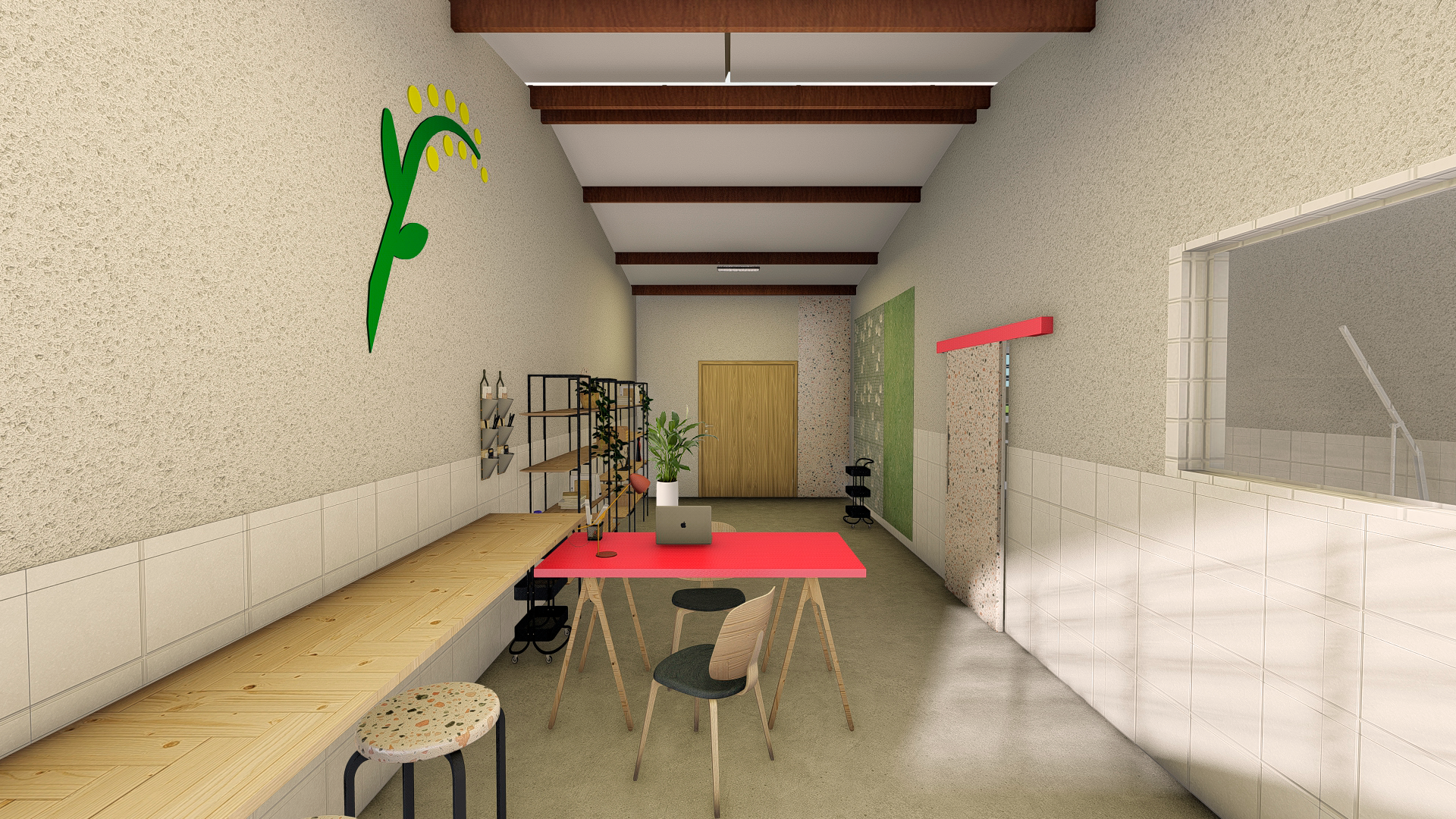
In addition, Mirus is seeking partnerships with companies interested in using raw recycled plastic sheets to produce various items, such as furniture. The project is also building a laboratory at Cooperativa Acácia to house the Precious Plastic machinery. Alongside the preparation of the laboratory, team members are developing a training program for the cooperative members, with the goal of making them independent in the production process.
The Mirus project emerged from the identification of an economic viability issue within the recycling chain, particularly related to the low added value of certain plastic residues, which makes their commercialization difficult for cooperatives such as Cooperativa Acácia.
The material initially analyzed was opaque Polyethylene Terephthalate (PET), a plastic with lower market value and greater recycling complexity. From this, alternatives for its valorization were explored, leading to contact with Precious Plastic, a global initiative that provides technologies for small-scale recycling.
The proposal consisted of implementing a recycling laboratory within the cooperative itself, aiming to internalize stages of the production chain, add value to the collected material, and generate new sources of income, as well as provide a more appropriate destination for hard-to-recycle waste.
Throughout the development process, it was found that processing opaque PET presents technical challenges and health risks to operators. As a result, the project was reoriented to focus on plastics such as PP (polypropylene) and HDPE (high-density polyethylene), which are more stable and suitable for small-scale processing.
With support from faculty members, the understanding of polymers and transformation processes was deepened, along with securing resources for the acquisition of machinery.
The project has been carrying out internal production of plastic sheets and small objects through injection, aiming to structure the transfer of technical knowledge and contribute to the development of a business model.
Currently, efforts are focused on understanding the consumer market and guiding product development, aiming for the future scalability of the laboratory and greater operational autonomy.
Sustainability
Upcycling
Dignifying labor
Reframing
Cooperation
The Mirus project directly addresses an environmental challenge by re-signifying plastic waste, especially bottle caps, which, after use, would typically be discarded and reintroduced into the cycle of pollution. By collecting and transforming this material into new products, the project reduces the volume of waste and extends the lifecycle of plastic, promoting a circular economy approach. This strategy also creates social and economic opportunities. By partnering with the Acácia cooperative, Mirus contributes to valuing the work of waste pickers, addressing challenges such as the stigma associated with the profession and low wages. The implementation of a production lab within the cooperative enables technical training for workers, allowing them to participate in higher value-added stages of the production chain. As a result, income generation is increased, autonomy is strengthened, and the product is also introduced to a broader segment of society. In the cultural sphere, the project fosters a shift in perception regarding discarded plastic, transforming it into a functional and aesthetically valued object, and bringing environmental awareness closer to everyday life in an accessible way.
Mirus can be considered exemplary in terms of sustainability by concretely integrating environmental, social, and economic dimensions. More than simply proposing recycling, the project structures a replicable system that combines environmental impact, productive inclusion, and aesthetic value, aligning with the principles of the New European Bauhaus by demonstrating that sustainable solutions can be simultaneously beautiful, inclusive, and viable.
Mirus can be considered exemplary in terms of sustainability by concretely integrating environmental, social, and economic dimensions. More than simply proposing recycling, the project structures a replicable system that combines environmental impact, productive inclusion, and aesthetic value, aligning with the principles of the New European Bauhaus by demonstrating that sustainable solutions can be simultaneously beautiful, inclusive, and viable.
The Mirus project, regarding aesthetics, is exemplary, acting in different ways to make the lives of people and communities more beautiful, both in everyday life and in the long term. First, it is important to highlight that plastic recycling significantly contributes to urban aesthetics, since by removing large amounts of plastic from the streets and transforming it into new products within the cooperative, the project helps reduce both environmental and visual pollution, making the spaces in which it operates more attractive and improving environmental quality.
From this perspective, by transforming plastic waste into new products, the project redefines an element that previously degraded the landscape, giving it functionality and aesthetic value. This applies both to the products currently produced, such as hexagonal coasters, and to potential items created from recycled plastic panels. In both cases, the aesthetic appeal is reinforced by careful finishing and the use of color patterns in the objects.
Moreover, it is important to consider that when cooperative members take part in the entire production process, from waste collection to final manufacturing, this creates a stronger and more inclusive relationship with the territory and with what is produced, strengthening the sense of care for the space. Additionally, by recognizing the potential value of plastic waste, communities become more aware of issues such as recycling, developing a greater sense of responsibility toward their environment.
Finally, one of the main strengths of the Mirus project lies in its proof of concept and scalability. Once it is demonstrated that the project works, other cooperatives around the world can adopt the same approach, reintroducing plastic into the market in creative ways and generating sustainable products from society’s waste. In this way, the project acts as a solution in a context where excessive plastic disposal is a major global challenge.
The Mirus project addresses the challenges and opportunities of accessibility by promoting local production within the Acácia Cooperative, reducing barriers to workforce access for its members. In addition, it enables the participation of people with different levels of education, expanding its social reach. As the laboratory is located within the cooperative itself, it becomes part of the workers’ daily routine, encouraging continuous practice and strengthening their connection to the activity. Regarding financial accessibility, the project stimulates local commerce, increases the income of cooperative members, and is made viable by the large quantity of plastic bottle caps received. Easy access to low-cost raw materials allows for greater production scale, promoting the democratization of repurposed products that would otherwise be discarded, while also generating income.
Mirus also promotes inclusive governance through a collaborative and horizontal partnership with the cooperative, based on the exchange of knowledge between members and the project team. The active participation of workers values their practical knowledge about plastic, its production chain, and disposal. In the field of design, the project is inclusive by developing accessible and easy-to-understand products, such as coasters and plastic sheets. These items are functional and affordable, serving different social groups. In this way, Mirus creates a social model in which the team, cooperative members, and customers interact without exclusion throughout the stages of production and sales. In this way, the project stands out for its inclusivity by integrating cooperative members into all stages, from governance to design and commercialization, with the goal of making them independent in managing the entire production process.
Mirus also promotes inclusive governance through a collaborative and horizontal partnership with the cooperative, based on the exchange of knowledge between members and the project team. The active participation of workers values their practical knowledge about plastic, its production chain, and disposal. In the field of design, the project is inclusive by developing accessible and easy-to-understand products, such as coasters and plastic sheets. These items are functional and affordable, serving different social groups. In this way, Mirus creates a social model in which the team, cooperative members, and customers interact without exclusion throughout the stages of production and sales. In this way, the project stands out for its inclusivity by integrating cooperative members into all stages, from governance to design and commercialization, with the goal of making them independent in managing the entire production process.
First, we identified which stakeholders could help make our goal of re-signifying plastic as realistic as possible. We also considered groups whose missions aligned with ours, allowing mutual amplification of impact. Then, we prioritized nearby communities and partners who could actively contribute. In this process, we connected with GEISA, a socio-environmental studies and intervention group from the University of São Paulo (USP) in São Carlos. As their objectives aligned with ours, they recognized Mirus’ potential and assumed responsibility for the educational processes related to the laboratory.
Subsequently, we sought support from professors at leading institutions such as UNICAMP, UNESP, and USP to strengthen the project’s technical foundation. Among them were Professor Carmenlucia Penteado (sanitation and environment); Professor Guilherme Duarte (Hydraulics and Sanitation); and Professor Márcia Branciforti (Materials Engineering), specialized in plastics. We also collaborated with Professor Patricia Borba Marchetto (UNESP), experienced in public administration and environmental education projects with the Acácia Cooperative, and Professor Alessandra de Almeida Lucas (UFSCar), whose research focuses on sustainable polymers and biodegradable materials. Additional technical advisors further contributed to the project’s development.
Once supported by these stakeholders, we reached out to the Acácia Waste Pickers Cooperative, recognized regionally for its reach, values, and partnerships. The cooperative embraced the idea of adding value to plastic while contributing to improving the daily income of its members, and provided space for the recycling laboratory. This collaboration consolidated Mirus as a collective initiative grounded in entrepreneurship, dedication, shared identity, and growth potential.
At a local level, the primary stakeholder is the Acácia Cooperative, the community that will host and operate the waste transformation laboratory. Their involvement is vital as they will be directly responsible for future production; thus, their active participation ensures the solution is designed strategically and collaboratively, meeting the community's real needs. Additionally, we involve the municipality of Araraquara, where the added value lies in citizen engagement—consuming products made from their own discarded materials, fostering a circular economy and sustainable business expansion.
At a regional level, the focus expands to neighboring cities that act as consumer hubs and a foundation for involving other cooperatives. The added value here is the transfer of the project's technology and methodology, allowing other groups to implement similar solutions in their own spaces, thereby scaling a profitable and socio-environmentally responsible business model.
At a national level, involvement is directed toward waste-generating companies seeking to offset their environmental impact or strengthen their sustainability culture. The added value for these organizations is the guarantee of a noble destination for their waste, which returns to the production chain as raw materials or finished products, generating logistical efficiency and extended producer responsibility.
At a European level, we envision alignment with Circular Economy directives and the EU Green Deal. The added value lies in scalability and the adoption of impact and traceability metrics that serve as international benchmarks. This transforms Mirus into a replicable "social business" model for other developing countries and opens doors for partnerships with European corporations with global ESG goals seeking to invest in validated social technologies that transform waste into shared value.
The Mirus project is grounded in transdisciplinarity, integrating diverse fields to create a systemic circular economy solution. In Industrial Engineering, we focus on process optimization, inventory management, and the laboratory's economic viability. Materials Science and Engineering is crucial for studying the physicochemical properties of polymers, ensuring the technical quality and durability of the newly transformed products. Reverse Logistics is applied to structure the efficient flow of waste from the community to the cooperative. Design and Architecture are reflected in the creation of functional and aesthetic items, as well as the spatial planning of the laboratory within the Acácia Cooperative. Environmental Sciences ensure rigor in life-cycle analysis, while Social Sciences and Social Project Management work on empowering the waste-picker community. Finally, Environmental Education connects the project to the citizens of Araraquara, closing the cycle of awareness and conscious consumption.
The business model of Project Mirus is currently its main challenge, as a significant upfront investment is required to generate impact for the cooperative members, which currently number around 170. However, we have already identified promising application pathways.
The first pathway is a B2B (business-to-business) sales model, with two main approaches. The first approach consists of selling plastic boards produced through hot pressing as a raw material, which can then be used by clients to manufacture their own products. Additionally, within the B2B model, these boards have strong potential when transformed into customized items for events. This approach has already been tested: during an Enactus network event, we produced 60 coasters using our hot press and a CNC milling machine from the university, generating a total revenue of R$600 (approximately £100) in a single sale, demonstrating clear market potential.
Furthermore, a second B2B pathway involves the commercialization of higher value-added products, such as furniture. This approach presents the potential for higher revenue generation; however, it has not yet been tested and remains at the conceptual stage. The potential is promising, driven by increasing corporate demand for ESG-aligned solutions, adding value to recycled plastic materials.
The solution proposed by the Mirus Project concept is scalable from its inception. Implementing a plastic recycling laboratory in a cooperative like Acácia fosters replicability, as Acácia is a benchmark in the waste pickers' movement, having been recognized as one of Brazil's top ten recycling cooperatives. Thus, based on the circularity of the proposed solution (plastic arrival, sorting, manufacturing, and sales) through laboratory machinery managed by the members themselves, training workshops and technical knowledge transfer could be led by the cooperative members for individuals from other organizations; these workshops would involve the development of reference guides—manuals with technical and safety instructions for each machine using language tailored to the members' education levels—enabling the project to scale across other cooperatives. This initiative, reinforced by Acácia's influence, would strengthen the cooperative model on local, regional, and, depending on feasibility, national scales. Regarding technological replicability, the methodology is based on Precious Plastic, a global open-source community providing blueprints for small-scale recycling machines, aligning perfectly with Acácia's values; from this perspective, implementing a laboratory in other cooperatives can be planned modularly, allowing smaller cooperatives to start with two machines (e.g., a shredder and heat press) and expand as financial viability allows, ensuring replicability for various sizes. Furthermore, replicability transcends technology and reaches social aspects: waste pickers gain the opportunity to expand their professional scope, reaching new levels of creativity and labor appreciation, as well as socioeconomic autonomy for community members, which consequently strengthens their sense of belonging and inclusion within the cooperative and the movement.
First and foremost, for the full implementation of the concept to be possible, completing the renovation of the recycling laboratory at the Acácia Cooperative is essential. So far, elements such as the ceiling and the electrical system have already been completed, but a few steps remain, including painting the walls and transporting some of the machinery - the injection molding machine and the hot press - to the cooperative. Furthermore, the future acquisition of a CNC milling machine will be an extremely important step, enabling the creation of a wider variety of products.
In addition, it is essential that the cooperative members be pqroperly trained. To this end, the Mirus Project team is working to develop instruction manuals aimed at teaching workers how to operate the machinery. We have already produced the manual for the injection molding machine, and it is still necessary to prepare manuals for the other machines, such as the hot press, along with additional visual materials, such as pictograms. Moreover, we intend to carry out further visits to the cooperative, along with meetings with its representatives and with the university professors partnering on the project, not only to rely on their support throughout the entire process, but also to better understand the most practical ways to conduct the training: which members should be trained, how many could work exclusively in the laboratory, the duration of the training, other required materials, safety precautions, among other considerations.
Finally, the initial structuring of a business model would be highly relevant. In this regard, some key aspects are fundamental, such as identifying potential high value-added products, exploring viable markets, and preliminarily defining sales channels. Thus, by following this approach - combined with the other two pillars mentioned - we will be able to fully advance the concept over the coming year.