Spazio Nour at Kasteel Hof d'Intere
Spazio Nour at Kasteel Hof d'Intere
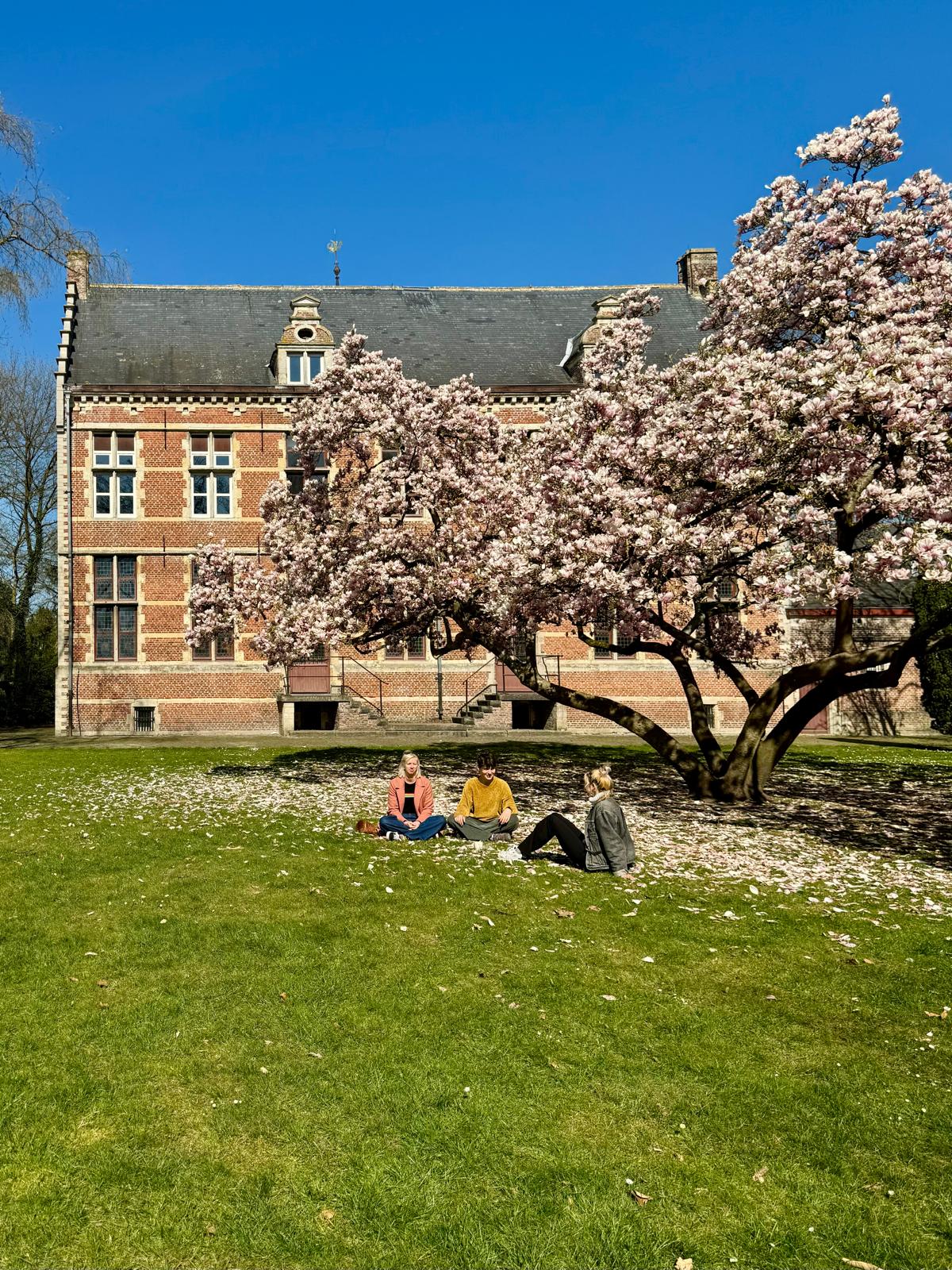
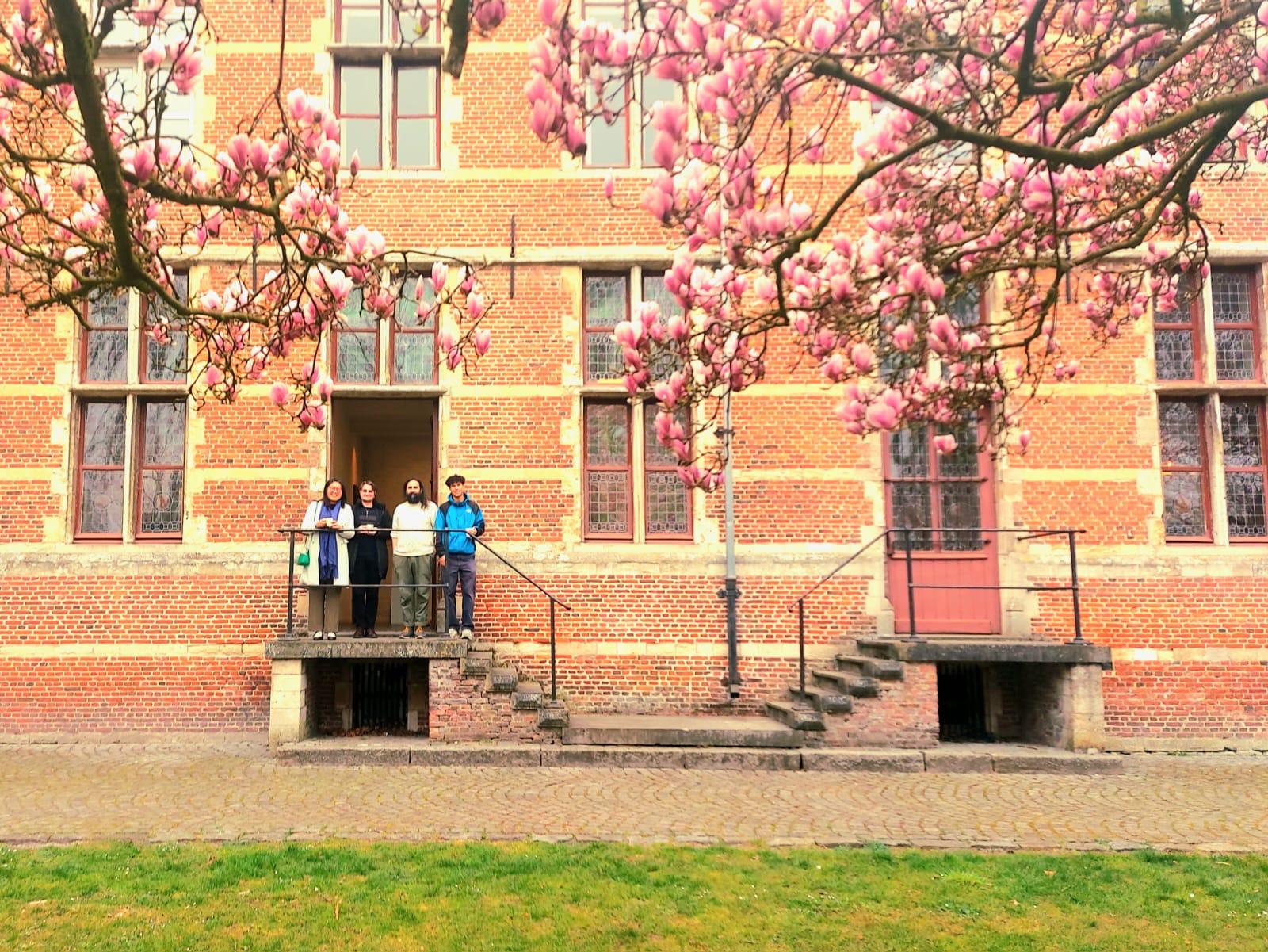
At Spazio Nour we begin from the needs of a place and its community. Since 2025, at Kasteel Hof d’Intere in Lille, we explore heritage as a living cultural process through participatory art. Engaging artists, residents and European partners, we activate the castle as a shared cultural landscape where art, community and history generate lasting cultural meaning and long-term civic impact.
Belgium
Kasteel Hof d'Intere, Pastorijstraat 2, 2275 Wechelderzande/Lille, Belgium
Early initiative
Yes
Yes
Yes
Yes
Creative FLIP Europe
No
13019: Lille (BE)
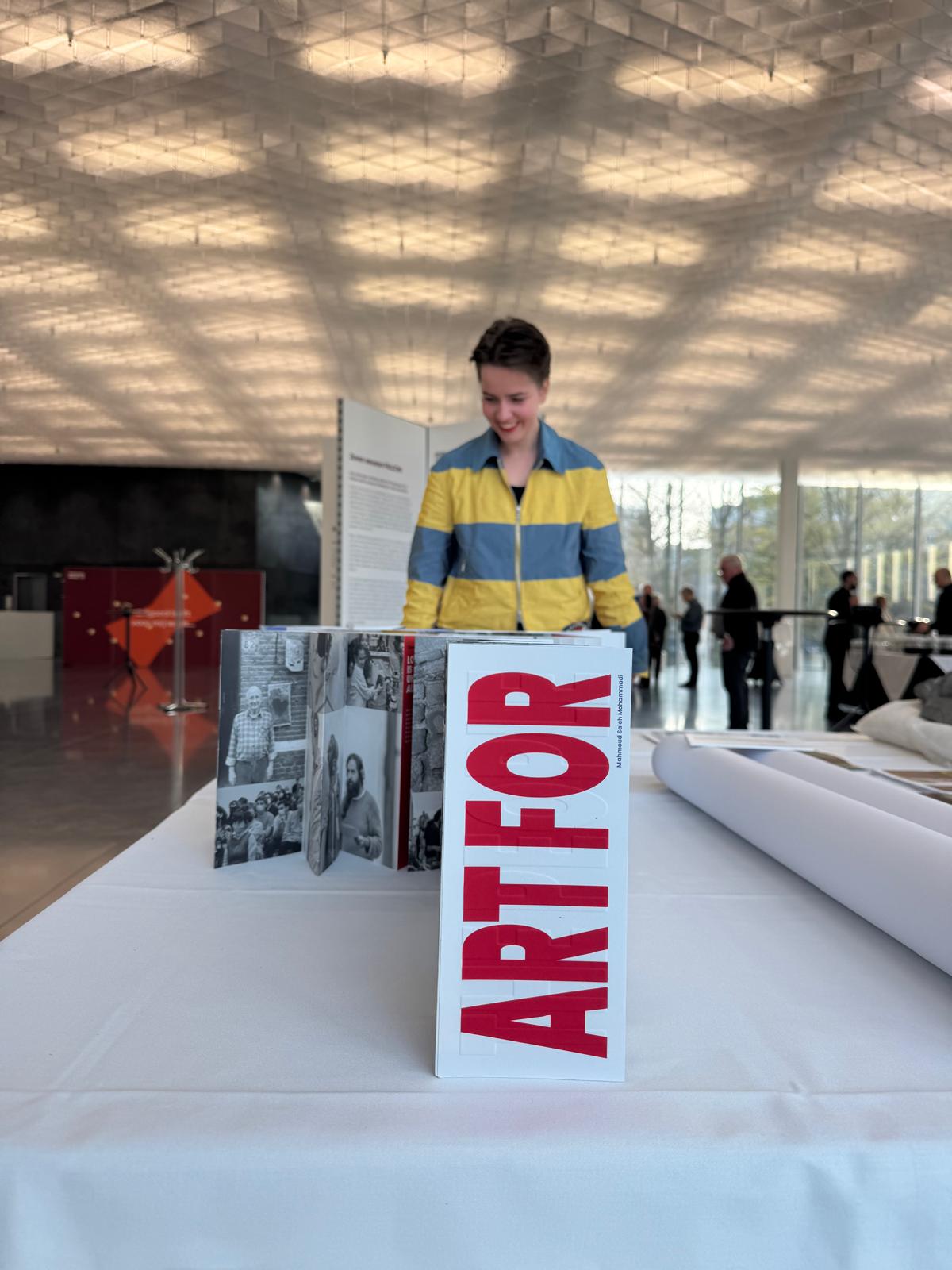
At Spazio Nour, participatory art functions as both an artistic language and a research methodology through which we implement the principles of the New European Bauhaus. Founded in Milan in 2014 by multidisciplinary artist Mahmoud Saleh Mohammadi, the initiative developed in the residential complex of Bligny 42, a multicultural building once marked by social fragmentation. Through sustained artistic collaboration with residents, participatory projects transformed the space into a shared cultural environment that strengthened trust, belonging, and collective agency.
This experience informs Mohammadi’s artistic research on the transformative potential of participatory art in multicultural environments. Our methodology begins with attentive observation of a locality and dialogue with its inhabitants to understand its social and cultural dynamics. Artistic processes then emerge through collaboration: workshops, communal gatherings, and site-responsive interventions enable residents, artists, and partners to co-create artistic outcomes and cultural meaning.
Over the past decade this approach has been implemented in diverse contexts across Europe, including projects in Italy, Finland, and Belgium, demonstrating how participatory art can adapt to different cultural realities while maintaining its core principles of engagement, collaboration, contextualisation, and long-term impact.
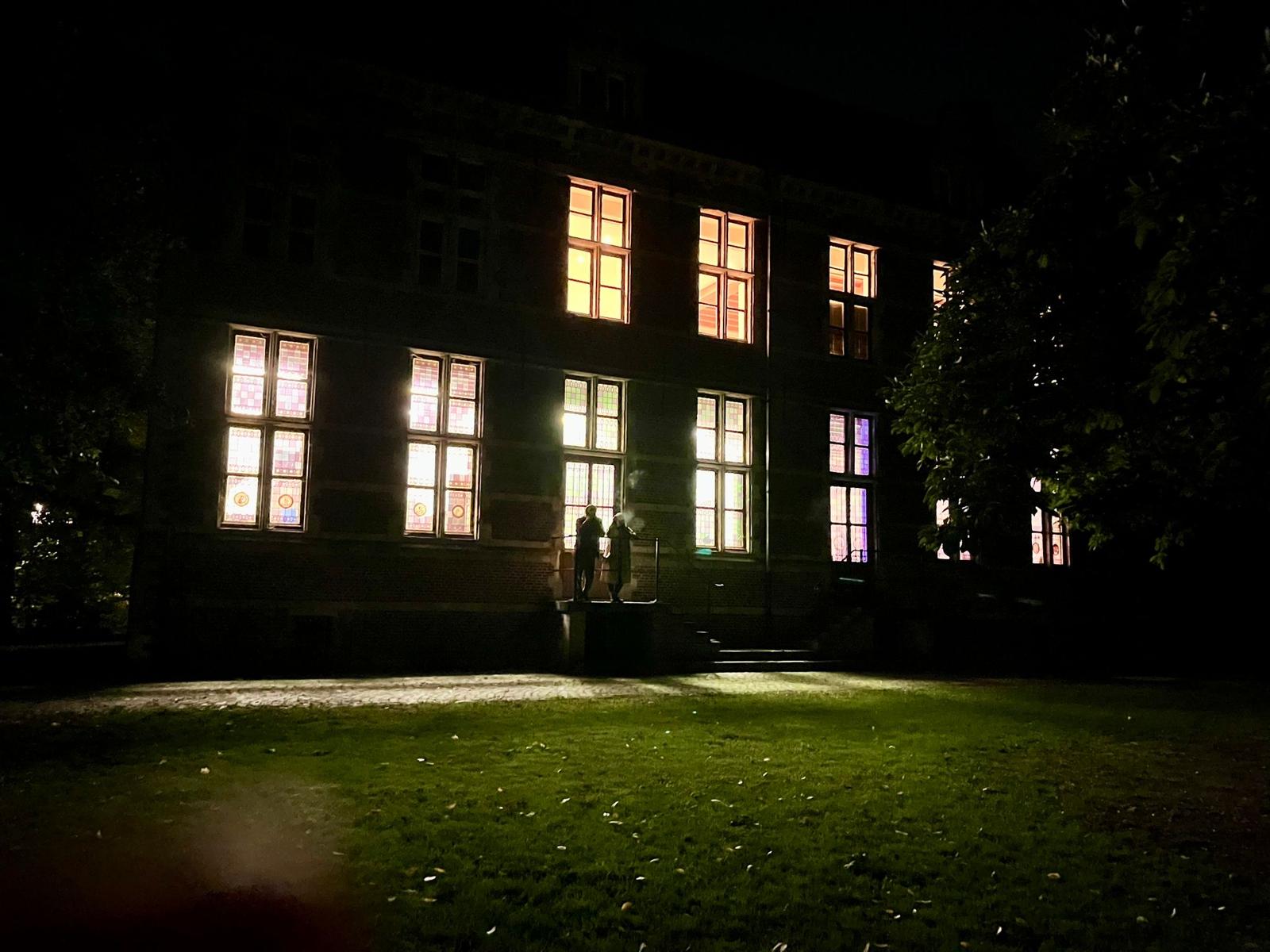
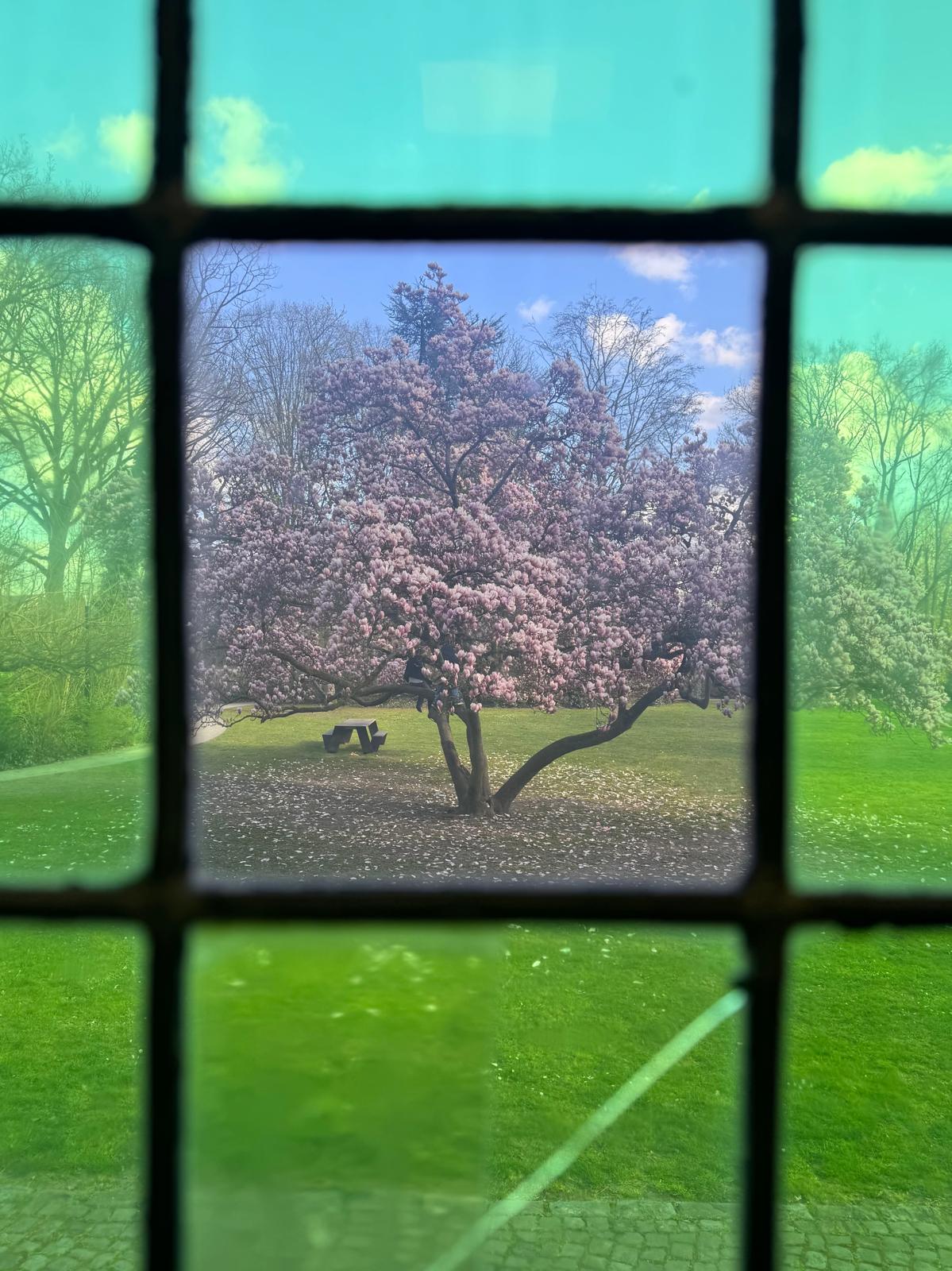
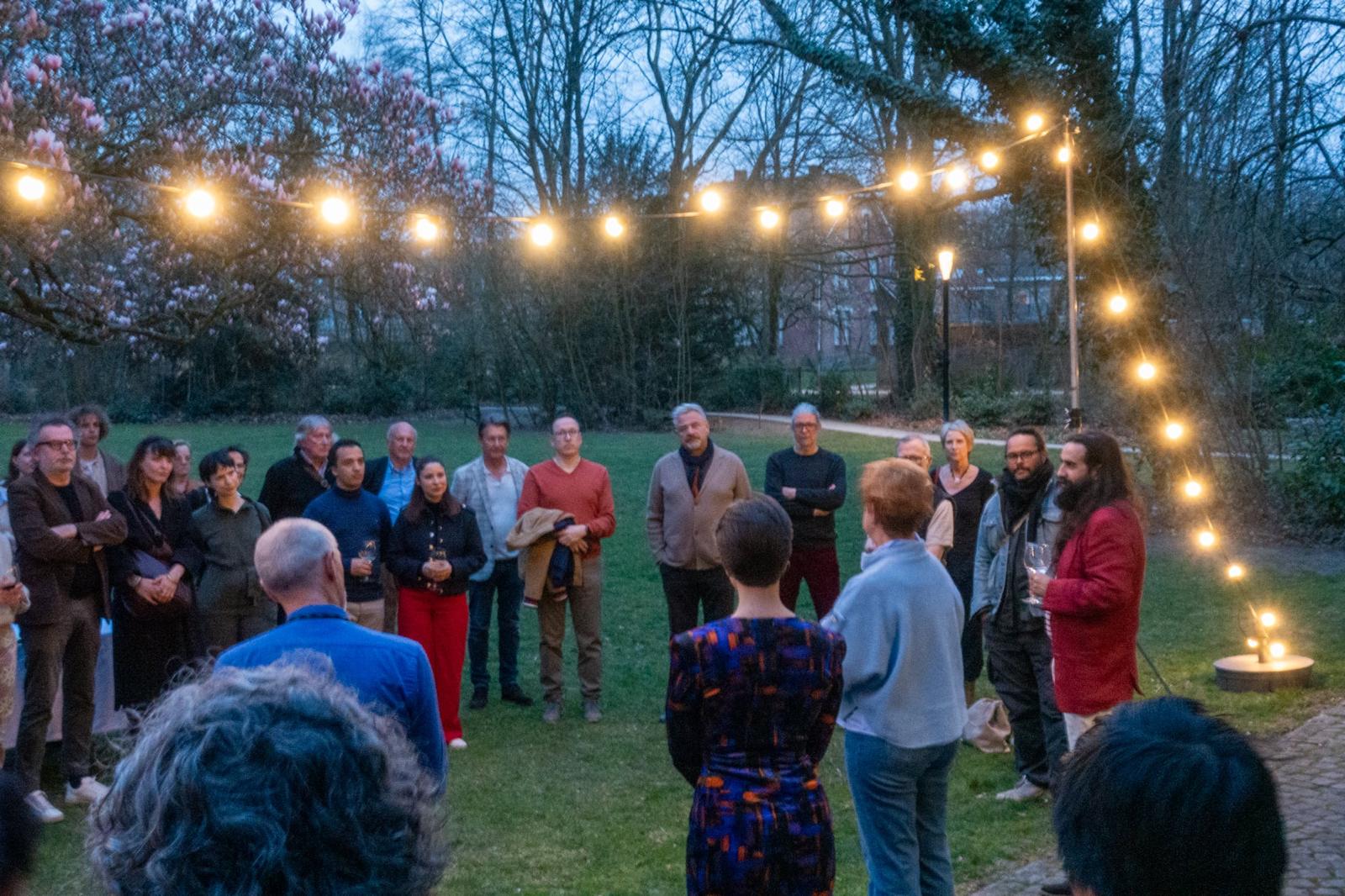
Since 2025, this methodology has been developed at Kasteel Hof d'Intere in the municipality of Lille, where a historic castle and its landscape are activated as a participatory cultural environment. Through workshops, residencies, and collective artistic projects, citizens and stakeholders influence both artistic outcomes and the future development of the site, promoting sustainability, inclusion, and aesthetic quality.
participatory art
heritage activation
community co-creation
cultural landscape
intercultural dialogue
At Spazio Nour, sustainability is understood primarily as social and cultural sustainability: the long-term capacity of communities to actively shape the places in which they live. Founded in Milan in 2014 by multidisciplinary artist Mahmoud Saleh Mohammadi, the initiative develops participatory artistic methodologies that give agency to local residents and stakeholders. While Spazio Nour provides the overarching artistic framework, it intentionally creates space for others—citizens, organisations, artists, and local businesses—to initiate and shape activities themselves.
This approach aims to support urban and rural regeneration without triggering gentrification. By collaborating closely with local organisations, associations, and businesses, cultural initiatives strengthen existing social and economic networks rather than replacing them. Cultural programming therefore becomes a shared resource that supports the long-term vitality of the local community.
This methodology is currently implemented at Kasteel Hof d'Intere in the municipality of Lille, where the castle and its surrounding landscape are gradually activated as a participatory cultural environment.
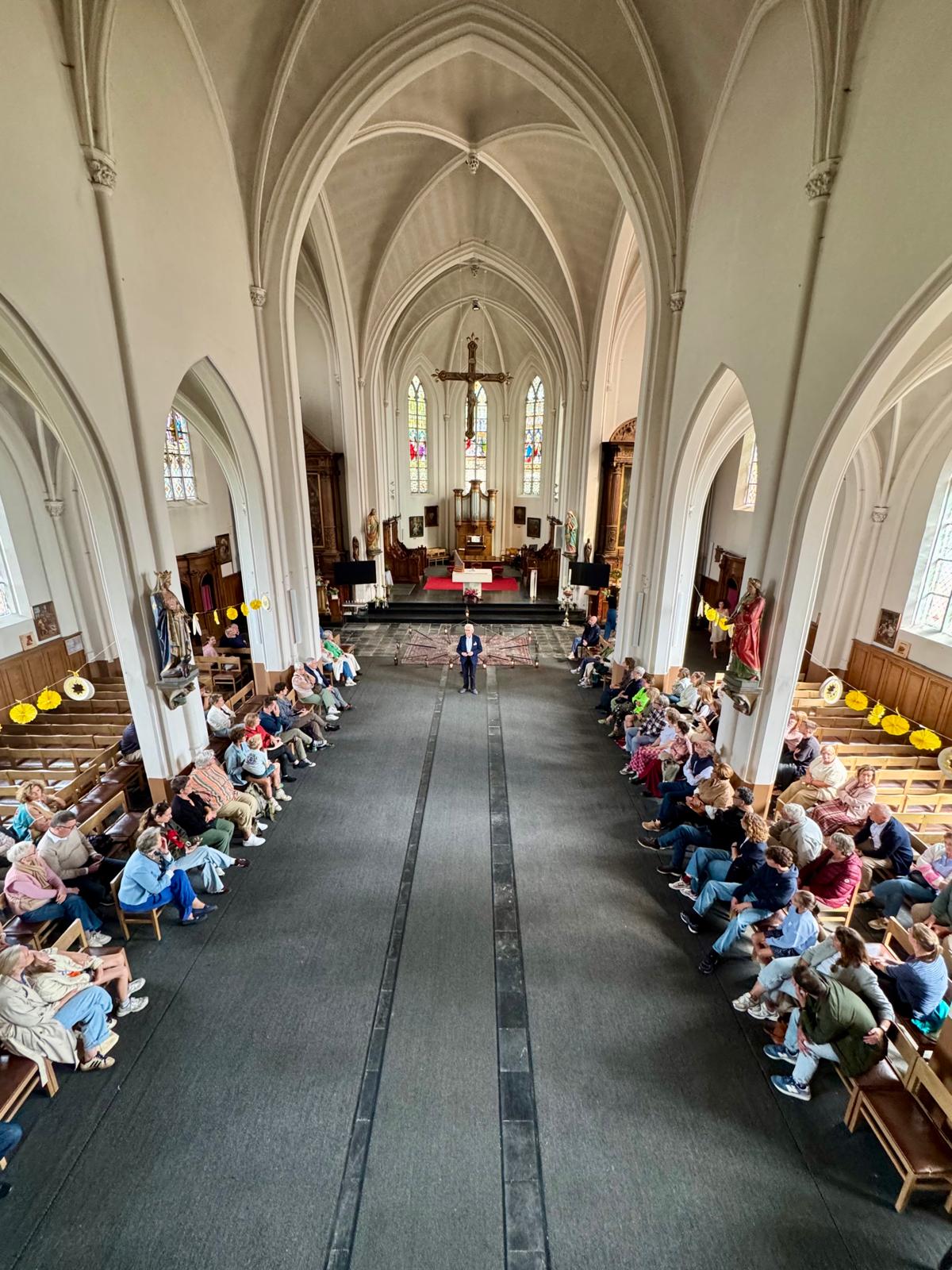
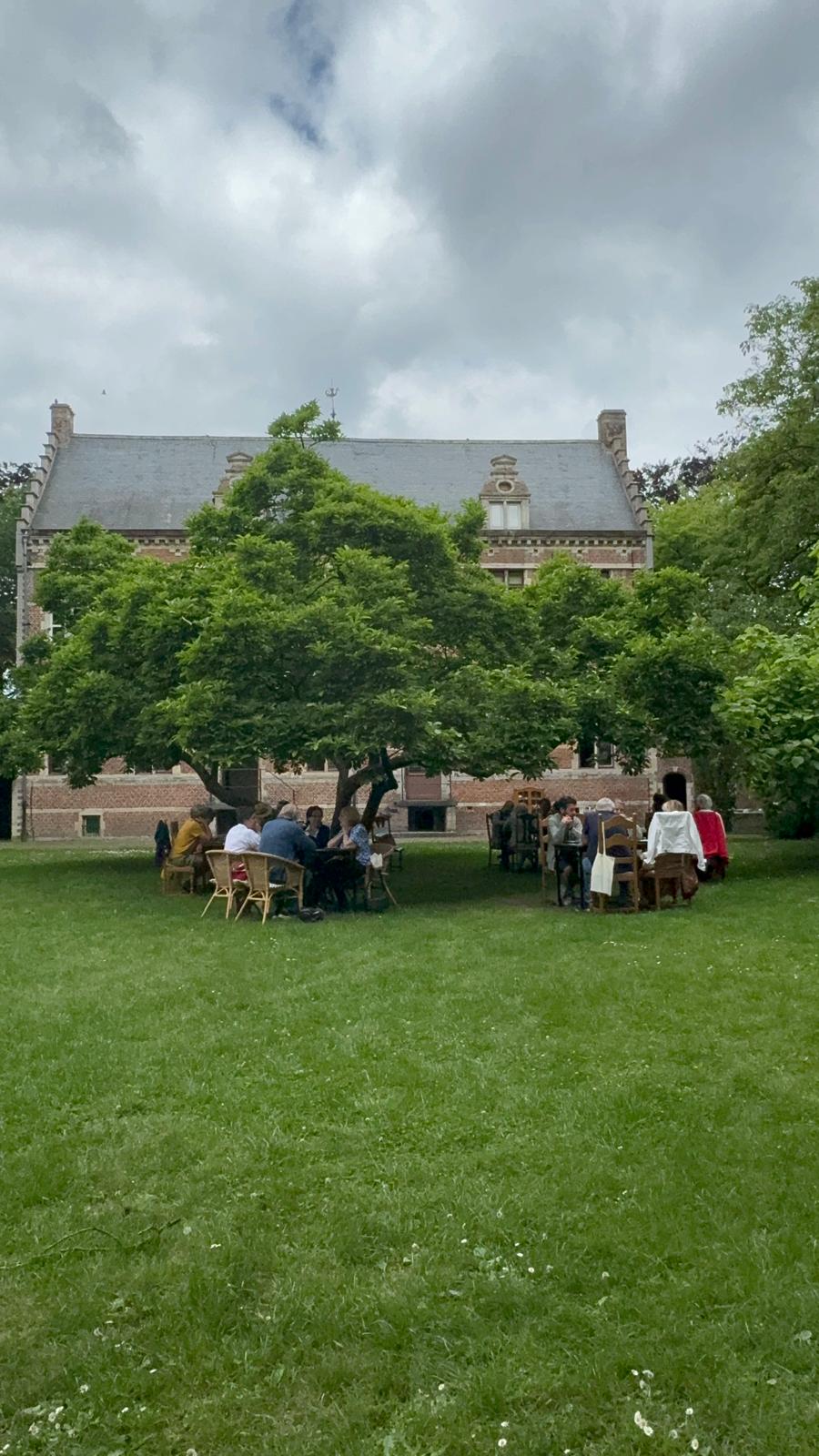
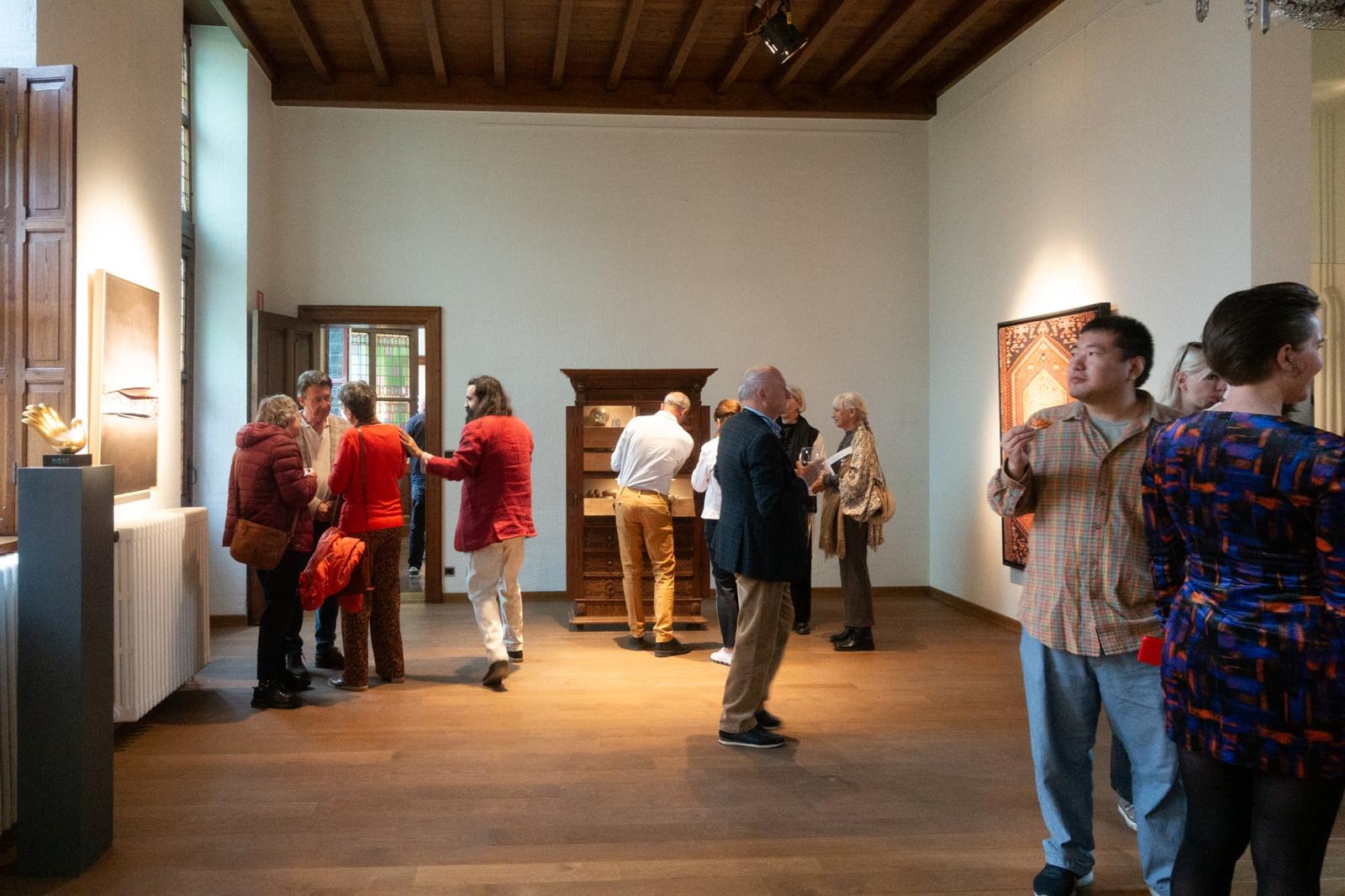
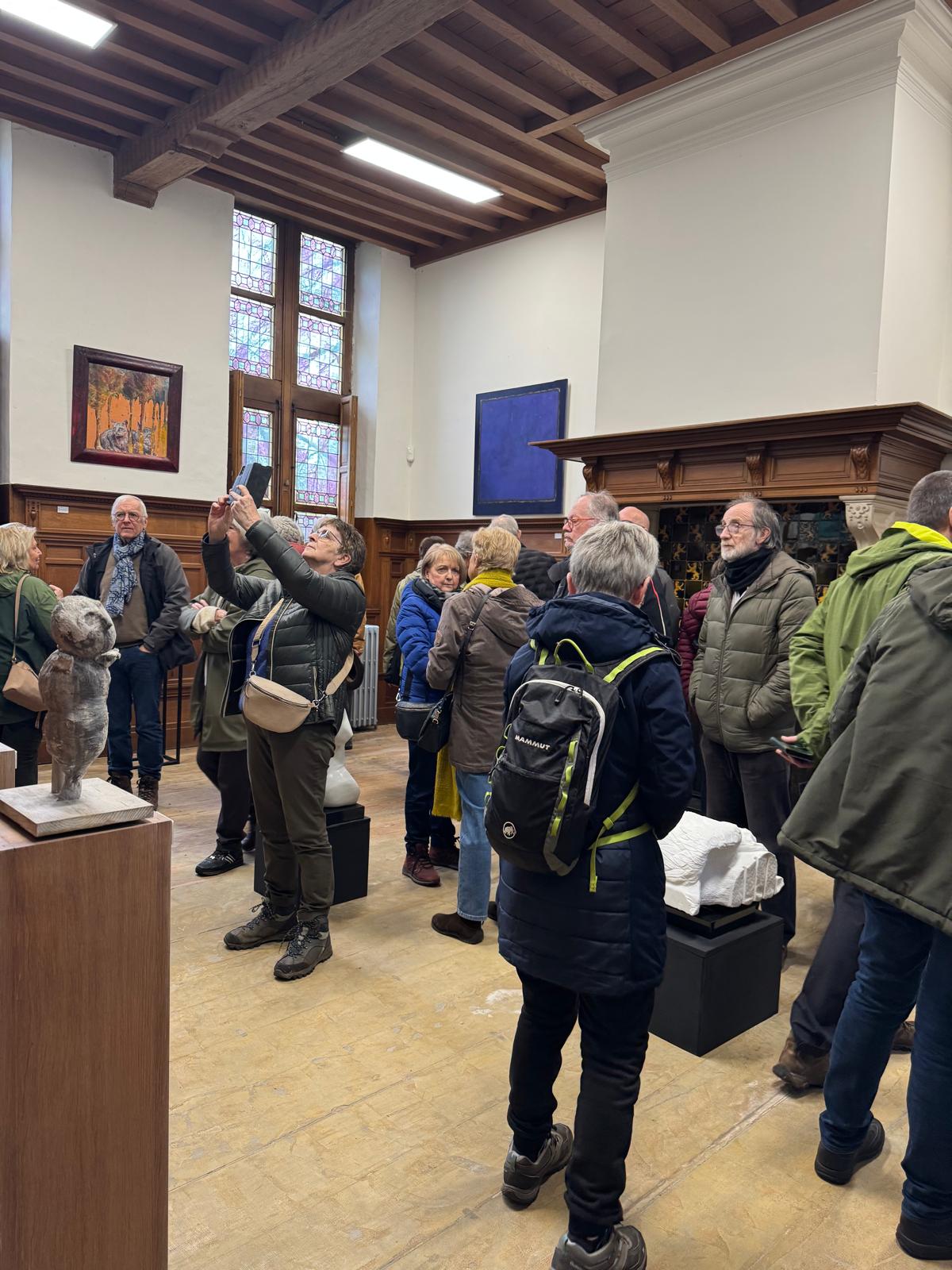
A clear example is the participation of Spazio Nour in Open Monumentendag, when the castle became part of a wider village programme connecting several heritage locations in Wechelderzande. During this single day the initiative welcomed around 1000 visitors, who moved between the castle, the local brewery, the church, historical buildings and artists’ studios. Through exhibitions, workshops and encounters organised with local partners, visitors spent time across the village, strengthening collaboration with local actors and generating a shared celebration of heritage.
In this way, sustainability emerges through community agency, collaborative governance and the activation of heritage as a shared cultural resource, demonstrating how participatory cultural practices can generate lasting socio-cultural impact.
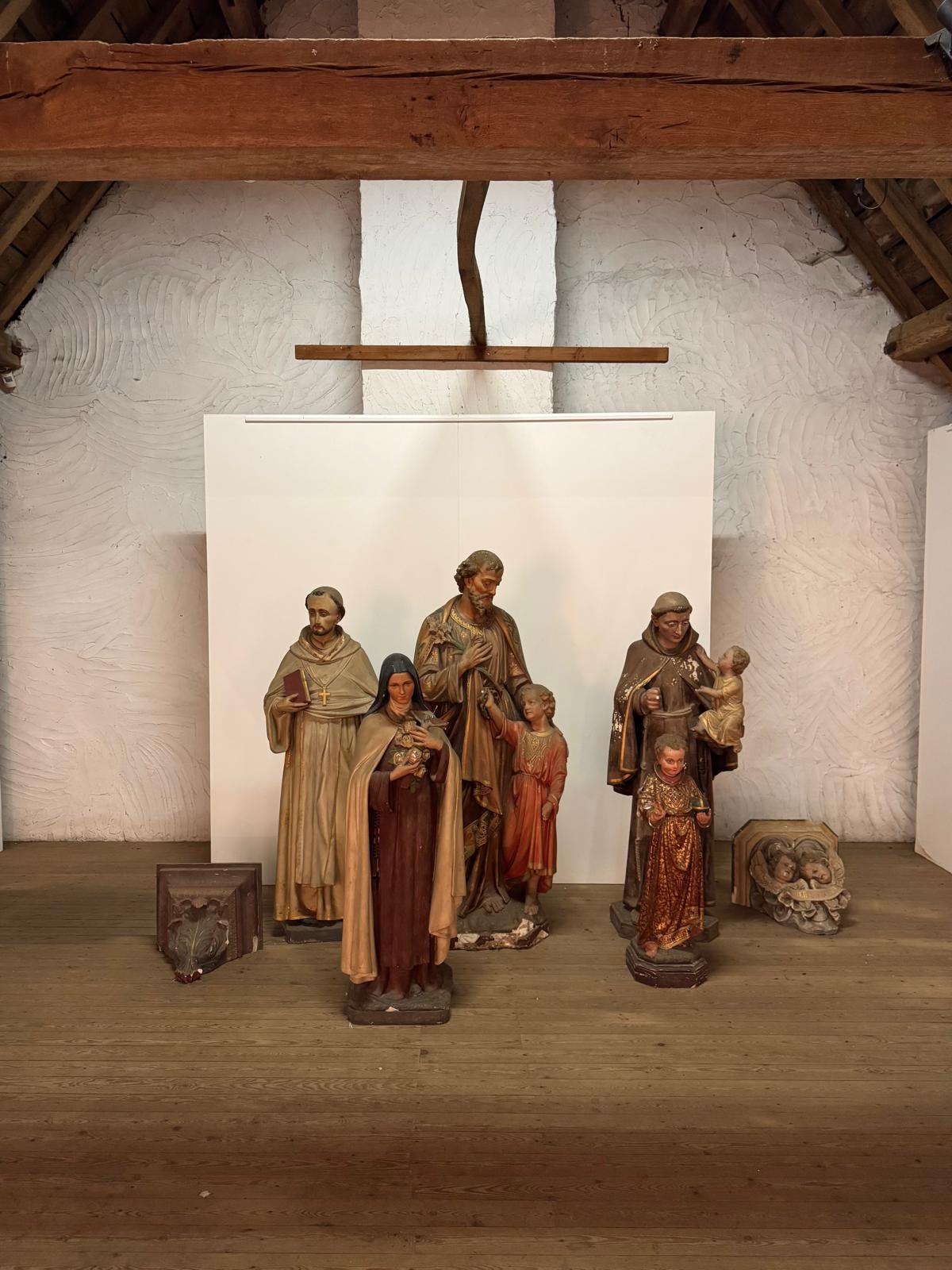
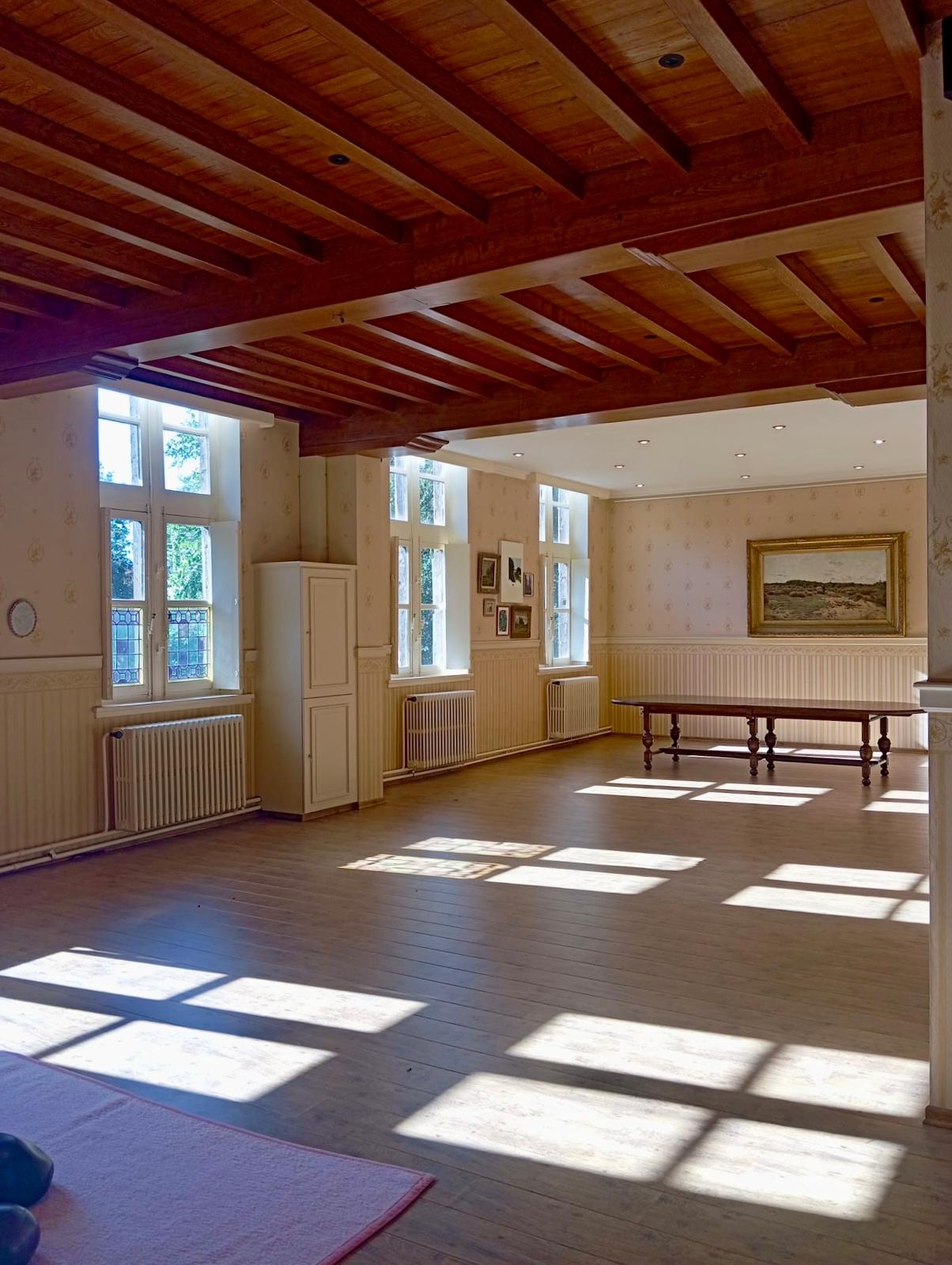
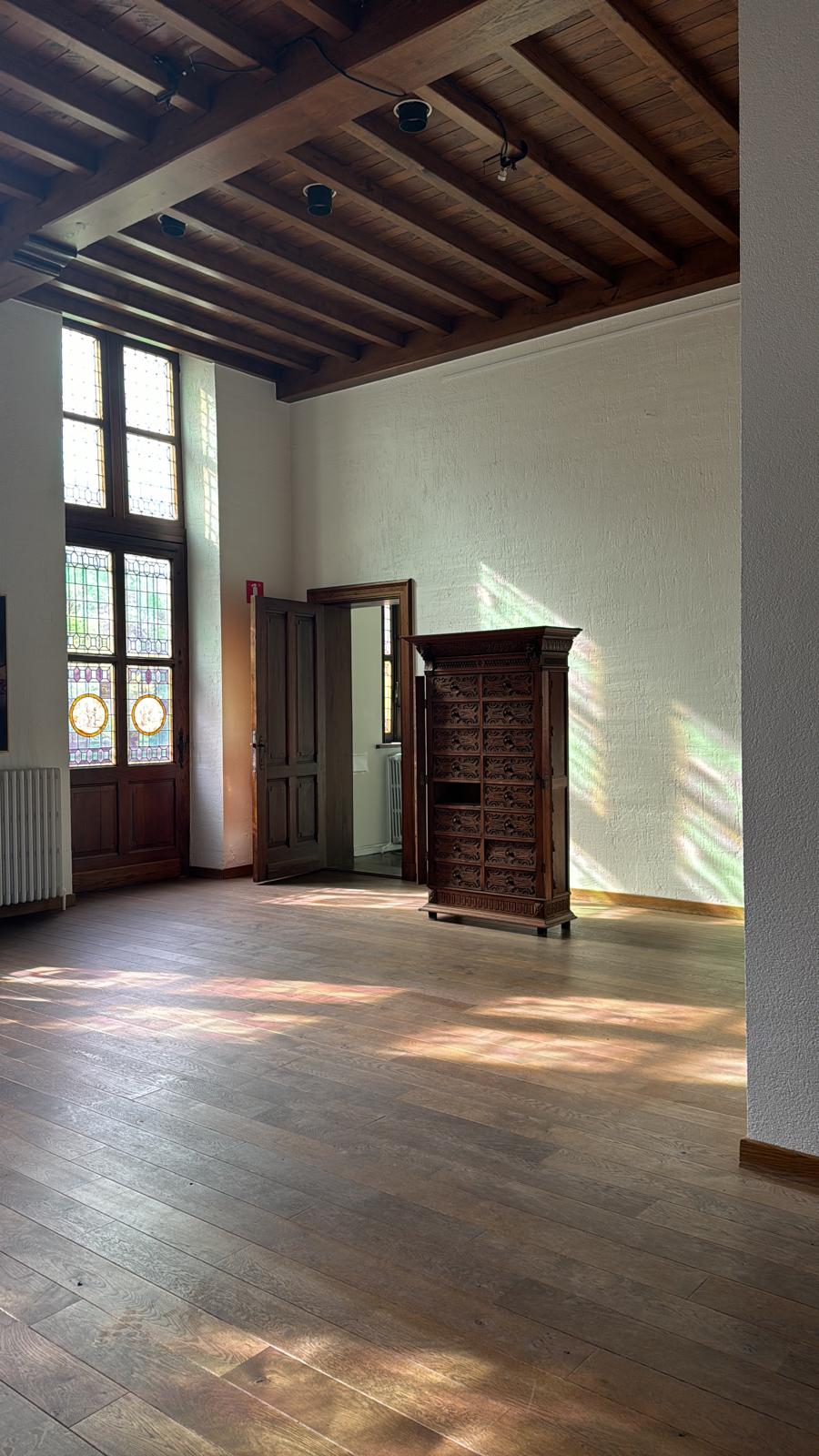
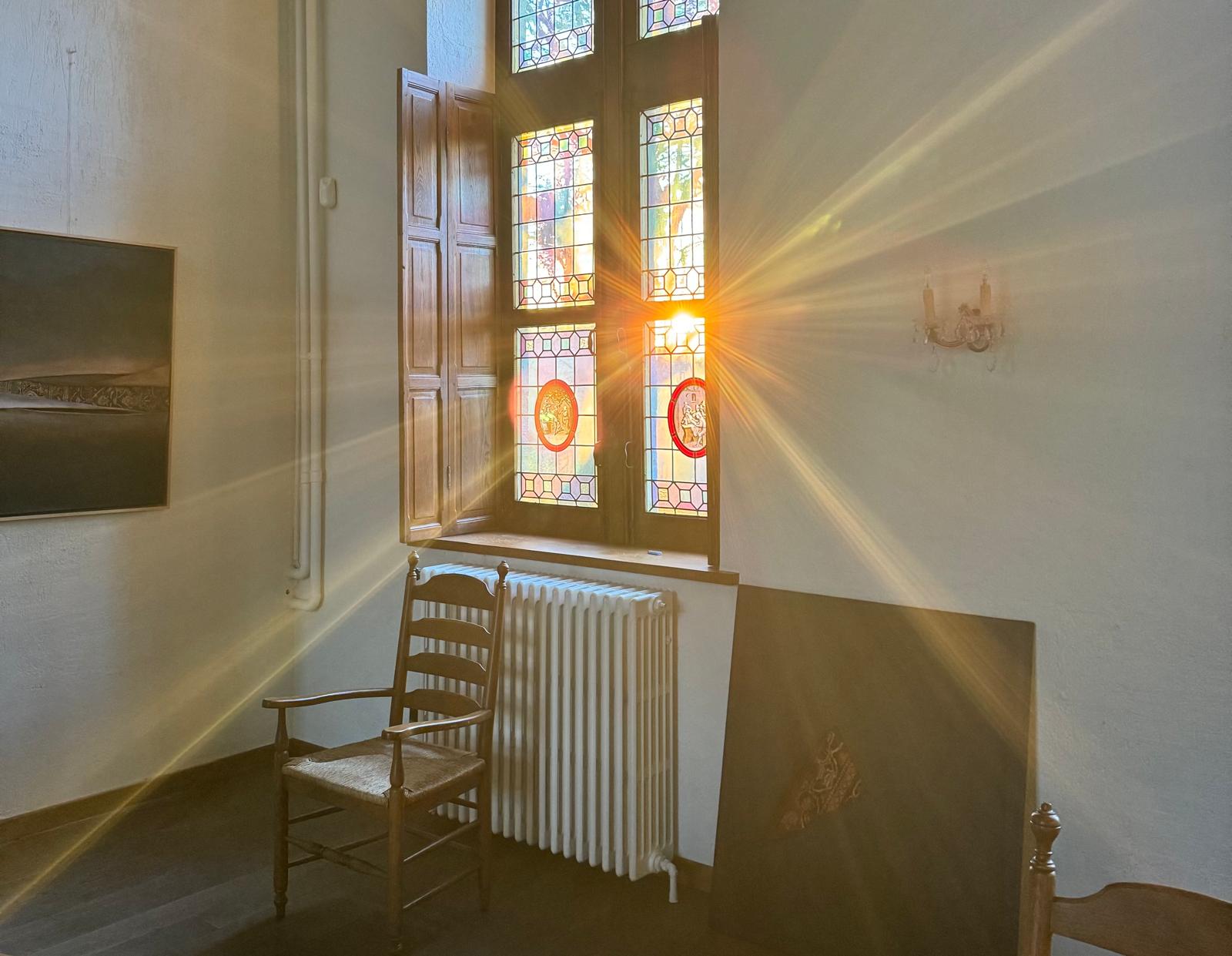
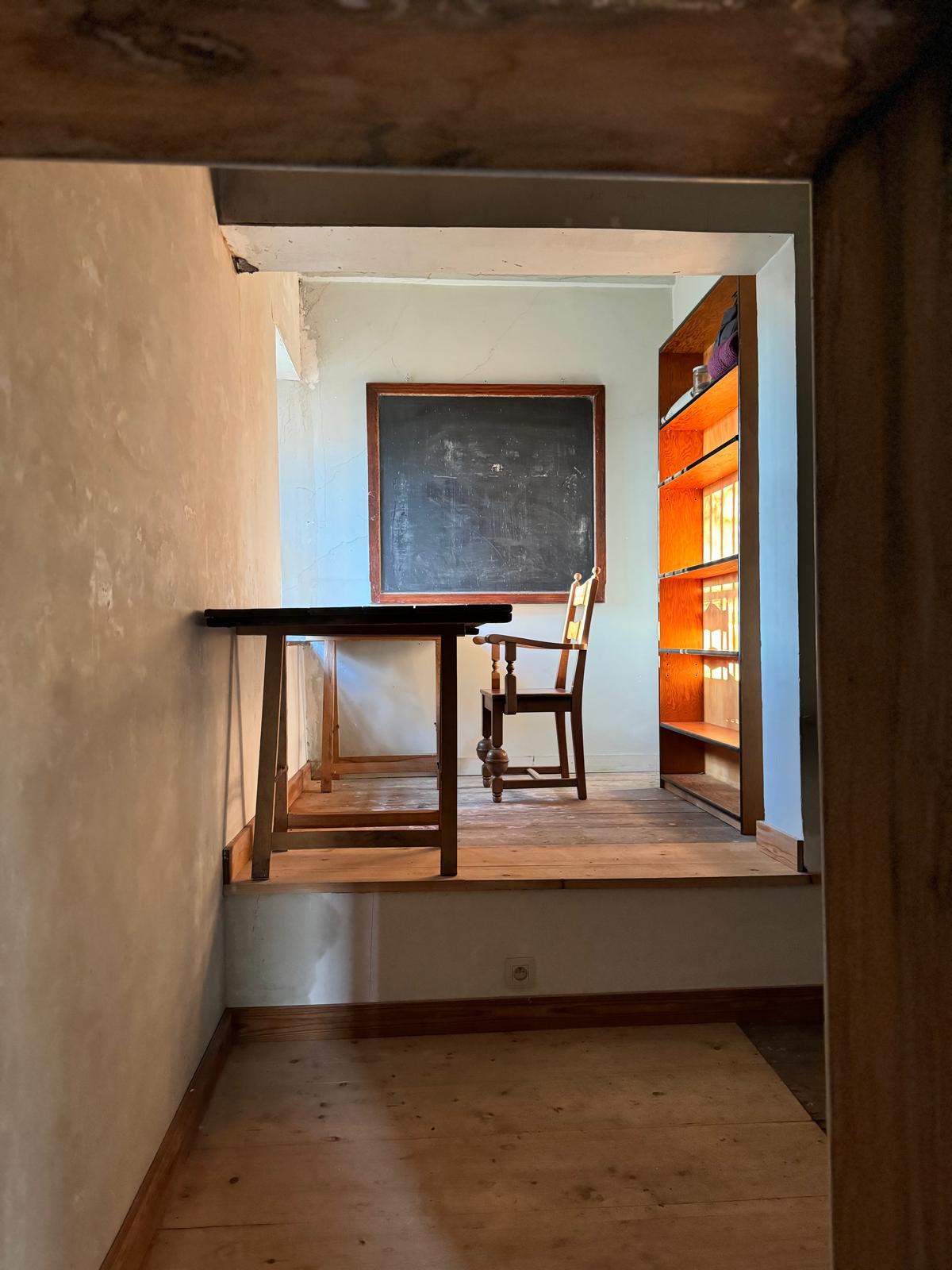
At Spazio Nour, aesthetics and quality of experience emerge through the encounter between art, heritage, and community life. Our objective is to transform Kasteel Hof d'Intere in Lille into a living cultural environment where visitors experience contemporary artistic creation within the spatial and historical atmosphere of the castle and its surrounding landscape.
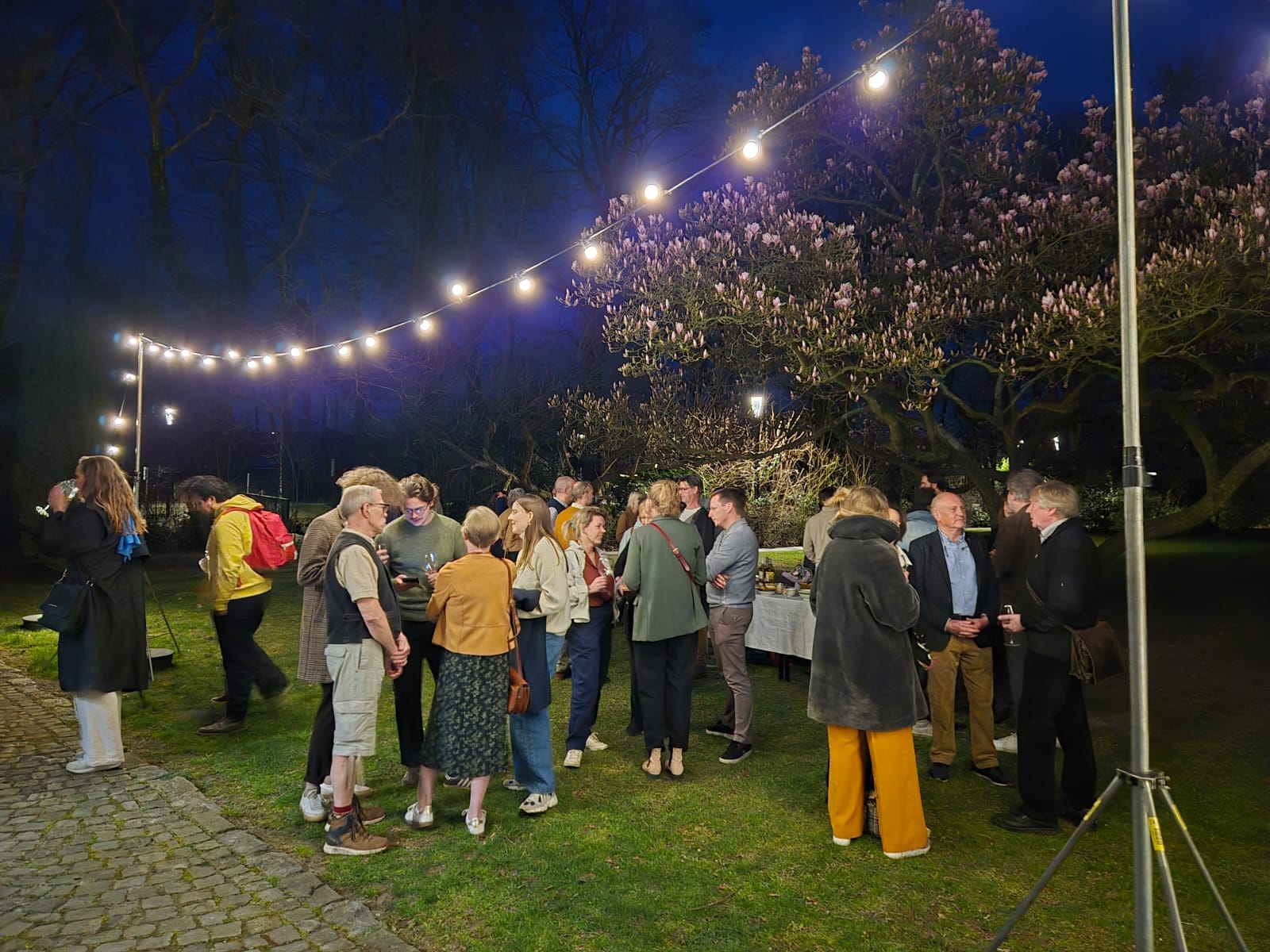
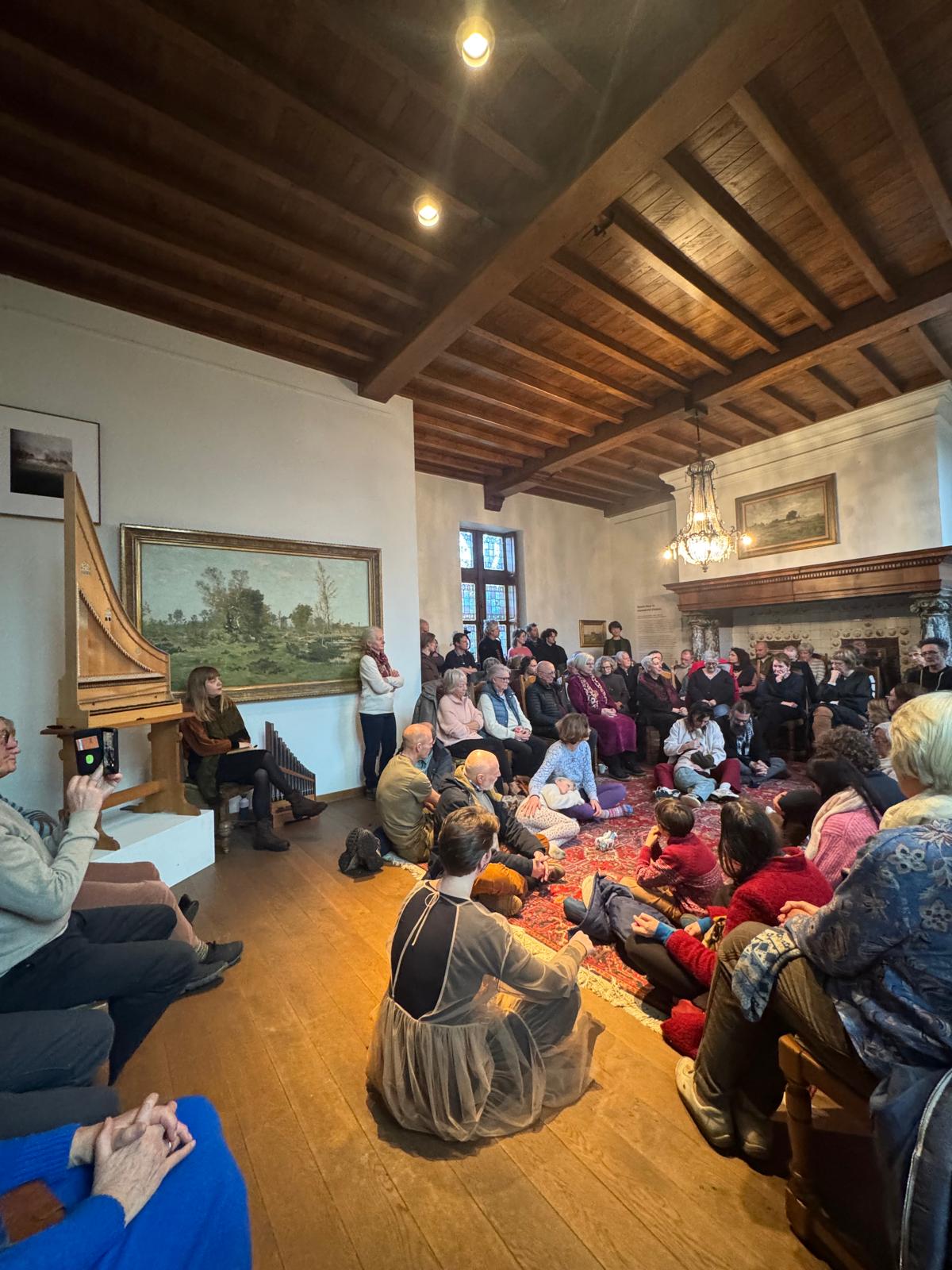
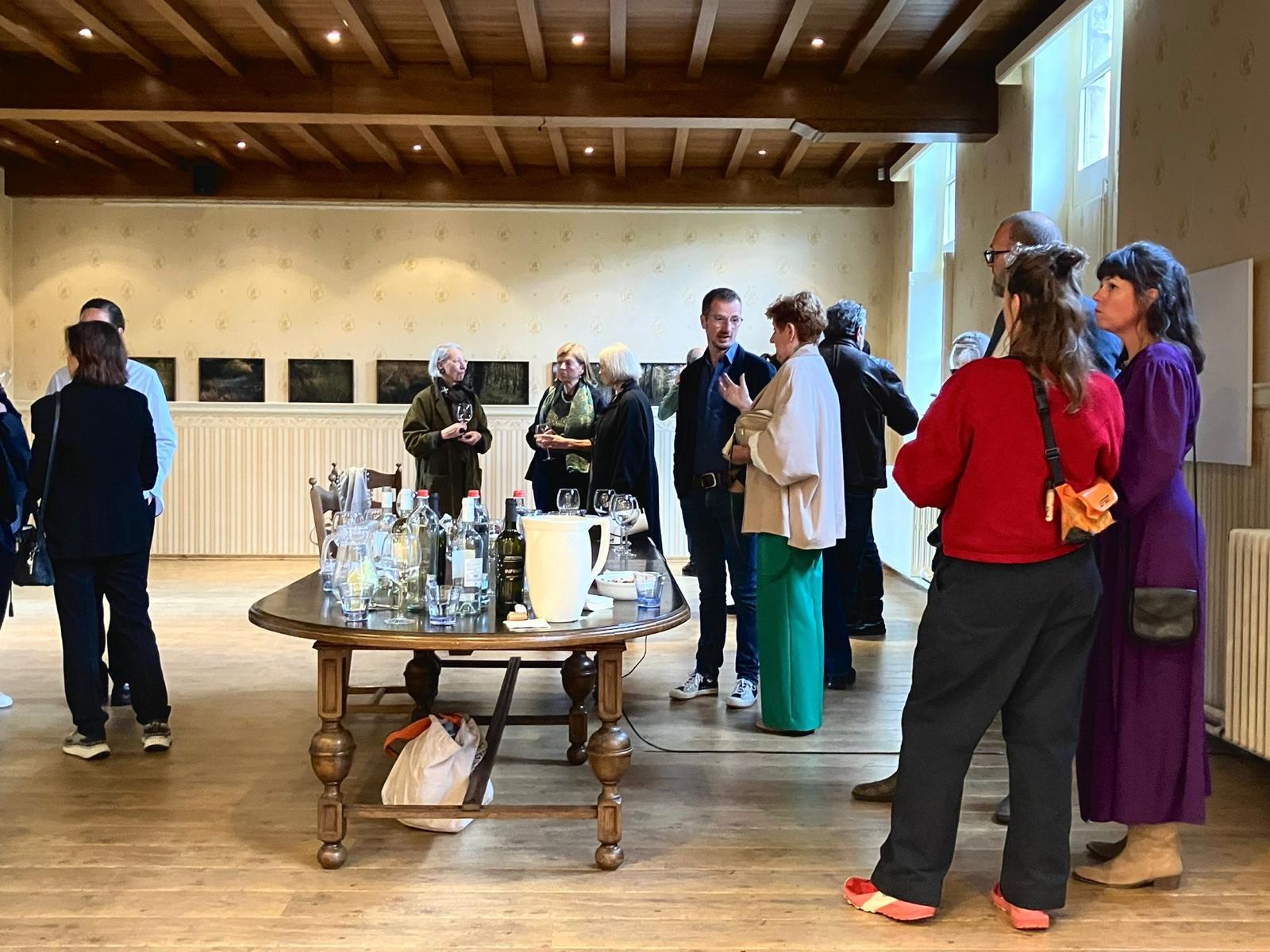
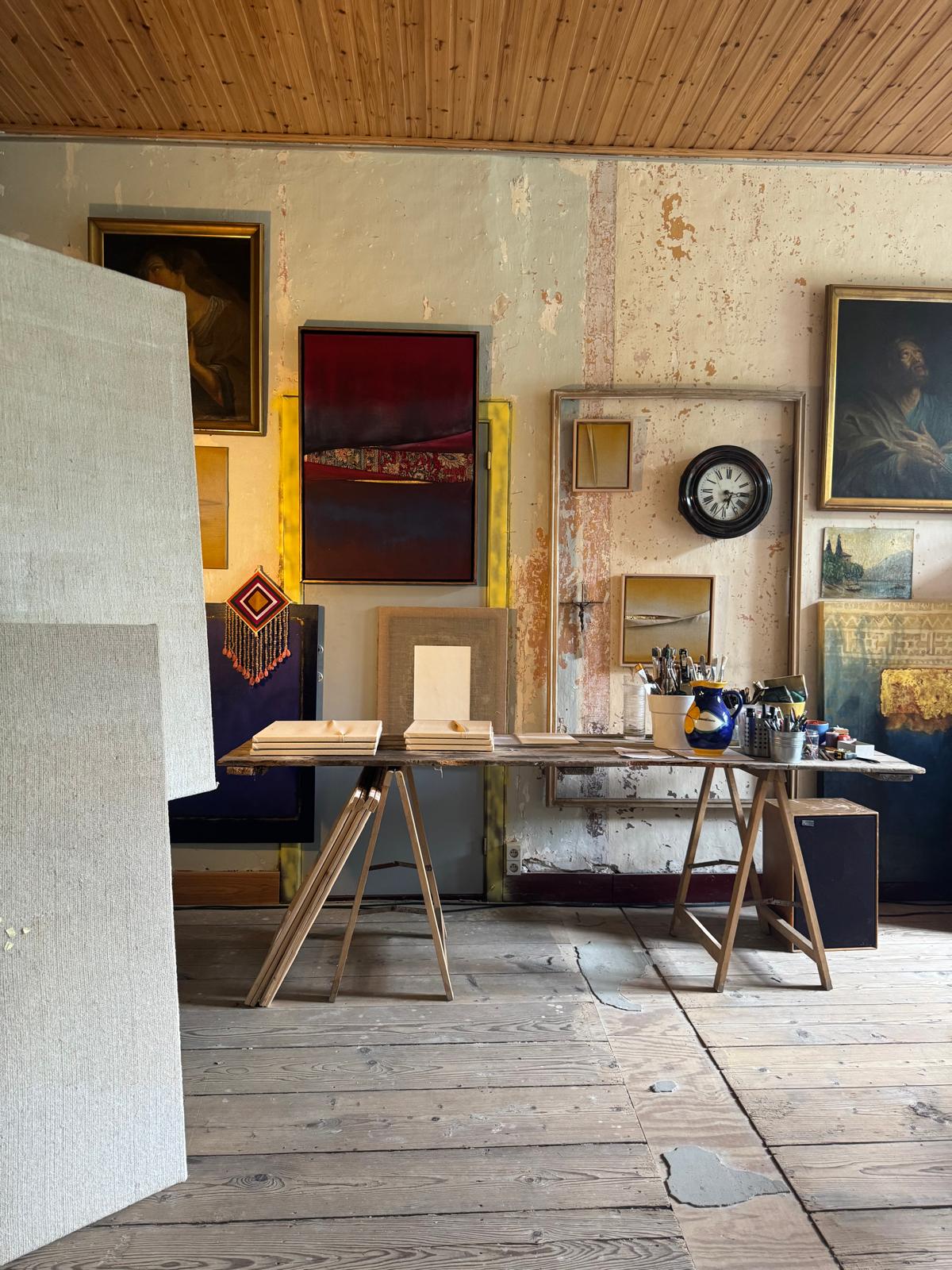
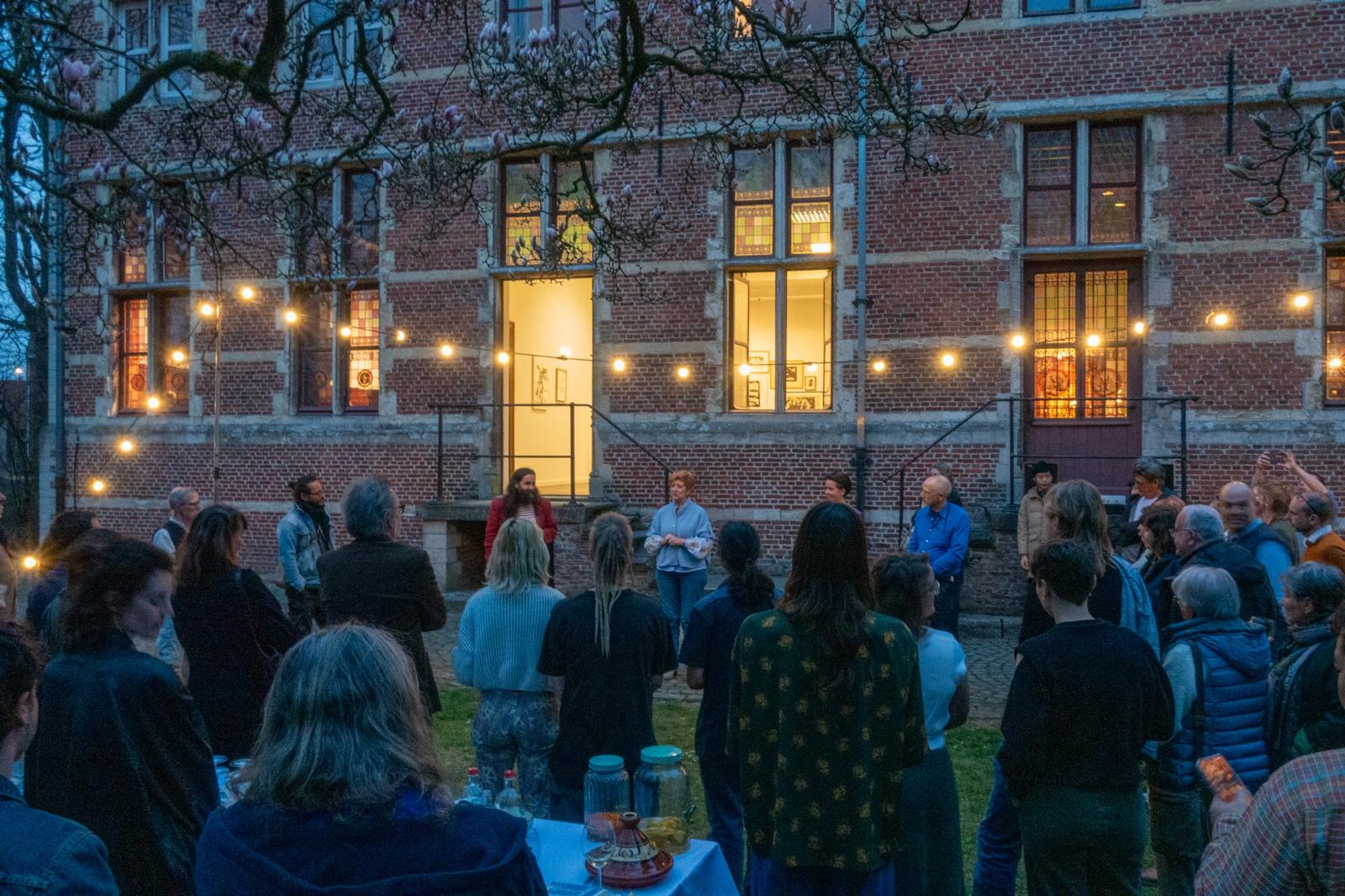
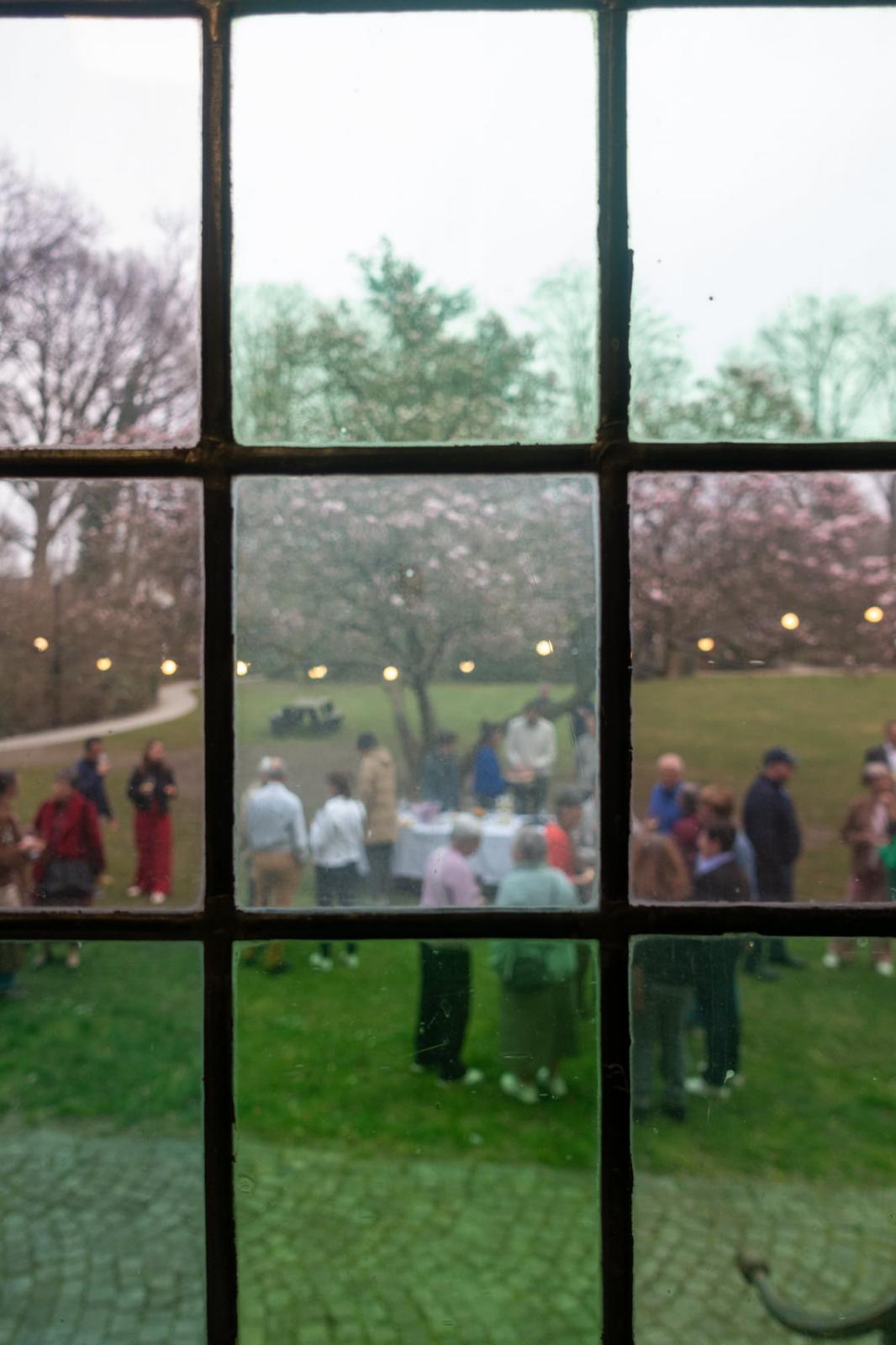
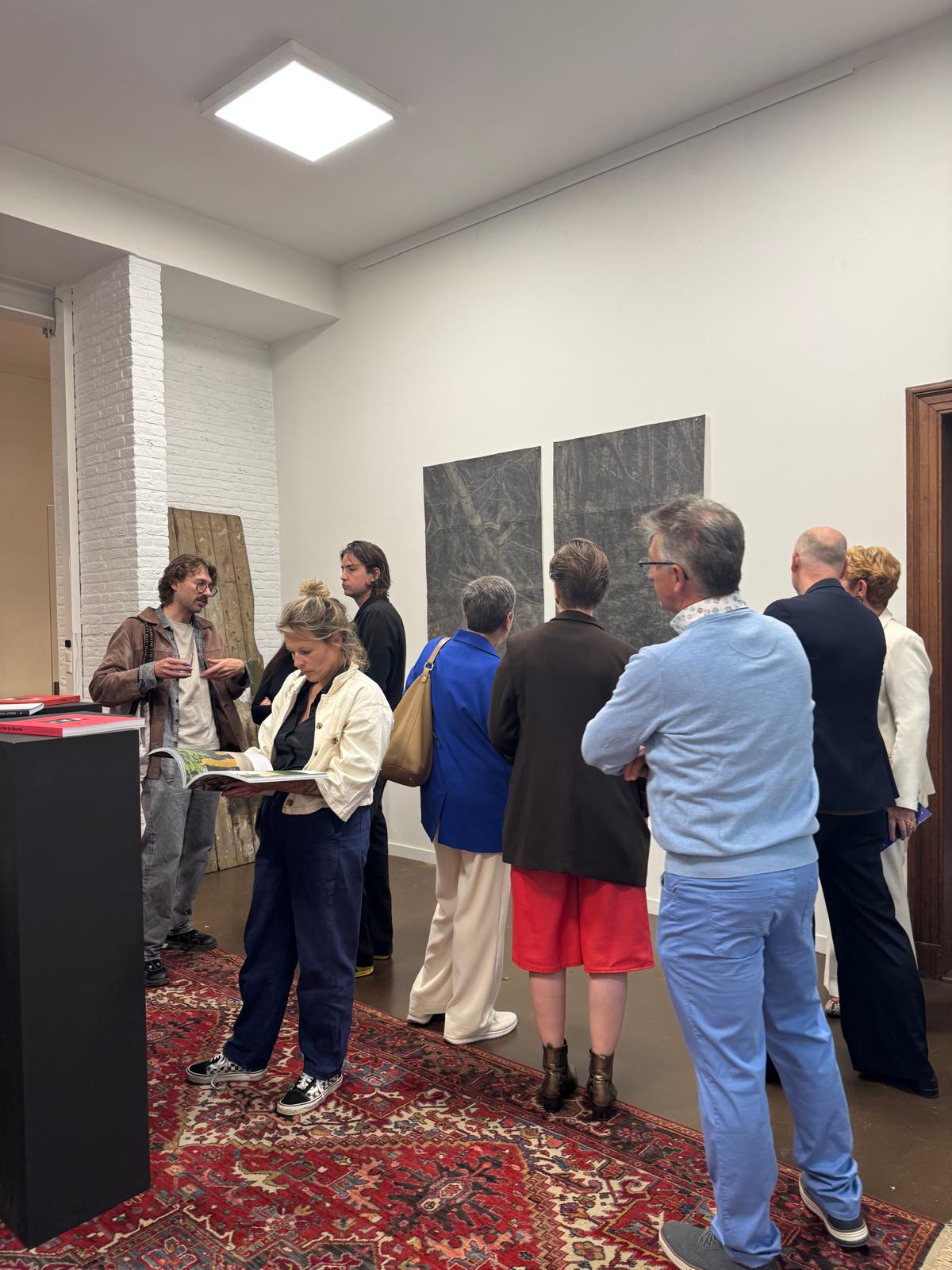
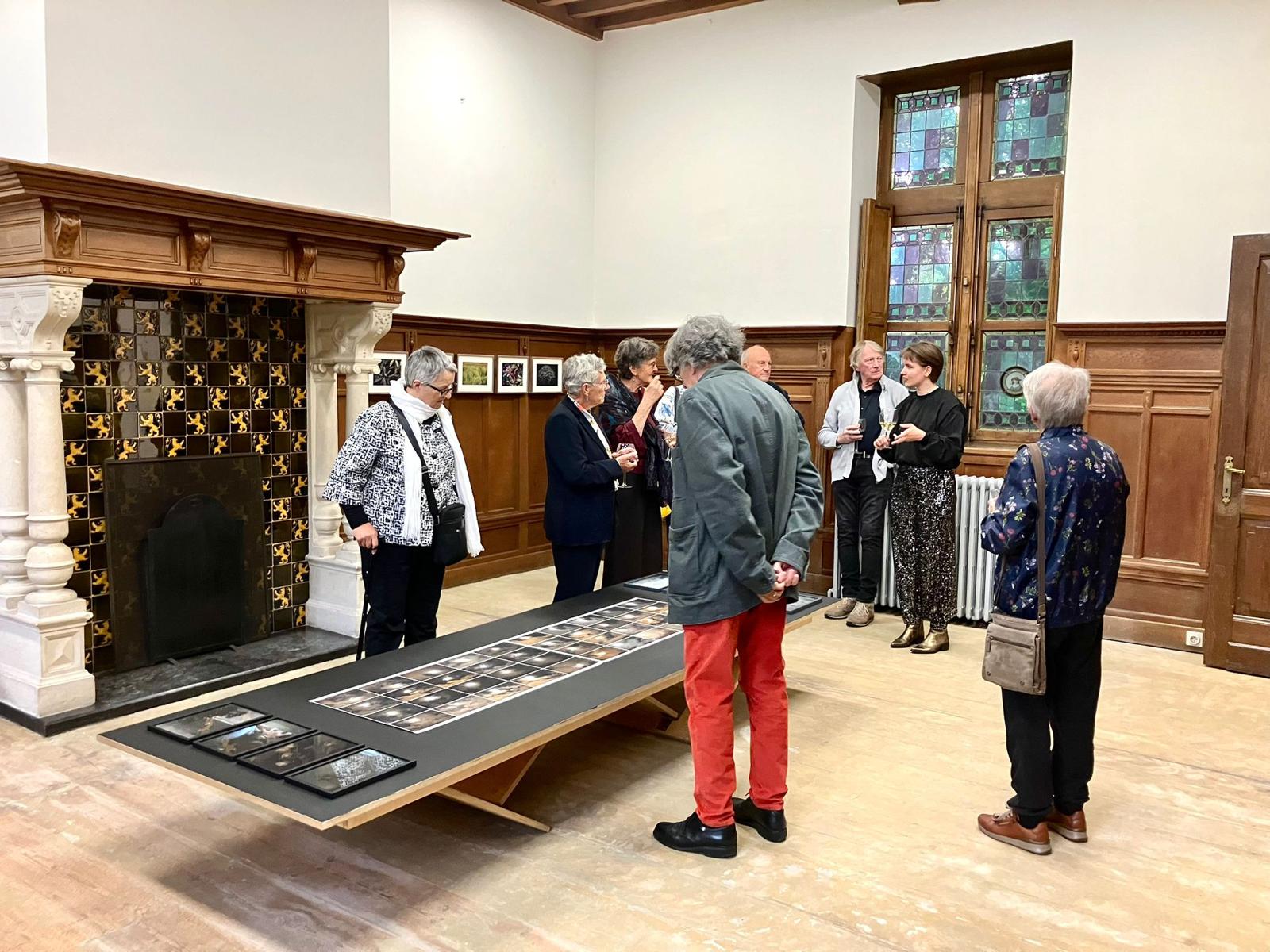
A key example is the participatory art festival organised at the site. During this event the castle becomes a vibrant cultural landscape where art, music, craft and community activities unfold simultaneously. Visitors encounter exhibitions presenting works by both emerging and established artists, alongside concerts, performances and artistic interventions developed in dialogue with the architecture and environment of the castle.
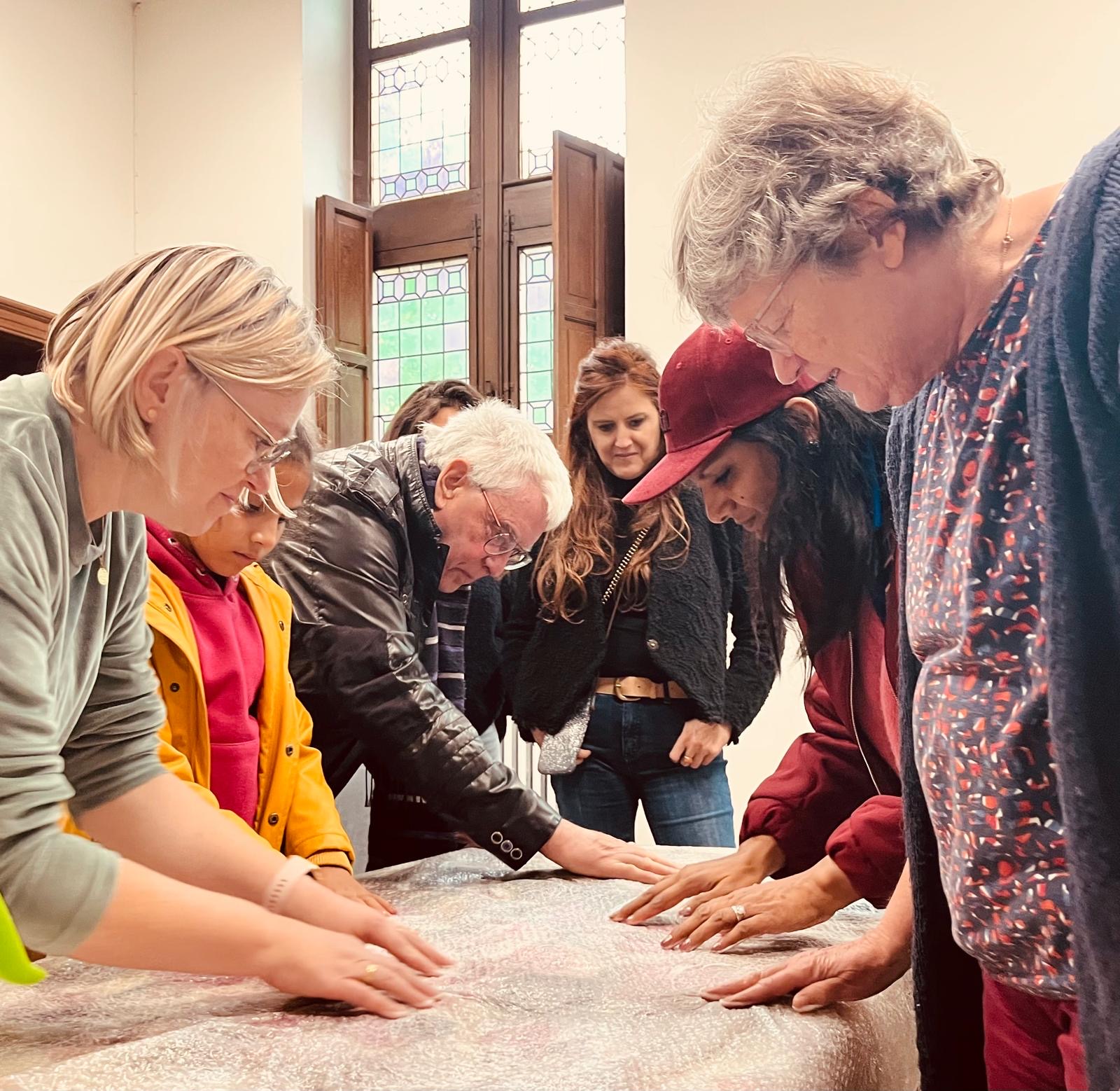
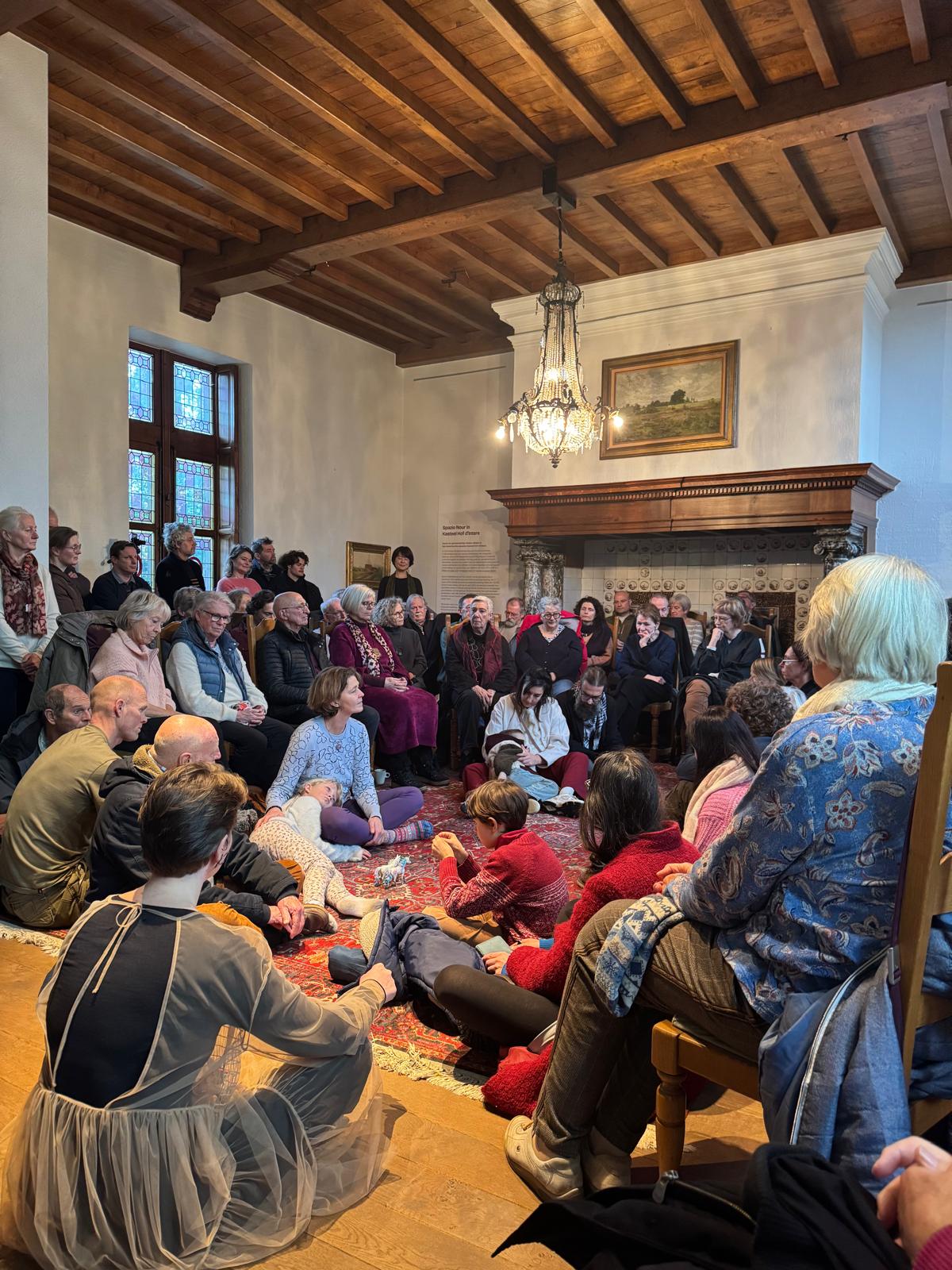
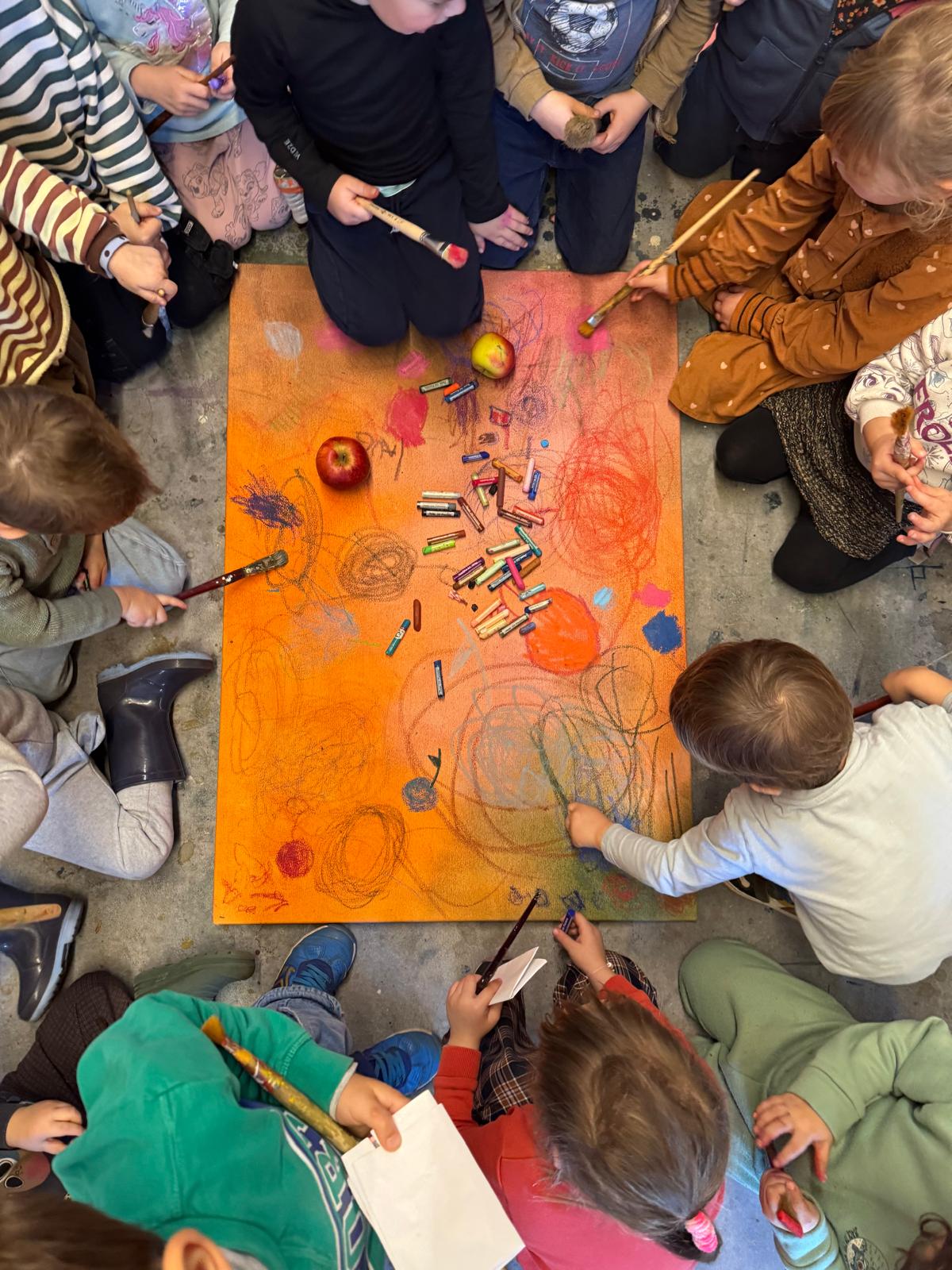
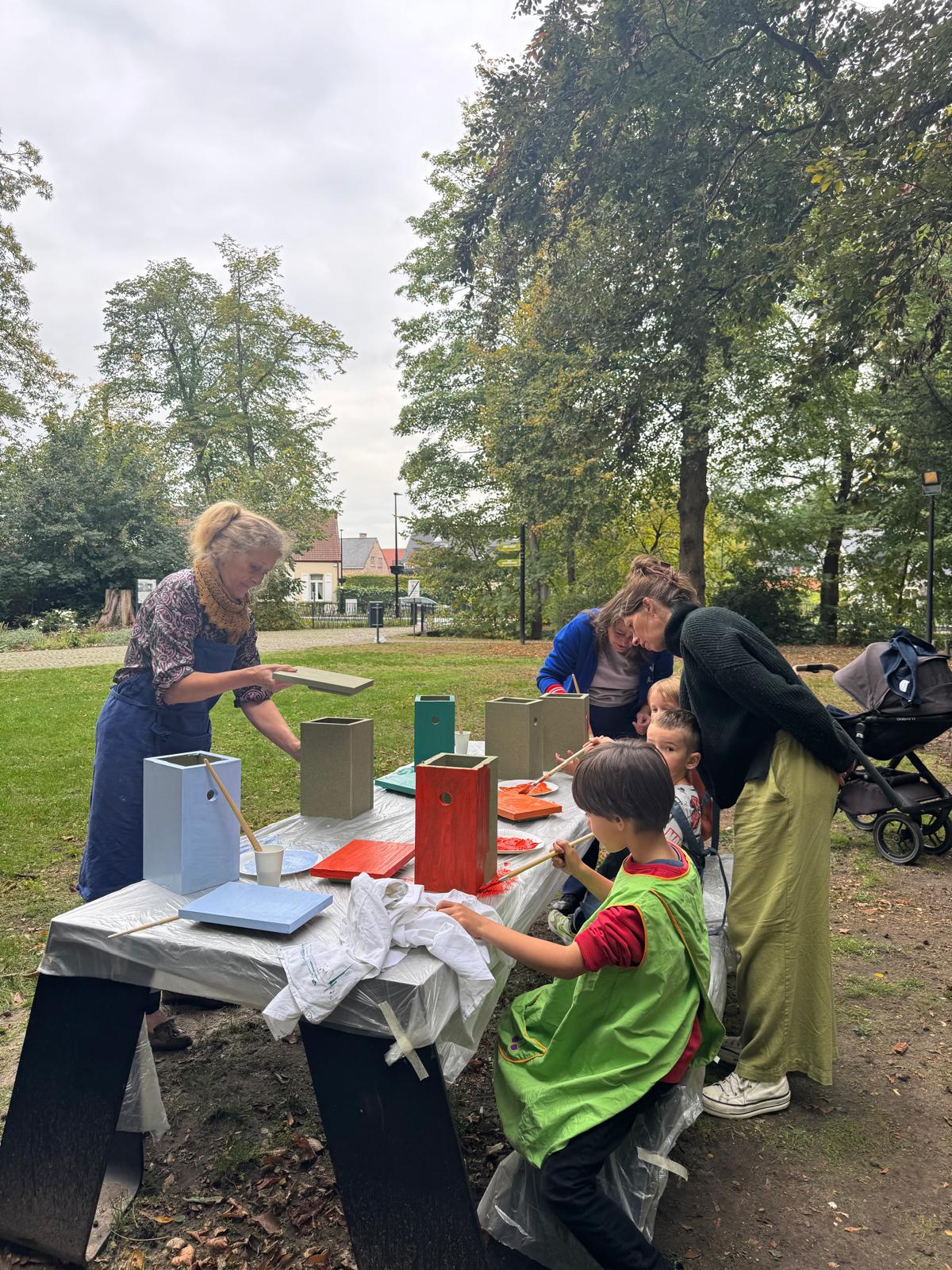
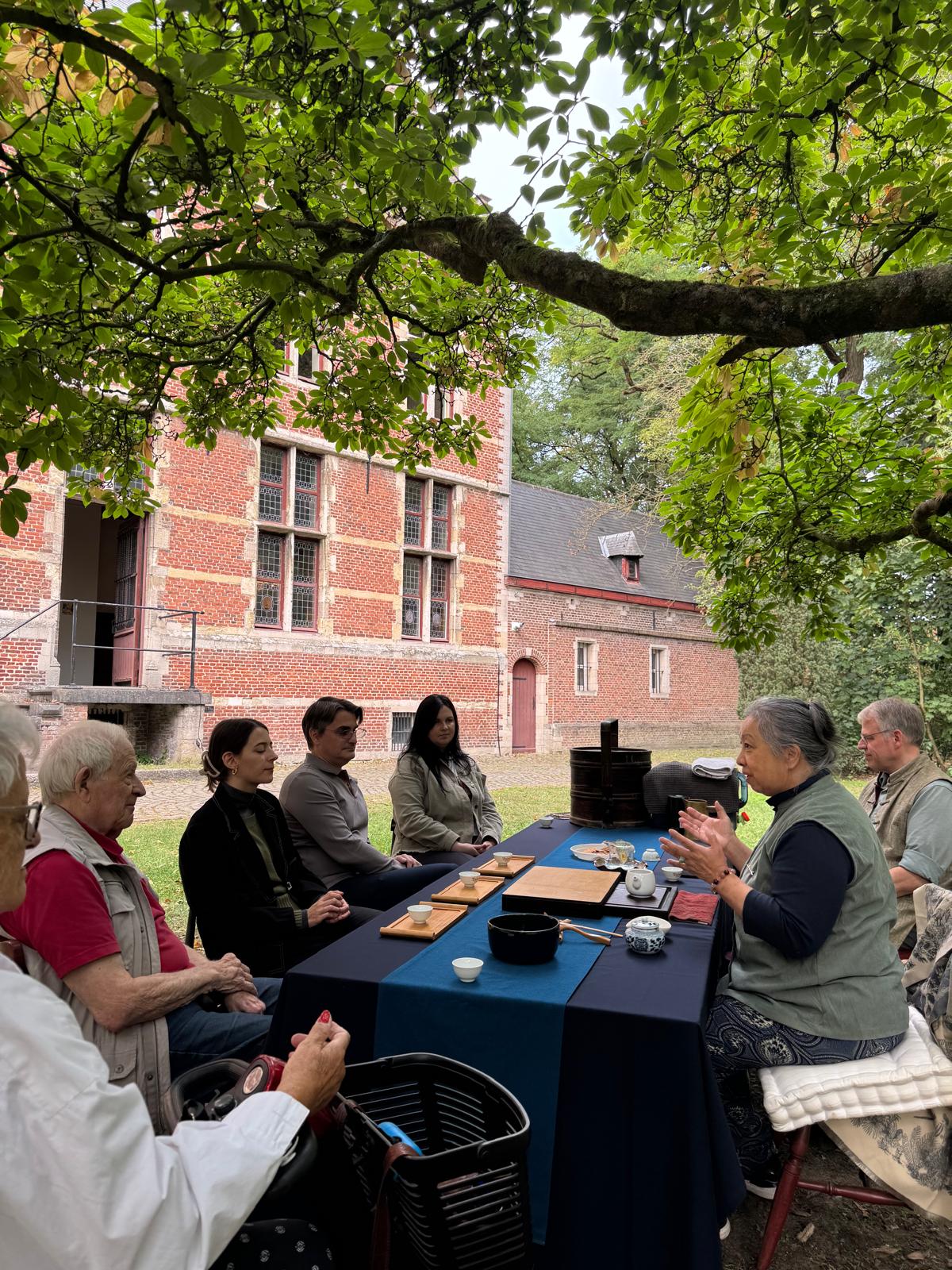
An important aspect of the festival is its intergenerational character. Workshops invite children, families and older residents to actively participate in creative processes, while local craftsmen demonstrate traditional crafts and skills, connecting contemporary artistic practices with local cultural knowledge and heritage.
These diverse activities create a layered aesthetic experience in which visitors move through different spaces of the castle and gardens, encountering art, music, craftsmanship and collective moments of gathering. Rather than consuming culture passively, people become participants in a shared cultural environment where artistic creation, heritage and everyday life intersect.
The initiative is exemplary in showing how a historic site can become a platform for meaningful cultural experiences that combine artistic quality with accessibility and participation. By bringing together contemporary artists, local knowledge and community engagement, the project cultivates an aesthetic environment that strengthens cultural identity, encourages creativity and enriches the lived experience of both residents and visitors.
At Spazio Nour, inclusion is understood as both accessibility to cultural life and the creation of shared spaces where diverse communities feel welcome and represented. Our initiative at Kasteel Hof d'Intere in the municipality of Lille aims to remove economic, social and cultural barriers that often limit access to heritage sites and contemporary art.
A central objective is to ensure that participation in cultural activities remains accessible to everyone. Access to the castle and its exhibitions is therefore always free, and many events operate on a voluntary donation basis. This model allows people to contribute according to their possibilities while maintaining open access for visitors from different social backgrounds. Operational costs are supported through public subsidies and by occasionally renting the space to other cultural initiatives, enabling the project to remain financially sustainable without restricting access.
Inclusion is also reflected in the governance and development of the initiative. Spazio Nour operates through a participatory structure in which local residents, artists, organisations and partners actively contribute to programming and activities. By collaborating closely with local actors, the project encourages people to bring their networks, friends and families into the space, gradually building a welcoming cultural environment rooted in the community.
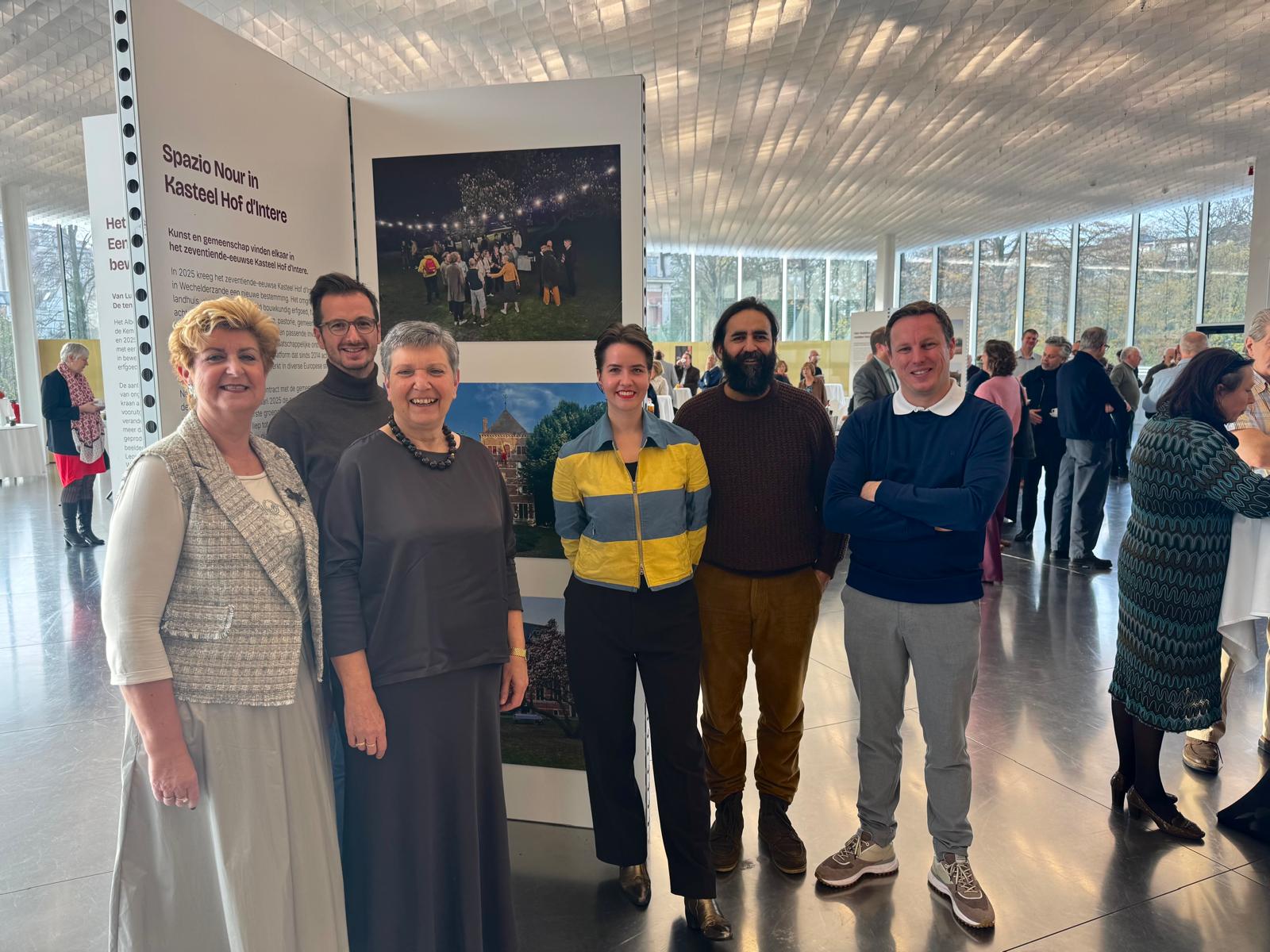
The team itself reflects this inclusive approach. With multicultural backgrounds and international artistic networks, the members of Spazio Nour bring diverse perspectives that shape the identity of the initiative and help make the castle accessible to a wide range of audiences.
Through open access, participatory governance and intercultural collaboration, the project demonstrates how a heritage site can function as an inclusive cultural environment.
At Spazio Nour, citizen involvement forms the structural foundation of the initiative and reflects the core working principles of the New European Bauhaus: co-creation, multi-level engagement and transdisciplinary collaboration. Rather than operating as a top-down cultural programme, the project develops through continuous interaction with citizens, civil society organisations and local actors around Kasteel Hof d'Intere in Lille.
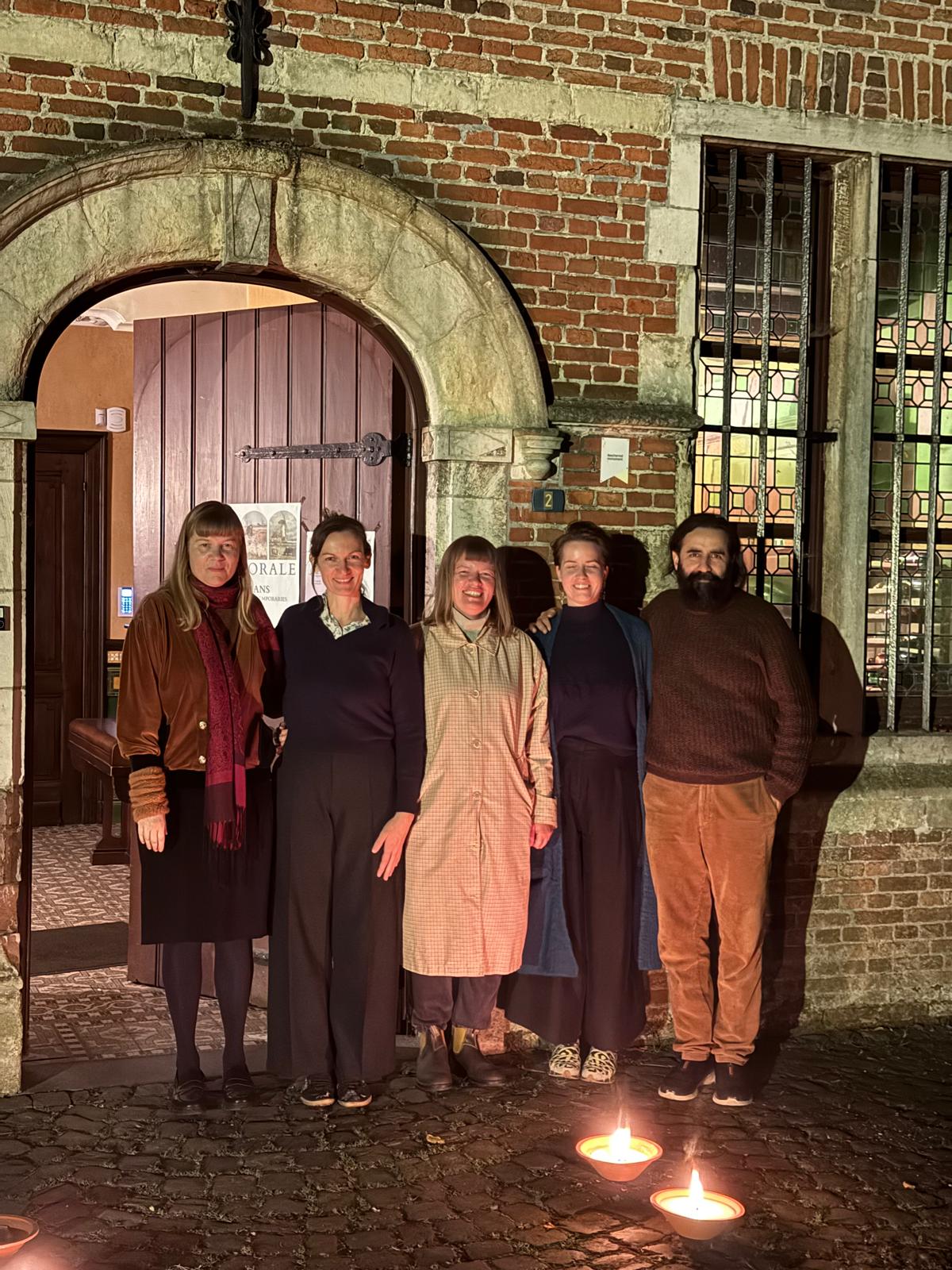
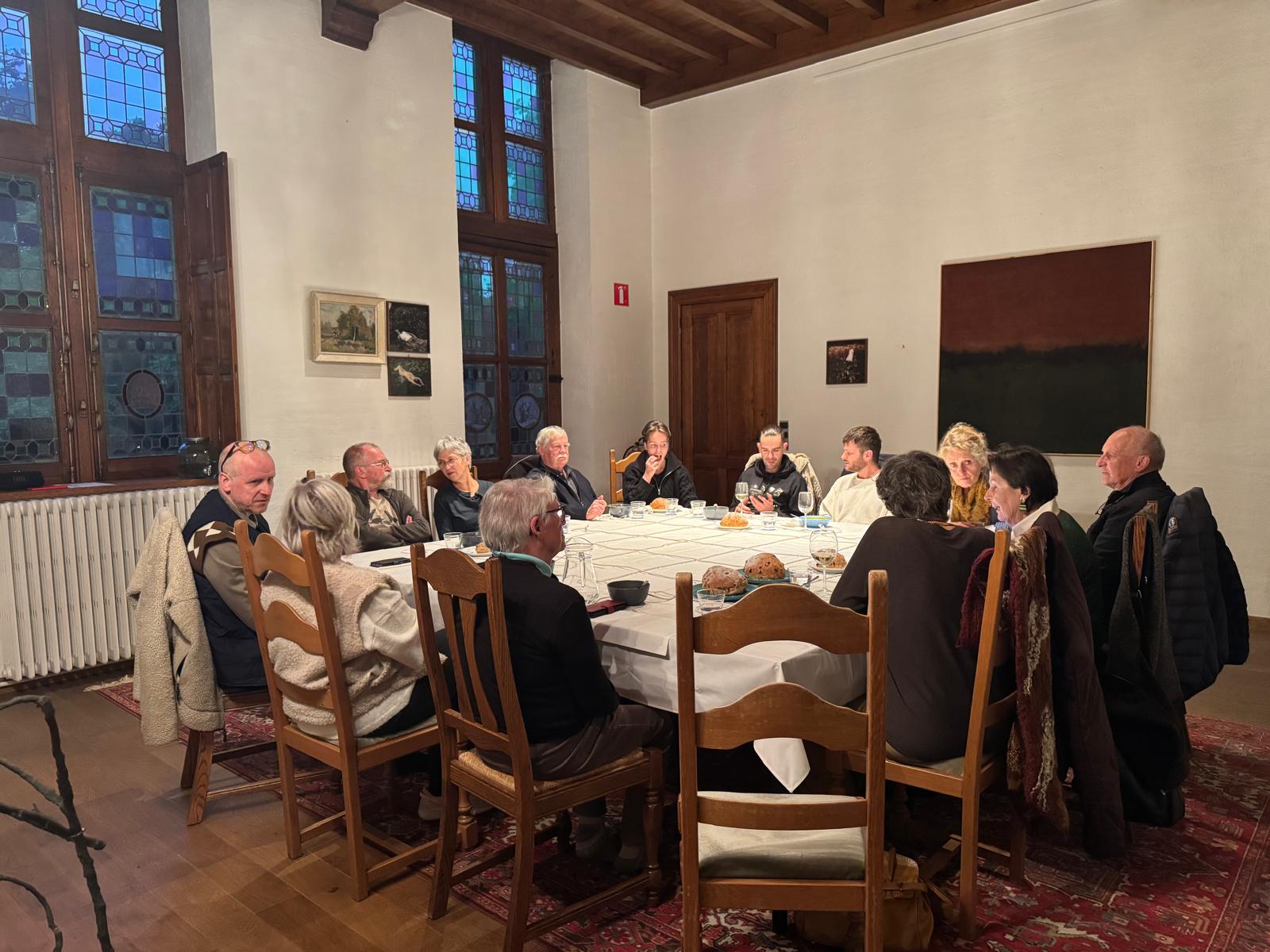
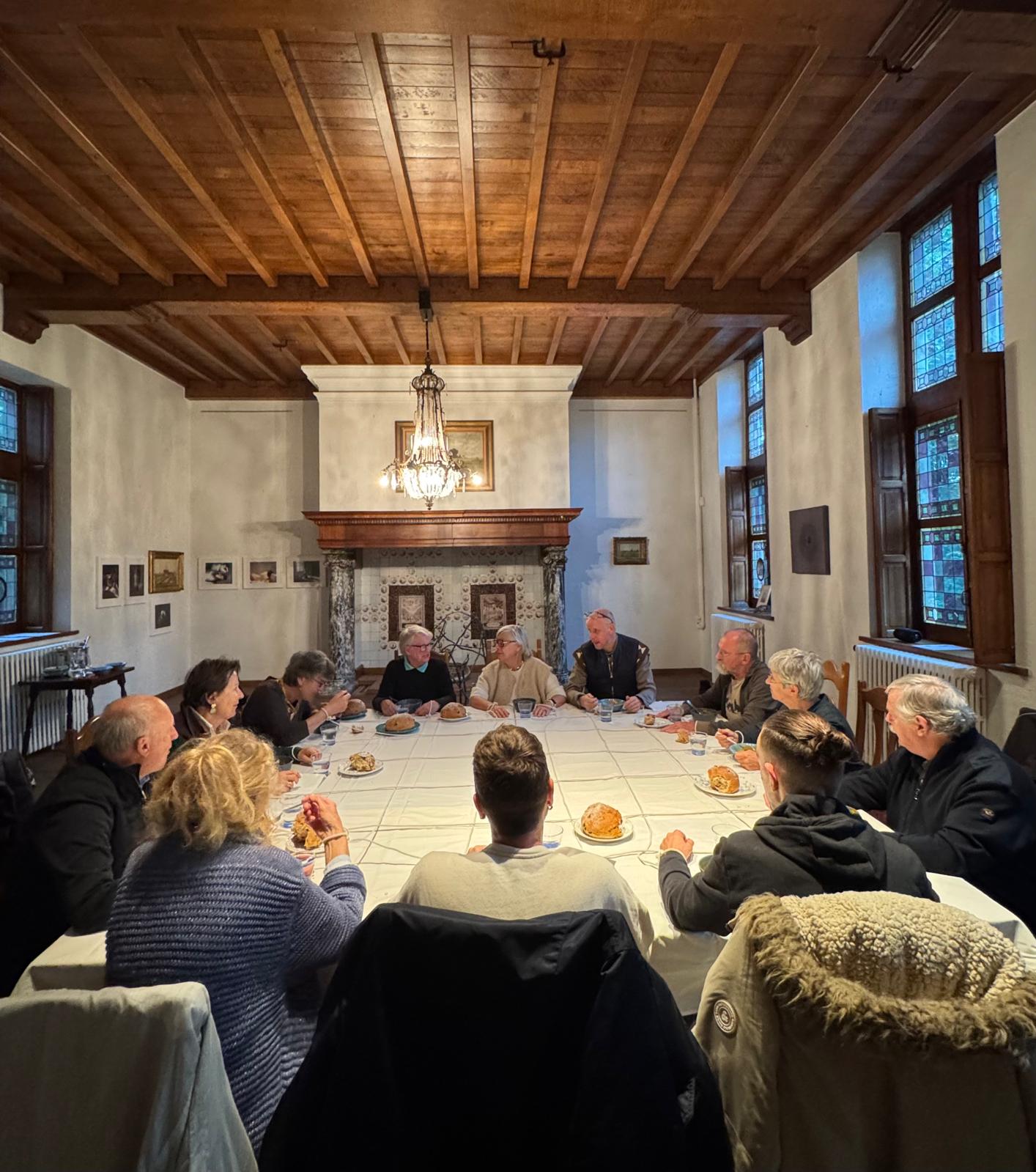
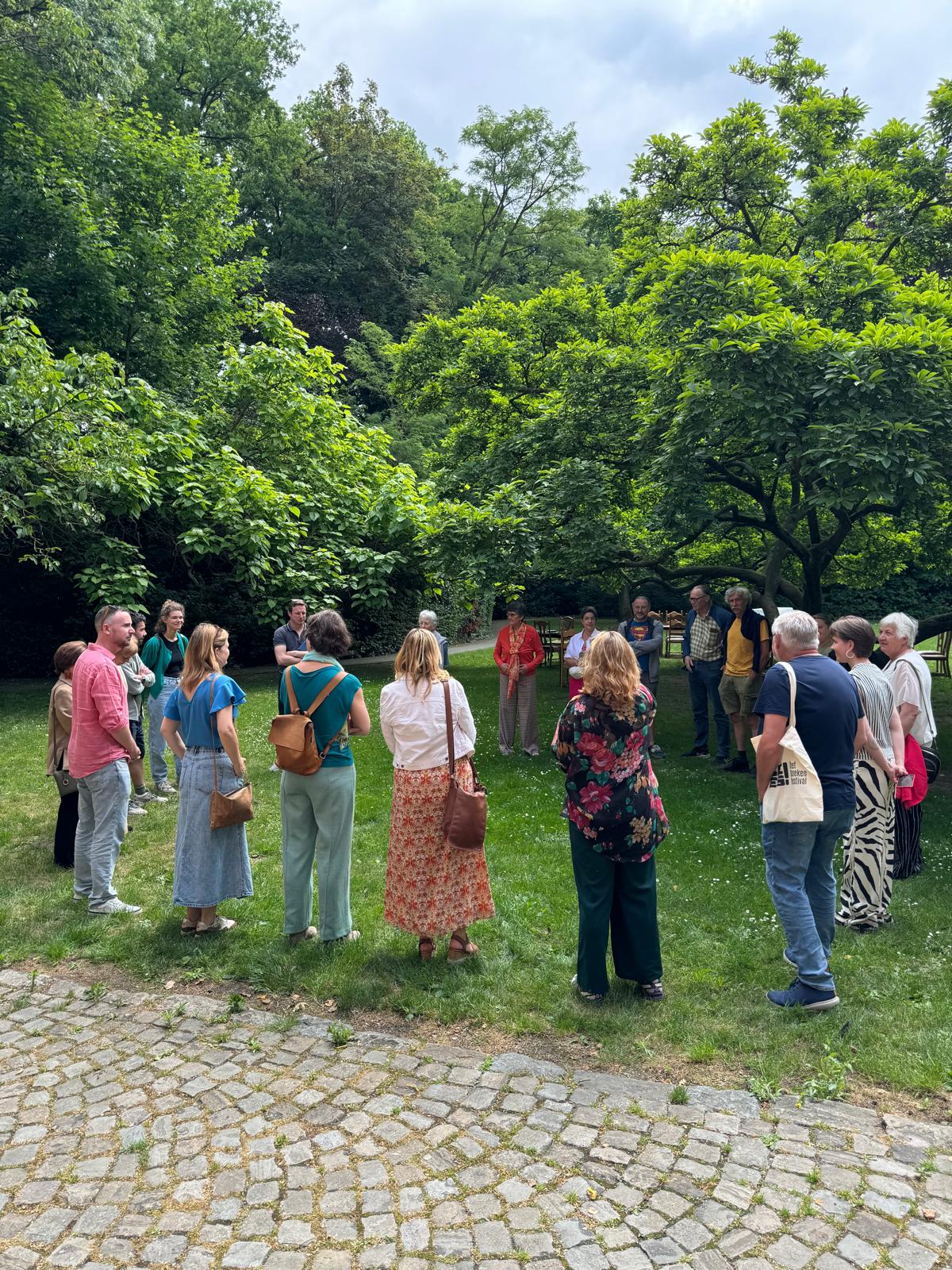
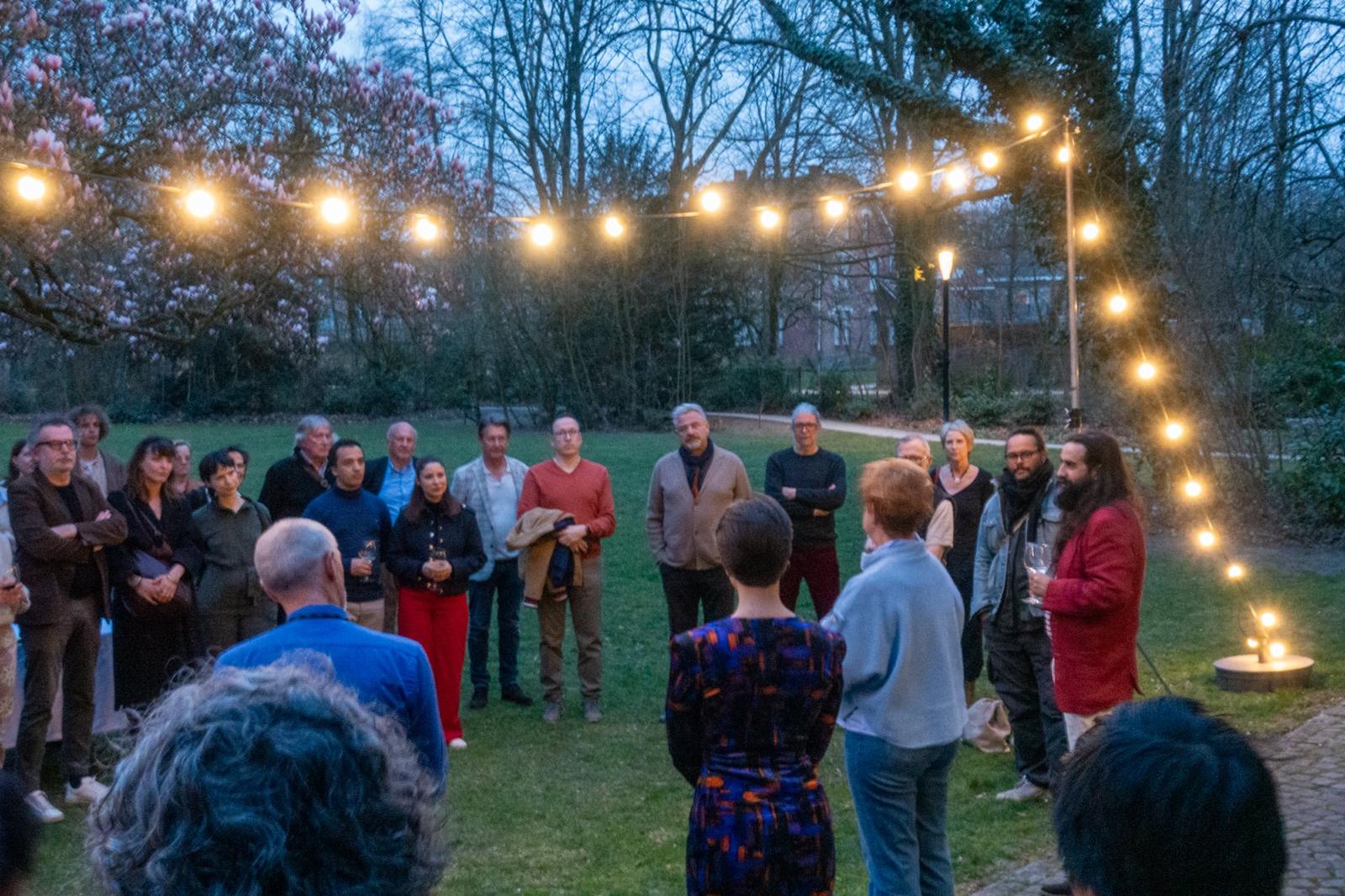
After only one year of activity at the castle, the initiative has organically developed a network of almost 40 volunteers of different ages and backgrounds who actively support and shape the programme. Twice a year, we organise collective meetings where volunteers receive updates about the development of the project and where ideas for future activities are openly discussed. These gatherings create a shared decision-making space in which participants can propose initiatives and contribute to the evolution of the project.
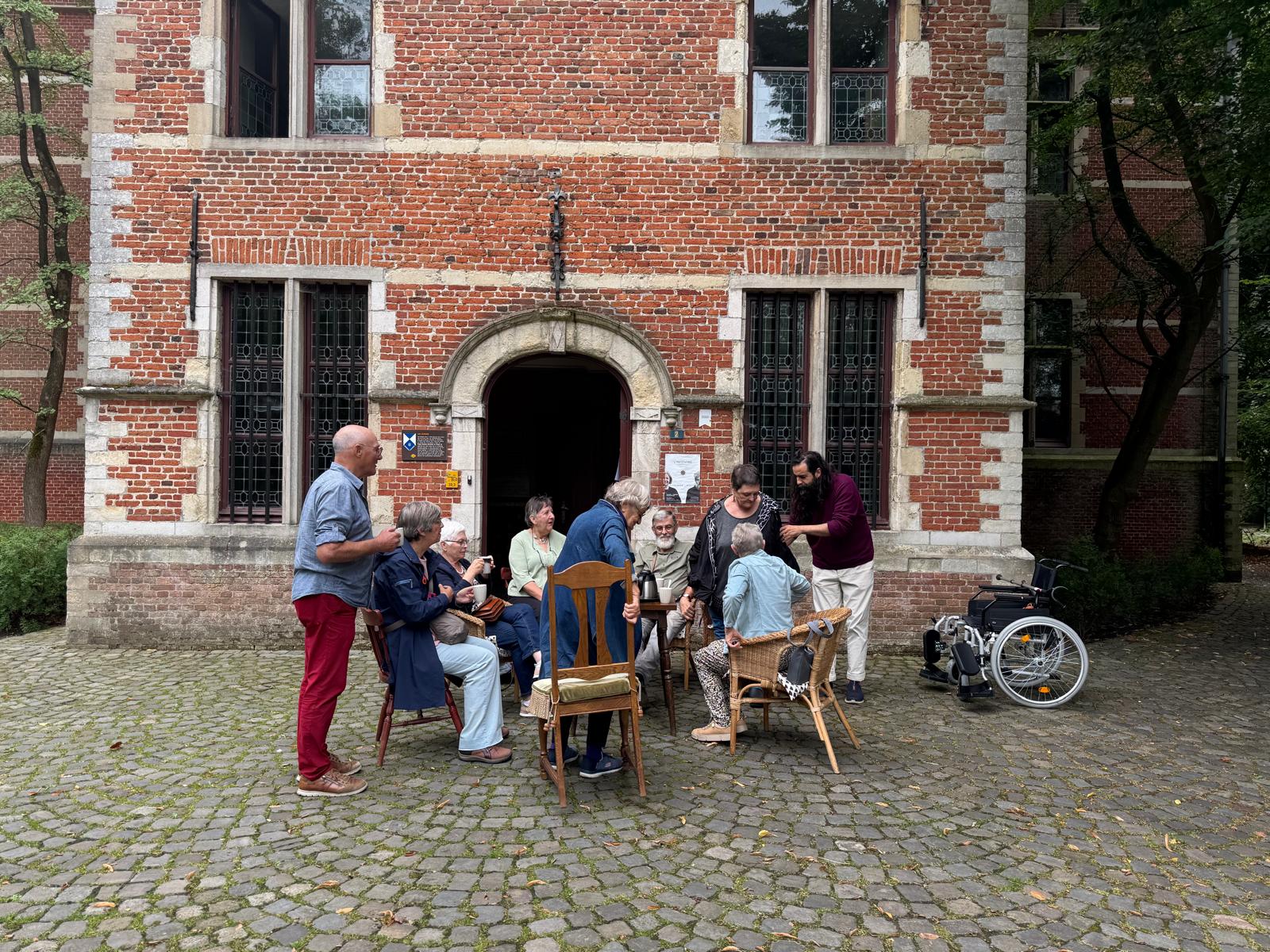
Citizens therefore participate not only as visitors but as active co-creators. Volunteers regularly initiate activities themselves—ranging from demonstrations of crafts and skills to communal barbeques, workshops or small cultural events. Spazio Nour provides the artistic and organisational framework that enables these initiatives to take place while leaving room for local creativity and initiative.
This participatory structure strengthens a sense of collective ownership of the site. Local residents become ambassadors of the project, bringing friends, neighbours and networks to the castle and contributing to the growth of a vibrant cultural community.
The impact of this involvement is significant: heritage becomes a shared civic space shaped by the people who use it. By combining artistic programming with citizen-led initiatives, the project demonstrates how participatory cultural governance can activate heritage sites as collaborative social ecosystems, offering an exemplary model of co-creation aligned with NEB.
At Spazio Nour, the initiative develops through collaboration with stakeholders across multiple levels, reflecting the multi-level engagement principle of the New European Bauhaus. The project at Kasteel Hof d'Intere in Lille therefore evolves through partnerships connecting local communities with regional, national and European cultural networks.
At the local level, residents, volunteers, local organisations and businesses play a central role. A network of almost forty volunteers helps organise events and activities, while local craftsmen, musicians and associations contribute demonstrations, workshops and cultural initiatives. Local businesses collaborate during events, strengthening the connection between cultural programming and the village economy.
At the regional level, Spazio Nour collaborates with neighbouring municipalities, cultural organisations and local academies. Music academies contribute concerts and performances, connecting the initiative to broader cultural audiences.
At the national and European level, artists and independent curators from diverse backgrounds collaborate on exhibitions, workshops and artistic programmes, presenting both emerging and established artists.
International exchange further strengthens the initiative. Participation in the Malta Biennale increased international visibility and networking, while conferences and professional platforms such as In Situ Network and ELIA – European League of Institutes of the Arts support knowledge exchange.
The project is also linked to artistic research through Mahmoud Saleh Mohammadi at the Royal Academy of Fine Arts Antwerp.
Through this layered collaboration between citizens, artists, curators and institutions, the initiative combines strong local rootedness with international exchange, strengthening its cultural and social impact.
At Spazio Nour, the initiative is designed through a strongly interdisciplinary approach that brings together knowledge from contemporary art, curatorial practice, heritage, craftsmanship, social work, education, journalism, and business development. This reflects the transdisciplinary spirit of the New European Bauhaus, where cultural innovation emerges through collaboration between different sectors and forms of knowledge.
The project therefore operates within a broad network of contributors. An advisory structure includes curators, artists, craftsmen, journalists, and financial and business advisors, alongside a local board composed of community members and volunteers. In addition, international collaborators and experienced cultural practitioners contribute their expertise, networks, and perspectives. Through this exchange the initiative is embedded in a wider ecosystem connecting arts, culture, social practice, education, heritage, and entrepreneurship.
These different actors interact continuously in the development of the initiative. Artists and curators shape exhibitions and participatory programmes, craftsmen connect artistic practice with material knowledge and local traditions, educators and social practitioners strengthen accessibility and community engagement, while financial and business advisors support long-term organisational sustainability.
The added value of this interdisciplinary collaboration lies in cross-innovation, where cultural and creative practices interact with other sectors to generate new ideas, methods and forms of collaboration. This exchange also contributes to a circular approach to cultural development: an existing heritage site is reactivated, spaces are shared among different actors, and cultural activities circulate value back into the local community.
Through this interaction between artistic, social and economic perspectives, the initiative demonstrates how heritage sites can function as collaborative cultural ecosystems.
The innovative character of Spazio Nour lies in its ability to move beyond conventional models of cultural institutions, galleries or community art projects. In many mainstream cultural initiatives, artistic production, exhibition and audience engagement remain separated: artists create, curators curate and audiences consume. Even within socially engaged art, participation is often limited to temporary projects or short-term programmes.
Spazio Nour proposes a different model in which art is not only presented to communities but developed together with them. Participatory artistic practice therefore functions not simply as a format but as the structural principle of the initiative. Cultural activities emerge through dialogue with local residents, artists, organisations and volunteers, transforming audiences into collaborators and co-creators.
Another innovative dimension lies in the hybrid structure of the initiative. Rather than operating as a traditional gallery, residency programme or cultural centre, Spazio Nour combines exhibitions, participatory artistic processes, festivals, community initiatives, heritage activation and artistic research. Emerging and established artists collaborate with curators, craftsmen, educators and local actors, creating interdisciplinary exchange and new cultural formats.
The project also experiments with participatory cultural governance. Instead of a fixed institutional hierarchy, the initiative provides an open framework where citizens, volunteers and partners can initiate activities themselves.
By connecting participatory art, heritage reuse and social innovation, the initiative anticipates future cultural models in which heritage sites such as Kasteel Hof d'Intere evolve into living cultural ecosystems that combine artistic excellence with long-term social and cultural impact.
At Spazio Nour, our methodology combines artistic research, participatory practice, and long-term community engagement. Rooted in Mahmoud Saleh Mohammadi’s research on the transformative power of participatory arts, it understands art as a site-specific and relational process shaped by the social, cultural and spatial realities of a place.
Our approach begins with careful observation and contextual study of a locality, drawing from artistic, sociological and anthropological perspectives. Through dialogue with residents, local organisations and stakeholders, we identify needs, urgencies, existing energies and possibilities for collaboration. This phase builds trust and creates the basis for a shared process.
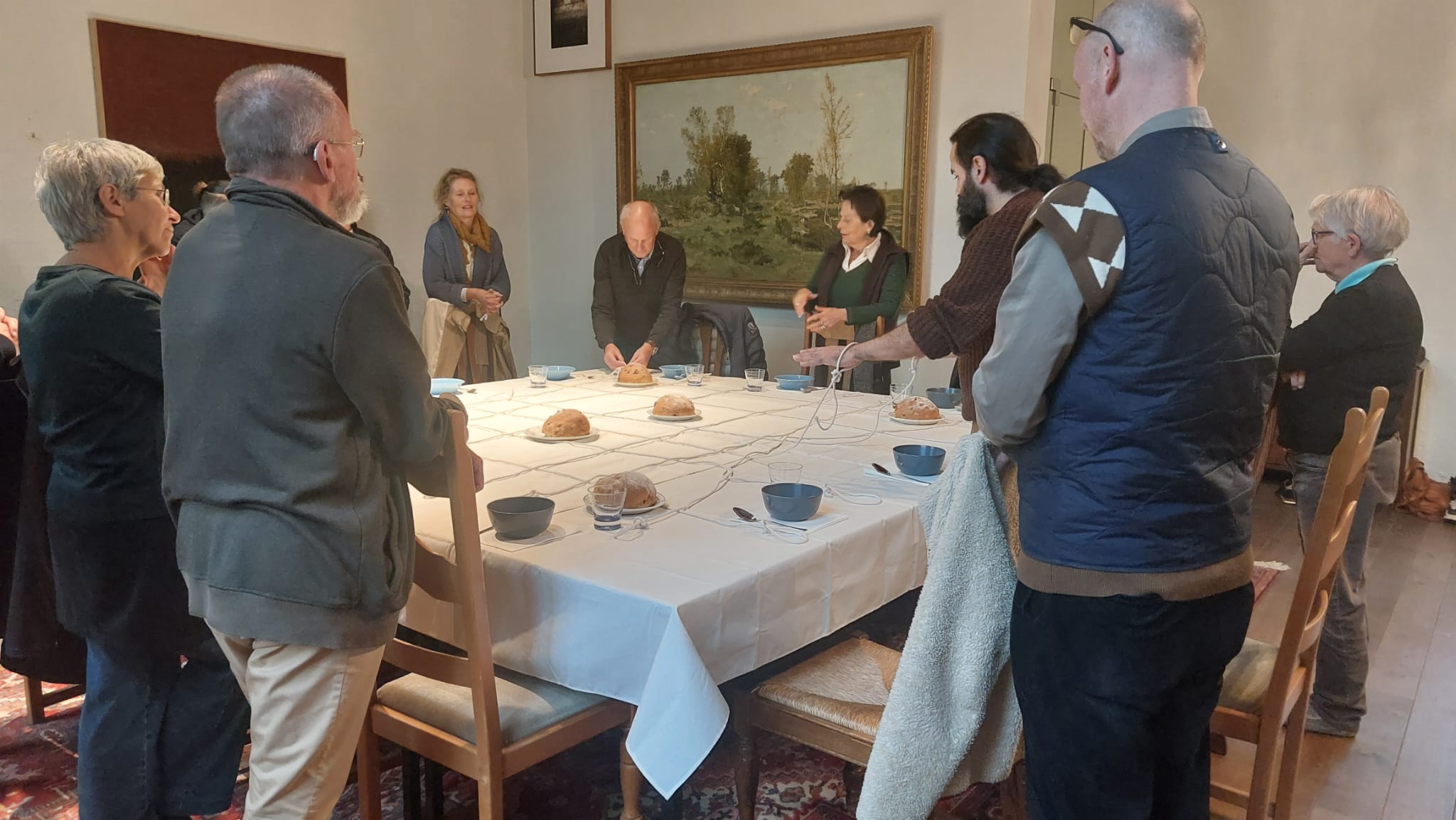
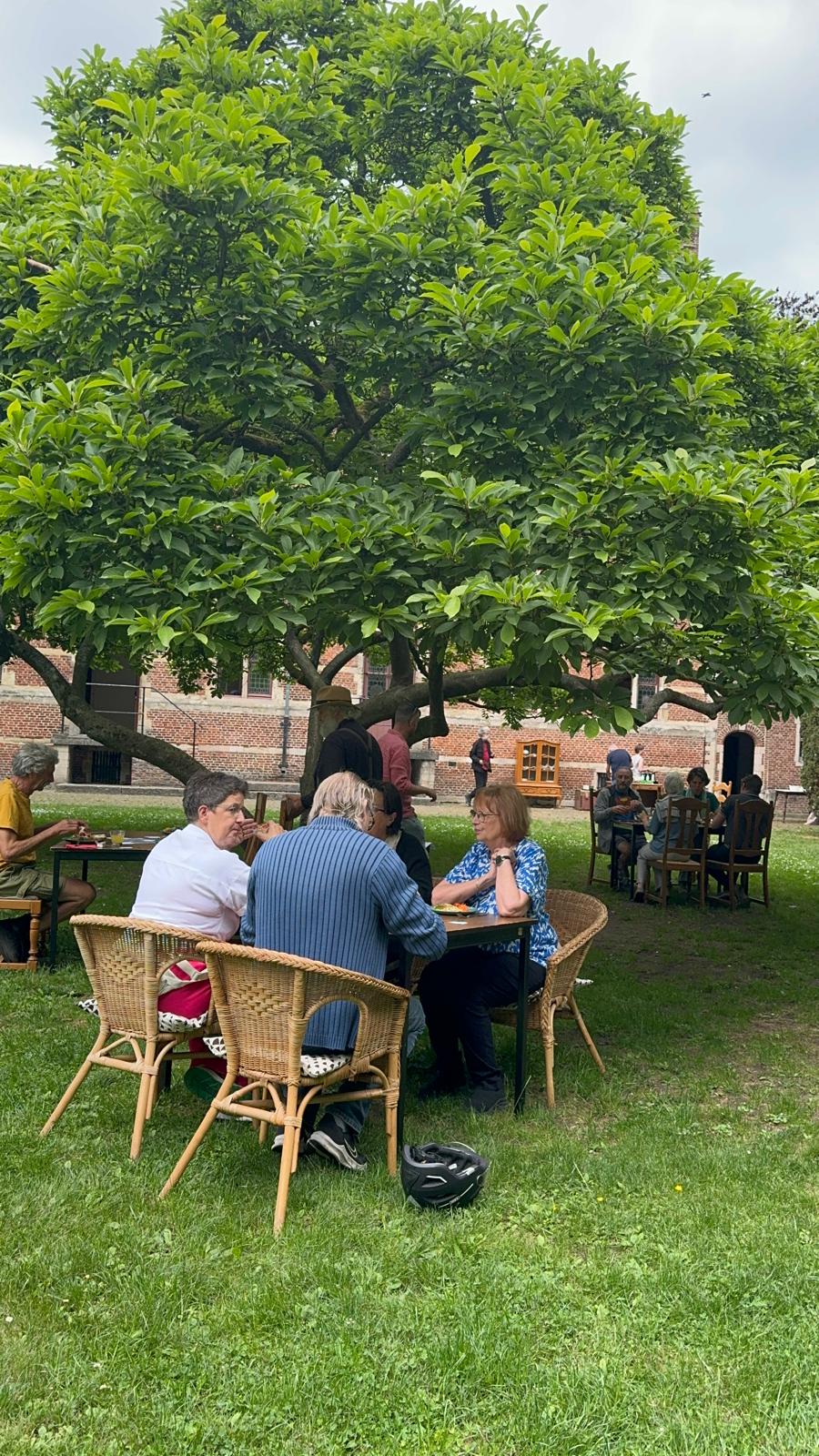
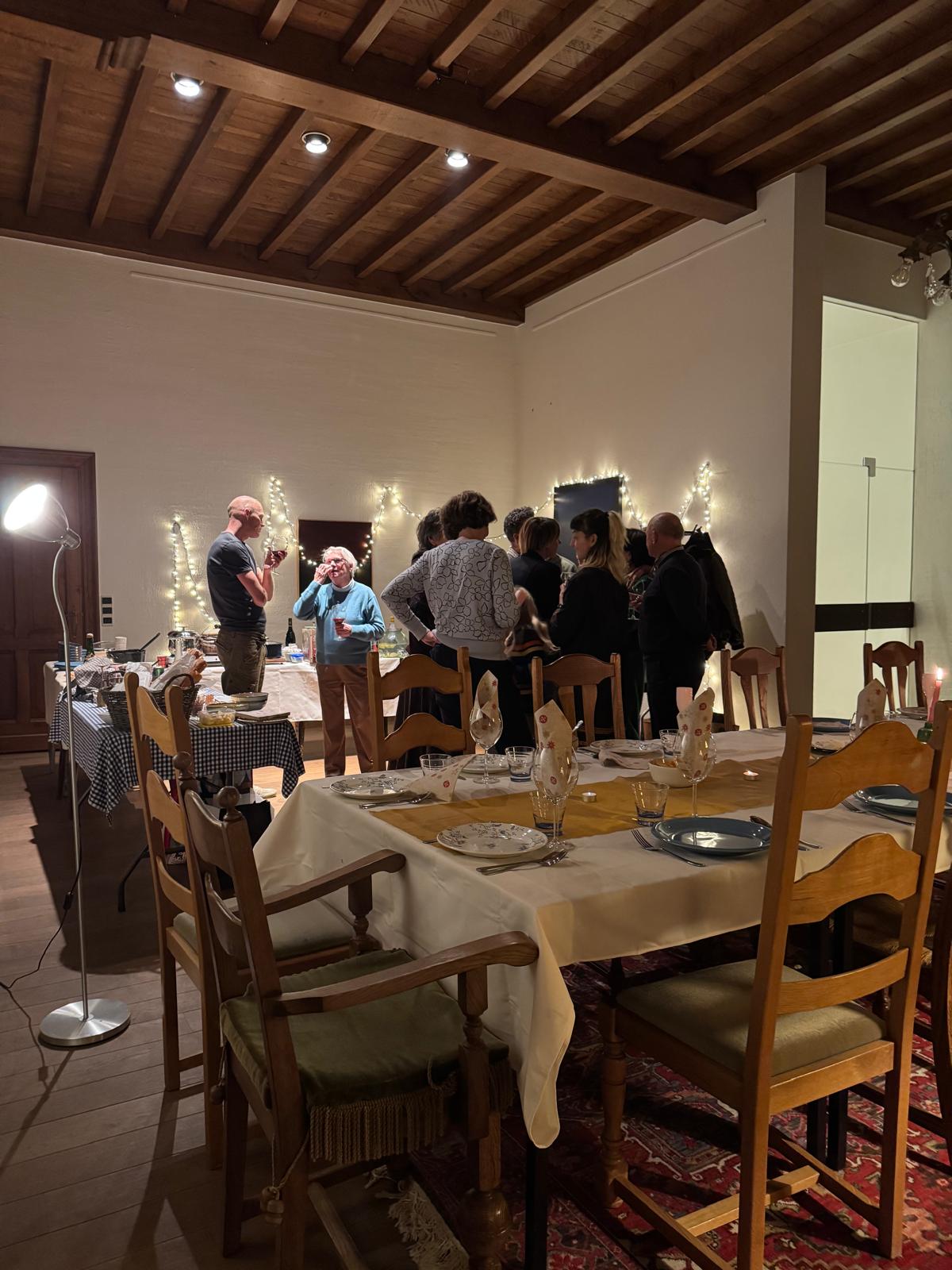
The second phase is collective artistic co-production. Through workshops, exhibitions, performances, collective meals, music, craft demonstrations and site-responsive interventions, participants become active contributors to the cultural life of the place. In this methodology, the artist acts as facilitator and mediator, guiding the process while allowing participants to shape content, form and meaning. Art therefore emerges through encounter, collaboration and shared experience.
A third phase consists of documentation, evaluation and follow-up. We archive processes through publications, exhibitions, press, public presentations and ongoing reflection. Evaluation remains continuous and qualitative, focused on relationships, participation, shifts in perception, collective ownership and longer-term social impact. Follow-up is essential: the process continues through renewed encounters, future projects and sustained presence.
This methodology has been developed across different contexts in Italy, Belgium and other European collaborations, and is now being implemented at Kasteel Hof d’Intere as a participatory cultural ecosystem. Its added value lies in its circular character: research informs action, action generates community, and community reshapes the project.
The transferability of Spazio Nour lies in its methodology rather than a fixed programme. Over the past decade, this participatory artistic approach has been implemented in different contexts—including Milan, Fossa, Antwerp and now Kasteel Hof d'Intere in Lille—demonstrating its adaptability to diverse social and cultural environments.
A key transferable element is the process: beginning with observation and dialogue with residents and local organisations, followed by collective artistic co-production through workshops, exhibitions, communal events and site-specific interventions.
Several initiatives developed within Spazio Nour illustrate this adaptability. The First Supper project, for example, brought residents together through shared meals in Milan, Fossa and Antwerp, creating encounters across cultural backgrounds. Likewise, Love is Univers ALL invited citizens to paint hearts in public spaces, transforming streets and squares into collective artistic gestures.
Participatory workshops such as Empathy Benches and Empathy Flags also demonstrate how communities can co-create symbolic objects that strengthen local identity and belonging.
Another transferable aspect is the participatory governance model. Spazio Nour provides an artistic framework while leaving space for volunteers, citizens and local actors to initiate their own activities.
Because the approach prioritises listening, co-creation and long-term engagement, it can be replicated in both urban and rural contexts, heritage sites or neighbourhood environments, offering a flexible model for community-driven cultural regeneration.
The implementation of Spazio Nour at Kasteel Hof d'Intere in Lille follows a place-based methodology in which artistic practice, heritage activation and community participation develop together. Since establishing activities at the site, the initiative has built a growing ecosystem of artists, volunteers, local organisations, cultural institutions and international partners.
Implementation begins with contextual dialogue and co-creation. Through meetings with volunteers, local organisations and artists, the programme evolves in response to local needs and initiatives. This process has already led to a network of almost forty volunteers who actively contribute ideas and activities.
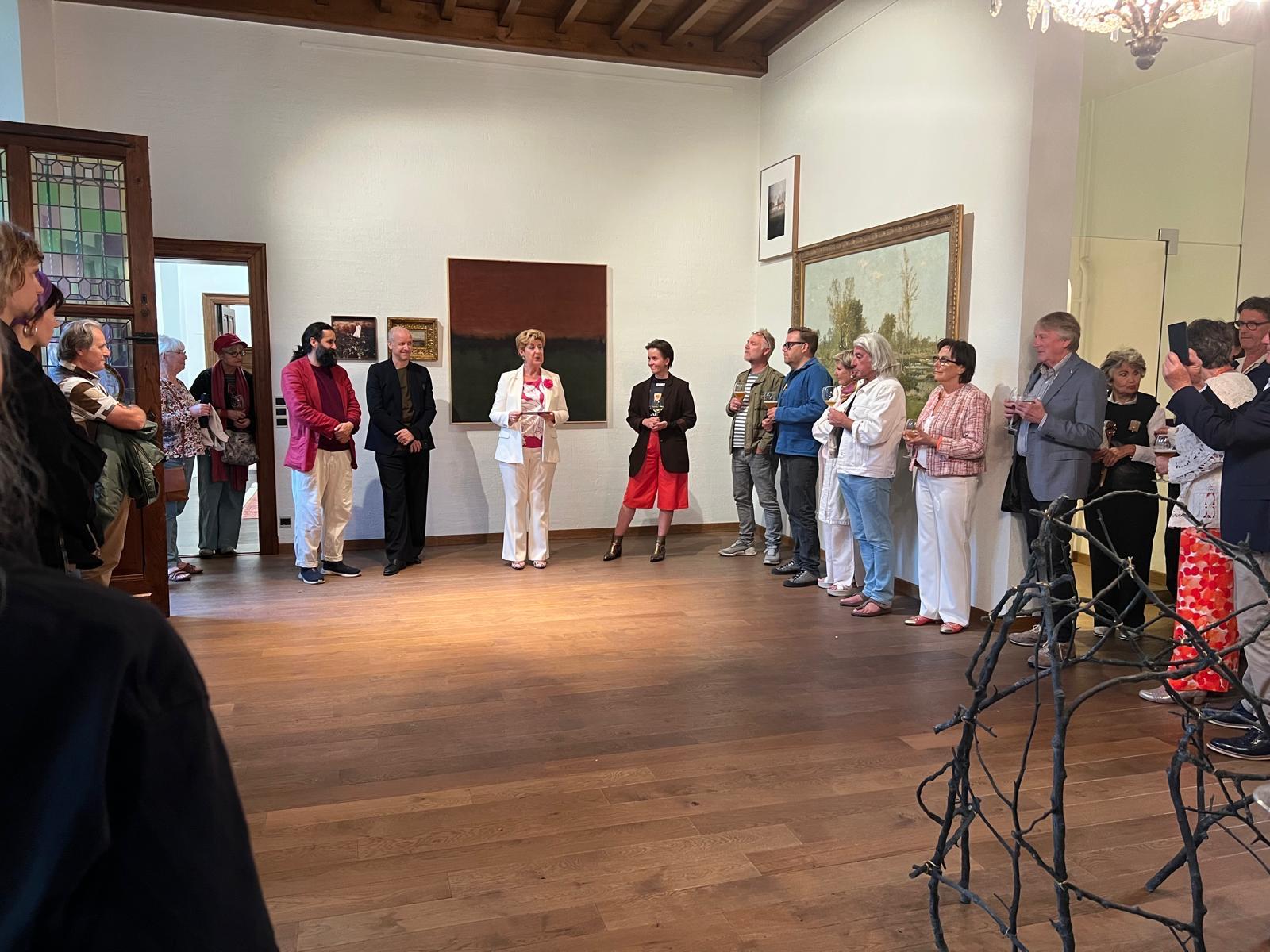
The second step is cultural activation of the site through artistic programming. The exhibition Le Déjeuner sur l’herbe (May–June) brings emerging and established international artists into dialogue with the historic environment. Activities such as Regency dance workshops organised by local initiatives and Open Garden Days with drawing sessions connect heritage, landscape and artistic practice.
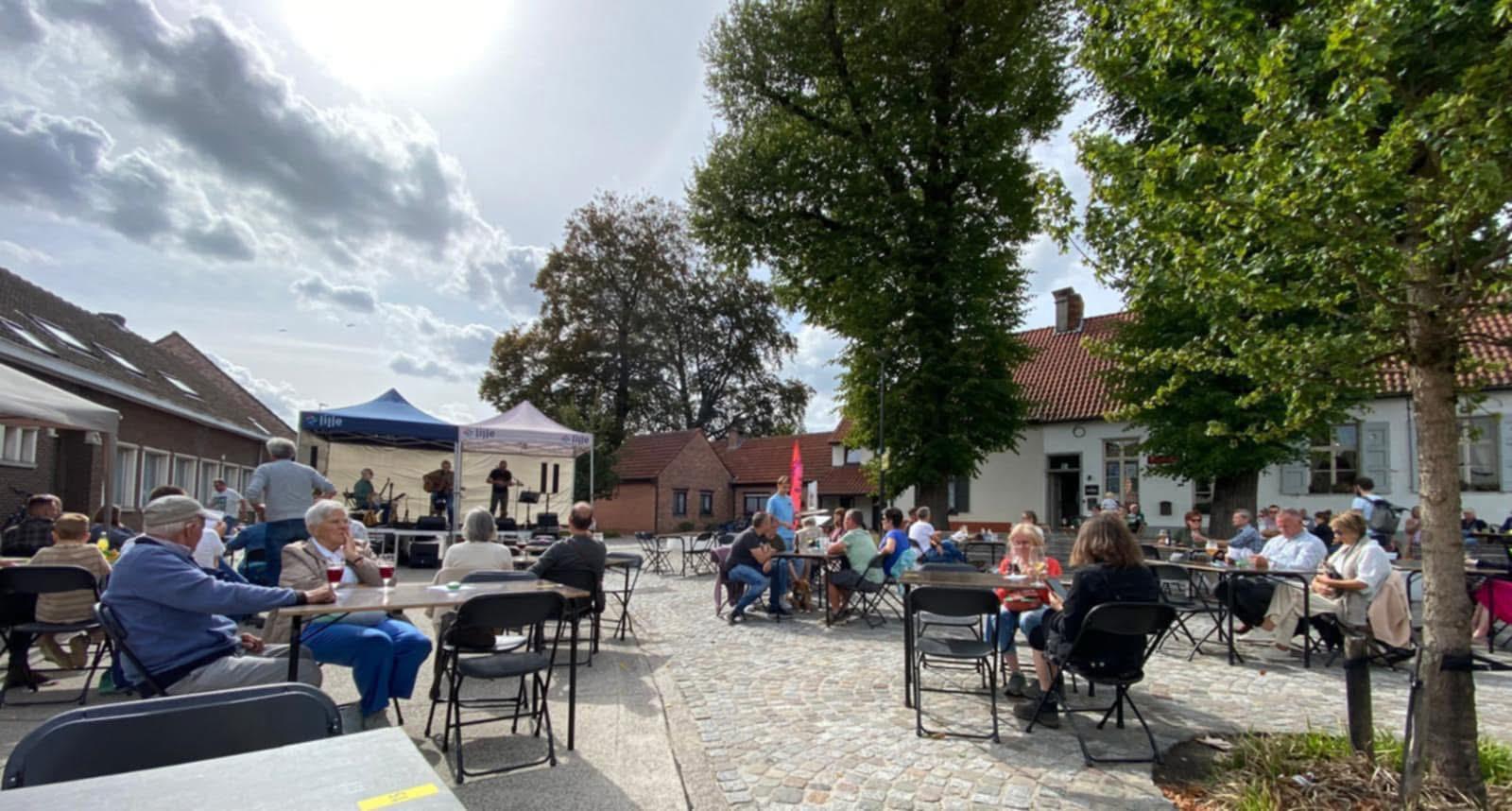
Community participation continues through events initiated by local actors, including traditional games organised by local associations and a pop-up café run by a local brewery. These initiatives strengthen the local economy while ensuring that the cultural life of the castle remains rooted in the village.
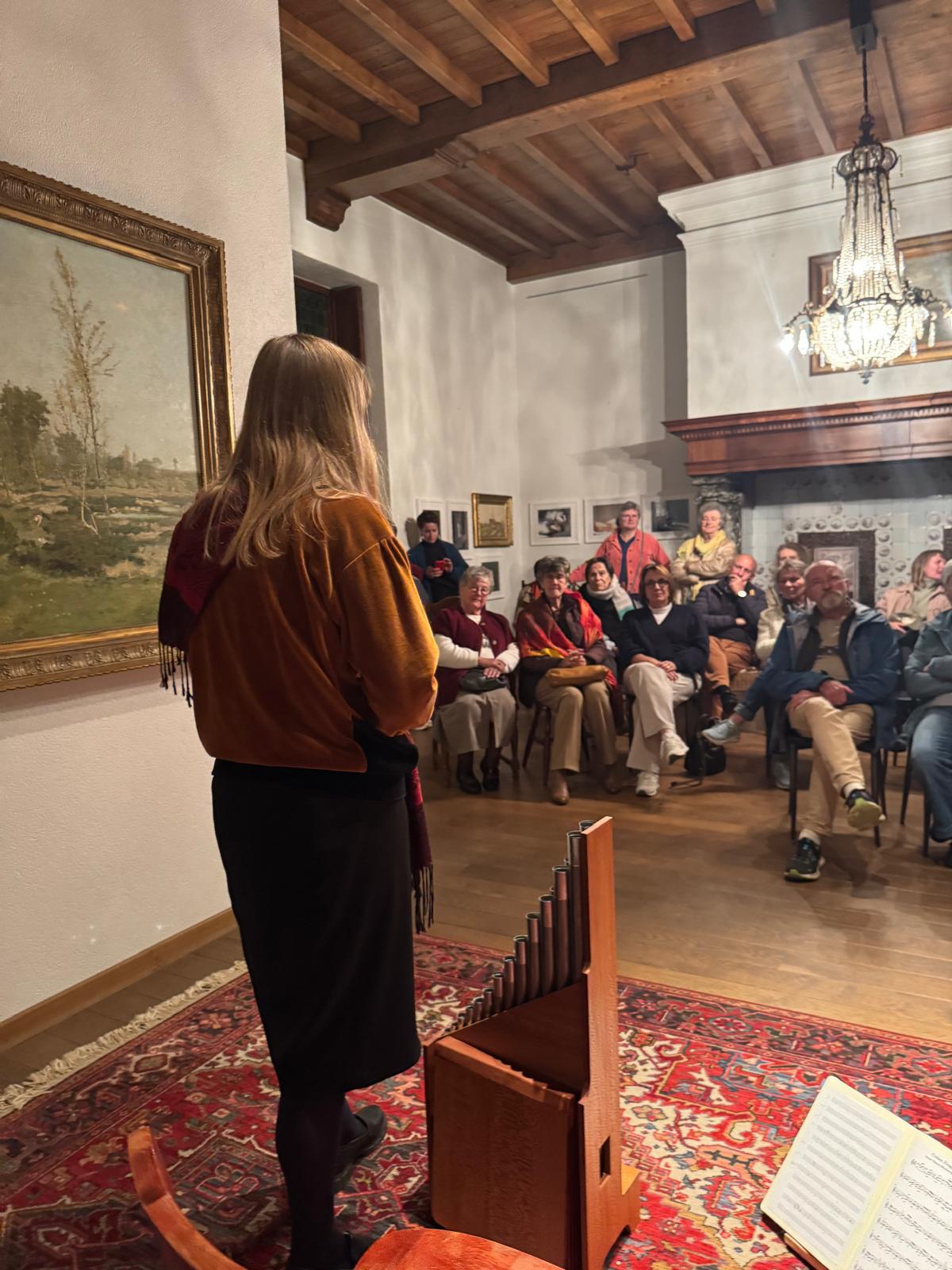
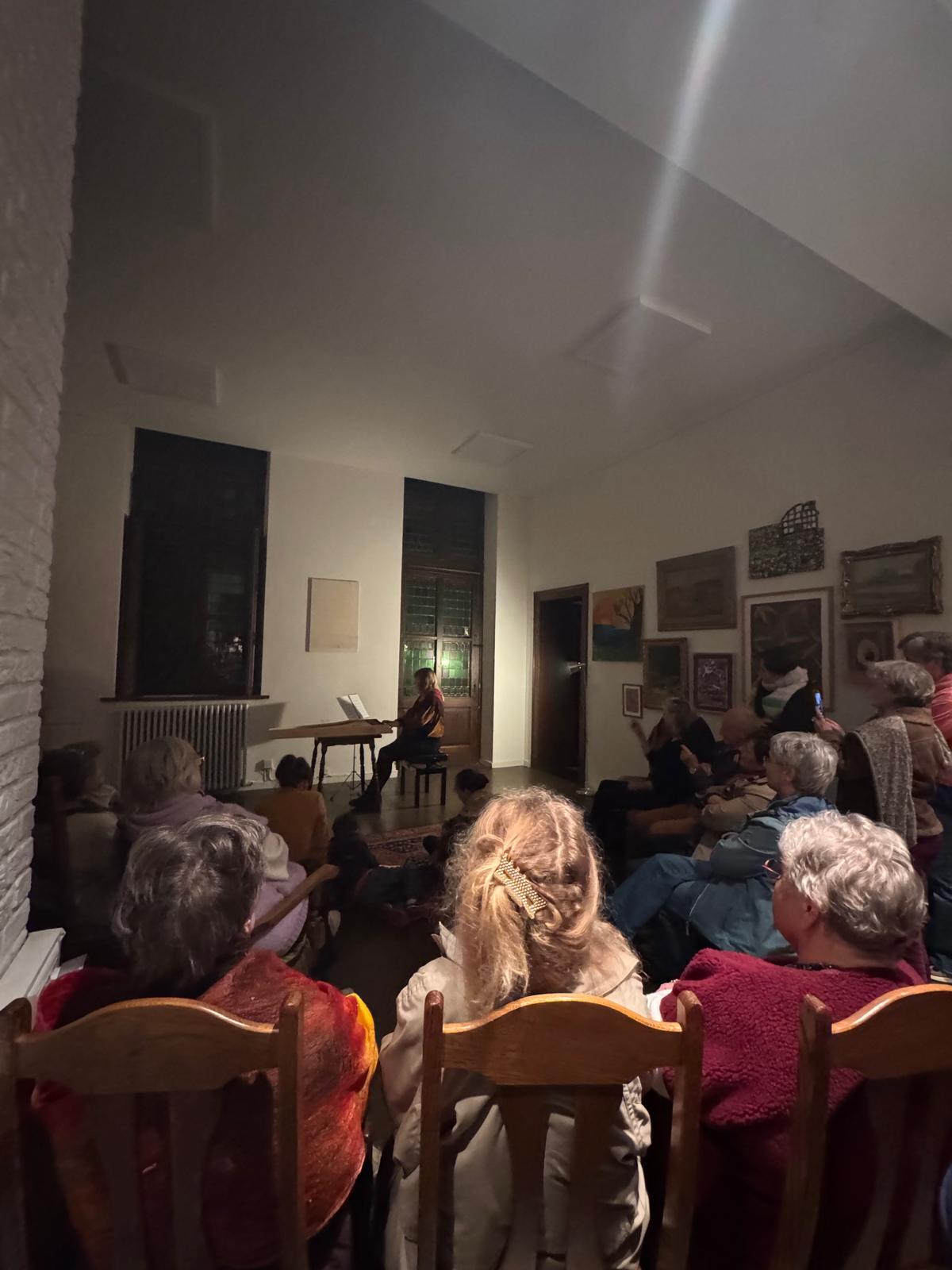
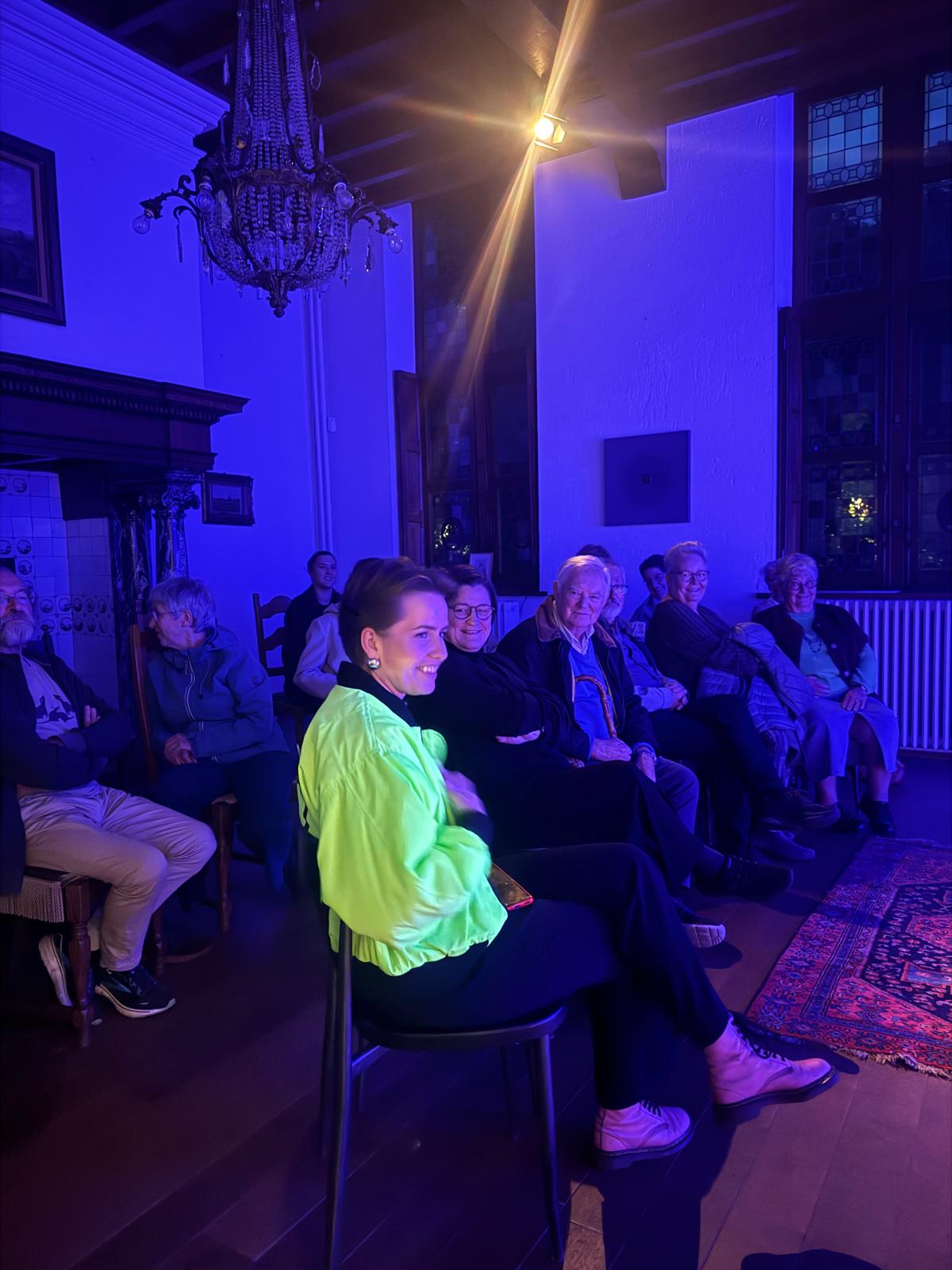
Seasonal events such as the Summer Nocturnes, where professional musicians perform together with students from the Turnhout music academy, foster intergenerational exchange between emerging and established artists. Open Monumentendag and the Participatory Art Festival bring together crafts, performances and collective artistic activities.
Through this evolving programme the castle becomes a shared cultural ecosystem where artistic quality, citizen participation and heritage reuse generate sustainable cultural development aligned with the principles of the NEB.