Enablers for New European Bauhaus Transformation
MediaLab Citizen Lab
MediaLab: A citizen innovation lab connecting nature, technology and communities
MediaLab is a citizen innovation laboratory at the University of Oviedo (Spain) where students, schools and communities co-create solutions for social and environmental challenges. Through initiatives such as the BioDesign School, inclusive technologies like 3D-printed prosthetics, and citizen science projects monitoring air quality, MediaLab connects nature, technology and people to design sustainable and inclusive futures.
Spain
Regional
Asturias
Mainly urban
It involves other types of transformations (soft investment)
Yes
2024-12-31
No
No
Yes
Organisation
MediaLab is a citizen innovation laboratory at the University of Oviedo (Spain) that connects students, researchers, schools and community organisations to co-create technological solutions for social and environmental challenges.
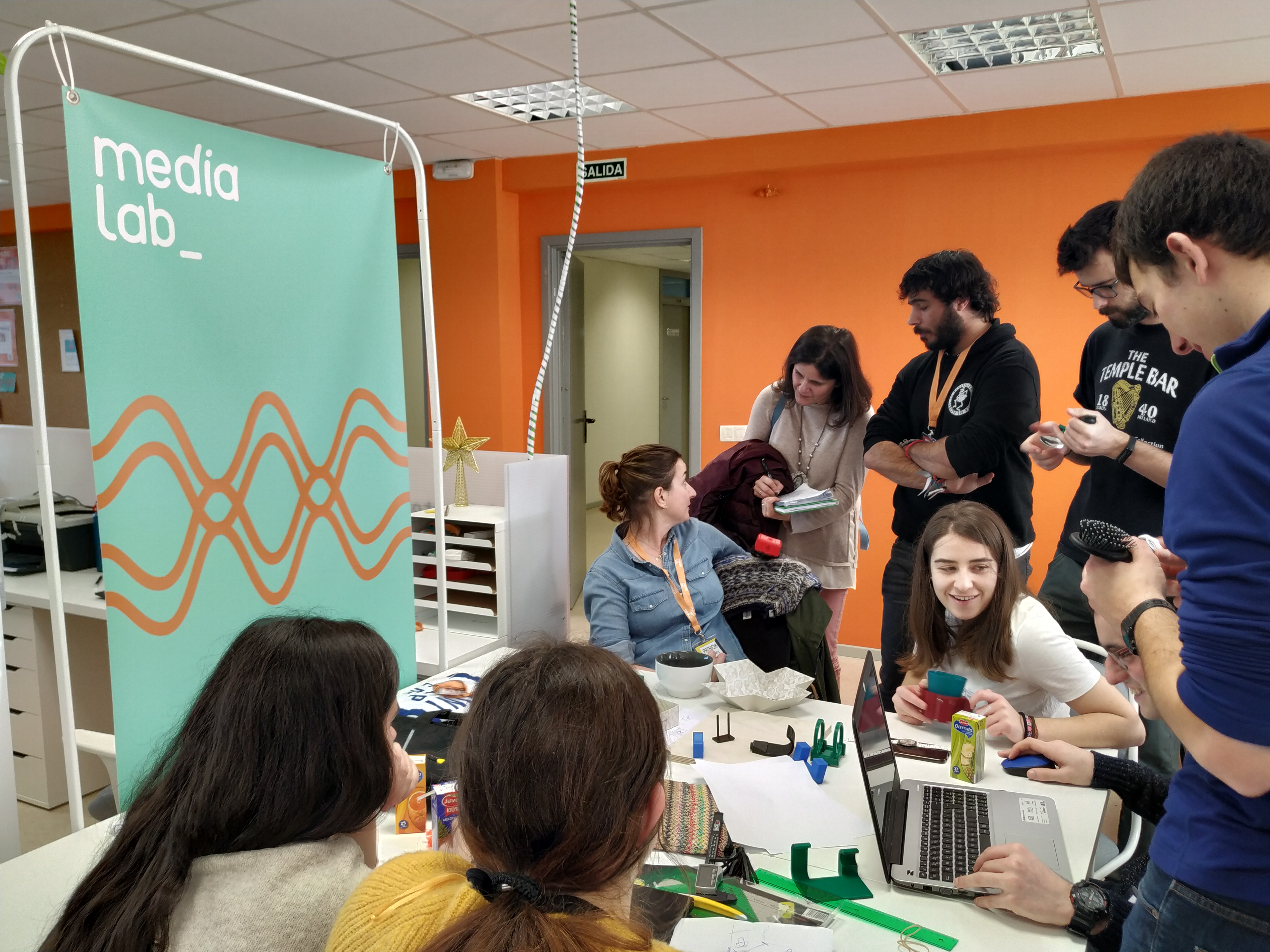
The lab operates as an open learning ecosystem where interdisciplinary teams combine engineering, humanities, health sciences and design to develop projects with real social impact. Through project-based learning, students collaborate with citizens and organisations to prototype technologies addressing real needs in society.
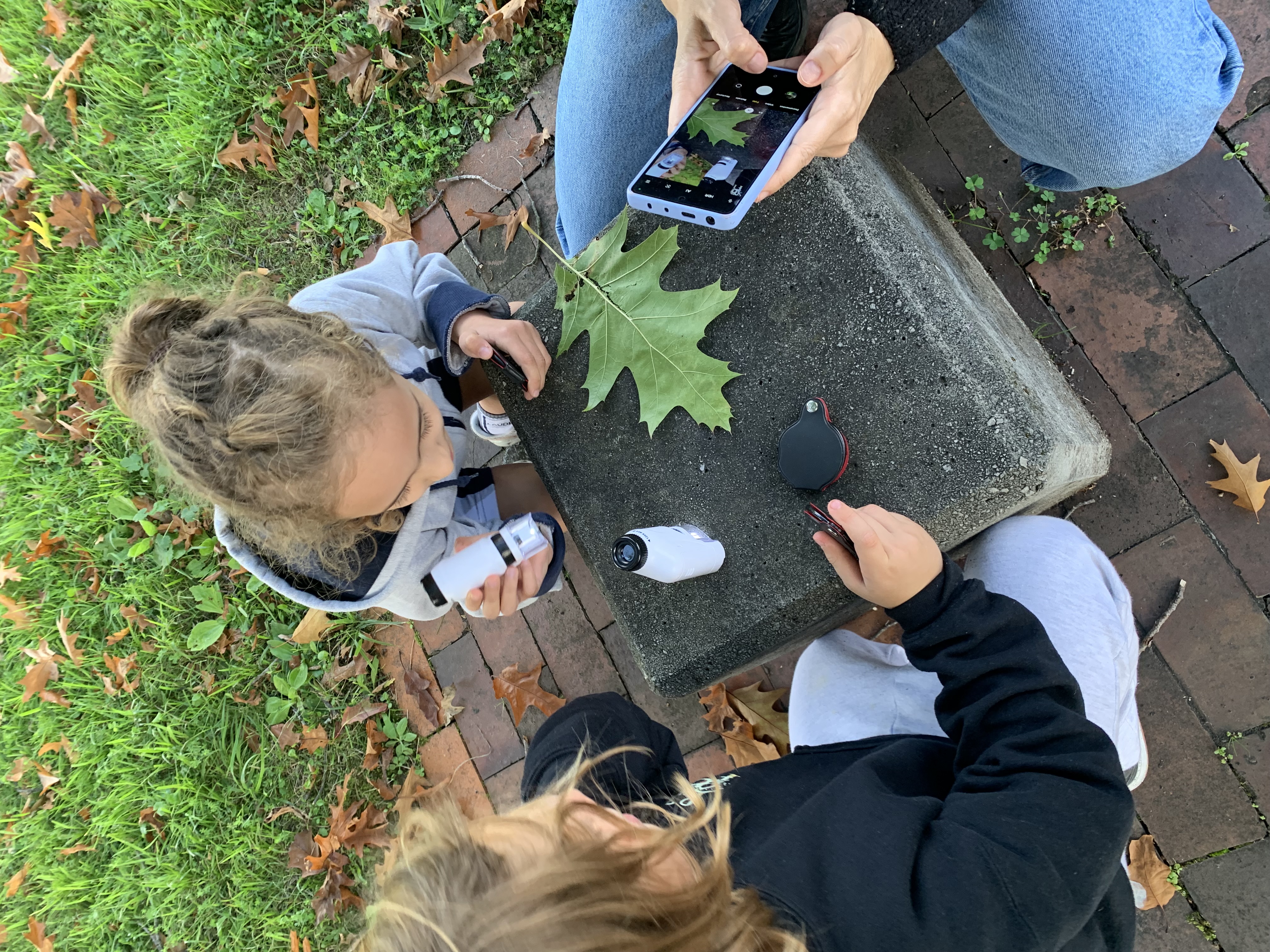
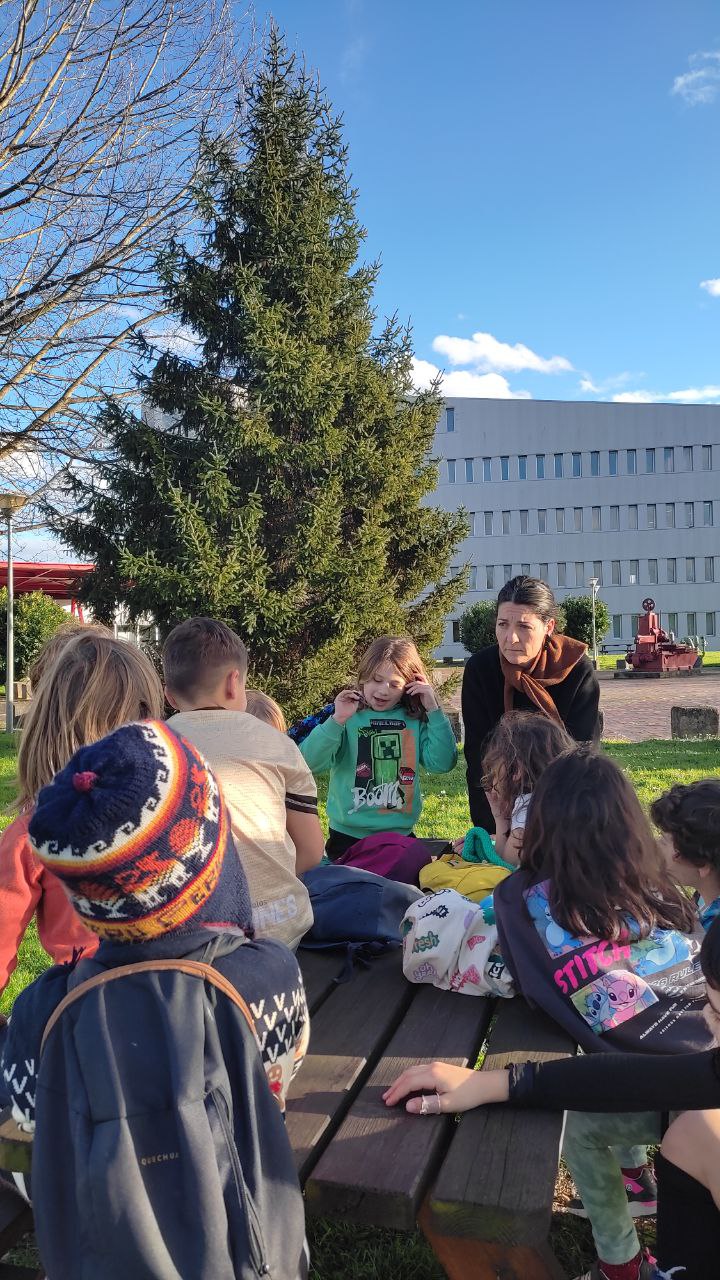
MediaLab has implemented several initiatives that demonstrate this approach. The BioDesign School introduces children to nature-inspired design, encouraging them to observe natural systems and translate these insights into creative and sustainable solutions. The programme promotes environmental awareness while connecting science, design and education.
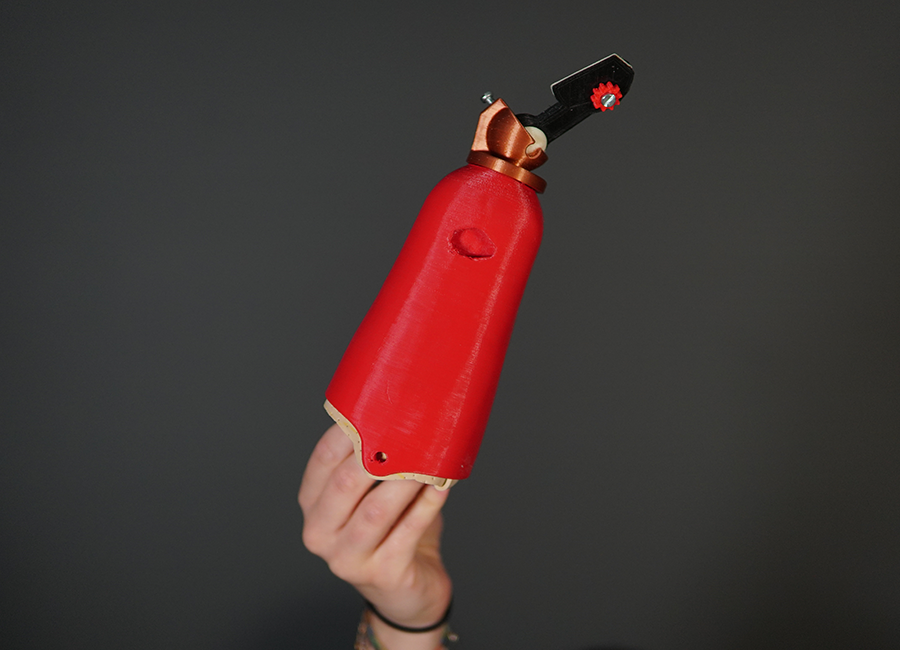
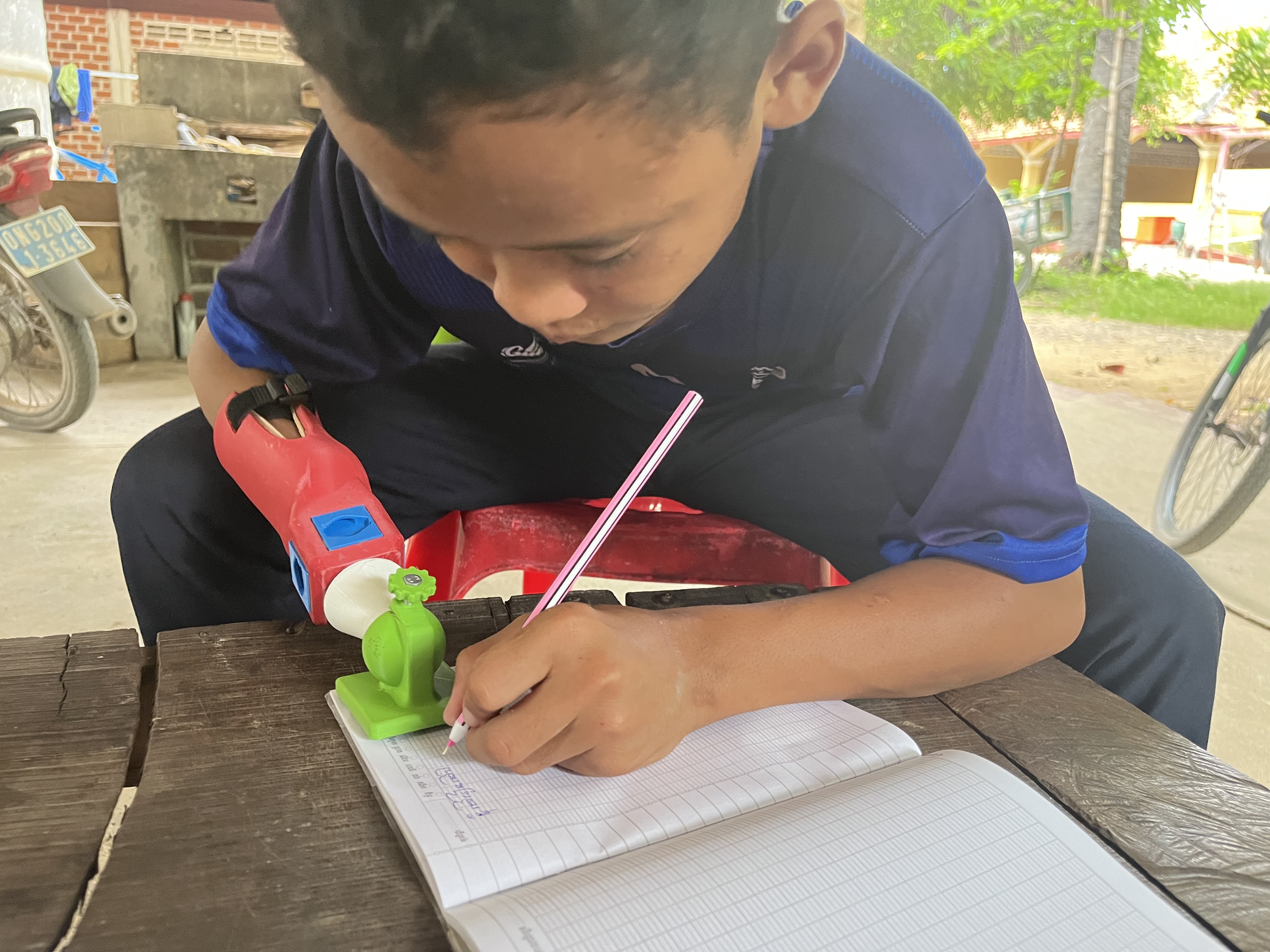
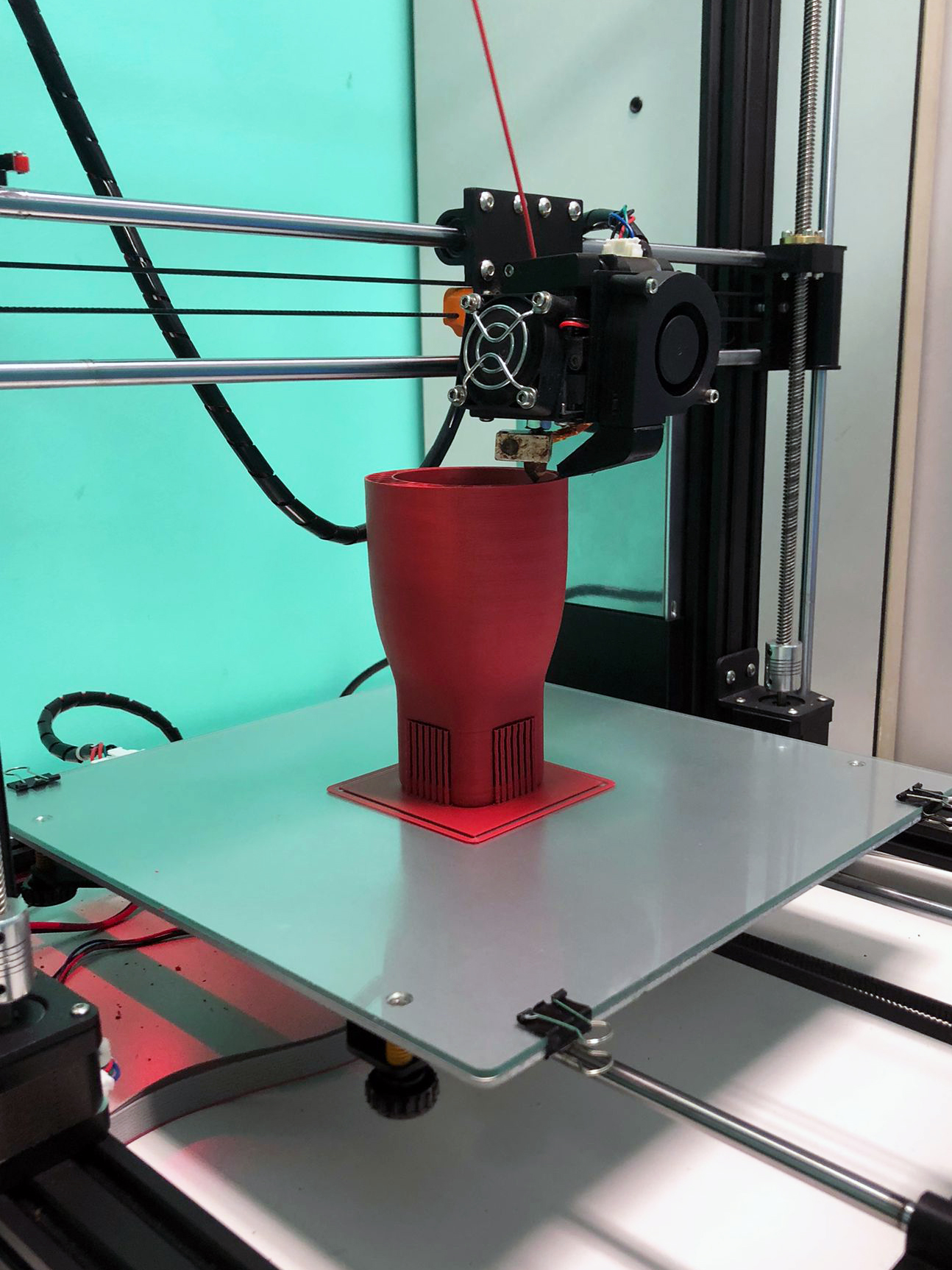
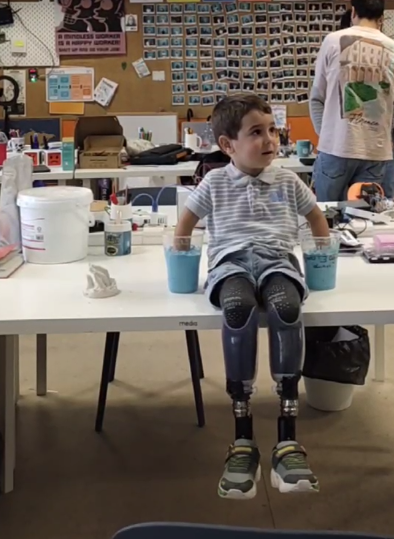
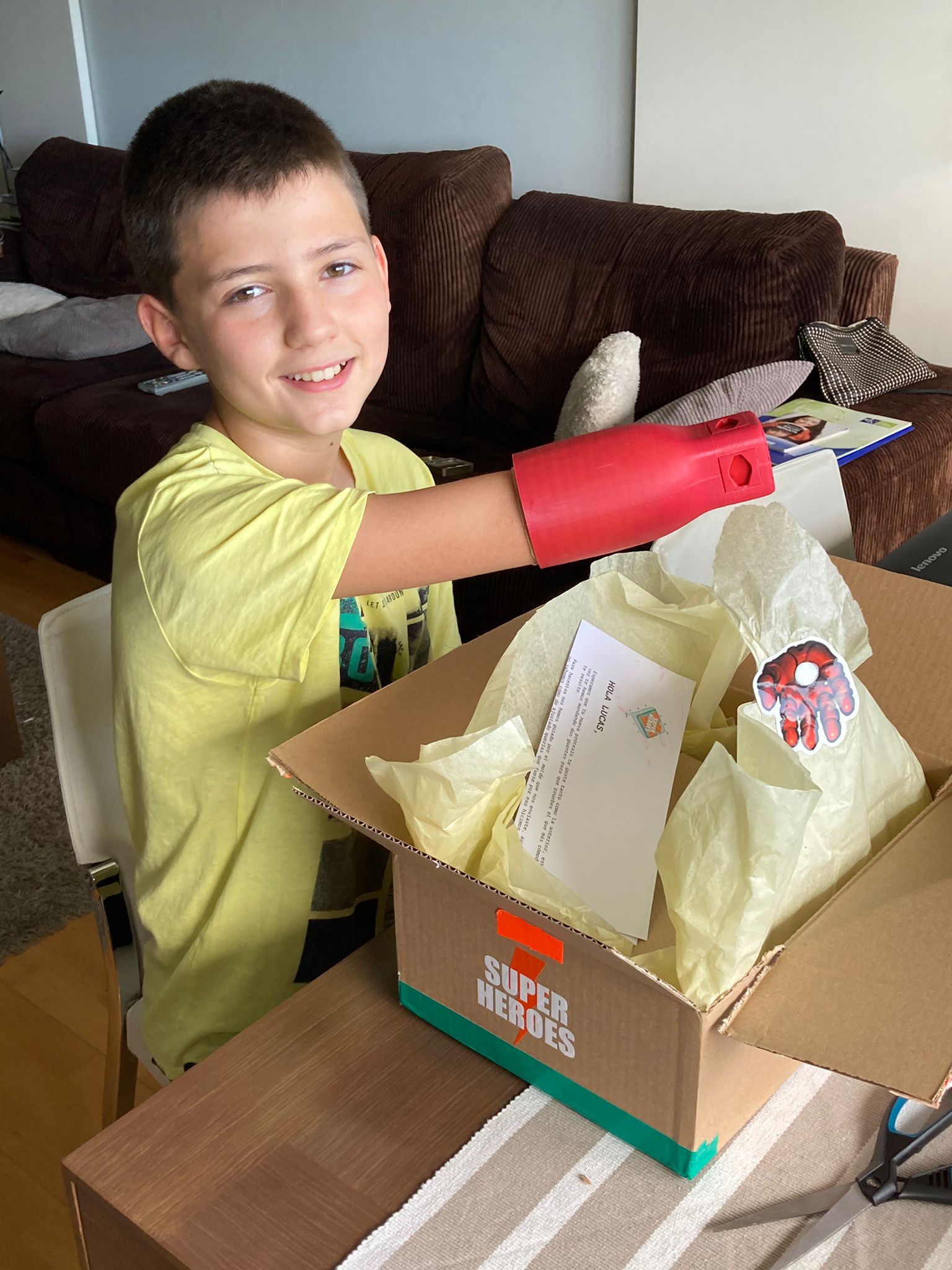
MediaLab also develops inclusive technologies. The “Superhéroes” project designs personalised prosthetics using 3D printing technology, co-created with families and adapted to the needs of children and adults with limb differences. This initiative recently received the Engineering for People Award for its contribution to improving autonomy and quality of life through accessible technology.
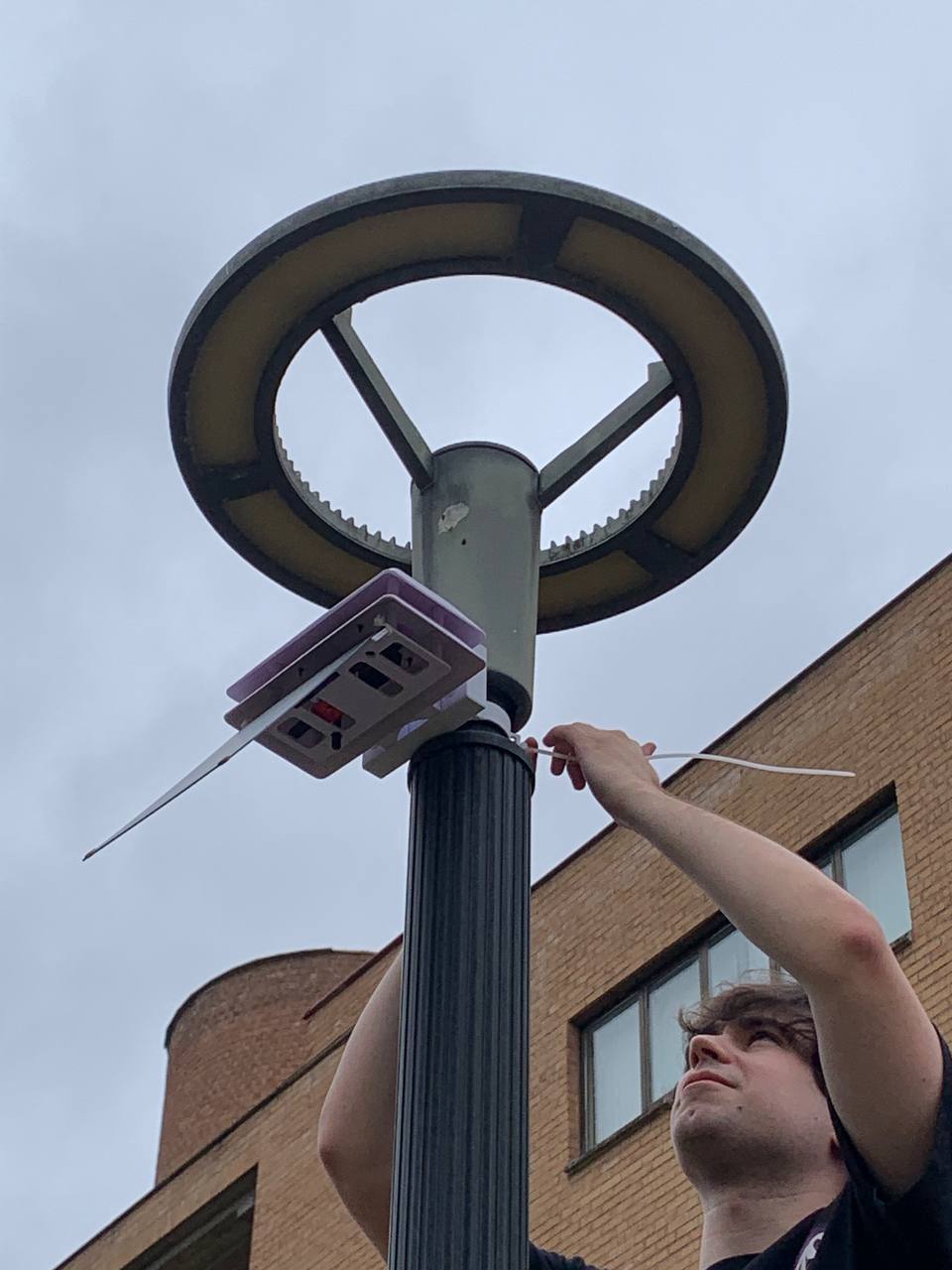
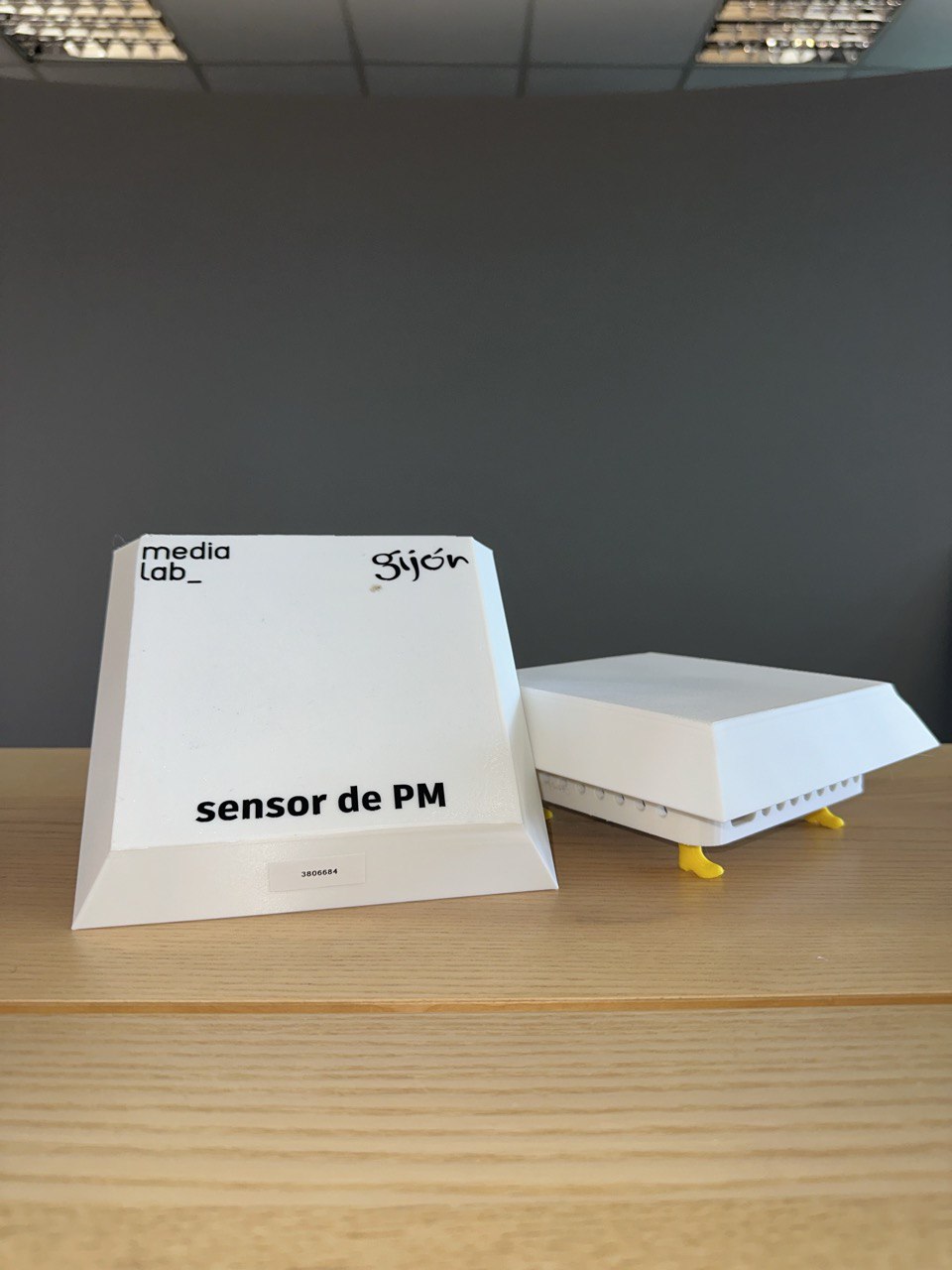
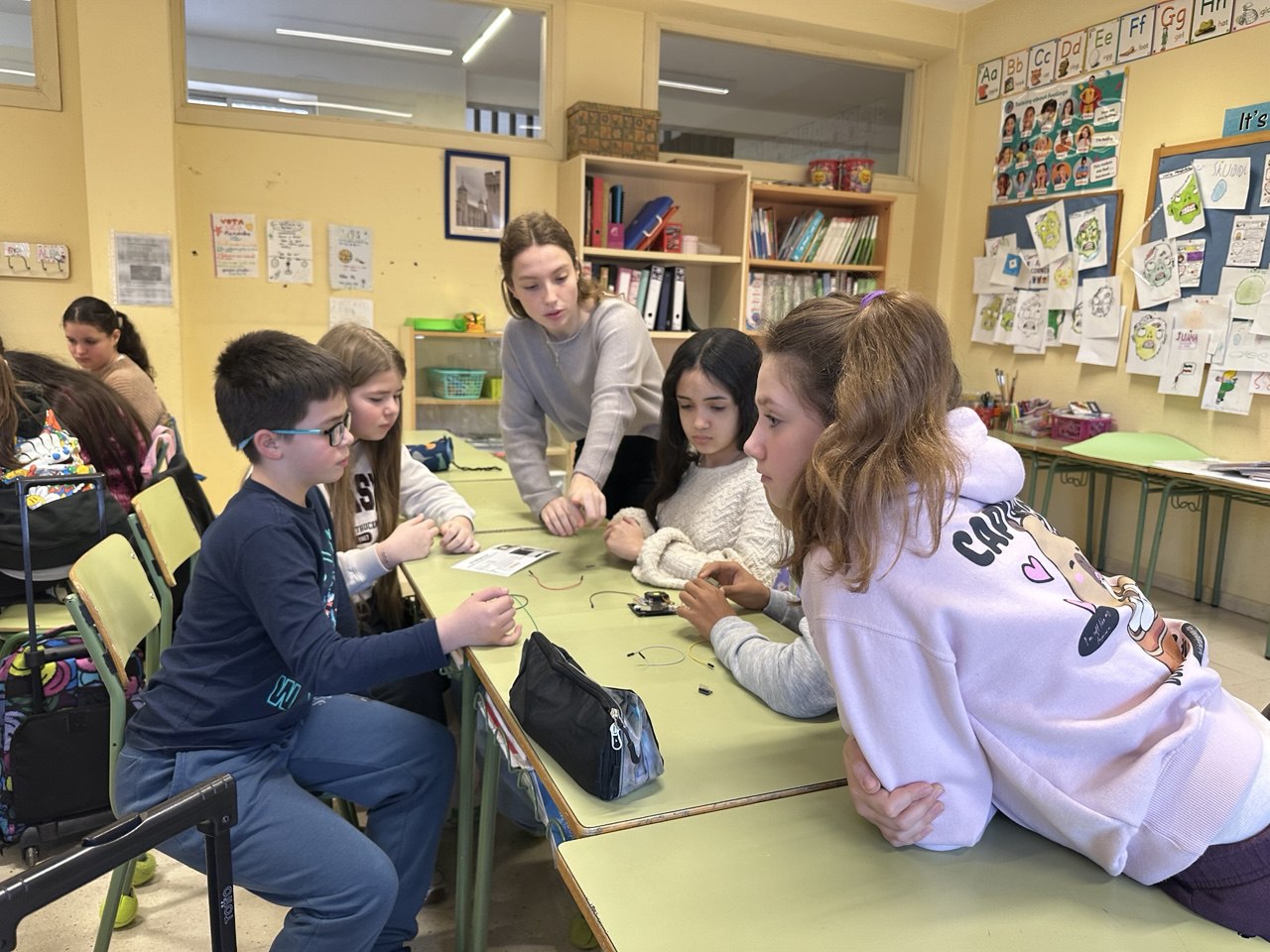
In addition, MediaLab promotes citizen science initiatives where students and schools build environmental sensors that monitor air quality and urban environmental conditions.
By combining education, technology and community participation, MediaLab demonstrates a new model of university-based innovation that generates tangible social impact while promoting sustainability, inclusion and collaborative design.
MediaLab was created to explore how universities can become more open and connected to society and its problems.
The initiative emerged from the idea that innovation should not remain confined within academic institutions but should involve citizens, schools and social organisations in the process of designing solutions to real-world challenges.
Based at the University of Oviedo in Gijón, MediaLab was developed as an open laboratory where students from different disciplines collaborate in interdisciplinary teams. Participants work together with local communities, educational institutions and professionals to develop prototypes and experimental projects addressing social and environmental challenges.
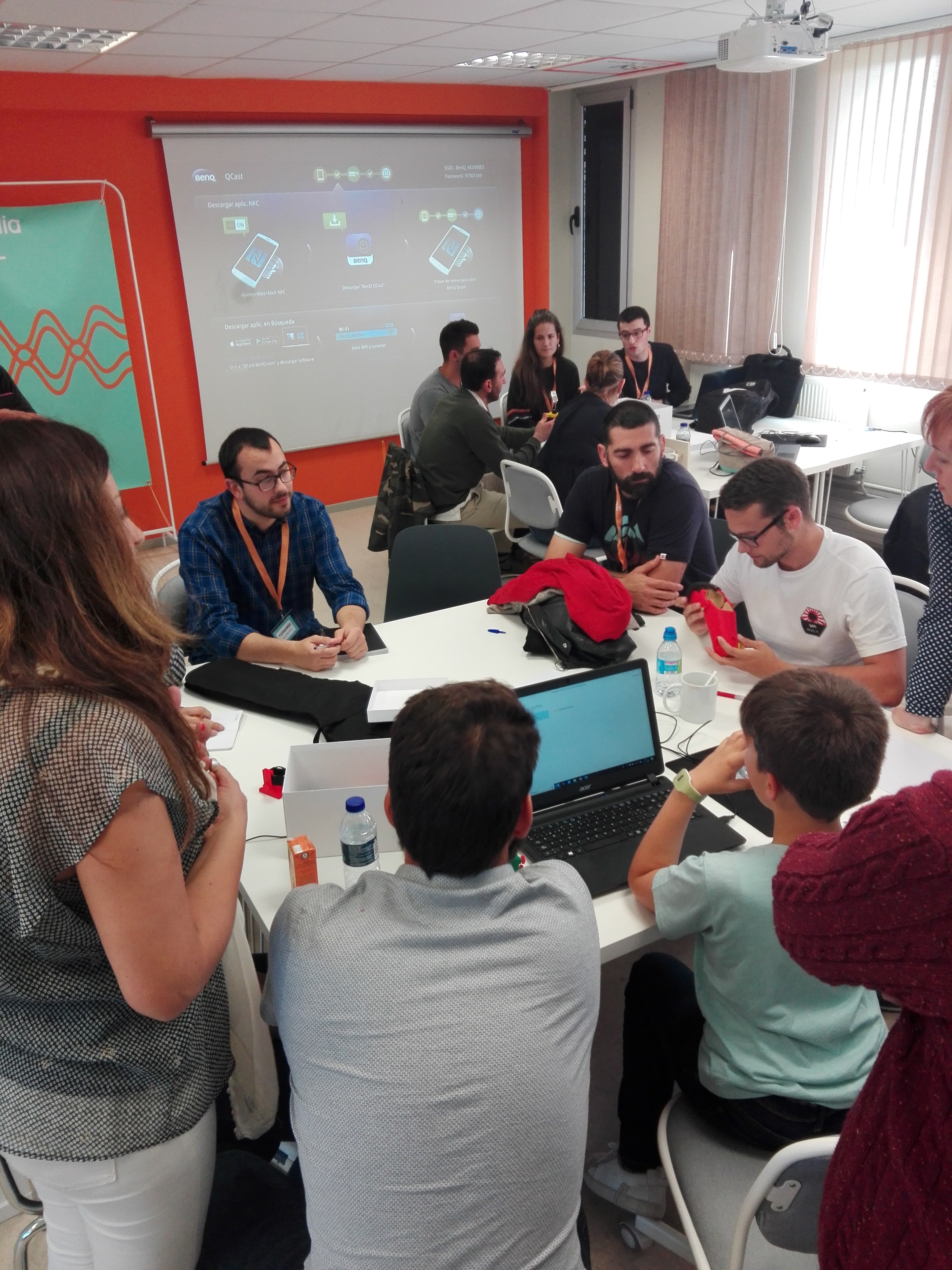
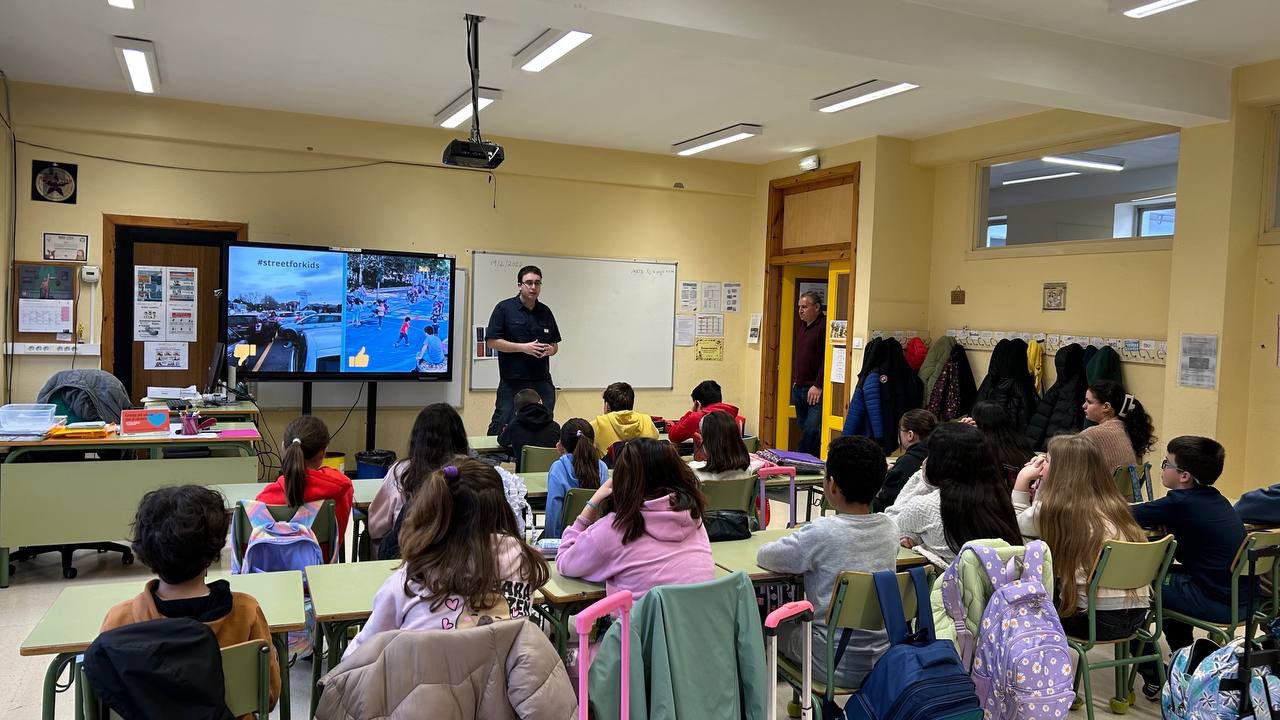
The implementation of MediaLab relies on a project-based learning approach. Students engage in real projects that combine technological experimentation with social engagement. Workshops, collaborative design sessions and prototyping activities allow participants to transform ideas into tangible solutions.
Over time, MediaLab has grown into a collaborative ecosystem connecting education, research and community participation. Initiatives such as the BioDesign School, inclusive technology projects like the Superhéroes prosthetics programme, and citizen science environmental monitoring demonstrate how the laboratory translates knowledge into real-world impact.
Through this process, MediaLab has become a living laboratory where innovation emerges from collaboration between academia and society.
Citizen innovation lab
Nature-based learning
Inclusive technology
Citizen science
Community co-design
MediaLab contributes to sustainability by combining environmental awareness, technological innovation and education. The laboratory promotes practical approaches to sustainability through citizen science, nature-inspired learning and responsible technological design.
One example is the BioDesign School, where children learn to observe natural systems and understand how nature solves complex challenges efficiently and sustainably. By analysing structures, ecosystems and biological processes, participants develop prototypes and ideas inspired by nature, promoting ecological thinking from an early age.
MediaLab also develops citizen science initiatives focused on environmental monitoring. Students and schools collaborate in building open environmental sensors that measure air quality and urban environmental conditions. These devices generate open data that help communities better understand environmental challenges and promote informed decision-making.
In addition, MediaLab promotes sustainable technological practices by encouraging open-source design, local prototyping and accessible digital fabrication technologies such as 3D printing.
By integrating sustainability into education, technological experimentation and citizen participation, MediaLab demonstrates how universities can become drivers of ecological awareness and sustainable innovation within their communities.
MediaLab contributes to the aesthetic dimension of the New European Bauhaus by creating spaces where creativity, experimentation and collaborative design shape meaningful experiences for participants.
The laboratory encourages people to engage with science and technology through creative exploration and hands-on learning. Workshops, collaborative prototyping and design activities transform complex technological concepts into accessible and inspiring experiences.
The BioDesign School is a clear example of this approach. Children explore natural forms, patterns and systems as sources of inspiration for creative design. By observing structures such as spider webs, plant growth or animal movement, participants discover how beauty, efficiency and functionality coexist in natural systems.
These experiences help participants develop a deeper appreciation for nature, creativity and design. At the same time, the collaborative environment of MediaLab creates a sense of belonging and curiosity that encourages people to engage with innovation in an open and welcoming space.
Through its activities, MediaLab transforms the perception of technology from something distant or abstract into a creative and meaningful process connected to everyday life.
Inclusion is a central principle of MediaLab. The laboratory promotes open participation and collaborative design processes where students, citizens and organisations work together to develop technological solutions addressing real social needs.
MediaLab’s projects follow a human-centred design approach that prioritises accessibility, affordability and social impact. One of the most significant examples is the Superhéroes project, which develops personalised prosthetics using 3D printing technology. These prosthetics are co-designed with families and adapted to the specific needs of children and adults with limb differences.
The project recently received the Engineering for People Award for its contribution to improving autonomy and quality of life through accessible assistive technologies.
MediaLab also promotes inclusive participation in innovation. Students from different academic backgrounds collaborate with schools, social organisations and local communities through workshops, citizen science initiatives and collaborative prototyping activities.
By opening technological innovation processes to diverse participants and focusing on real societal challenges, MediaLab demonstrates how universities can foster inclusive innovation ecosystems that benefit the broader community.
MediaLab is built on a participatory approach where citizens, students, schools and community organisations actively contribute to the design and development of projects.
The laboratory operates as an open innovation space where different actors collaborate in the creation of technological solutions addressing real social challenges. Students work together with families, teachers, healthcare professionals and social organisations through workshops, collaborative design sessions and prototyping activities.
Participation is central in several initiatives. In the Superhéroes project, families and users are directly involved in the co-design of personalised prosthetics created with 3D printing technologies. Their feedback shapes the design and functionality of the devices.
In environmental monitoring initiatives, schools and students participate in building and deploying sensors that measure air quality and environmental conditions. These activities transform participants from passive users into active contributors to knowledge creation.
Through these collaborative processes, MediaLab creates a space where innovation emerges from dialogue between academic knowledge and lived experience, empowering citizens to become active participants in technological and social innovation.
MediaLab operates within a multilevel governance ecosystem that connects local communities, educational institutions and broader innovation networks.
At the local level, the laboratory collaborates with schools, social organisations and community groups in the city of Gijón. These partners participate in workshops, citizen science initiatives and collaborative design activities that address real societal challenges.
At the institutional level, MediaLab is integrated within the University of Oviedo, allowing the project to connect teaching, research and social engagement. Students and researchers from different faculties contribute to the development of interdisciplinary projects.
MediaLab also engages with regional and national stakeholders, including educational institutions, innovation organisations and social initiatives that collaborate in the development and dissemination of projects.
Through these connections, MediaLab functions as a bridge between academia, communities and institutional actors, enabling knowledge exchange and collaborative experimentation across different levels of governance.
MediaLab is inherently transdisciplinary, bringing together knowledge and practices from multiple academic fields and professional backgrounds.
The laboratory connects disciplines such as engineering, digital technologies, health sciences, philosophy, education and social sciences. Students and researchers from these areas collaborate in interdisciplinary teams to develop experimental projects addressing societal challenges.
This transdisciplinary approach is essential for many MediaLab initiatives. For example, the development of inclusive technologies such as the Superhéroes prosthetics programme combines engineering, healthcare knowledge and user-centred design. Environmental monitoring projects combine digital technologies, environmental awareness and citizen science.
Educational initiatives such as the BioDesign School integrate science, design, environmental education and creative experimentation to explore how nature can inspire sustainable technological solutions.
By bringing together different disciplines and perspectives, MediaLab fosters innovative solutions that go beyond traditional academic boundaries and reflect the complexity of real-world challenges.
MediaLab operates within the University of Oviedo as a university-based citizen innovation laboratory that combines public funding, academic resources and collaborative partnerships.
The core sustainability of the project comes from its integration into the university ecosystem. MediaLab activities are connected to teaching, research and social engagement programmes, which provide institutional support and long-term continuity.
In addition, specific projects are developed through collaborations with schools, social organisations, healthcare professionals and community partners. These collaborations allow MediaLab to mobilise additional resources, including public funding for educational and innovation initiatives.
MediaLab also relies on accessible digital fabrication technologies and open-source tools that reduce implementation costs and enable rapid prototyping. This approach allows projects to be developed with relatively limited resources while maintaining high social impact.
By combining institutional support, collaborative partnerships and low-cost innovation methods, MediaLab has established a sustainable model that allows the laboratory to continue developing new initiatives and expanding its impact over time.
MediaLab has strong potential for transferability and replication because its core model is based on an open and adaptable methodology rather than a single technological solution.
The key elements that can be replicated in other contexts include the citizen innovation laboratory model, the project-based learning approach and the collaborative design processes that connect universities, communities and social organisations.
Initiatives such as the BioDesign School can be implemented in other educational environments with minimal resources, as they rely on observation of nature, creative experimentation and interdisciplinary collaboration.
Similarly, MediaLab’s citizen science initiatives demonstrate how schools and communities can build and deploy simple environmental sensors to monitor local environmental conditions and generate open data.
The inclusive technology approach used in projects such as the Superhéroes prosthetics programme also illustrates how digital fabrication and collaborative design can be used to create accessible assistive technologies in different contexts.
Because these initiatives rely on open knowledge, accessible technologies and collaborative processes, the MediaLab model can be adapted and replicated by universities, innovation labs and community organisations across Europe.