Arts, Culture, and Heritage as Drivers of Change
The True Wealth Project
Bringing True Wealth to the World by redefining "Success" from a Sustainable Japanese Village
The True Wealth Project is a living model in rural Nishiawakura where success is redefined beyond money. Through transformative stays, intercultural mindset education, and global exchanges, it nurtures individuals to live authentically, rooted in nature and community. As people grow in alignment with their purpose, they build meaningful connections—creating resilient, sustainable communities from within. This is True Wealth.
Japan
Local
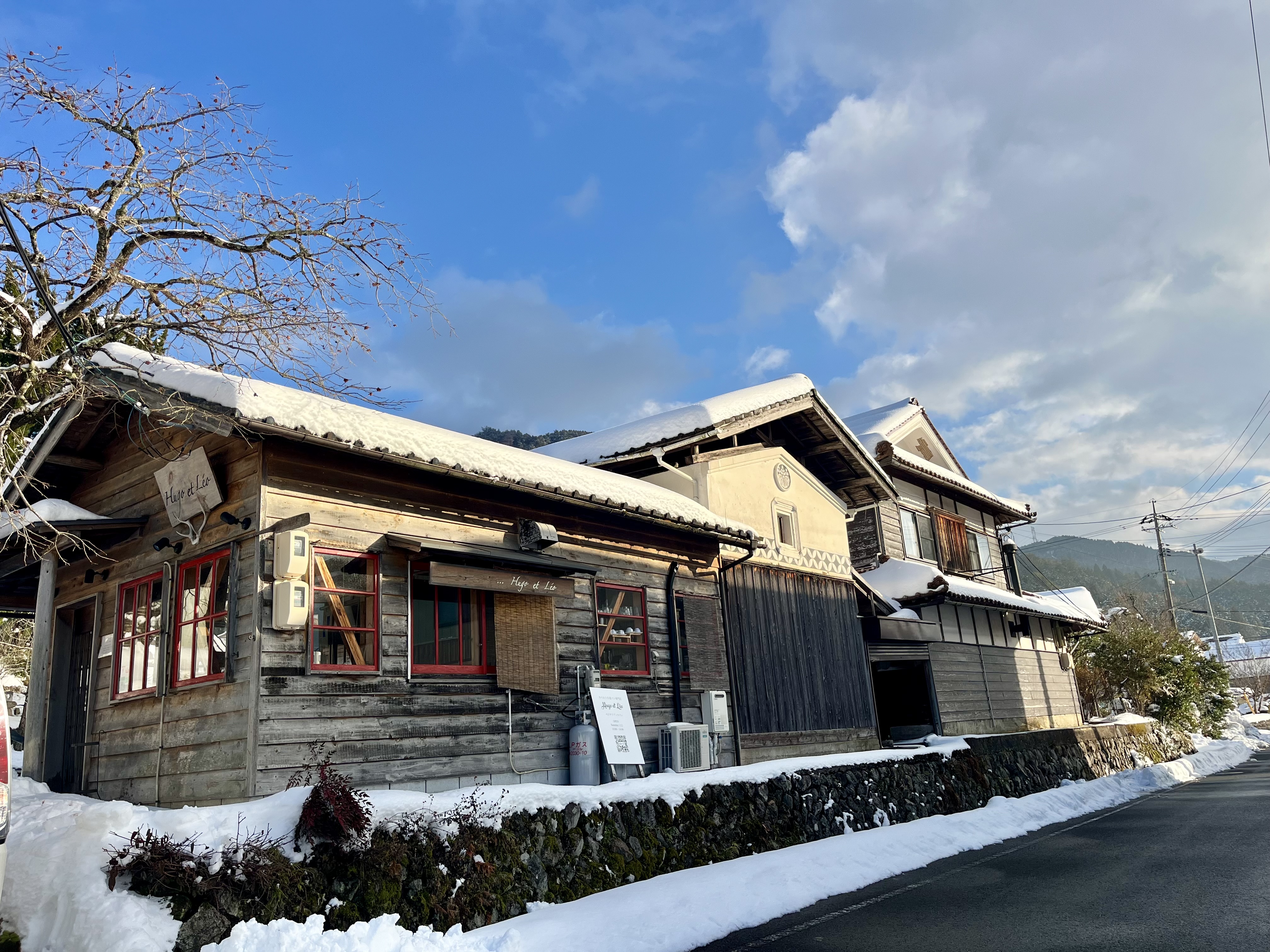
Nishiawakura Village in Okayama Prefecture
Mainly rural
It involves other types of transformations (soft investment)
Yes
2026-03-04
No
No
No
Individual
The True Wealth Project is a place-based initiative in Nishiawakura Village, Japan, exploring how global exchange, arts, and mindset education can revitalize rural communities from within. True Wealth is defined as a sense of belonging, purpose, and meaningful connection to people and place. In a time of increasing isolation and uncertainty, the project offers a model for reconnecting people to community, purpose, and place.
This vision is realized through international exchange programs.
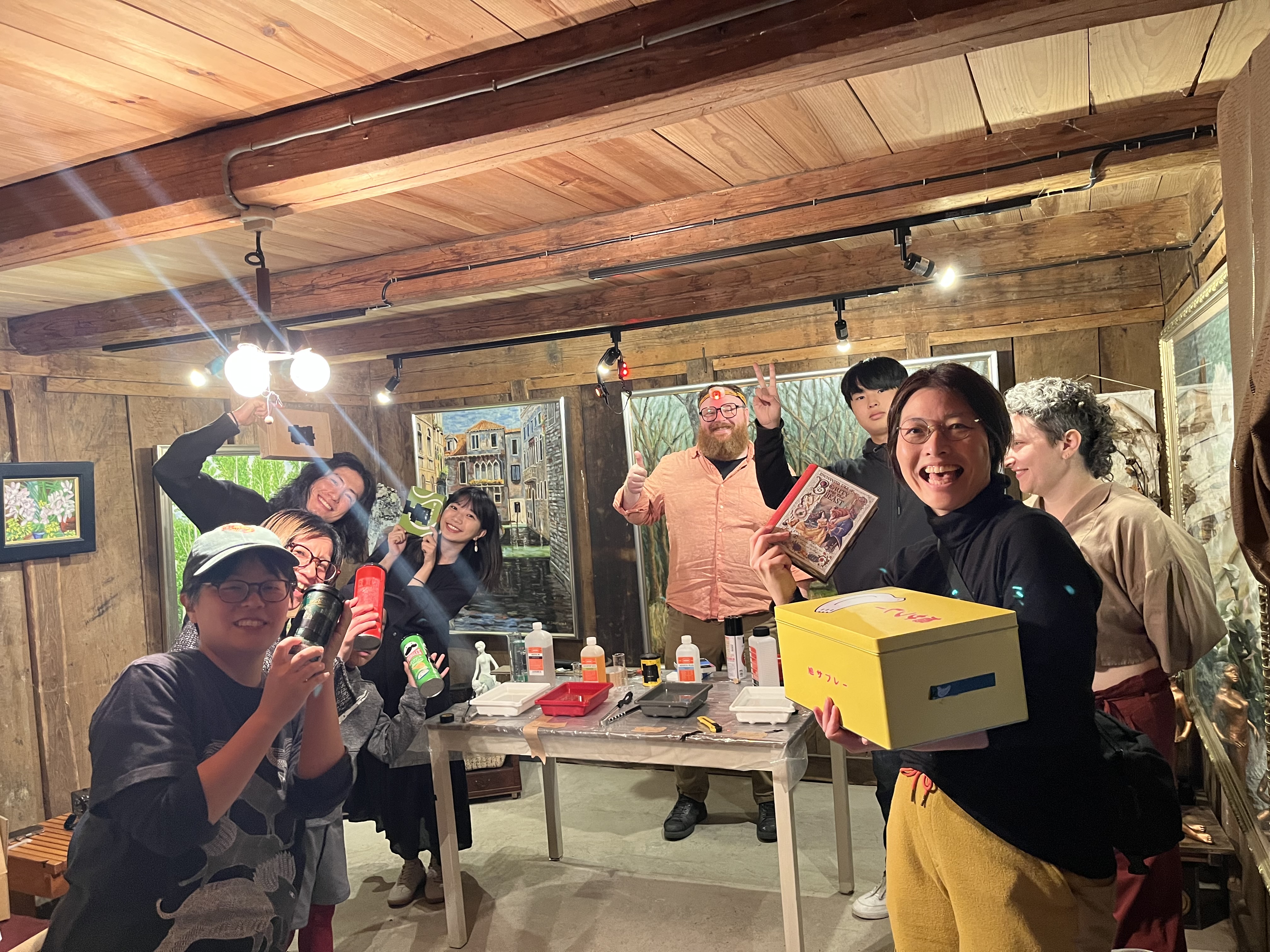
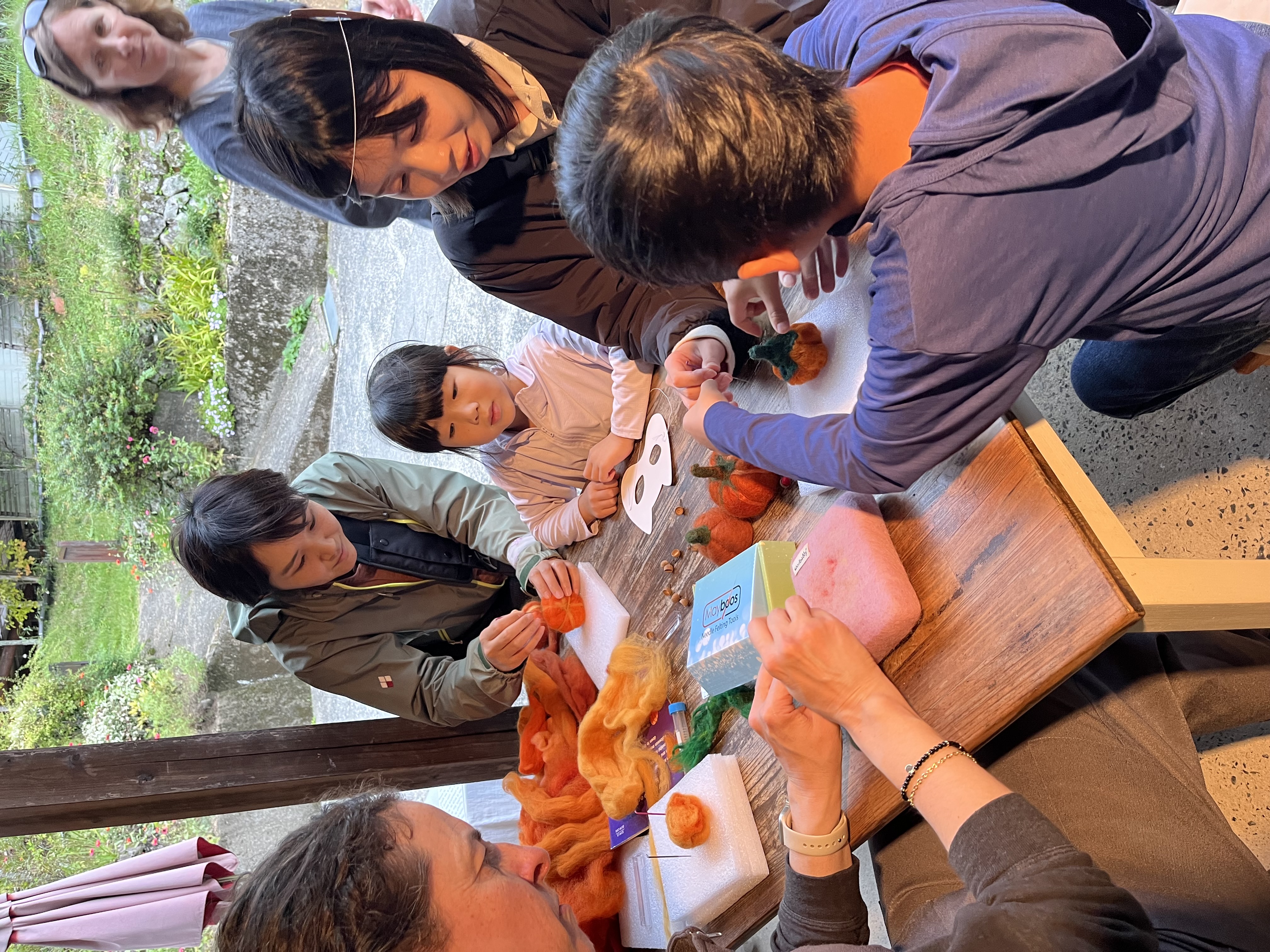
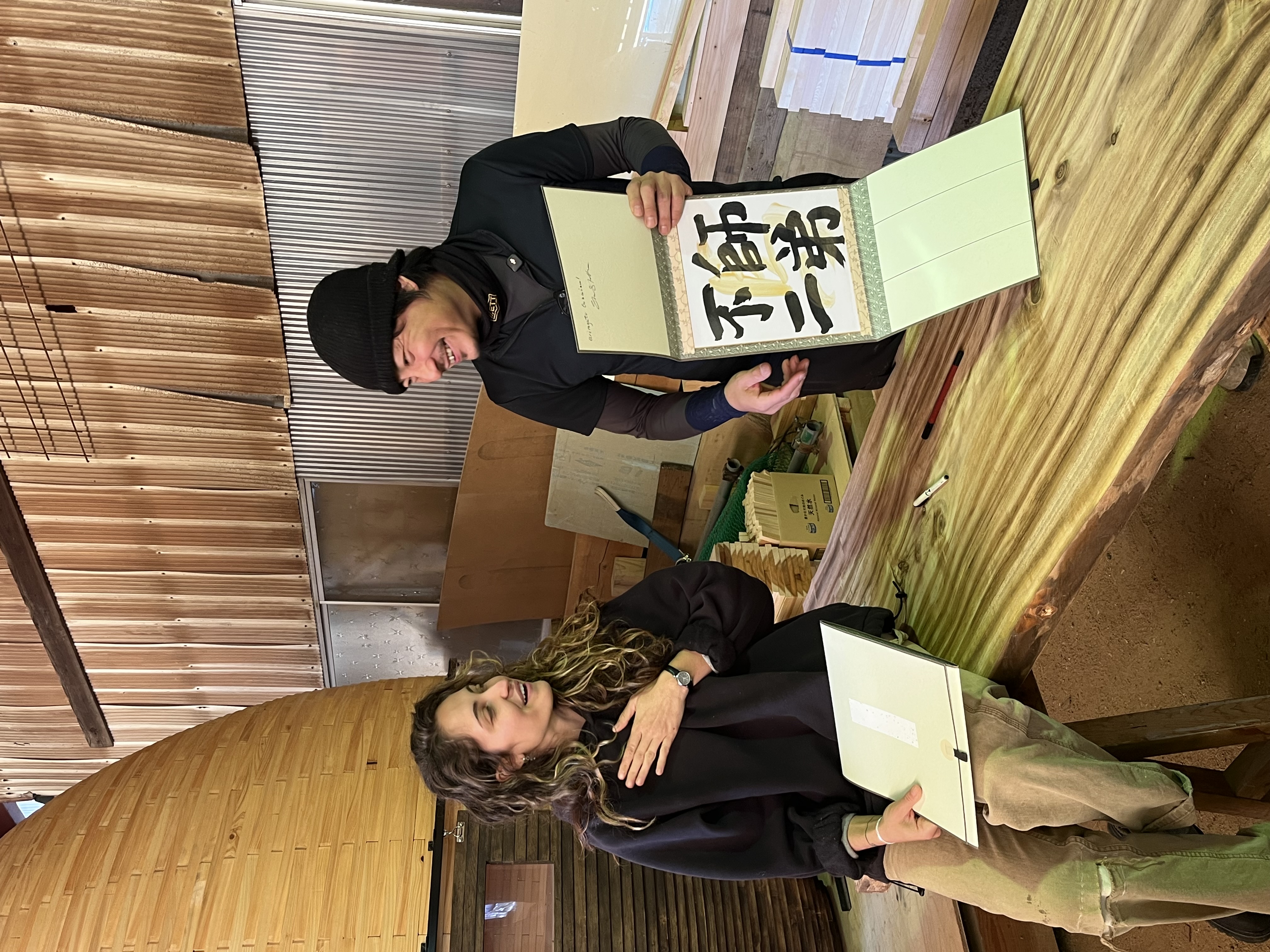
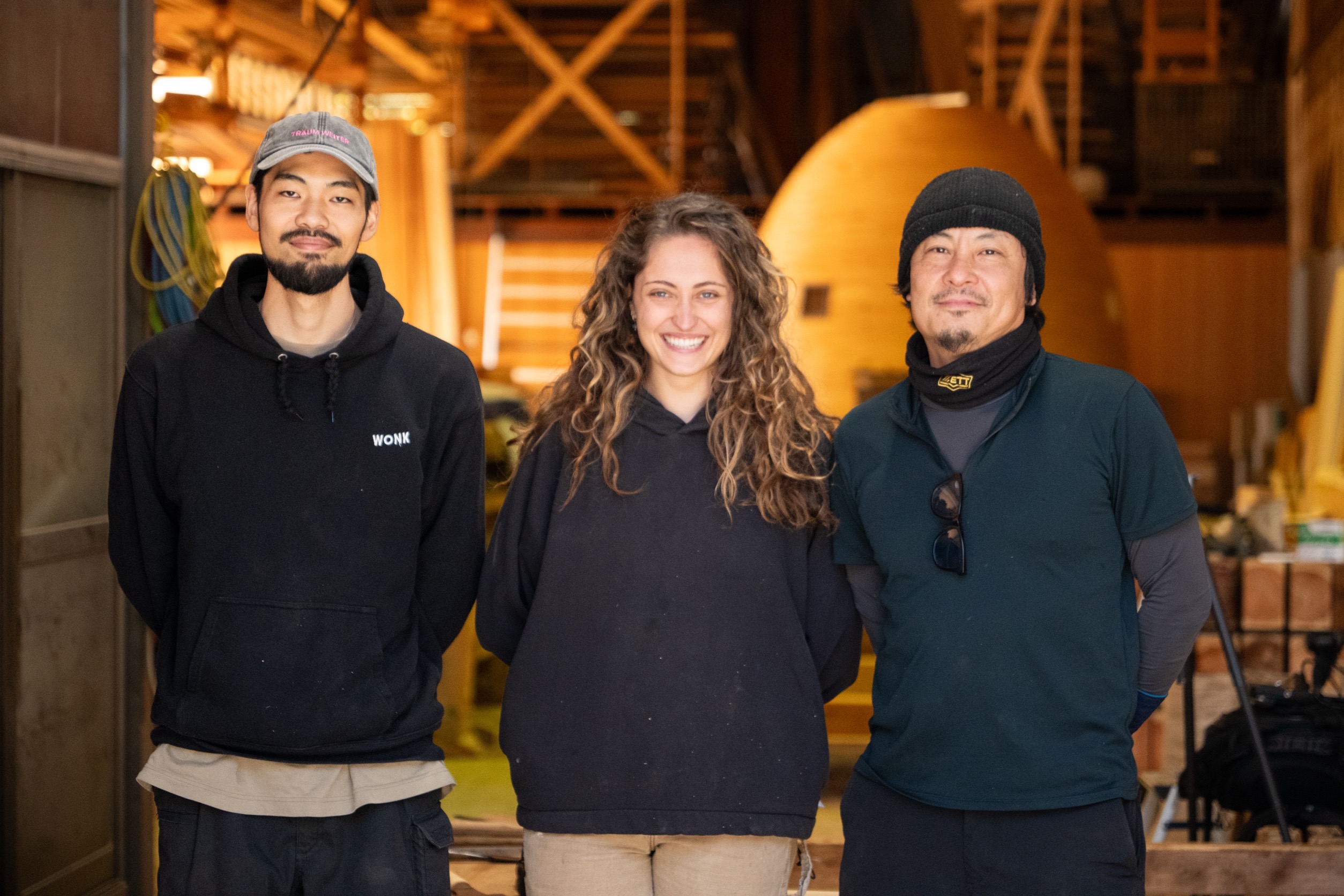
In partnership with Shelburne Craft School, we launched an artist residency bringing international artists into direct collaboration with local residents, children, and artisans. Through workshops and shared creative processes, relationships formed have continued beyond the program. One host family built such a strong bond with visiting artists that their 13-year-old daughter is now traveling to Vermont to join a craft summer program. In addition, the “Rooms That Teach” project has emerged, where a traditional Japanese house operating as a B&B will be renovated through collaboration between a local master carpenter and a visiting woodworker in an apprenticeship.
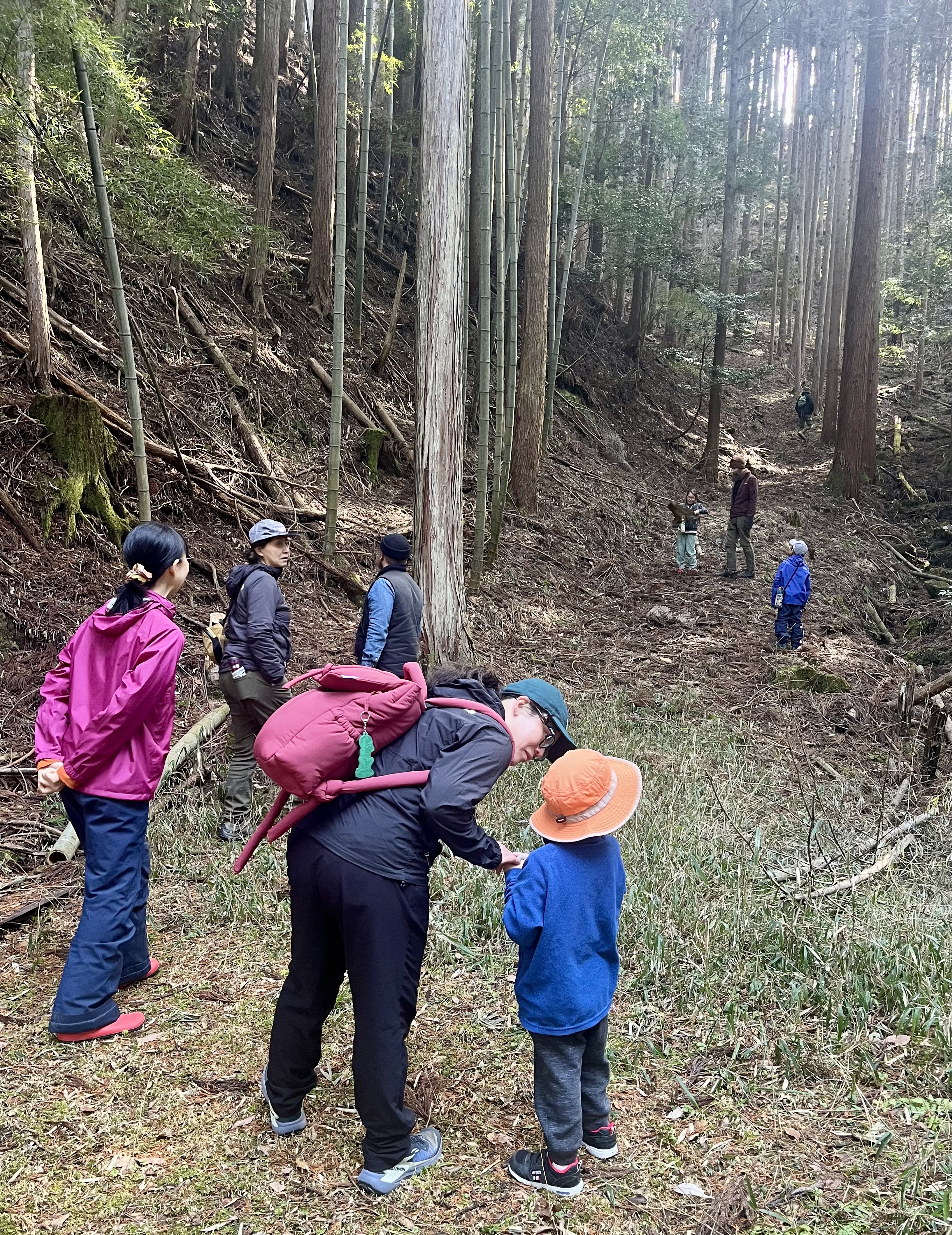
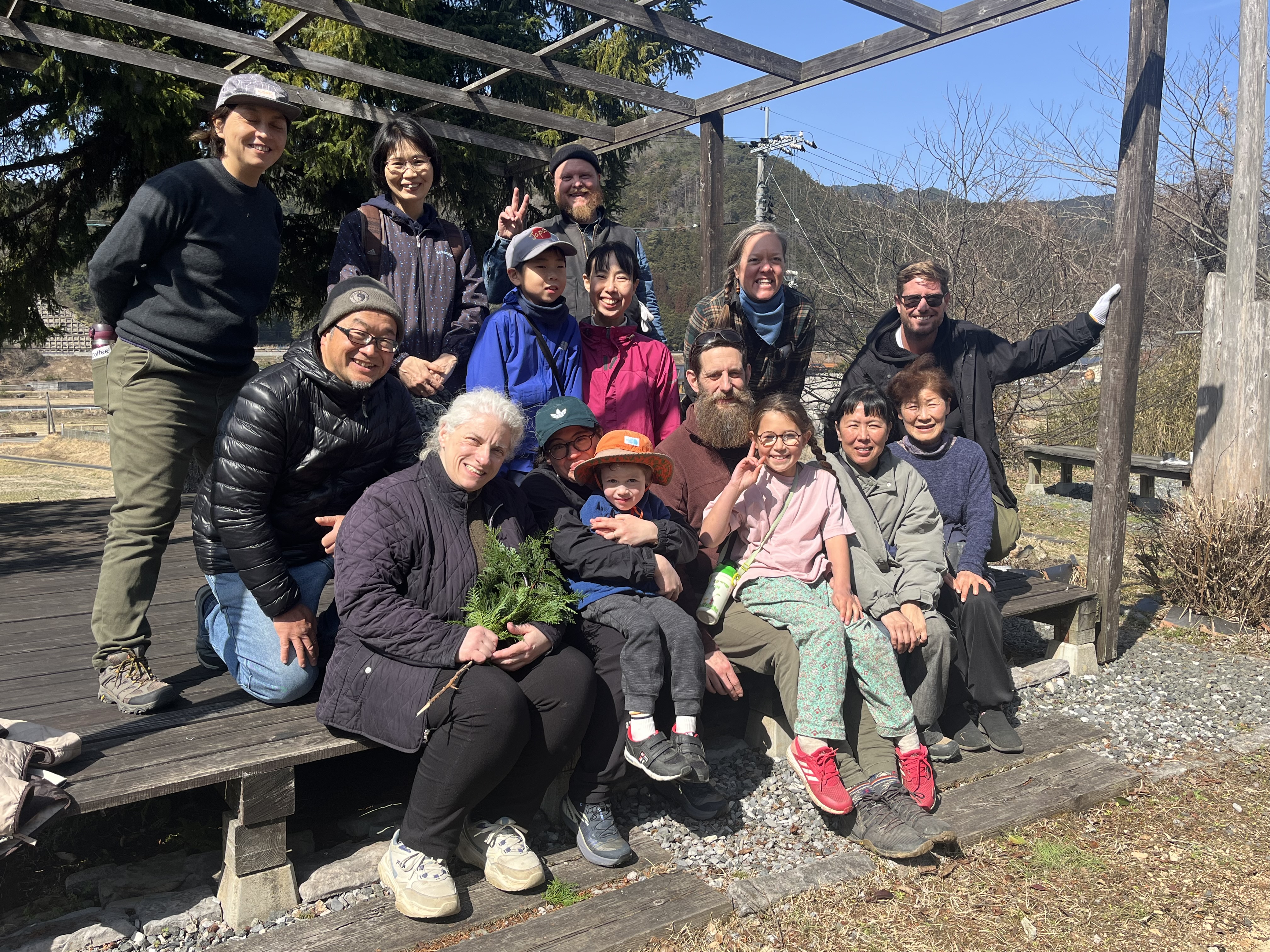
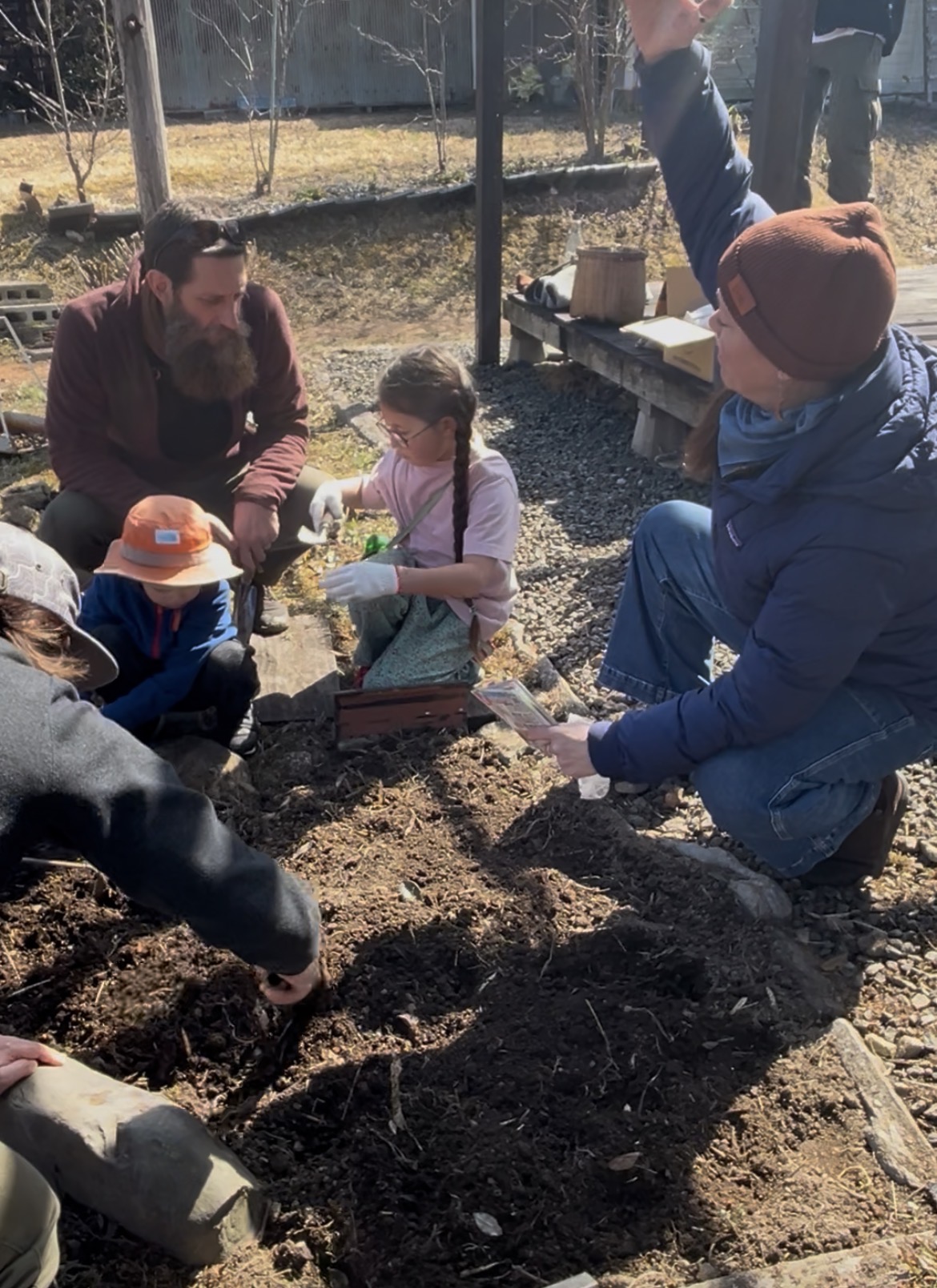
We also developed cultural exchanges with partners from Portland, including a Japan-focused travel agent and a community builder. Through shared meals, guided nature walks, and planting activities with local families, these exchanges created meaningful interaction between international professionals and local youth.
These initiatives have created tangible impact: children gain confidence and global awareness, artisans rediscover pride, and long-term relationships are formed. The project is also expanding through emerging European partnerships.
Most importantly, the perception of the village is shifting—from isolated to connected.
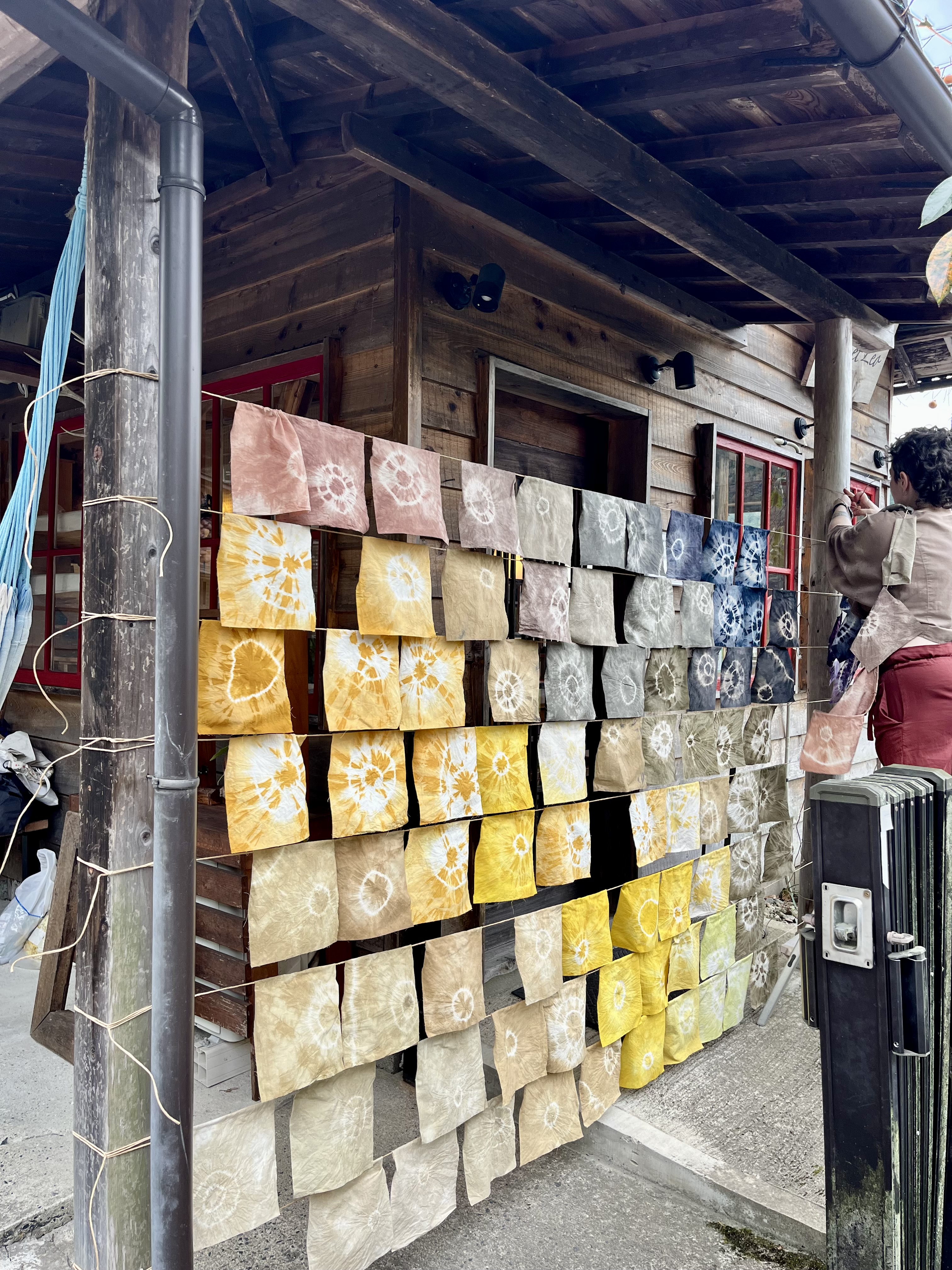
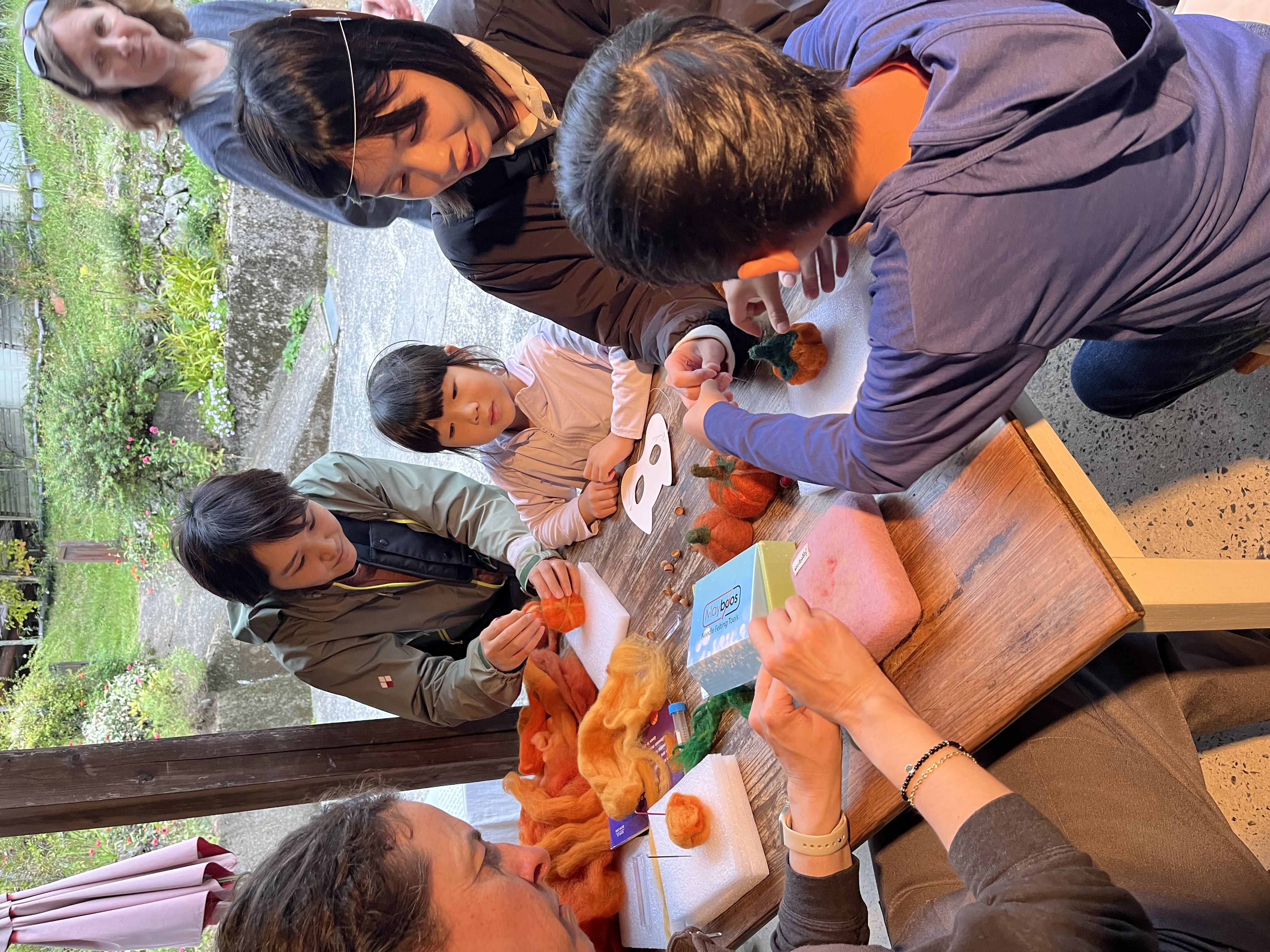
This project, rooted in Nishiawakura Village, Japan, explores how art, craft, food, and human connection can redefine “wealth” in a rural context. It began with a personal question. While raising my children in the village, my son was the only boy in his year group. This led me to ask how a rural community might expand a child’s sense of connection, possibility, and belonging without requiring them to leave. This became the foundation of the True Wealth Project — creating meaningful encounters with people from different cultures within the village itself. The project has been implemented through two interconnected programs combining artist residency and regenerative tourism. In 2025, an artist residency was carried out with Shelburne Craft School, supported by Japan Foundation New York. Fourteen artist-educators from Vermont lived in the village for two weeks, staying with host families and working alongside local artisans in pottery, woodworking, and natural dye. The residency emphasized learning through participation and daily life. It extended into the community through workshops and after-school activities, where children engaged directly with international artists, fostering confidence, curiosity, and new forms of expression. Together with Shelburne Craft School, we also co-created the international webinar “Cultural Tradition, Innovation, and Sustainability" hosted by InSEA, which received the highest engagement among their programs. In parallel, a second program in February 2026 focused on regenerative tourism through food, nature, and community interaction. Through shared meals, nature-based activities, and collaboration with local producers, participants explored connection to people, place, and environment through lived experience. What began as a personal question has grown into a living network of relationships, showing that a rural village can become a place where the world arrives and new possibilities emerge.
Regenerative Rural Development
Intergenerational Knowledge Transfer
Transdisciplinary Exchange
Social inclusion and belonging
Place-Based Cultural Innovation
Sustainability in this project is understood as an interconnected system integrating environmental, cultural, social, and economic dimensions.
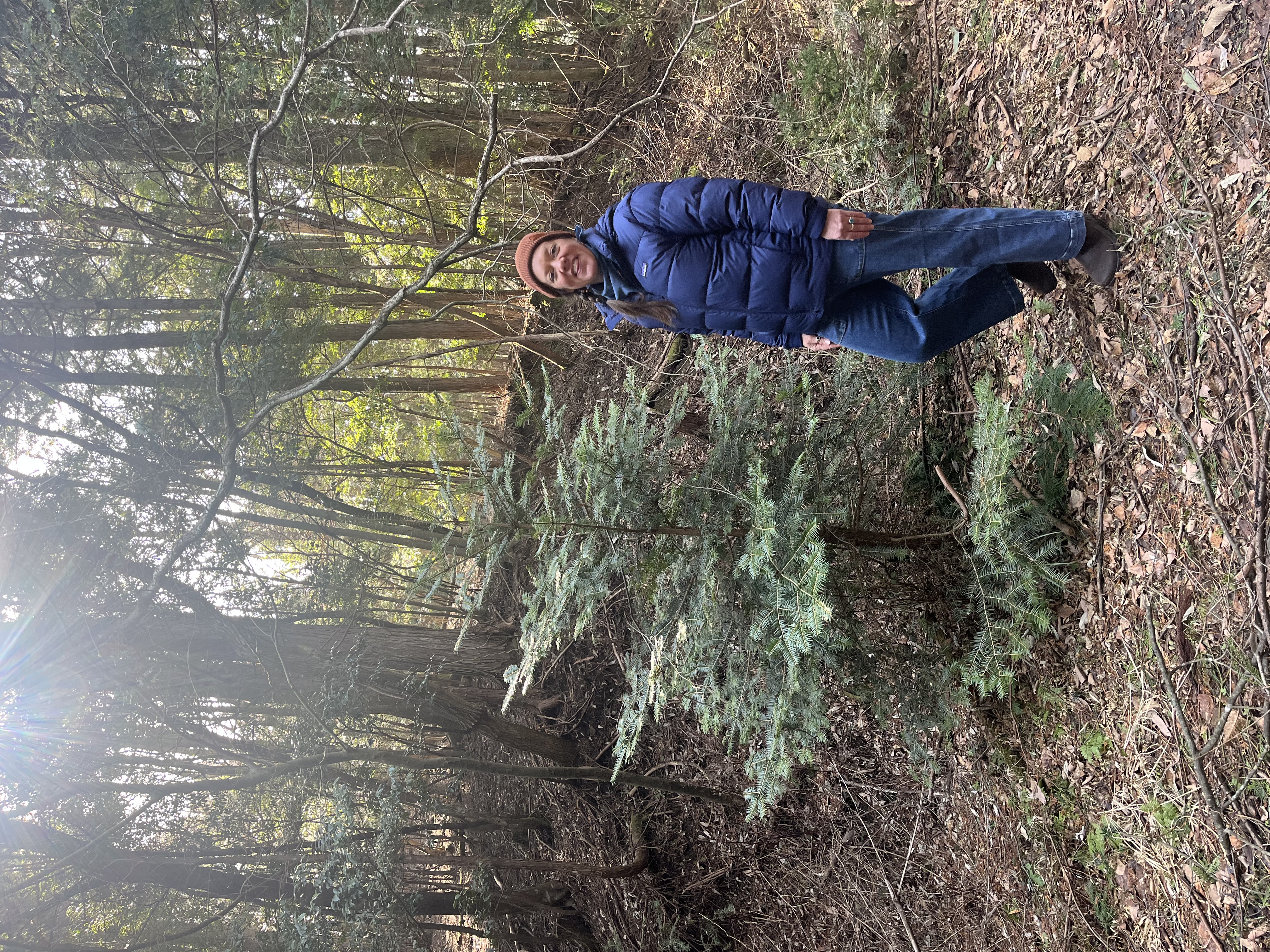
Environmentally, the project emphasizes the use of local materials and traditional practices that respect natural cycles. Craft activities such as woodworking and natural dyeing foster awareness of resource use, seasonality, and the relationship between people and the environment. Nature-based experiences, including guided walks and planting activities, further deepen participants’ connection to the land.
Culturally, the project supports the preservation and transmission of intangible heritage. Through collaboration between local artisans and international practitioners, traditional knowledge is not only maintained but reactivated in a contemporary context. The apprenticeship emerging from the residency demonstrates how skills can be passed across generations and cultures, ensuring continuity while allowing for evolution.
Social sustainability is cultivated through inclusive participation and relationship-building. Children, families, educators, and international guests engage in shared experiences that foster confidence, belonging, and mutual understanding. These interactions help shift perceptions of rural life from isolation to connection.
Economically, the project contributes to rural resilience by creating new forms of value through cultural exchange, education, and regenerative tourism. By building on existing community assets and developing initiatives such as “Rooms That Teach,” it supports long-term viability while attracting global participants.
Rather than treating sustainability as a fixed outcome, the project approaches it as a living process of regeneration, where relationships, knowledge, and local resources are continuously renewed and shared.
The True Wealth Project approaches aesthetics not as decoration, but as something that emerges through lived experience — through making, sharing, and connecting across cultures. At the heart of this project is a simple yet profound understanding, deeply rooted in Japanese craft: what we create is a reflection of who we are. The state of the maker’s heart — their intention, presence, and way of being — is always revealed in the final piece. During the artist residency, this philosophy became visible across disciplines. Whether in woodworking, natural dye practices, or cooking, participants experienced that craft is not only about technical skill, but about attention, care, and responsibility. The process of making became a reflective space, inviting questions such as: What kind of energy do I bring to my work? What is the purpose behind what I create? Beauty, therefore, was not presented as a finished object, but discovered through process — in the rhythm of hands shaping materials, in the quiet dialogue between people and place, and in the shared act of preparing and enjoying food. Even without a common language, participants communicated through intention, expressed in what they created and shared. These moments revealed an aesthetic rooted in wabi-sabi — where imperfection, transience, and authenticity are embraced — and where the invisible becomes visible: trust between strangers, the courage to express oneself, and the subtle transformation that occurs through connection. For the community, this created a renewed sense of pride and belonging. Local artisans saw their work appreciated in a global context, while residents began to experience their village as a place of cultural richness and exchange. As a continuation, initiatives such as “Rooms That Teach” aim to embody these values in physical space. However, the core aesthetic remains grounded in relationships — where beauty is not designed, but cultivated through the way we choose to live and create together.
The True Wealth Project approaches inclusion as a lived, everyday experience—creating a community where people from different backgrounds can feel welcomed, valued, and connected.
As an international family—my husband is French Caribbean and our children are of mixed, multinational heritage—this project began with a personal intention: to create a rural community that embraces diversity with curiosity rather than hesitation.
Through residencies, homestays, and community activities, local residents—especially children—interact directly with international visitors. This reduces barriers and normalizes diversity in daily life. Visitors often share that even short stays create a strong sense of belonging, supported by the openness and curiosity of the local community.
Accessibility is addressed through free workshops and after-school programs, open to all regardless of economic background.
Inclusion also extends to local production systems. A natural dye artist in the village, who works only with organic cotton and plant-based dyes such as hinoki bark, collaborates with a company employing people with disabilities to prepare materials. Her practice reflects both ecological responsibility and social inclusion. Through the exchange with international artists, she was able to share her philosophy, gain recognition, and build new connections—demonstrating how inclusive values can be embedded in both craft and community.
What makes this project exemplary is that inclusion is not a policy—it is a culture, intentionally cultivated through relationships, openness, and shared experience.
The True Wealth Project is built on active participation from local citizens, community organizations, educators, and businesses, ensuring that the project is co-created rather than delivered from outside.
A key partner is the local nonprofit NEST, which connects the community and the Board of Education to support children’s dreams beyond formal schooling. NEST played a central coordinating role by organizing when and how visiting artists could interact with children, designing activities that were meaningful and age-appropriate.
Together, we created opportunities such as creative workshops and a visual storytelling exchange between students in Nishiawakura and those connected to Shelburne Craft School. Children shared stories of their local environments through images and reflected on each other’s work, fostering mutual understanding and global awareness. NEST also facilitated coordination with teachers and organized dialogues between visiting artists and the local Board of Education, creating space for exchange on future education models.
Local residents were deeply involved. Four families hosted visiting artists, transforming the residency into a lived, community-based experience. Their role was not passive—they became cultural bridges, sharing daily life while building long-term relationships.
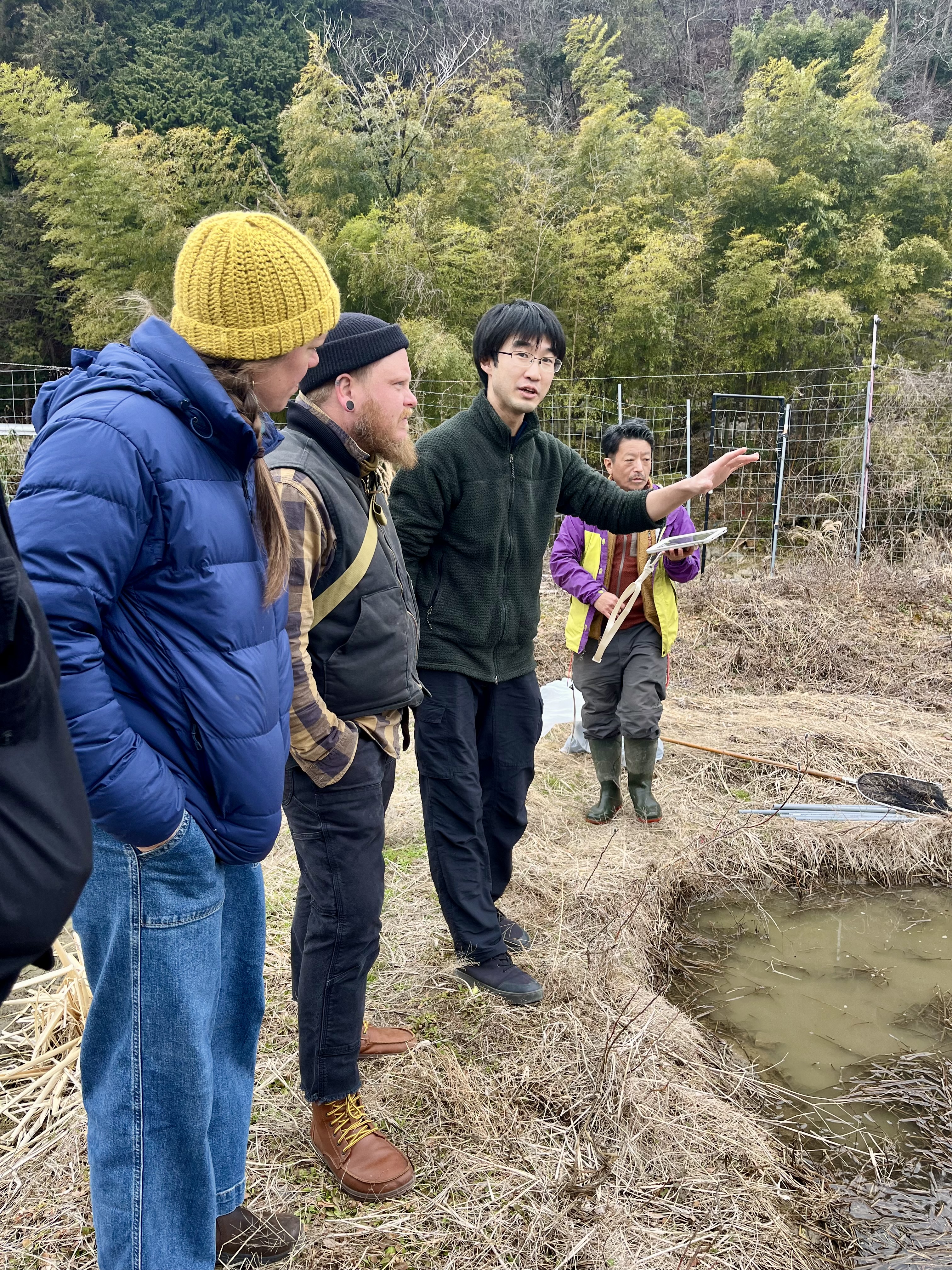
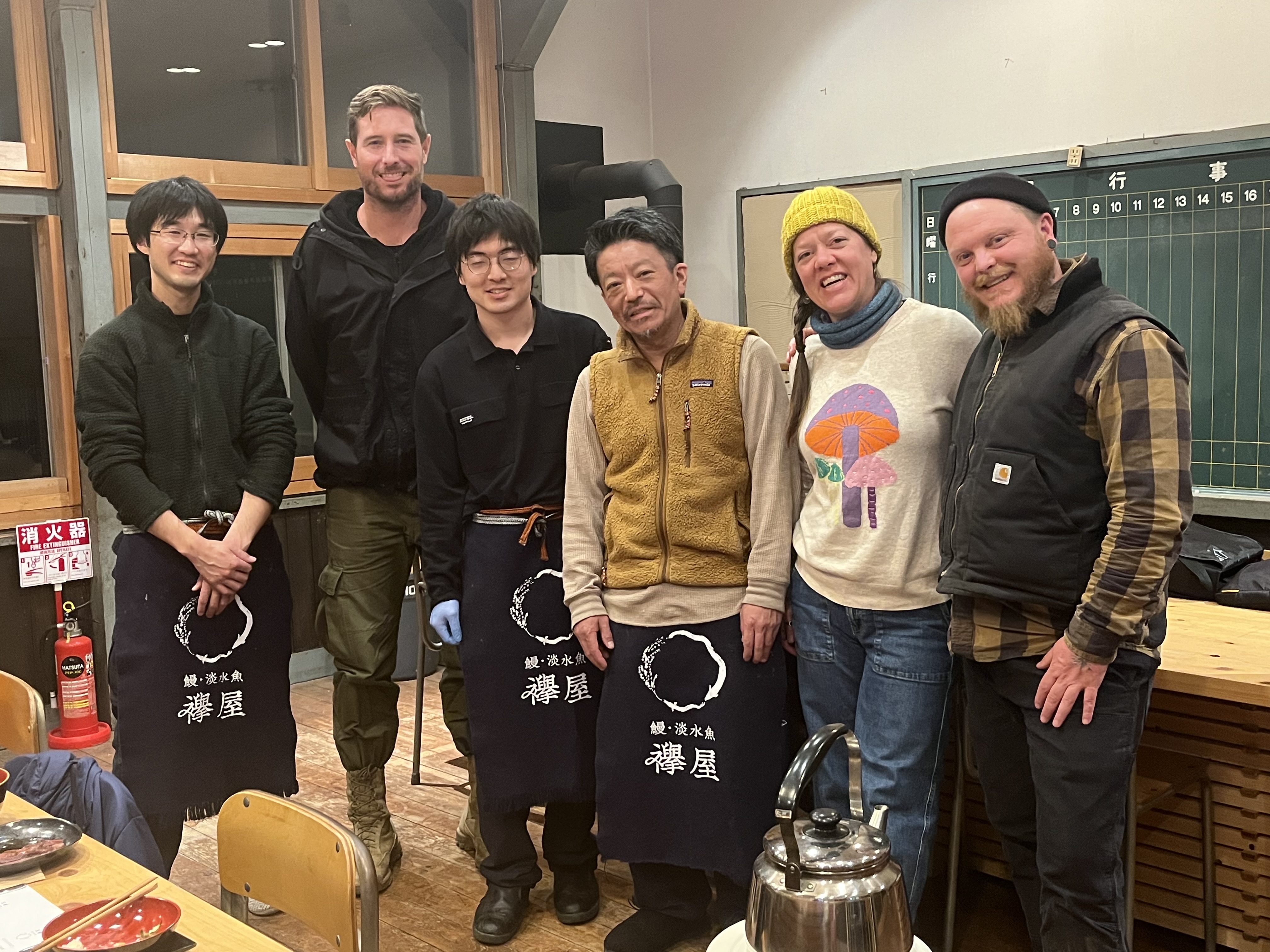
Local enterprises also contributed. A regenerative-focused startup, provided hands-on experiences in organic rice farming and shared their work in circular economy practices. A forest management company guided participants through the realities of maintaining cedar and hinoki forests, offering insight into environmental challenges and stewardship.
Each stakeholder—children, families, educators, artisans, and businesses—actively shaped the program. Their involvement created ownership, trust, and continuity beyond the project itself.
The impact is a stronger, more connected community where diverse actors collaborate across generations and cultures.
The True Wealth Project operates through a multi-layered network of stakeholders across local, regional, national, and international levels, creating a collaborative model of rural innovation.
At the local level, the project is rooted in Nishiawakura’s community. Residents, host families, artisans, educators, and organizations such as NEST actively shape and implement the program. Their involvement ensures that the project reflects local culture, needs, and aspirations.
At the regional level, the project has been supported through engagement with Okayama-based institutions and businesses. As a finalist in a regional business competition in August, 2025, the project gained interest from leaders such as Yasuharu Ishikawa, who encouraged crowdfunding and offered support, as well as the dean of Okayama University. Collaboration is also being explored with Ryobi Tours, one of the region’s largest tour operators.
At the national level, the partnership with Shelburne Craft School, supported by the Japan Foundation New York, enabled the development of artist residencies and cultural exchange programs. In addition, collaborations with tour operators such as Windows to Japan connect the project to international travel networks.
At the international level, the project engages with global networks in art and education. The webinar
“Cultural Tradition, Innovation, and Sustainability: Through the Lens of Crafts and Nature” was hosted by International Society for Education through Art (InSEA), attracting global participation. Partnerships also extend to Portland, Oregon, and a potential new collaboration with Swedish Trails.
The added value of this multilevel governance lies in connecting grassroots initiatives with institutional support, academic insight, and global networks. It enables a small rural village to function as a node in an international ecosystem—where knowledge, culture, and opportunities flow in both directions, creating long-term, scalable impact.
The True Wealth Project is inherently transdisciplinary, bringing together diverse fields to address rural sustainability through lived experience.
It integrates arts and crafts with environmental knowledge. Through collaboration with master artisans—potters, woodworkers, and natural dye artists—participants engage in practices rooted in local ecosystems, materials, and traditions.
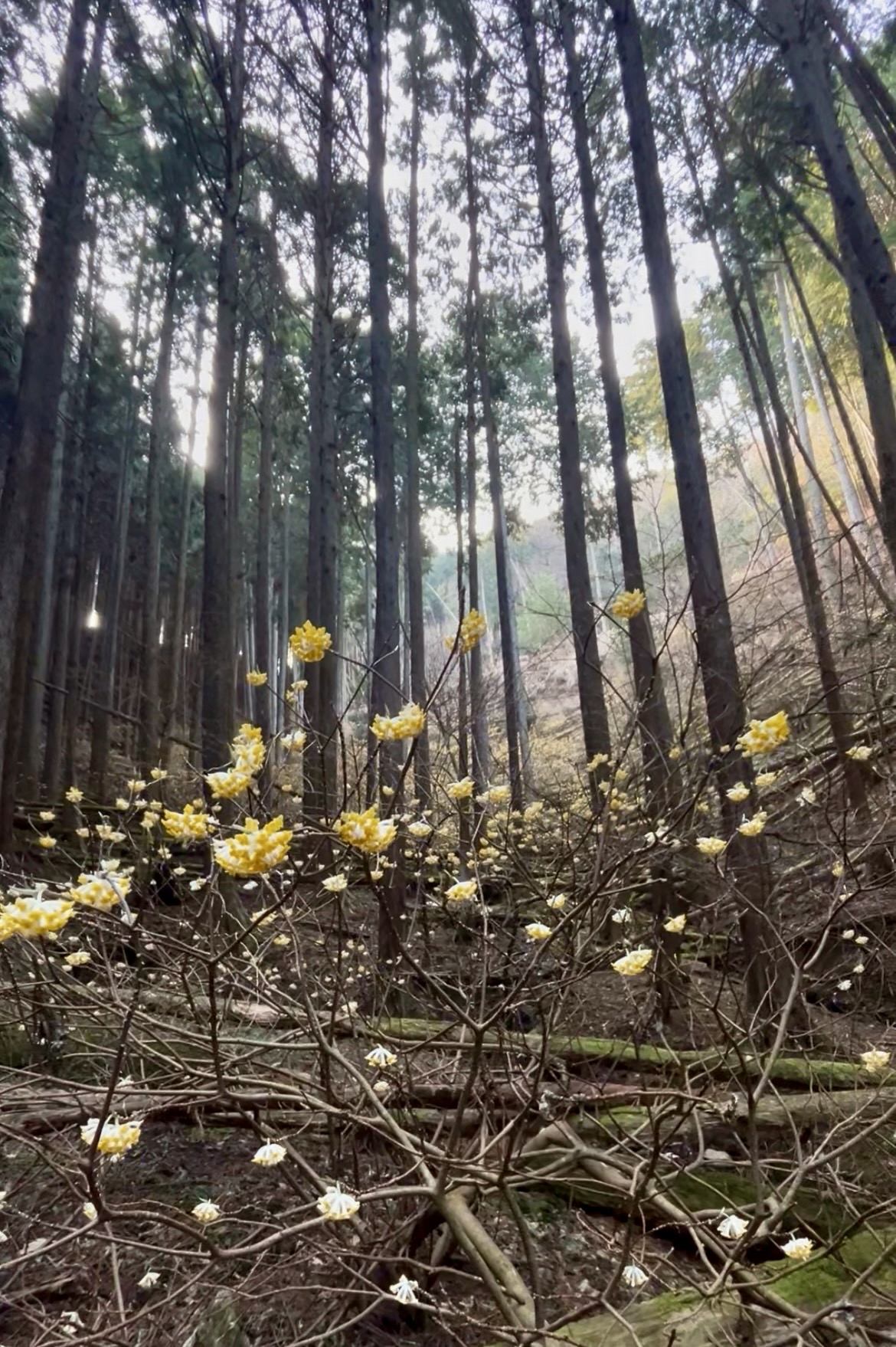
It also incorporates environmental sciences and forestry, through partnerships with forest management organizations, where participants learn about the stewardship of cedar and hinoki plantations and the challenges of sustainable resource use.
Agriculture and food systems are explored through collaboration with local regenerative businesses, connecting sustainability with daily life and regional identity.
The project engages education and social sciences by creating alternative learning environments with local organizations and international partners such as Shelburne Craft School. Workshops and storytelling exchanges foster intercultural understanding and reflection.
It also integrates cultural philosophy, particularly the concept of ikigai—a sense of purpose and meaning in life. Participants are often deeply moved by encountering artisans who are guided not by profit, but by dedication and clarity of purpose. This invites reflection on one’s own role and contribution.
Rather than separating disciplines, the project weaves together craft, ecology, education, and philosophy into a unified experience.
This approach allows participants to understand sustainability not only as a system, but as a way of living—where purpose, community, and environment are interconnected.
The True Wealth Project operates through a hybrid, place-based business model combining hospitality, education, and cultural exchange to ensure long-term financial sustainability.
At its core is a family-run bed and breakfast in Nishiawakura, functioning as both accommodation and a platform for revenue-generating experiences. Income is generated through accommodation, guided tours, workshops, artist residencies, and regenerative tourism programs integrating culture, food, and nature.
The project is enabled by the founder’s roles as a licensed tour guide and certified life coach, supported by international networks in high-end travel and personal development. These networks attract participants seeking meaningful, high-quality experiences, supporting experiences that reflect the project’s core concept of True Wealth—belonging, purpose, and connection.
Partnerships strengthen the model. Collaborations with Shelburne Craft School and international travel professionals expand access to global audiences and co-create programs aligned with demand for authentic, place-based experiences.
A key development is the “Rooms That Teach” initiative, which increases capacity and value by transforming accommodation into a learning-oriented space. Its implementation is supported by crowdfunding and local government funding for development and staffing.
By combining earned income, strategic funding, and global networks, the model ensures financial resilience while maintaining cultural integrity and social impact.
The True Wealth Project demonstrates a scalable model based on relationships, methodology, and networks rather than fixed infrastructure.
At its core is a replicable approach: facilitated encounters where international and local participants engage through making, cooking, and living together. This methodology can be adapted across regions by working with local cultural assets, craftspeople, and communities.
The model is strengthened by the founder’s roles as a licensed tour guide and life coach, supported by international networks in high-end travel and personal development. These networks provide access to global audiences seeking meaningful, high-quality experiences.
Feedback from international partners indicates strong demand for authentic, small-scale programs rooted in local identity and human connection.
Transferable elements include artist residencies, regenerative tourism integrating culture, food, and nature, intergenerational knowledge exchange through craft, and community participation involving children, families, and educators.
The “Rooms That Teach” initiative provides a flexible framework for transforming existing spaces into hubs for learning and exchange.
Rather than scaling through standardization, the project scales through localization—adapting core principles to each place’s culture and environment, enabling the spread of a model grounded in True Wealth values across different regions.