Enhancing Circularity, Sustainability, and Innovation
Phora
Phora: AI Traffic Management for Safer, Greener and More Inclusive Mobility
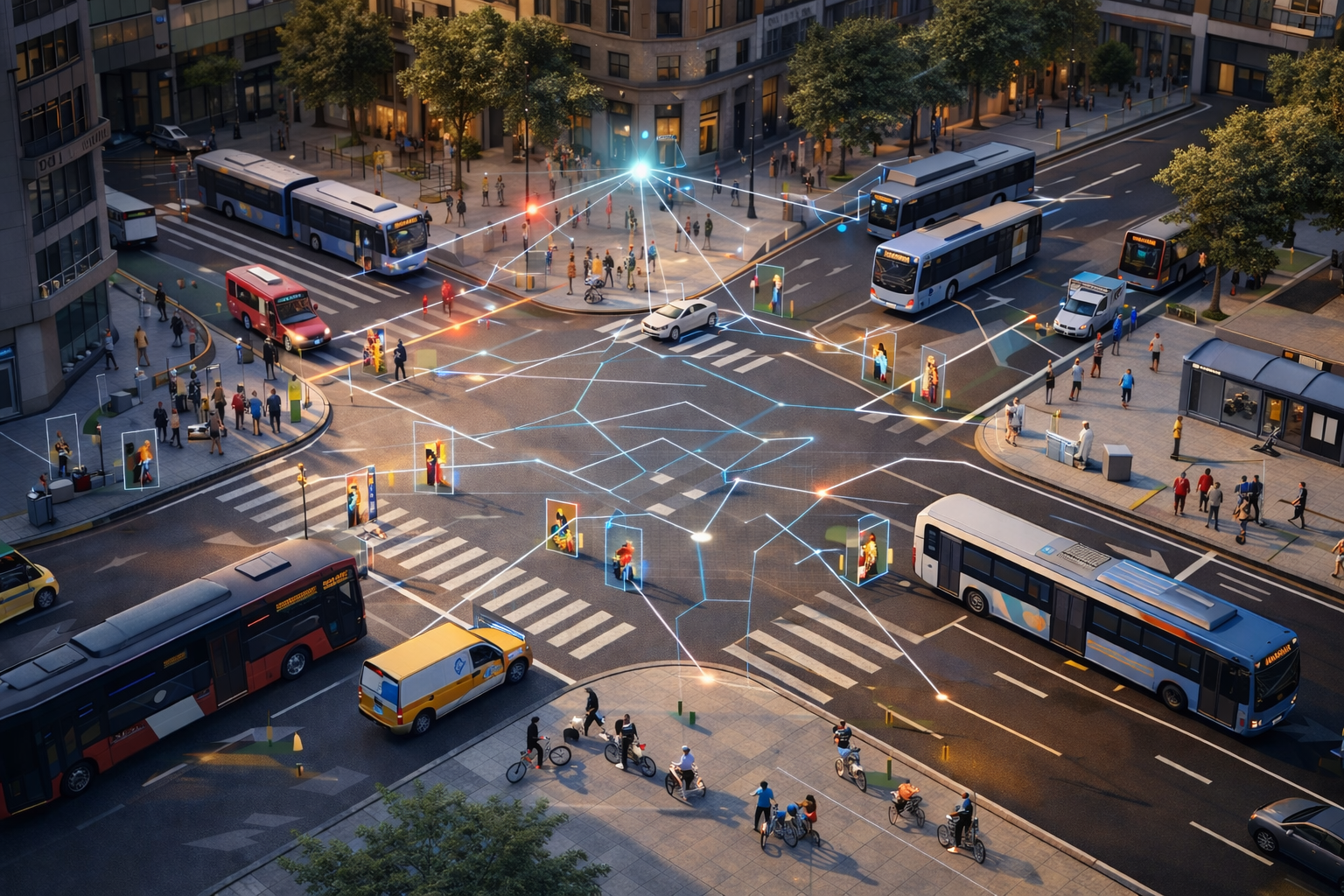
Phora is an AI-driven traffic management concept that improves safety, reduces congestion, and lowers emissions in urban areas. By using real-time data to prioritise pedestrians, public transport, emergency vehicles, and vulnerable road users, it helps create streets that are more inclusive, efficient, and human-centred. Phora aims to make everyday mobility safer and more sustainable while improving the overall urban experience.
Kosovo
Local
Gjakova
Mainly urban
It refers to other types of transformations (soft investment)
Prototype level
Yes
Regional Cooperation Council (RCC) – Regional Butterfly Innovation Award, 3rd edition (University Innovation Award), 2024
Yes
Regional Butterfly Innovation Award – 3rd edition (University Innovation Award), 2024
No
Individual
Phora is a prototype-stage AI-driven traffic management concept that aims to make urban mobility safer, greener and more inclusive. It uses real-time camera data and intelligent signal optimisation to better manage traffic at intersections, reducing unnecessary waiting times, congestion and emissions. The concept gives priority to public transport, emergency vehicles, pedestrians and other vulnerable road users, helping cities move from car-dominated traffic control toward a more human-centred system.
Phora has already been developed conceptually and tested through simulation on a laptop environment, where the logic of detecting road users and adapting signal timing could be explored before live deployment. The next step is to move from simulation to a real pilot intersection, where the system can be trained and validated in real conditions. The expected result is a smarter intersection model that improves traffic flow, increases safety, supports accessibility, and can later be replicated in other parts of the city and in other municipalities.
Phora has already been developed conceptually and tested through simulation on a laptop environment, where the logic of detecting road users and adapting signal timing could be explored before live deployment. The next step is to move from simulation to a real pilot intersection, where the system can be trained and validated in real conditions. The expected result is a smarter intersection model that improves traffic flow, increases safety, supports accessibility, and can later be replicated in other parts of the city and in other municipalities.
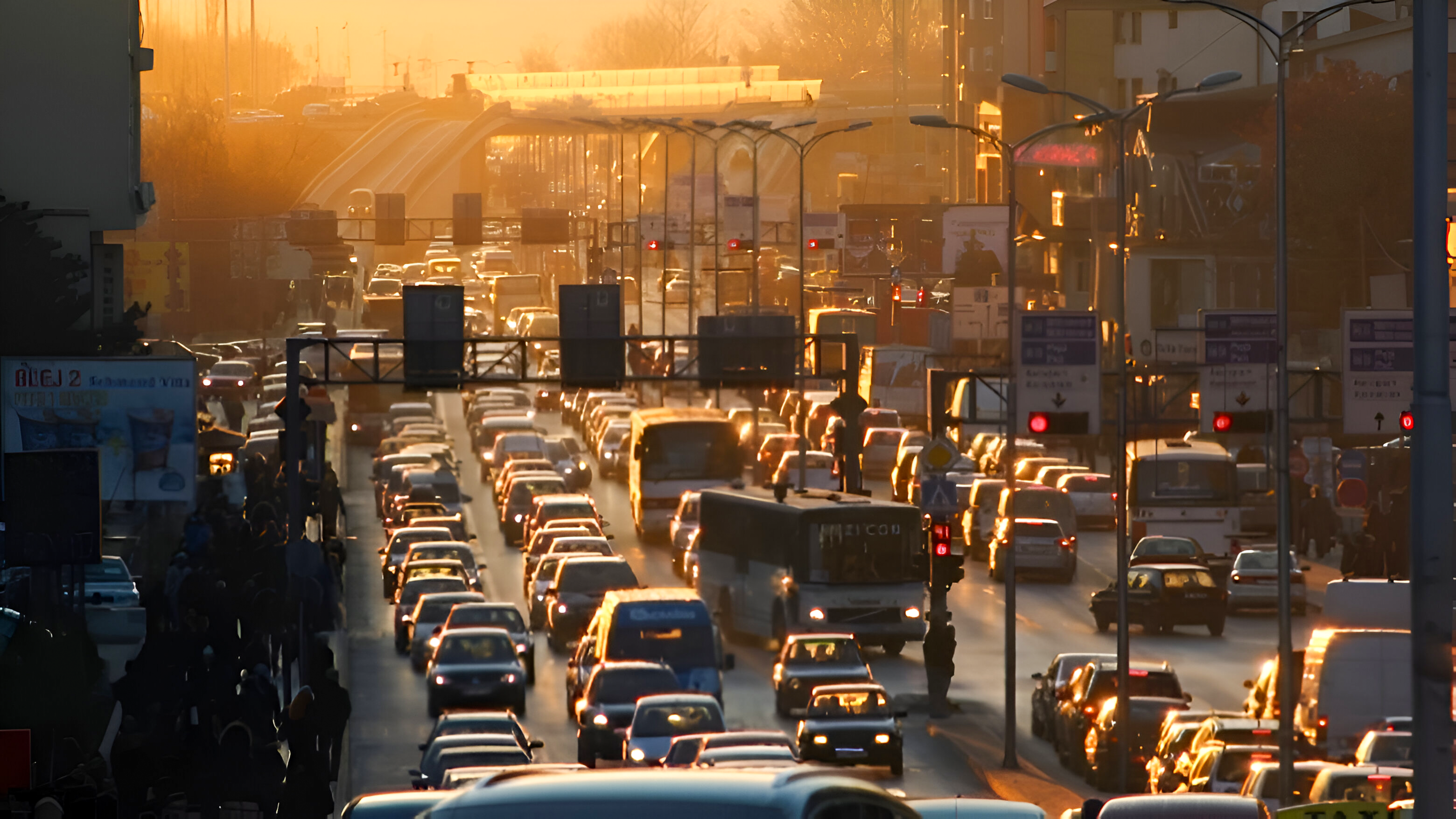
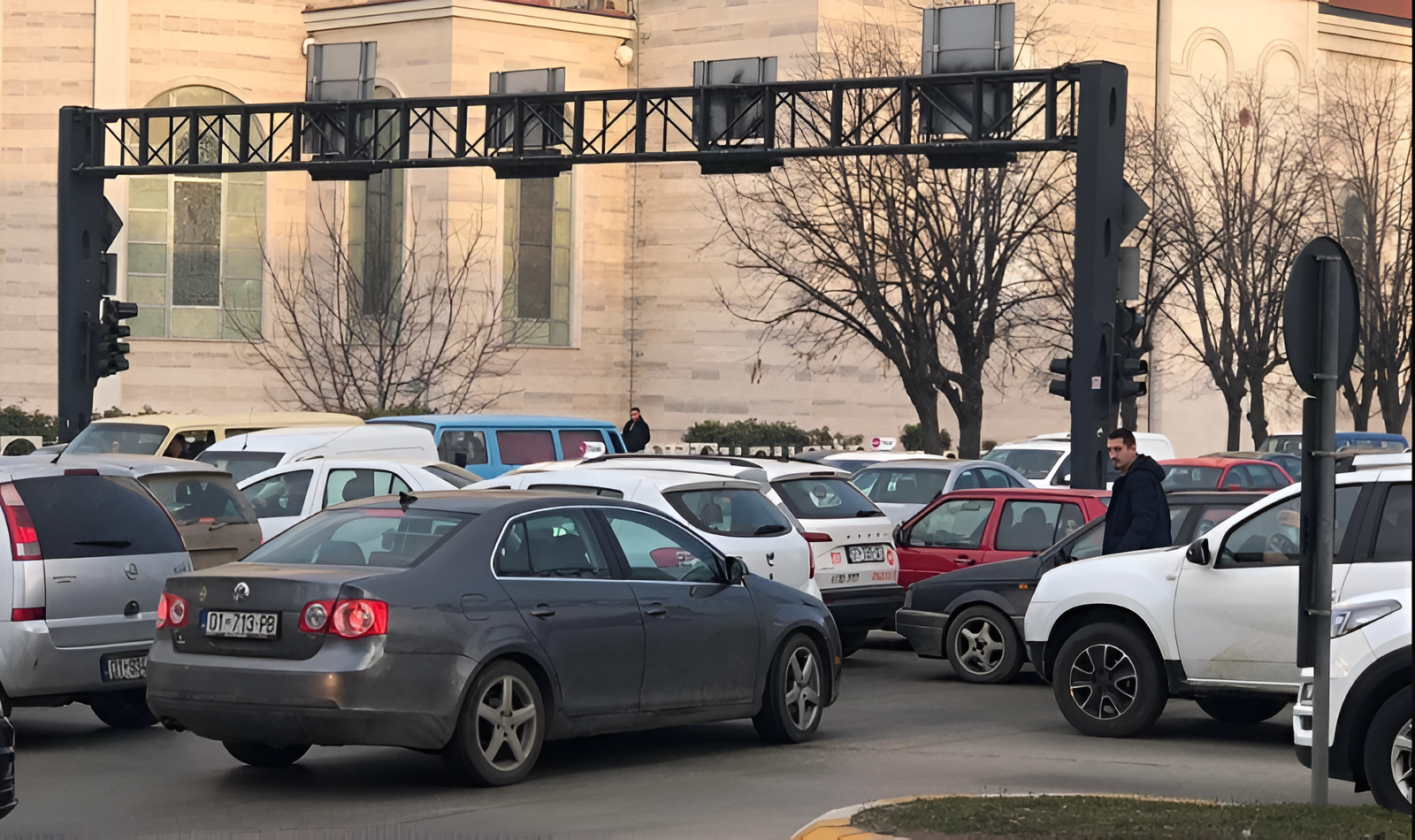
Phora emerged from a simple observation: many cities still manage intersections with fixed or poorly adaptive traffic signals that do not respond well to real urban conditions. This leads to avoidable congestion, higher emissions, delays for public transport, and unsafe or frustrating experiences for pedestrians and other vulnerable users. The concept was developed as a response to this gap, with the idea that AI and real-time data could help intersections become more responsive to people, not only to vehicles.
The concept development started with defining the mobility problems to be addressed, then translating them into a technical logic that could detect vehicles and pedestrians, classify priority situations, and optimise signal timing dynamically. A simulation environment was then built and tested on a laptop to validate the core concept before any live deployment. This process helped refine the initial architecture, identify the data needs for a real pilot, and confirm that the concept can move from a digital prototype toward testing in an actual urban intersection.
The concept development started with defining the mobility problems to be addressed, then translating them into a technical logic that could detect vehicles and pedestrians, classify priority situations, and optimise signal timing dynamically. A simulation environment was then built and tested on a laptop to validate the core concept before any live deployment. This process helped refine the initial architecture, identify the data needs for a real pilot, and confirm that the concept can move from a digital prototype toward testing in an actual urban intersection.
AI traffic management
Sustainable urban mobility
Public transport priority
Pedestrian safety
Inclusive smart-city innovation
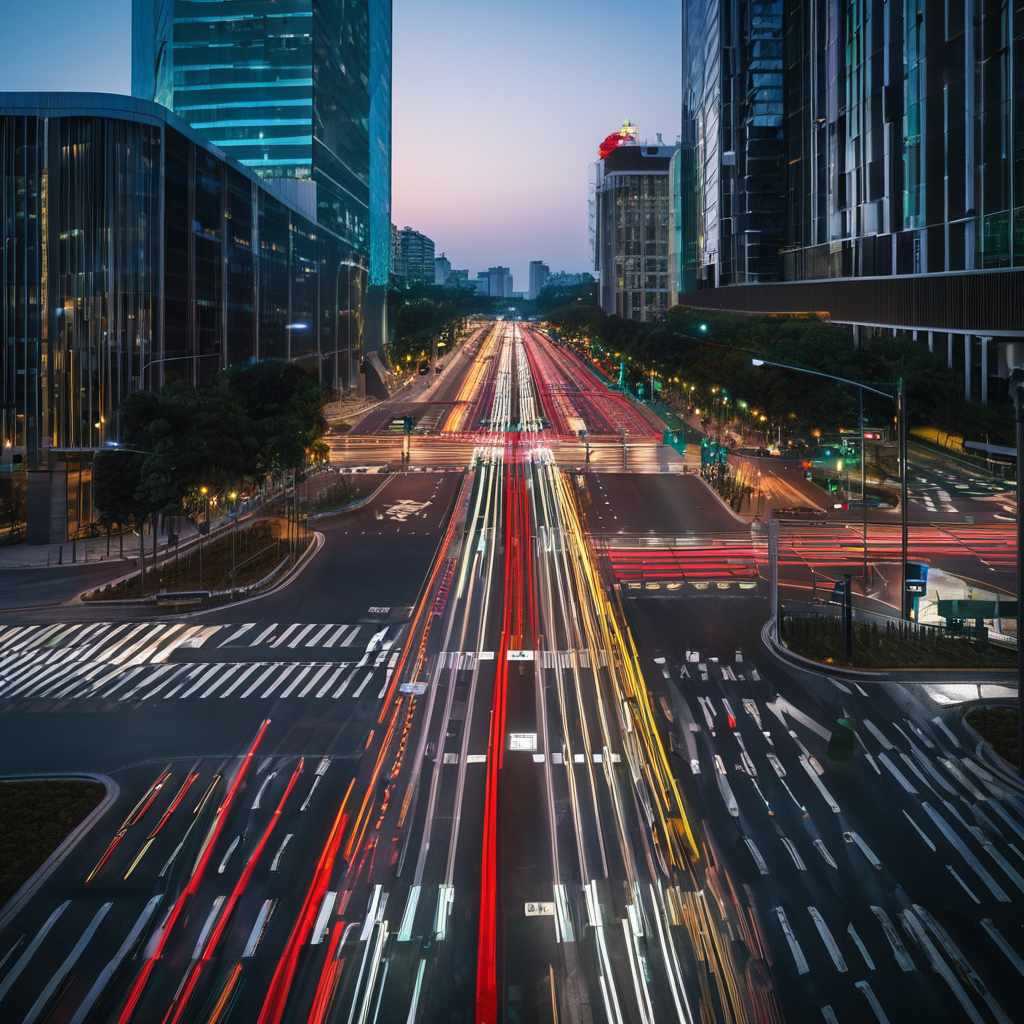
Phora addresses environmental and economic challenges linked to congestion, fuel waste and inefficient traffic flow in urban areas. Traditional traffic light systems often keep vehicles idling unnecessarily, delay public transport and fail to react to changing conditions such as peak hours, roadworks or incidents. By using real-time detection and adaptive signal management, Phora can reduce stop-and-go traffic, shorten unnecessary waiting times and contribute to lower transport-related emissions at the intersection level.
Its sustainability value also lies in using existing urban infrastructure more intelligently before cities resort to larger and more resource-intensive interventions. A smarter traffic management layer can improve the performance of the current road network, support more reliable public transport and make walking conditions safer and more attractive. In this way, Phora contributes to a more sustainable urban lifestyle by helping cities prioritise cleaner, more efficient and more people-oriented mobility. As a prototype-stage concept, its expected impact will be validated through a live pilot and measured against indicators such as waiting time, traffic flow, public transport priority and estimated emission reduction.
Its sustainability value also lies in using existing urban infrastructure more intelligently before cities resort to larger and more resource-intensive interventions. A smarter traffic management layer can improve the performance of the current road network, support more reliable public transport and make walking conditions safer and more attractive. In this way, Phora contributes to a more sustainable urban lifestyle by helping cities prioritise cleaner, more efficient and more people-oriented mobility. As a prototype-stage concept, its expected impact will be validated through a live pilot and measured against indicators such as waiting time, traffic flow, public transport priority and estimated emission reduction.
Phora contributes to the quality and experience of urban life by making intersections less stressful, more predictable and more human-centred. Although it is a digital traffic management concept rather than a physical redesign project, its aim is to improve how people experience streets in everyday life. A well-managed intersection can feel calmer, safer and easier to navigate, especially for pedestrians, people with reduced mobility, parents with strollers, public transport users and older persons.
The aesthetic value of Phora lies in supporting a more balanced and humane street environment. When traffic moves more efficiently, there is less chaotic queuing, less noise from repeated stopping and accelerating, and less visual and functional dominance of uncontrolled congestion. By prioritising people and collective mobility rather than only vehicle throughput, Phora supports the idea that urban environments should not only function better, but also feel better to use. In future pilots, this digital layer could also be combined with clearer signage and human-centred intersection design to strengthen the overall everyday experience of place.
The aesthetic value of Phora lies in supporting a more balanced and humane street environment. When traffic moves more efficiently, there is less chaotic queuing, less noise from repeated stopping and accelerating, and less visual and functional dominance of uncontrolled congestion. By prioritising people and collective mobility rather than only vehicle throughput, Phora supports the idea that urban environments should not only function better, but also feel better to use. In future pilots, this digital layer could also be combined with clearer signage and human-centred intersection design to strengthen the overall everyday experience of place.
Phora is designed around the idea that urban mobility systems should work for everyone, not only for the fastest or most dominant road users. The concept improves inclusion by giving greater attention to public transport, pedestrians, emergency responders and vulnerable road users such as people with disabilities, older persons, children and parents with strollers. Instead of treating all traffic flows in the same way, the system can adapt priorities according to safety, accessibility and public benefit.
Its inclusive character also lies in affordability and public value. Better traffic management can improve daily mobility without requiring every resident to own a private car or without immediately depending on large-scale reconstruction works. By making crossings safer and public transport movement more reliable, Phora can support more equal access to city services, jobs, education and public life. In the pilot phase, inclusion will also guide evaluation criteria, with attention given not only to traffic efficiency but also to how the solution improves everyday accessibility, fairness and safety for different user groups.
Its inclusive character also lies in affordability and public value. Better traffic management can improve daily mobility without requiring every resident to own a private car or without immediately depending on large-scale reconstruction works. By making crossings safer and public transport movement more reliable, Phora can support more equal access to city services, jobs, education and public life. In the pilot phase, inclusion will also guide evaluation criteria, with attention given not only to traffic efficiency but also to how the solution improves everyday accessibility, fairness and safety for different user groups.
At this stage, Phora has primarily been developed by the author as a response to real and visible mobility problems in urban life, especially congestion, unsafe crossings and the lack of intelligent prioritisation for public transport and vulnerable road users. The concept has so far been shaped through problem observation, technical experimentation and the translation of everyday traffic challenges into a prototype logic that can later be tested in practice.
Participation will become a central part of the next phase. During pilot preparation and implementation, the concept is intended to be discussed with municipal actors, traffic engineers, public transport representatives and local users of the pilot area. Feedback from pedestrians, drivers, public transport operators and accessibility-focused stakeholders will help refine priorities, identify specific problem points and evaluate the real-life usability of the solution. Their participation is expected to improve both the technical performance and the public relevance of the concept, ensuring that Phora responds to concrete local needs rather than remaining only a technical exercise.
Participation will become a central part of the next phase. During pilot preparation and implementation, the concept is intended to be discussed with municipal actors, traffic engineers, public transport representatives and local users of the pilot area. Feedback from pedestrians, drivers, public transport operators and accessibility-focused stakeholders will help refine priorities, identify specific problem points and evaluate the real-life usability of the solution. Their participation is expected to improve both the technical performance and the public relevance of the concept, ensuring that Phora responds to concrete local needs rather than remaining only a technical exercise.
Phora requires cooperation across several governance levels because smarter urban mobility depends on both local implementation and broader institutional support. At local level, municipalities and traffic management authorities are essential for selecting pilot sites, granting permissions, sharing local traffic knowledge and supporting practical implementation. Public transport operators and emergency-response stakeholders are also important because the concept aims to improve priority handling for services with high public value.
At regional and wider European level, the concept connects with broader goals around sustainable urban mobility, digital innovation, accessibility and climate-conscious city management. Engagement at these levels can provide access to knowledge exchange, policy alignment and future funding or partnership opportunities. The added value of multilevel governance is that it helps Phora move from an isolated prototype to a solution that is compatible with public needs, operational realities and wider strategic priorities. This is especially important if the concept is later transferred from one pilot city to other municipalities or regional contexts.
At regional and wider European level, the concept connects with broader goals around sustainable urban mobility, digital innovation, accessibility and climate-conscious city management. Engagement at these levels can provide access to knowledge exchange, policy alignment and future funding or partnership opportunities. The added value of multilevel governance is that it helps Phora move from an isolated prototype to a solution that is compatible with public needs, operational realities and wider strategic priorities. This is especially important if the concept is later transferred from one pilot city to other municipalities or regional contexts.
Phora is inherently transdisciplinary because it sits at the intersection of several fields. It combines digital technologies such as artificial intelligence, computer vision, real-time data analysis and adaptive control systems with traffic engineering and urban mobility planning. At the same time, it also draws on accessibility thinking, public policy and environmental sustainability, since the concept is not only about moving traffic faster but about improving safety, fairness and quality of life in urban space.
Its implementation would benefit from collaboration between software and AI developers, traffic engineers, municipalities, public transport stakeholders, accessibility advocates and environmental or urban policy experts. This mix of disciplines is necessary to ensure that the concept is technically viable, socially relevant and aligned with public-interest goals. In that sense, Phora is not only a technology project; it is a mobility and urban transformation concept that requires technical, civic and policy perspectives to work effectively in practice.
Its implementation would benefit from collaboration between software and AI developers, traffic engineers, municipalities, public transport stakeholders, accessibility advocates and environmental or urban policy experts. This mix of disciplines is necessary to ensure that the concept is technically viable, socially relevant and aligned with public-interest goals. In that sense, Phora is not only a technology project; it is a mobility and urban transformation concept that requires technical, civic and policy perspectives to work effectively in practice.
Phora is conceived as a business-to-government and public-interest urban technology solution. In its early stage, the concept would likely rely on a mix of pilot funding, innovation support and public-sector collaboration to validate the first live implementation. The initial business model would focus on pilot partnerships with municipalities or local traffic authorities, where Phora is tested at selected intersections and its impact is measured against agreed performance indicators such as waiting times, safety improvements, public transport priority and estimated emission reductions.
Over time, financial sustainability could come from a combination of setup fees, software licensing or annual service contracts, system maintenance, and optional analytics or support services for municipal partners. The concept is designed to be modular, which makes it possible to start small at one intersection and scale gradually across a city. Partnerships with camera, sensor, cloud or infrastructure providers could also support implementation without requiring Phora to build every hardware component itself. This creates a realistic pathway from prototype and pilot stage toward a sustainable urban mobility solution with recurring public-sector demand.
Over time, financial sustainability could come from a combination of setup fees, software licensing or annual service contracts, system maintenance, and optional analytics or support services for municipal partners. The concept is designed to be modular, which makes it possible to start small at one intersection and scale gradually across a city. Partnerships with camera, sensor, cloud or infrastructure providers could also support implementation without requiring Phora to build every hardware component itself. This creates a realistic pathway from prototype and pilot stage toward a sustainable urban mobility solution with recurring public-sector demand.
Several elements of Phora are designed to be transferable and replicable. The core methodology of using real-time detection, adaptive prioritisation and AI-supported signal logic can be applied in different intersections, districts and cities. The concept does not depend on one specific location; instead, it can be calibrated to different traffic patterns, road hierarchies and local priorities. The modular nature of the system also means that cities can begin with one pilot intersection and expand step by step based on results and budget.
What is especially replicable is the logic behind the concept: prioritising public transport, improving pedestrian safety, supporting emergency response and reducing congestion through data-driven management. These principles are relevant in many urban contexts, especially in growing cities facing pressure on mobility, safety and emissions. Phora can also be adapted to different use cases such as school areas, busy pedestrian corridors, public transport routes, event traffic or temporary disruptions like roadworks. This makes it a concept with strong potential for transfer not only across geographies but also across different mobility-management scenarios.
What is especially replicable is the logic behind the concept: prioritising public transport, improving pedestrian safety, supporting emergency response and reducing congestion through data-driven management. These principles are relevant in many urban contexts, especially in growing cities facing pressure on mobility, safety and emissions. Phora can also be adapted to different use cases such as school areas, busy pedestrian corridors, public transport routes, event traffic or temporary disruptions like roadworks. This makes it a concept with strong potential for transfer not only across geographies but also across different mobility-management scenarios.
In the year following the application, the main objective is to move Phora from simulation-based validation to a real pilot environment. The first step is to identify and confirm a suitable pilot intersection in Kosovo in cooperation with relevant local stakeholders. After that, the concept will be refined for the selected site, including the technical requirements for camera placement, detection logic, traffic-signal integration and data collection. A live testing setup will then be prepared so that the AI models can begin learning from real traffic conditions.
The implementation path foresees a phased approach: site selection, technical setup, data collection, model training and validation, limited pilot operation, and impact assessment. The pilot will focus on measurable outcomes such as vehicle waiting time, pedestrian responsiveness, public transport priority handling, and estimated environmental benefits. The results will be used to improve the concept, prepare documentation for future municipal deployment and build the case for replication in other locations. This next-year plan shows a concrete commitment to moving from concept to practice in a structured and measurable way.
The implementation path foresees a phased approach: site selection, technical setup, data collection, model training and validation, limited pilot operation, and impact assessment. The pilot will focus on measurable outcomes such as vehicle waiting time, pedestrian responsiveness, public transport priority handling, and estimated environmental benefits. The results will be used to improve the concept, prepare documentation for future municipal deployment and build the case for replication in other locations. This next-year plan shows a concrete commitment to moving from concept to practice in a structured and measurable way.