Enhancing Circularity, Sustainability, and Innovation
WaveHalt
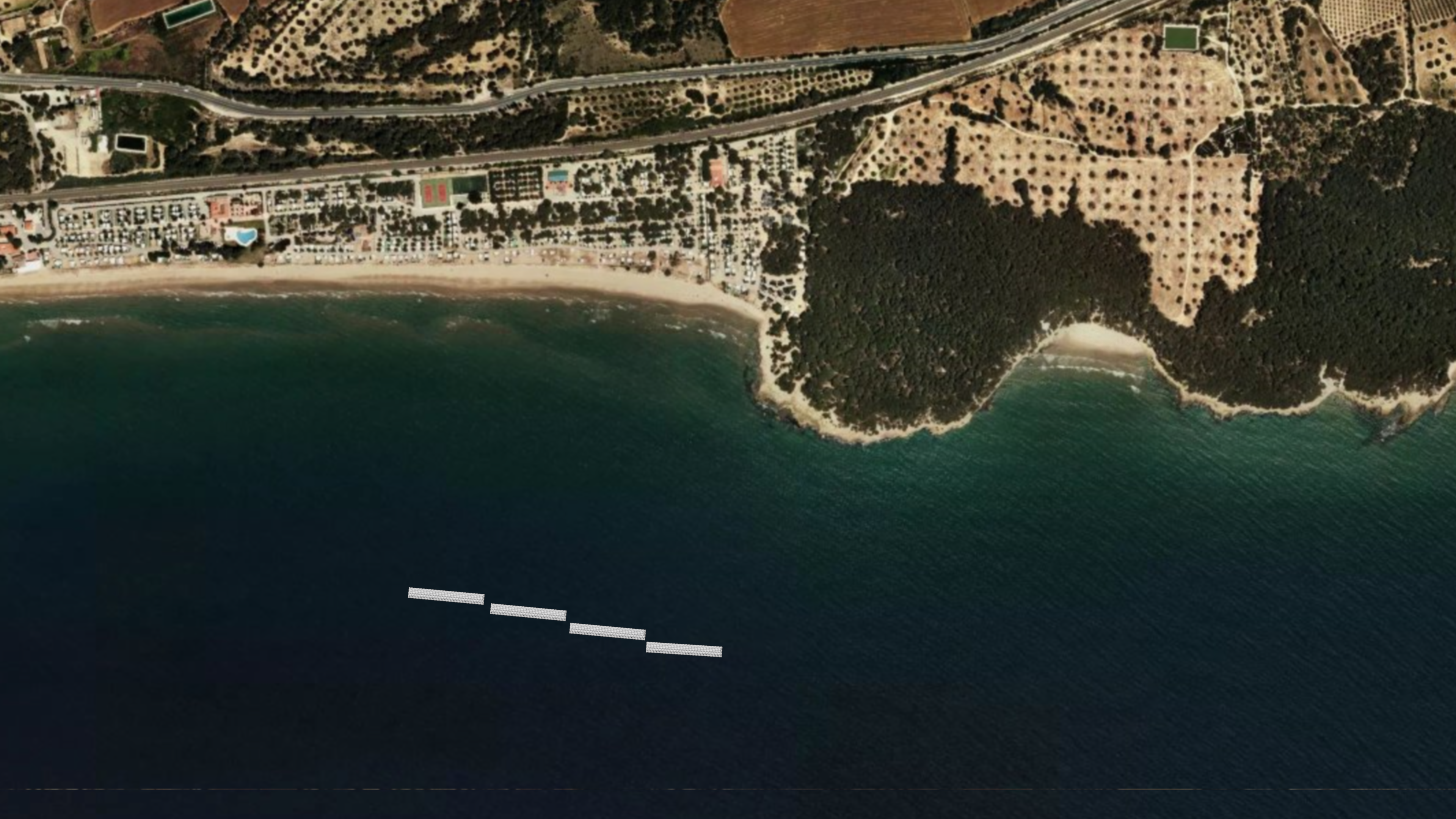
WaveHalt. Artificial Reef System to Prevent Beach Erosion in Platja Llarga
WaveHalt is a modular artificial reef system designed to protect coastlines from erosion while restoring marine ecosystems. It reduces wave energy before it reaches the shore, stabilizing sediments and preventing beach loss, while creating habitats for native species. WaveHalt integrates storm-focused engineering research with parametric design to adapt its geometry and scale to site-specific conditions. Its uniqueness lies in redefining coastal protection as ecological infrastructure.
Spain
Local
Tarragona, Catalonia
It addresses urban-rural linkages
It involves a physical transformation of the built environment (hard investment)
Early concept
No
No
Yes
Individual
WaveHalt is a regenerative coastal protection concept based on a modular artificial reef system designed to reduce beach erosion while restoring marine ecosystems. The project addresses the growing instability of sandy coastlines caused by climate change, sea-level rise, and human intervention.
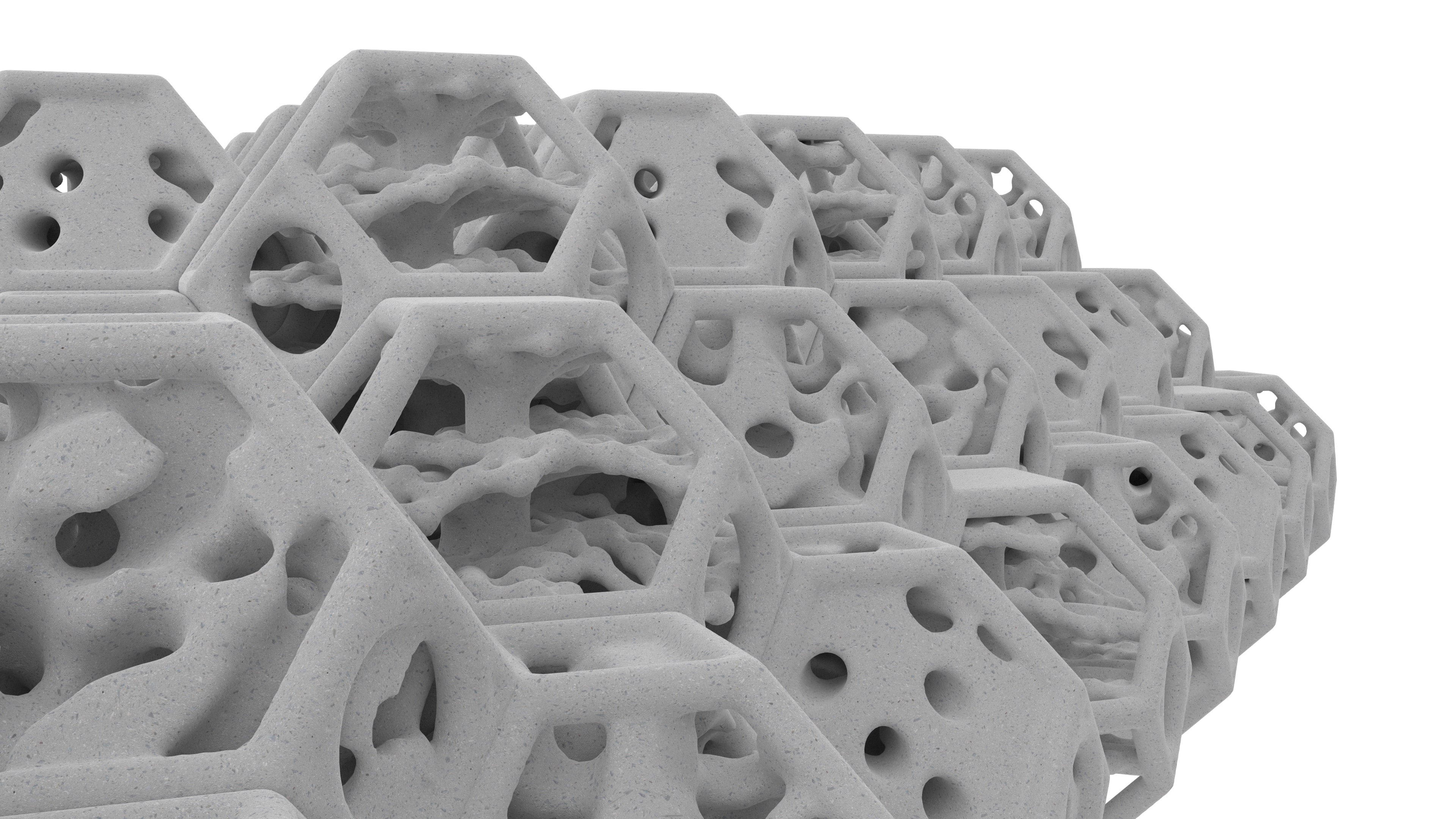
Unlike traditional erosion-control infrastructures such as seawalls or groynes, which often disrupt natural sediment dynamics, WaveHalt proposes a nature-integrated approach. The system consists of strategically deployed reef modules placed offshore to modify wave propagation patterns. By reducing and redistributing wave energy before it reaches the shoreline, the reef system aims to stabilize sediment transport processes and mitigate sand loss.
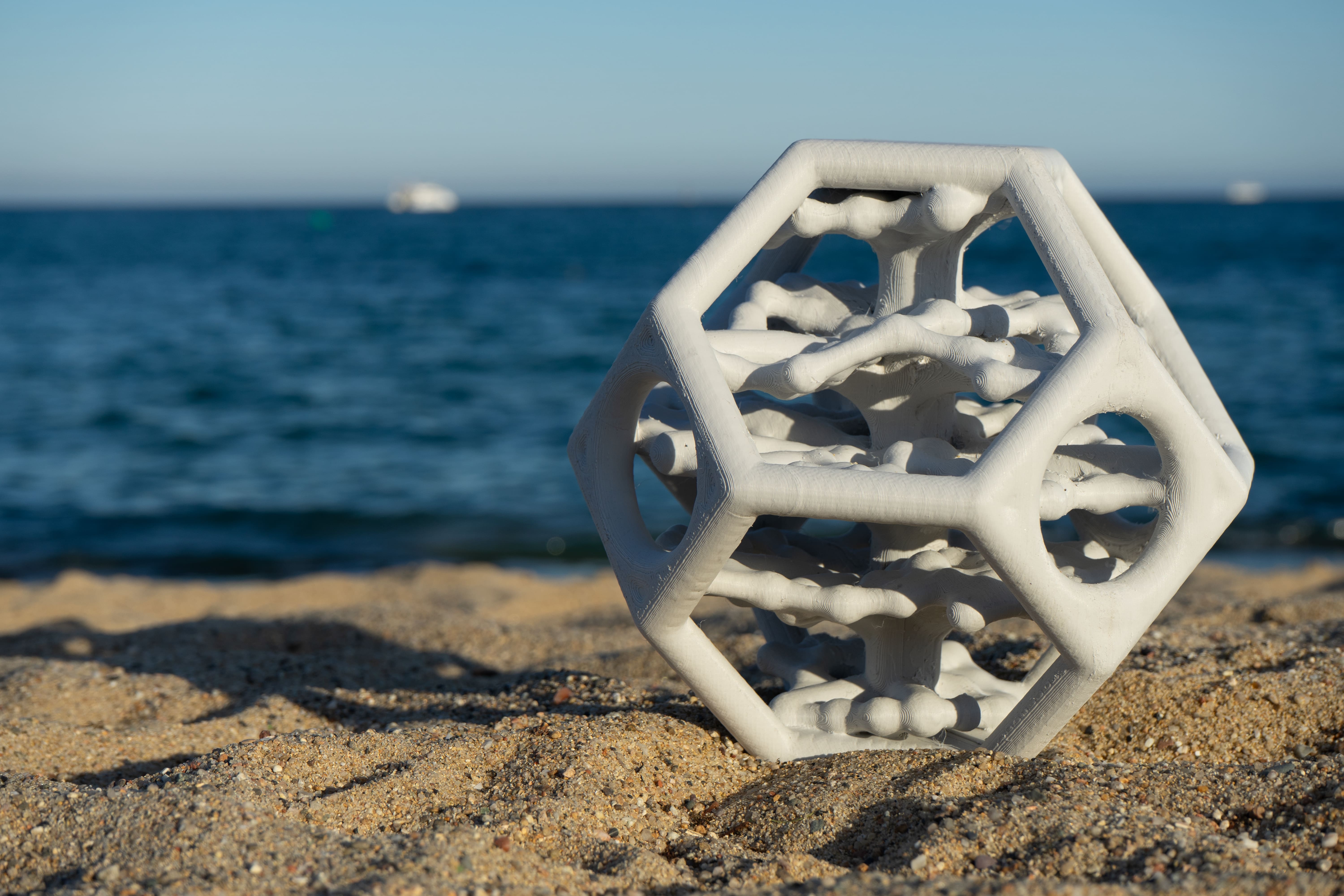
At the same time, the geometry of the modules is designed to act as structured habitats for native marine species. The artificial reef provides surfaces and micro-environments suitable for colonization by algae, invertebrates, and fish, supporting the regeneration of local biodiversity.
The concept has been developed through an interdisciplinary research process combining coastal engineering and regenerative design. Wave propagation modelling was used to analyze how waves interact with the seabed and to determine optimal reef placement. Computational Fluid Dynamics (CFD) simulations were then conducted to evaluate the hydrodynamic performance of the proposed geometries.
The project focuses on defining the minimum functional parameters required for a reef system capable of influencing coastal dynamics while maintaining ecological value. The result is a scalable and modular coastal intervention strategy that can be implemented gradually and adapted to different coastal contexts.
WaveHalt aims to demonstrate how artificial reefs can function not only as ecological restoration tools but also as multifunctional coastal infrastructure capable of protecting vulnerable shorelines while regenerating marine habitats.
I grew up on this coastline. Some of my earliest memories are of these beaches, long summer days, the sound of the waves, the feeling that the sea and the land belonged together in a delicate balance.
Over the years, I began to notice something slowly changing. Each season the shoreline seemed slightly closer. The dunes were smaller. Areas where we once played were gone. What once felt permanent was quietly disappearing.
Watching the sea slowly reclaim the beach created a deep sense of concern and responsibility in me. It was not just a landscape changing — it was a place filled with collective memory, identity and belonging.
This personal experience became the starting point of WaveHalt.
I began researching coastal erosion and the role artificial reefs can play in modifying wave energy before it reaches the shore. The concept was developed through a design-driven engineering process combining coastal research, parametric modelling and environmental simulation. Computational fluid dynamics (CFD) tools were used to study how waves interact with reef geometries, while structural simulations helped evaluate the feasibility of the structures.
WaveHalt proposes a modular artificial reef system designed to reduce wave energy, promote sediment retention and encourage marine biodiversity growth. The project explores how engineered coastal infrastructure can simultaneously function as ecological habitat and protective landscape infrastructure.
At its core, WaveHalt is driven by a simple idea:
“Rebuilding the memory of a coastline lost to time.”
Marine ecosystem regeneration
Parametric nature-inspired design
Coastal erosion mitigation
Modular regenerative structure
Marine biodiversity restoration
WaveHalt addresses multiple environmental and socio-economic challenges through a nature-based coastal protection strategy.
Coastal erosion is accelerating worldwide due to sea-level rise, changing storm patterns, and human interference in natural sediment cycles. Traditional solutions such as seawalls, groynes, or large-scale sand nourishment often require constant maintenance and can negatively impact surrounding ecosystems by altering sediment transport or damaging seabed habitats.
WaveHalt proposes a regenerative alternative that works with natural coastal dynamics instead of opposing them. The submerged reef modules are designed to modify wave propagation patterns, reducing the most destructive wave energy before it reaches the shoreline. By redistributing this energy, the system aims to stabilize sediment transport and mitigate beach erosion while preserving natural coastal processes.
At the same time, the structures provide ecological value by acting as artificial habitats for marine organisms. Their geometry creates sheltered micro-environments where algae, invertebrates, and fish can establish, helping restore biodiversity in degraded seabeds.
From a resource perspective, the system is conceived as modular and deployable in phases, allowing gradual implementation and monitoring. This reduces environmental impact during installation and enables adaptive management based on observed coastal responses.
By integrating coastal engineering with ecological regeneration, WaveHalt demonstrates how coastal infrastructure can move beyond purely defensive strategies toward solutions that actively restore environmental resilience while protecting coastal landscapes.
WaveHalt approaches aesthetics not only as visual beauty, but as the restoration of a meaningful relationship between people and place.
Underwater, the structures are designed to function as ecological infrastructure: artificial reefs that slow wave energy, stabilize sediment and provide surfaces for marine life colonization. Over time, they become living habitats that support biodiversity and restore underwater ecosystems.
But the beauty of WaveHalt also emerges through its consequences.
By reducing coastal erosion and encouraging sediment accumulation, the system helps beaches recover and stabilize. This gradual regeneration allows communities to reconnect with landscapes that may have been disappearing for decades.
For many coastal communities, beaches are not only physical environments but shared cultural spaces. Their loss affects identity, memory and the everyday experience of living near the sea.
Restoring these environments means restoring something emotional as well.
WaveHalt therefore contributes to a renewed sense of care and belonging, a landscape where ecological recovery and human experience reinforce each other.
It is about allowing people to once again walk, gather and feel at home in a place that once seemed destined to disappear.
WaveHalt promotes inclusive coastal resilience by addressing environmental challenges that affect both ecosystems and coastal communities.
Beaches are shared public spaces with ecological, cultural, and economic importance. However, coastal erosion threatens these environments, particularly in regions where tourism, local economies, and social life depend on access to healthy shorelines. By mitigating erosion and stabilizing beaches, WaveHalt helps protect spaces that are accessible and valuable to diverse groups of people.
The concept is also designed to be adaptable and scalable, allowing implementation in a wide range of coastal contexts, including regions with limited financial resources. The modular nature of the reef system enables phased deployment and flexible investment strategies, making it more accessible than large-scale infrastructure projects that require significant upfront capital.
From a design perspective, the project follows principles of environmental justice and long-term stewardship. The regeneration of marine habitats benefits not only biodiversity but also communities that depend on fishing, recreation, and tourism.
WaveHalt therefore contributes to a model of coastal management where environmental restoration, social value, and economic sustainability are considered together, ensuring that coastal protection strategies remain beneficial and accessible to present and future generations.
The development of WaveHalt has been informed through collaboration with experts and stakeholders from different fields involved in coastal management and marine ecology.
The project was developed in dialogue with marine biologists, computational designers, and coastal engineering specialists. Their expertise helped guide both the ecological and hydrodynamic aspects of the design, ensuring that the reef structures respond to real environmental conditions and scientific knowledge.
In particular, collaboration with specialists in coastal morphodynamics contributed to the understanding of wave propagation, sediment transport, and shoreline evolution. These insights were essential for defining the hydrodynamic principles that guide the reef system’s design.
This exchange of knowledge influenced the design process by integrating scientific perspectives into the early stages of concept development. It ensured that the project was not only technically viable but also aligned with ecological and environmental considerations.
In future implementation phases, broader participation from local communities, environmental organizations, and coastal authorities is envisioned. Monitoring programs, citizen science initiatives, and educational activities could allow residents and visitors to engage directly with the restoration of their coastal ecosystems.
Through this evolving participatory approach, WaveHalt aims to become not only a design intervention but also a collaborative framework for coastal regeneration.
WaveHalt operates within a multi-level governance framework that involves stakeholders from local, regional, and European levels.
At the local level, the project addresses the specific environmental challenges of vulnerable coastal areas such as Platja Llarga in Tarragona. Local authorities, environmental organizations, and coastal management agencies would play a key role in permitting, monitoring, and integrating the reef system within existing coastal protection strategies.
At the regional level, collaboration with research institutions and coastal engineering laboratories contributes scientific expertise on wave dynamics, sediment transport, and coastal risk management.
At the European level, the concept aligns with broader environmental initiatives that promote nature-based solutions for climate adaptation, coastal resilience, and marine ecosystem restoration. Programs supporting coastal regeneration and sustainable blue economies provide a policy framework within which projects like WaveHalt can be implemented and expanded.
This multi-level collaboration ensures that the project benefits from scientific knowledge, regulatory support, and long-term environmental strategies.
By connecting local coastal challenges with wider environmental policies and research networks, WaveHalt demonstrates how regenerative infrastructure can contribute to coordinated and scalable coastal resilience efforts.
WaveHalt is inherently transdisciplinary, combining knowledge and methods from multiple fields to address a complex environmental challenge.
The project brings together coastal engineering, industrial design, marine biology, and computational design. Coastal engineering principles were used to understand wave dynamics, sediment transport, and shoreline evolution, forming the scientific basis for the reef’s function as an erosion mitigation system.
Computational design tools were used to develop and test reef geometries through parametric modeling and digital simulations. Computational Fluid Dynamics (CFD) simulations allowed the evaluation of hydrodynamic behavior around the structures, helping optimize their performance.
Marine ecological knowledge informed the design of habitat-supporting geometries capable of promoting colonization by local species. The integration of ecological criteria ensures that the reef functions not only as an engineering structure but also as a living substrate within the marine ecosystem.
Finally, industrial design methods guided the modularity, scalability, and practical deployment of the system, ensuring that the concept remains feasible from both technical and implementation perspectives.
By merging scientific research, digital technologies, and design thinking, WaveHalt demonstrates how transdisciplinary approaches can generate innovative solutions for environmental regeneration.
WaveHalt envisions a hybrid financial model combining public coastal protection investment with emerging environmental finance mechanisms.
Coastal erosion mitigation is typically funded through public infrastructure programs at municipal, regional or national levels. WaveHalt can function as part of these coastal adaptation strategies, providing protective infrastructure while simultaneously delivering ecological restoration.
Beyond traditional funding, the project opens opportunities within blue carbon and carbon credit markets. Artificial reef systems that enhance marine ecosystems can contribute to carbon sequestration through the growth of marine organisms and sediment stabilization processes. As methodologies for marine carbon accounting evolve, projects like WaveHalt could generate verified carbon credits.
These credits may become valuable assets for companies seeking to meet sustainability targets or compensate unavoidable emissions through nature-positive investments.
In addition, WaveHalt could attract funding through:
• environmental innovation grants
• EU climate adaptation programs
• public-private partnerships
• impact investment funds focused on nature restoration
• corporate biodiversity compensation initiatives
Scalability is one of the strongest aspects.
The entire system has been developed through a parametric design methodology, meaning that the geometry of the reef structures is defined by a set of environmental parameters rather than fixed dimensions. Key variables such as wave height, wave period, bathymetry, seabed composition and sediment transport patterns can be integrated into the design model.
By adjusting these parameters, the reef geometry can be automatically adapted to the specific conditions of a new site.
This approach allows the design to be rapidly reconfigured for different coastlines, making the concept highly transferable to other regions experiencing similar erosion challenges.
The modular nature of the structures further enhances scalability. Individual units can be produced using standardized fabrication processes and deployed in different spatial configurations depending on the desired wave attenuation and ecological goals.
Beyond the physical structures themselves, the methodology behind WaveHalt, combining parametric design, environmental simulation and ecosystem-focused infrastructure, can be replicated in many coastal contexts worldwide.
WaveHalt is the result of a deep personal and professional commitment to addressing coastal erosion through design, engineering and environmental research.
While the project is currently a conceptual and research-driven proposal, its purpose is to spark concrete conversations about how coastal protection infrastructure can evolve to become more ecological, adaptive and socially meaningful.
In the coming year, the primary objective is to continue sharing and presenting the concept in academic, design and environmental innovation contexts. By bringing WaveHalt into discussions with coastal researchers, designers, engineers and policy makers, the project aims to contribute to a broader dialogue about sustainable coastal protection strategies.
The intention is not only to promote a single design solution, but to encourage new approaches and collaborations capable of protecting vulnerable coastlines.
Ultimately, WaveHalt seeks to raise awareness and inspire further research, design proposals and pilot initiatives that can help communities respond to coastal erosion challenges.
Because protecting these landscapes is not only an environmental necessity, it is also about safeguarding places that hold collective memory and meaning for future generations.