Enhancing Circularity, Sustainability, and Innovation
Algaemesis
Algaemesis / a new design exploration of invasive algae
The research investigates the evolving role of designers in developing more sustainable production systems. Addressing issues such as climate change and water eutrophication, it explores invasive algae as an underused biomass. Through experimentation, an algae-based biocomposite was developed and analyzed in production, properties, and applications. The project highlights how design can transform waste into a resource, supporting circular economy and environmentally responsible practices.
Italy
Local
Milan (MI), Lake Endine (BG)
Mainly rural
It involves a physical transformation of the built environment (hard investment)
Prototype level
No
No
Yes
Individual
Algaemesis is a design research project that explores how invasive algae, currently considered an environmental problem and difficult waste, can be transformed into a valuable and sustainable biomaterial for product design.
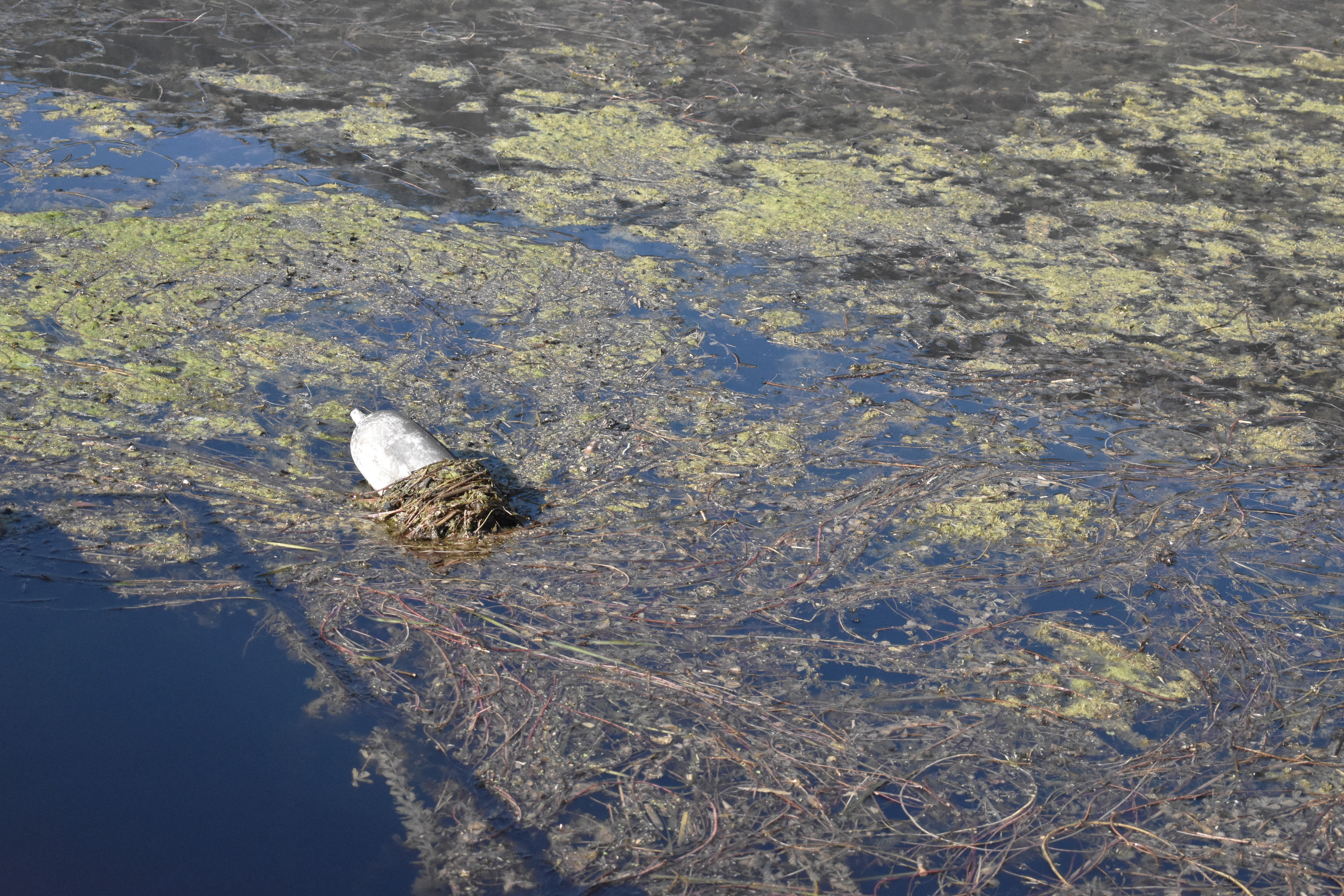
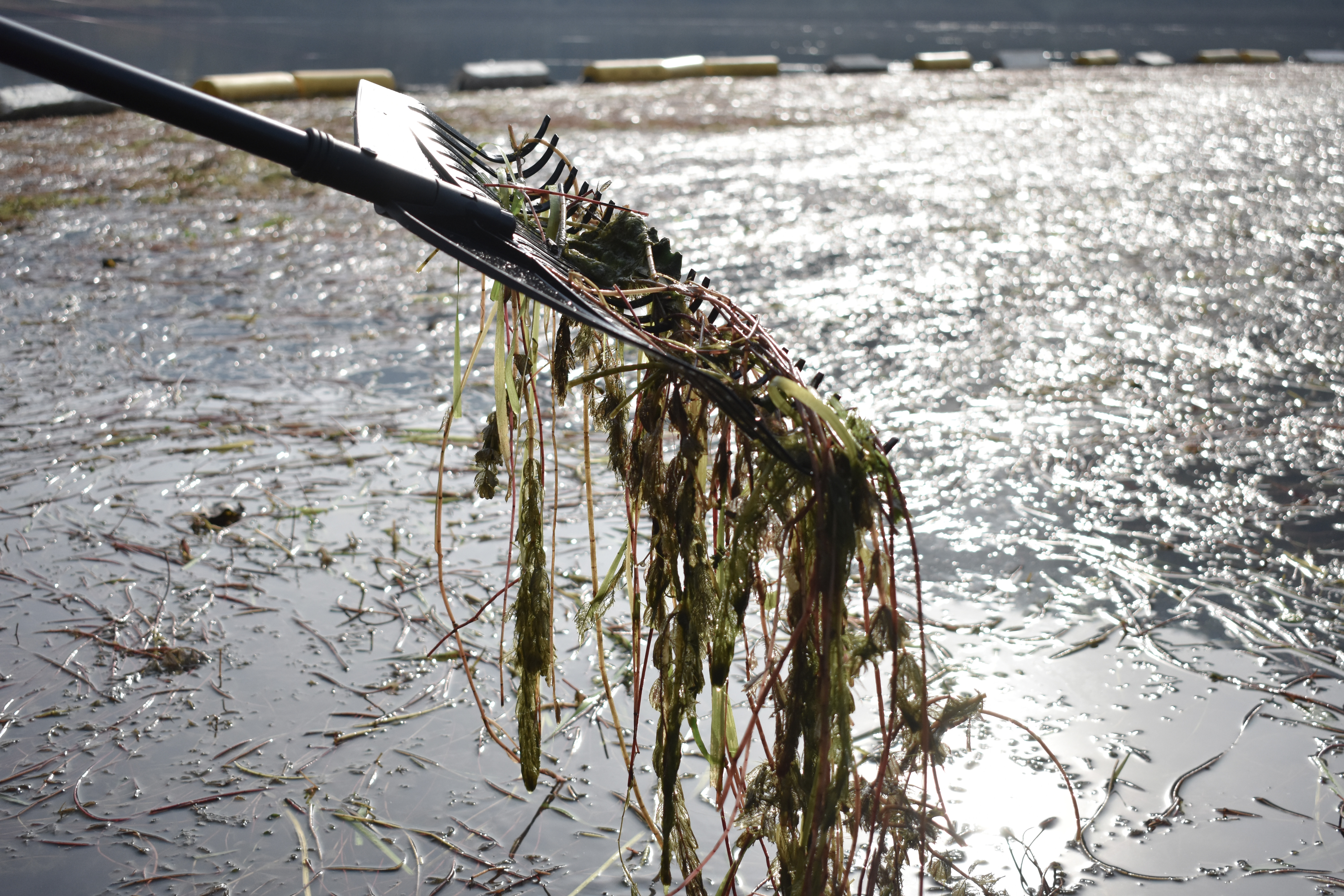
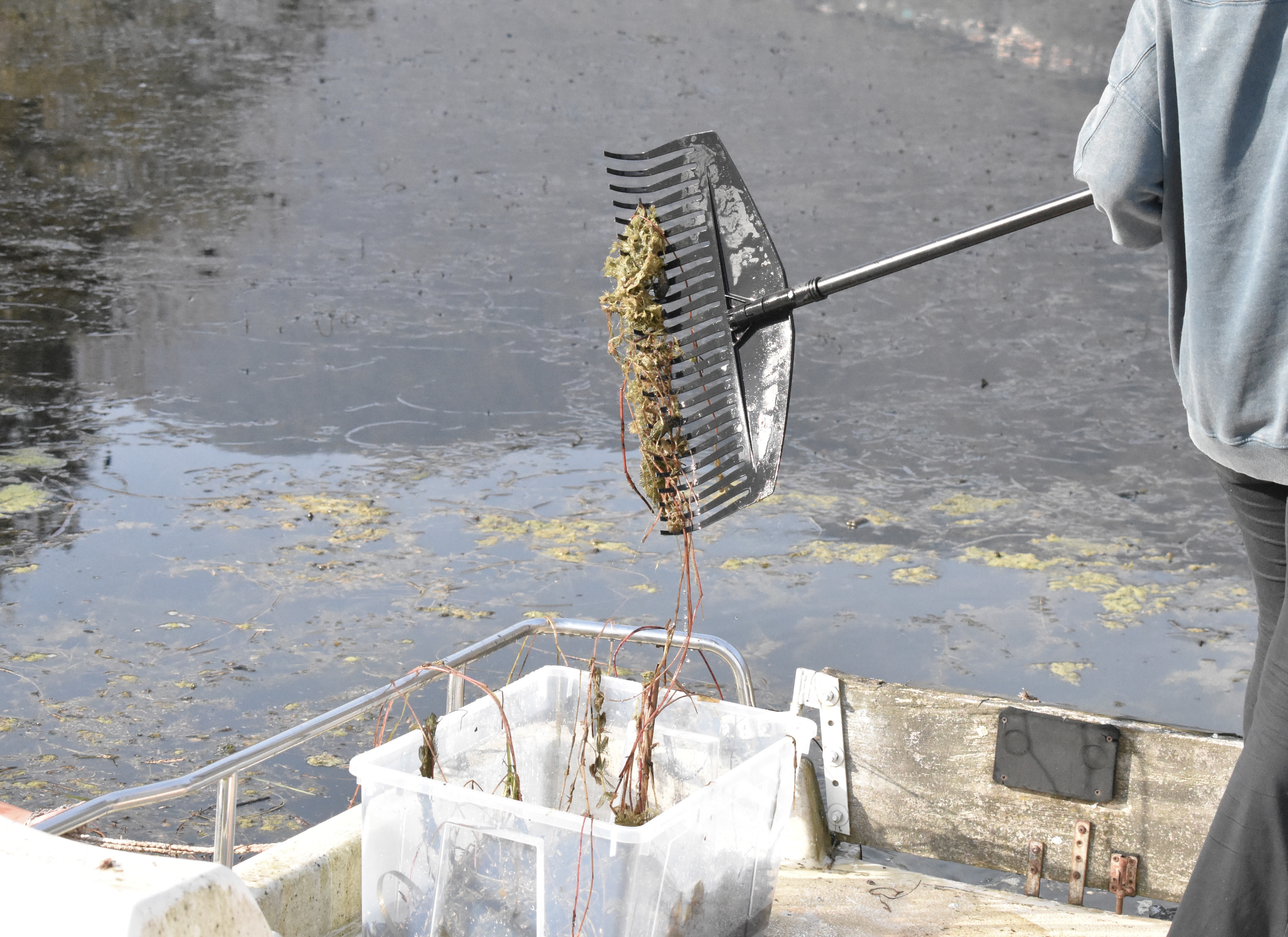
The project originates from the ecological issue of eutrophication, a process intensified by climate change and agricultural pollution that leads to the excessive proliferation of aquatic plants and algae in lakes and freshwater ecosystems. These blooms compromise biodiversity, reduce water quality, and require costly removal operations. Once collected, the biomass is usually treated as waste. The project proposes a radical shift in perspective: considering this overabundant biomass as a renewable resource for material innovation.
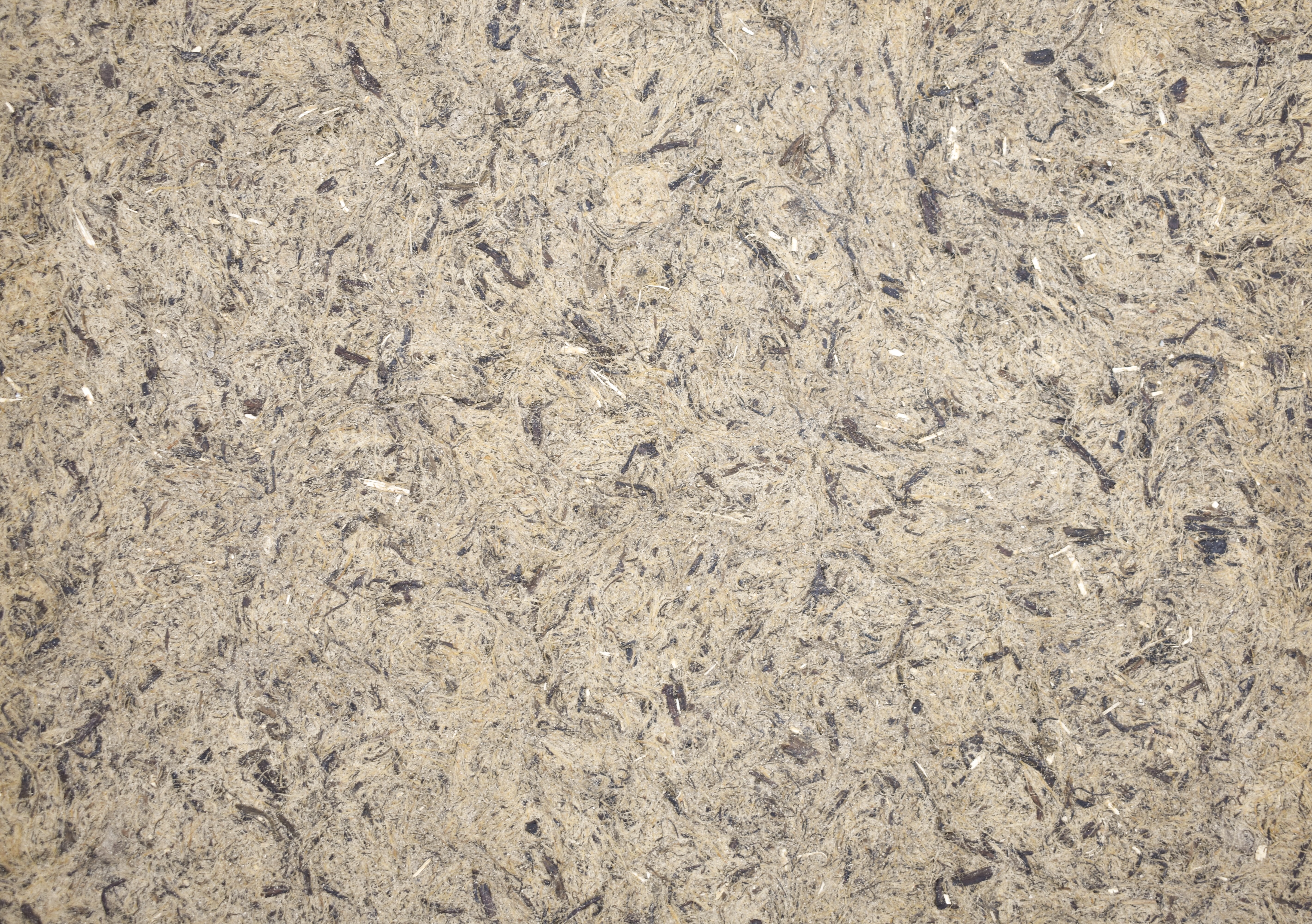
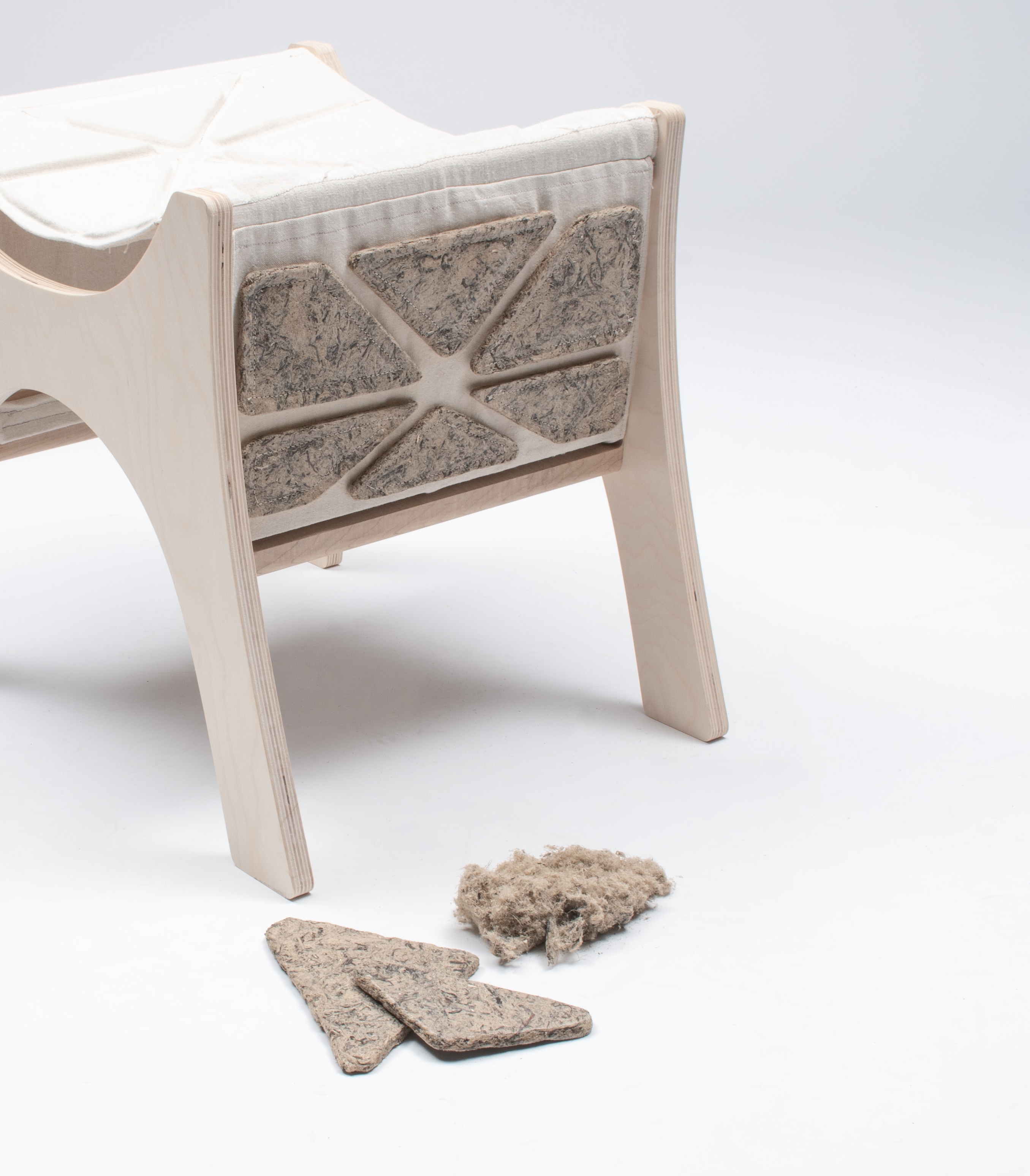
Through an experimental design process combining the Do-It-Yourself approach and the Material Driven Design (MDD) methodology, a new fully bio-based composite material was developed using invasive macroalgae, hemp fibres, and a corn-starch natural binder. The resulting biomaterial is renewable, non-toxic, repairable and potentially recyclable through reprocessing.
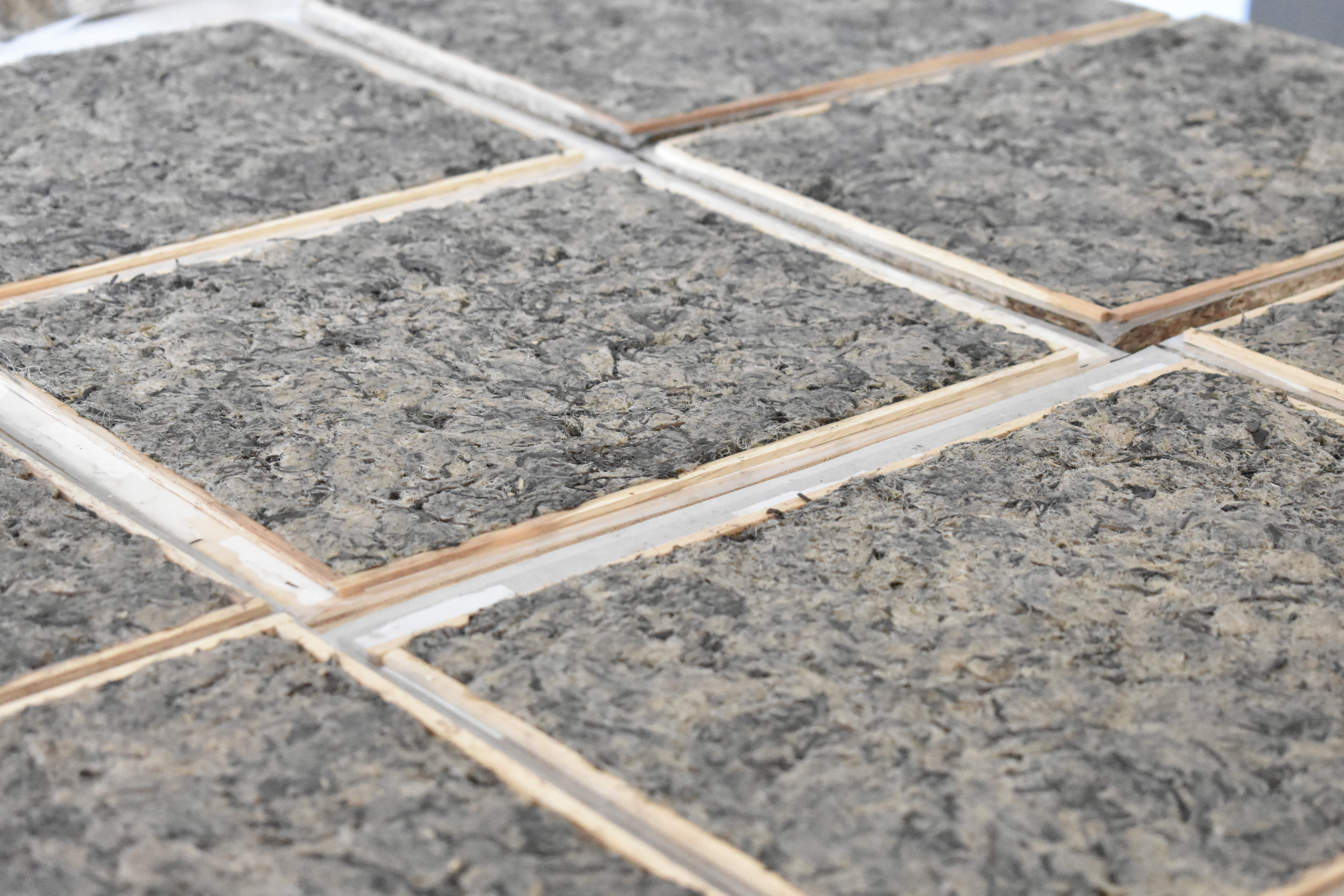
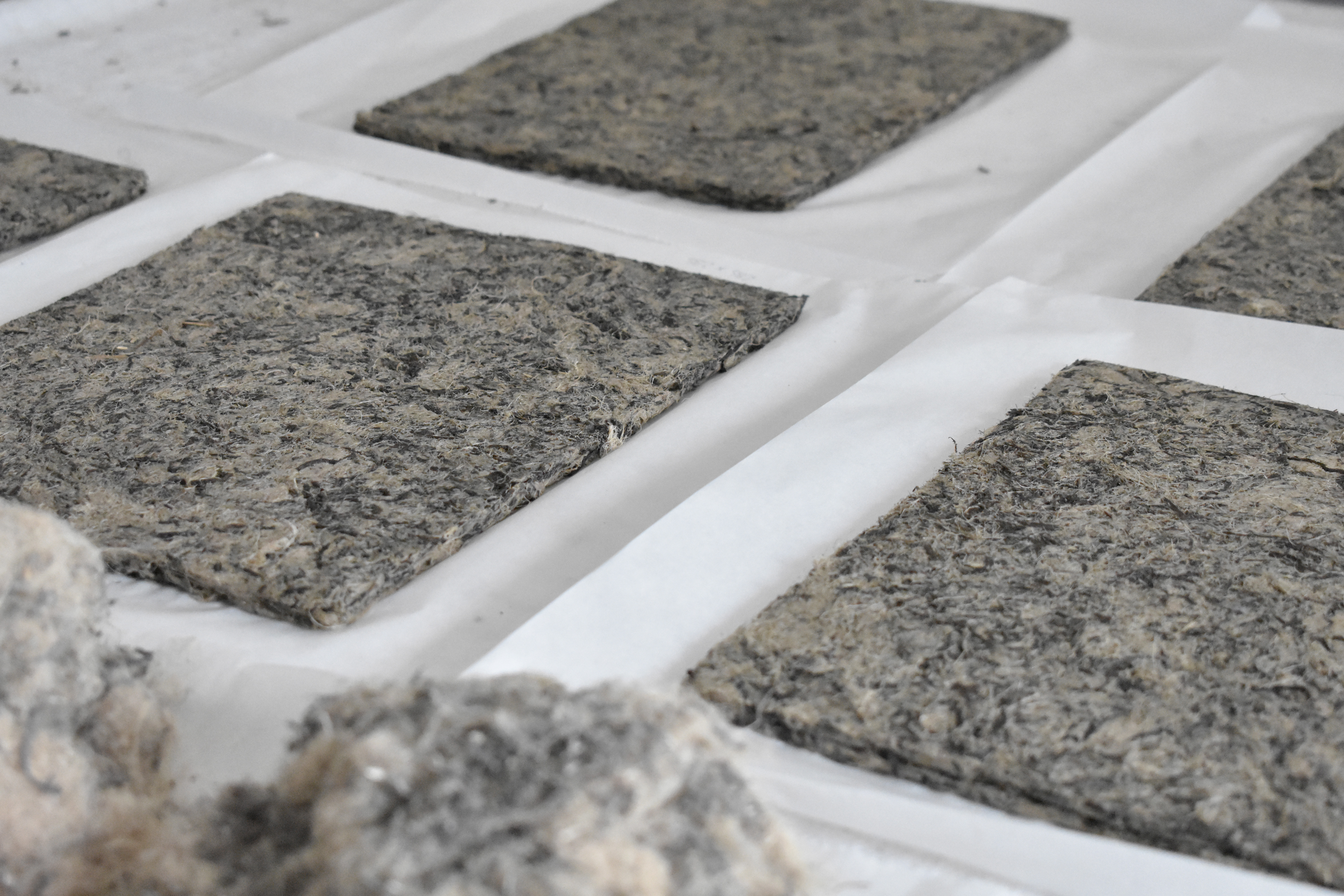
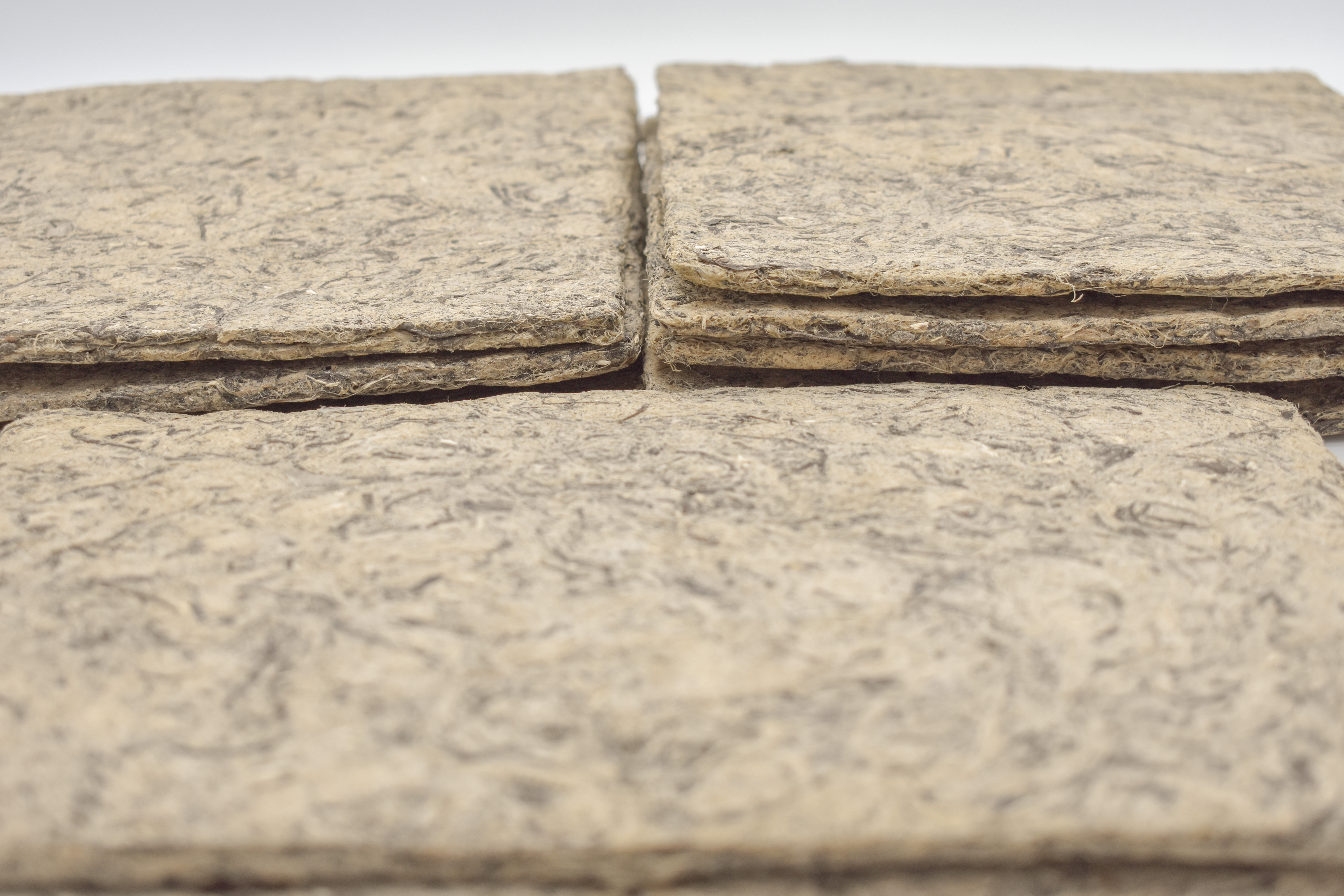
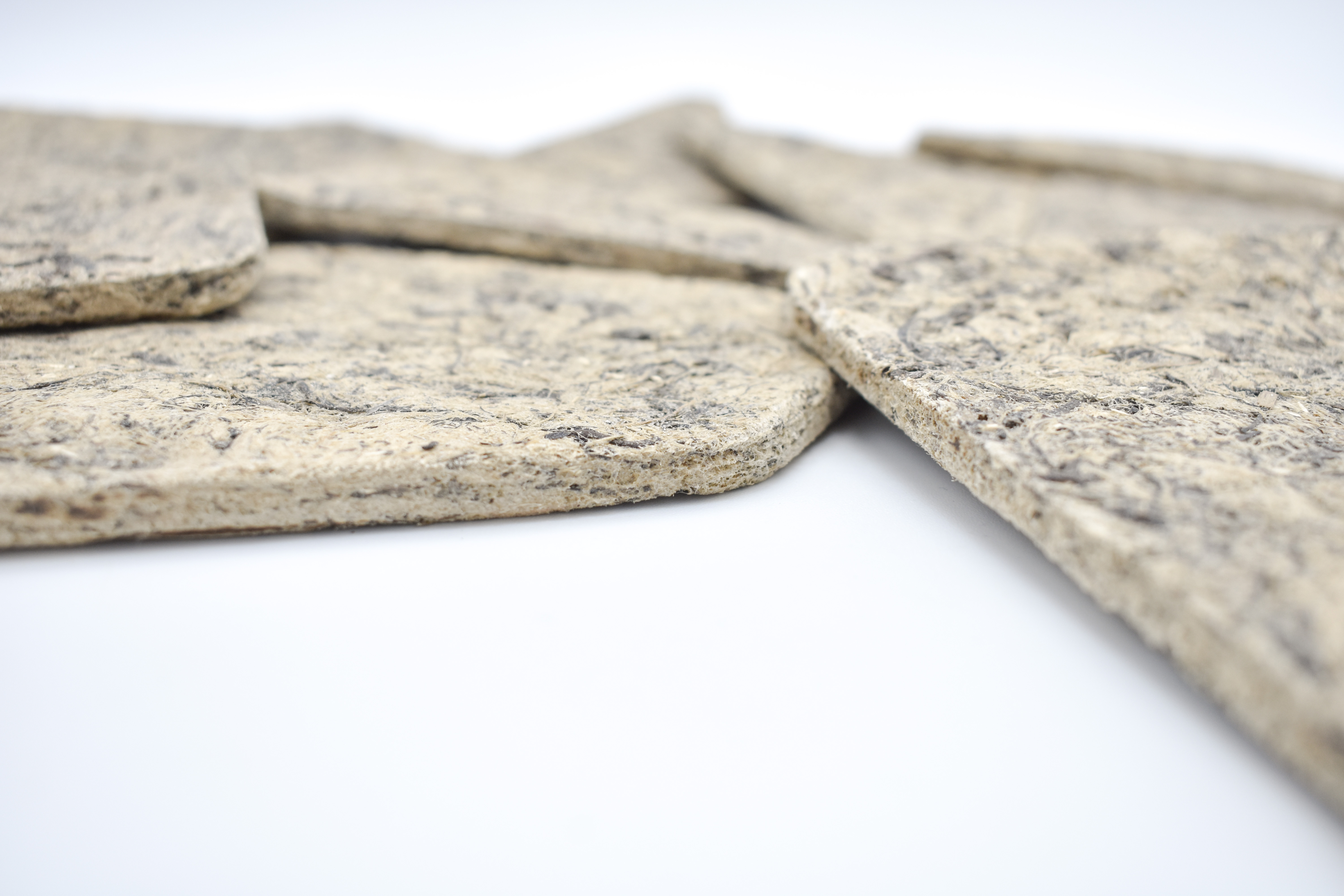
The research involved extensive experimentation to optimize material composition, compression techniques, and production processes. The resulting panels demonstrated promising mechanical and aesthetic properties while maintaining a distinctive organic texture that reflects the biological origin of the material.
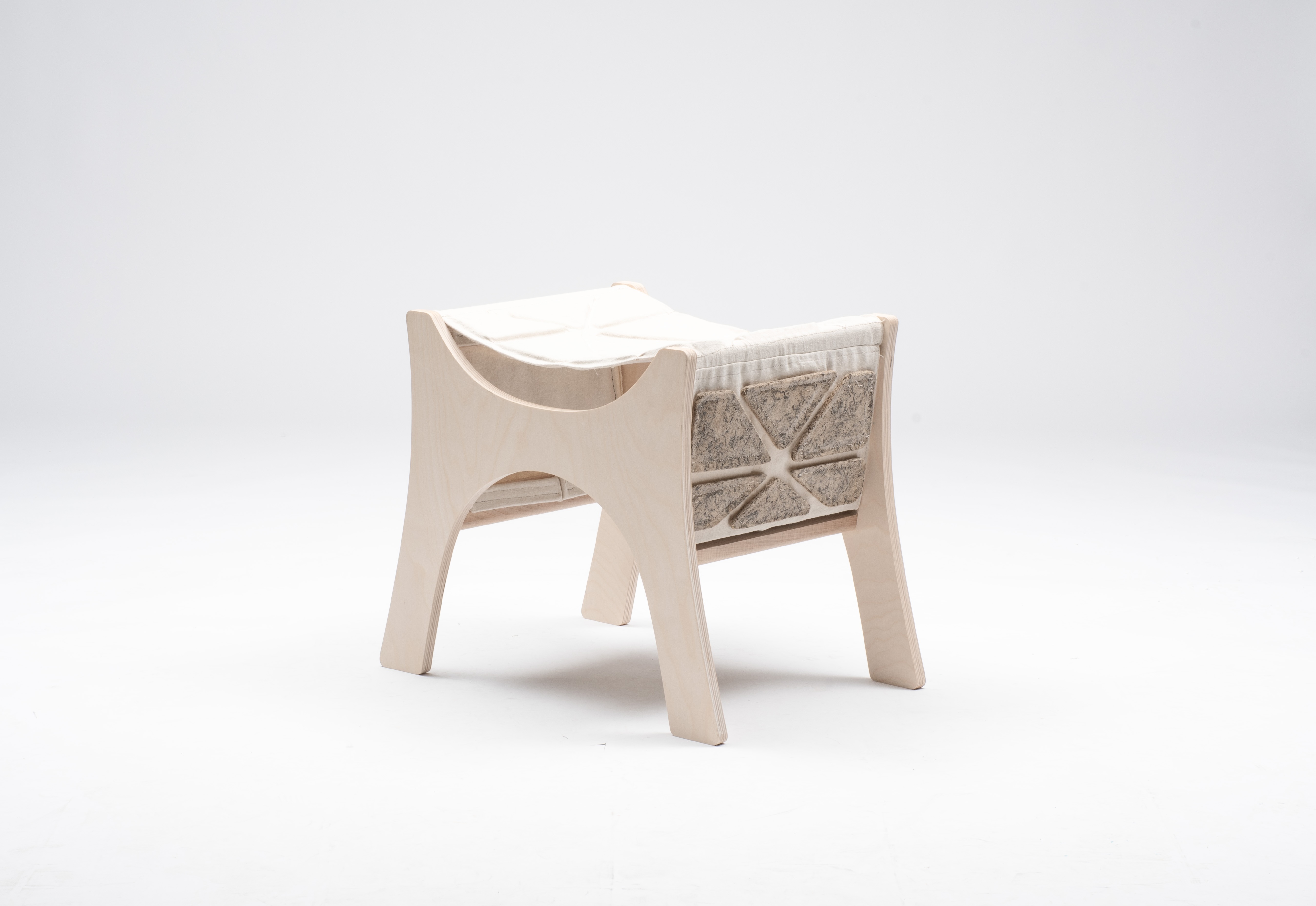
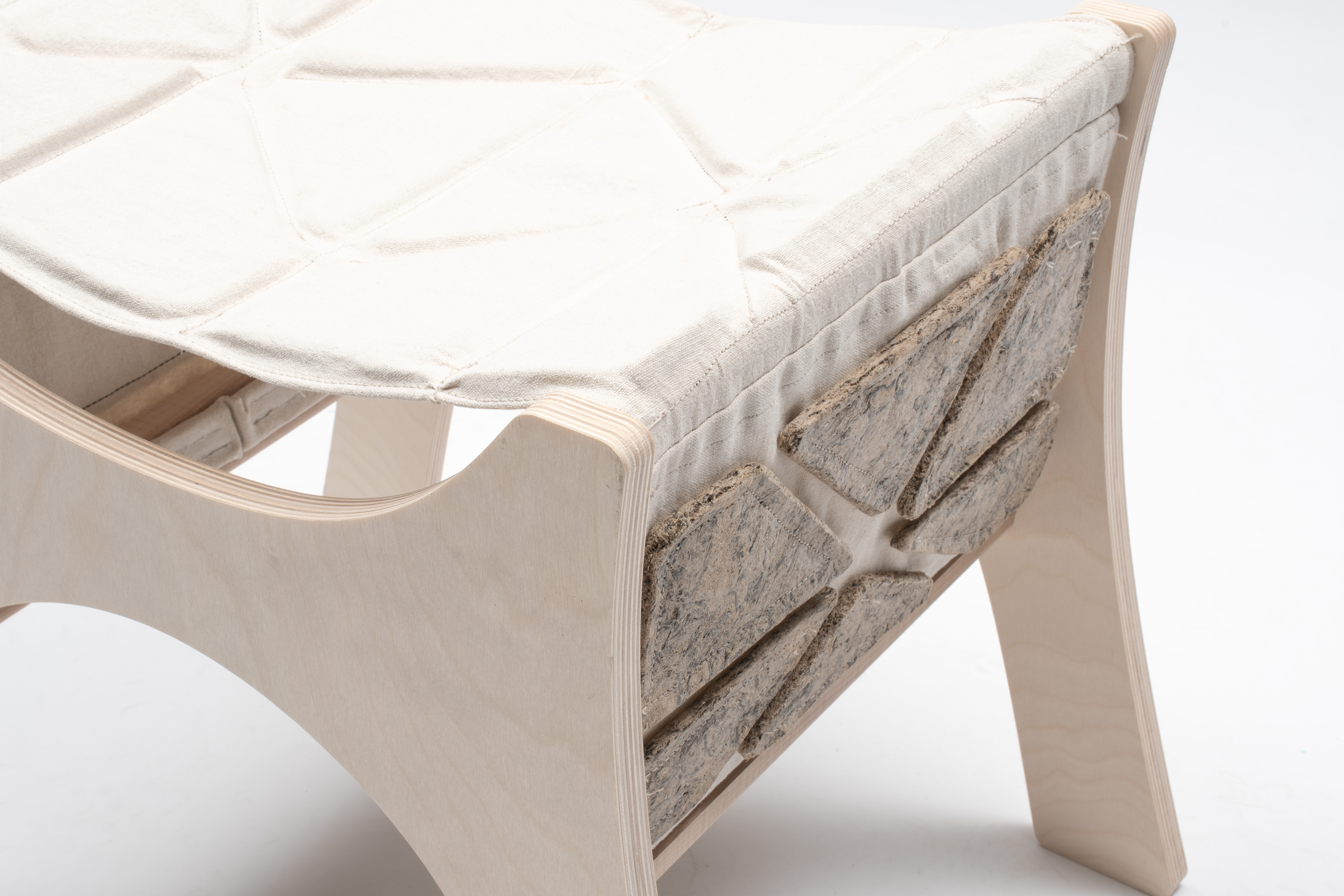
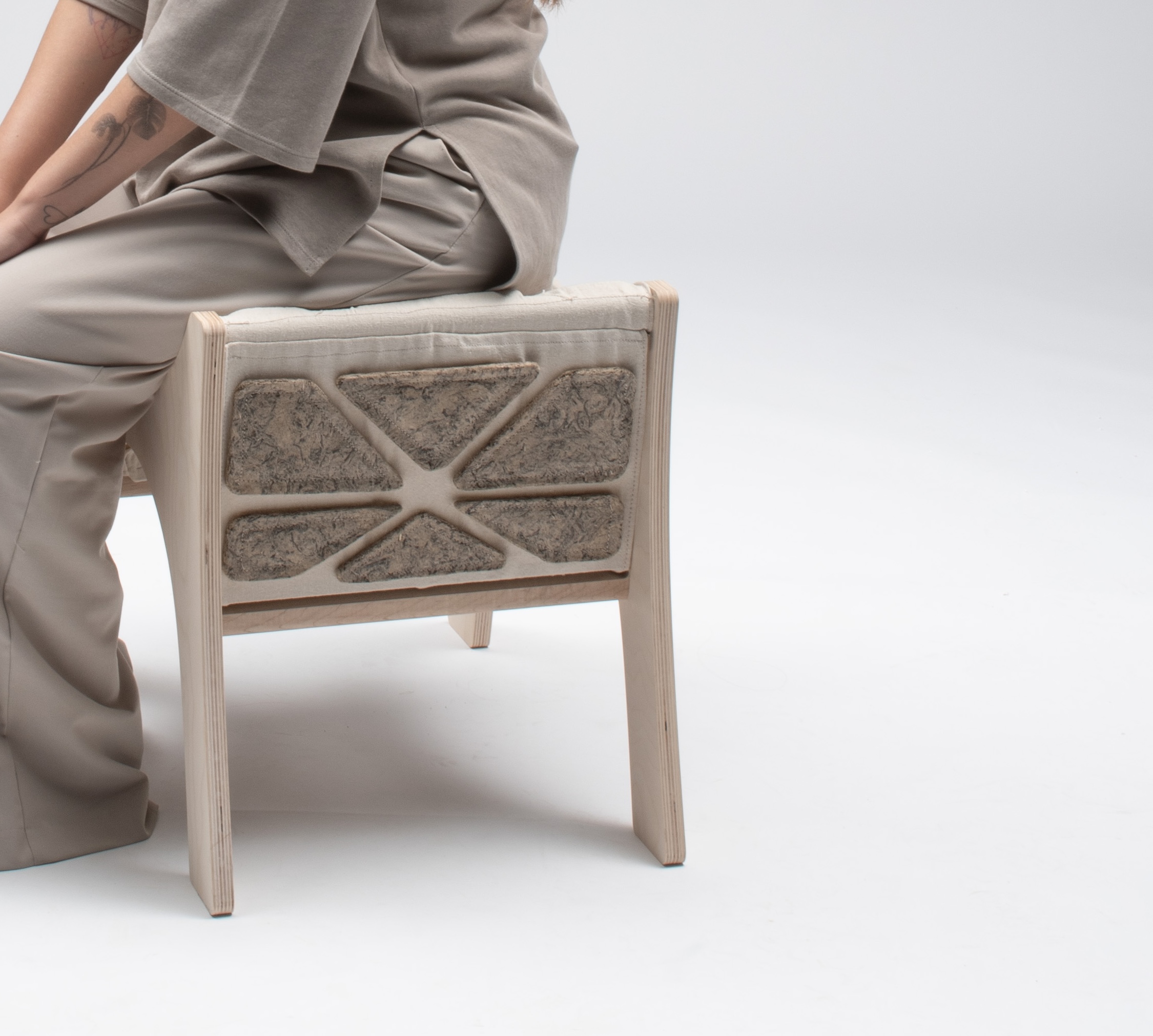
The material was ultimately applied in a furniture prototype called Algaemesis Seam, which demonstrates its potential in interior and product design.
Beyond the single product, the project proposes a new design paradigm in which environmental imbalances can become regenerative opportunities, positioning designers as key actors in rethinking the relationship between ecosystems, materials, and production systems.
The idea for Algaemesis emerged from a broader interest in exploring new sustainable materials and redefining the role of designers in the transition toward regenerative production systems.
The research began with a theoretical investigation into biomaterials, biofabrication, and regenerative design. Within this context, the phenomenon of eutrophication was identified as a particularly urgent environmental issue. Nutrient pollution and climate change are accelerating the proliferation of invasive algae in lakes and aquatic ecosystems, generating ecological damage while simultaneously producing large quantities of biomass that are difficult and costly to manage.
The project therefore explored whether this problematic biomass could be transformed into a new resource for sustainable material production.
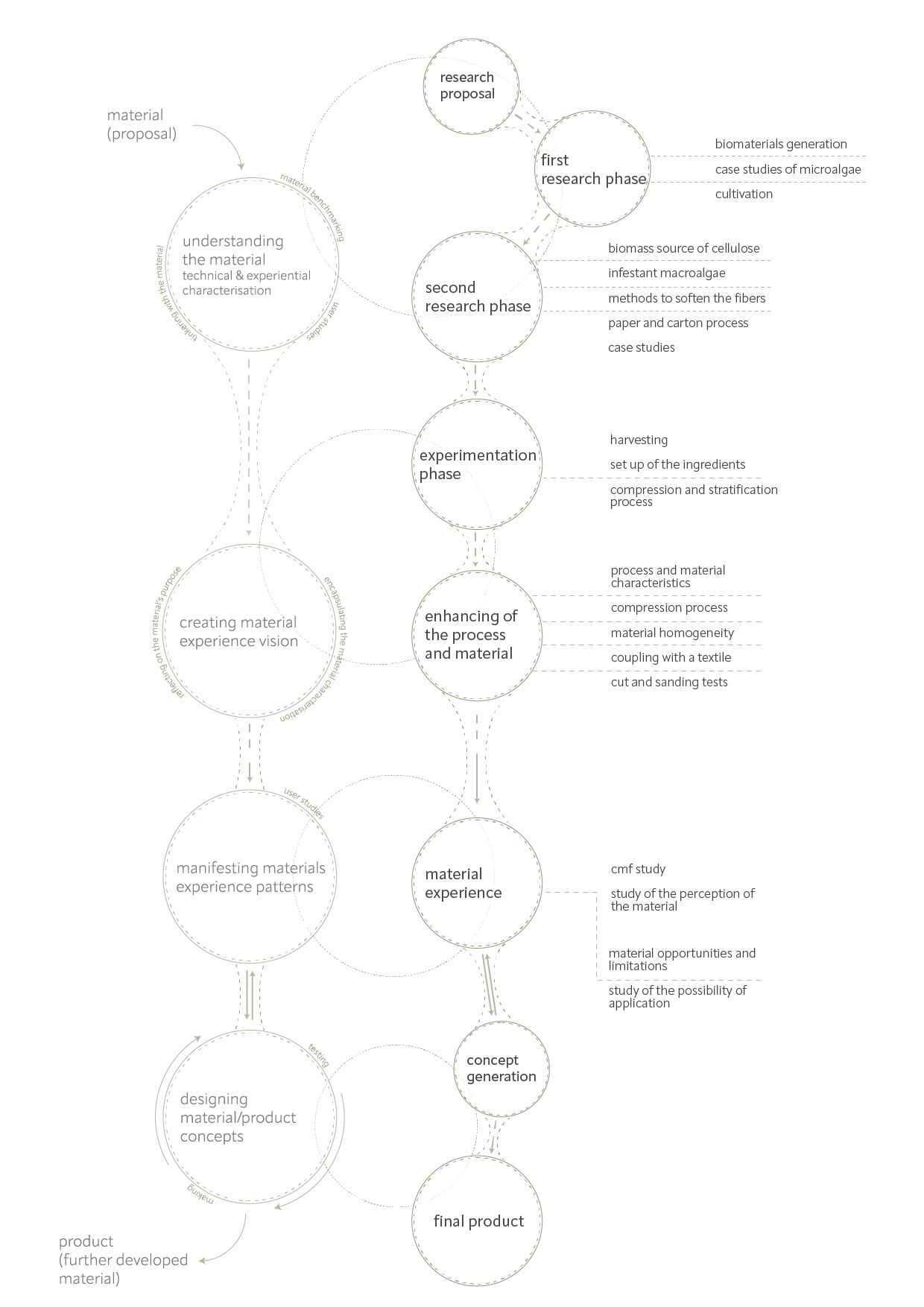
The design process combined two complementary approaches. The first was a Do-It-Yourself experimental methodology, which allowed direct hands-on engagement with the material through small-scale testing and iterative experimentation. This approach enabled continuous refinement of ingredients, processing techniques, and fabrication strategies.
The second approach was the Material Driven Design (MDD) method, which provided a structured framework for analysing the material at technical, sensory, and experiential levels.
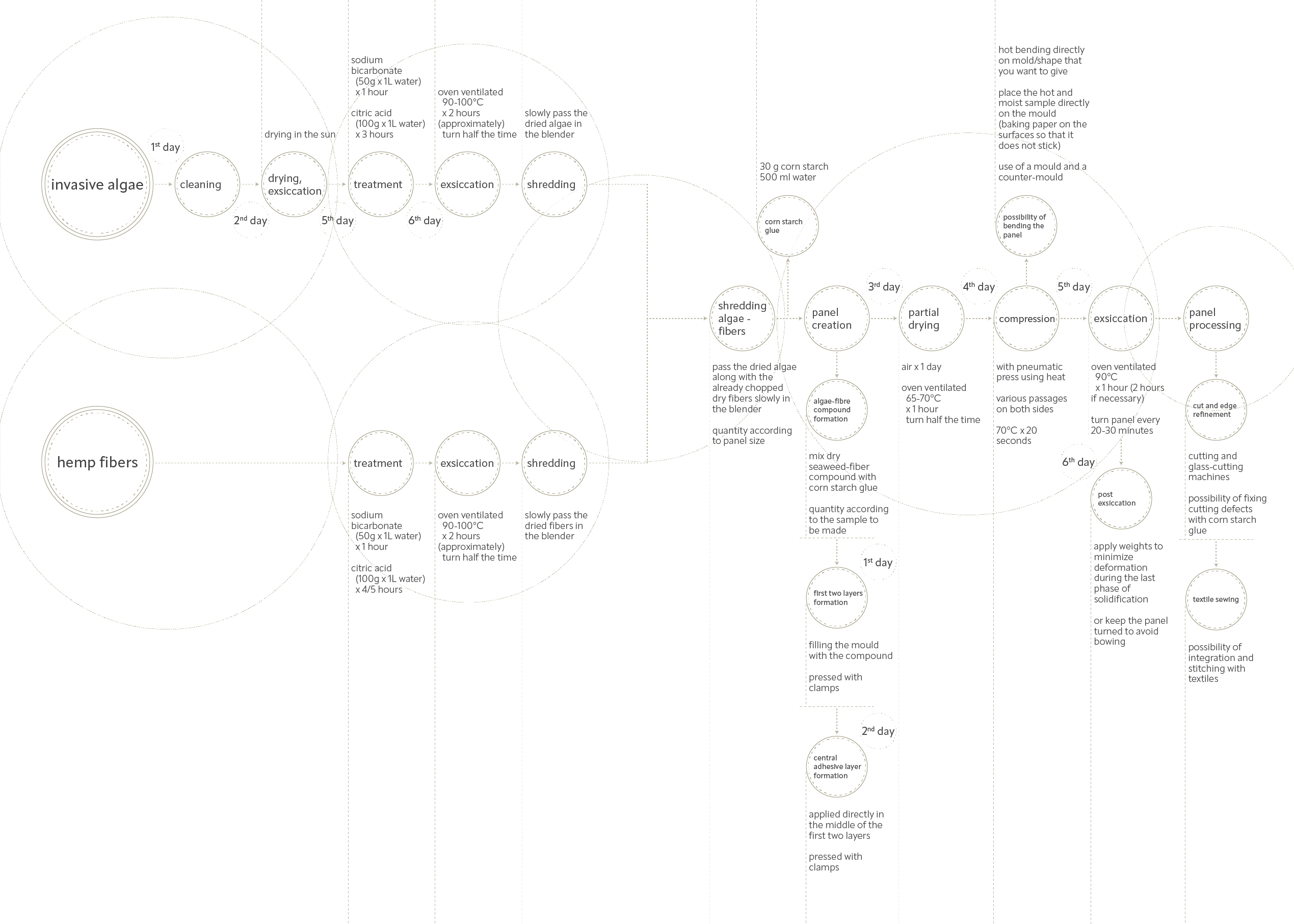
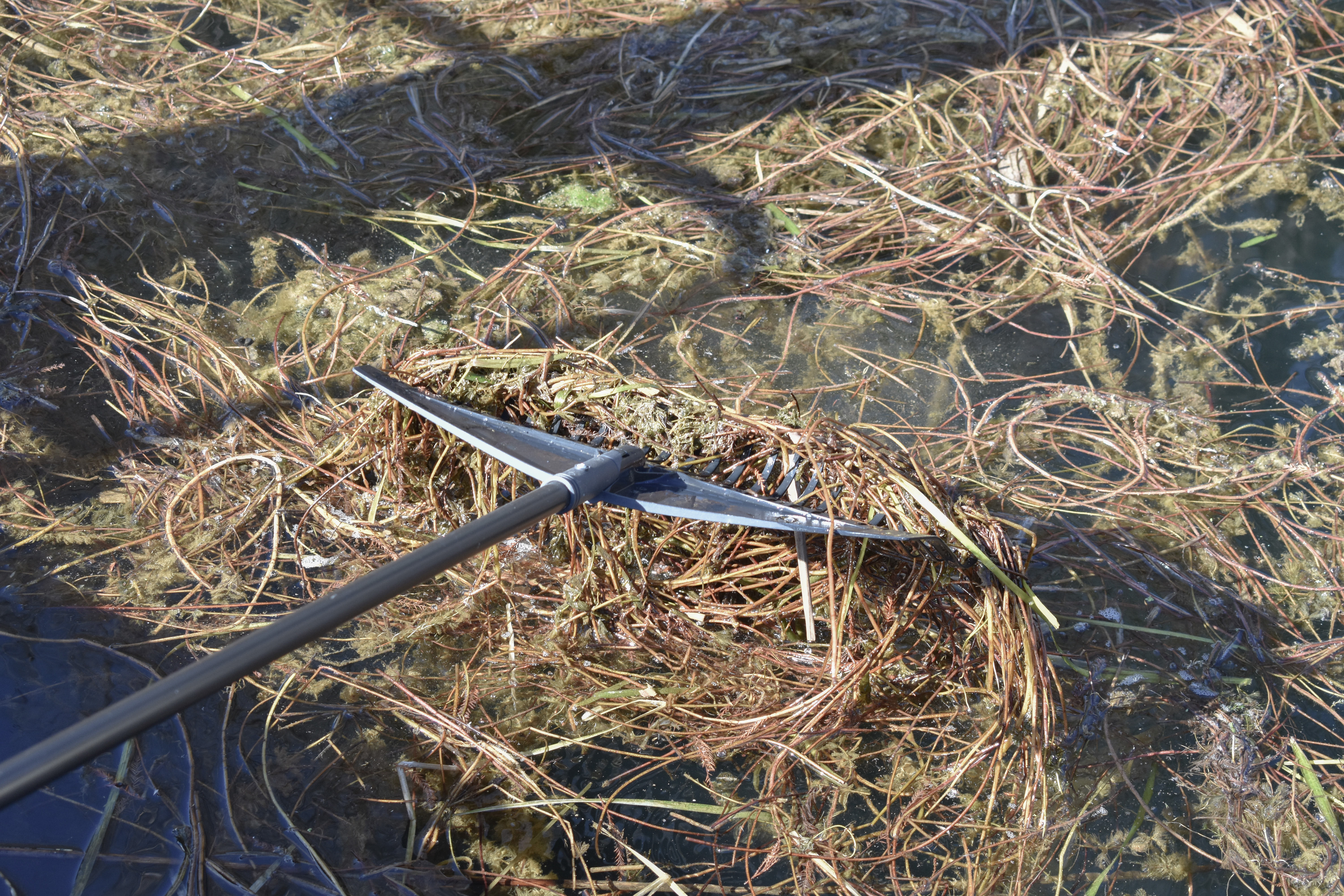
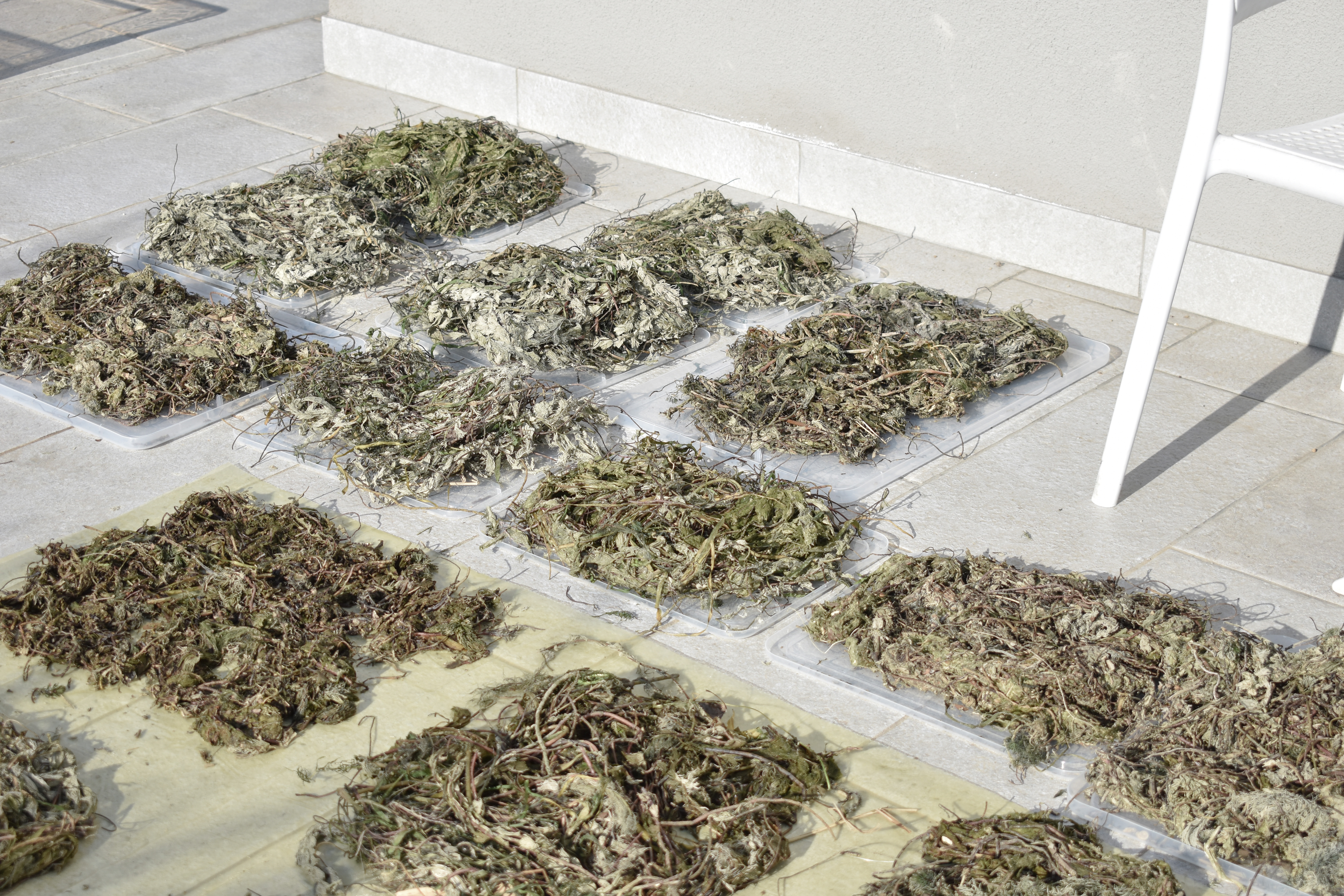
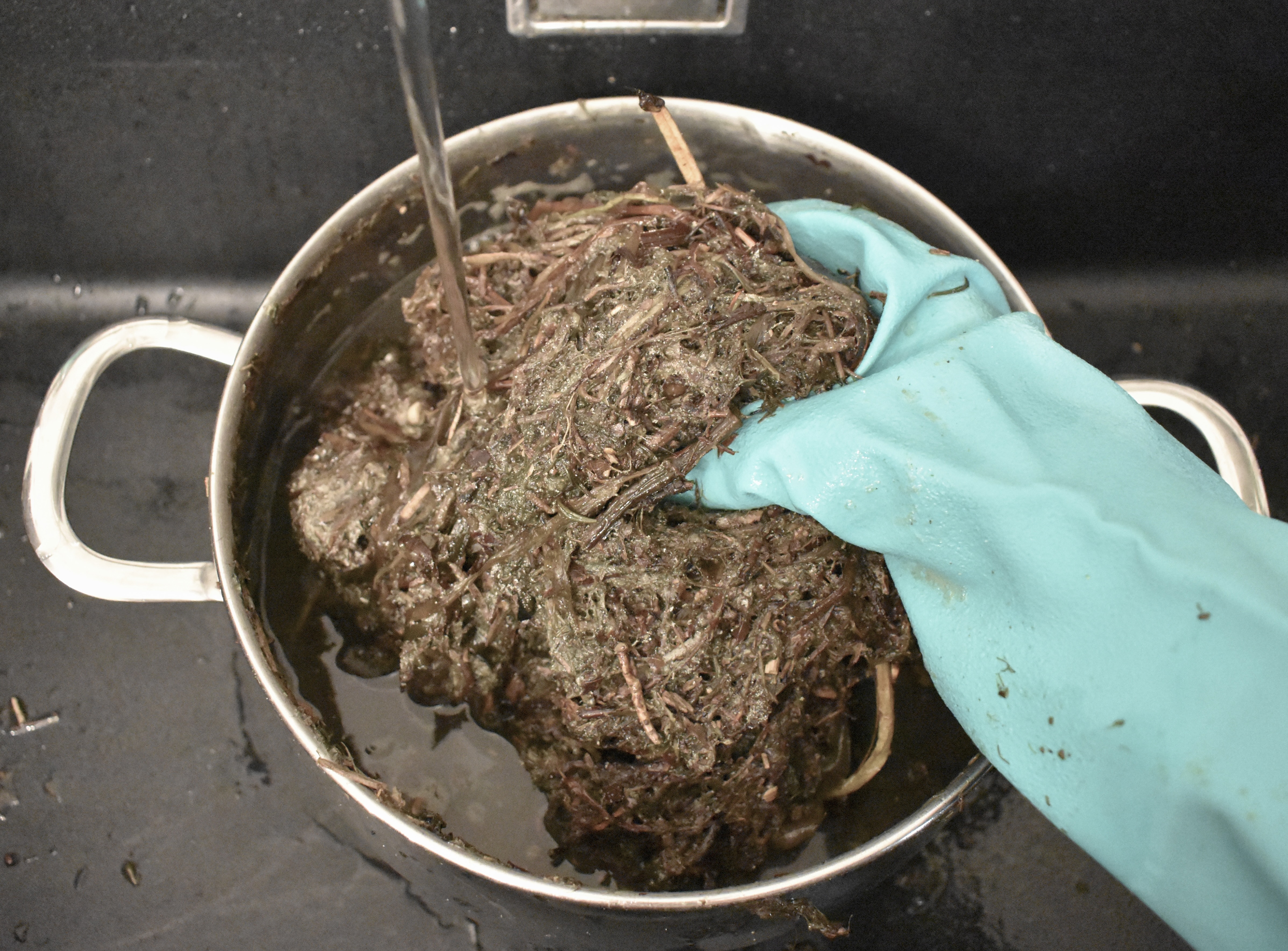
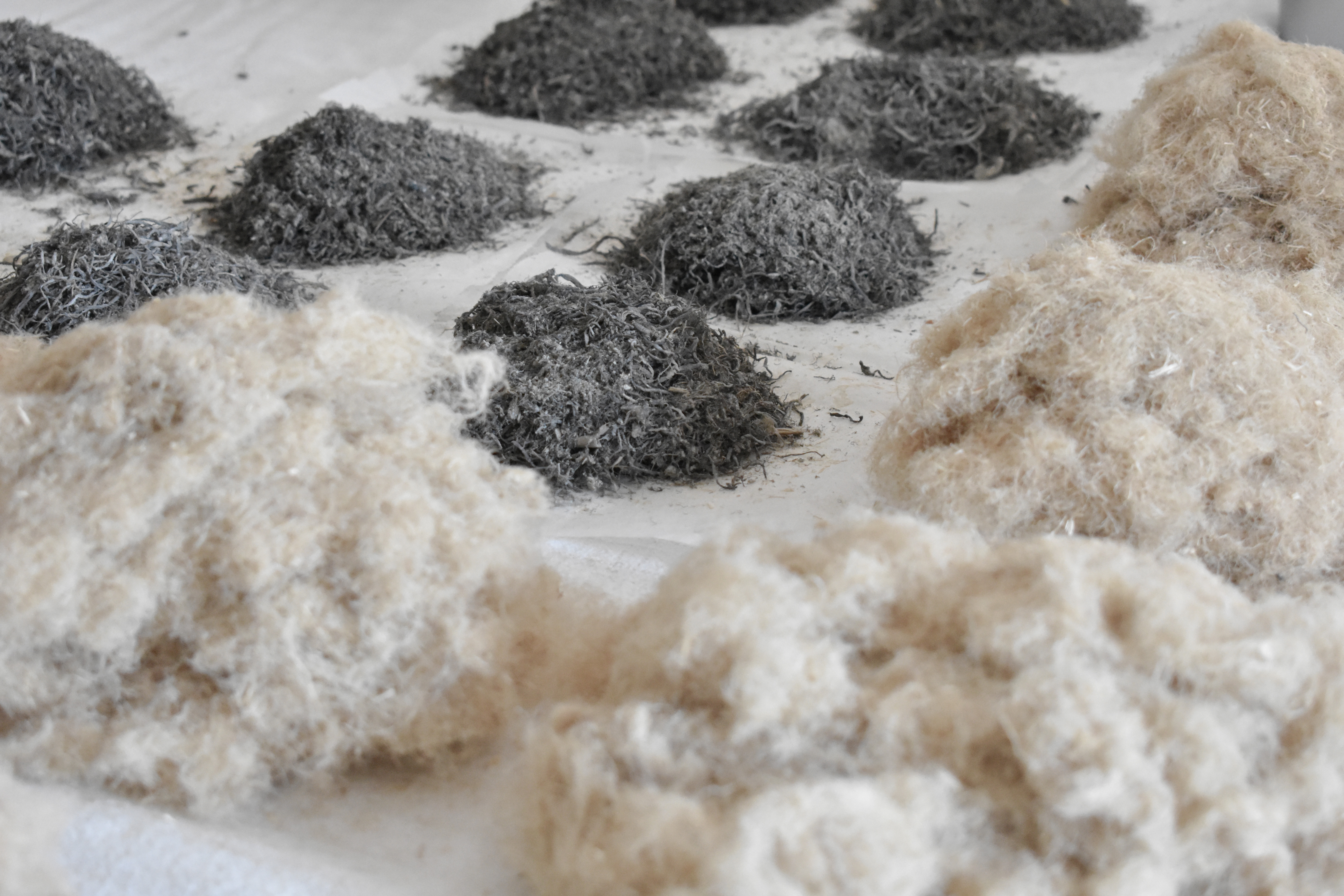
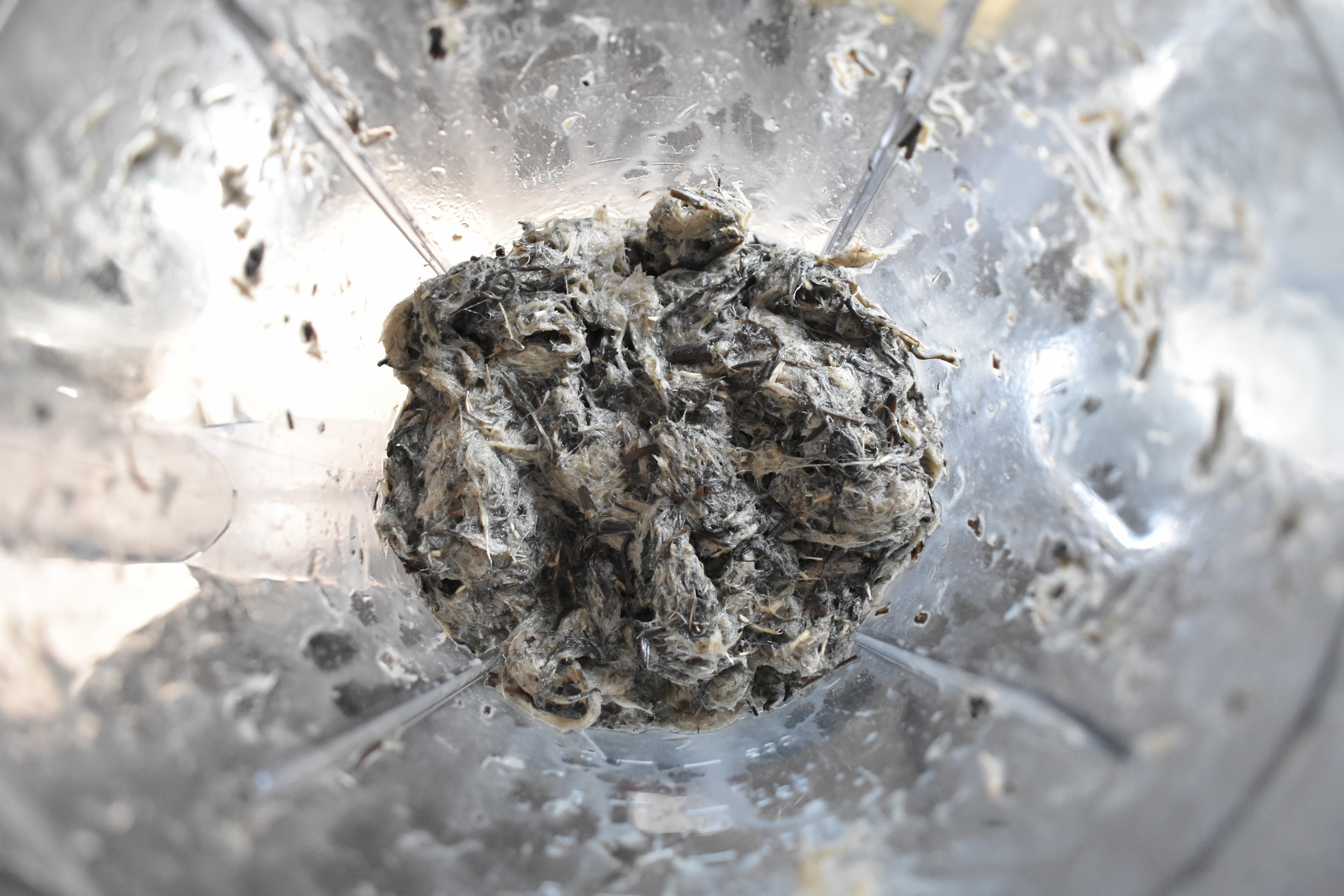
During the experimentation phase, invasive macroalgae were collected, dried, processed, and combined with hemp fibres and natural binders to create a biocomposite material. Numerous samples were produced, testing variables such as fibre composition, moisture levels, compression techniques, and drying processes until an optimal production method was defined.
This iterative process ultimately led to the development of a new biomaterial and its application in a functional design prototype.
biomaterials
biocomposites
invasive algal biomass
water eutrophication
multidisciplinary approach
Algaemesis addresses environmental challenges by transforming an ecological imbalance into a regenerative design opportunity.
In many aquatic ecosystems, invasive algae proliferate excessively due to eutrophication, a process driven by climate change and nutrient pollution. These blooms reduce water quality, threaten biodiversity, and generate large volumes of biomass that must be removed and treated as waste.
The project proposes a circular alternative by reinterpreting this biomass as a valuable raw material for sustainable product design. By transforming invasive algae into a biomaterial, the project contributes to reducing waste streams while introducing new renewable resources into material production systems.
The developed biocomposite is entirely bio-based, composed of invasive macroalgae, hemp fibres and a natural corn-starch binder. This composition eliminates the need for synthetic adhesives and reduces the environmental impact typically associated with industrial materials.
Additionally, the production process allows waste from manufacturing to be reprocessed into new material panels, extending the lifecycle of the material and reducing resource consumption.
Beyond environmental benefits, the project contributes to a broader cultural shift in design. Rather than extracting new resources, it demonstrates how design can work with existing ecological imbalances and transform them into regenerative solutions.
In this sense, Algaemesis represents an exemplary sustainability approach: it combines circular economy principles, renewable materials, and experimental design to rethink how materials are sourced, produced, and reintegrated into ecosystems.
Algaemesis demonstrates how sustainable design can also create new forms of aesthetic and cultural value.
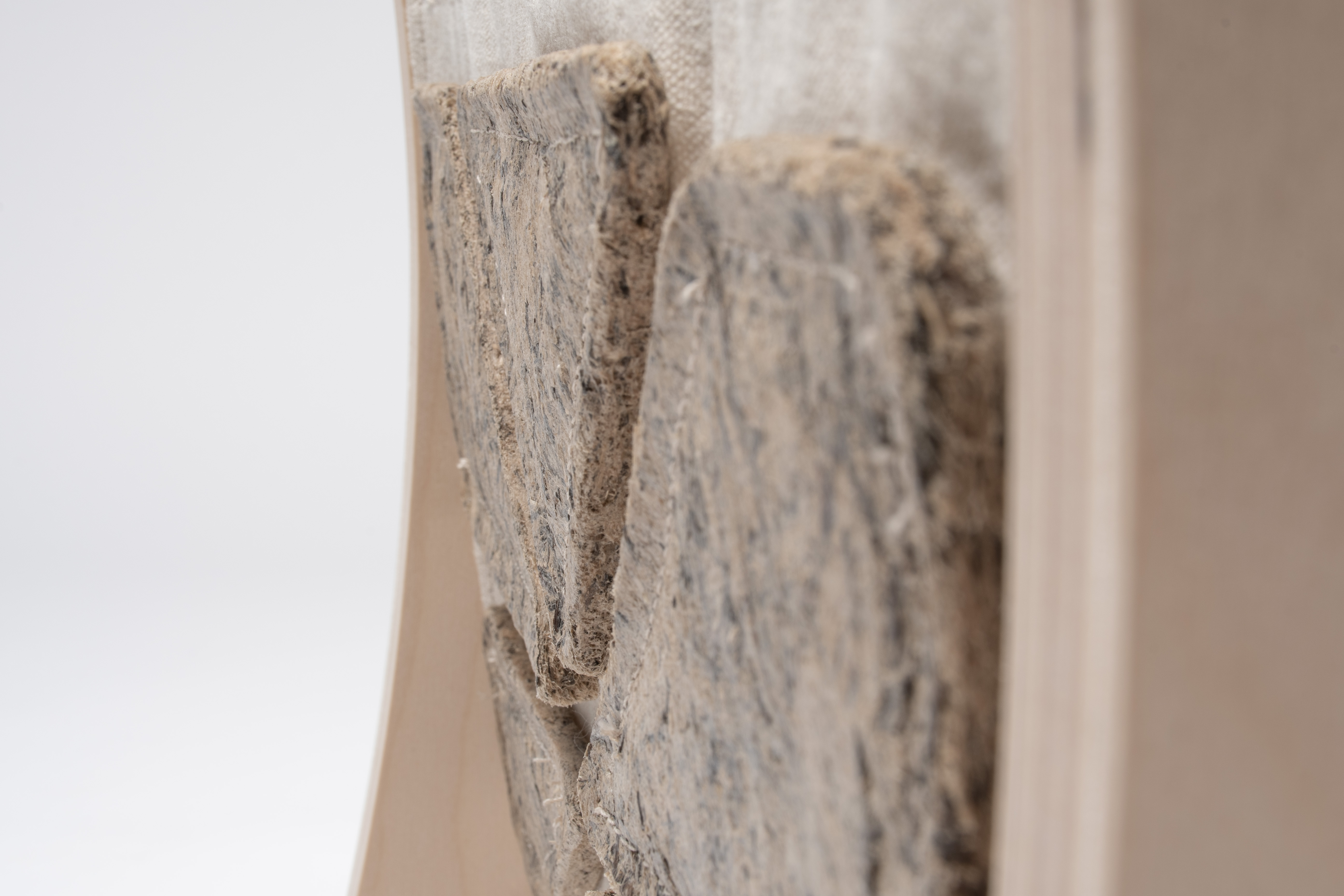
The biomaterial developed in the project preserves visible traces of its biological origin. Variations in colour, texture, and fibre distribution generate unique surfaces that cannot be perfectly replicated, creating a natural and expressive aesthetic.
Rather than concealing these irregularities, the project celebrates them as a design feature. The material communicates its origin and production process, inviting users to reflect on the relationship between human artefacts and natural ecosystems.
This aesthetic narrative is embodied in the furniture prototype Algaemesis Seam, where the biomaterial is combined with natural hemp textile and wooden structural components. The visible seams and layered material composition emphasise both craftsmanship and circular design principles. The product also was developed through a careful analysis aimed at understanding and demonstrating what happens when a more experimental and unconventional application is emphasised, with the goal of expanding its use beyond traditional applications
By integrating locally sourced biomass into everyday objects, the project creates a tangible connection between design and place. The material tells the story of the ecosystems from which it originates and highlights the possibility of transforming environmental challenges into meaningful design opportunities.
In the long term, this approach can foster greater environmental awareness and emotional attachment to objects. When materials carry visible ecological narratives, products become more than functional artefacts: they become carriers of environmental stories.
Algaemesis demonstrates how sustainability and aesthetics can coexist, creating products that are both environmentally responsible and emotionally engaging.
Algaemesis promotes inclusive innovation by exploring accessible approaches to material production and by encouraging new forms of distributed manufacturing.
The project was developed through a Do-It-Yourself methodology that prioritizes experimentation with simple tools and low-tech processes. This approach demonstrates that the development of innovative biomaterials does not necessarily require highly specialised industrial infrastructures.
By using locally available biomass and relatively simple production techniques, the material could potentially be produced in small-scale workshops, local fabrication labs, or community-based production systems. This decentralised model can make sustainable materials more accessible while supporting local circular economies.
Furthermore, the project highlights the possibility of involving communities and local stakeholders in the collection and valorisation of invasive algae. Instead of treating this biomass as waste, communities could participate in transforming it into valuable resources.
From a design perspective, the product concept also considers principles of circular design. Materials are selected for their compatibility and potential separation, facilitating future repair, recycling, or reuse.
In this context, Algaemesis proposes a more inclusive production model that connects environmental management, local resources, and community participation.
By encouraging accessible experimentation and local resource valorisation, the project contributes to the development of more democratic and resilient material innovation systems.
User and stakeholder involvement played an important role in the development of Algaemesis, helping to connect experimental material research with real environmental challenges and community perspectives.
At an early stage of the research, local institutional stakeholders were consulted in order to better understand the ecological impact of invasive algae and the management strategies currently adopted in the territory. In particular, an interview was conducted with the mayor of a municipality located on the shores of Lake Endine (BG), where the algal biomass used in the project was collected.
During the conversation, it emerged that the uncontrolled proliferation of algae represents a serious environmental and economic challenge for the lake ecosystem. Large masses of algae accumulate on the water surface, affecting water quality, biodiversity, and recreational activities. These algae are currently classified as special waste, and the municipalities surrounding the lake collectively spend around €100,000 each year for their removal and disposal, which mainly occurs through incineration.
This exchange highlighted the urgency of finding alternative ways to manage and valorise this biomass rather than treating it exclusively as waste.
User participation also contributed to the evaluation of the developed biomaterial. During the experimentation phase, external users were invited to observe and interact with the material samples, providing feedback on tactile qualities, visual characteristics, and perceived meanings.
These interactions helped identify descriptors such as “natural”, “organic”, and “innovative”, which informed the development of the final material and its application in the design concept.
Until today, the project and at the demonstration prototype level of one of what could be its applications, so except for the subjects indicated previously, no stakeholders on other levels have yet been involved.
However, the development and future implementation of Algaemesis involves multiple stakeholders operating at different levels.
At the local level, environmental organizations and lake management authorities could play a key role in the collection and management of invasive algae biomass. These actors are already involved in monitoring and removing algae from aquatic ecosystems and could support the valorisation of this biomass as a raw material.
Local communities and makerspaces could also participate in small-scale material production and experimentation, contributing to decentralized circular economies.
At the academic level, research laboratories such as material science departments and design schools contribute knowledge related to biomaterials, fabrication processes, and product development.
At the regional and national level, institutions involved in environmental protection and circular economy initiatives could support the development of pilot projects focused on biomass valorisation.
At the European level, initiatives related to sustainable design, bio-based materials, and circular economy policies provide a broader framework for scaling and dissemination.
The engagement of these stakeholders creates a multidisciplinary ecosystem in which environmental management, scientific research, and design innovation can collaborate to transform ecological challenges into new material opportunities.
Algaemesis is inherently interdisciplinary and integrates knowledge from multiple fields to address complex environmental challenges through design.
At its core, the project is rooted in product and material design, focusing on the development of a new biomaterial and its application in a furniture prototype.
Environmental science plays a key role in understanding the ecological context of eutrophication and the proliferation of invasive algae in freshwater ecosystems. This knowledge informs the selection of biomass and highlights the environmental significance of the project.
Material science contributes to the study of fibre composition, mechanical behaviour, and processing techniques used to create the biocomposite material.
Engineering knowledge is also involved in the development of production processes such as drying, compression, and panel fabrication.
Social sciences contribute to the analysis of circular economy models and the broader societal implications of sustainable material production.
Finally, aesthetic and cultural disciplines such as design theory and material culture influence how the material is perceived and how its narrative can be communicated through product design.
By combining these disciplines, the project demonstrates how design can function as a bridge between scientific knowledge, environmental awareness, and material innovation.
The envisioned business model for Algaemesis is based on a circular and locally rooted production system centred on biomass valorisation.
The primary resource, invasive algae, is currently removed from lakes as part of environmental management operations and often treated as waste. By transforming this biomass into a raw material, the project introduces a new value chain that connects ecosystem restoration with sustainable material production.
In the early stages, the project could operate through collaborations with research institutions, environmental organizations, and design laboratories, supported by public funding programs focused on circular economy and bio-based innovation.
Revenue streams could include the production and sale of biomaterial panels, design products made from the material, and licensing of the production methodology to manufacturers interested in sustainable materials.
Another potential model involves partnerships with furniture companies seeking alternatives to synthetic foams and industrial composites.
Workshops, educational programs, and open material experimentation platforms could further expand the economic ecosystem surrounding the project.
In the long term, financial sustainability would rely on scaling production, optimizing material processing, and developing a network of partners involved in biomass collection, material production, and product design.
This distributed model would allow the project to remain closely connected to local ecosystems while generating economic value through sustainable material innovation.
One of the most significant strengths of Algaemesis is its potential replicability in different geographical and environmental contexts.
The core concept, transforming problematic biomass into a valuable material resource, can be applied to many ecosystems facing similar issues related to invasive species or biological waste.
While the thesis focuses on invasive algae from freshwater ecosystems, the same design methodology could be applied to other forms of biological surplus, such as agricultural residues, marine algae, or invasive aquatic plants.
Equally replicable is the experimental methodology adopted in the project. The creation of the biocomposite was done at a DIY level, with certain rough measurements and thicknesses but it could be scaled up with specific machinery to make it an industrialized process. The combination of the Do-It-Yourself approach with the Material Driven Design method provides a flexible framework for exploring new materials in a systematic yet accessible way.
The production process itself relies on relatively simple operations, drying, fibre processing, mixing with natural binders, and compression, making it adaptable to different production scales.
Finally, the design approach encourages designers to work directly with local ecological resources, creating materials that reflect the environmental identity of a specific place.
A detailed study of the entire production process could make it possible to assess the scalability of the project in a future industrial context, as well as to explore different fields of application while always maintaining an experimental component as a core value.
By combining local biomass, accessible experimentation, and design-driven innovation, the project offers a model that can be adapted and implemented in diverse contexts.
Several steps are envisioned to further develop and implement the Algaemesis concept, with the aim of transitioning from experimental research to a more structured material innovation project.
The first priority is to further refine the biomaterial through additional technical testing. This phase will focus on improving mechanical performance, durability, and consistency of the material while maintaining its fully bio-based composition. Additional experimentation will explore different algae fibre treatments, alternative natural binders, and optimized compression and drying processes in order to increase the material’s reliability and scalability.
A second step involves expanding the range of potential applications. While the project currently demonstrates the material through a furniture prototype, the biomaterial could also be tested for interior design applications such as acoustic panels, decorative surfaces, lightweight panels, or small architectural elements. Exploring these possibilities will help identify the most suitable contexts for implementation.
Another important objective is the development of collaborations with local stakeholders involved in ecosystem management, such as municipalities, environmental organizations, and lake authorities. These partnerships could support the collection of algal biomass while simultaneously contributing to environmental maintenance and restoration activities.
Finally, the project aims to explore small-scale pilot production scenarios in collaboration with local workshops or research laboratories, in order to evaluate how the material could be produced beyond the experimental phase and integrated into circular production systems.