Arts, Culture, and Heritage as Drivers of Change
INHARMONIA: Inclusion in Action
INHARMONIA: Creative Inclusion and Empowerment Through Dance, Storytelling, and Community
INHARMONIA empowers neurodiverse participants to co-create inclusive dance, storytelling, and community workshops, transforming public spaces into vibrant, creative, and sustainable hubs.
Greece
Regional
Athens metropolitan area (Attica) as the local pilot, with regional expansion to islands and other urban/semi-urban areas in Greece.
It addresses urban-rural linkages
It refers to other types of transformations (soft investment)
Prototype level
No
No
No
Organisation
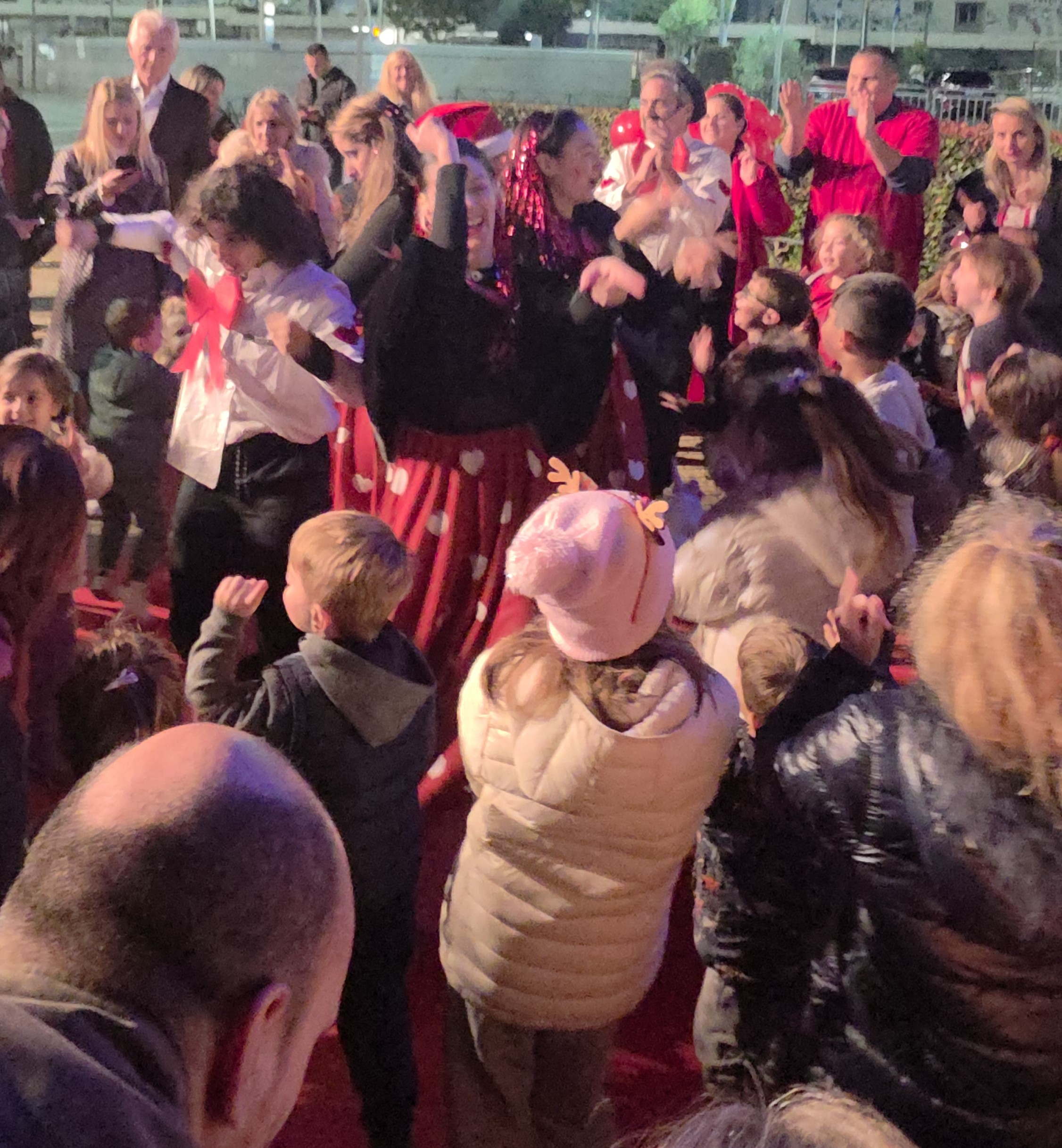
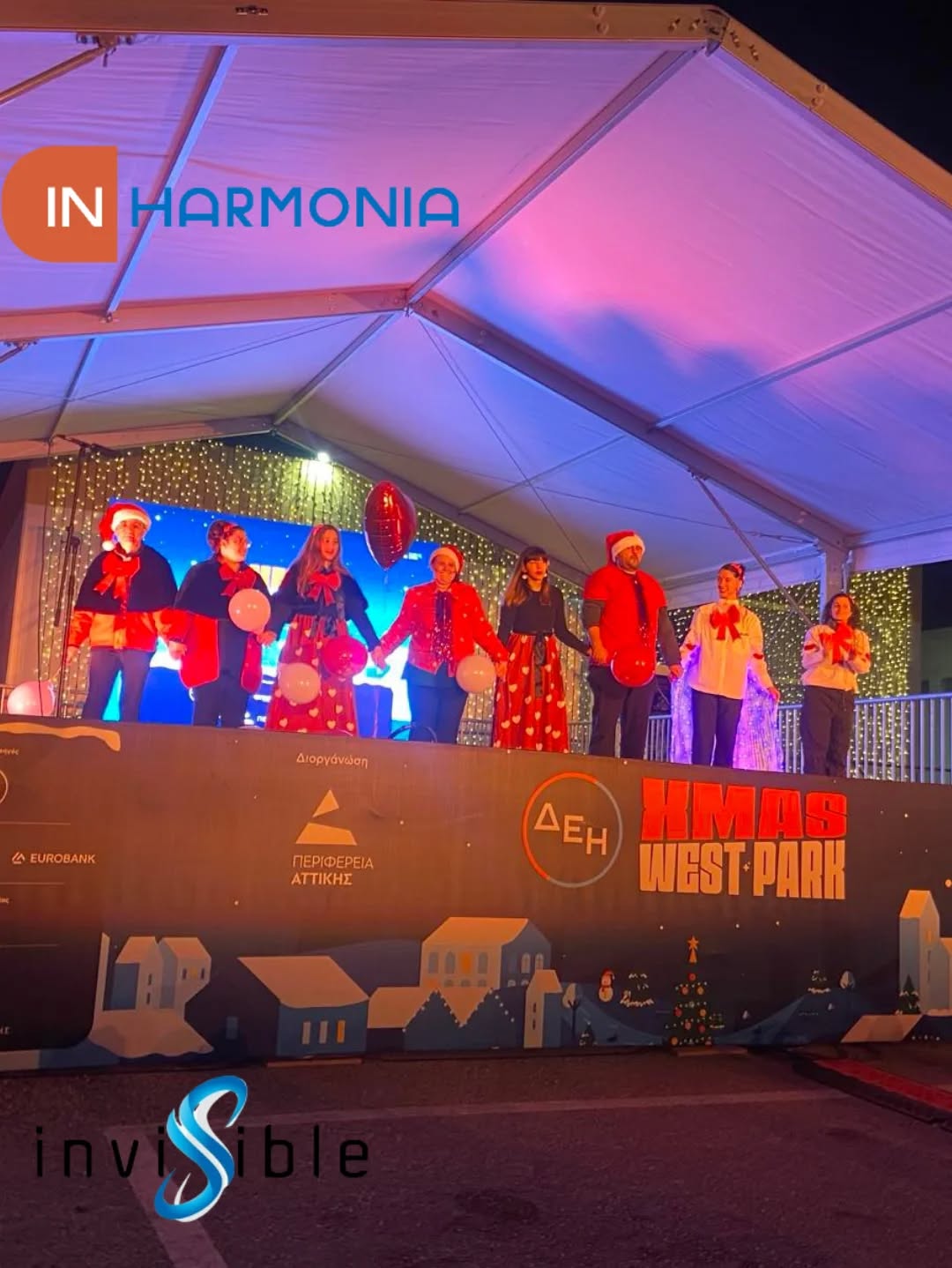
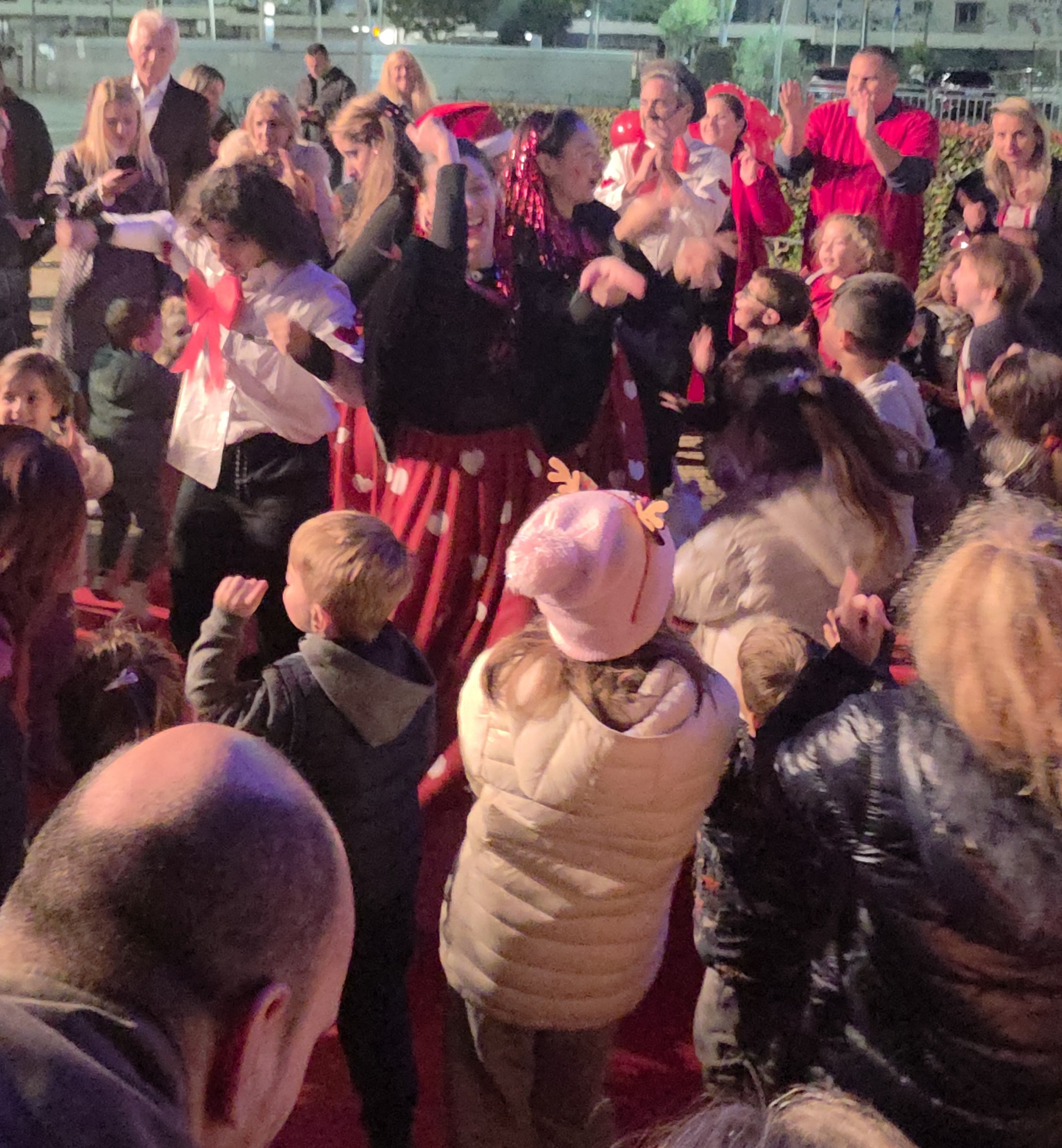
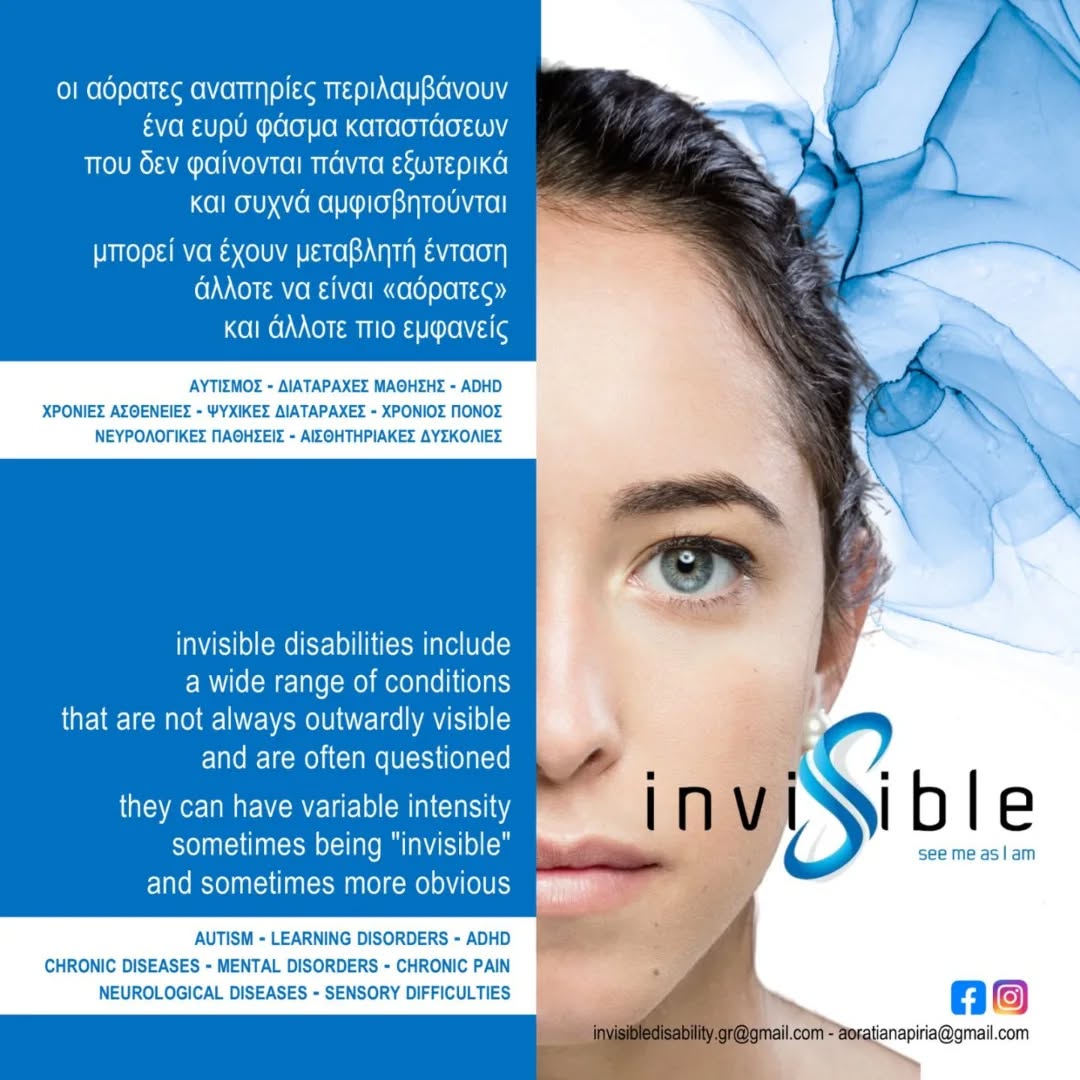
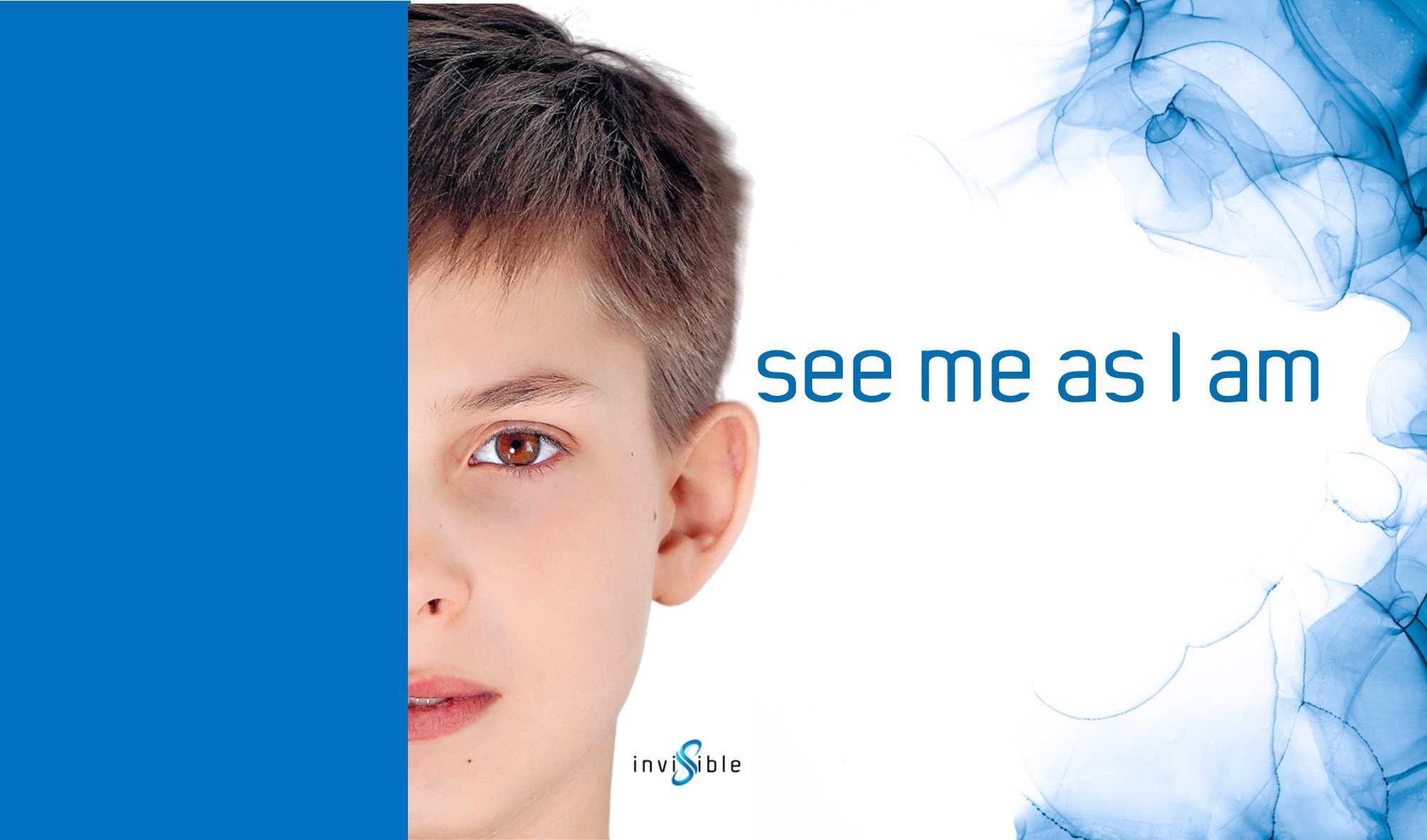
INHARMONIA is an emerging initiative that transforms inclusion into action by empowering neurodiverse individuals as co-creators and facilitators of artistic community experiences. Through dance, storytelling, and outdoor activities, the project creates inclusive spaces where creativity, social connection, and environmental awareness meet. The initiative was founded by a 24-year-old neurodivergent dancer and creator of AORATI – INVISIBLE, a Greek non-profit organization dedicated to opening artistic opportunities for people with invisible disabilities. The project began with interactive musical and dance storytelling sessions in public parks, bringing together children and participants with and without disabilities in shared artistic experiences.Building on these first experiences, INHARMONIA is evolving into a structured program of inclusive workshops co-led by professional choreographers and neurodiverse dancers. The project is developed through co-creation with neurodiverse participants, ensuring that people with invisible disabilities actively shape the artistic process and community experience.Activities take place in parks and public squares, combining movement, play, and creative exploration. Through these artistic activities, the initiative reimagines public spaces as inclusive environments for creativity, participation, and wellbeing, strengthening connections between people, communities, and nature.A key next step of the initiative is the professional empowerment of participants with invisible disabilities. Neurodiverse dancers are being trained to become paid facilitators and gradually take on leadership roles alongside experienced mentors. This model supports artistic development, builds confidence, enhances employability, and promotes social recognition.
INHARMONIA was born from the vision of a 24-year-old neurodivergent dancer and founder of AORATI – INVISIBLE, aiming to turn inclusion into action. It began with interactive music and dance storytelling sessions in public parks, where children and participants with and without disabilities shared creative experiences, discovered their voices, and built confidence and belonging.
Building on these insights, co-designed workshops transformed parks into interactive creative labs, combining inclusive choreography, participatory storytelling, and playful activities with sustainable materials. Neurodiverse dancers were mentored to become paid facilitators, fostering leadership, inclusion, and employability in ways traditional workshops rarely achieve.
By weaving together artistic practice, social inclusion, environmental awareness, and education, INHARMONIA turns public spaces into living stages where participants actively experience creativity, collaboration, and ecological care. This holistic, co-creative model empowers neurodiverse individuals, strengthens communities, and brings public spaces to life, fully reflecting New European Bauhaus principles of inclusion, sustainability, and vibrant urban culture.
Inclusive dance
Invisible disabilities empowerment
Social inclusion
Environmental awareness
Empowerment
INHARMONIA concretely addresses sustainability by embedding environmental awareness, social inclusion, and cultural vitality into its activities. Participants engage in interactive workshops using recyclable and sustainable materials, exploring creative play that builds ecological consciousness through experience. This hands-on approach promotes reuse, circular thinking, and care for nature within everyday cultural practice. Public spaces like parks and squares become living stages, reinforcing community stewardship and enhancing quality of life. Social sustainability is fostered by empowering people with invisible disabilities to participate as paid facilitators, creating inclusion and economic opportunities. Cultural sustainability thrives as workshops revitalize neighbourhoods through participatory art and movement, making public spaces more welcoming and connected. By integrating environmental, social, and cultural elements holistically, INHARMONIA exemplifies a sustainability approach aligned with New European Bauhaus values, improving quality of life while encouraging preservation, regeneration, and circular thinking in communities.
INHARMONIA enhances everyday life and community spaces by transforming public environments into vibrant, engaging places through inclusive artistic expression. Through dance, movement, creativity and interactive play, the project brings beauty into ordinary settings such as parks and public squares, making them livelier, more welcoming and infused with shared experience and collective joy. By inviting diverse participants to co create performances and activities, the concept fosters interactions that enrich the quality of daily life and contribute to a positive emotional landscape for residents and visitors alike. Aesthetics in INHARMONIA is not limited to visual appeal but extends to the emotional and cultural experience participants and audiences share, making movement and art part of everyday wellbeing and communal identity. By facilitating activities that celebrate creativity, embodiment and shared participation, the project helps people feel connected to each other and to the spaces they inhabit, nurturing a sense of belonging and care for the places where they live, learn, and meet. INHARMONIA can be considered exemplary in terms of aesthetics because it integrates artistic activation with community engagement, creating meaningful, memorable experiences that elevate both the look and feel of neighborhood life and contribute to sustained cultural richness and quality of experience in public spaces, in line with the New European Bauhaus value of beauty and quality of experience for people and communities.
INHARMONIA addresses inclusion by creating accessible, participatory artistic experiences for people with invisible disabilities, children, and the wider community. Activities take place in public parks, squares, and community centers, removing physical, social, and financial barriers to participation. Workshops are designed using “design for all” principles, ensuring adaptability for diverse communication styles, abilities, and mobility needs. Participation is free or low-cost, guaranteeing affordability and equitable access.
The initiative promotes inclusive governance through co-creation: neurodiverse participants actively shape workshops, decide content, and mentor peers, ensuring decision-making is shared and lived experience informs program design. Professional mentors support participants in gradually taking leadership roles, fostering empowerment, skill development, and social recognition.
INHARMONIA models new societal approaches by integrating artistic expression, social inclusion, and community engagement in public spaces, turning parks into living laboratories for inclusive culture. By combining co-creation, accessibility, affordability, and mentorship, the project demonstrates a holistic model of inclusion. It exemplifies how communities can design, govern, and experience cultural life together, providing a replicable framework for equitable participation, empowerment, and social cohesion.
INHARMONIA places participation at the core of its design and implementation. From the very beginning, neurodiverse participants, children, and community members have been actively involved as co-creators, shaping workshops, storytelling sessions, and movement activities. This co-creation ensures that the program reflects the lived experiences and needs of its participants, rather than being designed solely by professionals.
Workshops begin with collaborative planning sessions, where participants contribute ideas for themes, exercises, and narratives. Neurodiverse dancers mentor peers, provide feedback on accessibility, and co-facilitate sessions, giving them real agency in the artistic process. Local schools, community centers, and parents also contribute insights, helping adapt content for different ages and abilities.
The impact of this participatory approach has been profound. Participants gain confidence, leadership skills, and a sense of ownership, while workshops become more inclusive, engaging, and responsive. Public spaces are transformed into interactive, community-driven environments, reflecting a collective vision of creativity and social cohesion. By embedding participation at every stage, INHARMONIA demonstrates how citizens and stakeholders can meaningfully co-create cultural experiences, producing outcomes that are richer, more inclusive, and adaptable to diverse contexts.
INHARMONIA engages stakeholders at multiple levels to ensure inclusive, sustainable, and impactful implementation. At the local level, we collaborate with the Municipality of Peristeri, schools, and community centers to provide accessible workshops and public performances. At the regional level, cultural organizations and local NGOs working with people with disabilities support the expansion of workshops across islands and urban areas, ensuring expertise and broader participation. At the national and European level, partnerships with the Ministry of Culture and European networks help secure funding, visibility, and knowledge exchange. This multilevel engagement creates added value by combining local knowledge, regional reach, and European-scale best practices, fostering inclusive cultural participation and long-term sustainability of the project.
INHARMONIA embodies a transdisciplinary approach by bringing together artists, educators, social scientists, community members, and participants with lived experience. This collaboration integrates artistic expression, social inclusion, environmental awareness, and community knowledge into both design and practice, creating richer, holistic outcomes.
Inclusive dance, choreography, and movement form the heart of the project, fostering creative expression, emotional connection, and accessibility for all abilities. Workshops are guided by social inclusion, pedagogical, and community development principles, promoting belonging, mutual respect, and cohesion. Environmental awareness is embedded through playful activities with recyclable and sustainable materials, connecting creativity with ecological stewardship. Public parks and squares become living stages where participants experience collaboration, creativity, and environmental care first-hand.
By combining multiple disciplines and lived experience, INHARMONIA addresses complex challenges that no single field could solve alone, transforming neighbourhoods into inclusive, creative, and sustainable hubs—fully aligned with the New European Bauhaus vision of vibrant, resilient communities.
INHARMONIA’s business model combines multiple revenue streams with public funding and partnerships to ensure long-term financial sustainability while maintaining accessibility for participants. The initiative generates revenue through paid workshops for organizations, schools, and corporate partners, while keeping public sessions free or low-cost to guarantee inclusivity. Professional training programs for neurodiverse participants also provide structured income opportunities, transforming participants into paid facilitators and co-creators, which reinforces both social and financial sustainability.
Public and private grants, including cultural and EU funding programs, support scaling and regional expansion, while sponsorships and collaborations with NGOs and local businesses provide additional resources and visibility. Crowdfunding and donations engage the broader community, creating a sense of shared ownership and investment in the project’s success.
By diversifying income sources, balancing revenue-generating activities with free access, and leveraging partnerships at local, regional, and European levels, INHARMONIA ensures both financial resilience and social impact. This hybrid model exemplifies how inclusive, participatory cultural initiatives can thrive sustainably, offering a replicable framework for creative, socially responsible enterprises.
INHARMONIA’s methodology and tools are highly scalable and adaptable to diverse contexts, beneficiaries, and locations. The core approach—inclusive dance, storytelling, and co-creation workshops—can be replicated in different urban, semi-urban, or rural settings, as it relies on flexible, low-cost, and mobile formats. Activities designed with “design for all” principles ensure that the model can accommodate participants with diverse abilities, ages, and communication styles, making it transferable across countries, cultures, and community types.
Key elements that support scalability include: structured facilitator training, enabling neurodiverse participants to become mentors; a co-creation framework where participants shape content; and the use of public and shared spaces, which require minimal infrastructure while fostering community engagement. Tools such as playful exercises with recyclable materials, participatory storytelling guides, and movement-based curricula can be adapted and reused in other regions.
Scalability is also supported by the hybrid business model and multilevel partnerships, which provide financial and organizational frameworks for expansion. Lessons learned from pilot workshops—on accessibility, empowerment, and collaborative governance—can guide replication, ensuring that new implementations maintain quality, inclusion, and social impact. By combining adaptable methodology, transferable tools, and structured mentorship, INHARMONIA offers a replicable model for inclusive cultural engagement across diverse communities.
In the year following this application, INHARMONIA will focus on consolidating, expanding, and professionalizing its activities. The first step will be scaling pilot workshops in Athens metropolitan public spaces, ensuring accessibility and high-quality facilitation. Neurodiverse participants will continue their mentorship and facilitator training, gradually taking leadership in workshops alongside professional choreographers, strengthening both their artistic and professional skills.
Simultaneously, INHARMONIA will expand regional outreach, collaborating with cultural organizations, NGOs, and local schools to replicate workshops in semi-urban areas and islands, testing the adaptability of the methodology across diverse contexts. New co-creation sessions with participants, educators, and community stakeholders will refine content, inclusive practices, and accessibility measures.
The initiative will also increase visibility and engagement through digital storytelling, social media campaigns, and public performances, highlighting the impact of inclusive arts and community participation. Partnerships with municipalities, national authorities, and European networks will be strengthened to secure funding, resources, and knowledge exchange.
Finally, the project will implement iterative evaluation and feedback loops, collecting insights from participants, facilitators, and audiences to guide improvements, ensure quality, and maximize social, cultural, and environmental impact. By combining capacity-building, regional expansion, co-creation, and dissemination, the first year will lay the foundation for long-term sustainability, replicability, and transformative impact.