Enablers for New European Bauhaus Transformation
Adriatic GreenLab Prvić
Regenerative Island Fabrication Ecosystem
Adriatic GreenLab Prvić is a community-driven circular STEAM ecosystem developed with the local association Otok. Revitalising a former youth centre, it becomes a permanent community hub for biomaterial research, circular design workshops, summer schools, and international residencies. The pilot shows how small islands can transform unused heritage spaces into regenerative innovation centres, strengthening identity, participation, and sustainable local economies.
Croatia
Local
Island of Prvić, Croatia
- but the initiative has the ambition to go beyond the national Adriatic islands area to the Mediterranean region (check additional documents and website)
- but the initiative has the ambition to go beyond the national Adriatic islands area to the Mediterranean region (check additional documents and website)
Mainly rural
It involves other types of transformations (soft investment)
Yes
2025-12-15
No
No
No
Organisation
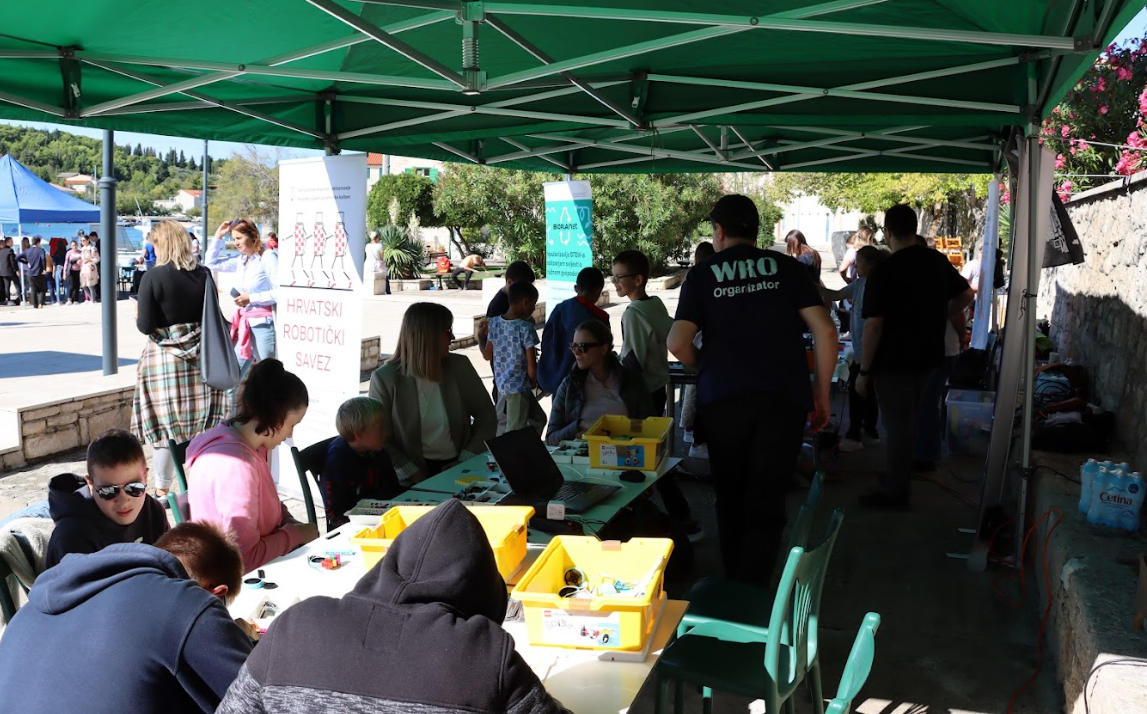
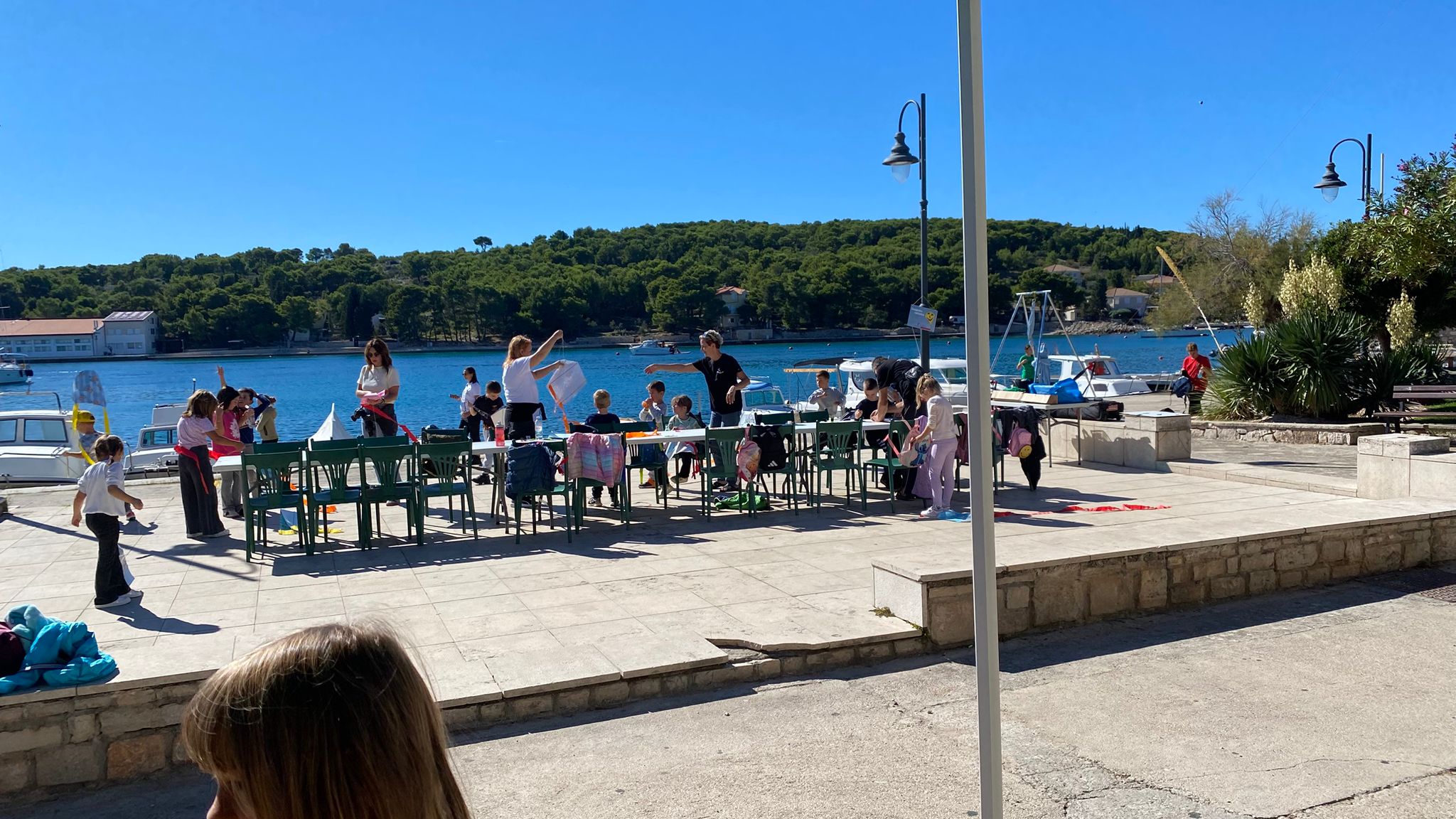
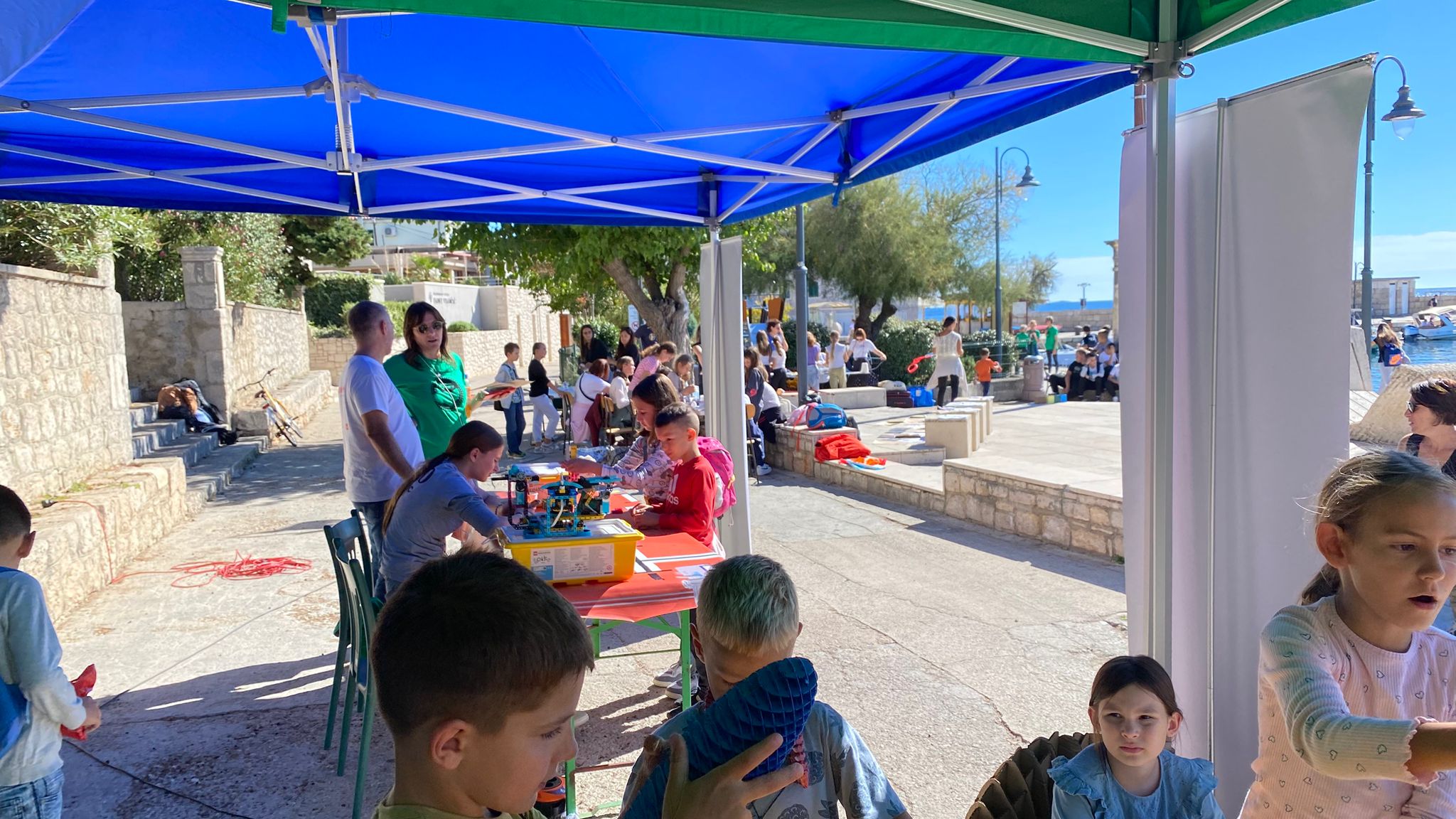
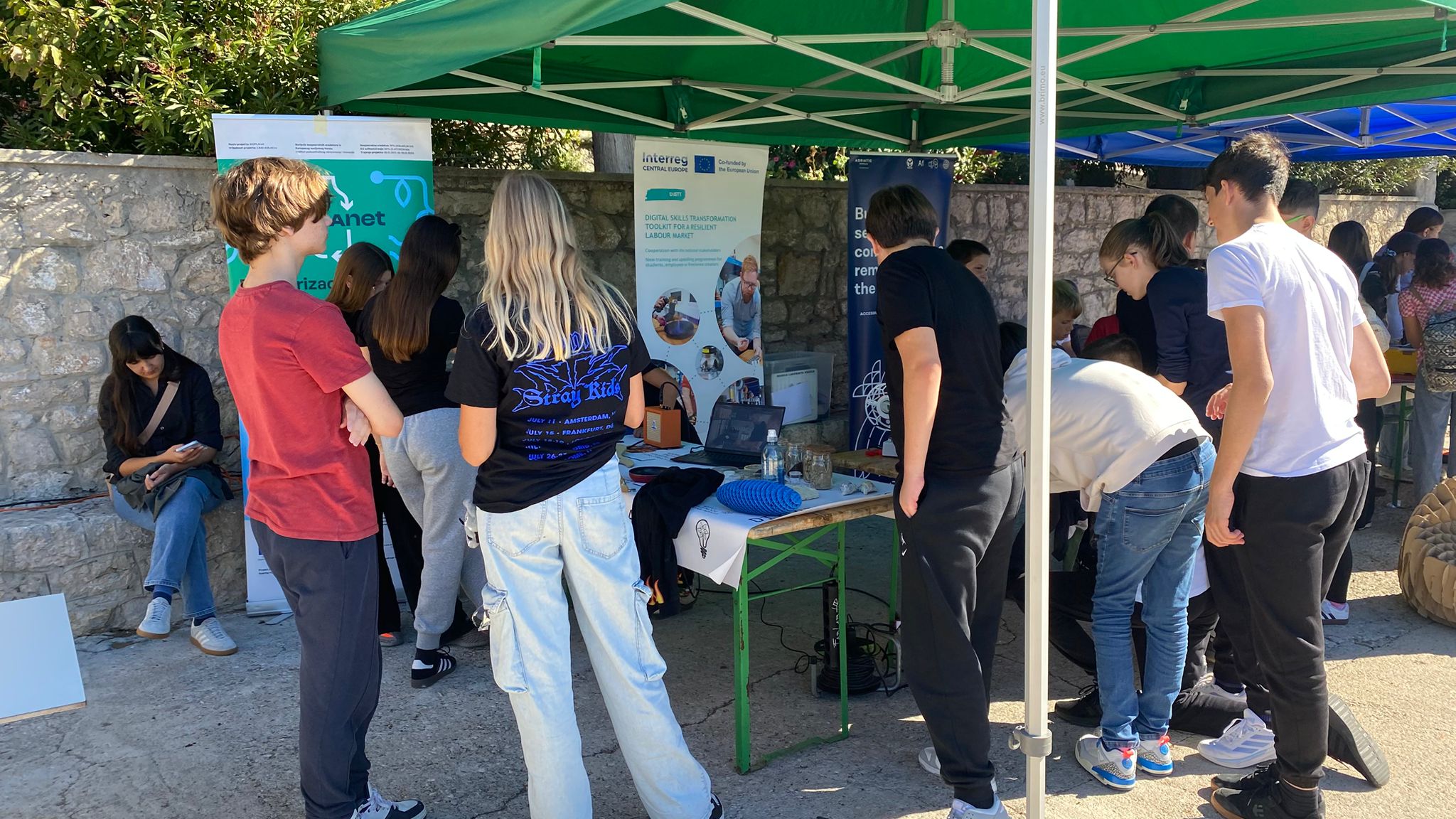
Adriatic GreenLab Prvić is a regenerative island fabrication and education ecosystem co-developed with the local civil association Otok on the Croatian island of Prvić. The initiative builds on more than a decade of community cultural activity, including the annual Creative Days of Faust Vrančić festival, which promotes creativity, science, cooperation, and local heritage through intergenerational workshops and events.
The project expands this established cultural platform into a permanent circular STEAM infrastructure by transforming an abandoned former youth centre into a community-led Adriatic GreenLab hub. This adaptive reuse of local heritage space responds directly to the island’s need for a year-round venue supporting educational, creative, and social activities.
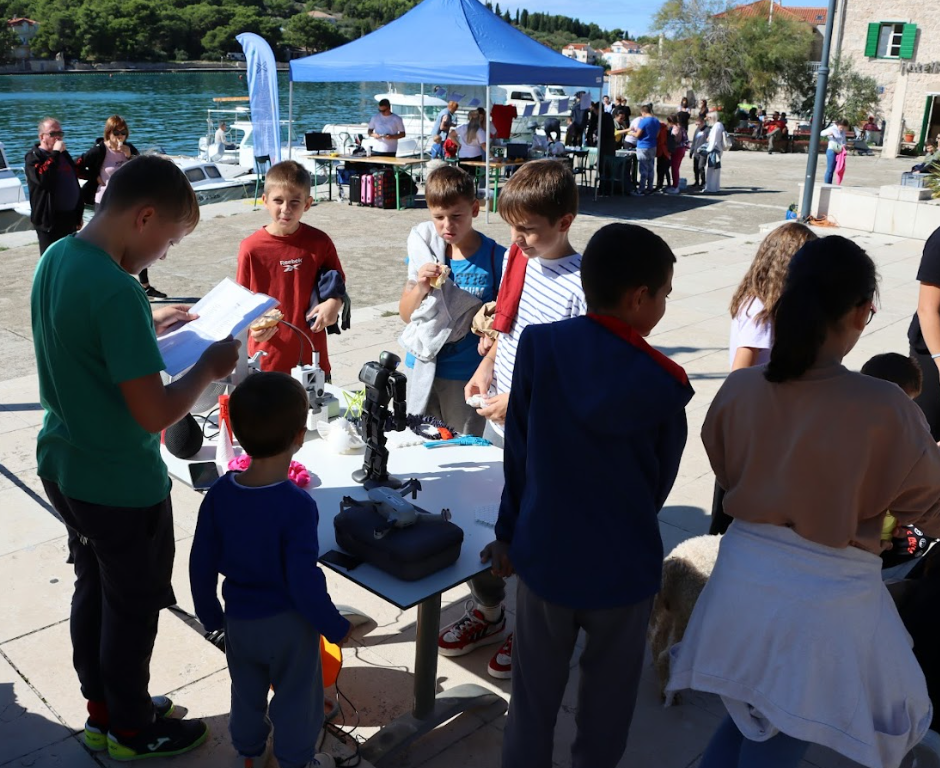
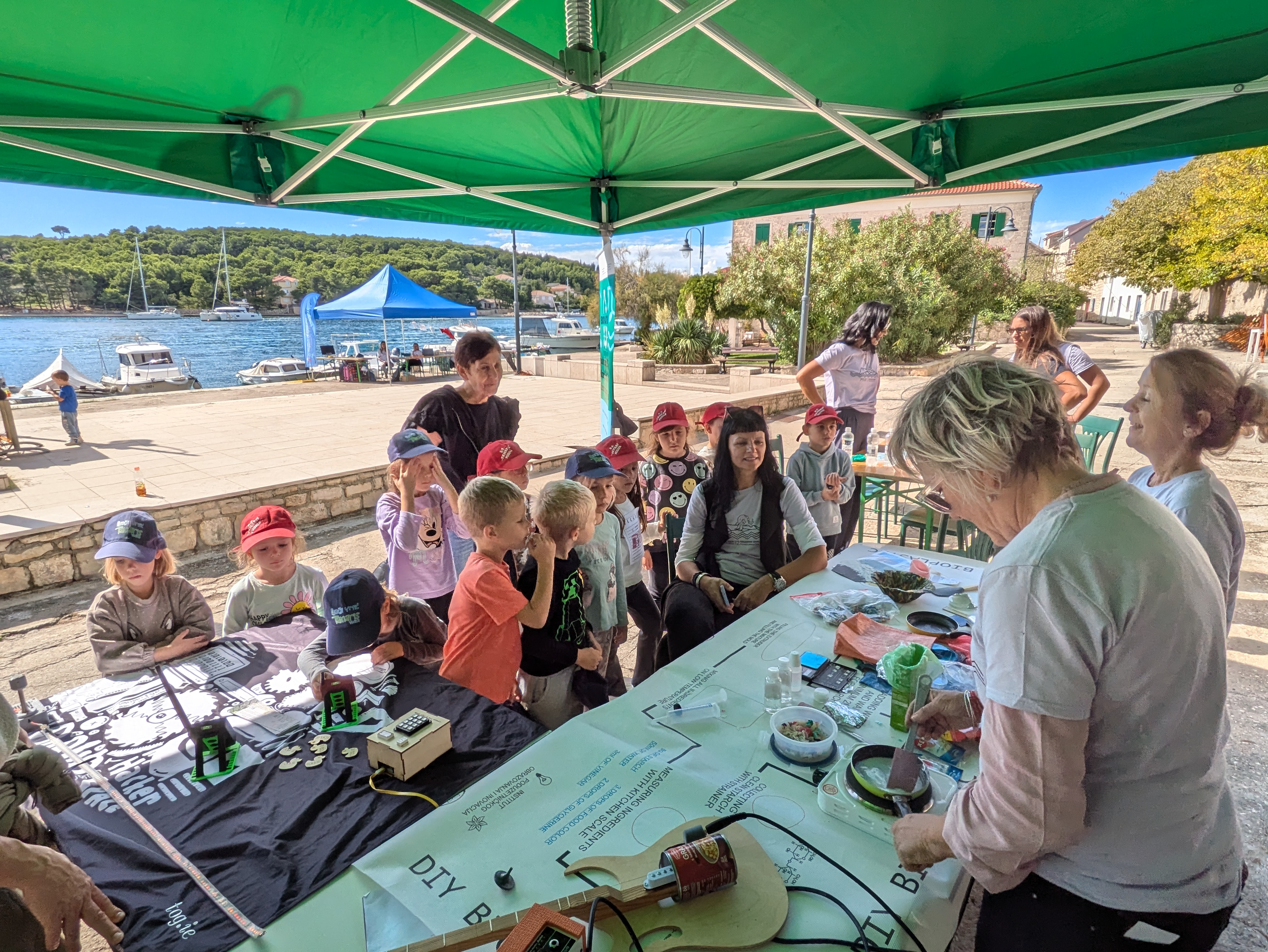
Prior to establishing the permanent centre, FabLab Zagreb and partners have already organised international summer camps, workshops, and educational programmes on the island, while the local association has long hosted international students and cultural participants through festival and learning activities. These experiences demonstrated strong demand for a dedicated fabrication and learning space supporting sustained local and international collaboration.
The future Adriatic GreenLab Prvić centre will combine biomaterial experimentation, circular fabrication workshops, learning spaces, and small-scale accommodation for visiting students, artists, researchers, and experts. By integrating heritage, participatory making, and circular material practices, the project strengthens social cohesion, youth participation, and local skills while extending seasonal tourism into year-round educational and creative activities.
The concept of Adriatic GreenLab originated several years ago during a visit to the Valldaura Labs, an experimental research and education centre exploring sustainable production and regenerative design near the city of Barcelona. Observing discussions on sustainability and local production in the context of one of Europe’s most innovative urban environments raised an important question: how could similar principles be tested and developed in remote territories with far fewer resources?
A second key inspiration came from the Fab City Global Initiative, which promotes the vision of locally productive, globally connected cities and citizens. While many Fab City experiments emerge in well-resourced metropolitan contexts, the AGL idea sought to explore how these principles could be translated to rural and island environments.
This reflection led to a central challenge: if cities already concentrate knowledge, infrastructure, and resources, how can remote communities participate in and benefit from these emerging models of distributed production and innovation? At the same time, how might society as a whole learn from the resilience and creativity that often emerge in places where resources are limited?
AGL therefore explores the hypothesis that remote communities — despite facing infrastructural constraints and geographic isolation — possess unique capacities for innovation, collaboration, and adaptive problem-solving. In environments where individuals and communities must often develop inventive solutions simply to sustain everyday life, valuable knowledge and practices can emerge that contribute to broader societal transitions toward sustainability, circular production, and regenerative living.
The AGL initiative was conceived as a platform to test these ideas in real contexts, connecting local communities with global knowledge networks while exploring how remote territories can actively contribute to future sustainable innovation ecosystems.
Circularity
Inclusion
Heritage
Participation
Regeneration
Adriatic GreenLab Prvić addresses sustainability by demonstrating how small island communities can transition toward regenerative and circular practices rooted in local resources and knowledge. Developed through collaboration between FabLab Zagreb and the local association Otok, the initiative expands the Creative Days of Faust Vrančić cultural platform into a year-round circular STEAM ecosystem focused on sustainable production and learning.
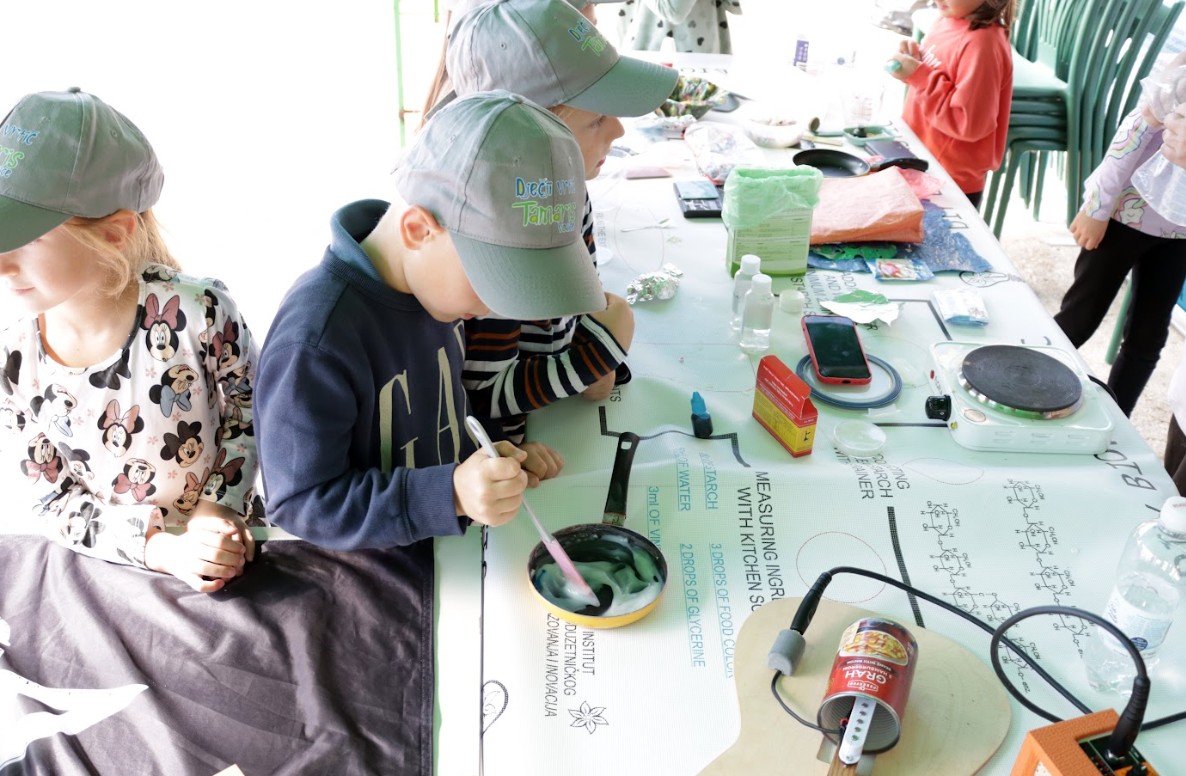
The project promotes environmentally responsible approaches through experimentation with biomaterials, circular design and low-impact fabrication methods. Workshops and research activities explore the potential of locally available materials and encourage regenerative thinking, helping participants understand how production systems can reduce waste and strengthen local ecological cycles.
A key sustainability element is the adaptive reuse of an abandoned former youth centre that will become the Adriatic GreenLab community hub. By revitalising existing infrastructure rather than building new facilities, the project reduces environmental impact while extending the life of an underused building and transforming it into a resource for community development.
Economically, the initiative supports long-term sustainability by connecting creative production, education and international collaboration with emerging forms of educational tourism and knowledge exchange. This approach diversifies opportunities for small island communities that often depend on seasonal tourism.
Adriatic GreenLab demonstrates how local creativity, circular production and adaptive reuse can support resilient and environmentally responsible development in remote territories, offering a replicable model for Mediterranean rural and island communities.
Adriatic GreenLab contributes to the aesthetic dimension of the New European Bauhaus by reconnecting creativity, culture and everyday life within the unique landscape and heritage of the Adriatic island of Prvić. The initiative builds on the spirit of the Creative Days of Faust Vrančić festival, where art, science and invention meet, and extends this cultural energy into a permanent space for collaborative creativity.
The transformation of the abandoned youth centre into the Adriatic GreenLab hub represents an important aesthetic gesture. Rather than replacing existing structures, the project reactivates a meaningful place of collective memory and gives it a new identity as a space for experimentation, learning and creative production. This approach preserves the character of the island while enriching it with contemporary design and maker culture.
Through workshops, residencies and summer schools, the project generates experiences where participants explore sustainable materials, design and fabrication in ways that combine functionality with creativity. The process of making together produces prototypes, installations and objects that reflect both the cultural heritage of the island and the imagination of its participants.
By turning neglected spaces into inspiring environments for learning and collaboration, Adriatic GreenLab strengthens the emotional connection between people and place. The initiative shows how aesthetics can emerge from participation, cultural identity and creativity, making everyday life more meaningful while reinforcing a shared sense of belonging.
Adriatic GreenLab promotes inclusion by creating an open and participatory platform where local residents, youth, artists, researchers and visitors collaborate in shaping the future of the island community. Developed jointly by FabLab Zagreb and the local civil association Otok, the initiative builds on more than a decade of community activities connected to the Creative Days of Faust Vrančić festival.
The transformation of the former youth centre into a community innovation hub provides accessible infrastructure where educational workshops, fabrication activities and cultural programmes are open to residents of different ages, backgrounds and levels of experience. By offering shared tools, knowledge and creative spaces, the project lowers barriers to participation in innovation and learning.
Inclusion is also reflected in the governance of the initiative. Programmes and activities are co-developed with local organisations and community members, ensuring that the space responds to local needs and priorities. This participatory approach enables residents to move from passive users to active contributors and co-creators of community development.
The initiative also connects the local community with international students, makers and experts through workshops, summer schools and residencies. This exchange creates opportunities for mutual learning and ensures that small island communities are not isolated from broader innovation networks.
Through participatory governance, shared infrastructure and collaborative learning, Adriatic GreenLab demonstrates how inclusive community-based innovation ecosystems can strengthen social cohesion and empower citizens.
Adriatic GreenLab is rooted in a participatory approach that places local communities at the centre of the project’s development and implementation. The initiative emerged through collaboration between FabLab Zagreb and the local civil association Otok, which for more than a decade has organised the Creative Days of Faust Vrančić festival and actively engaged residents in creative and educational activities on the island of Prvić.
Citizens, community groups and local stakeholders have been involved from the early stages of the initiative. Together with local partners, the community helped identify the abandoned former youth centre as the future location of the Adriatic GreenLab hub. This decision reflects local needs and aspirations to revive a meaningful social space for collective activities and learning.
Participation continues through the design and implementation of programmes such as workshops, international summer camps and cultural events where residents, youth, artists, researchers and visiting makers collaborate. Rather than being passive beneficiaries, participants contribute ideas, local knowledge and skills that shape the content and direction of activities.
The project therefore operates as a shared platform where community members, civil society organisations and external experts work together to explore sustainable practices, creative production and new forms of learning. This collaborative process strengthens trust, builds local ownership of the initiative and encourages long-term engagement.
Through this participatory governance model, Adriatic GreenLab demonstrates how community-driven initiatives can transform underused spaces into living platforms for collective creativity and local development.
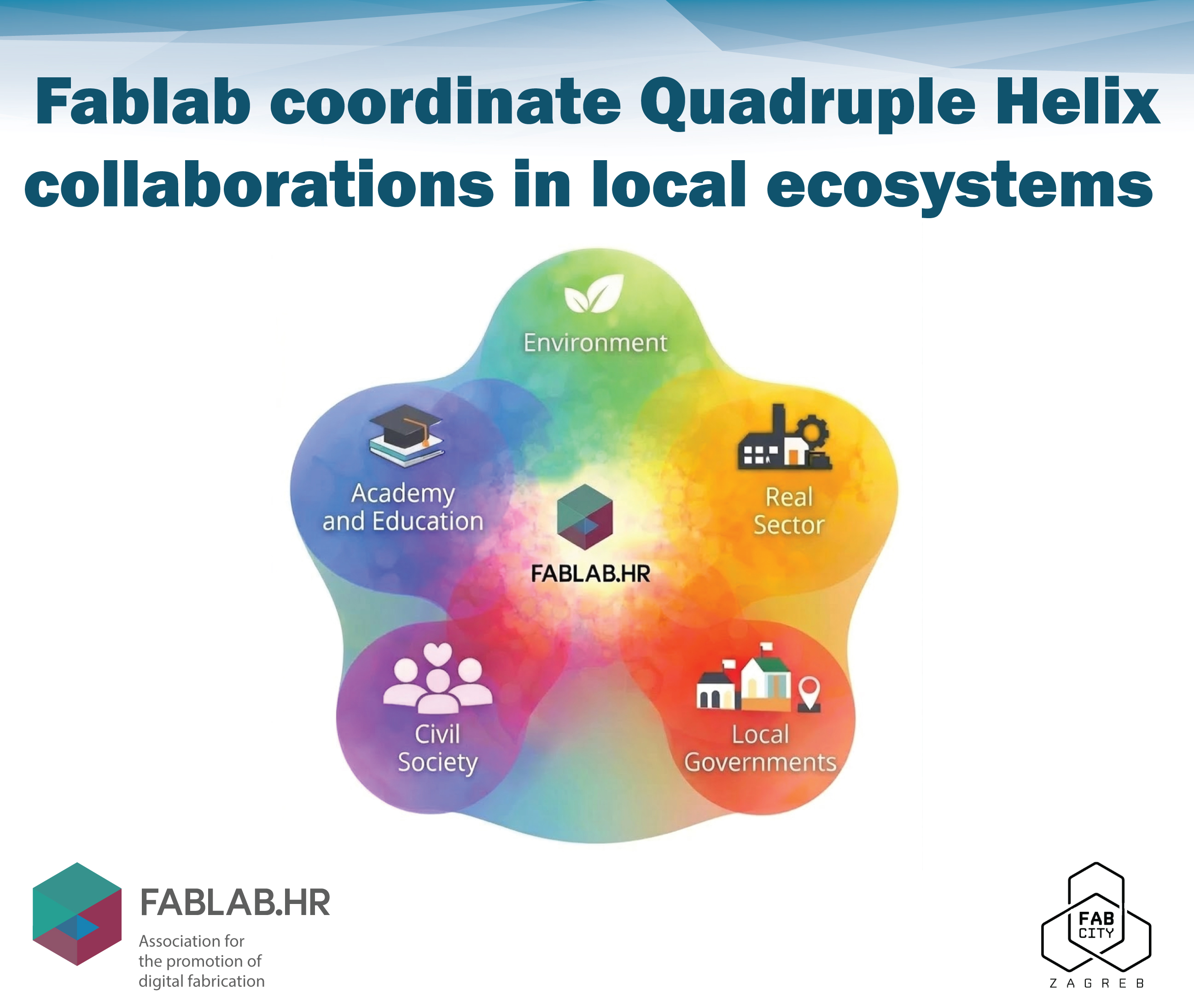
Adriatic GreenLab is developed through collaboration between actors operating at multiple governance levels, connecting local community initiatives with regional, national, and European innovation networks. The project originates from cooperation between FabLab Zagreb and the local civil association Otok on the island of Prvić, building on more than a decade of community cultural activities related to the Creative Days of Faust Vrančić festival.
At the local level, residents, civil society organisations, and community groups are actively involved in shaping the transformation of the abandoned youth centre into the Adriatic GreenLab hub and in developing its educational and cultural programmes. This ensures that the initiative responds directly to local needs and strengthens community ownership.
At the national and regional level, FabLab Zagreb contributes its experience as a Croatian non-profit organisation working for more than twelve years in digital fabrication, education and community innovation. Through numerous collaborations and projects funded by programmes such as Horizon Europe, Interreg and Erasmus+, the organisation has built strong partnerships with universities, innovation centres and cultural institutions across Europe.
At the European level, FabLab Zagreb participates in wider maker and innovation networks. In particular, it is involved in the VULCA mobility and residency network, which connects makerspaces across Europe and promotes exchange of knowledge and skills through mobility and collaboration between maker communities.
This multilevel engagement enables Adriatic GreenLab to combine local knowledge and community participation with international expertise and collaborative learning. The result is a locally rooted but internationally connected initiative capable of generating broader impact and contributing to sustainable innovation ecosystems across Europe.
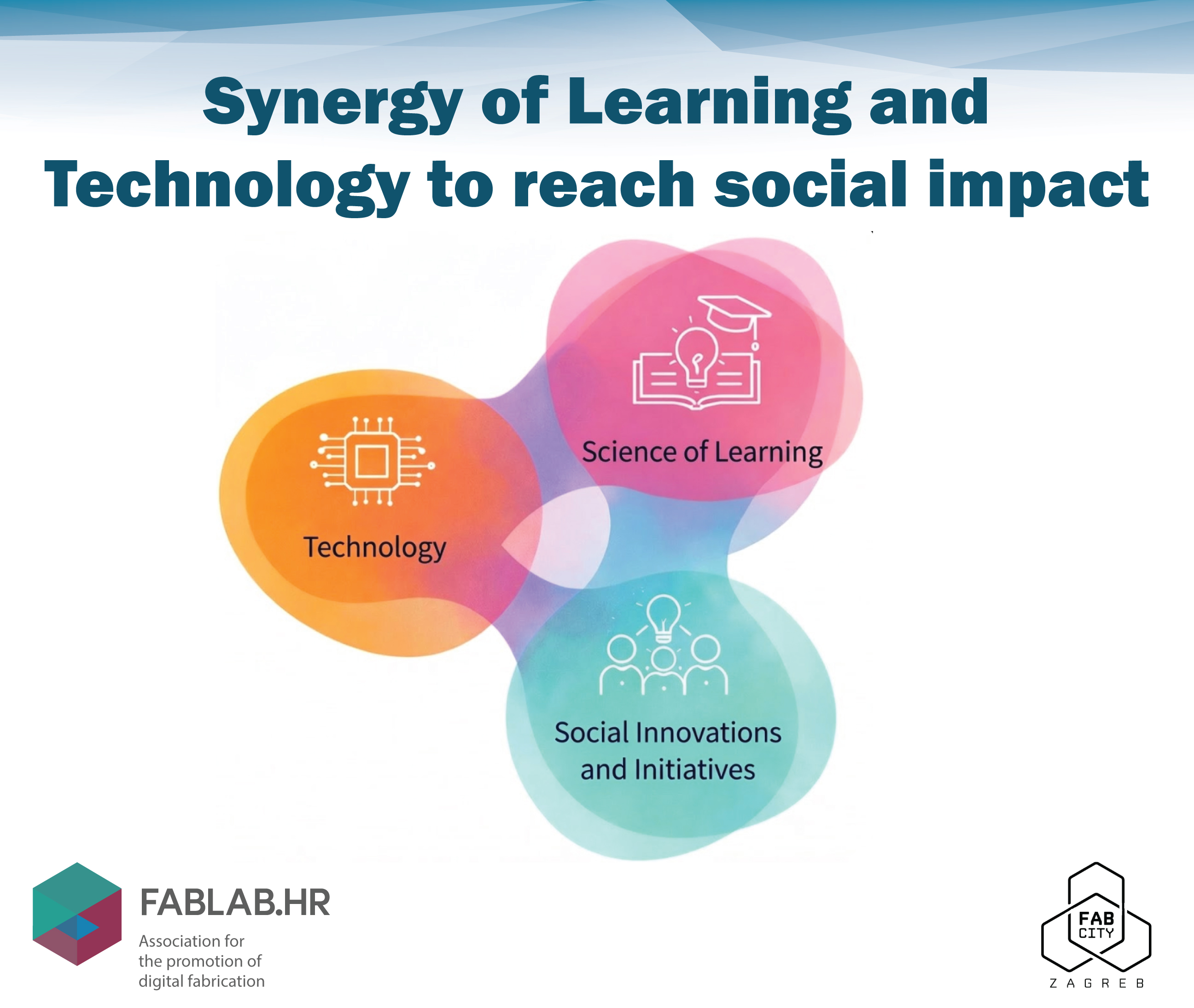
Adriatic GreenLab is conceived as a transdisciplinary initiative that connects knowledge from multiple fields including design, architecture, digital fabrication, environmental sciences, education, arts and social innovation. The project brings together local knowledge and international expertise to explore new approaches to sustainable development in small island communities.
The initiative is coordinated by FabLab Zagreb, a non-profit organisation focused on digital fabrication, education and community innovation. Through more than a decade of work and participation in European collaborative projects such as Horizon 2020, Interreg and Erasmus+, FabLab has developed strong partnerships with universities, makerspaces, research organisations and cultural institutions across Europe. These collaborations support the exchange of expertise across disciplines including engineering, design, creative industries and education.
Within Adriatic GreenLab, these disciplines converge through hands-on experimentation and collaborative learning. Designers, architects and makers work together with environmental researchers and educators to explore sustainable materials, circular production methods and new forms of community-based innovation. Artistic practices and cultural heritage are also integrated through workshops, residencies and events connected to the Creative Days of Faust Vrančić festival.
The project therefore creates a shared platform where technical, cultural and social perspectives interact. Digital fabrication technologies are combined with traditional knowledge, while educational and social approaches support community engagement and experimentation.
By bridging disciplines that are often separated in traditional institutions, Adriatic GreenLab demonstrates how transdisciplinary collaboration can generate innovative solutions for sustainable local development while fostering creativity, learning and community resilience.
Adriatic GreenLab is designed as a financially sustainable initiative based on a multi-source financing model combining public funding, educational activities, international mobility programmes and collaborative partnerships. This diversified approach reduces dependence on a single funding source and enables long-term operation of the AGL hub.
One of the main revenue streams is educational tourism and international learning programmes. Workshops, summer schools, maker camps and professional training programmes attract participants from Croatia and abroad, generating income through participation fees while also supporting knowledge exchange and skills development.
The project also benefits from international mobility and residency programmes, including Erasmus+ mobility, job-shadowing opportunities and maker residencies connected to European networks such as VULCA. These programmes enable visiting students, makers, researchers and artists to live and work on the island, contributing to the local economy and strengthening international collaboration.
Another important component is participation in European research and innovation projects, including Horizon Europe, Interreg and Erasmus partnerships. Through more than a decade of experience in such programmes, FabLab Zagreb has developed the capacity to attract funding that supports experimentation, education and community innovation. Local public authorities frequently participate as partners in these projects, creating additional value for municipalities and regional development strategies.
The model is further supported by sponsorships, donations and partnerships with companies interested in sustainability and innovation. Companies can engage through team-building activities, workshops or pilot projects within the AGL environment.
By combining education, mobility, research funding and private collaboration, AGL establishes a resilient economic model.
Adriatic GreenLab demonstrates how local communities can transform neglected spaces into regenerative innovation ecosystems that combine sustainability, creativity, and social inclusion. By linking cultural heritage, maker education, and circular material experimentation, the project empowers island communities to actively shape their future while contributing to broader regional transformation across the Mediterranean.