Walls as storytellers
Walls as storytellers: public art in Villanova as a tool for community identity
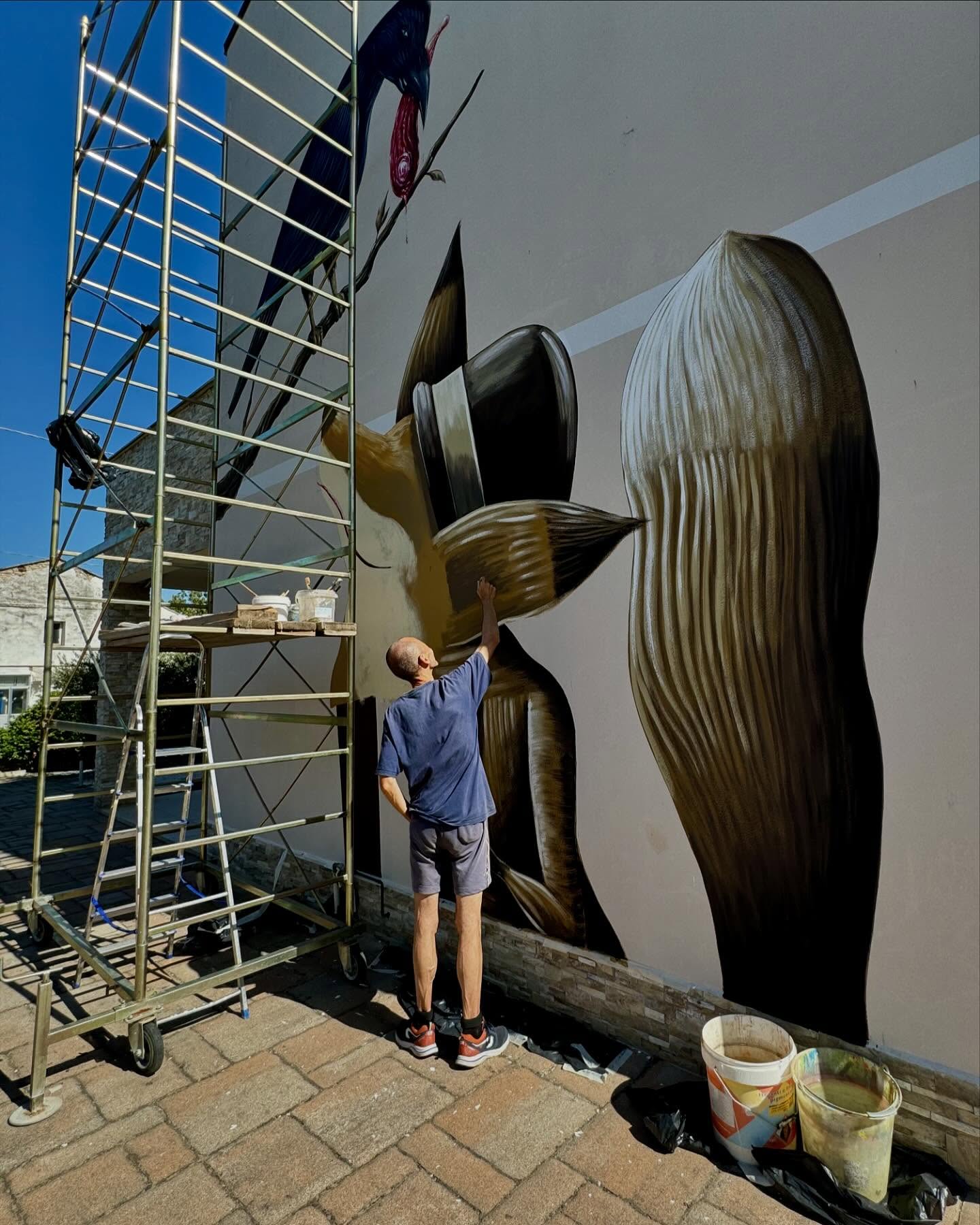
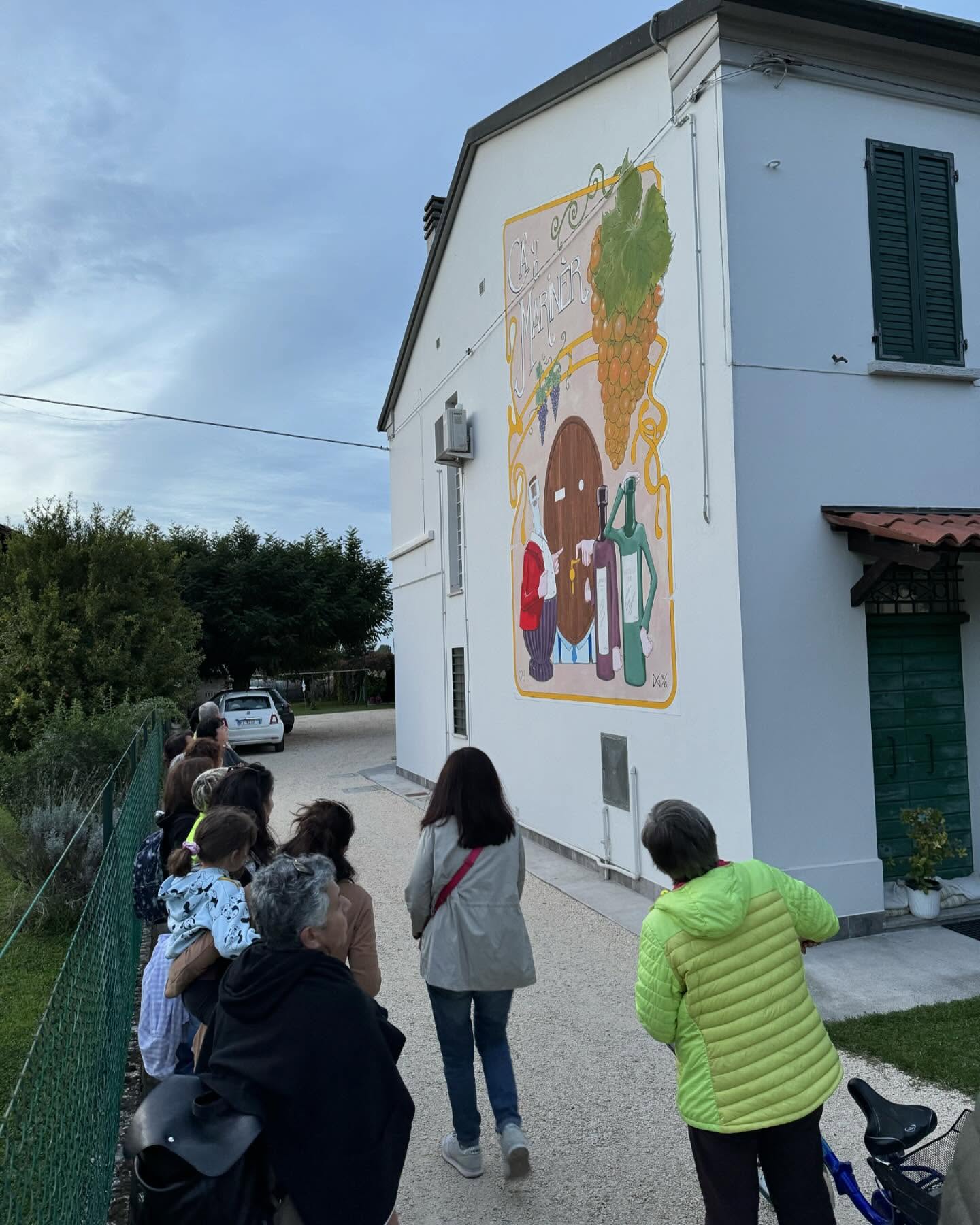
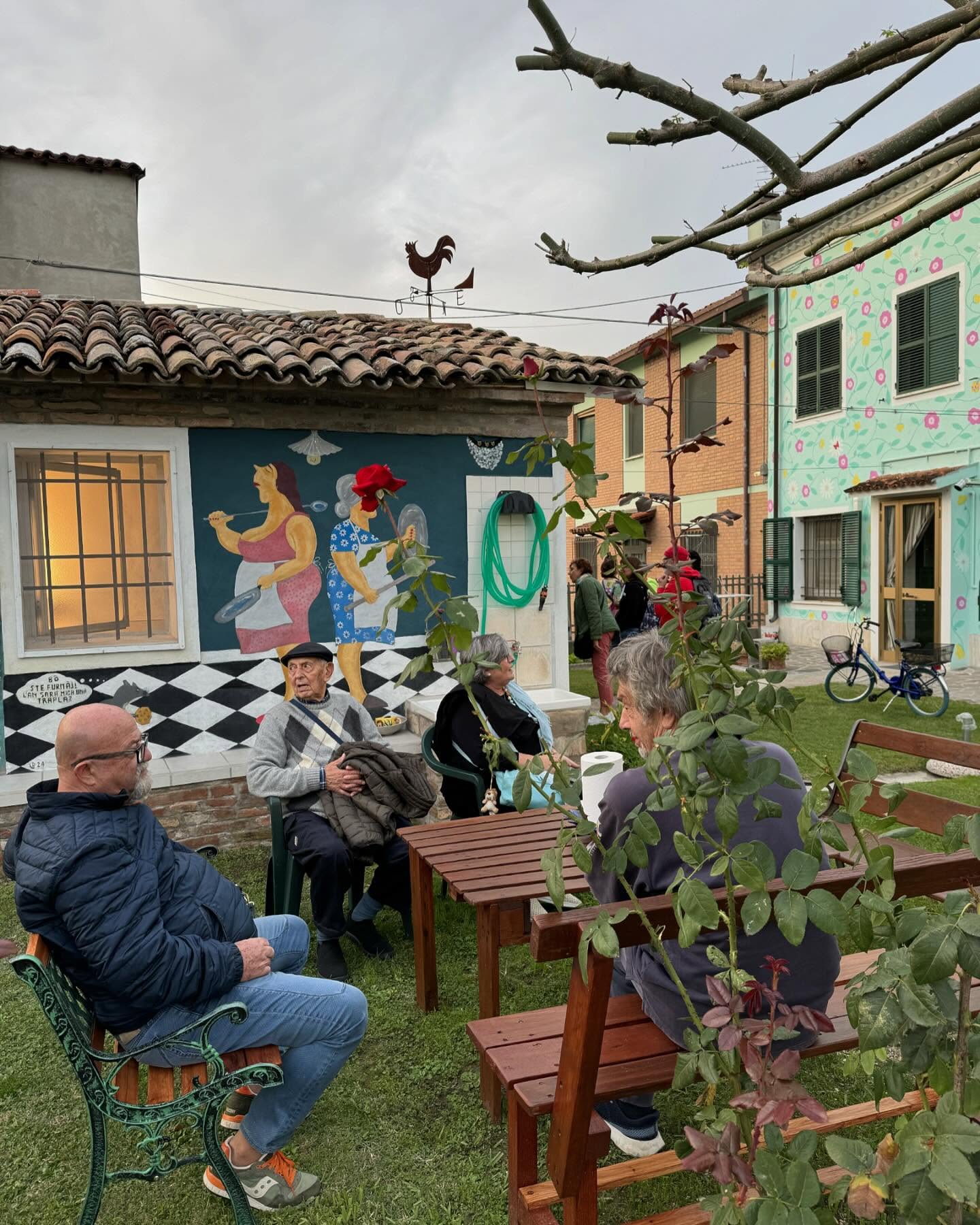
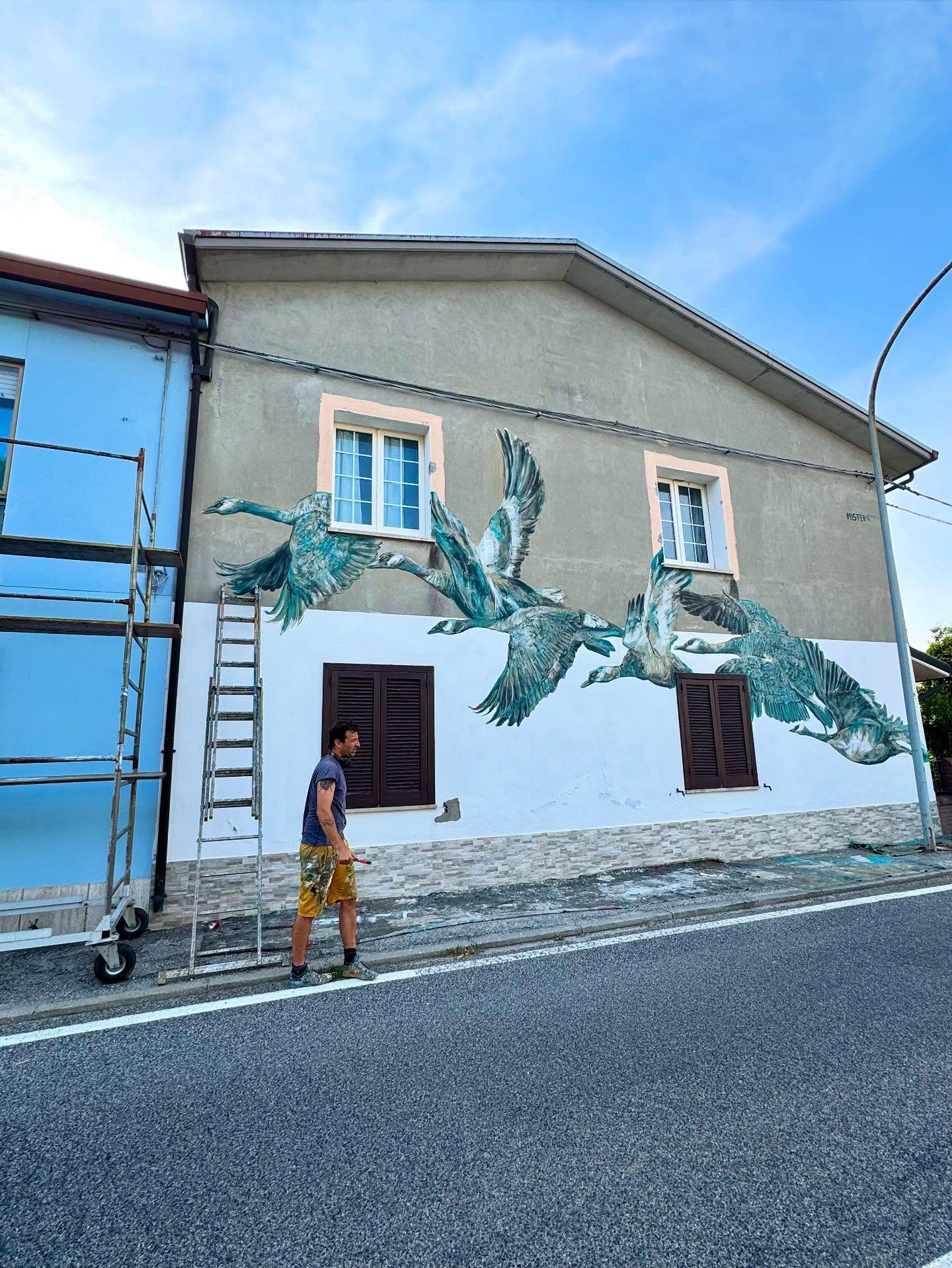
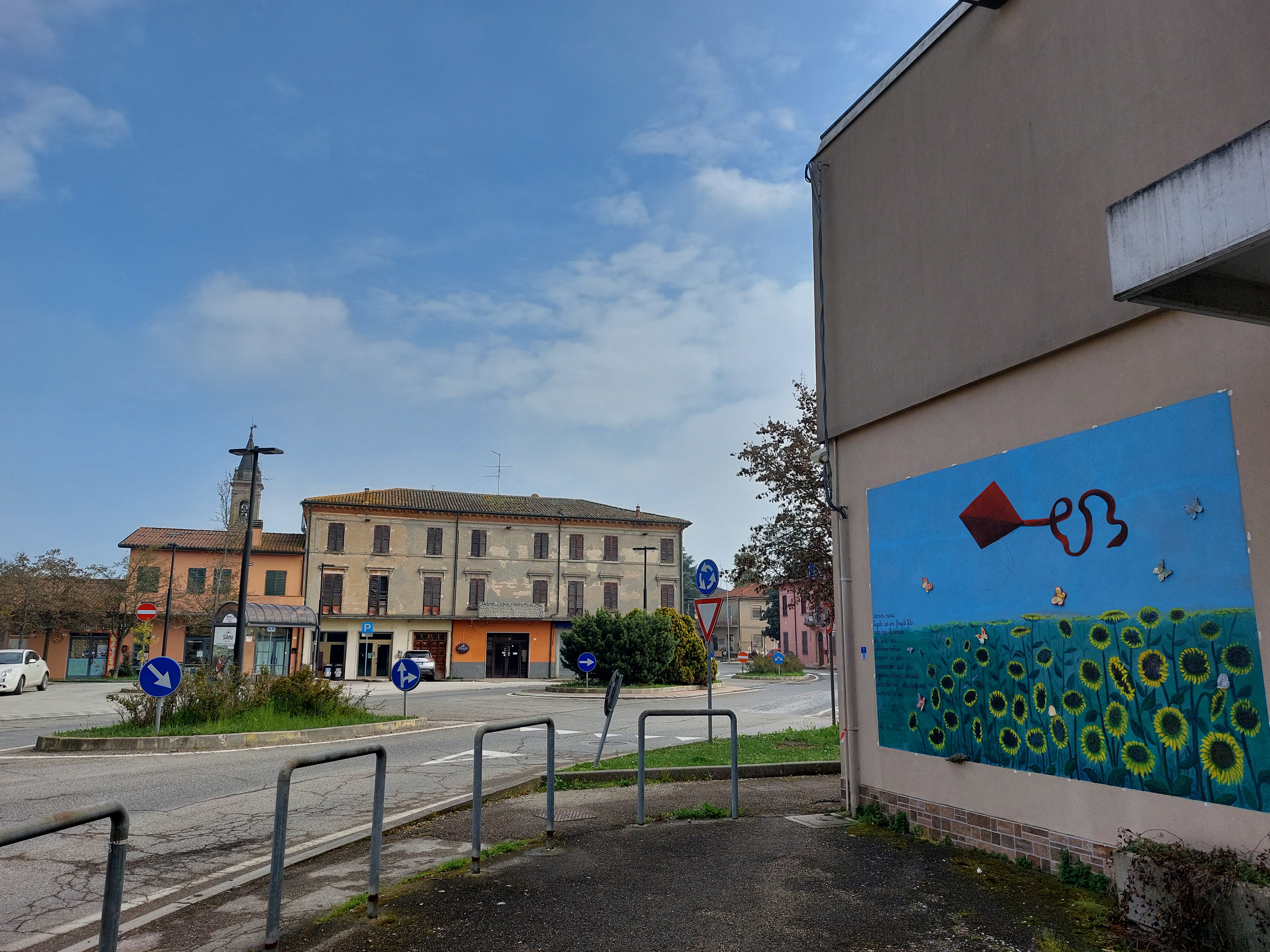
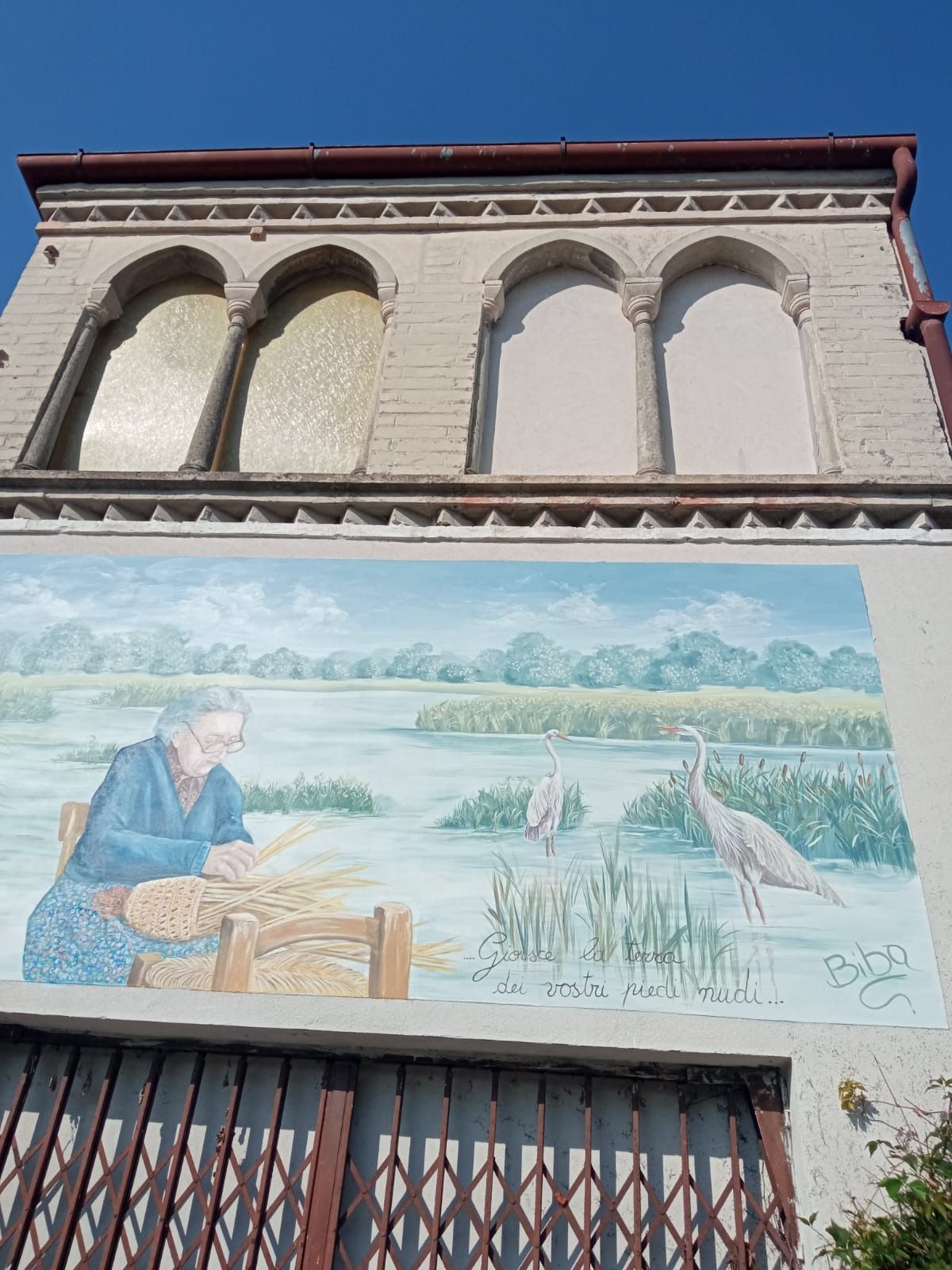
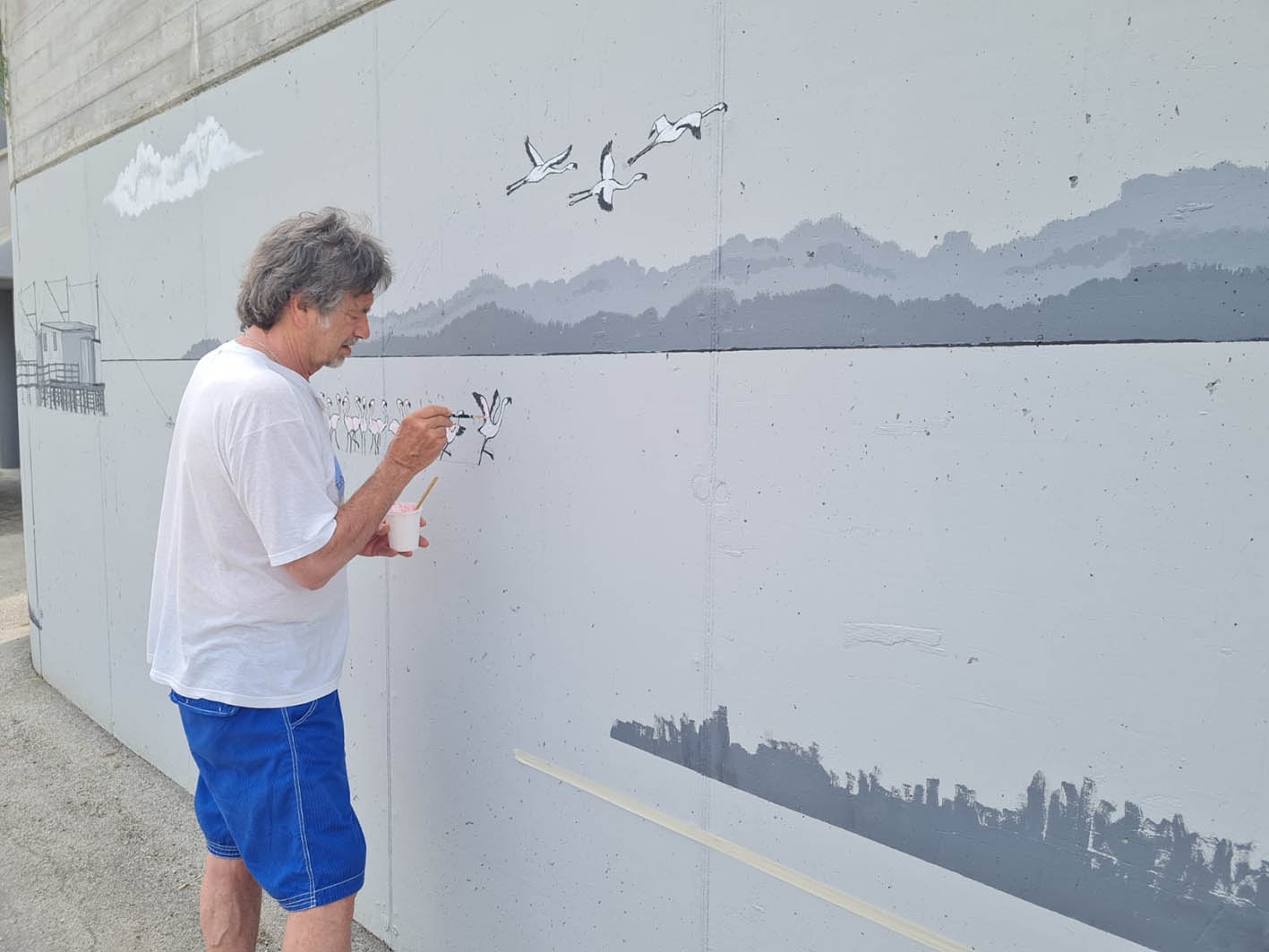
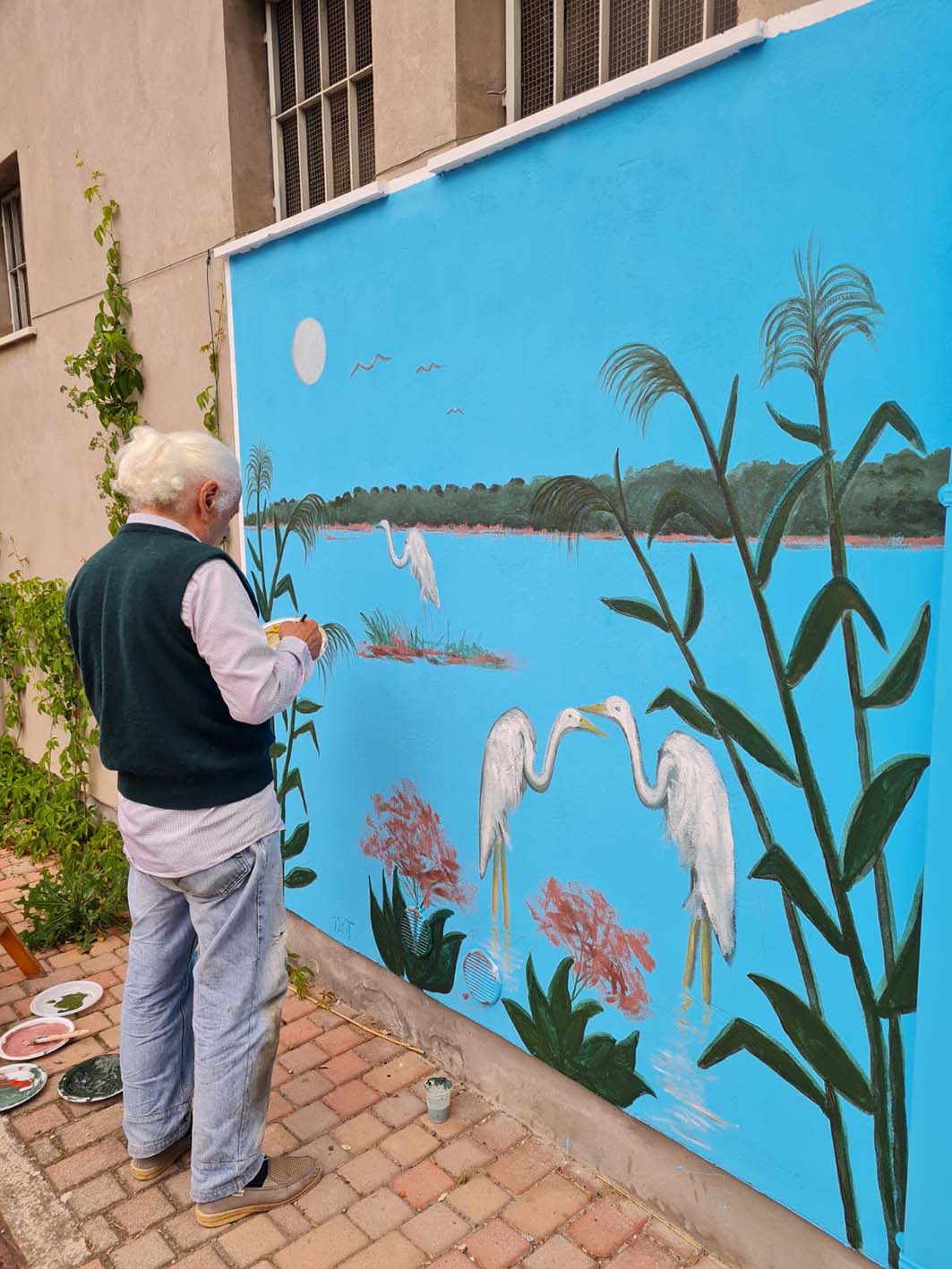
The project to decorate the town with murals began with a few citizens with the support of a local association. There are now almost fifty murals, depicting scenes and characters representative of the area. The aim is to take the project to the next level, so as to restore Villanova’s identity through art, transforming it into an open-air museum that tells its story, its traditions and its connection with nature, in order to attract visitors, promote the area and bring new life to the community.
Italy
Villanova, a village in the municipality of Bagnacavallo
Prototype level
Yes
Yes
Yes
No
No
39002: Bagnacavallo (IT)
The project aims to promote civic engagement in the community, kickstarting a virtuous cycle designed to foster greater cohesion within the community and to create a tourist attraction linked to the area’s identity and the tradition of valley herb braiding.
The project stems from a proposal by the local community and aims to take an existing, bottom-up initiative to a level of greater engagement with the entire population, whilst also improving its quality.
Members of the District Council and associations will be involved, supported by the citizens promoting the project, members of the foreign communities, the church and individual residents, through a dedicated comunication campaign.
Objectives: strengthen Villanova’s historical and cultural identity by highlighting its connection with the River Lamone; revitalise the village, restoring its beauty and attractiveness for residents and visitors; create an immersive art trail that complements the work of the Ecomuseum of Marsh Herbs, thereby enriching the area’s cultural offering.
Expected outcomes: Mapping of existing murals; Production of promotional material by creating visitor routes; Drafting of guidelines for the creation of murals; Launch of an annual call for public art proposals to help raise the overall quality of the works; Strengthening community cohesion and motivating residents to contribute to the village’s regeneration.
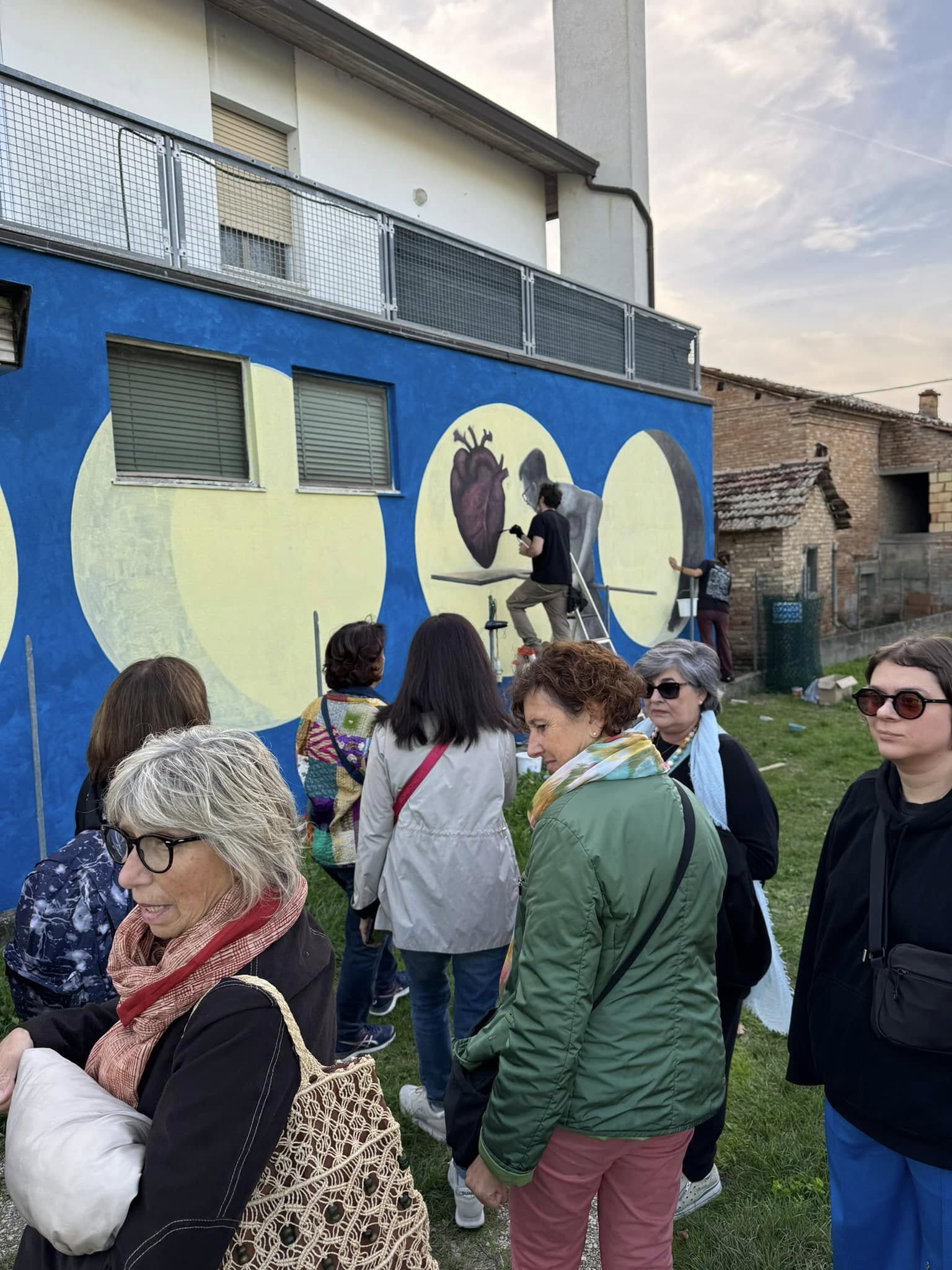
The project embraces the values and principles of the New European Bauhaus, aiming to involve the entire community and is based on a citizen-led approach, promoting sustainable art through the use of non-polluting paints and fostering the traditional culture. The value of beauty is central to the project, as it aims to regenerate a town with degraded buildings. Citizens will be involved through public meetings and urban walks, they will be the decision-makers for future development and the main actors in a major public art event involving the participatory creation of a mural.
participation
bottom-up
regeneration
enhancement
identity
In terms of sustainability, “Walls as Storytellers” will be committed to using non-polluting and eco-friendly paints, aiming for a project with a minimal environmental impact. There are no plans to construct new buildings; instead, the focus will be on revitalising and restoring existing buildings that are in a state of decay, with a view to improving the public space in the wider sense.
Not only will these measures be adopted, but a cultural tradition typical of this area—one based on reuse—will be promoted, with the aim of reducing waste.
Highlighting the connection between Villanova and the River Lamone, as well as with ancient craft traditions, is a way of promoting a culture of circularity, with an eye to the biodiversity of the environment around us. The Ecomuseum of Marsh Herbs, located in Villanova, is a centre of the CEAS (Centres for Sustainability Education) of Emilia-Romagna. Here, the tradition of weaving marsh herbs is carried on alongside other activities promoting sustainable lifestyles, whilst respecting and enhancing the environment and nature.
This initiative can serve as a model for other communities, as it takes traditional knowledge and combines it with new, modern methods of sharing that knowledge. The regeneration of existing buildings is one of the main ways to improve an area without constructing new buildings; if this approach is also used to promote local cultural traditions that align with this concept of sustainability, its impact is even greater.
One of the main objectives of the project is to revitalise and regenerate the town, restoring its beauty and attractiveness for those who live there and for visitors. The quality of the experience is therefore one of the primary aims of “Walls as Storytellers”.
Thanks to this project, the residents of Villanova, tourists and even those who are just passing through will be able to enjoy a village that tells its story and traditions through its houses, buildings and streets. The idea of the village as an open-air museum will welcome all those passing through Villanova into a revitalised and immersive environment.
Just as it has been throughout the early stages of the project, this experience will improve people’s quality of life, particularly for those who benefit from the project on a daily basis. Living in a revitalised environment enables us to act positively in our everyday lives; it encourages us to take better care of our town, with a greater focus on both private and common good.
The grassroots approach on which this project is based is a real asset, ensuring that the various sections and groups within the community are involved from the very start. The aim is to maintain this inclusivity and the participation of the entire community throughout every stage of the project.
Through focus groups the local community will develope the project concept, leading to a presentation of the results and a public event that creates a visible impact on the local area. A public meeting will be held to present the participatory process, along with two urban walks, open to all, to map existing murals. The most significant locations in the town that could host further murals in the future will also be mapped. The mapping will be analysed through focus groups, and the direction for the project’s future development will be decided. This will be followed by the organisation of a major public art event, featuring the collective creation of a mural, and the gathering of proposals for murals to be created in private spaces. The ultimate goal of the project is to produce a map of the murals and launch a dedicated communication campaign, involving the planning of a series of guided walking tours led by the same citizens who participated in the project, as well as the drafting of guidelines for annual public art competitions.
The aim is to involve the members of the Local District Council, citizens who have already joined informally and voluntary associations, members of the most representative migrant communities, the church and individual citizens, through a dedicated communication campaign aimed at informing the general public about the launch of the initiative.
The distinctive feature of the project is definitely its bottom-up approach, which leads to actions that are driven by the community rather than imposed by the administration; the project comes from the will of the citizens, and this is undoubtedly its strength.
This project will improve the quality of life for local residents, particularly for those who benefit from it on a daily basis. Living in a revitalised environment enables us to act positively in our everyday lives; it encourages us to take better care of our town, with greater attention to both our own personal and collective well-being.
The project aims to strengthen community cohesion within the village and motivate residents to contribute to its regeneration.
Active participation fosters a greater sense of belonging to the community and the physical place in which we live, including rediscovering its history and traditions, as well as the environmental features that characterise it.
The project therefore promotes civic engagement within the community, setting in motion a virtuous cycle that promotes greater cohesion within the Villanova community and creates an opportunity to attract tourists by highlighting the area’s unique identity.
At present, stakeholder engagement is planned solely at local and regional level, including through existing networks with other local authorities within the Emilia-Romagna region. With the potential development the project may achieve thanks to this Prize, we can certainly consider reaching the European level and, subsequently, the national level.
With greater international involvement, we could replicate the project elsewhere, starting with the communities with which our municipality already has friendship or twinning relationships.
With greater international involvement, we could replicate the project elsewhere, starting with the communities with which our municipality already has friendship or twinning relationships.
The project’s approach is undoubtedly interdisciplinary, as it ranges from art to tradition, from history to craftsmanship, and from sociology to urban planning.
All these fields are closely intertwined in the development of the project.
Artistic research must study and respect the history and tradition it is representing, but at the same time it must comply with building regulations and adapt to the structure it is intended to revitalise.
The sociological approach allows us to carry out the project in the most appropriate manner, respecting the diversity of the population involved and gathering the input they provide, before translating this into concrete actions.
Tourism hospitality is another element that intersects with the disciplines mentioned so far, as one of the objectives is to make the area attractive and accessible to visitors.
It can therefore be said that cooperation between different disciplines and areas of intervention is a constant factor in the proper development of this project.
The innovative nature of the project lies in its bottom-up approach and the high level of participation from the whole community throughout the various stages of the project.
Usually, projects aimed at creating murals focus exclusively on finding an artist to carry out the work, without involving the local community.
In this case, however, it is the local community itself that decides where the murals should be placed, who should be depicted in them, and how to explore and rediscover local traditions.
Although formal in its interactions with the municipality, the project will be based primarily on an informal approach. During stages involving the public, such as focus groups, public meetings or discussion groups, facilitators will be used to mediate any differences of opinion. Public events and urban walks will be conducted in an informal and collaborative manner.
It is planned to provide an email address where participants can report any critical issues, problems or matters on which they consider mediation to be useful.
It is planned to provide an email address where participants can report any critical issues, problems or matters on which they consider mediation to be useful.
The project has great potential for replication; there are many small towns, or neighbourhoods within large cities, across Europe that are in a state of neglect due to a lack of private or public funds to enable their regeneration. The “Walls as Storytellers” project can easily be replicated elsewhere, as it requires only the presence of existing buildings in need of enhancement or restoration.
The added value of the project is that it does not simply involve creating murals; instead, the walls become canvases, books upon whom can be written the story of the territory in which we are.
By extending this project to other contexts, one could imagine a European mapping of places where walls tell stories.
The methods for engaging the public are also easily replicable anywhere, as they are universal and not strictly tied to a specific territory.
A potential future development for “Walls as Storytellers” would be to replicate the project in other locations, since it is highly replicable.
Consideration could also be given to extending the project to other districts of the municipality of Bagnacavallo, highlighting the distinctive characteristics of each one.
The values and principles of the New European Bauhaus are an integral part of the project, primarily due to the importance of citizen involvement – including those who are often excluded from planning processes – as well as the sustainability of the materials used and the promotion of a culture of circularity and sustainable action. The aim of enhancing the local area through the renovation of buildings aligns with aesthetic values.
Interdisciplinarity and cooperation between different disciplines and areas of intervention are essential for the successful development of this project.
The key steps to implementing the project are undoubtedly to maintain a high level of public participation and engagement, whilst at the same time providing the tools and support to ensure the project does not run out of steam.