Strengthening Local Democracy and Inclusion
Inclusion Matters to Little Ones
Inclusion Starts with training of the profissionals working with children
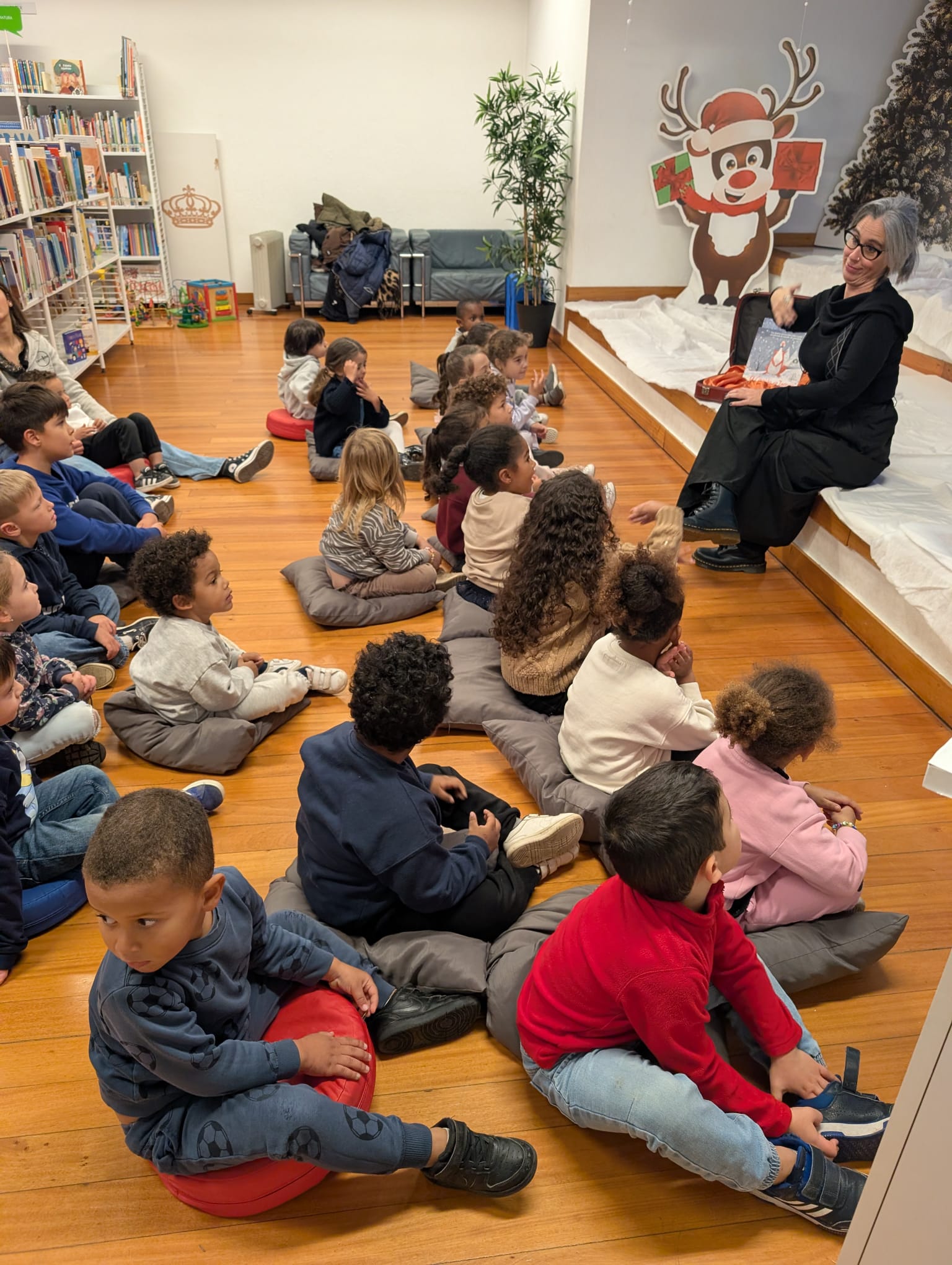
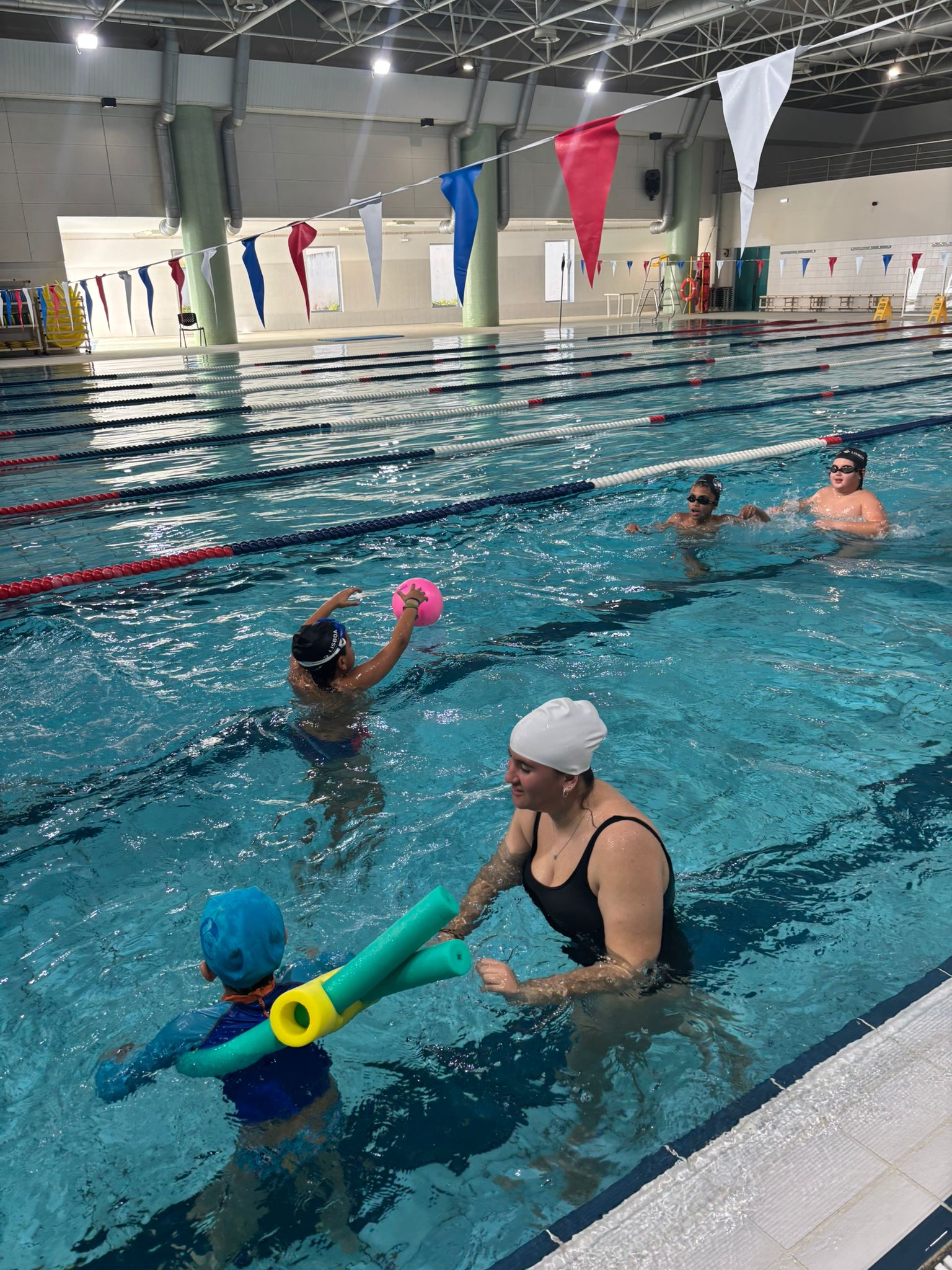
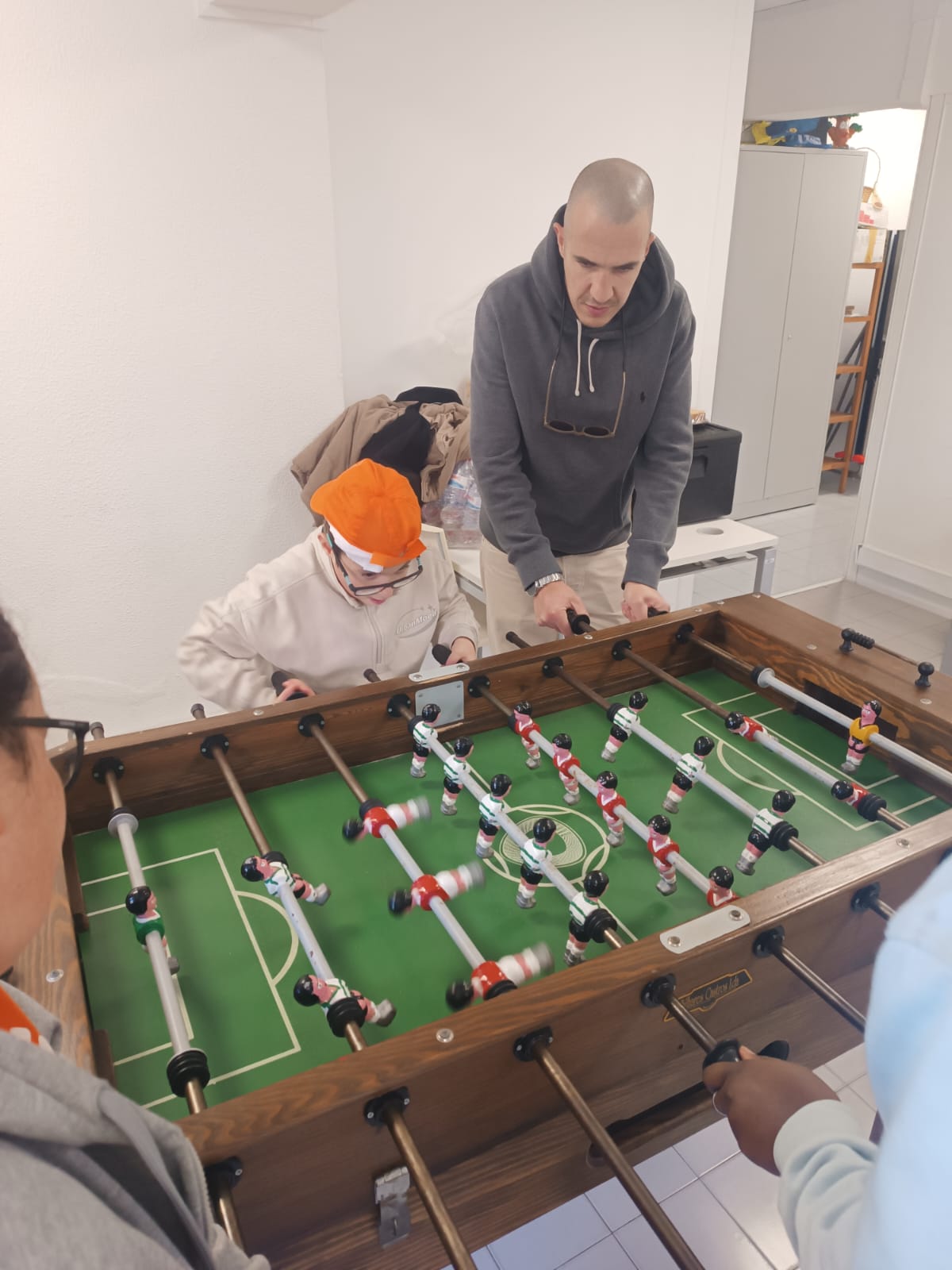
In Carnide (Lisbon), 66 frontline education workers learned practical, personalised strategies to support children with specific health and educational needs. Through theory based on their real doubts + immediate on-site practice in daily routines, they turned stressful moments into joyful, cooperative ones.
Portugal
Local
Lisbon
Mainly urban
It involves other types of transformations (soft investment)
Yes
2025-07-31
No
No
No
Individual
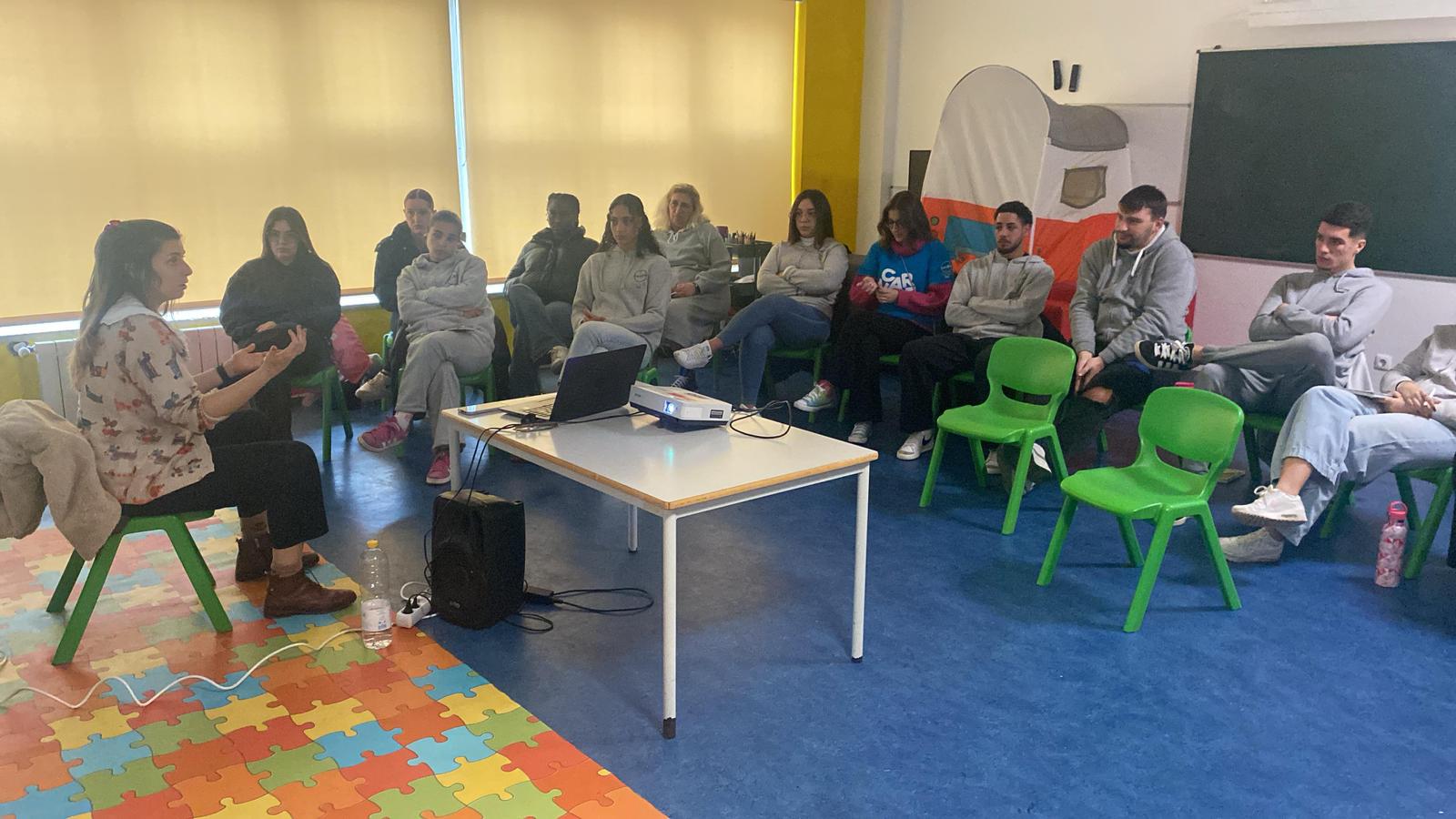
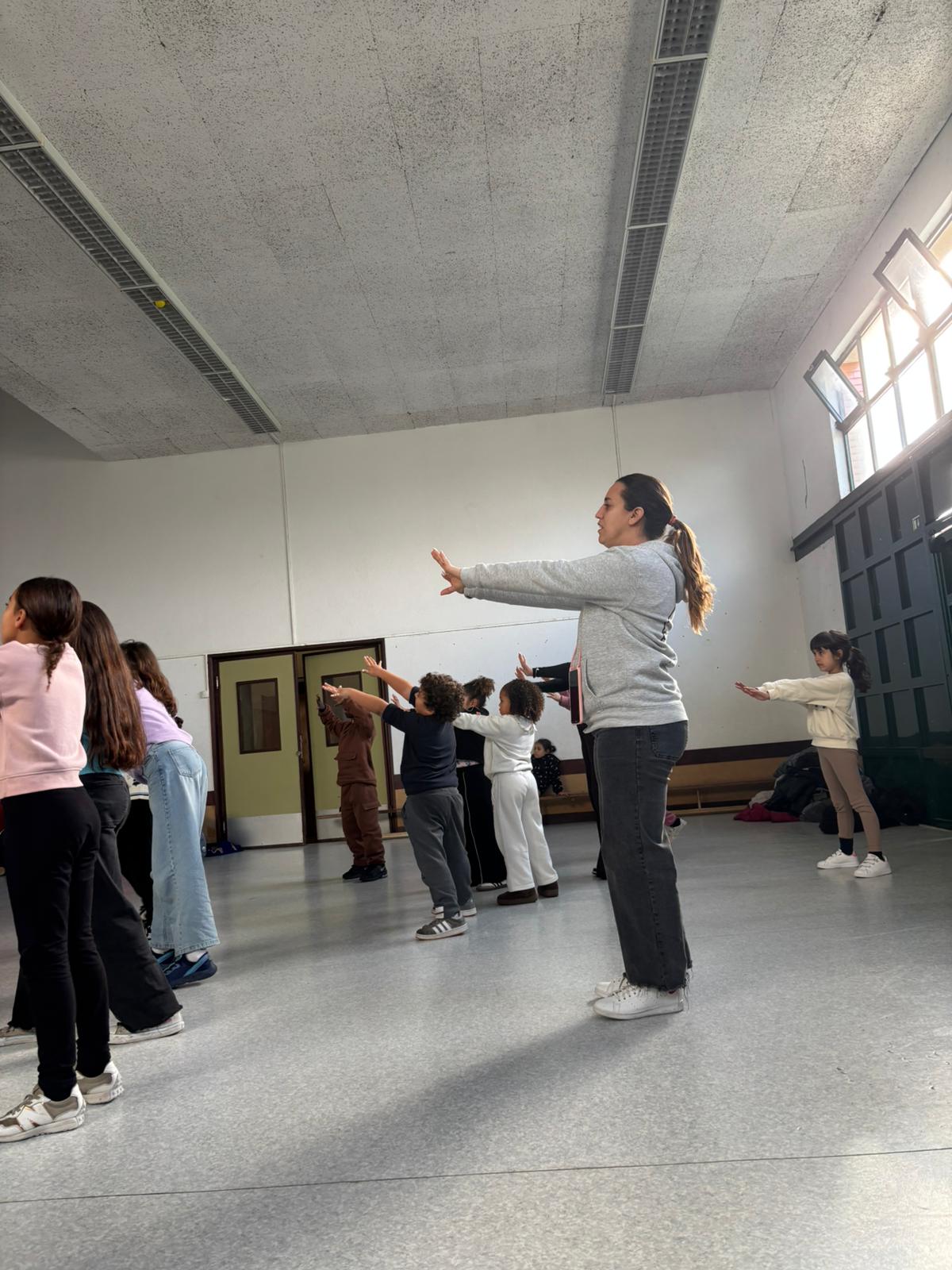
As a specialist trainer in early intervention, I designed and delivered personalised training for 66 frontline assistants and animators (16 education assistants aged 18–50 + ~50 AAAF/CAF animators mostly 18–30) in Carnide Parish Council schools, Lisbon.The project filled a major gap: these workers manage growing numbers of children with specific health/educational needs but receive almost no professional tranning. A 2019 University of Lisbon study showed many have only basic education and no support for complex challenges. National policies overlook them, so the Parish Council fully funded this local initiative.From January to March 2025, the programme combined:7 theoretical workshops (based on teams' real doubts, using simple analogies and examples).On-site practical supervision (immediate strategy application in daily routines: welcome, lunch, recess, classroom, holidays). Strategies were tailored per child, tested/refined in real time.Achieved results (from beneficiary evaluation + testimonials):100% rated "very positive"/"super positive", exceeding expectations.
Greater attention to challenging behaviours; higher confidence and reflective practice.
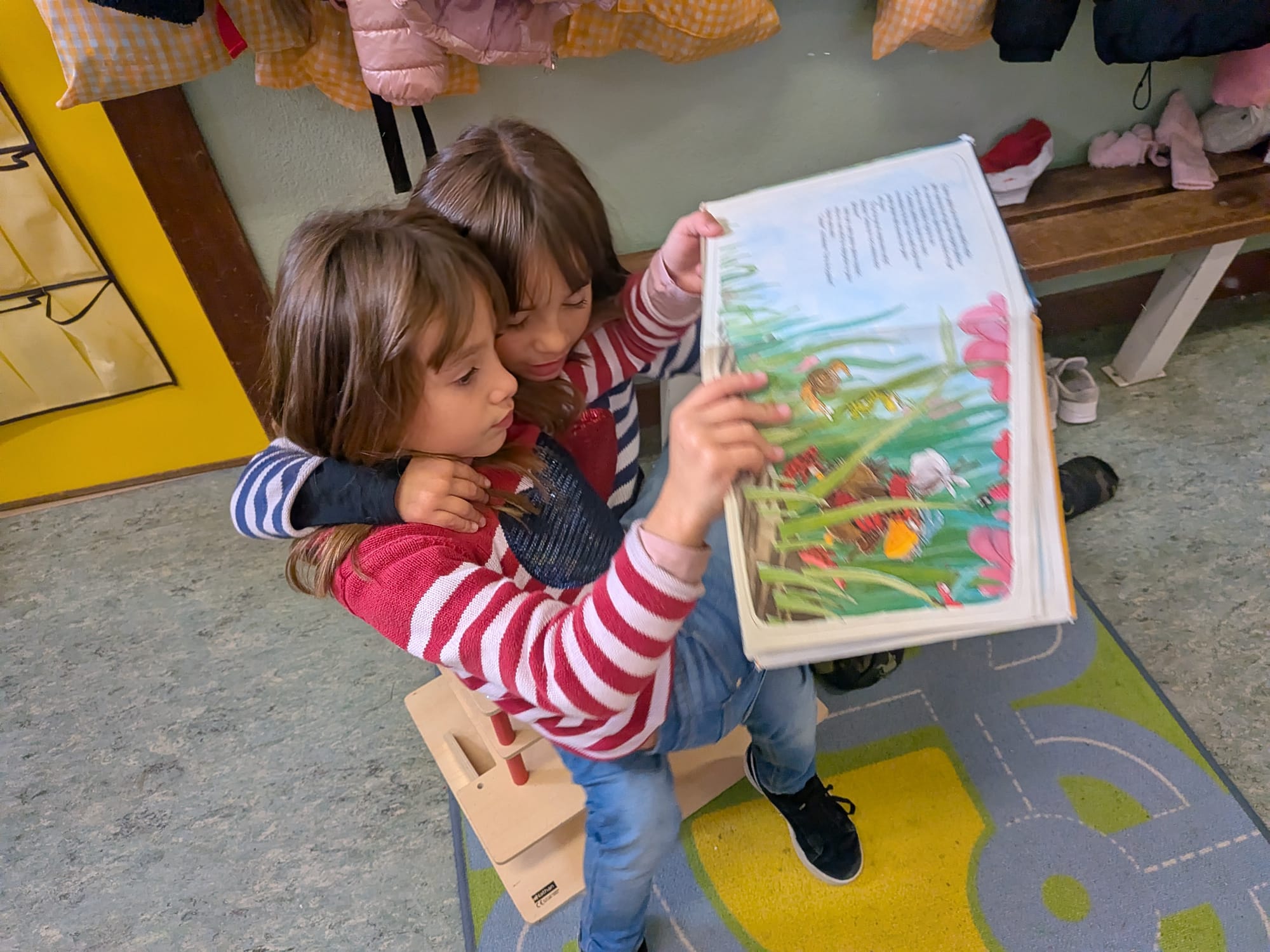
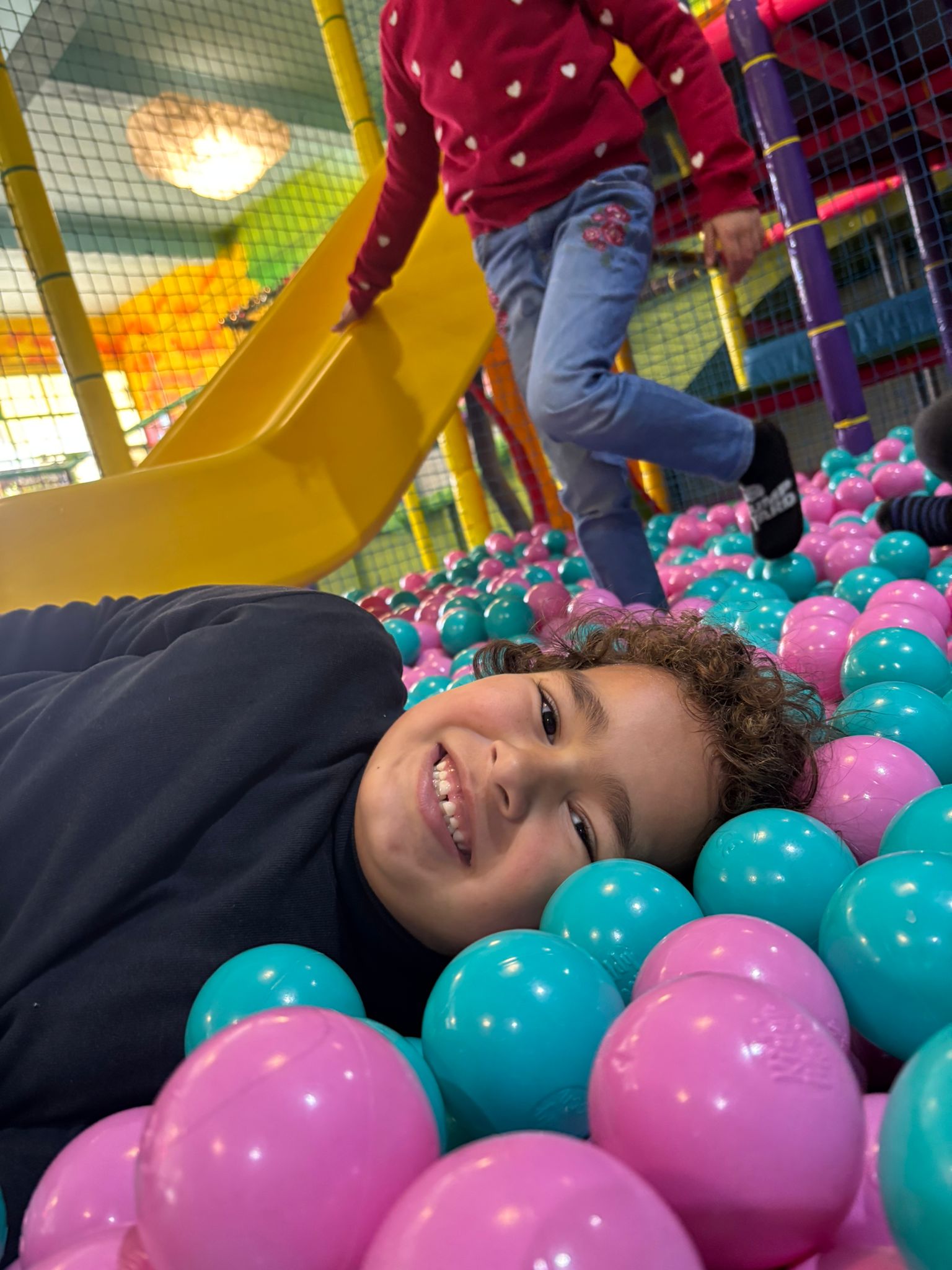
Concrete child changes: food-refusers tried everything; hand-squeezing calmed crises instantly; routines became joyful/cooperative.
Better educator coordination and shared inclusion language.
Long-term impact & sustainability:
The Parish Council commits to a 5-year annual continuity plan (from 2026/2027): refresher sessions, bi-monthly mentoring, internal "Inclusion Champions" training, annual evaluation (target >75% strategy retention, reduced incidents). Local budget allocated (€10–15k/year), with EU/national synergies possible.
I started this project because I saw directly, the real need to educate people that really care and support Children in their more fragile moments.
Therefore, I collaborated with the Parish Council of Carnide to design and implement a structured training and on‑site supervision plan.
The training focused on practical strategies for understanding each child’s individual profile, observing contextual variables, and responding with consistent, developmentally appropriate approaches. Through regular supervision in real classroom, recreation periods and summercamps situations, assistants were supported in applying these strategies, adapting them to each child’s needs, and strengthening their confidence in managing complex situations.
As a result, assistants became more autonomous, reflective, and capable of evaluating each situation with a more informed and sensitive perspective. Their increased confidence and consistency contributed to more stable and supportive learning environments. The children showed meaningful developmental progress and formed stronger bonds with one another, benefiting from improved adult responsiveness and more inclusive daily routines.
This project demonstrated the impact of combining training with continuous, context‑based supervision, reinforcing the importance of collaborative work between schools, local authorities and inclusive educational practices.
Capacity- Building
Context-based Supervision
Inclusive Education
Professional empowerment
Child Development
My project addresses social, cultural, and economic challenges by filling a structural gap in the Portuguese education system: operational assistants—who work daily with children, including those with complex developmental and behavioural needs—receive almost no formal training or support, despite their central role in school functioning and child well-being.This creates social exclusion (stressful routines, behavioural incidents, reduced emotional security), economic inefficiency (high turnover, costly reactive interventions) and cultural undervaluation of frontline workers and community knowledge.By designing a continuous annual training plan—combining theoretical workshops (based on real team doubts) with personalised on-site supervision—the project turns this inequity into an opportunity for community-level capacity building:Social sustainability: 66 assistants gained tools for responsive support, resulting in greater behavioural understanding, increased confidence/autonomy, and joyful routines (children trying new foods for the first time, instant calming techniques succeeding).
Economic sustainability: Fully funded locally at low cost by the Parish Council; committed 5-year continuity plan (refresher sessions, mentoring, internal Inclusion Champions) prevents escalation of needs and reduces long-term exclusion costs.
Cultural sustainability: Builds shared empathetic practices and inclusion language, making everyday education harmonious and human-centred.
Indirect environmental benefit: Predictable, low-stress environments minimise resource waste from crises and promote regenerative daily habits in schools.
The project is exemplary in sustainability because it moves from short-term fixes to systemic prevention: institutionalises capacity at grassroots level with minimal resources, offers a replicable low-cost model for other municipalities, and demonstrates lifecycle thinking.
My project makes life more beautiful for children, assistants, families and the Carnide neighbourhood by turning everyday school routines into moments of care, joy and genuine connection.In the everyday: Assistants learned empathetic, expressive techniques (animated faces, simple calming gestures like hand-squeezing) that light up children's faces and shift stressful situations—mealtimes, transitions, recess—into cooperative, happy exchanges. Children who refused food tried everything; crises calmed instantly; routines filled with smiles and trust instead of tension. Testimonials capture this: “The kids loved it, became happy and did what was needed!”; “I was amazed when it worked!”In the longer term: The 5-year continuity plan (refresher workshops, mentoring, internal Inclusion Champions) embeds these empathetic practices permanently, ensuring future generations experience emotionally safe, harmonious school days that build lasting confidence and belonging.Sense of belonging and care for the place: Assistants feel valued and capable (“Sofia speaks our language”), teams coordinate better with educators, and families see schools as welcoming partners. Local workers become visible agents of positive change, strengthening neighbourhood pride and shared responsibility for inclusive, caring public spaces.Exemplary in aesthetics: The project redefines beauty as relational and human-centred rather than material or architectural: it emerges from listening, empathy, dignity in daily interactions, and emotional safety that makes ordinary places feel alive with warmth and trust. Unlike design-led projects focused on objects or buildings, this demonstrates that profound, enduring aesthetics can be created sustainably through people—by empowering communities to co-create caring atmospheres and inclusive relationships that shape the spirit of a neighbourhood as deeply as any physical intervention.
My project addresses accessibility and affordability by delivering free, high-quality, continuous training to 66 operational assistants in Carnide's public schools—frontline workers who traditionally receive no formal preparation despite daily support for children with diverse developmental, cultural, and social needs. National policies ignore this workforce, creating barriers; the project removes them at zero cost to participants or schools (fully Parish Council-funded), making essential inclusion knowledge accessible to those who need it most. This directly enhances children's equitable access to responsive support, as trained assistants respond more effectively to individual needs.It promotes inclusive governance through a bottom-up model: local authorities, schools, and assistants co-identify needs via pre-submitted doubts, then co-design and implement solutions (theory + on-site supervision). This bypasses top-down national systems, fostering shared responsibility and local empowerment as a new societal model of practical, community-led inclusion. It applies design-for-all principles by tailoring strategies to each child's unique context, turning diversity into a strength rather than a challenge.The project is exemplary in inclusion because it elevates an often-invisible group—assistants with only compulsory education—equipping them with skills, confidence, and recognition to actively shape education. Results include greater behavioural understanding, emotionally safe environments, stronger child-adult bonds, better emotional regulation, peer relationships, and developmental progress (e.g., children trying new foods, instant calming successes). By strengthening the adults closest to the most vulnerable, it builds a more equitable, caring community where inclusion starts at the grassroots—proving that true accessibility and affordability come from investing in people and local systems, not just policies.
The project embraced a participatory process from the start, actively involving citizens, school communities, and local actors who benefit from or are affected by it.Operational assistants (66 frontline workers from five public schools in Carnide) played a central, active role: they submitted real doubts and needs in advance, shaped training priorities, tested and refined strategies during on-site sessions in daily routines (welcome, lunch, recess, holidays), and provided continuous feedback that evolved the content and annual plan. Their daily expertise with children made them co-designers and key implementers, not just recipients.The Parish Council of Carnide was the core institutional partner, fully funding the initiative (trainer travel, time compensation, materials) and providing exceptional Education Coordination support. Their commitment created a trusting, collaborative environment that elevated quality and impact through shared decision-making.Families were indirectly but meaningfully involved via observations of children's progress (e.g., improved emotional regulation, social bonds, security) and feedback to staff, reinforcing the project's value and highlighting visible changes.This high level of involvement had profound impact: assistants gained confidence, autonomy, and reflective practice, leading to emotionally safer classrooms, better child support, and concrete results (e.g., children trying new foods, instant calming successes, joyful routines). Schools built internal capacity for diverse needs; the neighbourhood strengthened ties between institutions and residents, fostering shared ownership. The participatory approach proved community-driven initiatives generate sustainable, long-term change—empowering those closest to the challenges to lead inclusive solutions.
At the local level, the operational assistants from the five public schools in Carnide were central actors. They identified the challenges they faced daily, co‑defined training priorities, and actively participated in the development and testing of strategies. Their involvement ensured that the project responded directly to real needs and remained grounded in the lived experience of those working closest to children.
The Parish Council of Carnide played a decisive role as the main institutional partner. It provided full financial support, enabling the trainer to travel to the schools, dedicate time to training and supervision, and develop tailored pedagogical materials. Beyond funding, the Education Coordination team offered exceptional technical and human support, maintaining close communication, motivating participants, and ensuring that the project was integrated into the broader educational vision of the parish. This created a strong governance structure rooted in trust, collaboration, and shared responsibility.
At the regional and national levels, the project indirectly addressed gaps in the Portuguese education system, which does not formally recognise or fund training for operational assistants. While no national or regional bodies were directly involved, their absence highlighted the added value of local governance stepping in to fill a structural void. The project demonstrates how local authorities can innovate where national systems fall short.At the European level, the project aligns with the New European Bauhaus values. Its added value lies in offering a replicable model of bottom‑up governance, where local actors co‑create solutions that strengthen social cohesion and improve the quality of everyday life.
The engagement of stakeholders at different levels ensured that the project was relevant, feasible, and sustainable, while also demonstrating how local leadership can generate systemic impact.
The project demonstrates multilevel governance through strong local engagement, with indirect inspiration at higher scales, showcasing how grassroots action can bridge systemic gaps.Local level — Operational assistants (66 from five Carnide public schools) were central: they identified daily challenges, submitted real doubts to shape priorities, co-designed/tested strategies on-site, and provided ongoing feedback for evolution. This ensured relevance and grounded implementation in lived realities.Parish Council of Carnide (local authority) was the key driver: full funding (trainer travel, time, materials), exceptional Education Coordination support (technical guidance, motivation, integration into parish vision), and close collaboration created trust-based co-governance and shared ownership.Regional/national levels — No direct involvement, as Portuguese policies overlook assistant training (structural gap per 2019 University of Lisbon study). Their absence amplified the project's value: local innovation filled the void, proving municipalities can lead where higher levels fall short.European level — No direct stakeholders, but the project aligns with NEB principles (participatory, inclusive capacity-building). It offers a replicable bottom-up model for EU-wide application, demonstrating how local empowerment strengthens social cohesion and everyday quality—potentially informing national/EU policies on workforce development in education.Added value of engagement — Multilevel dynamics (strong local + inspirational European fit) ensured feasibility, relevance, and sustainability: assistants gained confidence/autonomy, children benefited from responsive support (e.g., joyful routines, emotional security), schools built internal capacity, and the parish modelled innovative governance. This bottom-up approach generates systemic impact, proving local leadership can drive broader transformation aligned with NEB's multi-level engagement principle.
The business model relies on local public investment, minimal operational costs, and long-term human capacity-building, ensuring financial sustainability through efficiency and community ownership.The Parish Council of Carnide is the central financier, fully funding the trainer (travel, time, materials) and enabling free participation for all 66 operational assistants—removing economic barriers and guaranteeing equitable access to professional development. This low-cost approach (estimated €10–15k/year) delivers high impact: assistants gain skills that reduce reliance on external specialists, prevent escalation of child needs, and lower long-term school/social costs (e.g., fewer crises, better emotional regulation).Sustainability is reinforced by embedding the project in local governance: the Education Coordination team provides not only funding but strong technical/human engagement, aligning with parish priorities and securing ongoing institutional commitment. The 5-year annual continuity plan (refresher workshops, bi-monthly mentoring, internal Inclusion Champions) institutionalises knowledge transfer, making the model resilient and adaptable without national support.Diversification potential includes partnerships with other parishes, small public grants for community education, university/NGO collaborations, or replication in other municipalities at minimal extra cost—scaling requires only knowledge transfer, not major infrastructure.This demonstrates that meaningful educational transformation can be achieved through strategic local investment in people rather than expensive assets: affordable, replicable, and resilient, it creates economic value by building internal capacity that endures and generates broader social returns—fully aligned with NEB's emphasis on sustainable, inclusive models.
Several elements of the project are easily replicable or transferable due to its focus on knowledge transfer, human relationships, and low-cost processes—no specialised infrastructure or technology required.Core methodology — Collecting real participant doubts in advance, delivering simple theory via analogies/examples, and immediate on-site practice/refinement in daily routines—is fully transferable. It works in any educational/non-formal setting with minimal resources.Tools & materials — Simple observation grids, low-arousal frameworks, context-based problem-solving strategies, and illustrated personalised plans can be adapted to different age groups, cultural contexts, special needs profiles, or institutional realities. Low-tech and easy to reproduce/share digitally or on paper.Governance & processes — The bottom-up collaboration (Parish Council funding + Education Coordination support + assistants as co-designers) fills systemic gaps when national/regional policies overlook frontline training. This model can be adopted by other municipalities, school clusters, community organisations, or NGOs in Europe/elsewhere.Key learnings — Investing in frontline workers' confidence and practical skills yields high returns (e.g., assistants' autonomy boost, children's better regulation/relationships/joyful routines). Embedding training in real contexts ensures retention and relevance.The project scales readily to:Other Portuguese freguesias/municipalities or European local authorities facing similar workforce gaps.
Broader beneficiaries: after-school animators, community centre staff, migrant/refugee support workers.
Diverse contexts: low-resource schools, inclusive non-formal programmes.
At €10–15k/year locally, it requires only coordination and a facilitator—proving meaningful inclusion change is affordable, adaptable, and sustainable when rooted in everyday practice and human capital.