Enhancing Circularity, Sustainability, and Innovation
Amazon Plant-Based Acoustic BioFoam
Buriti BioFoam: Circular Plant-Based Acoustic Material from a Brazilian Amazon Palm for Sustainable
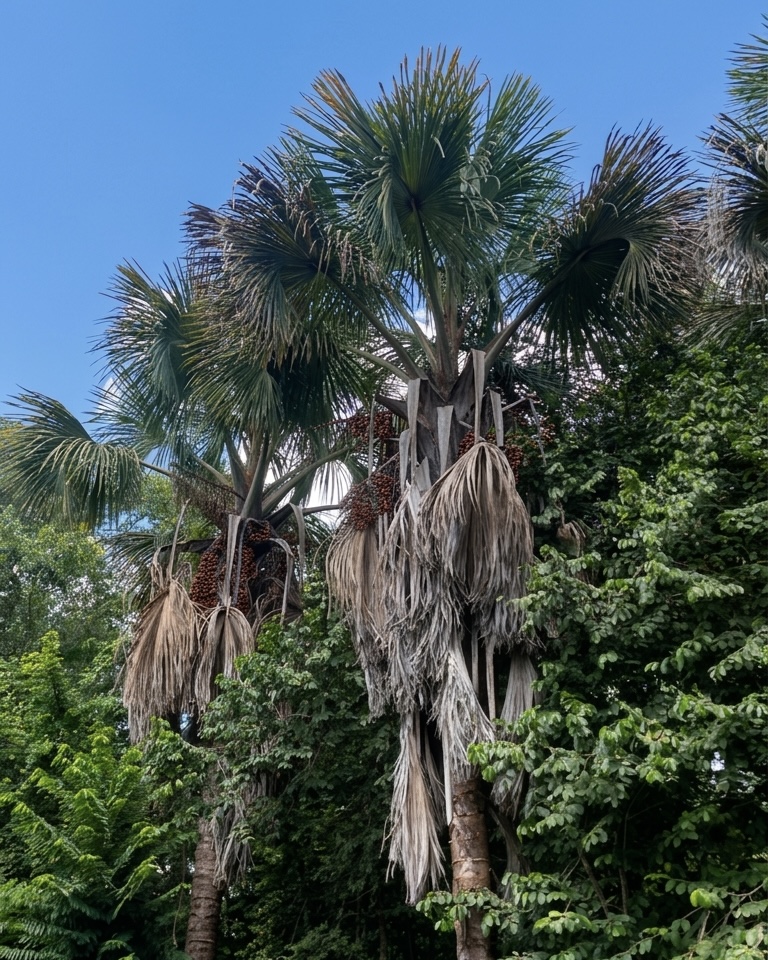
In the Brazilian Amazon and Cerrado biomes, the buriti palm grows in biodiverse wetlands and supports traditional communities. Harvested through sustainable extractivism without cutting a single tree, it becomes Buriti BioFoam, a plant-based acoustic biomaterial. Transforming a renewable forest resource into a circular material for architecture and interior design, it helps decarbonise construction, reduce embodied energy, and improve acoustic comfort in healthier indoor environment.
Brazil
National
It addresses urban-rural linkages
It involves a physical transformation of the built environment (hard investment)
Yes
2024-03-19
No
No
No
Organisation
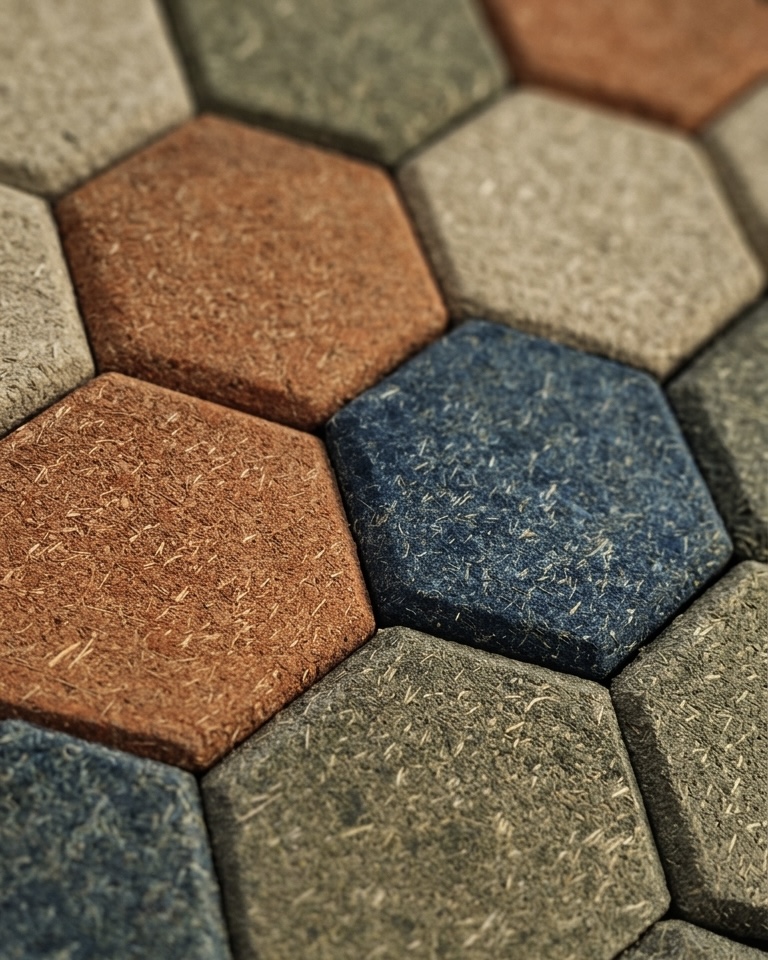
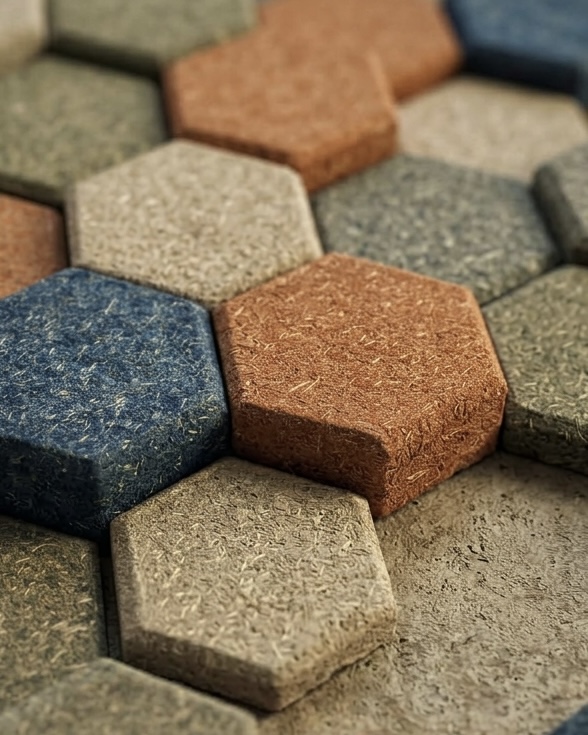
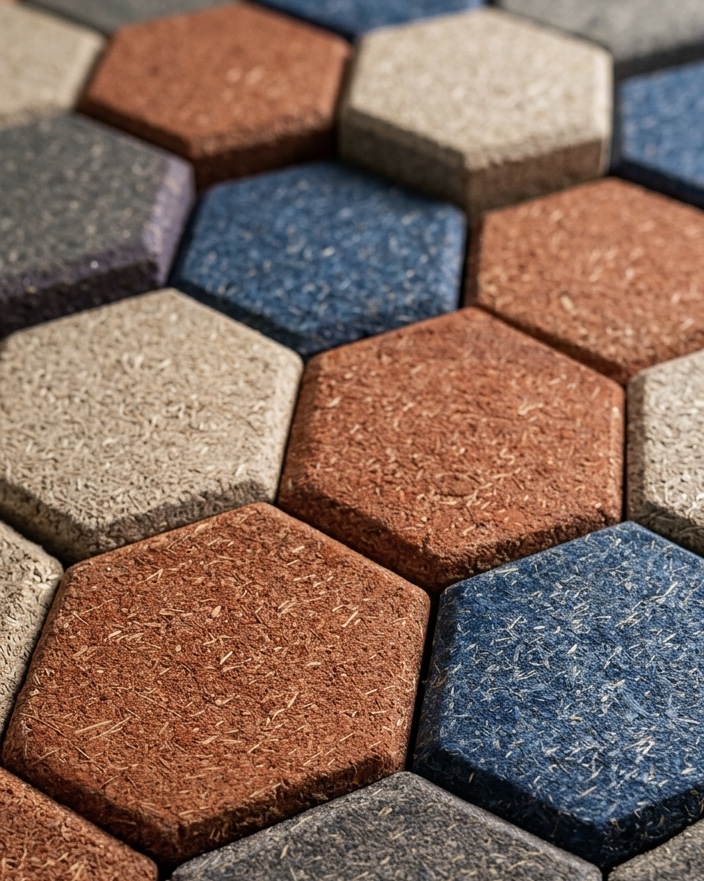
Buriti BioFoam is a plant-based acoustic biomaterial derived from the buriti palm (Mauritia flexuosa), native to the biodiverse wetlands of the Brazilian Amazon and Cerrado biomes. The project transforms a renewable forest resource into a circular material for architecture and interior design, contributing to the decarbonisation of the construction sector while improving indoor environmental quality. The raw material is obtained through sustainable extractivism carried out by traditional communities without cutting a single tree, protecting ecosystems while generating income and strengthening local bioeconomy value chains. Developed through long-term research in architecture, engineering and materials science, the technology resulted in a fibrous porous biomaterial designed for acoustic conditioning in buildings. Buriti BioFoam combines environmental responsibility with technical performance, presenting an apparent density of about 54 kg/m³ and acoustic absorption with a Noise Reduction Coefficient (NRC) greater than 0.65. The material is hydrophobic and resistant to flame propagation, showing self-extinguishing behaviour that contributes to building safety. Its distinctive texture and aesthetic, inspired by Brazilian nature, allow solutions that integrate acoustic performance with design quality in the built environment. The material is already applied in acoustic panels and interior solutions that control noise and improve acoustic comfort in classrooms, offices, auditoriums, restaurants, bars, religious spaces and residential buildings, enhancing communication, concentration and well-being. In the long term, the project aims to expand the use of circular bio-based materials in architecture and design, linking biodiversity conservation, community livelihoods and low-carbon construction.
Buriti BioFoam emerged from a research journey exploring how Brazil’s biodiversity could inspire new materials for the built environment. During field studies in regions of the Brazilian Amazon and Cerrado where the buriti palm (Mauritia flexuosa) grows naturally in wetlands, researchers observed how local communities rely on this palm through sustainable extractivism while keeping the forest standing. This encounter between traditional knowledge and scientific research inspired the development of a new acoustic biomaterial. The technology was created by our own research, development and innovation (R&D&I) team through long-term interdisciplinary research in architecture, engineering and materials science. Through laboratory experimentation, material testing and design development conducted by the project’s researchers, fibres from the buriti palm were transformed into a stable fibrous porous structure capable of absorbing sound while meeting durability and safety requirements for architectural use. As the technology matured, prototypes evolved into acoustic panels and interior design elements applied in real environments such as educational spaces, offices and cultural venues, demonstrating their ability to control noise and improve acoustic comfort. The project therefore connects two territories that rarely interact: biodiverse rural landscapes where the palm is sustainably harvested and urban environments where the material improves the quality of life in buildings. By linking forest ecosystems, communities, scientific research and design, Buriti BioFoam illustrates how nature-based innovation can create circular materials for architecture while strengthening bioeconomy value chains and promoting healthier built environments.
Circular Bio-based Materials
Nature-based Solutions
Construction Decarbonisation
Acoustic Comfort in Buildings
Community-based Bioeconomy
Buriti BioFoam exemplifies sustainability by redefining how materials for the built environment can originate from living ecosystems rather than extractive industrial chains. Inspired by the biodiverse landscapes of the Brazilian Amazon and Cerrado, the project transforms fibres from the buriti palm (Mauritia flexuosa) into a circular acoustic material that connects forest conservation, local livelihoods and climate-conscious architecture. The raw material is obtained through sustainable extractivism practiced by traditional communities, ensuring that the palm remains standing while its renewable resources generate economic value. This approach strengthens forest-based economies and demonstrates how biodiversity can become a driver of regenerative innovation. Developed through interdisciplinary research in architecture, engineering and materials science, the resulting biomaterial offers high acoustic absorption performance while significantly reducing dependence on fossil-based materials commonly used in the construction industry. By introducing a plant-derived alternative with low embodied energy, the project contributes to the decarbonisation of buildings and encourages a transition toward circular material systems. Beyond environmental performance, Buriti BioFoam represents a new relationship between cities and forests: urban spaces benefit from healthier and quieter indoor environments, while rural landscapes gain new opportunities for sustainable economic development linked to standing forests. In this way, the project embodies sustainability not only as an environmental goal but as a systemic transformation connecting ecosystems, communities, innovation and architecture.
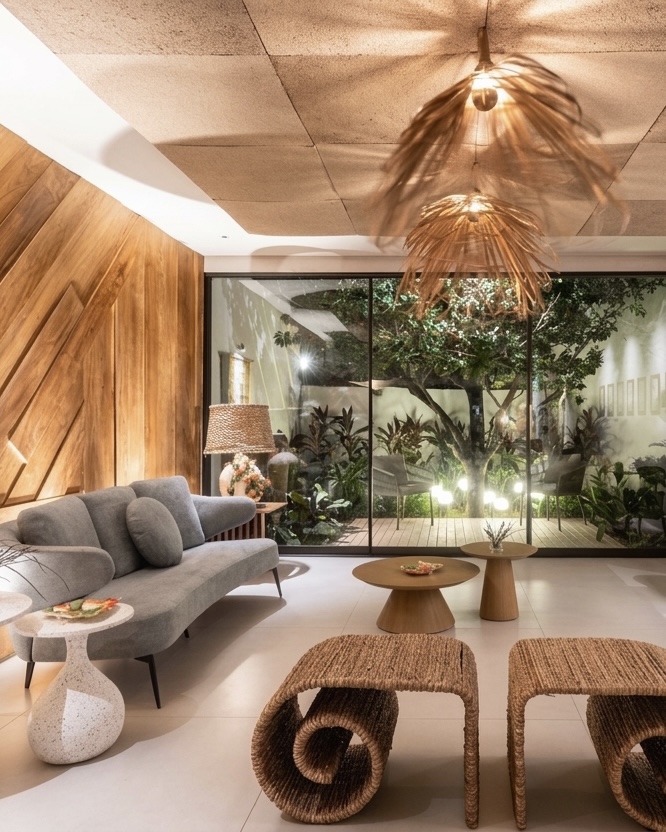
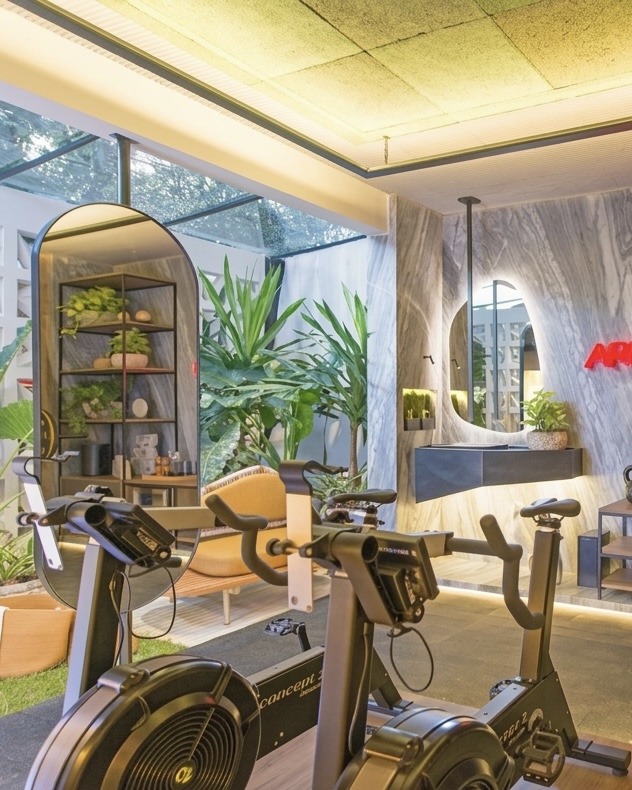
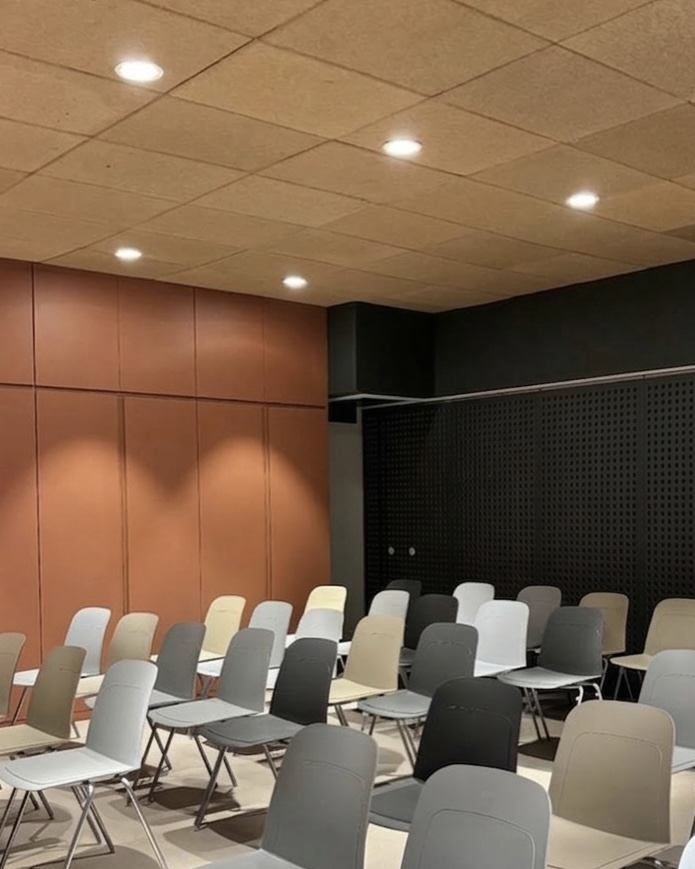
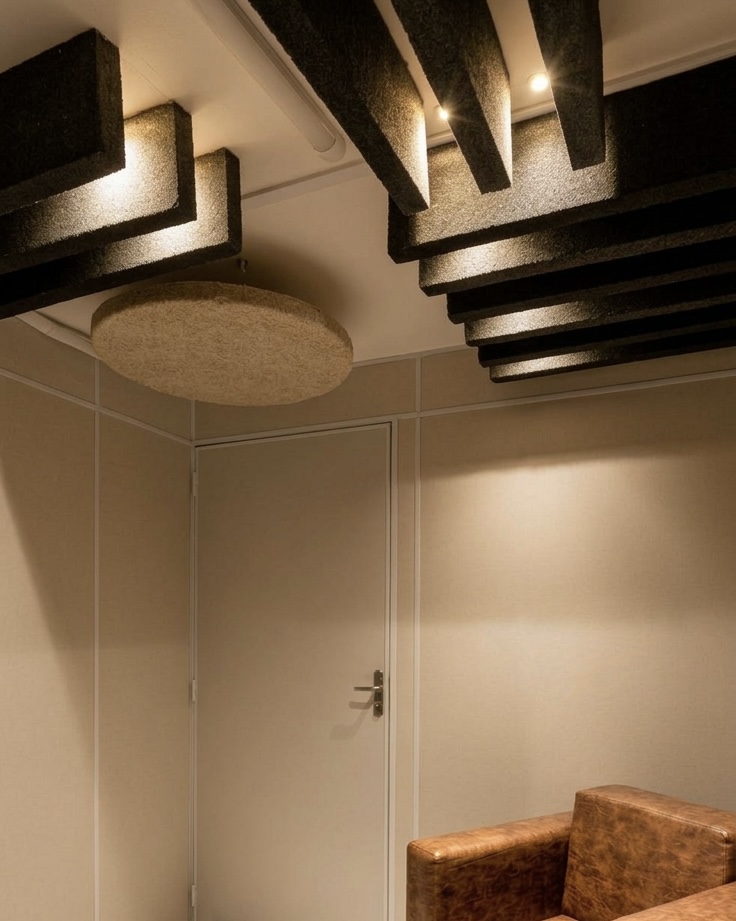
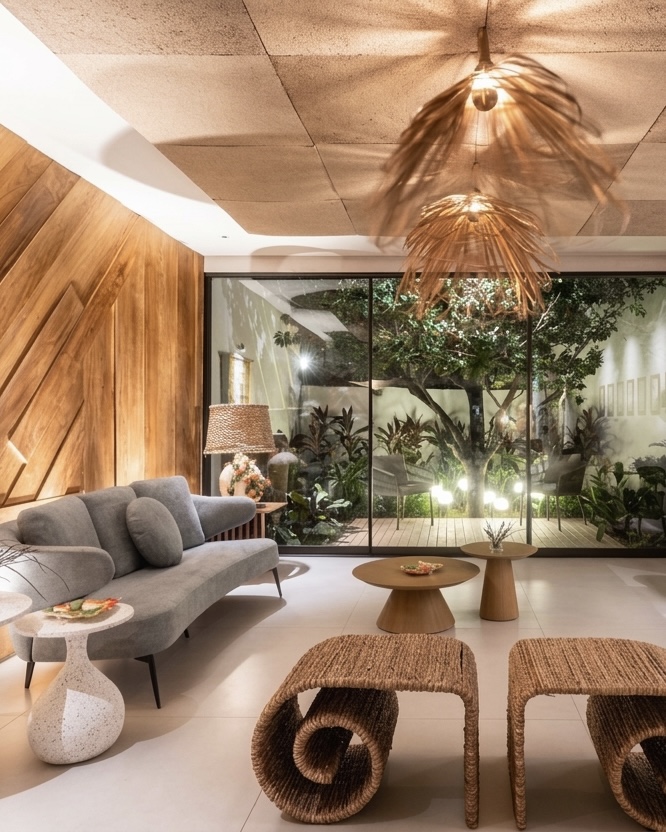
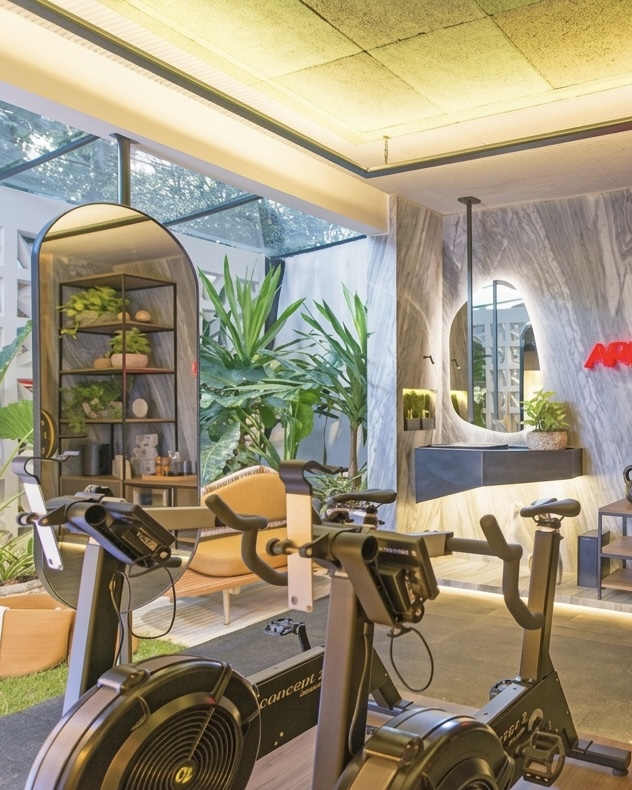
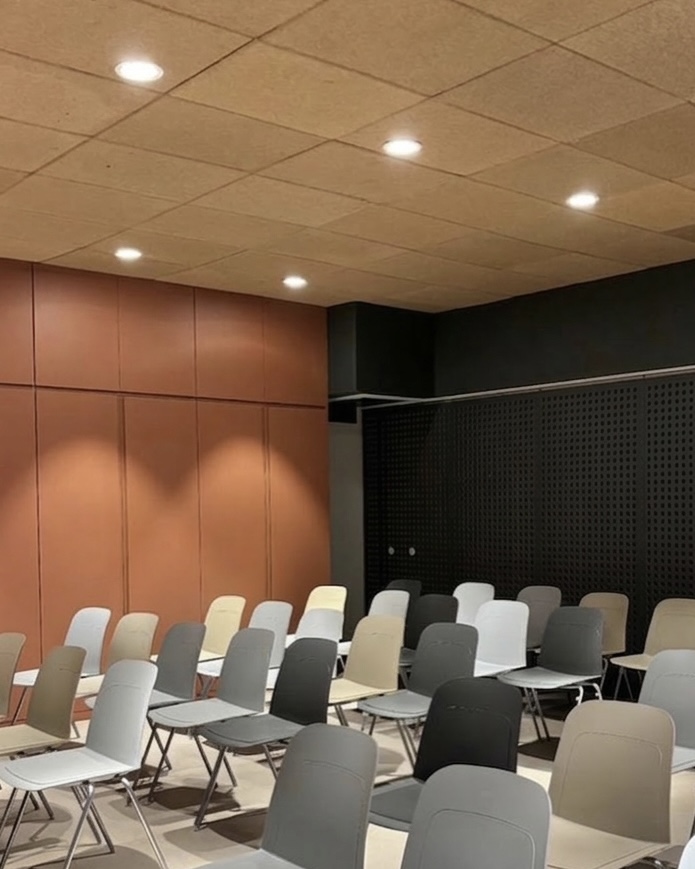
Buriti BioFoam contributes to aesthetics by transforming a natural material into an architectural element that combines sensory quality, cultural identity and spatial well-being. Its distinctive texture, visible natural fibres and warm earthy colours evoke the landscapes and biodiversity of Brazil, bringing the presence of nature into interior environments. Rather than concealing its origin, the material celebrates it, creating surfaces that are both functional and expressive. This aesthetic approach reflects a design philosophy where sustainability and beauty are inseparable, allowing acoustic solutions to become integral parts of architectural composition. The material can be applied as panels directly integrated into walls and ceilings or as suspended acoustic elements such as clouds, baffles and prisms that interact with light, geometry and spatial rhythm. These configurations allow designers and architects to shape the acoustic atmosphere of spaces while creating visually engaging interiors. Installed in environments such as educational spaces, offices, cultural venues, restaurants and community spaces, Buriti BioFoam enhances the everyday experience of buildings by reducing noise and creating calmer and more comfortable atmospheres for communication, learning and social interaction. The presence of a natural material with a tactile and organic character also strengthens the emotional connection between people and place, fostering a sense of belonging and care for the environment. By merging acoustic performance with design inspired by nature, the project demonstrates how building materials can simultaneously improve functionality, beauty and the quality of human experience in architecture.
Buriti BioFoam promotes inclusion by demonstrating how sustainable innovation can generate shared value across different territories, social groups and scales of the built environment. The project begins in rural landscapes of the Brazilian Amazon and Cerrado, where the buriti palm grows naturally and is sustainably harvested by traditional communities through extractivist practices that do not require cutting the tree. This approach supports local livelihoods, strengthens community-based bioeconomy chains and values traditional knowledge while preserving biodiversity-rich ecosystems. At the same time, the resulting biomaterial is designed to improve the quality of everyday environments in cities by making acoustic comfort more accessible in spaces where people live, learn and work. Excessive noise is a widespread but often overlooked barrier to well-being, concentration and communication, particularly in schools, workplaces and community spaces. By introducing a bio-based acoustic material that can be integrated into walls, ceilings or suspended elements, the project contributes to healthier and more comfortable environments for diverse users. The solutions can be applied in educational buildings, offices, cultural venues, hospitality spaces and residential interiors, helping to create environments that support interaction, learning and collective experience. In this way, Buriti BioFoam connects communities, designers and building users through a shared commitment to more sustainable and human-centred environments. By linking forest-based economies, scientific research and inclusive design for better indoor environments, the project demonstrates a model in which environmental innovation also supports social inclusion and improved quality of life.
Buriti BioFoam was developed through a participatory process that connects scientific research, local communities and the users of the built environment. At the origin of the project are traditional communities living in regions of the Brazilian Amazon and Cerrado where the buriti palm (Mauritia flexuosa) grows naturally. These communities play a central role in the sustainable extractivist practices that supply the renewable fibres used in the material, contributing knowledge about the resource and its ecological cycles while ensuring that the palm is harvested without cutting the tree. Their participation strengthens local bioeconomy chains and demonstrates how forest-based livelihoods can be integrated into sustainable innovation. At the same time, the project actively engages architects, designers, building professionals and end users who experience the acoustic environments where the material is applied. Through pilot installations, design collaborations and real-world applications in educational, cultural and commercial spaces, feedback from users and professionals has informed the refinement of the material’s performance, formats and design possibilities. This continuous dialogue between communities, researchers and practitioners has shaped both the technological development and the architectural applications of Buriti BioFoam. The participatory nature of the project therefore extends across the entire value chain, from the landscapes where the raw material originates to the spaces where people experience improved acoustic comfort. By integrating traditional knowledge, scientific research and user experience, the project demonstrates how inclusive participation can drive innovation while strengthening social, environmental and cultural connections between people and place.
Buriti BioFoam was developed within a collaborative ecosystem that connects actors from different institutional levels in Brazil, linking academic research, innovation support structures and industrial development. The technology originated at the Federal University of Piauí (UFPI), where interdisciplinary research in architecture, engineering and materials science enabled the creation of the biomaterial. The initiative is supported by the agribusiness incubator of UFPI, which helps translate scientific knowledge into entrepreneurial innovation and supports the development of sustainable technologies emerging from the university environment. Beyond academia, the project engages with regional and national innovation ecosystems that promote entrepreneurship, technological development and the bioeconomy, contributing to business development, market access and internationalisation strategies. Partnerships with industrial research and technical institutions also support the validation, testing and improvement of the material and its applications in the construction sector. This network connects universities, innovation programmes, industrial technology centres and entrepreneurship support initiatives that operate at local, regional and national levels. The added value of this multilevel governance structure lies in its ability to transform scientific research into real-world solutions for sustainable architecture while strengthening innovation ecosystems and sustainable production chains. By integrating academic research, institutional support and industrial collaboration, the project demonstrates how coordinated engagement across multiple governance levels can accelerate the development and implementation of nature-based materials for low-carbon buildings and circular construction systems.
Buriti BioFoam was conceived through a transdisciplinary approach that integrates knowledge from architecture, engineering, materials science, environmental sciences and design. The project originated from research on how natural resources from Brazilian ecosystems could inspire new materials for the built environment, bringing together architectural thinking about spatial quality and human well-being with engineering and materials science expertise focused on developing high-performance biomaterials. Environmental sciences contribute to understanding the ecological dynamics of the buriti palm (Mauritia flexuosa) and the sustainability of extractivist practices that preserve biodiversity while enabling responsible resource use. At the same time, design plays a fundamental role in translating the material’s technical properties into architectural elements that combine acoustic performance with visual quality and spatial expression. The project also incorporates knowledge from the fields of innovation and bioeconomy, connecting scientific research with sustainable production systems and new value chains based on renewable resources. This integration allows the material to move from laboratory research to real architectural applications such as acoustic panels and suspended elements used in educational, cultural, commercial and workplace environments. By bringing together scientific research, architectural design and environmental knowledge, the project demonstrates how transdisciplinary collaboration can generate nature-based materials that simultaneously address climate challenges, spatial quality and human well-being in the built environment.
Buriti BioFoam operates through a business model that combines technological innovation, circular bioeconomy and market-oriented solutions for the built environment. The project is developed by a Brazilian deep-tech company that designs and manufactures acoustic materials derived from the buriti palm (Mauritia flexuosa), transforming a renewable forest resource into high-performance products for architecture and interior design. Revenue is primarily generated through the commercialisation of acoustic solutions such as wall and ceiling panels, suspended clouds and baffles used in educational buildings, offices, cultural venues, hospitality environments and residential interiors. The business model is mainly B2B, serving architects, engineers, construction companies and building developers who seek sustainable and high-performance materials for their projects. In addition, B2B2C channels operate through specialised distributors and architectural supply stores that connect the technology to a broader market. The company’s financial sustainability is supported by its proprietary plant-based technology, which differentiates the material from conventional fossil-based acoustic products and positions it within the growing demand for low-carbon construction materials. Continuous investment in research, development and innovation ensures performance improvement, product diversification and scalability of production. Strategic collaborations with research institutions and technical laboratories support testing, certification and the advancement of new applications. By combining technological differentiation, growing market demand for sustainable materials and scalable production processes, the project establishes a financially viable pathway for expanding circular bio-based materials within the construction sector while contributing to the transition toward low-carbon buildings.
Buriti BioFoam demonstrates strong potential for transferability and scalability because it is based on a replicable model that combines nature-based materials, scientific research and circular bioeconomy value chains. The technology transforms fibres from the buriti palm (Mauritia flexuosa) into a high-performance acoustic biomaterial for the built environment. The buriti palm is one of the most abundant palm species in Brazil and grows across large areas of the Amazon and Cerrado biomes, supporting the industrial scalability of the technology while maintaining sustainable extractivist practices that do not require cutting the tree. This ensures a renewable supply of raw material while preserving ecosystem integrity. The innovation is particularly distinctive because other parts of the buriti palm are already widely used in advanced biotechnology sectors such as cosmetics and pharmaceutical industries, where its oils and bioactive compounds are highly valued. However, its application as a high-performance material for the construction sector represents a unique and unprecedented way of adding value to this natural resource. Beyond the material itself, the project proposes a transferable methodology connecting biodiversity-based resources, local communities, scientific research and design innovation to create sustainable building materials. Brazil’s extraordinary biodiversity also creates opportunities to replicate this model globally through the export of sustainably sourced Brazilian raw materials and technologies, enabling other regions to adopt circular bio-based materials inspired by tropical ecosystems. This approach aligns with the global transition toward a green economy based on renewable resources and circular production systems. The acoustic solutions developed with Buriti BioFoam can also be applied in multiple building typologies, expanding the technology’s impact across diverse architectural contexts.
- https://revistapegn.globo.com/um-so-planeta/noticia/2024/10/esta-startup-cria-revestimentos-sustentaveis-a-partir-das-folhas-de-palmeira-de-buriti.ghtml
- https://impactanordeste.com.br/buriti-bioespuma-startup-transforma-buriti-em-solucao-sustentavel-para-a-construcao-civil/
- https://startups.com.br/negocios/7-startups-brasileiras-que-estao-salvando-o-mundo/