Enhancing Circularity, Sustainability, and Innovation
La Talaverona green hub
La Talaverona: A municipal European model for nature-based urban regeneration.
“La Talaverona” Environmental Center transforms a degraded peri-urban space in Las Rozas de Madrid into a vibrant hub for sustainability, nature, and community life. Restored heritage buildings, renewable energy, rainwater reuse, and biodiversity landscapes create a living laboratory for ecological transition. Through inclusive gardens, environmental education, and participatory programmes, the project reconnects people with nature while demonstrating a replicable model of urban regeneration.
Spain
Local
Las Rozas de Madrid
It addresses urban-rural linkages
It involves a physical transformation of the built environment (hard investment)
Yes
2025-12-31
Yes
ERDF (environmental restoration).
Madrid Region Climate Adaption fund (innovative hidraulic actions).
NextGenerationEU through national PIREP fund (building restoration).
No
Yes
Organisation
“La Talaverona” Environmental Center, promoted by the Municipality of Las Rozas de Madrid, transforms a formerly degraded peri-urban space into a hub for sustainability, environmental education and community participation, supporting the local ecological transition. The project combines the rehabilitation of traditional rural buildings with biodiversity restoration, renewable energy generation and water efficiency systems in a natural environment.
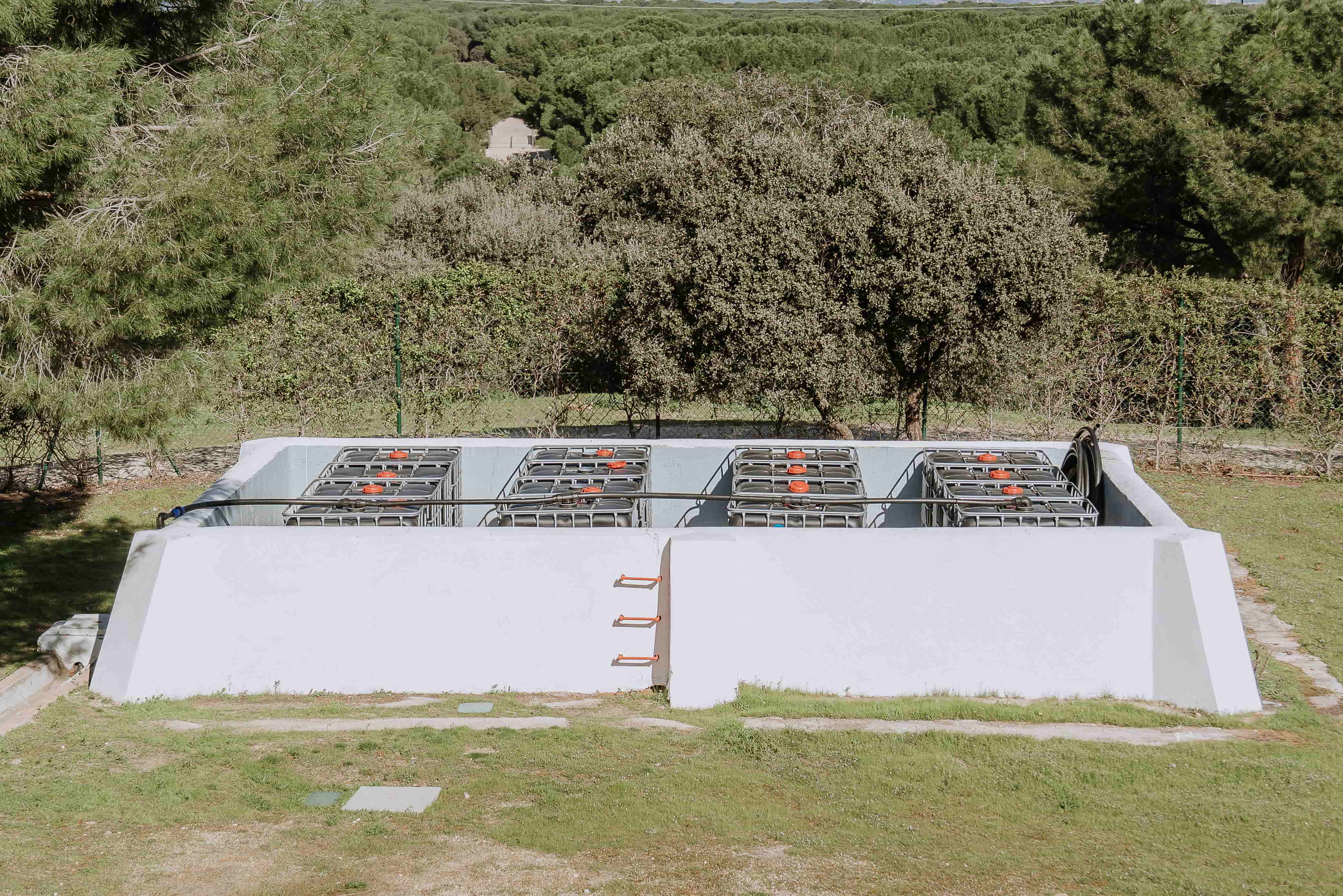
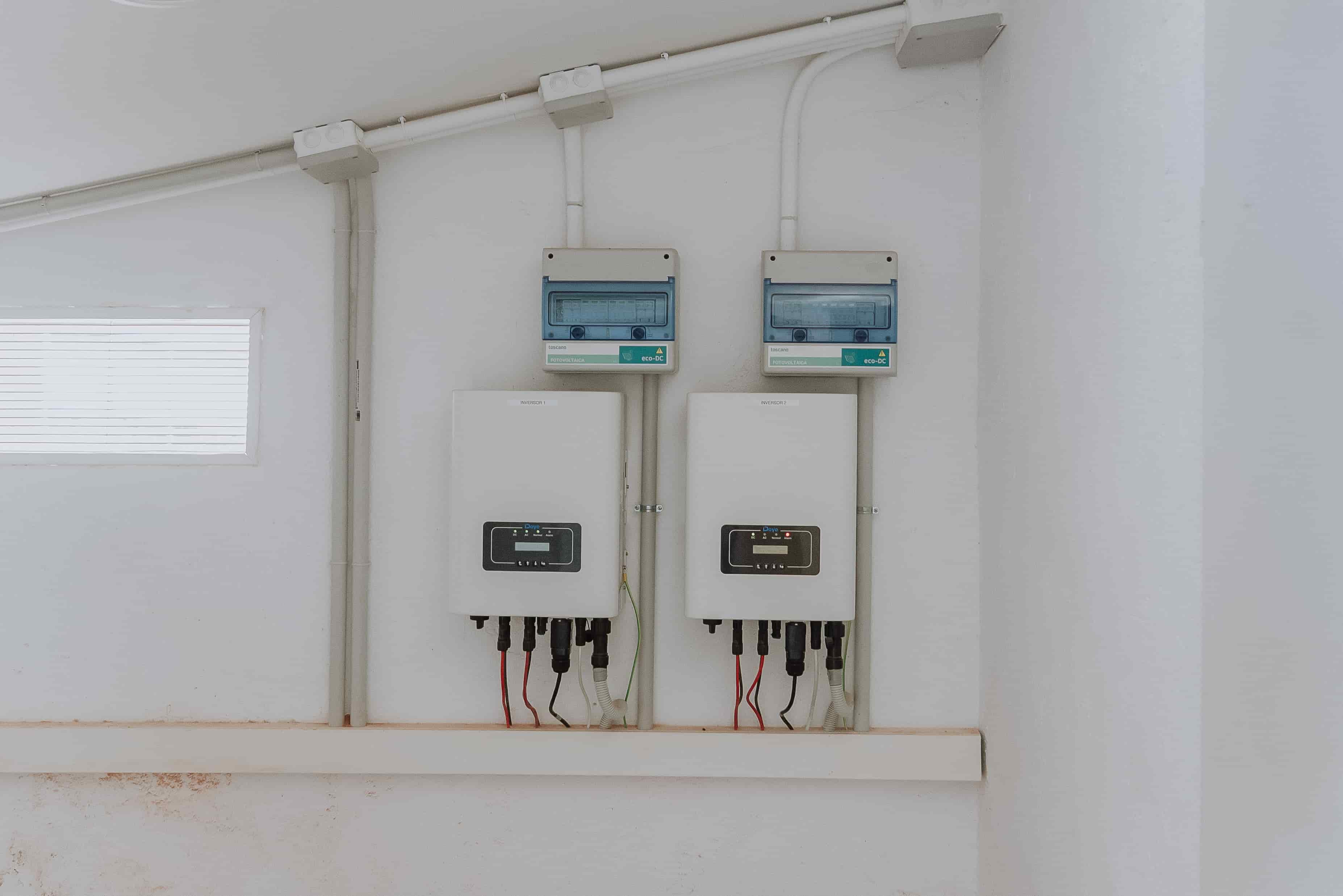
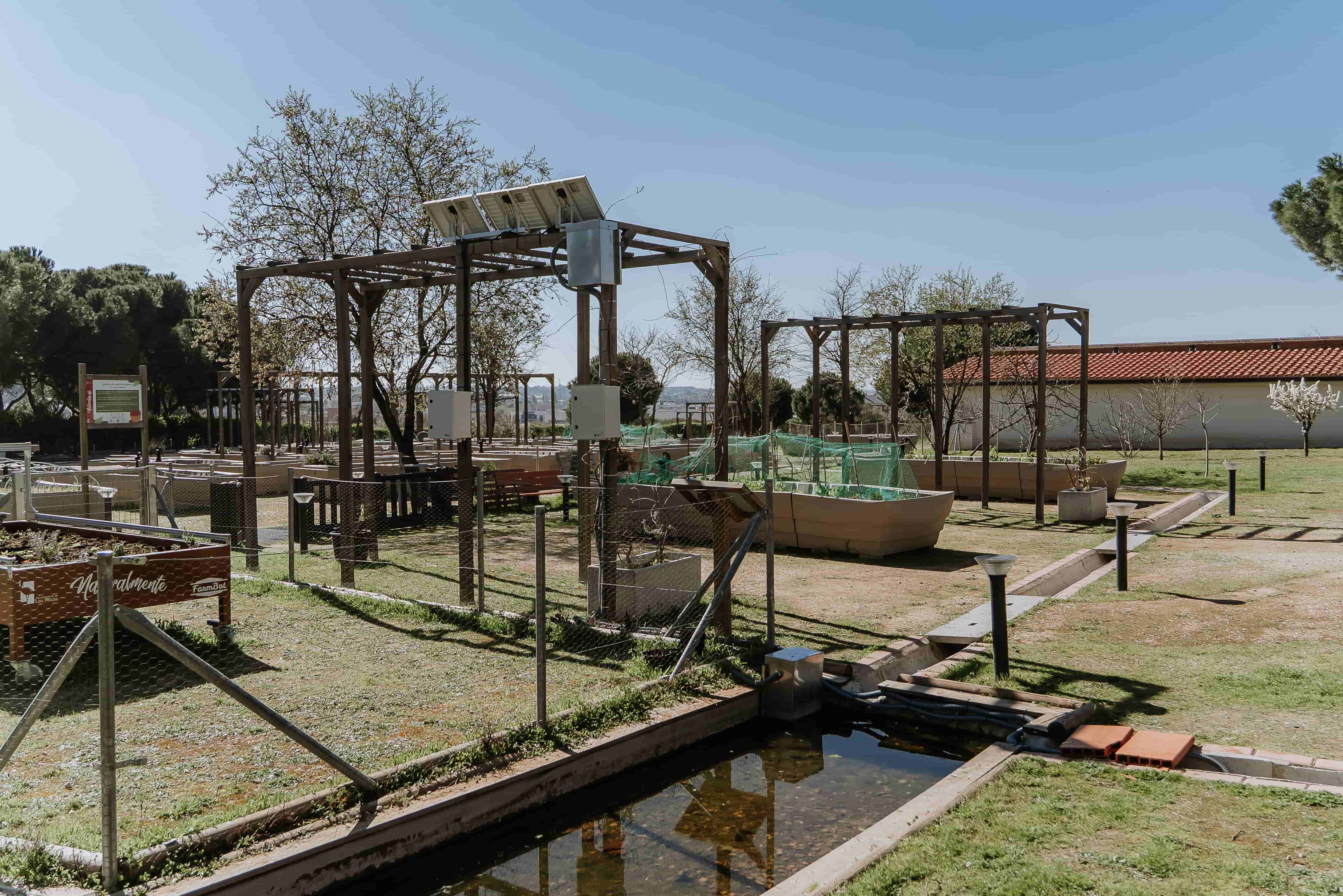
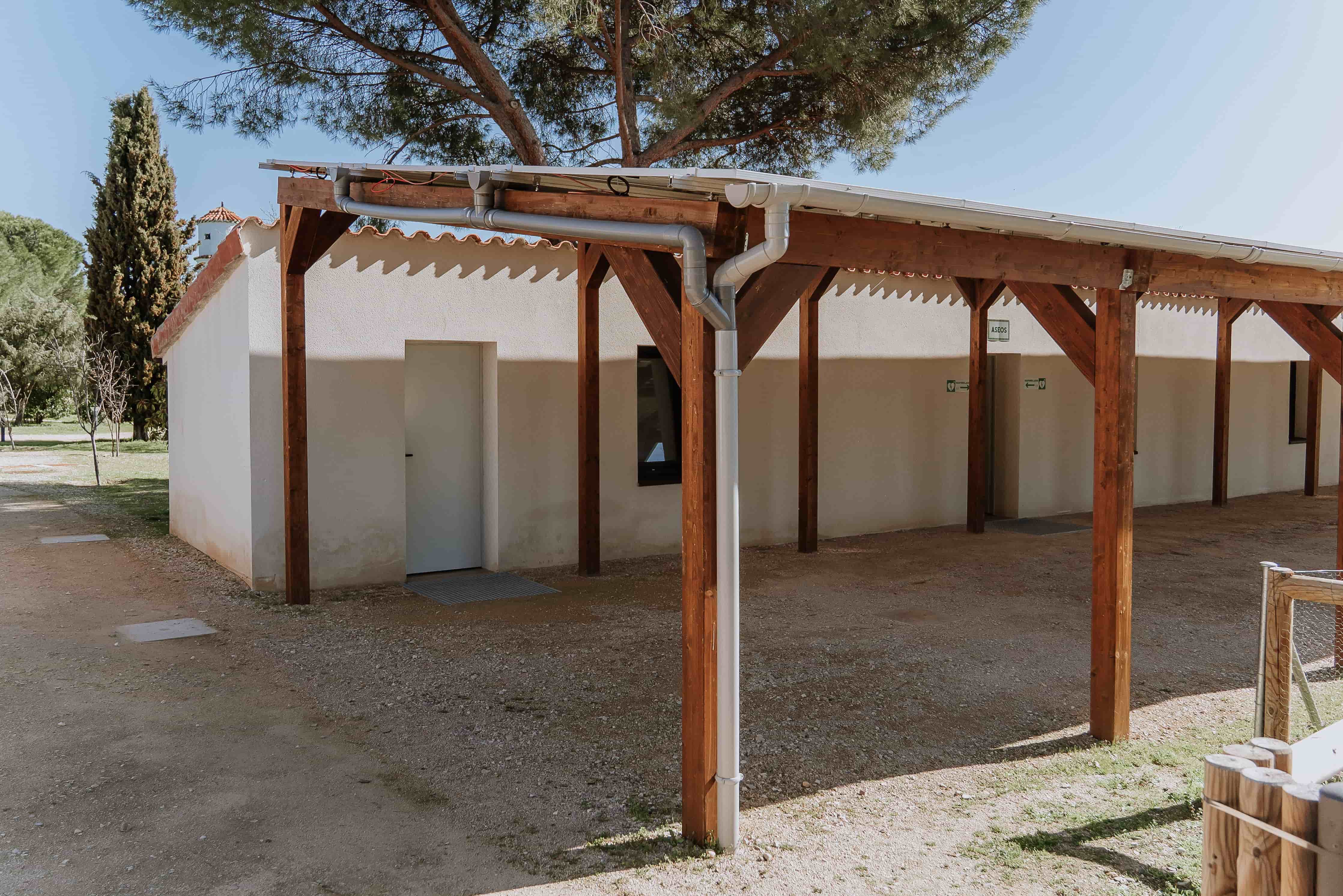
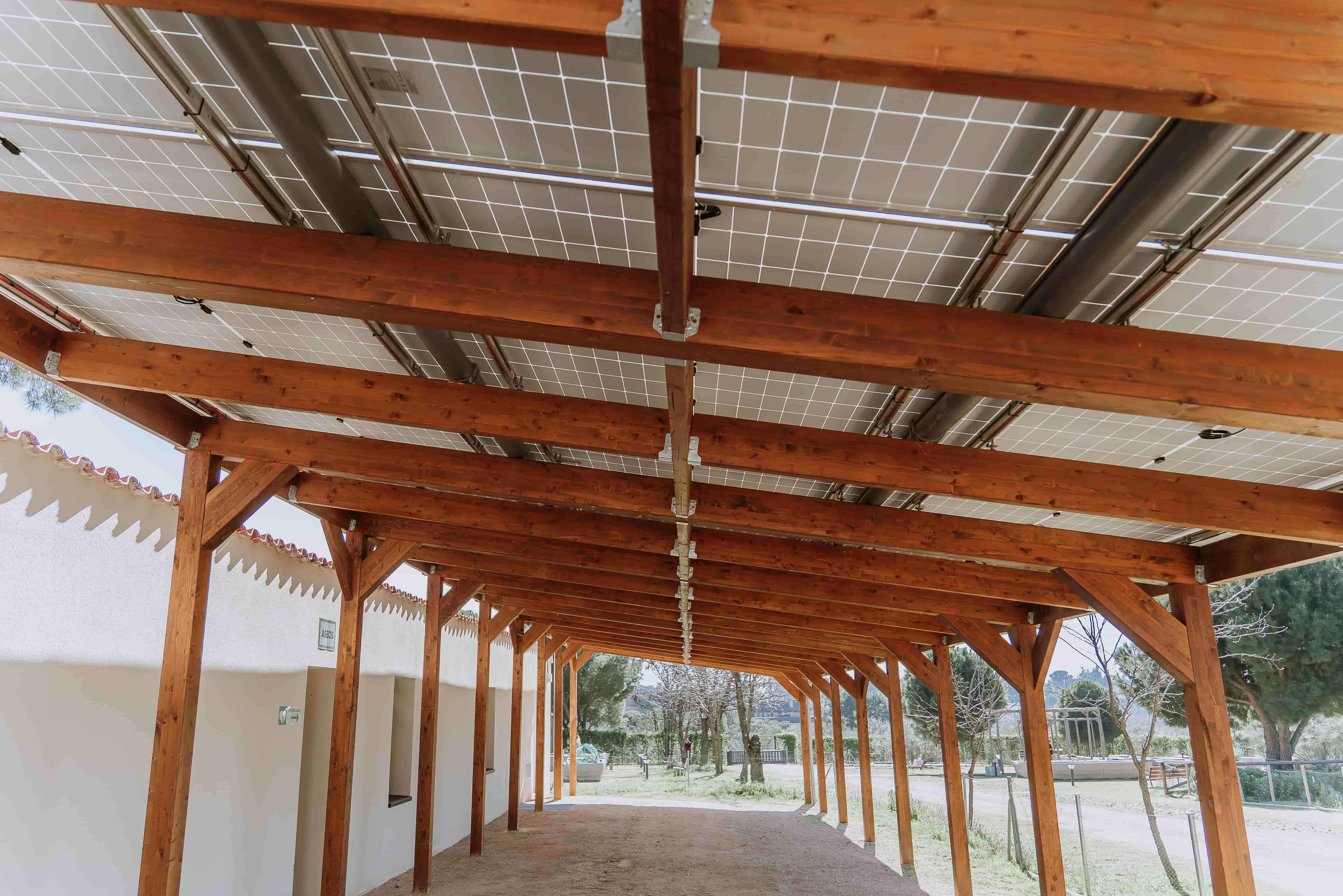
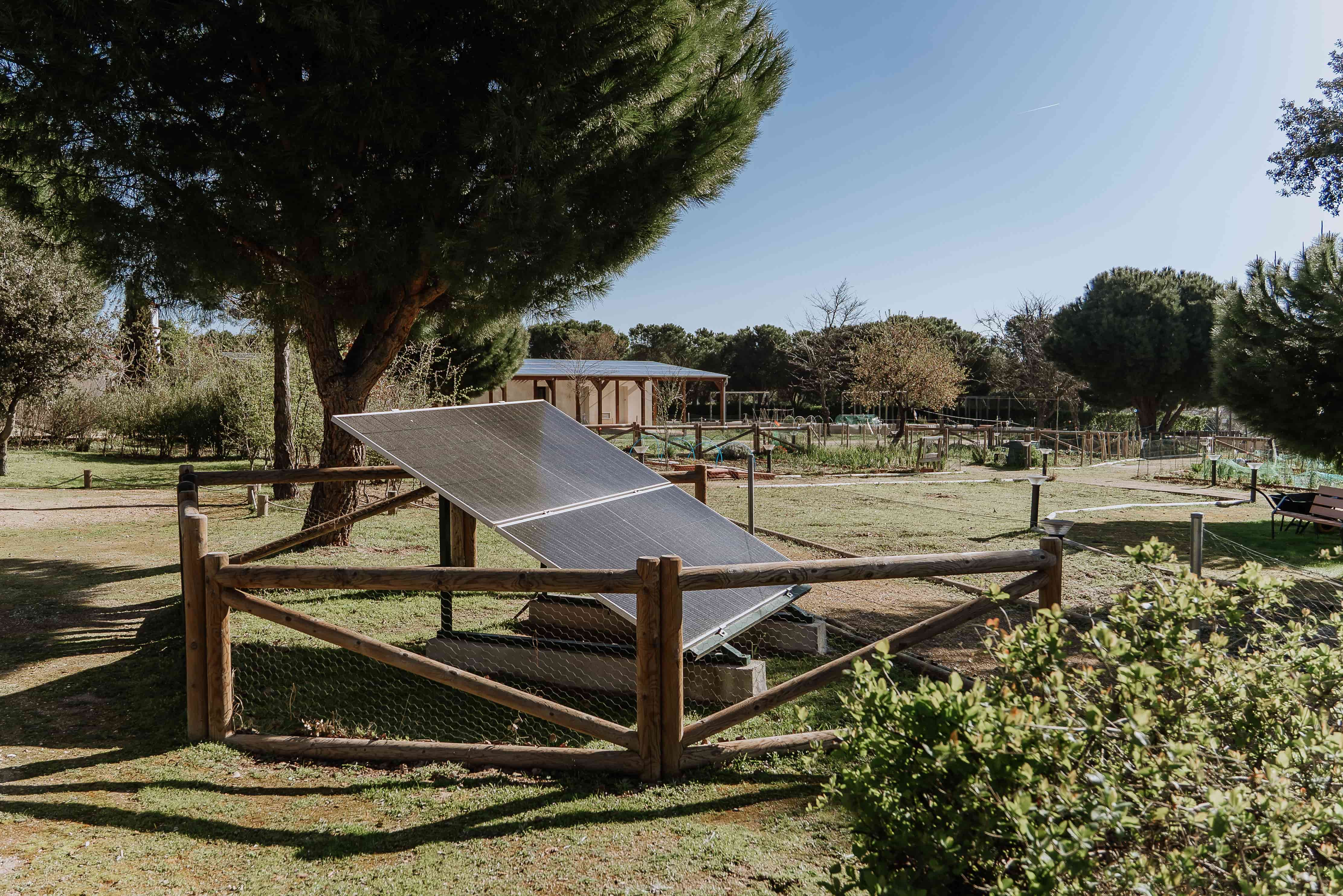
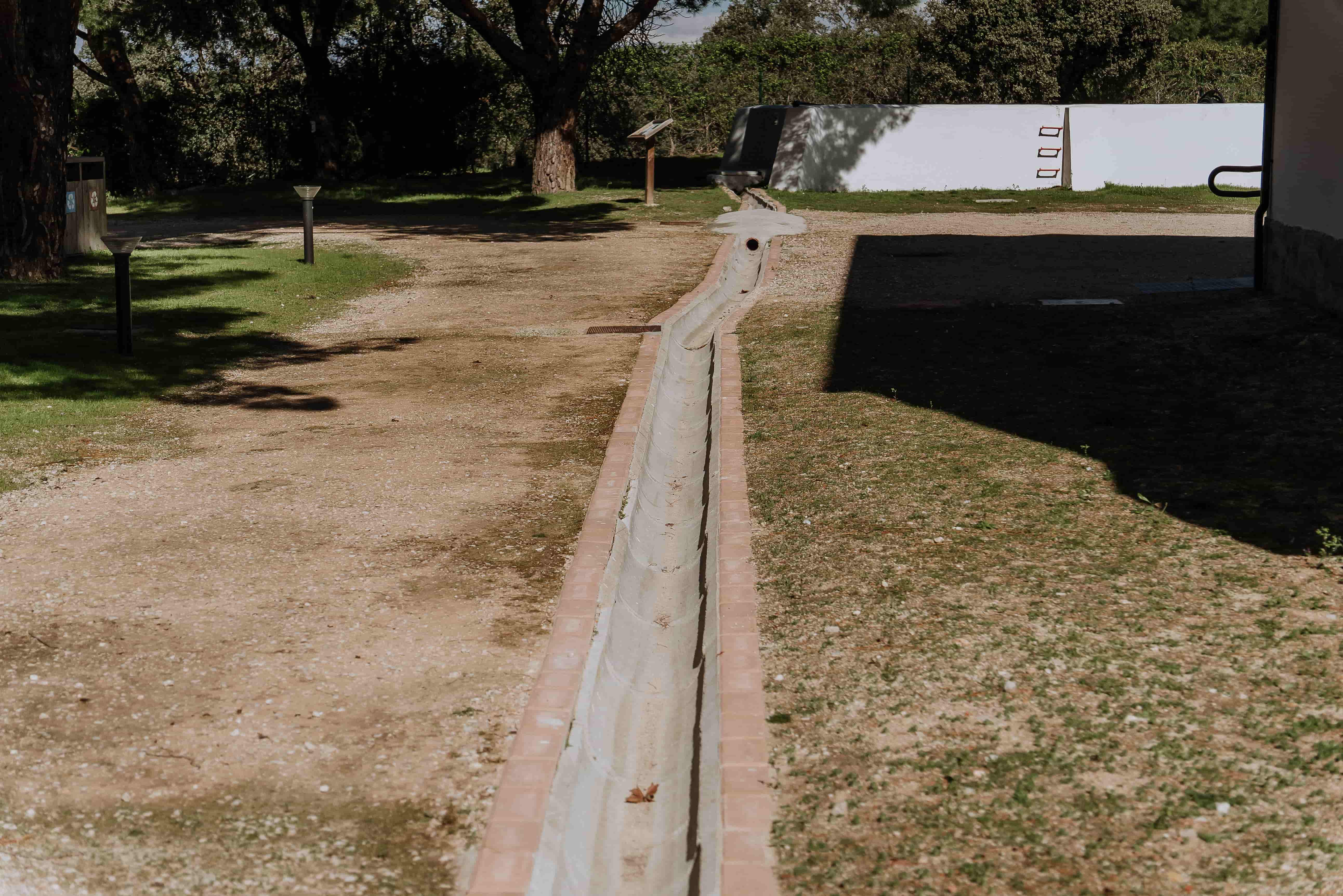
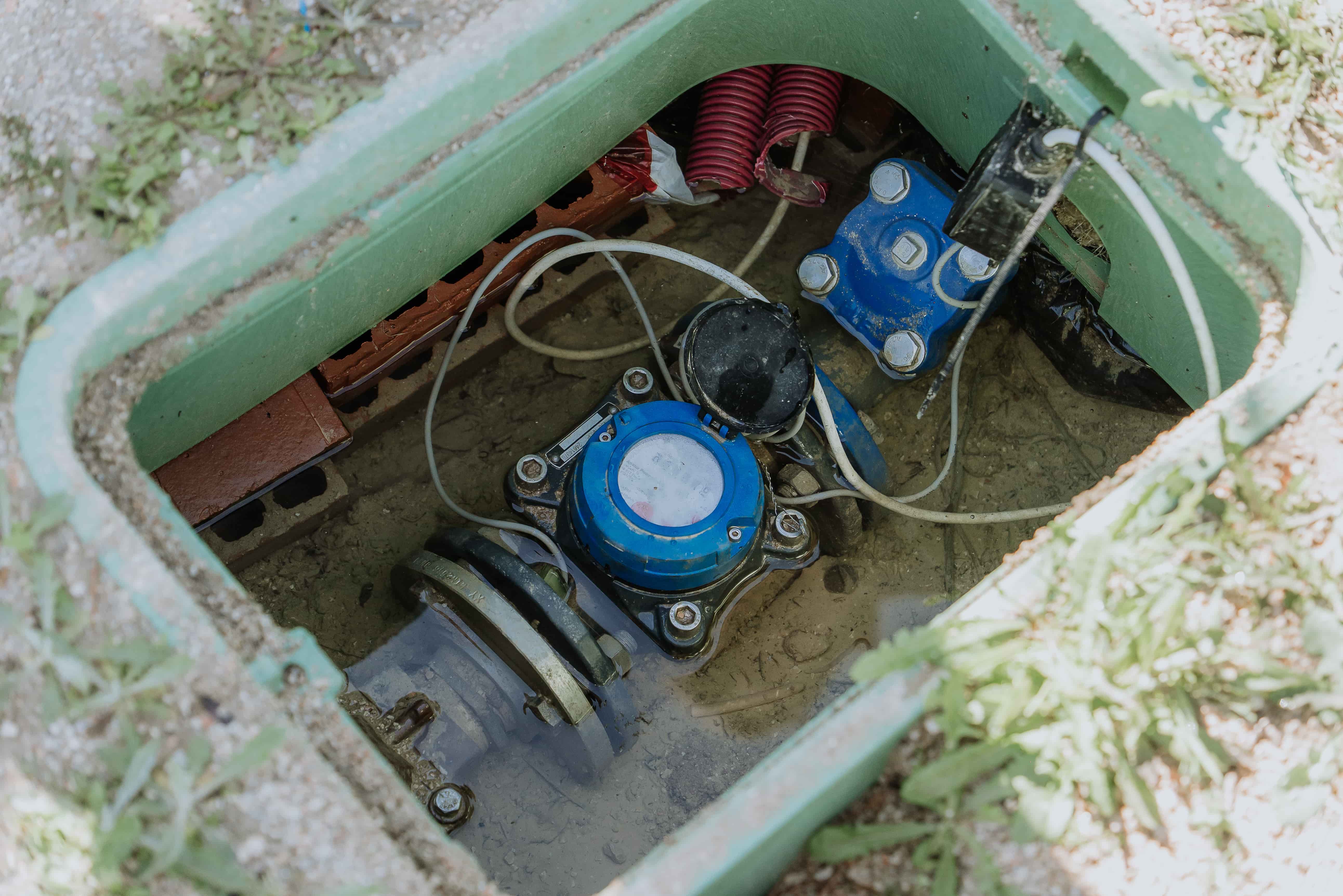
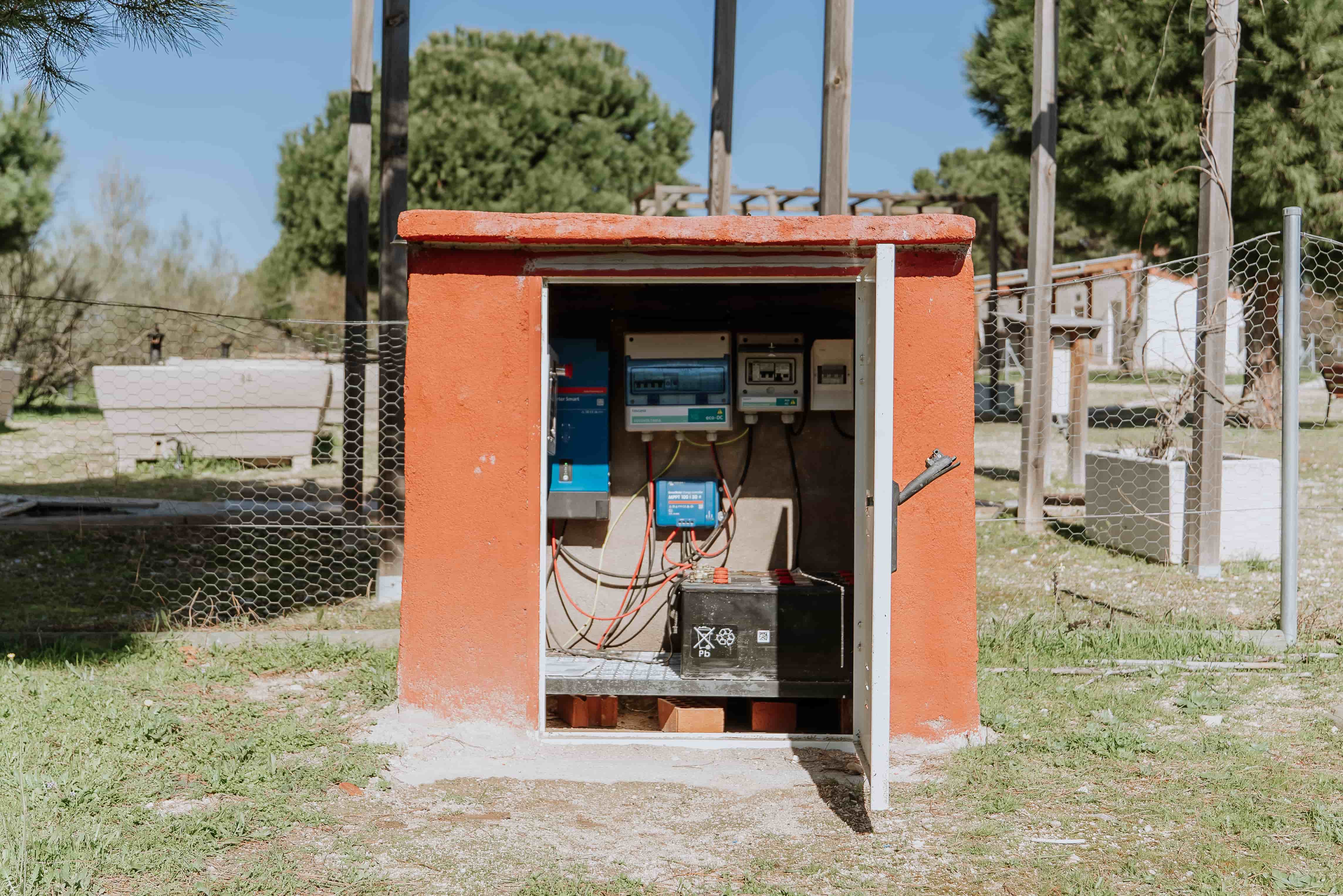
The complex incorporates photovoltaic solar panels that generate 32,889.8 kWh of renewable electricity annually, together with rainwater harvesting systems that allow the reuse of 153.98 m³ of water per year for irrigating gardens and green areas, significantly reducing the environmental footprint of the facility.
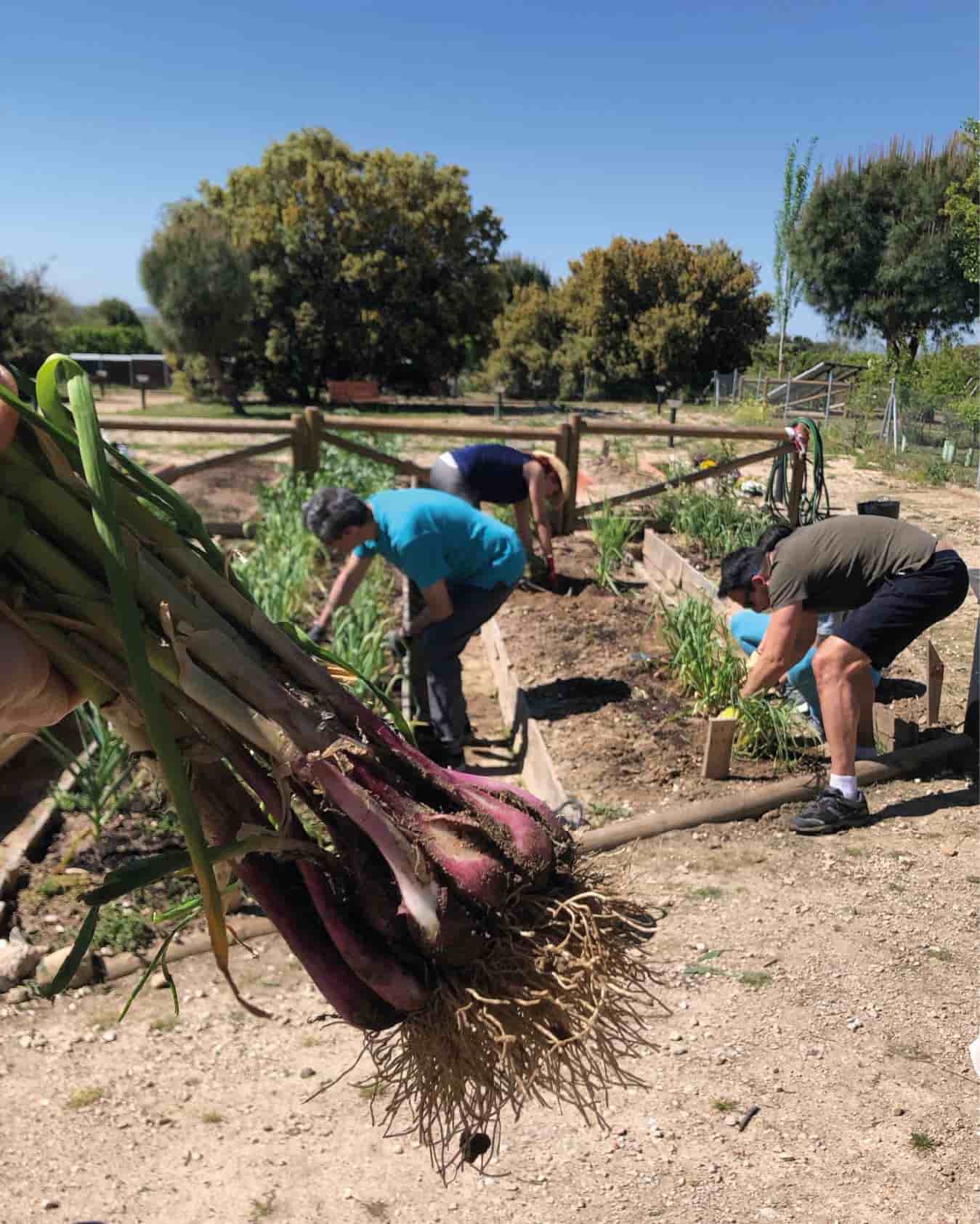
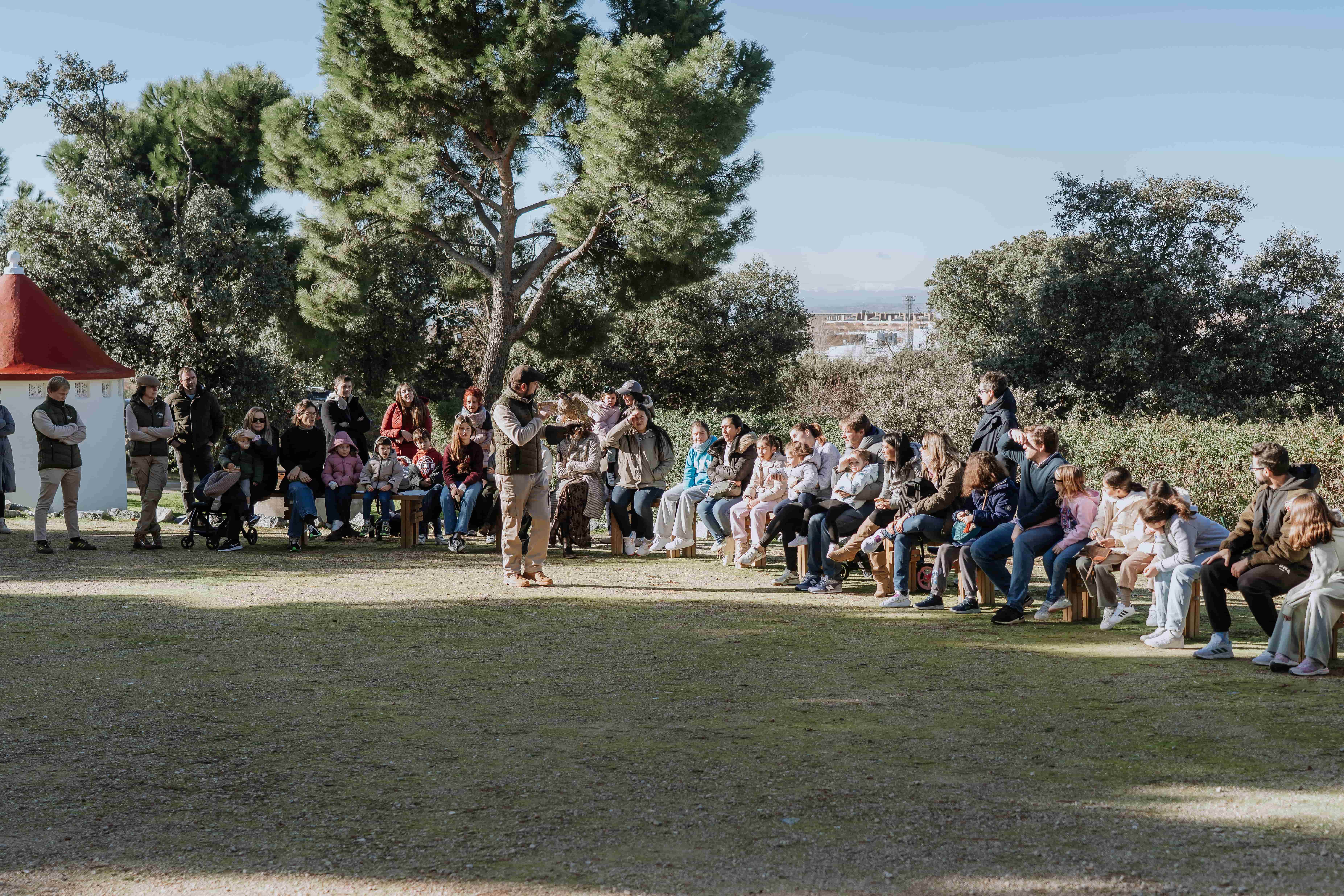
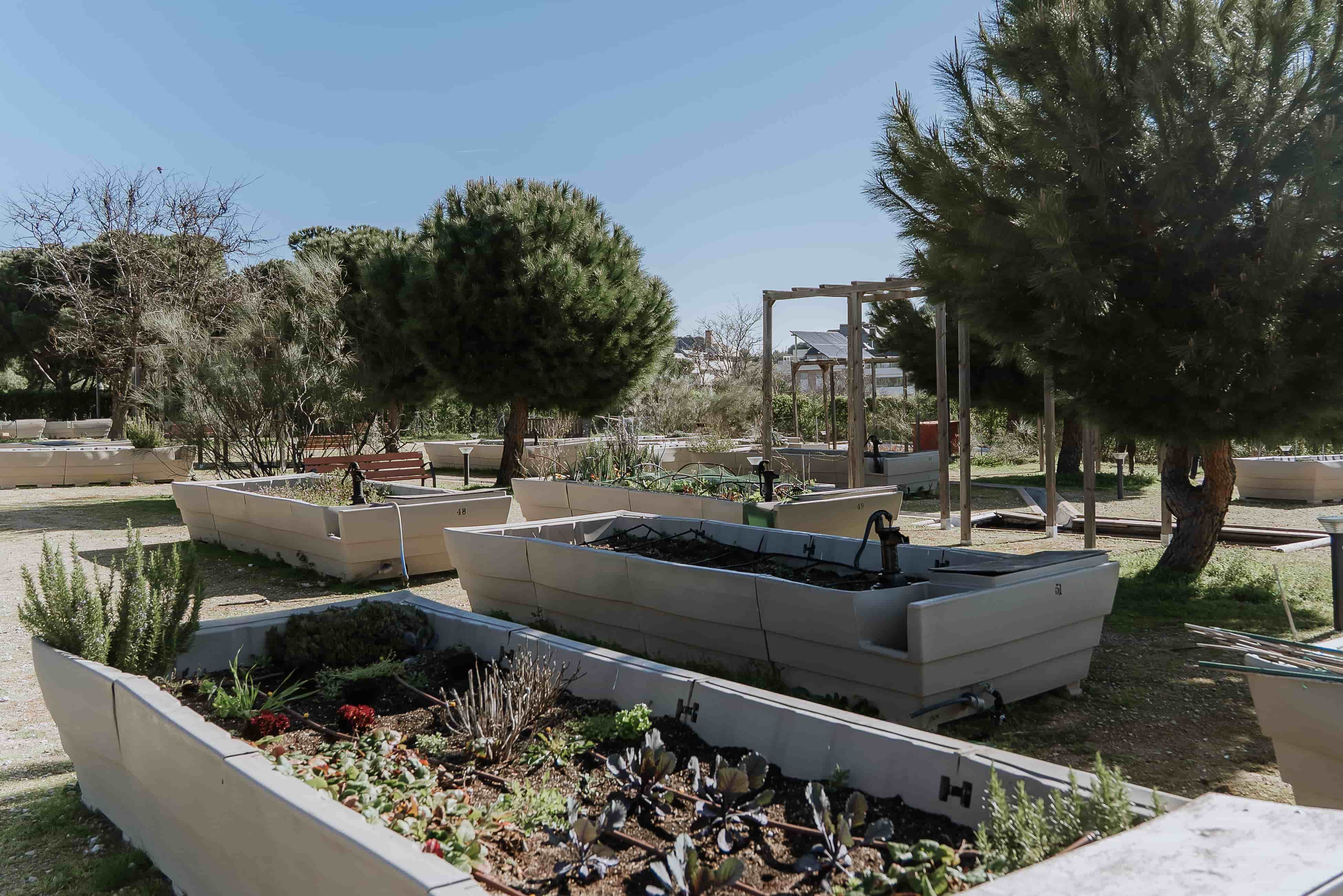
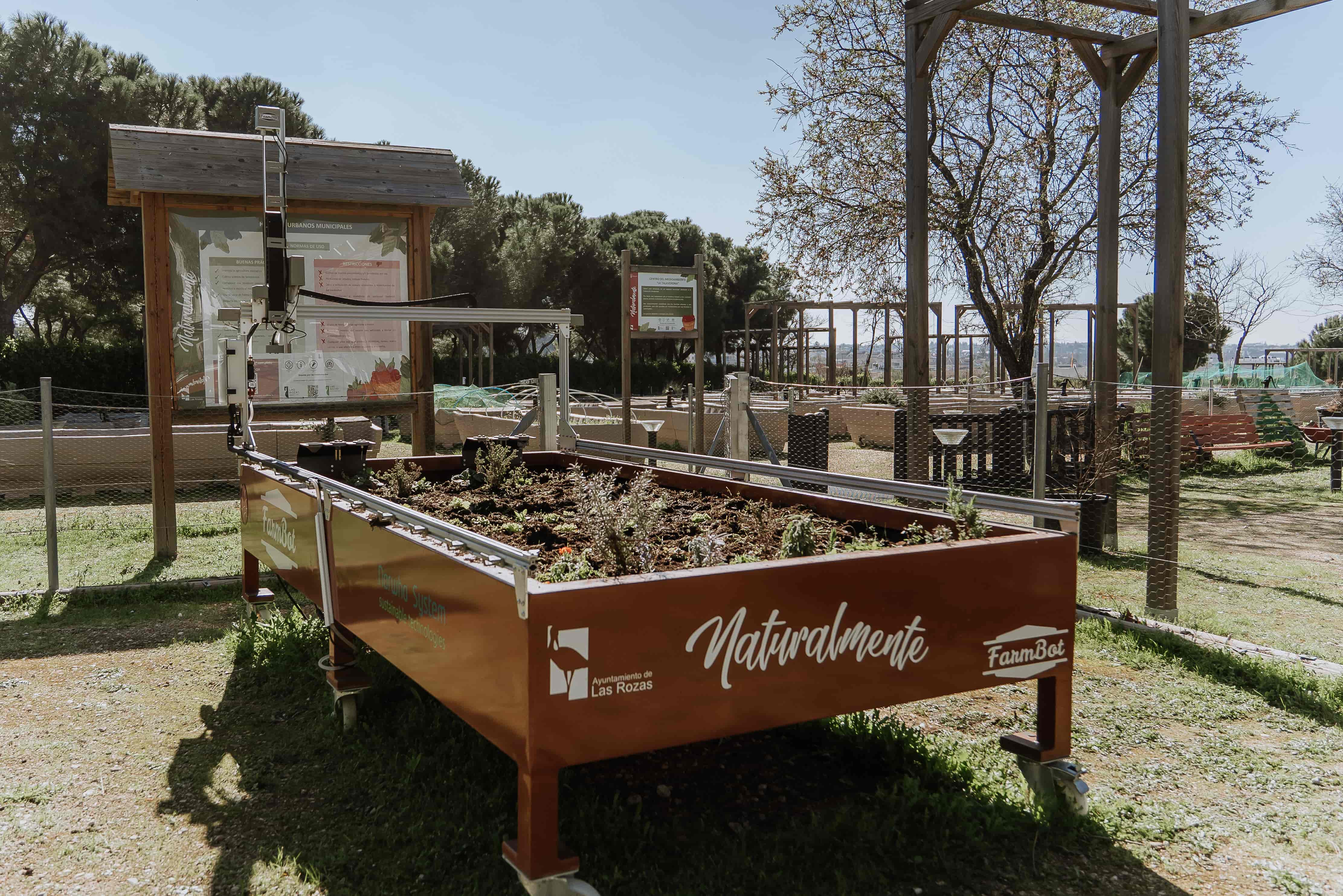
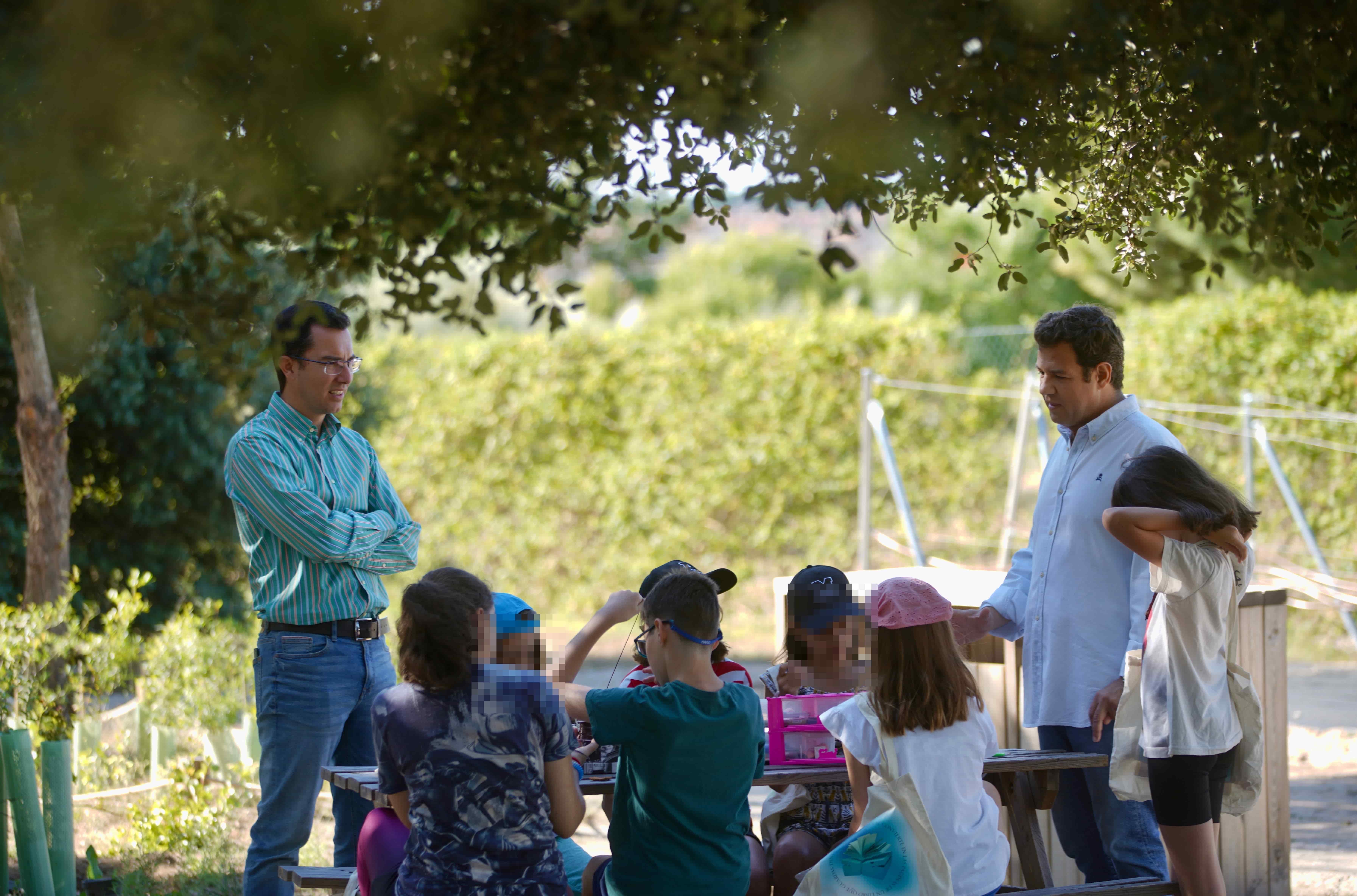
The centre hosts inclusive urban gardens with 77 cultivation plots, designed to promote wellbeing and social participation. Some plots are reserved for people with disabilities, while others are managed by older residents, encouraging active ageing and intergenerational knowledge exchange. During the summer months, the centre also organises free environmental camps for children, providing educational opportunities while supporting families in balancing work and family life.
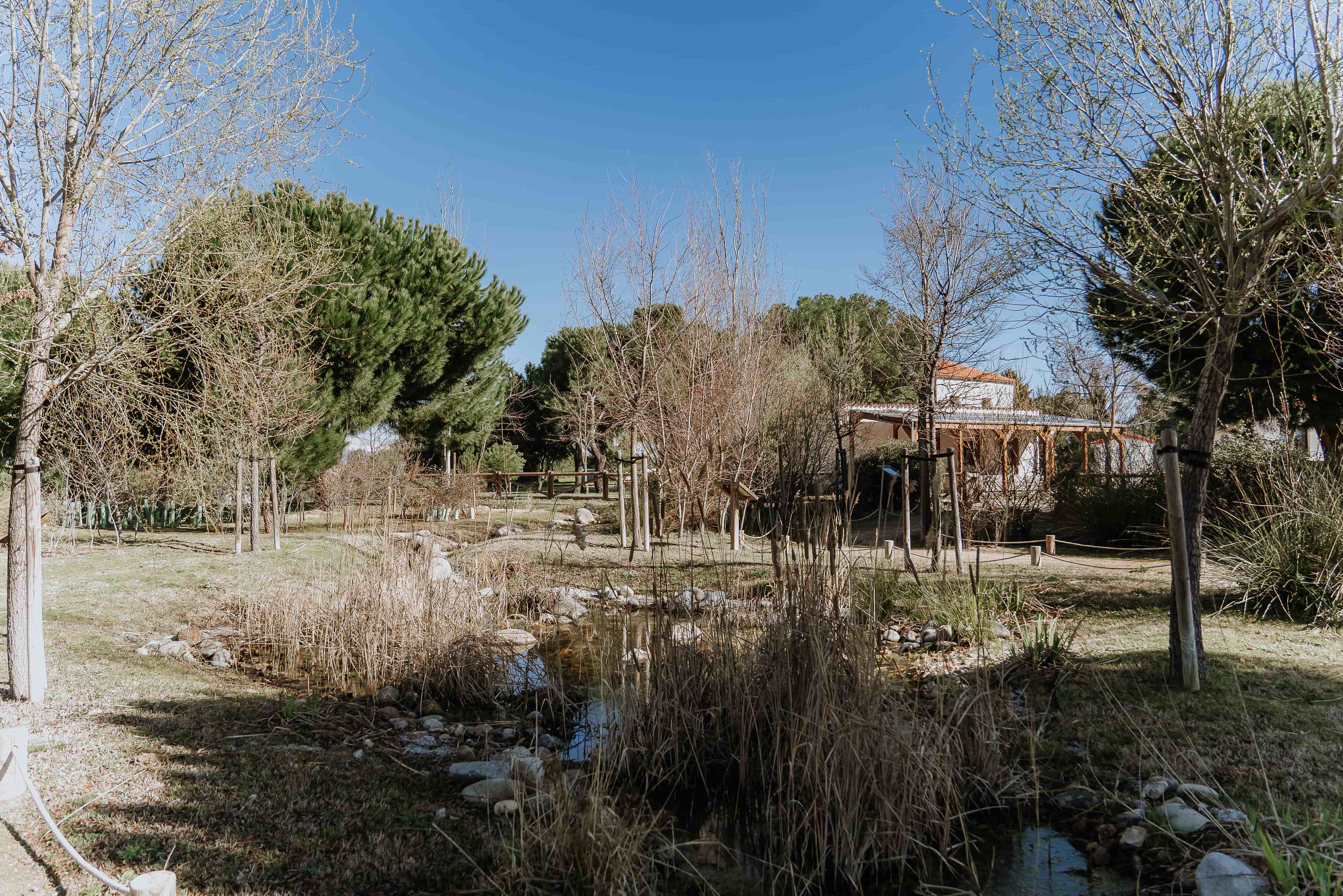
One of the project’s key achievements is the creation of an arboretum composed of native species that functions as a living classroom for environmental education and climate awareness. In addition, a naturalised pond has been restored to enhance biodiversity and support the recovery of the white water lily, contributing to the ecological quality of local aquatic ecosystems.
“La Talaverona” is consolidating itself as a replicable model of municipal green infrastructure that integrates environmental innovation, biodiversity protection and social inclusion, demonstrating how local governments can transform underused spaces into resilient landscapes for ecological transition through education, participation and nature-based solutions.
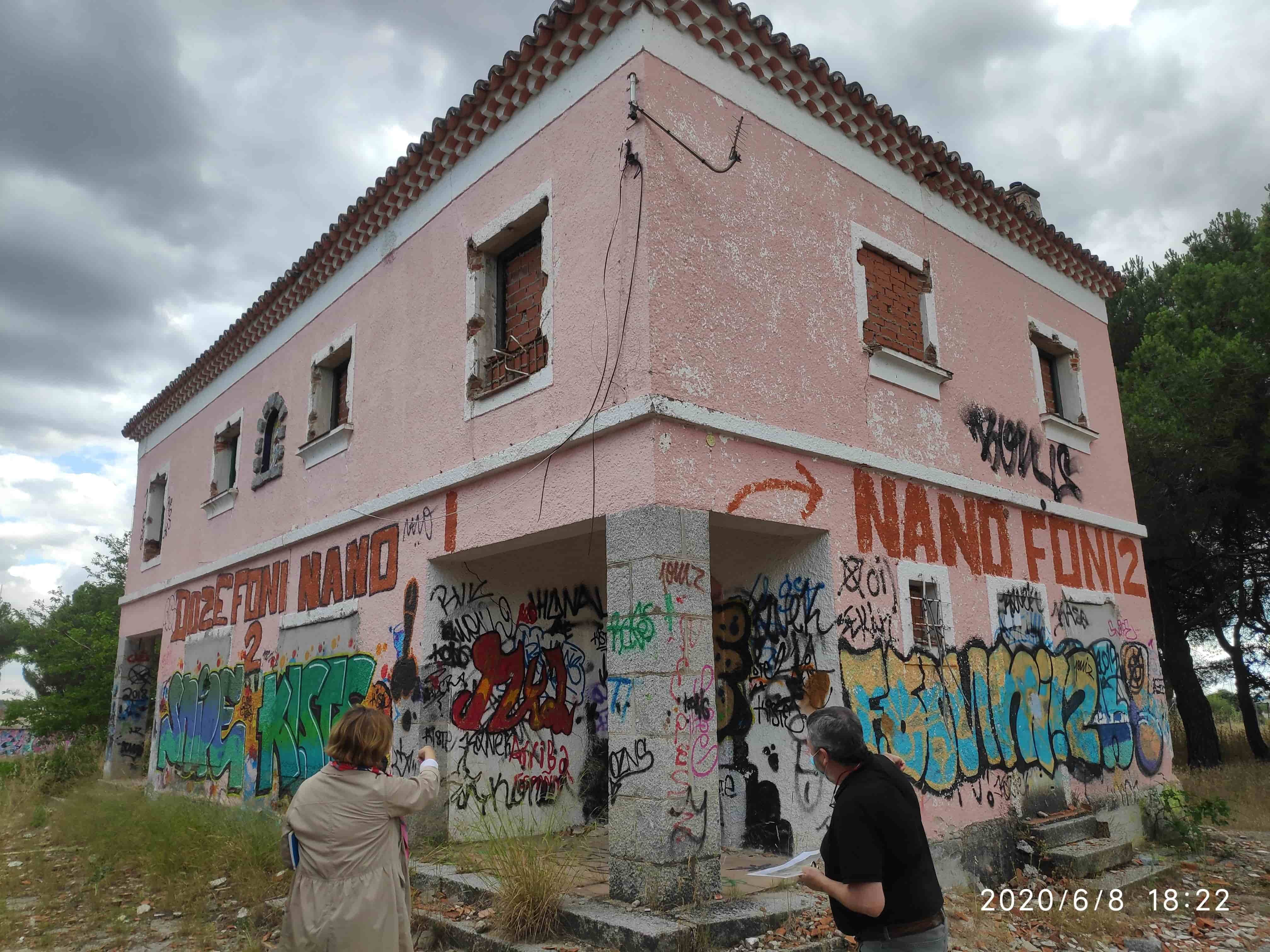
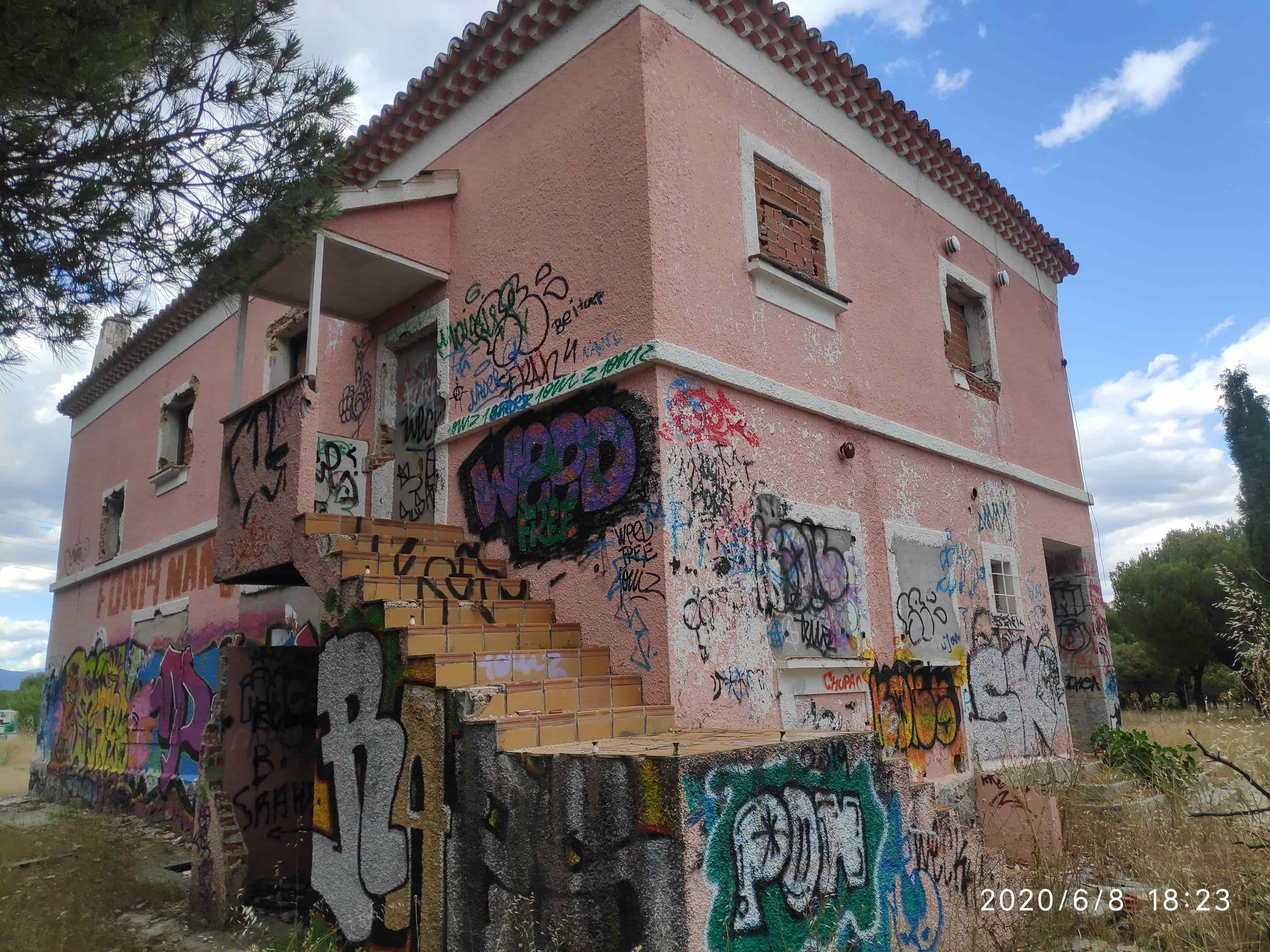
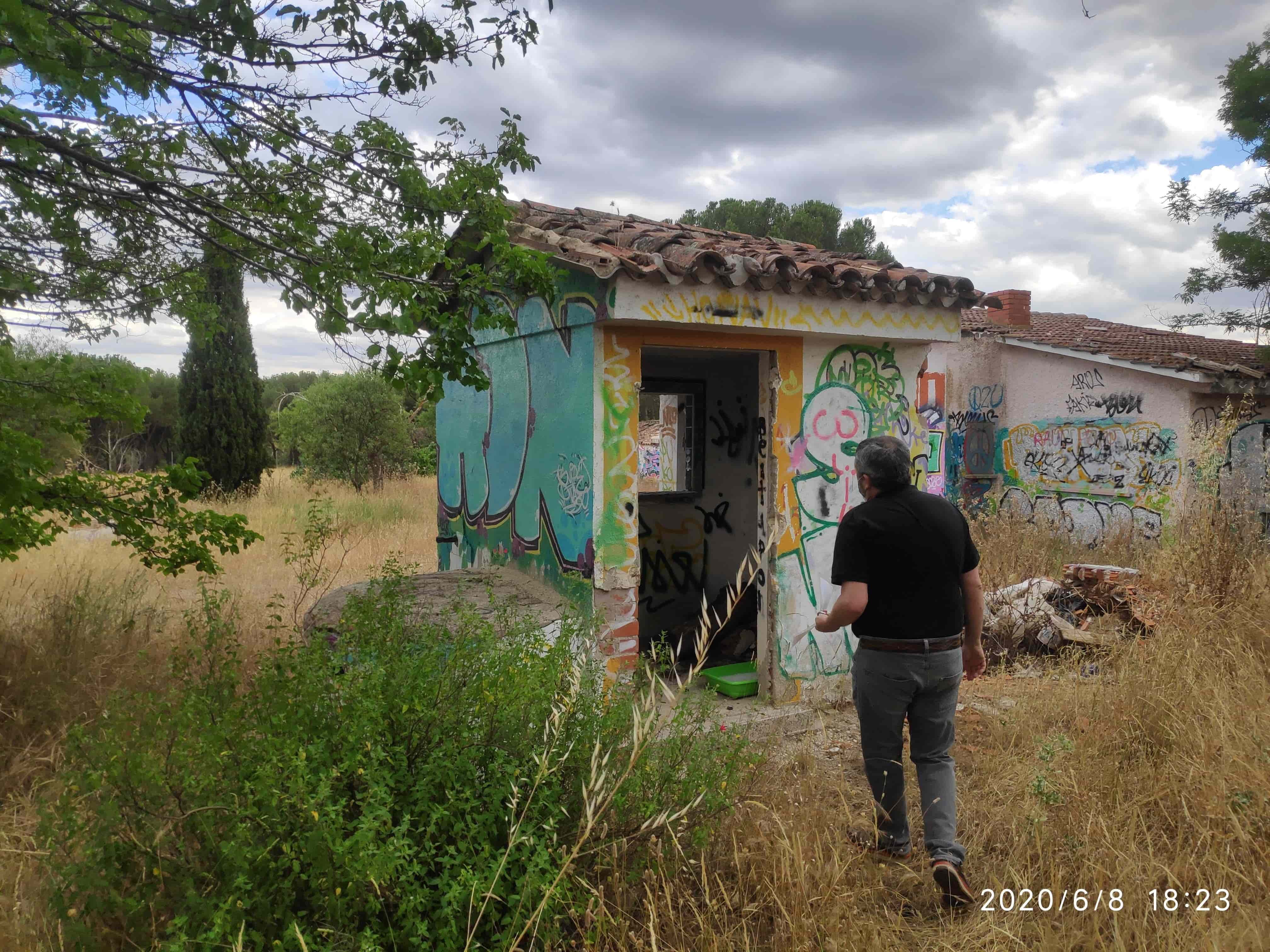
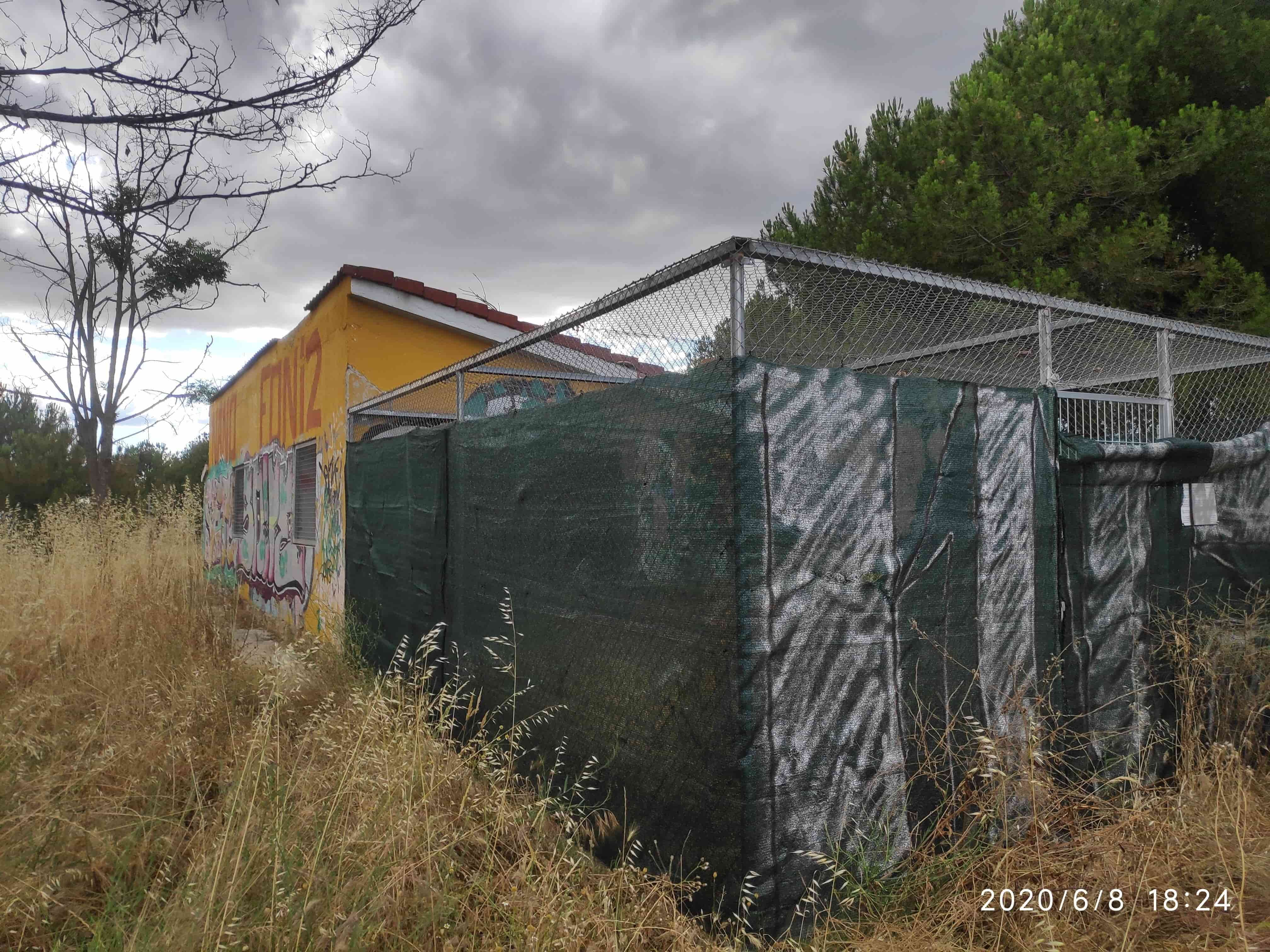
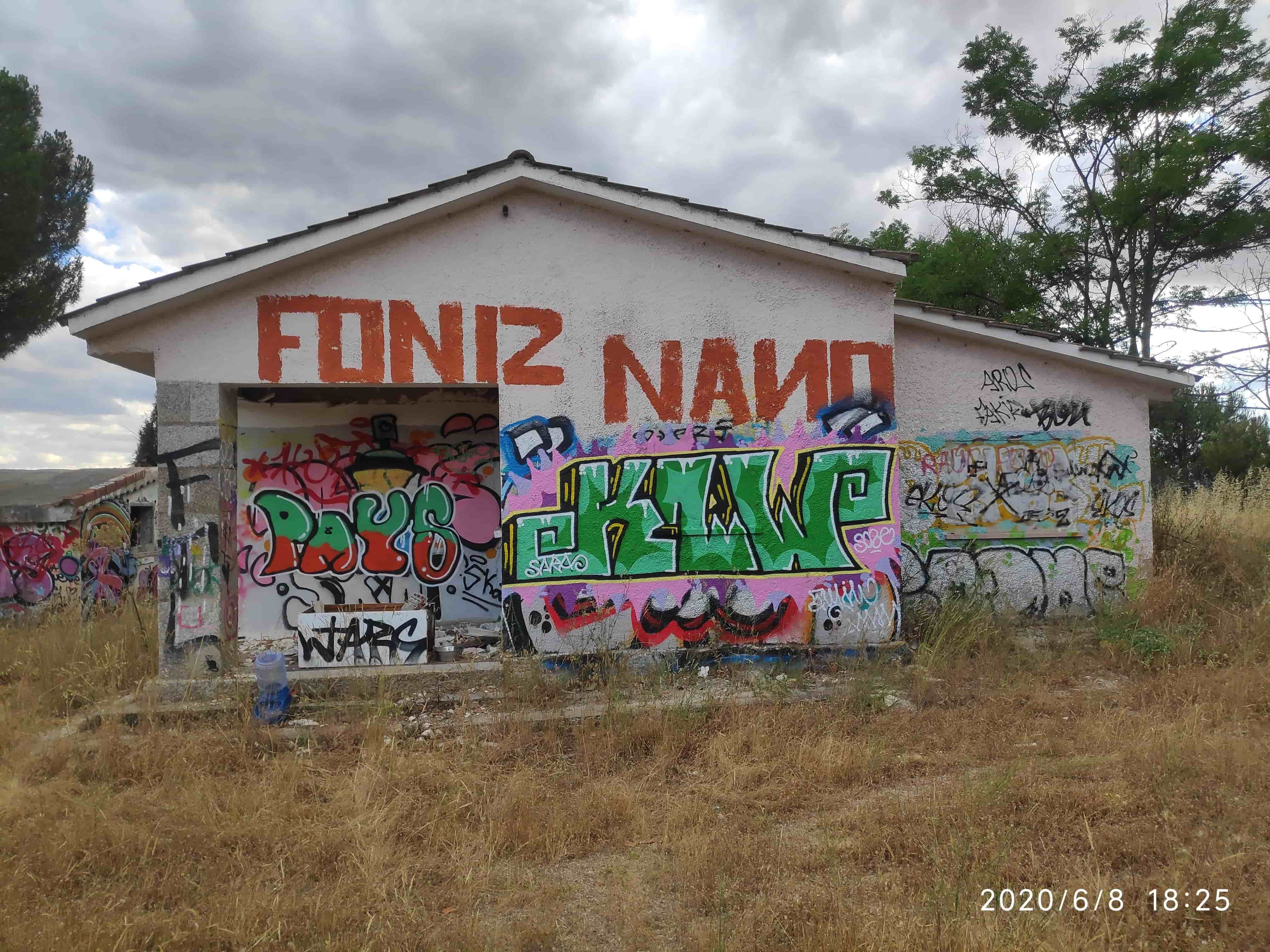
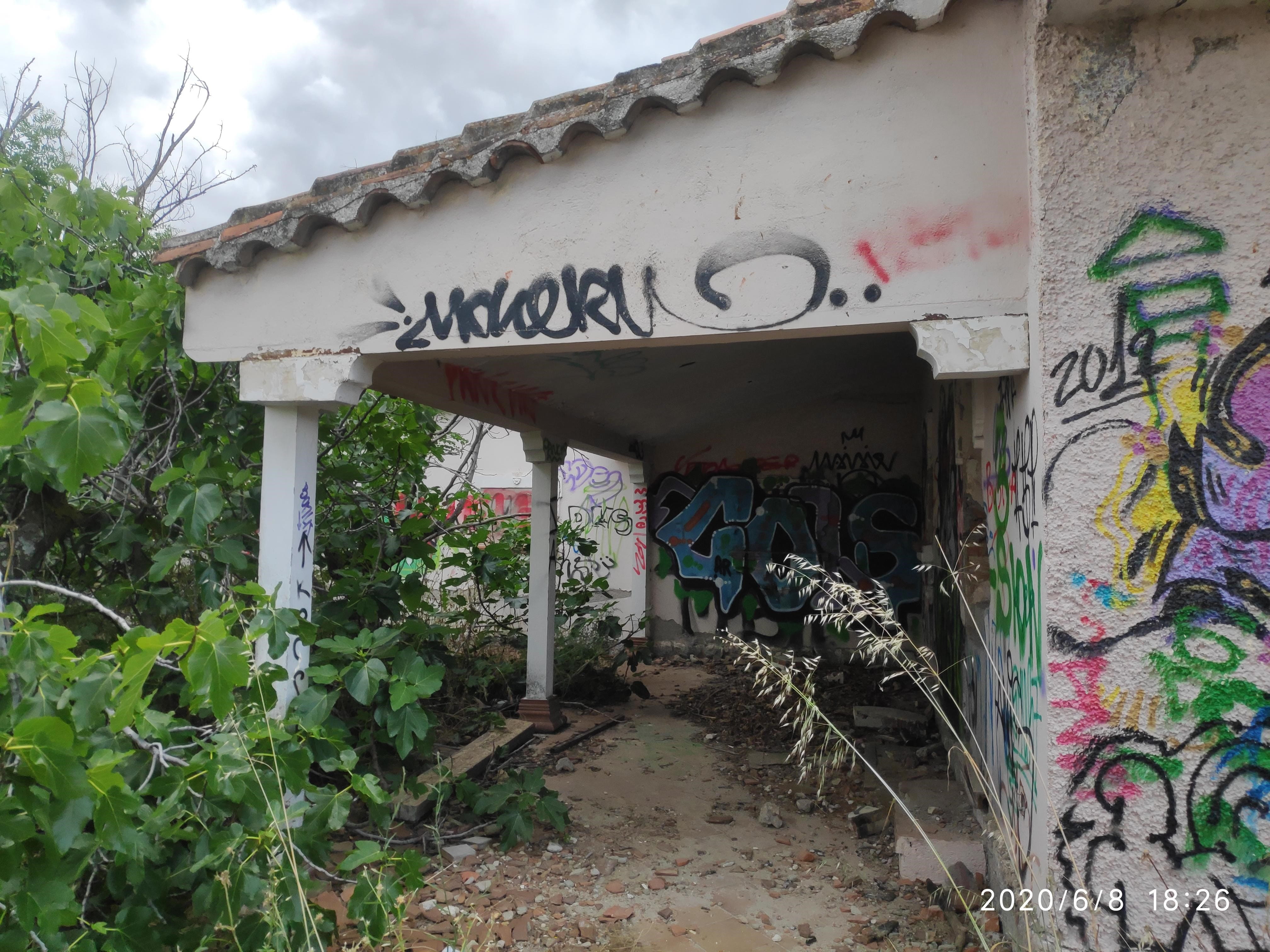
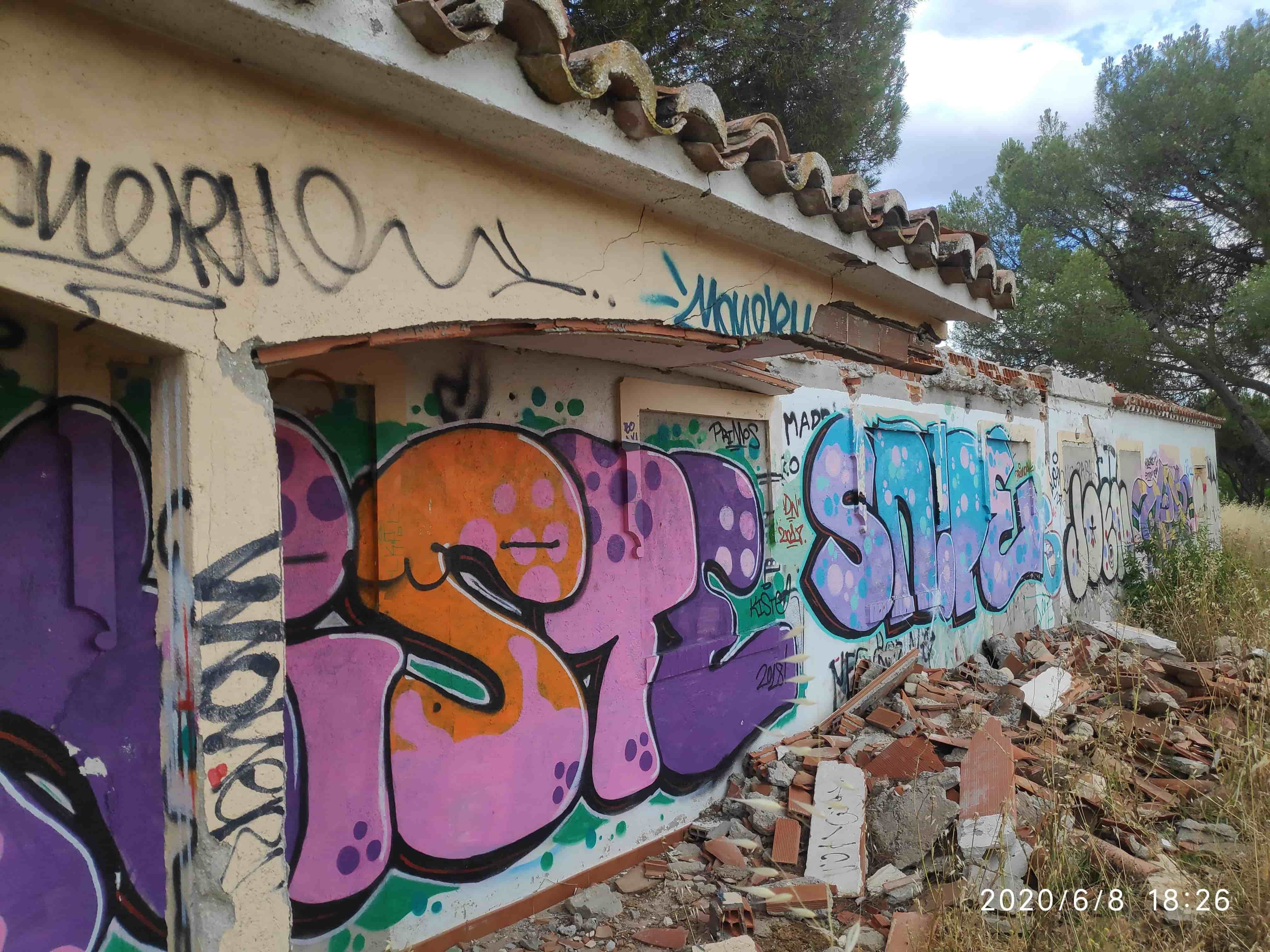
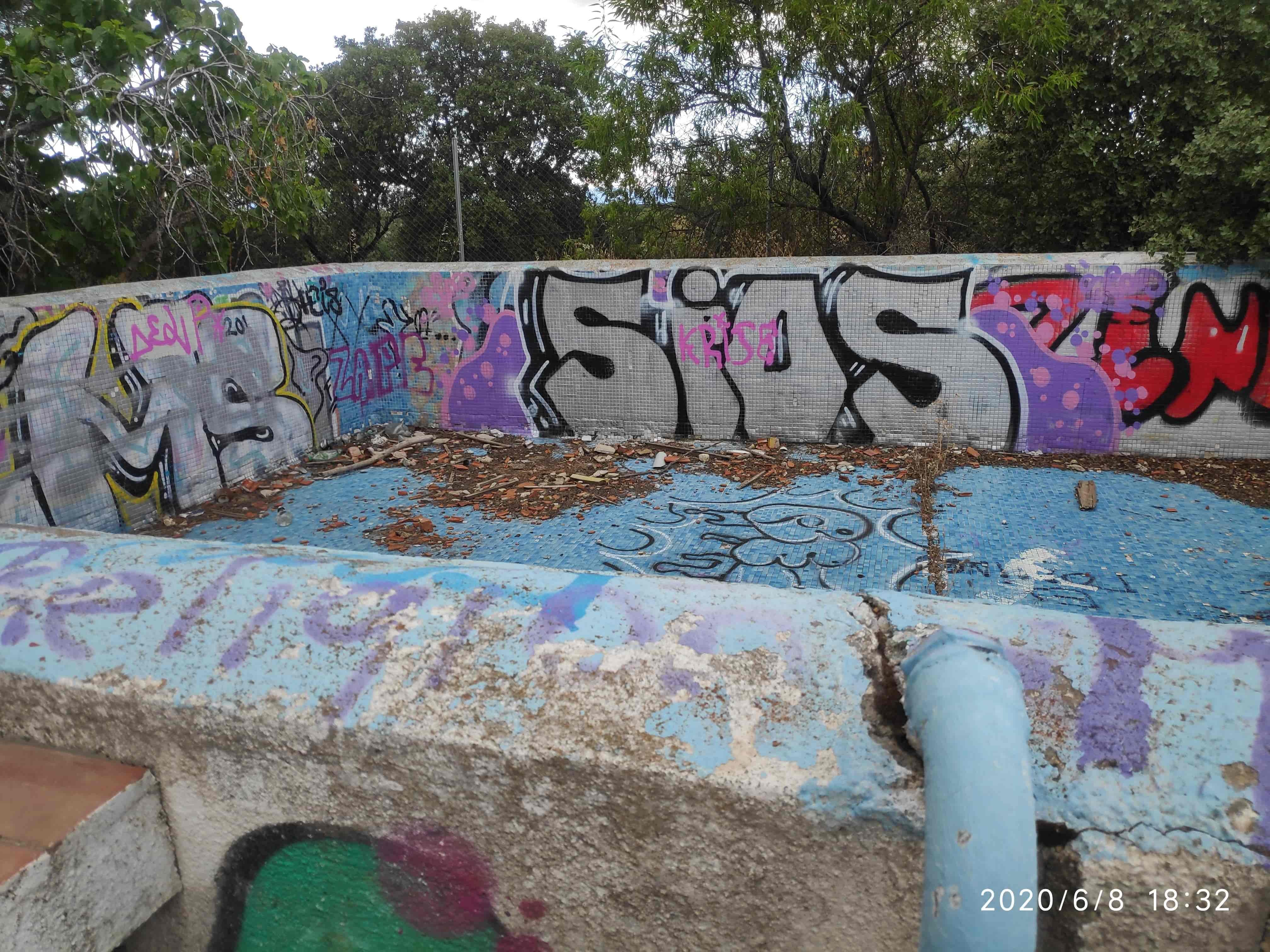
The project originated from the municipality’s ambition to transform a disused peri-urban area, where several buildings had fallen into a state of deterioration, into a demonstration centre for sustainability, environmental education, and citizen participation. From the outset, the initiative was conceived not only as an environmental facility, but also as a community space where people could meet, learn, and engage directly with nature.
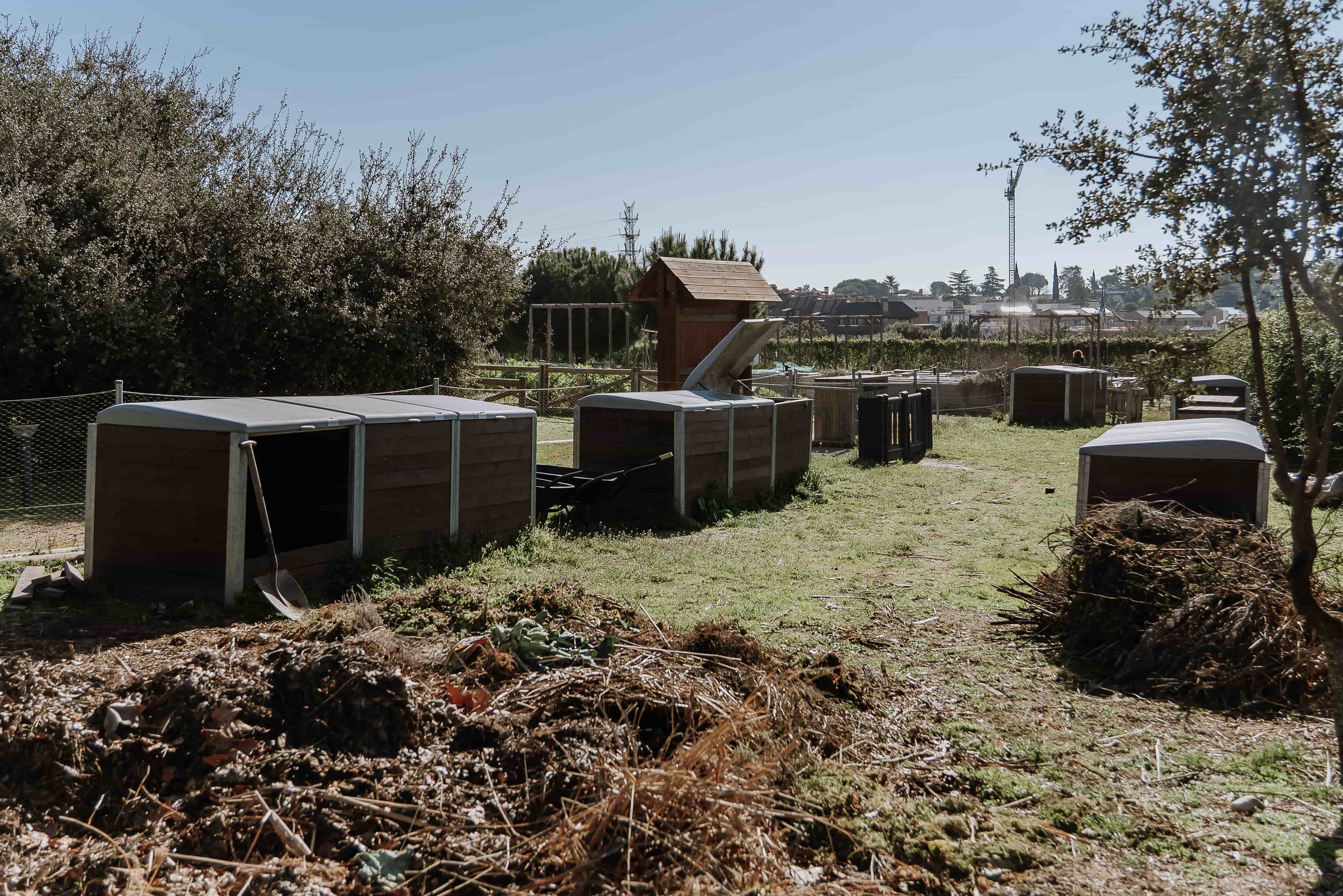
The design of the project integrates principles of green infrastructure, circular economy, nature-based solutions, and energy and water efficiency. The rehabilitation process included restoring existing buildings, planting native and climate-adapted species, creating an arboretum, and naturalising a pond in order to improve biodiversity and ecological resilience. At the same time, renewable energy systems and rainwater harvesting technologies were installed to ensure that the centre operates according to the sustainability principles it promotes.
Implementation was carried out progressively, with the active involvement of local associations, educational centres, and a wide range of community groups. Neighbourhood organisations participated in the design and management of the community gardens, while schools, families, youth groups, and senior citizens became involved through workshops, educational programmes, and environmental activities. This participatory process helped shape the final configuration of the centre and strengthened its social relevance within the community.
Over time, “La Talaverona” has evolved into a dynamic and living space that continues to grow through new activities, collaborations, and environmental initiatives. Today, the centre functions as a local reference point for sustainability and environmental awareness, welcoming over 18,250 visitors per year and engaging more than 3,120 participants annually in workshops and environmental education activities, in collaboration with 27 educational centres.
Sustainable construction
Water efficiency
Renewable energy
Green infrastructure
Social inclusion
The project addresses environmental, social, and economic challenges in a fully integrated manner, restorating of over 20,000 m² of peri-urban space and contributing to the ecological transition promoted by European policies.
In terms of energy efficiency, the installation of photovoltaic solar panels enables self-consumption of electricity, reducing greenhouse gas emissions and directly lowering the local carbon footprint, in line with the EU’s carbon neutrality goals. The rainwater harvesting and reuse system maximises water efficiency in a region increasingly affected by water scarcity, while also providing a climate adaptation buffer against extreme summer heat waves. These measures not only reduce environmental impact but also improve the long-term financial sustainability of the initiative by lowering operational and resource costs.
Socially, the inclusive community garden model fosters cohesion, active engagement, and intergenerational learning. In a context where mental health is a growing concern, access to nature and therapeutic green spaces plays a key role in promoting wellbeing, resilience, and social inclusion.
Environmentally, the project enhances biodiversity through the creation of a native-species arboretum and the ecological restoration of the pond, including the recovery of the white water lily. Nature-based solutions embedded throughout the site strengthen climate resilience while improving the ecological quality of the surrounding peri-urban landscape.
The exemplary nature of the project lies in its holistic and replicable approach: it integrates environmental conservation, renewable energy, water efficiency, education, and citizen participation within an open municipal infrastructure. “La Talaverona” demonstrates how local initiatives can be scaled and adapted to other European municipalities, serving as a model for sustainable and socially inclusive urban regeneration.
“La Talaverona” transforms a previously degraded peri-urban area into a carefully designed, accessible, and engaging natural environment that delights the senses and fosters a deep connection with nature.
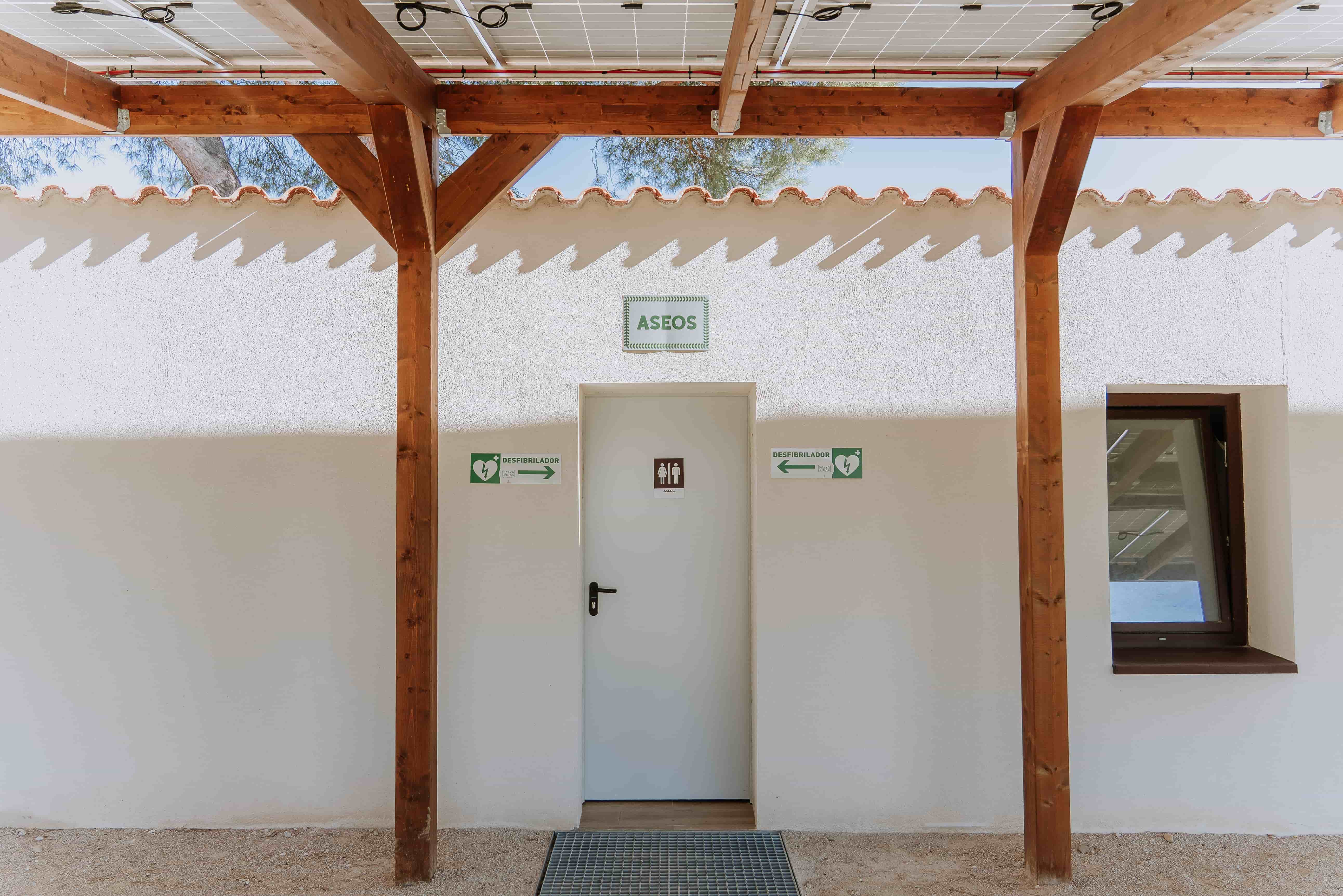
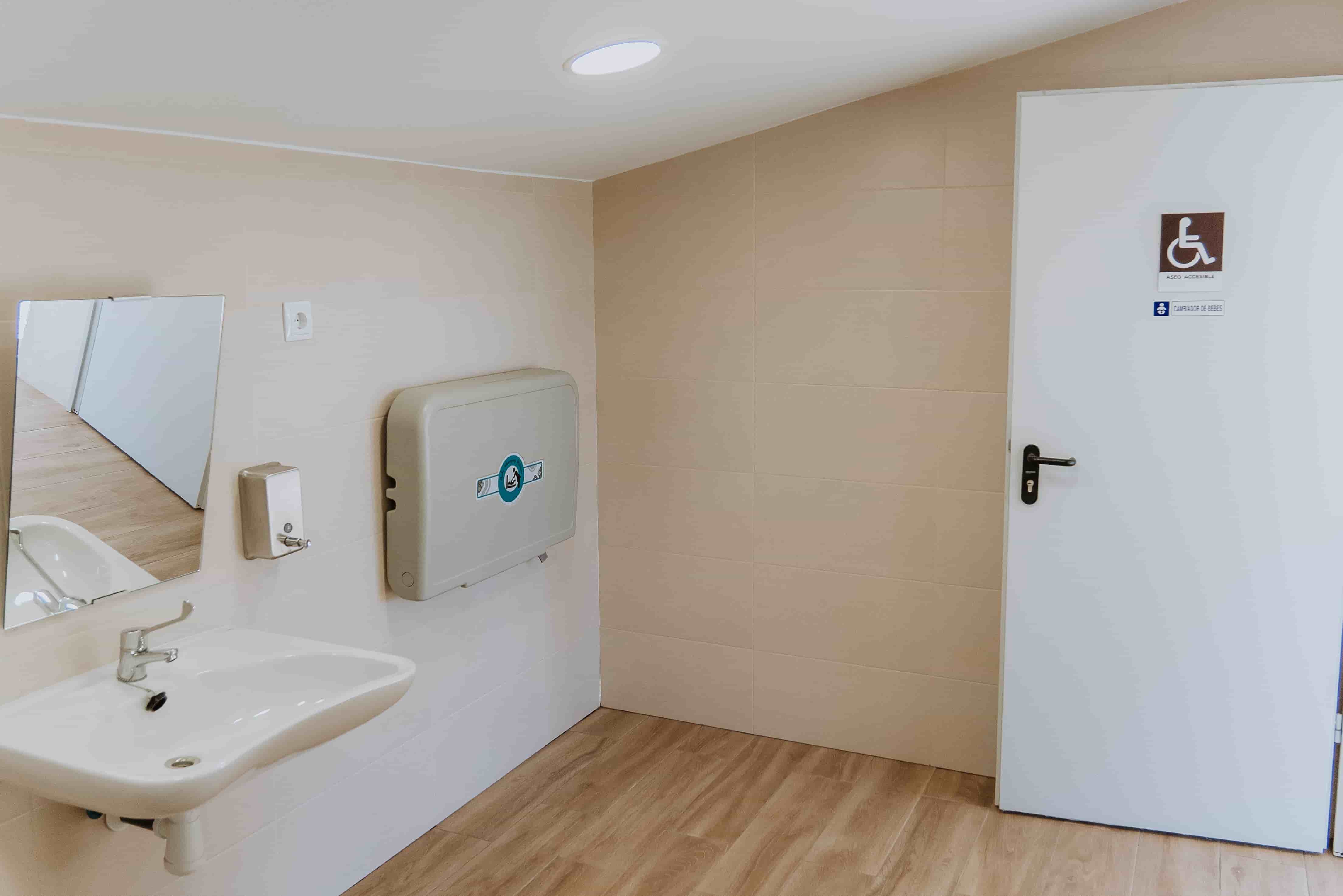
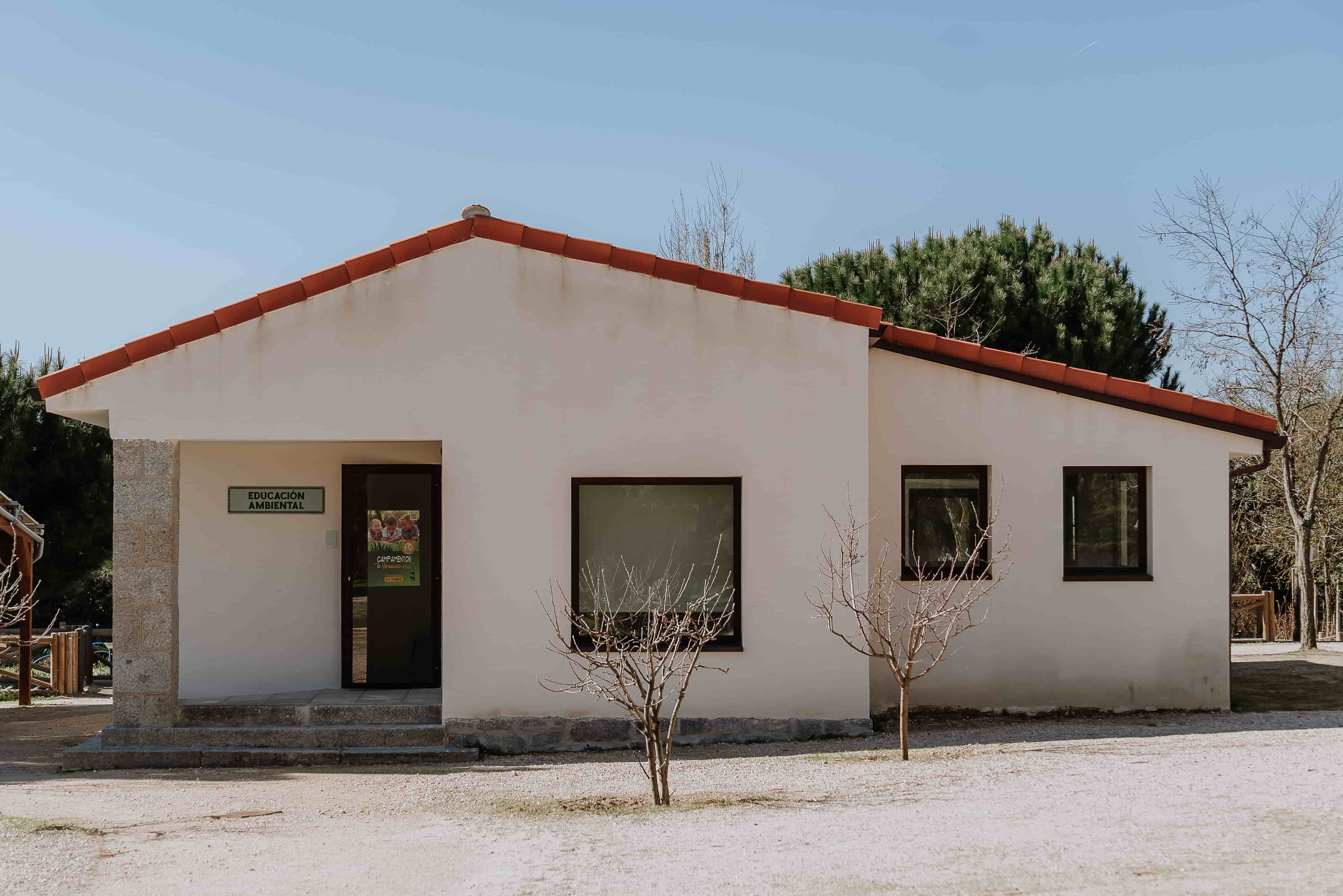
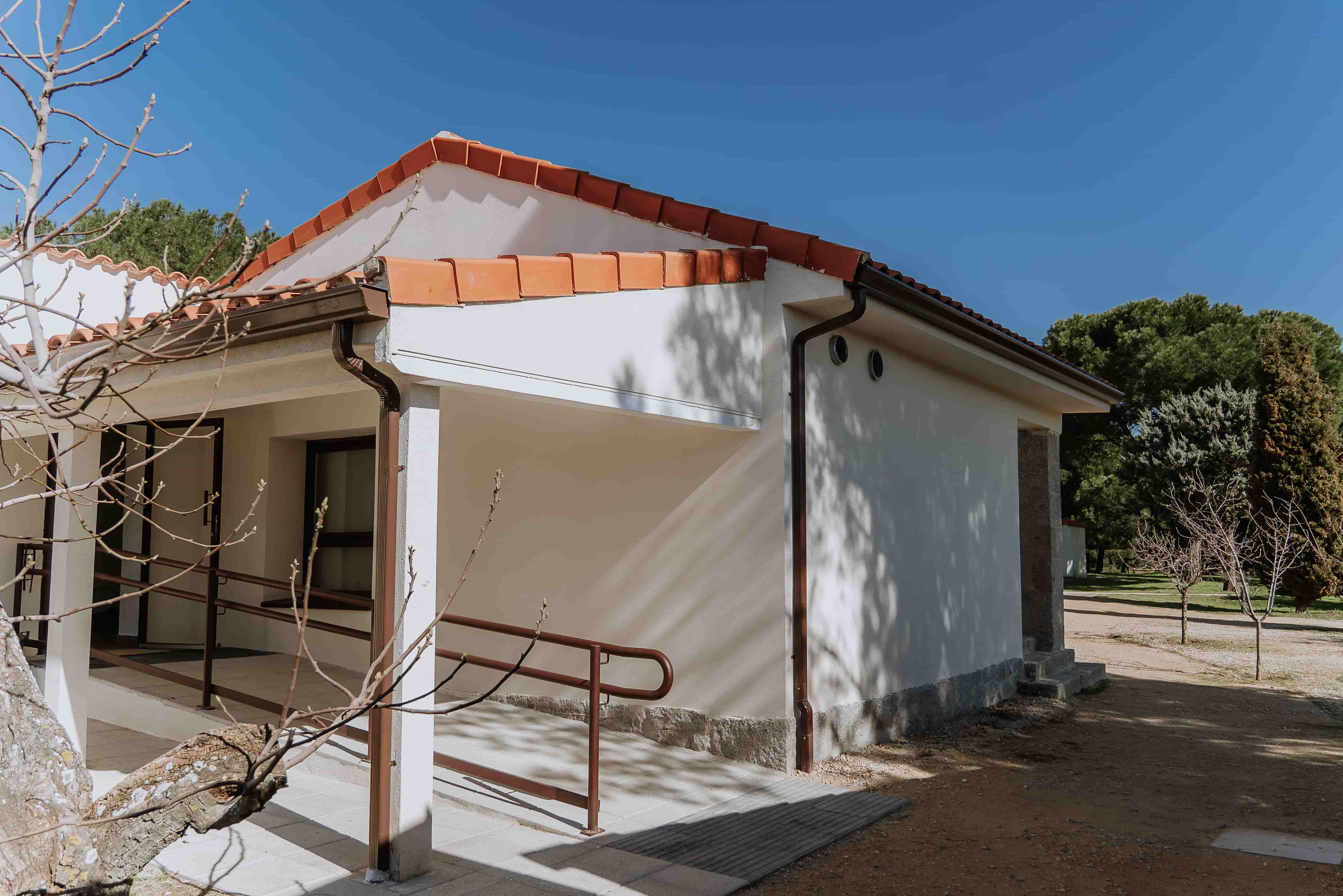
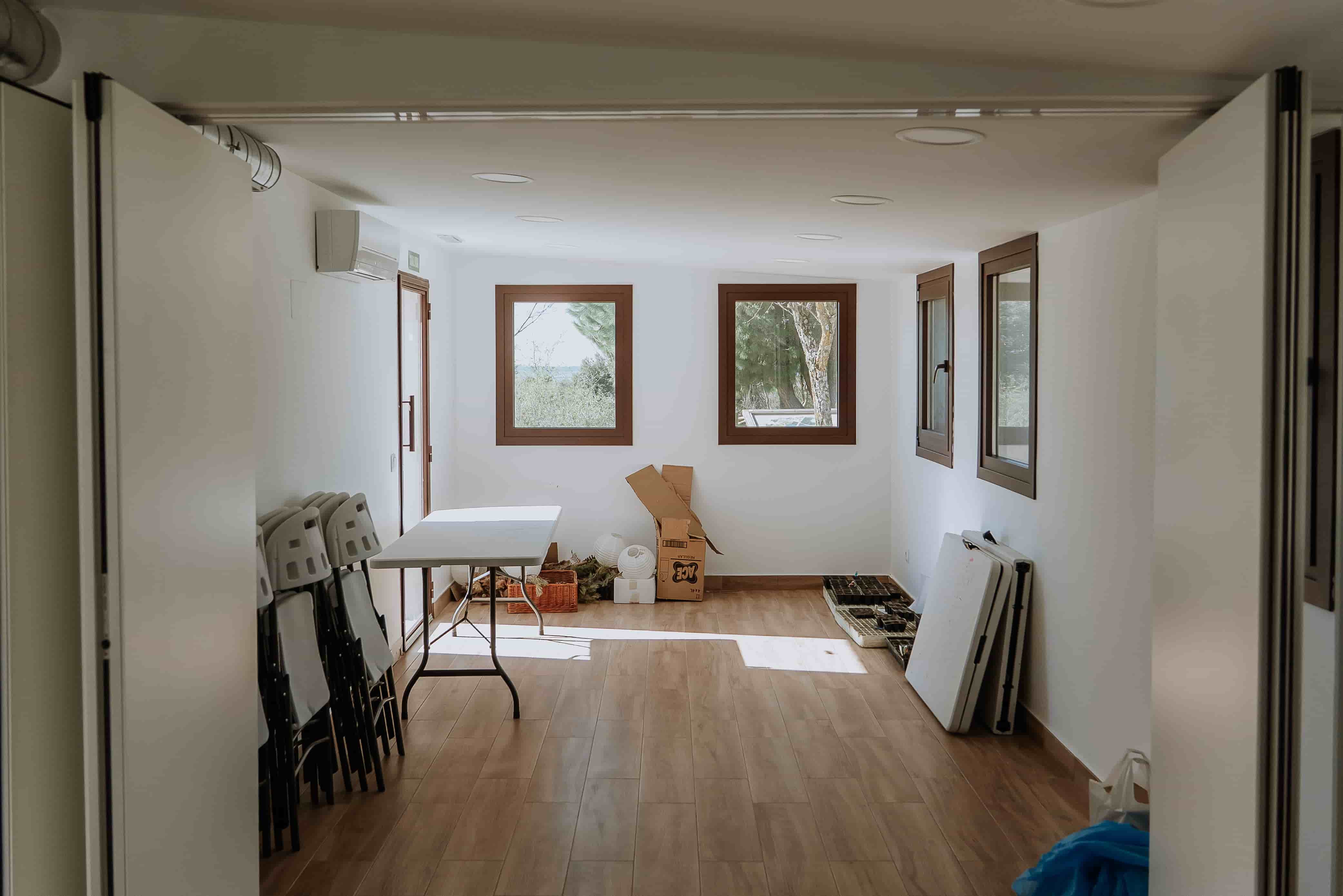
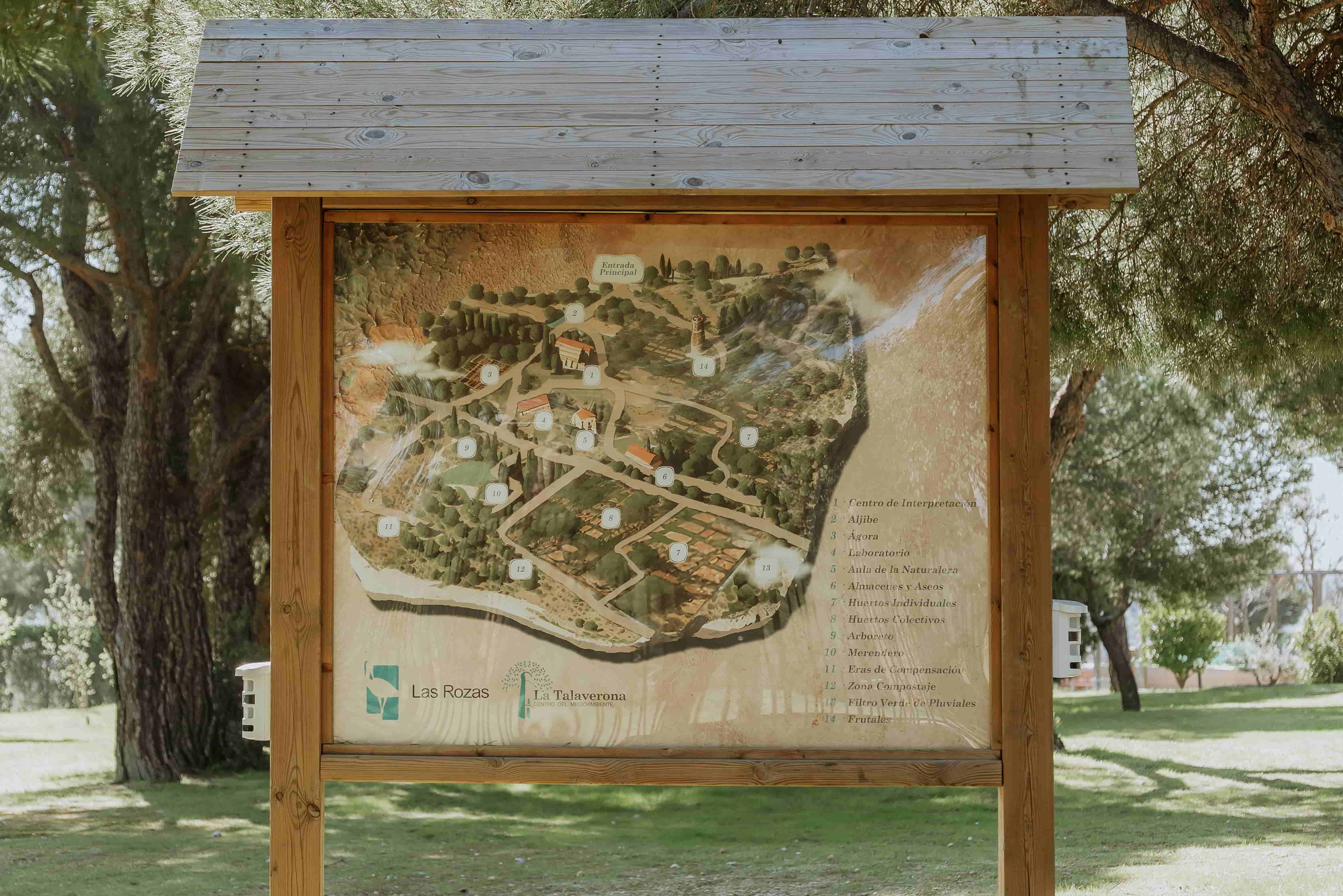
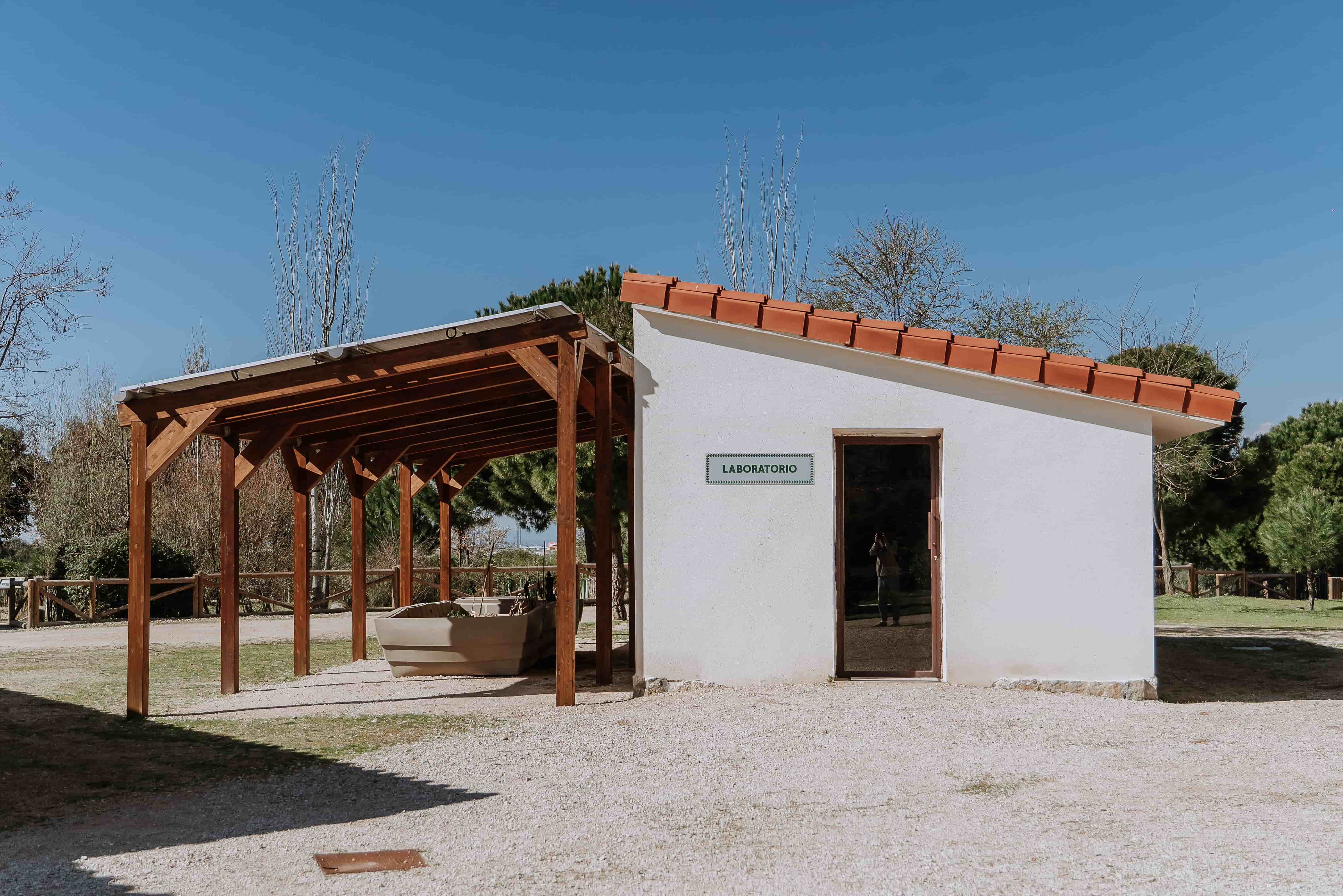
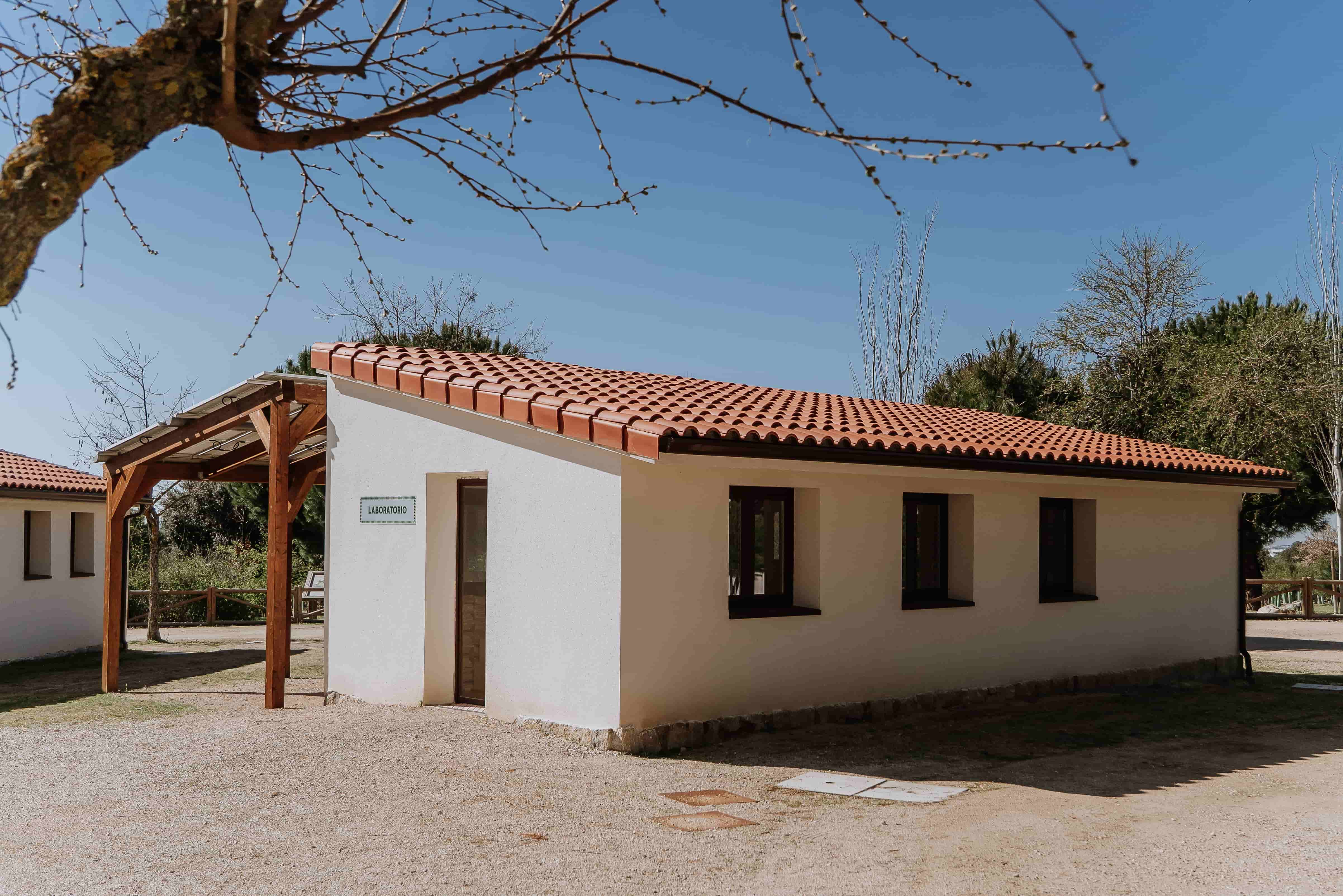
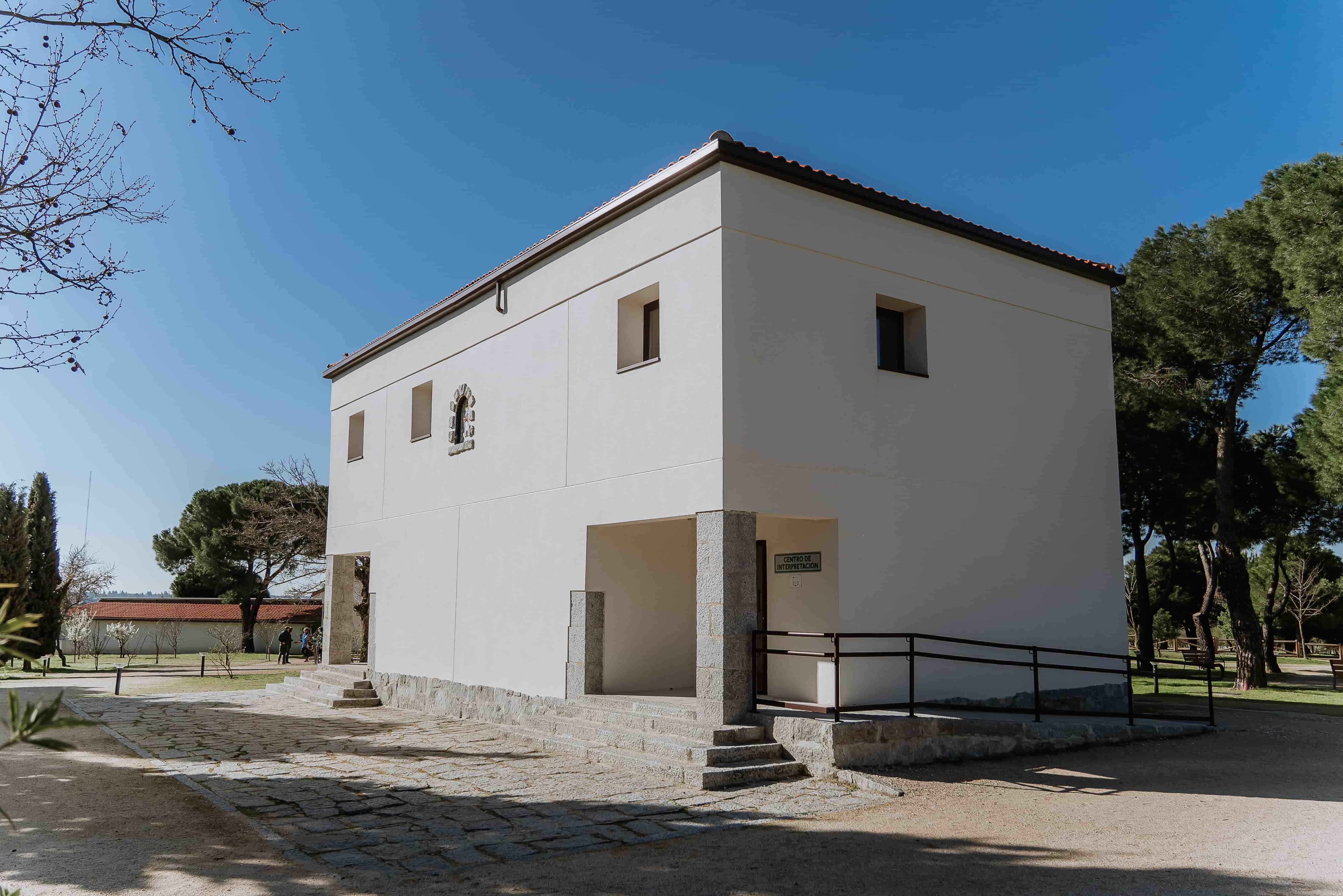
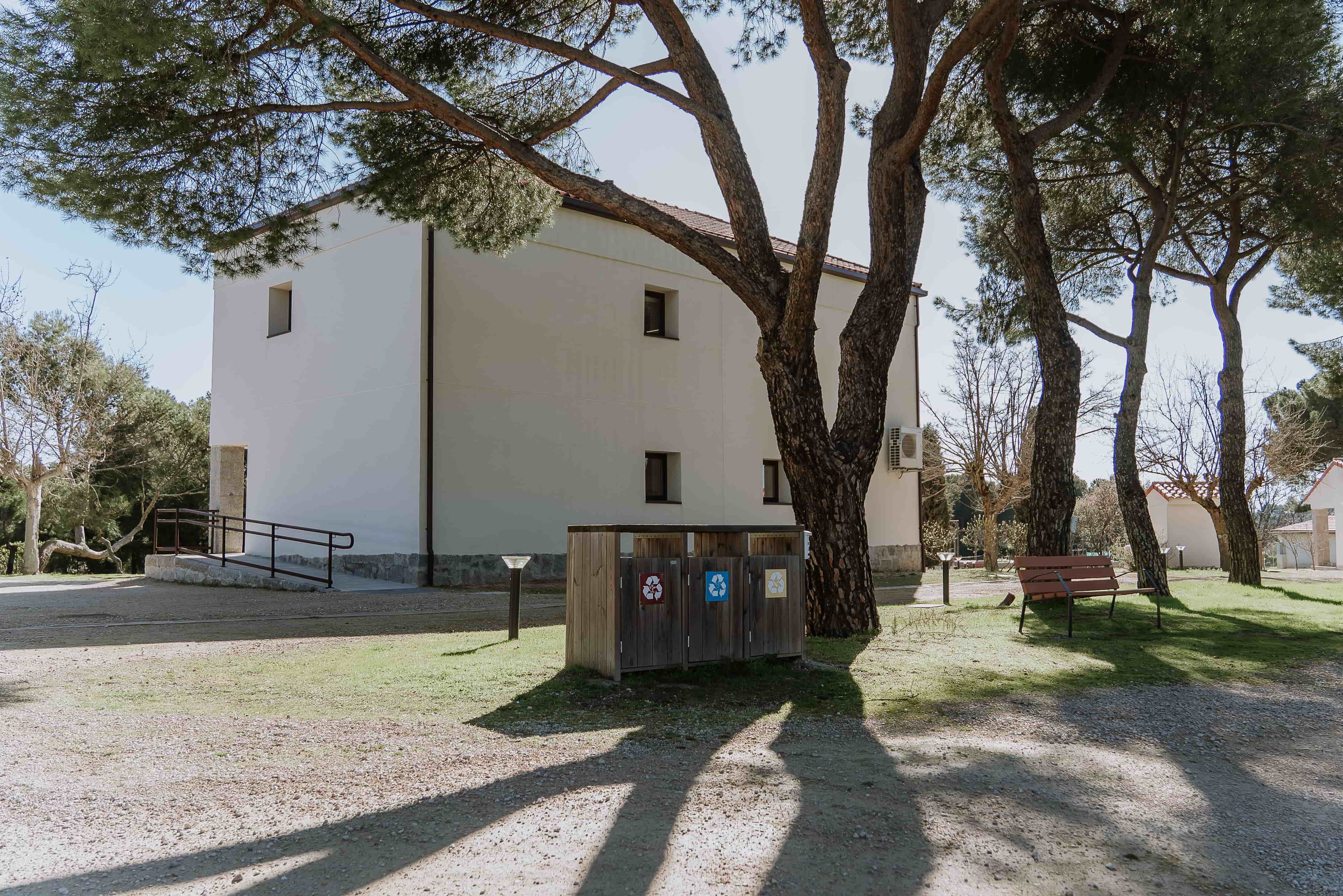
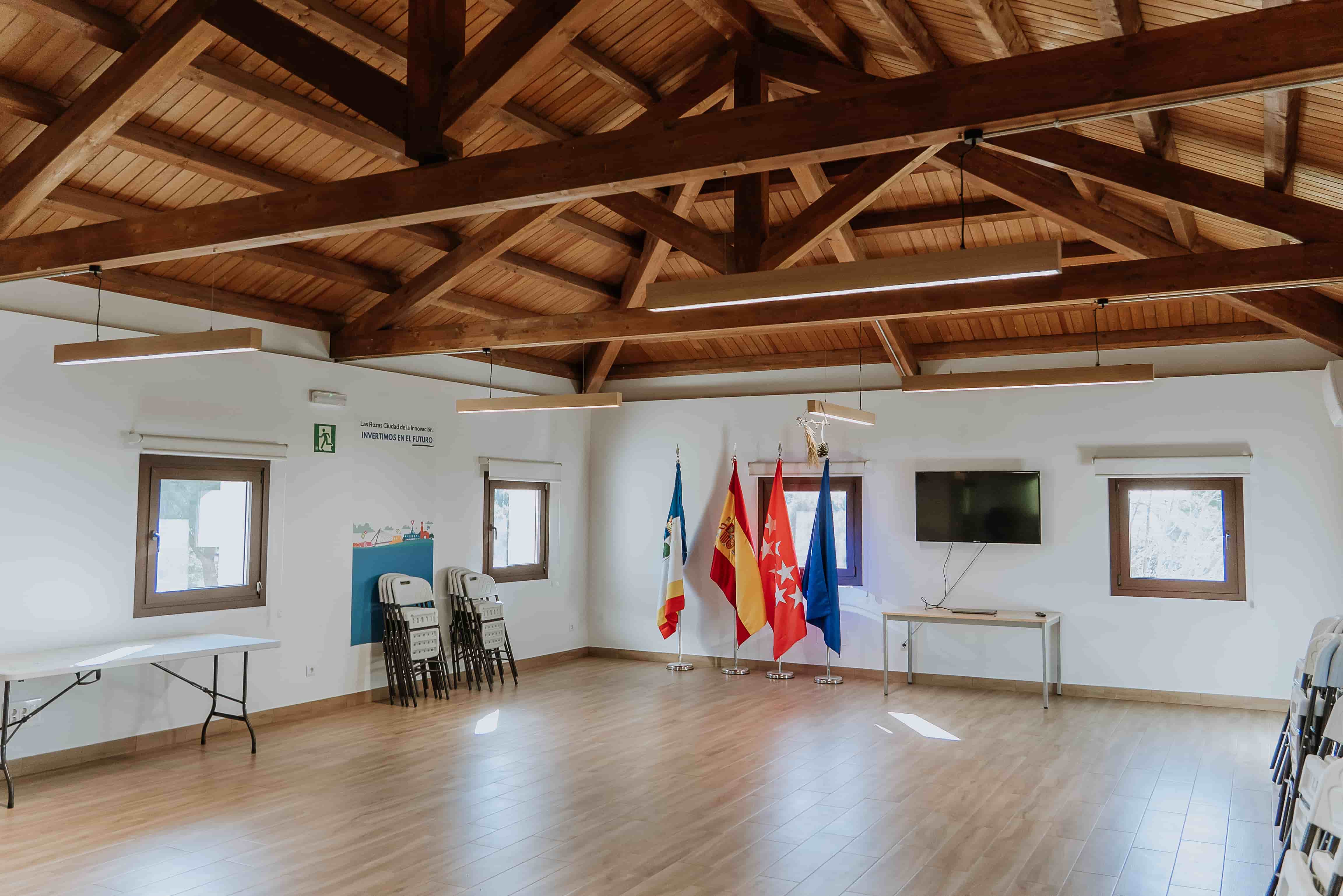
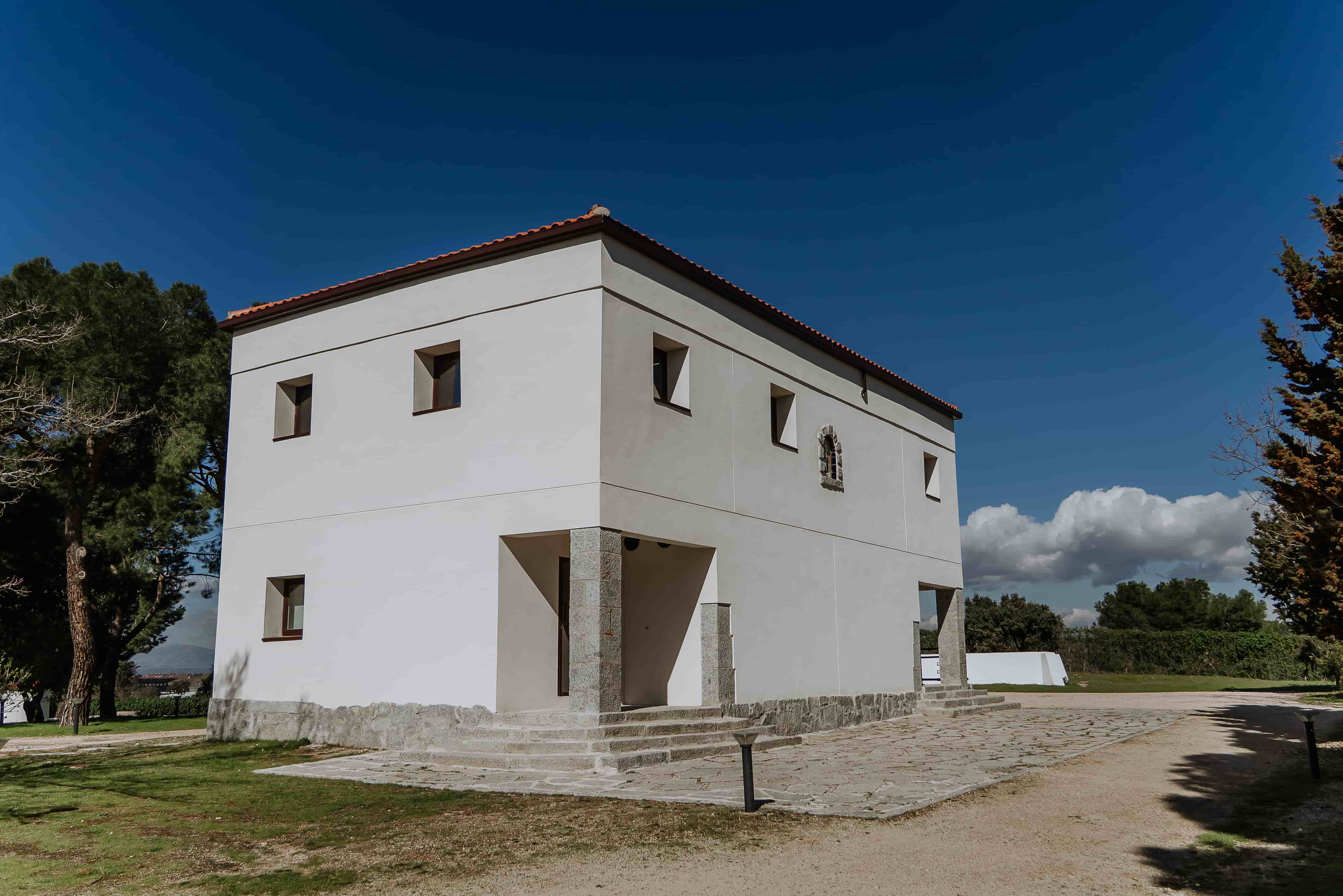
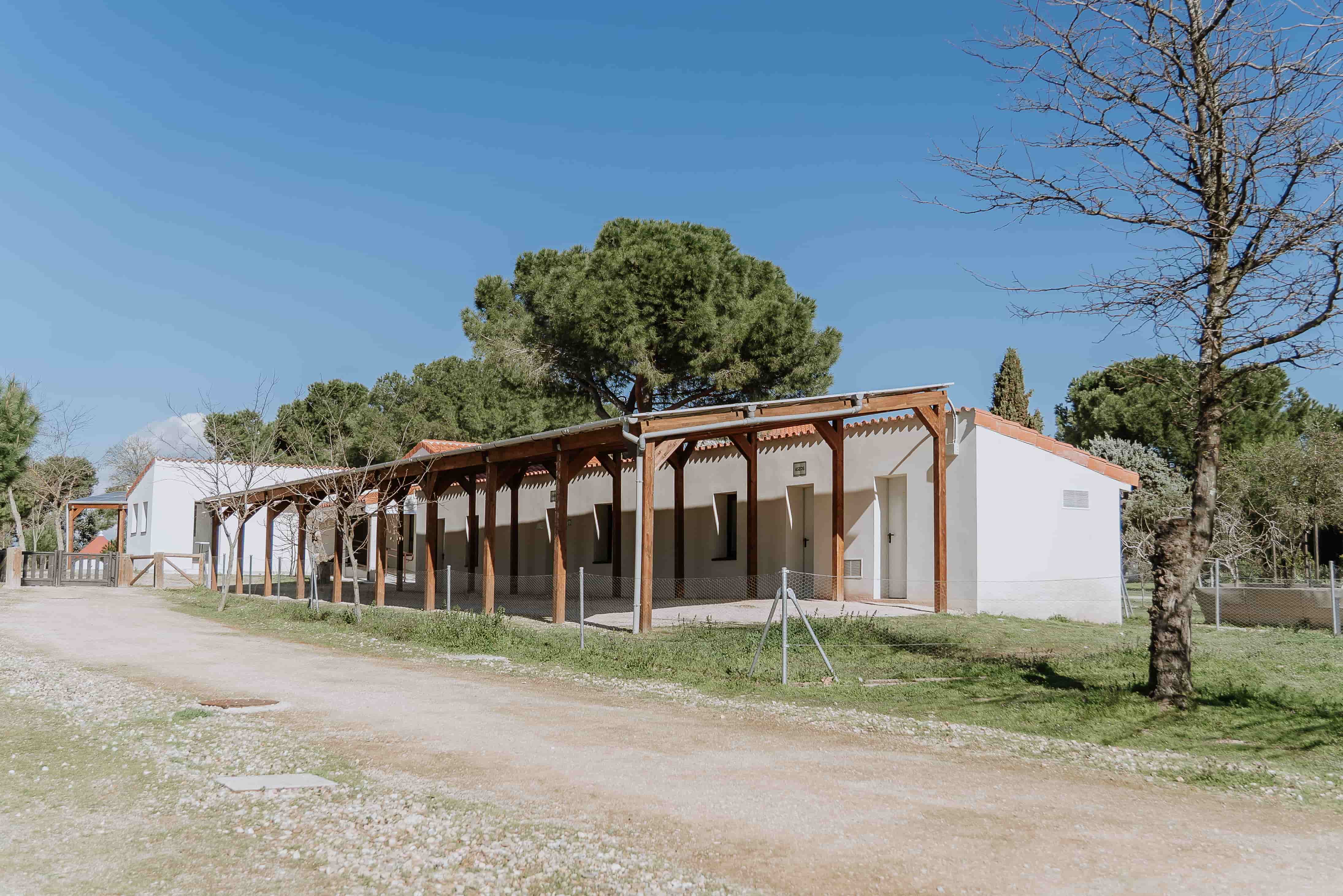
The buildings respect the traditional architectural style of early 20th-century summer homes in the Sierra de Madrid, with thick stone and adobe walls, exposed timber structures, and Arabic tile roofs, maximizing thermal comfort and natural light. Former farm and agricultural structures have been thoughtfully rehabilitated to house environmental education classrooms, a laboratory, and inclusive facilities such as restrooms and changing rooms. The central historic residence serves as an environmental interpretation center, with restored open spaces and a timber roof structure that encourage community gatherings, exhibitions, and events.
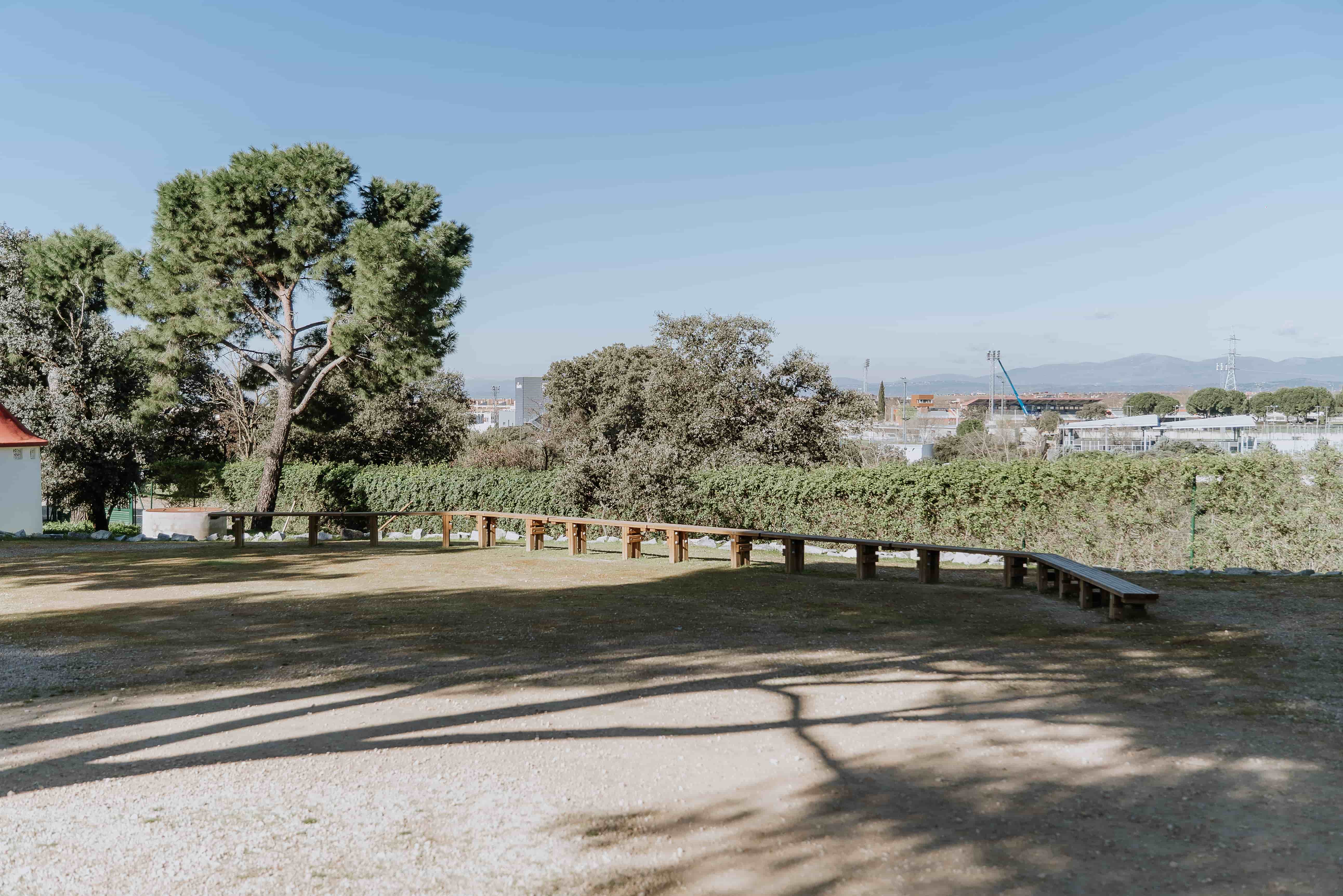
The surrounding landscape integrates beauty and functionality. The arboretum, naturalized pond, and urban gardens create a productive and harmonious environment where seasonal agricultural cycles, plant diversity, and the presence of water generate a rich sensory experience. Visitors do not just observe sustainability; they experience it through touch, sight, and movement, connecting with natural rhythms and processes.
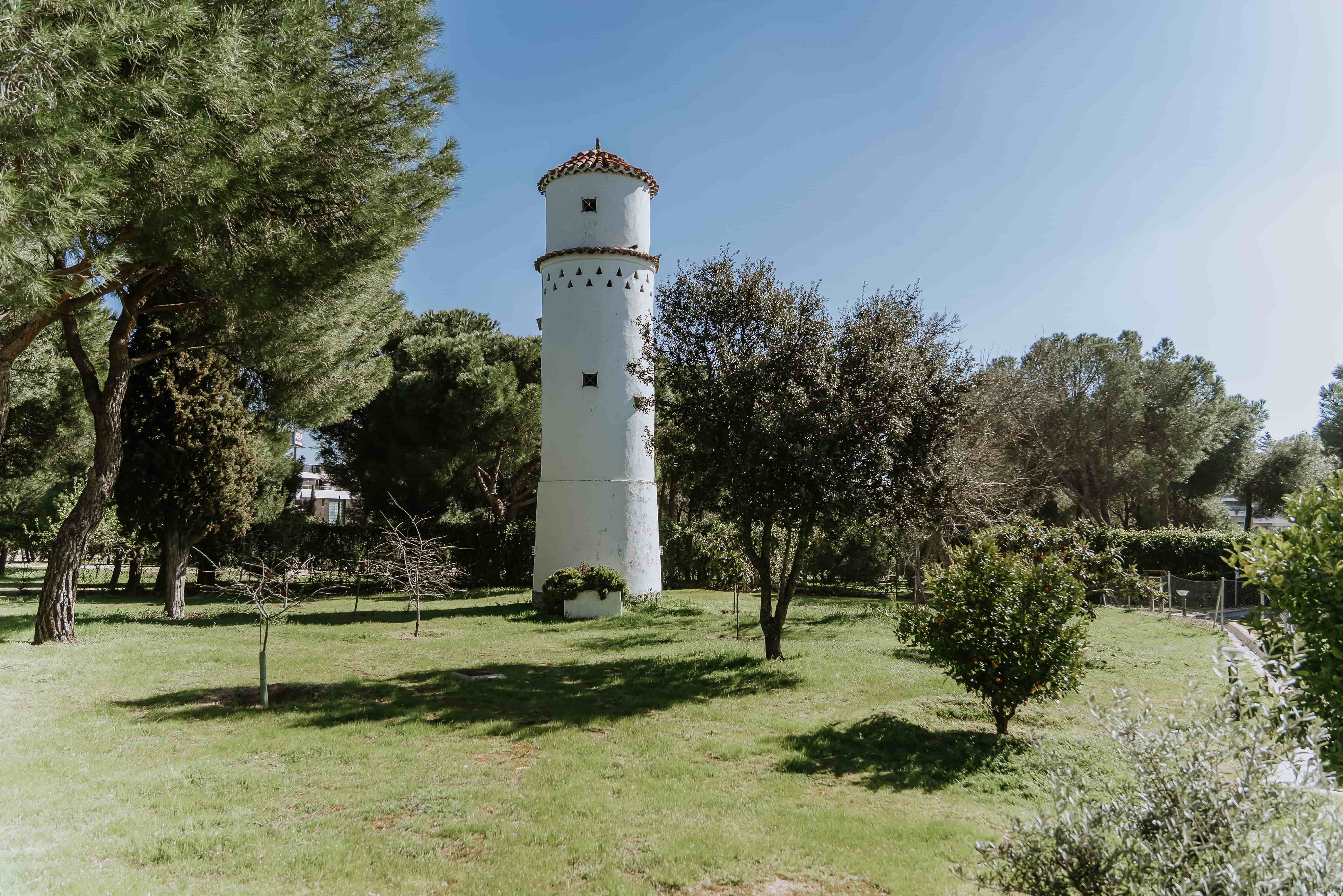
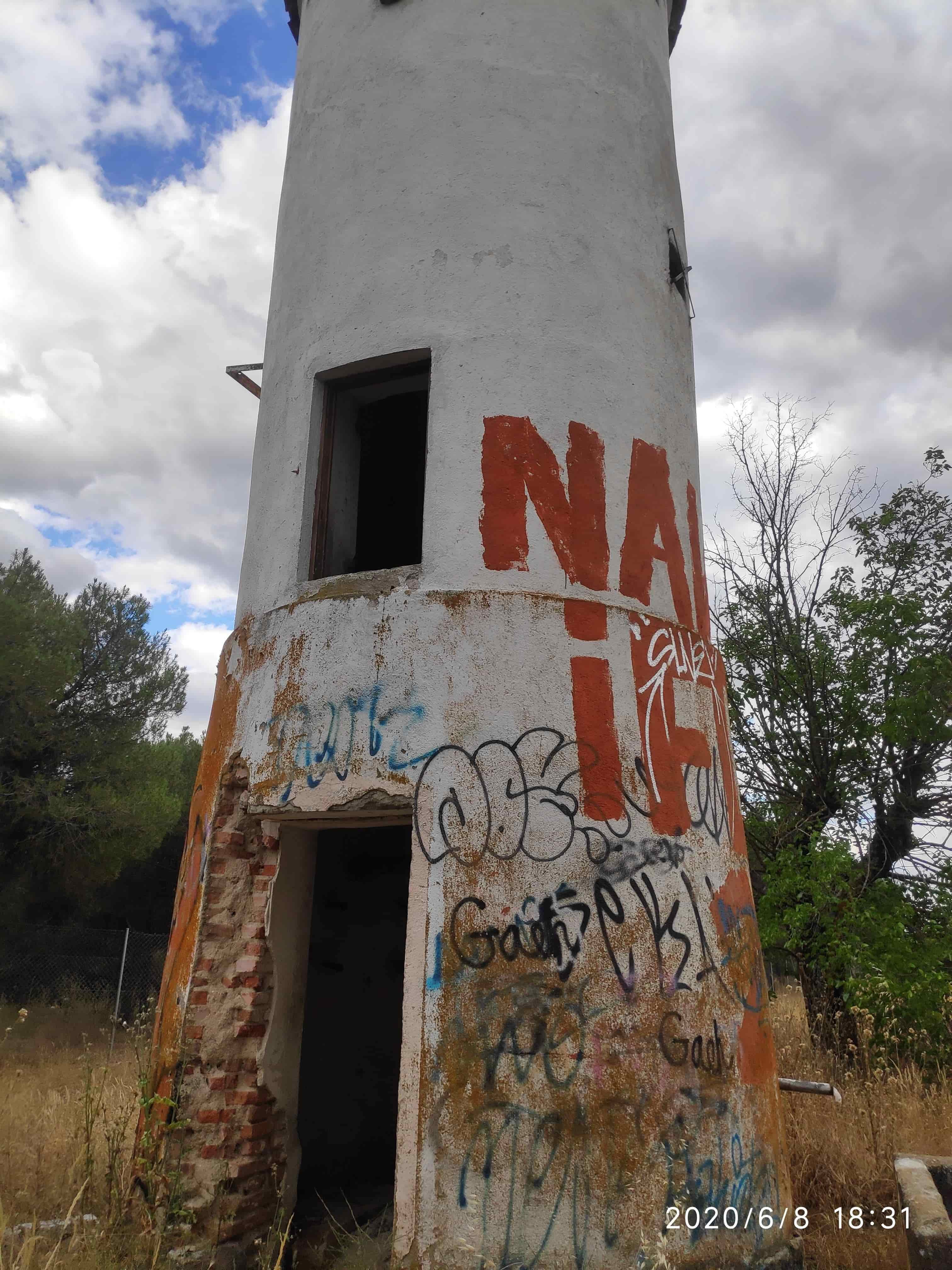
The project strengthens community identity and belonging by offering spaces for learning, shared cultivation, and intergenerational interaction. Aesthetic value emerges not only from visual harmony but also from the coherence between form, function, and environmental principles, with emblematic features like the old dovecote tower symbolizing the place.
“La Talaverona” is exemplary because it demonstrates that environmental infrastructure can simultaneously be efficient, educational, socially inclusive, and aesthetically compelling, turning sustainability into a lived, beautiful experience for all users.
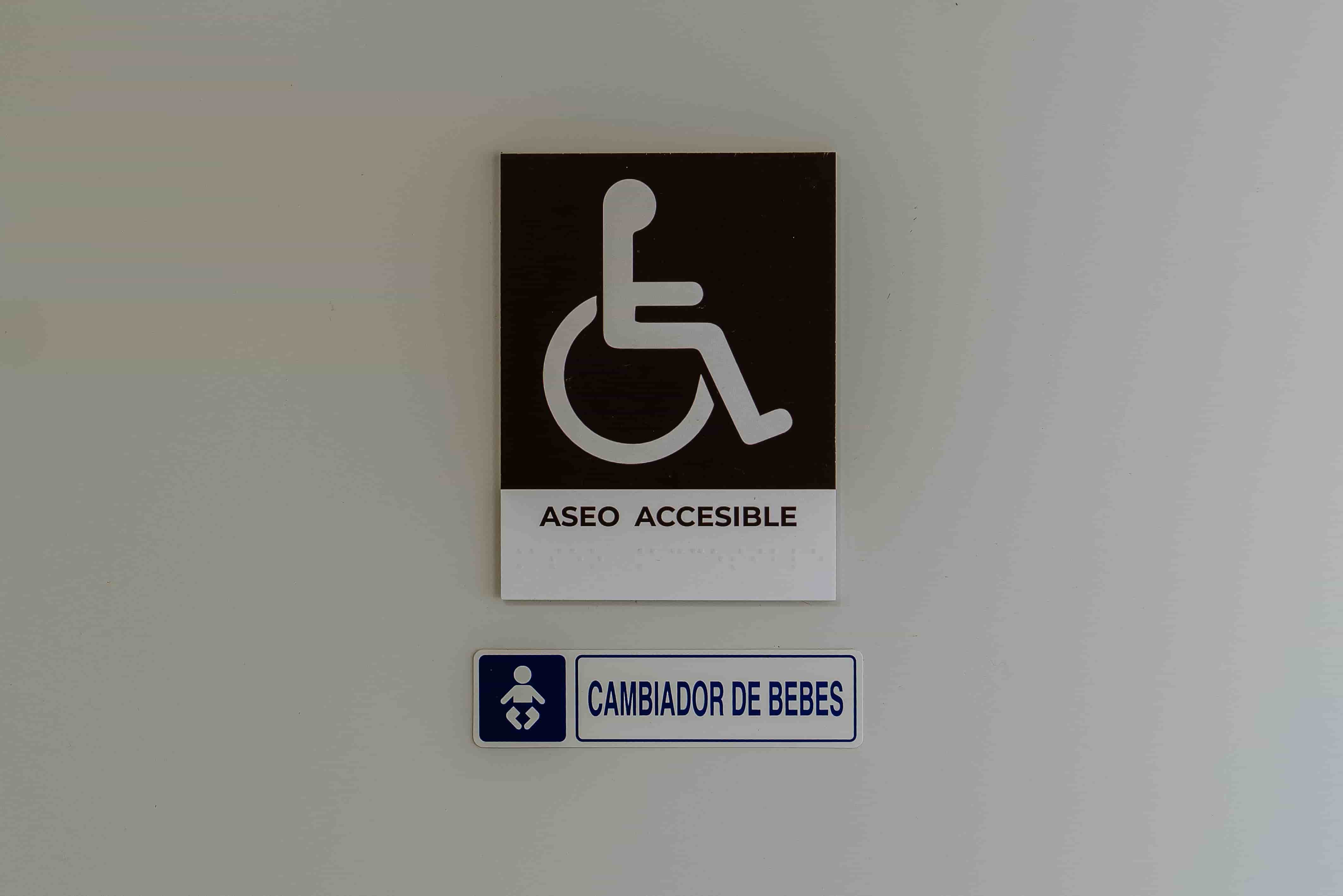
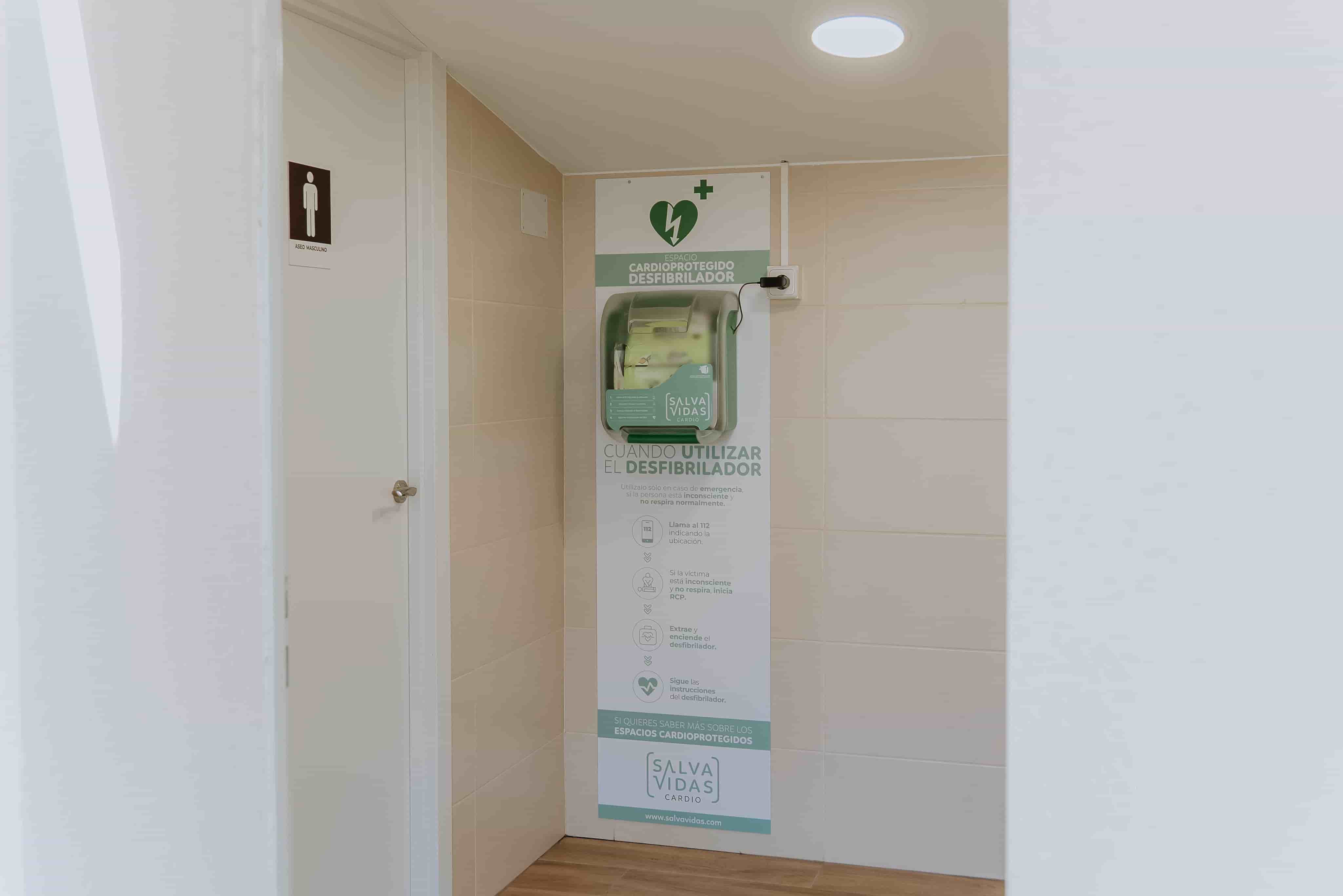
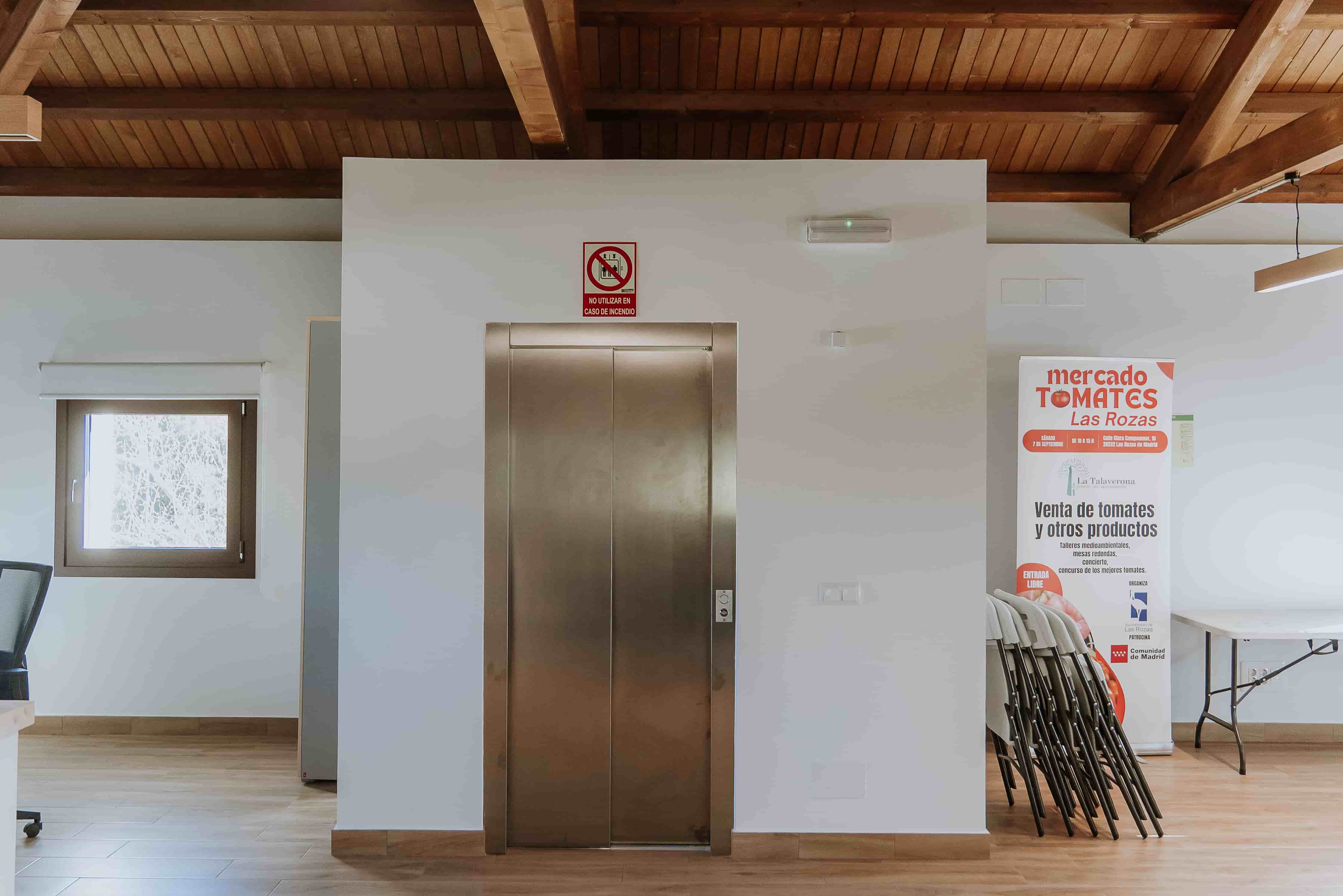
Inclusion is a core principle of “La Talaverona,” fully integrated into the design, management, and activities of the centre. Universal accessibility principles have been applied across pathways, buildings, and facilities, ensuring barrier-free access for all users. Ramps, elevators, and Braille signage facilitate participation for people with reduced mobility or visual impairments, while elevated urban garden plots allow older adults and people with disabilities to engage fully in gardening activities.
The project goes beyond physical accessibility. It actively promotes social inclusion and intergenerational engagement through programmes that bring together children, families, youth, and senior citizens. Dedicated spaces in the community gardens ensure participation for people with disabilities, while the “Green Heart” club empowers older adults to co-manage activities, fostering active aging, peer-to-peer learning, and knowledge exchange across generations.
All environmental education initiatives and summer camps are free of charge, guaranteeing equal access regardless of socioeconomic background. Specialist instructors provide tailored support for participants with disabilities, enhancing learning through sensory activities, hands-on workshops, and collaborative projects, ensuring meaningful inclusion and personal development.
The management model reinforces inclusion by embedding participation, shared responsibility, and cooperative care into everyday operations. By integrating accessibility, equity, and engagement as structural elements rather than optional features, “La Talaverona” serves as a replicable model of socially inclusive urban regeneration, demonstrating how environmental, educational, and recreational spaces can benefit all members of the community, regardless of age, ability, or social status.
“La Talaverona” has been developed through a strong participatory approach, actively involving local citizens, neighbourhood associations, educational centres, social organisations, and the business ecosystem. From its inception as a public challenge during the European Week of Regions and Cities 2020 (Committee of the Regions), the project maintained continuous dialogue with stakeholders, ensuring community needs and aspirations were integrated into its design and implementation.
Over 20,000 students contributed ideas during the European Green Week 2024 and 2025, under the themes of the “Water Challenge” and the “Zero Emissions Goal,” shaping educational programmes, garden layouts, and interactive workshops. Local associations helped co-design the community gardens, while families and older adults contributed to planning shared spaces such as the agora for family gatherings and school activities. Other concrete examples of participatory impact include the creation of dedicated allotments for neighbourhood associations, the conversion of small former sheds into tool storage facilities for users, and the installation of bicycle parking areas to promote sustainable mobility.
Active listening and iterative feedback allowed the project team to adapt key features, enhancing functionality, accessibility, and community engagement. Users continue to participate in daily management, environmental education activities, and summer camps, fostering shared responsibility, care for the space, and a strong sense of community ownership.
Through participatory governance, “La Talaverona” demonstrates that ecological transition projects are stronger, more inclusive, and socially sustainable when citizens are not only beneficiaries but active co-creators of the solutions, generating long-term engagement and collective stewardship.
“La Talaverona” has been developed through a multilevel governance approach in which different institutional levels contribute to the design, implementation, and long-term development of the project.
At the local level, the Municipality of Las Rozas de Madrid has led the initiative, coordinating the urban planning, environmental, education, and social services departments involved in the project. The municipality is responsible for the daily management of the centre, the environmental education programmes, and the integration of the facility into the broader local sustainability strategy.
At the regional level, the project has benefited from the support of the Community of Madrid through climate change adaptation funding, which enabled the implementation of rainwater harvesting and sustainable water management systems. Regional institutions have also contributed to the project’s environmental and ecological components, particularly through research and knowledge transfer related to biodiversity and ecosystem restoration.
At the national and European levels, the project aligns with broader sustainability and climate policies, including the objectives of the European Green Deal and the EU climate neutrality targets. The rehabilitation of the complex has been supported by European funding instruments such as the European Regional Development Fund, as well as national recovery programmes aimed at promoting sustainable urban regeneration and public infrastructure.
This multilevel collaboration has created significant added value. European and national frameworks have provided strategic direction and financial resources, while regional institutions have contributed technical support and policy alignment. At the same time, the local administration has ensured that these strategies are translated into concrete actions that respond to the needs of the community.
The development of “La Talaverona” has been based on a transdisciplinary approach that integrates knowledge from multiple fields in order to address environmental, social, educational, and technological challenges simultaneously.
Environmental sciences and ecology have guided the restoration of the natural environment, including the creation of the arboretum with native Mediterranean species and the ecological rehabilitation of the naturalised pond. These actions aim to enhance biodiversity, strengthen climate resilience, and provide educational opportunities related to local ecosystems.
Engineering disciplines have played a key role in the design and implementation of renewable energy and water management systems. Photovoltaic solar panels ensure energy self-consumption, while rainwater harvesting and treatment systems optimise water use for irrigation, responding to the growing challenges of water scarcity in Mediterranean regions.
Architecture and landscape design have been essential in the rehabilitation of the existing buildings and the configuration of the outdoor spaces. The project preserves traditional construction elements and adapts former agricultural structures into environmental education facilities, combining heritage conservation with contemporary sustainability principles.
Social sciences, education, and public management have shaped the inclusive governance model of the centre. The design of accessible facilities, inclusive community gardens, and intergenerational programmes reflects principles of universal design and social innovation, ensuring that the space is open and beneficial to diverse social groups.
Finally, environmental education and community engagement connect all these disciplines through practical learning activities, workshops, and participatory programmes that transform the site into a living laboratory for sustainability.
“La Talaverona” was rehabilitated through grants from the ERDF and PIREP funds. The implementation of rainwater harvesting systems was also supported by funding from the Community of Madrid through its Climate Change Adaptation grant programme. While the management and maintenance of the complex are currently financed through the municipal budget, its self-sufficient design in terms of both energy and water consumption ensures long-term budgetary stability, given the low operational and supply costs required.
Furthermore, the promotion of multi-stakeholder public–private partnerships encourages the transfer of knowledge and technology to the public sector and strengthens companies’ capacity to develop solutions aligned with urban challenges, thereby contributing to local economic growth. With the aim of facilitating the integration of innovation into public administration, Las Rozas de Madrid has launched the public–private partnership initiative MOT (Madrid Oeste Tecnológico), conceived as a supra-municipal collaboration project to accelerate sustainable development and economic growth. Through MOT, pilot projects for disruptive solutions and public procurement of innovation are being implemented at “La Talaverona,” including the deployment of the rainwater harvesting system and the prototyping of sensors to monitor rainwater quality. These initiatives not only generate environmental benefits but also offer a high return on investment. The model combines strategic public investment with structural cost reduction and the generation of social value, ensuring long-term viability by establishing compensation mechanisms linked to the benefits derived from the operation of the solutions:
- Free up-to-date system maintenance for the City Council for a minimum period of two years.
- Maintenance during a minimum period of five years of the sales prices for the system, equipment, and resulting developments or derivative products, for entities affiliated to MOT.
The scope of “La Talaverona” project presents an opportunity to promote eco-innovation initiatives that seek to develop disruptive technological and environmental solutions, aligning local objectives with global challenges. In this regard, Las Rozas is currently affiliated with the Network of Cities of Science and Innovation, the European Network for Sustainable Procurement, and the European Green City Accord initiative. It also collaborates with the University City Consortium (UNED, UPM and UCM) aimed at promoting the dissemination of scientific, environmental, technological, and sustainable knowledge of projects such as “La Talaverona”.
Therefore, considering the project’s strong potential for replication in other municipalities, the following aspects are key to facilitating its transferability:
- The acquisition, coordination, and integrated management of European funding for the sustainable rehabilitation of municipal buildings (ERDF, PIREP and CAM Climate Adaptation grants).
- A construction methodology for the rehabilitation of buildings in a state of ruin, preserving their load-bearing structures and existing elements as the principle of a circular economy approach, based on a previous three-dimensional pathology study developed through reverse engineering.
- The implementation of technologies aimed at promoting energy self-consumption through photovoltaic solar systems, which are also integrated as shading elements within environmental facilities.
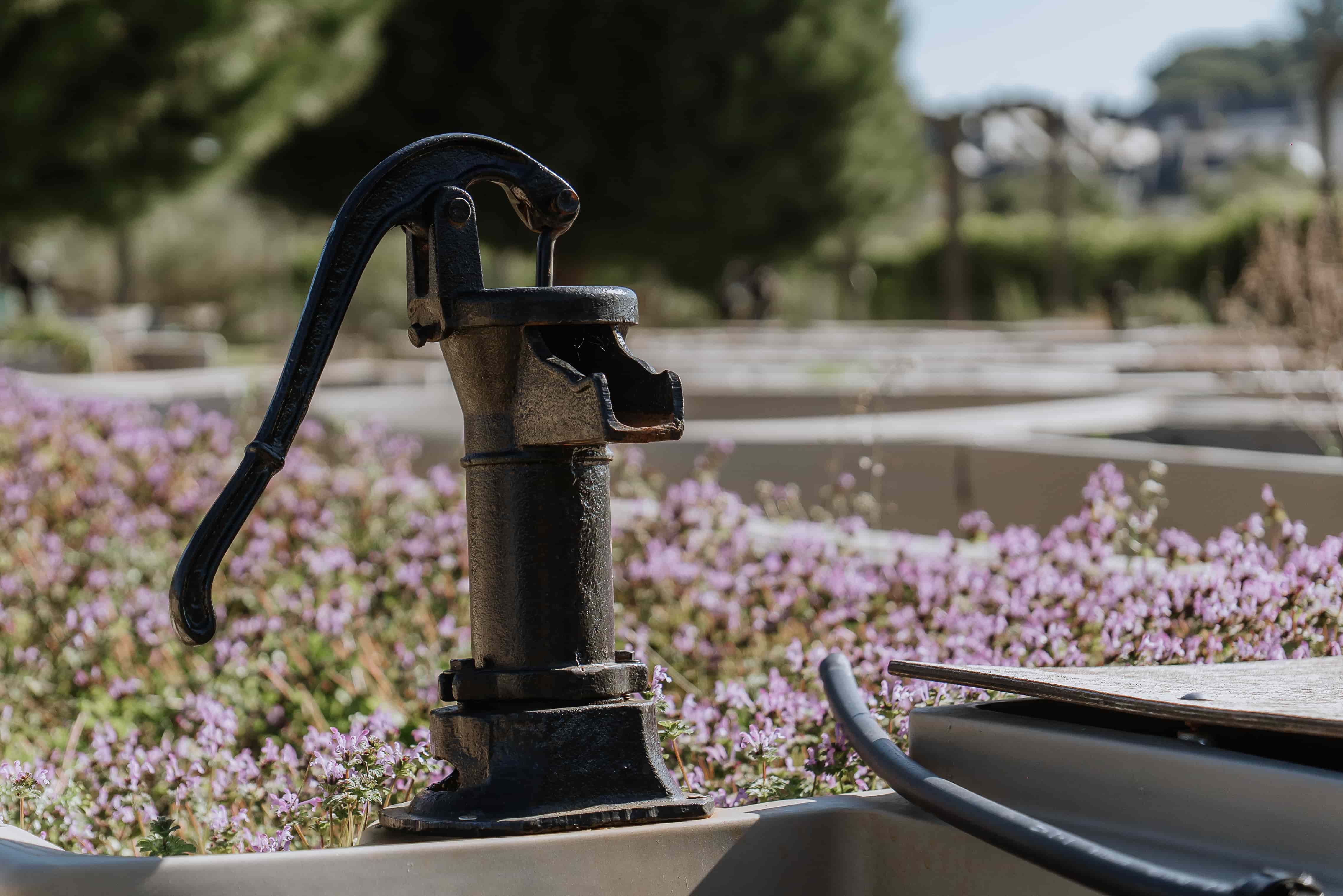
- The collection and reuse of rainwater for irrigation through channeling, filtration, and purification systems, using plant species selected according to the research conducted by IMIDRA (Madrid Institute for Rural Research and Development).
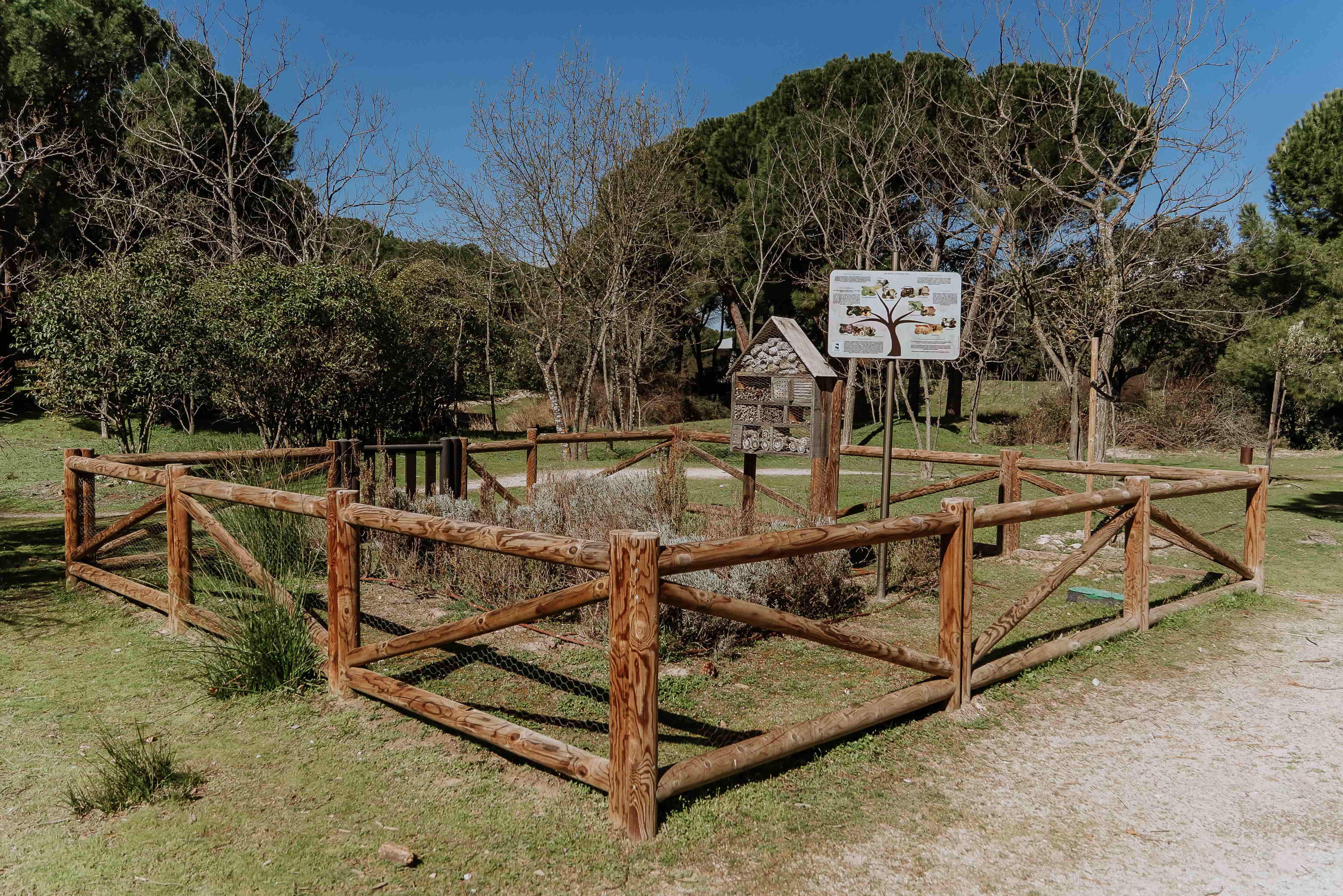
- The promotion of biodiversity in the surroundings of “La Talaverona” by creating arboretums and restoring small water bodies for ecological and educational purposes.
- An inclusive model of citizen participation in the co-creation and shared use of the spaces.