Arts, Culture, and Heritage as Drivers of Change
ExtrArtis
ExtrArtis, Artists Residencies for Heritage in Transition
ExtrArtis is an innovative co-regeneration project that revitalises lesser-known Grand Tour venues through artist residencies. Since 2020, it has connected artists, communities and cultural heritage across generations, transforming historic places into living spaces for creativity. By bringing contemporary art into built heritage, ExtrArtis reimagines the built environment as a catalyst for sustainable cultural change, fostering new relationships between people and places.
Italy
Regional
Campania Region, Italy
It addresses urban-rural linkages
It involves other types of transformations (soft investment)
Yes
2026-01-13
No
No
No
Organisation
ExtrArtis is a creative and transdisciplinary project that promotes the sustainable regeneration of the Italian built environment by reactivating lesser-known Grand Tour venues through Artist Residencies in the fragile yet culturally rich coastal territories of Southern Italy, starting from Sorrento, Capri and the Amalfi Coast. The project develops a creative-based model that combines sustainability, social inclusion and contemporary art, contributing to the cultural dimension of the European Green Deal while addressing challenges such as gentrification and touristification.
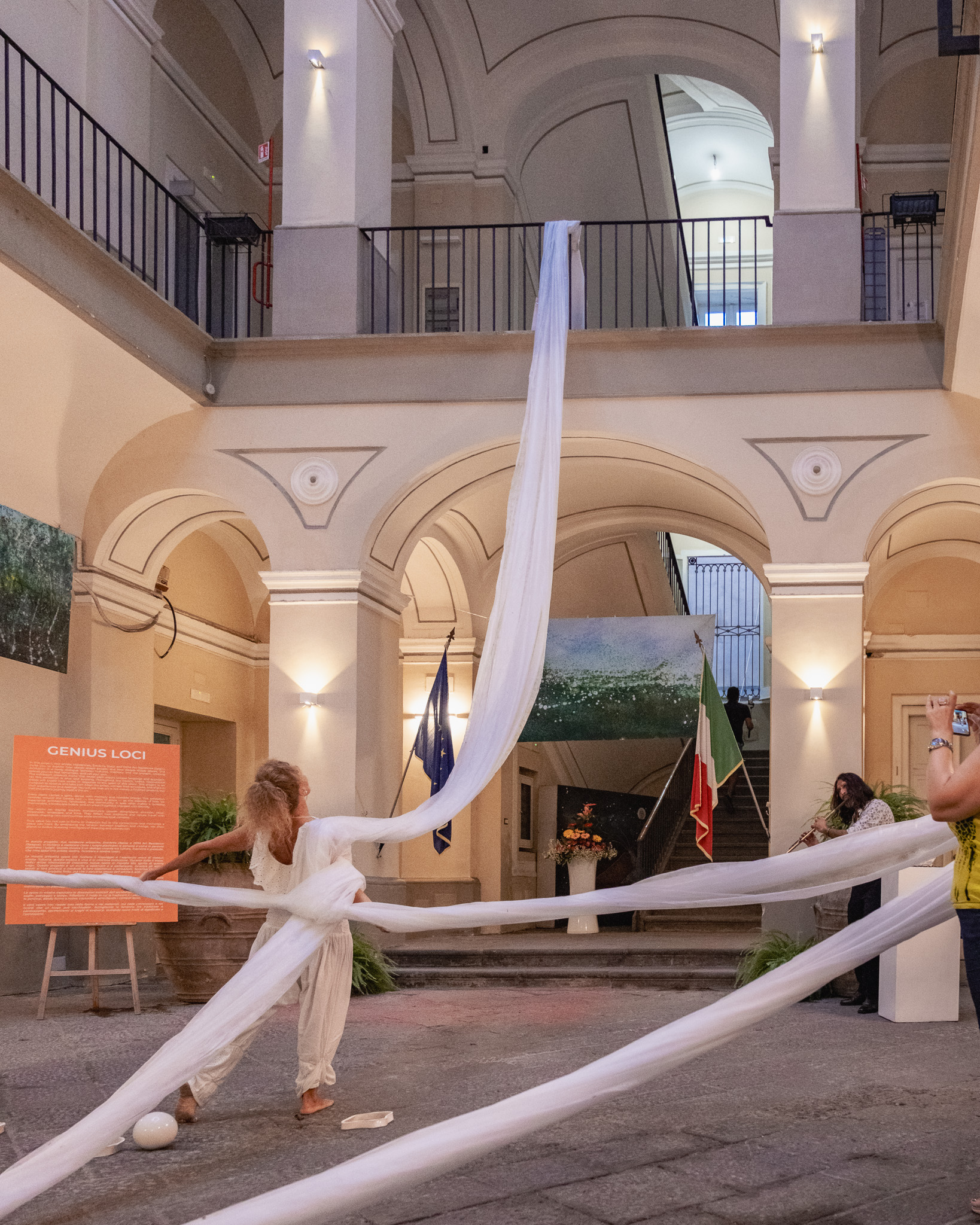
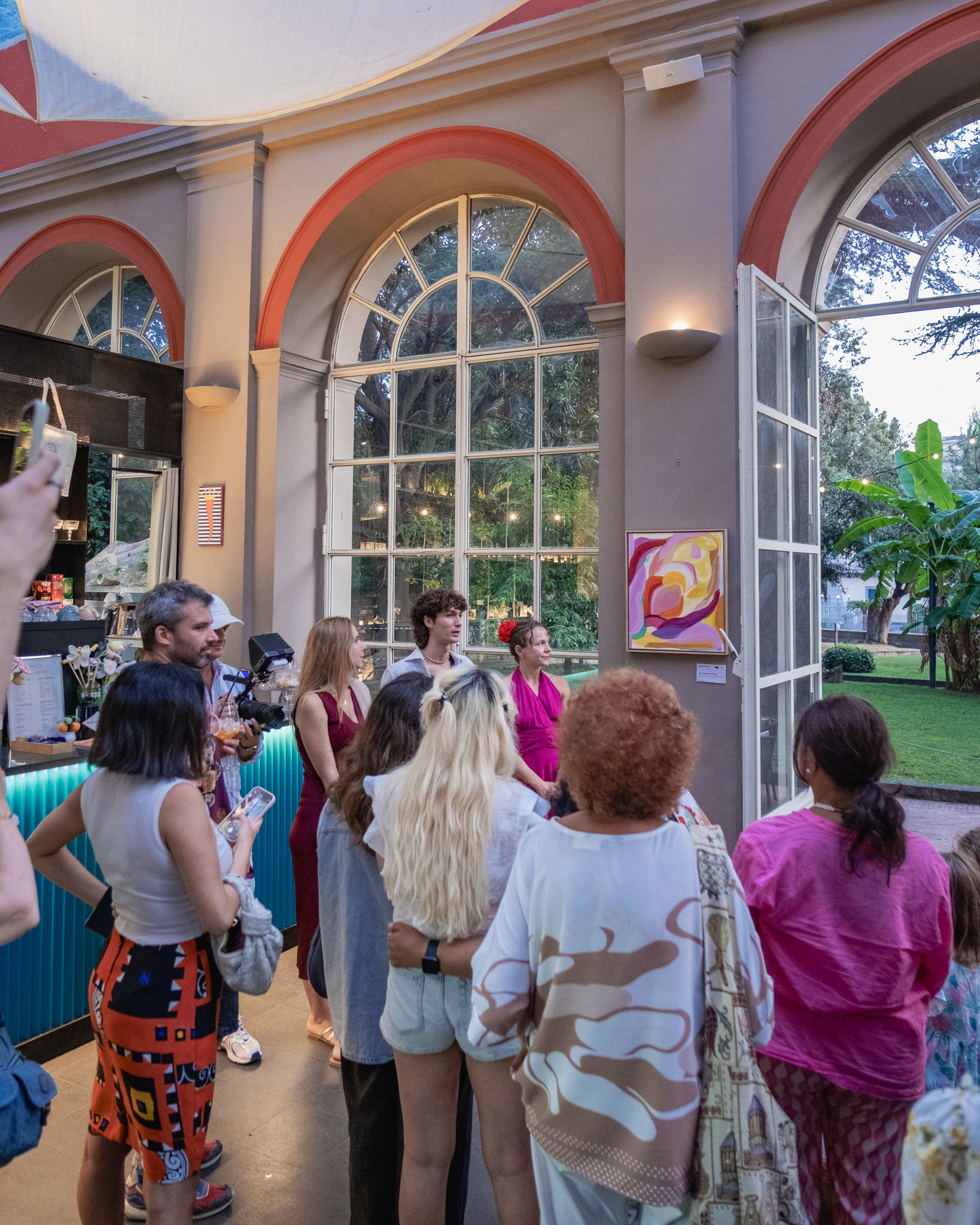
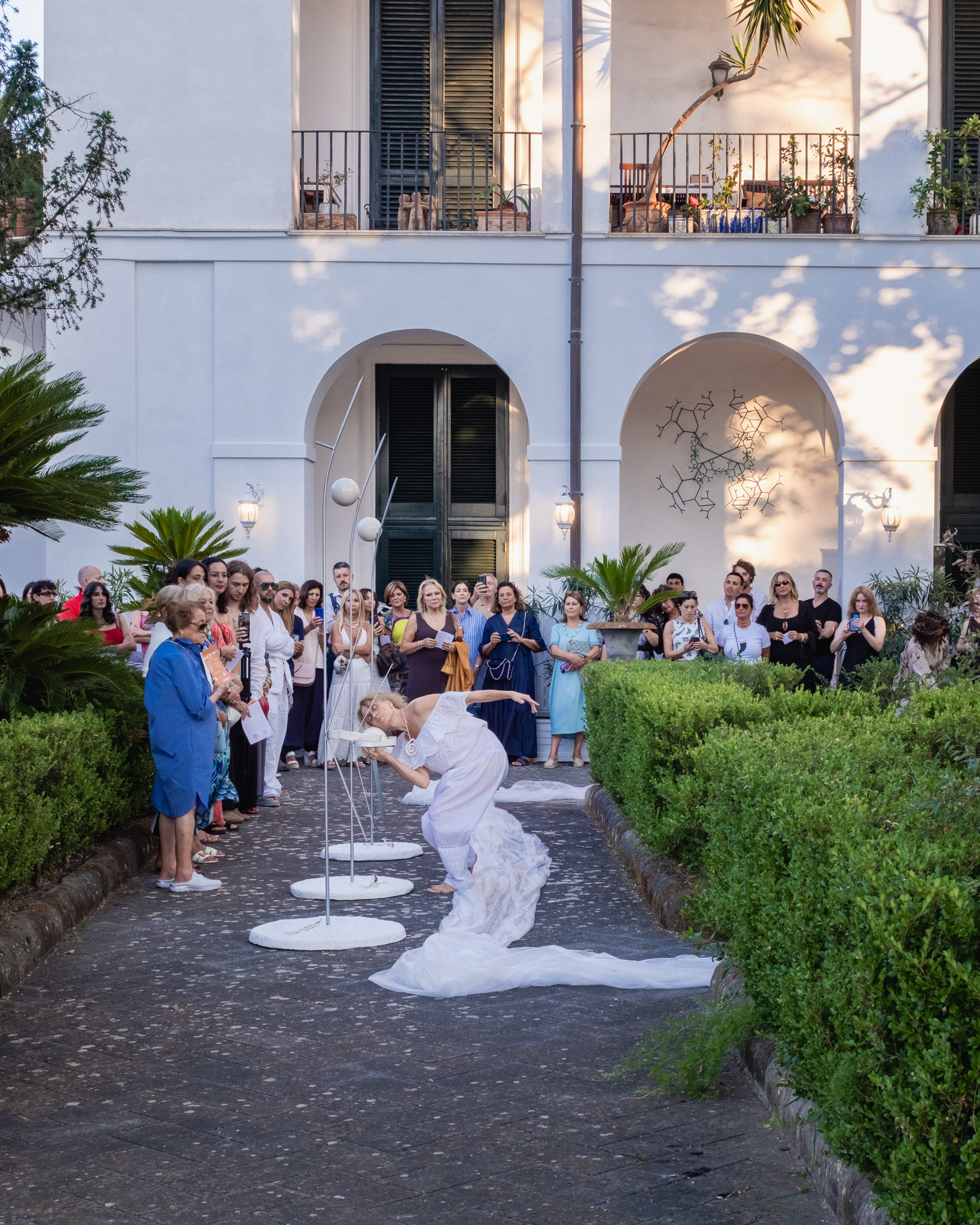
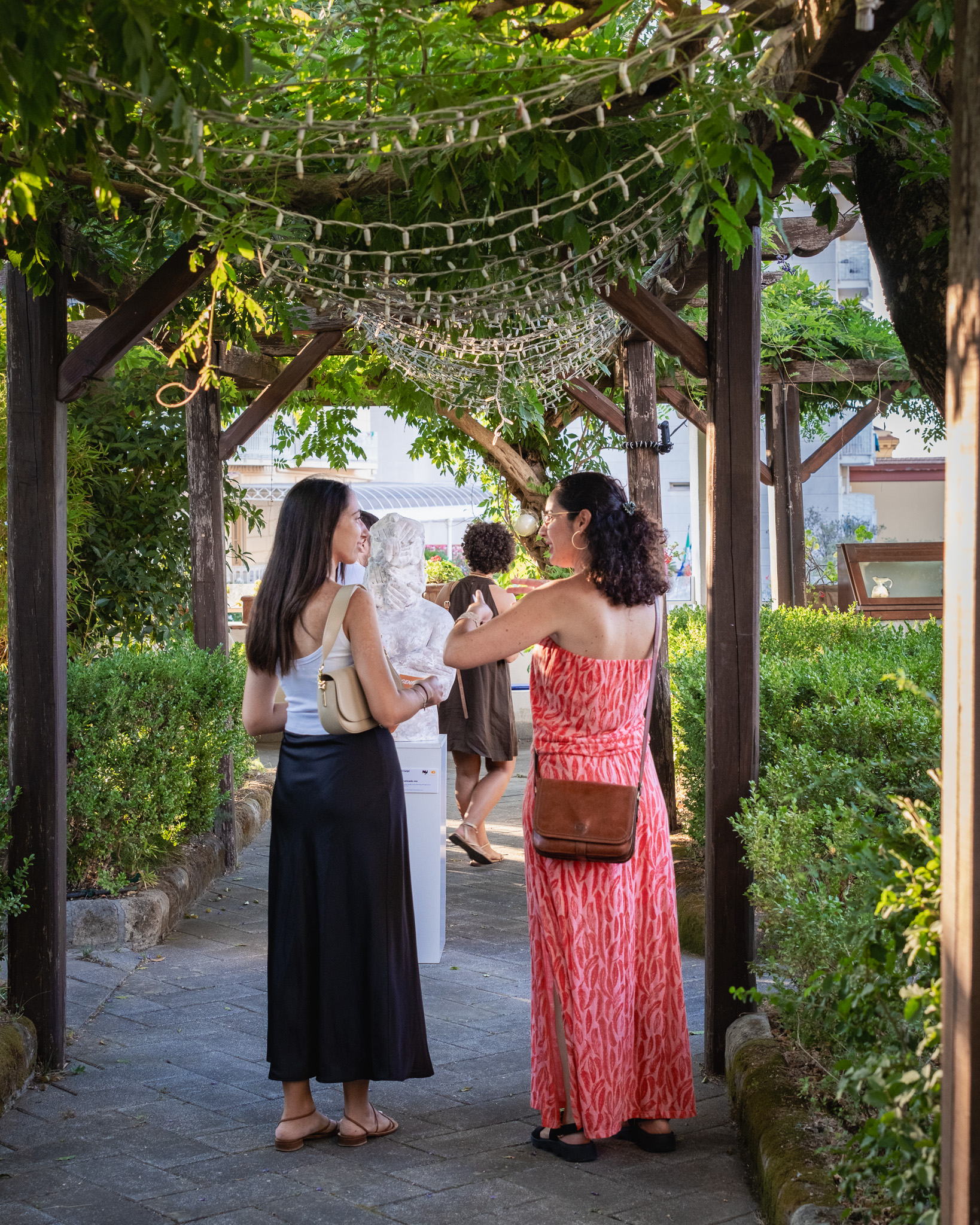
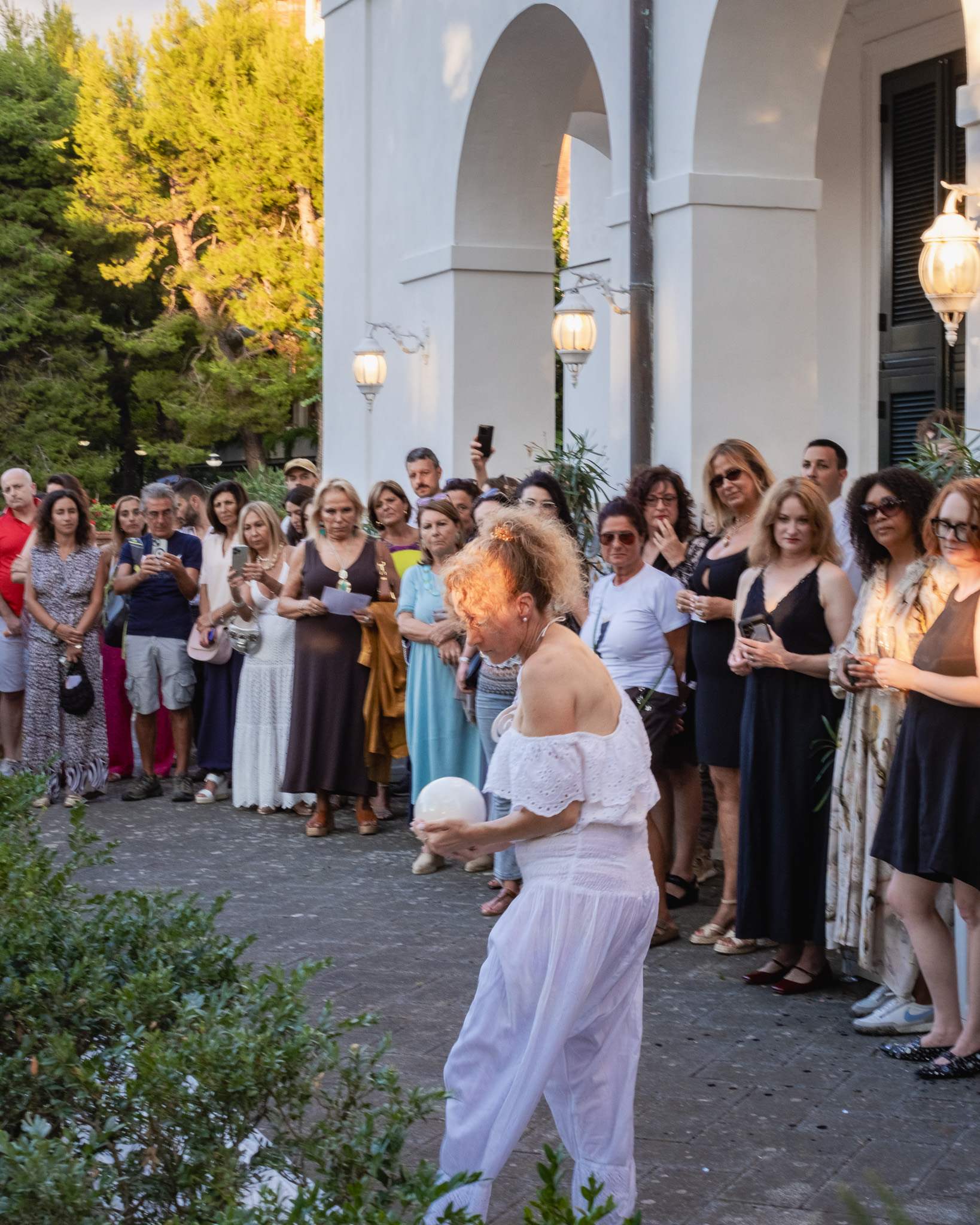
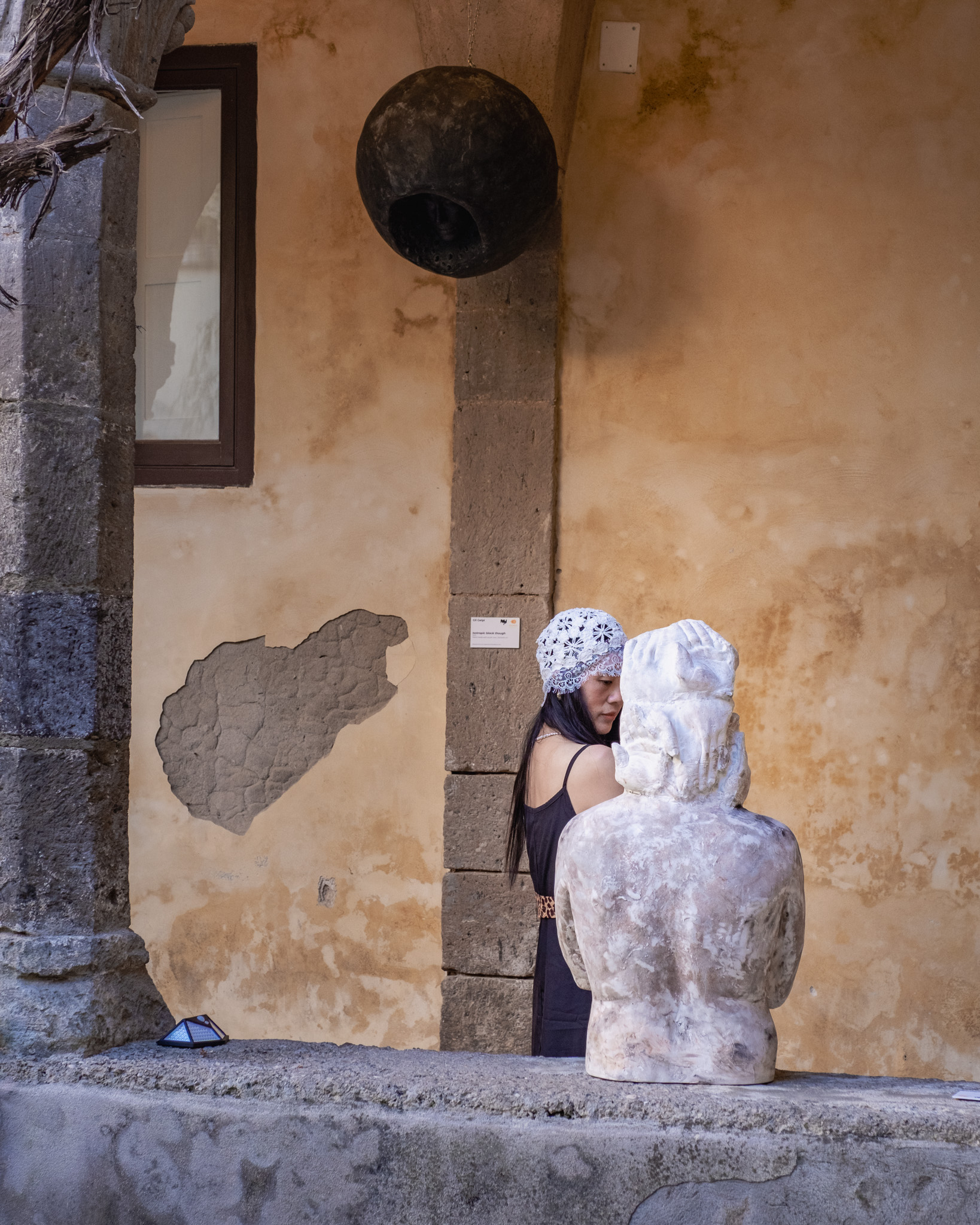
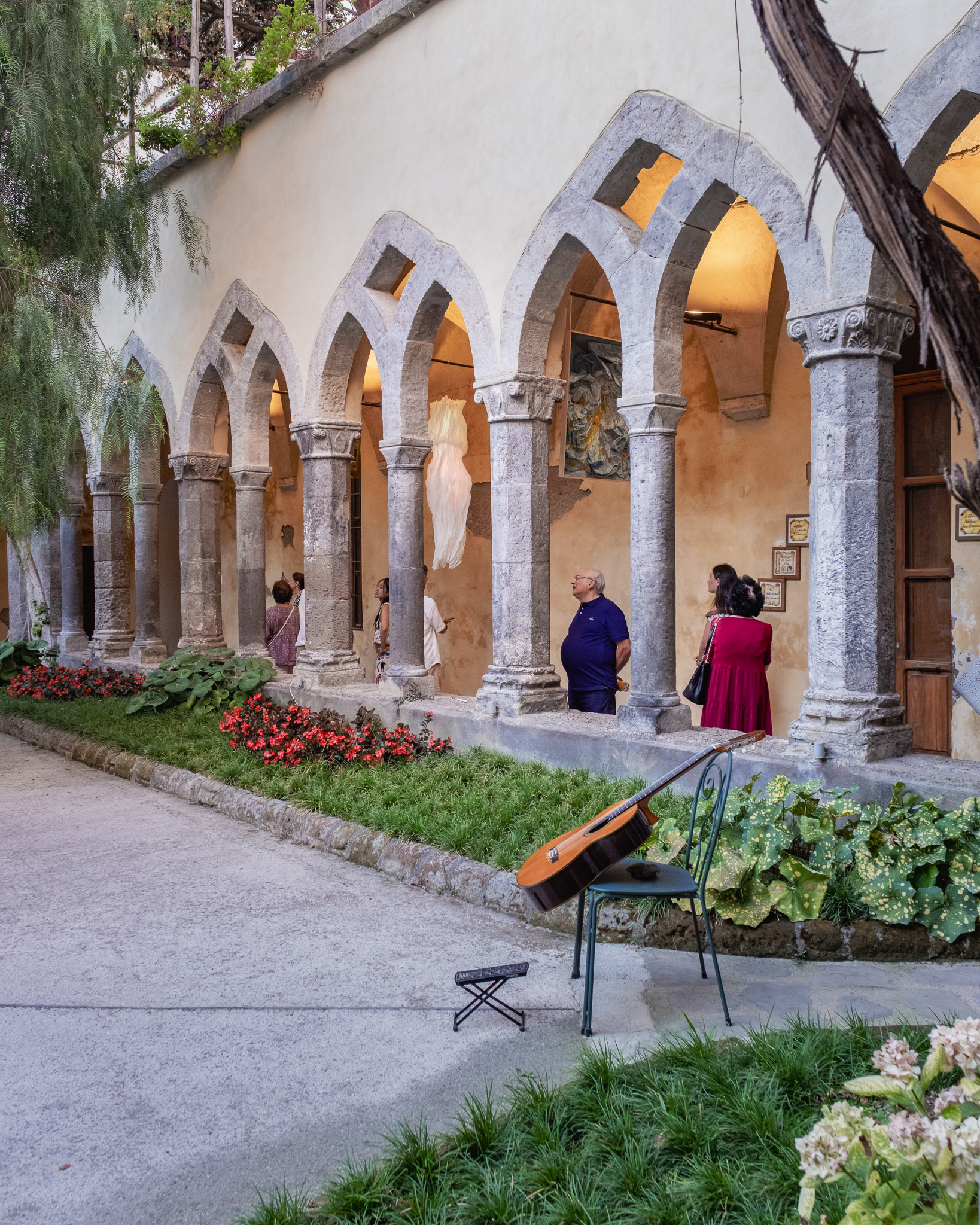
Since 2022, ExtrArtis has organised four international artist residencies involving 24 artists from Europe, America, India and China. Through collaboration with local communities, municipalities, universities, art schools and craftsmen, the artists produced 134 artworks inspired by the cultural identity and landscapes of the territories. These works have been presented in 12 exhibitions, transforming historic sites into living spaces for creativity and activating dialogue between artists, citizens and institutions.
ExtrArtis engages communities, researchers, students and local creative enterprises in collaborative processes that strengthen social cohesion, intergenerational exchange and local creative economies. By connecting contemporary artistic practice with heritage, the project enhances local traditions and crafts while fostering new cultural relationships between people and places.
In the long term, ExtrArtis contributes to renewing a sense of belonging and strengthening communities through the regenerative capacity of art. By connecting artists, institutions, students and citizens, the project develops a replicable creative-based model that can be applied in other fragile cultural landscapes, transforming heritage sites into inclusive cultural spaces and supporting sustainable cultural landscapes and European cultural cooperation.
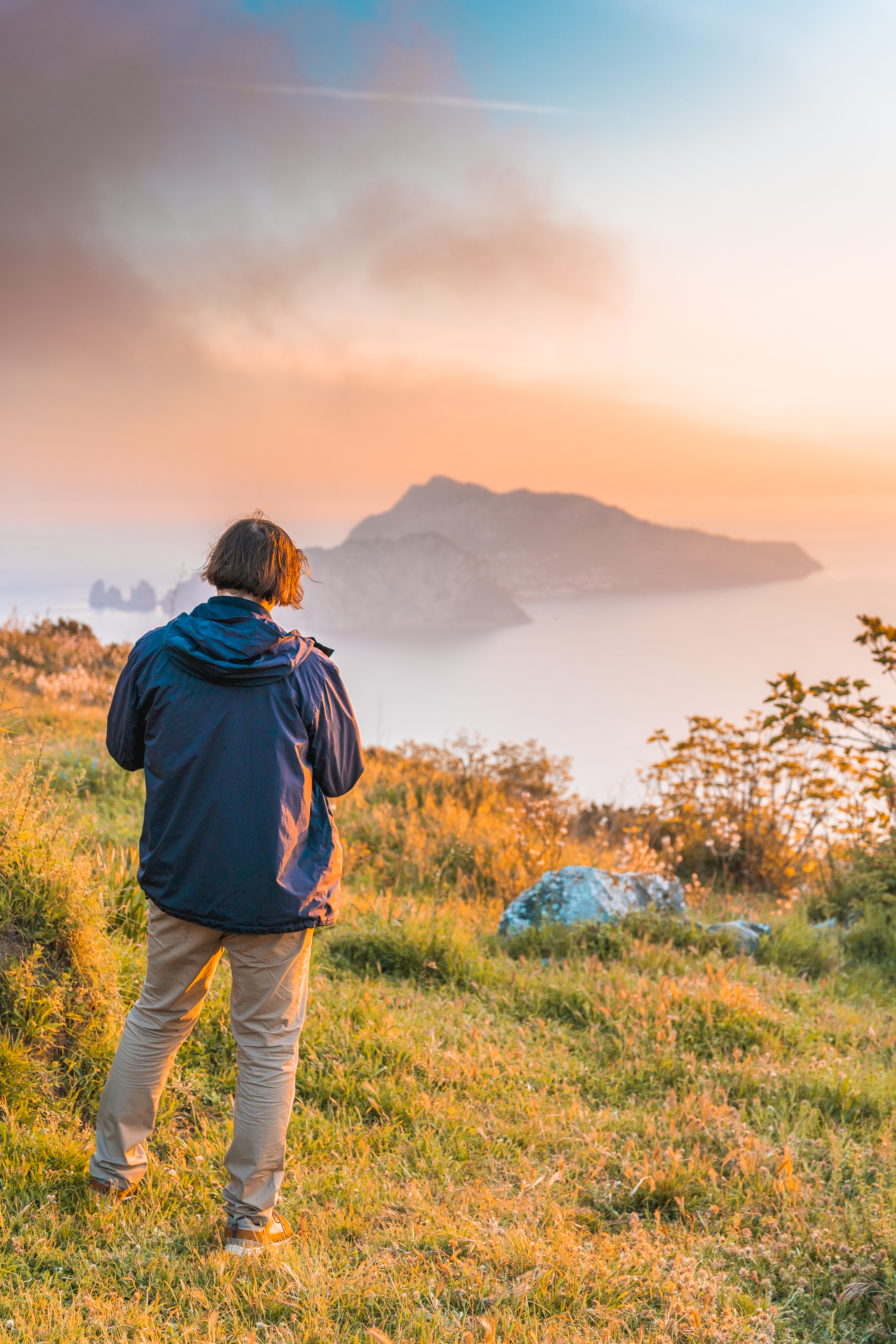
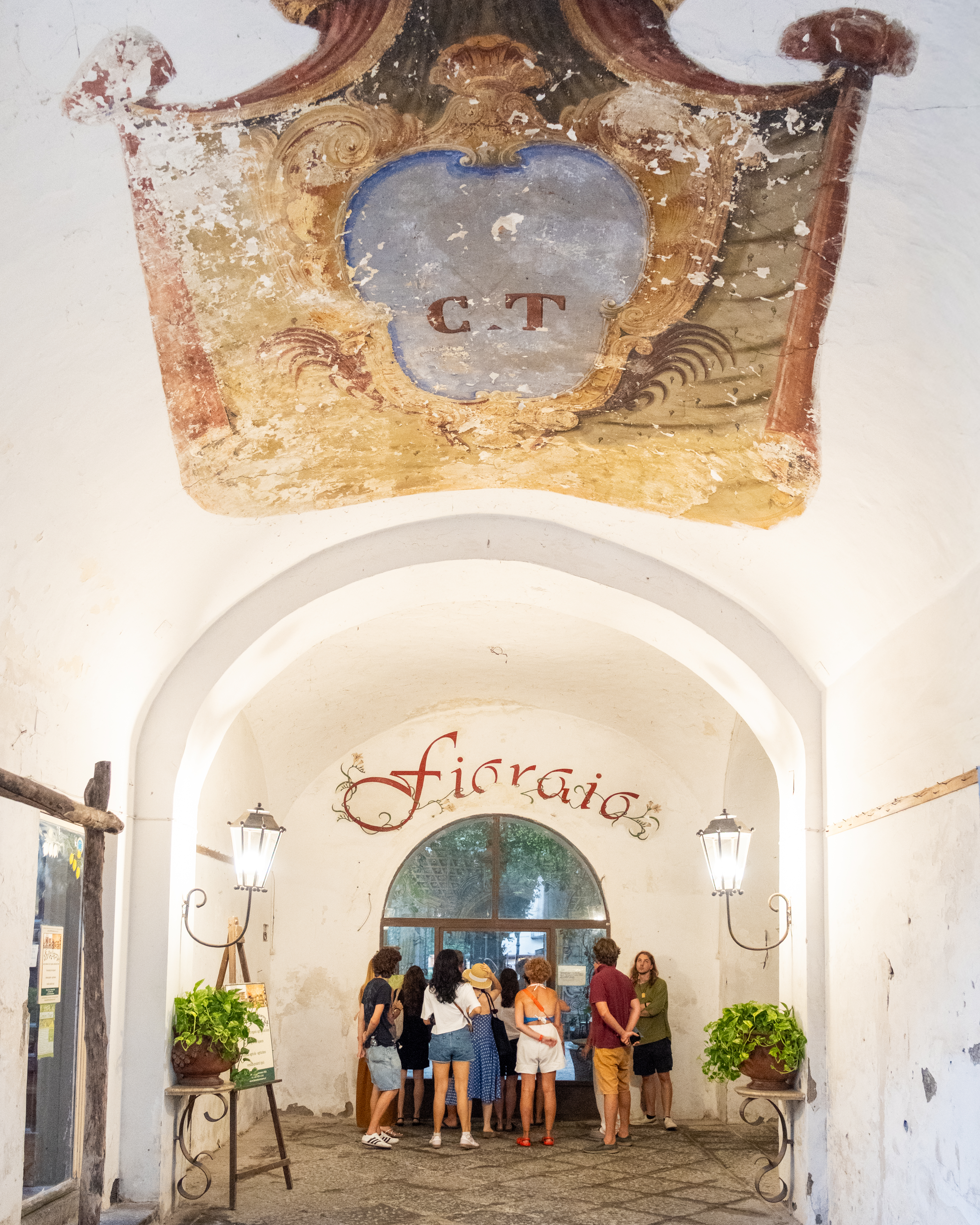
ExtrArtis aims to reconnect communities with the cultural heritage of lesser-known Grand Tour venues in Italy, often overlooked despite their historical and landscape value. The project started in Sorrento, between Capri and Amalfi Coast, where the pressure of mass tourism and progressive loss of local identity revealed the need for new cultural models linking creativity, heritage and community engagement.
Founded by Francesca Ciampa after years of research within EU scientific programmes, ExtrArtis introduces an innovative artist residency model designed to support emerging artists while activating processes of cultural regeneration. Contemporary artistic practice becomes a catalyst enabling communities to generate new cultural values and integrate them into historic places.
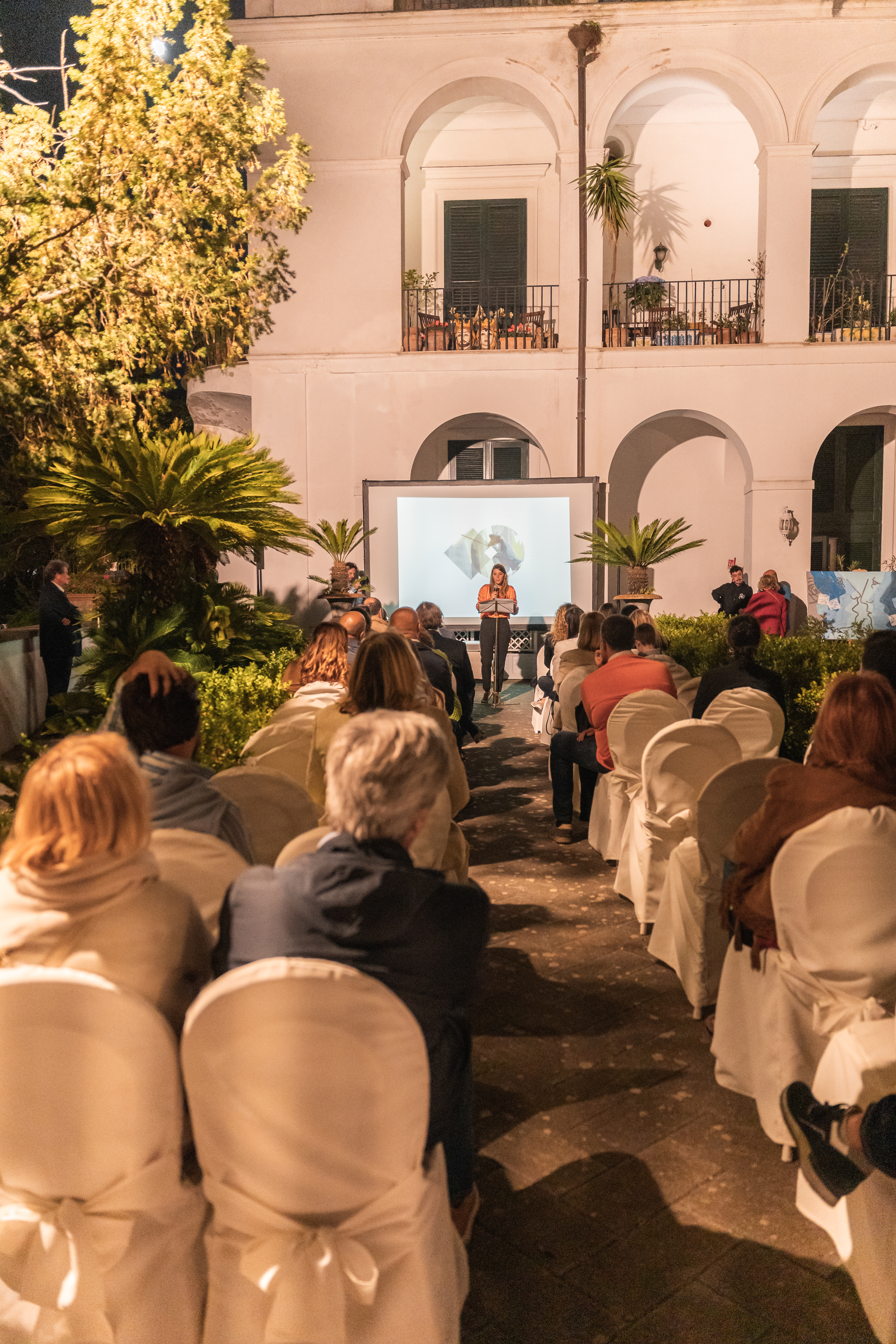
Each year ExtrArtis launches an international open call selecting emerging artists, hosted in residence at historic Grand Tour venues, starting from Relais La Rupe in Sorrento, where they develop artworks inspired by the identity and cultural memory of the territory.
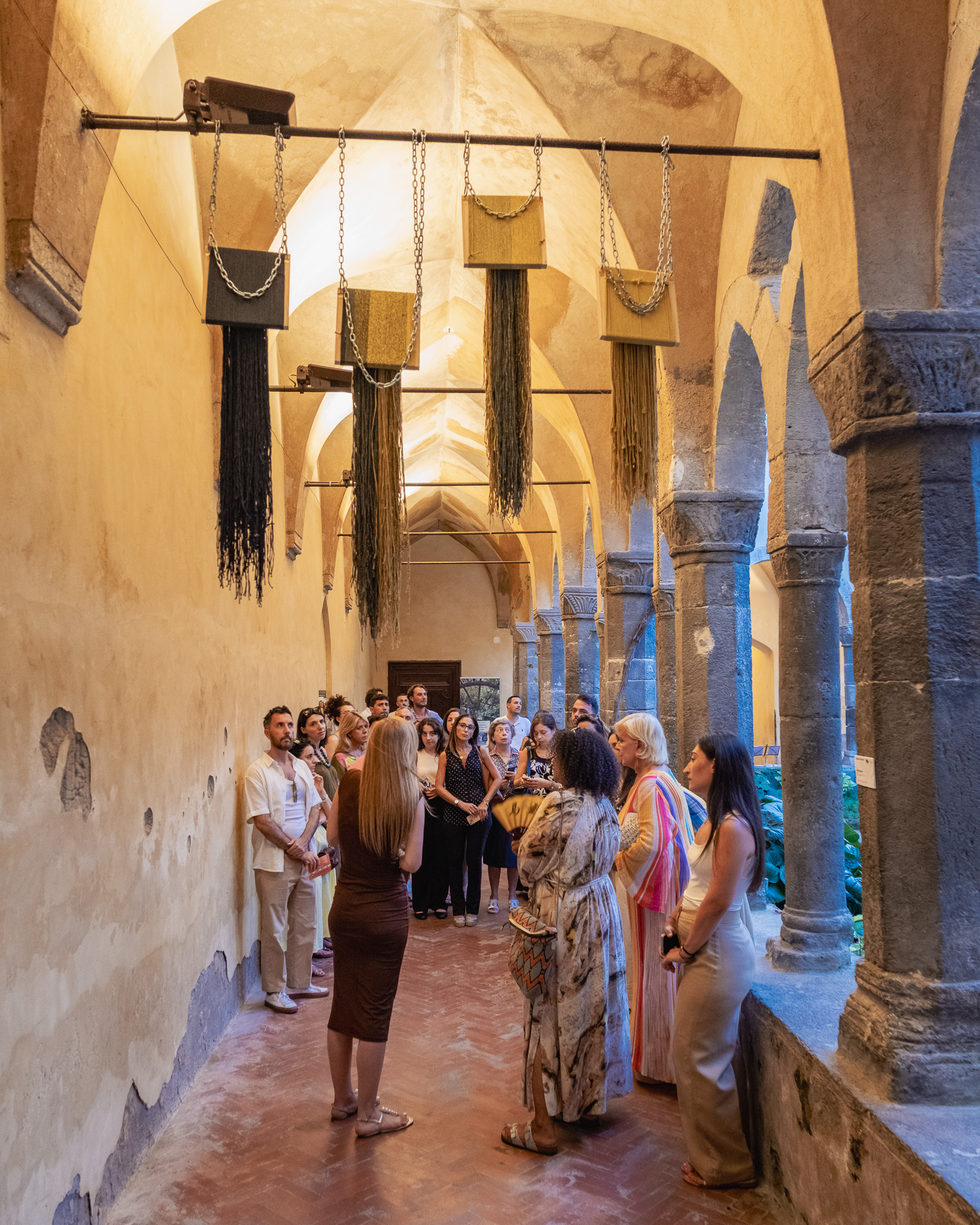
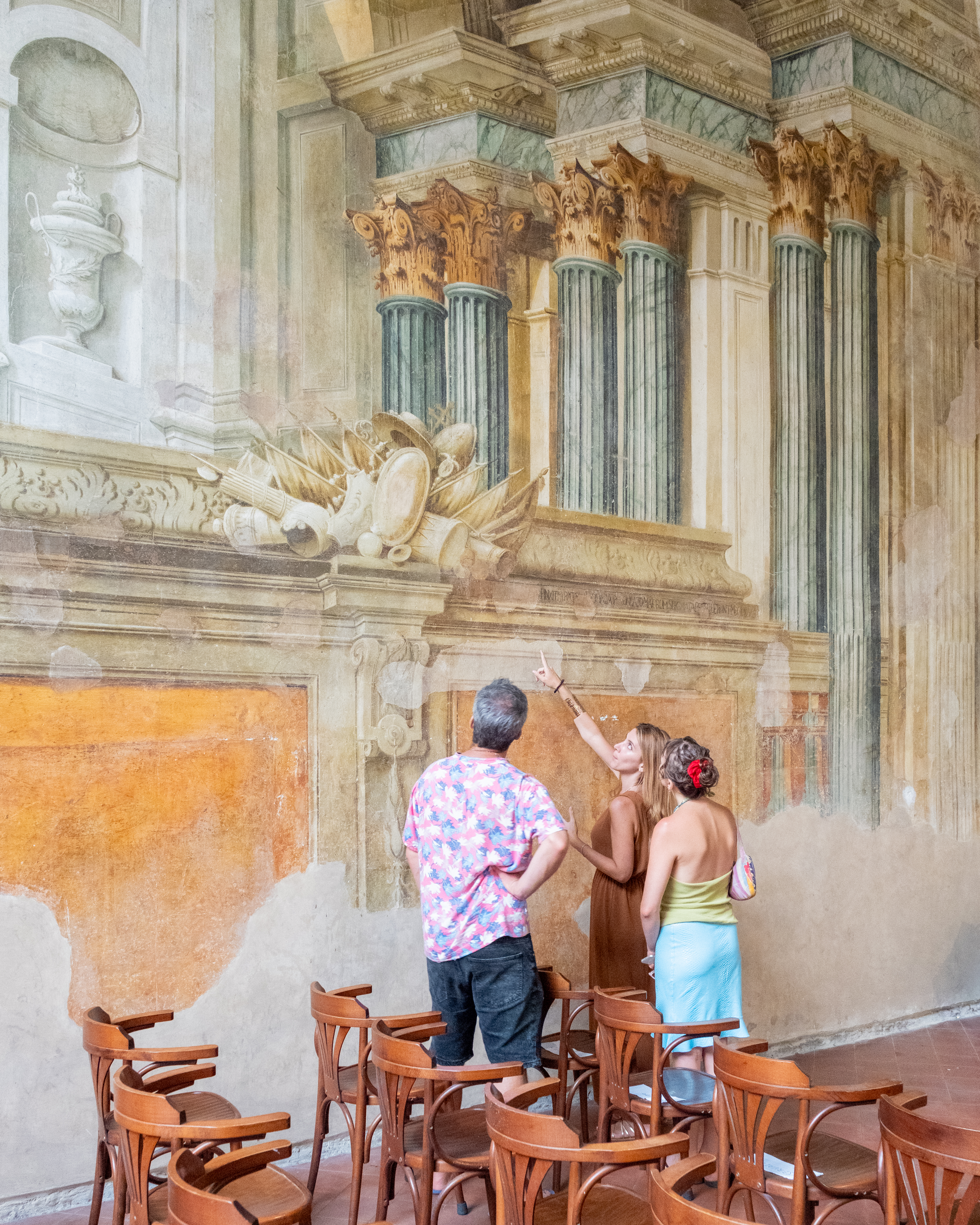
The residency programme connects artists with local communities, municipalities, universities, art schools and craftsmen through workshops, guided visits, educational activities and exhibitions that transform heritage sites into living cultural laboratories.
ExtrArtis collaborates with institutions and cultural networks including the Department of Architecture of the University of Naples Federico II, Art Days Napoli–Campania, ReA Art Fair Milan and DOM of Barcelona. The project has also received international recognition through the Horizon Europe CLIC initiative and its membership in the global network Res Artis. By combining heritage, contemporary creativity and community participation, ExtrArtis demonstrates how artist residencies can become cultural infrastructure for sustainable regeneration, fostering beauty, inclusion and shared responsibility for the built environment while strengthening cultural ecosystems across EU.
Art-Led Heritage Regeneration
Community Co-Creation
Adaptive Reuse of Heritage
Creative Economy
Artist Residencies
ExtrArtis addresses sustainability through its three Key Points (KP) linking environmental responsibility, cultural regeneration and community engagement.
KP1 – Circular regeneration of the built environment.
ExtrArtis reactivates underused or degraded buildings with cultural value, transforming them into spaces for artistic production and community interaction. Rather than promoting new construction, the project prioritises the recovery and adaptive reuse of existing heritage, bringing culture back into places that are often forgotten but form part of a shared European historical and cultural identity. By extending the life cycle of buildings and avoiding demolition and reconstruction, ExtrArtis contributes to reducing waste generation and greenhouse gas emissions while promoting a circular approach to the built environment.
KP2 – Life-cycle awareness and community participation.
ExtrArtis promotes sustainable practices through participatory workshops and cultural activities involving citizens, institutions and local stakeholders in the regeneration of heritage sites. These initiatives raise awareness of sustainability and encourage long-term behavioural change, strengthening collective responsibility for the preservation and maintenance of cultural heritage.
KP3 – Ecological awareness and territorial balance.
Through artistic residencies and transdisciplinary activities in natural and historical sites, ExtrArtis highlights the relationship between communities, landscapes and cultural identity. Artists reinterpret local ecosystems and territorial memory, fostering greater awareness of local habitats and encouraging more responsible interactions with the environment.
By combining adaptive reuse, community participation and cultural creativity, ExtrArtis proposes a replicable model of sustainable cultural regeneration that can inspire similar initiatives across Europe while strengthening resilient cultural ecosystems and environmental responsibility.
ExtrArtis addresses aesthetics through other three Key Points (KP) that reconnect beauty, cultural heritage and everyday community life.
KP4 – Reconnecting communities with the beauty of the built environment.
ExtrArtis reactivates historic Grand Tour venues as spaces where communities rediscover the aesthetic value of their surroundings. Through artist residencies, exhibitions and cultural activities, underused heritage sites become places of encounter and creativity. Artists reinterpret the identity, landscapes and memories of the territory, transforming forgotten places into living cultural environments that stimulate care, curiosity and renewed appreciation for the beauty of the built environment.
KP5 – Strengthening the sense of belonging through creative participation.
ExtrArtis fosters a sense of belonging by involving communities directly in artistic processes. Workshops, studio visits and public events allow citizens to experience art as a shared practice rather than a distant cultural product. These collective experiences reconnect people with places and with each other, generating emotional attachment and encouraging long-term care for the environment in which they live.
KP6 – Enhancing local aesthetics through contemporary cultural value.
ExtrArtis enriches the aesthetic quality of places by creating a dialogue between historic heritage and contemporary artistic visions. New artworks inspired by local landscapes, traditions and cultural memory generate new meanings for familiar spaces, strengthening their identity and attractiveness for residents and visitors.
By combining heritage, artistic creativity and community participation, ExtrArtis demonstrates how aesthetics can become a driver of cultural regeneration, fostering beauty, care and a shared sense of belonging in everyday environments.
ExtrArtis addresses inclusion through other 3 Key Points (KP) that promote accessible culture, community participation and intergenerational exchange.
KP7 – Inclusive cultural governance.
ExtrArtis considers the built environment a platform where communities, institutions, artists and local stakeholders collaborate in shaping cultural life. The project promotes inclusive governance involving different social groups without discrimination and encouraging dialogue between citizens, artists, institutions and cultural organisations. Through this collaborative approach, heritage sites become co-created spaces where diversity is recognised as a cultural resource and where communities actively participate in the care of their environment.
KP8 – Accessible culture and shared identity.
ExtrArtis organises free and accessible cultural events, exhibitions, workshops and public activities inspired by the genius loci. These initiatives ensure that cultural participation is not limited by economic or social barriers and allow citizens to rediscover the historical and cultural value of their territory. By transforming heritage sites into open cultural spaces, ExtrArtis strengthens the sense of belonging and encourages communities to reconnect with places that form part of their collective identity.
KP9 – Intergenerational knowledge exchange.
ExtrArtis promotes collaboration between artists, craftsmen, students and residents through workshops and educational activities. These exchanges support the transmission of local knowledge and craft traditions while encouraging new forms of creative interpretation. By connecting generations and disciplines, ExtrArtis contributes to build resilient cultural communities, able to preserve and renew their heritage.
By combining accessible cultural participation, inclusive governance and intergenerational learning, ExtrArtis proposes an inclusive model of cultural regeneration that strengthens social cohesion and community responsibility.
ExtrArtis is built on participatory processes that reconnect citizens and communities with the cultural heritage of the places they inhabit. The project encourages local communities to rediscover their role as custodians of collective memory and active contributors to the regeneration of the built environment.
In many Italian contexts, lesser-known heritage buildings that embody local identity are privately owned and often inaccessible to the public. ExtrArtis opens these spaces through cultural activities and artistic residencies, allowing communities to rediscover places that form part of their shared historical and cultural identity while strengthening their collective care.
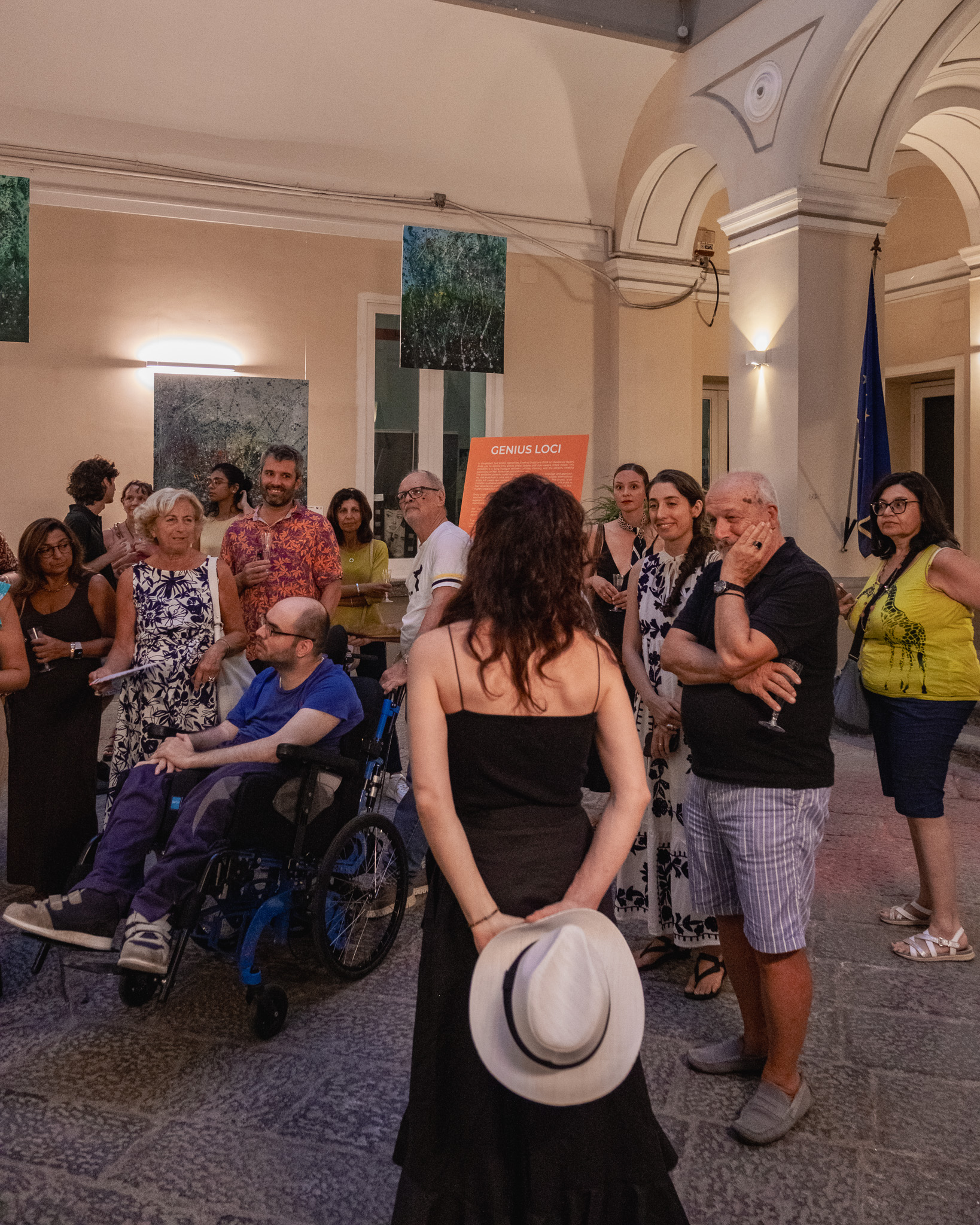
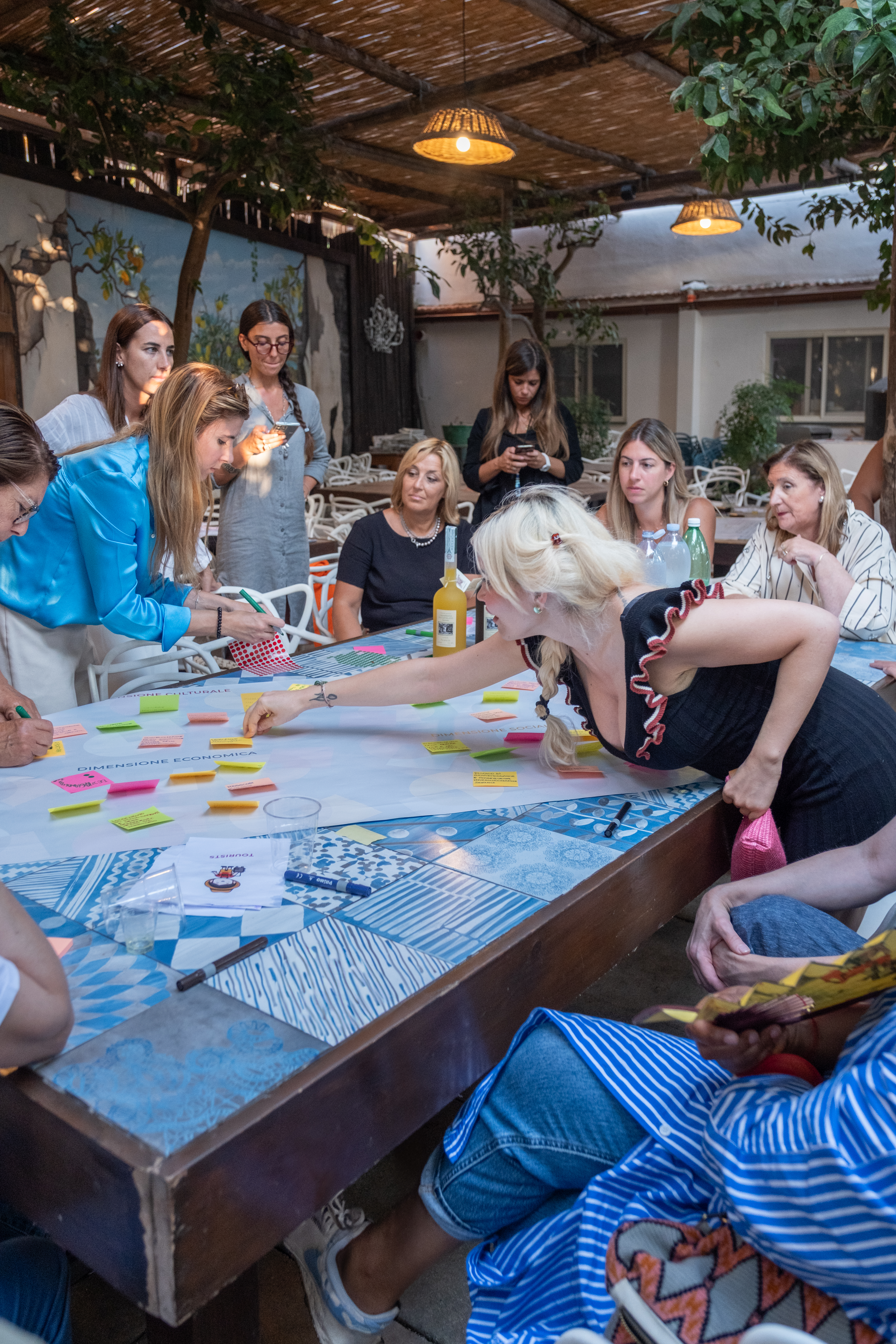
Participation is organised through consultation tables, participatory workshops, guided visits and public cultural events developed with the support of universities, local associations and cultural institutions. Citizens, students, artists and craftsmen collaborate in artistic and educational activities where creativity becomes a platform for dialogue, knowledge exchange and collective learning.
Local actors are involved in different phases of the project, from co-design to co-validation of cultural activities. Their participation ensures that artistic interventions remain connected to the identity of the territory and to the needs of the communities that inhabit it. This participatory model creates a multi-level cultural network linking artists, researchers, institutions and civil society.
The impact of this involvement is visible in the renewed relationship between communities and places. Citizens become active participants in cultural life, strengthening the sense of belonging and shared responsibility for the care and maintenance of heritage sites. Through this collaborative approach, ExtrArtis demonstrates how participatory cultural processes can generate long-term community engagement and sustainable local development.
ExtrArtis operates through a multilevel governance model that connects local communities, cultural institutions, researchers and international artistic networks in the regeneration of cultural heritage. This collaborative structure allows the project to integrate local knowledge with wider cultural and institutional frameworks.
At the local level, citizens, cultural associations, schools, craftsmen and creative professionals actively participate in workshops, exhibitions and educational activities developed during the artist residency. Their involvement ensures that artistic production remains rooted in the identity and memory of the territory while strengthening the sense of belonging and shared responsibility for the built environment.
At the regional and national level, municipalities, cultural institutions and universities support the implementation of the project by facilitating access to heritage sites, promoting cultural initiatives and providing scientific expertise. Academic partners contribute methodological guidance for participatory processes, while cultural organisations help connect the project with wider cultural programmes and audiences.
At the European and international level, artists from different countries participate in the residency programme, bringing diverse cultural perspectives and fostering cross-cultural dialogue. Through collaborations with international partners and networks such as Res Artis, ExtrArtis contributes to the exchange of knowledge and best practices in heritage regeneration.
The interaction between these levels creates a collaborative ecosystem where public institutions, civil society, researchers and creative actors jointly contribute to cultural innovation. This multilevel governance approach increases the impact of the project by linking local cultural regeneration with broader European cultural cooperation.
ExtrArtis is based on a transdisciplinary approach that combines artistic practice, architecture, social sciences and environmental knowledge in the regeneration of cultural heritage. The project brings together expertise from art and cultural studies, architecture and urban planning, environmental and technological design, sociology of territory, cultural heritage conservation and public policy.
Artists, architects, researchers, cultural managers and local stakeholders collaborate throughout the design and implementation of the residency programme. Contemporary artistic practice interacts with architectural and landscape knowledge to reinterpret historic sites, while social sciences support the understanding of community needs and participatory processes. Environmental design disciplines contribute to the sustainable use and adaptive reuse of the built environment.
Universities and academic researchers provide methodological frameworks and evaluation tools, while local authorities, cultural institutions and creative enterprises contribute practical knowledge and governance support. This interaction between scientific research, artistic experimentation and institutional cooperation creates a creative regeneration network capable of connecting cultural heritage with contemporary creativity and local development.
Through this transdisciplinary collaboration, ExtrArtis develops innovative cultural practices that integrate artistic flows, social participation and heritage regeneration. Students, artisans and local creative professionals are also involved in workshops and knowledge exchange activities, strengthening the dialogue between academic research, artistic experimentation and traditional skills.
By combining different forms of knowledge, the project creates a shared platform where artistic creativity, scientific research and local expertise converge to generate new cultural values and sustainable models for the regeneration of the built environment.
ExtrArtis is based on a hybrid cultural and economic model that connects cultural heritage, creative production and sustainable tourism. The project activates underused heritage properties—such as historic relais and private cultural venues—through artist residencies, transforming them into temporary cultural laboratories that generate both cultural and economic value.
A key innovation of the model is the activation of a network of heritage hospitality venues that become nodes of a distributed cultural infrastructure. Instead of requiring new cultural buildings, the project reuses existing historic properties and integrates artistic production into their activities, reducing costs while enhancing their cultural and economic value.
The model generates revenue through several complementary streams. Artists participate through an international open call that includes a participation fee supporting the organisation of the residency and the production of artworks. Cultural events, exhibitions and public programmes organised during the residency increase the visibility and attractiveness of the hosting venues.
Another important component is the circulation and sale of artworks produced during the residency. Exhibitions and showcase events create opportunities for collectors, galleries and visitors to engage with the artistic production, generating value within the creative economy.
ExtrArtis also benefits heritage property owners by transforming periods of low tourist occupancy into opportunities for cultural programming, reducing operational costs and diversifying activities through slow-tourism and creative experiences.
Through this diversified model linking artists, heritage venues, cultural events and creative markets, ExtrArtis creates a resilient ecosystem capable of generating long-term cultural, social and economic value while supporting sustainable heritage regeneration.
ExtrArtis is designed as a scalable cultural model that uses artist residencies as a catalyst for the regeneration of cultural heritage and the activation of local communities. The project demonstrates how creativity can transform underused heritage sites into living cultural spaces while strengthening local identity, social cohesion and sustainable cultural tourism.
The methodology follows a replicable four-phase process. First, the identity and cultural values of a site are analysed to define the themes of an international open call for emerging artists. Second, selected artists develop site-specific artworks during a residency hosted in historic venues inspired by the genius loci of the territory. Third, the artistic process is opened to communities through participatory activities involving local associations, schools, universities, craftsmen and public institutions. Finally, the results are disseminated through exhibitions, public events and international cultural networks.
Several elements of this model can be transferred to other territories. The residency methodology can be applied to different types of underused heritage sites, from lesser-known historic venues to peripheral or deindustrialised areas. The participatory process strengthens cooperation between artists, communities, institutions and creative enterprises, generating new cultural and social value.
A key replicable element is the production and circulation of artworks created during the residency. These works add new layers of meaning to historically stratified places and, through their exhibition and circulation, connect local cultural identities with wider European cultural narratives. In this way, the heritage and traditions of small communities gain visibility and recognition at a broader EU scale.
ExtrArtis demonstrates its scalability as cultural infrastructure for heritage regeneration, creating multi-level cultural ecosystems linking local creativity with European cultural exchange.