Arts, Culture, and Heritage as Drivers of Change
UFFRUR! ... on the road
UFFRUR! … on the Road – An Immersive Traveling Theater on the Origins of Democracy
UFFRUR! … on the Road is a traveling theater and music spectacle that reimagines the German Peasants’ War of 1524–1525 as an immersive cultural experience. Touring sixteen locations in southwest Germany, it transformed public spaces into vibrant environments combining theater, live music, storytelling, and participatory activities. By bringing history into public space, the project connects regional heritage with contemporary questions of justice, democracy, and participation.
Germany
Regional
Baden-Württemberg and Bavaria
Mainly rural
It involves other types of transformations (soft investment)
Yes
2025-10-13
No
No
No
Organisation
UFFRUR! … on the Road is an innovative mobile cultural format that transforms public
space into an immersive environment for collective cultural experience and civic reflection. It
reinterprets the German Peasants’ War of 1524–1525 as a lens for reflecting on contemporary
questions of democracy, participation, and social justice. Developed for the 500th anniversary of the uprising, the project toured sixteen historic locations across southwest Germany between April and October 2025.
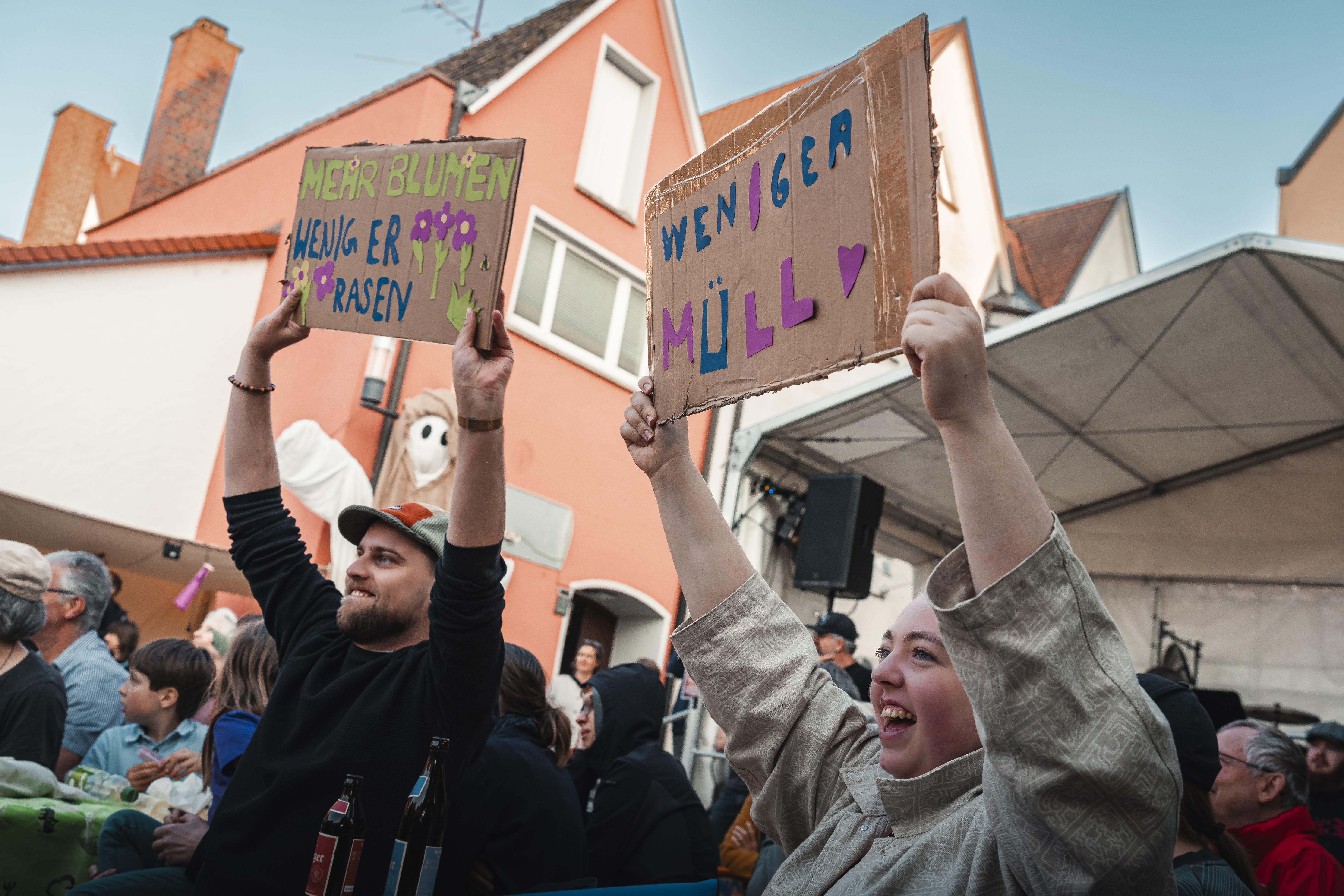
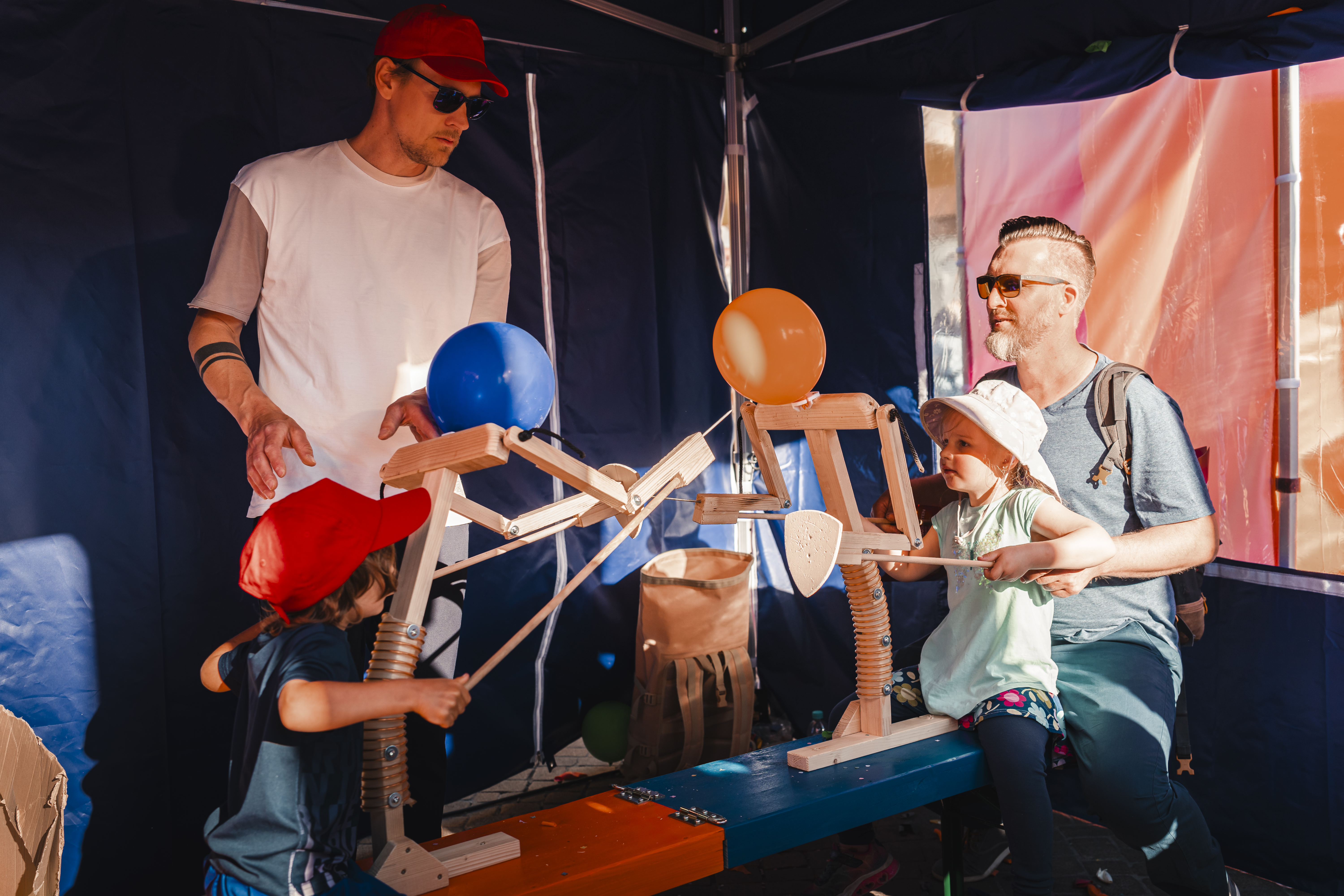
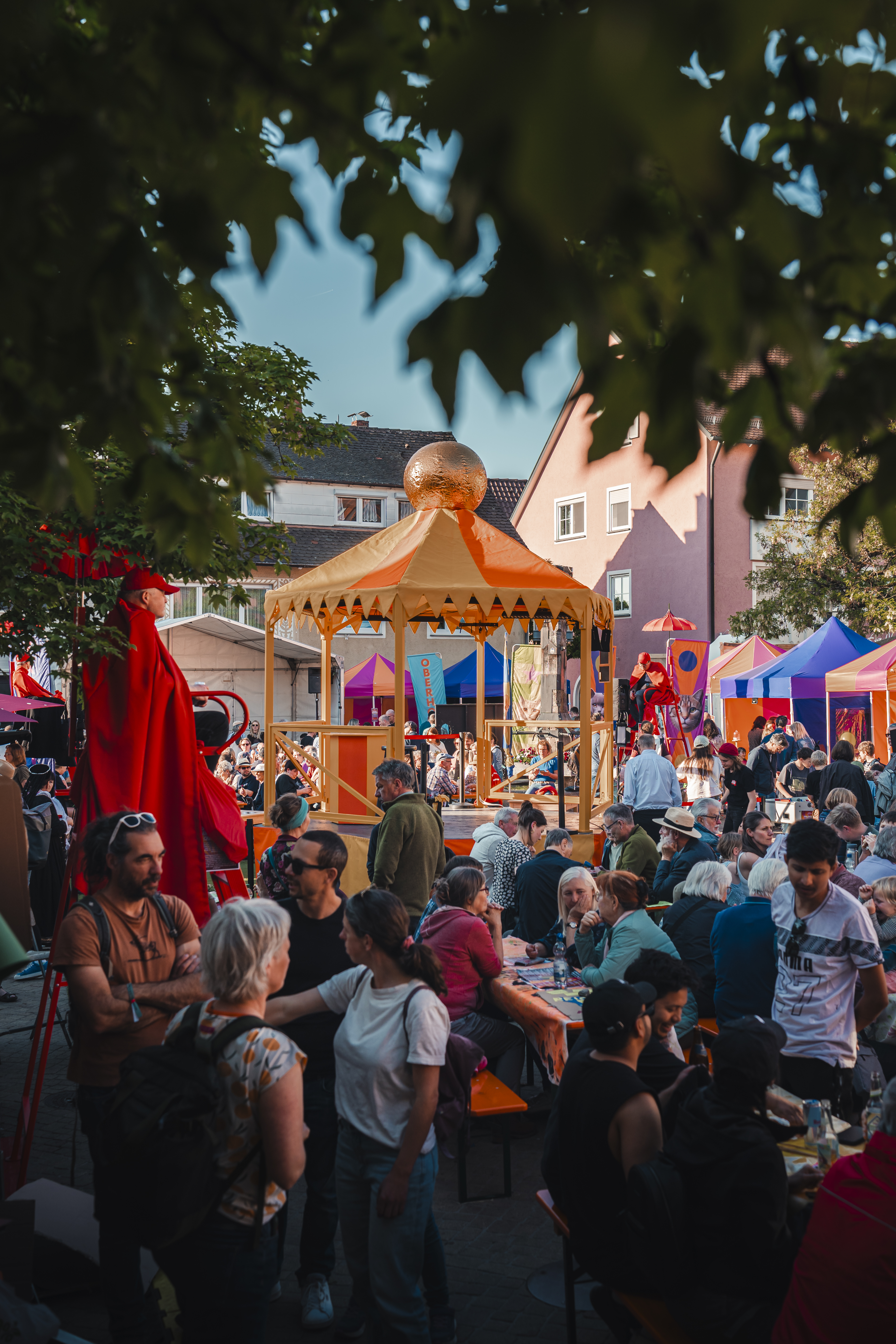
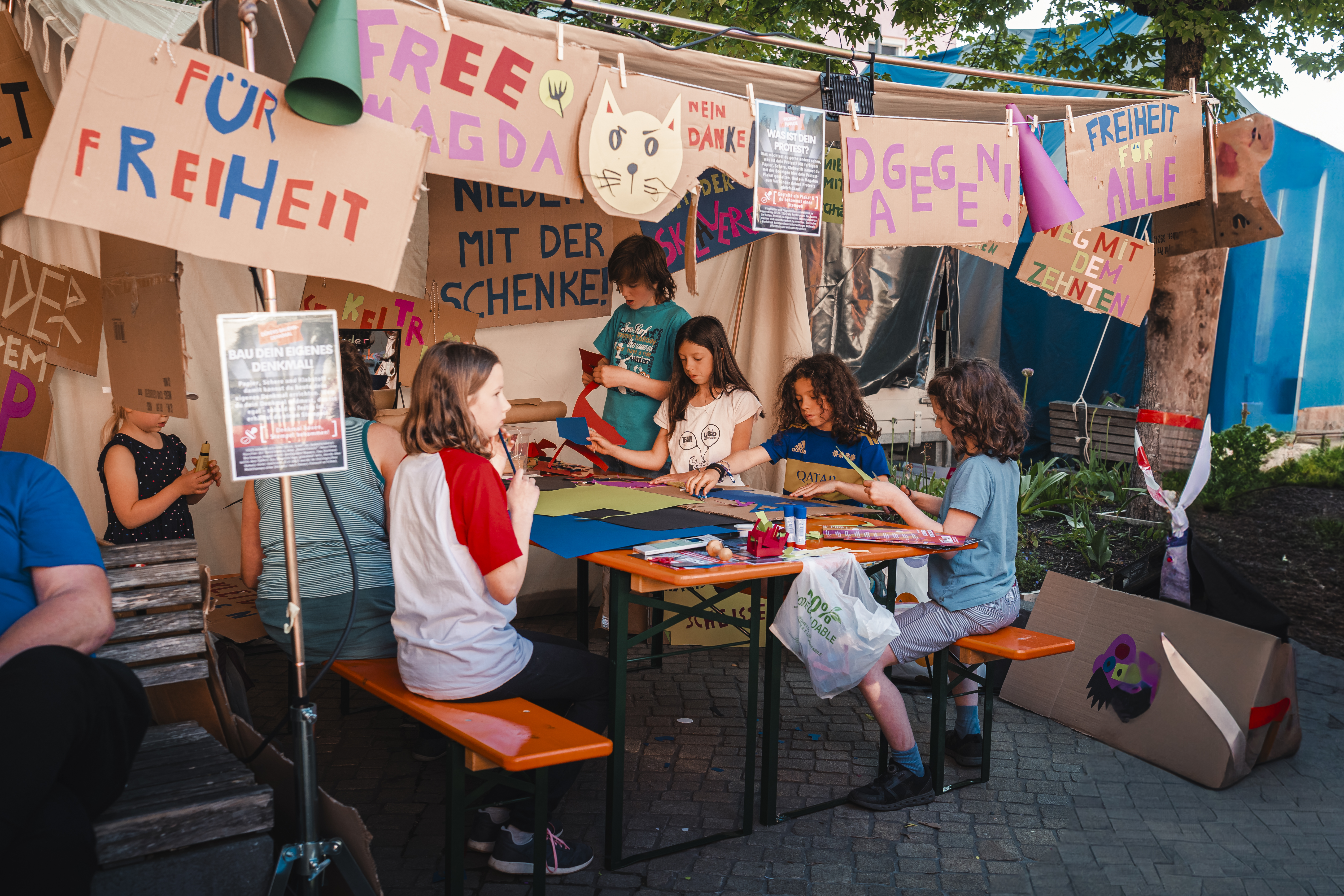
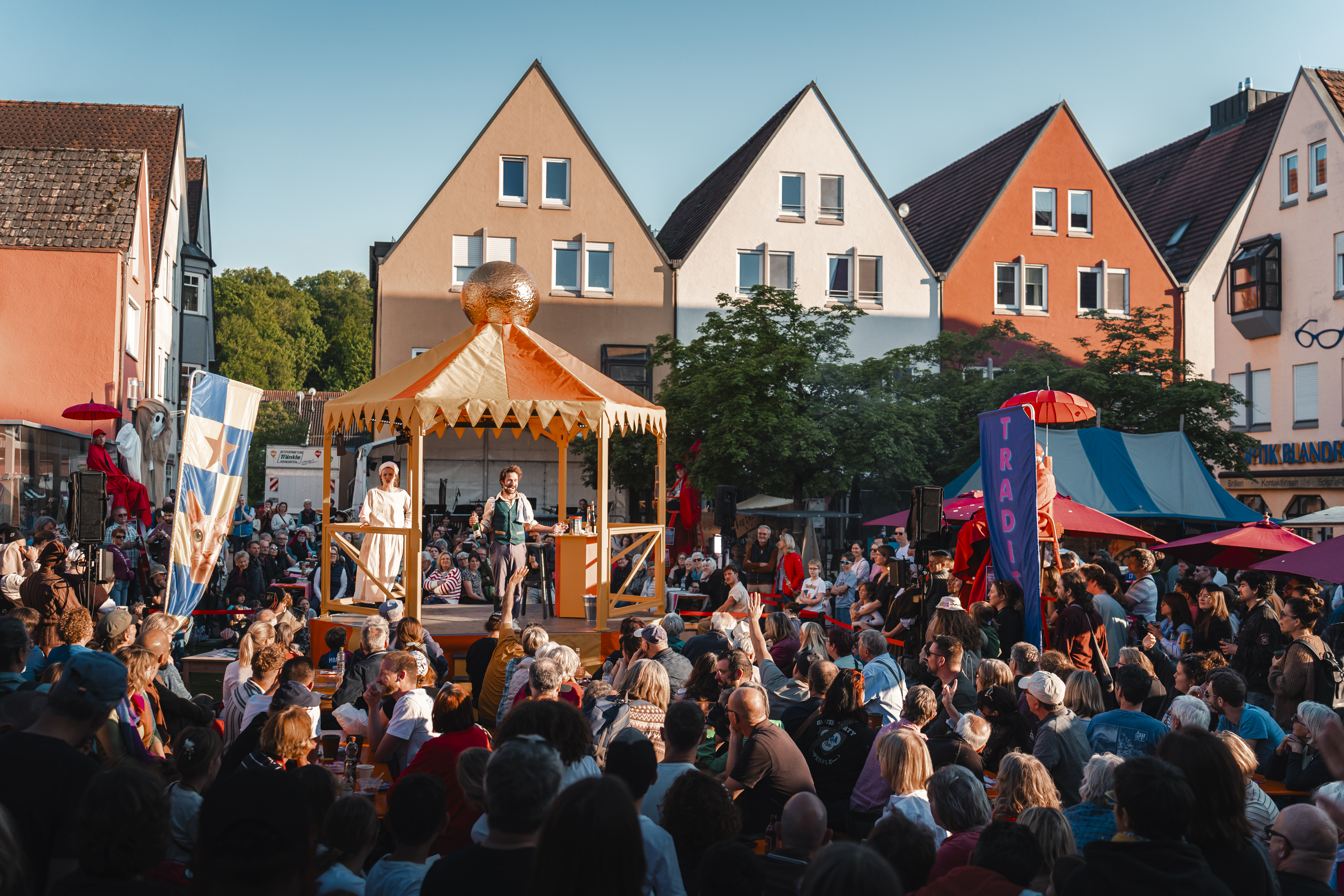
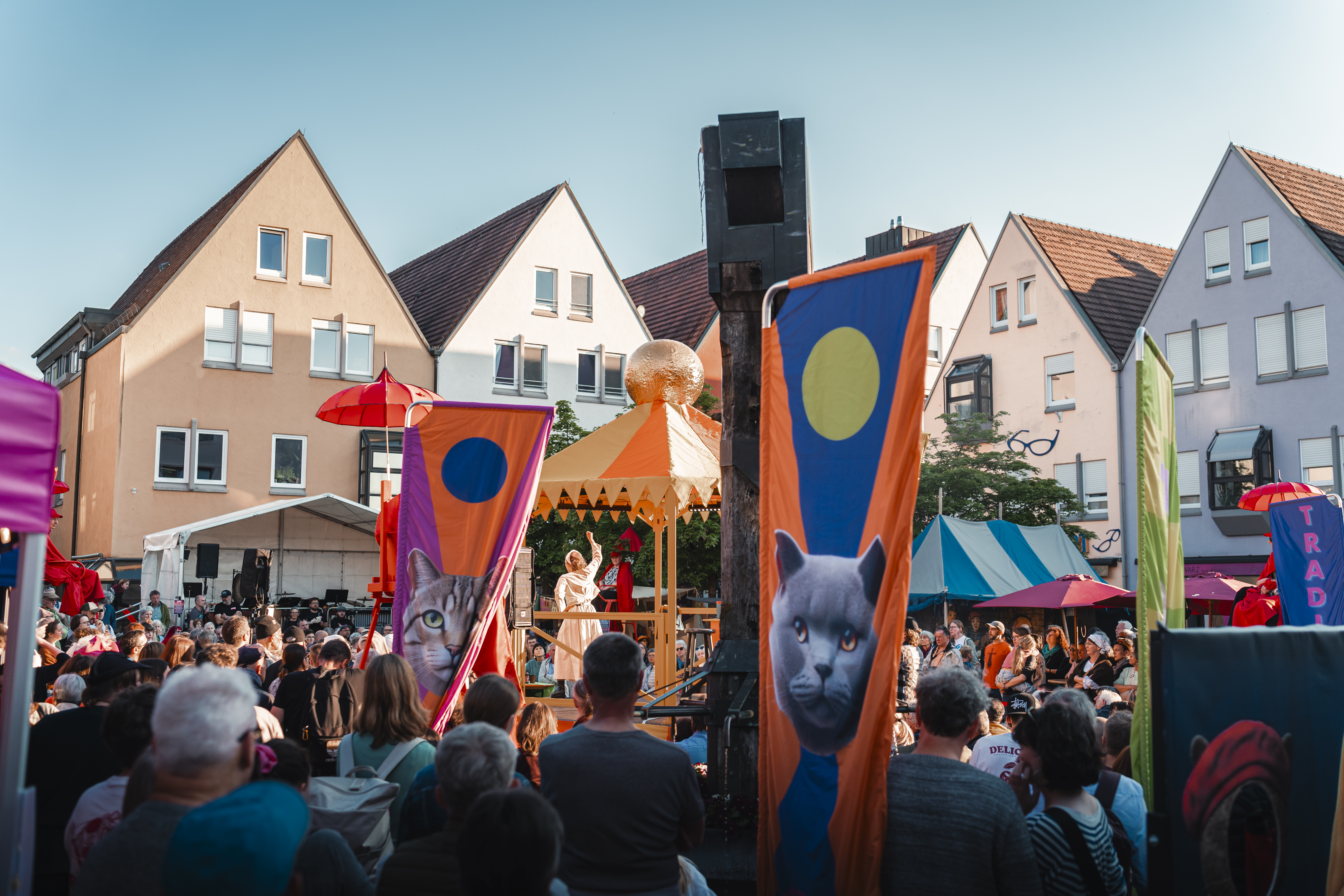
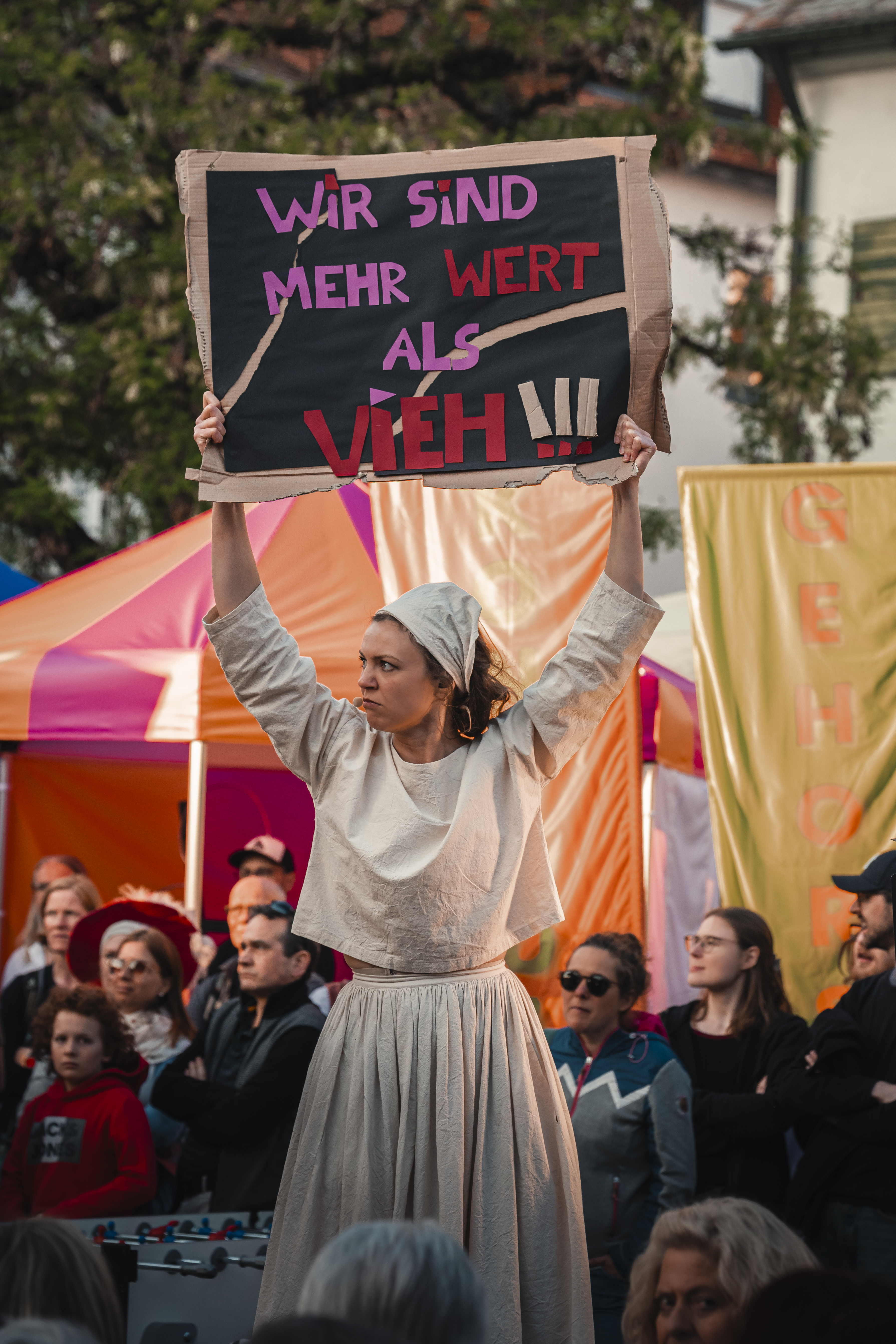
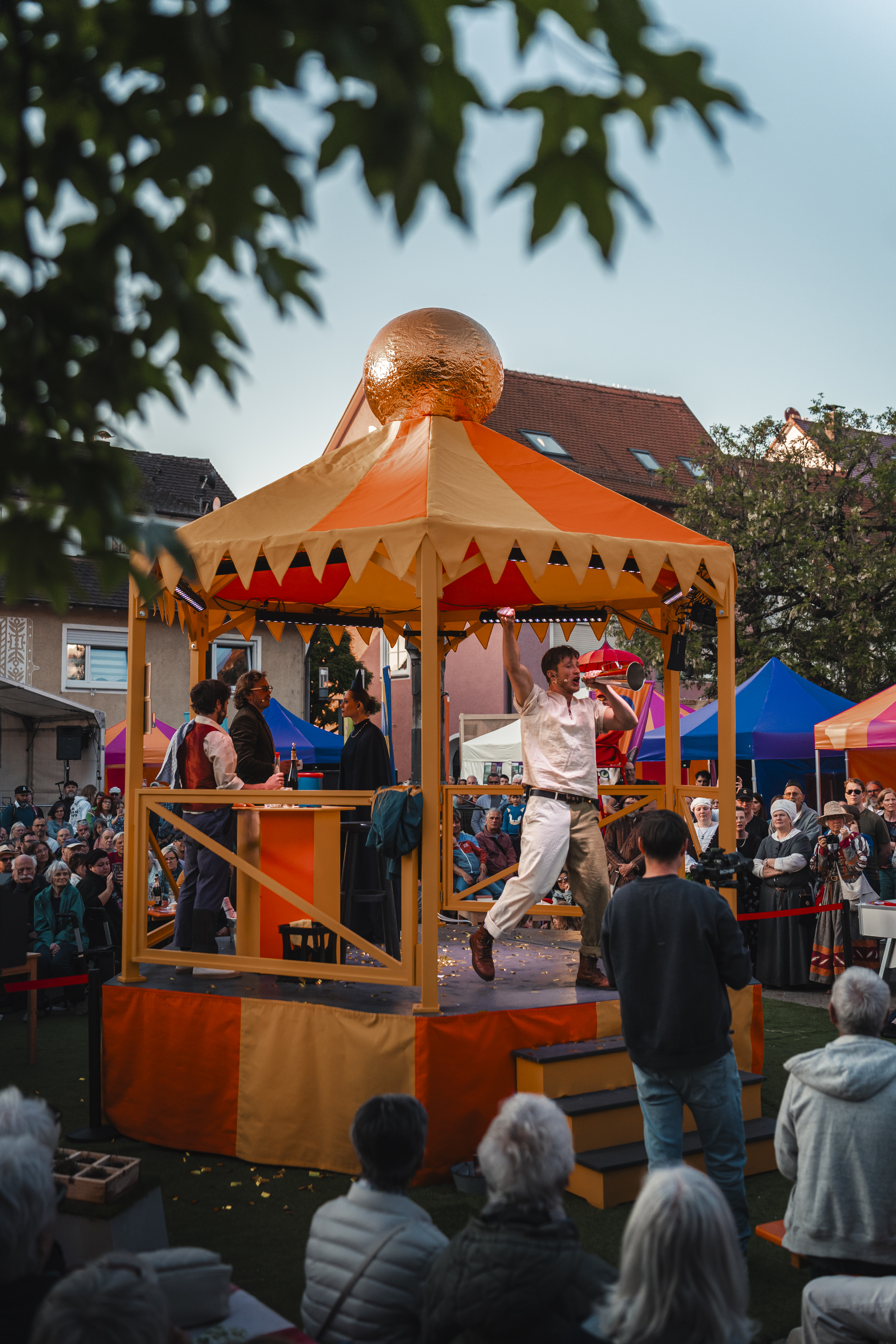
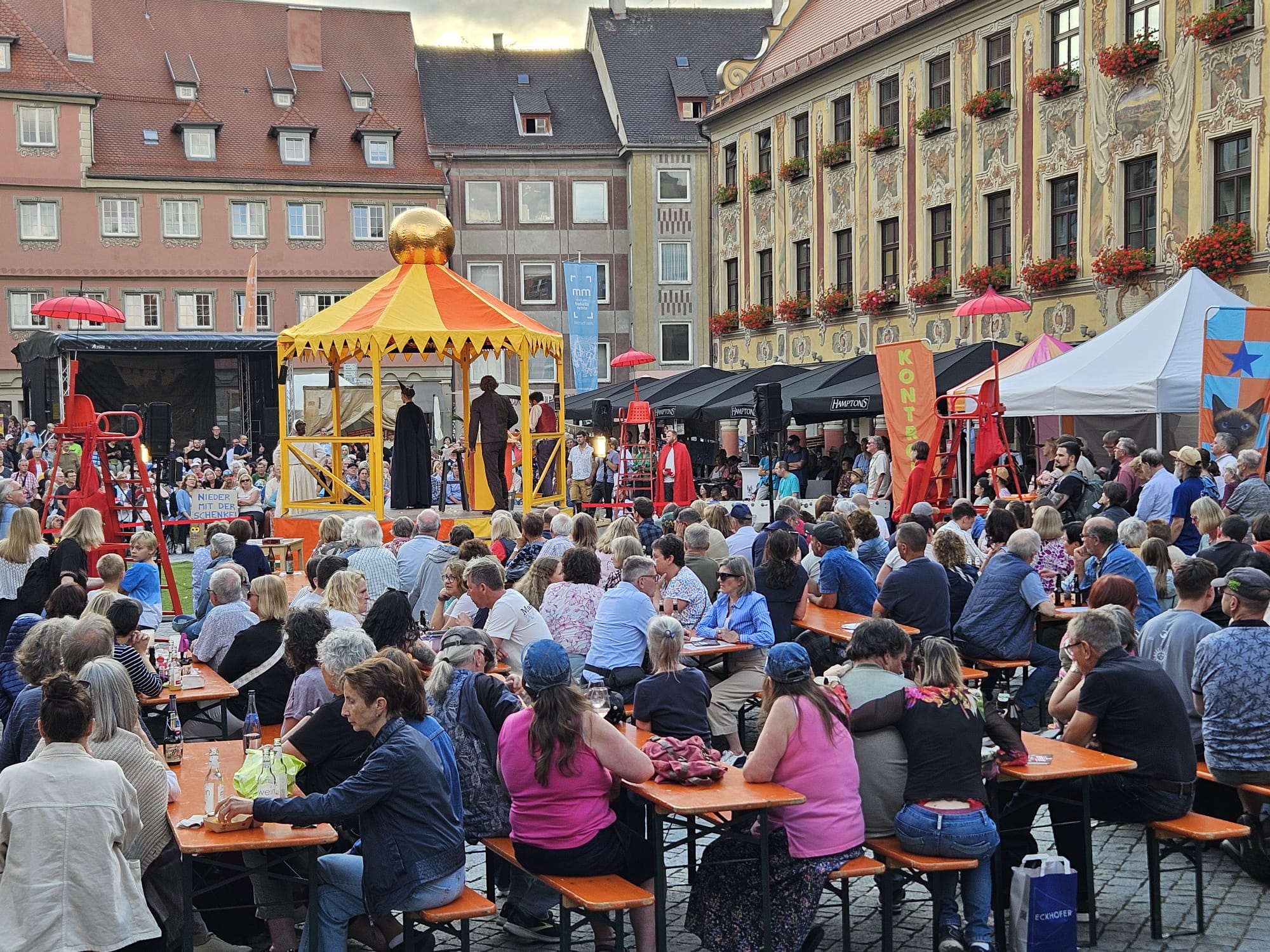
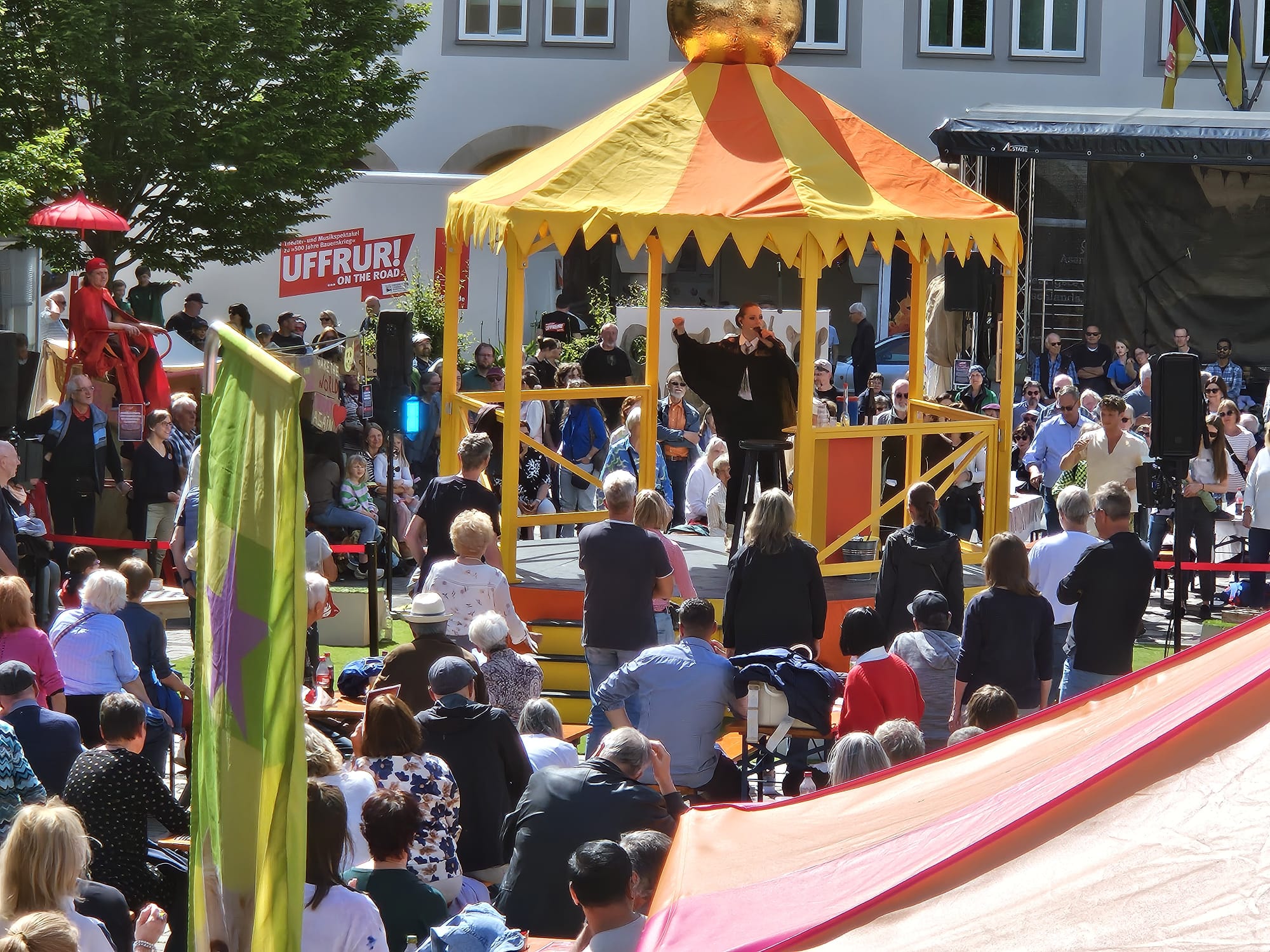
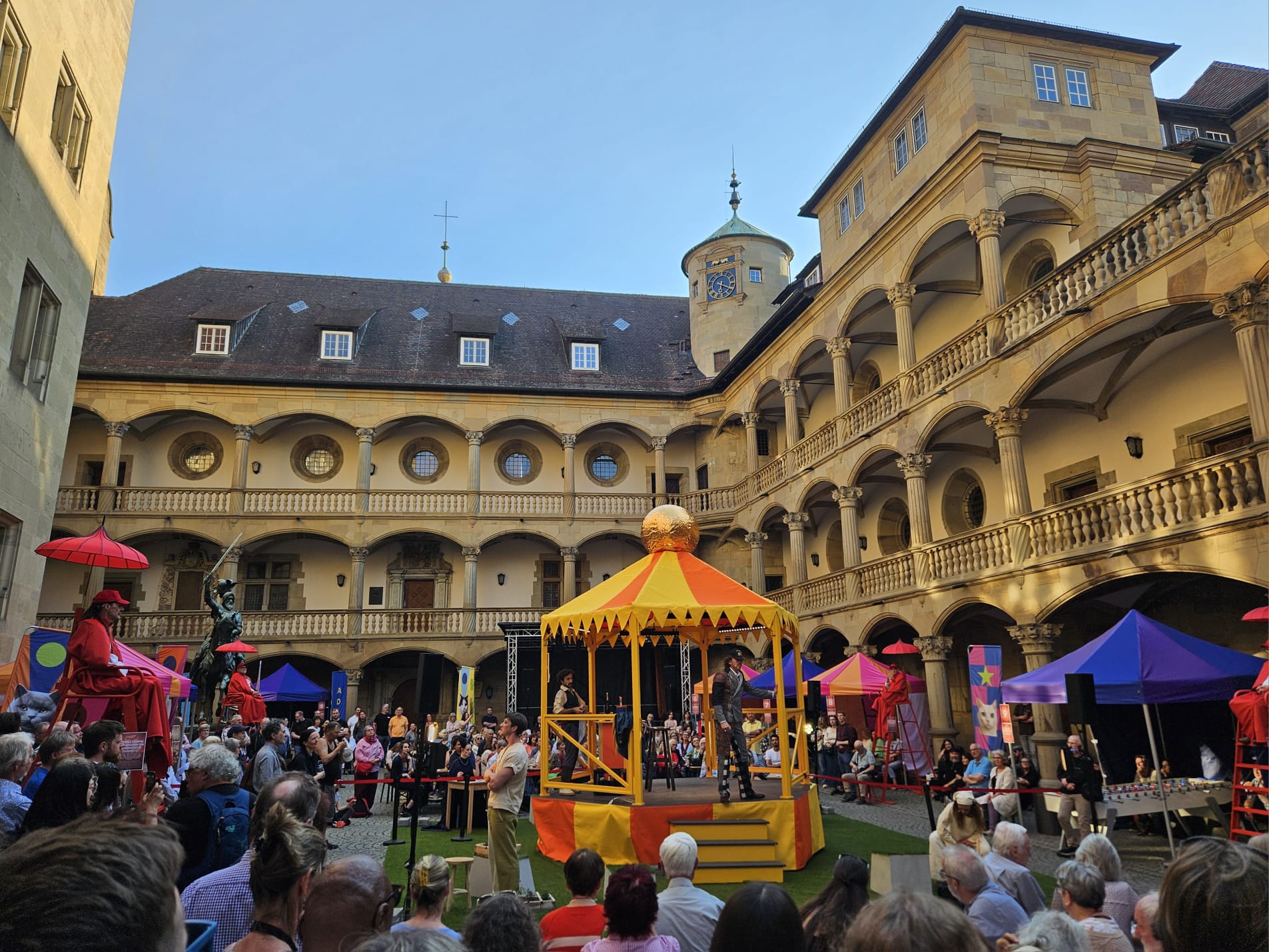
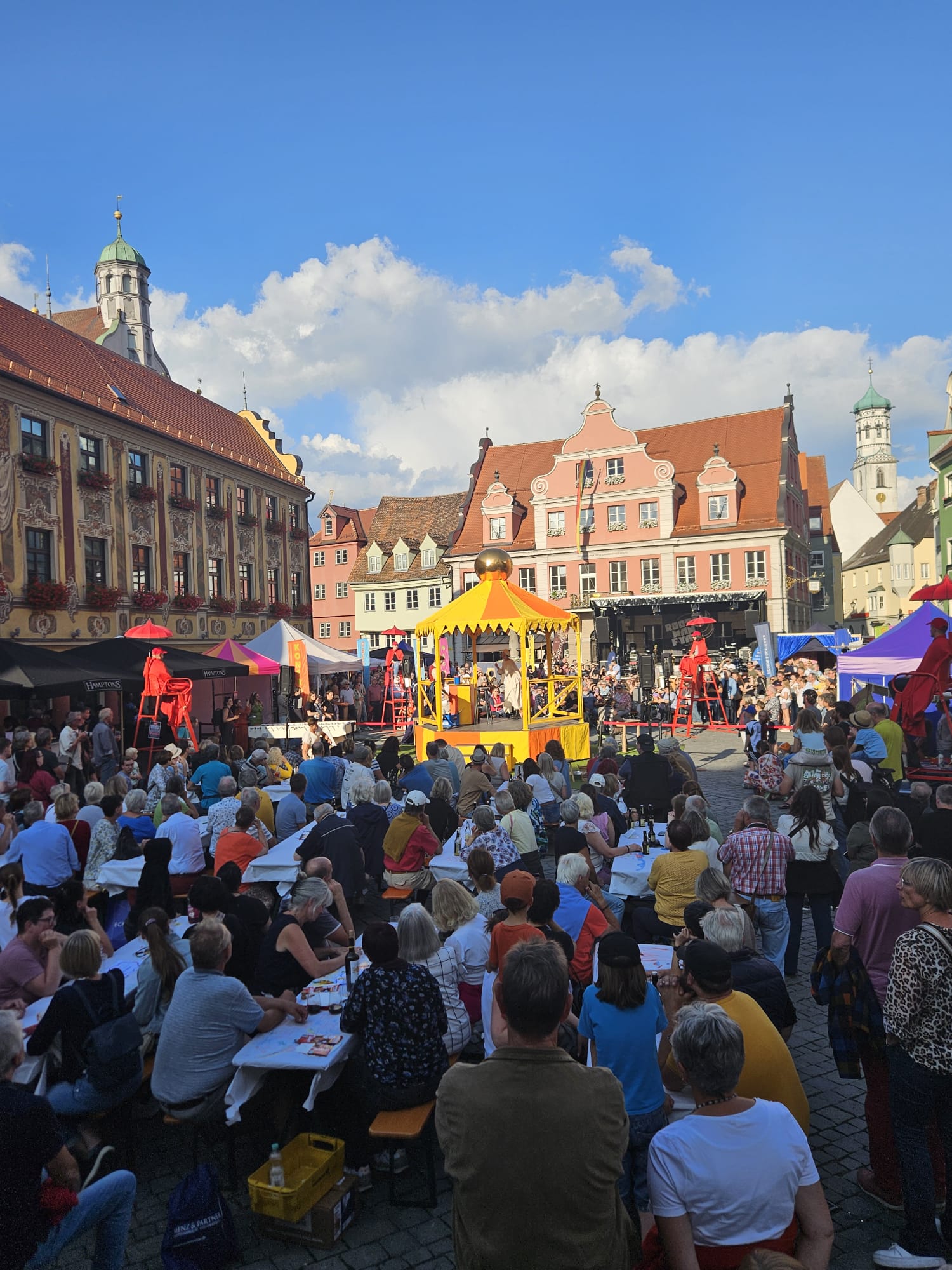
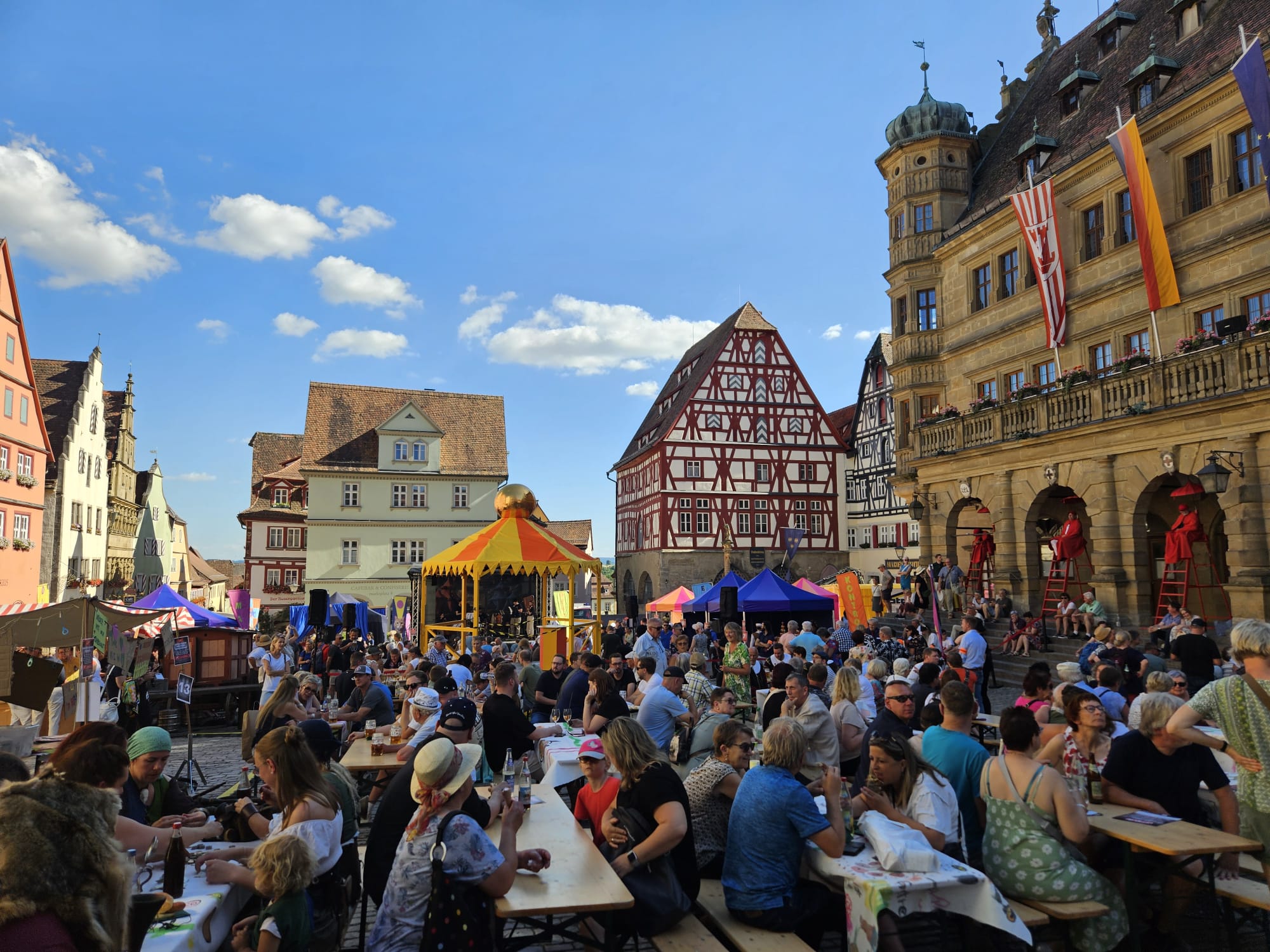
At each site, public spaces were transformed into temporary experiential environments combining theatre, live music, storytelling, scenography, and participatory installations. Within a vibrant fair-like atmosphere, visitors could explore the social realities of the early sixteenth century while reflecting on contemporary questions of justice, representation, and civic participation.
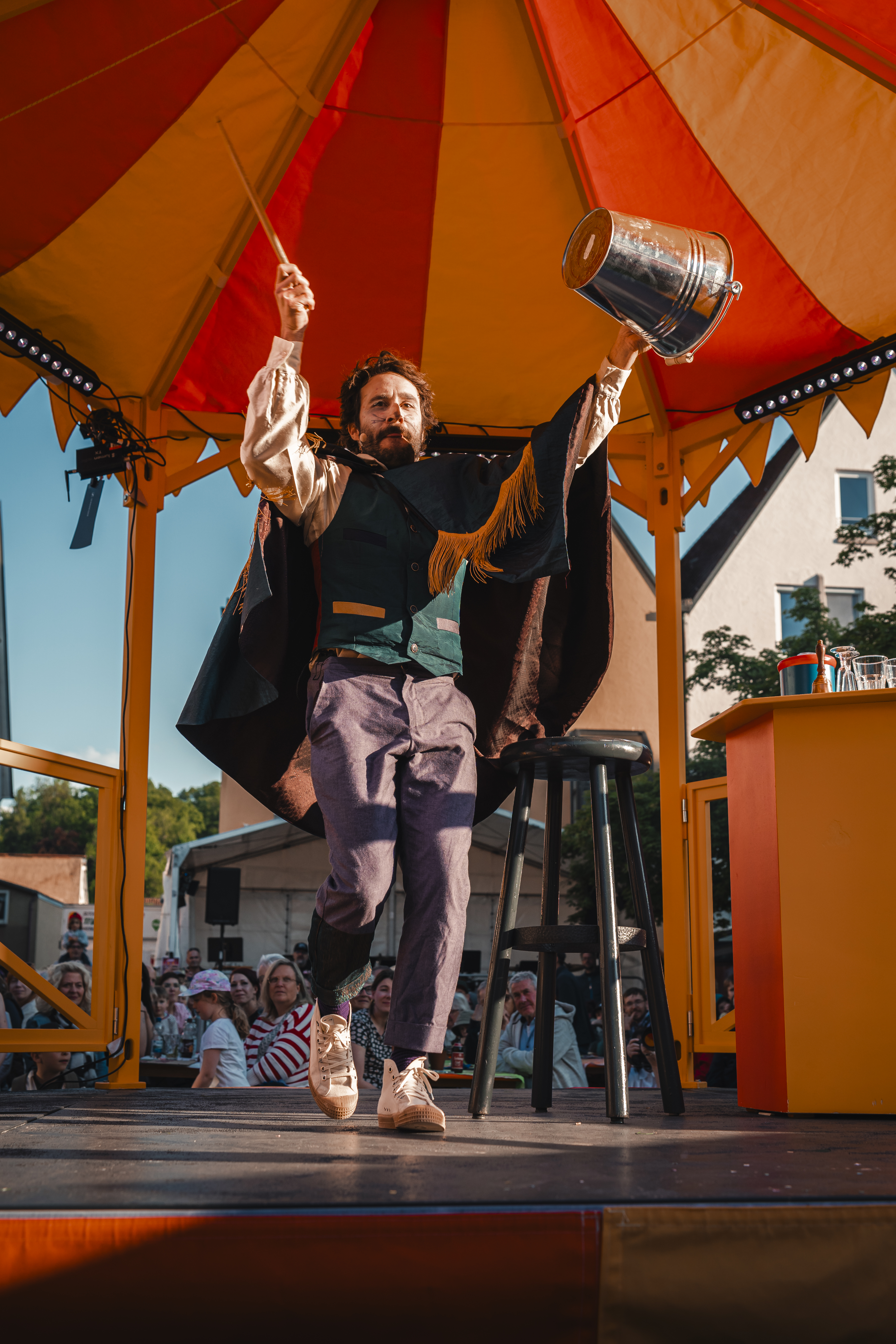
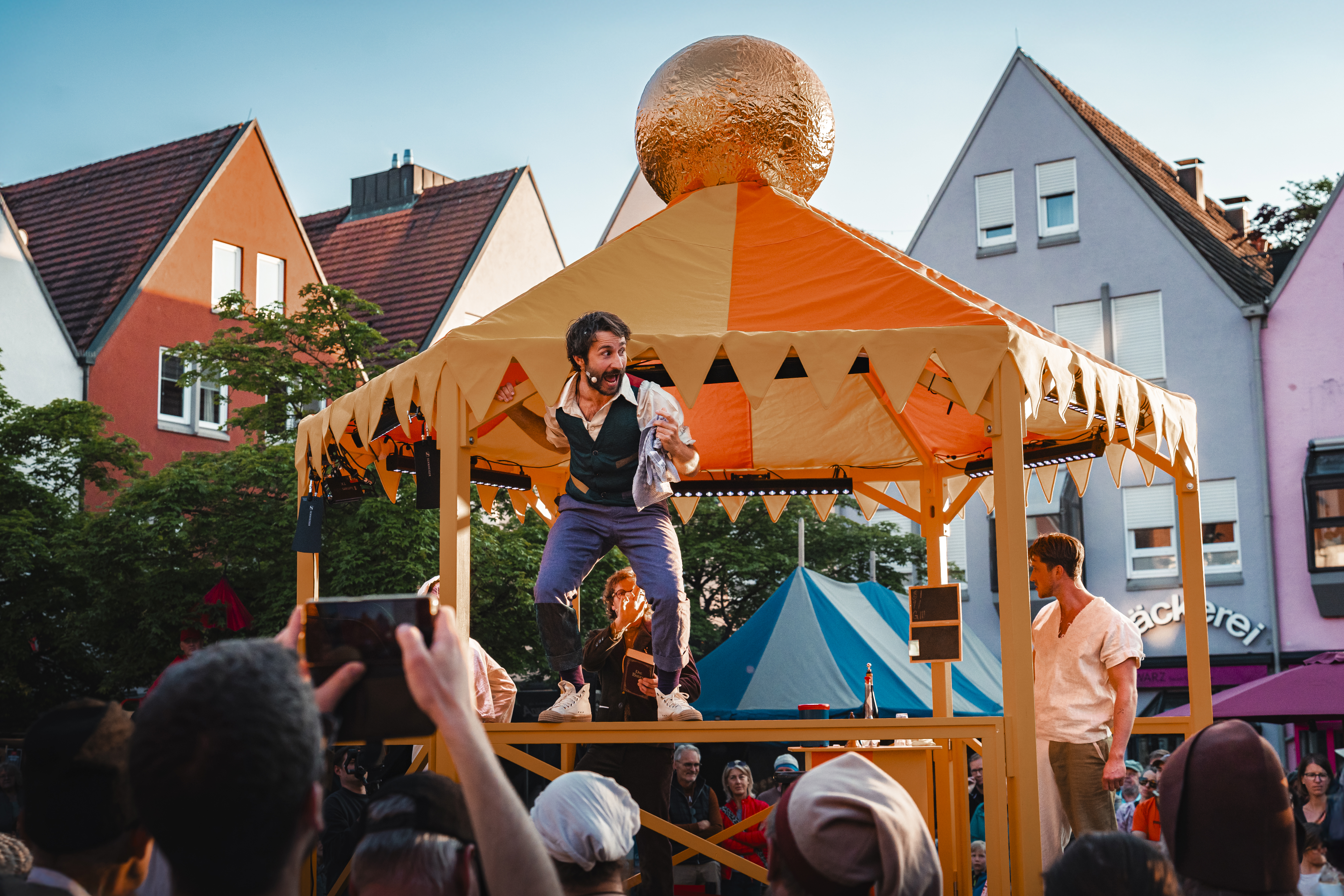
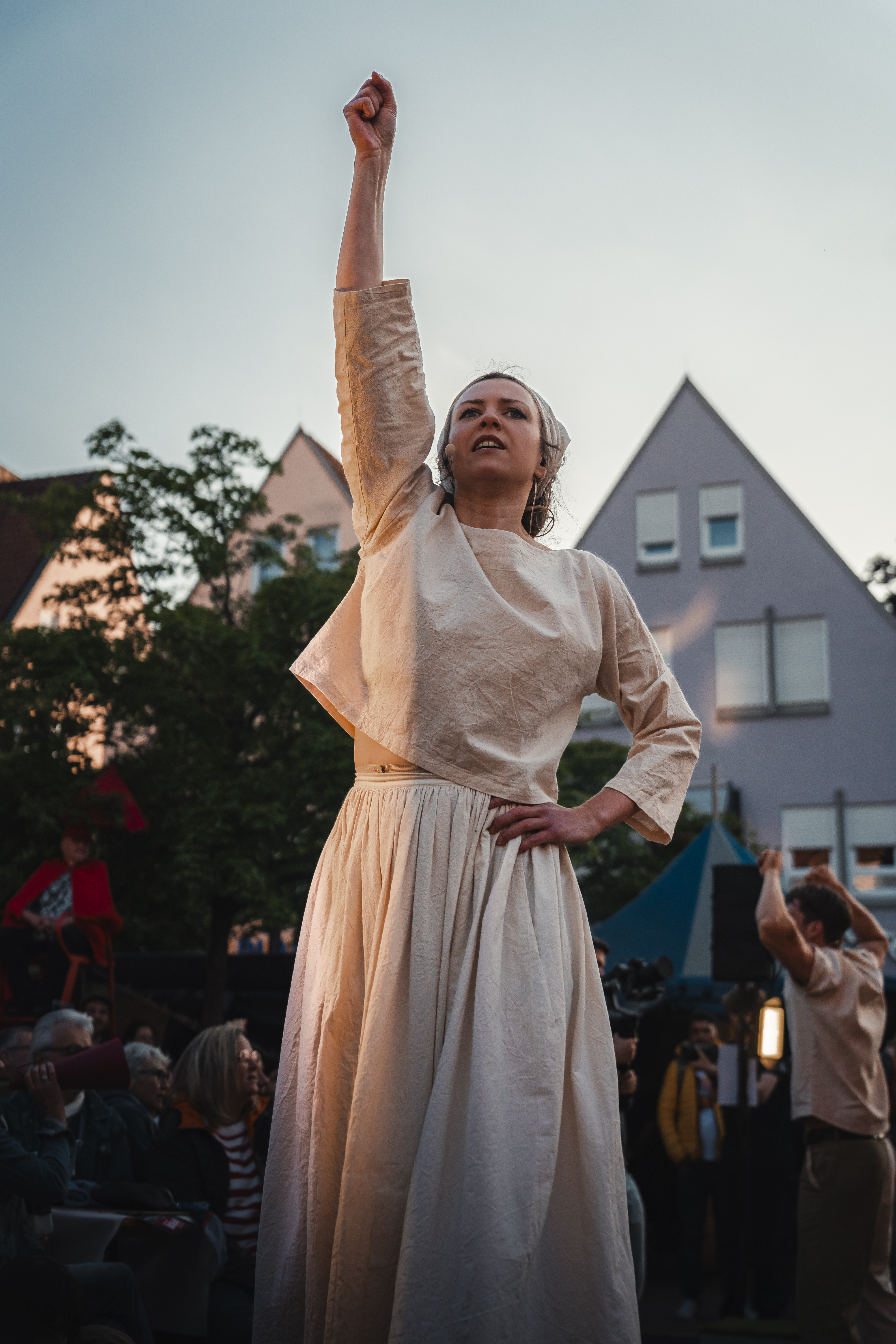
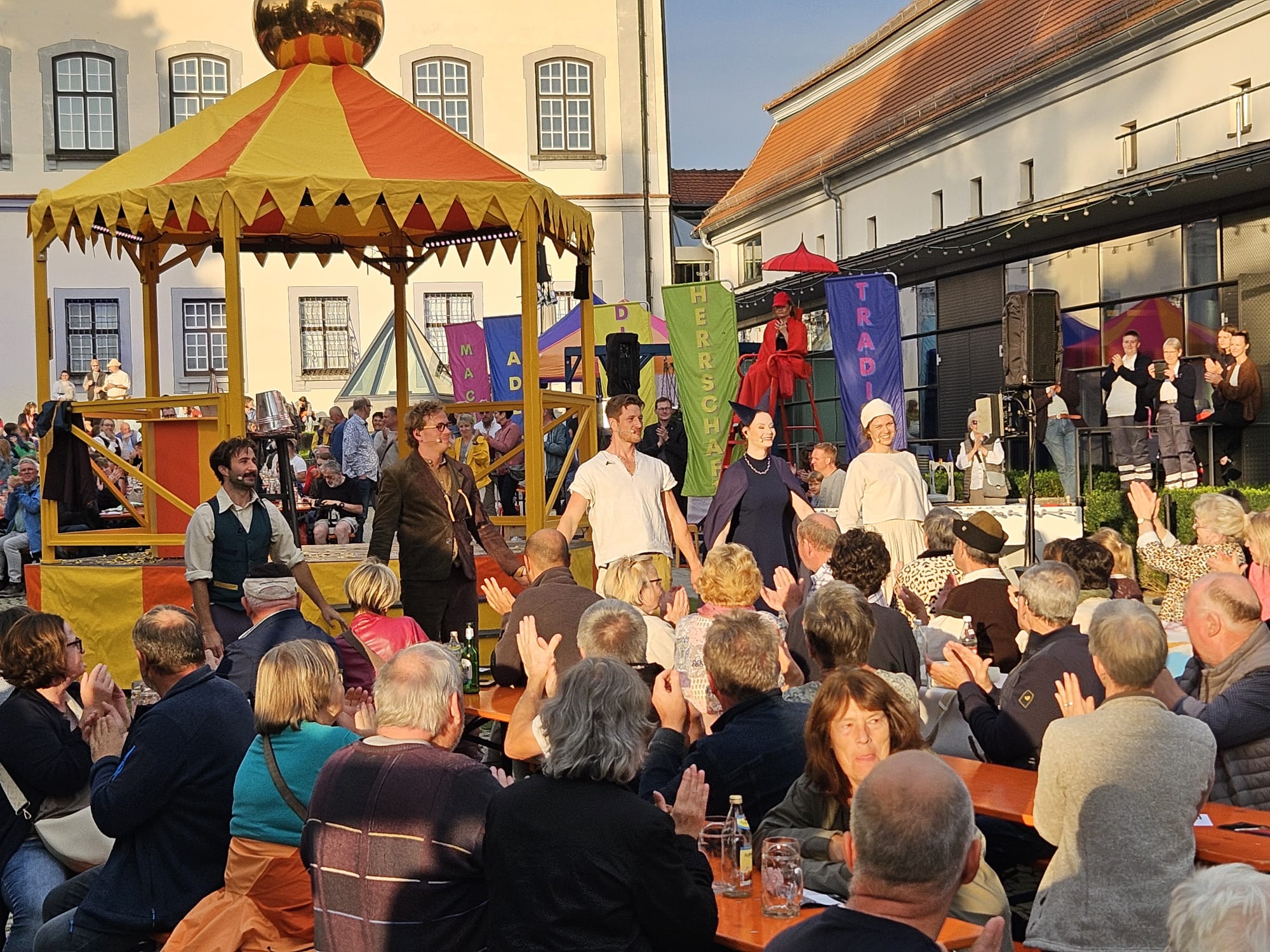
The central theatrical narrative guided audiences through the events and motivations behind the Peasants’ War, while open-stage music performances by regional artists, interactive stations, and communal gathering spaces encouraged dialogue and shared cultural experiences. By bringing together theatre, historical interpretation, and community participation, the project created an accessible and inclusive format for cultural engagement.
The tour reached thousands of visitors across urban and rural regions and strengthened cooperation between cultural institutions, independent artists, and local communities. Beyond its immediate impact, UFFRUR! demonstrates how immersive cultural storytelling can activate public spaces and make complex historical themes relevant for contemporary audiences.
The project also offers a transferable model for cultural heritage communication: a mobile format that can bring historical narratives, artistic performance, and community participation directly into public space, fostering dialogue and cultural participation beyond traditional institutional settings.
UFFRUR! … on the Road was developed as part of the cultural commemorations marking the 500th anniversary of the German Peasants’ War. The project was initiated by the Landesmuseum Württemberg and conceived as a collaborative effort between cultural institutions, theatre makers, musicians, and regional partners.
The creative team sought to develop a format that would move beyond traditional historical exhibitions and instead create an experiential encounter with history. Inspired by the idea of bringing cultural heritage directly to the places where historical events unfolded, the project was designed as a traveling theatre production combined with a participatory cultural festival.
The production was developed through an interdisciplinary process involving historical research, dramaturgy, music composition, and scenographic design. The resulting format combines a theatrical narrative with an immersive environment inspired by the atmosphere of historical fairs and public gatherings.
Implementation involved a regional tour through sixteen cities in South West Germany and historically significant sites connected to the Peasants’ War. At each location, local cultural actors and musicians were integrated into the program, ensuring that the project reflected regional identities and histories.
The performances were accompanied by open-stage music, information stations, communal spaces, and opportunities for audience interaction. This combination of artistic performance and participatory cultural activities transformed each location into a temporary meeting place for history, culture, and civic dialogue.
Through this collaborative and place-based approach, UFFRUR! created a new model for how historical themes can be communicated through contemporary cultural formats.
Immersive cultural heritage
Community participation
Public space activation
Democratic history
Traveling cultural storytelling
UFFRUR! … on the Road addresses cultural, social, and environmental sustainability by rethinking how historical heritage can be communicated in contemporary society. Instead of building permanent infrastructure or new exhibition spaces, the project uses a mobile production model that activates existing public spaces across multiple communities. This approach reduces material consumption and enables a single cultural production to reach diverse locations. In doing so, it points to a shift from infrastructure-heavy cultural formats towards more flexible, resource-efficient models of production. In many locations,
the project was integrated into existing local festivities and events, making use of already available infrastructure, thus reducing resource consumption.
Socially, the project contributes to sustainable cultural participation by bringing historical narratives directly to communities that may have limited access to major cultural institutions. Touring through both urban and rural areas, the project strengthens cultural networks and promotes dialogue about shared European history and democratic values.
Culturally, UFFRUR! revitalises historical memory by connecting the story of the Peasants’ War with contemporary discussions about justice, participation, and social transformation. By combining theatre, music, and immersive storytelling, the project creates new ways for audiences to engage with cultural heritage.
Economically, the project builds sustainable partnerships between cultural institutions, independent artists, and local stakeholders. Local musicians and regional partners are integrated into each performance site, supporting local cultural ecosystems and fostering long-term collaboration.
Through its mobile structure, interdisciplinary cooperation, and regional engagement, UFFRUR! demonstrates a sustainable model for cultural heritage communication that can reach broader audiences while minimizing material and infrastructural impact.
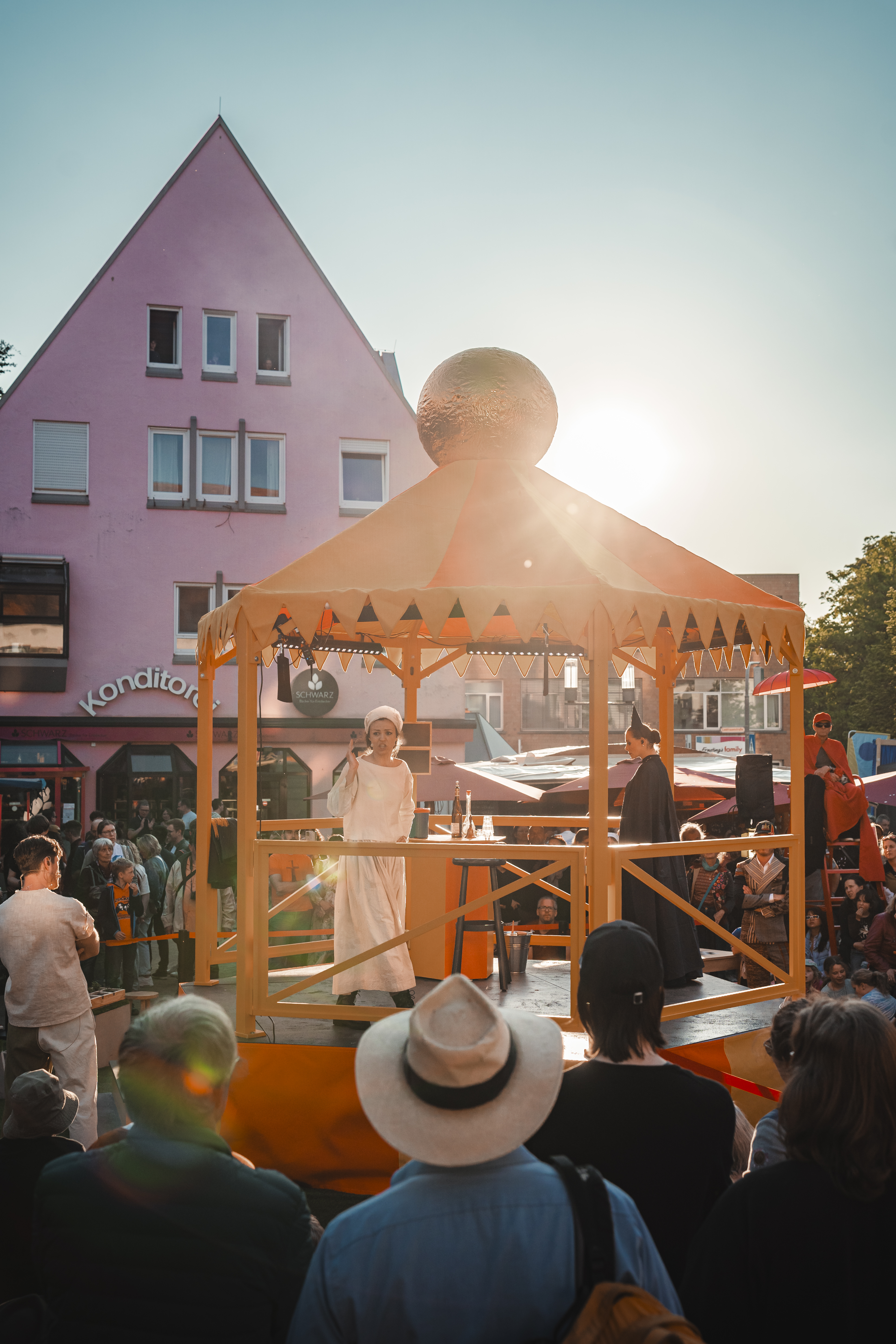
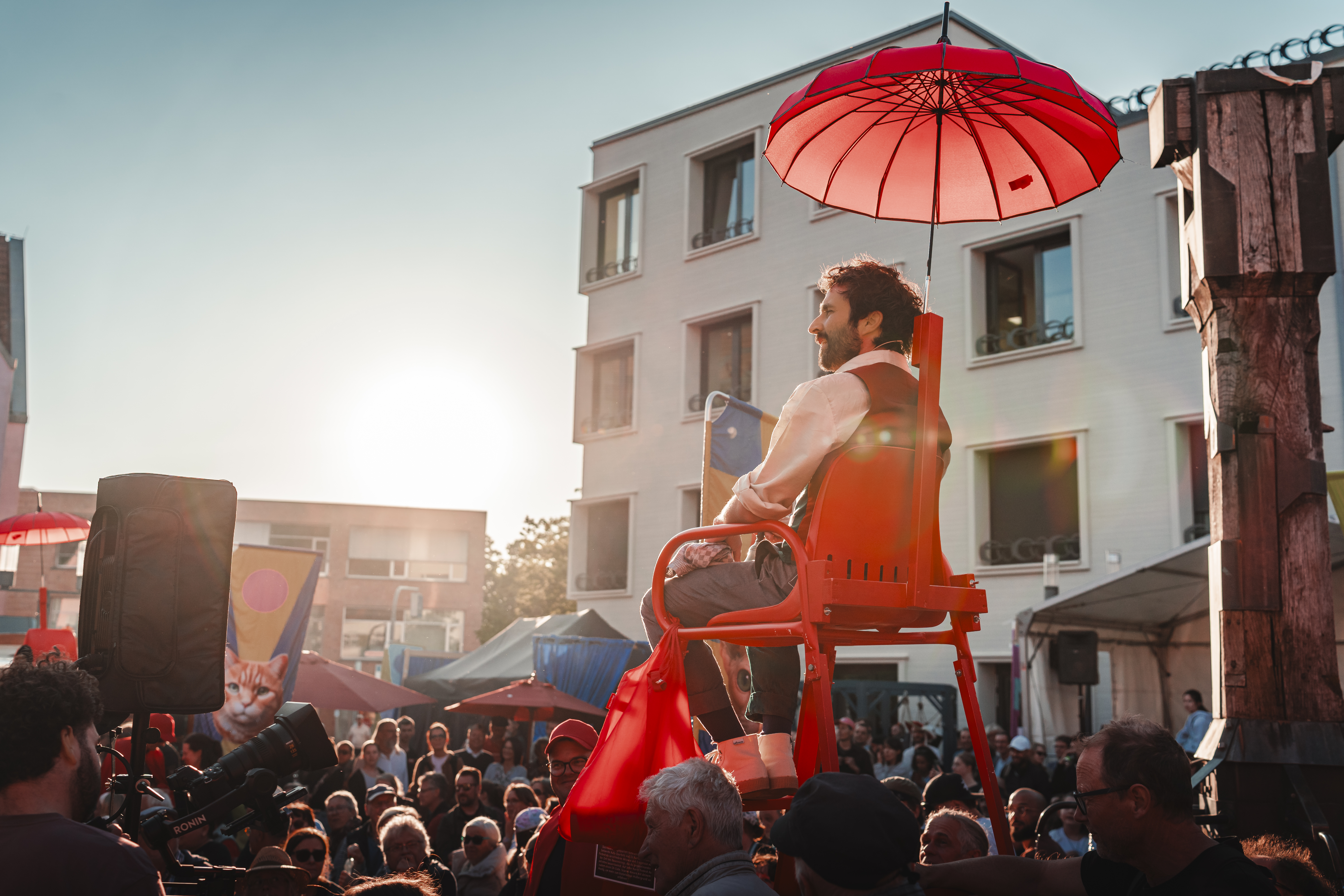
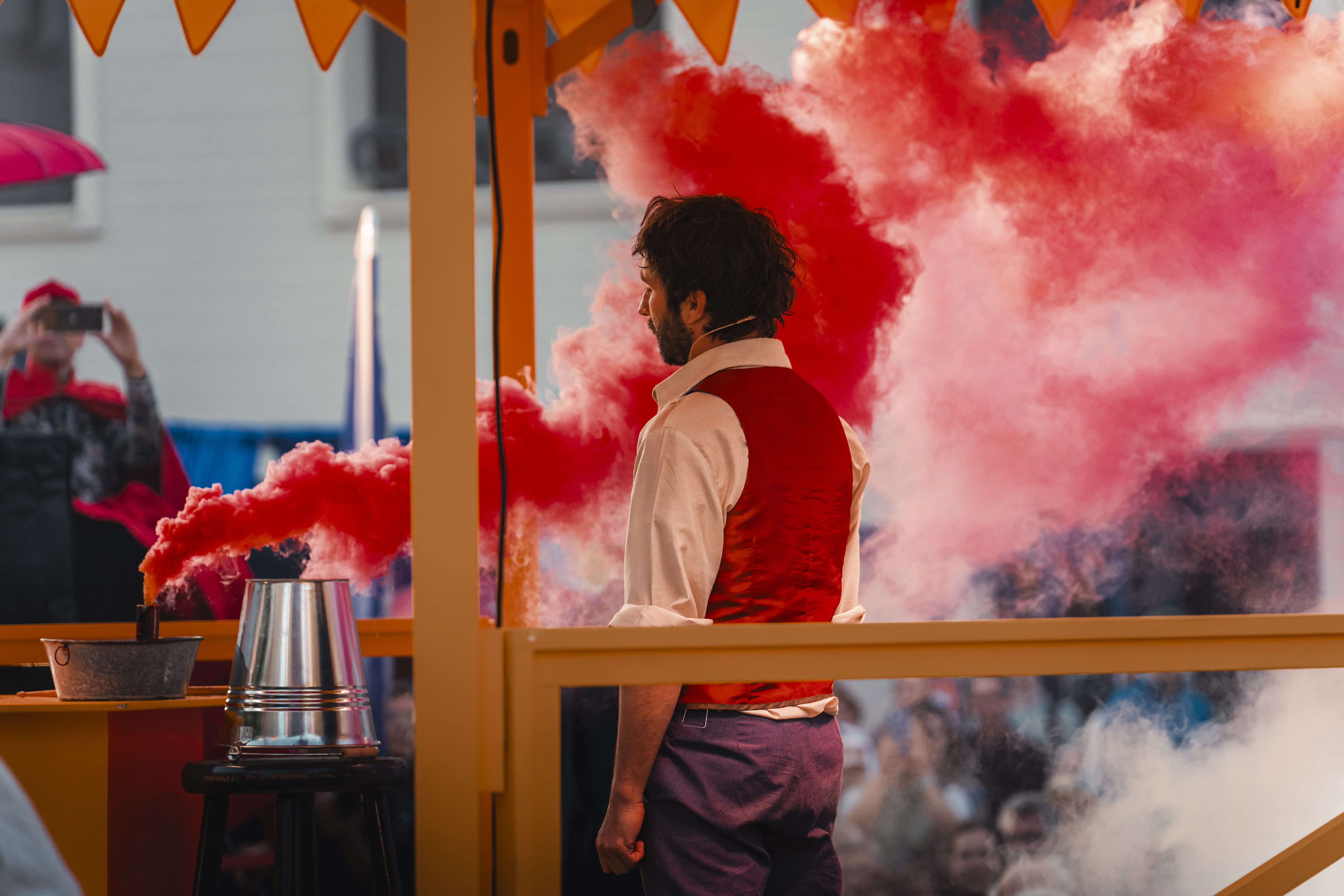
UFFRUR! … on the Road transforms public spaces into immersive cultural environments where theatre, music, and scenography merge to create a powerful aesthetic experience. Inspired by the atmosphere of historical fairs and marketplaces, the project creates a visually rich environment that invites visitors to step into the social and emotional world of the sixteenth century.
Through stage design, music, costumes, and storytelling, the production turns historical narratives into vivid sensory experiences. Public squares, parks, and historic sites become temporary stages where culture, history, and community intersect.
The project also contributes to the everyday cultural life of the places it visits. By bringing artistic performances directly into public space, it creates unexpected encounters with art and history outside traditional cultural venues. Visitors can explore installations, listen to live music, watch performances, and spend time in communal gathering spaces.
This shared cultural atmosphere fosters a sense of belonging and collective memory. Local historical references integrated into each performance strengthen the connection between the narrative and the place where it unfolds.
In this way, UFFRUR! demonstrates how artistic storytelling can enrich public space and strengthen emotional connections between people, culture, and the places they inhabit.
Inclusion is central to the design of UFFRUR! … on the Road. The project deliberately takes place in open public spaces rather than traditional theatre buildings or museums, lowering physical, social, and cultural barriers to participation.
The fair-like setting invites visitors to explore the event freely, making it accessible to diverse audiences including families, young people, and visitors who might not typically attend cultural institutions. The format encourages both active participation and informal engagement.
The program integrates local artists and musicians at each location, ensuring that regional cultural voices become part of the project. This approach strengthens community ownership and creates opportunities for local cultural actors to contribute to a larger narrative.
The project also promotes inclusive storytelling by focusing on the perspectives of ordinary people during the Peasants’ War. Rather than presenting history from the viewpoint of elites, the narrative highlights the voices, struggles, and hopes of common citizens seeking justice and participation.
By combining open access, community participation, and inclusive historical narratives, UFFRUR! creates a cultural format that invites broad audiences to engage with shared European heritage.
Participation is a core element of UFFRUR! … on the Road. The project was conceived as an immersive cultural experience in which audiences are not only spectators but active participants in a shared cultural environment.
Visitors could move freely through the experiential setting, interact with installations, and engage with performers and musicians. Open-stage music formats invited regional artists to contribute directly to the program, ensuring that each location reflected its own cultural identity and artistic voices.
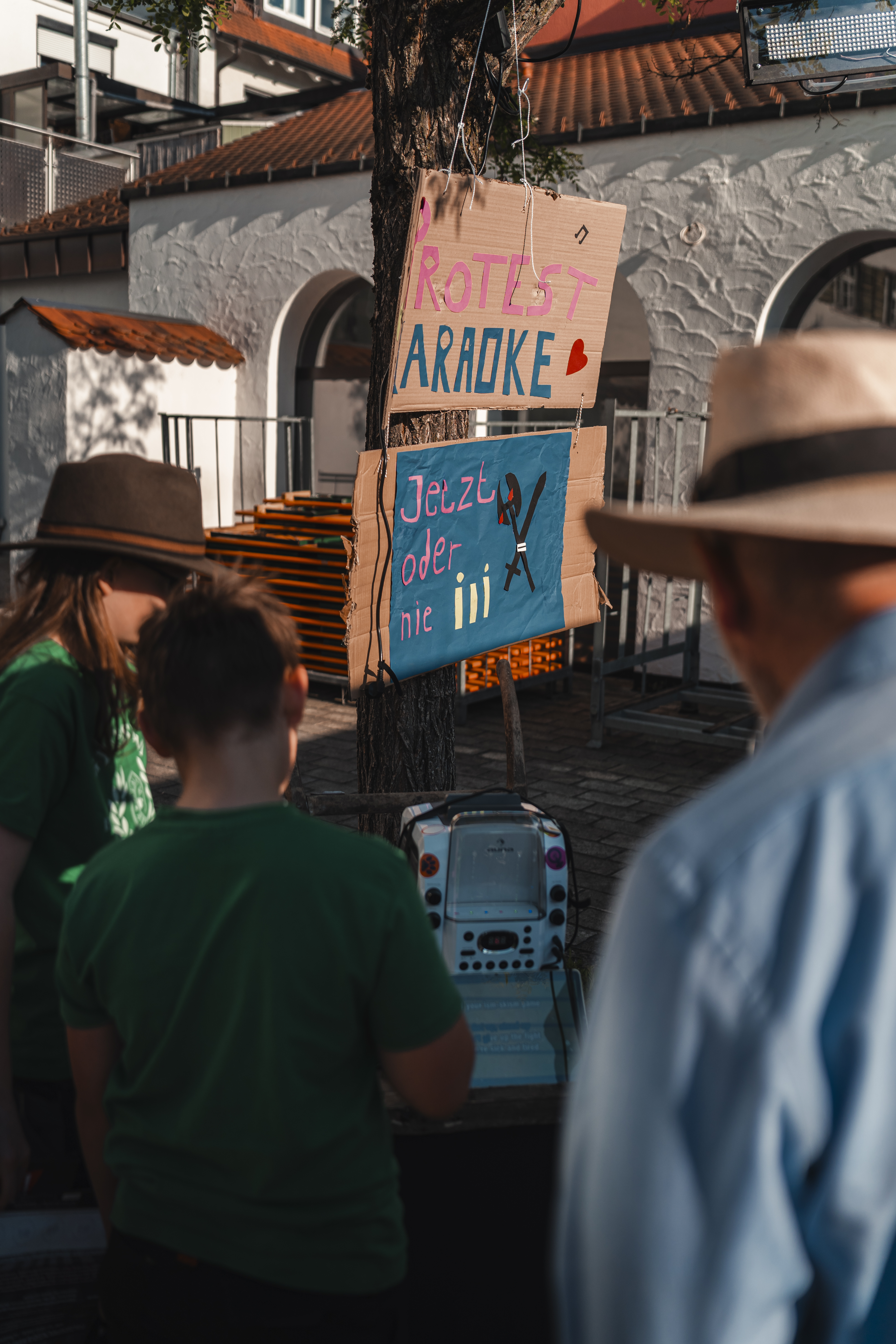
To further encourage public participation, the project launched a protest song contest inspired by the historical role of songs in social movements. Musicians and citizens were invited to submit original protest songs reflecting contemporary perspectives on justice, freedom, and civic engagement. Selected songs became part of the project’s musical program, linking historical protest culture with present-day artistic expression. The format also enabled the
involvement of cultural institutions such as music schools and regional music initiatives, extending participation beyond individual contributors to members of the public.
Another participatory element invited visitors to bring and share recipes inspired by 16th-century cuisine. These dishes were prepared and shared collectively, turning food into a cultural bridge between past and present and encouraging informal encounters among visitors.
The project also extended beyond the performance sites through outreach activities in kindergartens and senior residences. Through participatory art projects, participants were invited to explore historical narratives in creative and accessible ways, enabling intergenerational engagement with cultural heritage.
Through these diverse participatory formats—artistic, musical, culinary, and educational—UFFRUR! transformed historical storytelling into a collective cultural experience shaped jointly by artists, communities, and audiences.
UFFRUR! … on the Road was realised through collaboration between stakeholders at multiple levels.
At the institutional level, the project was initiated in connection with the 500th anniversary of the German Peasants’ War and developed in cooperation with the Landesmuseum Württemberg as part of broader cultural heritage initiatives.
At the regional level, the tour involved numerous cities and local partners across southwest Germany. Municipal authorities, local cultural organisations, and regional artists contributed to the implementation of performances and accompanying activities.
At the national level, the project received support from cultural funding programmes and public institutions that promote cultural heritage and innovative cultural formats.
This multilevel cooperation enabled the project to combine institutional expertise, regional engagement, and artistic creativity. The result was a cultural initiative that connected historical research, artistic production, and local community participation across multiple governance levels.
The project was developed through collaboration between multiple disciplines and knowledge fields.
Historical research provided the foundation for the narrative and ensured an accurate interpretation of the Peasants’ War and its regional contexts. Theatre artists and dramaturgs translated this historical material into a compelling stage narrative.
Musicians and composers created an original musical framework that enhanced the emotional and narrative dimensions of the performances. Scenographers and designers developed immersive environments that transformed public spaces into temporary theatrical landscapes.
The project also integrates elements of cultural mediation, event design, and community engagement, bringing together expertise from the performing arts, heritage interpretation, cultural management, and public event production.
This interdisciplinary collaboration enabled the project to communicate complex historical themes through multiple sensory and artistic channels.
UFFRUR! … on the Road is based on a hybrid funding model combining public cultural funding, institutional partnerships, and local cooperation.
Initial development and production were supported through public cultural funding programmes connected to the commemoration of the 500th anniversary of the German Peasants’ War. Additional support was provided by regional partners and cultural institutions that contributed resources, infrastructure, and organisational capacity.
The touring model enables efficient use of resources by allowing one production to serve multiple locations. Local partners provide logistical support and integrate regional artists and musicians, reducing production costs while strengthening community involvement.
In the long term, the project’s format can be adapted and reproduced with new themes, partners, and locations. The combination of institutional partnerships, public funding, and collaborative production structures offers a sustainable financial framework for future touring cultural heritage formats.
The concept of UFFRUR! … on the Road is designed as a transferable model for cultural storytelling in public space.
Several elements can be replicated in other contexts: the mobile production structure, the combination of theatre and immersive environments, the integration of local artists, and the use of public spaces as cultural stages.
The methodology can be applied to other historical events, regions, or cultural themes. By combining a core artistic production with locally adapted content, the format allows cultural institutions to connect large-scale storytelling with regional identities and histories.
This approach offers a flexible model for museums and cultural organisations seeking to reach broader audiences beyond traditional institutional settings. It demonstrates how cultural heritage can be communicated through mobile, participatory formats that activate public space and encourage community engagement.