Enhancing Circularity, Sustainability, and Innovation
Archè
Archè: multifunctional furniture system for circular and conscious management of water
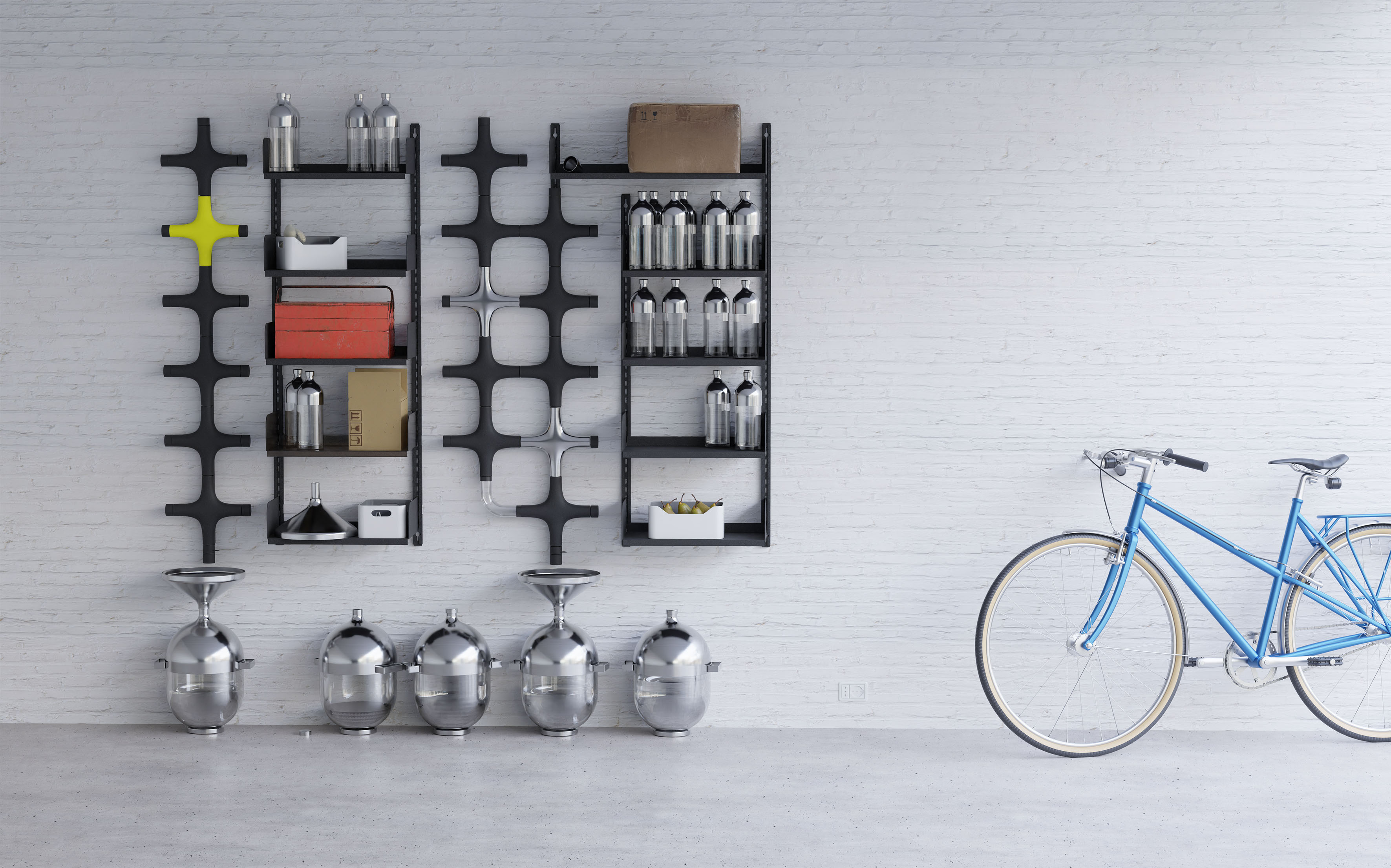
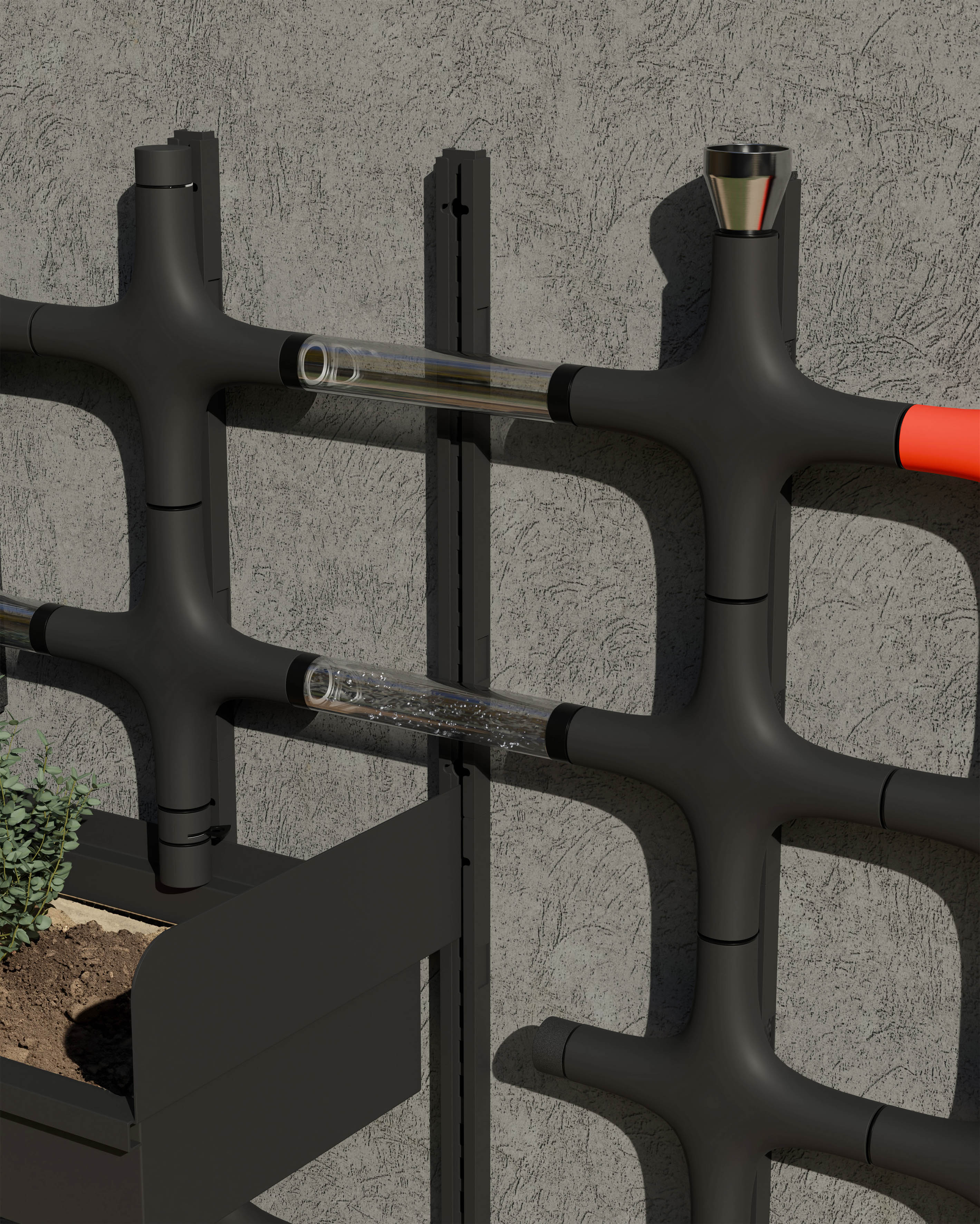
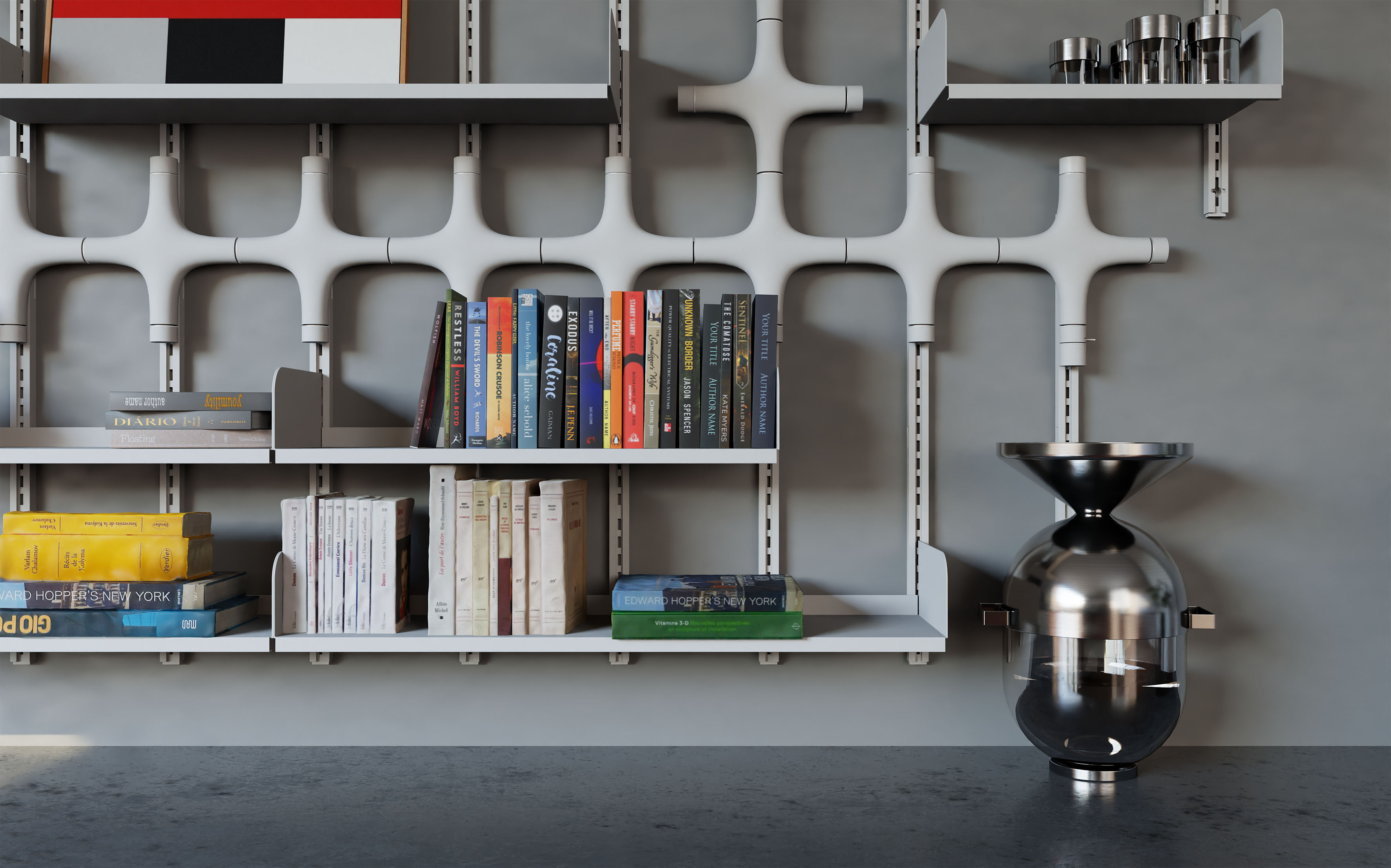
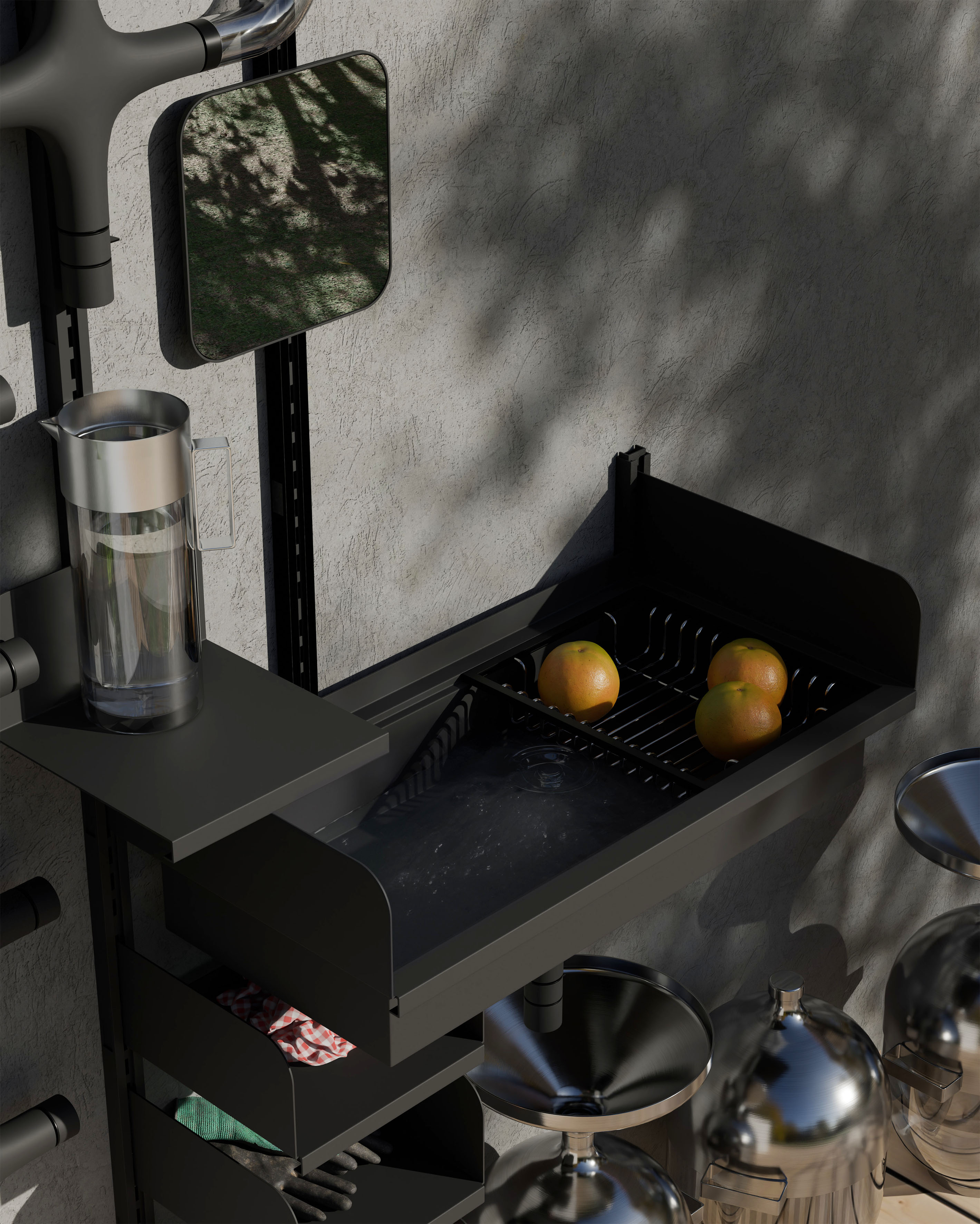
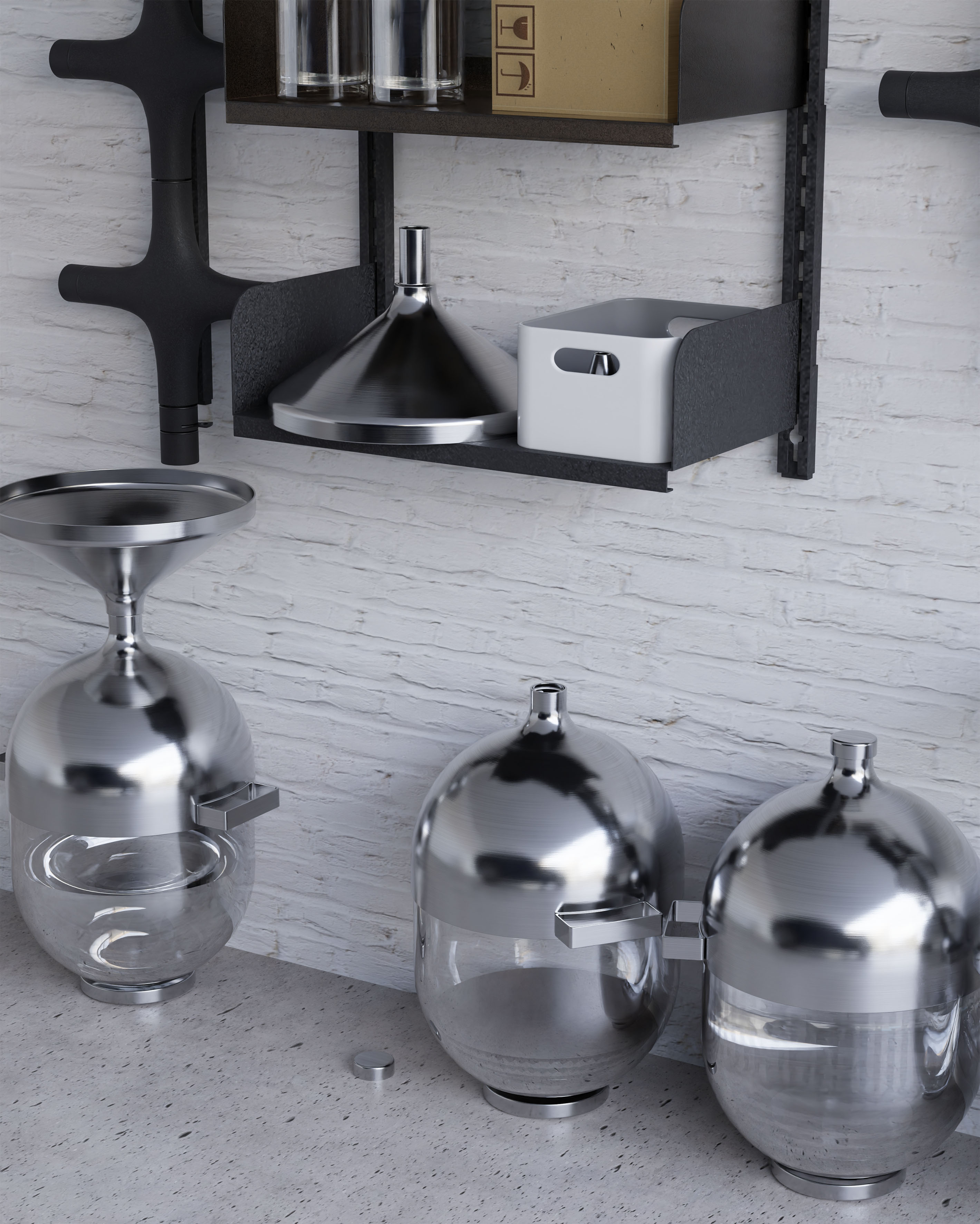
Archè is a modular home system that makes the indoor water cycle visible and circular. It allows households to collect rainwater, filter it, and reuse it for domestic purposes, then return it to the environment through irrigation and evapotranspiration. Stainless steel modules and glass elements combine elegant, functional design with sustainable water management, making the system a practical, educational, and cultural tool that promotes awareness and responsibility in using natural resources.
Italy
National
Mainly urban
It involves a physical transformation of the built environment (hard investment)
Early concept
No
No
Yes
Individual
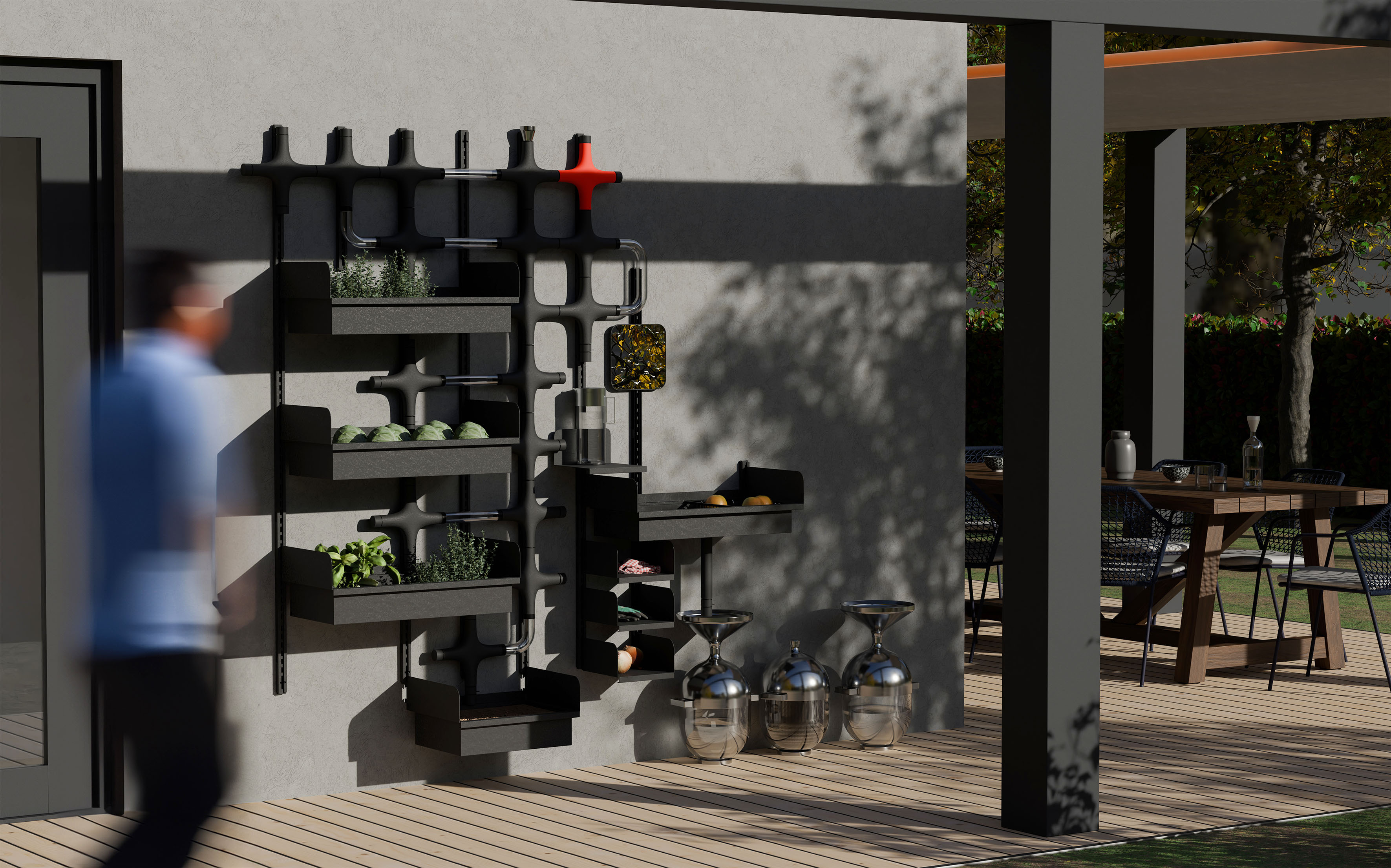
Archè is a modular domestic system designed to make the water cycle visible, tangible, and circular within the home. It responds to one of the most urgent challenges facing Mediterranean regions: the increasing alternation between extreme floods and prolonged droughts caused by climate change. The system allows households to collect rainwater, filter it using a bio-inspired sapwood filtration system based on research by the Massachusetts Institute of Technology and the Tata Center for Technology and Design, use it for domestic purposes, and return it to the environment through irrigation and evapotranspiration, completing a visible and educational water cycle. Stainless steel structural modules and glass functional elements combine advanced furniture design with sustainable water management. Archè is not only a practical device but also a cultural and educational tool that fosters awareness, responsible water use, and a deeper connection between people, domestic spaces, and natural resources.
Archè was born from a reflection on the contemporary relationship between humans and water, an essential yet increasingly fragile resource due to climate change, pollution, and intensive exploitation. The project draws inspiration from the philosophical concept of “archè,” understood as the original principle, recognizing water as one of the foundational elements of life and civilizations.
The idea developed through a research process that integrated speculative design, futures design, and systemic design. The initial phase involved analyzing domestic water cycles and the challenges related to daily consumption, aiming to imagine new living scenarios in which water could be managed more consciously and circularly.
The concept was further informed by firsthand experience with the floods that affected Emilia-Romagna and Tuscany in 2023, highlighting the paradox of regions simultaneously facing water surplus and scarcity. Volunteering during these events revealed the urgent need for strategies to capture and preserve water in times of abundance, in order to face periods of drought. This observation guided research toward solutions that make the water cycle tangible and understandable, transforming an invisible natural phenomenon into a tool for awareness and daily learning.
The research phase included scientific studies, such as the MIT/Tata Center study on gymnosperm wood filtration, as well as systemic analyses of domestic behaviors, with the goal of understanding the dynamics of water use, management, and conservation. Through field observation, theoretical reflection, and scenario simulation, the research defined situations in which water is no longer merely a consumable resource but a phenomenon to observe, understand, and value, laying the groundwork for more conscious, circular, and educational domestic design.
Advanced furniture design
Nature-based solution
Circular water systems
Water resilience
Climate adaptation design
Archè addresses contemporary environmental challenges by promoting a domestic approach to sustainable water management. The project makes the water cycle visible and understandable within the home, encouraging more responsible daily behaviors and reducing the waste of a fundamental resource.
Through a modular system that supports the phases of collection, storage, filtration, and reuse, Archè introduces a model of domestic micro-infrastructure capable of integrating circular economy principles and water resilience. The system encourages the reuse and valorization of water, helping to reduce the consumption of drinking water from the network.
The choice of materials - stainless steel and glass - ensures durability, recyclability, and ease of maintenance, reducing the environmental impact throughout the product’s life cycle. Furthermore, the modularity of the system extends its lifespan and allows adaptation to different domestic contexts.
Beyond the environmental dimension, Archè also addresses a cultural challenge: transforming water management from an invisible, automatic process into a conscious practice. In this sense, the project helps build a new culture of sustainability, where users become active participants in caring for natural resources.
Archè can be considered exemplary because it combines design innovation, material sustainability, and behavioral change, demonstrating how design can contribute concretely to ecological transition.
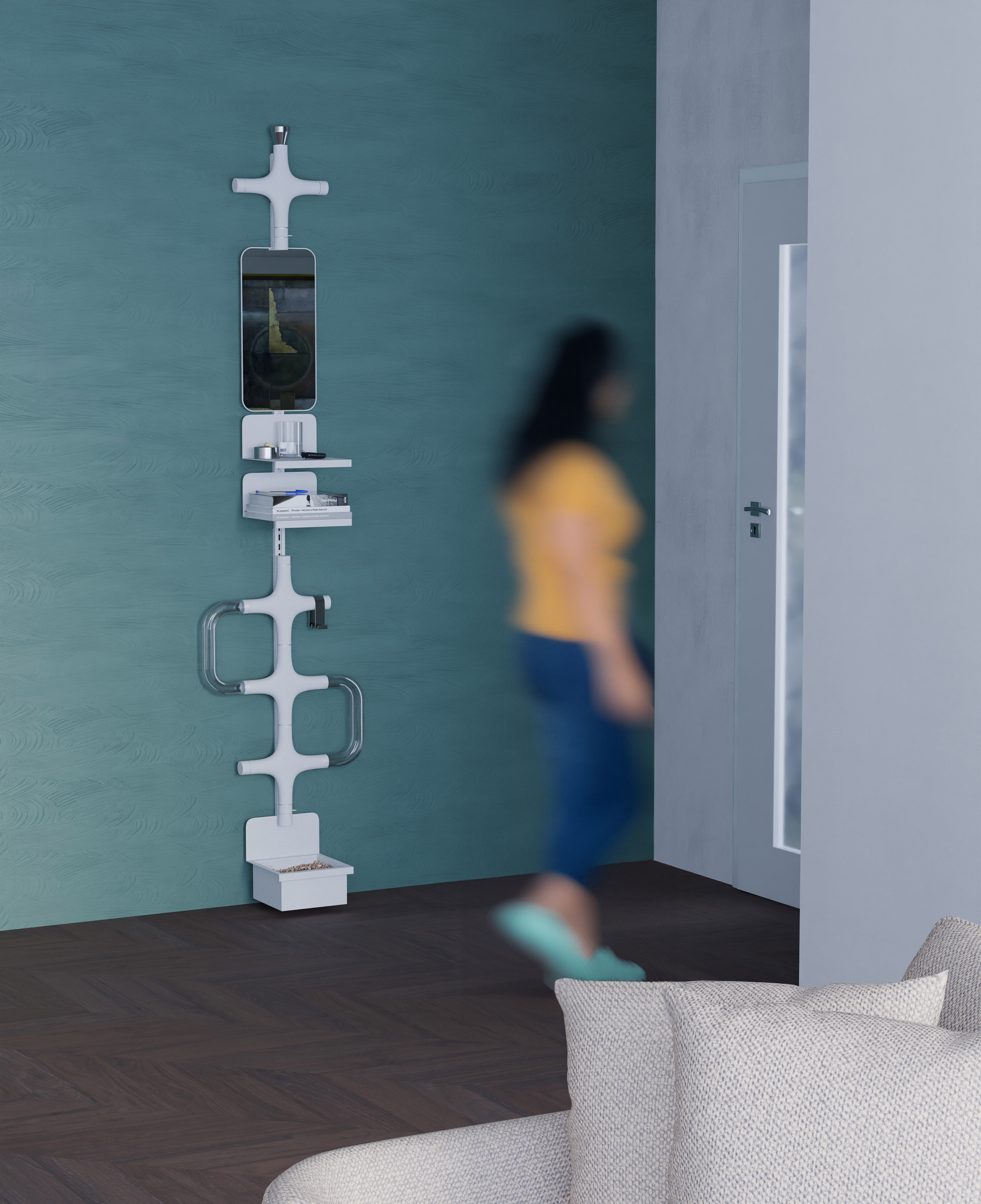
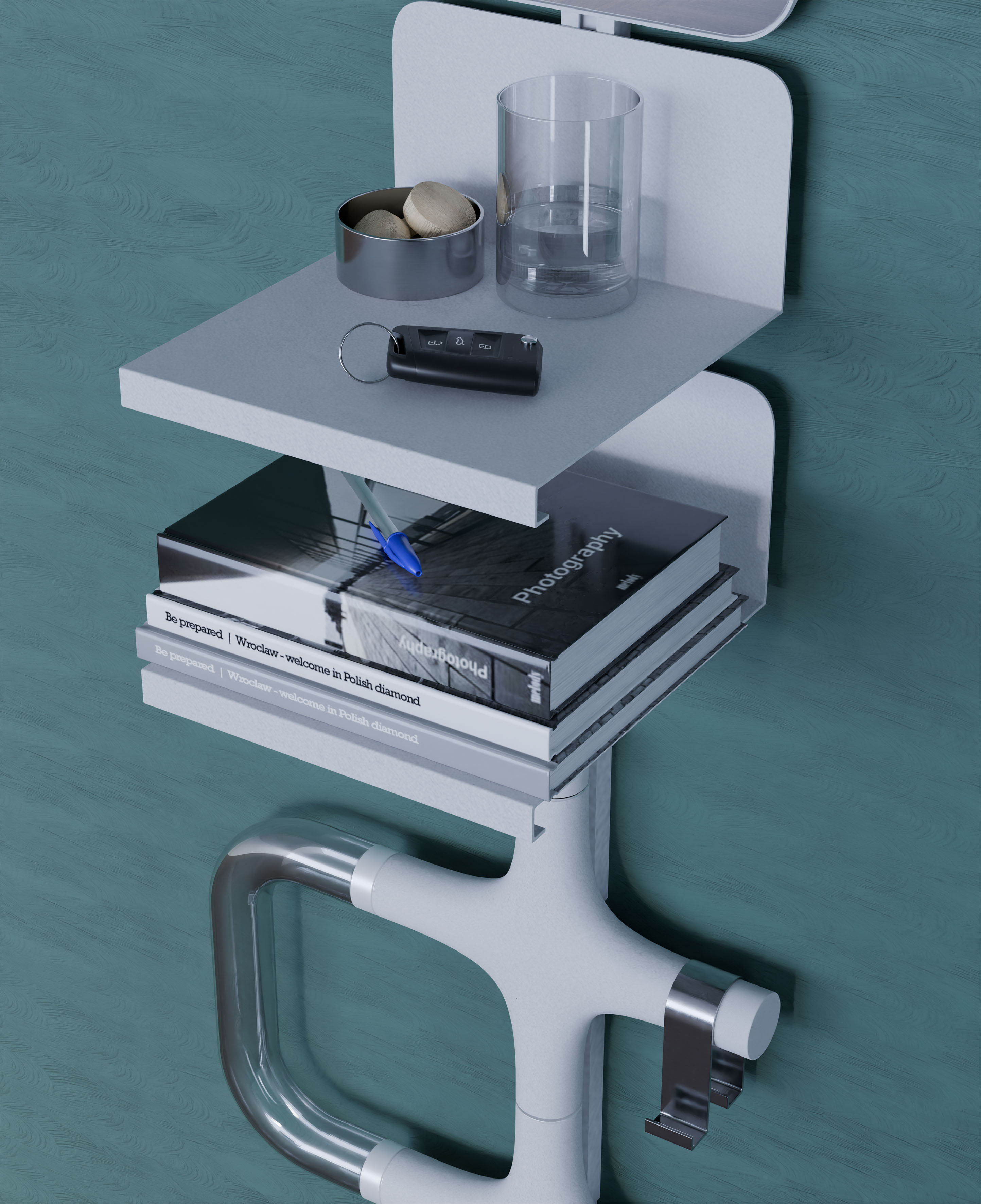
Archè contributes to making daily life more meaningful by transforming water management into a visible, aesthetic, and ritual experience. The system integrates infrastructure and furniture, making a normally hidden process an integral part of domestic space.
The formal language of the project is based on a combination of stainless steel and glass, materials that convey durability, purity, and transparency. This choice is not only aesthetic but also symbolic: the transparency of the elements allows users to observe and understand the water cycle, strengthening the relationship between user and resource.
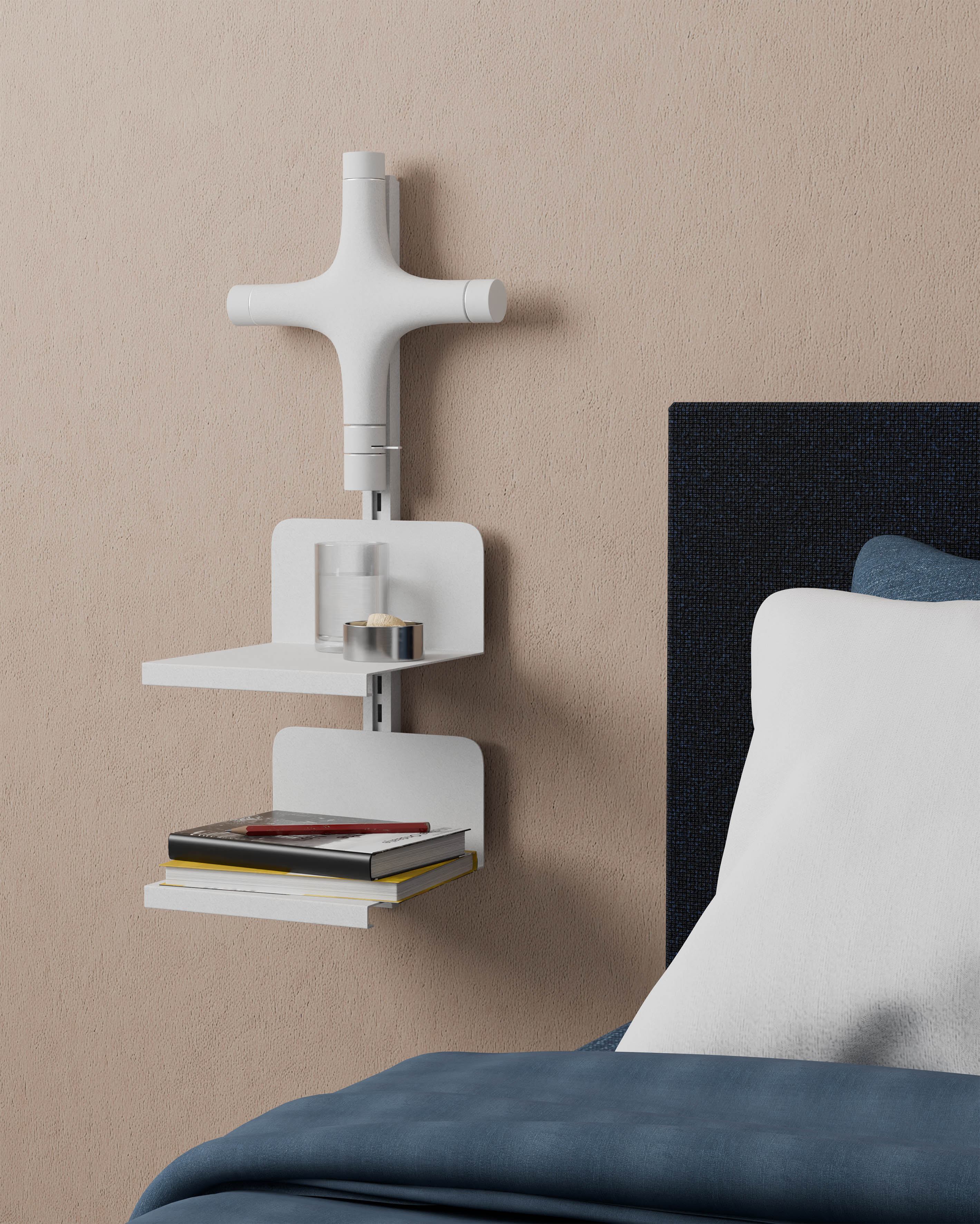
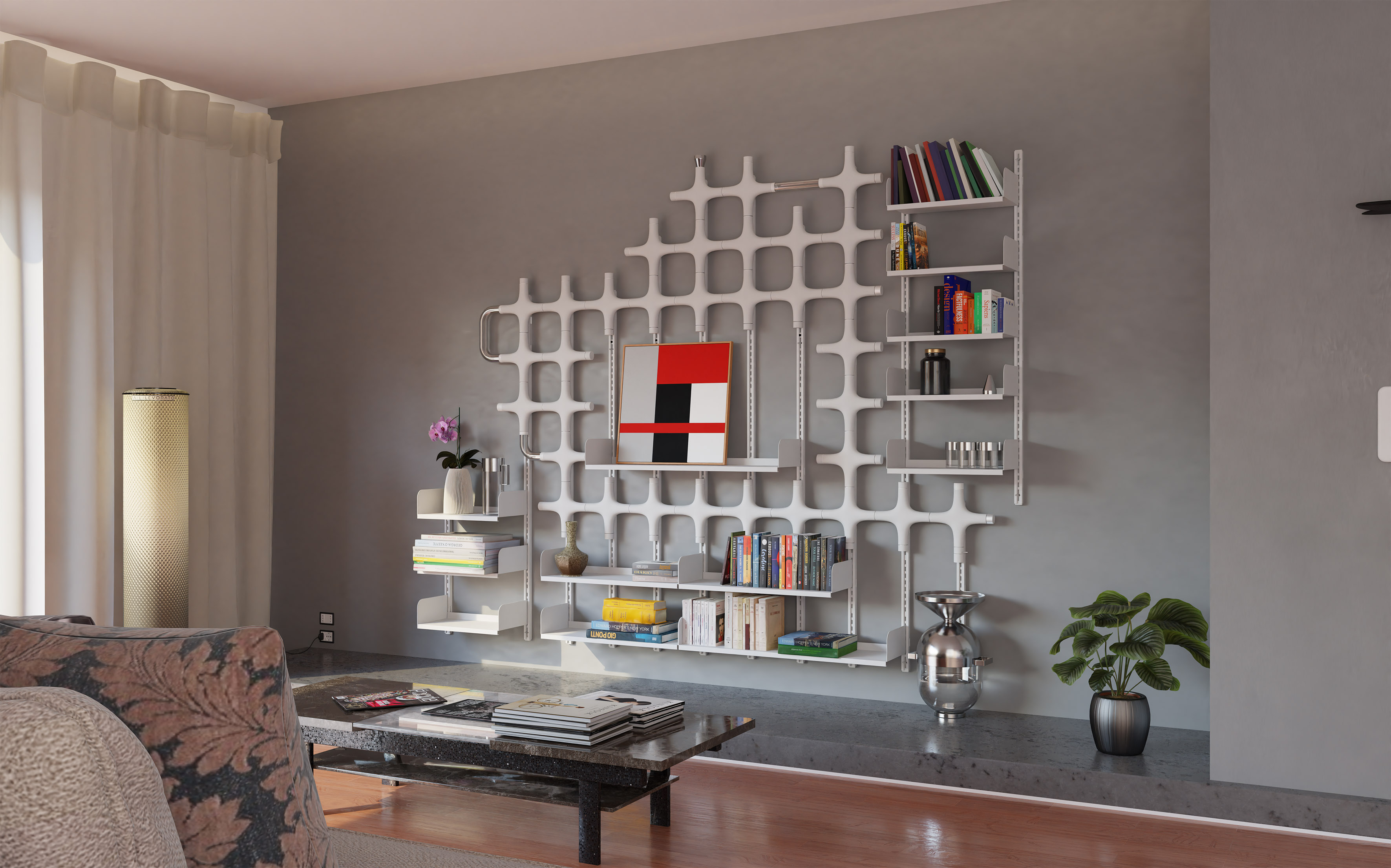
The modularity of the system allows Archè to be configured in different areas of the home, adapting to various spaces and needs. In this way, domestic water infrastructure becomes an active element of architecture and interior design.
Archè also introduces a ritual dimension to the relationship with water. Daily actions - collecting, filtering, using, and returning water - become conscious gestures that reinforce environmental responsibility.
Through this integration of function, aesthetics, and cultural significance, the project contributes to creating more mindful domestic spaces, where beauty is not only formal but arises from the harmonious relationship between people, objects, and natural resources.
Archè promotes an inclusive approach to water management by making the water cycle understandable and accessible to all members of the household. The system translates a complex infrastructure into a set of simple and intuitive actions, fostering learning and active participation by users.
The modular configuration allows the system to adapt to different living contexts, household sizes, and lifestyles. This flexibility enables the project to be used in various social and cultural situations, making sustainable water management practices more accessible.
Archè also fosters a new culture of shared responsibility toward common goods. By involving users directly in water management, the project strengthens a sense of belonging and care for natural resources.
The system also has an educational value, promoting the dissemination of knowledge about sustainability and the water cycle across generations. In this way, Archè contributes to building collective awareness that goes beyond the individual and domestic dimension.
In terms of inclusion, the project demonstrates how design can transform complex infrastructures into comprehensible and participatory tools, enabling more equitable access to sustainable practices.
Archè emerges from direct experience with communities affected by extreme climate events. Volunteering during the 2023 floods highlighted the need to rethink domestic water use. The system invites all family members to become active participants in sustainable water management, transforming everyday actions - collecting, filtering, irrigating - into conscious and educational rituals. Future phases of the project may include co-design workshops with families, schools, and local communities to test system configurations, gather feedback, and enhance the educational potential of domestic water management.
The development and implementation of Archè involve engaging multiple actors across different levels, creating a collaborative network spanning design, institutional, and territorial domains.
At the local level, the project can involve designers, artisans, universities, and research centers active in sustainable design, environmental sciences, and materials innovation. Local administrations and territorial organizations can play an important role in promoting responsible water management practices and testing the system in pilot domestic contexts.
At the regional and national level, Archè can engage with institutions and programs focused on ecological transition, water resource management, and design innovation.
At the European level, the project aligns with the objectives of the New European Bauhaus and the European Green Deal, contributing to the promotion of more sustainable and resilient domestic living models.
The added value of multi-level governance lies in the ability to integrate diverse expertise, policies, and practices, facilitating the dissemination of the project and its adaptation to different cultural and geographical contexts.
Archè is grounded in a transdisciplinary approach that integrates knowledge from multiple fields to address domestic water resilience through product design. The project applies principles from architecture and interior design to harmonize the modular system within domestic spaces, while industrial and product design guide the development of functional, durable, and aesthetically refined components. Insights from biology and environmental sciences, particularly the study of natural filtration processes in gymnosperm sapwood as investigated by the Massachusetts Institute of Technology and the Tata Center for Technology and Design, inform the design of the bio-inspired filtration modules. Engineering concepts are applied to ensure structural integrity and long-term reliability, and behavioral studies inspire the design of interactions that encourage responsible water use. Through this combination of disciplines, applied directly by the designer, Archè delivers a solution that is environmentally sustainable, technologically informed, aesthetically engaging, and culturally meaningful at the household level.
The business model of Archè combines product development, research collaboration and cultural dissemination. The project is conceived as a modular system of advanced furniture elements designed for domestic rainwater collection, filtration and reuse. The system could be produced as a series of modular components made of stainless steel, glass and natural filtration materials, allowing different configurations and price levels depending on domestic needs.
Initial production could involve collaborations with local manufacturers and specialized fabricators, supporting regional design and production ecosystems while maintaining high quality standards. At the same time, the project can evolve through partnerships with universities and research institutions working on water resilience and nature-based filtration.
Through this hybrid model, Archè combines product innovation, research and public awareness to support the diffusion of domestic water resilience solutions.
Archè is designed to be adaptable and replicable across different residential and cultural contexts. The modular structure allows the system to be configured in multiple ways depending on spatial conditions, user needs and architectural environments.
While initially conceived for domestic settings, the concept could also be applied to educational, cultural or community spaces where it could serve as a pedagogical tool for raising awareness about water cycles and climate resilience.
The design methodology developed for Archè, which focuses on visualizing invisible infrastructures and activating behavioral change through design, could also be extended to other areas of sustainable living.
This adaptability allows the project to be relevant across different European regions facing similar water challenges, particularly in territories affected by both flooding and increasing drought conditions.
Over the next year, the development of Archè could focus on the creation of functional prototypes and the testing of the system in real domestic environments. This phase might involve refining the modular structure, improving the bio-inspired filtration components, and evaluating the performance of the system in different usage scenarios.
In parallel, the project could engage with companies in relevant sectors to explore production processes, assess prototyping costs, and evaluate material and manufacturing options. These interactions might support the practical feasibility of the system and inform decisions for scalable domestic applications.
The concept could also be presented in exhibitions and cultural contexts dedicated to design and sustainability, with the aim of disseminating the idea and gathering feedback from experts and the public.
Through these potential steps, Archè could evolve from a conceptual project into a tested domestic system, contributing to new practices of resilient, sustainable, and conscious living.