Enhancing Circularity, Sustainability, and Innovation
RiVestiTo
a technological and cultural project for a circular and transparent urban ecosystem for textiles
RiVestiTo is a 12-month Turin project funded by Horizon Climaborough. It optimizes the textile supply chain via reuse, upcycling, and recycling to reduce environmental impact. By integrating Re4Circular and the Mercato Circolare App, the project ensures transparent, efficient management of post-consumer textiles at a local level. It is also a major awareness-raising campaign targeting citizens, businesses and local authorities regarding circular and responsible practices for textiles.
Italy
Local
Torino
Mainly urban
It involves other types of transformations (soft investment)
Yes
2025-10-31
Yes
Horizon2020 / Horizon Europe
No
No
Organisation
Between 2000 and 2015, global textile production almost doubled and in the EU 11 kg of textiles per person are discarded each year (EEA, 2019). In Italy, around 157,700 tons of used clothing are collected annually, while 5.7% of unsorted waste (663k tons) consists of textiles (“Il Riciclo in Italia” 2022). A further problem is the lack of transparency in the management of post-consumer textiles.
To design RiVestiTo, we imagined a textile industry in which garments are designed to last and to be repaired, reused or recycled; citizens know that the clothes they discard are managed sustainably, as resources to be reintroduced into the economic cycle; there is no textile waste scattered in the environment, but only secondary raw materials to be valorized with circular skills.The goal of RivestiTo is to create an urban ecosystem that manages the local textile value chain according to the principles of the circular economy with a systemic approach. The transformative potential of RivestiTo lies in providing two technologies: Re4Circular and Mercato Circolare App. Re4Circular is a digital platform supported by AI through which textile materials can be cataloged and digitized to ensure more transparent and efficient textile management. This information flows into a B2B marketplace where supply and demand meet: user entities can sell pre- and post-consumer textiles. These can be bought by circular fashion businesses (upcyclers, second-hand shops, recyclers, etc.), avoiding the procurement of virgin raw materials. Moreover, municipalities can use Re4Circular as a tool for monitoring textile collection in their city. Mercato Circolare app connects users and businesses that operate according to the principles of the circular economy.
The beneficiaries of the project include the municipality, charities and social cooperatives collecting clothing, local textile companies and professionals and also citizens, engaged in an awareness-raising campaign on these issues.
RiVestiTo is the result of the combined experience of Atelier Riforma and Mercato Circolare in the field of the circular economy (in particular, the dialogue they have long had with the organisations collecting used clothing and circular fashion professionals).
The opportunity to put the idea into practice arose with the Horizon Europe Climaborough project (aimed at bridging the gap between design and implementation of urban innovations), in which the city of Turin participated. The challenge launched by the city of Turin concerned the sustainable and transparent management of post-consumer textiles. After a selection process, RiVestiTo was chosen.
The project was coordinated by Atelier Riforma (project leader) and Mercato Circolare (main partner), with the collaboration of the Municipality of Turin. Huulke was the technical partner for IT development.
The project lasted 12 months (Oct. 2024–Oct. 2025) and consisted of the following phases:
-Context Analysis (M 1-4)
-Technology implementations (M 1-5)
-Co-design with the municipality (M 5)
-Citizen engagement (M 3-12)
-Technical solution implementation (M 6-12)
The following tools and methods were used:
-for collecting context data (mapping, interviews, digital forms, analysis of the regulatory framework, surveys)
-for IT development (servers, cloud databases)
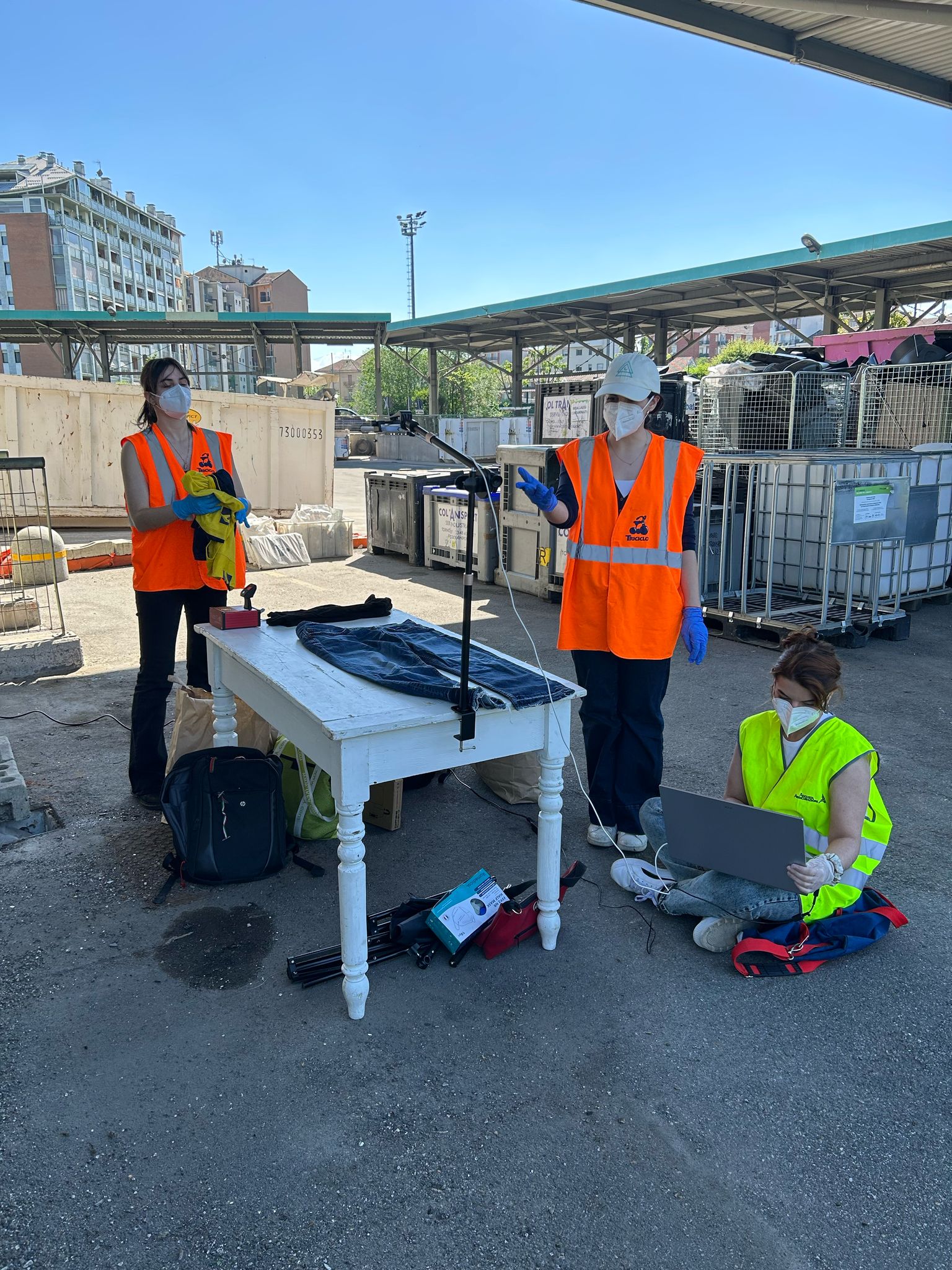
-for the deployement of the solution, i.e. monitoring the collection and management of textiles in the city (Re4Circular: web app with AI for the automatic cataloguing of textiles, digital marketplace platform for matching textile supply and demand, dashboard for reporting data through graphs)
-for co-design with other stakeholders (presentations, reports, workshops, protocols established with local authorities)
-for citizen engagement (Mercato Circolare app, to find circular fashion initiatives in the city, social networks, events, workshops, fashion shows, photo exhibitions, art installations, a fanzine, a podcast, a printed guide
circular economy
textiles
digital technologies
responsible value chain
consumers awareness
RivestiTo had 3 objectives:
1) fostering reuse practices of textiles before they become waste
2) circular management of textiles separately collected in the city, creating new opportunities for their local use
3) bringing transparency on textiles collection and management, with in-depth data for the municipality and citizens
To achieve these objectives, we have:
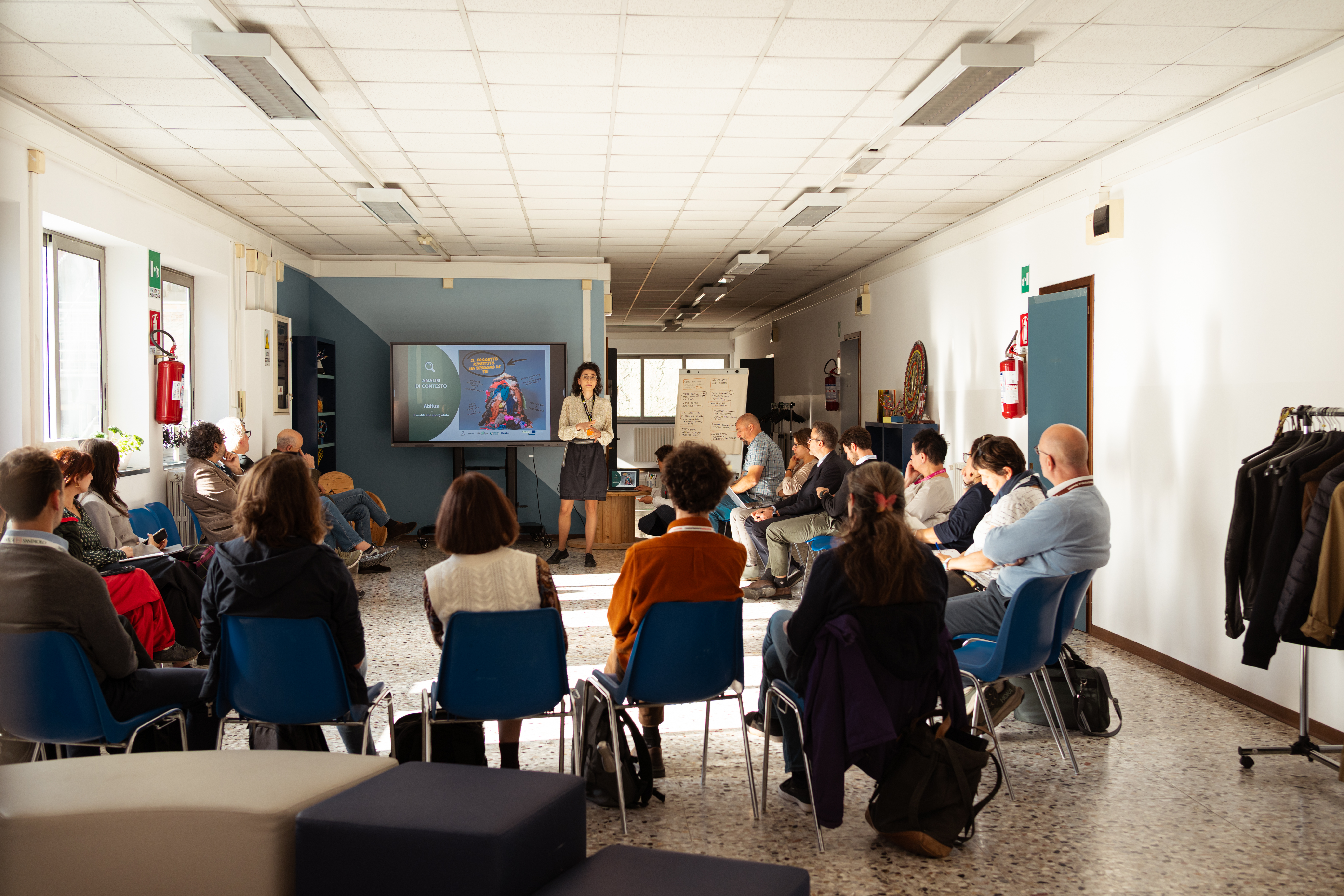
-analysed the current situation about the management of used textiles, mapping all stakeholders and interviewing them
-provided Re4Circular tool to the textile collection organisations and Mercato Circolare app to citizens
-carried out awareness-raising activities aimed at citizens to increase their knowledge of sustainable fashion and encourage virtuous behaviour
Results:
-mapped city entities that manage textile material and entities involved in reuse, repair and upcycling, facilitating connections and local circulation of textiles
-in-depth interviews with the 5 main used clothes collection entities, with reliable data on quantities collected, waste, destinations of textiles, and challenges. Facilitation of their dialogue with the municipality to address current issues
-Sample cataloguing of 483 kg of their textiles via Re4Circular technology (with collection of empirical data about: type of textiles, % of reusable vs. worn-out products, seasonality, gender, composition, recyclability, etc.), with a dashboard for the municipality with all data in real time.
-In 4 months, we saved 44 kg (130 items) of textiles before they became waste, given by citizens and companies directly to local artisans
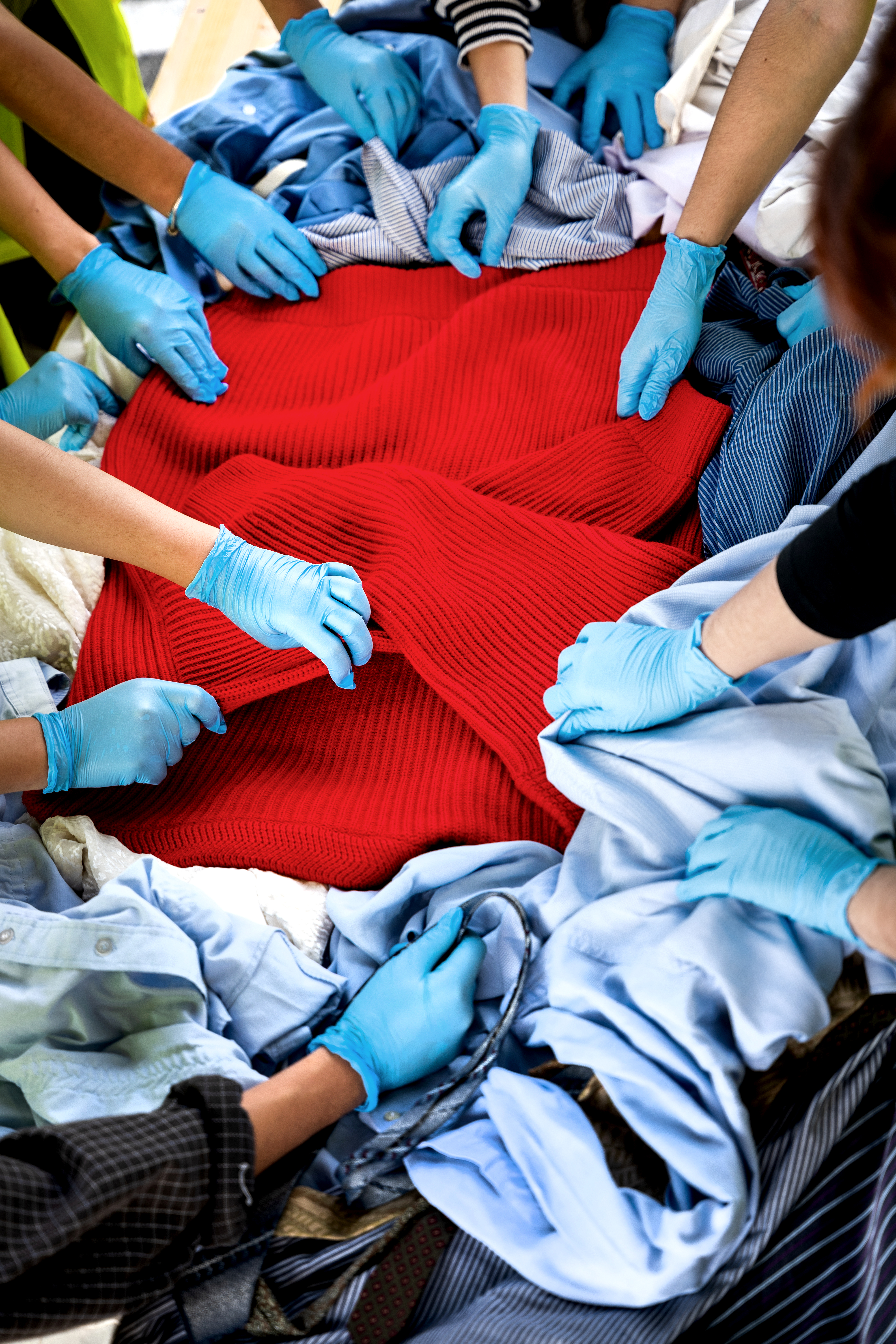
-We saved 313 kg (820 items) police uniforms (which would have been discarded), involving 14 artisans who upcycled them into new products and put them again on the market
-34 awareness-raising activities (1738 participants) and a vast amount of informative content online to encourage citizens and professionals to reuse, repair, take care of, swap and dispose of your textile products responsibly.
With RiVestiTo, in the engagement activities, we wanted to raise awareness about the entire textile supply chain, rebuilding that sense of belonging and care that has now been largely lost. Fast fashion turned clothing into disposable goods, reducing their emotional and material value: the root of the problem is overproduction. In a society where we are increasingly encouraged to buy online, shopping in the solitude of our homes, raising awareness about what we wear also means building relationships with the local community.
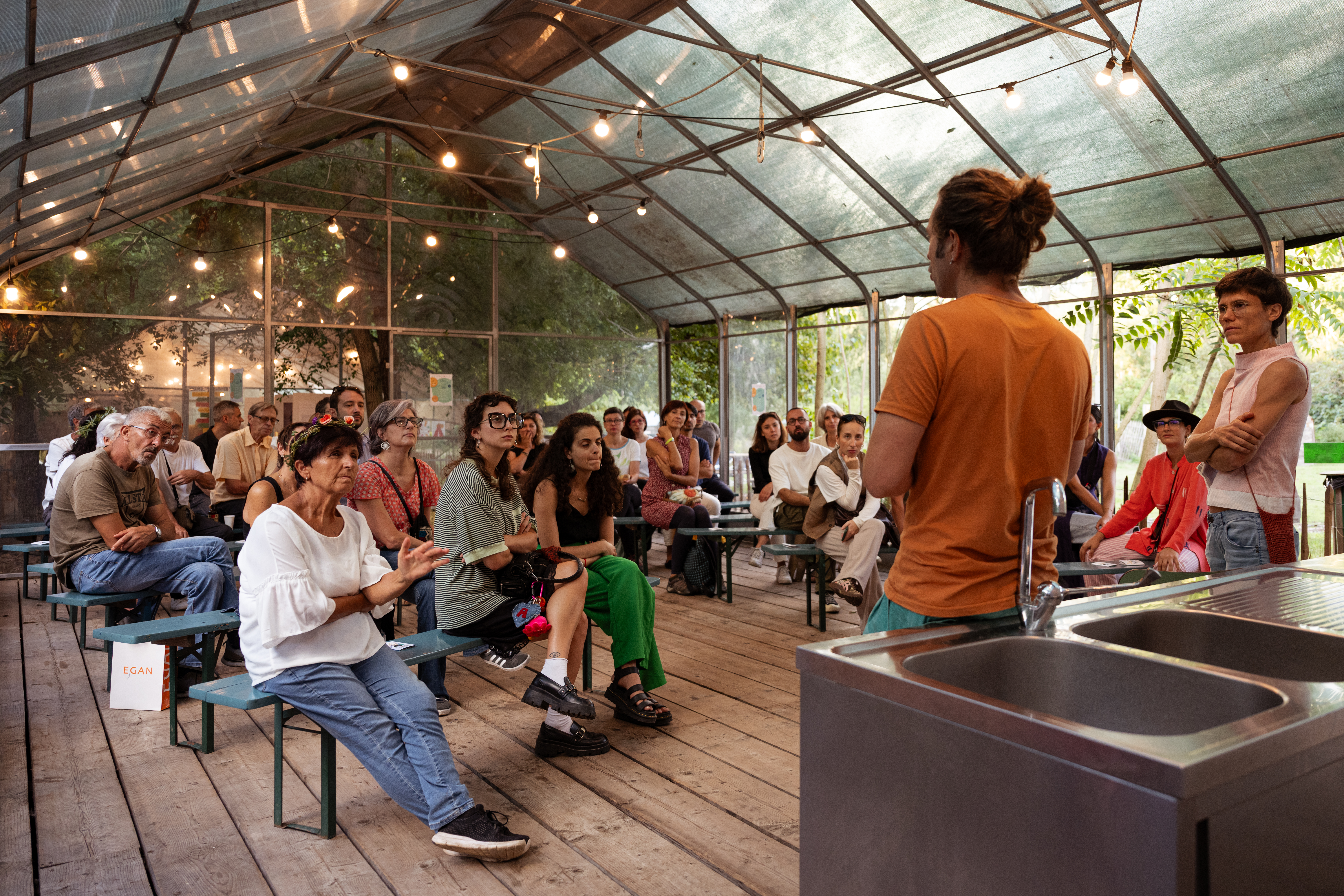
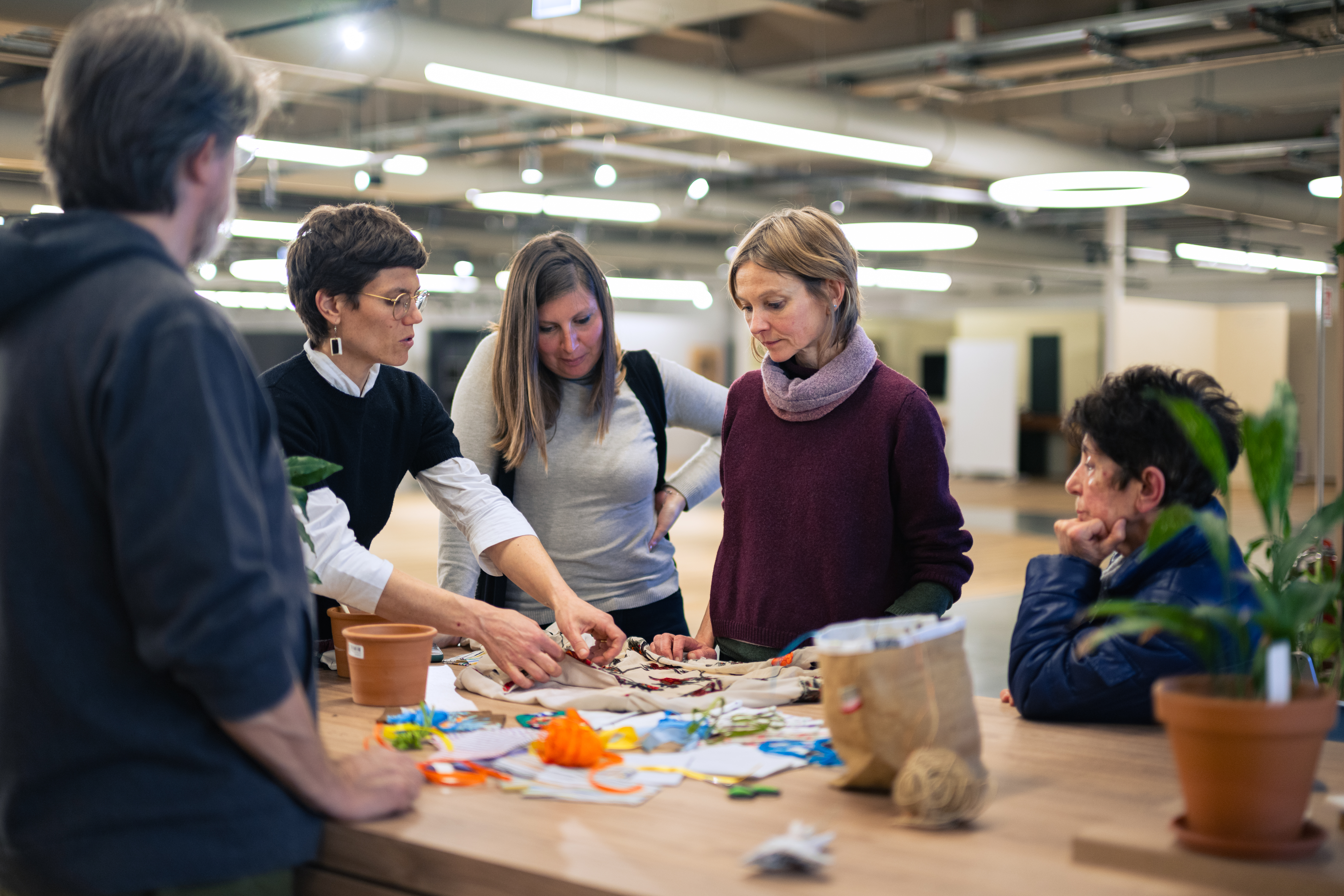
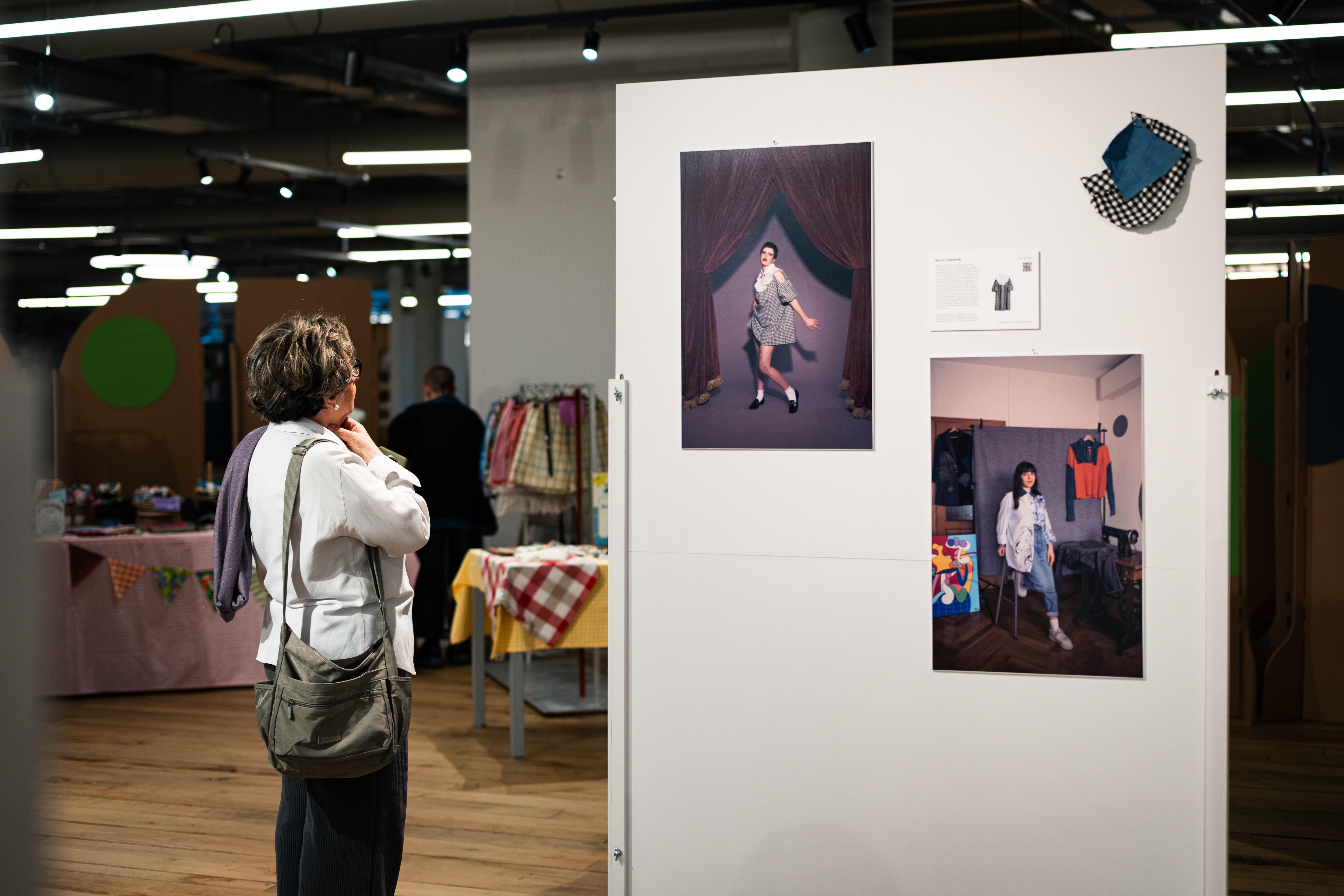
In this sense, RivestiTo has been a catalyst for the city of Turin, creating connections and opportunities, reaching many neighbourhoods. We took part in 34 public events, reaching an audience of 1,738 people. These included 6 city days each dedicated to a specific theme (swap, garment care, repair, second-hand shopping, donations and creativity), offering concrete alternatives to the linear model. We also took a photographic exhibition on tour that explored the concept of beauty, cultural expression, heritage and creativity related to fashion, and we created a podcast in which we tried to answer the question 'What is a dress and what role can it play in each of our lives?”
One of the main themes of the project was upcycling: the act of creatively transforming (through various arts, from tailoring to painting, embroidery, visible mending, etc.) a worn-out textile product or one that had lost its beauty into something useful and special again. We involved all the local artisans who dedicate themselves to this craft, promoting their skills and making them known to the public (including a final fashion show). An example of this was the upcycling project involving a thousand old police uniforms which, instead of being disposed of, were transformed into new, unique products. RivestiTo has helped to promote grassroots change that has had a tangible impact on local areas and the people who live there, with a widespread and action-oriented approach
Our project has pursued inclusion objectives on several fronts.
Economic:
As the project was funded by the EU, all activities were free. This allowed us to reach a vast, varied and diverse audience. We also promoted swap parties and the purchase of second-hand clothing as sustainable (and affordable) alternatives to fast fashion.
Social, spatial and cultural:
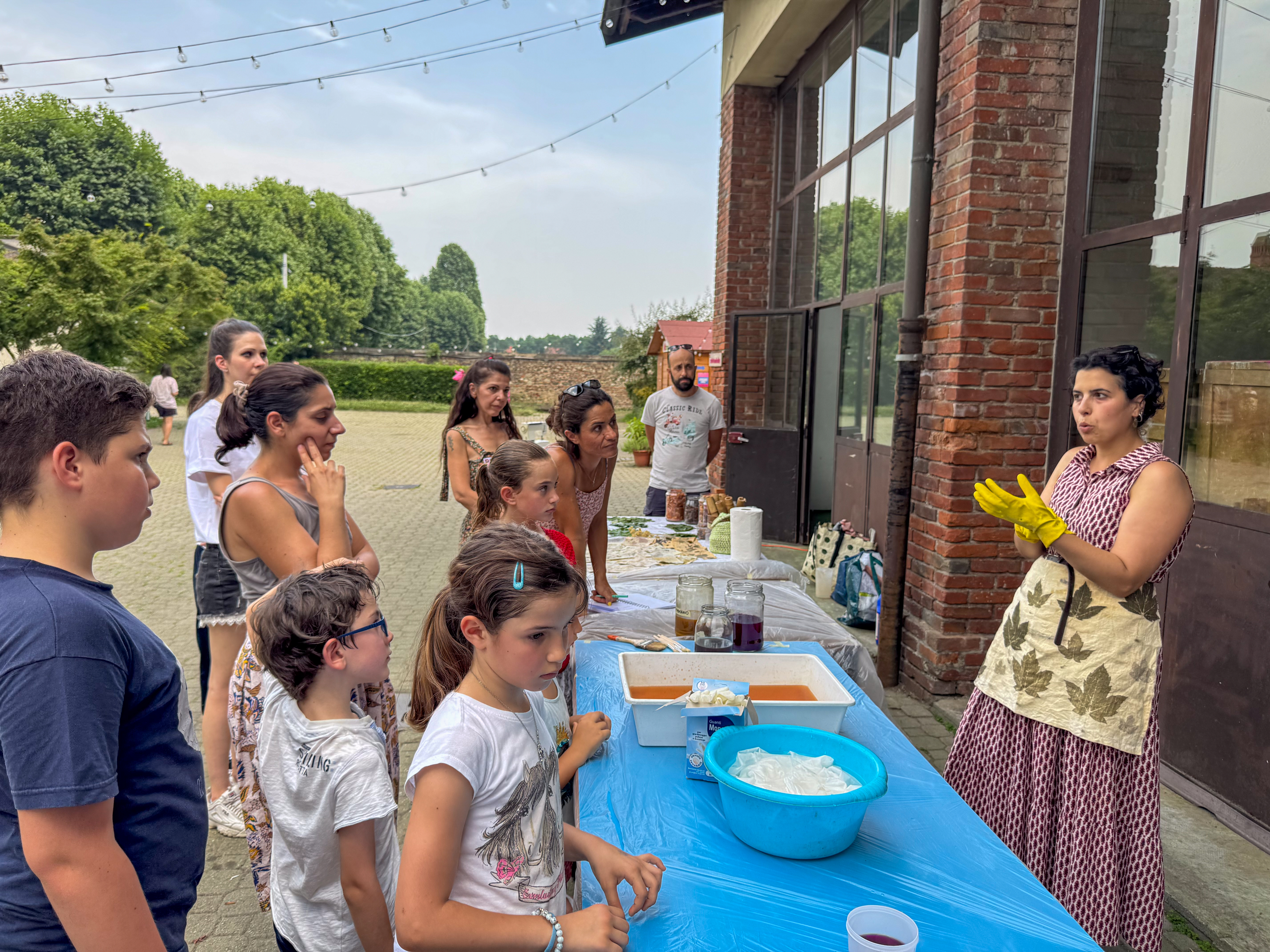
The awareness campaign was carried out in different neighbourhoods, involving a variety of local players in each of these areas as community gathering places, capable of spanning a wide range of ages, cultures and social backgrounds, also people not necessarily informed and sensitive to the issues of the textile value chain. Various tools, such as workshops, film forums, fashion shows and debates, allowed us to convey learning through experience, active participation and discussion.
Digital:
Technology allowed us to reach an even wider audience, beyond the city limits. We also produced a podcast, distributed on various free platforms, with a conscious decision not to be present on Spotify given its links to the war industry.
Moreover, Re4Circular marketplace facilitates the matching of supply and demand for used textiles and makes it easier for small professionals and social tailor’s workshops to be included in this value chain, who would otherwise be cut off from the typical dynamics of wholesale trade.
Governance:
The project to upcycle police uniforms by local artisans was an excellent example of public-private partnership, which would have been difficult to achieve without our facilitation.
One of RiVestiTo's objectives was to provide transparency to the municipality (and consequently also to citizens) regarding the work of organisations involved in the collection of used clothing and the destinations of these items. This is a rare example of citizen inclusion in these dynamics, which are usually unknown to them.
Throughout the project, there was constant communication with the City of Turin, with which a specific co-design phase was also planned.
During the context analysis we developed and disseminated an online and offline survey addressed to citizens, gathering 1,200 responses. We also conducted in-depth interviews with the 5 main post-consumer textile collectors and prepared a report with the main findings, which was made available to the municipality and the collectors themselves.
Concerning the citizens engagement activity, for the organizations of the 6 City Days different cultural hubs, associations and NGOs were involved since the co-design phase to reach a wider and more diverse audience. Artisans, experts and other guests were invited to provide content and thus raise the quality of the proposal. During the project, we were also invited to speak in different schools and informal youth groups.
We contacted 34 local artisans and upcyclers in the allocation of discarded uniforms from the Turin Police Force. 14of them decided to participate, allowing us to save 1,016 items of clothing, which were upcycled and put back on the market. These 14 artisans were then invited to showcase their creations at RiVestiTo final event. One of these artisans will bring his collection to Turin Fashion Week 2026.
At the end of the project a round table discussion was held with the participation of: the City of Turin and the Piedmont region; Amiat-IREN, the company that manages the city's separate waste collection; the 2 companies to which Amiat subcontracts the textile waste collection service; the main NGOsthat collect post-consumer textiles for charitable purposes. It had never happened before that all these individuals had gathered around the same table to find common solutions, and many of them recognised the valuable work we had done to ensure that this dialogue could continue.
The following stakeholders were involved in co-designing, implementing or facilitating RivestiTo project:
-at EU level, the Climaborough team, with the discussion with other cities participating in the call for proposals (e.g. Cascais in Portugal)
-at national level, ANCI Toscana (the project's funding body), and the Politecnico di Milano (responsible for helping to define the project's KPIs and measuring its impact)
-at local level, the municipality of Turin (with which all activities were co-designed and agreed upon, as well as the evaluation of deliverables and the discussion of all interim and final reports), the Metropolitan City of Turin (to define the scope and authorisations for the trial), the local multi-utilities company AMIAT-Iren (and the 2 organisations responsible for textile waste collection in the city: Cooperativa Lavoro e Solidarietà and Humana People to People), 3 city charities (which participated in the trial: San Vincenzo De Paoli, Sermig, Cottolengo), the municipal police (for the reuse of their discarded uniforms), and finally many city cultural hubs that provided space or visibility for the project, helping to reach the widest possible audience.
Regular meetings were organised with these stakeholders to discuss and provide updates. We also organised a final workshop in which the RiVestiTo team facilitated discussion between the organisations that manage textiles in the city and the local authorities, highlighting challenges and possible solutions.
It was this multi-level engagement that enabled the activities to be realised, some of which were highly pioneering: for instance an “experimental corridor” that involved a reasoned interpretation of the regulations to allow the donation of textile materials to local artisans, or the introduction of the innovative tool Re4Circular, to bring transparency to the very traditional practices of collection entities.
Transdisciplinarity is firstly represented by our team. RivestiTo was conceived by a consortium of companies: Atelier Riforma’s team brings experience in the fields of circular fashion, impact-driven innovation and the startup sector (business model development and project scalability); Mercato Circolare’s team has extensive experience in the field of the circular economy (across all sectors), communication, engagement activity with different target groups (individuals, businesses NGOs and institutions), and fostering synergies between all these different stakeholders; Huulke was the technical partner for IT development.
The RiVestiTo project was the result of the convergence of very different fields:
-Systemic design and circular economy: design and implementation of an urban ecosystem based on circular and systemic principles
-Visual communication, design and arts: «𝘙𝘦𝘷𝘦𝘳𝘴𝘦» exhibition concerning upcycling, creativity and craftsmanship is an example, but also “Il peso della moda”, an art project on the metaphorical weight of fashion thanks to which capsule collection and a ‘sculpture garment’ were created by upcycling discarded shirts. This is how, thanks to the use of different languages, the messages reached the public more effectively.
-Environmental sciences and social sciences: the definition of quantitative and qualitative KPIs, careful and precise monitoring of results, and the conception, during the design phase, of a solution that was as useful and feasible as possible were important points in this regard.
-Education: the context analysis (with the citizen online and offline survey, the mapping of circular businesses within the city, the interview with entities managing post-consumer textiles), the design of 6 City Days, the educational initiatives in schools, the realization of the podcast, and the dissemination of “Cosa ne faccio” booklet, a guide on what to do with textiles that are no longer used.
The ‘RiVestiTo’ trial was funded by the Horizon Europe Climaborough project (the funds were provided by ANCI Toscana, coordinator of Climaborough, following the completion of all planned activities). Under the agreement, the City of Turin can, if it so wishes, ‘purchase the solution’ at the end of the project, based on the price provided by the consortium who implemented the project.
The costs of continuing the project are mainly for personnel and maintenance of the technologies deployed and are borne by Atelier Riforma and Mercato Circolare.
However, Atelier Riforma's Re4Circular is a tool that can be supplied to any organisation dealing with the collection or selection of textiles (post-consumer clothing or household textiles) or to companies or entities that have textile materials (e.g. used uniforms, unsold products, stock fabrics, garments collected through take-back programmes) to handle. The business model is based on a fee (25%) withhold on each sale made by users through the Re4Circular B2B marketplace. This business model makes the solution fully scalable both geographically and quantitatively.
In addition, both Atelier Riforma and Mercato Circolare also offer to the market their consulting, training or communication services.
There are also plans to economically support many of the initiatives launched during the trial (e.g. the coordination of a network of artisans and upcyclers to whom citizens and companies can give unused textiles, or the circular and transparent management service for discarded uniforms), taking advantage of other tenders dedicated to circular economy initiatives in the fashion sector.
Our solution is specifically designed to revolutionise textile management at the city level, making it more circular, efficient and transparent. It is a true innovation, which, thanks to our scalable model, can be replicated in any other city.
The RiVestiTo solution is easily replicable and transferable in any other city, in any location.
It is in fact represented by a set of technological and digital tools (in Italian and English), which can be provided regardless of the geographical location in which they will be used.
The only pre-condition is to be able to carry out on-site training the first time of installation in order to train new users on the use and functionalities of the instrumentation.
Once all the entities that collect textile waste or used clothing in a city are identified, each of them can use Re4Circular technology to monitor the quantities, characteristics and destinations of the material collected. The tool is really easy to use and to install in any place (Atelier Riforma also provides users with adequate training on how to use it). We can create specific tutorials in the form of videos and presentations, so that this training can also be done remotely if we are unable to move.
Being a digital tool, it can immediately connect all stakeholders in the city, without quantitative and spatial limitations.
The Mercato Circolare app is also already multilingual and can be updated on the map of any city.
Moreover we will also develop guidelines to support whatever municipality in the citizens and stakeholders engagement.