Arts, Culture, and Heritage as Drivers of Change
Summer of Pioneers in Dessau-Roßlau
Summer of Pioneers 2024 in Dessau-Roßlau
Summer of Pioneers Dessau-Roßlau turned vacant spaces into places of encounter, creativity and belonging. In the Bauhaus city, newcomers and local residents co-created events, cultural programmes and new ideas for affordable community living. The project shows how heritage, participation and adaptive reuse can make everyday urban life more sustainable, inclusive and beautiful.
Germany
Local
Dessau-Roßlau
Mainly urban
It involves other types of transformations (soft investment)
Yes
2024-12-31
No
No
Yes
Organisation
Summer of Pioneers Dessau-Roßlau is a completed culture-led urban activation project that brought a curated community of pioneers to Dessau-Roßlau in 2024 to co-create new forms of living, working and participation in the city. Set in one of Europe’s most important modernist heritage contexts, the project translated the legacy of the Bauhaus into a contemporary practice of inclusion, creativity and sustainable urban renewal.
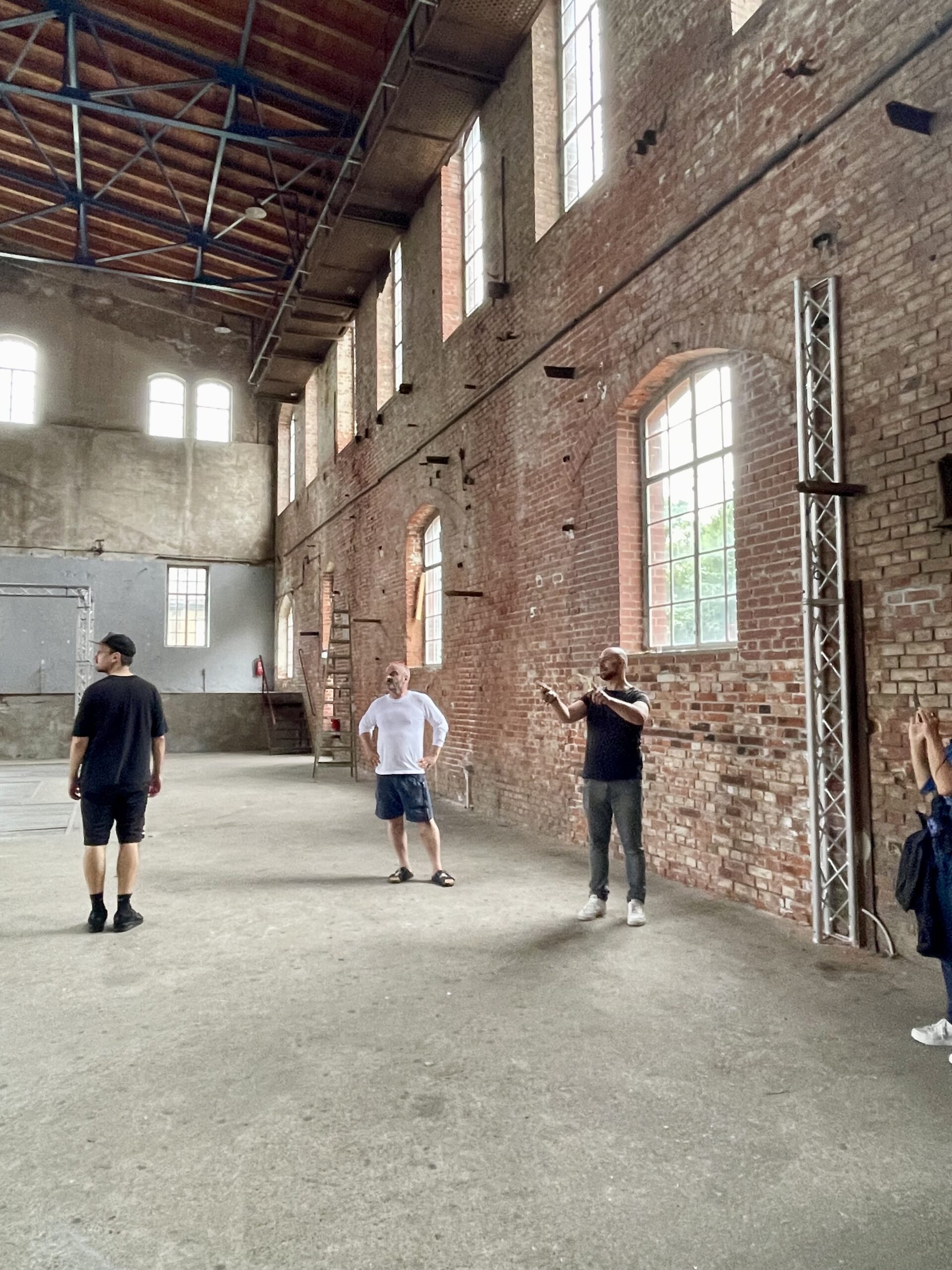
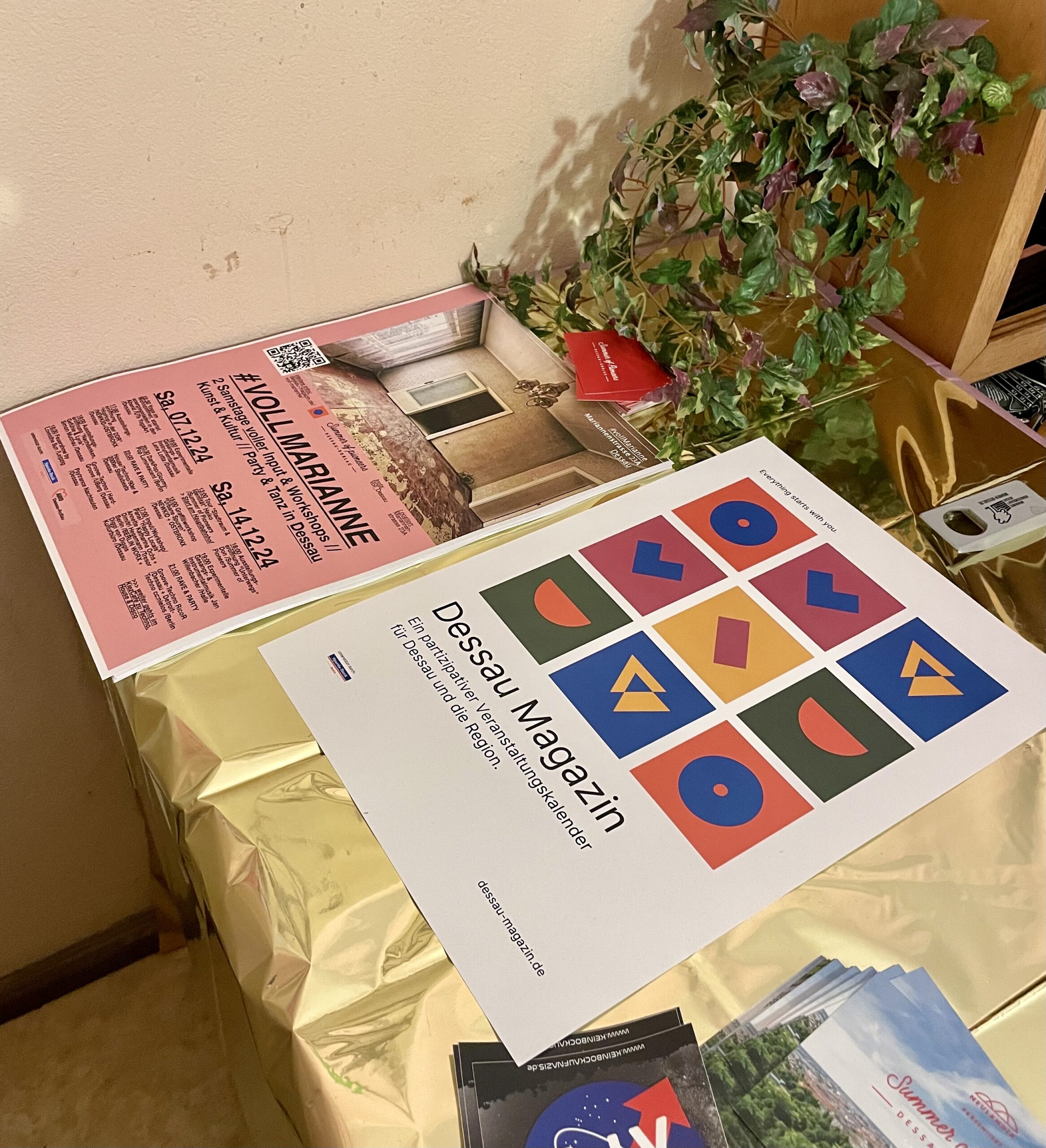
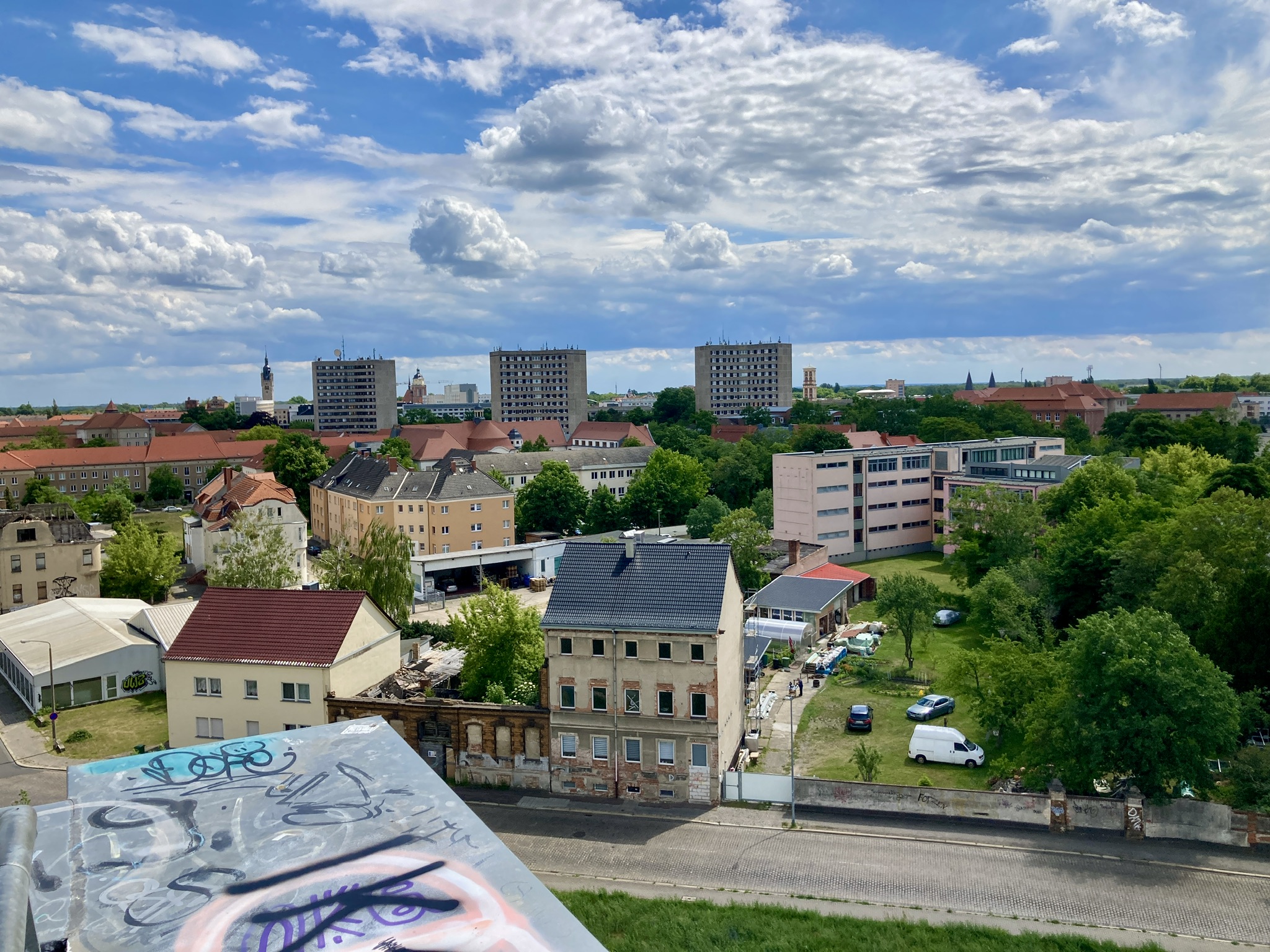
The project addressed key local challenges: vacant space, underused buildings, the need for stronger welcoming structures for newcomers, and the question of how a shrinking city can become more attractive, liveable and future-oriented without relying on large-scale new construction. On the ground, the pioneers developed and tested concrete activities and formats together with local actors. These included encounter events, a participatory city event calendar, the temporary reuse of a large vacant property for concerts, workshops and dance events, and impulses for the development of the KoQuartier model for affordable community-oriented living in existing buildings.
The project achieved visible results during its implementation and generated effects beyond the project period. It activated vacant space, connected local residents with new urban changemakers, strengthened Dessau-Roßlau’s public image as a place of possibility, attracted media attention, mobilised sponsorship for pioneer-led projects, and encouraged long-term commitment: around half of the pioneers expressed the wish to stay permanently in the city, while others continued their engagement from afar. The city administration also identified concrete lessons for improving welcoming culture, vacancy management and civil-society involvement.
In the long term, the project demonstrates how heritage-rich medium-sized cities can use culture, participation and adaptive reuse to improve quality of life, strengthen belonging and create replicable pathways for sustainable transformation.
Summer of Pioneers Dessau-Roßlau emerged from a simple but ambitious question: how can a city with a globally recognised design and innovation heritage turn that legacy into a living force for today’s urban and social challenges? Ahead of the Bauhaus Dessau centenary in 2025, the project was conceived as a practical response to this question. Rather than commemorating heritage only symbolically, it aimed to reactivate Dessau-Roßlau’s spirit of experimentation by bringing new people, new energy and new ideas into everyday urban life.
The project was implemented through Neulandia’s tested Summer of Pioneers methodology, which combines a curated community of changemakers with close cooperation with the local administration and partners on site. In Dessau-Roßlau, pioneers lived and worked in the city and became active contributors to local life rather than external observers. Their presence created visibility, new networks and low-threshold opportunities for exchange.
Implementation focused on making neighbourhoods more liveable, developing ideas for existing building stock, and strengthening a welcoming culture for newcomers from larger cities such as Berlin and Leipzig. Together with local stakeholders, the pioneers organised encounter formats and built a participatory event calendar that made local cultural and civic activity more visible. They also helped reactivate a large vacant building for concerts, workshops and dance events, showing how temporary use can unlock dormant urban potential. In parallel, the project fed into the development of KoQuartier as an affordable, community-oriented housing approach in existing buildings.
Further grassroots momentum emerged through the AG Leerstand group, which used events and communication to make vacancy visible and open it up to new uses. One of its pop-up formats reached around 300 people in two weekends and encouraged further civic engagement.
Adaptive reuse
Community co-creation
Cultural heritage
Welcoming city
Affordable living
Summer of Pioneers Dessau-Roßlau approaches sustainability as the intelligent reuse of existing local assets: spaces, buildings, social networks, cultural heritage and human potential. Instead of relying on resource-intensive new construction, the project worked with existing urban fabric and underused spaces. Through temporary activation and new forms of use, it demonstrated how vacant buildings can become catalysts for cultural life, civic participation and future-oriented neighbourhood development.
This approach addresses several challenges at once. Environmentally, it promotes a lower-impact form of urban transformation by extending the life and relevance of existing structures and by testing new uses before costly permanent investment. Socially and economically, it helps medium-sized cities respond to vacancy, demographic change and the competition for talent by creating more attractive and collaborative living environments. Culturally, it reconnects transformation with local identity by using Dessau-Roßlau’s Bauhaus legacy not as a museum object but as a living framework for innovation.
The project is exemplary because it links sustainability with practical, place-based implementation. It created a participatory event calendar, reactivated a large vacant property for public use, and supported ideas for affordable community-oriented living in the existing building stock through the KoQuartier perspective. It also generated follow-up momentum: sponsorship was mobilised for pioneer-led projects, local actors expressed interest in continuation, and many pioneers planned to stay or remain engaged.
Beyond Dessau-Roßlau, the project shows that sustainable urban development in smaller cities can begin with people, existing places and shared purpose. Its value lies not only in what it built physically, but in how it made the city more capable of caring for, reusing and transforming what is already there.
Summer of Pioneers Dessau-Roßlau contributes to aesthetics by turning beauty into an everyday, shared experience rather than a purely formal design category. In a city shaped by the Bauhaus, the project asked how beauty can be lived today: through meaningful encounters, care for place, creative reuse, openness to new people, and the activation of spaces that had lost their role in public life.
The project created beauty through use, atmosphere and belonging. Vacant and underused spaces were not treated as signs of decline, but as opportunities for imagination and collective action. A large vacant property was temporarily transformed into a lively venue for concerts, workshops and dance events. The participatory event calendar brought local activities together in one visible place, making the cultural life of the city more legible and inviting. These interventions improved not only the appearance of places, but also how people experienced them emotionally and socially.
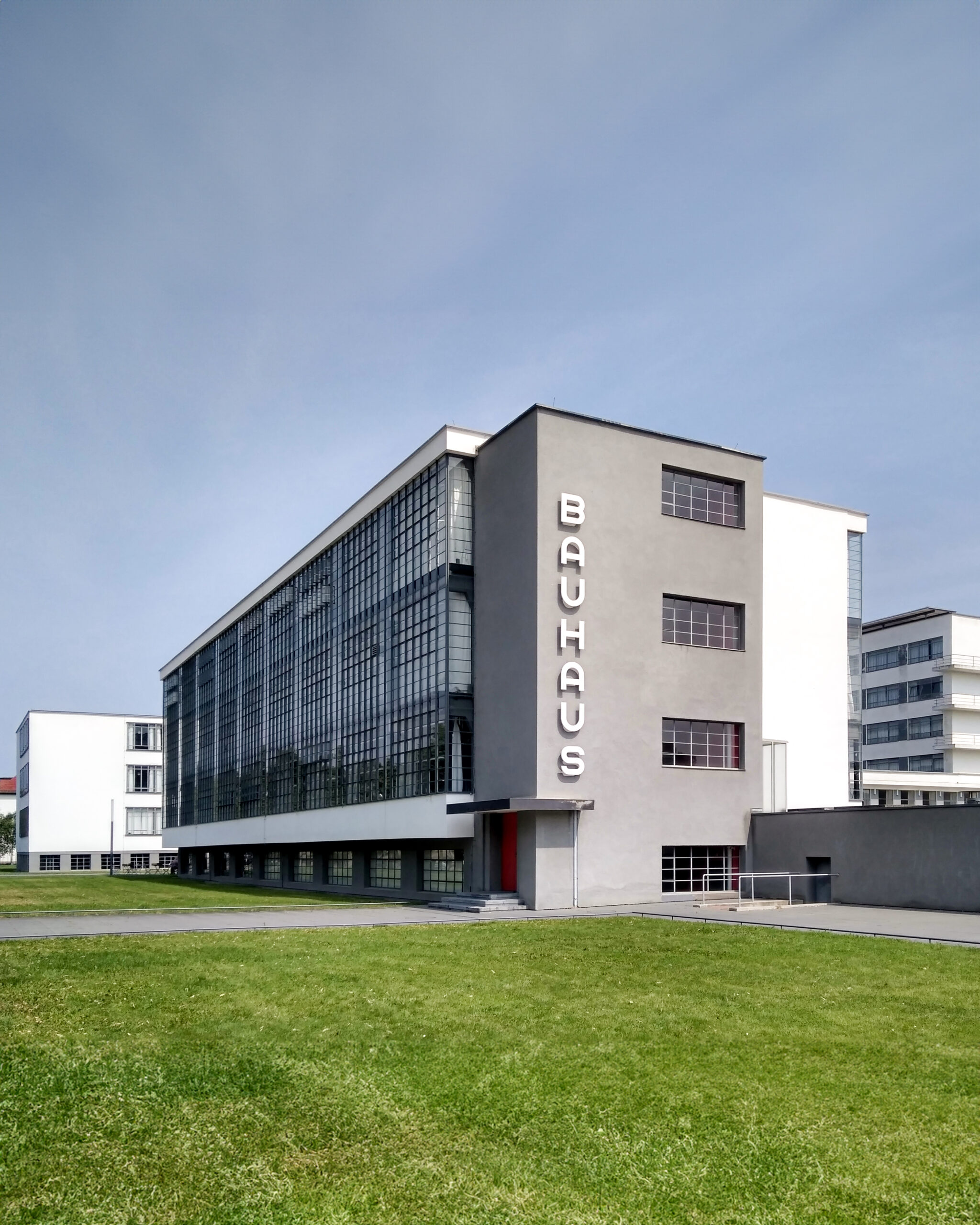
Aesthetic quality in this project is closely connected to heritage. Dessau-Roßlau is a city of modernist experimentation, and the project translated this spirit into contemporary forms of living, working and community-making. It connected the city’s iconic legacy with present-day needs and created a narrative of confidence, possibility and care. This helped strengthen attachment to place among both residents and newcomers.
The project is exemplary because it shows that aesthetics can be generated through participation, temporary use and cultural activation. It makes the city more beautiful by making it more alive, more welcoming and more meaningful in everyday life. In this sense, aesthetics becomes a civic and social practice, not just a visual outcome.
Summer of Pioneers Dessau-Roßlau is inclusive because it combines low-threshold participation, social openness and new ideas for affordable urban living. The project was designed not as an exclusive expert intervention, but as a collaborative process that invited local residents, civil-society actors and newcomers to shape the city together through visible, accessible and public-facing formats.
Inclusion was embedded in both process and outcomes. The pioneers created encounter events and a participatory event calendar that lowered barriers to access and made local activities more visible to a broader public. Temporary uses of vacant space created shared spaces for exchange, culture and experimentation without requiring major institutional thresholds. These activities helped connect long-term residents, newcomers and local organisations around common interests and shared experiences.
The project also addressed affordability and access structurally. A key objective was to develop ideas for existing building stock and to support the KoQuartier approach for affordable, community-oriented living in existing buildings. This is important in a context where many cities struggle not only with vacancy, but also with the lack of attractive and affordable ways of living together. Rather than treating housing and belonging as separate issues, the project linked them.
The project’s inclusive character is also visible in its legacy. Around half of the pioneers wanted to remain in the city, while local actors and the administration recognised the project’s contribution to improving welcoming culture, renewing vacancy management and involving civil society more strongly. In this way, inclusion did not end with participation in events; it contributed to longer-term changes in who feels addressed, involved and able to belong in Dessau-Roßlau.
articipation was a core method of Summer of Pioneers Dessau-Roßlau. The project was implemented through direct presence in the city and through formats that invited residents, local initiatives and civil-society organisations to become active co-creators rather than passive audiences. The pioneers lived and worked locally, which enabled everyday exchange, trust-building and shared experimentation.
Participation took several concrete forms. The project created encounter events and helped establish a participatory city event calendar that collected and made visible diverse local activities. This strengthened connections across existing initiatives and gave residents a clearer overview of opportunities to join, contribute and collaborate. The temporary reuse of a large vacant property for concerts, workshops and dance events created an accessible setting in which cultural participation and urban activation could reinforce each other.
A particularly strong example was the formation of the AG Leerstand group. This initiative emerged from the pioneers themselves and focused on making vacancy visible and opening it up to new uses through events and communication. When a vacant apartment was made available, the group organised a mini-festival over two weekends, bringing together workshops, exhibitions, concerts and dance. Around 300 people participated, and many expressed the wish to become involved in Summer of Pioneers activities afterwards. The cooperation partner also decided to continue collaboration.
The impact of this participatory approach was tangible: it increased civic visibility, mobilised new actors, encouraged self-organisation and generated a stronger sense that urban transformation is something people can shape together. The city itself highlighted that the project provided valuable lessons for involving civil society more effectively in the future.
Summer of Pioneers Dessau-Roßlau was built through cooperation across local, regional and supra-local levels. At the local level, the project depended on close collaboration with the city, local civil society, cultural actors, property-related partners and engaged residents. This local anchoring was essential for identifying needs, opening spaces, connecting the pioneers to the city and translating temporary activities into longer-term local value.
At the regional level, the project benefited from partnerships that strengthened visibility and outreach beyond the city itself. For example, cooperation with the Investment and Marketing Corporation of Saxony-Anhalt supported a journalistic series on the pioneers and helped communicate the project more broadly. This added an important regional development perspective by positioning Dessau-Roßlau as a future-oriented place for living, working and innovation.
At the project-financing and ecosystem level, additional actors contributed to implementation and follow-up potential. Sparda Bank Berlin, through Ostwerk GmbH, supported pioneer-led projects with sponsorship. Such support helped move ideas from participation into practical delivery. At the same time, the project drew on Neulandia’s broader experience with Summer of Pioneers in multiple municipalities, which brought methodological maturity and lessons from other contexts into the Dessau-Roßlau implementation.
The added value of this multilevel engagement was clear: local actors ensured relevance and legitimacy, regional partners expanded visibility and narrative reach, and external supporters helped mobilise resources and transferable know-how. Together, these levels created a stronger enabling environment for the project and increased the chances that short-term activation would feed into longer-term structural change in welcoming culture, vacancy management and collaborative urban development.
Summer of Pioneers Dessau-Roßlau is transdisciplinary by design. It combines perspectives from urban development, architecture, housing, cultural production, event design, community building, communication, civic participation and regional development. Rather than treating these fields separately, the project connected them through practical implementation in one place.
The project linked cultural practice with urban regeneration by using events, workshops and temporary uses to reactivate vacant space and make new futures tangible. It connected housing and social innovation through the development perspective of KoQuartier as an affordable, community-oriented living model in existing buildings. It also drew on communication and media work through the participatory event calendar and broader reporting that made local activity visible and helped reshape the city’s narrative.
A key strength of the project is that expert and non-expert knowledge were brought together. Neulandia contributed methodological know-how from previous Summer of Pioneers sites, while local residents, civil-society actors and partners contributed place-based knowledge, relationships and practical experience. The pioneers themselves added new professional backgrounds, creative skills and outside perspectives. This combination allowed the project to identify overlooked opportunities, test ideas quickly and build bridges between institutional actors and everyday urban life.
The result was not a single-sector intervention, but an integrated process in which culture, social practice, spatial strategy and local development worked together. This is precisely what makes the project exemplary within the New European Bauhaus: it shows how complex urban challenges can be addressed through collaboration across disciplines, sectors and forms of knowledge.
The business model behind Summer of Pioneers Dessau-Roßlau is based on a blended, partnership-driven approach that combines public-interest urban development with practical implementation support, external visibility and follow-up potential. The project itself was not designed as a one-off event, but as a catalytic format that creates value for municipalities, local stakeholders and participants by activating underused assets and generating long-term local benefits.
Its economic logic is resource-efficient: instead of requiring large upfront capital investment, the project works with existing spaces, temporary uses, curated communities and local partnerships. This makes it possible to test future-oriented uses and collaboration models at relatively low cost while creating visible results. In Dessau-Roßlau, sponsorship from Sparda Bank Berlin through Ostwerk GmbH directly supported pioneer-led projects and helped turn ideas into action.
The longer-term financial sustainability lies in the model’s capacity to unlock follow-up effects. By improving a city’s attractiveness, making vacancy visible and reusable, strengthening welcoming culture and creating new networks, the project increases the likelihood of future investment, partnerships and project continuation. In Dessau-Roßlau, the city administration supported continuation, many pioneers planned to stay or remain engaged, and the project fed into the development of the KoQuartier perspective for affordable living in existing buildings.
As a model, Summer of Pioneers is financially sustainable because it can be adapted to different local contexts and financed through different combinations of municipal partnership, sponsorship, public funding and in-kind contributions. Its value proposition is clear: it offers cities a comparatively low-threshold but high-visibility way to test sustainable transformation, activate vacancy and build local capacity for long-term development.
Summer of Pioneers Dessau-Roßlau has high transferability because its most important elements are methodological rather than site-exclusive. While the project is deeply rooted in the identity of Dessau-Roßlau, its core approach can be adapted to many other medium-sized, small or structurally changing places facing vacancy, talent outmigration, weak welcoming structures or underused cultural potential.
Several elements are directly replicable. First, the curation of a temporary community of pioneers who live and work locally and act as catalysts for change. Second, the close cooperation with local administration and partners, which enables fast learning, access to spaces and practical implementation. Third, the use of temporary activation and cultural programming to test new uses for vacant buildings and public-facing spaces. Fourth, the creation of participation tools such as a shared event calendar that improve visibility, coordination and access. Fifth, the connection between place activation and longer-term housing or neighbourhood development perspectives, such as affordable community-oriented living in existing buildings.
The broader Summer of Pioneers experience also proves that the methodology can travel. Neulandia has implemented the format in multiple municipalities, and its own impact report identifies recurring success factors across locations: diversity of perspectives, close cooperation with administration, curation of changemaker communities, mission-oriented regional development and the strengthening of self-efficacy. These principles are not limited to one city and can be applied in rural, small-town and urban-rural contexts.
For this reason, Dessau-Roßlau serves both as a completed local success case and as a transferable model for how culture, participation and adaptive reuse can trigger sustainable transformation in other places.