Blue-Green Centre of Jaroměř
Blue-Green Infrastructure Strategy for Climate-Resilient Public Spaces in Jaroměř
The project proposes an integrated strategy for revitalising public spaces through nature-based solutions and blue-green infrastructure. The project reconnects the city with its landscape and water systems while improving climate resilience, biodiversity, and quality of public spaces. By combining urban design, water management, and ecological planning, the project demonstrates how small European cities can transform public spaces into sustainable, inclusive, and attractive environments.
Czechia
The project is implemented at the local level in the town of Jaroměř in the Czech Republic. It focuses on the transformation of selected public spaces and landscape structures within the center of the town and its immediate surroundings, with the aim of improving urban resilience, water management, and the ecological quality of public spaces.
Prototype level
Yes
Yes
Yes
No
No
574121: Jaroměř (CZ)
Blue-Green Centre of Jaroměř is an initiative developed by the municipality of Jaroměř to transform public spaces through nature-based solutions and blue-green infrastructure. The initiative responds to the growing challenges of climate change, urban heat, and water management in small European towns.
The main objective is to create climate-resilient, attractive and inclusive public spaces that reconnect the urban structure of Jaroměř with its surrounding landscape and water systems. The initiative focuses on improving water retention, reducing heat island effects, increasing biodiversity and enhancing the quality of everyday public spaces for residents and visitors.
The target groups include local residents, visitors, vulnerable groups such as children and elderly citizens, and local businesses that benefit from improved public environments. The initiative aims to provide healthier, greener and more accessible public spaces that support social interaction and community life.
Expected outcomes include the revitalisation of selected public spaces, improved water management through nature-based solutions, increased urban greenery, and enhanced quality of public space design. The initiative also aims to serve as a model for other small European municipalities facing similar environmental and spatial challenges.
Through an integrated approach combining urban design, landscape planning and water-sensitive design, Blue-Green Centre of Jaroměř demonstrates how small cities can transform their public spaces into sustainable, inclusive and beautiful environments.
Blue-green infrastructure
Nature-based solutions
Climate resilience
Public space transformation
Sustainable urban development
The initiative aims to improve environmental sustainability by introducing blue-green infrastructure and nature-based solutions into the urban fabric of Jaroměř. Key objectives include improving rainwater management, increasing green surfaces, enhancing biodiversity and reducing urban heat island effects.
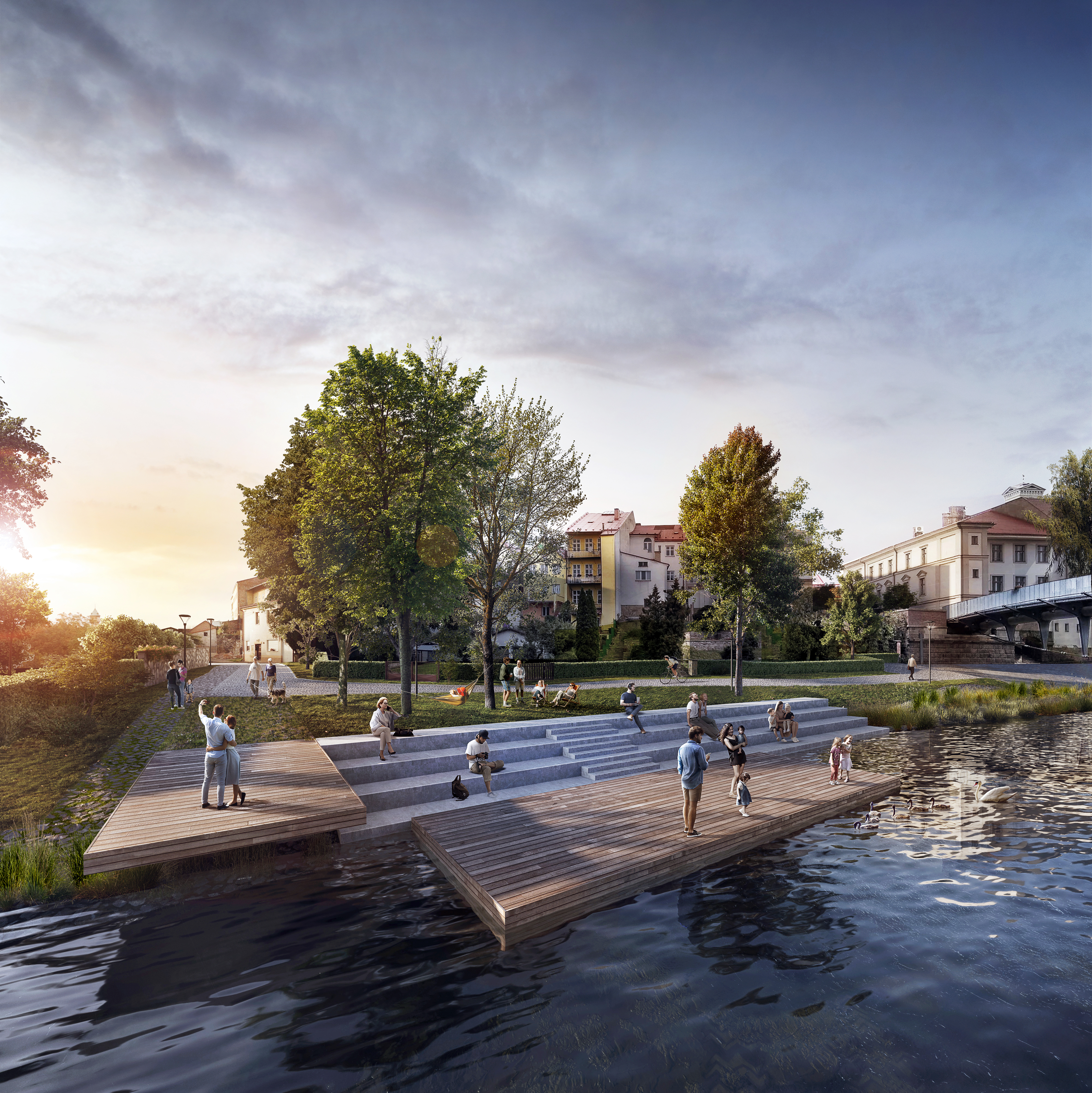
The initiative promotes water-sensitive urban design by integrating green infrastructure elements such as rain gardens, permeable surfaces, green corridors and multifunctional public spaces that support water retention and infiltration. These measures help mitigate flooding risks, improve microclimatic conditions and strengthen ecological resilience.
Another important objective is the long-term sustainability of public space management. By integrating ecological principles into urban planning, the initiative reduces maintenance costs and supports climate adaptation strategies.
The project demonstrates how small municipalities can integrate climate adaptation measures into everyday urban development. By combining landscape planning, water management and urban design, Blue-Green Centre of Jaroměř provides an exemplary model of sustainable urban transformation that can inspire similar initiatives across Europe.
A key objective of the initiative is to enhance the aesthetic quality and experiential value of public spaces. The project focuses on creating attractive, human-scaled and accessible environments that improve everyday life in the town.
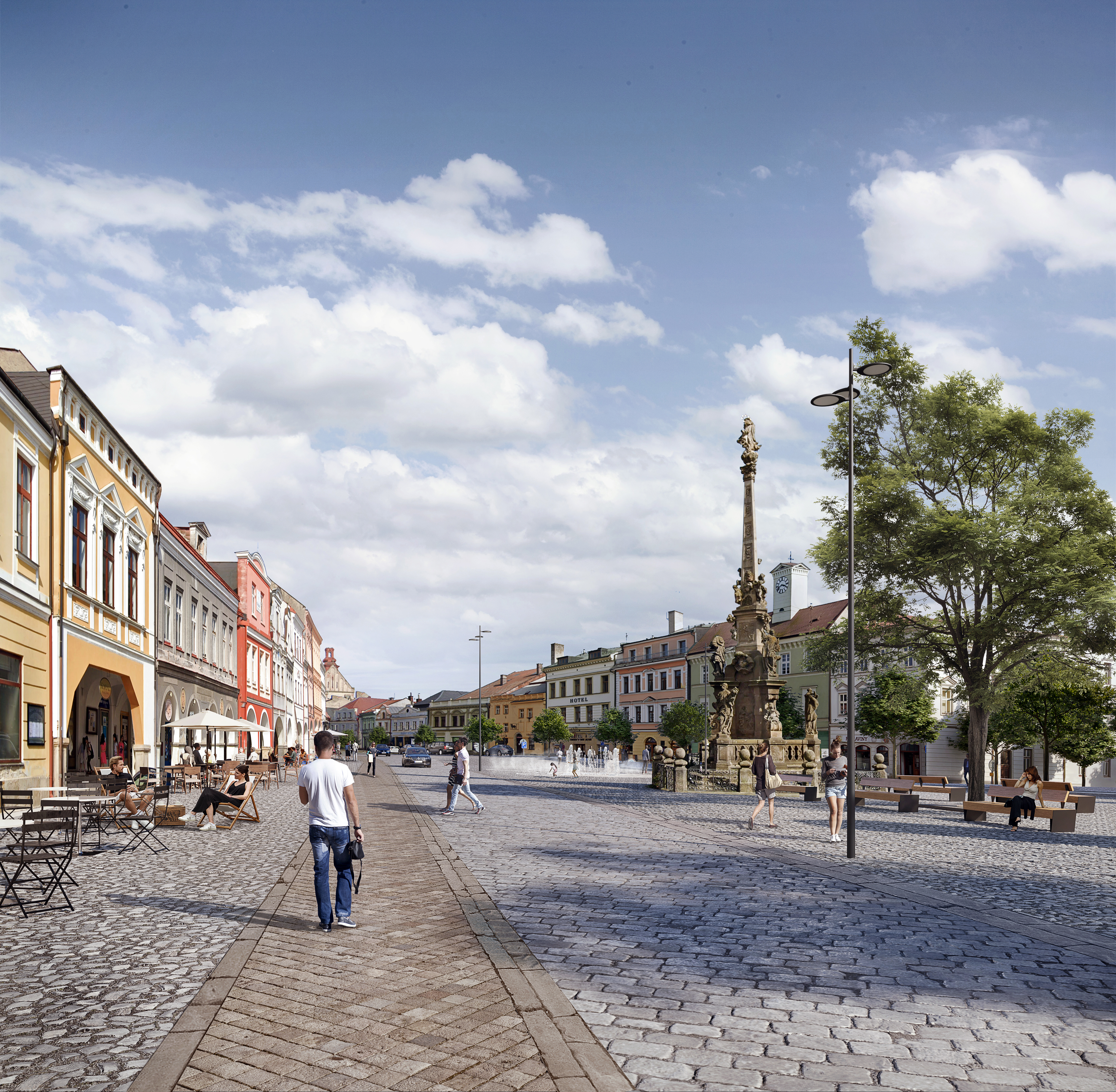
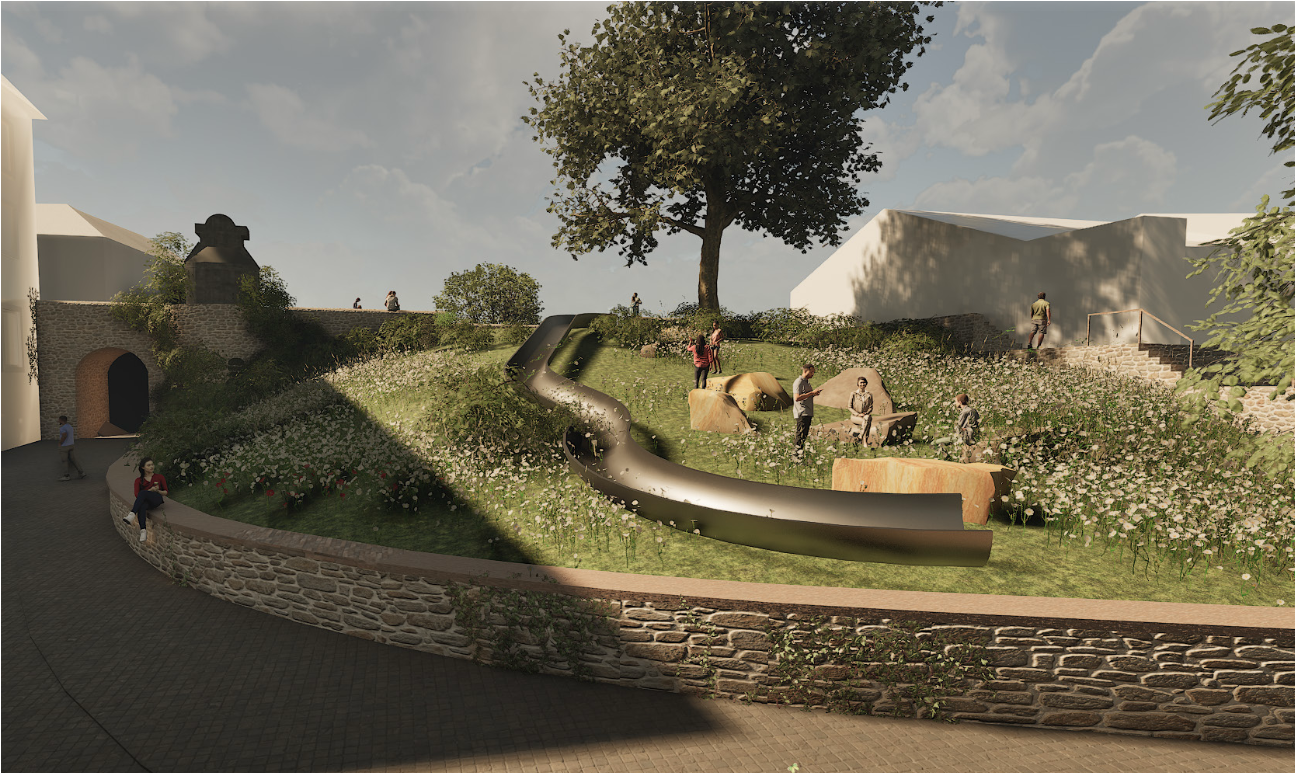
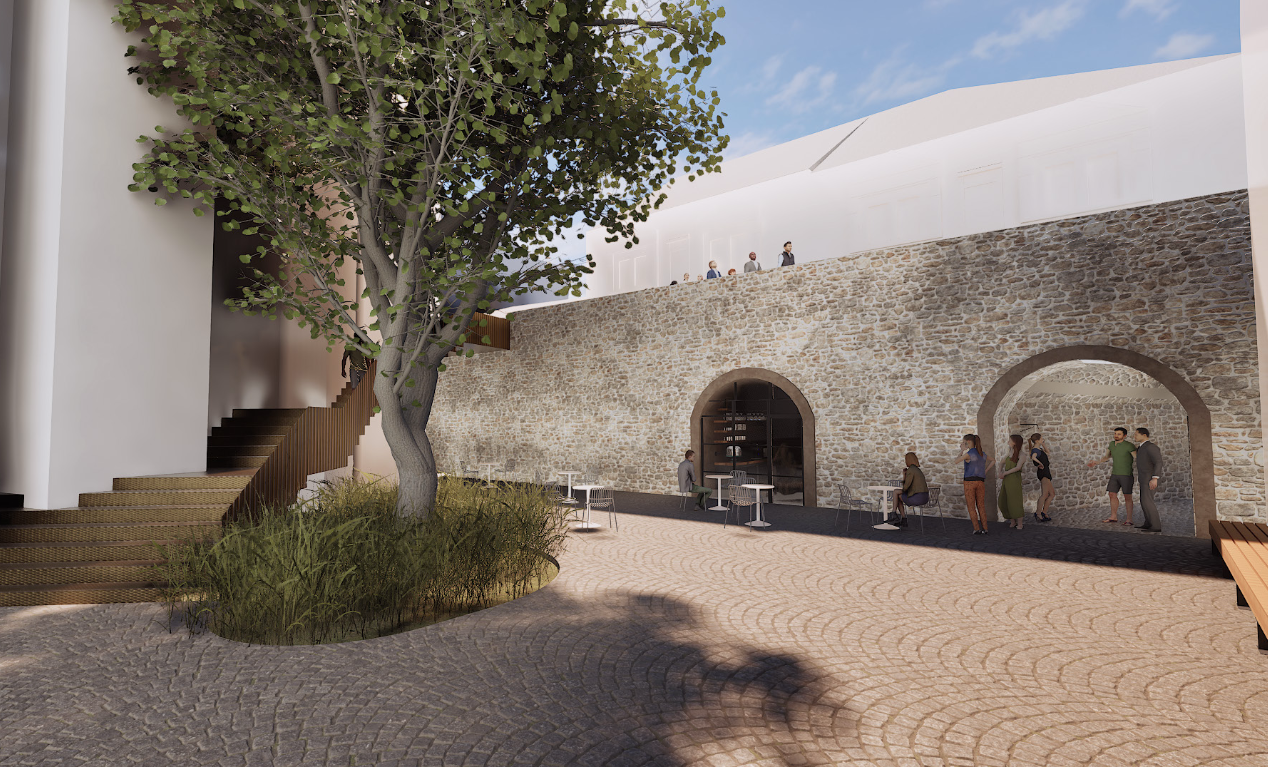
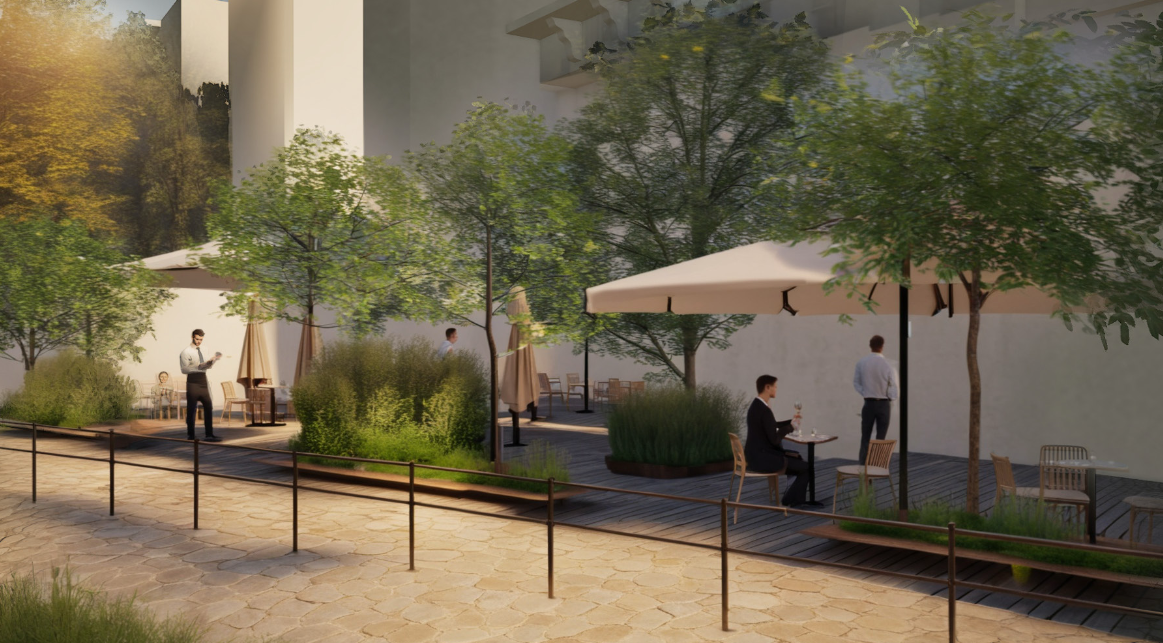
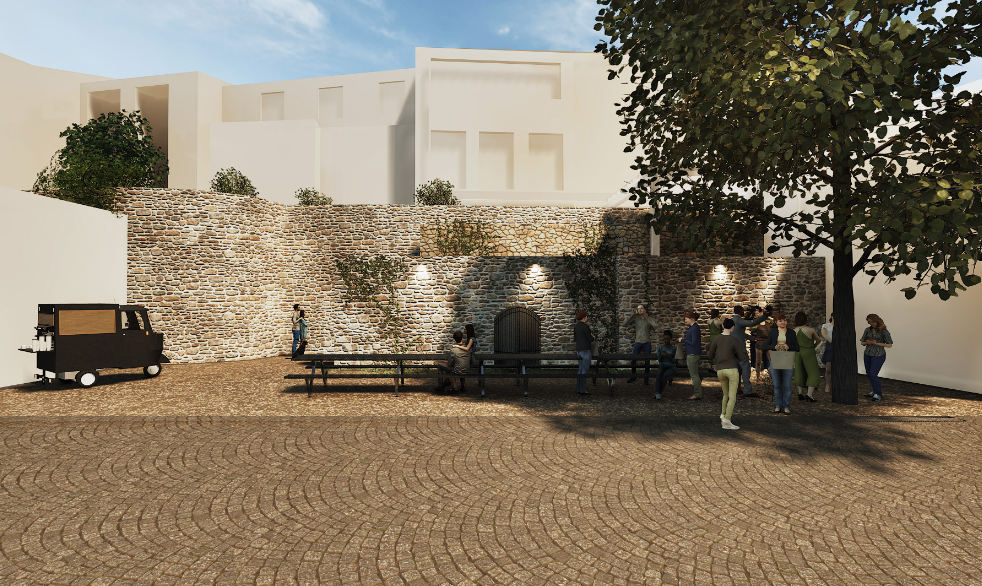
The design approach combines ecological infrastructure with high-quality public space design. Green areas, water features and landscape elements are integrated into the urban structure to create visually appealing and comfortable spaces that invite social interaction and recreation.
By reconnecting the town with its surrounding landscape and water systems, the initiative strengthens the identity of Jaroměř and highlights the unique character of the place. Carefully designed public spaces encourage people to spend time outdoors, promoting wellbeing and community life.
The initiative demonstrates that climate-resilient infrastructure can also contribute to beauty and spatial quality. Through thoughtful design and landscape integration, the project shows how environmental sustainability and aesthetic value can reinforce each other in urban development.
The initiative places strong emphasis on social inclusion and accessibility. Public spaces are designed according to the principles of universal design, ensuring that they are accessible and welcoming for people of all ages and abilities.
The transformation of public spaces aims to provide safe, inclusive and affordable environments where residents can meet, interact and participate in community life. Particular attention is given to vulnerable groups such as children, elderly people and people with limited mobility.
Green and public spaces are distributed throughout the town in order to ensure equitable access to high-quality environments for all residents. By improving everyday public spaces, the initiative contributes to better living conditions and social cohesion.
The initiative also promotes inclusive governance by encouraging the participation of local communities and stakeholders in the planning and development process. Through this approach, the project supports a more democratic and socially responsive model of urban transformation.
Citizen involvement is an important component of the initiative. The municipality aims to involve residents, local organisations and other stakeholders in shaping the future of public spaces in Jaroměř.
Participation takes place through consultations, discussions and collaboration between the municipality, planning experts and the local community. Citizens are encouraged to share their experiences, needs and ideas regarding the use and transformation of public spaces.
This participatory approach helps ensure that the initiative responds to real local needs and strengthens public support for future implementation. It also increases awareness about climate resilience, sustainable urban development and the importance of high-quality public spaces.
By involving citizens and civil society in the planning process, the initiative promotes a sense of ownership and responsibility for public spaces and contributes to more inclusive and democratic urban development.
The initiative brings together a wide range of stakeholders at different levels. At the local level, the municipality of Jaroměř plays a central role in coordinating the project and integrating it into local development strategies.
Urban planners, landscape architects and environmental experts contribute to the design of blue-green infrastructure solutions and ensure that ecological, spatial and social aspects are addressed together.
Regional and national institutions may support the initiative through funding programmes and policy frameworks related to climate adaptation and sustainable urban development.
The collaboration between these actors enables an integrated approach that combines technical expertise, local knowledge and strategic planning. This multi-level cooperation increases the feasibility of the initiative and strengthens its potential impact.
The initiative is based on an interdisciplinary approach that combines several fields of knowledge. Urban planning, landscape architecture, environmental engineering, water management and climate adaptation are key disciplines involved in the project.
Urban planners and landscape architects focus on spatial organisation and the design of public spaces, while environmental and water management experts contribute to strategies for sustainable rainwater management and climate-resilient infrastructure.
Because the project is located within a designated historic urban conservation zone, heritage conservation specialists are also actively involved in the planning process. Their expertise ensures that proposed transformations respect the historical character, cultural heritage and spatial identity of the town while introducing contemporary sustainable solutions.
Given the proximity of the project area to the river, water management specialists, including experts from the Povodí Labe river authority, are involved in the planning and consultation process. Their role is to ensure that proposed interventions along the riverbanks and in adjacent public spaces respect hydrological conditions, flood protection requirements and ecological standards.
This interdisciplinary collaboration allows the initiative to address environmental, cultural and spatial challenges simultaneously. The integration of expertise from planning, landscape design, heritage conservation and river basin management leads to resilient, context-sensitive and high-quality public space solutions.
The innovative character of the initiative lies in the integrated use of blue-green infrastructure as a strategic tool for transforming public spaces in a small town context.
While many climate adaptation strategies focus on large cities, this initiative demonstrates how similar approaches can be successfully applied in smaller municipalities. The project combines water-sensitive urban design, ecological planning and public space revitalisation into a single integrated framework.
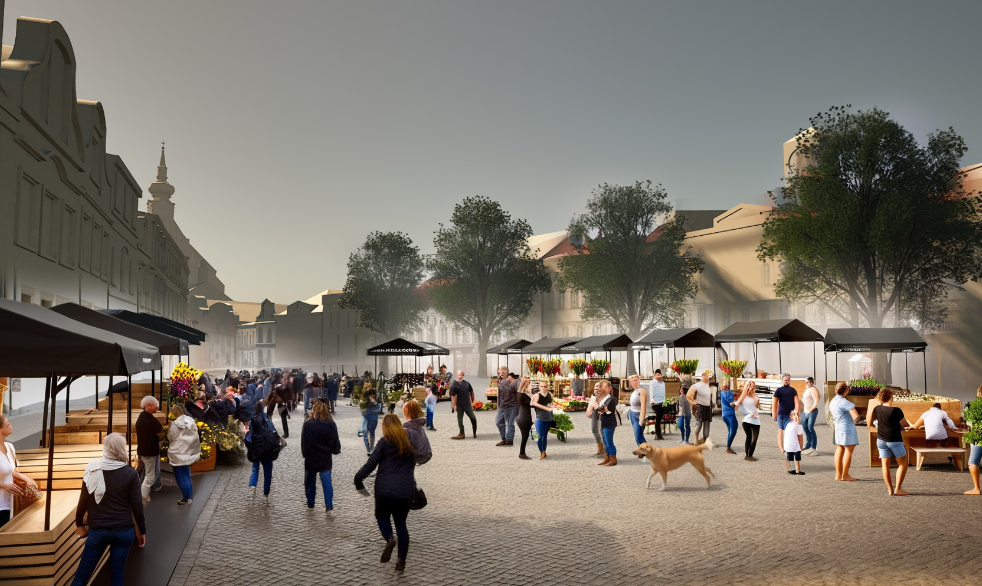
Another innovative aspect is the emphasis on multifunctionality. Public spaces are designed to simultaneously serve environmental, social and aesthetic functions – improving water management, supporting biodiversity and creating attractive places for everyday life.
By translating complex climate adaptation concepts into practical urban interventions, the initiative provides an innovative and replicable model for sustainable transformation in small European towns.
The initiative follows an integrated planning methodology that combines spatial analysis, ecological assessment and participatory planning processes.
The first step involved analysing the existing urban structure, landscape context and water systems of Jaroměř in order to identify key areas where blue-green infrastructure could have the greatest impact. Based on this analysis, strategic locations for public space transformation were identified.
The design phase integrates principles of water-sensitive urban design, landscape planning and climate adaptation. Nature-based solutions such as green corridors, rainwater retention elements and multifunctional public spaces form the core of the proposed interventions.
Throughout the process, the municipality collaborates with planning experts and stakeholders to ensure that the solutions are feasible, locally appropriate and aligned with long-term development strategies.
The initiative has strong potential for transferability and replicability, particularly for small and medium-sized European municipalities facing similar climate and spatial challenges.
Key transferable elements include the integrated methodology combining blue-green infrastructure, climate adaptation and public space design, as well as the participatory planning approach used to involve local stakeholders.
The initiative demonstrates that even municipalities with limited resources can implement climate-resilient strategies by integrating nature-based solutions into everyday urban development.
Because the proposed interventions rely on widely available technologies and design principles, they can be adapted to different geographic, climatic and socio-economic contexts. The project therefore provides a practical model that can inspire other towns seeking sustainable and resilient urban transformation.
The municipality of Jaroměř is committed to further developing and implementing the Blue-Green Centre of Jaroměř initiative as part of its long-term urban development strategy.
The next steps include detailed design preparation, securing funding for pilot projects and gradually implementing blue-green infrastructure measures in selected public spaces. The municipality also plans to integrate the principles of the initiative into future planning and investment decisions.
The initiative already reflects the core values and working principles of the New European Bauhaus by combining sustainability, inclusion and aesthetic quality in public space transformation.
Through continued collaboration with experts, stakeholders and citizens, the municipality aims to transform the strategic concept into concrete projects that improve climate resilience and the quality of public spaces in Jaroměř.