Enhancing Circularity, Sustainability, and Innovation
A Farm Above the City
Volle Grond — PAKT Rooftop Farm: A Living Ecosystem for People, Food and Urban Resilience
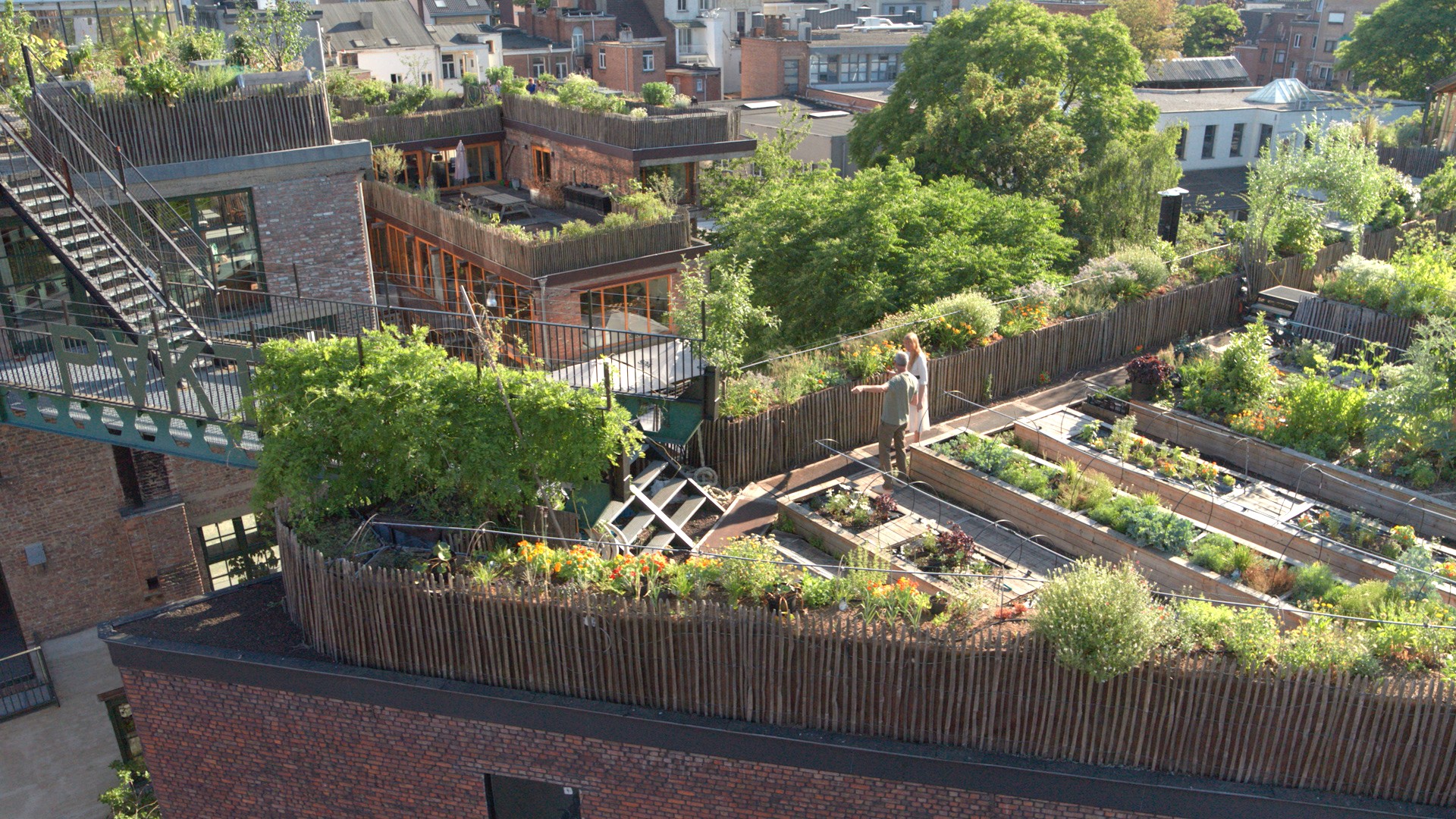
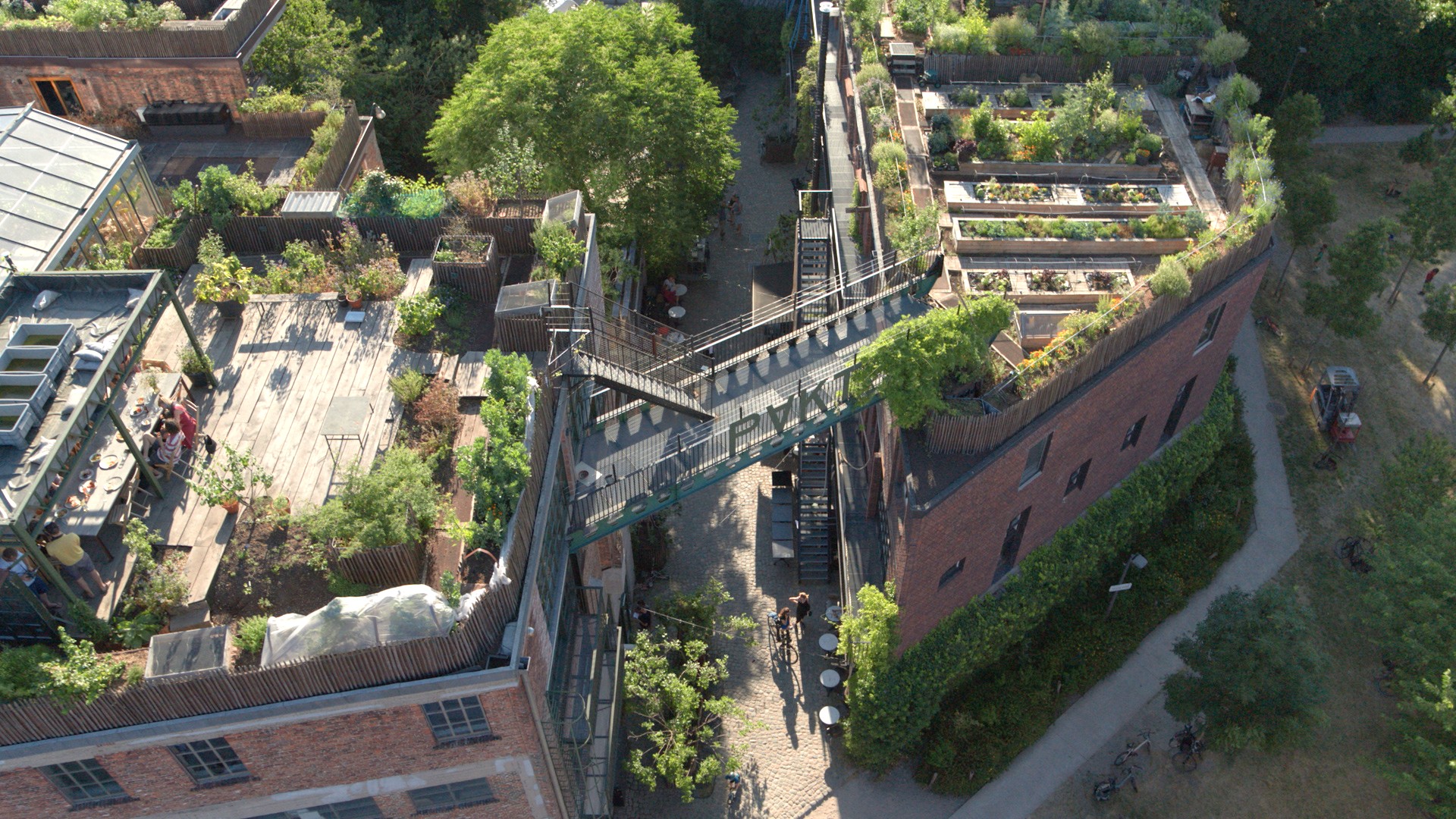
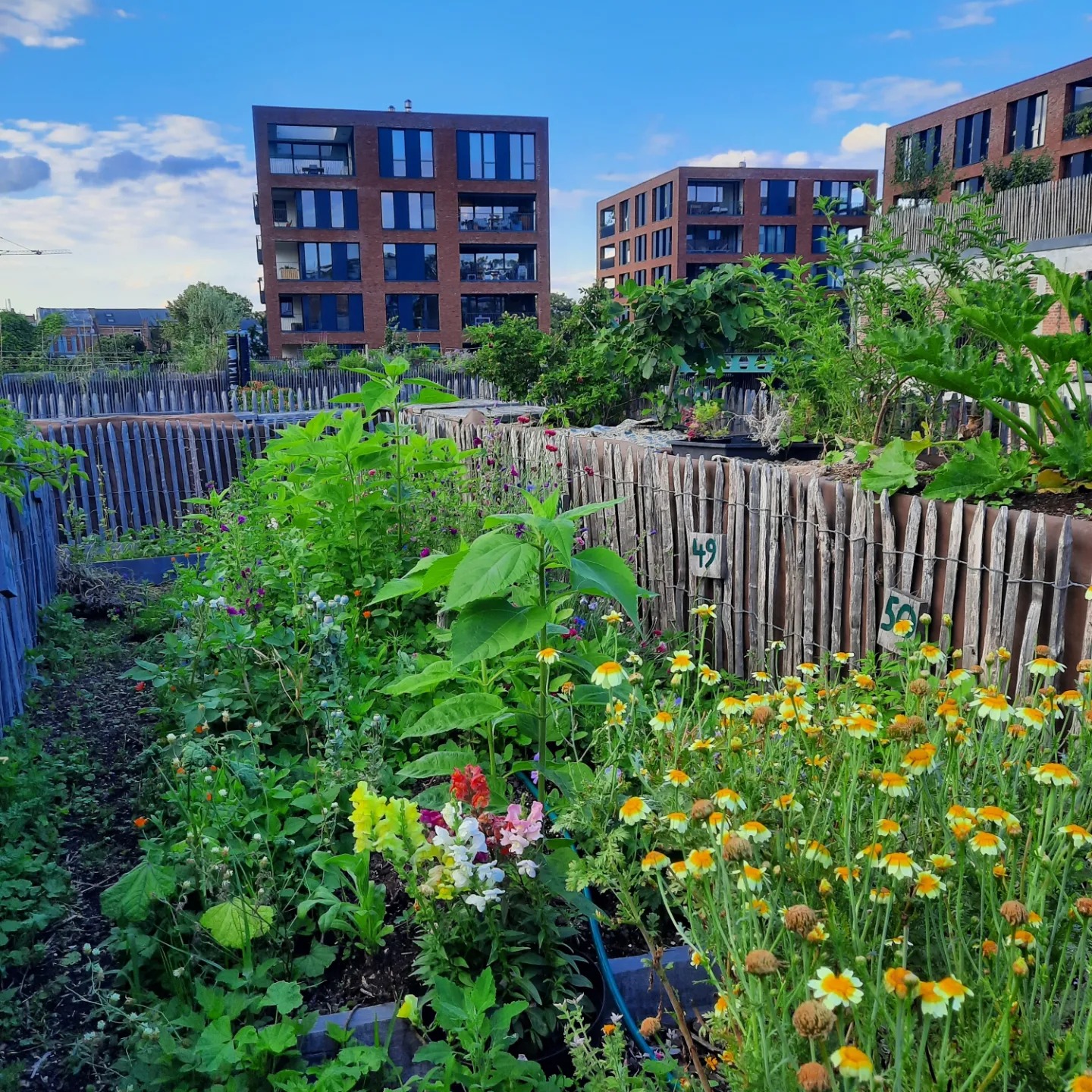
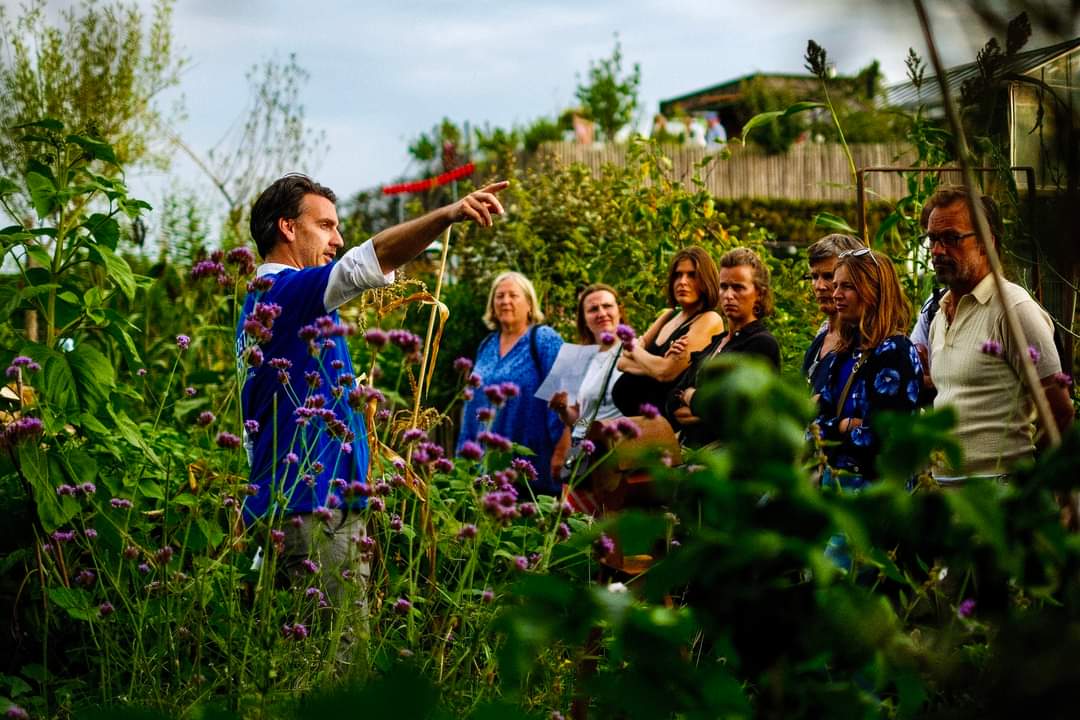
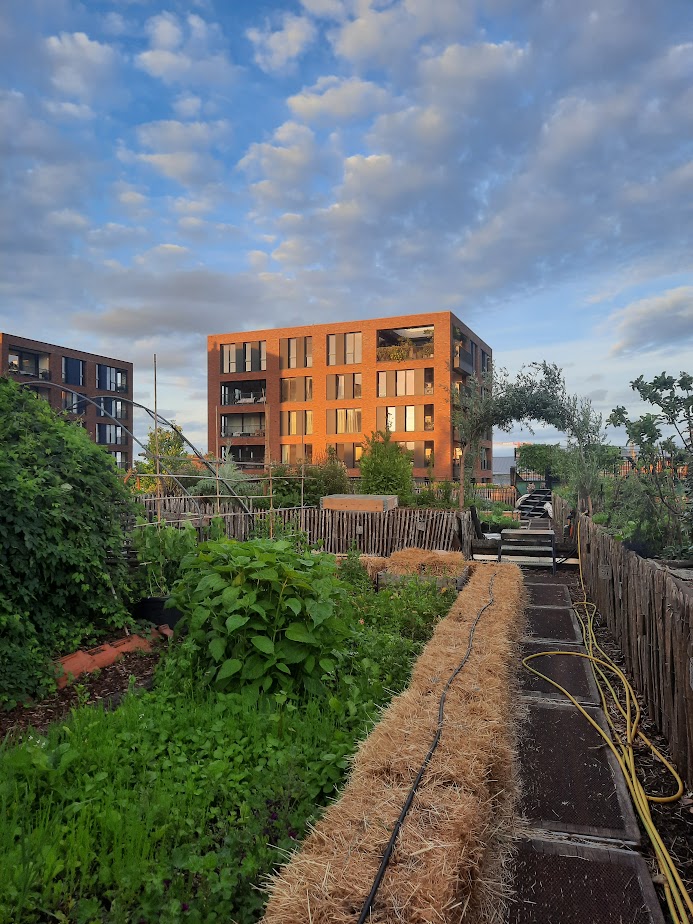
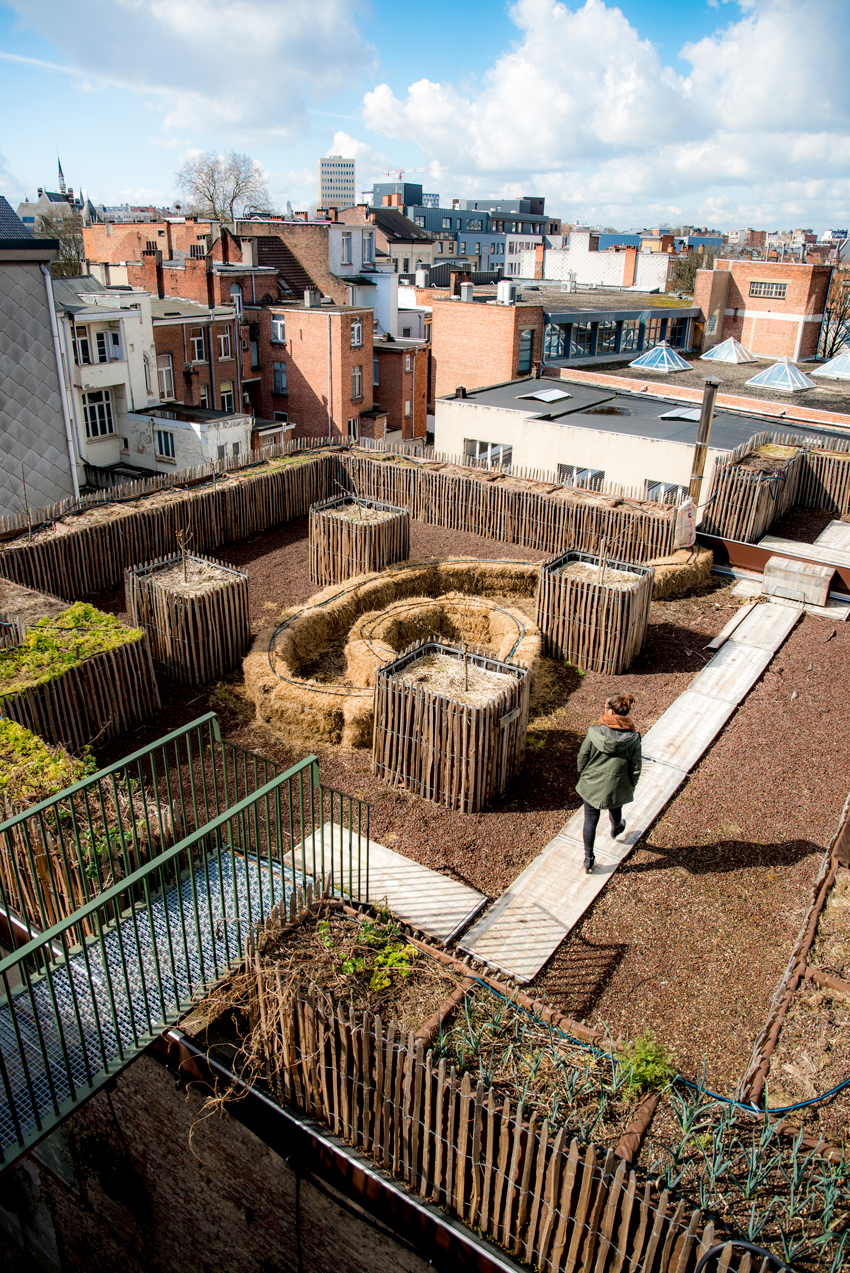
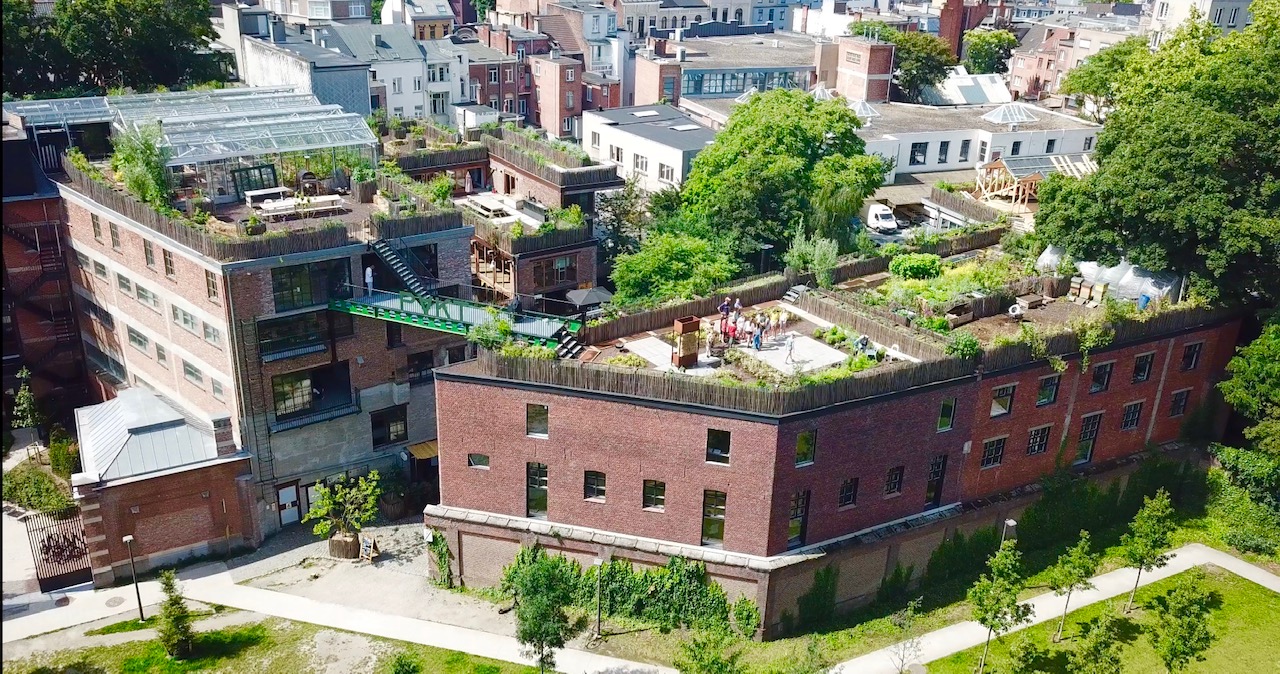
On the rooftops of Antwerp, Volle Grond transformed old factory roofs into a thriving 1,800 m² urban farm. Together with 150 residents and 3 schools, we grow organic food with zero food miles, while 5 local farmers use the rooftop as a hub connecting rural harvests to city restaurants and city dwellers. Every year, 4,000 visitors come for tours, workshops, cultural events and meetings. More than a garden: a living, biodiverse ecosystem and a circular, cultural, educational hub in the city.
Belgium
Local
Antwerp
With visitors from all over Belgium and Europe.
With visitors from all over Belgium and Europe.
It addresses urban-rural linkages
It involves a physical transformation of the built environment (hard investment)
Yes
2024-01-01
No
No
Yes
Organisation
In the heart of Antwerp, urban farming cooperative Volle Grond transformed 1,800 m² of abandoned factory rooftops into a thriving circular farm, educational hub, and cultural meeting place — a proven model for sustainable city living.
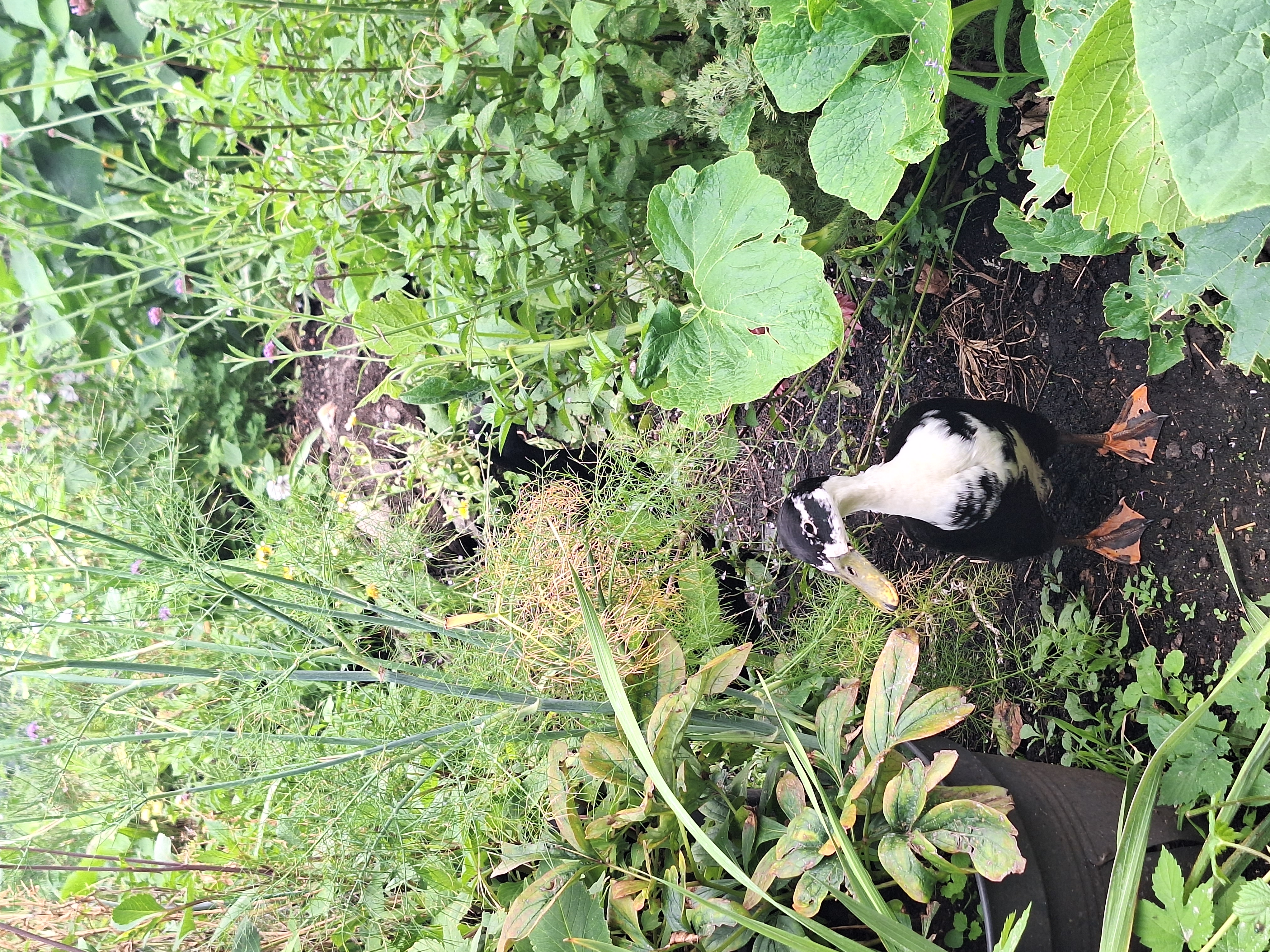
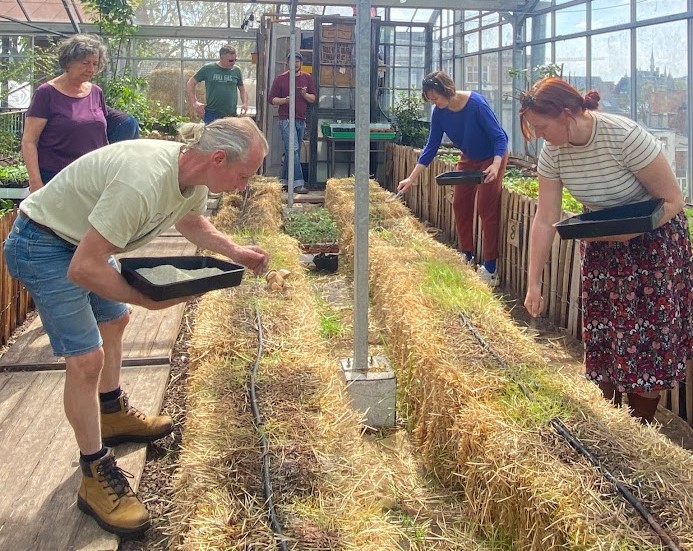
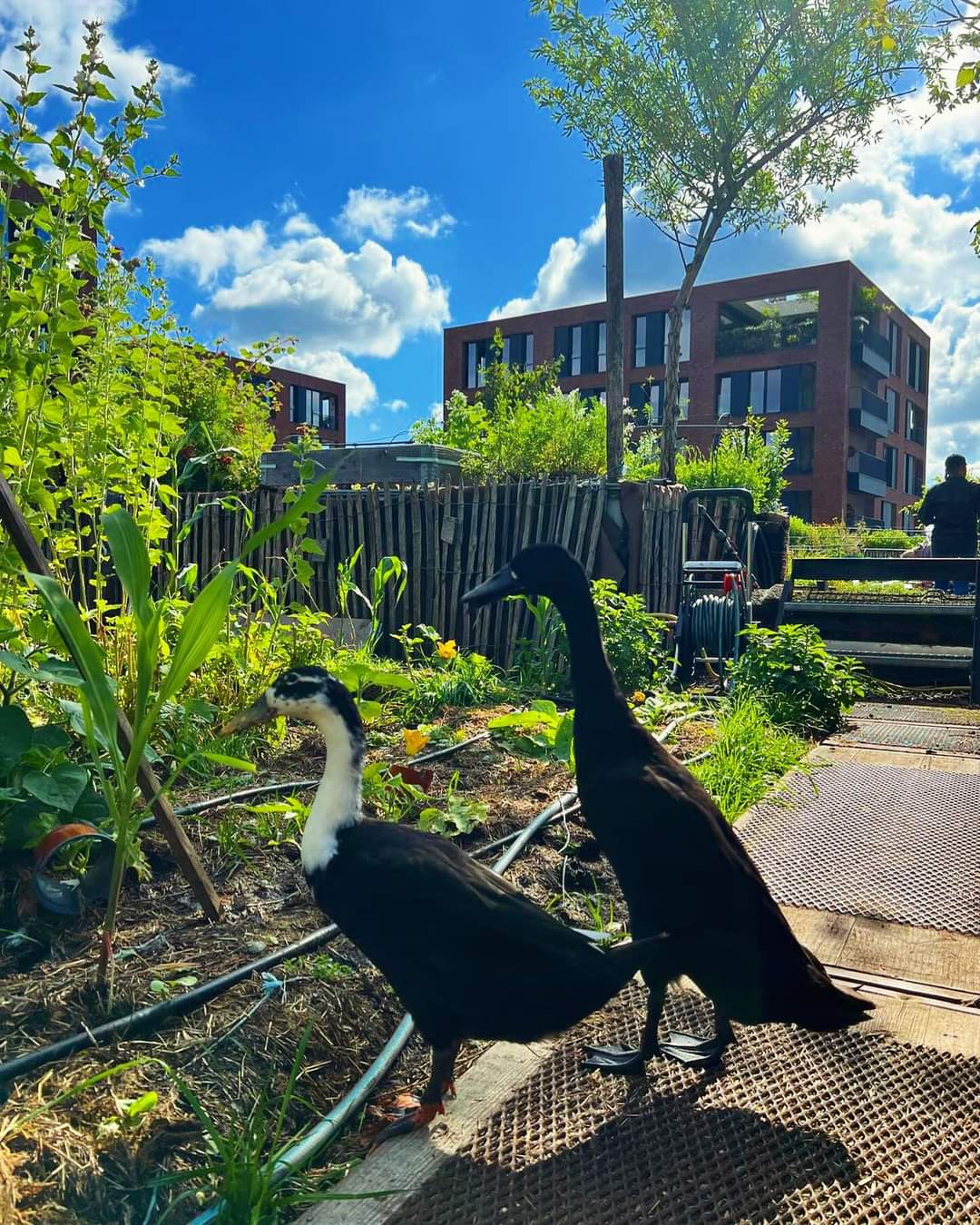
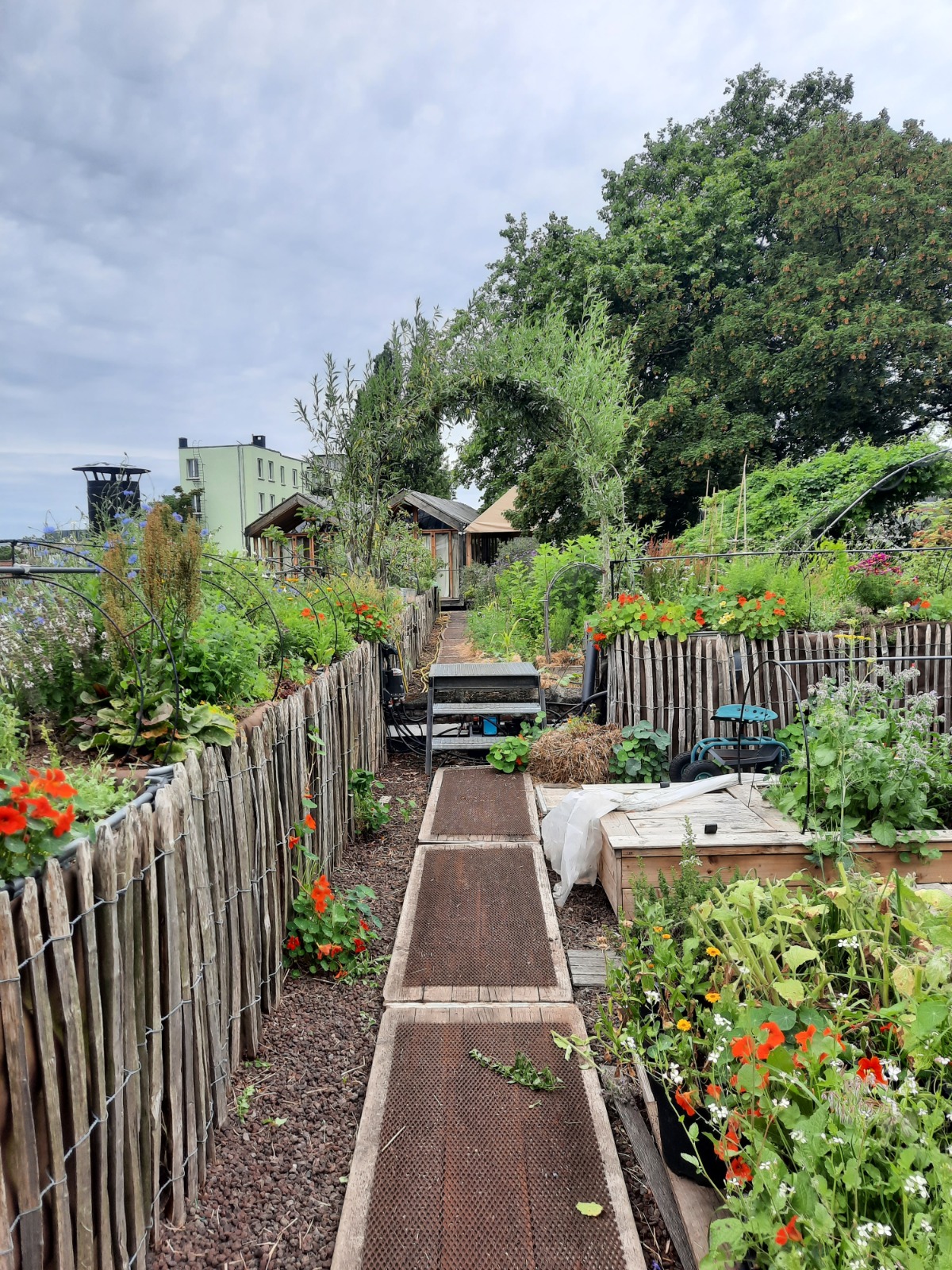
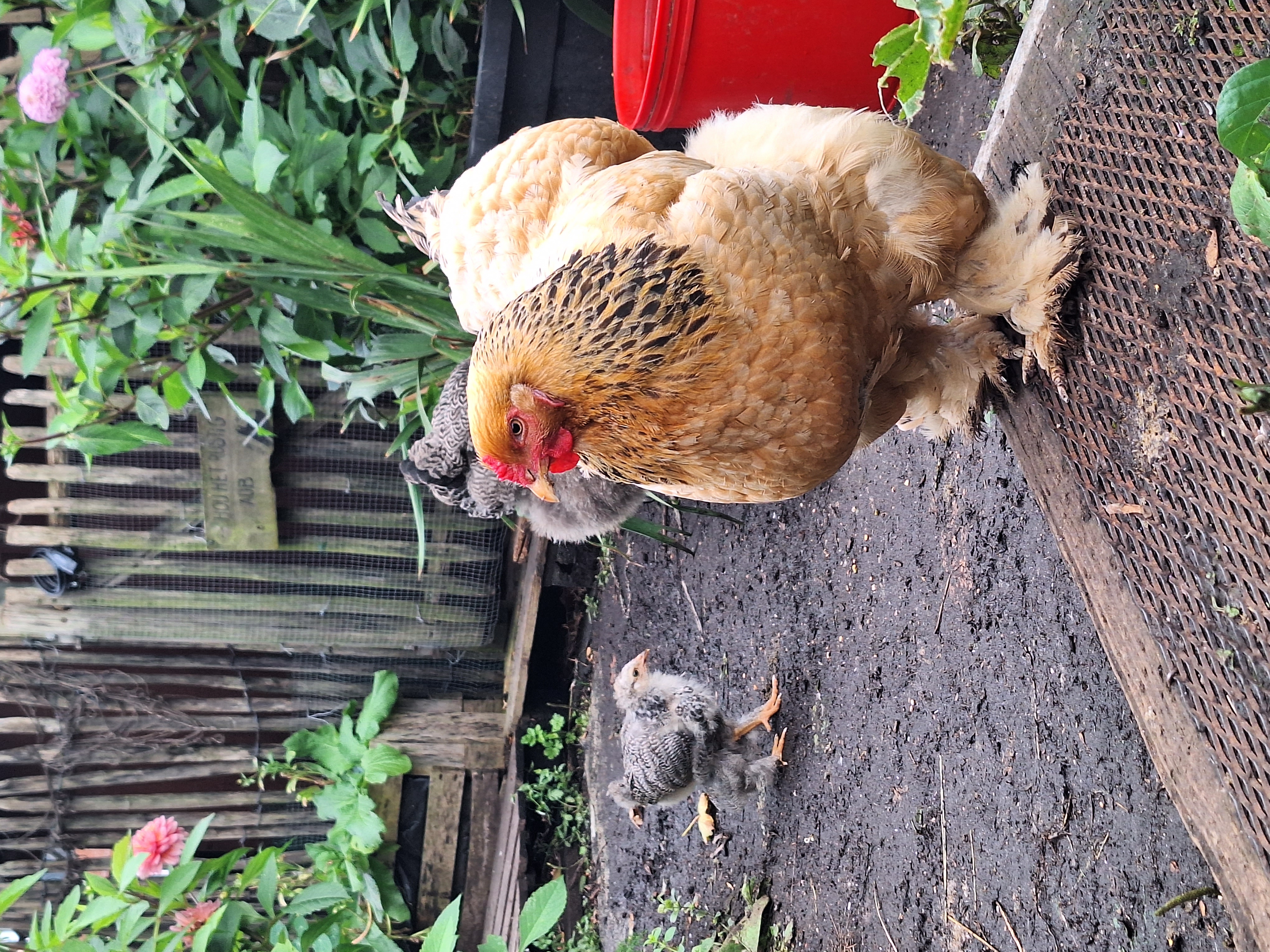
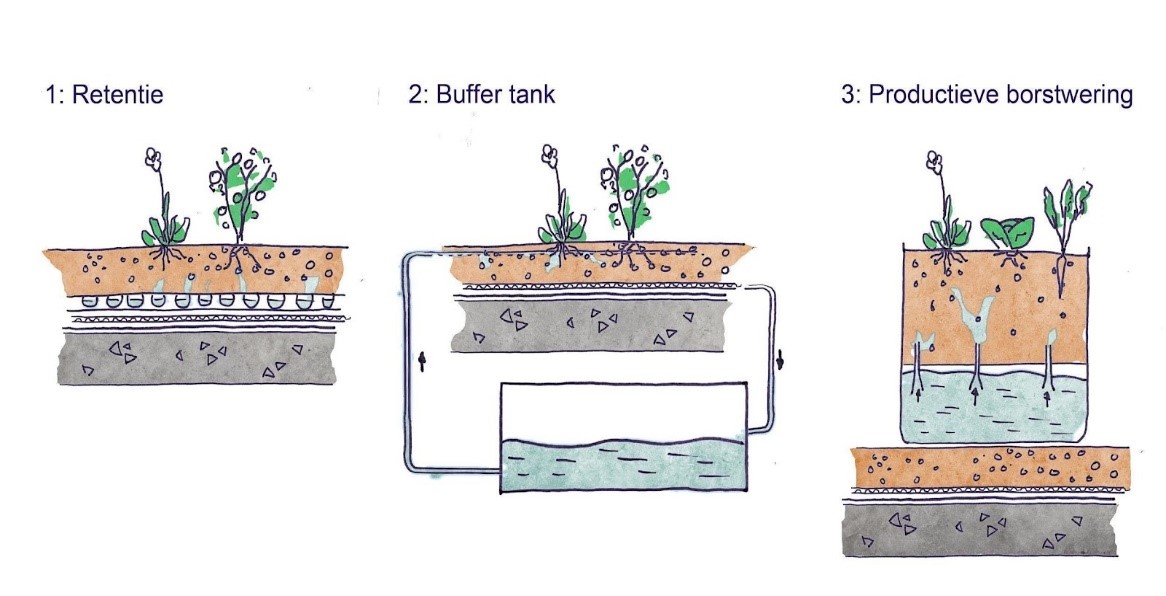
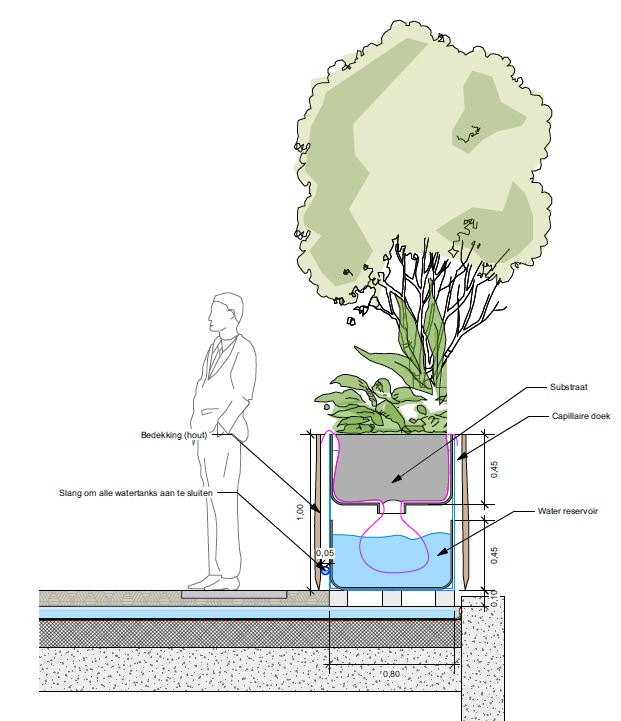
What we built The rooftop hosts a living, biodiverse ecosystem of over 100 edible crops alongside chickens, ducks, bees, and fish. A rainwater system captures 200,000 litres annually through integrated planters and an underground tank. Crops grow organically; hay bales serve as growing medium before becoming compost — a circular loop embedded in the design itself.
Achieved results 150 local residents co-manage the farm year-round alongside professional growers, harvesting 4 tonnes of fresh vegetables, fruit and herbs with zero food miles. Three local schools come monthly to work the land from seed to plate. Many other schools and organisations visit on an ad hoc basis. Over 4,000 visitors per year enjoy tours, workshops, concerts, theatre, and company meetings. Five local farmers use the site as a distribution hub, supplying 30 city restaurants and hosting a consumer market every Wednesday. The farm sequesters 3 tonnes of CO₂ annually, reduces fine air particles by 100 kg, and lowers the building temperature by 4°C.
Governance and inclusion The cooperative structure ensures participation and harvest are shared — not privatised. Partnerships with both schools and companies together with shared governance embed equity into the foundations. For many residents, this is where they reconnect with nature and rediscover where their food comes from.
Long-term impact The project proves rooftops can function as ecological infrastructure, social engines, food systems, and cultural spaces at once. With measurable outputs, community ownership, and a replicable model, PAKT Rooftop Farm is ready to inspire similar initiatives across European cities.
From a single idea to a growing urban farming movement
Volle Grond was founded in 2012 as a pick-your-own farm in Tielrode, with one clear mission: reconnecting people with the origin of their food. The story took a new turn when Yusuf and Ismail Yaman, owners of the PAKT site in Antwerp, invited the team to explore the potential of their factory rooftops. After a successful pilot season, agrobiologist Bram Stessel and community expert Adje Van Oekelen founded a cooperative in 2017 to professionally manage what would become the city's largest rooftop farm.
The concept did not arrive fully formed. Early on, members rented individual 1m² planters, each tending their own small patch. Through years of trial and error, the model evolved into something more powerful: a fully community-driven project where 150 members share responsibility for the entire rooftop. That shift — from individual plots to collective stewardship — proved to be the key. Both concept and business model have since demonstrated their worth.
Opening the rooftop to the wider city proved equally transformative. By welcoming companies, restaurants, schools, organisations, and government bodies, the farm expanded its reach while strengthening the business model and fuelling the ambition to inspire a broader urban audience.
Volle Grond grew into a full urban farming cooperative. Through our own B2B platform, five organic farmers supply around 30 Antwerp restaurants, while a weekly on-site market brings local produce straight to neighbourhood residents — strengthening the short supply chain between farmers, citizens, schools, and businesses.
This resulted in a financially sustainable model in 2022. From 2023, Volle Grond became a team of experts advising emerging urban farming projects. We walk our talk: a second project has started at M HKA — Museum of Contemporary Arts Antwerp, where art and natural systems are becoming intertwined — with promising projects taking shape in other cities...
Community-driven urban farming
Circular nature-based solutions
Rooftop biodiversity
Short supply chain
Socio-educational inclusion
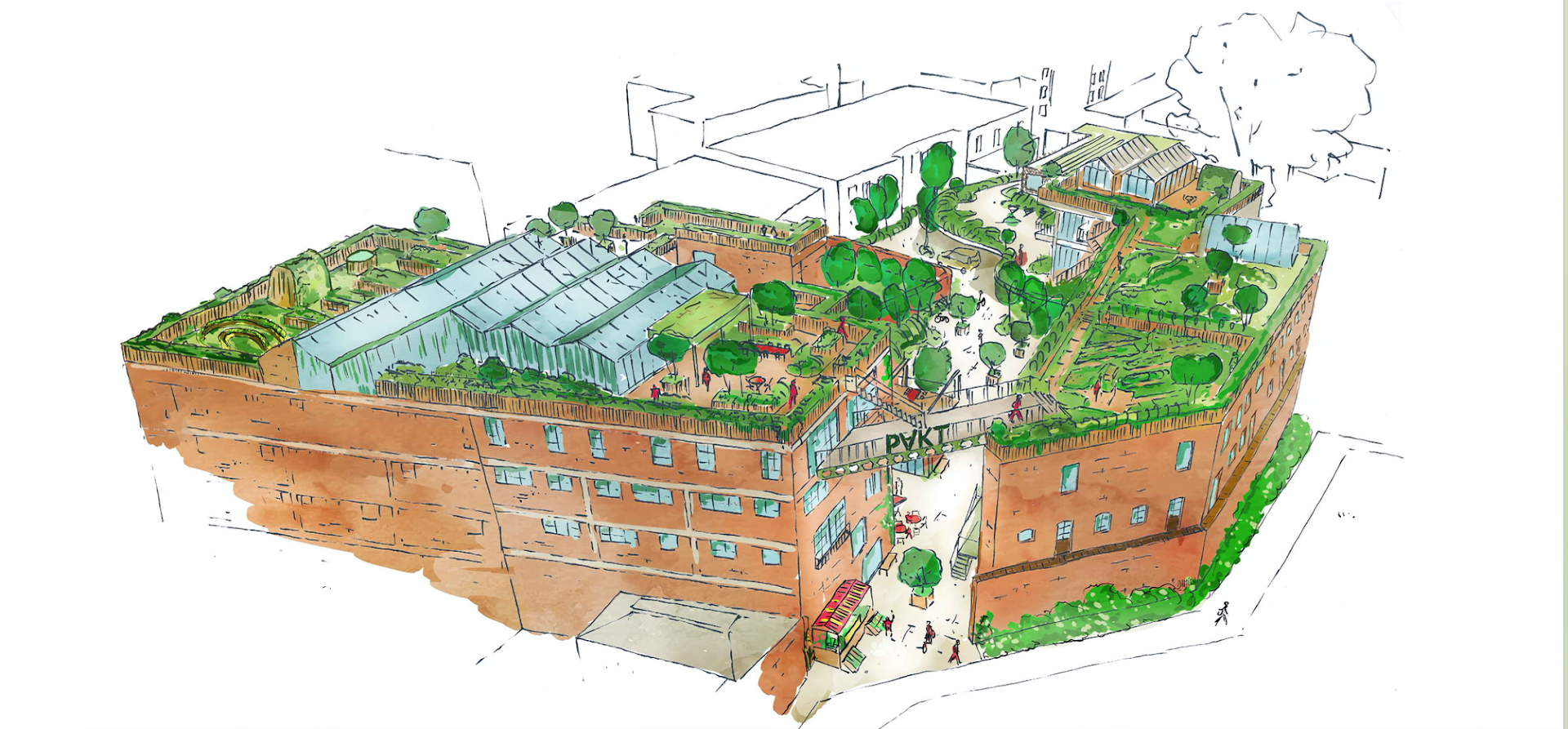
Rather than building anew, PAKT Rooftop Farm gives new life to an existing industrial structure — transforming an unused rooftop into a productive, regenerative ecosystem. Sustainability is not an add-on, but the backbone of every decision made.
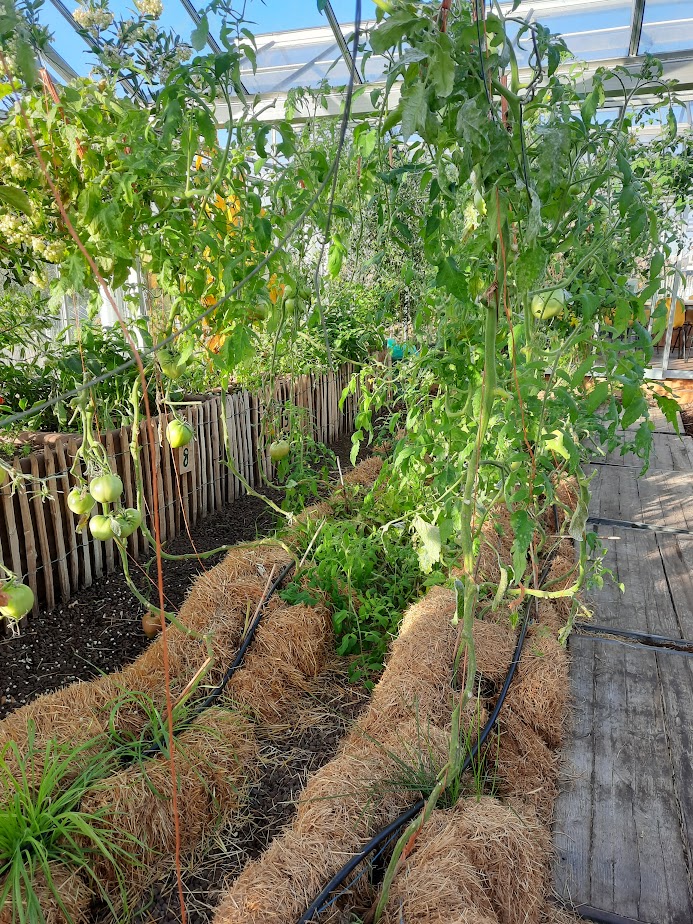
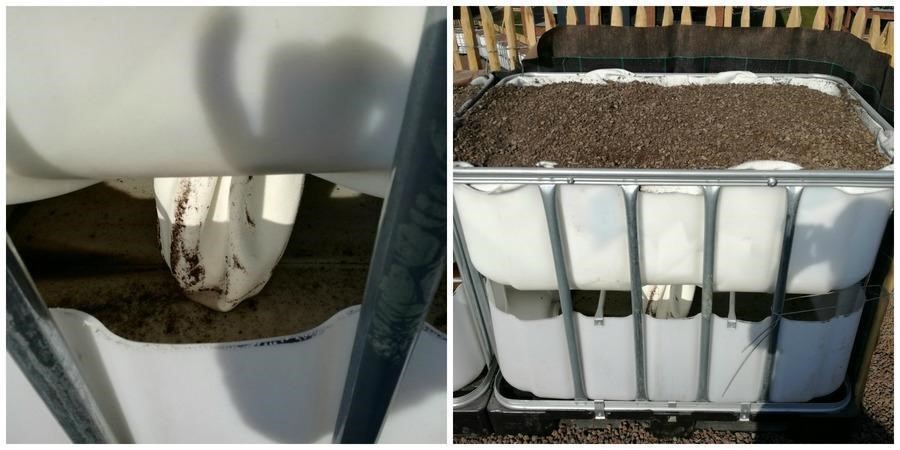
All cultivation is fully organic and pesticide-free. The planters are built from recycled IBC crates, remodelled so the lower half stores rainwater and the upper half holds soil. Together with an underground tank, the system captures 200,000 litres annually — enough to sustain the farm through a full month of drought without any external water supply. Hay bales serve as growing medium before becoming compost for the other planters.
Circularity extends across the entire site. The ground-floor restaurant grows its herbs and edible flowers in the rooftop planters above, while its food waste feeds the on-site worm farm, producing natural fertiliser for the crops. Coffee grounds from the site's roastery are used as mulch. Every output becomes an input elsewhere.
Five local farmers use the rooftop as a distribution hub, supplying 30 city restaurants and running a weekly consumer market — reconnecting rural producers to urban communities. The farm produces 4 tonnes of fresh vegetables, fruit and herbs with zero food miles.
Measurable impact: 3 tonnes of CO₂ sequestered annually, 100 kg fewer fine air particles, building temperature reduced by 4°C. Thousands of micro-organisms, birds, butterflies and bees find habitat here, enhancing urban biodiversity.
What makes this project exemplary is that sustainability is lived, not preached. Through community workdays, educational programmes, and the rhythm of growing and harvesting, members, schoolchildren, and visitors shift their relationship with food, nature, and urban space.
PAKT Rooftop Farm proves that repurposing structures, closing loops, and regenerating ecosystems are not opposing forces to economic viability, but the foundation of a resilient and replicable city model.
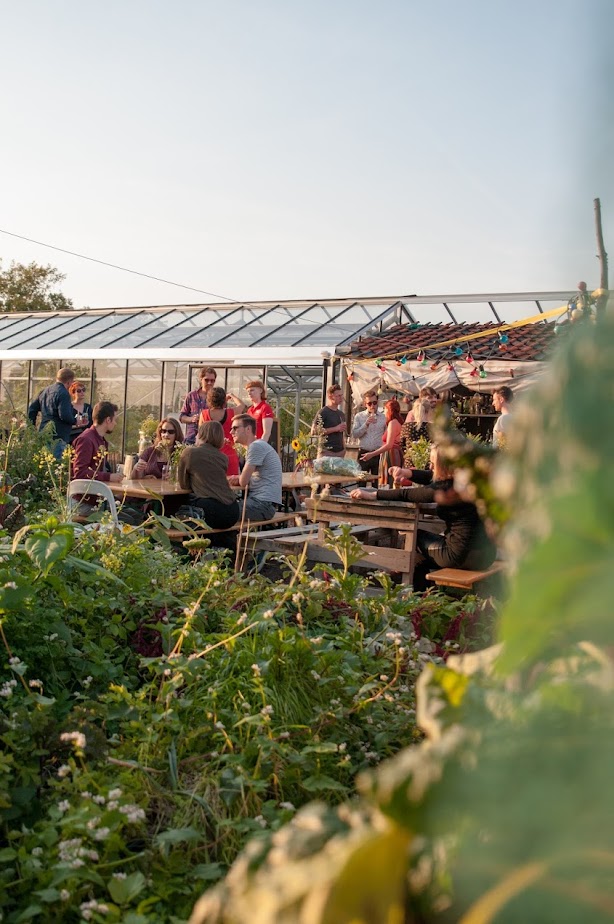
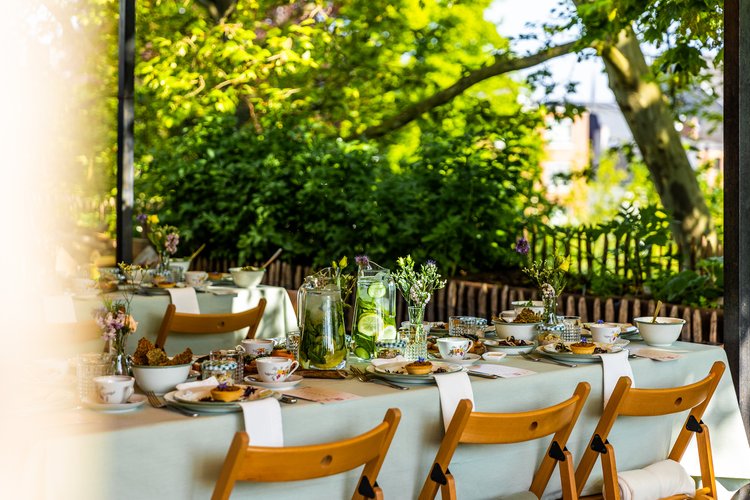
What was once a vacant industrial rooftop is now one of Antwerp's most unexpected and inspiring urban spaces. PAKT Rooftop Farm engages all the senses — the colours and textures of over 100 edible crops, the sounds of chickens and bees, the smell of herbs in the sun, the warmth of a greenhouse filled with people. Beauty here is not decorative; it is alive, seasonal, and co-created.
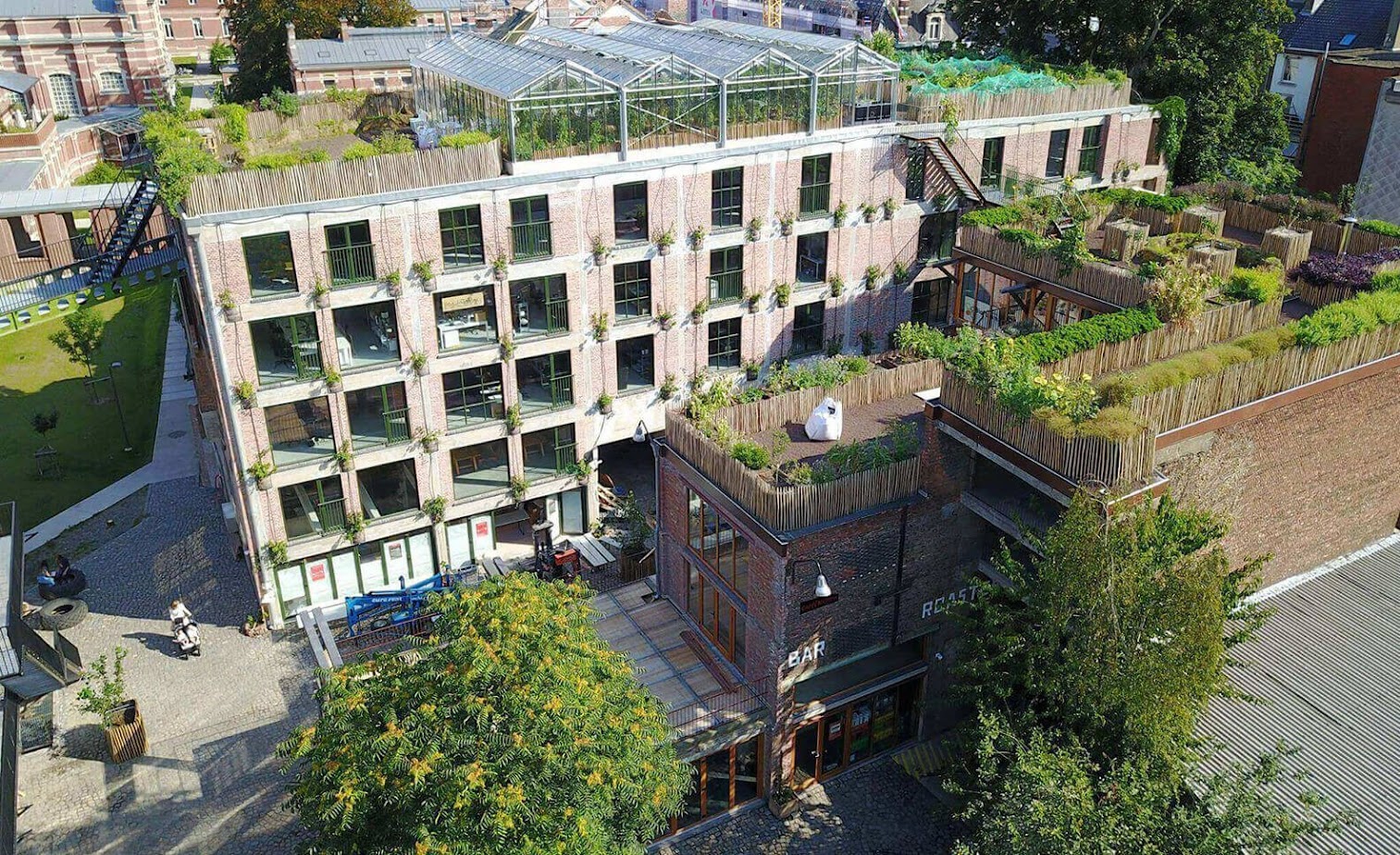
The setting adds to the experience: the rooftop sits atop a former industrial site now housing 35 companies, including a coffee shop, bar, and restaurants. This layering of old and new, industrial and natural, creates a distinctive urban aesthetic that feels both rooted and alive.
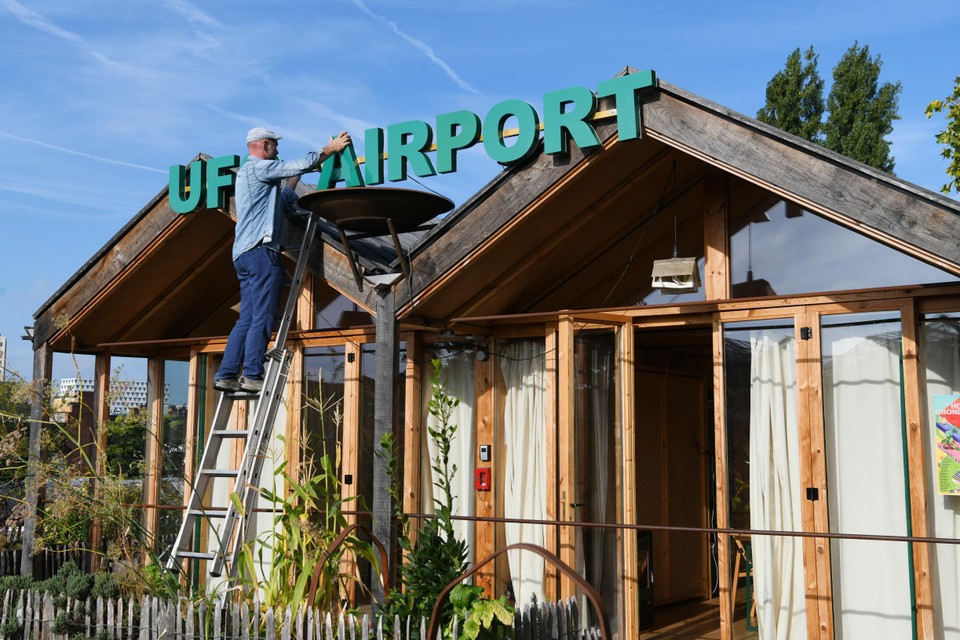
The architectural interventions — a glass greenhouse, handcrafted tiny houses in natural wood, planters built from recycled industrial crates — are designed to feel welcoming and human in scale. But the rooftop is more than a place to grow food. Members use the community kitchen and pizza oven to cook and share meals with friends. Quiet corners invite people to sit, read, or simply breathe. For many city residents without a garden of their own, the rooftop becomes exactly that — a personal outdoor space in the middle of the city, an extension of home.
This sense of belonging runs deep. Residents, schoolchildren, and growers shape the landscape together with professional farmers across the seasons, building a strong collective identity. Over 4,000 visitors per year discover the rooftop through concerts, theatre, exhibitions, workshops and guided tours.
Over time, the farm shifts how people experience urban space. Participants carry a changed relationship with nature, food, and community back into the city — quietly seeding a broader cultural movement around what cities can look and feel like when creativity and nature are given space to flourish.
Inclusion at PAKT Rooftop Farm is not a policy statement — it is built into the structure of the project from the ground up. The farm is governed by Volle Grond, an urban farming cooperative, and open to any city resident who wants to participate. Members pay a modest monthly fee to access the rooftop, join working sessions, learn from professional growers, and use the space freely — including inviting friends and family to share it.
Membership does not require a financial stake in the cooperative. Some members choose to buy a cooperative share and participate in governance and decision-making, but this is an option, not a condition. The threshold to join is deliberately low, making the rooftop accessible to a wide range of people regardless of background or means.
What makes the model distinctive is how it grows with its members. More experienced members become godmothers and godfathers to newcomers, guiding them through the rhythms of the farm. Over time, members take ownership of specific working groups — sowing and planting, compost, chickens, the tomato greenhouse, watermelons, the chicory cellar — meeting regularly to exchange knowledge and manage their domain alongside the professional growers who coordinate the whole.
Three local schools come monthly to work the land, following the full cycle from seed to plate. Other schools, organisations, and companies participate on an ad hoc basis. For many urban residents without a garden, the rooftop becomes a shared outdoor space free from commercial pressure — a new kind of urban commons where people of different backgrounds work, cook, and spend time together.
Inclusion here is institutionalised through cooperative governance, structural school partnerships, and a weekly consumer market open to the wider neighbourhood. Volle Grond positions this as a replicable model — proving that shared stewardship and open access can be the foundation of a viable and lasting urban project.
From the very beginning, the project was built around a simple belief: that people who grow food together, share responsibility together, and celebrate together develop a deeper connection to place, nature, and each other.
The 150 members of the Volle Grond community are not passive beneficiaries. They actively contribute to crop choices, seasonal planning, and community organisation. Over time, project groups — each led by godmothers and fathers from within the community — have taken on increasing responsibility for specific parts of the rooftop, making the community progressively more autonomous and self-organising.
The journey to this model was not straightforward. The project began with individual 1m² rented planters. Through years of experimentation, collective stewardship proved far more powerful — transforming the project from a service into a living community.
Three local schools come monthly to work the land from seed to plate. Early demand from schools, companies, and organisations pushed Volle Grond to develop structured workshops and educational programmes. A social fee is already in place for schools and social organisations — making participation financially accessible across the board.
Looking ahead, Volle Grond is exploring a social membership model, in which established social organisations bring their members to the rooftop as part of a co-funded arrangement with the City of Antwerp. This would structurally embed the farm within the city's broader social fabric — reaching communities that would not otherwise find their way to the rooftop.
The project also experimented with a buddy programme, matching members with newcomers to the city through shared growing. Though it could not be continued due to limited funding, it pointed towards the broader social potential of the model.
The result: a financially sustainable cooperative, a growing autonomous community, and a proven model now inspiring new projects across Flanders and the Netherlands.
The PAKT Rooftop Farm came to life through an unlikely but powerful convergence of people, expertise, and belief. It started with a private investor — the owners of the PAKT site — who saw the potential of a green roof and were willing to take the risk. They joined forces with a university-trained agrobiologist and a community worker, forming the core team that would shape the project from the ground up.
The technical realisation required multilevel collaboration. Finding the right structural engineer proved challenging: it was only the third engineer consulted who understood that rooftop load capacity needed to be calculated per square metre — a crucial insight that unlocked the farm's full potential. Cost-efficient staircases were developed with Tamco, making the rooftop safely accessible. Later, the social enterprise Wanderworks joined the project, constructing the handcrafted wooden houses that now serve as rentable spaces for cultural programming.
The local level lies in its core, because local citizens form the backbone of the project. Also the early involvement of small independent farmers proved formative. These farmers actively coordinate their crop planning with one another, filling seasonal gaps and avoiding overlap — demonstrating that the rooftop could function as a genuine short-chain hub, connecting rural producers to urban communities in a way no single farmer could achieve alone.
At the European level, Volle Grond is a founding member of ECRN — a cross-European network promoting rooftops as spaces for cultural, ecological, and community activity. This connects the project to a growing movement of cities rethinking their rooftop potential, positioning PAKT Rooftop Farm as a reference point within that wider conversation.
Together, these layers — from private investors and engineers to social enterprises, local farmers, and European networks — reflect a project genuinely shaped by collaboration at every scale.
PAKT Rooftop Farm could not have been conceived or realised from within any single field of knowledge. Its strength lies in the integration of diverse disciplines, professional backgrounds, and lived experiences.
The physical realisation required agricultural science, structural engineering, and architecture to work in close dialogue. The greenhouse, wooden tiny houses, and recycled IBC crate planters emerged from combining ecological thinking with architectural and material craftsmanship.
Environmental science underpins the water management system, biodiversity strategy, and organic cultivation methods. Worm farming, composting, hay bale cultivation, and capillary irrigation translate natural systems into practical urban solutions.
Community building and social sciences shaped the governance model. The shift from individual planters to collective stewardship was a social evolution, supported by participatory design and community organising. The project group structure — led by volunteer godmothers and godfathers — reflects this approach. Members communicate through an online platform.
Education runs throughout, with school programmes, workshops, and tours co-developed by educators, farmers, and community workers.
Arts and culture complete the picture. Cultural programming, together with PAKT’s membership in the European Creative Rooftop Network (ECRN), positions the rooftop as both a productive and creative space within a European exchange of practices.
The cooperative model and B2B platform draw on economics, legal expertise, and digital tools, ensuring long-term viability.
PAKT is also embedded in a broader Flemish network around sustainable living (e.g. BBL), strengthening knowledge exchange beyond the site. In addition, the City of Antwerp co-funded research into new rooftop farms, with the M HKA rooftop as a first result — demonstrating active public support and alignment with a shared, long-term vision (see annex for report in Flemish).
PAKT Rooftop Farm operates through a hybrid and diversified business model that combines commercial activities with social and environmental value creation, ensuring long-term financial resilience.
Revenue is generated through four complementary streams.
A first pillar consists of subscriptions and partnerships with individuals, professionals, and companies, combined with on-site rentals.
A second pillar is the short supply chain sale of vegetables and herbs to local horeca, creating a stable income for small farmers, linked to hyperlocal food production.
Thirdly, public-facing activities such as guided tours, workshops, and events generate income while strengthening community engagement and awareness. Finally, consultancy and urban agriculture trajectories for public authorities, schools, and private actors provide an important knowledge-based revenue stream.
This diversification reduces dependency on a single income source and allows cross-subsidisation between social, educational, and productive activities. We kept structural public support out of our model, to form a sustainable financial model. On a project base we did start a research co-funded by the City of Antwerp for new rooftop developments, further enabling innovation and scaling.
The model is anchored in clearly defined target groups: urban residents seeking local food, nature, and social connection; schools and organisations focused on education and sustainability; local governments addressing climate adaptation and social cohesion; horeca professionals sourcing hyperlocal organic produce; and construction and real estate actors integrating productive rooftops into projects.
As a cooperative and value-driven organisation, profits are reinvested into the project’s social and ecological mission. This alignment between economic activity and societal impact ensures that financial sustainability directly reinforces the long-term vision of resilient, productive urban landscapes.
European cities are under growing strain. Densification erodes access to green space, biodiversity is in decline, and challenges like urban heat and water management are becoming critical. Meanwhile, many residents feel increasingly disconnected from nature, food, and community. Local food security is rising up the urban agenda.
PAKT Rooftop Farm addresses these pressures head-on by transforming neglected rooftops into productive, ecological, and social spaces. It brings nature and food production back into dense urban areas, supports climate adaptation, and offers accessible places for connection, learning, and community life — making it relevant to cities across Europe.
Developed by Volle Grond, the model works as a flexible methodology rather than a fixed template. Its strength lies in combining multidisciplinary design, cooperative governance, and a hybrid business model that can be adapted to different buildings, stakeholders, and local needs. The transferable core is replicable as a set of principles — integrating food production, biodiversity, water systems, healthy soil and social use into a viable, long-term project.
Each rooftop demands a tailored approach, but accumulated experience, expertise and partnerships ensures high-quality delivery and sustainable operation across varied contexts.
The model is already scaling. Since 2025, the rooftop farm at M HKA represents the first expansion beyond the original site, with a second phase set to activate a significantly larger portion of the museum roof. New projects are being co-developed across diverse settings: a social housing block in Antwerp, a business centre in Vilvoorde, a social-ecological hub in Roeselare, and an artistic hotel in Rotterdam.
Together, they show how this model travels across sectors and contexts — building more resilient, inclusive, and productive cities.