SmartLAB
A hub for training and educational initiatives in the Municipality of Cogorno (IT)
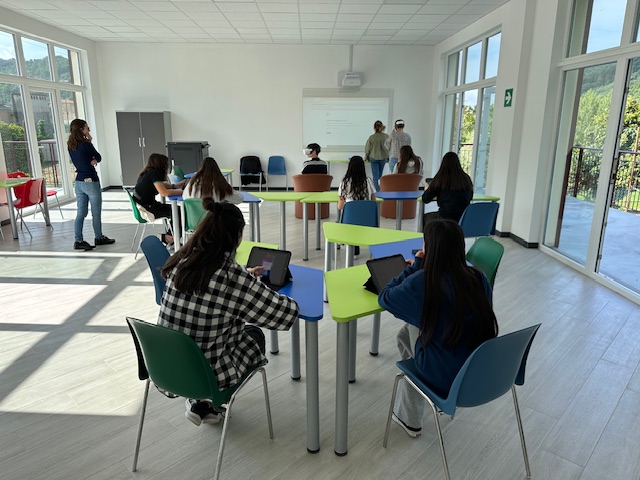
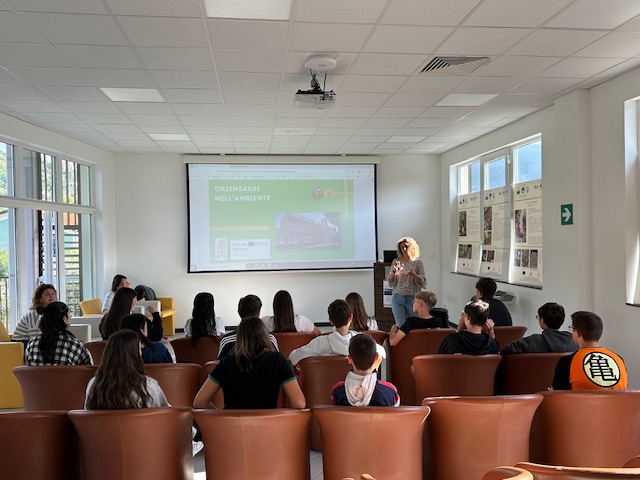
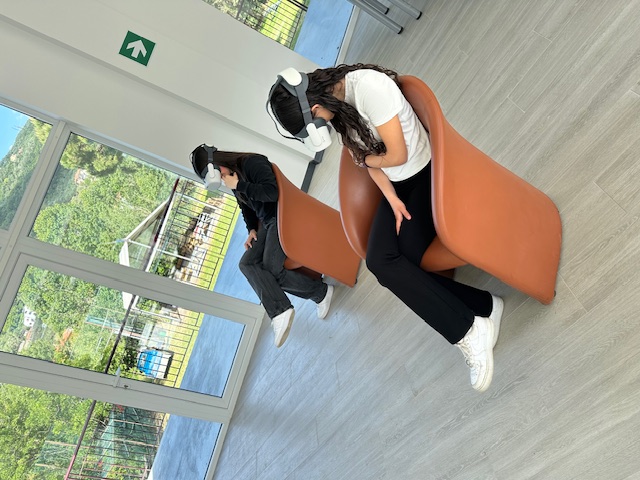
The Smart Lab in Cogorno(achieved through SmartCommUnity project)is an interactive space dedicated to young people and schools where technology and the environment come together. Through virtual reality and an experiential learning approach, students can explore their interests, discover educational opportunities, and find the path that best matches their passions. An innovative lab that brings digital skills to inland areas as well, creating new opportunities for growth in the Val Fontanabuona.
Italy
{Empty}
Prototype level
Yes
Yes
Yes
Yes
ERDF : European Regional Development Fund
Interreg Alpine Space - SmartCommunity - Building on the concept of Smart Villages towards a transnational and EUSALP-integrated Smart Community in the Alps
2021-2027
2021-2027
No
10018: Cogorno (IT)
SMARTLab was developed thanks to Alpine Space SmartCommUnity project, in which Anci Liguria was a partner.With multilevel engagement the project aims to help youth to orient themselves toward technical professions towards environmental sustainability,using digital tools and new approaches such gamification. It aims:
• support students in choosing suitable educational pathway
• prevent early school leaving
• developing transversal and multidisciplinary skills
• bring youth closer to the world of work
• encourage more personalized educational pathways
One of the innovative aspects is the creation of immersive environments, developed through virtual and augmented reality, combined with playful and educational experiences to stimulate curiosity,creativity and discovery. These tools were designed especially for third year lower secondary school students, helping them better understand their interests and identify study and career paths that match their abilities.
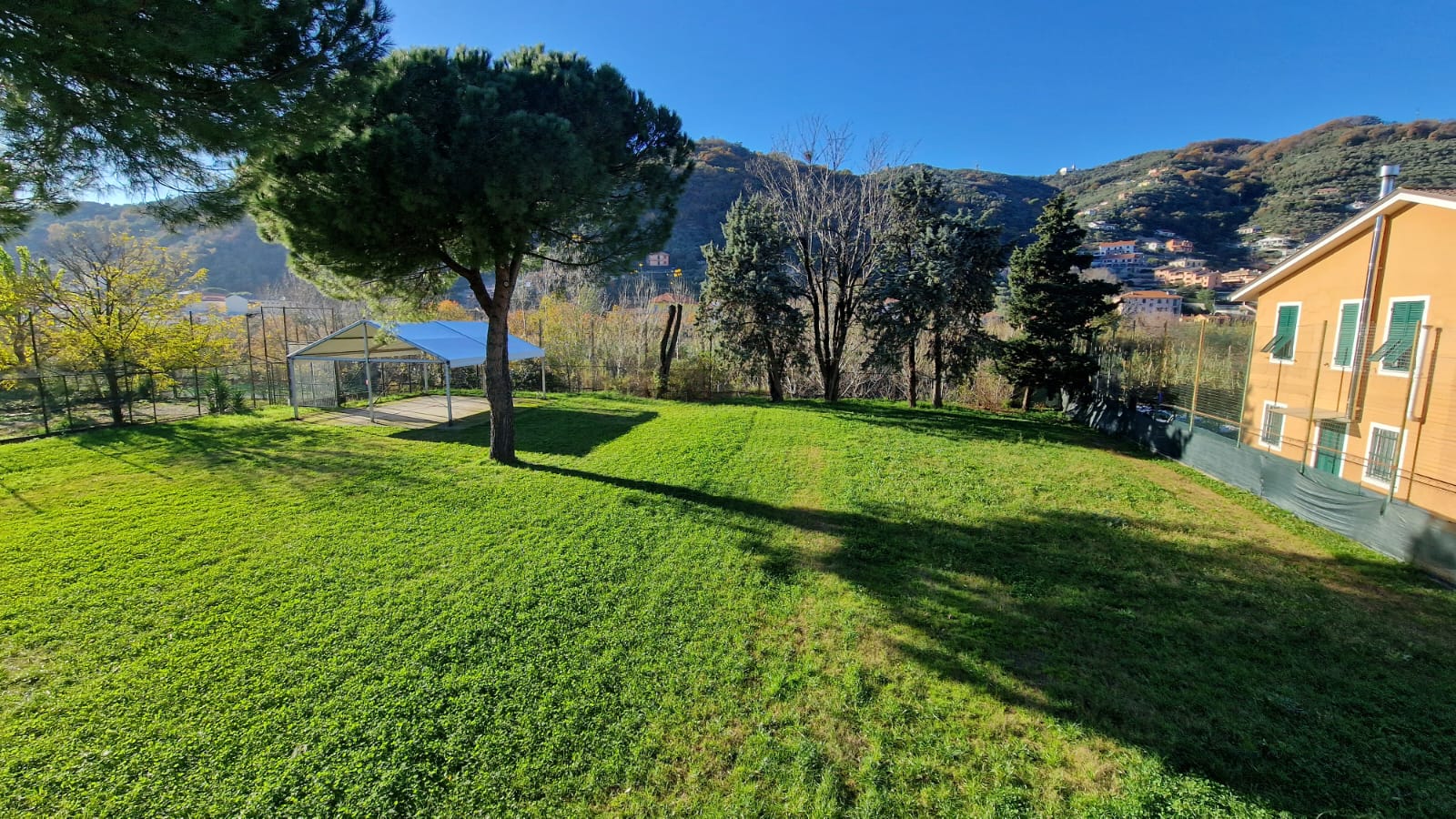
SmartLab is in Cogorno, by the “Le Vie dell’Acqua” Portal, within the Villaggio del Ragazzo training institute, and has become a reference point for the entire Val Fontanabuona area: the hinterland of Cogorno.
The building is an eco-sustainable structure designed to host educational and training activities, with particular attention to youth career orientation. It also serves as a space for promoting initiatives related to agricultural, environmental, and tourism research in the local territory.
The project was developed through a territorial co-design process involving local mayors: the Municipality of Cogorno as the lighthouse test area, and the municipalities of Val Fontanabuona as followers. Alongside local institutions, school principals, as well as businesses and agricultural enterprises, actively participated in shaping a shared project closely aligned with the needs of youth and local communities.
The involved target groups are municipalities, schools, training and research centers,SMEs.
Smart People
Smart living
Inclusion
Orientation / Gamification
Environment/ Sustainability
The SMART Lab building was designed to be an emblematic example of environmental sustainability in the face of climate change, as it is a "stilt" construction located on the banks of the Entella River. This stilt-like structure ensures its safety. Starting from the building's very structure, we attempted to incorporate the topic of the environment and its related sustainability as one of the challenges of the orientation program we wanted to propose. Indeed, we sought to help students understand that environmental professions can offer job opportunities in highly topical areas, requiring a wide range of skills, from the simplest and most manual (carpenter, considering the forestry sector) to the most qualified (environmental engineer). This way, we want to remind students that the inland area where they live and grow can also become a source of professional development and growth, where they can apply what they learn in other educational contexts, including exchanges abroad.
SMART Lab's activities are cultural and educational in nature and are conducted in a modern building well-equipped with new technologies. It is located in a green area on the banks of the Entella River. SMART Lab aims to be a positive experience for people, especially students, so they can identify their educational paths and become competent men and women capable of playing a proactive role in their future. In particular, these will be educational cultural activities that enable us to gain a better understanding of ourselves, as well as of the world around us and its traditions.
SMART Lab is inclusive because it is open to all students; the goal is to offer educational programs to all students, from diverse backgrounds, so that each can find the path best suited to their aptitudes and, subsequently, enter the world of work and find a job that allows them to positively integrate into their social and professional lives.
This inclusion objective is also supported by the presence, within the “Villaggio del Ragazzo” training center, of CPIA Levante (Provincial Centre for Adult Education), a state educational institution hosted on behalf of the Ministry and the Municipality of Cogorno. The courses offered by CPIA are designed to provide educational opportunities for the adult population, both Italian and foreign, starting from the age of 16 (literacy, lower secondary school certificate, etc.). The Municipality of Cogorno actively collaborates with the Centre, thus making the SMART Lab accessible to this type of users as well. Although the tool is primarily designed for lower secondary schools, it can also be used for older age groups and could even be adapted for pilot schemes aimed at older adults to enhance their digital skills.
This inclusion objective is also supported by the presence, within the “Villaggio del Ragazzo” training center, of CPIA Levante (Provincial Centre for Adult Education), a state educational institution hosted on behalf of the Ministry and the Municipality of Cogorno. The courses offered by CPIA are designed to provide educational opportunities for the adult population, both Italian and foreign, starting from the age of 16 (literacy, lower secondary school certificate, etc.). The Municipality of Cogorno actively collaborates with the Centre, thus making the SMART Lab accessible to this type of users as well. Although the tool is primarily designed for lower secondary schools, it can also be used for older age groups and could even be adapted for pilot schemes aimed at older adults to enhance their digital skills.
Civil Society is engaged through the schools and families of the children who participate in digital orientation activities and related workshops. The digital orientation program, which began with primary schools in the Municipality of Cogorno, is gradually expanding to the schools of the Fontanabuona Valley, its rural hinterland. Subsequently, thanks to the SMARTLab's location within a training facility, it will be able to reach additional users beyond the initial project area included in SmartCommunity
The multi-level engagement has been ensured from the very start of implementation of the project. The following stakeholders were involved, representing institutions, training providers, and community organizations across the Val Fontanabuona area.
Local authorities played a key role in the co-design and development of the initiative. In particular, Mayors (or their delegates) from the municipalities of Cogorno, Carasco, Avegno, Leivi, Coreglia Ligure, San Colombano Certenoli, Orero, Cicagna, Lorsica, Favale di Malvaro, Moconesi, Tribogna, Neirone, Lumarzo, and Uscio took part in the process. Their involvement ensured that the project responded to the needs and development priorities of the entire Val Fontanabuona territory.
Alongside the local administrations, several actors from the education and training system were actively involved:
• the representatives of the Villaggio del Ragazzo training centre, which supported the design and implementation of the educational activities.
• school head teachers, representing the local school system and contributing to the development of guidance and orientation pathways for students.
A wider network of community stakeholders was also involved, including:
• social organizations committed to community development and youth participation.
• local agricultural and craft enterprises.
This multi-stakeholder participation created a collaborative and inclusive framework, strengthening the link between schools, institutions, businesses, and the local community, and contributing to the development of a guidance system better aligned with the opportunities and resources of the territory.
Different knowledge fields work together to elaborate the orientation path: environmental experts to understand the many job opportunities that can offers (from the management of the territory to the use of renewable energy, till the multifunctional use of the forests, going through local agriculture products and sustainable tourism), pedagogists, digital developers, teachers, experts in career education, entrepreneurs, mayors (to represent the needs of the local community). All these representatives interacted during the co-design and in the implementation phase. During the co-design moment all the representatives put together the different background and competences to define the right language, content and tools to propose to the pupils and teachers. At the starting of the implementation phase, they presented and illustrated the proposal to the whole community and now that it is still ongoing, they still have exchanges to improve the laboratories to make young people even more involved. The added value is the network that the project created and the pro-active involvement in a multidisciplinary co-design process.
The project introduces innovative guidance tools that combine digital technologies, experiential learning, and communication approaches close to young people, with the aim of supporting lower secondary school students in making informed choices about their educational and career paths.
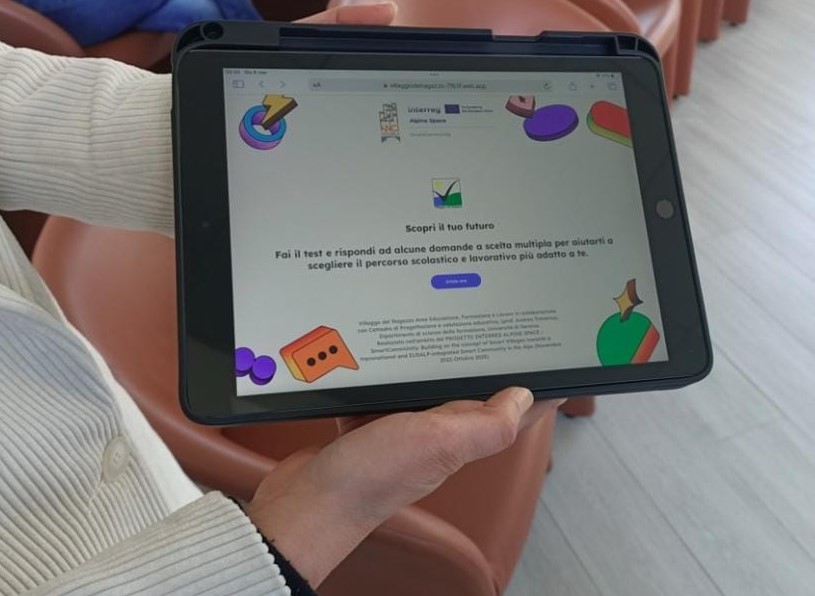
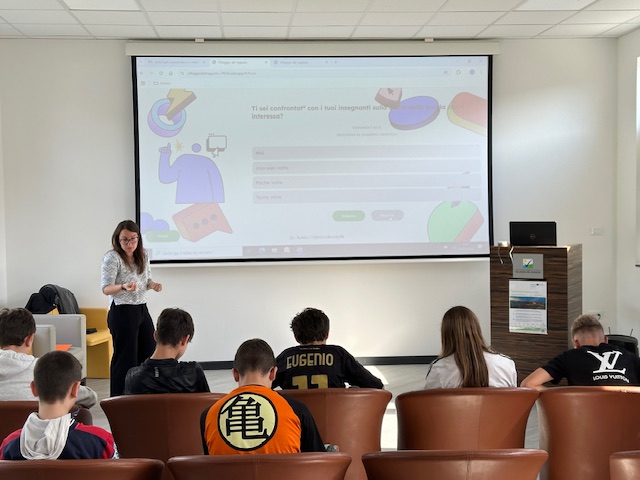
One of the most innovative elements is the development of an orientation gaming experience, an interactive web app accessible via PC and tablets that transforms the traditional guidance questionnaire into an engaging and playful experience. Through game dynamics, illustrated graphics, and a guided pathway, students are encouraged to reflect on their interests, skills, and future opportunities. The app allows tutors to access the aggregated results of the questionnaires through a dedicated dashboard, facilitating analysis and enabling more personalized support for students. The approach is based on an experiential learning model (“learning by doing”), which encourages active participation and greater awareness in decision-making.
Alongside the digital component, the project also experiments with immersive simulations of technical professions through augmented reality and 360° videos. Thanks to immersive recordings carried out in real working environments, students can experience an engaging exploration of professional settings and activities first-hand. The content will be accessible through dedicated VR headsets and will offer short narrative experiences representing different professional fields, allowing students to concretely discover some of the career opportunities available in the local territory.
The integration of gamification, immersive technologies, and school guidance makes the project particularly innovative, as it proposes a new way of introducing young people to educational and career choices, while also highlighting the development and innovation opportunities within the local territory.
The project's methodology is based on an integrated, participatory, and experiential approach, aimed at building an innovative system of educational and career guidance for professions related to environmental sustainability. Specifically, the methodological approach is structured into an initial analysis of the local context and training and employment needs, conducted through the involvement of local stakeholders (institutions, schools, businesses, and communities), followed by a co-design phase for the interventions. The action then develops through the design and implementation of immersive learning environments and workshops, integrating advanced digital tools such as virtual and augmented reality, gaming, and web applications, according to a gamification and learning-by-doing approach for students.
The methodology also includes an evaluation system based on qualitative and quantitative indicators, designed to measure the impact in terms of awareness, transversal skills, and reduction of school dropouts. It also includes structured opportunities for ongoing dialogue with stakeholders to ensure the effectiveness, replicability, and sustainability of the model over time.
The methodology also includes an evaluation system based on qualitative and quantitative indicators, designed to measure the impact in terms of awareness, transversal skills, and reduction of school dropouts. It also includes structured opportunities for ongoing dialogue with stakeholders to ensure the effectiveness, replicability, and sustainability of the model over time.
The project was conceived from the outset with a strong focus on transferability and replicability, thanks to the use of flexible digital tools that can be easily adapted to different territorial contexts.
The orientation gaming tool is developed as a web app accessible via PC and tablets, without the need for specific devices or complex infrastructure, making it easily usable by schools, training centres, and different territories. The structure of the questionnaire, designed during the development phase, can also be adapted and customized according to local specificities, for example by integrating content related to the educational and professional opportunities of other regions. The dashboard system for tutors and trainers likewise ensures simple and scalable use, enabling the collection and analysis of student results across different educational settings.
In parallel, the immersive orientation experiences based on 360° videos and augmented reality represent a highly replicable format. The model involves the creation of short immersive scenarios that showcase specific professions or productive sectors. This approach allows video content to be replaced or integrated with new professions or local supply chains, making the tool adaptable to other territories, economic contexts, or education systems.
The combination of the orientation web app, experiential learning approach, and immersive content therefore constitutes a transferable methodological model that can be replicated in other educational and territorial contexts to support young people in their school and career choices, while also enhancing local development and innovation opportunities.
SmartLAB, as already highlighted, was established by the SmartCommUnity project, but it continues to be a dynamic and participatory space thanks to workshop activities aimed at local schools. In the future, these initiatives will be further extended to schools along the coast, highlighting both the cultural value and the inclusive dimension (engaging an increasing number of young people) of the NEB.
Among the planned activities, in spring the SMARTLab will host the exhibition “Climate & Me”, designed to inform and inspire visitors to adopt concrete actions to protect the climate in their daily lives. The exhibition is structured around six thematic areas: travel and mobility, electricity and energy, buildings and housing, waste and recycling, food and beverages, as well as consumption and lifestyles.
Through concrete data, the exhibition highlights the impact of individual choices on the climate. Visitors are thus given the opportunity to understand the mechanisms of climate change, its causes and consequences, as well as the possible actions to reduce CO₂ emissions. This also adds value to the project by showcasing practical and sustainable solutions that each of us can implement.