Enhancing Circularity, Sustainability, and Innovation
RHIOS
RHIOS – Water Resilience through Nature-Based River Restoration
RHIOS is a municipal action strategy for ecological river restoration and sustainable water management in Santarém, Portugal, that demonstrates how local public policies can regenerate river landscapes while promoting environmental sustainability and social engagement. Through nature-based solutions, bioengineering techniques and strong community engagement, this strategy restores riparian ecosystems, strengthens water resilience and reconnects people with their rivers.
Portugal
Local
Santarém
Mainly rural
It involves a physical transformation of the built environment (hard investment)
Yes
2025-12-19
Yes
ERDF : European Regional Development Fund
No
Yes
Organisation
RHIOS is a long-term municipal strategy developed by Santarém Municipality to address increasing environmental challenges such as river degradation, biodiversity loss, erosion and climate change impacts, since it focuses on the ecological restoration of rivers and sustainable management of riparian ecosystems through nature-based solutions and bioengineering techniques.
Since its implementation, RHIOS has restored over 5 km of rivers and streams and rehabilitated 23 river sections across the municipality, involving 13 parish councils. The project has stabilised degraded riverbanks, removed ecological barriers, improved river connectivity and controlled invasive species, while planting native vegetation and restoring ecological corridors.
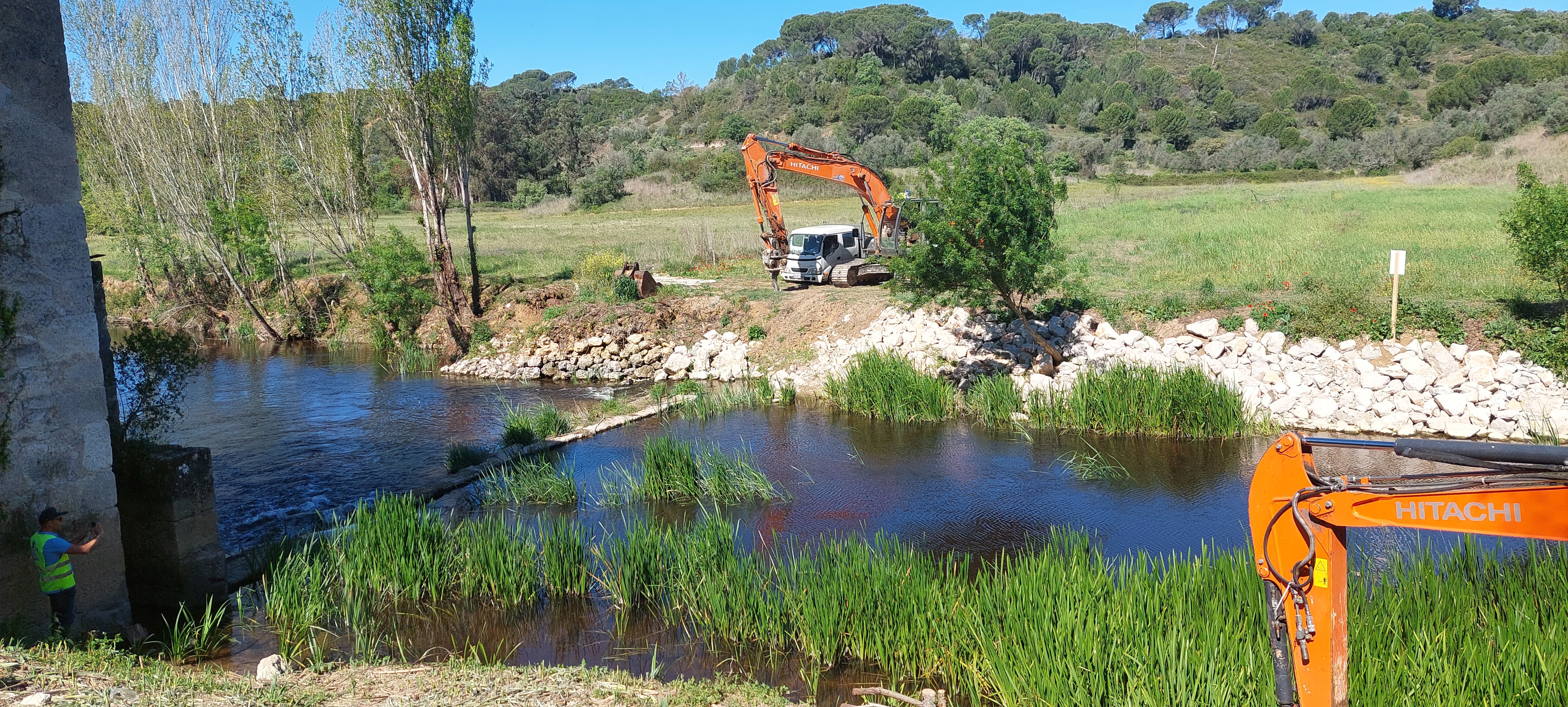
A key milestone includes the removal of obsolete river barriers, restoring connectivity over several kilometres and improving habitats for native and protected species such as the European eel (Anguilla Anguilla), and has also successfully reduced invasive species, including large-scale removal of water hyacinth along the Alviela River.
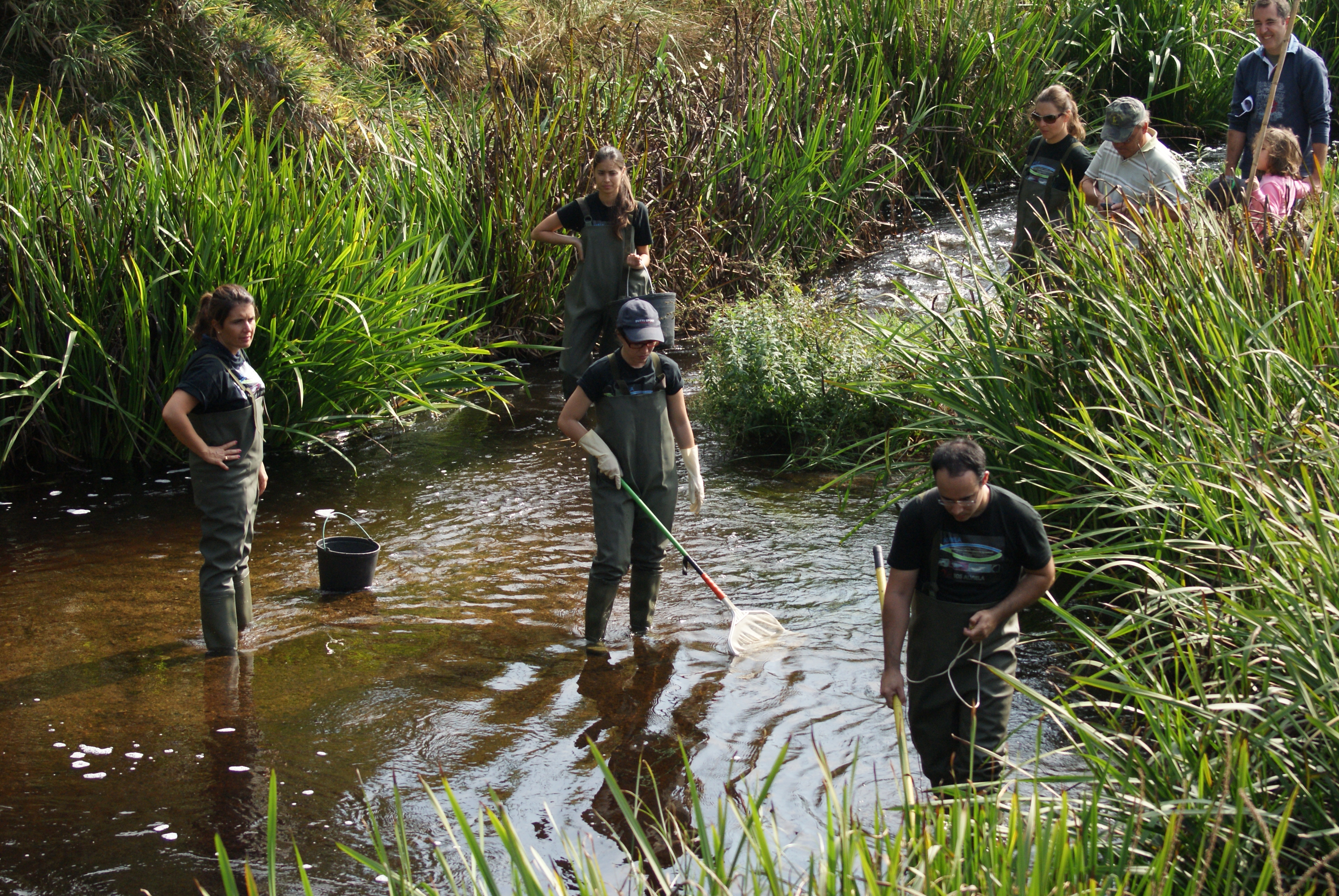
Beyond environmental outcomes, RHIOS has a strong social dimension, engaging schools, local organisations and citizens in volunteering, monitoring and awareness activities, fostering environmental literacy and a shared sense of stewardship.
RHIOS demonstrates a replicable and cost-effective model for climate adaptation and landscape regeneration. By integrating ecological restoration, community engagement and public governance, it enhances water resilience and delivers long-term environmental, social and territorial impact.
RHIOS emerged as a response to the progressive degradation of watercourses in Santarém, where rivers and streams had been affected by erosion, loss of riparian vegetation, invasive species and ecological fragmentation caused by infrastructure and land-use changes. These pressures reduced ecological quality and increased vulnerability to Climate Change impacts such as floods and water scarcity.
Recognising the need for a new approach, Santarém Municipality shifted from traditional civil engineering solutions to nature-based solutions, prioritising the restoration of natural ecological processes. This marked a structural transformation in how river management was understood and implemented.
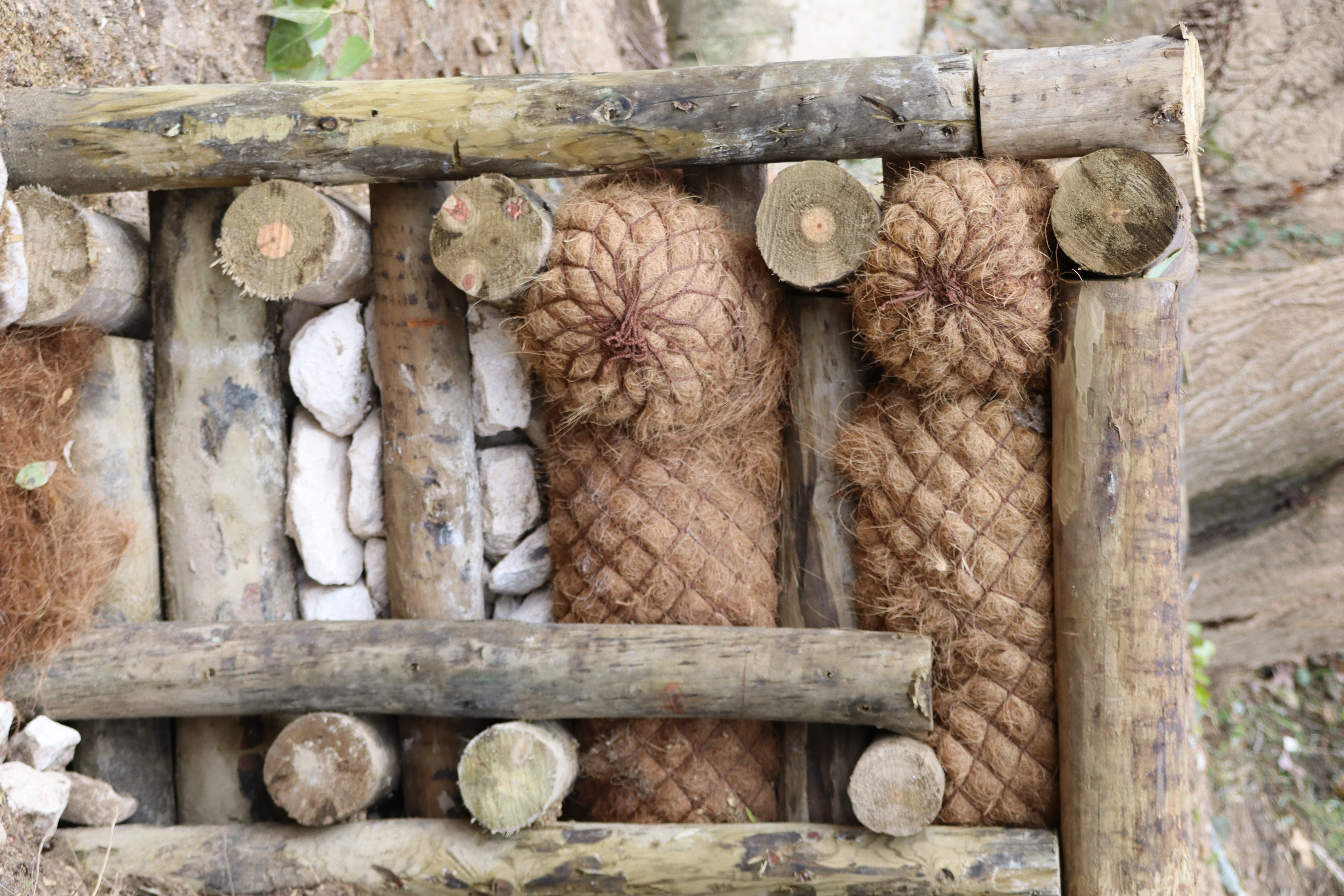
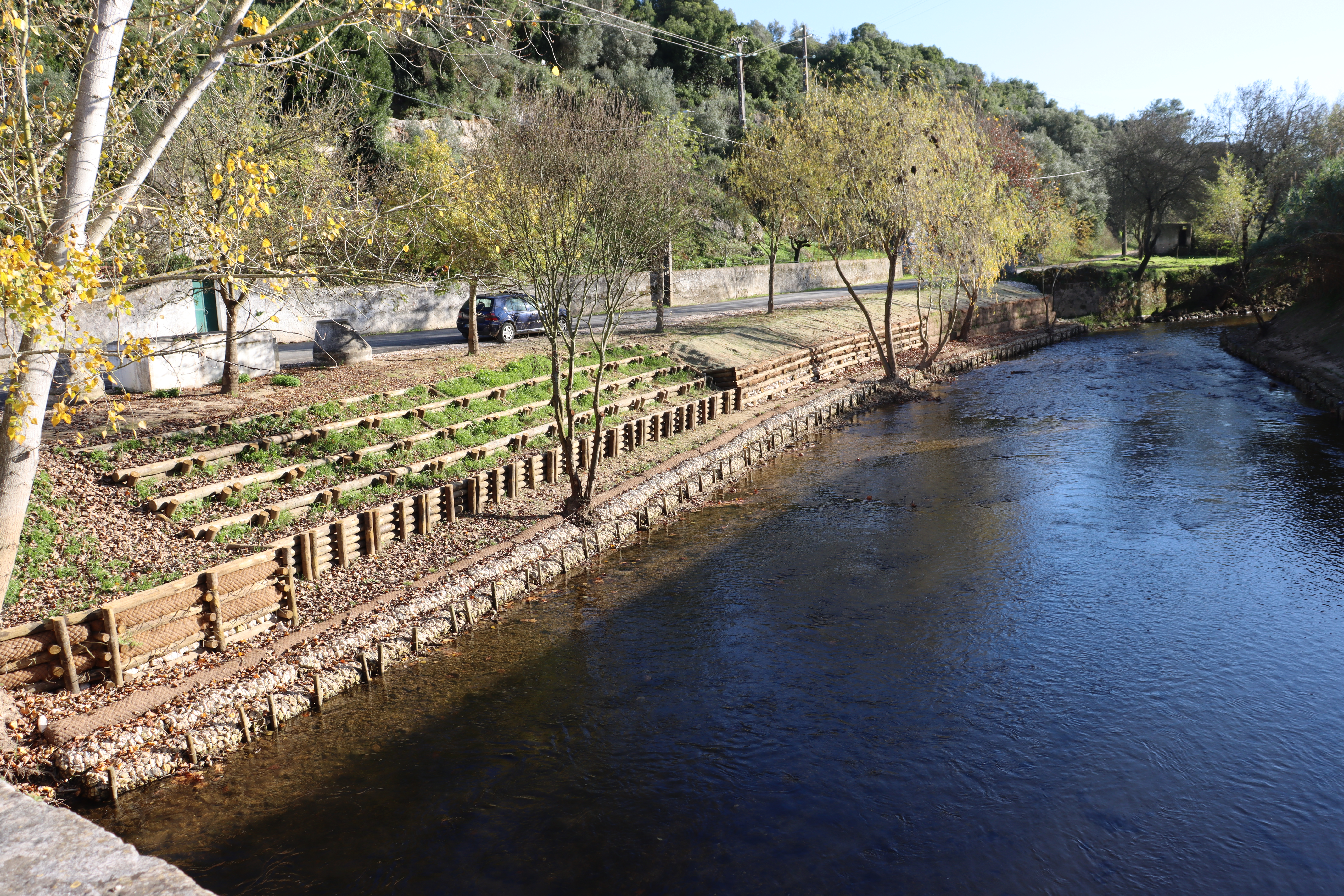
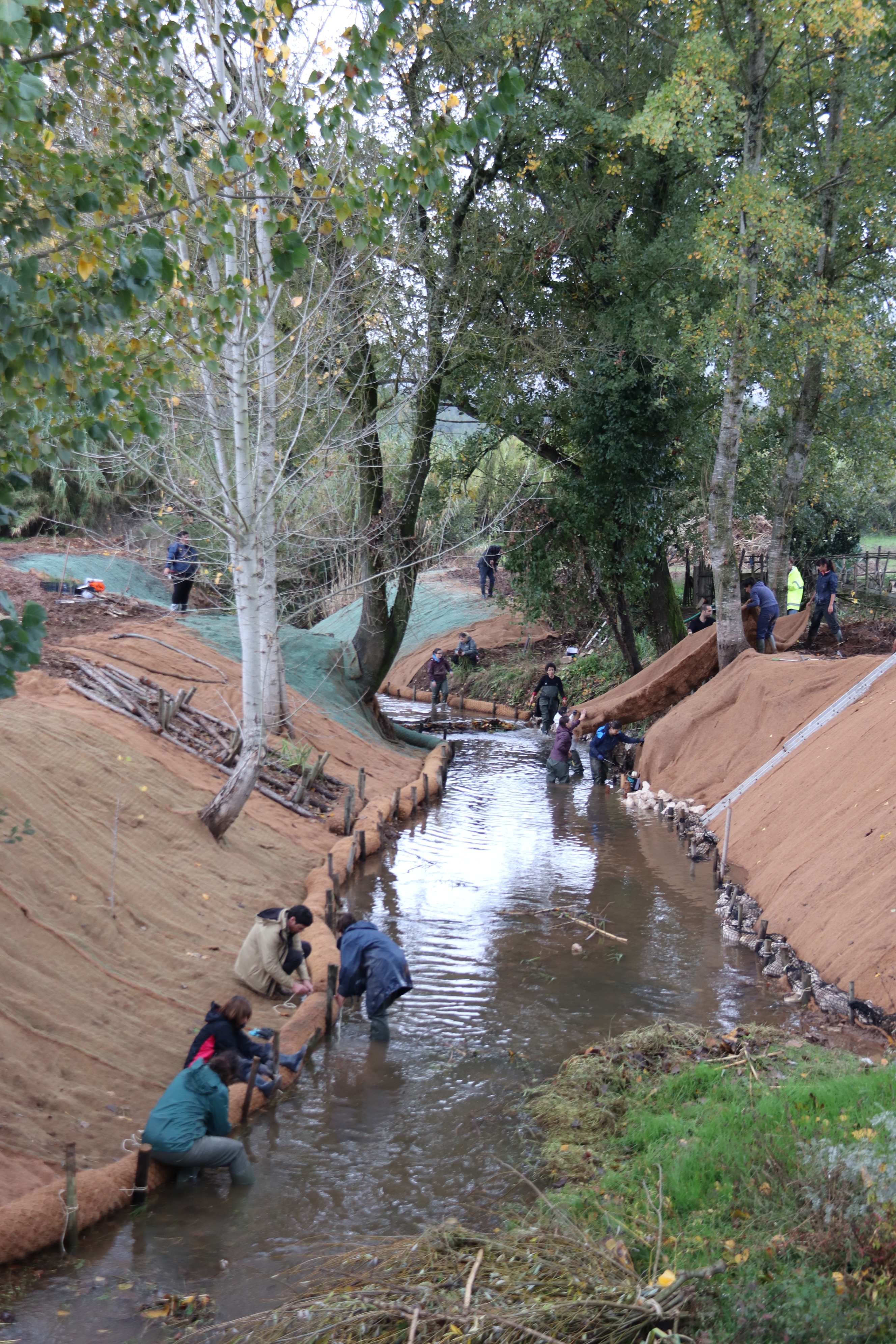
On the ground, the project follows a “Rehabilitation Section by Section” approach, identifying priority degraded areas and applying tailored restoration measures, where these include riverbank stabilisation using bioengineering techniques, removal of obsolete barriers to restore connectivity, control of invasive species and replanting of native vegetation.
The project also integrates monitoring systems and capacity-building actions, including training waterline conservation teams and developing environmental awareness programmes.
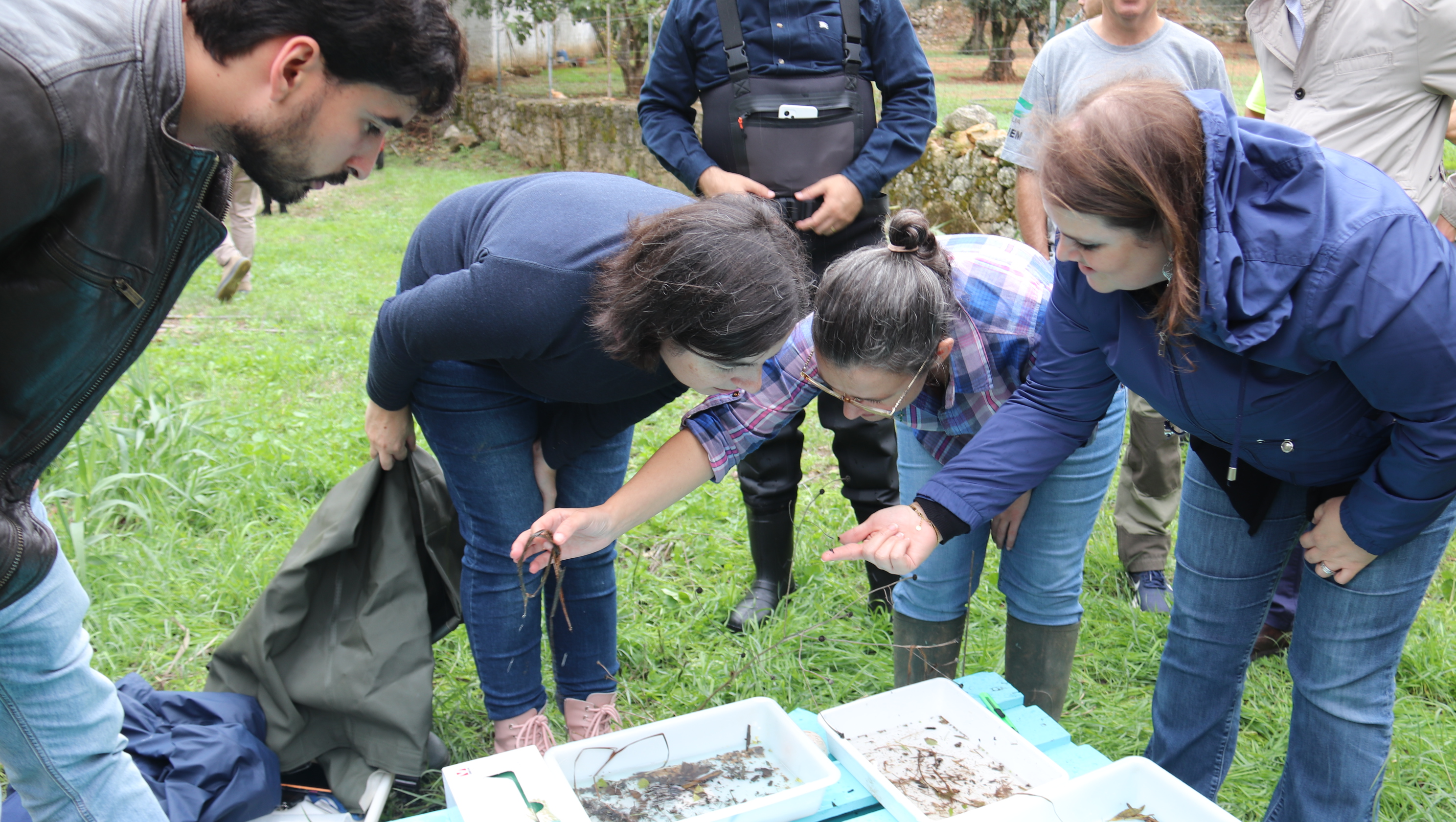
A defining element of RHIOS is its strong participatory dimension, from the outset, local communities, schools, NGOs and stakeholders have been actively involved in implementation, from planting actions to ecological monitoring, transforming citizens into co-stewards of river ecosystems.
Through this integrated and adaptive process, RHIOS has evolved into a continuous model of ecological and social regeneration, demonstrating how local public action can drive systemic change and long-term resilience.
River Restoration
Water Resilience
Nature-Based Solutions
Participatory Governance
Biodiversity
RHIOS addresses environmental, social and economic challenges through an integrated approach to river restoration and sustainable water management, it responds to the degradation of riparian Ecosystems, riverbank erosion, Biodiversity loss, invasive species and the increasing impacts of Climate Change, such as floods, water scarcity and ecological fragmentation.
The project tackles these challenges through Nature-Based Solutions and bioengineering techniques, including riverbank stabilisation, restoration of native riparian vegetation, removal of obsolete barriers to improve river connectivity and control of invasive species. These interventions restore ecosystem functions, improve water quality, strengthen biodiversity and enhance the resilience of the territory to climate-related risks.
RHIOS is also socially sustainable because it actively involves citizens, schools, local associations and civil society organisations in restoration, monitoring and awareness activities. This participatory model strengthens environmental literacy, promotes shared responsibility for natural resources and creates long-term local support for ecological regeneration.
From an economic perspective, the project demonstrates that nature-based solutions can provide cost-effective alternatives to conventional grey infrastructure, by working with natural processes and locally adapted techniques, RHIOS reduces long-term maintenance needs while generating multiple ecosystem services and public benefits.
The project is exemplary in terms of sustainability because it combines ecological restoration, climate adaptation, public participation and municipal governance in a single long-term strategy. Rather than treating environmental problems in isolation, RHIOS builds a replicable model for regenerating river landscapes, improving water resilience and creating lasting value for both communities and ecosystems.
RHIOS contributes to making the territory more beautiful and liveable by restoring both the ecological and visual quality of watercourses that had long been degraded or neglected, through the rehabilitation of riverbanks, reintroduction of native riparian vegetation and removal of invasive species, the project recovers landscape identity, ecological balance and aesthetic value across the municipality.
The interventions rely on nature-based solutions and bioengineering techniques that integrate harmoniously into the landscape, respecting natural processes and river morphology while avoiding heavy artificial infrastructure. By prioritising natural materials and living vegetation, RHIOS creates resilient, biodiverse and visually coherent river environments that evolve over time.
This transformation enhances everyday life by turning previously inaccessible or degraded areas into attractive, safe and meaningful public spaces that encourage contact with nature, recreation and well-being. Watercourses become visible and valued elements of the urban and rural landscape.
At the same time, the active involvement of citizens, schools and local organisations in restoration activities strengthens a sense of belonging and emotional connection to place. River landscapes are no longer perceived as neglected spaces, but as shared environments shaped and cared for collectively.
RHIOS demonstrates that ecological restoration can simultaneously generate environmental value and aesthetic quality, creating landscapes that are not only functional, but also meaningful, inclusive and inspiring.
RHIOS promotes inclusion by ensuring that the environmental, social and territorial benefits of river restoration are accessible to all, its Interventions are carried out in public and open spaces, improving access to nature and integrating watercourses into everyday life across both urban and rural contexts.
The project is built on a participatory governance model that actively involves schools, local associations, parish councils, civil society organisations and citizens from diverse age groups and socio-economic backgrounds, through volunteering actions, planting initiatives, ecological monitoring and awareness activities, participants become active contributors to the regeneration and stewardship of their territory.
RHIOS also strengthens inclusion through environmental education, making knowledge about river ecosystems accessible and engaging for different audiences. Hands-on activities allow meaningful participation regardless of educational level, technical expertise or social background.
Special attention is given to widening participation and involving more vulnerable or underrepresented groups, contributing to reducing inequalities in access to natural spaces and environmental decision-making processes.
By empowering citizens as co-stewards of water resources, RHIOS creates an inclusive model of environmental governance and it demonstrates that ecological restoration can be a collective and accessible process, where diverse communities actively shape and benefit from more sustainable and resilient landscapes.
Participation is a central pillar of RHIOS, embedded from the design phase to on-the-ground implementation and long-term monitoring, the project adopts a collaborative approach that positions citizens and local stakeholders as active partners rather than passive beneficiaries.
Schools, local associations, parish councils, civil society organisations and individual citizens are directly involved in a wide range of activities, including planting native vegetation, controlling invasive species, restoring riverbanks and participating in ecological monitoring. These hands-on actions provide tangible opportunities for engagement and foster a strong connection to place.
Educational programmes play a key role, particularly through the involvement of schools, where students develop environmental awareness and practical knowledge about river ecosystems from an early age, further extending participation to the broader community.
Participation in RHIOS evolves beyond isolated actions into a continuous process of engagement and ownership, citizens become observers, caretakers and advocates for local watercourses, contributing to their long-term preservation.
This participatory model has led to increased Environmental literacy, stronger community cohesion and a shared culture of responsibility. RHIOS demonstrates how inclusive participation can enhance both the effectiveness and sustainability of ecological restoration efforts.
RHIOS is structured around a multilevel governance model led by Santarém Municipality, integrating local, regional, national and European dimensions in a coordinated framework for river restoration.
At the local level, the municipality plays a central role in planning, implementation and community engagement, working closely with parish councils, schools, local associations and landowners, this ensures that interventions are tailored to the specific characteristics and needs of each territory.
At the regional and national levels, the project aligns with key institutions responsible for water and environmental management, such as the Portuguese Environment Agency (APA) and the Institute for Nature Conservation and Forests (ICNF), guarantees compliance with legal frameworks, technical standards and broader territorial strategies.
The project also benefits from partnerships with non-governmental organisations, including GEOTA and ANP-WWF, which contribute specialised expertise, advocacy capacity and support for innovative approaches such as river barrier removal.
Alignment with European priorities on Climate Adaptation, Biodiversity and Nature-Based Solutions further strengthens the project’s strategic relevance and replicability, by combining institutional coordination, technical expertise and local knowledge, RHIOS demonstrates how multilevel governance can enhance effectiveness, coherence and long-term impact in environmental management.
RHIOS adopts a transdisciplinary approach that integrates diverse fields of knowledge in both its design and implementation, enabling a comprehensive response to complex Environmental challenges.
Environmental sciences provide the foundation for the project, including river ecology, Biodiversity Conservation and water resource management, guiding the restoration of ecological processes and the improvement of Ecosystem health.
Bioengineering and natural engineering techniques are central to the intervention strategy, applying nature-based solutions to stabilise riverbanks, control erosion and regenerate habitats using living materials and ecological principles.
Spatial planning and landscape management ensure that interventions are context-sensitive and integrated into the broader territorial framework, balancing ecological, social and spatial dimensions.
The project also incorporates social sciences and environmental education, which support participatory governance, community engagement and behavioural change. Collaboration with schools, local organisations and citizens allows the integration of scientific knowledge with local experience and practical know-how.
RHIOS demonstrates how transdisciplinary collaboration is essential to address interconnected environmental and societal challenges, fostering innovation and adaptability, resulting in solutions that are not only technically effective but also socially accepted and Environmentally Sustainable.
RHIOS is based on a public funding model embedded within the long-term environmental and territorial management strategy of the Municipality of Santarém.
The project is primarily financed through municipal resources, ensuring continuity and alignment with local public policies, being complemented by national and European programmes, such as the Environmental Fund, which support initiatives related to Climate Change, Biodiversity and Nature-Based Solutions.
Its financial sustainability derives from its integration into public governance structures, allowing for medium- and long-term planning rather than reliance on isolated or short-term funding cycles.
The adoption of Nature-Based Solutions and bioengineering techniques significantly reduces implementation and maintenance costs compared to conventional grey infrastructure, while delivering long-term ecosystem benefits and reducing future intervention needs.
Community participation and partnerships with local stakeholders further optimise resources, increasing implementation capacity through volunteering and institutional collaboration without substantially increasing costs.
This model demonstrates that ecological restoration can be both economically viable and scalable, combining public investment, cost-efficient solutions and community engagement to generate lasting environmental and social value.
RHIOS has strong scalability potential, as it is based on methodologies, processes and solutions that can be adapted to different geographical, institutional and social contexts.
A key transferable element is its integrated approach to river restoration, combining Nature-Based Solutions and bioengineering techniques to address ecological degradation, improve connectivity and enhance resilience. These solutions rely on natural processes and locally available materials, making them cost-effective and adaptable.
The “rehabilitation section by section” methodology provides a clear and replicable framework for identifying, prioritising and intervening in degraded watercourses, where this structured approach can be applied by municipalities and organisations responsible for land and water management in different regions.
The participatory governance model is another core component with high transferability, since it engages communities, schools, local organisations and civil society, fostering shared responsibility and long-term sustainability, regardless of the specific social context.
Embedding the project within Local Environmental Public Policies is a critical factor for replication, ensuring continuity, institutional support and access to funding. By combining technical simplicity, institutional integration and strong community engagement, RHIOS offers a robust and replicable model for restoring river landscapes and strengthening water resilience across diverse territories.