Arts, Culture, and Heritage as Drivers of Change
IRPINA
Inclusive Regeneration and Participatory Innovation for New Aesthetics
IRPINA turns a former prison into a New European Bauhaus living lab, where accessibility becomes creation and memory becomes a shared experience. Through sensory innovation and collective storytelling, citizens become authors of heritage. The museum evolves into a space where roots generate new futures, transforming culture into inclusion, beauty and opportunity for inner areas.
Italy
Local
Avellino and the 103 municipalities of the Province of Avellino
It addresses urban-rural linkages
It involves a physical transformation of the built environment (hard investment)
Yes
2025-11-30
Yes
ERDF Regione Campania and RFF NRRP Italy for the Tourism of the Roots Hotspots (20 Million Euros)
No
No
Organisation
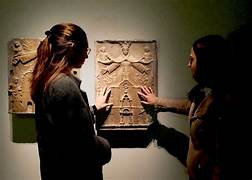
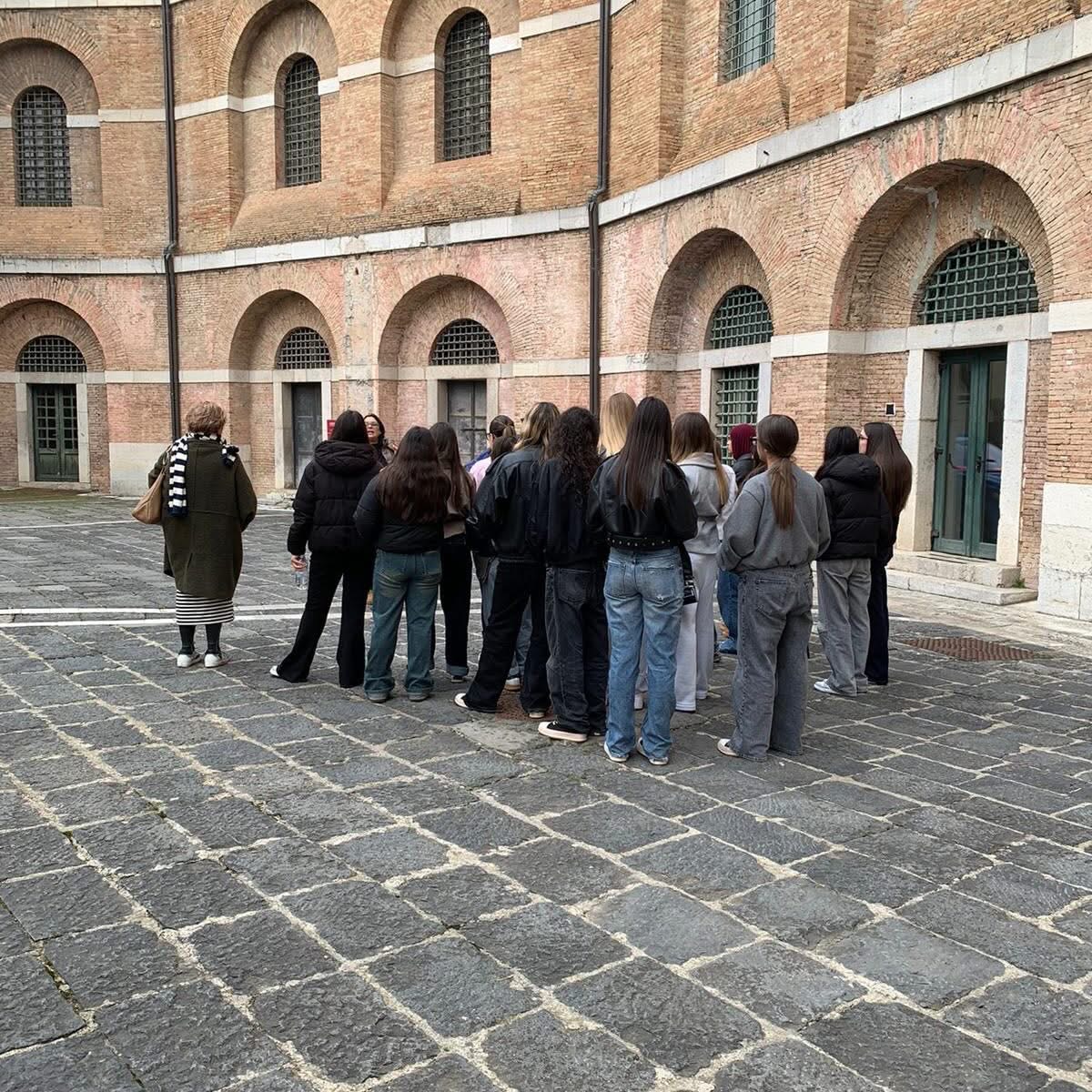
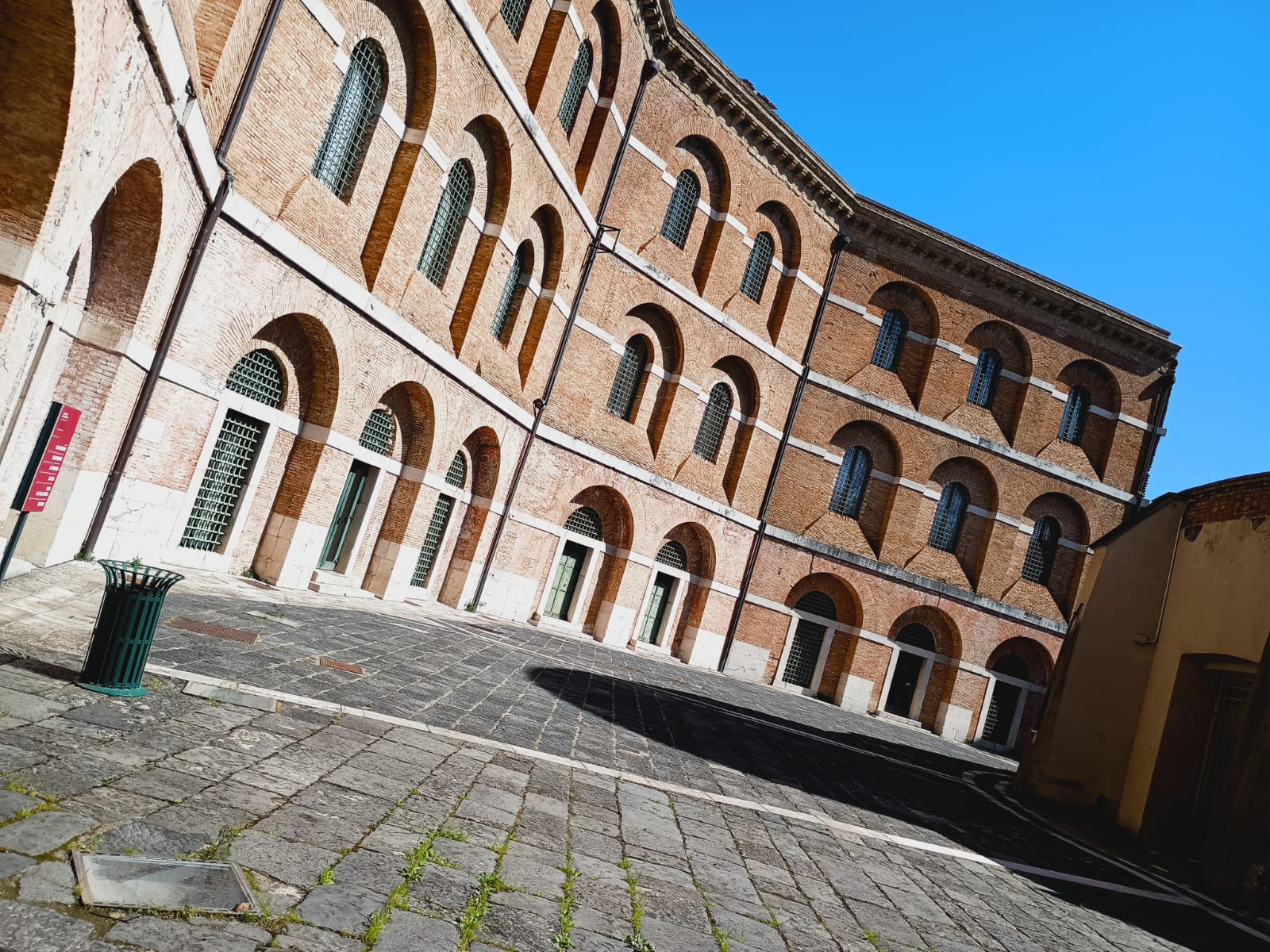
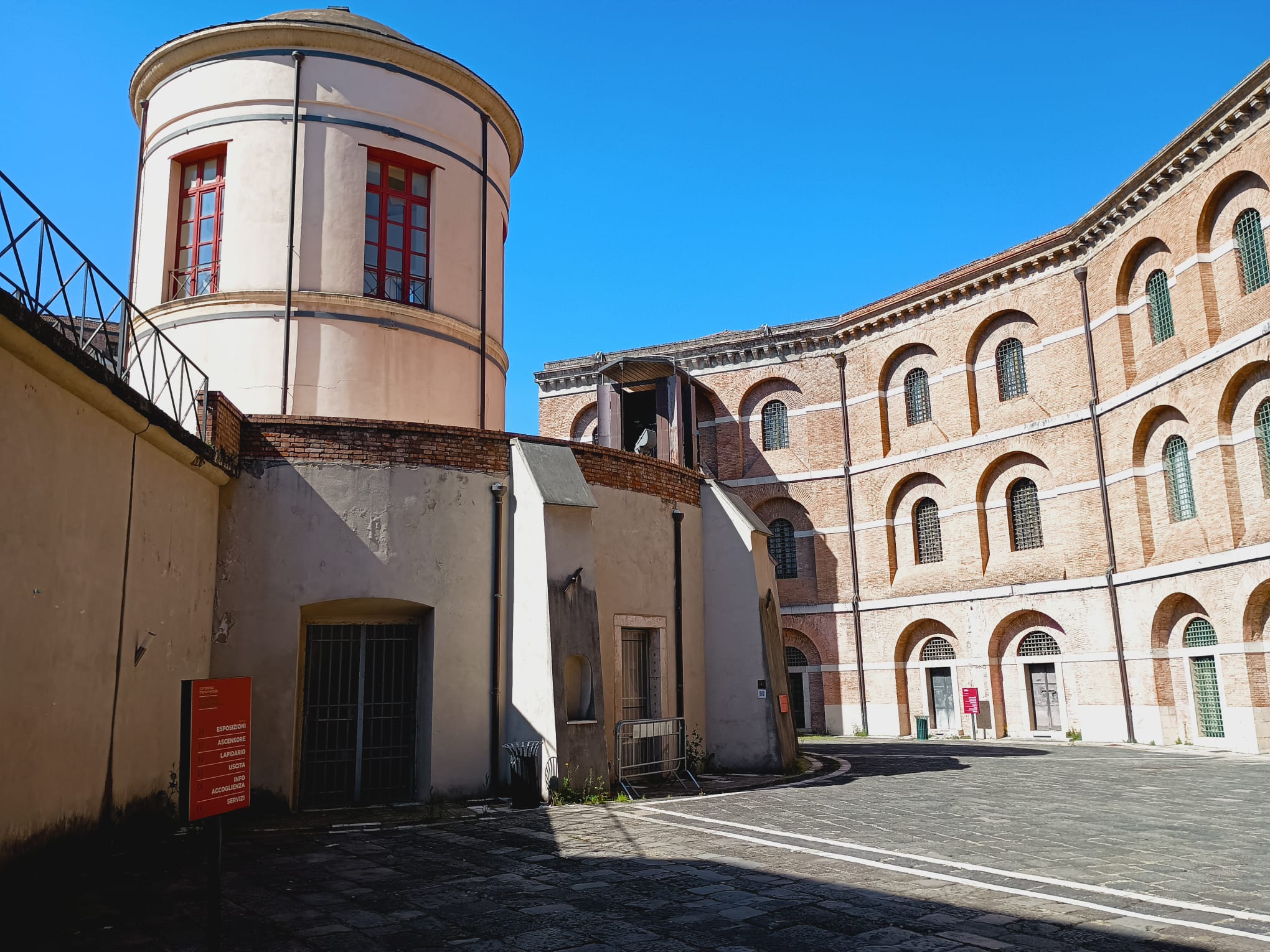
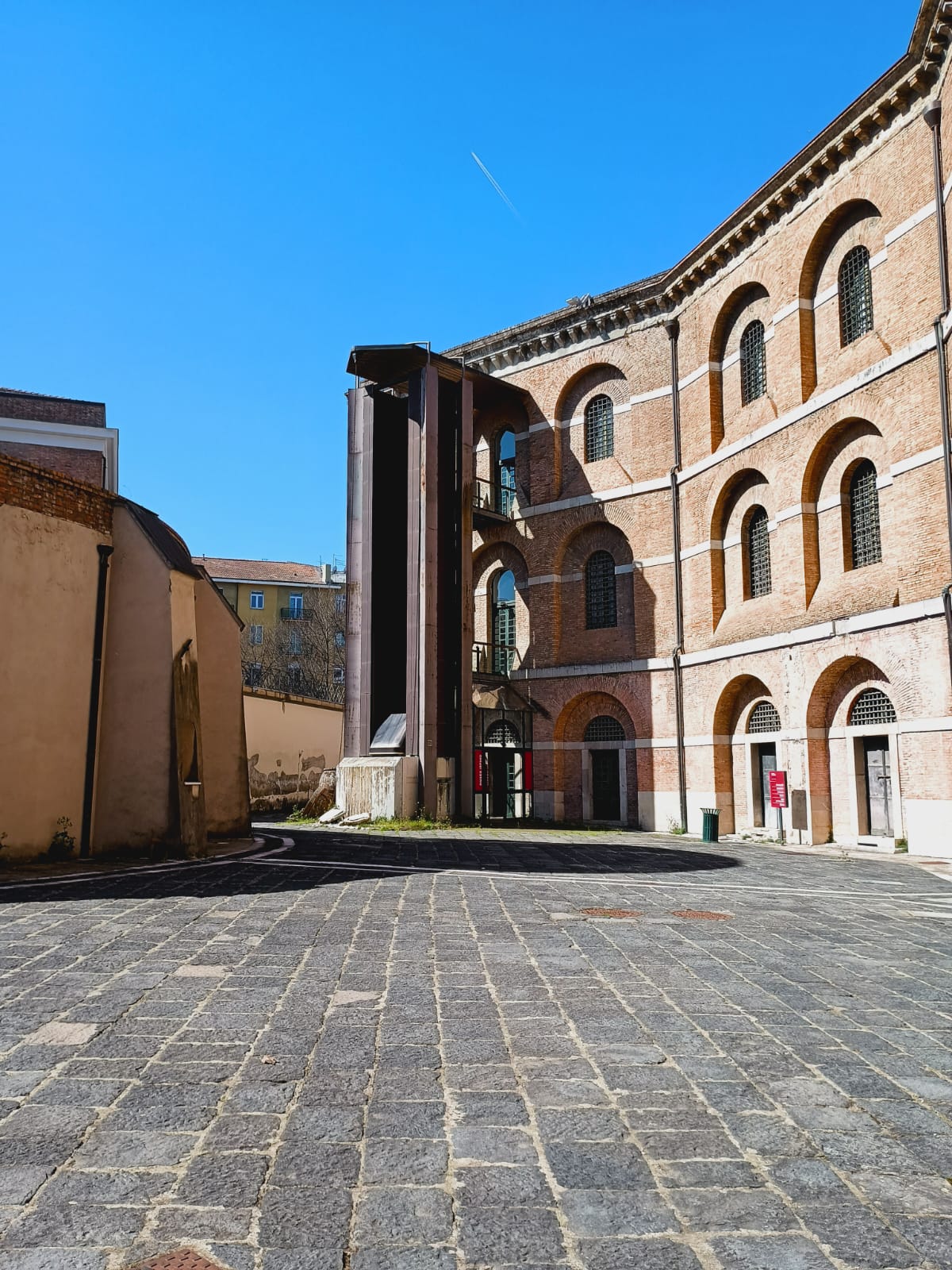
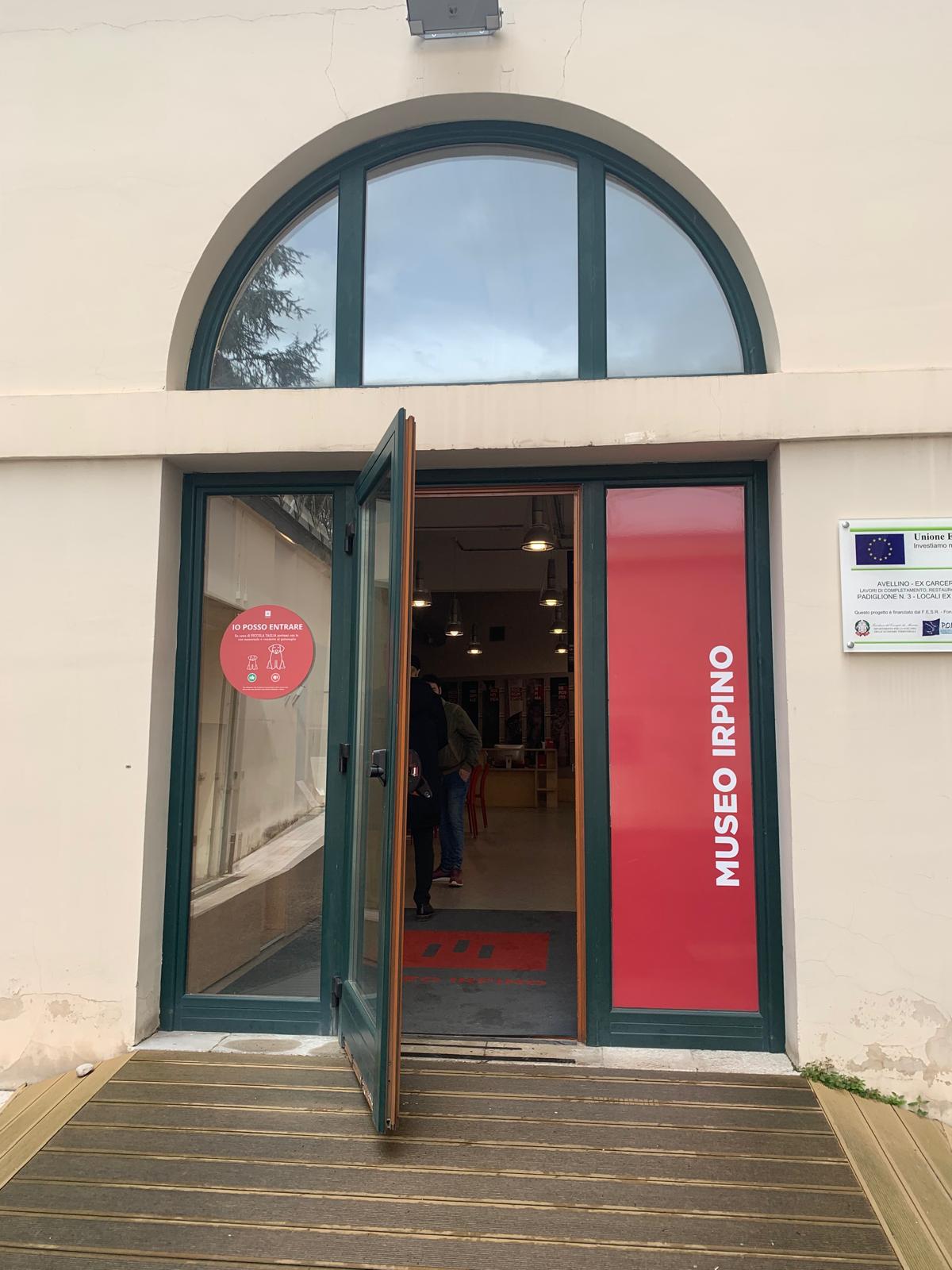
IRPINA transforms the Irpinia Museum, located in the former Bourbon prison in Avellino, into a New European Bauhaus demonstrator where accessibility, participation and cultural identity converge. Building on the completed AURA project, the initiative has already delivered tangible results in removing sensory barriers, introducing audio-based accessibility tools and inclusive formats that enable visually impaired visitors to experience heritage through sound, narrative and immersion. At the same time, new approaches to mediation and interpretation have expanded accessibility for diverse audiences, including people with different sensory and cognitive needs. IRPINA goes beyond accessibility as a technical solution and redefines it as a cultural and creative process. Through participatory and co-creation practices, citizens, cultural operators and communities actively contribute to shaping narratives and experiences. The museum is no longer a static space of conservation, but a living platform where heritage is continuously interpreted and co-produced. A distinctive element of the project is the activation of the Irpinian identity (gens irpina) through a digital genealogical archive and collective storytelling practices. Personal histories, memories and local knowledge are transformed into accessible cultural content, strengthening the connection between past, present and future. Already achieved results include increased accessibility, diversification of audiences, new inclusive cultural formats and stronger community engagement. In the long term, IRPINA positions the museum as a reference model for inclusive heritage innovation in inner areas, demonstrating how accessibility, participation and identity can generate sustainable cultural ecosystems across Europe.
IRPINA was born from a long trajectory of reconstruction, memory and collective resilience. After the devastating earthquake that struck Irpinia in 1980, the territory of Avellino faced not only physical destruction but also a deep fracture in its social and cultural fabric. Over decades, reconstruction has progressively shifted from infrastructure to identity, from rebuilding structures to rebuilding meaning. IRPINA emerges within this legacy as a new phase of regeneration, where culture, participation and accessibility become central drivers of renewal. The project has been enabled through resources from the Italian National Recovery and Resilience Plan (PNRR), which supported investments in cultural infrastructure, digitalisation and accessibility. These resources allowed the activation of the AURA project, through which the Irpinia Museum introduced concrete solutions to remove sensory barriers, including audio-based accessibility systems and inclusive mediation tools. However, IRPINA goes beyond a technical intervention. Its implementation is grounded in a participatory approach that reconnects the community with its own heritage. Through artistic practices, storytelling processes and co-creation activities, citizens have been involved in reinterpreting their history and identity, transforming personal and collective memories into shared cultural content. The museum, located in the former Bourbon prison, becomes a powerful symbol of this transition: from a place of confinement to a space of openness, inclusion and imagination. On the ground, the project has been implemented through a combination of infrastructural upgrades, cultural programming and community engagement, creating accessible experiences for diverse audiences. By linking public investment with community-driven processes, IRPINA demonstrates how post-disaster can evolve into laboratories of cultural innovation, where art and participation contribute to rebuilding spaces and sense of (re)belonging.
Inclusive Heritage Innovation
Co-created Cultural Identity
Community co-design
Accessible Beauty for All
Place-based Social Transformation
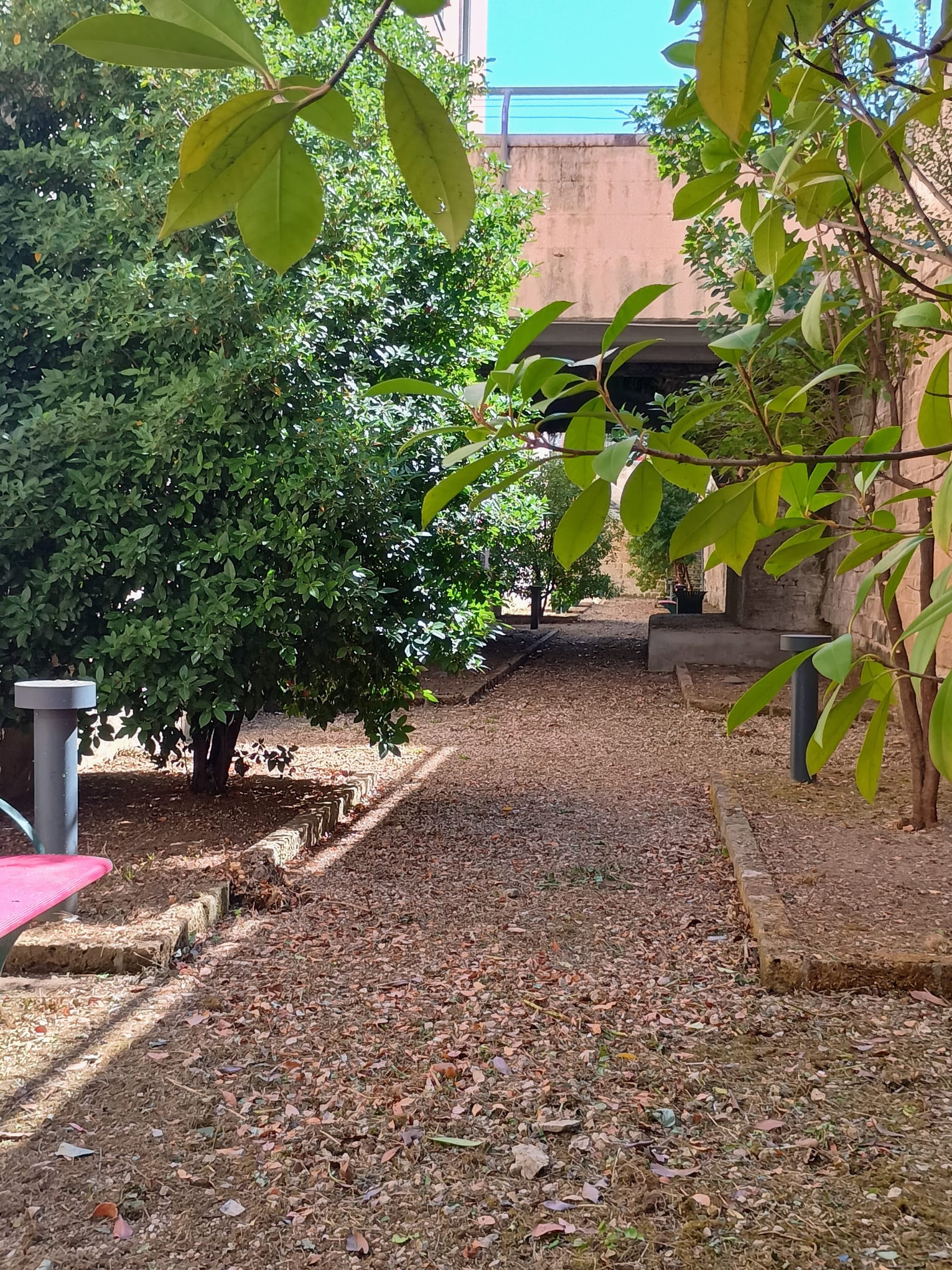
IRPINA addresses environmental sustainability by transforming heritage into a low-impact, regenerative system rooted in reuse, co-creation and landscape stewardship. The project is based on the adaptive reuse of the Irpinia Museum, located in a former prison, avoiding new construction and significantly reducing material consumption and emissions while extending the lifecycle of an existing public asset. Environmental sustainability is further embedded through the activation of Nature-Based Solutions (NBS) as a strategic framework connecting cultural heritage with ecological regeneration.At the core of this approach is a co-creation laboratory on NBS, where citizens, experts and local actors collaboratively explore how natural processes can inform the enhancement of public spaces, landscapes and infrastructures. This process has been translated into an innovative tool: a card-based co-design game, developed with the community to make complex environmental challenges accessible and actionable. Through this game, participants simulate scenarios, test solutions and define priorities for sustainable territorial development.The outcomes of this participatory process feed into a broader vision: the development of a territorial plan for all 103 municipalities of the Province of Avellino, embedding NBS principles into landscape valorisation and infrastructure regeneration. This includes strategies for climate adaptation, ecosystem restoration and the integration of green and blue infrastructures within cultural and urban contexts.IRPINA is exemplary because it moves beyond isolated interventions and establishes a systemic and scalable model, where environmental sustainability is co-designed, understood and implemented by the community. It demonstrates how cultural institutions can act as catalysts for ecological transition, linking heritage, participation and nature-based innovation into a coherent framework for resilient inner areas.
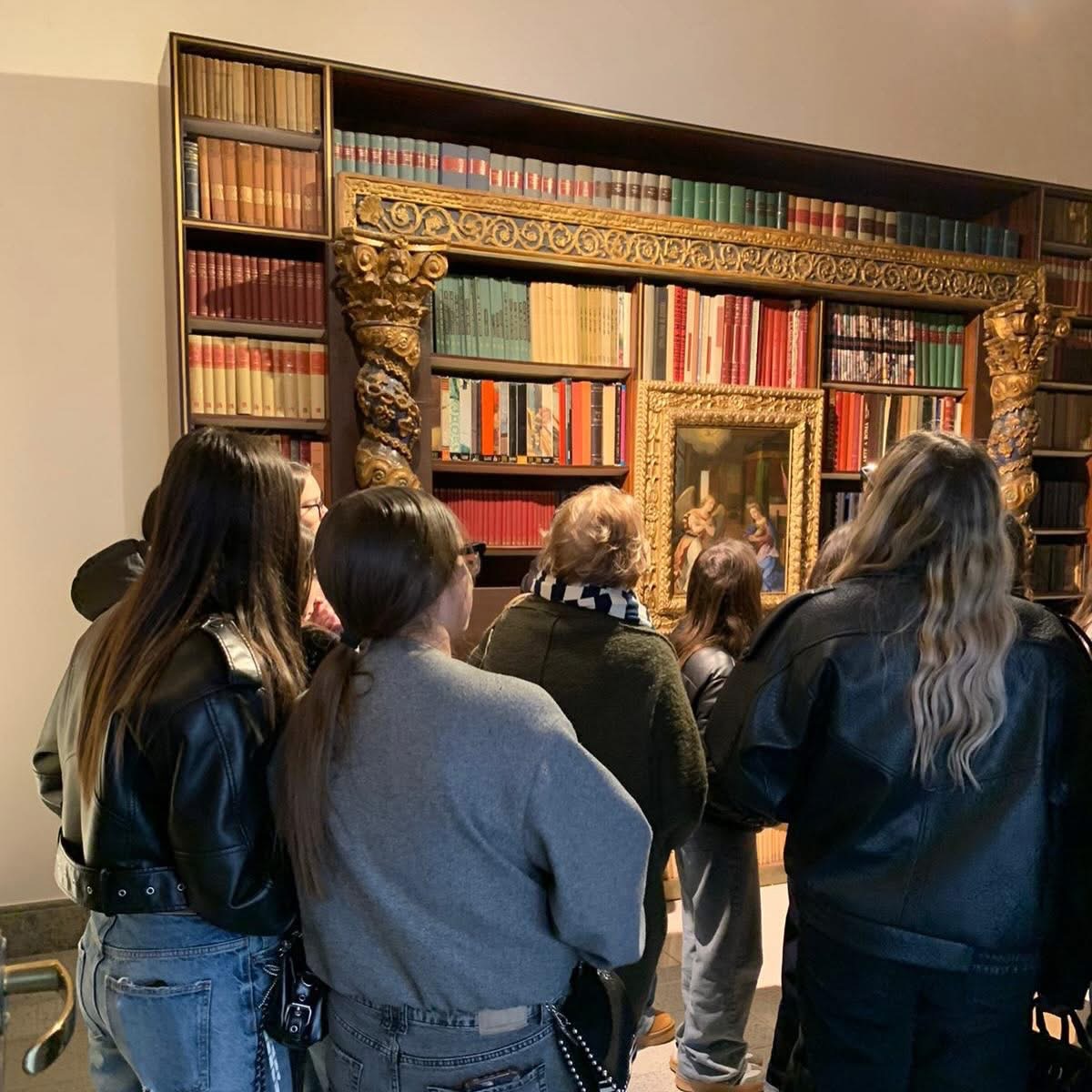
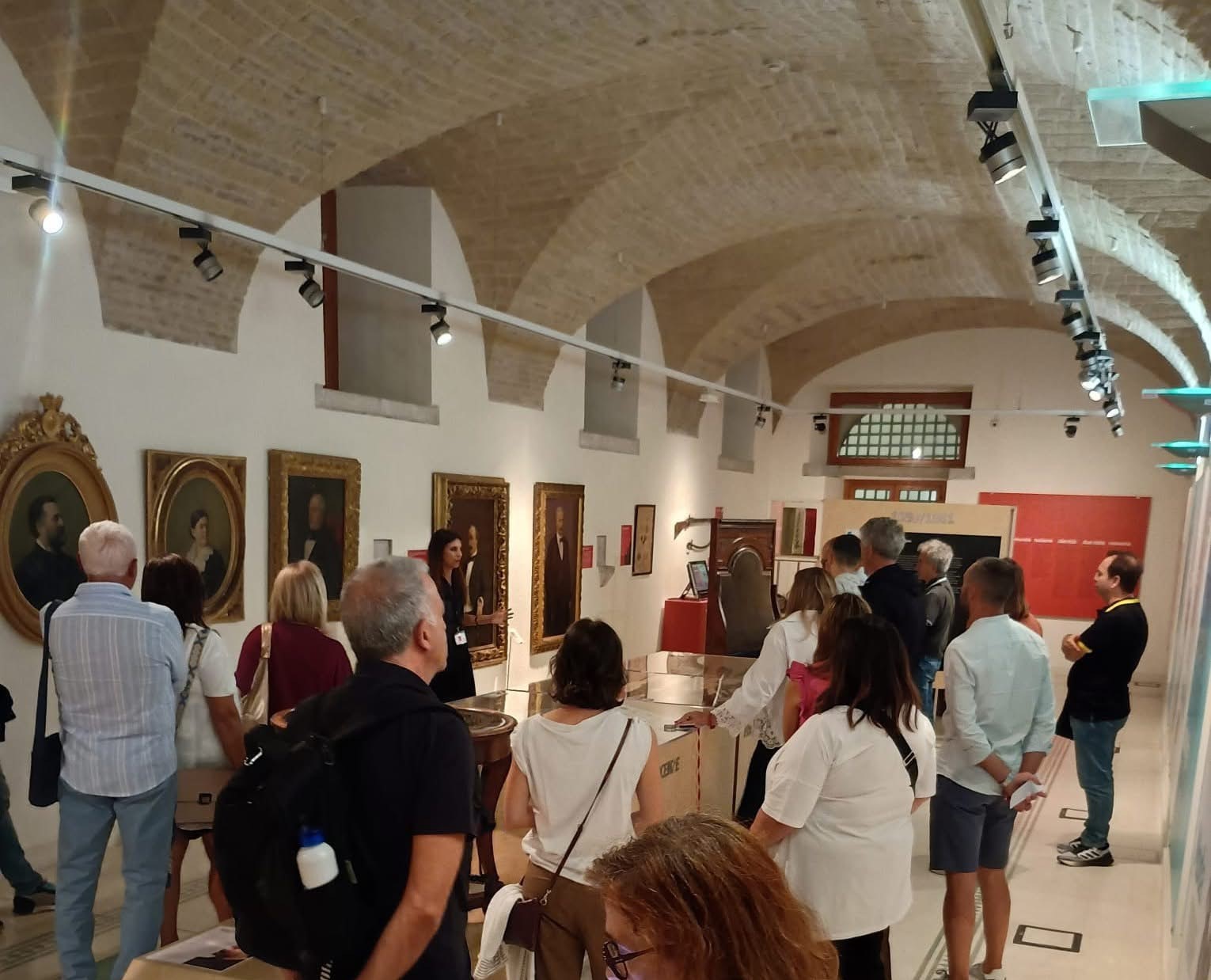
IRPINA redefines aesthetics as a shared, lived and accessible experience, where beauty is not imposed but co-created through culture, learning and everyday practices. Inspired by the Bauhaus tradition, the project integrates art, design and social life, transforming the Irpinia Museum from a space of observation into a space of participation and creation. Beauty emerges from the interaction between people, narratives and environments, rather than from objects alone.In the everyday, IRPINA activates the museum as a vibrant cultural commons, hosting formats such as Creative Mornings, open and informal gatherings where citizens, creatives and communities meet to exchange ideas, reflect on contemporary challenges and reconnect with the cultural life of the territory. These moments transform the museum into a welcoming and inclusive space, where beauty is experienced through dialogue, diversity and shared inspiration.At the same time, the project develops Art-Based Learning pathways with schools, using artistic practices to explore identity, memory and creativity. Students engage with heritage not as a static subject, but as a living resource, contributing to the production of new narratives and interpretations. This fosters a deep sense of belonging, as younger generations recognise themselves within the cultural fabric of the place.Aesthetics in IRPINA is also linked to accessibility: through sensory tools and inclusive design, beauty becomes perceivable by all, expanding the ways in which people can experience and connect with heritage. The transformation of a former prison into an open, inclusive and inspiring environment reinforces the emotional and symbolic dimension of the space, turning it into a place of care, dignity and imagination.IRPINA is exemplary because it demonstrates that aesthetics is not decoration but a process that connects people, culture and space, generating belonging and long-term attachment.
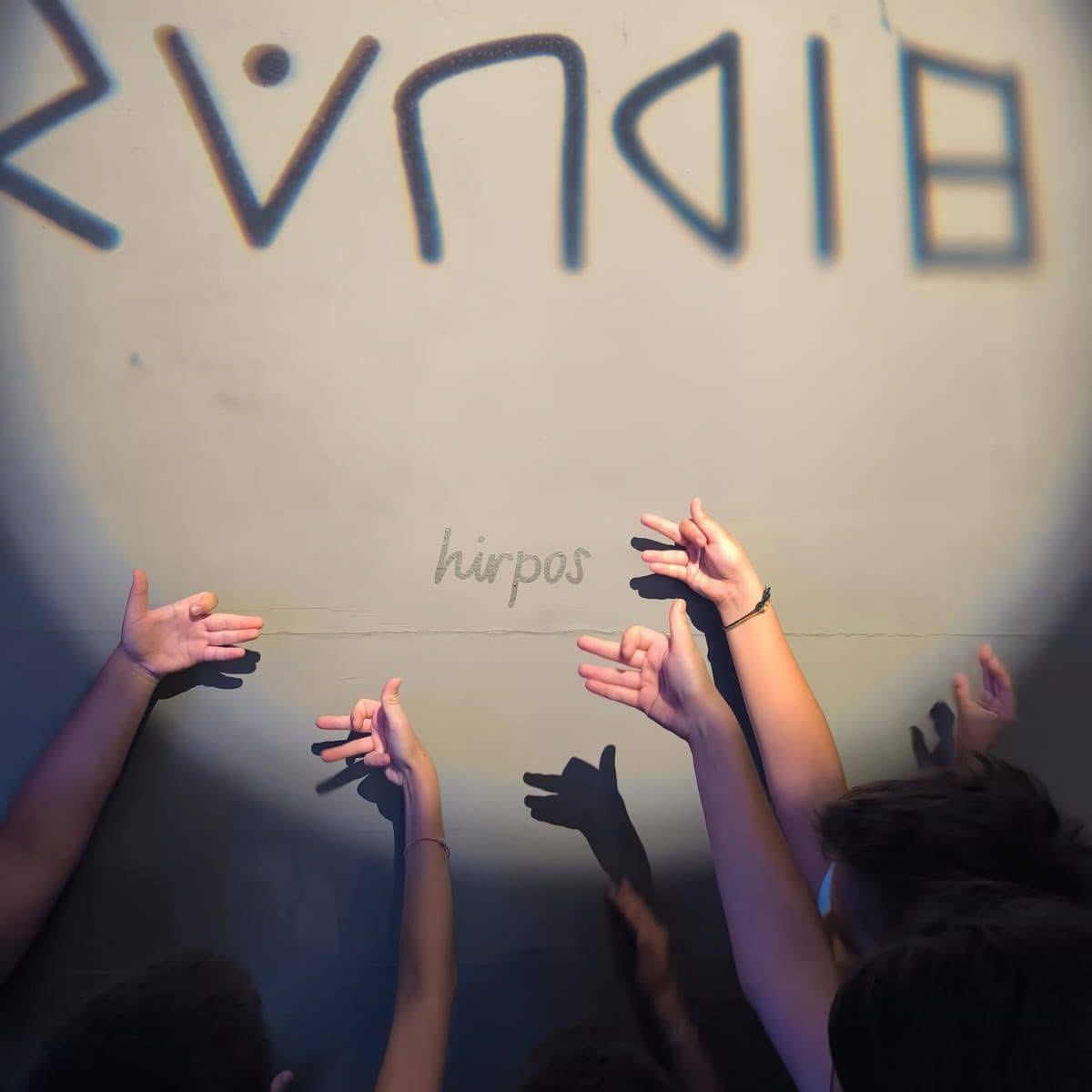
IRPINA addresses inclusion by transforming accessibility into a systemic and multi-dimensional practice, ensuring that cultural experience is open, affordable and meaningful for all. Building on the results of the AURA project, the initiative removes sensory, physical and cognitive barriers through an integrated design-for-all approach aligned with PEBA (Plan for the Elimination of Architectural Barriers) principles.For visually impaired users, IRPINA provides advanced audio-based accessibility tools, immersive storytelling and tactile mediation, enabling independent and rich engagement with heritage. For deaf and hard-of-hearing visitors, the project integrates visual languages, subtitles and inclusive communication formats that enhance comprehension and participation.For people with physical disabilities, the museum environment is progressively adapted to ensure full accessibility of spaces, circulation and services, in line with PEBA standards. For individuals with cognitive and social vulnerabilities, the project develops simplified narratives, guided experiences and participatory formats that reduce barriers to understanding and engagement.The initiative promotes inclusive governance by involving users and organisations representing diverse needs in the co-design of solutions. In particular, collaboration with the Unione Italiana Ciechi e Ipovedenti and networks of accessible museums across Europe ensures that accessibility is not designed in isolation but informed by real expertise and best practices.This approach reflects leading European experiences, where accessibility is embedded from the outset as a creative and curatorial dimension, not an add-on. IRPINA adopts this perspective by integrating accessibility into storytelling, exhibition design and public programming.The project is exemplary because it moves beyond compliance and affordability to establish a new model where accessibility becomes agency, participation and cultural production.
IRPINA adopts a structured co-creation methodology that transforms participation into a continuous and decision-shaping process. Inspired by European co-creation roadmaps, the project starts by building a “coalition of the willing”, aligning citizens, cultural operators, accessibility experts and institutions around a shared vision of the museum. This initial phase ensures that all stakeholders contribute to defining priorities, scope and expected impact from the outset, strengthening ownership and coherence.
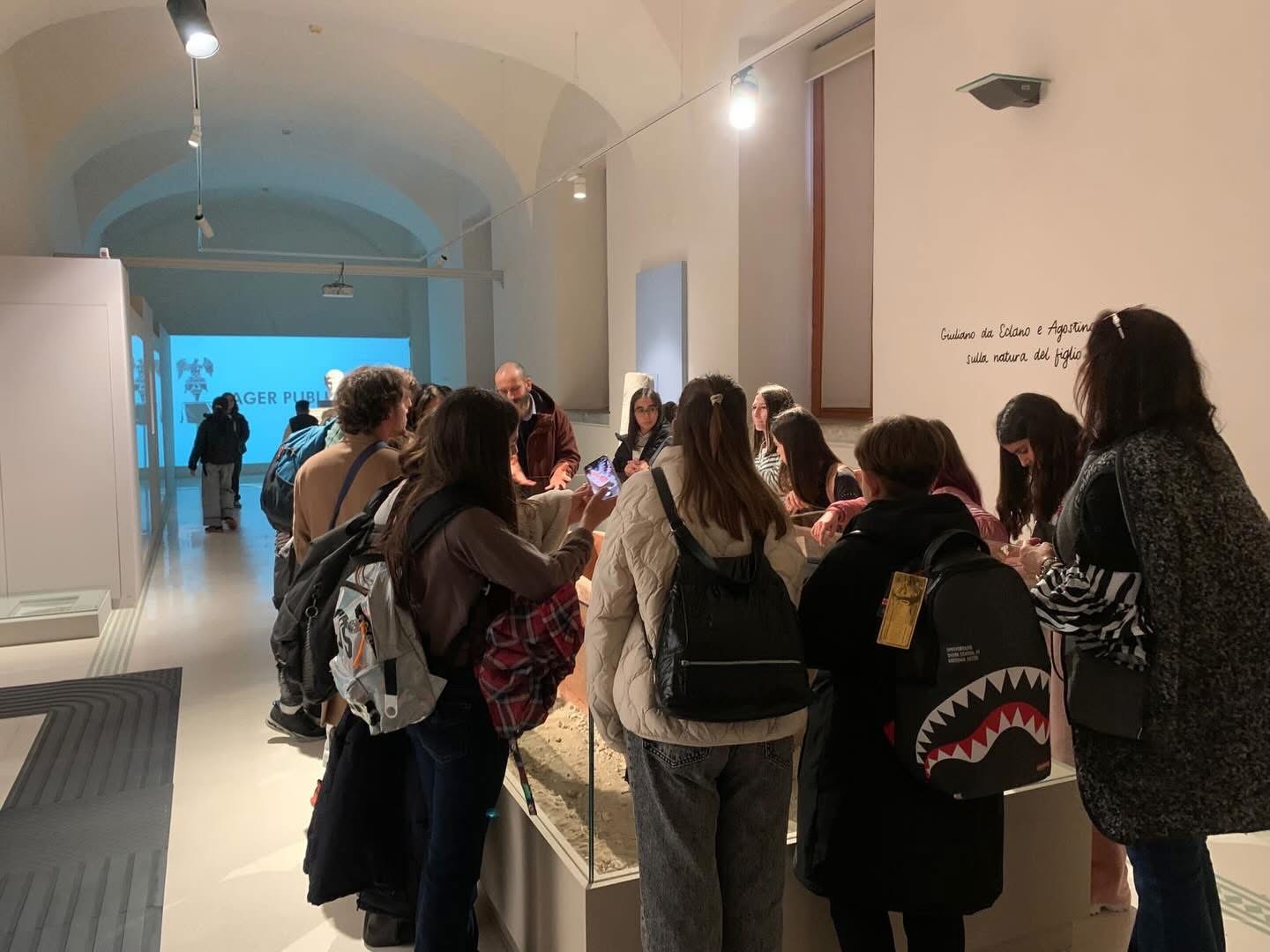
The process then evolves through iterative cycles of workshops, artistic labs and participatory design sessions, where users are directly involved in shaping accessibility tools, narratives and cultural formats. These activities are not consultative but generative: participants co-design experiences, test solutions and refine them through feedback loops. This approach reflects advanced co-creation practices where collaboration enables innovation and ensures solutions respond to real needs.
Citizens play multiple roles: as users, testers, narrators and co-authors of cultural content. Cultural organisations and civil society act as facilitators, translating community inputs into accessible and meaningful experiences. Associations representing people with disabilities contribute expertise, ensuring that solutions are inclusive by design.
The impact of this approach is transformative. Co-creation has increased accessibility, improved relevance of cultural content and generated a strong sense of ownership and belonging. The museum has evolved into a shared civic infrastructure, where decisions are informed by collective intelligence and where participation directly shapes outcomes.
IRPINA is exemplary because it demonstrates how structured co-creation—supported by clear roadmaps, iterative processes and inclusive governance—can turn cultural institutions into platforms for collaborative innovation, where citizens are not beneficiaries but active agents of change
IRPINA is built on a strong multi-level governance model where each level plays a distinct and strategic role, generating value through continuous interaction and mutual reinforcement.At the local level, the Province of Avellino acts as both coordinator and enabler, ensuring alignment between institutional vision and operational delivery. Museum professionals, accessibility experts and community actors are not simple implementers but co-designers, directly shaping tools, narratives and experiences. Citizens contribute as users, testers and co-authors, ensuring that solutions are grounded in real needs and everyday practices.At the territorial level, the engagement of the 103 municipalities of the Province represents a key added value. Through a structured dialogue process, local administrations are not passive recipients but active partners in defining a shared model of development. Workshops, co-creation labs and participatory tools—such as the NBS lab and the co-designed card game—enable municipalities to test, adapt and internalise innovative approaches to landscape valorisation and infrastructure regeneration.This process is amplified through Sistema Irpinia (https://sistemairpinia.provincia.avellino.it/it
), which acts as a strategic platform connecting municipalities, institutions and communities. Its role is crucial in scaling the impact of IRPINA, transforming a museum-based initiative into a territorial ecosystem where cultural heritage, accessibility and sustainability become shared policy drivers.At the European level, alignment with New European Bauhaus principles provides a common language and framework, enabling knowledge transfer and positioning IRPINA as a reference model.The added value of this multilevel engagement lies in the integration of local knowledge, institutional capacity and strategic coordination, generating solutions that are more relevant, scalable and sustainable. IRPINA demonstrates that governance is not a structure but a process
), which acts as a strategic platform connecting municipalities, institutions and communities. Its role is crucial in scaling the impact of IRPINA, transforming a museum-based initiative into a territorial ecosystem where cultural heritage, accessibility and sustainability become shared policy drivers.At the European level, alignment with New European Bauhaus principles provides a common language and framework, enabling knowledge transfer and positioning IRPINA as a reference model.The added value of this multilevel engagement lies in the integration of local knowledge, institutional capacity and strategic coordination, generating solutions that are more relevant, scalable and sustainable. IRPINA demonstrates that governance is not a structure but a process
IRPINA is designed as a transdisciplinary platform where multiple fields of knowledge converge to transform the Irpinia Museum into a space of inclusive cultural production and innovation. The project integrates architecture and spatial design through the adaptive reuse of the former Bourbon prison, ensuring accessibility, usability and experiential quality while preserving the historical character of the site. This is combined with accessibility design and engineering, which underpin the development of audio-based systems, inclusive interfaces and sensory mediation tools that enable diverse users to engage with heritage.At the same time, IRPINA draws on social sciences and participatory governance, structuring co-creation processes that involve citizens, communities and organisations in shaping narratives and experiences. This ensures that cultural content reflects lived realities and strengthens social cohesion. Arts and creative practices play a central role, transforming memory, identity and archival materials into immersive and accessible cultural experiences, where storytelling becomes a tool for engagement and interpretation.The project also incorporates education and pedagogical innovation, particularly through Art-Based Learning pathways developed with schools, enabling younger generations to interact with heritage as a living and evolving resource. In parallel, digital humanities and technologies support the activation of the genealogical archive (gens irpina), allowing personal histories to be transformed into accessible and interactive narratives.Environmental knowledge is integrated through the application of Nature-Based Solutions (NBS), linking cultural heritage with landscape regeneration and sustainable infrastructure planning at territorial scale.The added value of this transdisciplinary approach lies in its ability to connect traditionally separate fields into a coherent and mutually reinforcing system.
The project is designed as a living and evolving system, where financial sustainability is built through a mix of public support, community engagement and innovative funding mechanisms. The first step was made possible thanks to PNRR resources, which enabled the activation of accessibility solutions and the transformation of the museum into a more inclusive space through the AURA project. This initial investment was not conceived as a one-off intervention, but as the foundation for a long-term, self-sustaining model.A central role is played by civic crowdfunding, which opens the initiative to citizens, local communities and the wider Irpinian diaspora. By supporting specific actions—such as new accessible experiences, cultural programmes or educational activities—people become not just donors, but active participants in the life of the museum, strengthening both financial and social sustainability.At the same time, the project experiments with payment-by-results (PbR) contracts, particularly in the field of inclusion and accessibility. Third-sector organisations are engaged as partners, and their contribution is linked to measurable outcomes such as increased participation, accessibility and social impact. This introduces a shift towards a more impact-driven and accountable use of resources, aligning financial flows with real change.The model is further reinforced through alignment with the Social Innovation Fund, which supports the scaling of initiatives capable of generating measurable social value and connecting local experimentation with national frameworks for innovation.Additional revenue streams derive from cultural programming, partnerships and educational activities, ensuring continuity over time.The strength of this model lies in its balance: public investment, community contribution and impact finance converge, turning the museum into a platform where cultural value and social impact sustain each other in the long term.
The project has strong transferability potential because its core components are modular, low-threshold and adaptable across different territories, institutions and beneficiary groups. In terms of methodology, the co-creation approach can be replicated in museums, libraries, archives and other cultural institutions: it combines participatory workshops, stakeholder engagement, accessibility testing and iterative feedback, allowing each context to adapt the process to its own communities. In terms of technology, the audio-based accessibility solutions, inclusive mediation formats and digital activation of genealogical and archival content can be transferred to other heritage sites, especially where collections are underused or difficult to access through conventional interpretation.In terms of processes, the project offers a replicable model of collaboration between public institutions, accessibility organisations, schools, civil society actors and local administrations. This process is particularly relevant for inner areas, where cultural projects need to generate both social and territorial value. In terms of products, the initiative produces transferable outputs such as accessible narrative formats, participatory tools, educational pathways and public engagement models that can be re-used in different cultural and educational environments.In terms of tools, the co-designed card game on Nature-Based Solutions, the participatory labs and the narrative devices used to activate the Irpinian identity can all be adapted for other municipalities, museums or territorial networks. These tools are especially scalable because they make complex issues—such as accessibility, sustainability and heritage interpretation—understandable and actionable for non-expert users.In terms of key learnings, the project demonstrates that accessibility is most effective when treated not as a technical add-on but as a cultural and organisational principle.