Villa Juliana as art and heritage house
Transforming Villa Juliana into an art and heritage house
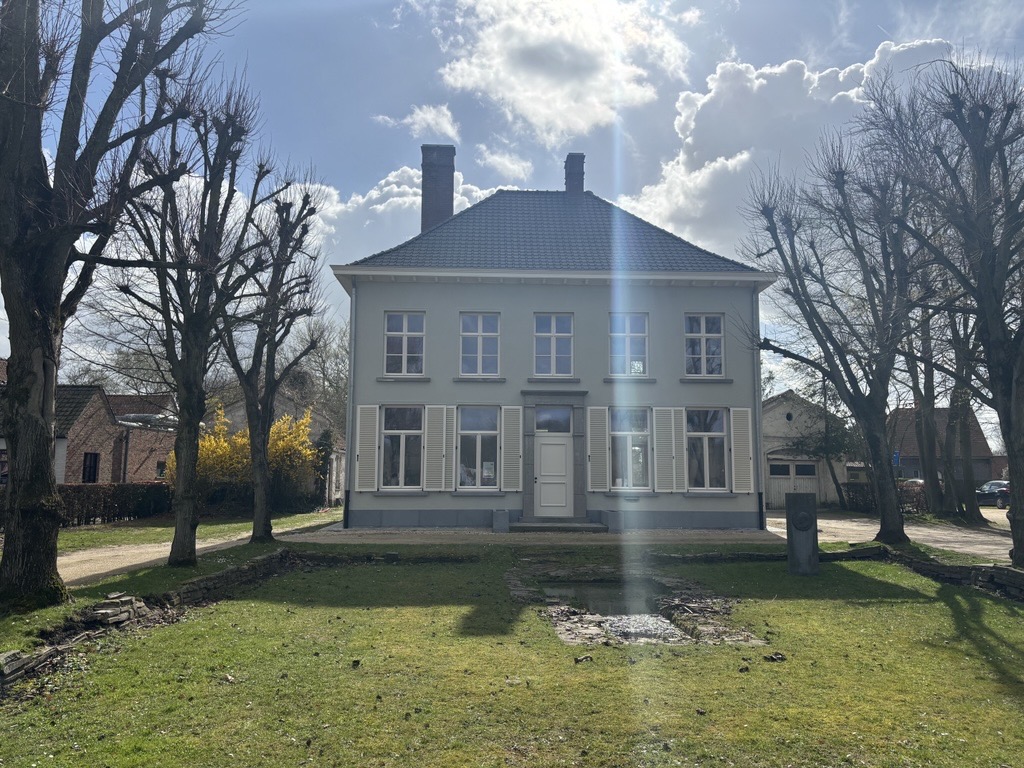
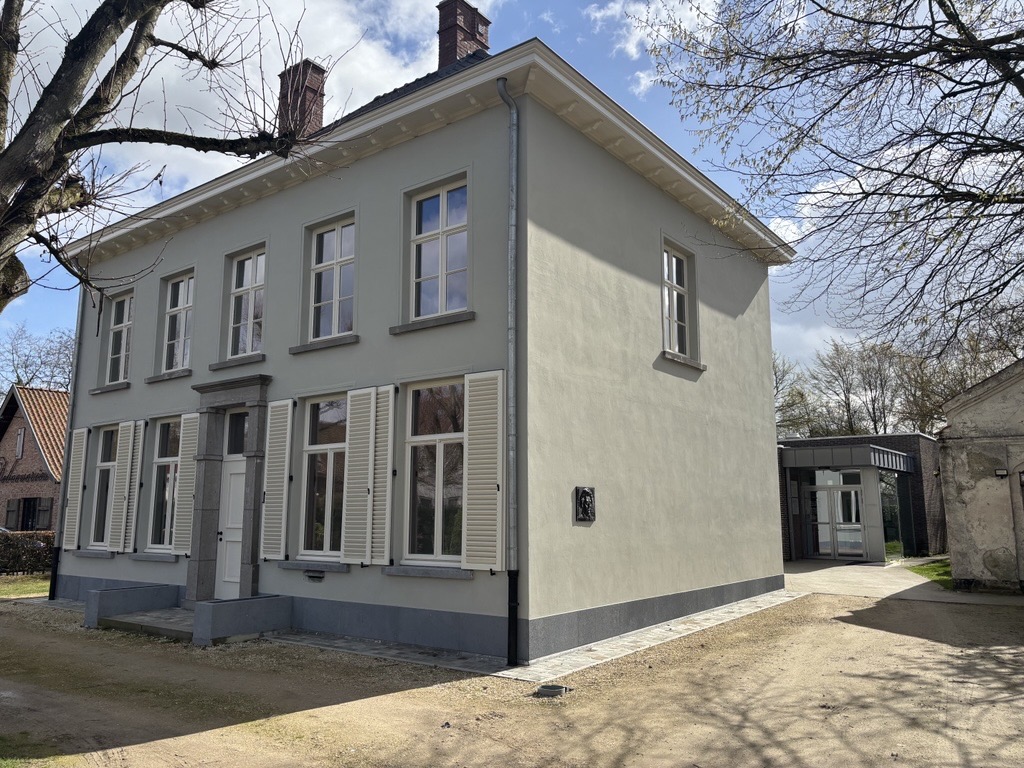
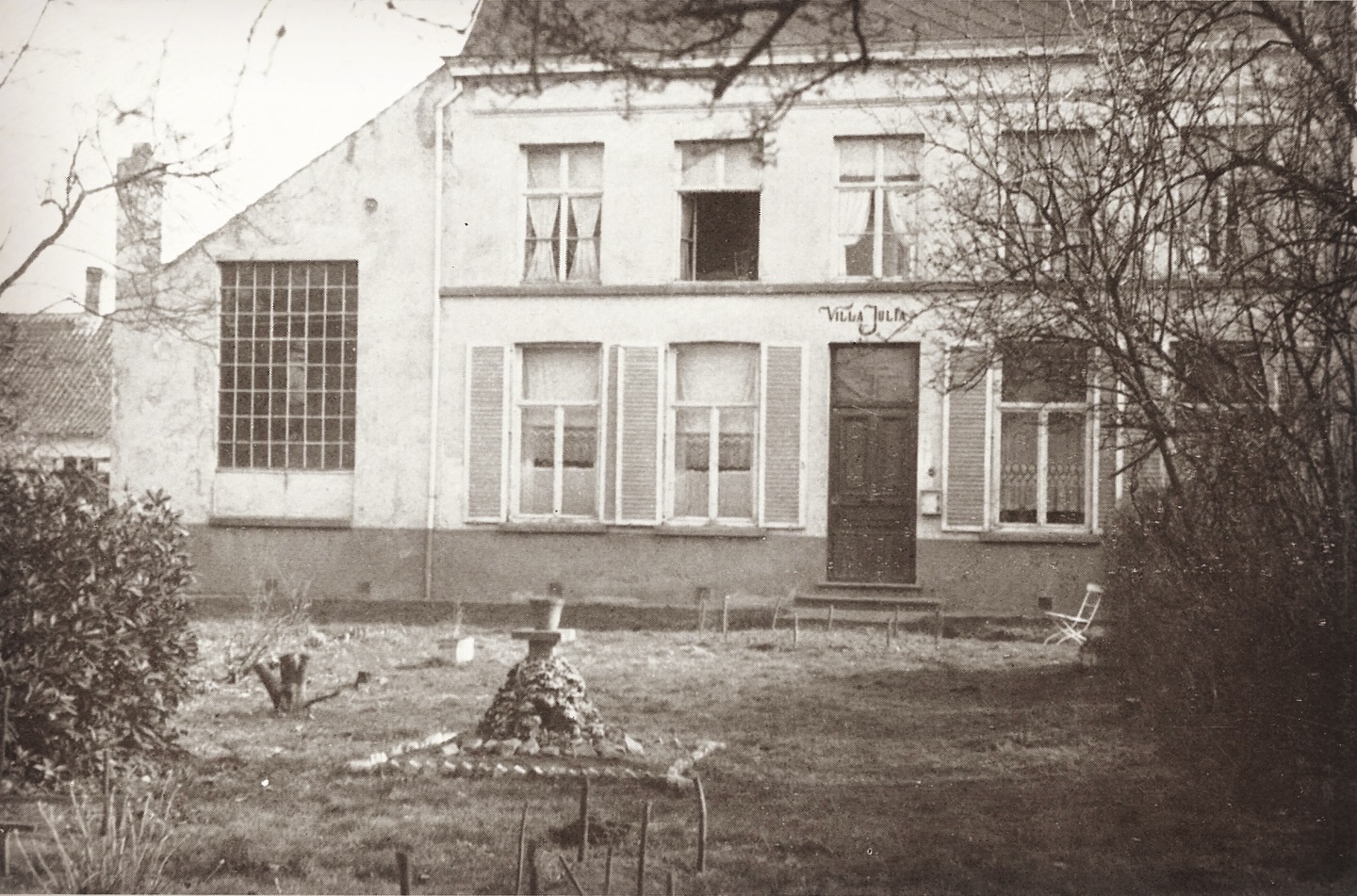
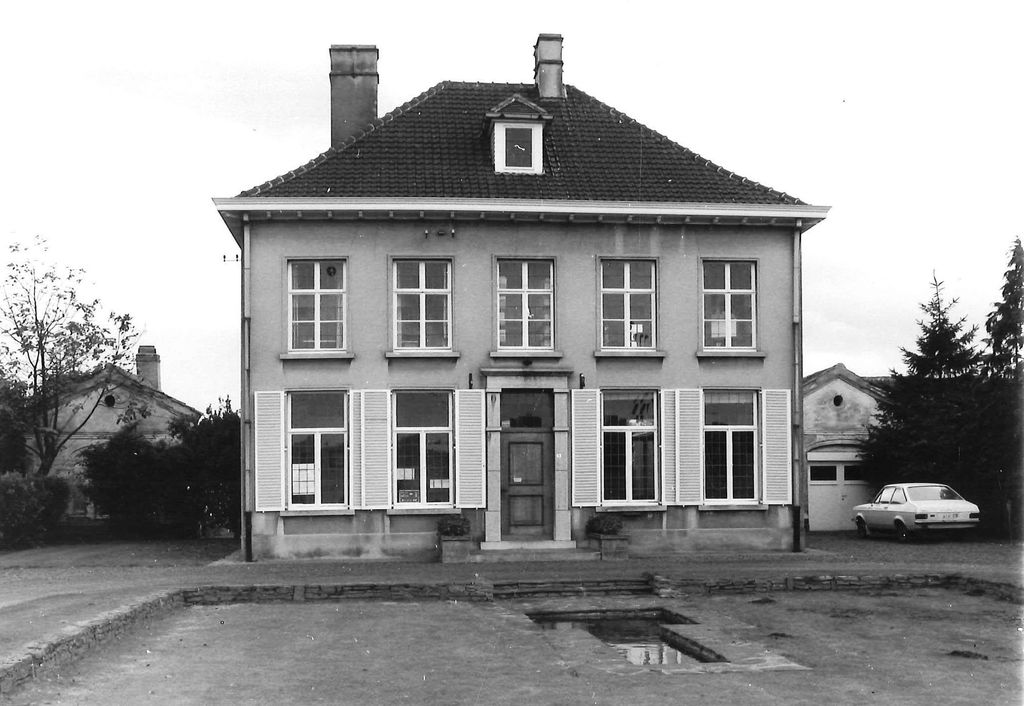
Villa Juliana, the former home and studio of artist Xavier De Cock, is set to embark on a new chapter as a sustainable Arts and Heritage House. The listed building will be repurposed as an open space where art, heritage and local stories come together. With space for an arts library and local associations, Villa Juliana is evolving into a beautiful, inclusive meeting place where the past and the future inspire one another.
Belgium
Xavier De Cocklaan 5, 9831 Deurle
Prototype level
Yes
Yes
Yes
No
No
44064: Sint-Martens-Latem (BE)
Villa Juliana, the former home and studio of the artist Xavier De Cock, is entering a new chapter as a sustainable Art and Heritage House in Deurle. This protected monument, closely connected to the artistic history of the Leie region, will be carefully restored and reactivated as an open place where heritage, art and community life come together.
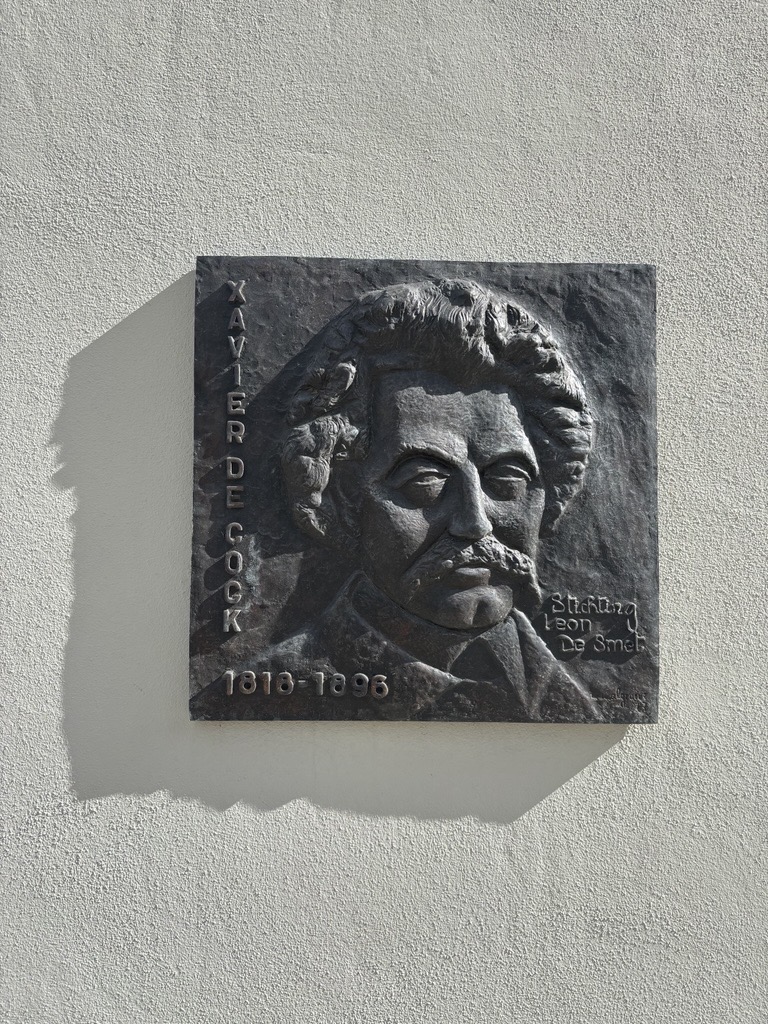
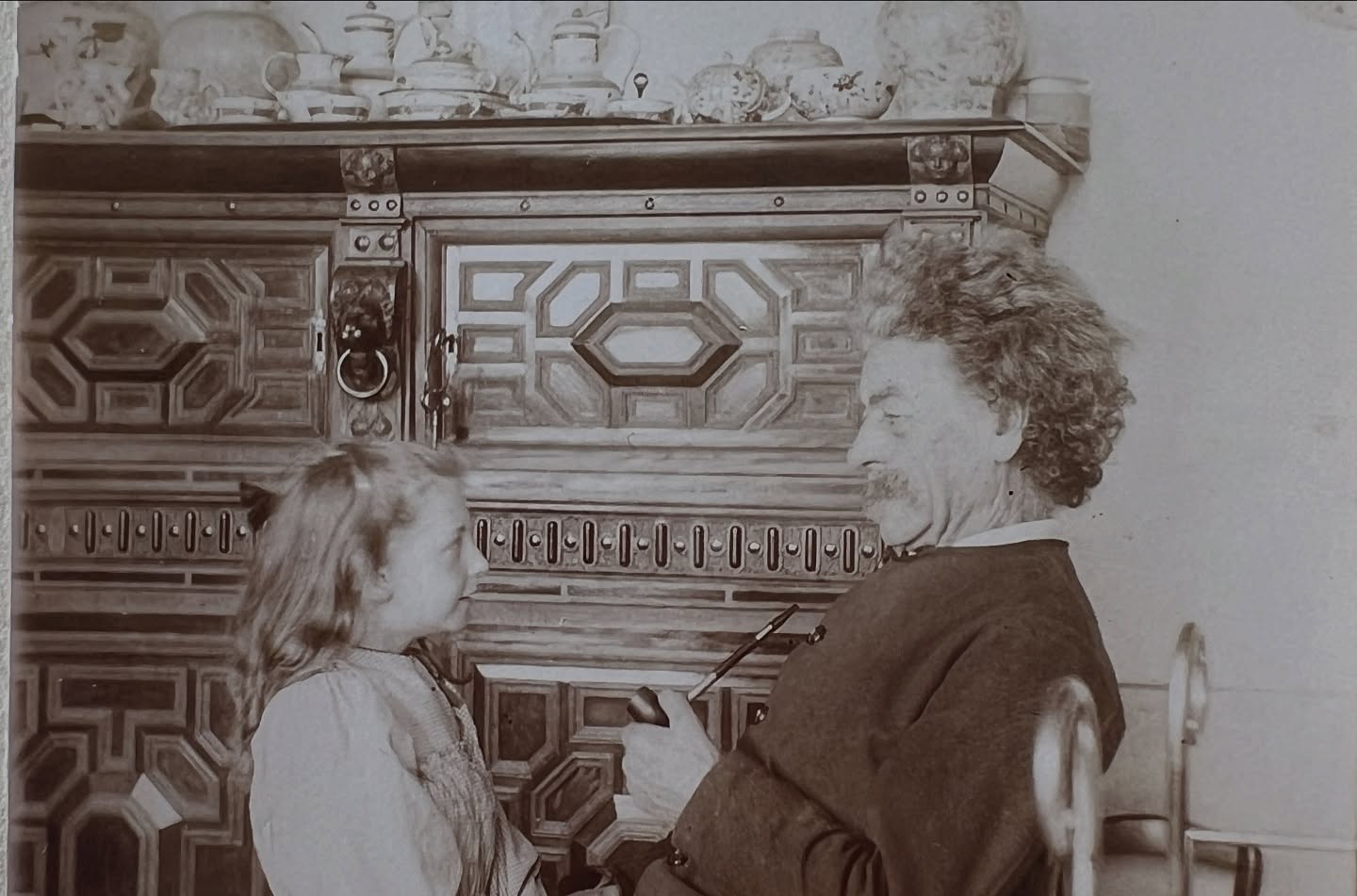
Following the renovation of the building’s exterior in 2025, the next phase (2026–2027) focuses on the renovation and adaptive reuse of the interior. The project transforms the historic house into an accessible cultural space that invites residents and visitors to experience heritage in a contemporary way. The initiative builds on the legacy of Xavier De Cock—one of the pioneers of the Latem School of painting, whose work helped shape the artistic landscape that later evolved into the renowned artists’ colony of Sint-Martens-Latem.
The future Art and Heritage House will host a specialised art library collection and provide a permanent base for local associations such as Erfgoed Deurle and De Latemse Kunstkring. Through exhibitions, small-scale activities, storytelling and informal encounters, Villa Juliana will become a place where people can explore books, share memories, and rediscover the cultural heritage of the region.
The initiative is strongly rooted in a bottom-up approach. Local volunteers and cultural associations play an active role in shaping the future use of the building and in animating the space with community-driven activities. At the same time, the project benefits from a broader regional perspective through cooperation within Cultuurregio Leie Schelde, which strengthens knowledge exchange and cultural networks across municipalities. By combining heritage conservation, cultural participation and sustainable reuse, Villa Juliana will evolve into a beautiful, inclusive and meaningful meeting place where past and future connect, and where art and heritage continue to inspire community life.
Heritage-led regeneration
Cultural innovation and creative ecosystems
Participatory governance and social inclusion
Climate-resilient renovation
Replicability for small municipalities
The transformation of Villa Juliana into an Art and Heritage House in Sint-Martens-Latem demonstrates how heritage sites in small municipalities can become catalysts for environmentally responsible cultural infrastructure.
A key sustainability objective is the adaptive reuse of existing heritage architecture. In 2007, the community of Sint-Martens-Latem made a strategic and forward-looking decision to have Villa Juliana officially classified as protected heritage. This step ensured the preservation of the building’s architectural and cultural value and marked the first milestone toward its sustainable future. By safeguarding the structure rather than replacing it, the municipality laid the groundwork for a long-term approach to heritage-led development.
The current renovation builds on this decision by prioritizing circular construction principles and energy-efficient upgrades. Restoring the existing building avoids the environmental impact of new construction and reduces embodied carbon. Interventions focus on improved insulation, low-energy lighting and smart energy management while respecting the historical character of the villa. These measures contribute to the climate ambitions promoted by the European Commission under the European Green Deal.
Villa Juliana is exemplary because it integrates heritage protection, circular renovation and community-driven cultural programming into one coherent strategy.
The transformation of Villa Juliana into an Art and Heritage House in Sint-Martens-Latem places aesthetic quality and human experience at the centre of the project, where beauty, culture and everyday life are closely interconnected.
A key objective is the careful architectural restoration of Villa Juliana, preserving its historical character while creating a welcoming and inspiring cultural space. The renovation respects the original proportions, materials and craftsmanship of the villa.
The project also aims to create a high-quality spatial experience that connects art, heritage and landscape. Interior spaces will be adapted to functional yet cosy areas, while maintaining the intimate atmosphere of the villa. The surrounding garden and outdoor areas will function as extensions of the cultural programme, offering places for reflection, encounters and open-air events. This integration of built heritage and natural environment strengthens the sensory and emotional experience for visitors.
Culturally, the initiative builds on the internationally recognised artistic legacy of the Latem region, historically associated with influential artistic communities. Villa Juliana will create a living cultural environment where local cultural and heritage organisations, and visitors can engage with art, heritage and local stories in a meaningful and accessible way.
The initiative is exemplary because it demonstrates how aesthetic quality can be a driver of social and cultural value. Rather than treating heritage as a static monument, the project transforms Villa Juliana into a vibrant cultural place where architecture, art and community life reinforce one another. In doing so, it offers a replicable model for small European municipalities seeking to enhance quality of life through thoughtful design, cultural programming and the everyday experience of beauty.
A key objective is physical accessibility through design for all principles. During the initial exterior renovation of Villa Juliana, specific measures were implemented to ensure access for persons with disabilities. Accessible pathways and entrances were integrated into the restoration works, allowing visitors with reduced mobility to enter and experience the building. This early investment demonstrates a proactive commitment to inclusive design and ensures that the historic site can be enjoyed by a wider and more diverse audience.
Another objective is social and economic accessibility. The future Art and Heritage House will operate with the support of local volunteers who contribute to guiding visitors, organizing activities and maintaining the cultural programme. Thanks to this strong civic engagement, access to the site and many of its activities can remain free of charge, ensuring that financial barriers do not limit participation in cultural life. This approach reinforces the idea that heritage and art should be shared public goods.
The initiative also promotes inclusive governance and community participation. Cultural associations,residents, local artists and schools are encouraged to contribute ideas, programming and activities. Through this participatory model, Villa Juliana becomes a co-created cultural space rather than a top-down institution, strengthening local ownership and community cohesion.
The project is exemplary because it demonstrates how a small municipality can combine inclusive design, affordable cultural access and participatory governance in the adaptive reuse of heritage. By integrating accessibility measures, community volunteering and open cultural programming, Villa Juliana offers a replicable model for creating welcoming cultural places where everyone can participate and feel represented.
Citizens and civil society play a central role in the development of Villa Juliana as an Art and Heritage House. The initiative originates from a strong local commitment to heritage preservation. Today, citizens and local civil society organisations are actively involved in the development and future operation of the Art and Heritage House. Local volunteers play a key role in supporting activities such as welcoming visitors and assisting in the organisation of cultural events. Their involvement allows the initiative to remain accessible and community-oriented, while also enabling free access to many activities. Cultural associations, local artists and schools are also engaged in shaping the content and programming of the space. Through collaborations, workshops and educational initiatives, they contribute to a dynamic cultural environment that connects heritage with contemporary creativity. This participatory approach ensures that the initiative reflects the cultural identity and aspirations of the community. The impact of this involvement is significant. First, it strengthens local ownership and long-term sustainability, as the project is perceived as a shared community asset rather than a purely municipal initiative. Second, it encourages intergenerational participation, bringing together residents, students, artists and volunteers, thus supporting a governance model aligned with the values of the New European Bauhaus, where cultural spaces are co-created with citizens and embedded in everyday community life. Through this strong civic engagement, Villa Juliana becomes not only a cultural venue but also a collective project that reflects the identity, creativity and commitment of the local community.
The initiative has developed through a multi-level collaboration. At the local level, the project originated from strong civic engagement by local organisations, cultural associations and the municipal council for cultural policy who advocated for the preservation and activation of the historic villa. Volunteers remain central to the initiative, supporting programming, visitor engagement and day-to-day activities. Local institutions are also actively involved: the regional and municipal library contributes to programming and knowledge-sharing, while the local social services department helps ensure inclusive participation by connecting vulnerable groups to cultural activities.
At the regional level, the project is supported by Cultuurregio Leie Schelde, which provides strategic coordination, networking and expertise in cultural development. Through this collaboration, Villa Juliana becomes part of a broader regional cultural ecosystem, strengthening partnerships with neighbouring municipalities and cultural actors.
At the European level, Sint-Martens-Latem participates in the network of European artist colonies through EuroArt. This connection highlights the historical significance of the Latem artistic community and situates the project within a wider European cultural narrative. Villa Juliana was once the home of the painter Xavier De Cock, an important figure of the Latem artistic tradition. Restoring and opening the villa will therefore make this heritage accessible again to a broader international audience.
Through these partnerships, the initiative benefits from complementary expertise, networks and resources. Local stakeholders ensure community relevance and active participation; regional partners strengthen cultural coordination and visibility; and European networks connect the project to a wider heritage context. This multi-level engagement positions Villa Juliana as a meaningful cultural gateway between local heritage and European artistic history.
The initiative is based on a strong interdisciplinary approach, bringing together expertise from heritage conservation, architecture, culture, education, social inclusion and community engagement.
Heritage expertise is provided by the Inter-municipal Heritage Service and Erfgoed Vlaanderen, ensuring that the restoration respects the historical and architectural value of the building. The project architect translates these heritage requirements into a functional and accessible design adapted for contemporary cultural use.
Cultural and artistic perspectives are represented by local cultural actors and museums, including Museum Dhondt-Dhaenens as well as the two municipal museums of Sint-Martens-Latem. Their expertise contributes to the curatorial vision and interpretation of the rich artistic history of the region.
Knowledge and educational partners such as the local and regional library and local schools support the development of educational activities, workshops and public programming that connect heritage with learning and community engagement.
Social inclusion is supported through the involvement of the local social services department, which helps ensure that cultural activities are accessible to a wide range of residents, including vulnerable groups.
At the governance and operational level, the municipal management team and the responsible alderman of Sint-Martens-Latem coordinate the project and integrate it within broader municipal cultural and social policies. Regional coordination and networking are supported by Cultuurregio Leie Schelde.
Finally, volunteers, guides and greeters play a crucial role in the everyday functioning of the initiative, welcoming visitors and strengthening the connection between the heritage site and the local community.
This interdisciplinary process ensures that Villa Juliana becomes not only a restored historic building but also a vibrant, inclusive cultural space rooted in community knowledge and shared expertise.
The initiative is innovative because it reimagines a public building as a multifunctional “third place”, that blends cultural heritage, social interaction, and sustainable transformation into a single, future‑oriented ecosystem. Rather than restoring a heritage site as a static museum or administrative facility, the project positions the building as an open, hybrid, and community‑driven environment where citizens, artists, learners, and visitors can meet, create, and exchange. This shift from mono‑use to dynamic, user‑centred placemaking reflects a new European approach to public space: inclusive, beautiful, and sustainable.
The transformation introduces adaptive reuse principles, integrating circular renovation methods, and energy‑efficient systems to demonstrate how heritage buildings can become climate‑resilient assets.
The building’s programming is equally innovative. It merges artistic production, heritage interpretation, and civic participation into a shared cultural laboratory. Residents co‑design activities, artists collaborate with schools and local associations, and visitors engage in hands‑on learning. This participatory governance model strengthens social cohesion and empowers citizens to shape their cultural environment.
As a third place, the site becomes a neutral, accessible, and inspiring setting that complements home and work, fostering informal encounters and cross‑sector collaboration. It supports wellbeing, creativity, and democratic engagement by offering spaces for dialogue and collective memory.
By uniting sustainable renovation, cultural innovation, and community‑centred design, the initiative demonstrates how small municipalities can lead Europe’s transition toward more resilient, inclusive, and aesthetically enriching public spaces.
The Villa Juliana initiative follows a participatory and policy-embedded methodology that combines strategic planning with bottom-up cultural development.
The project is anchored in the long-term municipal policy plan for the current legislative period, ensuring that the initiative is structurally integrated into the community’s cultural, social and heritage strategy. This institutional framework provides continuity, resources and alignment with broader municipal objectives.
The inspiration for the initiative emerged through dialogue with a wide range of stakeholders, including volunteers, cultural organisations, heritage experts, museums, libraries, schools, social services and municipal representatives. Through consultations and exchanges, these actors collectively explored how Villa Juliana could be preserved and activated as a cultural meeting place. This process allowed the project vision to grow organically from the needs and ideas of the community.
The design and implementation phases therefore combine professional expertise with community involvement. Heritage specialists, architects and municipal services work together with volunteers, guides and cultural organisations to shape the restoration, programming and future operation of the site.
Looking ahead, the same methodology will guide the development of activities within the Art and Heritage House. Villa Juliana is envisioned as a true “third place”, complementing home and work. Maintaining a participatory, bottom-up approach will ensure that the programme continues to evolve with the community and remains socially relevant, accessible and dynamic over time. This vision is also included in the regional cultural policy plan of Cultuurregio Leie Schelde. Through this framework, the initiative benefits from regional expertise, networking and strategic coordination, while remaining strongly rooted in local participation.
The developed approach for Villa Juliana can be replicated by other small municipalities because it demonstrates how a heritage building can be reactivated as an open, hybrid environment that strengthens social cohesion, cultural participation, and sustainable transformation without requiring large-scale infrastructure. In Sint‑Martens‑Latem, the project shows that a modestly sized public building can evolve into a shared cultural and civic hub by combining adaptive reuse, inclusive programming, and community‑driven governance. This model is transferable because it relies on principles that are accessible to municipalities with limited resources: phased renovation, multifunctional use of space, and strong local partnerships.
Villa Juliana illustrates how a heritage site can be future‑proofed while remaining financially feasible. The programming approach is equally replicable. By blending gathering, heritage interpretation, and informal learning, the villa becomes a place where residents of all ages feel welcome. This mix of functions can be tailored to different local contexts, enabling municipalities to start small and expand as community engagement grows.
The governance model also offers a clear pathway for replication. In Sint‑Martens‑Latem, Villa Juliana is shaped through co‑creation with artists, schools, associations, and citizens, ensuring that the building reflects shared needs and identities. This participatory approach reduces operational pressure on municipal staff and builds long‑term ownership among residents. Because many small municipalities face similar challenges—limited cultural infrastructure, underused heritage buildings, and a need for inclusive meeting spaces—the Villa Juliana model provides a concrete, scalable example of how to transform these constraints into opportunities.
The initiative focuses on the adaptive reuse of Villa Juliana as a sustainable Art and Heritage House. Following the renovation of the protected exterior in 2025 by the municipality, the next phase (2026–2027) will concentrate on the renovation and activation of the interior spaces. The municipality has included this phase as a dedicated action with a foreseen budget in its long-term policy plan, ensuring continuity and feasibility of the project.
Planned activities include the careful renovation of the interior, the installation of a specialised art library collection, and the creation of flexible spaces for small exhibitions, community gatherings and heritage storytelling. The building will become a place where visitors can discover the artistic legacy of Xavier De Cock and the broader artistic tradition of the Leie region. Local cultural associations, including Erfgoed Deurle and De Latemse Kunstkring, will be actively involved in programming activities, collecting and sharing stories, and animating the house.
The initiative already integrates the core values of the New European Bauhaus. Sustainability is ensured through the adaptive reuse of a protected heritage building. Aesthetics are preserved by restoring and highlighting the architectural and artistic value of the historic house. Inclusion is addressed by opening the building to residents, visitors, volunteers and local organisations, creating a welcoming cultural meeting place.
The project also reflects NEB working principles. It is rooted in a participatory approach, with local associations and volunteers closely involved in shaping the future use of the building. Multiple governance levels are engaged through cooperation between the municipality, the local heritage board and the regional network Cultuurregio Leie Schelde. Finally, the initiative fosters transdisciplinary collaboration by bringing together heritage professionals, cultural organisations, local authorities and the wider community.