Pedestrianisation of Cēsis Old Town
{Empty}
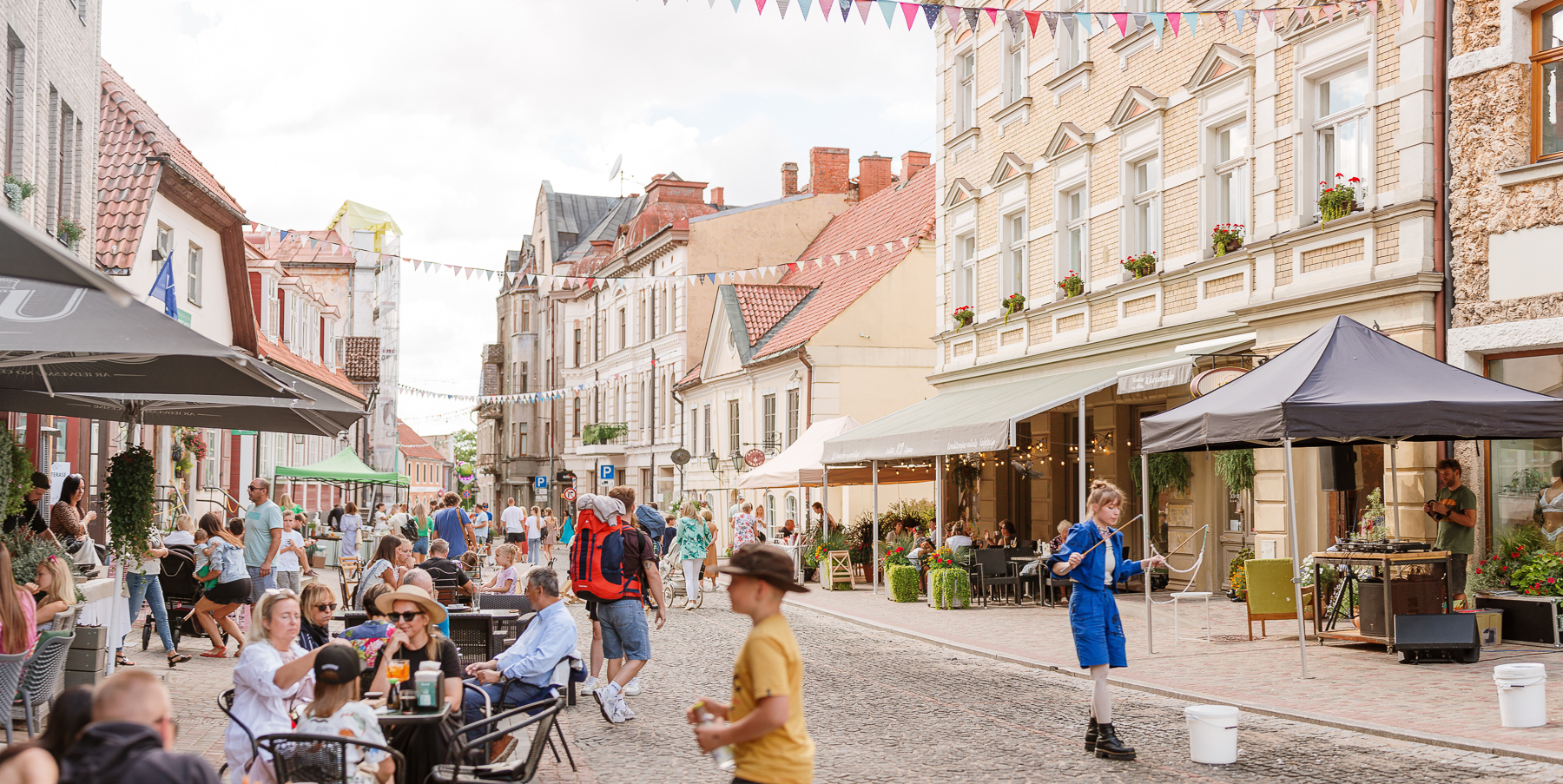
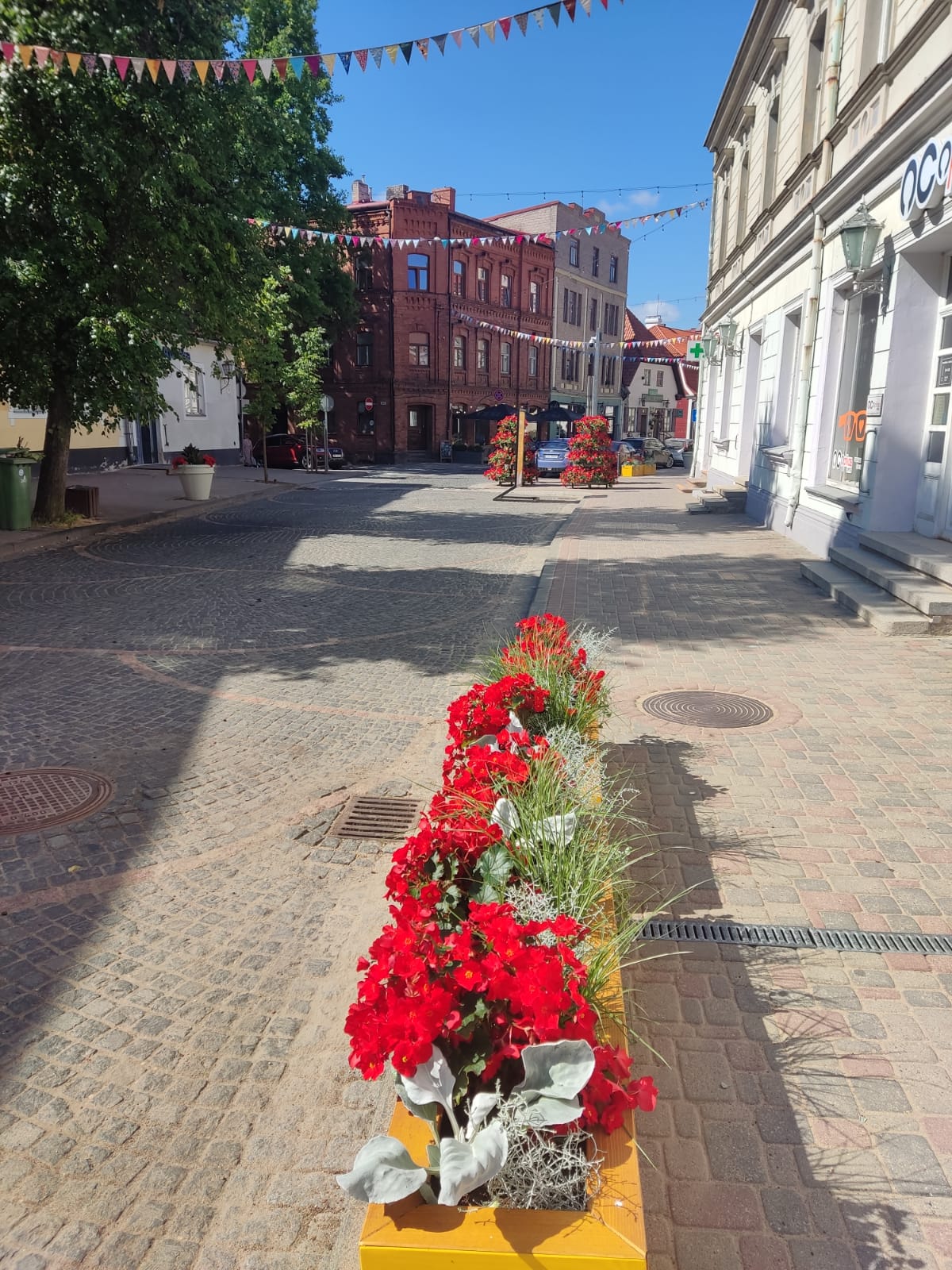
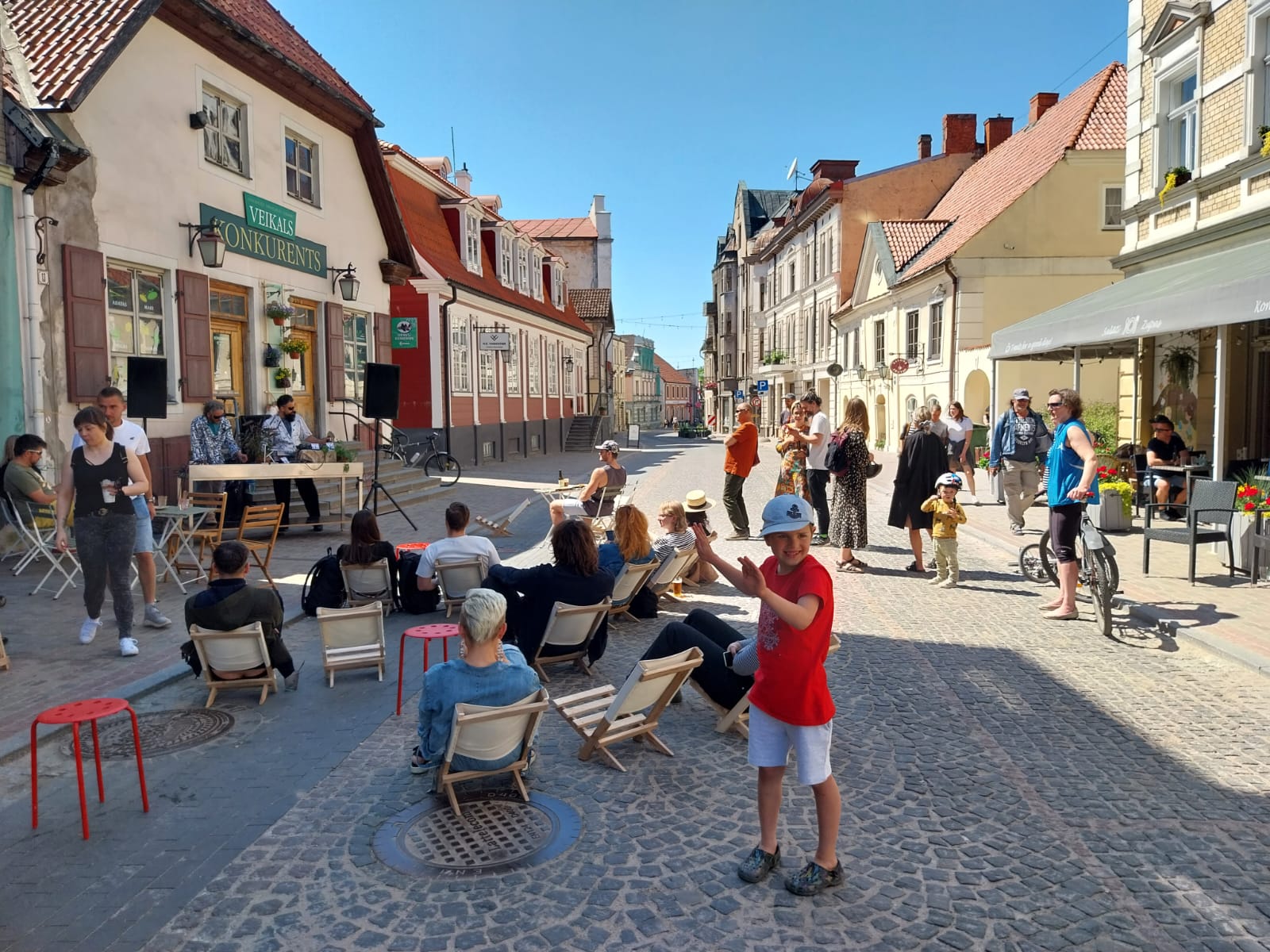
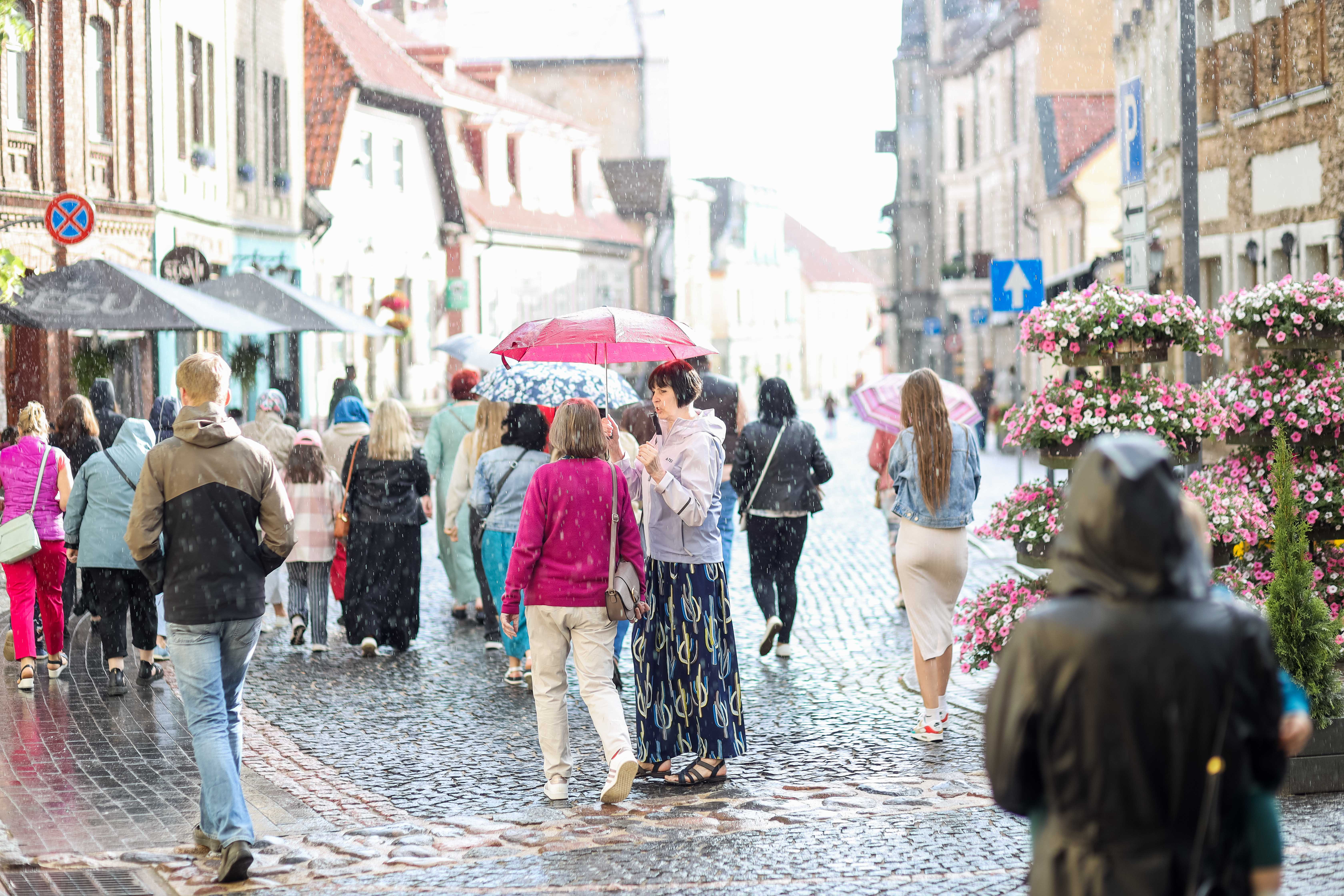
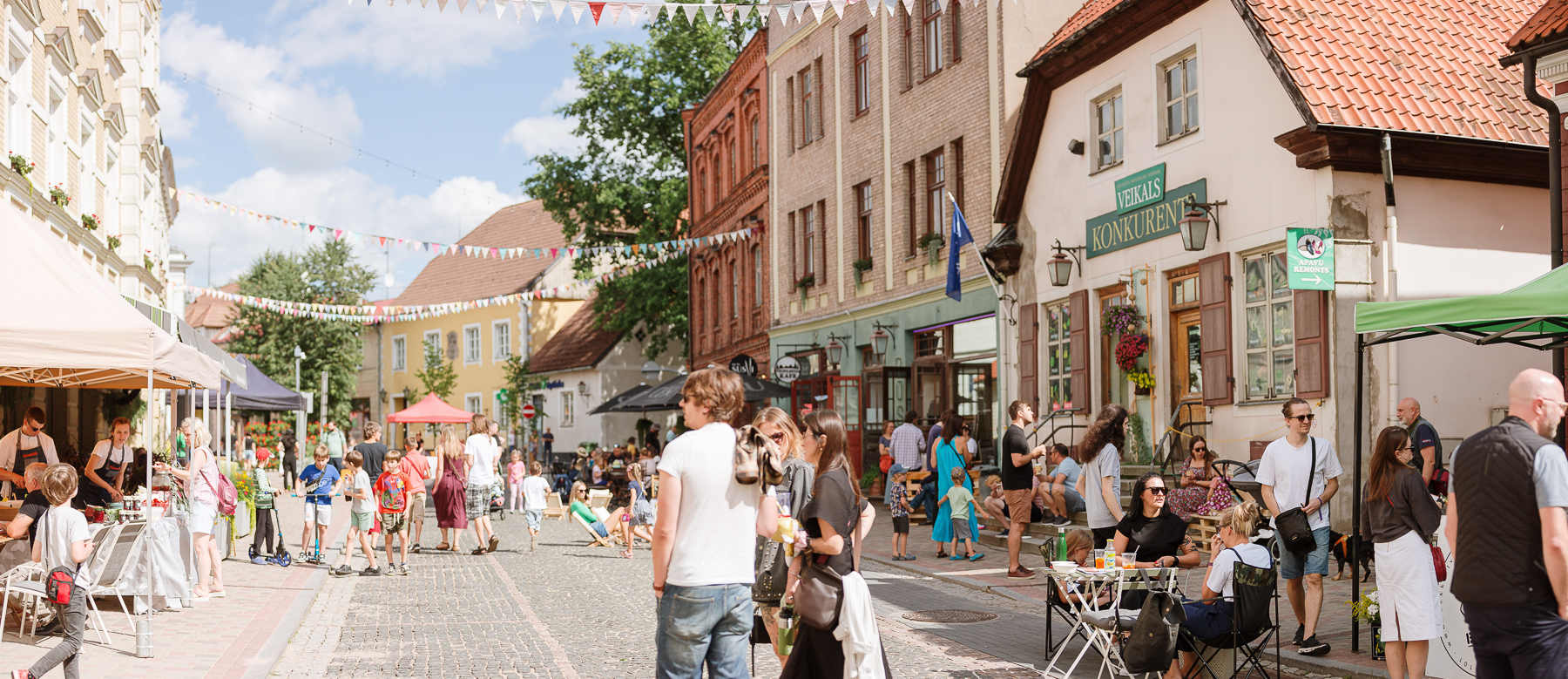
Cēsis Old Town is becoming more people-friendly. On summer weekends, Riga Street transforms into Summer Street—a car-free space for people. Pedestrians and cyclists take over as the street comes alive with cultural activities and social gatherings. What began as a bold experiment in 2023 now returns for its fourth year, helping the city, together with residents and local businesses, test and shape a more lively, pedestrian-friendly Old Town.
Latvia
Cēsis Old Town, Cēsis, Latvia.
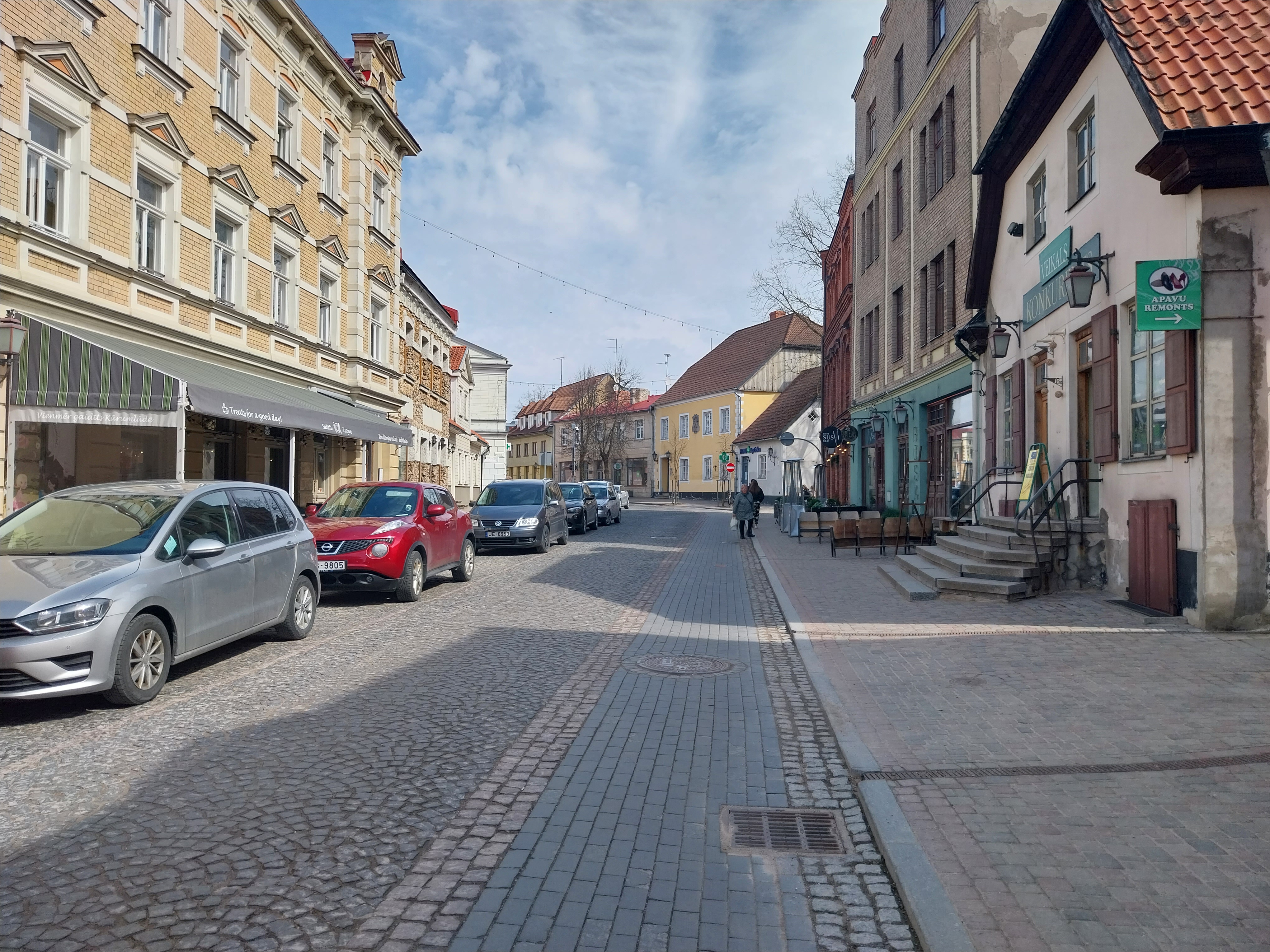
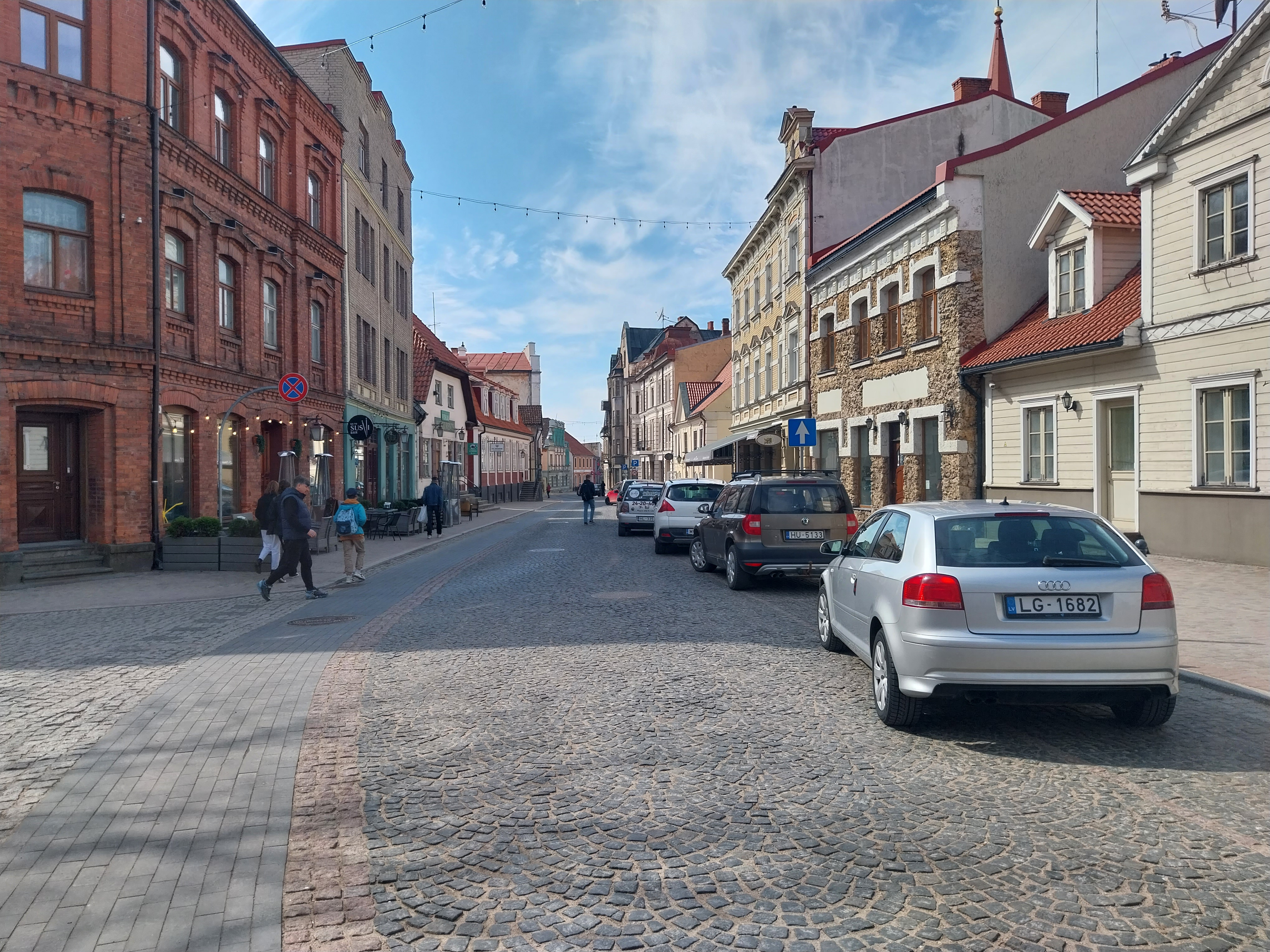
Main focus - Riga Street (from Kases Street to Rozu Square) and Rozu Square.
Main focus - Riga Street (from Kases Street to Rozu Square) and Rozu Square.
Prototype level
Yes
Yes
Yes
No
No
0026000: Cesu novads (LV)
The initiative Pedestrianisation of Cēsis Old Town aims to gradually transform the city's historic centre into a more people-oriented environment where public space prioritises pedestrians, social interaction and cultural life. Cēsis Municipality is working to reduce the dominance of motorised traffic and strengthen the Old Town as a vibrant public space for residents and visitors.
The first step towards this objective was the Summer Street experiment, where a section of Riga Street – the main commercial street of the Old Town – was temporarily closed to motorised traffic during summer weekends and opened to pedestrians and cyclists. This approach allowed to test how the street could function as a pedestrian-priority space and to evaluate impacts on public life, local businesses and urban mobility.
The main target groups are residents, visitors, and local entrepreneurs operating in the historic centre. The initiative aims to improve the quality and attractiveness of public space, strengthen social and cultural activity in the Old Town and support local economic vitality. Expected outcomes include increased pedestrian presence, more active use of public spaces and practical insights for future pedestrianisation measures.
The initiative promotes New European Bauhaus values by prioritising sustainable mobility, improving the quality of public space and creating more accessible environments for everyday social interaction.
Co-creation approach is central to the process. Each year the municipality meets with residents and entrepreneurs to review the Summer Street results, discuss impacts and agree on the implementation of the next year.
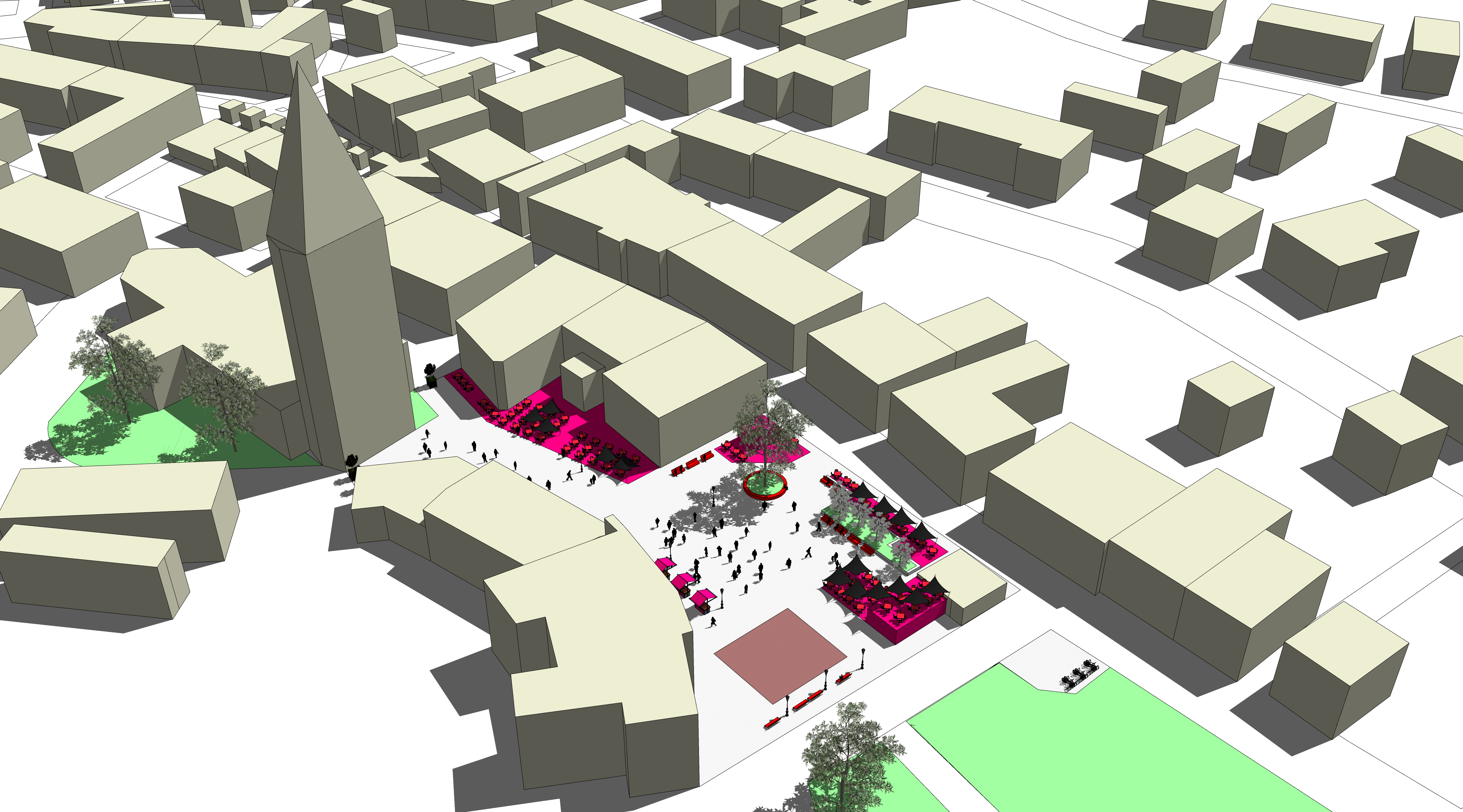
Future development includes improvements to Rozu Square and other streets and public spaces in the Old Town, gradually expanding pedestrian-friendly areas while continuing to involve the local community in planning and decision-making.
Pedestrianisation
Public space activation
Sustainable mobility
Co-creation and participatory governance
Human-centred urban planning
The adaptation of Cēsis Old Town into pedestrian-oriented space promotes more sustainable urban mobility and public space use in the city's historic centre. By temporarily reallocating street space from cars to pedestrians and cyclists within the Summer Street experiment the municipality aims to reduce the environmental impact of everyday mobility patterns and explore alternatives for small-town urban environments where the use of private cars is prevalent.
A key objective is to optimise the use of existing urban infrastructure instead of relying on new construction. The Summer Street approach demonstrates how streets can be repurposed through temporary, low-impact measures such as traffic regulation, communication measures and cooperation with local stakeholders. This avoids resource-intensive redevelopment and supports principles of circularity and lifecycle thinking by extending the functional value of existing spaces.
The Summer Street experiment also aims to test a gradual transition towards more sustainable mobility systems. Instead of introducing permanent infrastructure changes immediately, the municipality uses a tactical urbanism approach to evaluate real-life behavioural and spatial impacts. This iterative process helps identify conditions under which pedestrian-priority environments could be expanded. Thus, the planned improvements of Rozu Square and other public spaces in the historic centre would be based on tested solutions rather than assumptions.
The initiative is exemplary in demonstrating how small cities can advance environmental sustainability through low-cost, reversible interventions. By testing solutions before permanent implementation, it reduces the risk of unnecessary construction and resource use while supporting climate-neutral mobility goals in historic urban centres.
The initiative aims to enhance the aesthetic quality and everyday experience of citizens and visitors of Cēsis by allowing the city's historic centre to function as a lively, people-oriented public space. Reducing motorised traffic allows people to experience the architectural character and spatial qualities of the Old Town in a calmer and more human-scaled environment. It also creates space for more cultural and social activities. The transformation encourages people to engage with the Old Town as a place to stay rather than simply pass through.
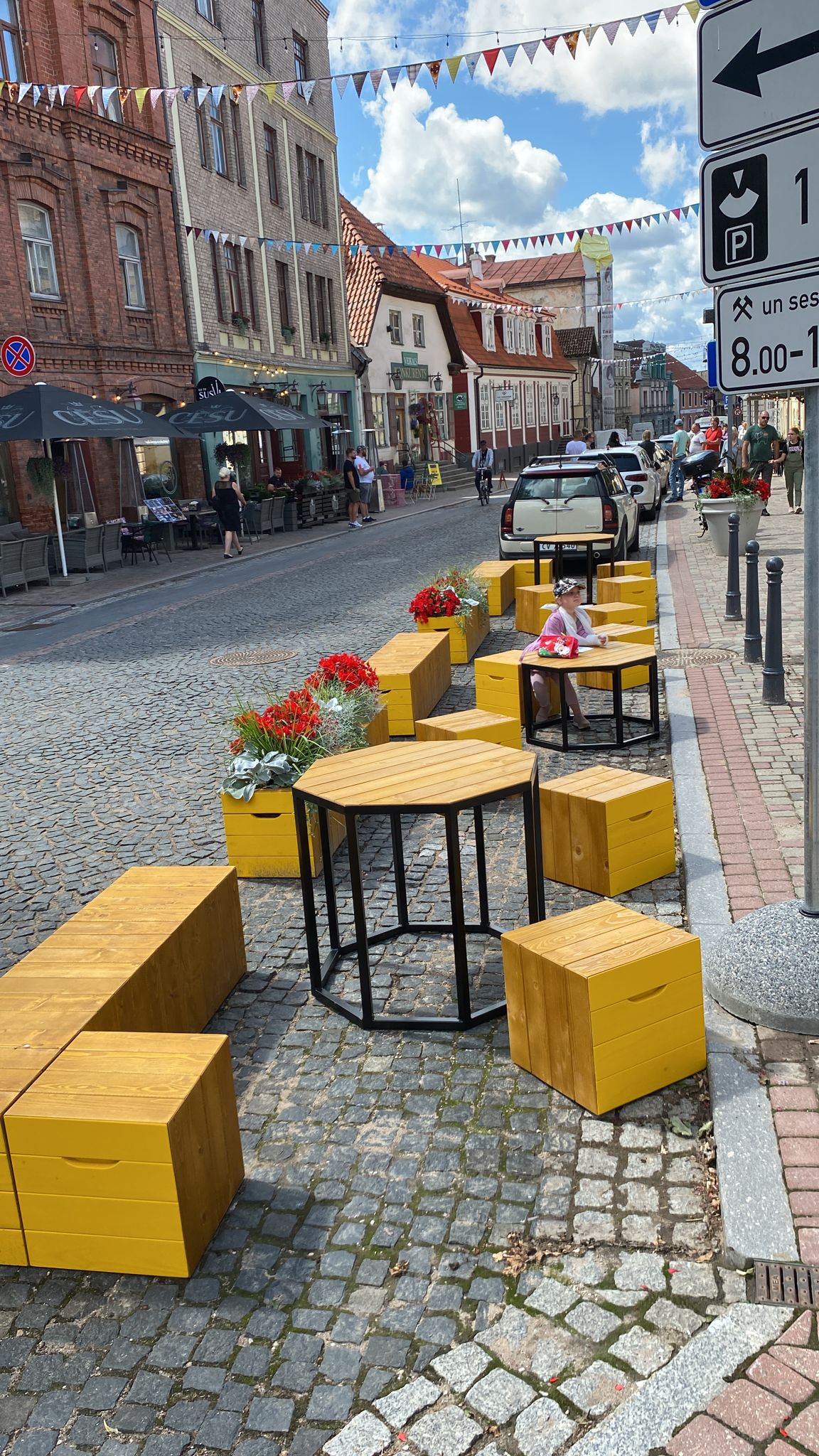
During the Summer Street periods, the street becomes a shared social platform with cultural activities, outdoor seating and informal gatherings which contribute to a vibrant and welcoming atmosphere that highlights the cultural life of the Old Town. These elements support meaningful everyday experiences and help strengthen the emotional connection between people and the historic urban environment. The initiative also encourages local entrepreneurs and cultural actors to activate the space. This contributes to a richer cultural presence and helps integrate contemporary social and cultural life into the historic setting.
Another objective is to test how spatial design influences human behaviour and perception. Temporary interventions allow the municipality to observe how different uses, layouts and activities affect the attractiveness and usability of public space, providing a basis for future improvements, including the development of Rozu Square.
The initiative is exemplary in showing how high-quality urban experiences can be achieved through minimal, reversible interventions. By rethinking how existing space is used, the initiative reveals the latent aesthetic and social potential of the historic centre. Temporary, low-cost measures can therefore become an effective way to test and cultivate more attractive and people-centred public spaces while reinforcing local identity and sense of place.
The initiative promotes inclusion by ensuring that Old Town functions as an accessible and welcoming public space for a wide range of users. Temporarily reducing motorised traffic during summer weekends significantly improves walkability and safety, allowing pedestrians and cyclists of different ages and mobility levels to use the street more comfortably. The calmer environment particularly benefits children, elderly people and families, who can experience the Old Town without the pressure and safety concerns associated with traffic.
Inclusion is also supported by providing open and freely accessible public space that encourages everyday social interaction. The Summer Street becomes a place where residents, visitors and entrepreneurs can meet, spend time and participate in cultural activities.
A key element is inclusive governance. Rather than the Summer Street experiment being implemented solely as a top-down municipal intervention, it is developed through continuous dialogue with local stakeholders. Each year, the municipality meets with residents and entrepreneurs to review the results of the previous summer, discuss challenges and jointly agree on the implementation of the next Summer Street. This process ensures that the initiative responds to the needs and experiences of those who use the street daily. It is planned to gradually expand inclusive design principles into future interventions, including the improvement of Rozu Square.
The initiative is exemplary in demonstrating how inclusive governance combined with temporary urban interventions can create more socially open public spaces. By involving the community in decision-making and enabling broad access to the environment, it supports shared ownership and a more inclusive model of urban development.
Residents and local stakeholders have an active and central role in shaping the initiative through a participatory process. The community is directly involved in evaluating the outcomes of the Summer Street each year and contributing to decisions about its future implementation.
Each year, the municipality organises meetings with residents and entrepreneurs located along the Summer Street. These meetings provide a platform to discuss experiences from the previous year, identify challenges and propose improvements for the following year. This process ensures that those most affected by the temporary changes to traffic and public space use have a meaningful opportunity to influence the initiative.
The participatory process has had a significant impact on the development of the initiative. Continuous feedback and joint assessment have allowed the Summer Street initiative to evolve gradually rather than remaining a one-time experiment. The results of the residents' questionnaire after the first year is one of the main reasons why the municipality decided to continue the Summer Street tradition in the following years.
By positioning the Summer Street as a shared urban experiment, the municipality has created a collective ownership of the process and has strengthened trust between municipality and the community. The participatory approach has therefore been essential in transforming the initiative into a recurring seasonal practice supported by the local community and embedded in local decision-making, as well as establishing foundation for community involvement in future pedestrianisation initiatives.
The initiative involves stakeholders at several governance levels, ensuring both horizontal collaboration within the local community and vertical exchange across broader policy contexts.
At the local level, Cēsis Municipality leads the design and implementation, managing traffic regulation, communication and overall coordination of the initiative. Residents and entrepreneurs operating along Riga Street are key partners in the process. They contribute practical knowledge about the everyday functioning of the space and participate in annual meetings where the results of each year are reviewed and adjustments for the following year are discussed. Their involvement helps ensure that the intervention responds to local needs and supports the economic and social life of the Old Town.
Local cultural actors and businesses also contribute by activating the space with outdoor seating, small events and informal activities. This horizontal collaboration strengthens the social and cultural life of the street and increases the attractiveness of the initiative for residents and visitors.
At the national and European levels, the initiative is connected to broader policy goals related to sustainable mobility, climate-neutral urban development and people-centred public space design. These frameworks provide strategic guidance and help position the local experiment within wider discussions on sustainable urban transformation.
The design and implementation of the initiative reflect the interaction of several disciplines and knowledge fields. Urban planning and mobility planning provide the framework for testing how public space can be reorganised to prioritise pedestrians and cyclists while maintaining the functioning of the historic centre. The municipality's planning documents, such as Sustainable Development Strategy 2022-2036 and Traffic Calming Guidelines, provide intention and guidelines for implementing measures to prioritise pedestrians and cyclists and reduce motorised traffic in the historic centre of the city.
Cultural and community perspectives are gained from local cultural actors, entrepreneurs and residents who contribute to activating the space. Their practical experience of how the street functions in daily life provides valuable non-academic insights that complement professional planning perspectives.
Interaction between these different perspectives takes place through regular dialogue between the municipality and local entrepreneurs and residents, particularly during the annual meetings where the results of each year are reviewed and improvements are discussed. By integrating planning expertise with the insights of local stakeholders, the initiative can be continuously adapted to better respond to real urban conditions, while strengthening shared understanding and cooperation among different actors involved in shaping the public space in the city's historic centre.
The Summer Street experiment tested if Riga Street could function as a pedestrian-oriented public space during summer weekends and if such transformation would improve urban quality, economic vitality and social life in the Old Town. Instead of making a permanent political decision upfront, the municipality applied an experimental and tactical urbanism approach: temporary closure of a section of the street as a real-life laboratory. It evolved beyond a one-off test and 2026 will be the fourth consecutive year of Summer Street.
The experiment considers the shrinking small-town context of Cēsis. Previous planning efforts addressed traffic regulation and public space design conceptually, yet a clear, tested direction for transforming a central street of the Old Town into a pedestrian-priority environment was missing. The key structural challenge was insufficient pedestrian intensity — not just density — meaning that closing the street without complementary measures risked creating an empty, symbolic gesture rather than a vibrant urban space. Thus, traffic regulation was combined with cultural programming, marketing activities, and active cooperation with local entrepreneurs.
Building trust and shared ownership was equally important. From the outset, the Summer Street experiment was framed not as a top-down restriction but as a collective urban test involving residents and entrepreneurs. Each spring the municipality meets with residents and entrepreneurs to review results, refine the approach and agree on implementation. This annual dialogue has gradually transformed the project from a bold experiment into an evolving co-created urban tradition.
This experiment shows that in Cēsis such iterative governance model may be more valuable than a single permanent infrastructure decision. The future of Riga Street and the Old Town overall is therefore not a binary choice between cars or pedestrians, but a carefully calibrated evolution toward a more human-centred urban core
The Summer Street experiment illustrates a pragmatic, phased transition model: test, evaluate, adjust, repeat. The municipality applied an experimental and tactical urbanism approach: temporary closure of a section of the street as a real-life laboratory. The experiment is highly based on co-creation, involving local stakeholders.
The intervention sought to evaluate three core questions: Does pedestrianisation increase public space intensity? Can it strengthen local businesses? And under what conditions could a longer-term pedestrian street scenario become viable? The broader objective was to explore a shift from an autocentric to a more human-centred public space use and mobility model, aligned with climate neutrality goals and sustainable urban development policies, while remaining realistic about Cēsis demographic and economic — shrinking small-town — context.
From 9 June to 3 September 2023, over thirteen summer weekends, a section of Riga Street (Kases Street–Rozu Square) was closed to motorised traffic and opened to pedestrians and cyclists. The experiment required minimal financial investment and relied on temporary traffic regulation, communication measures and cooperation with local entrepreneurs.
Local stakeholders were involved thorugh conducting surveys and interviews and participating in annual meetings with municipality. Residents and entrepreneurs assessed both quantitative and qualitative impacts and helped refine the approach for the Summer Street. Results showed strong public support and confirmed the spatial potential of Riga Street as a public open space. This dialogue has gradually transformed the project from a bold experiment into an evolving co-created urban tradition.
The approach has strong transferability due to its low-cost, flexible and evidence-based nature, which does not rely on permanent infrastructure from the outset. The use of temporary interventions as a real-life testing method can be applied in a wide range of urban contexts to explore changes in mobility and public space use before making long-term investments.
A key transferable element is the iterative “test–evaluate–adjust–repeat” methodology. This allows municipalities to reduce risk, build evidence and progressively refine solutions based on real people behaviour rather than assumptions. Such an approach is particularly relevant for small and medium-sized towns facing limited resources or changing demographic conditions.
The model is especially applicable to historic centres where spatial constraints and heritage considerations limit large-scale redevelopment. It demonstrates how existing space can be adapted to prioritise pedestrians and social use while maintaining flexibility in decision-making.
Another transferable aspect is the combination of spatial intervention with place activation. The initiative shows that pedestrianisation alone is not sufficient; cultural activities, local business involvement and active use of space are essential to generate urban vitality. This integrated approach can be adapted to different social and cultural contexts.
The close and successful cooperation with local stakeholders is highly replicable, including in other urban planning contexts. By regularly involving community in decision-making and enabling broad access to the environment, it supports shared ownership and a more inclusive model of urban development.
Importantly, the approach demonstrates that temporary or seasonal pedestrianisation can function either as a transitional step or as a long-term solution in contexts where permanent changes are not yet feasible.
The Summer Street experiment proved that Riga Street has the physical and social potential to function as a pedestrian-priority space, at least seasonally. The decision to repeat the experiment for four consecutive years demonstrates institutional learning and political consistency. In the short and medium term, continuing the annual Summer Street model remains the most realistic and balanced strategy.
The potential direction for the Summer Street is to extend the initiative by closing the street already on Friday evenings, provided that meaningful activities or events can take place during that time. Another option would be to expand the Summer Street along the full length of Riga Street, allowing additional local entrepreneurs to participate and benefit from the pedestrian-priority environment.
Further development for overall pedestrianisation of Cēsis Old Town focuses on implementing pedestrian-friendly activities and elements based on the insights gained from the Summer Street in a wider part of the city's historic centre. A primary next space would be Rozu Square which is connected to Riga Street. Planned measures include enhanced pedestrian and cyclist infrastructure, additional bicycle parking, landscaping improvements and the introduction of shading elements to mitigate heat and improve comfort in the historic environment.
Strengthening cultural programme is another objective. A richer programme of small events and cultural activities would further activate the historic centre and enhance the quality of the urban experience, for which the main limitation is the available financial resources.
The initiative will continue to follow NEB principles through iterative testing, co-creation and resource-efficient interventions. Annual consultations with residents and entrepreneurs will remain a central mechanism for evaluating results and shaping future development.