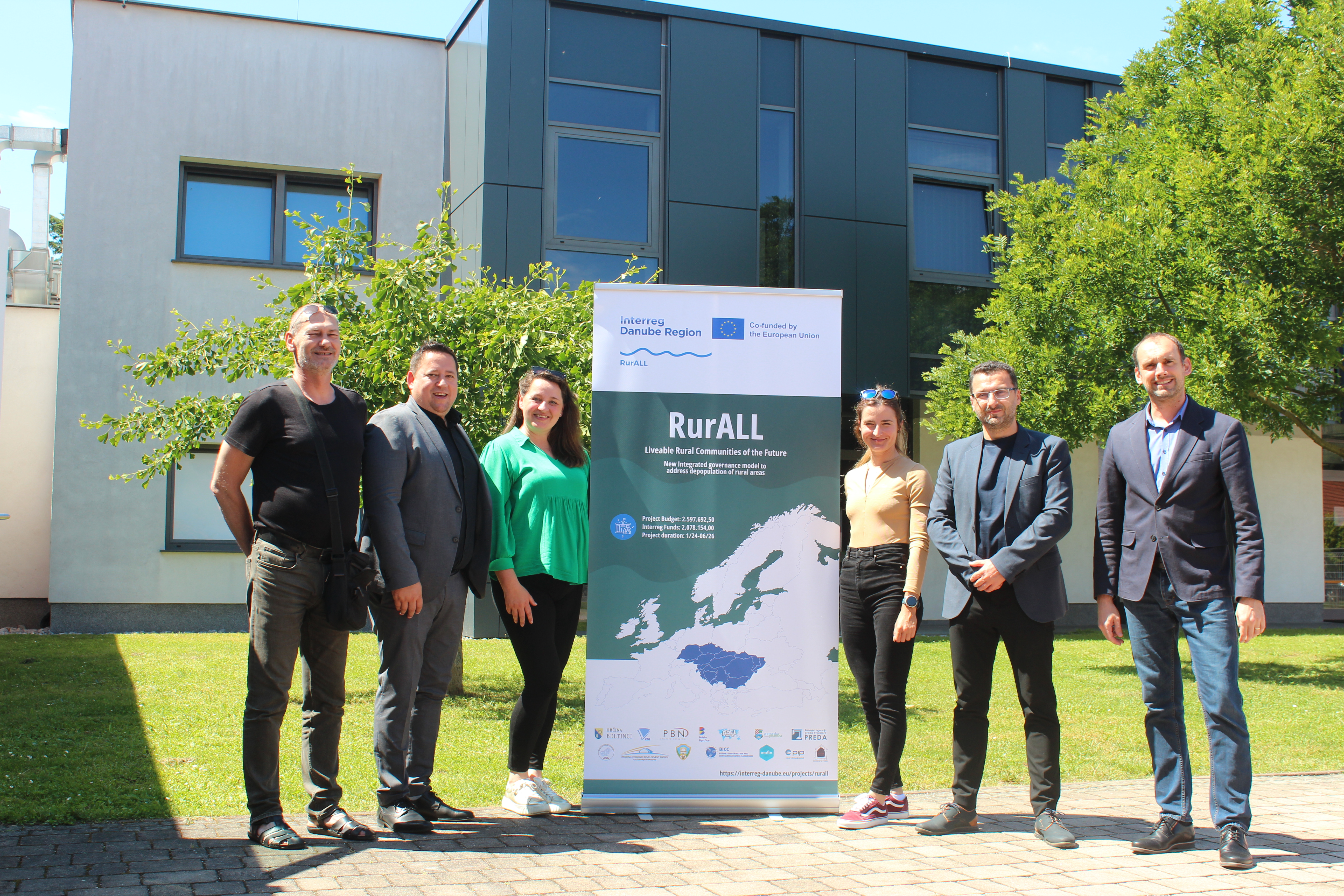
RurALL
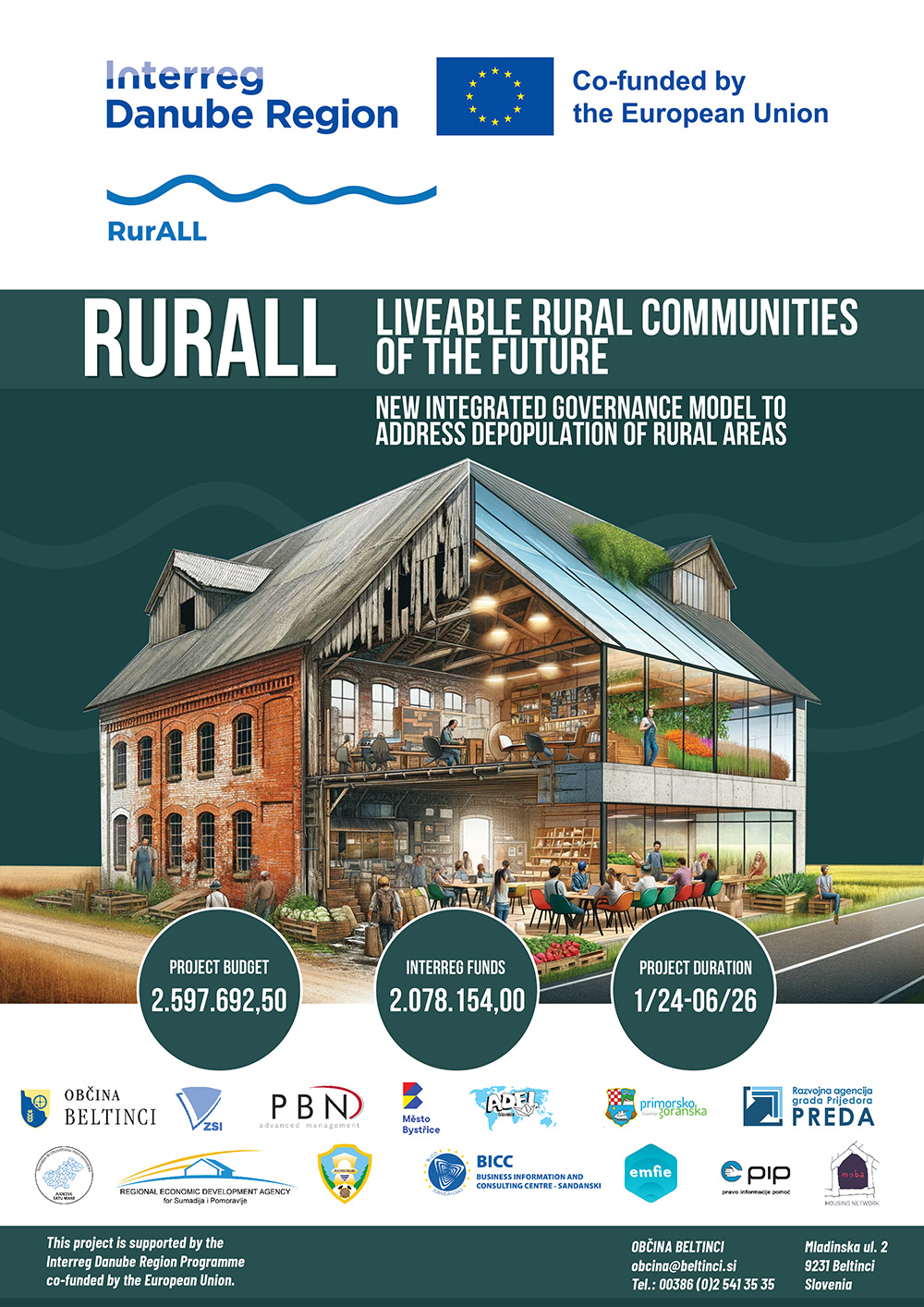
Liveable Rural Communities of the Future - New Integrated governance model to address depopulation
RurALL transforms deteriorating rural buildings into opportunities for vibrant community life. Inspired by the New European Bauhaus, it empowers citizens, local authorities and experts to co-create sustainable, inclusive and beautiful living environments. Through participatory governance, innovative business models and adaptive reuse, RurALL offers a replicable roadmap for revitalising rural communities across Europe.
Slovenia
{Empty}
Prototype level
Yes
Yes
Yes
Yes
ERDF : European Regional Development Fund
Funding authority: Interreg Danube Region Programme 2021-2027
Programme priority: A better cooperation governance
Objective 4.2: Increased institutional capacities for territorial and macro-regional governance
Project duration: 1/1/2024 – 30/6/2026
Project budget: 2.597.692,50 EUR
Interreg Danube 2021-2027 funds: ERDF total funds 2.078.154,00 EUR (80 %)
Municipality of Beltinci eligible budget: 298.390,00 EUR
ERDF funds for Municipality of Beltinci: 238.712,00 EUR (80%)
Lead partner: Municipality of Beltinci
Project partners:
- Centre for Social Innovation (Austria)
- Pannon Business Network Association (Hungary)
- City of Bystřice (Czechia)
- ADEL Slovakia
- Satu Mare County Intercommunity DevelopmentAssociation (Romania)
- Primorje-Gorski Kotar County (Croatia)
- Development agency of the City of Prijedor “PREDA” (Bosnia and Herzegovina)
- Regional Economic Development Agency for Sumadija and Pomoravlje (Serbia)
- Municipality of Mojkovac (Montenegro)
- Association Business Information and Consulting Center – Sandanski (Bulgaria)
- First Hungarian Responsible Innovation Association (Hungary)
- Institute PIP (Slovenia)
- MOBA Housing SCE (Croatia)
Associated Strategic Partners:
- Municipality of Eberau (Austria)
- Vas County Government Office (Hungary)
- Jelšava (Slovakia)
- Hodod Commune (Romania)
- The City of Prijedor (Bosnia and Herzegovina)
- Municipality of Despotovac (Serbia)
- Municipality of Sandanski (Bulgaria)
No
002: Beltinci (SI)
The Municipality of Beltinci is developing a community-driven initiative to revitalise deteriorating buildings, transforming them into attractive, sustainable and inclusive places for community life. The initiative responds to challenges faced by many small rural municipalities, such as depopulation, underused buildings and declining public services. Inspired by the New European Bauhaus, the project aims to regenerate these spaces in ways that combine sustainability, inclusion and quality of experience for residents and initiate a local renovation wave.
The main target groups are local residents, entrepreneurs, NGOs and local authorities, as well as experts in rural development, architecture and spatial planning.
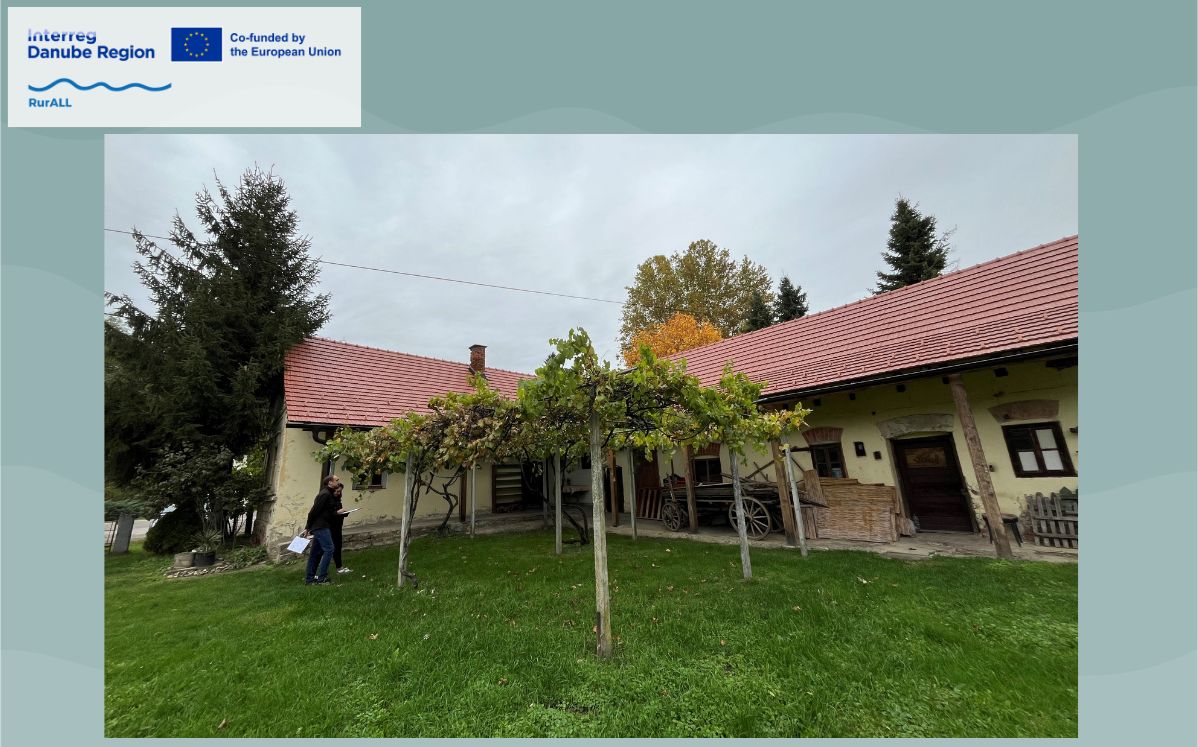
The initiative focuses on identifying and revitalising deteriorating buildings in Beltinci through participatory planning and community engagement. As part of the process, the municipality mapped 52 deteriorating buildings and worked with citizens and stakeholders to explore their future potential. Through community events, 20 basic renovation concepts were developed, together with 3 detailed renovation concepts accompanied by business plans for financing the renovation and future use of the buildings.
A strong co-creation process is at the centre of the initiative. Citizens, NGOs, entrepreneurs and experts participate in community discussions where they propose ideas, identify needs and contribute to decision-making. This approach ensures the project reflects community needs and strengthens local ownership.
The initiative builds on the experience of the transnational RurALL project involving partners from 11 countries, which provides Beltinci with tested tools for community engagement and reuse of deteriorating buildings.
Expected outcomes include revitalised community spaces, stronger social interaction, new opportunities for services and entrepreneurship, and a replicable model for rural regeneration aligned with the NEB values.
Rural regeneration
Participatory co-design
Adaptive reuse of buildings
Inclusive community spaces
Place-based innovation
The initiative in the Municipality of Beltinci promotes sustainability by encouraging the circular reuse of existing buildings instead of new construction. In many rural areas, deteriorating and vacant buildings represent both a spatial and environmental challenge. By identifying and reactivating these buildings, the initiative contributes to reducing land consumption, preserving the rural landscape and promoting more efficient use of existing infrastructure.
One of the key sustainability objectives is to initiate a local renovation wave that prioritises renovation and adaptive reuse of deteriorating buildings. Renovating existing structures significantly reduces the environmental footprint compared to new construction by lowering the demand for raw materials, limiting construction waste and preserving the embedded energy already contained in buildings.
To support this objective, the municipality mapped 52 deteriorating buildings and analysed their potential for revitalisation. Through community engagement 20 basic renovation concepts were developed that explore sustainable and context-sensitive reuse of the buildings. In addition, 3 buildings were selected for more detailed renovation concepts accompanied by business plans that examine realistic financing options and long-term sustainable use.
The initiative also promotes sustainable spatial planning by encouraging multifunctional use of buildings that can host community services, cultural activities, local businesses or housing. This approach helps strengthen local services while reducing the need for additional construction.
The project can be considered exemplary because it demonstrates how small municipalities can address environmental sustainability through circular regeneration of the built environment. By combining mapping tools, participatory planning and concrete renovation concepts, Beltinci is creating a practical roadmap for initiating a rural renovation wave that can be replicated across Europe.
The initiative in the Municipality of Beltinci aims to improve the quality of everyday life by transforming deteriorating buildings into attractive and vibrant spaces for community life. In many rural areas, abandoned buildings negatively affect the visual identity of settlements and weaken people’s connection to their surroundings. By revitalising these buildings, the municipality seeks to restore the aesthetic value of the built environment and strengthen a sense of belonging among residents.
A key objective is to preserve and enhance the architectural and cultural identity of the municipality by promoting renovation concepts that respect local character, traditional building forms and the surrounding landscape. Rather than replacing old buildings with new construction, the initiative encourages the creative reuse of existing structures in ways that connect heritage with contemporary needs.
These objectives are being achieved through participatory design processes. Citizens, local associations, entrepreneurs and experts contributed ideas through workshops and consultations where future functions and renovation concepts were discussed. This collaborative approach helped identify uses responding to community needs, such as housing, spaces for social interaction, cultural activities, local services or small businesses.
Through this process, the municipality developed 20 renovation concepts and 3 detailed (ready to go) renovation proposals exploring how buildings can be transformed into functional community spaces that improve comfort, accessibility and opportunities for social interaction.
The initiative is exemplary because it shows how small rural municipalities can combine heritage preservation, community participation and thoughtful design to improve the aesthetic quality of their environment and strengthen the connection between people and place in line with the New European Bauhaus values.
The initiative places inclusion at the centre of local development by ensuring that citizens, local organisations, entrepreneurs and public authorities jointly shape the future of their built environment. In many rural municipalities, deteriorating buildings and declining services can lead to social isolation and limited opportunities for participation. The initiative addresses this challenge by creating an inclusive process where local people actively contribute to decisions about the future use of these spaces.
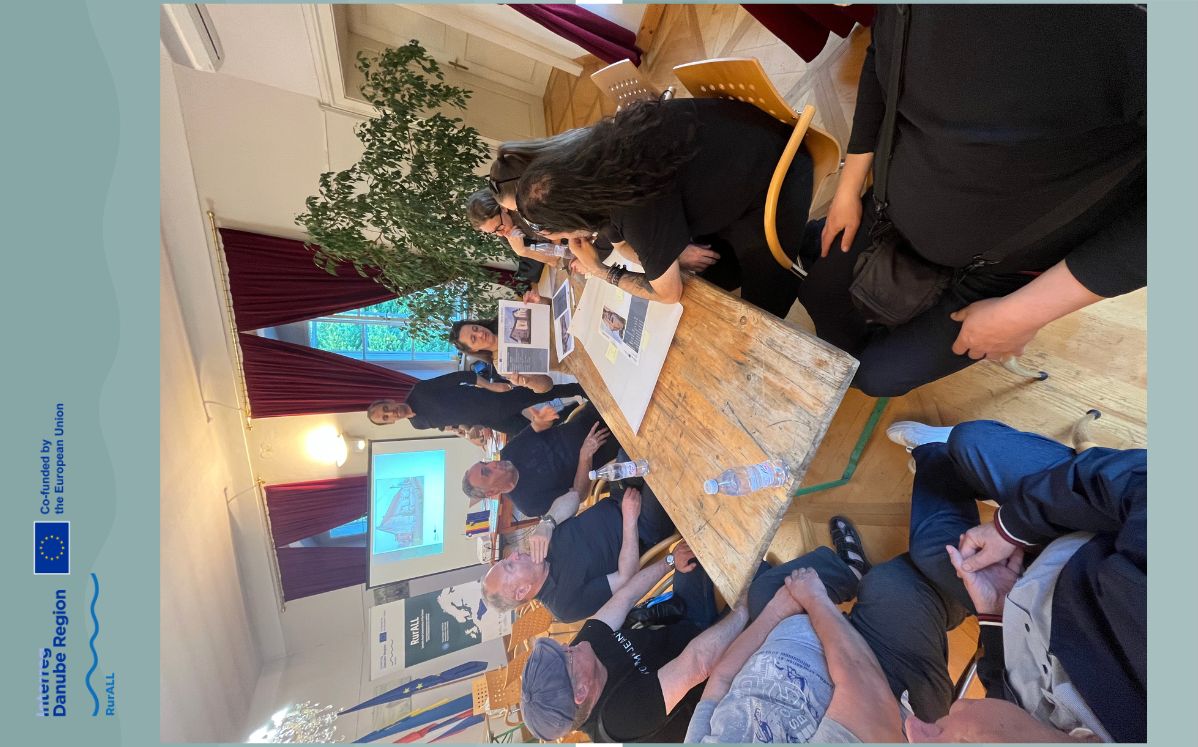
One of the main objectives is to strengthen inclusive governance and community participation. Citizens, NGOs, local associations, entrepreneurs and experts were invited to participate in workshops, consultations and community discussions where they could share ideas, identify local needs and propose future uses for deteriorating buildings. This participatory approach ensures that different perspectives are considered and that the project reflects the real priorities of the community.
Another important objective is to promote accessible and multifunctional spaces that benefit different groups of residents. The renovation concepts developed through the initiative explore uses that can serve a wide range of users, including young people, families, older residents and local organisations. By transforming deteriorating buildings into spaces for social interaction, community services, cultural activities or small businesses, the initiative helps create more inclusive and active village environments.
The process also strengthens local capacity by encouraging cooperation between citizens, local authorities and experts.
The initiative demonstrates how small municipalities can implement inclusive governance in practice. By involving citizens directly in shaping the future of their living environment and by designing spaces that respond to diverse community needs, Beltinci shows how the NEB values of inclusion/participation can be translated into local action.
Citizen participation is a core principle of the initiative developed by the Municipality of Beltinci. From the beginning, the municipality ensured that local residents and civil society organisations were actively involved in shaping the future use of deteriorating buildings.
Citizens, local associations, NGOs and other stakeholders participated in community events, workshops and consultations organised by the municipality. They contributed directly to the mapping process by helping identify deteriorating buildings and sharing local knowledge about their condition, ownership and potential future use.
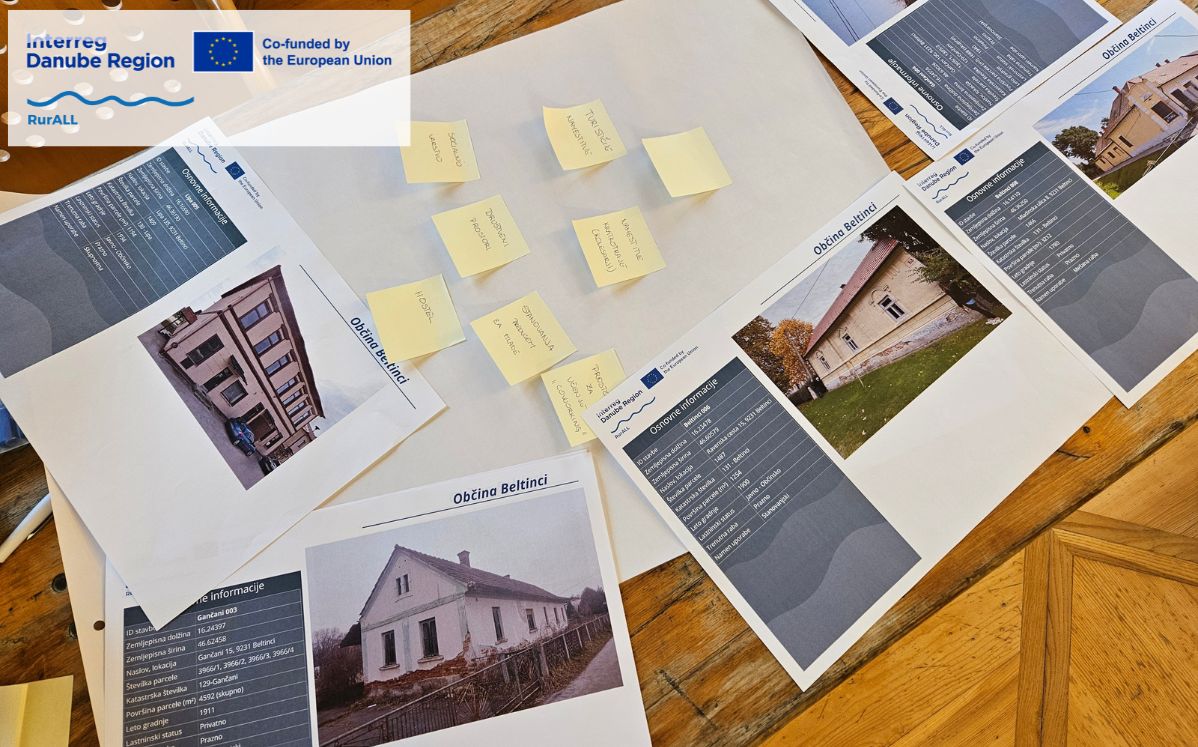
The community also played a key role in defining possible functions for the buildings after renovation. Through participatory discussions, residents proposed ideas for new uses such as spaces for community activities, local services, small businesses and cultural initiatives.
Citizens and stakeholders were further involved in the development of renovation concepts. Their ideas and feedback helped shape 20 basic renovation concepts and 3 detailed renovation proposals for selected buildings. The same participatory process also supported the development of business models and financing plans for the future renovation and use of these buildings.
This involvement ensured that proposed solutions reflect real community needs and local priorities. By actively participating in mapping, idea generation and concept development, citizens became co-creators of the initiative rather than passive beneficiaries.
The initiative demonstrates how small municipalities can successfully involve communities in planning the transformation of their built environment. This participatory approach strengthens local ownership, improves the quality of proposed solutions and builds long-term support for implementing the project in line with the New European Bauhaus working principles.
The initiative involves stakeholders from different governance levels to ensure that the revitalisation of deteriorating buildings reflects local needs while benefiting from broader expertise and policy support.
At the local level, the municipality leads the initiative and coordinates the participatory process. Citizens, local associations, NGOs, entrepreneurs and community organisations are actively involved through workshops and community events. Their role is to identify deteriorating buildings, propose new functions for them and contribute ideas for renovation concepts and future uses.
At the regional level, development organisations and regional stakeholders contribute expertise in rural development, spatial planning and economic development. Their involvement helps align the initiative with wider regional strategies and supports the dissemination of results to other municipalities facing similar challenges.
At the national level, the initiative contributes to broader discussions on rural development, housing and spatial planning. National stakeholders and policy actors are engaged through meetings, events and knowledge exchange activities, allowing the experience from Beltinci to inform wider policy discussions.
At the European level, the initiative is embedded in the transnational RurALL project involving partners from 11 countries. This cooperation enables the Municipality of Beltinci to exchange knowledge and apply tested tools for mapping deteriorating buildings, community engagement and renovation planning.
These contributions are embedded in a multi-stakeholder governance model developed through the project, which provides a roadmap for the future renovation of selected buildings. Multi-level cooperation strengthens the quality of the initiative and increases its potential to be replicated in other municipalities across Europe.
The initiative reflects a transdisciplinary approach by bringing together knowledge and expertise from multiple fields to address the challenge of deteriorating buildings and rural regeneration.
Several disciplines contributed to the design and development of the initiative: architecture and spatial planning, rural and regional development, environmental sustainability, economic development, cultural heritage, community engagement and public governance. In addition, local knowledge from citizens and organisations played an important role in shaping the initiative.
Representatives from these different fields interacted through community events and expert meetings organised by the municipality. Architects and spatial planning experts contributed to the development of renovation concepts, while economic and business experts supported the preparation of business models and financing plans for the future renovation of selected buildings. At the same time, citizens and local stakeholders provided valuable insights about the history, current condition and potential future uses of the buildings.
This collaboration allowed different perspectives to be combined in the planning process. Technical expertise ensured that renovation concepts are realistic and feasible, while community input helped ensure that proposed uses respond to real local needs and priorities.
The transdisciplinary approach resulted in 20 renovation concepts and 3 detailed renovation proposals accompanied by business plans for selected buildings. It also contributed to the development of a governance model that guides cooperation between stakeholders and provides a roadmap for the future renovation wave.
By integrating expertise from multiple fields with local knowledge and community participation, the initiative demonstrates how small municipalities can develop innovative and well-balanced solutions for revitalising their built environment in line with the New European Bauhaus principles.
The initiative introduces an innovative approach to addressing deteriorating buildings in small rural municipalities. Traditionally, such buildings are either left unused or addressed through isolated renovation projects without broader community involvement or long-term planning. In contrast, this initiative treats deteriorating buildings as a strategic opportunity for rural regeneration and community development.
The innovative character of the initiative lies in combining participatory governance, spatial planning and economic feasibility into a single integrated process. Instead of focusing only on technical renovation, the municipality first carried out a systematic mapping of deteriorating buildings and involved citizens and stakeholders in defining their potential future use.
Through community events, residents proposed ideas for new functions of the buildings. These ideas were then translated into basic renovation concepts and detailed renovation proposals accompanied by business plans for financing the renovation and future use of selected buildings.
Another innovative element is the development of a multi-stakeholder governance model that coordinates cooperation between citizens, local authorities, experts and potential investors. This model provides a clear roadmap for initiating a local renovation wave and ensures that renovation projects are not isolated actions but part of a long-term strategy for revitalising the municipality.
The initiative also benefits from knowledge exchange within the transnational RurALL project involving partners from 11 countries. This enables the municipality to apply tested tools and methodologies while adapting them to local needs.
By combining community participation, technical expertise and economic planning, the initiative demonstrates how small municipalities can move beyond traditional approaches and develop innovative, scalable solutions for regenerating deteriorating buildings and strengthening rural communities
The initiative in the Municipality of Beltinci follows a structured methodology being developed in RurALL project that combines mapping, participatory planning, concept development and preparation for implementation. The approach was designed to ensure that decisions about the future of deteriorating buildings are based on both technical analysis and community input.
The first step was the systematic mapping and classification of deteriorating buildings in the municipality. Through field observations and local knowledge, the municipality identified and analysed 52 buildings, collecting information on their condition, ownership, location and potential for revitalisation.
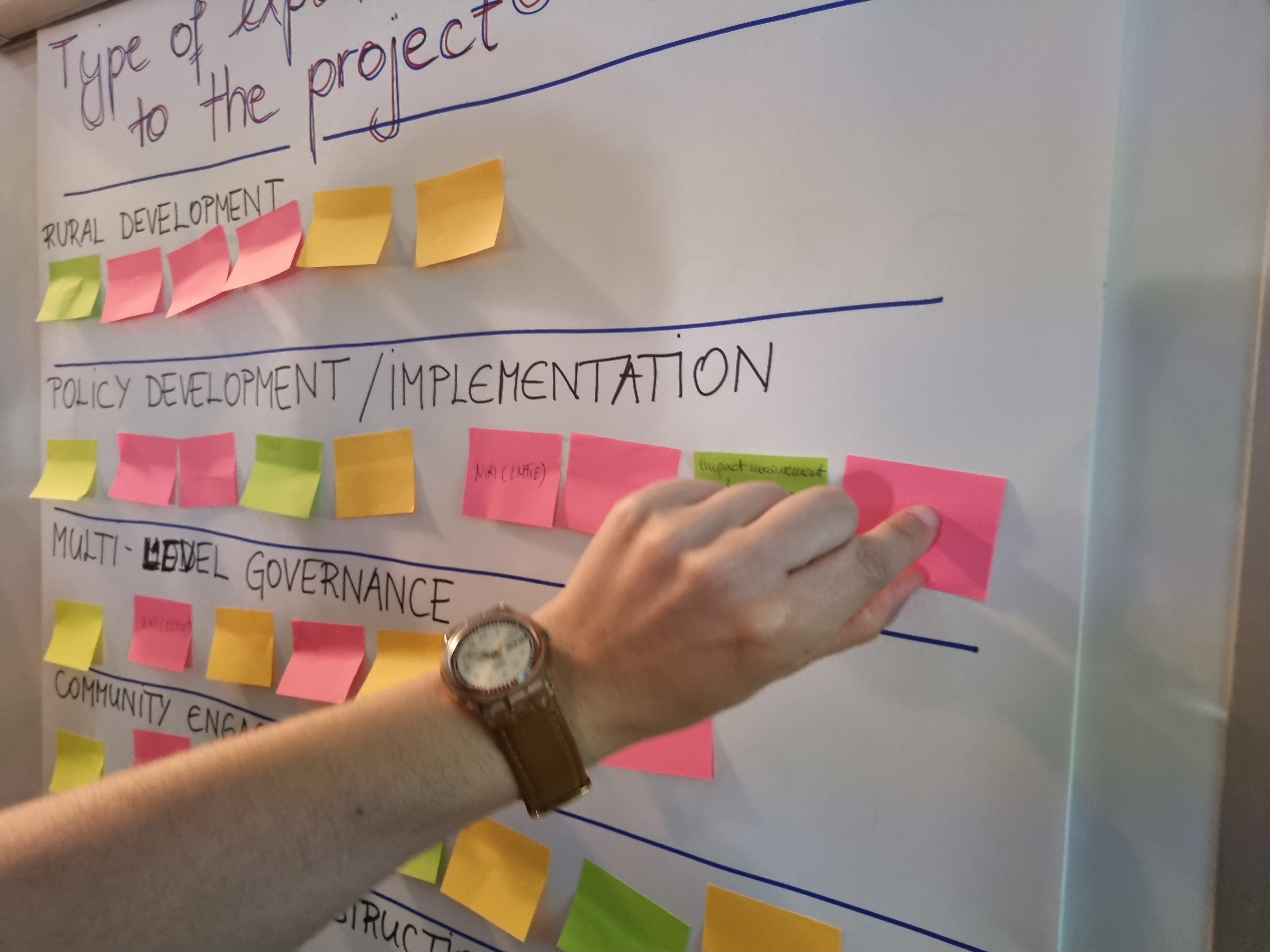
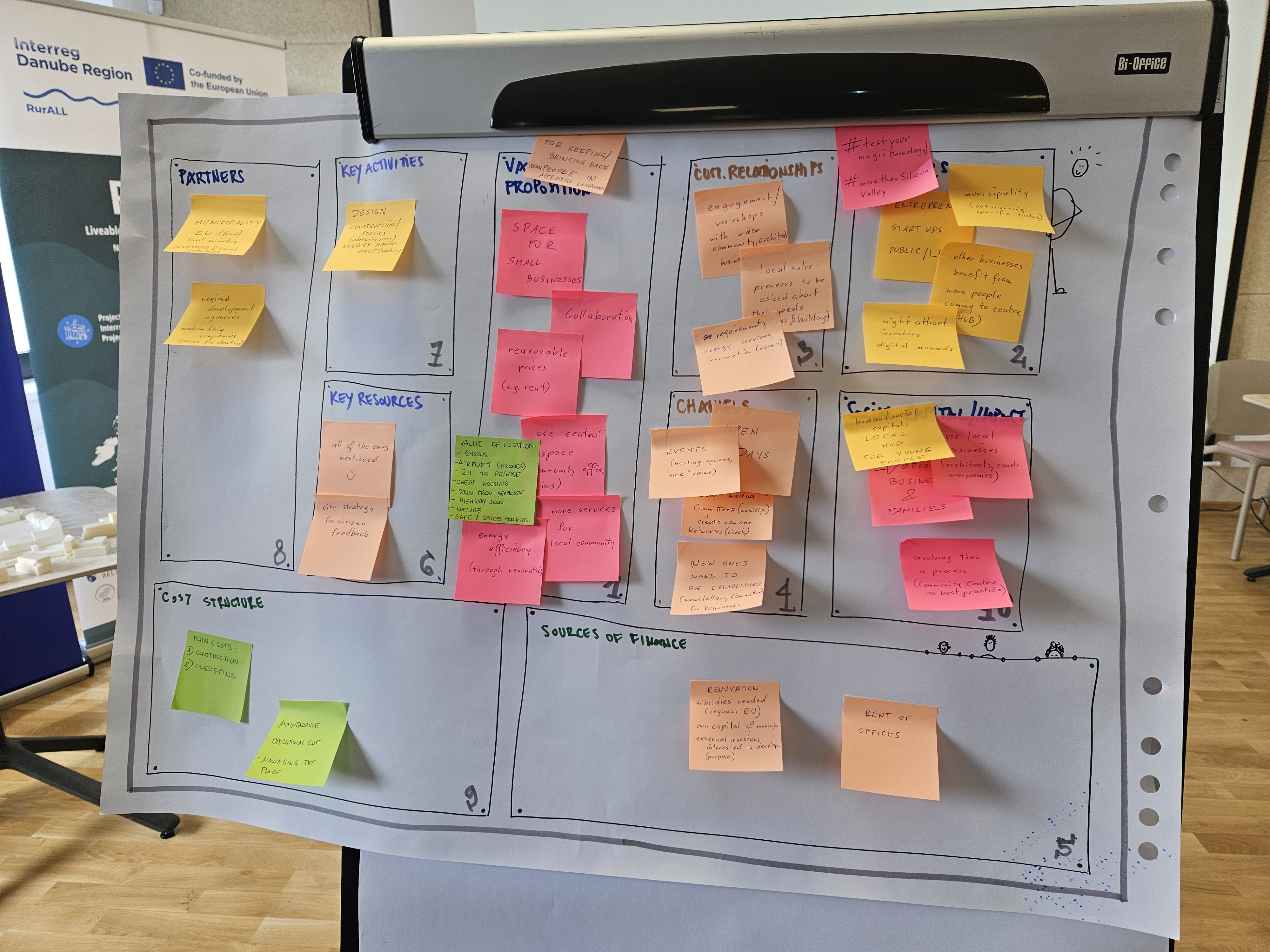
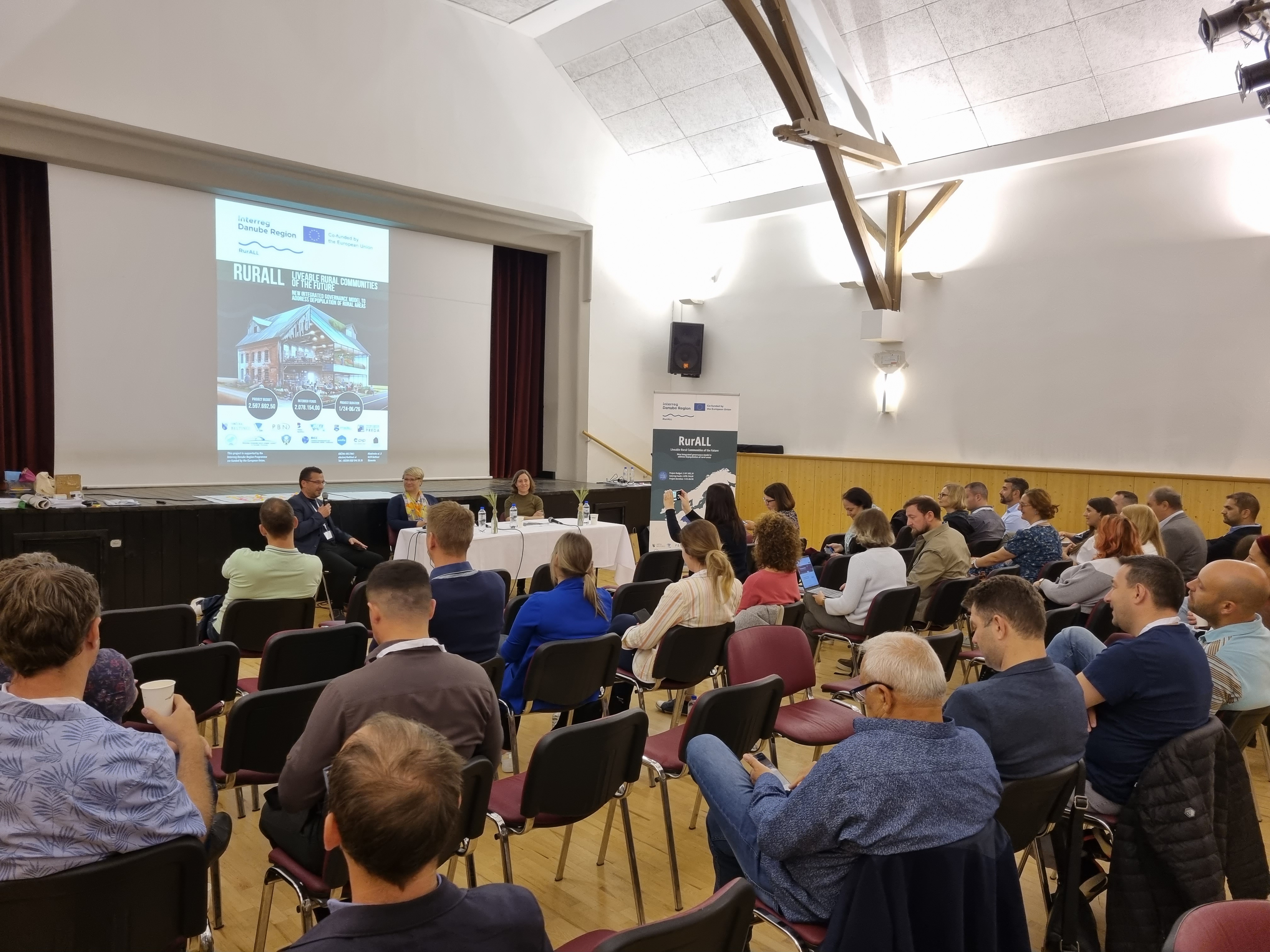
The second step focused on community engagement. Through workshops, consultations and community events, citizens, local associations, entrepreneurs and other stakeholders were invited to discuss the future of these buildings. During these participatory activities, participants proposed ideas for possible new functions of the buildings after renovation.
Based on these discussions, the third step involved the development of renovation concepts. Experts in architecture, spatial planning and rural development worked together with local stakeholders to translate the proposed ideas into 20 basic renovation concepts that explore possible uses and spatial solutions for the buildings.
In addition, 3 buildings with the highest revitalisation potential were selected for more detailed development. For these buildings, detailed renovation concepts were prepared together with business plans that analyse potential financing models and long-term sustainability.
All these steps are being integrated into a multi-stakeholder governance model that coordinates cooperation between citizens, experts and public authorities. This model will provide a practical roadmap for the future renovation of selected buildings and supports the initiation of a local renovation wave in Beltinci.
Several elements of the RurALL initiative can be transferred and replicated in other municipalities facing similar challenges with deteriorating buildings.
First, the methodology used in the initiative is highly transferable. The process combines systematic mapping of deteriorating buildings, participatory community engagement and the development of renovation concepts and business models. This structured approach allows municipalities to identify unused buildings, understand their potential and prepare realistic solutions for their revitalisation.
Second, the participatory approach is easily adaptable to other contexts. Community engagement activities enabled citizens and local stakeholders to propose future functions for buildings and contribute to the development of renovation concepts. This approach can be replicated in other municipalities to ensure that revitalisation projects reflect local needs and gain strong community support.
Third, the governance model provides a practical framework for cooperation between citizens, experts, local authorities and potential investors. This model serves as a roadmap for coordinating renovation projects and initiating a local renovation wave.
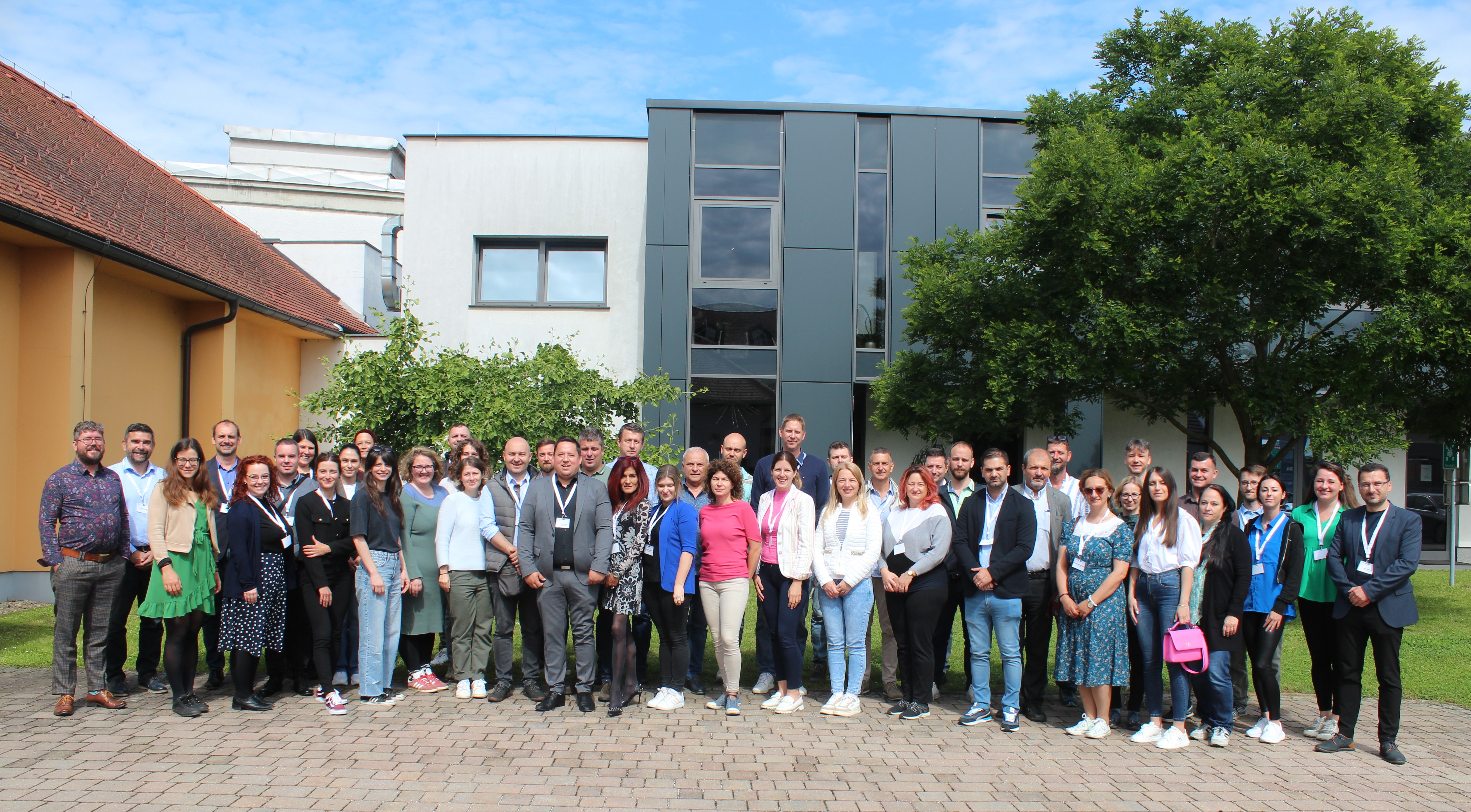
The tools and experience gained through the transnational RurALL project also strengthen the transferability of the initiative. Through cooperation with 14 partners and 7 associated strategic partners from 11 countries, tested tools for mapping, community engagement and planning have been developed and can be applied in different rural contexts.
While the methodology can be widely replicated, some adaptation may be required to reflect local conditions such as building typology, ownership structures and community priorities. Nevertheless, the overall approach provides a practical and scalable model for rural regeneration that can inspire other municipalities across Europe.
The municipality is committed to implementing the initiative through a structured set of next steps that build on the results achieved so far. The work carried out to date - including the mapping of 52 deteriorating buildings, the development of 20 renovation concepts and 3 detailed renovation proposals with business plans - provides a strong foundation for moving towards implementation.
The next phase will focus on preparing the selected buildings for renovation, identifying appropriate financing mechanisms and start the renovation process. This includes refining the detailed renovation concepts, securing partnerships with potential investors and identifying public funding opportunities to support the renovation process.
Community involvement will remain a central element of the initiative. Citizens, NGOs, entrepreneurs and other stakeholders will continue to participate through community events where they can contribute to decisions on the final use, design and management of the renovated spaces. This ensures that the initiative continues to reflect the real needs of the local community and strengthens local ownership.
The initiative also follows the NEB values and working principles. Sustainability is promoted through the reuse and renovation of existing buildings rather than new construction. Inclusion is ensured through participatory processes that actively involve citizens and stakeholders in decision-making. Aesthetics and quality of experience are addressed by developing renovation concepts that respect local architectural identity and improve the attractiveness of the built environment.
The governance model will guide the implementation process by coordinating cooperation between the municipality and stakeholders/citizens/potential investors. It provides a roadmap for initiating a local renovation wave and ensures that future renovation projects follow the principles of sustainability, inclusion and participatory governance promoted by the NEB.